
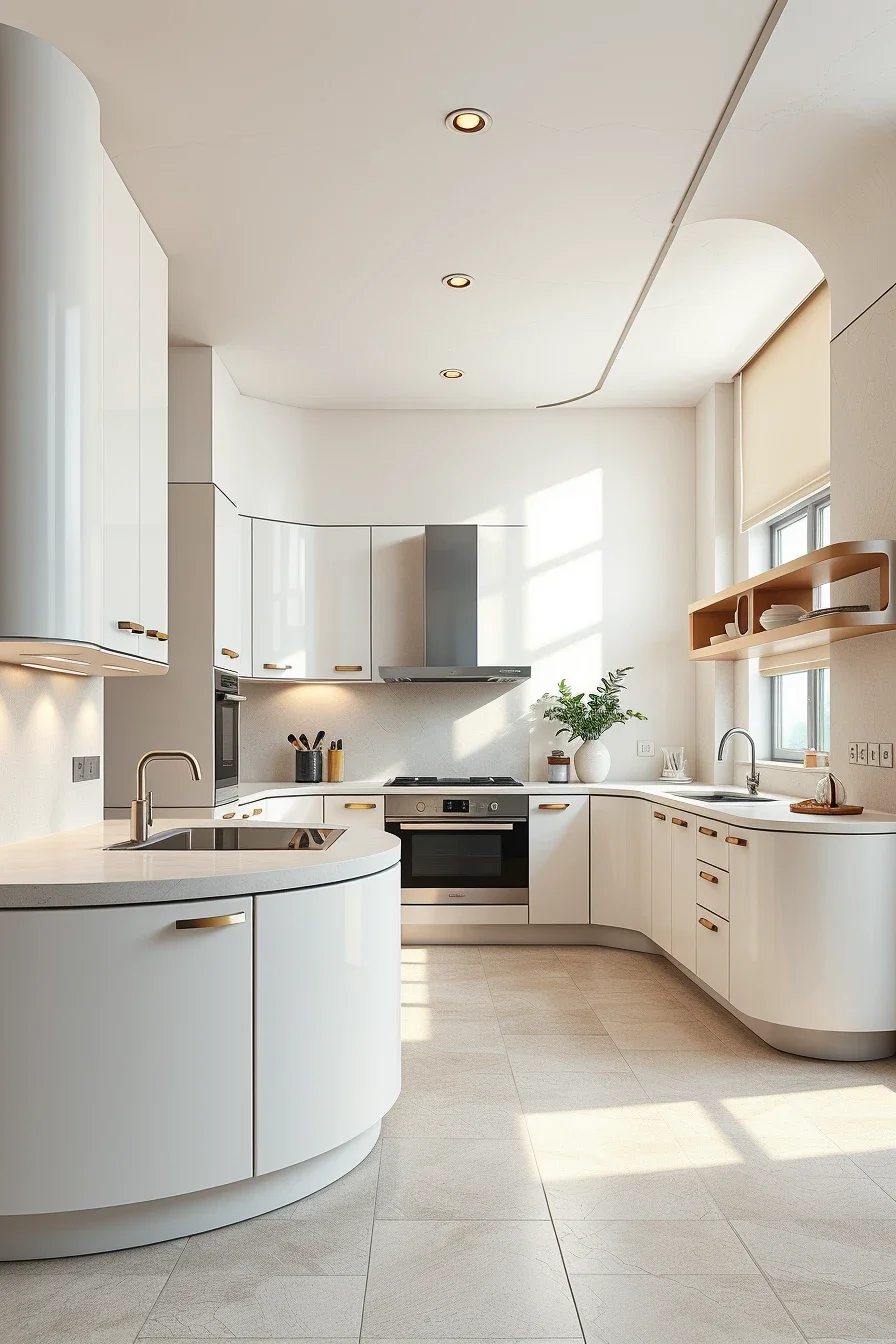
Sculptural kitchen design is redefining the way we think about modern culinary spaces. Rather than focusing solely on function, these kitchens blend art, architecture, and practicality into one cohesive environment. Curved forms, statement materials, and bold architectural details transform ordinary kitchens into visually striking interiors. From monolithic islands to flowing cabinetry, sculptural elements add depth, character, and sophistication to the heart of the home. Whether you prefer minimalist elegance or dramatic design features, there are countless ways to introduce sculptural beauty into your kitchen. These inspiring ideas will help you create a space that feels both highly functional and undeniably artistic.
Sculptural Kitchen Islands As The Focal Point
A sculptural kitchen island instantly becomes the visual centerpiece of the entire room. I often recommend oversized islands with curved silhouettes, asymmetrical bases, or bold geometric forms because they create a sense of movement while maintaining everyday practicality. Large islands with integrated preparation zones, concealed storage, and generous seating areas ensure that the kitchen remains highly functional. Materials such as natural stone, polished concrete, and matte finishes emphasize the artistic character of the space while preserving durability.
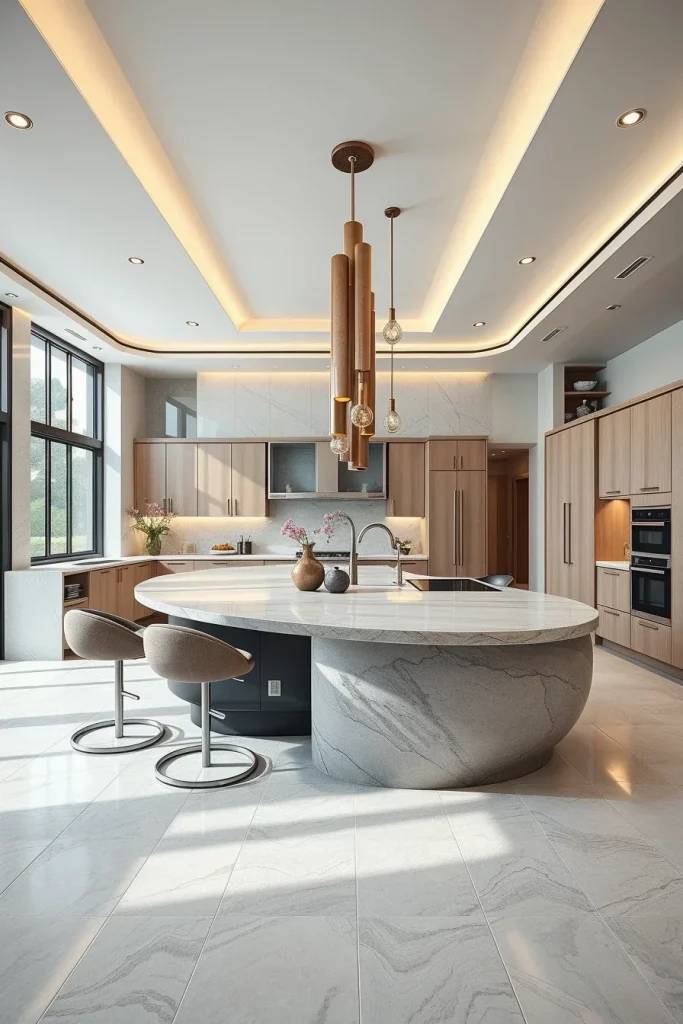
When designing a sculptural island, I always pay close attention to proportion and material continuity. A dramatic stone slab wrapped around the entire structure creates a monolithic appearance, while hidden drawers preserve clean lines. Upholstered bar stools with rounded backs complement the island’s soft profile, and discreet pendant lighting above highlights its architectural shape without overwhelming the design.
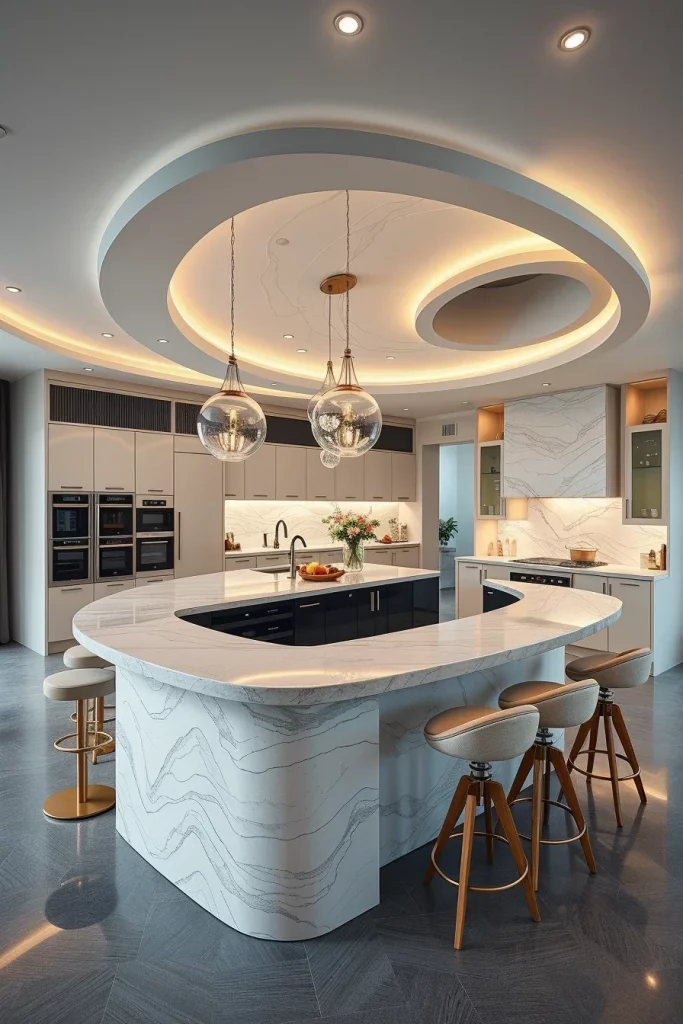
From my experience, sculptural islands work particularly well in open-concept homes where the kitchen is visible from adjacent living areas. Publications such as Architectural Digest frequently highlight statement islands as one of the defining features of contemporary luxury kitchens because they successfully merge art and utility.
I also recommend incorporating subtle ambient lighting beneath the island base. This additional feature enhances the floating effect and accentuates the sculptural form during evening hours.
Curved Cabinetry For A Soft Architectural Look
Curved cabinetry introduces softness and fluidity into kitchen interiors that might otherwise feel rigid or overly linear. I find that rounded edges create a welcoming atmosphere while improving circulation within the room. Full-height cabinets with softly curved corners can visually enlarge compact spaces and make movement through the kitchen more comfortable.
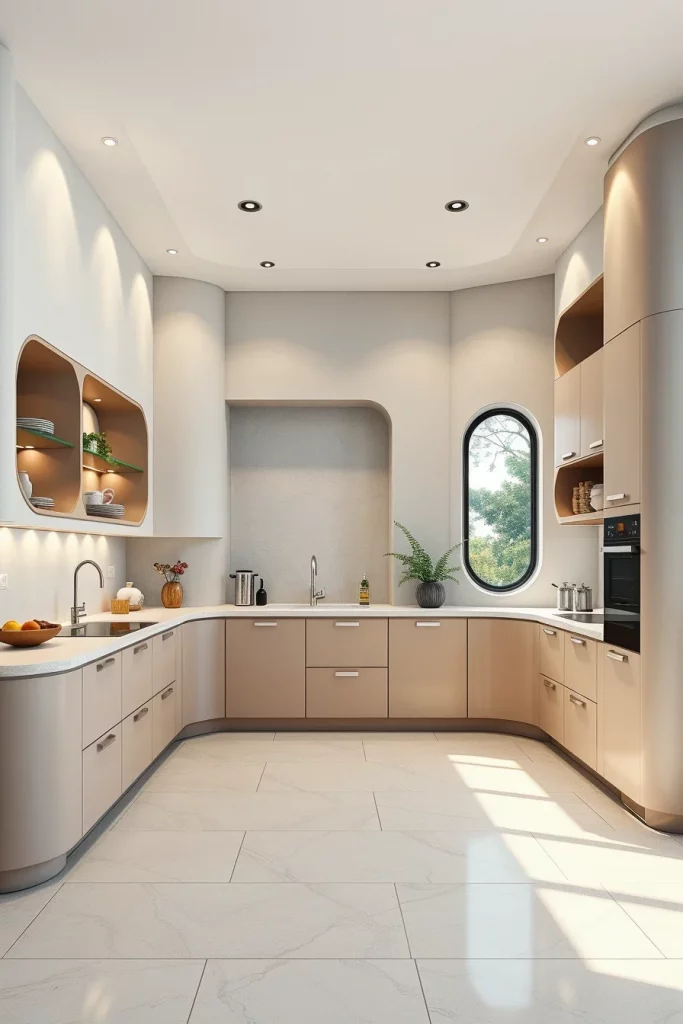
Cabinet fronts with seamless curved profiles, integrated handles, and continuous finishes contribute to a cohesive architectural appearance. I often pair curved cabinetry with smooth plaster walls, rounded kitchen islands, and minimalist hardware to reinforce the sculptural aesthetic. Matte lacquer finishes, warm neutral tones, and concealed appliances further strengthen the streamlined look.
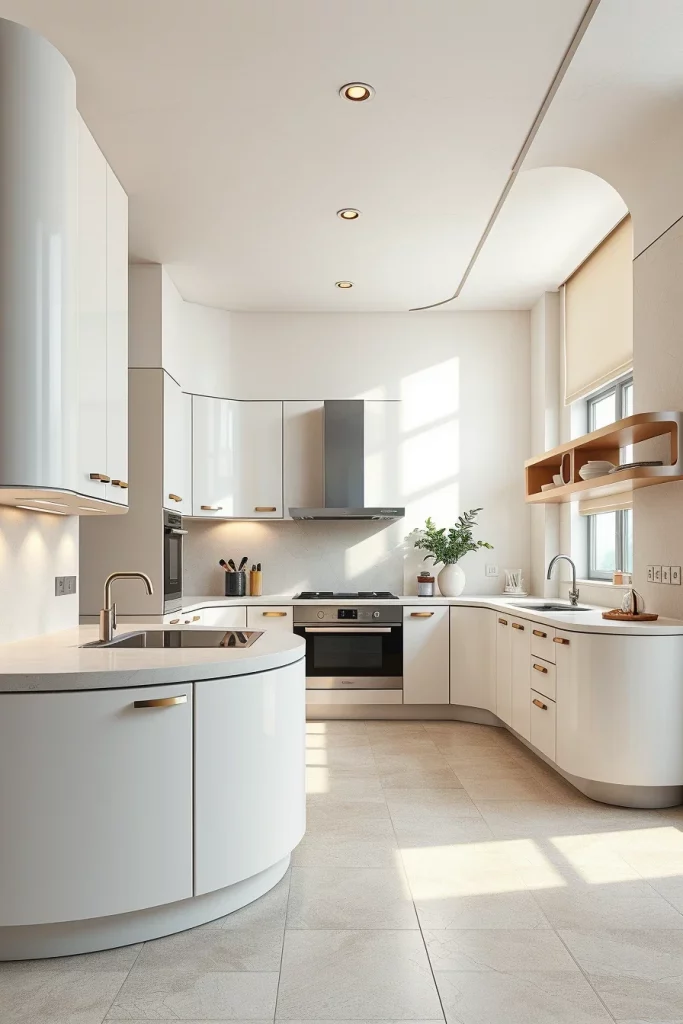
Personally, I appreciate curved cabinetry because it eliminates harsh visual interruptions. Designers featured in Elle Decor frequently note that soft forms can reduce visual clutter and create a calmer, more harmonious environment, particularly in highly functional spaces like kitchens.
To complete this concept, I suggest adding rounded pantry entrances or curved shelving niches, which enhance continuity throughout the entire kitchen design.
Monolithic Stone Kitchen Designs With Seamless Surfaces
Monolithic stone kitchens represent one of the most dramatic expressions of Sculptural Kitchen Design Inspiration Ideas. In these interiors, expansive slabs of marble, quartzite, or engineered stone wrap cabinetry, islands, backsplashes, and countertops to create uninterrupted surfaces. The result is a bold architectural statement that feels timeless and sophisticated.
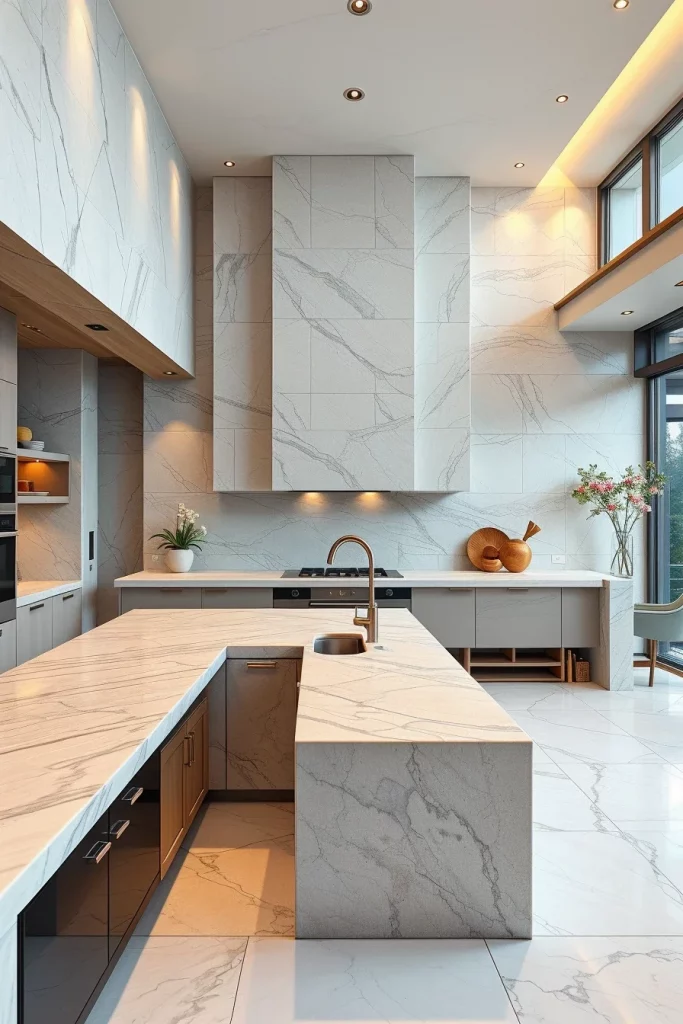
I often recommend using bookmatched stone patterns to emphasize continuity across large surfaces. Seamless stone-clad islands, integrated sinks carved from the same material, and concealed storage systems maintain visual purity. Minimal hardware and flush cabinet fronts allow the stone itself to become the primary decorative element.
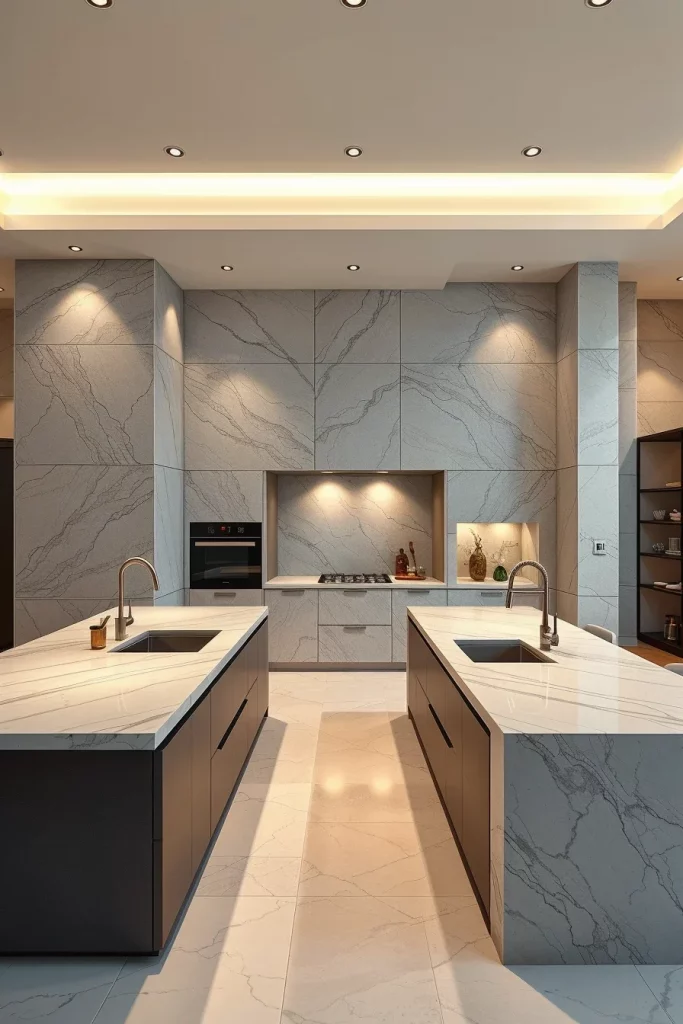
From my perspective, monolithic kitchens are ideal for homeowners seeking a refined yet highly durable environment. Stone surfaces withstand daily use exceptionally well while delivering extraordinary visual impact. Many designers showcased by House Beautiful emphasize that material continuity is essential when creating sculptural interiors.
For additional warmth, I recommend incorporating subtle textured elements such as upholstered seating, soft area rugs, or warm indirect lighting to balance the coolness of stone.
Waterfall Countertops That Create A Sculptural Effect
Waterfall countertops have become a signature feature in modern sculptural kitchens because they transform a standard countertop into an architectural installation. By extending the countertop material vertically along the island sides, the entire composition gains a substantial, gallery-like presence. I often use waterfall edges to emphasize luxurious stone patterns and create visual continuity.
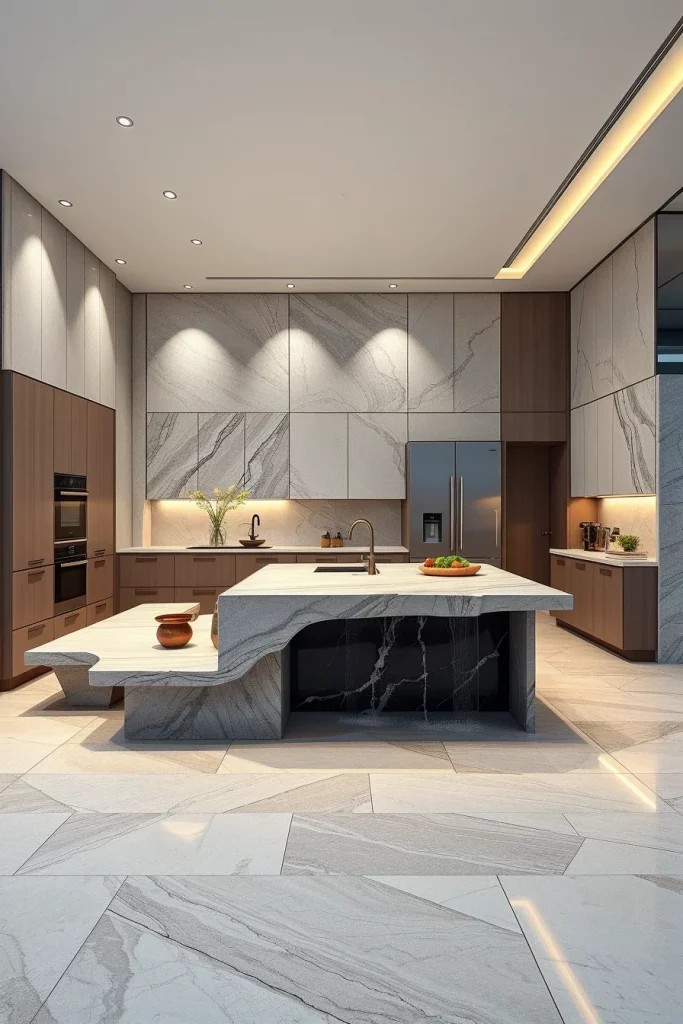
Materials such as marble, quartz, porcelain, and sintered stone perform exceptionally well in waterfall applications. I prefer selecting slabs with dramatic veining because the uninterrupted pattern flowing from the horizontal to vertical surfaces creates a truly artistic effect. Pairing these countertops with handleless cabinetry and integrated appliances preserves the clean sculptural appearance.
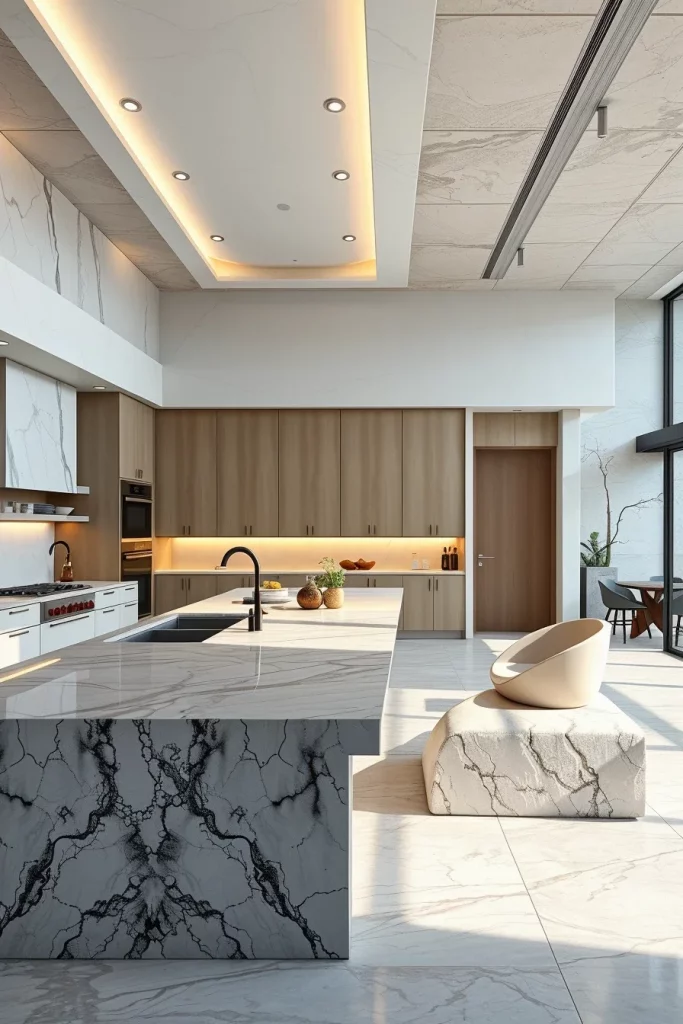
In my experience, waterfall countertops not only elevate aesthetics but also provide practical protection for cabinetry edges in busy family kitchens. Interior designers frequently recommend waterfall designs because they seamlessly combine elegance and durability.
I also suggest incorporating understated seating with organic silhouettes so that furniture complements rather than competes with the striking countertop design.
Organic Shapes Inspired By Nature In Kitchen Design
Among the most captivating Sculptural Kitchen Design Inspiration Ideas are interiors inspired by organic forms found in nature. Soft curves, flowing layouts, irregular contours, and biomorphic shapes create spaces that feel calm, inviting, and effortlessly sophisticated. I often draw inspiration from river stones, rolling landscapes, and natural erosion patterns when designing these kitchens.
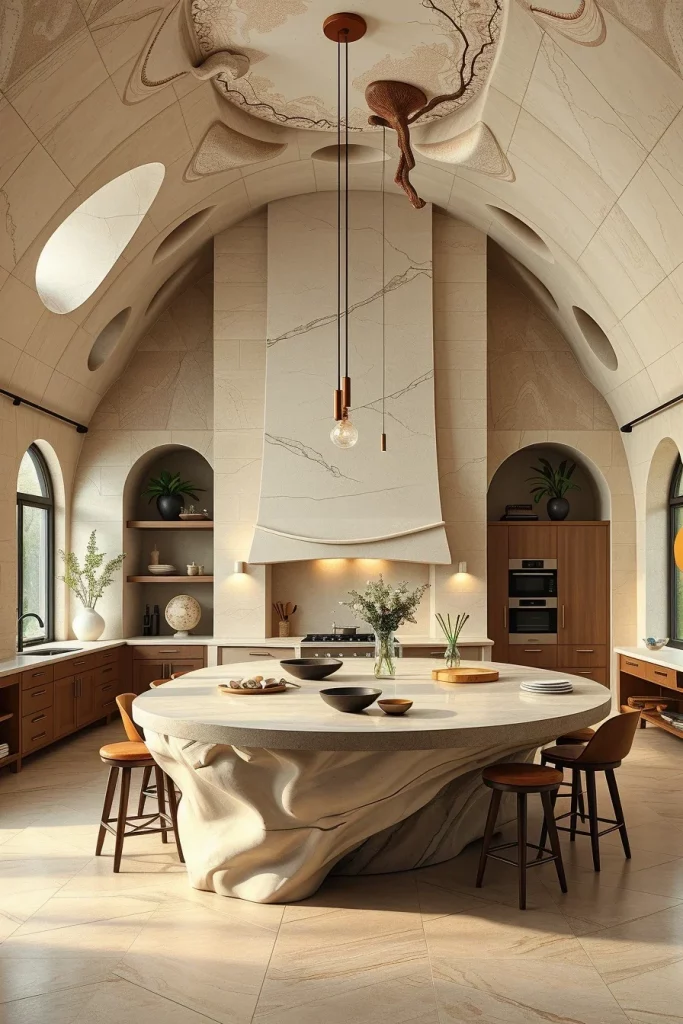
Furniture and architectural elements should reinforce this natural language. Curved islands, rounded dining tables, softly contoured cabinetry, arched niches, and sculpted plaster surfaces all contribute to a harmonious atmosphere. Natural stone, textured finishes, and subtle earthy color palettes strengthen the connection to the surrounding environment.
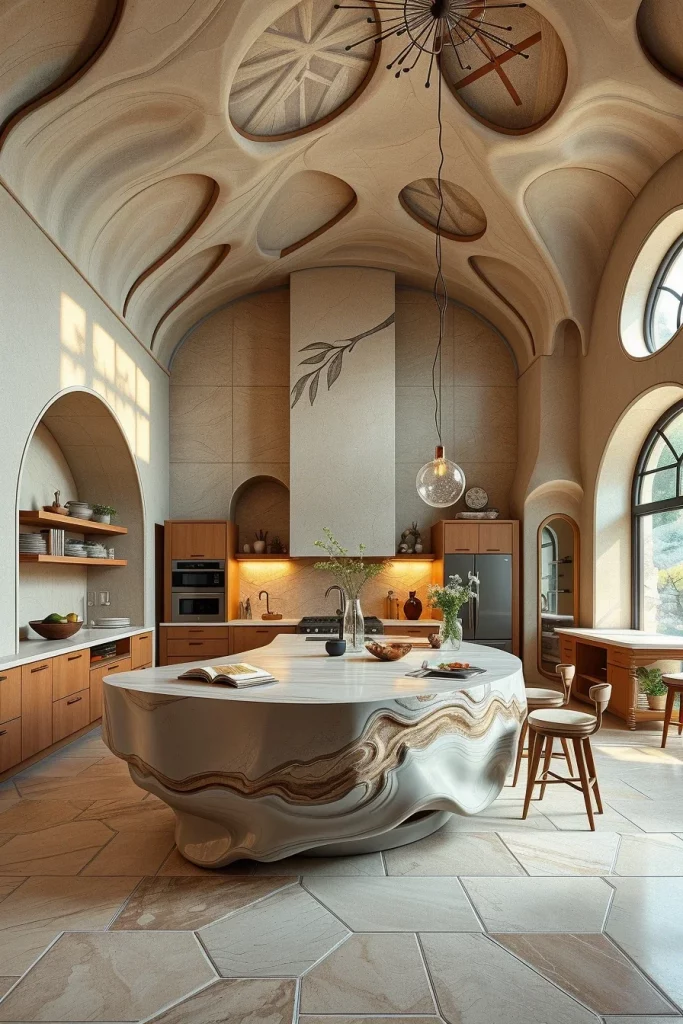
I have noticed that kitchens inspired by nature tend to age exceptionally well because their forms feel timeless rather than trend-driven. Many leading designers advocate incorporating organic shapes because they foster a sense of comfort while introducing visual interest without unnecessary ornamentation.
To enrich the design further, I recommend including layered lighting that softly highlights curves and accentuates the sculptural qualities of the space.
Fluted And Textured Finishes For Dimensional Appeal
Fluted and textured surfaces have become one of my favorite ways to add depth to a sculptural kitchen. Vertical grooves on cabinetry, islands, and wall panels introduce movement and shadow, making even minimalist spaces feel dynamic. I often recommend this approach because textured finishes create visual interest without relying on excessive decoration. In contemporary kitchens, these details work especially well in neutral color palettes where texture becomes the main design feature.
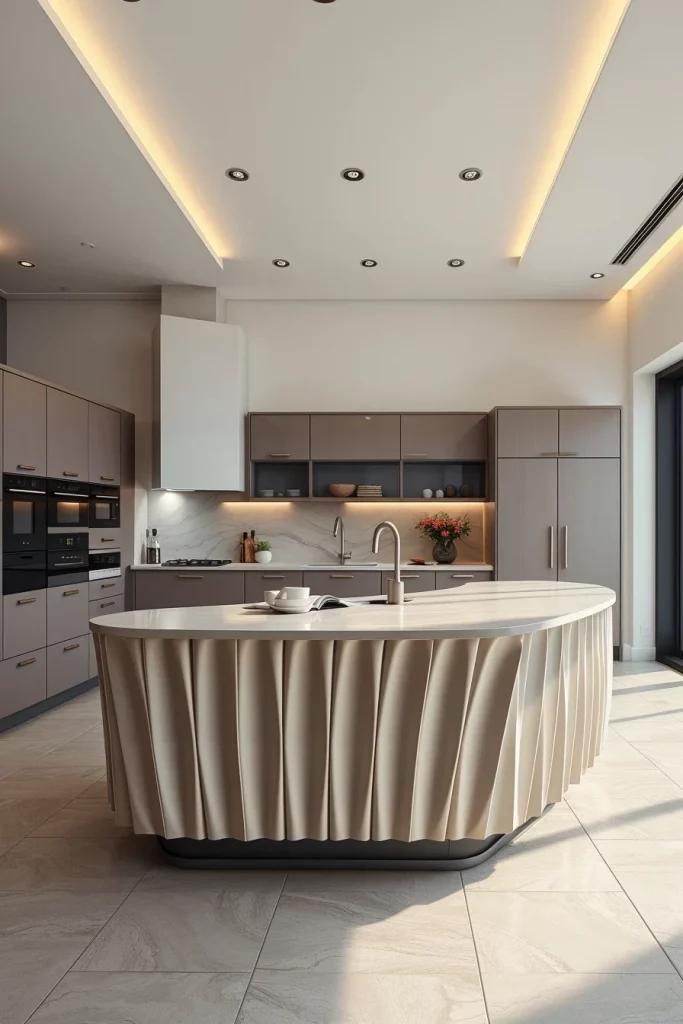
When designing a kitchen with fluted finishes, I like to include ribbed island cladding, textured cabinet fronts, stone countertops with subtle veining, and concealed storage systems. Matte finishes enhance the sculptural quality by allowing light to softly interact with surfaces. I also find that integrated handles preserve the seamless appearance while emphasizing the geometry of the fluted elements. Large-format flooring and understated hardware ensure the textures remain the focal point.
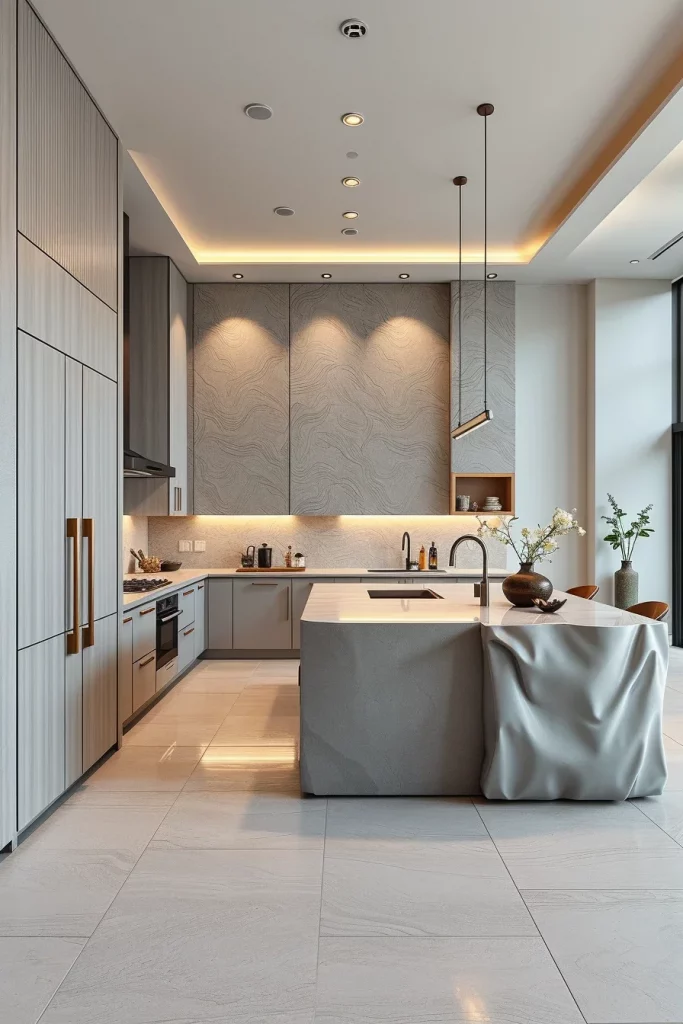
Personally, I have noticed that kitchens featuring fluted detailing age exceptionally well because they combine timeless elegance with modern sophistication. Designers frequently featured in leading publications such as Architectural Digest often highlight texture as a key component in creating layered interiors that feel refined rather than sterile.
To complete this look, I would add discreet LED accent lighting positioned to emphasize the grooves and create dramatic shadow effects throughout the day.
Oversized Pendant Lighting As Functional Art
Oversized pendant lighting instantly transforms a kitchen into a statement-making interior. In my experience, sculptural lighting does much more than illuminate a workspace; it becomes a central artistic element that defines the room’s identity. Large pendants suspended above islands or dining areas establish scale and create a strong visual anchor within open-concept layouts.
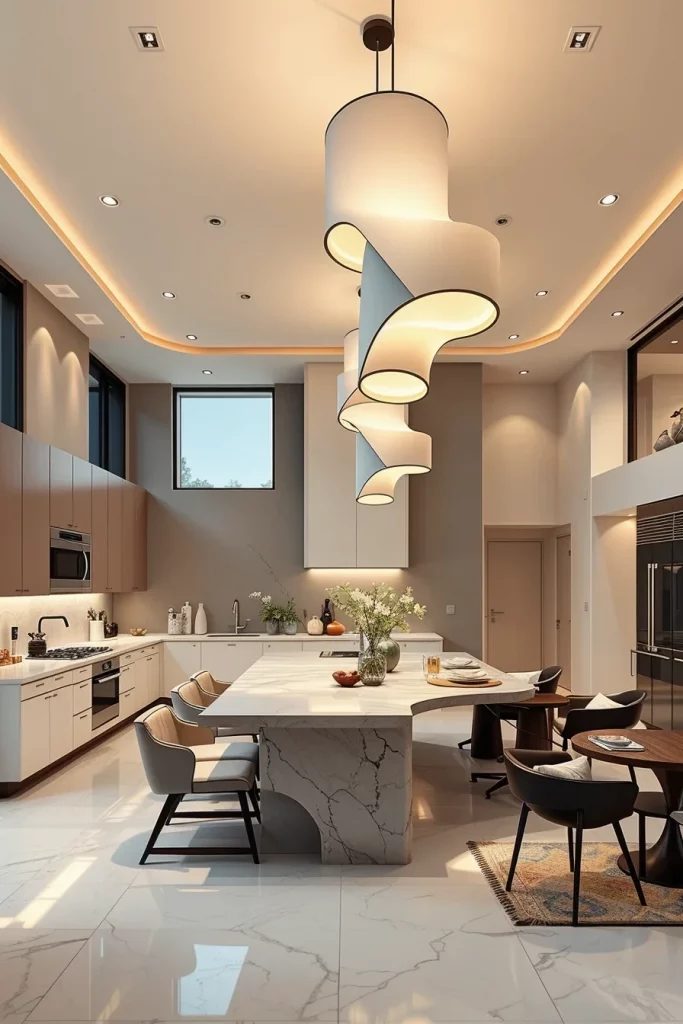
I typically recommend pendants with organic forms, asymmetrical silhouettes, hand-blown glass, or metal compositions that resemble contemporary sculpture. These fixtures pair beautifully with streamlined cabinetry, expansive islands, and simple finishes that allow the lighting to command attention. Layered lighting, including recessed ceiling fixtures and under-cabinet illumination, ensures both functionality and atmosphere.
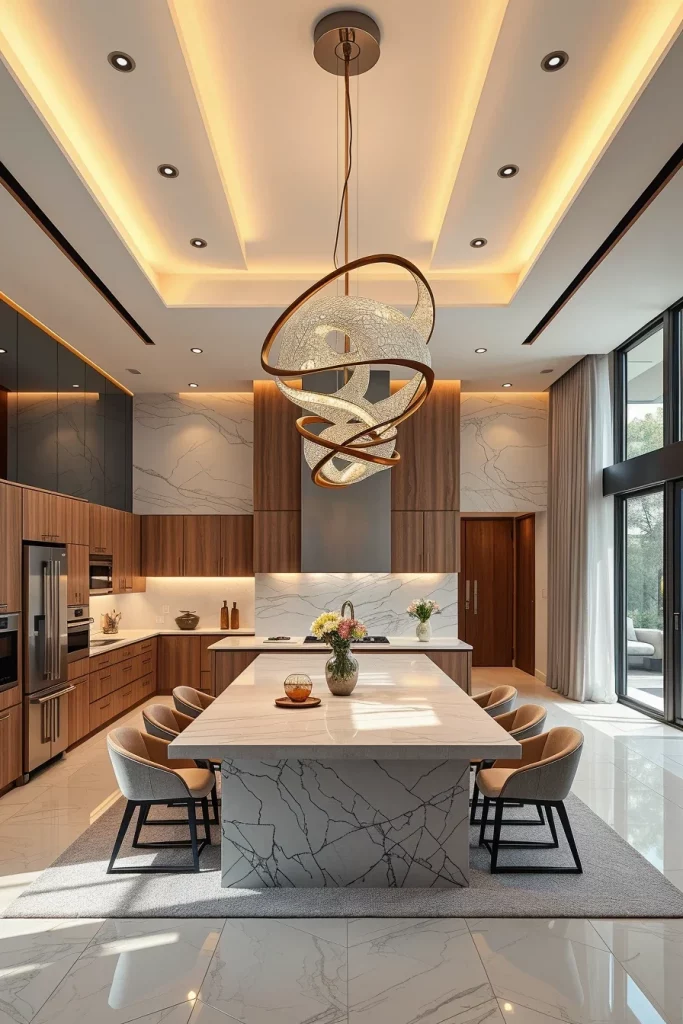
I have found that investing in exceptional lighting often delivers the greatest design impact. Many interior professionals interviewed by Elle Decor emphasize that statement lighting should be treated as artwork, especially in modern kitchens where decorative elements are intentionally limited.
For additional refinement, I suggest installing dimmers so homeowners can easily shift the mood from task-oriented brightness to intimate evening ambiance.
Minimalist Sculptural Kitchens With Clean Geometry
Minimalist sculptural kitchens demonstrate that simplicity can be remarkably expressive. I often design these spaces around precise geometric forms, uninterrupted surfaces, and carefully balanced proportions. Clean lines create a calming atmosphere while allowing architectural details and materials to stand out naturally. This approach perfectly embodies modern Sculptural Kitchen Design Inspiration Ideas.
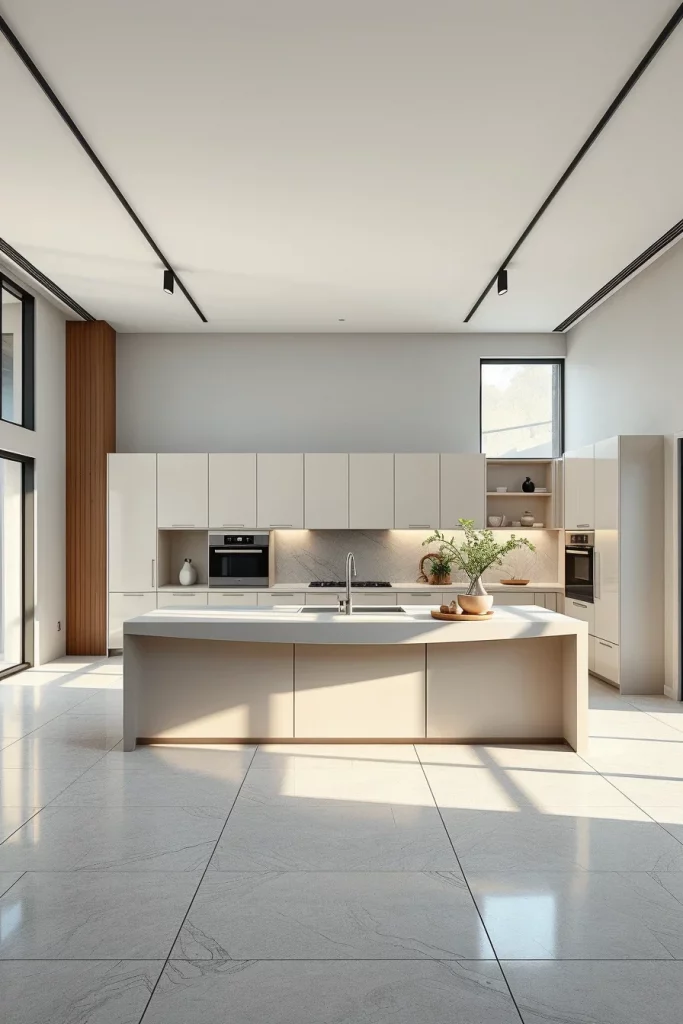
Essential elements include handleless cabinetry, monolithic kitchen islands, seamless countertops, integrated storage, and restrained color palettes. I prefer using matte finishes and concealed appliances to maintain visual continuity throughout the room. Strategic negative space is equally important because it allows each sculptural element to breathe and be fully appreciated.
From my perspective, minimalist kitchens require exceptional planning because every detail becomes highly visible. I frequently reference principles championed by minimalist architects, who stress that thoughtful proportions are more important than excessive ornamentation.
What is often missing in these interiors is tactile warmth. I recommend introducing subtle textural variations through stone, plaster, or soft seating fabrics to ensure the space feels inviting rather than austere.
Mixed Material Compositions For Artistic Contrast
One of the most effective ways I create sculptural kitchens is through carefully balanced material combinations. Contrasting surfaces introduce complexity, visual tension, and individuality while maintaining cohesion. Combining stone, metal, glass, and natural textures allows each material to enhance the qualities of the others.
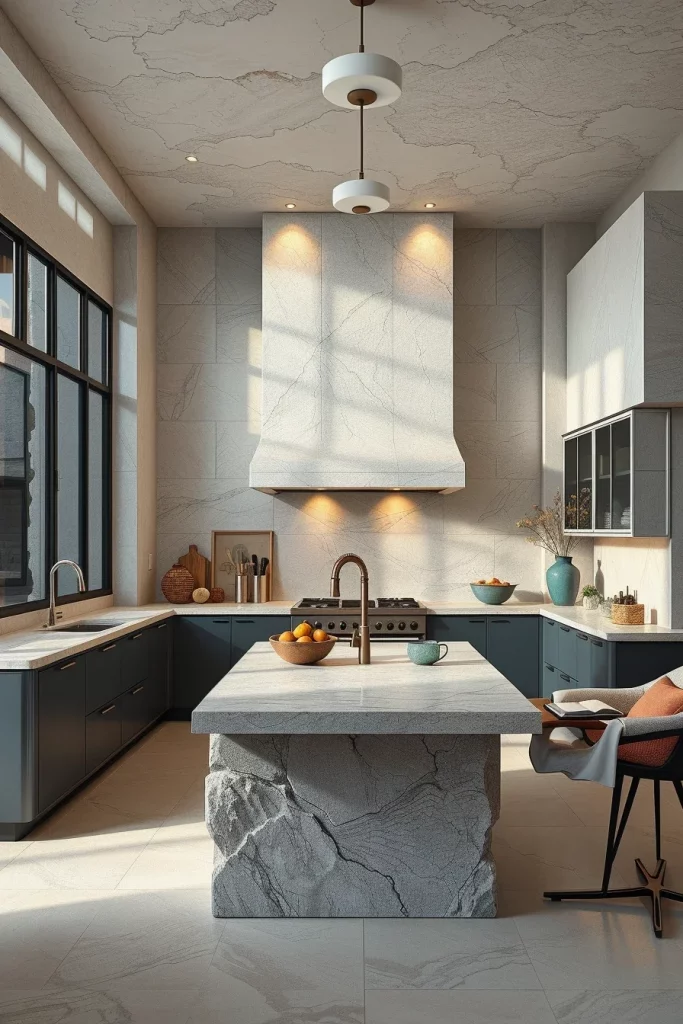
I frequently pair dramatic stone islands with smooth lacquered cabinetry, brushed metal accents, textured plaster walls, and smoked glass cabinet inserts. The juxtaposition of polished and matte surfaces creates layers that feel sophisticated and curated. Carefully selected materials also contribute to durability, ensuring the kitchen performs as beautifully as it looks.
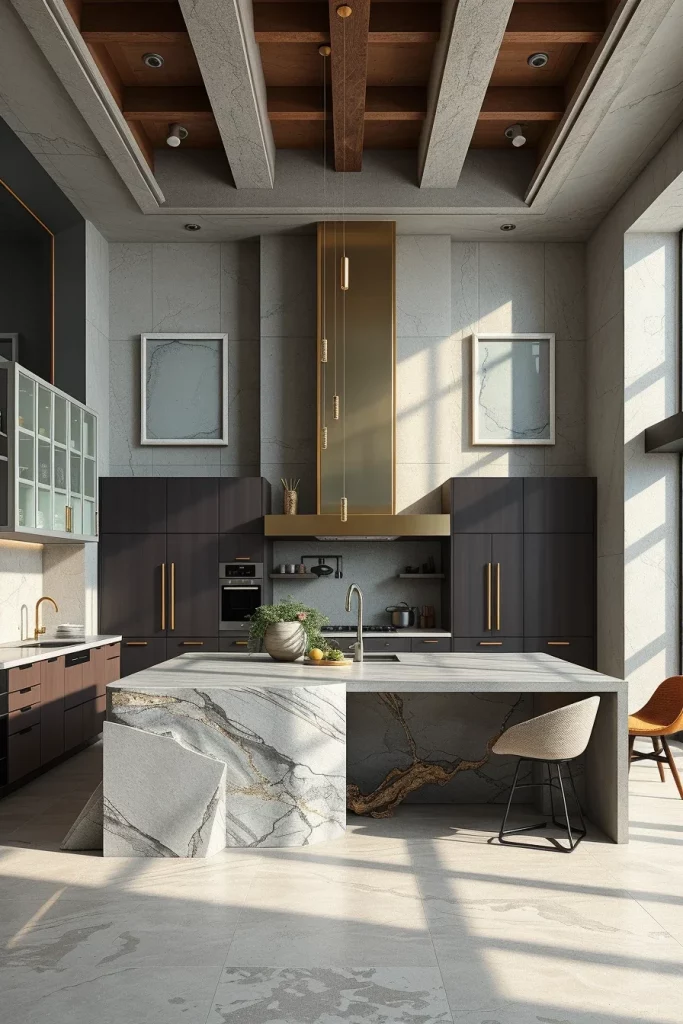
In my own projects, I have discovered that successful material mixing depends on restraint. Interior designers featured in House Beautiful often recommend limiting the primary palette to three or four dominant materials to avoid visual clutter.
To elevate this concept further, I would incorporate sculptural bar stools or custom shelving that echoes the kitchen’s material palette while reinforcing the artistic character of the space.
Floating Kitchen Elements That Add Visual Lightness
Floating elements introduce an extraordinary sense of openness into modern kitchens. Wall-mounted cabinetry, suspended shelving, and cantilevered islands create the illusion that architectural components are effortlessly hovering in space. I particularly appreciate this approach in smaller kitchens because it visually expands the room while emphasizing contemporary design principles.
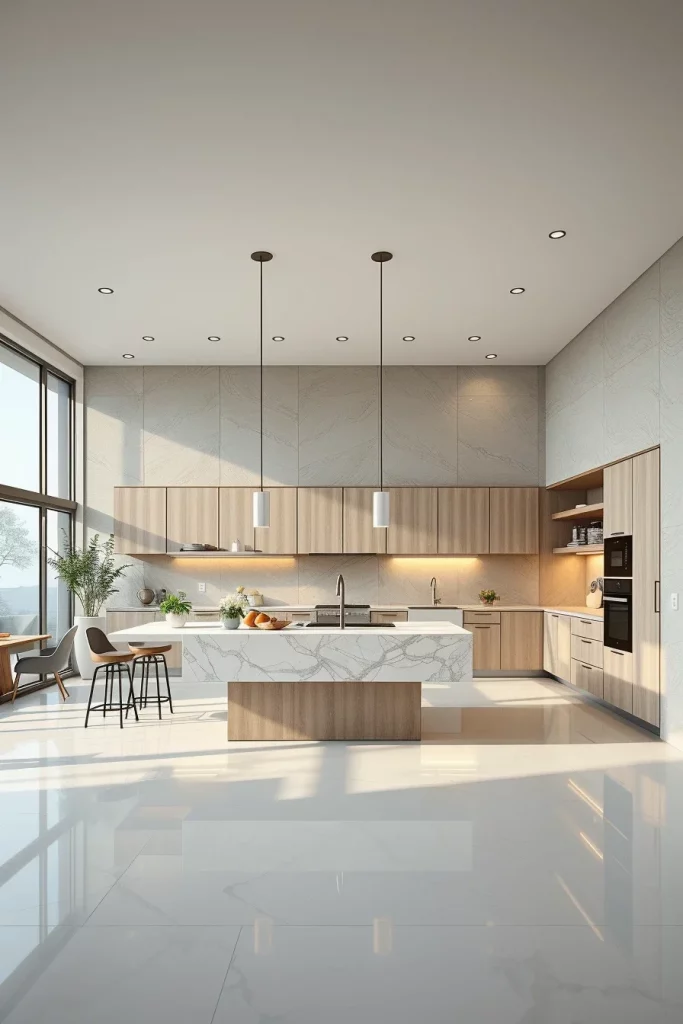
For this concept, I typically include floating base cabinets with integrated lighting, open shelving systems, slim-profile countertops, and minimalist storage solutions. Hidden structural supports are essential to preserve the clean appearance while ensuring safety and durability. Continuous flooring beneath floating elements further strengthens the impression of spaciousness.
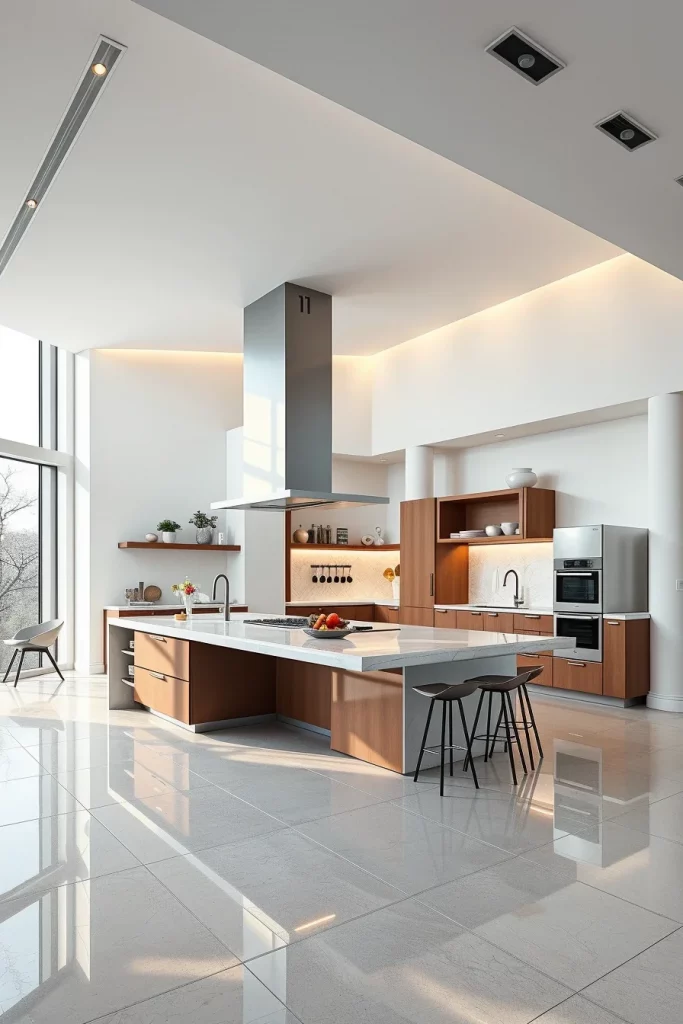
In my experience, floating features contribute not only to aesthetics but also to practicality by making cleaning significantly easier. Contemporary design experts frequently note that visually lighter interiors tend to feel more relaxing and organized.
I would also recommend incorporating subtle under-cabinet LED lighting, as it accentuates the floating effect and adds a sophisticated evening atmosphere.
Statement Range Hoods With Artistic Forms
A statement range hood can completely transform a kitchen by acting as a sculptural centerpiece rather than a purely functional appliance. I often see homeowners overlook this element, but an oversized hood with curved, tapered, or geometric lines instantly elevates the entire room. Sculptural range hoods made from plaster, metal, stone, or custom finishes introduce architectural character while maintaining excellent ventilation performance.
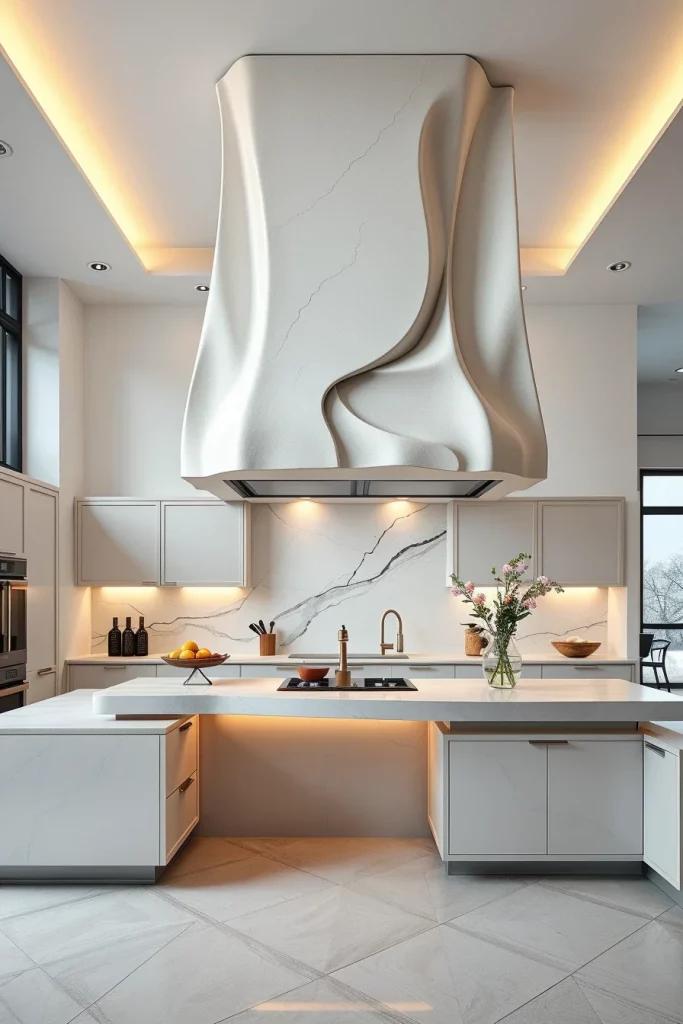
When designing around a statement hood, I prefer keeping surrounding cabinetry simple so the hood remains the primary focal point. Smooth plaster hoods pair beautifully with minimalist cabinetry, while metal-clad designs complement contemporary interiors. Integrated lighting beneath the hood improves task visibility and enhances the dramatic appearance of the feature.
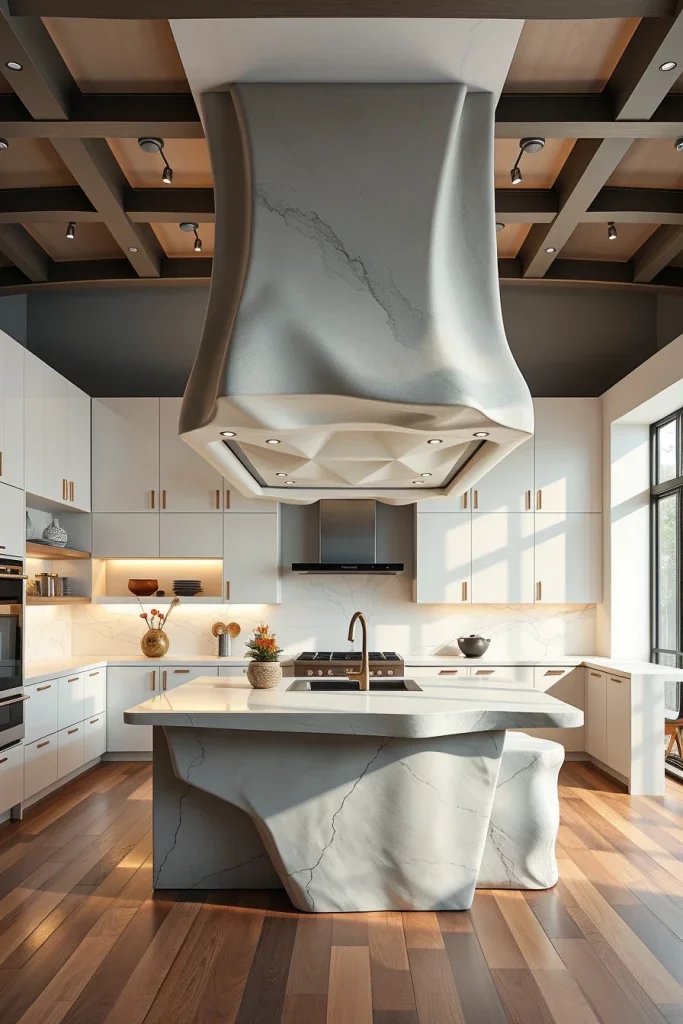
In my experience, custom range hoods create a bespoke feeling that standard appliances rarely achieve. Interior publications such as Architectural Digest regularly showcase sculptural hoods because they successfully blend artistry with practicality. Even in smaller kitchens, a thoughtfully designed hood can create significant visual impact.
I also recommend extending the hood material onto the backsplash or nearby wall surfaces to strengthen the architectural continuity of the space.
Sculptural Open Shelving For Functional Display
Open shelving can become an artistic feature when designed with sculptural forms and thoughtful proportions. Instead of traditional straight shelves, I often recommend asymmetrical arrangements, curved niches, floating forms, or organically shaped shelving systems. These installations provide storage while simultaneously contributing to the overall architectural composition.
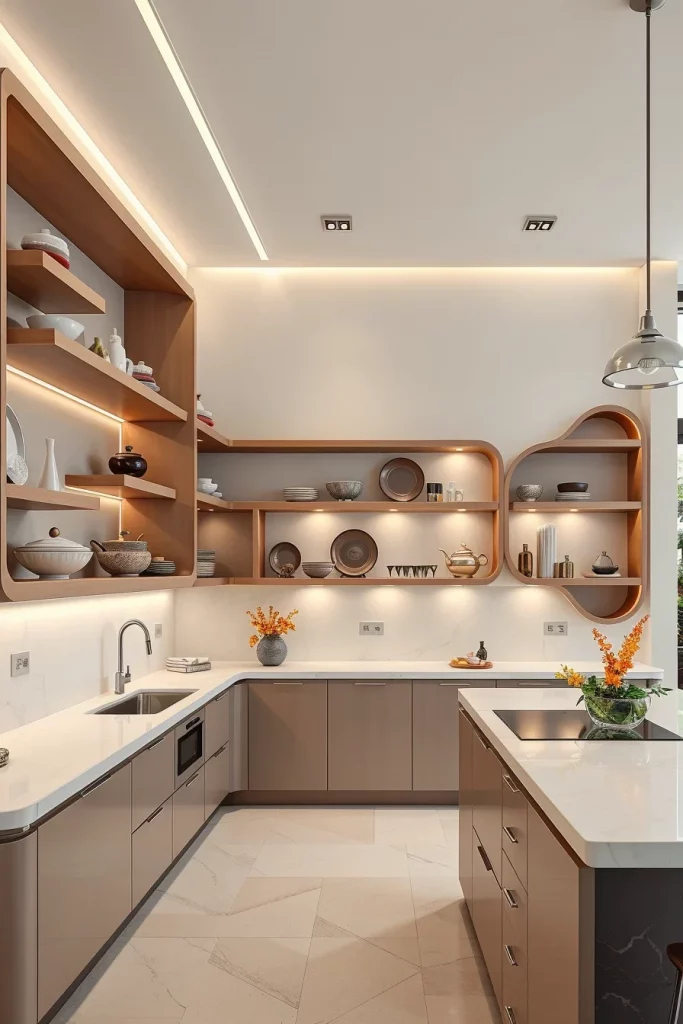
The most successful sculptural shelving designs balance aesthetics and practicality. I like using natural stone, metal, plaster, or thick floating shelves with concealed supports to preserve clean lines. Displaying carefully selected ceramics, glassware, and decorative objects adds personality without creating clutter. Integrated LED lighting further emphasizes the sculptural qualities of the shelves.
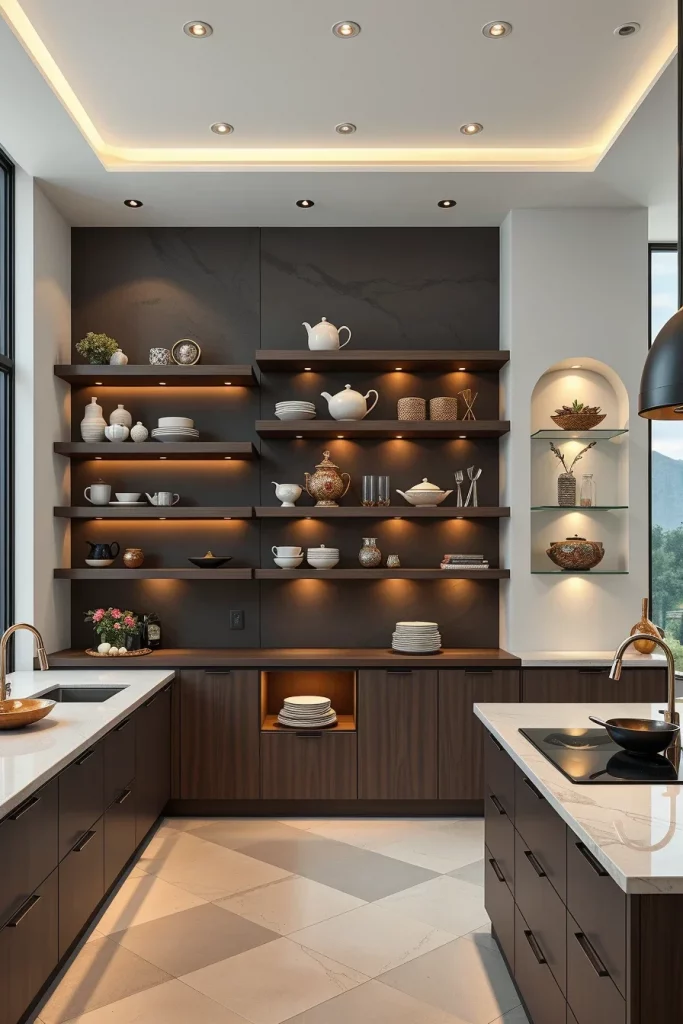
Personally, I find that sculptural shelving works especially well in kitchens with minimal upper cabinetry because it prevents the space from feeling overly heavy. Curated displays create warmth and individuality while maintaining a sophisticated appearance.
To ensure long-term functionality, I suggest incorporating a combination of open display shelving and concealed storage so everyday items remain easily accessible yet visually organized.
Rounded Kitchen Corners For A Fluid Layout
Rounded corners are a defining characteristic of many contemporary sculptural kitchens. I appreciate how softened transitions between cabinetry, islands, and architectural elements create a fluid layout that feels both elegant and welcoming. Rounded forms also improve circulation, particularly in busy family kitchens where multiple people frequently move through the space.
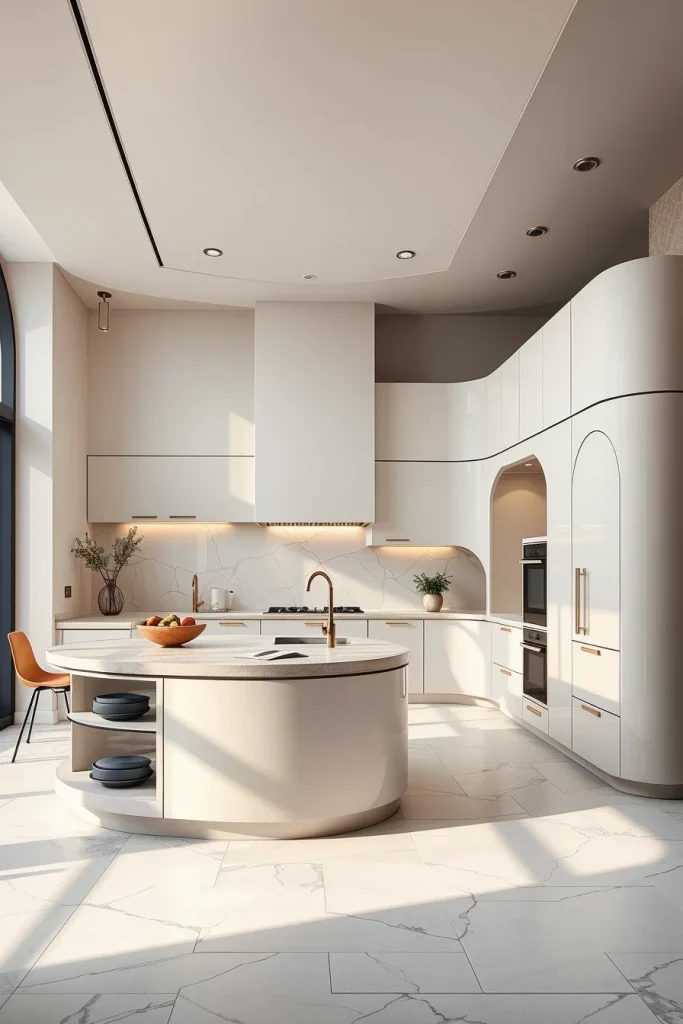
Curved cabinet ends, rounded pantry walls, softened countertop edges, and arched transitions all contribute to this seamless aesthetic. I often combine rounded corners with continuous flooring materials and handleless cabinetry to emphasize visual flow. These details make the kitchen feel intentionally designed rather than simply assembled.
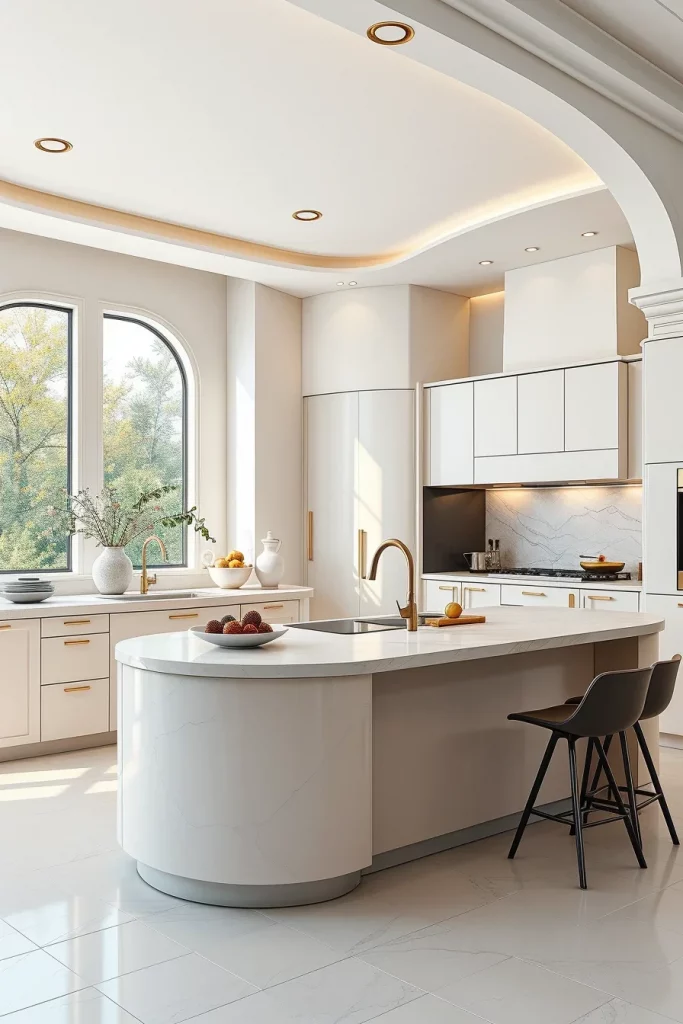
From my perspective, rounded corners are not only visually appealing but also highly practical. They reduce sharp edges, improve safety, and create a softer atmosphere throughout the room. Many contemporary designers advocate for curved forms because they introduce comfort without sacrificing modernity.
For even greater cohesion, I recommend echoing curved forms through lighting fixtures, seating, and decorative accessories.
Integrated Seating That Blends Into Kitchen Architecture
Integrated seating reinforces the sculptural nature of a kitchen by allowing furniture to become part of the architecture itself. Rather than relying solely on freestanding pieces, I often incorporate built-in banquettes, curved benches, or seating extensions connected directly to the kitchen island. These features maximize functionality while preserving clean, uninterrupted lines.
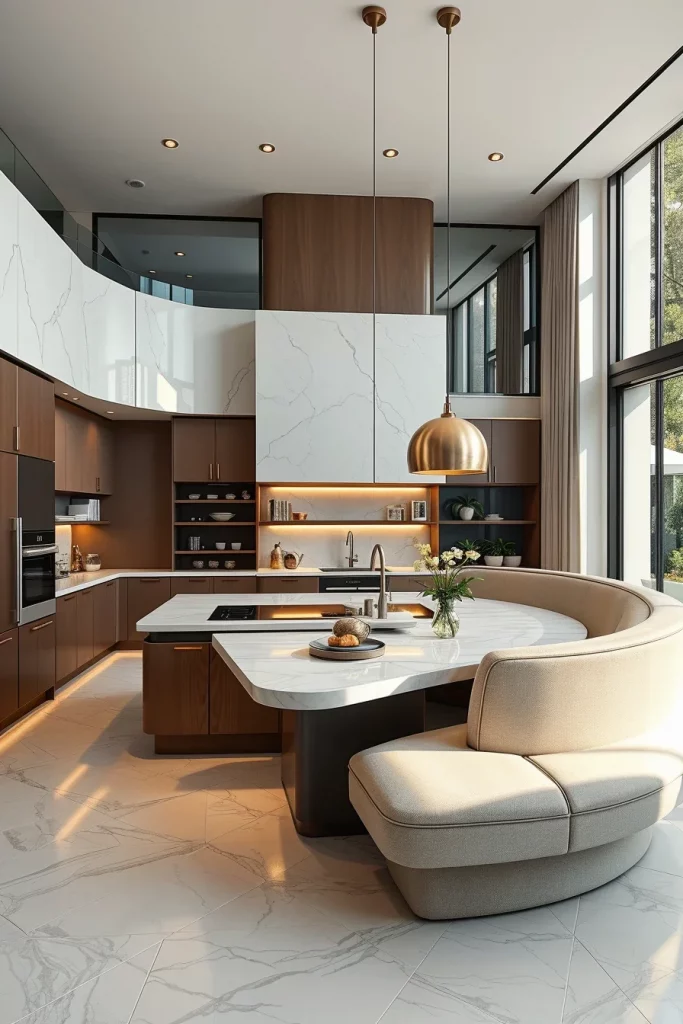
Built-in seating can be customized to suit virtually any layout. Upholstered banquettes tucked into curved niches create intimate dining spaces, while island extensions provide casual gathering areas. I typically specify durable performance fabrics and hidden storage compartments to enhance practicality without compromising aesthetics.
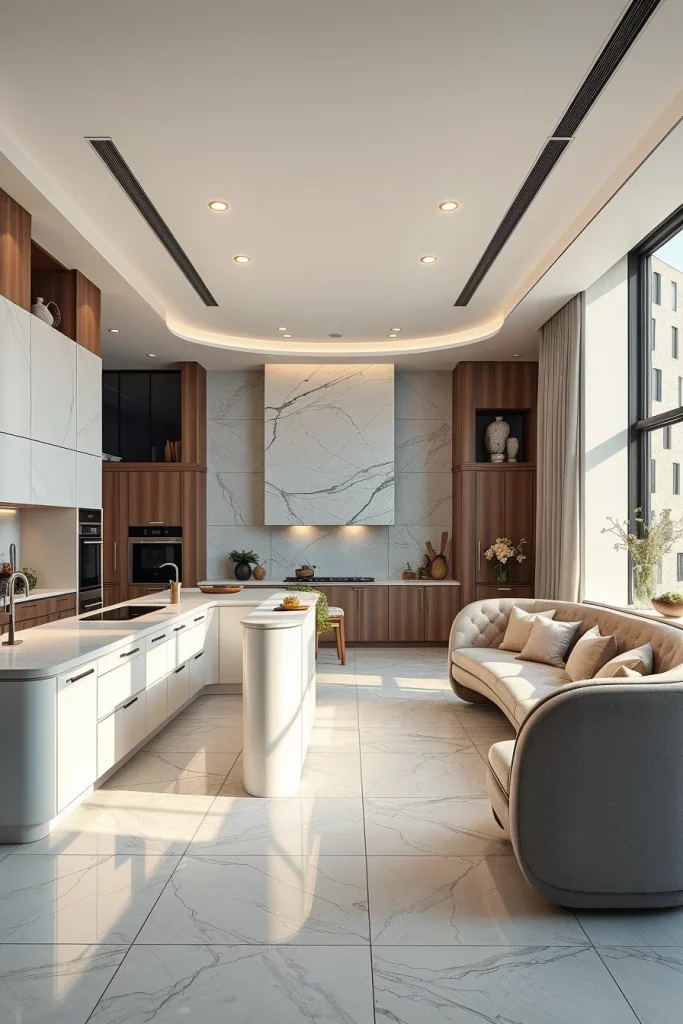
In my experience, integrated seating encourages social interaction and makes kitchens feel more inviting. As open-concept living continues to grow in popularity, seamless seating solutions help strengthen the connection between cooking, dining, and entertaining spaces.
I also advise layering integrated seating with sculptural pendant lighting and soft textiles to ensure the space feels comfortable as well as visually striking.
Dramatic Ceiling Designs That Enhance Sculptural Kitchens
Ceiling design is often overlooked, yet it can dramatically influence the overall sculptural quality of a kitchen. I frequently use curved ceiling forms, recessed architectural details, coffered elements, or subtle vaults to draw the eye upward and create a stronger sense of volume. A thoughtfully designed ceiling transforms the kitchen into a fully immersive architectural experience.
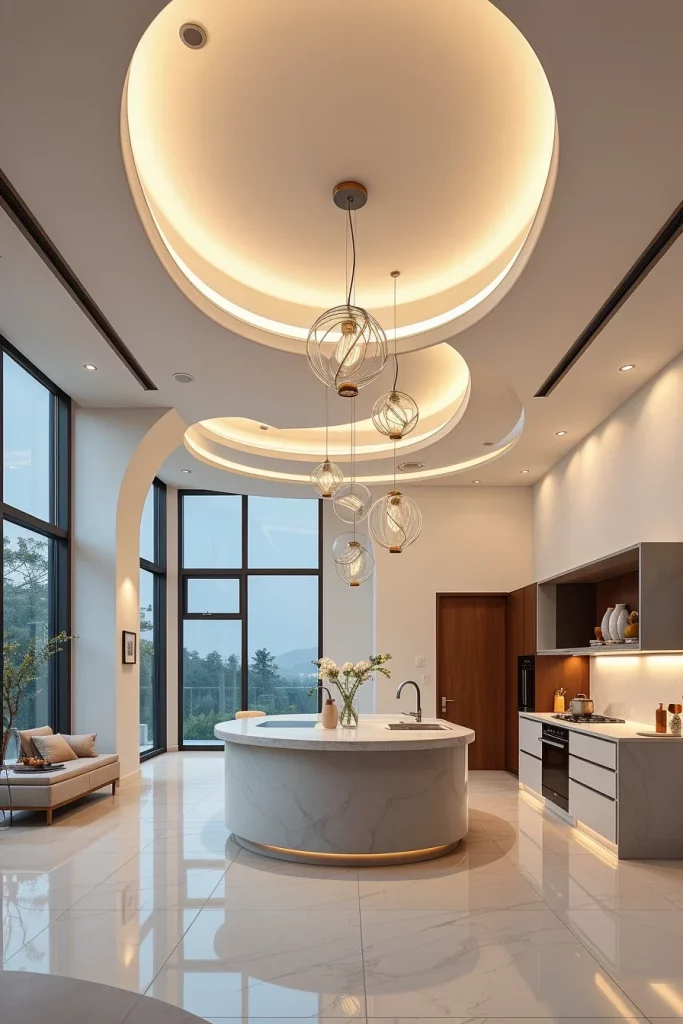
Lighting plays an essential role in highlighting dramatic ceilings. Recessed LED strips, concealed cove lighting, and sculptural pendant fixtures emphasize curves and textures while providing layered illumination. I prefer integrating lighting directly into architectural features to preserve the clean aesthetic characteristic of sculptural interiors.
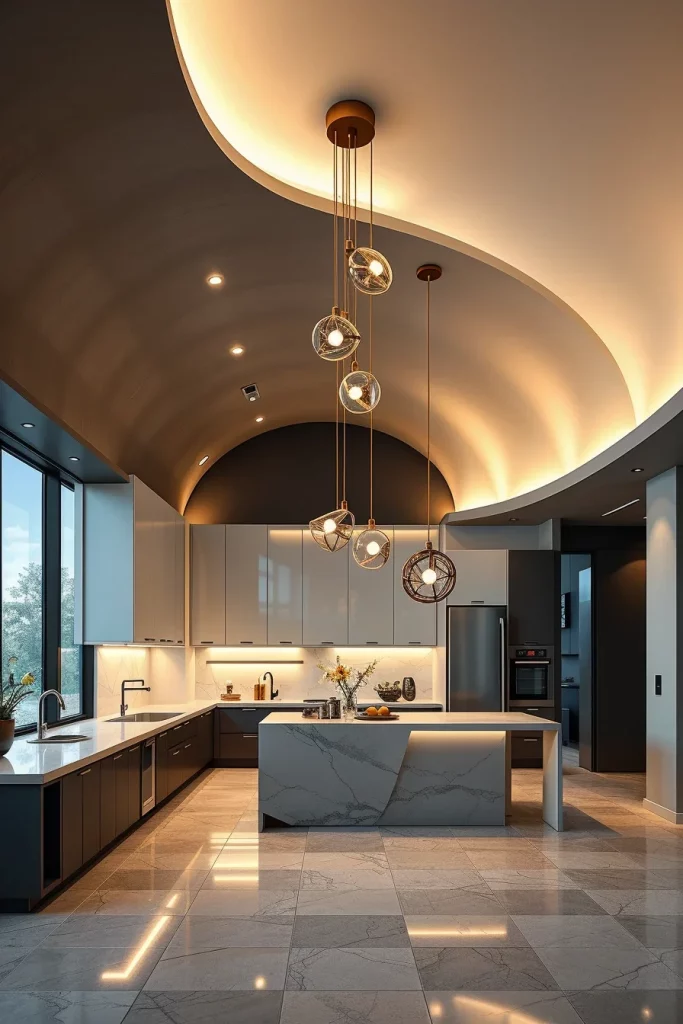
Personally, I believe that ceilings deserve the same design attention as cabinetry or countertops. A distinctive ceiling can unify the entire composition and reinforce the artistic intent of the kitchen. Publications such as Elle Decor often emphasize the importance of treating ceilings as a “fifth wall” within sophisticated interiors.
To complete the design, I recommend coordinating ceiling details with flooring materials and major architectural features to ensure visual harmony throughout the room.
Sculptural Kitchen Backsplashes With Bold Texture
A sculptural backsplash can completely redefine a kitchen by introducing texture, movement, and artistic character. I often use bold backsplash designs to create a focal point that immediately captures attention while maintaining functionality. Three-dimensional surfaces, carved stone, textured tiles, and relief panels can transform an ordinary cooking space into a gallery-inspired interior. This approach works particularly well in modern kitchens where decorative elements are intentionally limited.
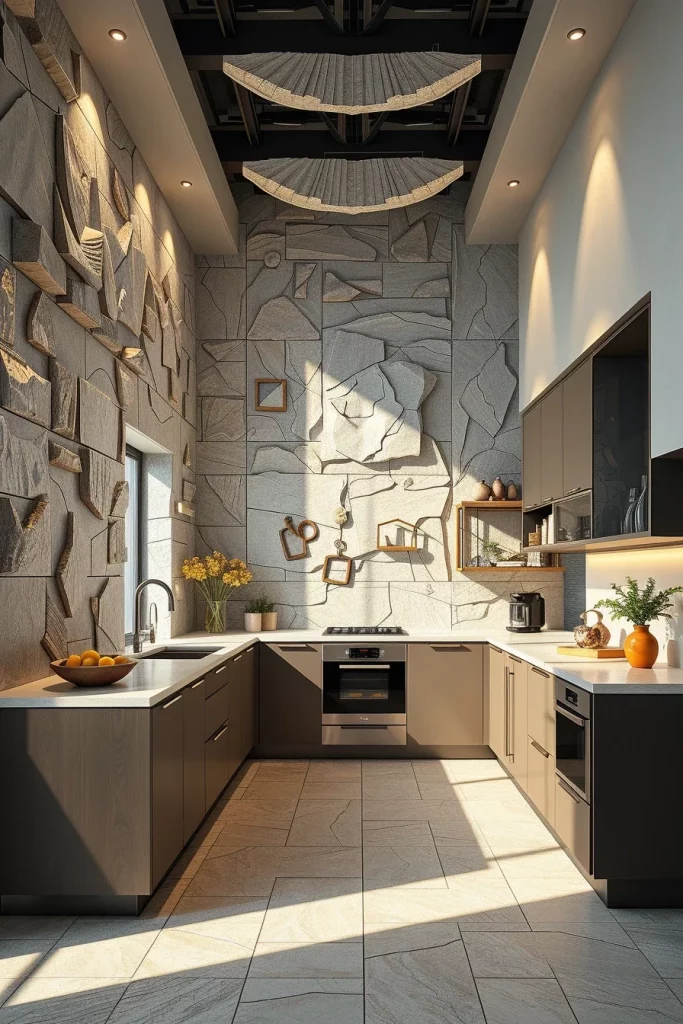
When selecting materials, I prefer textured natural stone, handmade ceramic tiles, ribbed surfaces, or custom plaster finishes. These materials add richness while complementing sleek cabinetry and minimalist islands. I usually pair textured backsplashes with simple countertops and integrated appliances to avoid overwhelming the space. Under-cabinet lighting is equally important because it highlights the surface details and enhances the sculptural effect.
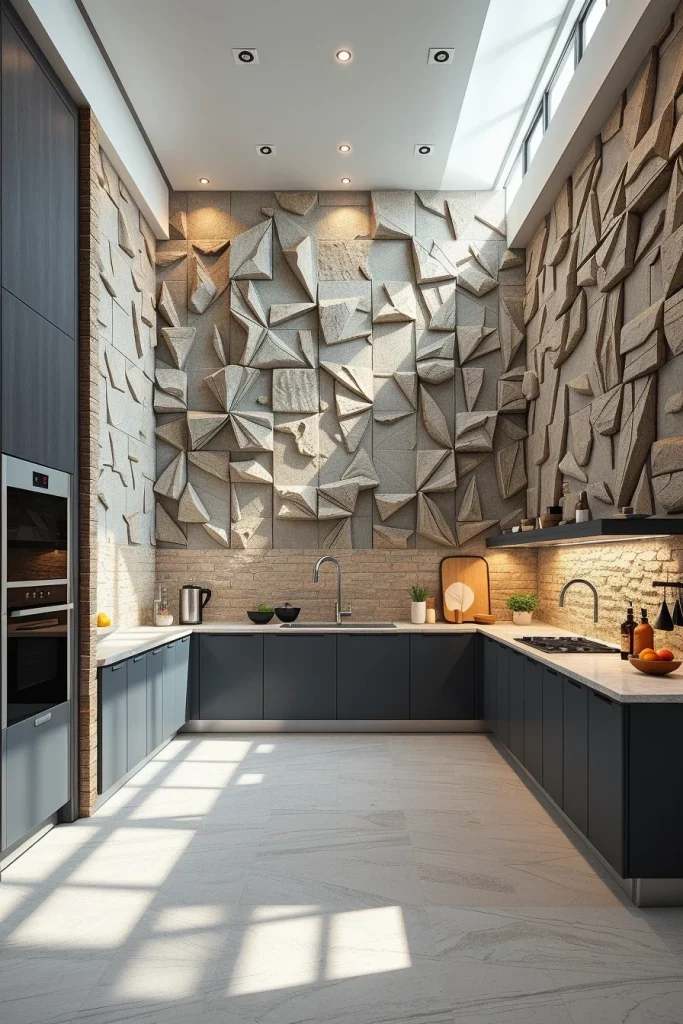
From my experience, a textured backsplash adds personality without requiring extensive renovation. Designers featured in Architectural Digest frequently emphasize that statement surfaces can elevate even the simplest kitchen layouts. I have found that subtle textures often remain timeless, while overly ornate designs may quickly feel dated.
To complete this concept, I recommend extending the backsplash material to the ceiling for a dramatic architectural statement and greater visual continuity.
Arched Architectural Features In Modern Kitchens
Arches are making a strong comeback in contemporary interiors, and I believe they are especially effective in sculptural kitchens. Soft curves introduce elegance and balance while contrasting beautifully with the linear elements commonly found in modern design. Arched doorways, niches, and openings create a sense of flow and make the kitchen feel more inviting.
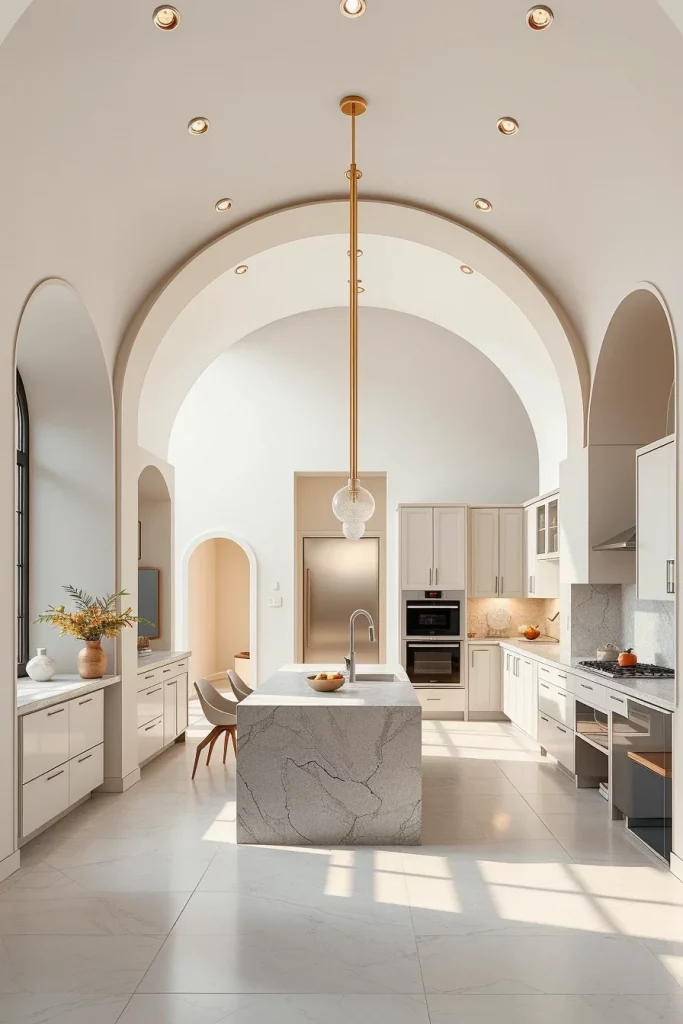
In my projects, I often incorporate arched pantry entrances, curved range alcoves, rounded shelving niches, and softly curved ceiling transitions. These features pair beautifully with smooth cabinetry, stone islands, and contemporary finishes. I also like using repeated curves throughout the room to establish consistency and reinforce the sculptural theme.
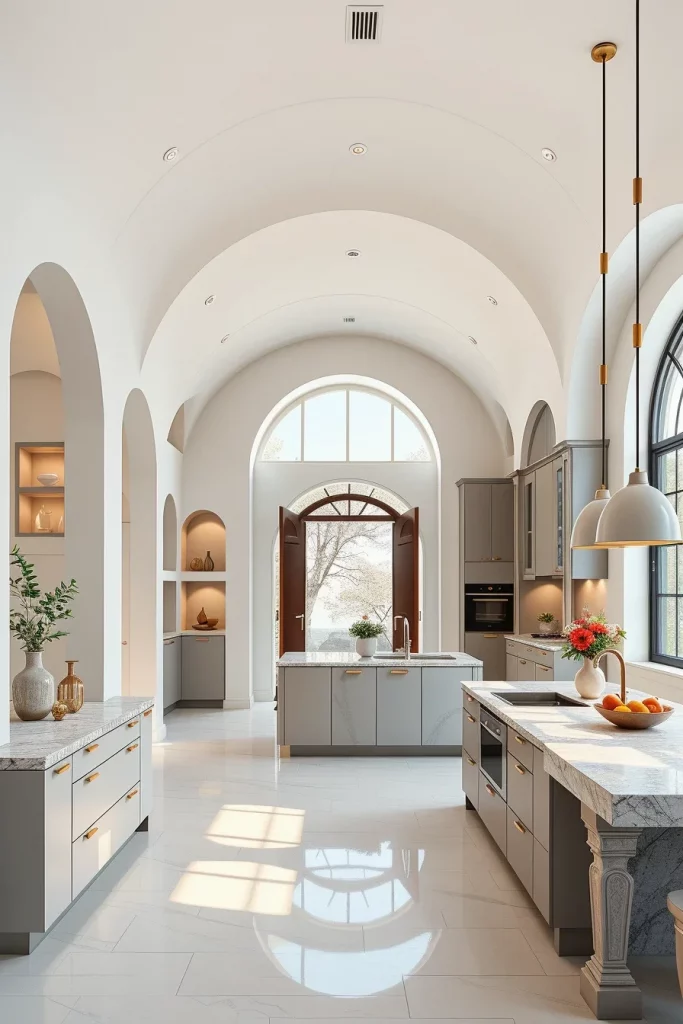
Personally, I find that arches add warmth and architectural interest without compromising modern aesthetics. Many respected interior designers have noted that curved forms help soften highly functional spaces and create a more welcoming atmosphere for everyday living.
What is sometimes missing in kitchens with arches is adequate lighting. I suggest incorporating concealed LED strips within niches or along curved architectural details to emphasize their elegant shapes.
Custom Kitchen Furniture With Artistic Silhouettes
Custom furniture plays a vital role in creating truly distinctive sculptural kitchens. Rather than relying solely on standard cabinetry, I often incorporate pieces with unusual forms, curved profiles, or handcrafted detailing. These custom elements help establish a unique identity while enhancing both comfort and functionality.
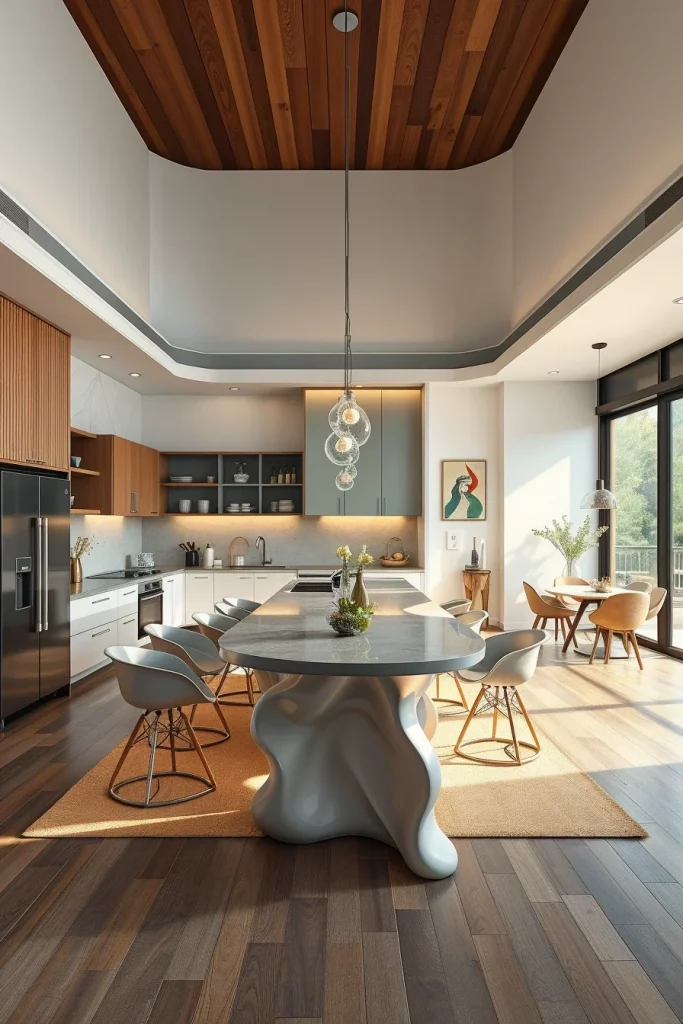
I particularly enjoy specifying curved kitchen islands, organically shaped bar stools, sculptural dining tables, and custom shelving systems. Furniture with softened edges contributes to better circulation and creates a more relaxed atmosphere. Premium materials such as stone, upholstered seating, metal accents, and finely crafted wood veneers further enhance the artistic quality of the interior.
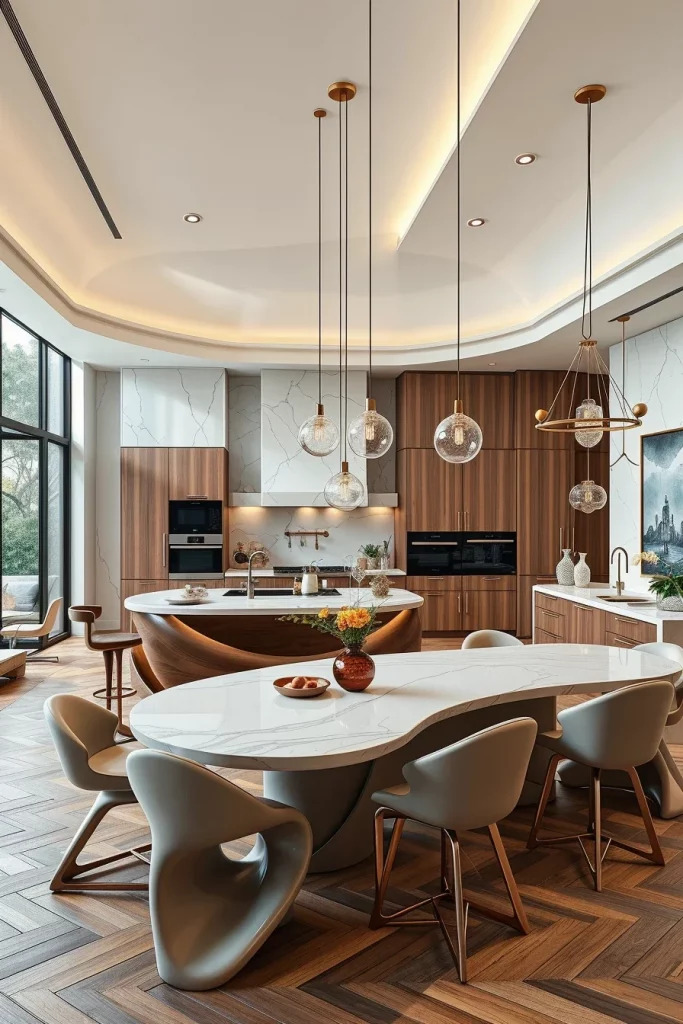
From my perspective, investing in custom furniture allows homeowners to tailor the kitchen precisely to their lifestyle. Publications such as Elle Decor frequently highlight bespoke furnishings as a defining characteristic of exceptional contemporary interiors. I have consistently found that personalized pieces become the most admired features in a home.
For even greater cohesion, I recommend selecting furniture finishes that echo the kitchen’s architectural materials and overall color palette.
Seamless Built-In Appliances For A Refined Look
One of the defining characteristics of modern Sculptural Kitchen Design Inspiration Ideas is visual continuity. Seamlessly integrated appliances contribute significantly to this effect by eliminating visual clutter and preserving the purity of architectural forms. I often prioritize built-in solutions because they allow sculptural elements and material compositions to remain the primary focus.
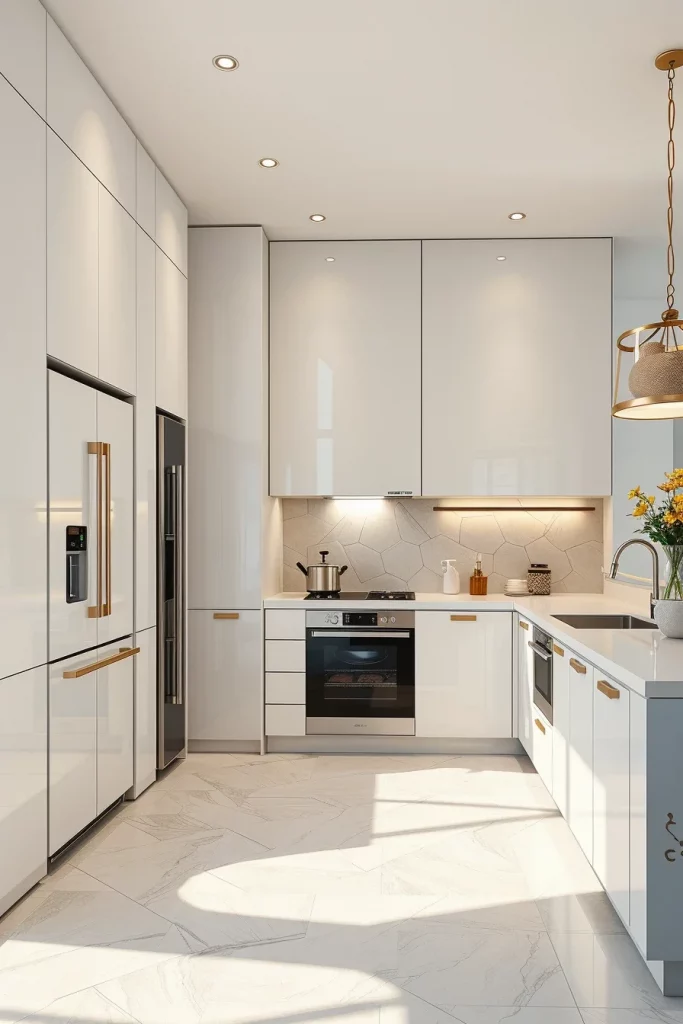
Integrated refrigerators, concealed dishwashers, flush-mounted ovens, hidden ventilation systems, and appliance garages are among my preferred solutions. These features create uninterrupted surfaces and contribute to a calm, sophisticated environment. I also recommend touch-latch cabinetry and handleless doors to reinforce the seamless appearance throughout the room.
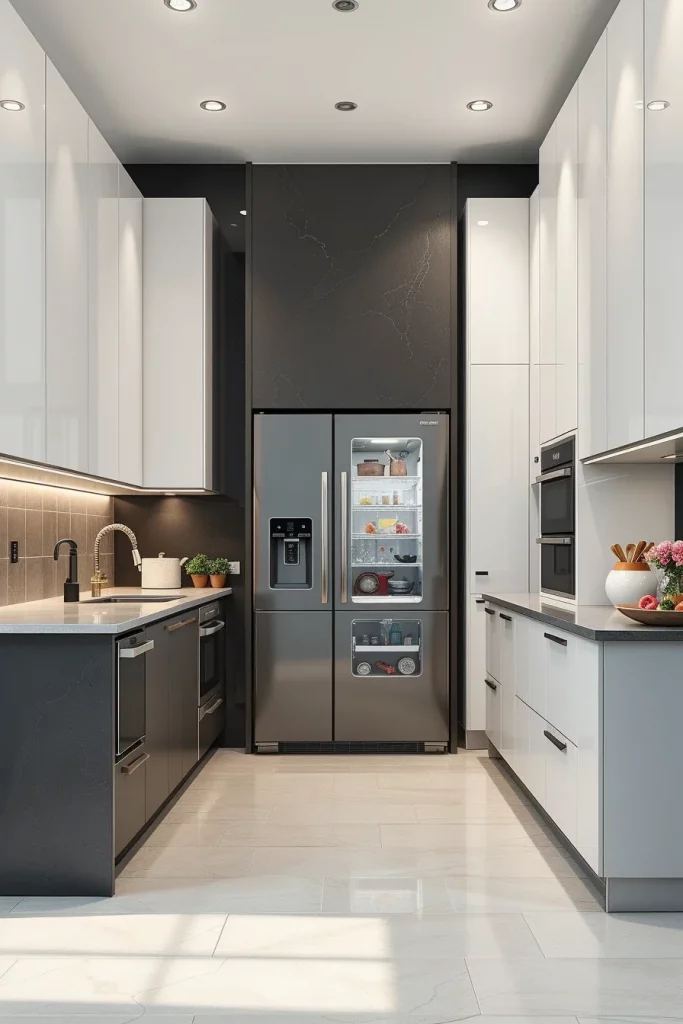
In my experience, concealed appliances dramatically improve the overall aesthetic of a kitchen, especially in open-plan homes where the kitchen remains visible from living and dining areas. Many contemporary designers advocate for integrated technology as a way to balance functionality with refined design.
To enhance practicality, I suggest incorporating smart storage systems behind integrated panels so frequently used appliances remain easily accessible yet hidden from view.
Bold Marble Applications In Sculptural Kitchen Spaces
Marble remains one of the most powerful materials for creating sculptural kitchens. Its natural veining introduces movement, texture, and individuality, making every installation unique. I frequently use marble to establish dramatic focal points while preserving the timeless elegance that homeowners often seek.
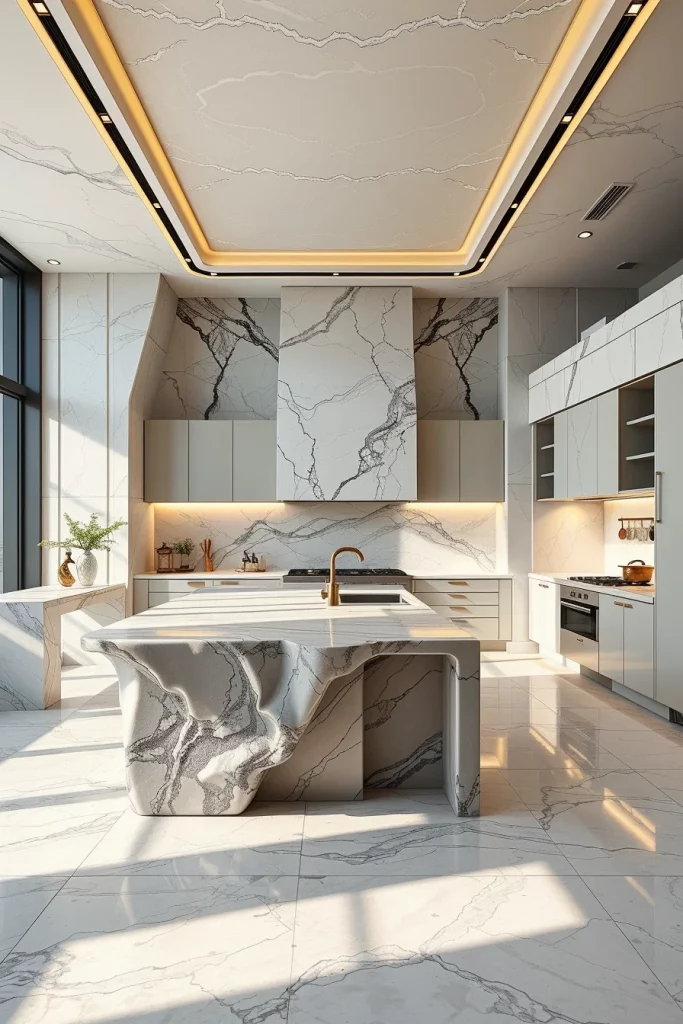
Large waterfall islands, full-height marble backsplashes, monolithic countertops, and sculptural range surrounds are among my favorite applications. I prefer pairing bold marble surfaces with understated cabinetry so the stone becomes the centerpiece of the room. Soft lighting further enhances the veining and reveals the material’s depth throughout the day.
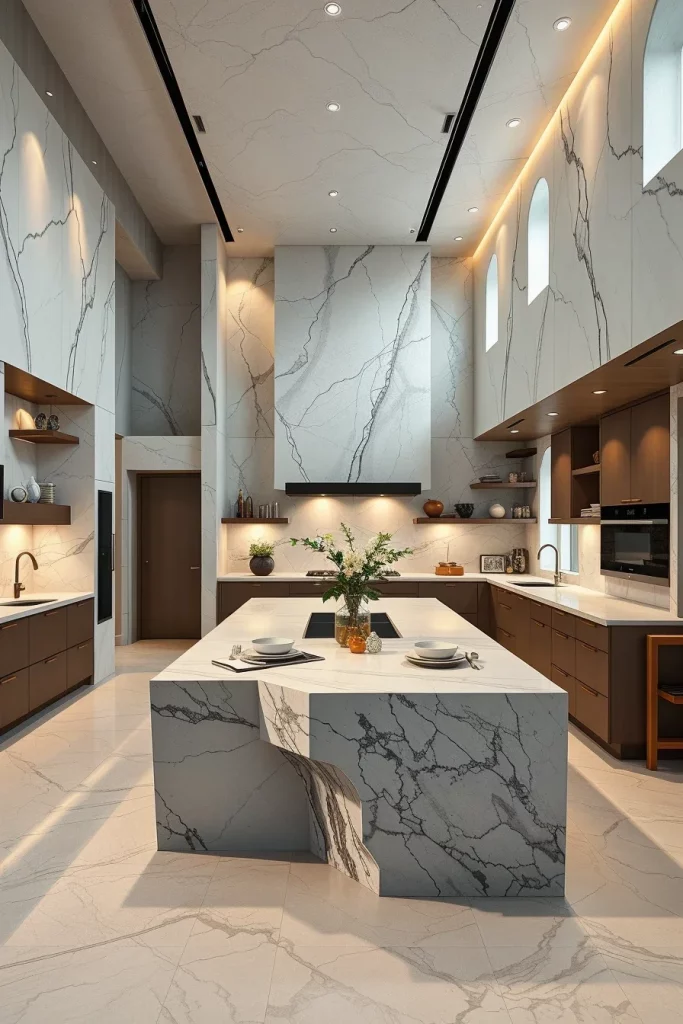
Personally, I believe marble possesses an unmatched ability to elevate a kitchen from functional to extraordinary. Interior experts regularly featured in House Beautiful recommend balancing expressive stone with restrained furnishings to achieve a sophisticated and enduring result.
I also advise incorporating protective sealants and selecting durable finishes to ensure that dramatic marble surfaces remain beautiful for many years.
Layered Lighting Strategies For Sculptural Depth
Layered lighting is one of the most effective ways I use to emphasize sculptural forms in kitchen interiors. Instead of relying on a single ceiling fixture, I combine ambient, task, and accent lighting to reveal depth, texture, and architectural details. In modern Sculptural Kitchen Design Inspiration Ideas, lighting transforms islands, curved cabinetry, and statement ceilings into focal points while improving functionality throughout the space.
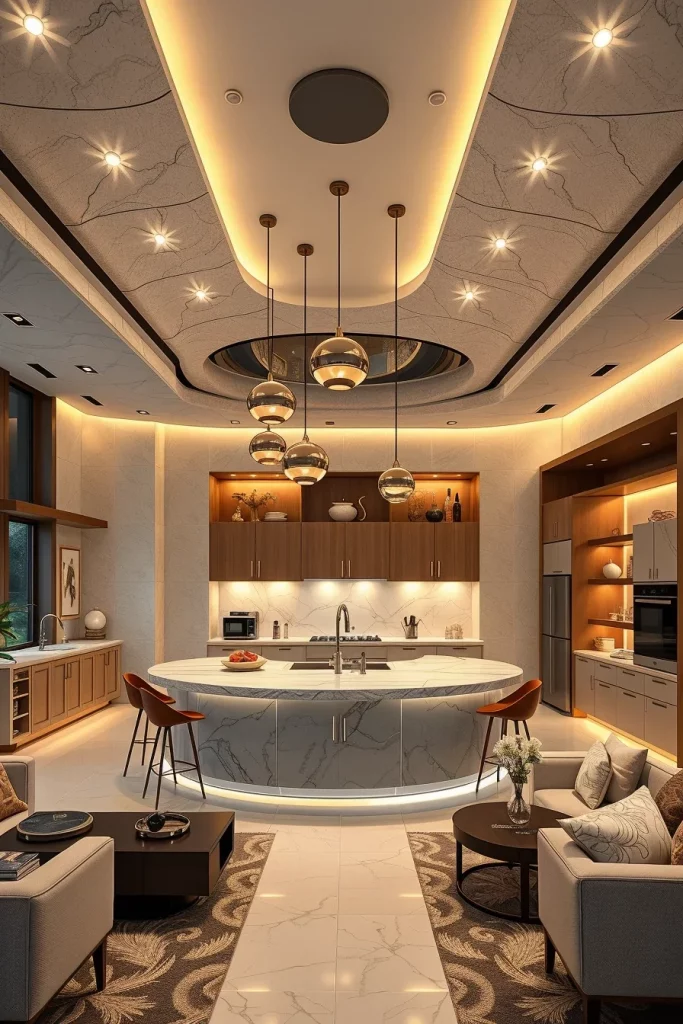
I typically recommend integrating recessed ceiling lights for overall illumination, pendant fixtures above the island, and concealed LED strips beneath cabinetry or shelving. Wall washers can beautifully highlight textured surfaces, while integrated lighting inside display cabinets adds visual sophistication. Dimmable fixtures are particularly valuable because they allow homeowners to adjust the atmosphere depending on the occasion.
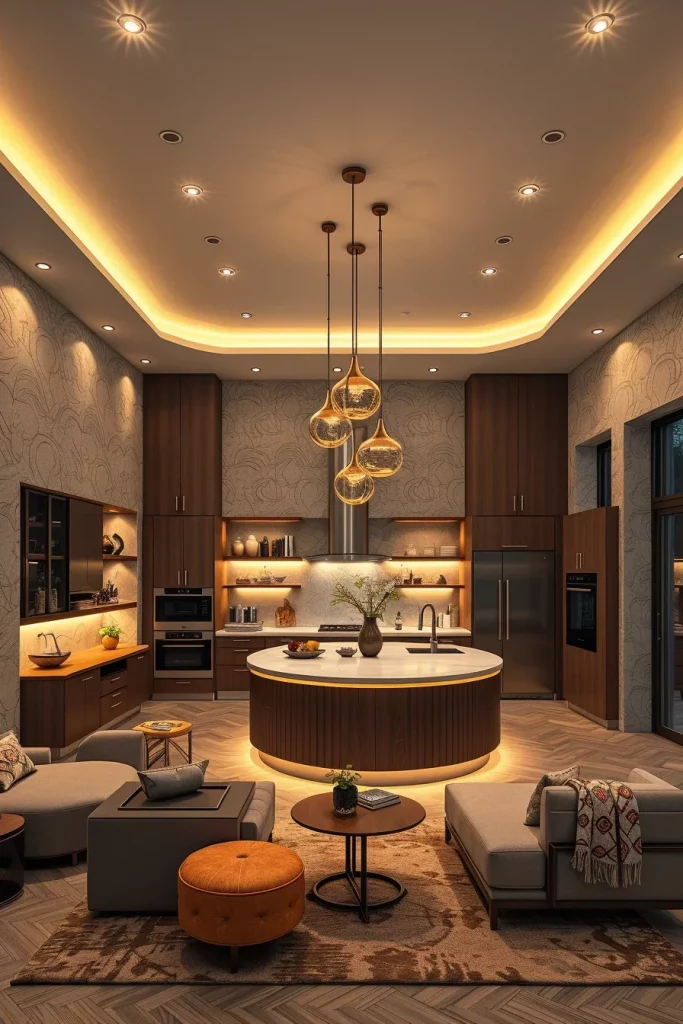
In my experience, designers frequently emphasize that lighting should be planned at the earliest stages of kitchen design rather than added later. Publications such as Architectural Digest regularly showcase kitchens where carefully layered lighting creates dramatic visual effects without overwhelming the room.
To maximize sculptural depth, I would also include lighting within toe kicks, behind backsplashes, or inside niches. These subtle details create shadows and highlights that make sculptural forms appear even more dynamic.
Freestanding Sculptural Storage Solutions
Freestanding storage pieces can transform a kitchen from purely functional to visually expressive. I often suggest incorporating sculptural cabinets, curved display units, or artistic shelving systems that stand independently rather than being fixed permanently to walls. These elements introduce flexibility while reinforcing the artistic character of the space.
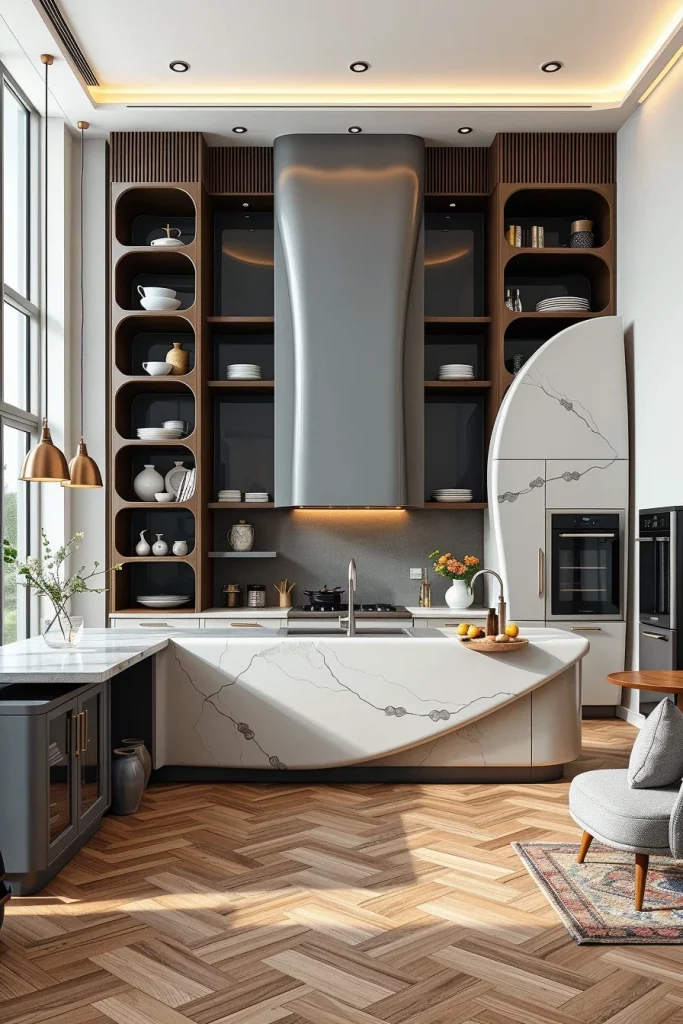
A sculptural pantry cabinet with rounded corners, asymmetrical shelving, or fluted surfaces can serve as both storage and statement furniture. Freestanding islands with curved bases, display towers, and movable shelving units also contribute to a more personalized interior. I find that these pieces work especially well in larger kitchens where they can be appreciated from multiple angles.
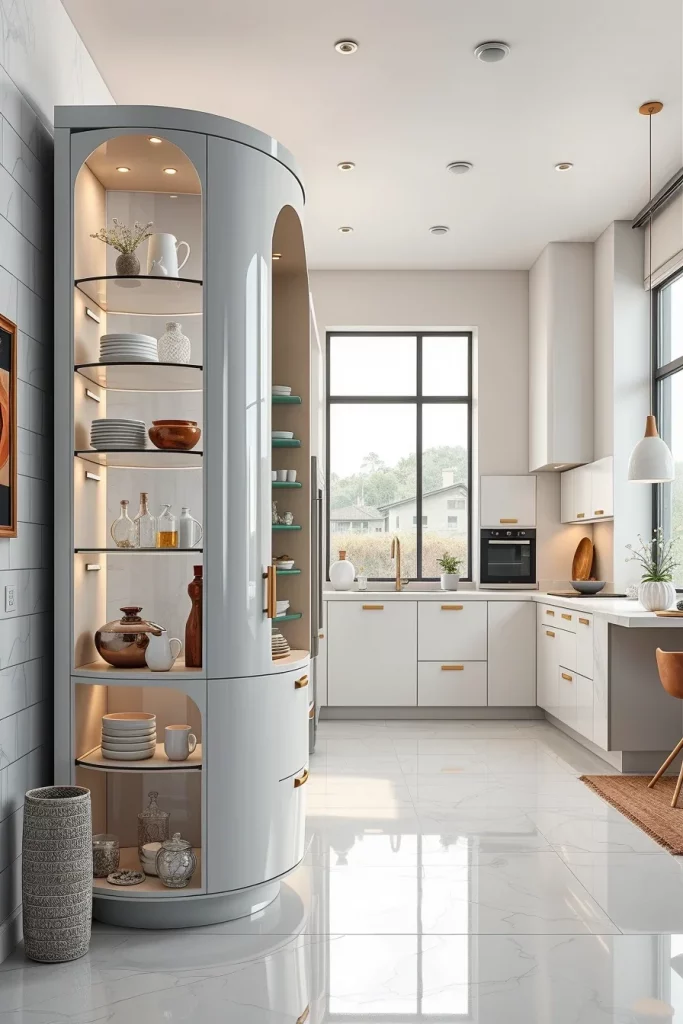
Personally, I appreciate freestanding storage because it allows homeowners to update their interiors more easily over time. Design experts from leading American interior publications often recommend incorporating furniture-inspired elements to soften the highly built-in appearance common in contemporary kitchens.
What I would additionally include in this type of kitchen is integrated display space for ceramics, books, or decorative objects. These curated details strengthen the gallery-like atmosphere that defines sculptural design.
Open Concept Sculptural Kitchens With Flowing Layouts
Open-concept layouts provide the ideal canvas for sculptural kitchen design because they allow architectural forms to be viewed from every direction. I frequently design kitchens with uninterrupted sightlines, allowing islands, cabinetry, and ceiling features to become visual centerpieces within the larger living area.
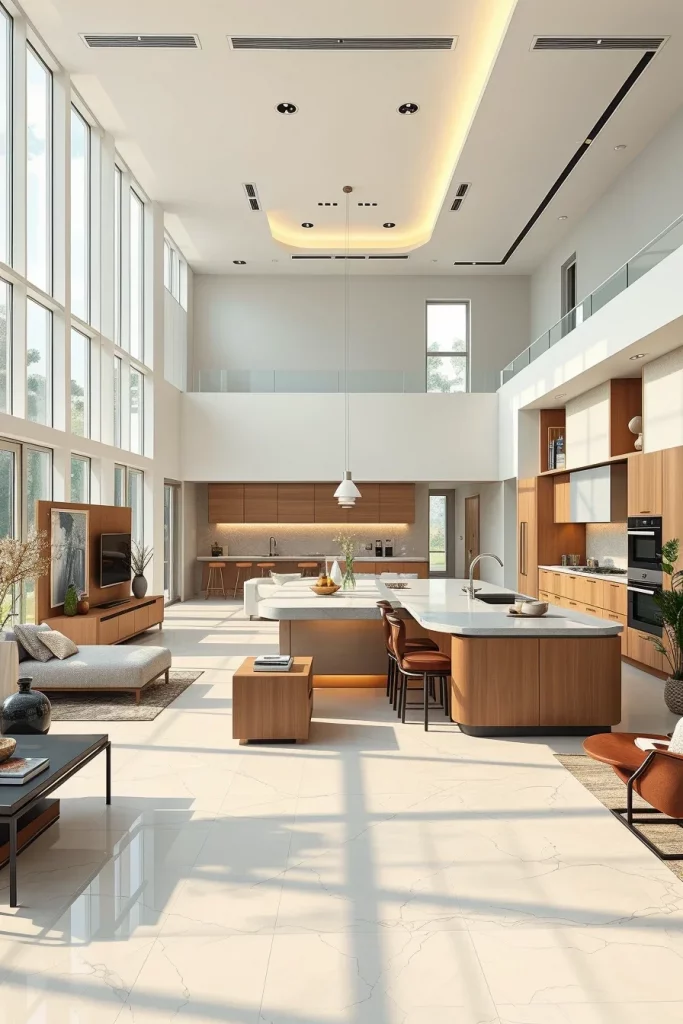
In these spaces, curved islands, rounded seating arrangements, and seamless cabinetry create a natural sense of movement. I prefer minimizing visual barriers by using integrated appliances, handleless cabinetry, and continuous flooring materials. Large multifunctional islands often serve as both workspace and social gathering zones, reinforcing the openness of the design.
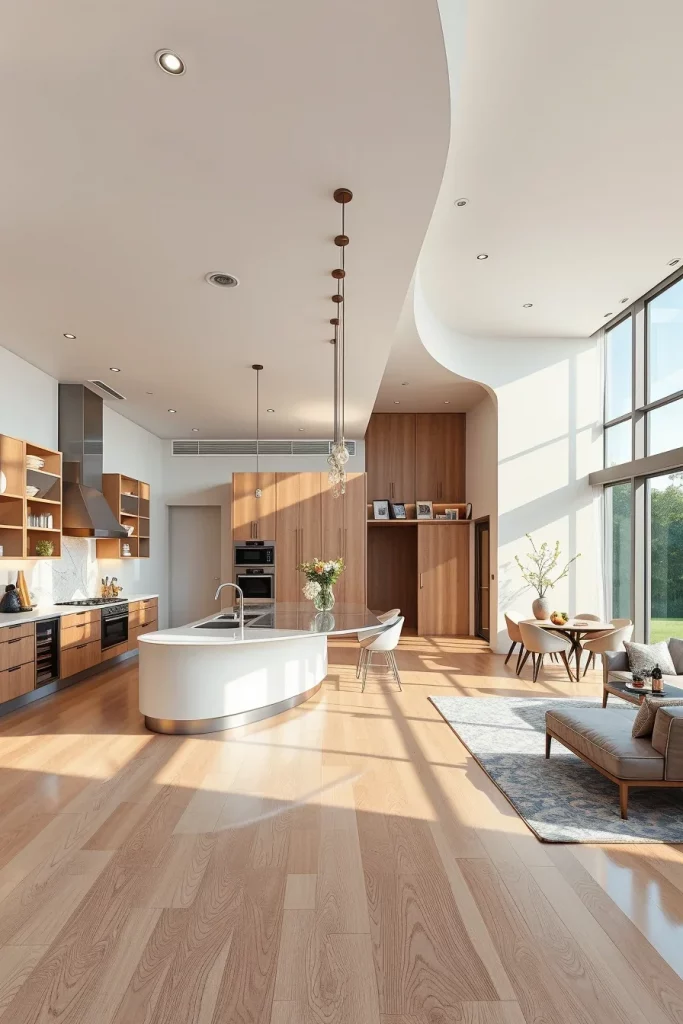
From my perspective, one of the greatest advantages of flowing layouts is how they encourage interaction between family members and guests. Many contemporary designers featured in publications such as Elle Decor emphasize creating kitchens that support both entertaining and everyday living without sacrificing aesthetics.
To further enhance flow, I recommend incorporating subtle zoning techniques through lighting, ceiling treatments, or changes in material textures rather than introducing physical partitions.
Metallic Accents That Highlight Sculptural Forms
Metallic finishes play an essential role in emphasizing sculptural elements within modern kitchens. I often use carefully selected metal details to reflect light, accentuate curves, and introduce visual contrast without overwhelming the overall composition. Metals can make sculptural forms appear even more refined and sophisticated.
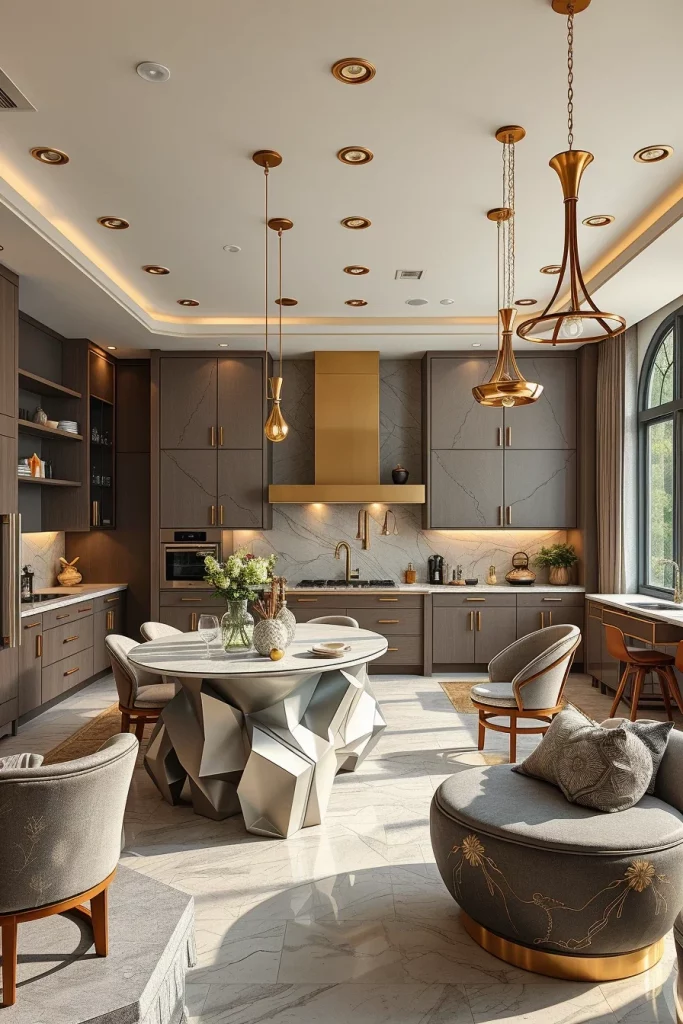
Brushed brass, satin stainless steel, blackened metal, and warm bronze finishes work particularly well in sculptural interiors. I typically incorporate metallic accents through faucets, cabinet details, lighting fixtures, bar stools, shelving supports, or decorative panels. Reflective metal surfaces help emphasize the three-dimensional qualities of curved cabinetry and textured materials.
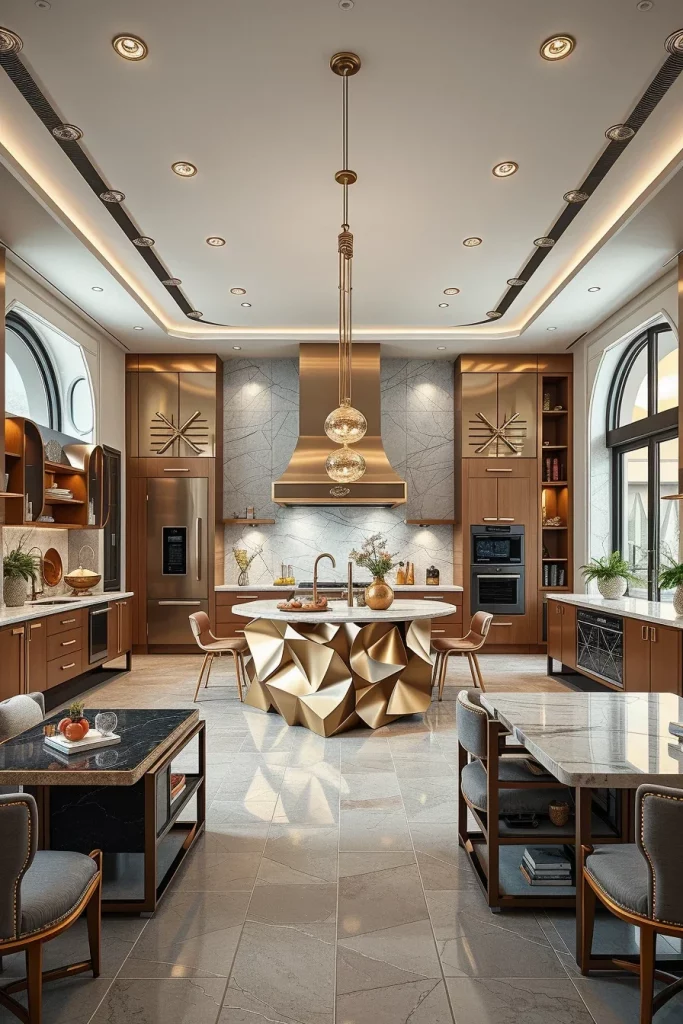
In my own projects, I have found that restraint is important. Rather than applying metallic finishes everywhere, I prefer using them strategically to guide the eye toward significant architectural features. Many leading designers similarly recommend balancing metal accents with softer materials such as stone or matte surfaces.
An additional element I would consider adding is sculptural metal artwork or custom metal range hoods, which can become dramatic focal points within the kitchen.
Sculptural Kitchen Color Palettes For Modern Interiors
Color selection significantly influences how sculptural forms are perceived within a kitchen. I often recommend sophisticated palettes that emphasize shadows, contours, and material textures rather than overly complex color schemes. Neutral backgrounds frequently allow sculptural elements to stand out more effectively.
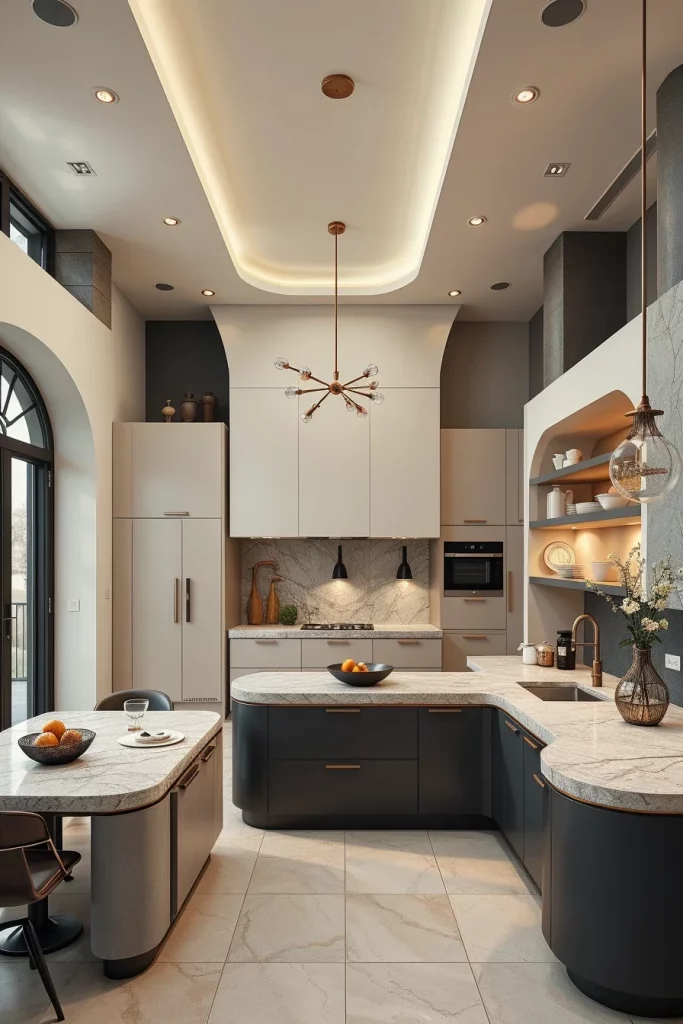
Soft whites, warm taupes, charcoal grays, earthy browns, muted greens, and deep black accents are commonly used in modern sculptural kitchens. I like combining matte finishes with natural stone surfaces and subtle tonal variations to create depth without visual clutter. Monochromatic palettes can be particularly effective because they emphasize shape and form.
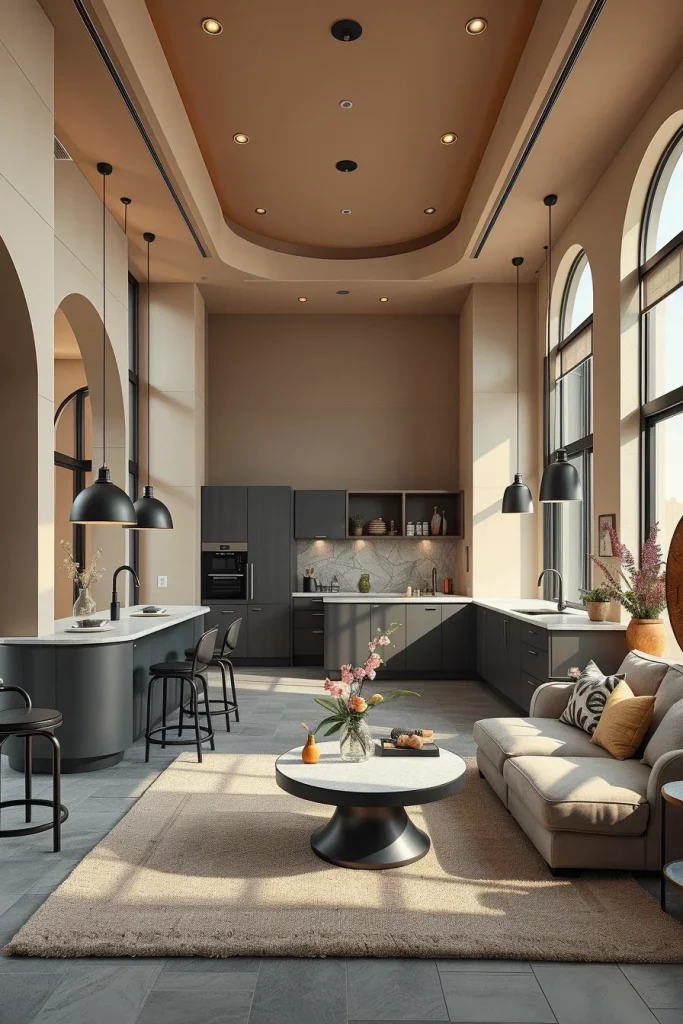
Personally, I believe color should support architecture rather than compete with it. Many respected American designers advocate for restrained palettes in sculptural interiors because they allow craftsmanship and spatial composition to become the primary focus.
If additional warmth is needed, I recommend incorporating accent tones through seating upholstery, decorative accessories, or carefully selected artwork while maintaining overall harmony.
Large Windows And Natural Light In Sculptural Kitchens
Large windows are fundamental in many sculptural kitchen designs because they enhance the architectural qualities of the space while creating a stronger connection with the outdoors. I often recommend maximizing natural light whenever possible, as daylight reveals subtle curves, material textures, and sculptural details that artificial lighting alone cannot fully showcase. Expansive glazing also helps kitchens feel more open, airy, and inviting.
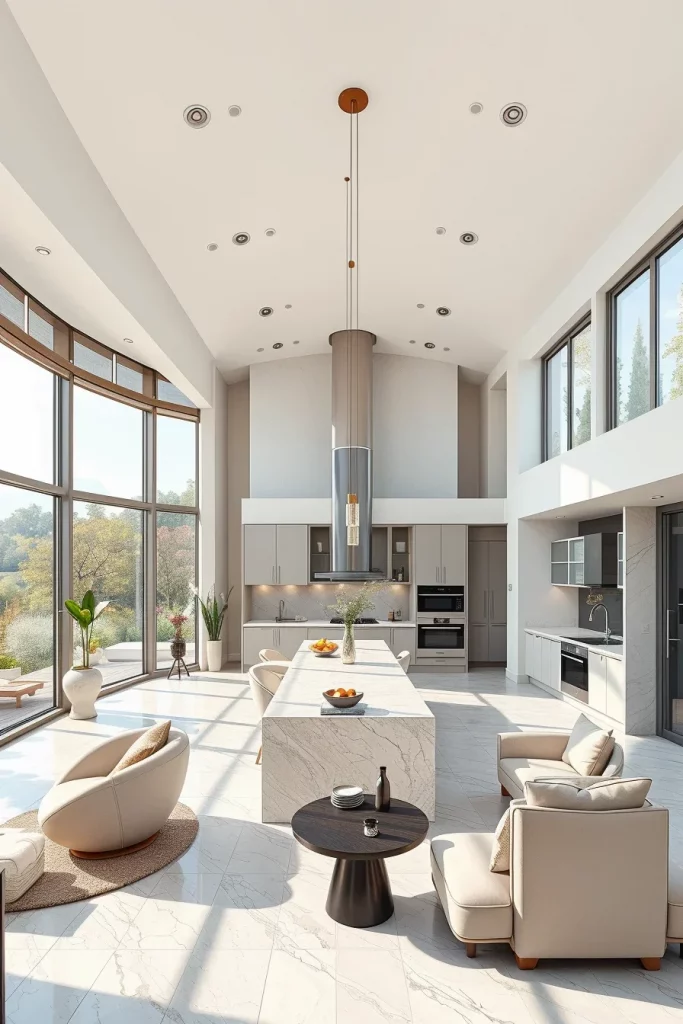
Floor-to-ceiling windows, corner glazing, clerestory windows, and oversized sliding glass doors are all excellent choices for modern sculptural kitchens. I like pairing these features with minimalist window treatments to preserve unobstructed views and allow sunlight to travel freely throughout the room. Reflective materials such as polished stone, glass, and metallic accents further amplify natural light and contribute to a brighter atmosphere.
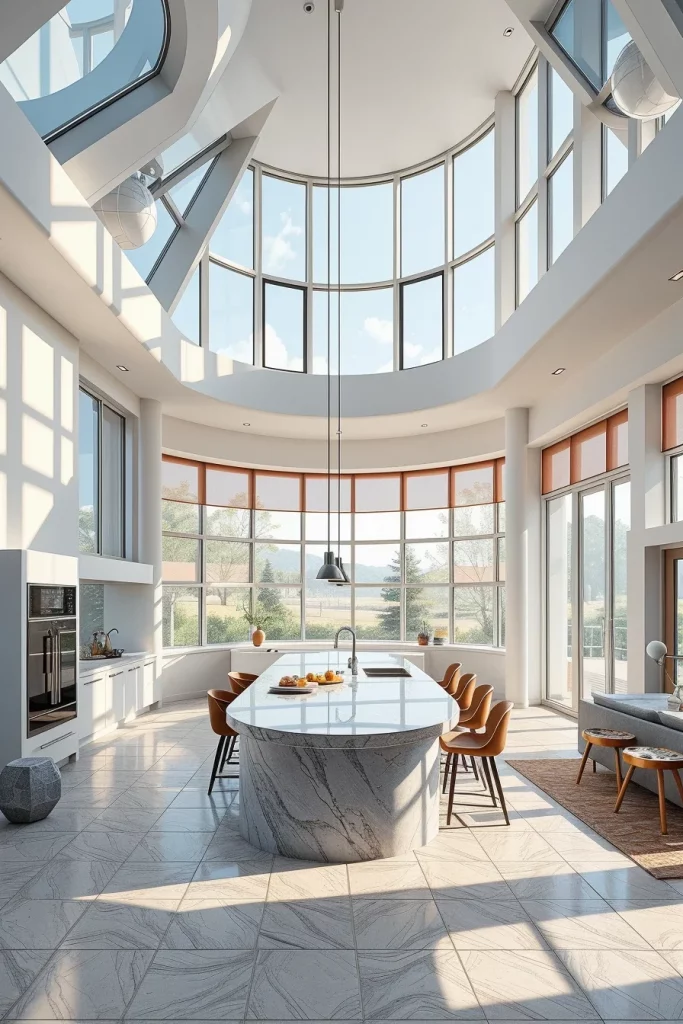
In my experience, kitchens with abundant daylight tend to feel more comfortable throughout the day and require less artificial lighting. Many interior designers featured in leading American design magazines emphasize the importance of natural light in contemporary homes because it enhances both aesthetics and wellbeing.
If privacy is a concern, I would suggest incorporating sheer motorized shades or strategically positioning landscaping outside the windows. These additions maintain privacy while preserving the light-filled character that sculptural kitchens depend upon.
Geometric Kitchen Details Inspired By Contemporary Art
Contemporary art frequently inspires sculptural kitchen design through the use of strong geometric forms and carefully balanced compositions. I often introduce geometric details to create visual interest while maintaining a clean, sophisticated appearance. These artistic references allow kitchens to feel distinctive without sacrificing practicality.
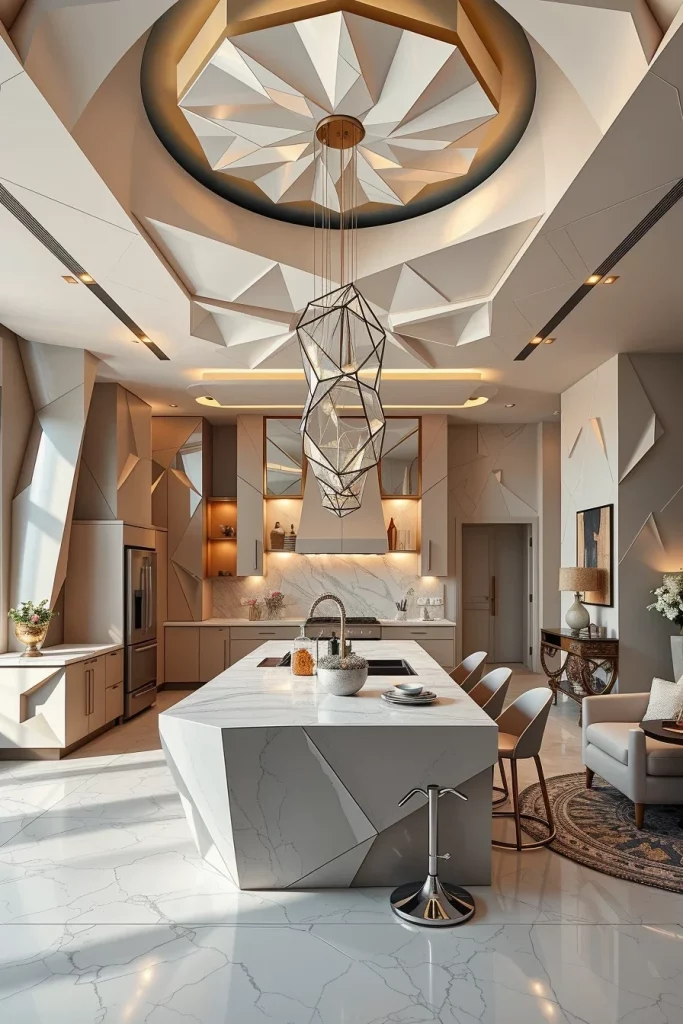
Geometric islands, angular range hoods, faceted cabinet fronts, patterned stone surfaces, and custom ceiling treatments can all contribute to this aesthetic. I also enjoy incorporating geometric pendant lighting, sculptural bar stools, and decorative wall panels that echo architectural forms found throughout the room. Repetition of shapes helps establish harmony and cohesion within the overall design.
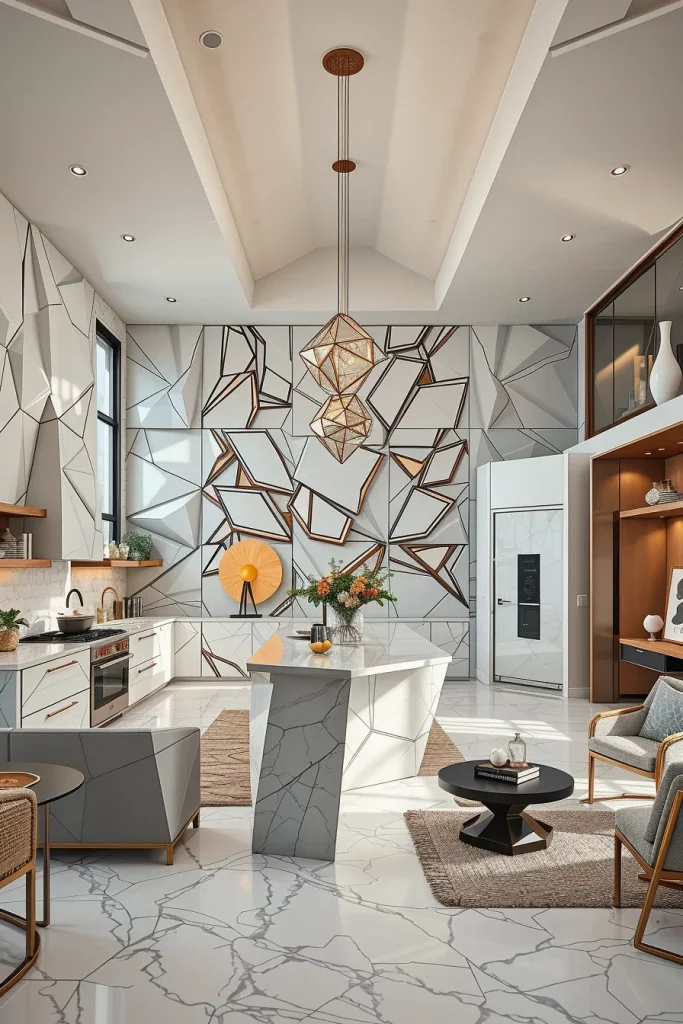
Personally, I find that geometric details work best when they are used thoughtfully rather than excessively. Many contemporary designers recommend selecting one or two dominant geometric motifs and repeating them consistently throughout the space to avoid visual clutter.
To complete this concept, I would add carefully curated contemporary artwork or sculptural accessories that reinforce the artistic inspiration behind the kitchen design.
Luxurious Finishes That Elevate Sculptural Kitchen Designs
High-quality finishes play a crucial role in elevating sculptural kitchens from visually interesting spaces to truly exceptional interiors. I believe that premium materials enhance both durability and aesthetic impact, allowing sculptural forms to achieve their full potential. Carefully selected finishes contribute richness, texture, and sophistication without overwhelming the design.
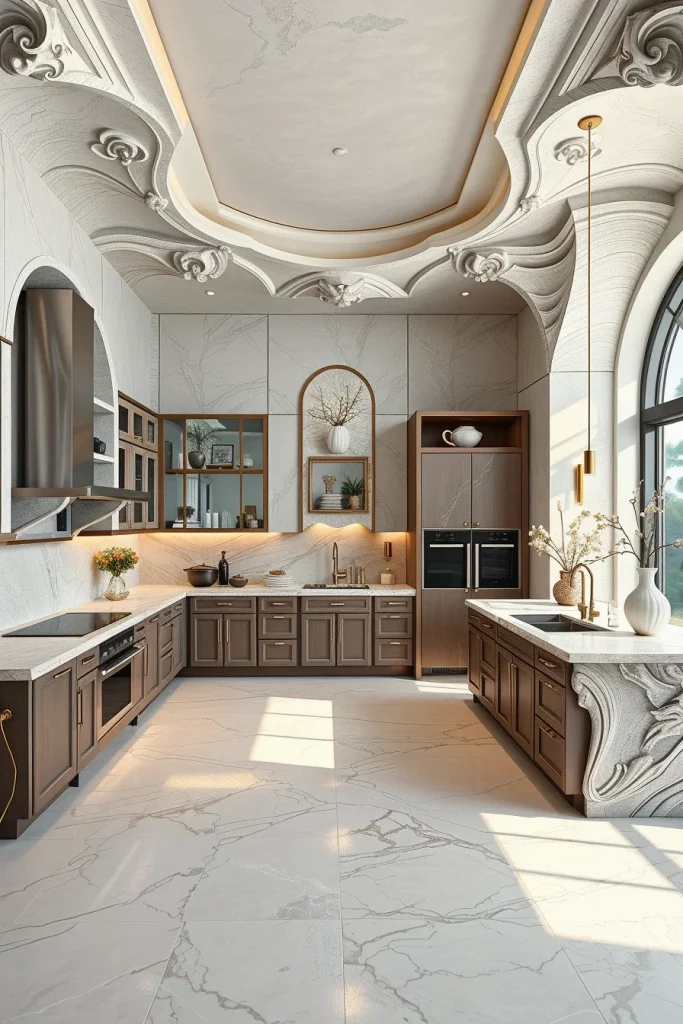
Natural stone countertops with dramatic veining, large-format porcelain surfaces, fluted cabinetry, textured plaster walls, and custom millwork are among my preferred choices. Matte finishes often emphasize sculptural forms beautifully, while polished elements can introduce contrast and subtle reflections. Integrated appliances and seamless joinery further reinforce the refined appearance of the space.
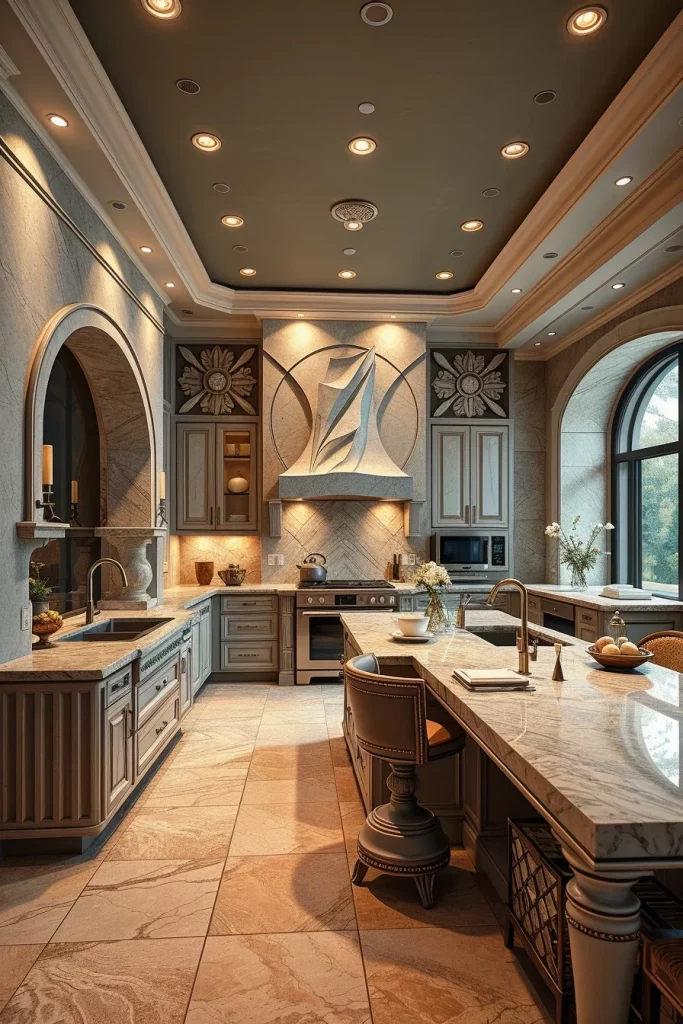
In my projects, I prioritize finishes that combine visual appeal with long-term performance. Respected publications such as House Beautiful frequently highlight the importance of investing in durable, timeless materials that remain attractive for years rather than following short-lived trends.
One additional feature I would strongly recommend is incorporating handcrafted details, such as custom hardware or artisan-made surfaces. These unique elements add personality and reinforce the bespoke nature of sculptural kitchen design.
Mixing Straight Lines And Curves For Dynamic Interiors
One of the most compelling characteristics of sculptural kitchens is the interplay between straight lines and curved forms. I frequently combine these contrasting elements to create interiors that feel balanced, dynamic, and visually engaging. Straight lines provide structure and order, while curves introduce softness and movement.
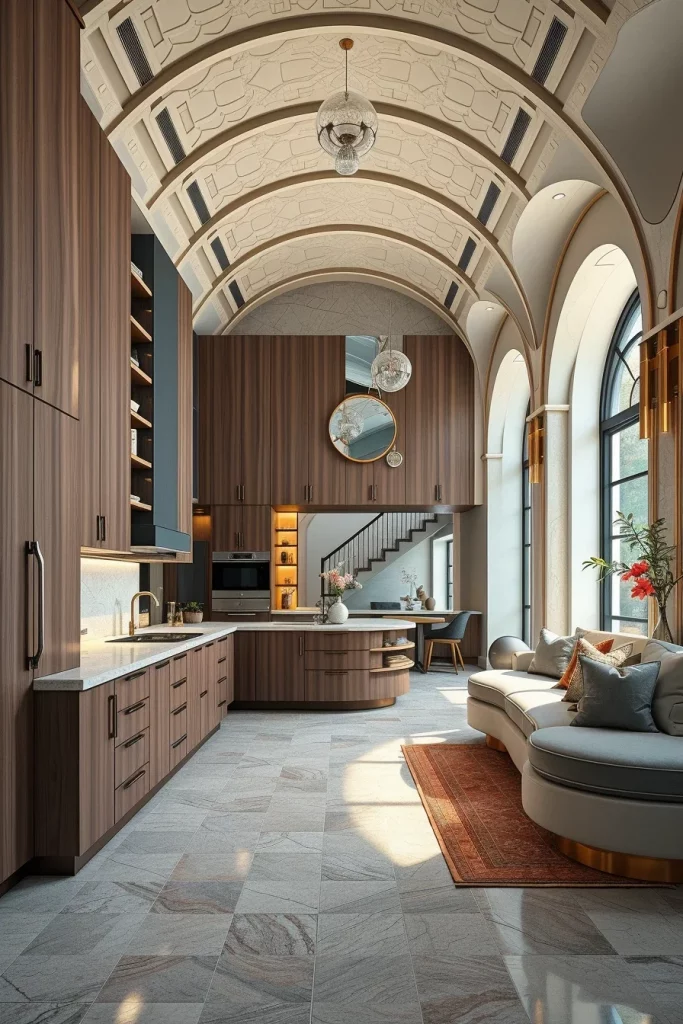
I often design kitchens featuring linear cabinetry paired with rounded islands, curved breakfast bars, or arched architectural openings. Circular lighting fixtures, curved seating, and softly rounded shelving can further reinforce this balance. By carefully juxtaposing geometric precision with organic forms, the kitchen achieves a harmonious and contemporary appearance.
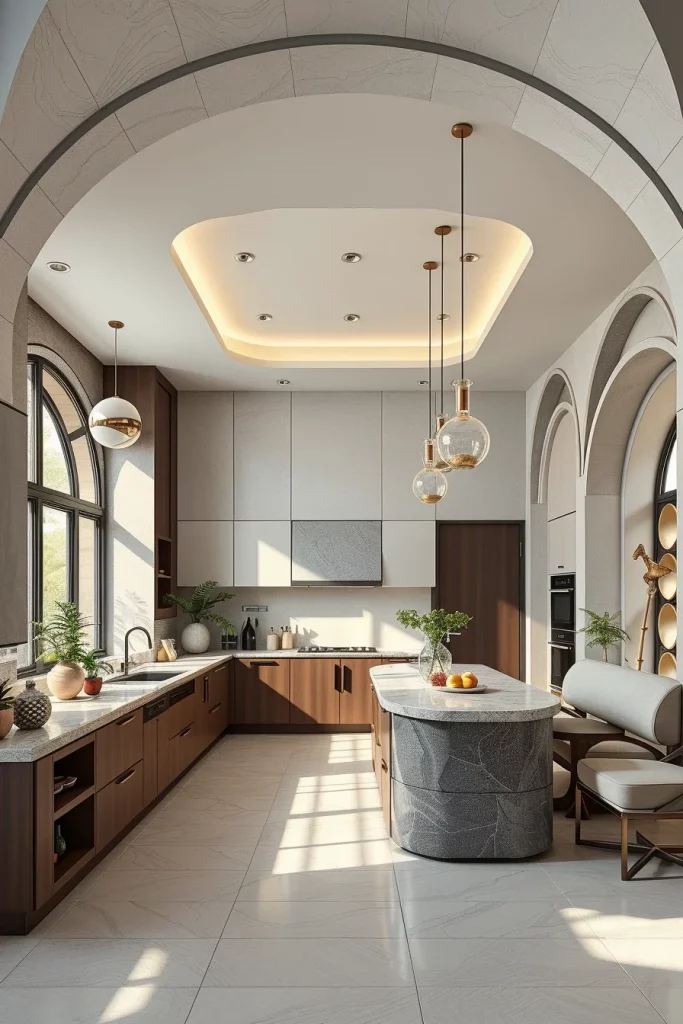
From my perspective, this combination creates interiors that remain interesting over time because the eye naturally moves between contrasting shapes. Many leading interior designers advocate incorporating curves into modern spaces to soften rigid architectural lines and create a more welcoming environment.
To strengthen this concept, I would also introduce varied textures throughout the room. Smooth stone surfaces, textured cabinetry, and upholstered seating can enhance the visual dialogue between straight and curved forms.
Future Trends In Sculptural Kitchen Design Inspiration
The future of sculptural kitchen design continues to evolve as homeowners seek spaces that combine artistry, innovation, and functionality. I expect sculptural kitchens to become even more personalized, with custom forms and integrated technology playing increasingly important roles. The emphasis will remain on creating kitchens that function beautifully while expressing individual style.
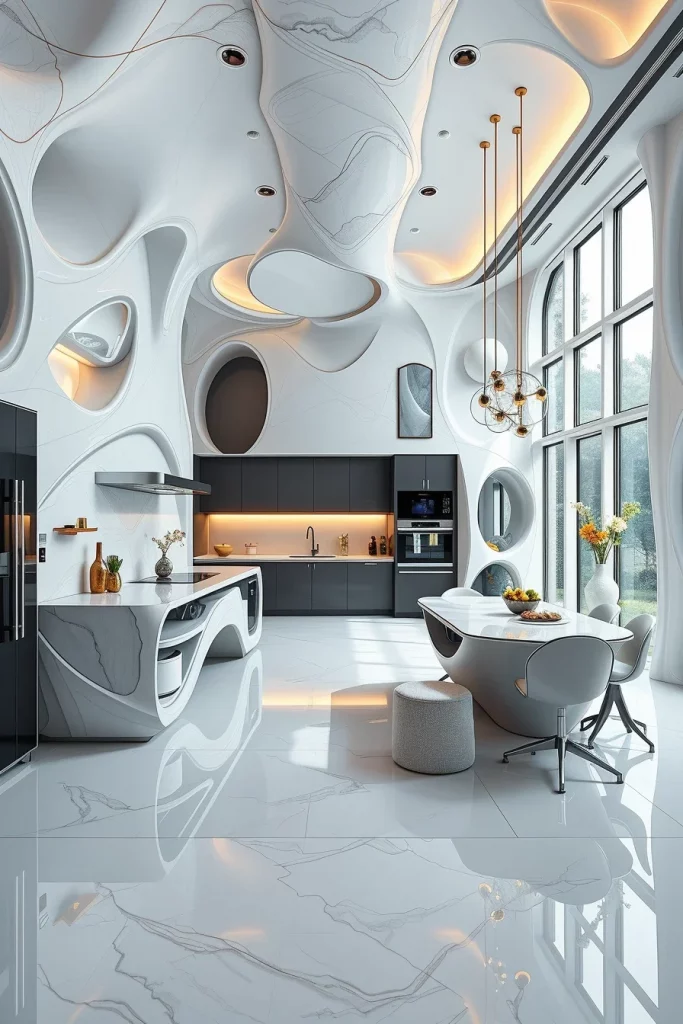
Emerging trends include organically shaped islands, invisible storage solutions, integrated smart technologies, sustainable materials, and multifunctional furniture. I am also seeing greater interest in seamless transitions between kitchens and adjacent living spaces, allowing sculptural elements to extend throughout the home. Advanced manufacturing techniques are making custom forms more accessible than ever before.
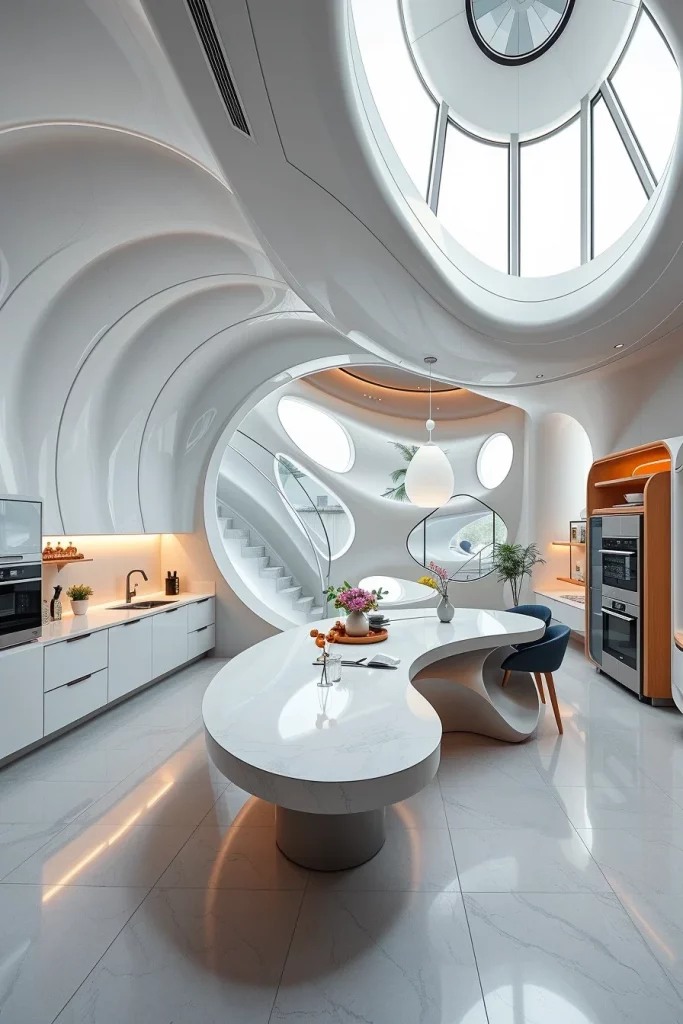
In my opinion, the most successful future kitchens will balance innovation with timeless design principles. Many respected American designers emphasize that while technology and trends may evolve, quality craftsmanship, thoughtful planning, and functional layouts will always remain essential.
As sculptural kitchens continue to develop, I believe homeowners should focus on selecting features that genuinely support their lifestyles while reflecting their personal aesthetic preferences. This approach ensures that the kitchen remains both beautiful and practical for years to come.
Sculptural kitchen design proves that a functional space can also be a work of art. By incorporating flowing forms, statement materials, and architectural details, you can create a kitchen that feels both sophisticated and inviting. Whether you embrace subtle curves or bold artistic features, these inspiring ideas can help transform your kitchen into a truly unforgettable centerpiece of the home.