
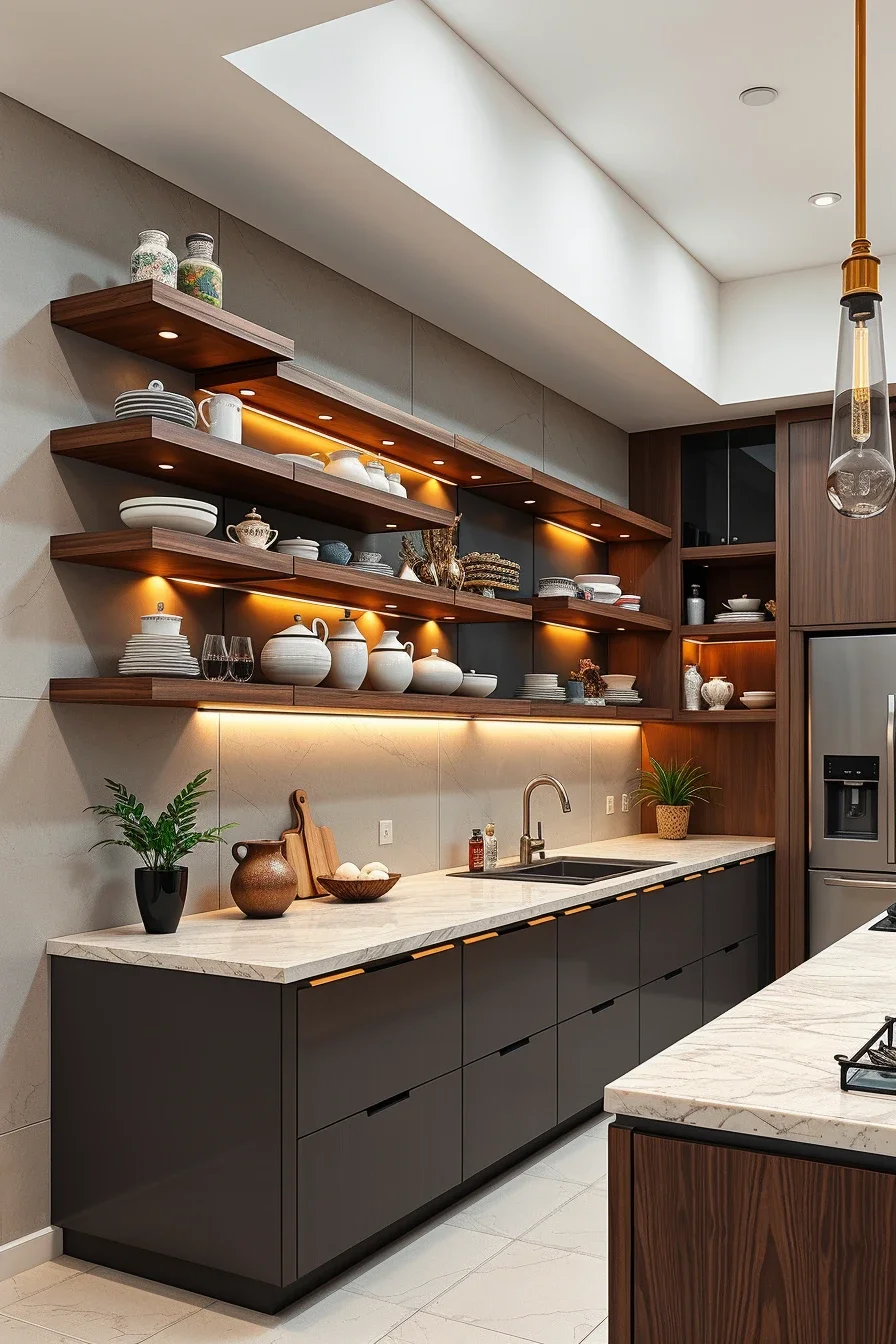
Modern kitchen styling has evolved far beyond simple functionality, becoming a powerful expression of creativity, luxury, and personal taste. Today’s kitchens blend sleek architectural forms, sculptural furniture, and innovative materials to create spaces that are both practical and visually inspiring. Curved lines, artistic details, and custom-designed features are increasingly replacing traditional layouts, giving kitchens a more sophisticated and unique character. From statement islands and designer lighting to seamless storage solutions, every element contributes to a cohesive and modern aesthetic. Whether you prefer a minimalist look or a bold, gallery-inspired interior, modern kitchen styling offers endless opportunities for customization. In this article, we explore stunning ideas and design trends that can transform any kitchen into a stylish contemporary masterpiece.
Sculptural Kitchen Islands That Become Functional Art Pieces
When I design a kitchen around a sculptural island, I treat it as the visual centerpiece of the entire room. A large island with artistic curves, asymmetrical forms, or monolithic detailing immediately creates a sense of sophistication while remaining highly functional. These sculptural features transform ordinary kitchens into creative spaces that feel custom-designed rather than mass-produced. I find that oversized islands work particularly well in open-concept layouts where they naturally connect cooking, dining, and entertaining areas.
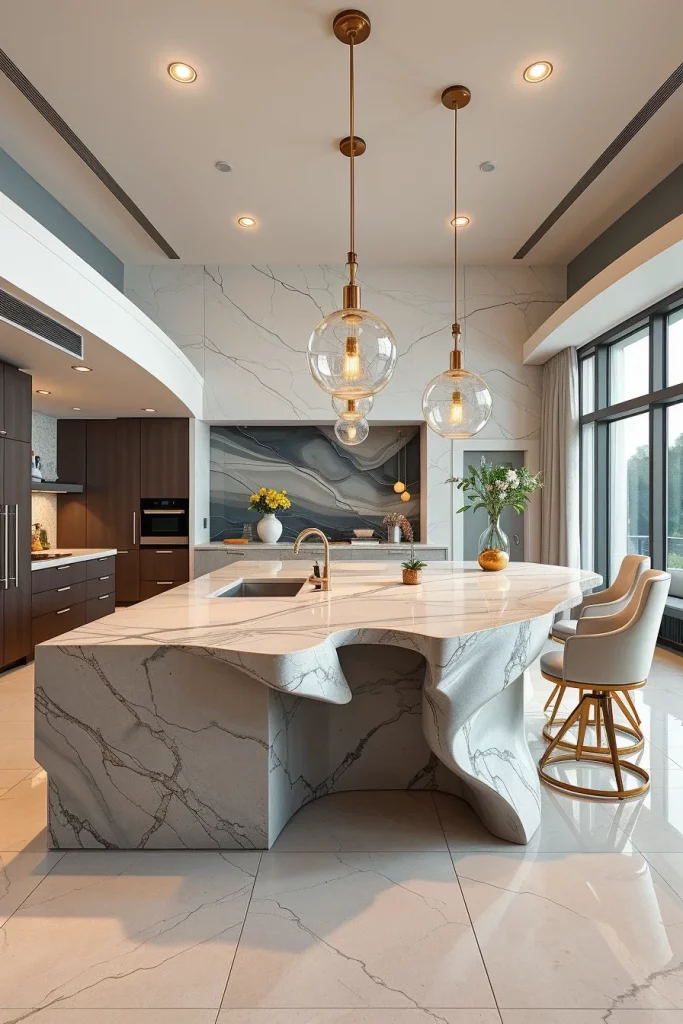
I often recommend islands crafted from marble, quartz, or engineered stone with waterfall edges and integrated storage. Built-in sinks, hidden appliances, and seamless cabinetry allow the island to maintain a clean architectural appearance. Comfortable designer stools with elegant silhouettes complement the structure while preserving visual balance. Thoughtfully integrated lighting above the island highlights its artistic qualities and reinforces its role as a statement feature.
From my experience, many leading designers emphasize investing in one dramatic focal point rather than filling a kitchen with competing decorative elements. Publications such as Architectural Digest frequently showcase kitchens where a bold island serves as both furniture and artwork. I agree with this approach because it creates a memorable design without sacrificing practicality.
I also like adding concealed charging stations, extra-deep storage drawers, and multifunctional work surfaces. These additions ensure that the artistic island performs efficiently for everyday use while maintaining its gallery-like presence.
Curved Cabinetry Designs That Soften Modern Kitchen Spaces
One of the most effective ways I create a welcoming atmosphere in a contemporary kitchen is through curved cabinetry. Rounded corners soften rigid architectural lines and introduce a sense of movement throughout the room. This approach feels particularly valuable in larger kitchens where straight lines can sometimes appear overly formal or cold. Curved cabinetry brings a subtle elegance that makes the space feel more inviting.
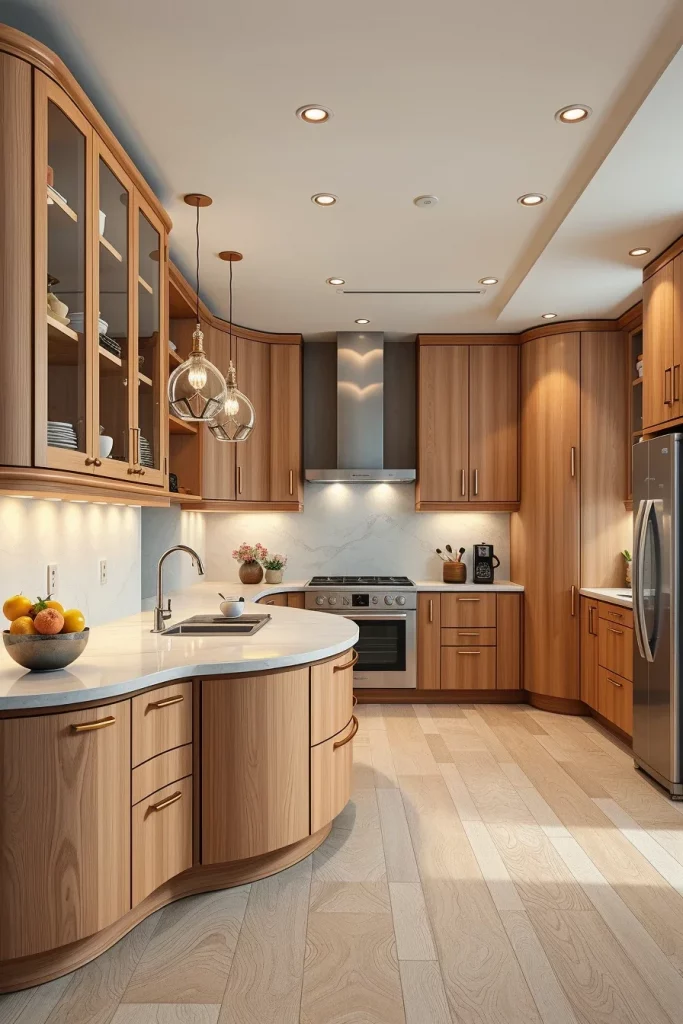
I frequently incorporate rounded pantry units, curved kitchen islands, and gently arched cabinet ends. Matte finishes, wood veneers, and textured surfaces enhance the softness of these forms. Handle-free cabinetry works especially well because uninterrupted surfaces allow the curves to become the focal point. When paired with integrated appliances, the result feels refined and effortlessly modern.
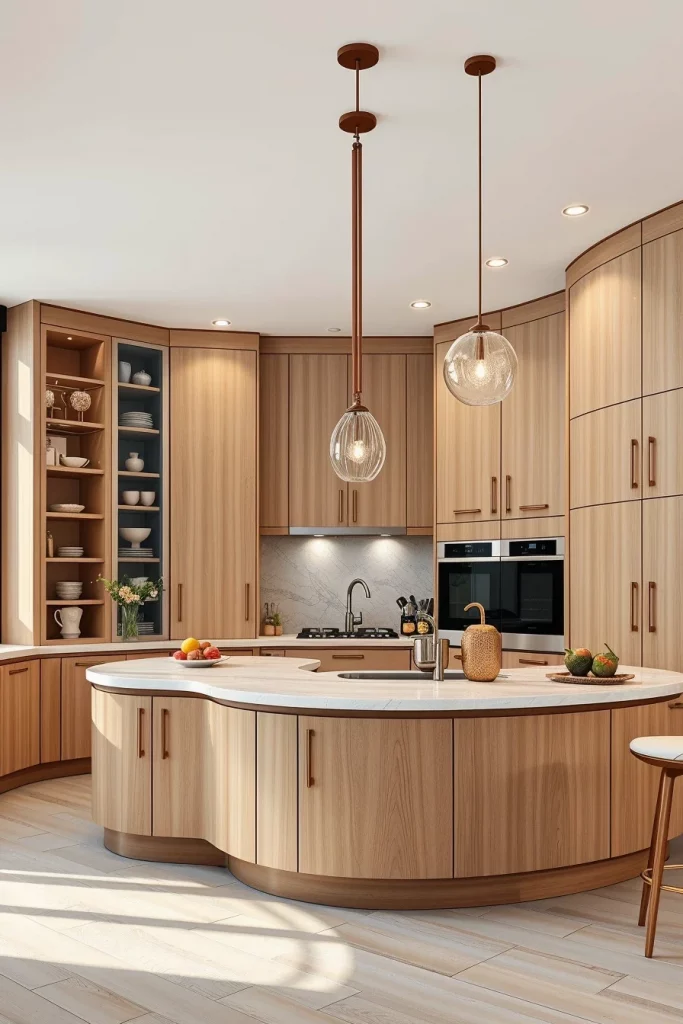
Personally, I appreciate how curved elements improve circulation around busy kitchen zones. The absence of sharp corners creates smoother pathways and contributes to a more comfortable user experience. Many contemporary European kitchen manufacturers have embraced this trend because it successfully combines beauty with functionality.
To further enhance the design, I often recommend rounded pendant lights, circular dining tables, and curved seating. These additions reinforce the theme and create visual harmony throughout the entire kitchen environment.
Statement Designer Furniture For A Luxurious Modern Kitchen
Designer furniture plays a significant role in elevating modern kitchen styling beyond standard functionality. I view furniture as an opportunity to introduce personality and luxury while maintaining cohesion with the overall design. Carefully selected seating, tables, and accent pieces can transform a kitchen into a sophisticated living space suitable for both daily routines and entertaining guests.
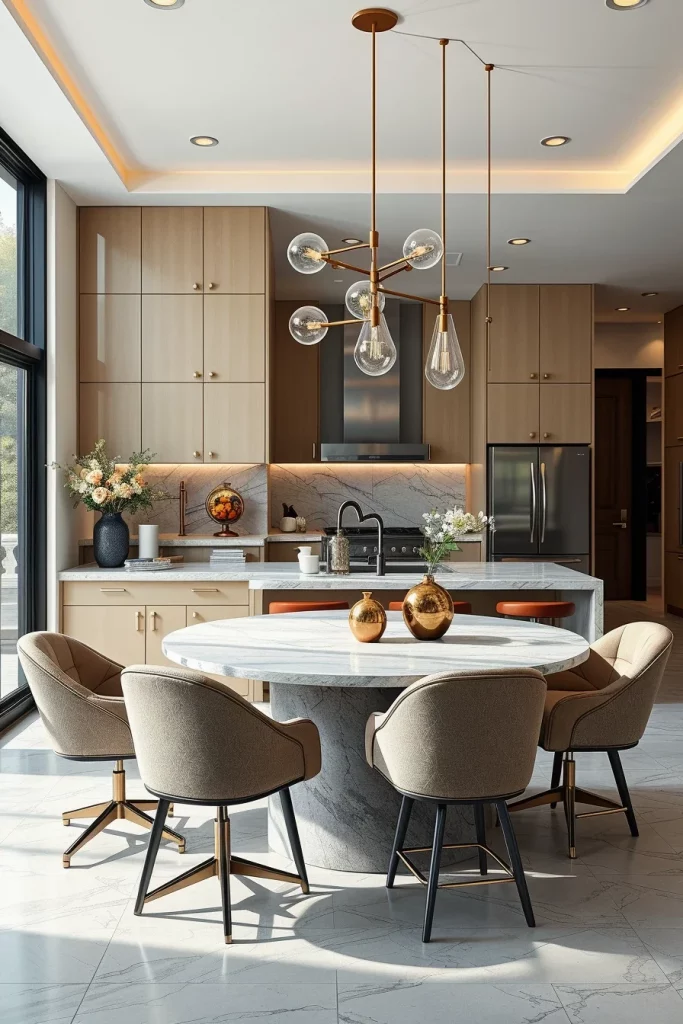
I often choose dining chairs with sculpted silhouettes, upholstered counter stools, and statement dining tables featuring stone, wood, or metal finishes. These pieces contribute visual interest while offering comfort and durability. High-quality materials and thoughtful craftsmanship ensure that the furniture remains timeless rather than trend-driven. The best designer pieces feel effortless while adding distinctive character to the room.
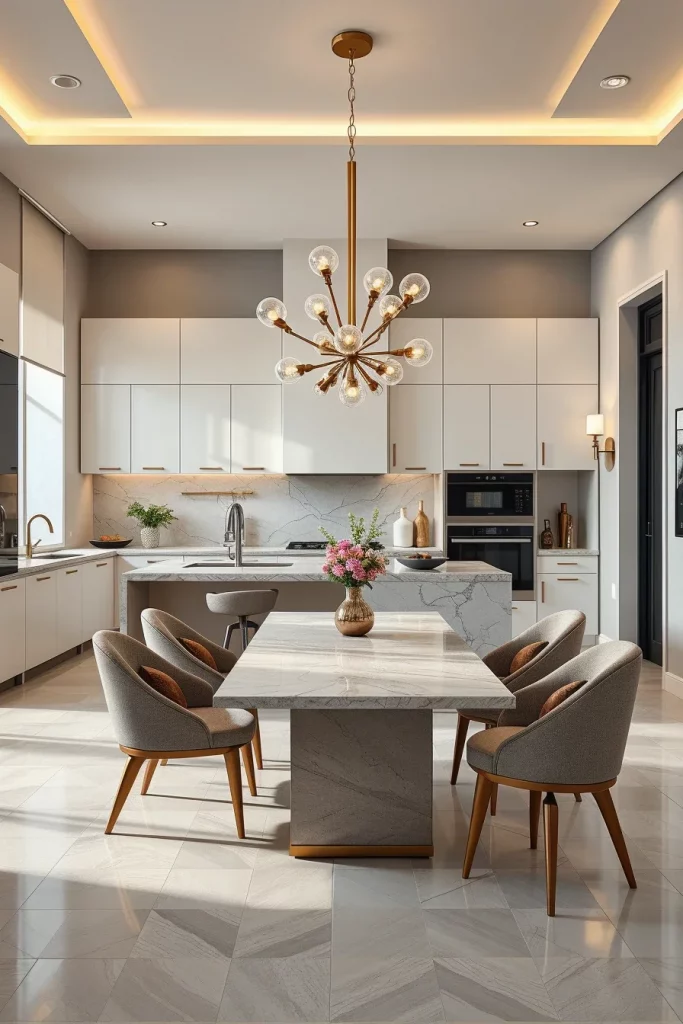
From my perspective, investing in fewer but higher-quality furnishings usually produces better results than filling a kitchen with numerous decorative items. Many respected interior designers recommend prioritizing comfort, proportions, and material quality when selecting statement furniture. I have found this advice consistently leads to more successful interiors.
To complete the look, I often include decorative lighting, large-scale artwork, and carefully selected accessories that complement the furniture without overwhelming the space. This layered approach creates a polished and luxurious atmosphere.
Organic Shapes And Flowing Lines In Contemporary Kitchen Styling
Organic design has become one of the defining characteristics of creative and unique contemporary kitchens. Rather than relying exclusively on geometric forms, I often incorporate flowing lines that create a natural visual rhythm. These softer shapes help kitchens feel more relaxed and connected to surrounding living spaces.
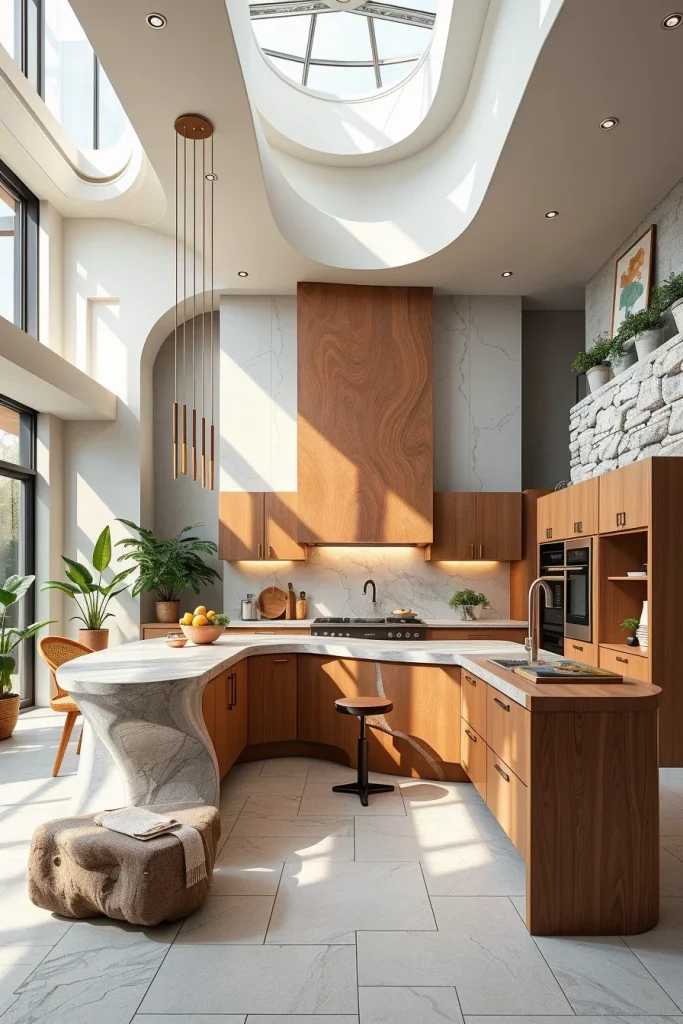
In practice, I introduce organic forms through curved islands, rounded shelving, sculpted range hoods, and fluid furniture profiles. Natural materials such as wood, stone, and textured plaster enhance the effect by adding warmth and authenticity. Combined with subtle lighting, these elements create interiors that feel sophisticated yet approachable.
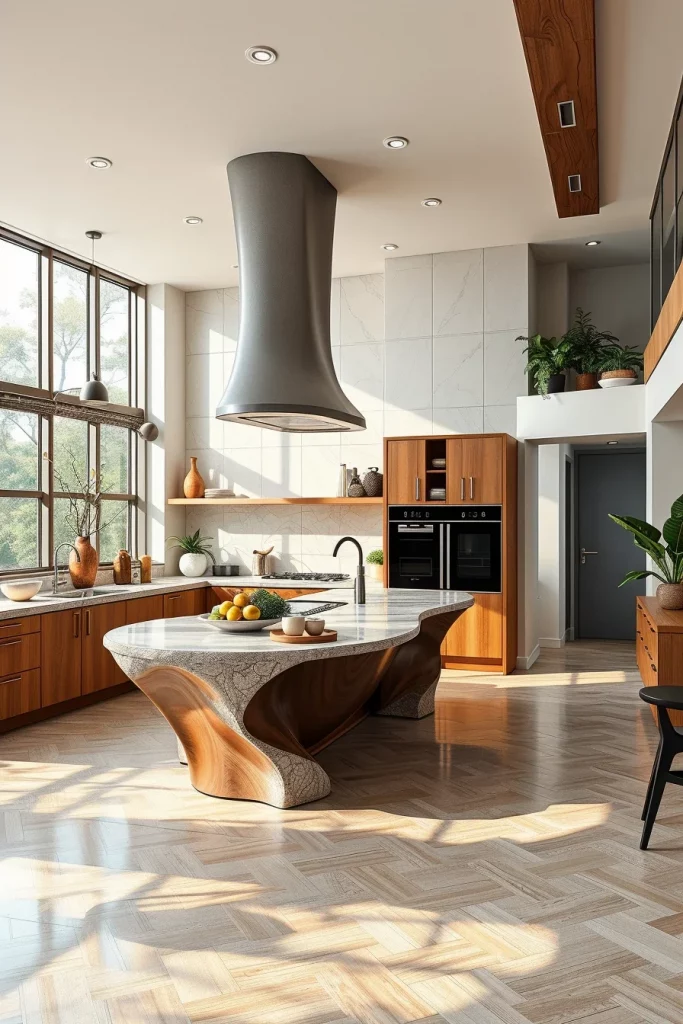
I personally enjoy how organic design encourages a more human-centered environment. The gentle transitions between surfaces and furniture pieces make the room feel comfortable while still maintaining a modern aesthetic. This balance between innovation and comfort is one reason the style continues to gain popularity.
Additional elements such as indoor plants, handmade ceramics, and textured fabrics can strengthen the connection between organic forms and natural materials. These details contribute depth and personality without compromising the clean appearance of the space.
Minimalist Modern Kitchens With Artistic Architectural Details
Minimalism does not have to feel empty or sterile. In my work, I often combine minimalist principles with artistic architectural features to create kitchens that feel elegant and visually engaging. Clean lines, concealed storage, and uncluttered surfaces provide the foundation, while carefully selected design details introduce character and individuality.
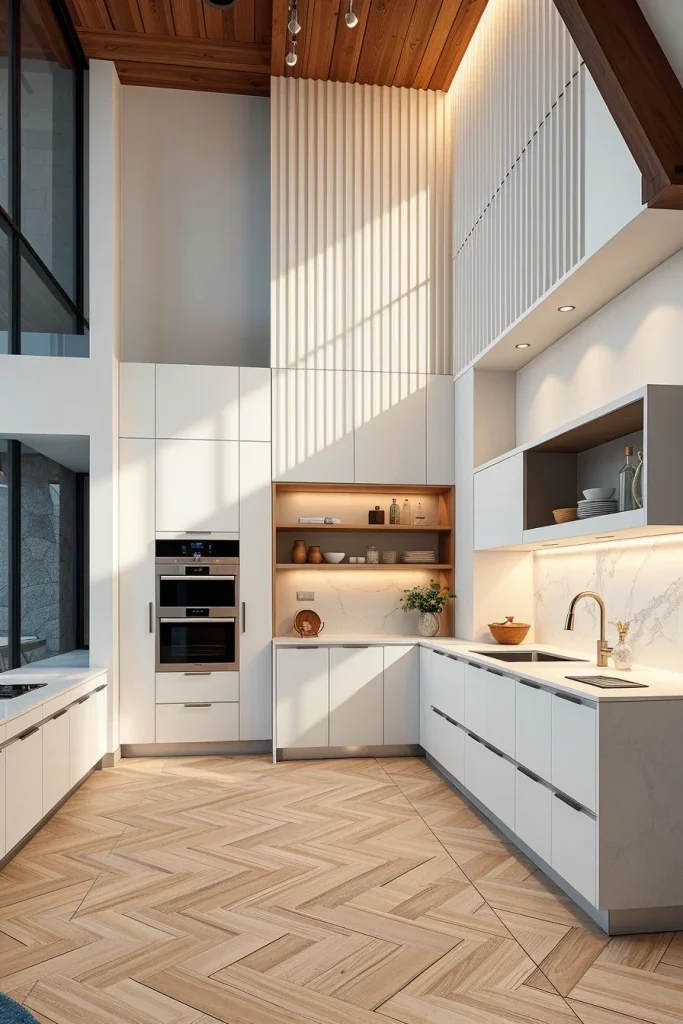
I frequently use architectural elements such as fluted wall panels, recessed shelving, integrated lighting channels, and dramatic ceiling treatments. These features add depth and visual interest without disrupting the simplicity of the design. Materials like stone, wood, and metal help define individual zones while maintaining a cohesive overall appearance.
I have noticed that some of the most impressive minimalist kitchens rely on subtle details rather than bold decoration. Publications such as Elle Decor often highlight kitchens where craftsmanship and architectural precision become the primary decorative features. I find this approach highly effective because it emphasizes quality over quantity.
For added functionality, I recommend integrating smart storage systems and hidden appliances. These practical additions preserve the minimalist aesthetic while supporting the demands of everyday life.
Custom Kitchen Layouts Designed Around Unique Lifestyle Needs
When I plan a kitchen layout, I always begin by understanding how the homeowners actually use the space. A truly unique kitchen should support daily routines rather than force people to adapt to a generic floor plan. Whether the priority is entertaining, family cooking, remote work, or gourmet meal preparation, custom layouts create a more efficient and enjoyable environment. This personalized approach is one of the defining characteristics of modern luxury kitchen design.
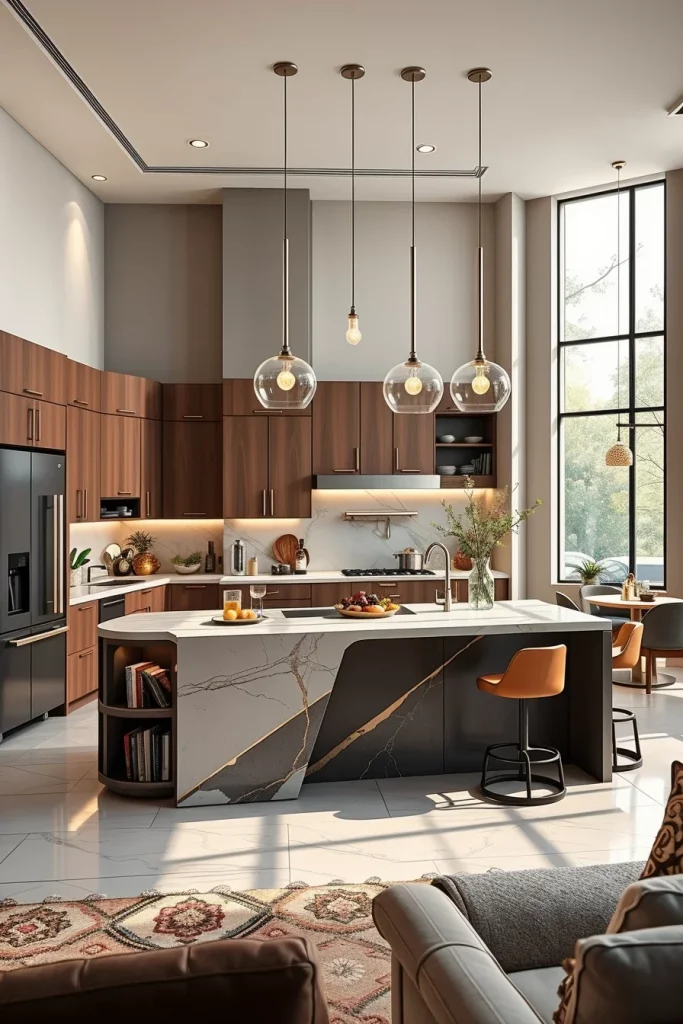
I often incorporate specialized zones such as coffee stations, hidden prep kitchens, breakfast nooks, wine storage areas, or integrated workspaces. Large walkways, carefully positioned appliances, and customized storage solutions improve workflow while maintaining a clean appearance. Multifunctional islands frequently become the center of these tailored layouts because they support several activities simultaneously.
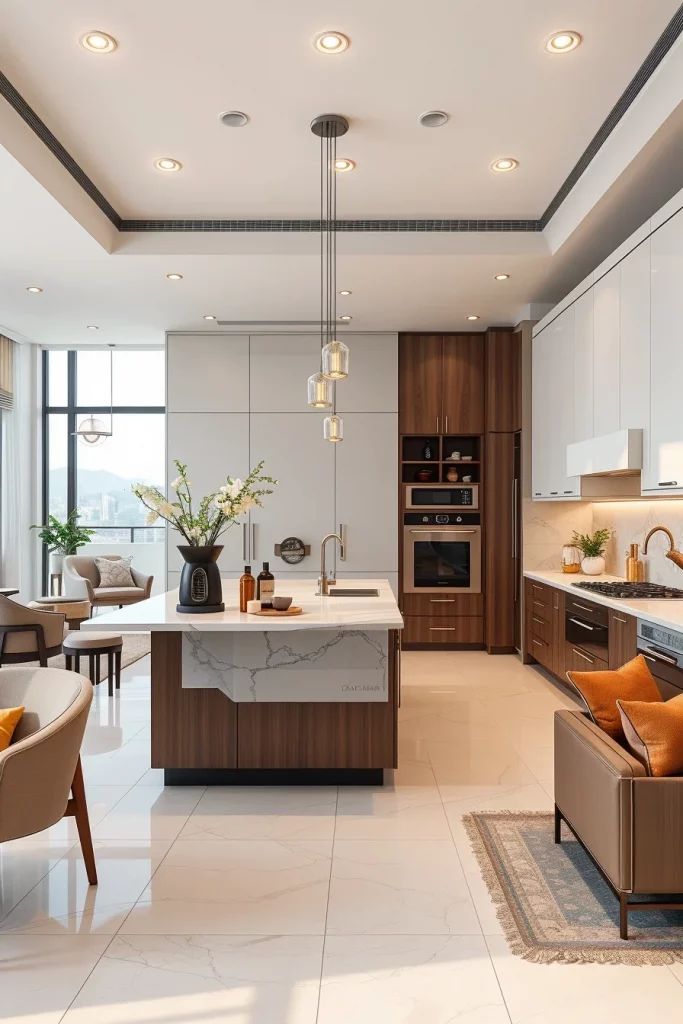
In my experience, kitchens designed around specific lifestyle requirements remain functional for many years because they respond directly to the needs of the household. Many professional designers emphasize the importance of user-centered planning, and I strongly agree with this philosophy. A beautiful kitchen becomes even more valuable when it genuinely improves daily life.
I also recommend planning for future flexibility. Adjustable storage systems, adaptable seating arrangements, and smart technology integrations help the kitchen evolve as household needs change over time.
Elegant Marble Features That Elevate Modern Kitchen Interiors
Marble remains one of the most sophisticated materials available for stylish and contemporary kitchens. I often use marble to introduce elegance, texture, and visual depth while maintaining a timeless aesthetic. Whether applied subtly or dramatically, marble instantly elevates the appearance of the space and complements both minimalist and artistic interiors.
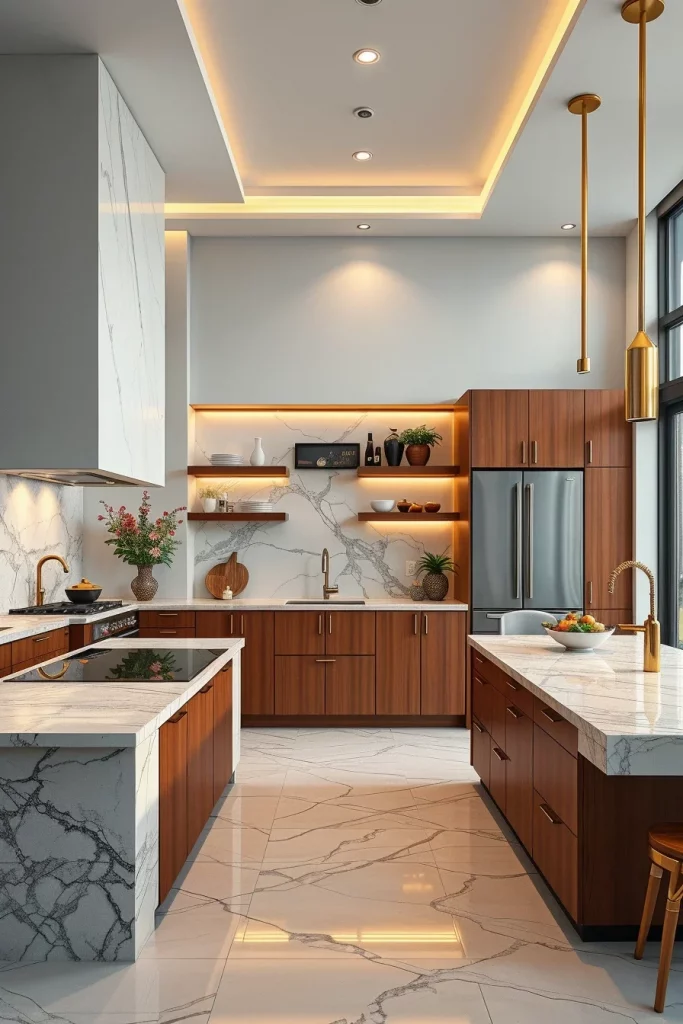
I frequently incorporate marble through waterfall islands, backsplashes, countertops, wall panels, and custom shelving details. Natural veining creates one-of-a-kind patterns that make each installation feel exclusive. When paired with warm wood cabinetry, brushed metal accents, and designer lighting, marble becomes even more striking while preserving balance throughout the room.
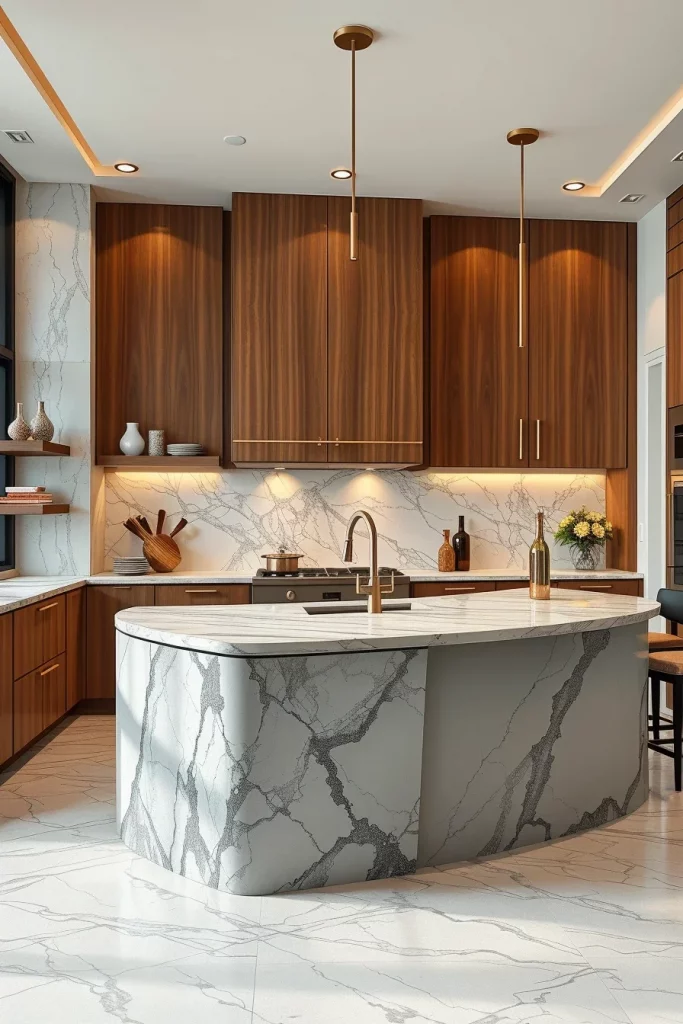
Personally, I appreciate how marble can function as both a practical surface and a decorative element. Luxury interior publications regularly feature kitchens where marble acts as the dominant design feature, and I find this approach particularly successful when the material is allowed to showcase its natural beauty without excessive ornamentation.
To maximize durability, I often suggest combining marble with high-performance sealants and complementary materials. This ensures the kitchen maintains its luxurious appearance while meeting the practical demands of everyday use.
Creative Kitchen Color Palettes Beyond Traditional Neutrals
While neutral tones remain popular, I increasingly see homeowners embracing creative color palettes that bring personality and individuality into modern kitchens. Carefully selected colors can completely transform the atmosphere of a room while highlighting architectural details and designer furnishings. Bold yet balanced combinations often create the most memorable results.
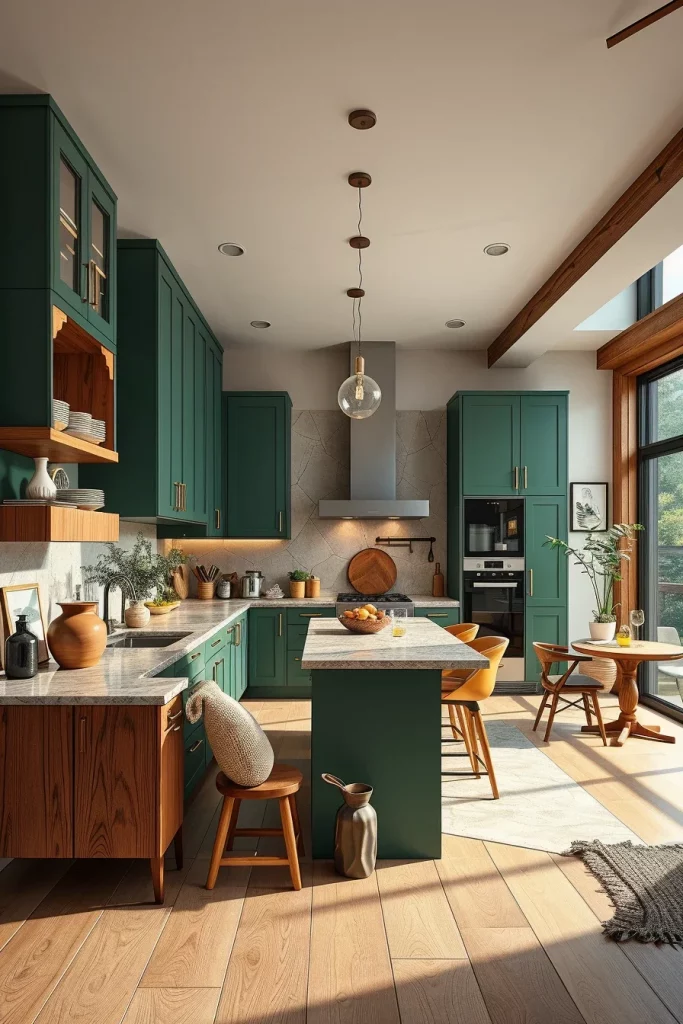
I frequently work with deep forest greens, muted terracotta shades, dusty blues, charcoal tones, and warm earthy colors. These hues pair beautifully with natural materials such as wood, marble, and stone. Accent colors can be introduced through cabinetry, seating, lighting fixtures, or decorative accessories without overwhelming the overall design. The goal is to create contrast while maintaining sophistication.
From my perspective, color should support the architectural concept rather than dominate it. I often recommend testing samples under different lighting conditions before making final decisions. Natural and artificial lighting can significantly influence how colors appear throughout the day.
To complete the palette, I like incorporating textured finishes and layered materials. This approach adds visual richness and ensures the color scheme feels intentional and cohesive rather than purely decorative.
Floating Shelving Concepts For Stylish Open Kitchen Displays
Floating shelving offers an excellent opportunity to combine storage with visual presentation. In stylish modern kitchens, open shelving creates a lighter and more spacious atmosphere compared to traditional upper cabinets. When thoughtfully designed, these shelves become part of the architectural composition while providing practical storage solutions.
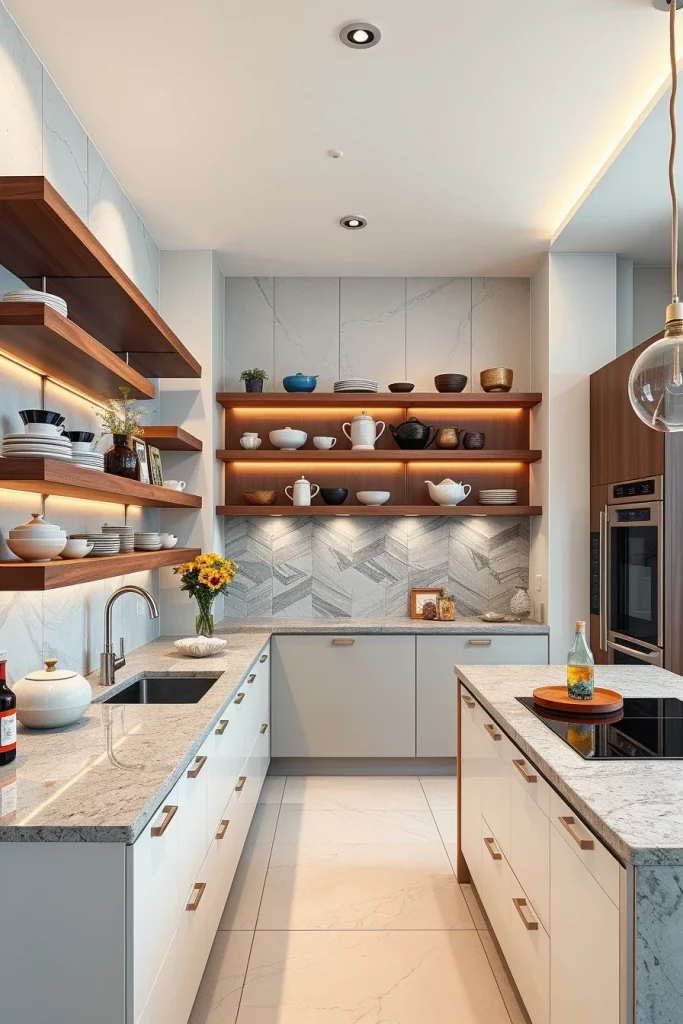
I typically install floating shelves using natural wood, stone, metal, or custom-finished materials that coordinate with surrounding cabinetry. These shelves are ideal for displaying ceramics, glassware, cookbooks, decorative objects, and curated collections. Integrated LED lighting can further enhance the display while adding ambient illumination to the kitchen.
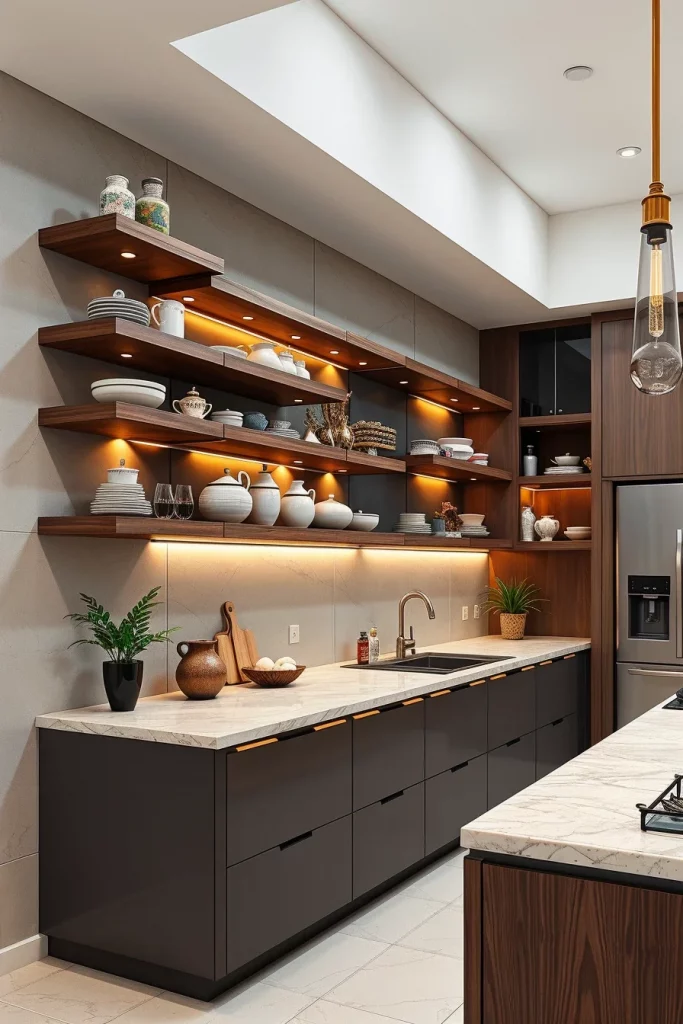
I have found that successful open shelving requires careful organization. Rather than treating shelves as general storage, I prefer to style them intentionally with a balance of functional and decorative items. Many interior designers recommend limiting clutter and maintaining visual consistency, advice that I follow in most projects.
To improve functionality, I often include concealed storage elsewhere in the kitchen. This combination allows floating shelves to remain attractive and organized while everyday items stay neatly hidden from view.
Sculpted Wood Elements That Add Warmth And Character
Wood introduces an essential sense of warmth to modern kitchen styling, especially when combined with contemporary materials and artistic forms. I often use sculpted wood details to soften sleek surfaces and create a more welcoming atmosphere. These elements provide texture, craftsmanship, and visual depth while maintaining a refined aesthetic.
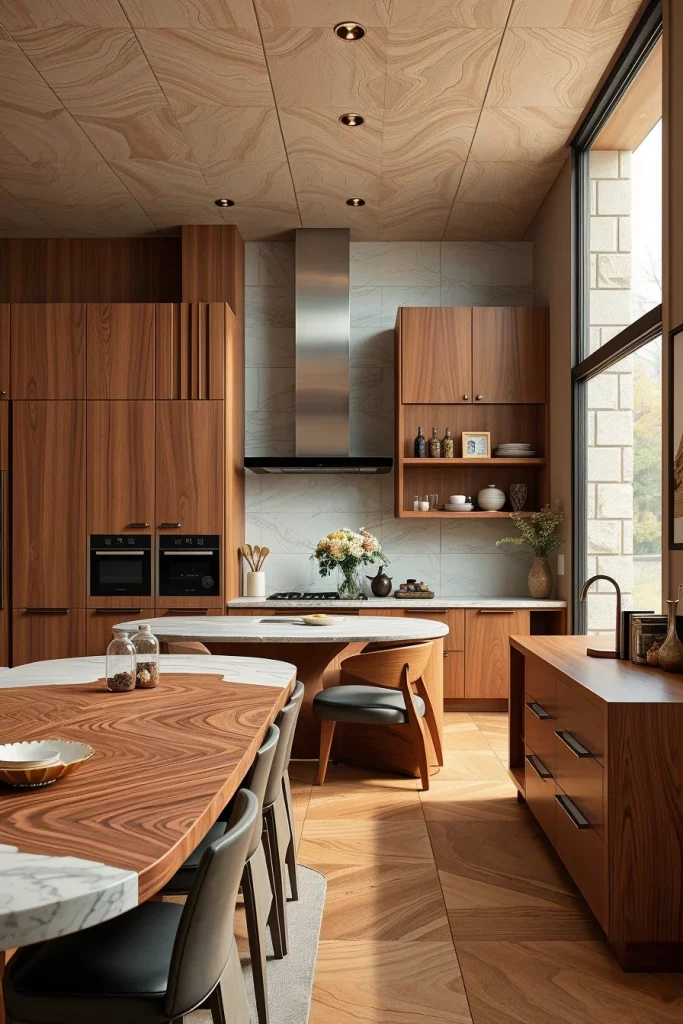
I frequently incorporate fluted wood panels, custom millwork, curved wood islands, ceiling beams, and handcrafted cabinetry details. Natural grain patterns contribute organic beauty that cannot be replicated by synthetic materials. When paired with stone countertops and designer furniture, sculpted wood creates a balanced contrast between warmth and sophistication.
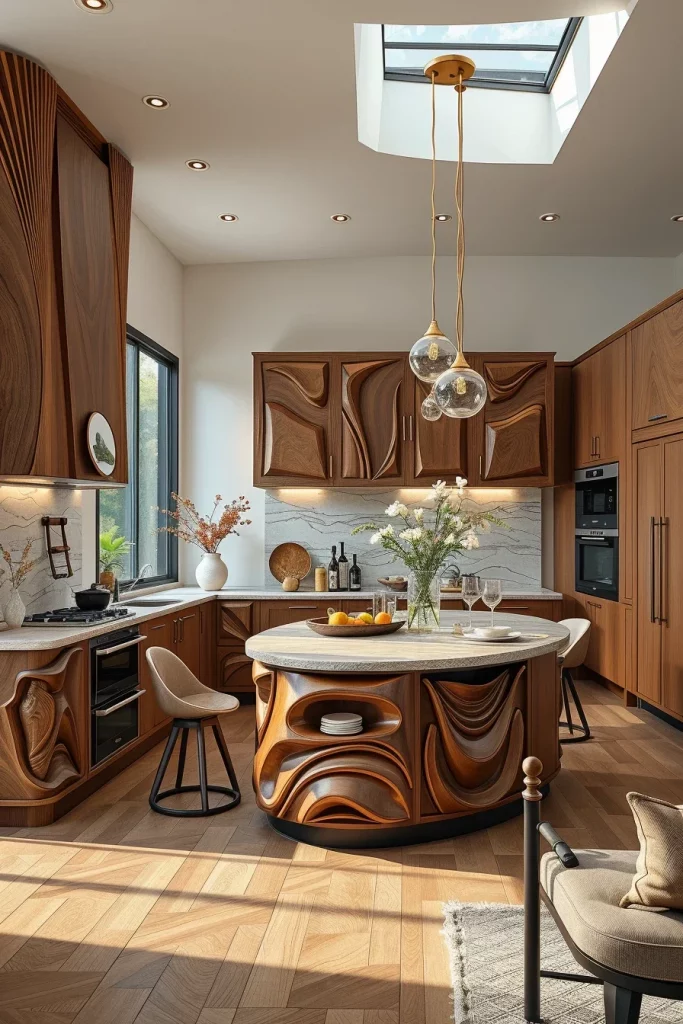
In my experience, wood is one of the most versatile materials available for contemporary interiors. It works equally well in minimalist spaces and more expressive unusual kitchen designs. The key is selecting finishes and profiles that complement the overall architectural vision rather than compete with it.
I also recommend layering different wood textures and tones throughout the room. This strategy adds richness and character while helping the kitchen feel thoughtfully designed and highly personalized.
Designer Lighting Installations As Kitchen Centerpieces
I often begin modern kitchen styling by focusing on lighting because it influences both the atmosphere and visual hierarchy of the room. Designer lighting installations can act as functional art pieces, drawing attention to the heart of the kitchen while providing essential illumination. Oversized pendant lights, geometric chandeliers, and custom sculptural fixtures create an immediate focal point and contribute to a highly artistic and stylish environment. When selected carefully, these installations enhance the architecture while reinforcing the overall design concept.
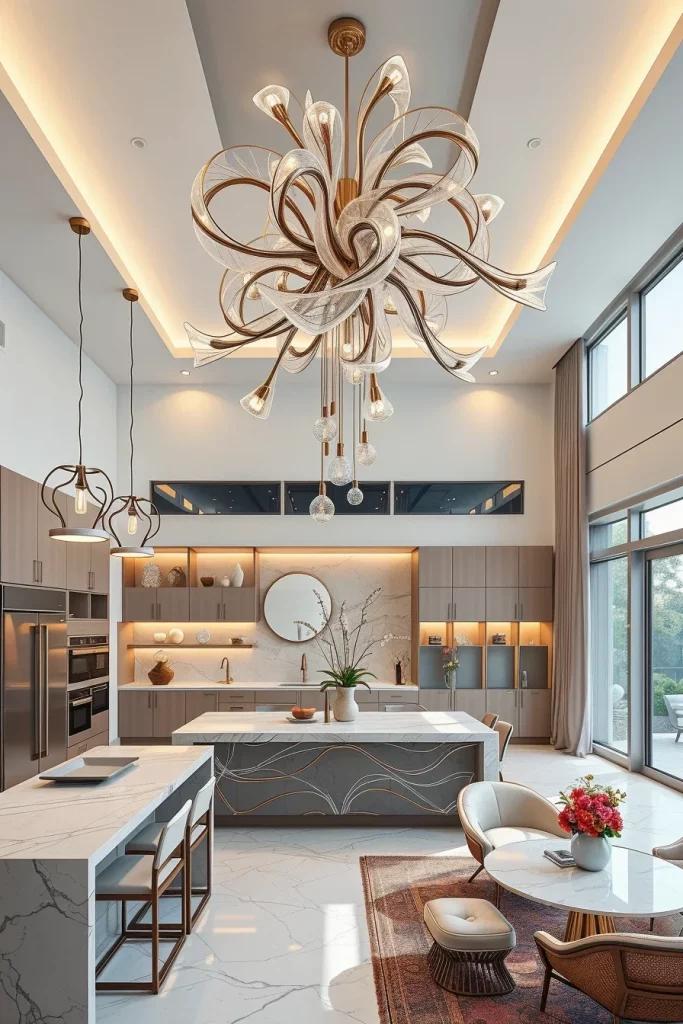
In my experience, every lighting element should have a clear purpose. Large pendant lights above an island establish visual balance, while recessed lighting maintains even illumination throughout the space. Integrated LED strips under cabinetry improve task lighting and highlight architectural details. I often recommend fixtures made from metal, glass, or natural stone because they complement modern materials and introduce texture without overwhelming the design. The combination of decorative and practical lighting creates a kitchen that feels both luxurious and functional.
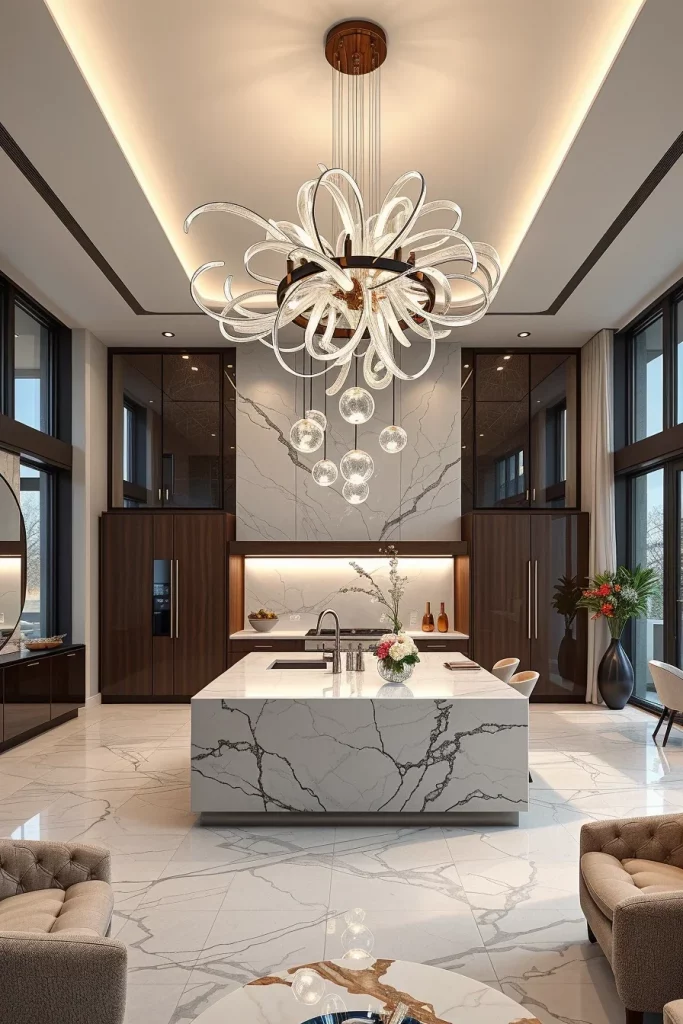
I have noticed that many leading interior designers emphasize layered lighting rather than relying on a single source. Publications such as Architectural Digest frequently showcase kitchens where statement fixtures work alongside subtle accent lighting to create depth and dimension. I follow a similar approach because it allows the kitchen to adapt to different activities throughout the day.
To complete this design, I would add smart lighting controls that allow homeowners to adjust brightness and color temperature. This feature improves comfort while enhancing the versatility of the entire kitchen environment.
Seamless Hidden Storage Solutions For Clean Modern Aesthetics
One of the defining characteristics of modern kitchens is the absence of visual clutter. I achieve this by incorporating hidden storage solutions that maintain a sleek and uninterrupted appearance. Floor-to-ceiling cabinetry, concealed appliance garages, and integrated pantry systems help create a highly stylish and organized environment. These solutions maximize storage capacity while preserving the clean lines associated with contemporary design.
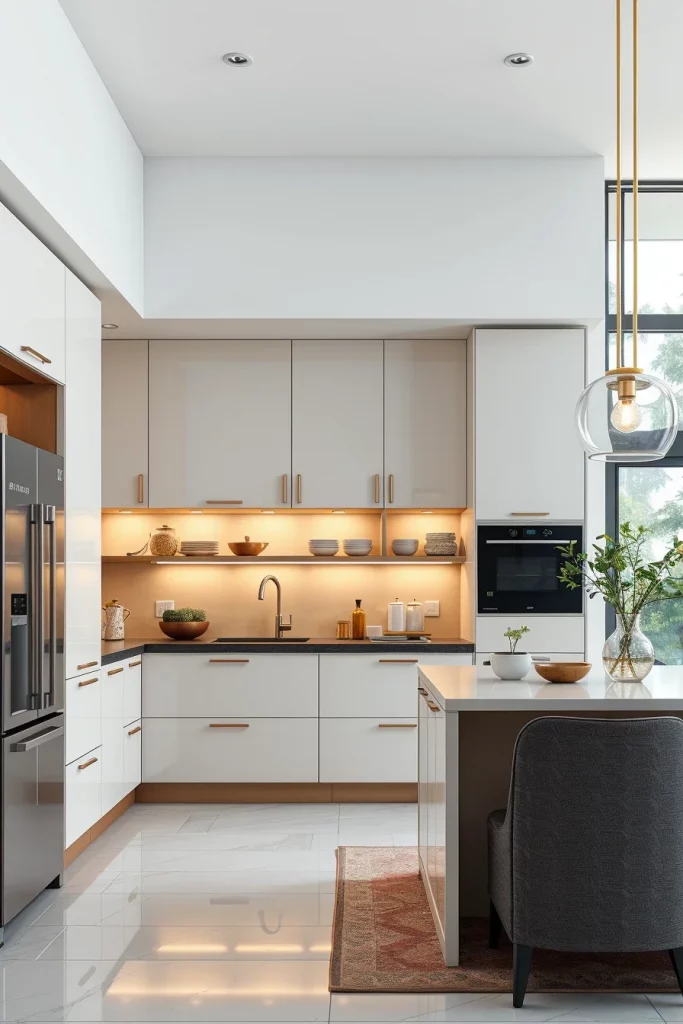
I typically include handleless cabinets with push-to-open mechanisms, hidden drawers within larger drawers, and custom pull-out organizers. Integrated refrigerators and dishwashers blend seamlessly with surrounding cabinetry, preventing visual interruptions. Vertical storage compartments make use of every available inch, while concealed shelving keeps frequently used items accessible without exposing them to view. Each element contributes to both practicality and aesthetic harmony.
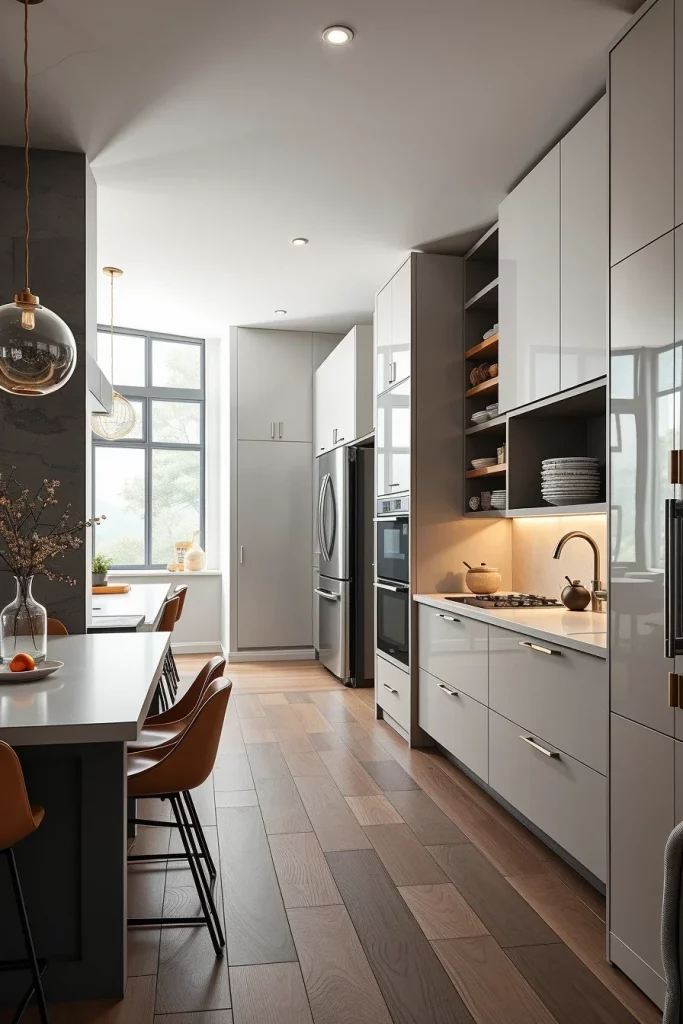
From my perspective, hidden storage is one of the most valuable investments in a modern kitchen. Designers from leading firms often stress that exceptional design depends as much on organization as it does on appearance. When every item has a designated place, the kitchen feels larger, calmer, and more refined.
I would also recommend incorporating dedicated storage zones for small appliances and charging stations. These additions further reduce countertop clutter and support a streamlined lifestyle.
Bold Backsplash Designs That Create Artistic Focal Points
A backsplash offers an excellent opportunity to introduce personality into a modern kitchen. I often use this surface to create a striking visual statement through bold materials, dramatic patterns, or unexpected textures. A carefully selected backsplash can transform a simple kitchen into a highly creative and artistic space while serving as a durable and practical surface.
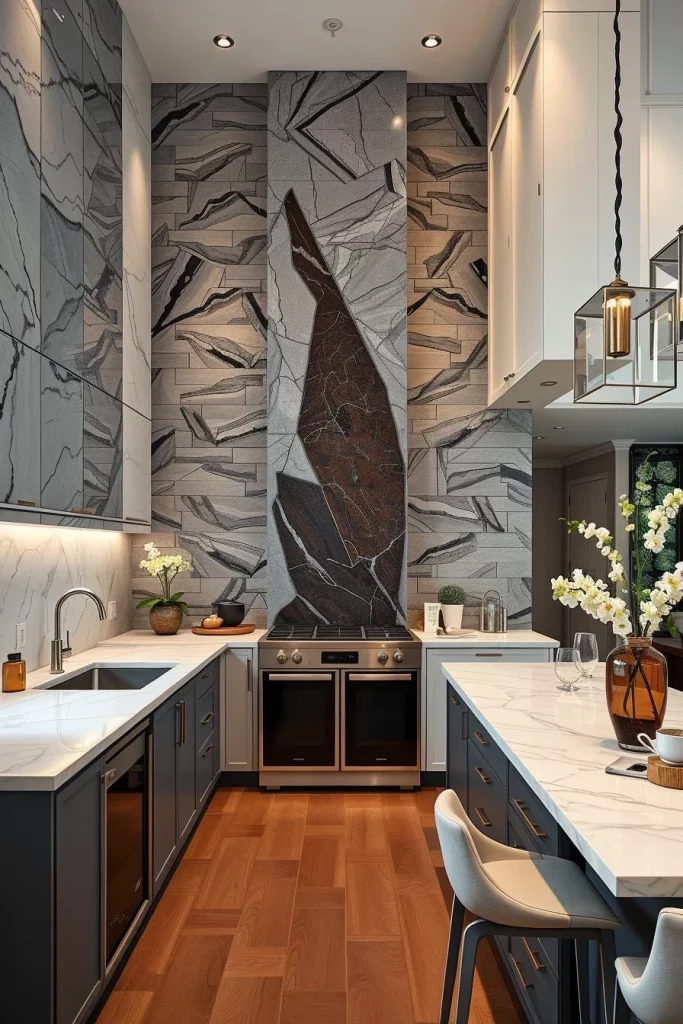
I frequently work with large-format porcelain slabs, bookmatched marble, textured stone, and handcrafted tiles. These materials create visual interest while minimizing grout lines for easier maintenance. Metallic finishes, geometric patterns, and three-dimensional surfaces can introduce movement and depth without overwhelming the room. The backsplash becomes a focal point that connects cabinetry, countertops, and decorative elements into a cohesive composition.
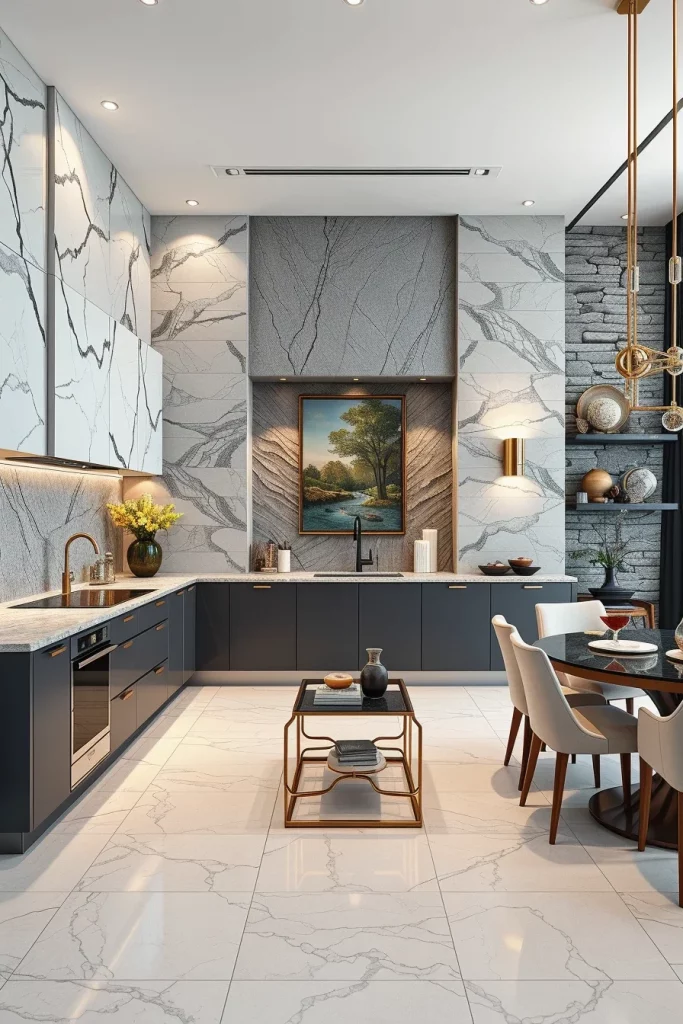
In my projects, I prefer backsplashes that complement the overall design rather than compete with it. Many contemporary kitchens featured in premium design publications showcase bold surfaces paired with restrained cabinetry, creating a balanced and sophisticated aesthetic. This approach allows the backsplash to become the artistic centerpiece of the room.
To enhance the effect, I would integrate subtle accent lighting that highlights the texture and craftsmanship of the backsplash, particularly during evening hours.
Contemporary Kitchen Seating With Sculptural Appeal
Modern kitchen seating has evolved far beyond simple functionality. I often select seating that serves as both furniture and sculpture, adding character and elegance to the space. Contemporary stools and chairs with distinctive silhouettes contribute to a more unique, stylish, and visually engaging kitchen environment while maintaining comfort for everyday use.
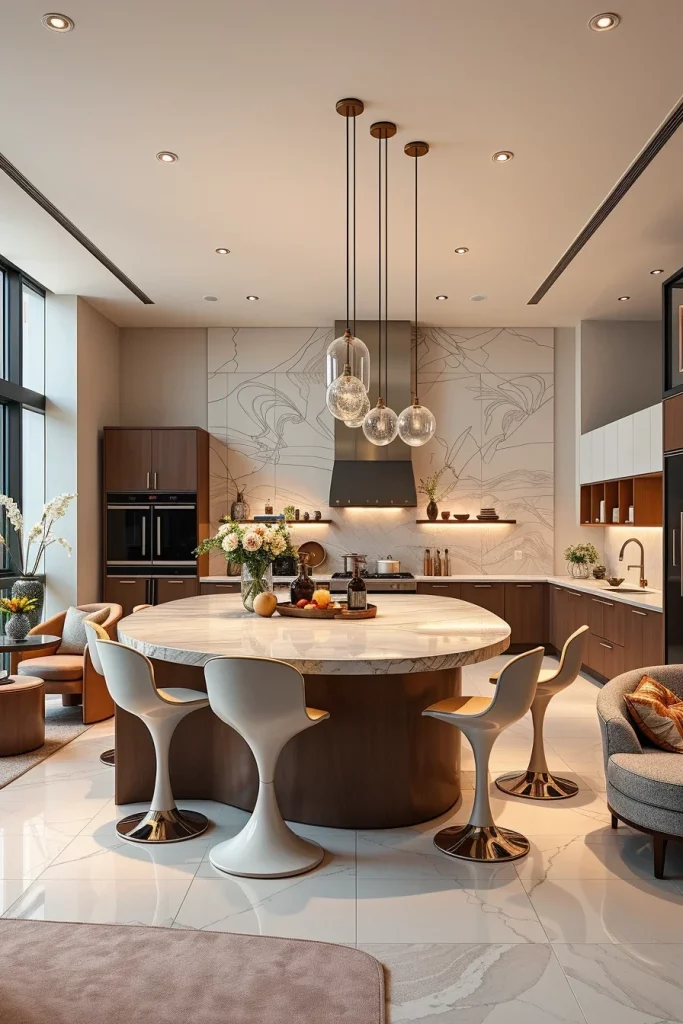
I typically choose seating with curved forms, premium upholstery, and high-quality materials such as wood, leather, or metal. Backless stools maintain visual openness, while ergonomic chairs provide greater support for extended gatherings. Sculptural bases and artistic profiles introduce architectural interest, transforming ordinary seating into a design feature. The right pieces create balance between practicality and aesthetics.
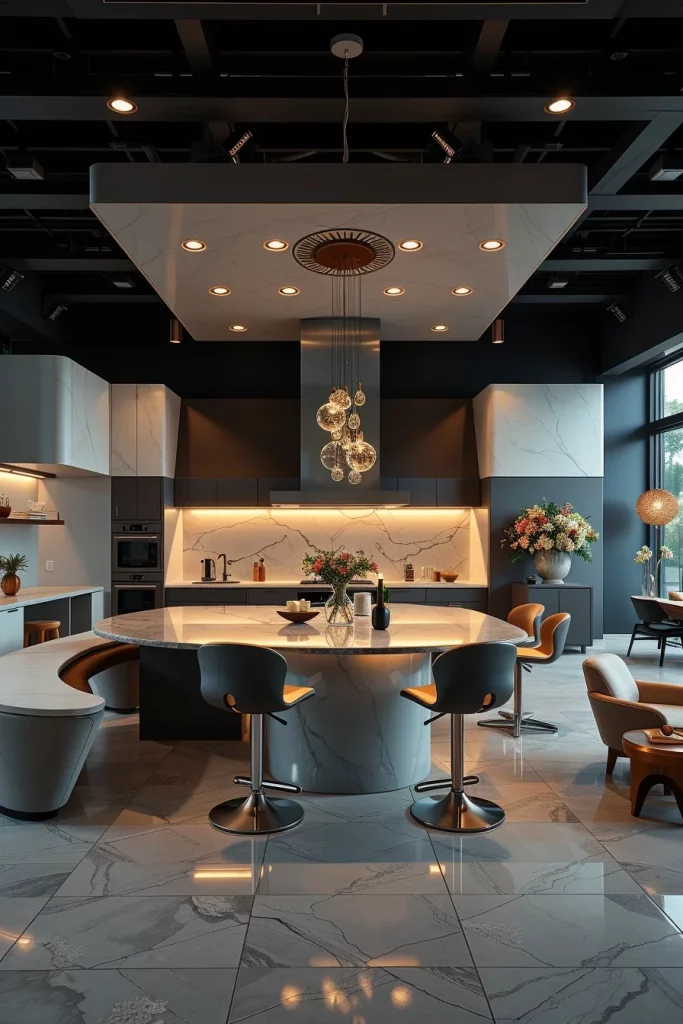
I have found that seating often becomes one of the most frequently used elements in the kitchen. Designers consistently emphasize the importance of comfort alongside visual appeal. When seating is thoughtfully selected, it encourages social interaction and supports the kitchen’s role as a central gathering space.
To strengthen this concept, I would include coordinated textiles and carefully selected finishes that connect the seating with surrounding cabinetry, lighting, and flooring.
Luxury Stone Countertops With Distinctive Visual Impact
Luxury stone countertops remain one of the most effective ways to elevate modern kitchen styling. I appreciate how natural stone introduces depth, texture, and individuality into a space. Materials such as marble, quartzite, and premium quartz create a dramatic visual presence while contributing to a refined and timeless design. Their distinctive veining patterns make every kitchen feel unique and sophisticated.
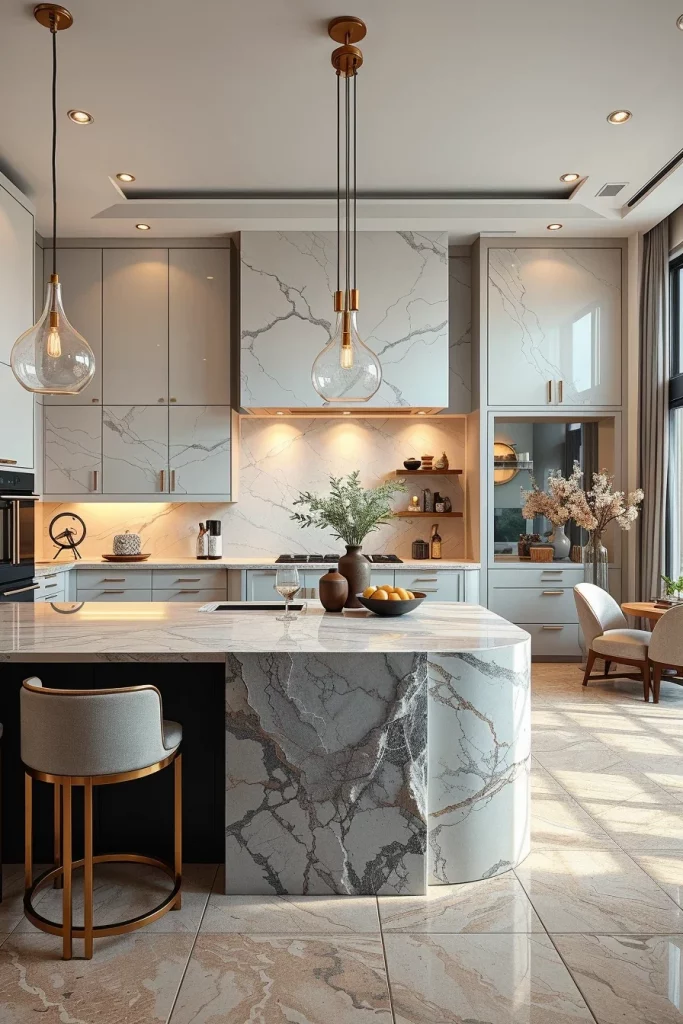
When selecting countertops, I consider both aesthetics and performance. Quartzite offers exceptional durability, marble delivers classic elegance, and engineered quartz provides consistency and low maintenance. Waterfall edges emphasize the material’s beauty, while large uninterrupted surfaces contribute to a seamless contemporary appearance. These design choices create a strong visual foundation for the entire kitchen.
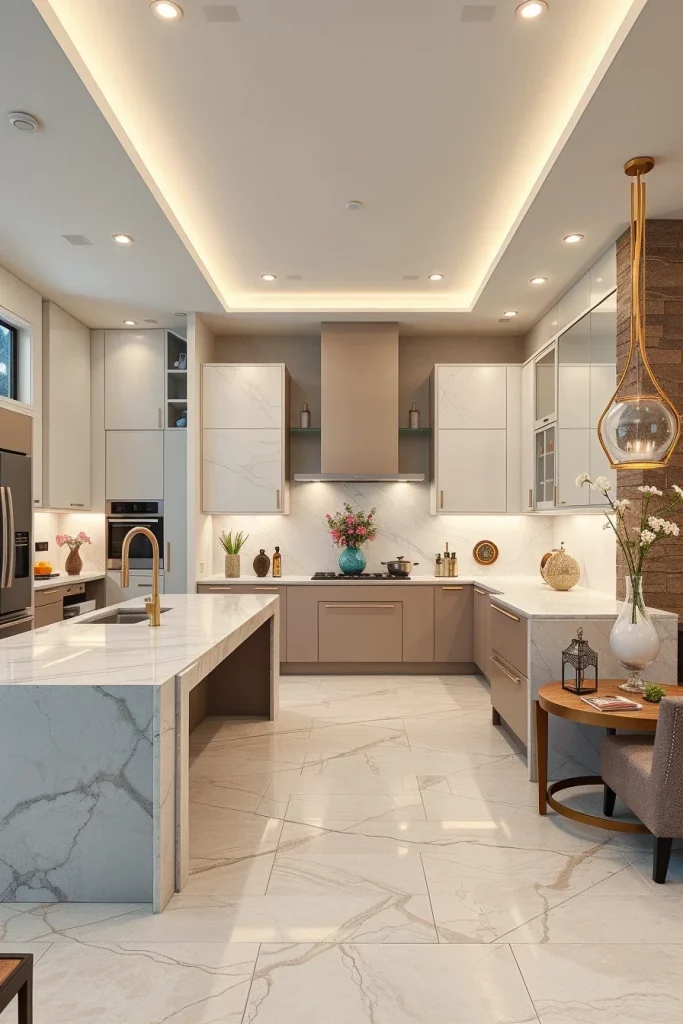
In my experience, investing in quality stone is worthwhile because it combines beauty with longevity. Many luxury kitchen designers favor natural materials that develop character over time while maintaining their visual appeal. The countertop often becomes one of the most memorable features of the room.
I would also incorporate matching stone elements on backsplashes or shelving details to create greater cohesion throughout the design.
Unique Curved Kitchen Islands For A Softer Contemporary Look
I often recommend curved kitchen islands when clients want a modern space that feels welcoming rather than rigid. Soft lines introduce movement and elegance while reducing the sharp visual edges commonly found in contemporary interiors. A curved island becomes an architectural centerpiece that improves circulation and creates a more comfortable interaction zone within the kitchen. This approach blends functionality with a distinctly creative and sophisticated aesthetic.
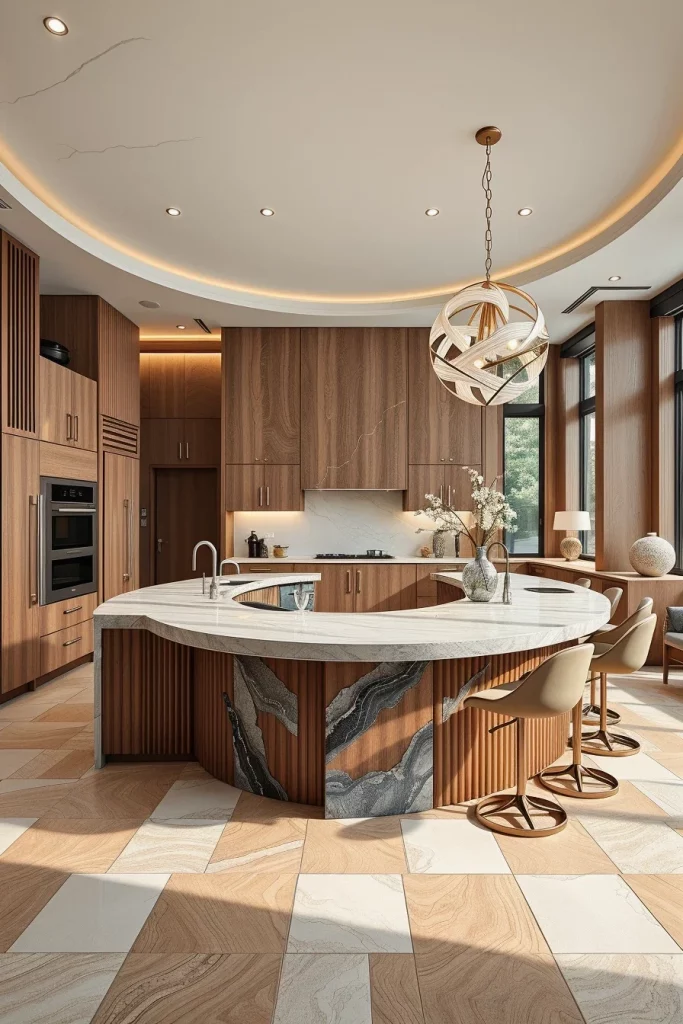
When designing a curved island, I pay close attention to proportions, materials, and seating arrangements. Rounded stone countertops, fluted wood paneling, and integrated storage help maintain both beauty and practicality. I frequently incorporate built-in seating or waterfall edges that emphasize the flowing shape of the island. These details create a seamless appearance while reinforcing the island’s role as a sculptural feature within the room.
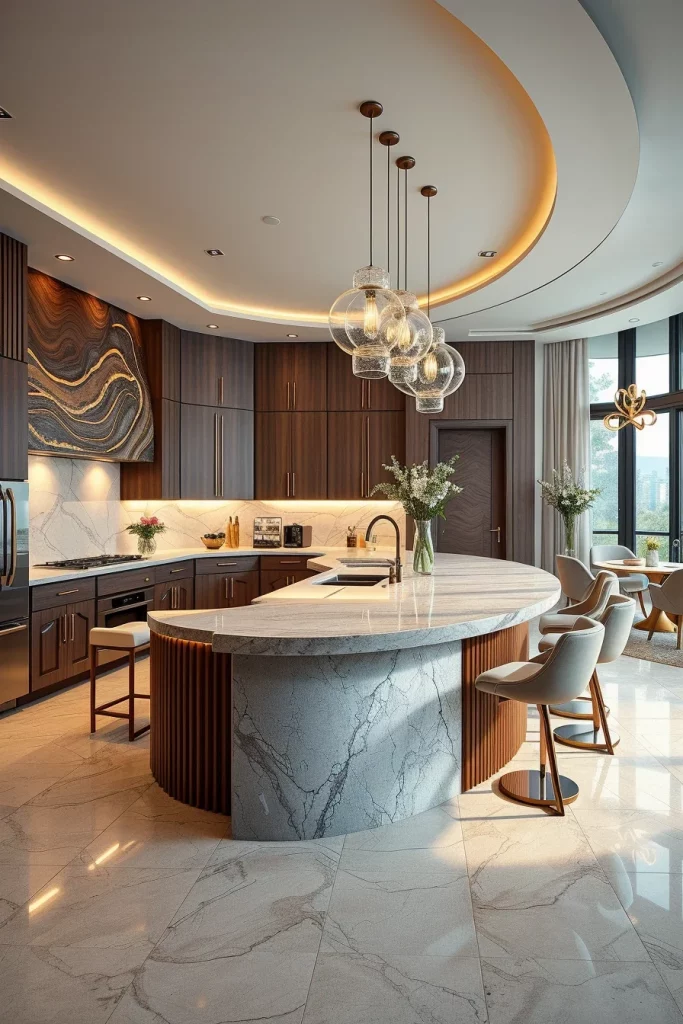
In my experience, curved forms contribute to a more relaxed atmosphere and can make large kitchens feel more inviting. Many contemporary designers have embraced organic shapes because they soften the visual impact of hard materials such as stone, metal, and glass. I find that a curved island often becomes the element guests remember most.
To enhance this concept further, I would include complementary curved furniture, lighting, or decorative accessories throughout the space to create visual consistency.
Artistic Metal Accents That Enhance Modern Kitchen Styling
Metal accents play an essential role in creating depth and sophistication within modern kitchens. I use them to introduce contrast, reflect light, and add subtle luxury without overwhelming the design. Carefully selected metallic finishes can transform a simple kitchen into an artistic, stylish, and highly refined environment. Whether used sparingly or boldly, metal elements contribute texture and visual interest.
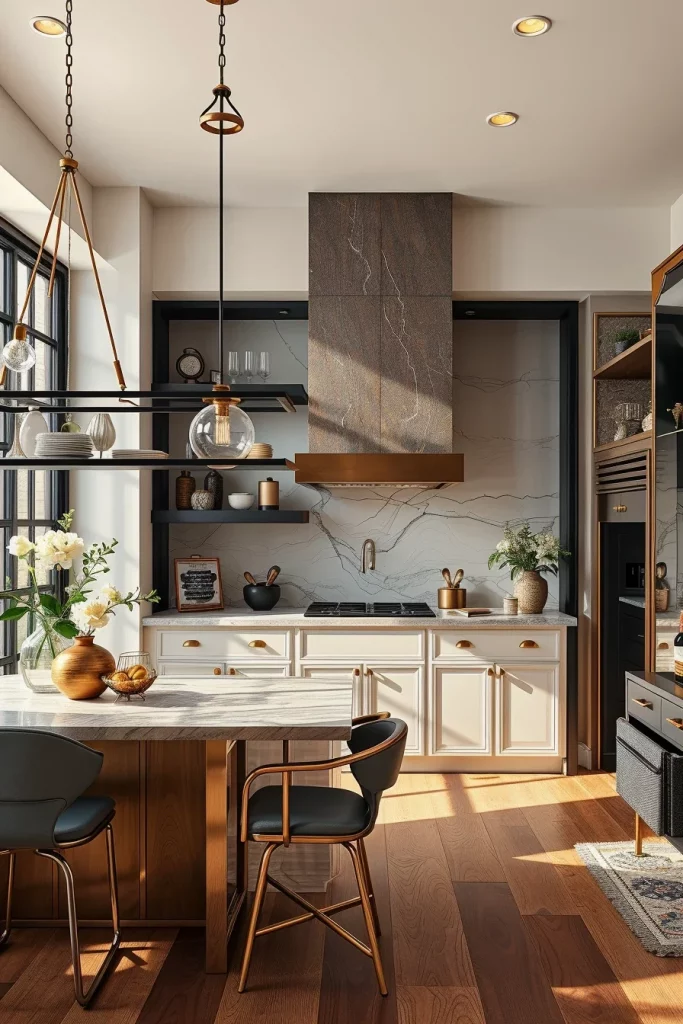
I frequently incorporate brushed brass hardware, blackened steel shelving, stainless steel range hoods, and custom metal-framed glass cabinets. Decorative metal details on lighting fixtures, furniture bases, and shelving systems create continuity throughout the space. These finishes pair exceptionally well with stone, wood, and matte cabinetry, producing a balanced and layered design.
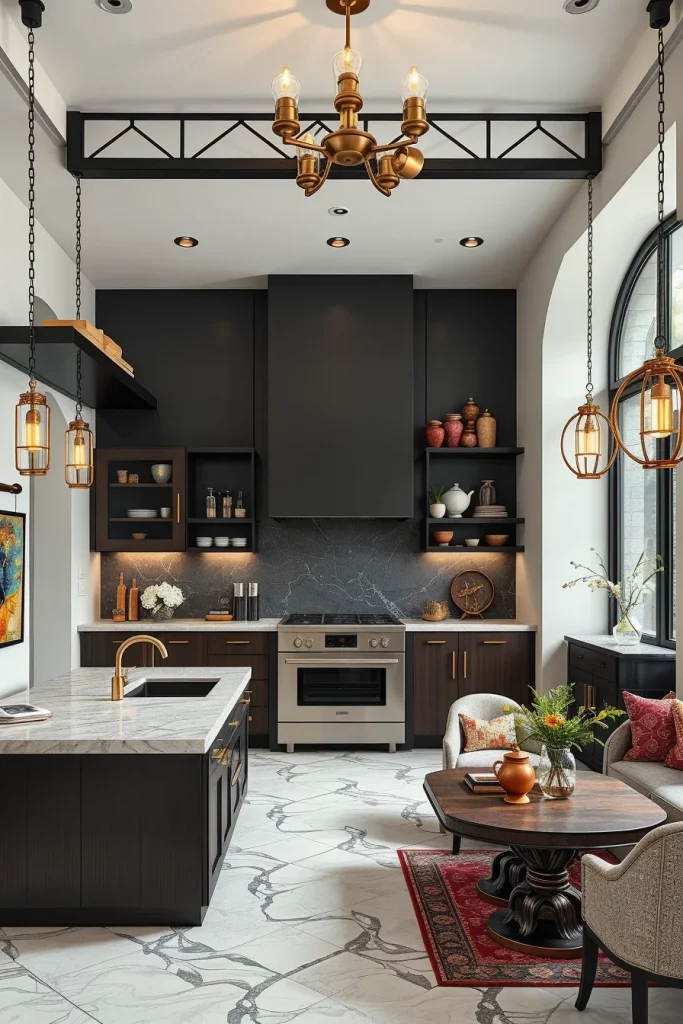
From my perspective, metal accents are most effective when used strategically rather than excessively. Leading interior designers often emphasize consistency in finish selection to avoid visual clutter. I follow this principle because it creates a more cohesive and timeless appearance while allowing key details to stand out.
I would also consider incorporating custom metal screens or decorative panels that add architectural character while maintaining the openness of the kitchen.
Open Concept Kitchens With Sophisticated Spatial Flow
Open concept kitchens remain one of the most desirable features in contemporary homes. I appreciate how they encourage interaction, improve natural light distribution, and create a stronger connection between living spaces. A thoughtfully designed open layout supports a stylish lifestyle while making the entire home feel larger and more cohesive. The absence of unnecessary barriers contributes to a clean and modern atmosphere.
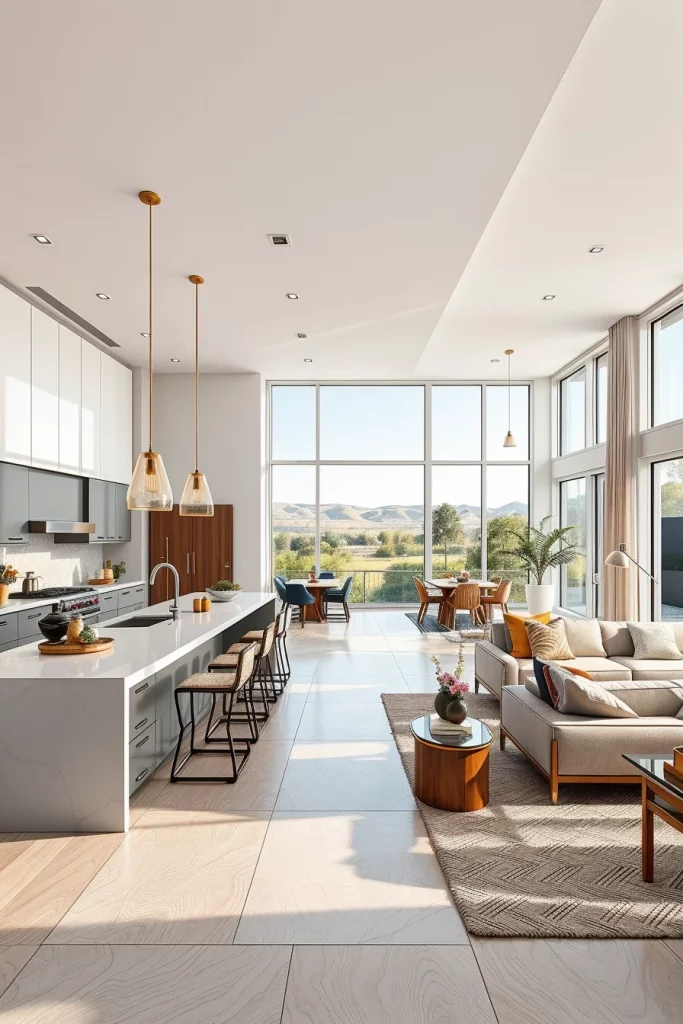
When planning an open concept kitchen, I focus on defining functional zones without disrupting visual continuity. Large islands, coordinated flooring materials, and carefully positioned furniture help establish subtle boundaries between cooking, dining, and living areas. Integrated storage and streamlined cabinetry maintain a unified appearance while supporting daily functionality.
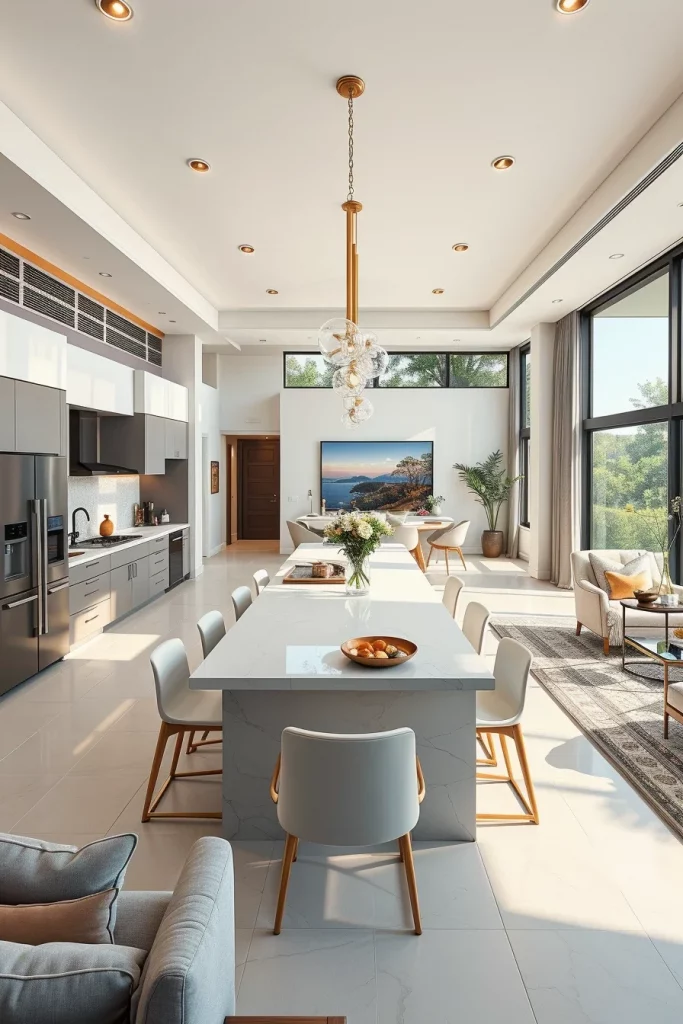
I have found that successful open layouts depend heavily on balance and proportion. Design experts frequently recommend using consistent materials and color palettes throughout adjoining spaces to strengthen visual harmony. I apply this strategy because it allows the kitchen to blend naturally with the surrounding environment.
To improve comfort and usability, I would incorporate layered lighting and acoustic materials that help manage noise levels within larger open spaces.
Architectural Ceiling Designs That Transform Kitchen Spaces
Ceilings are often overlooked, yet they offer tremendous opportunities for enhancing modern kitchen styling. I view the ceiling as a fifth wall that can contribute architectural interest and visual drama. Creative ceiling treatments introduce dimension, define zones, and elevate the overall design. A thoughtfully designed ceiling can transform an ordinary kitchen into a truly unique and memorable space.
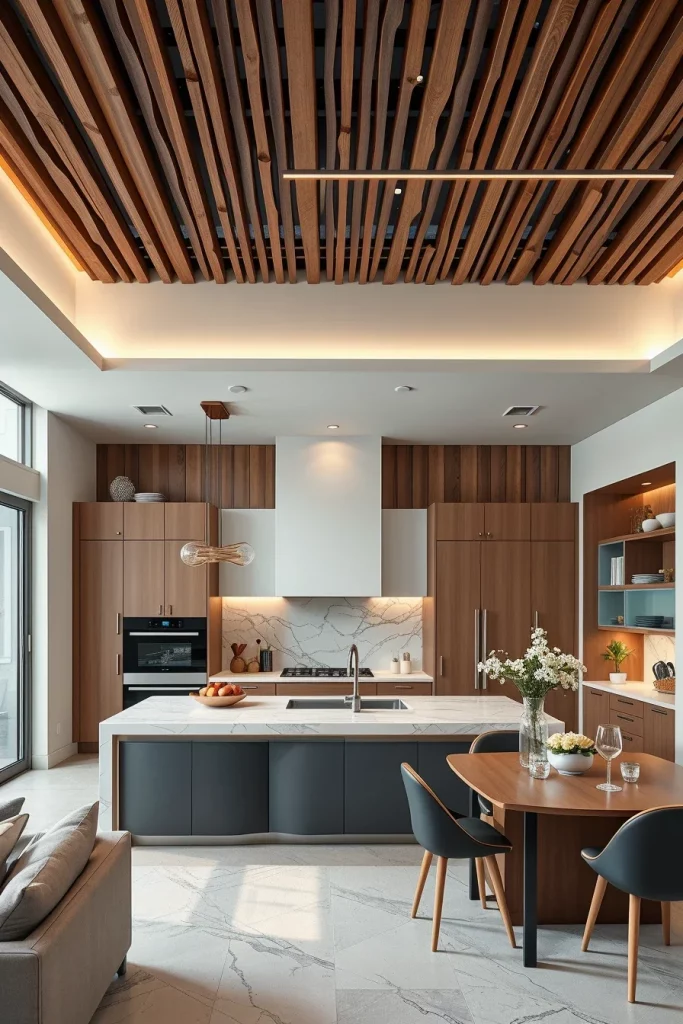
I frequently work with wood slat ceilings, recessed lighting channels, coffered details, and integrated architectural features. These elements add texture while drawing the eye upward, making the room feel larger and more dynamic. Linear lighting integrated into ceiling structures can emphasize geometry and improve illumination without introducing visual clutter.
In my experience, ceiling design is one of the most effective ways to add character without sacrificing functionality. Many high-end contemporary kitchens use architectural ceilings to create distinction while maintaining minimalist principles. I often recommend this approach because it delivers significant visual impact.
To complete the design, I would coordinate ceiling materials with cabinetry, flooring, or furniture finishes to create a stronger sense of cohesion throughout the space.
Creative Mixed Material Combinations For Designer Kitchens
One of my favorite approaches to modern kitchen styling involves combining contrasting materials to create depth and personality. Mixing textures and finishes allows designers to develop highly creative, unusual, and visually rich interiors. The key is maintaining balance while introducing enough variation to keep the space engaging. Thoughtful combinations can transform a kitchen into a truly designer-driven environment.
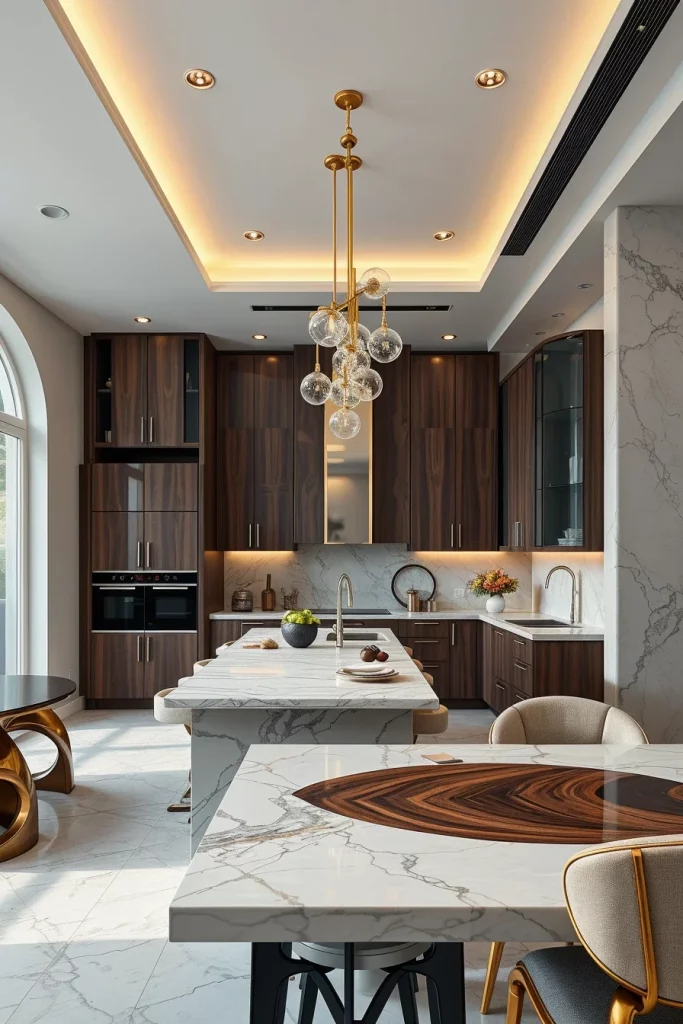
I often combine natural stone with warm wood, matte cabinetry with polished metal, and textured surfaces with smooth finishes. Glass display cabinets, metal accents, and sculptural furniture help reinforce the layered aesthetic. These combinations create visual contrast while ensuring the kitchen remains sophisticated and cohesive rather than chaotic.
From my perspective, material mixing works best when one element serves as the dominant feature and supporting materials provide contrast. Many contemporary designers follow this principle to achieve harmony while showcasing the beauty of individual finishes. I consistently find that balanced material palettes age gracefully and remain appealing over time.
I would also introduce carefully selected decorative accessories, textiles, and artwork that echo the primary materials and strengthen the overall design narrative.
Modern Kitchen Styling With Statement Glass Features
I often use statement glass elements when designing a modern kitchen because they introduce elegance without adding visual heaviness. Floor-to-ceiling glass partitions, fluted glass cabinet fronts, smoked glass shelving, and oversized glass pendant lighting create a bright and sophisticated environment. These features allow natural and artificial light to travel throughout the room while adding architectural interest. In many contemporary projects, glass becomes a focal point that enhances the openness and functionality of the kitchen.
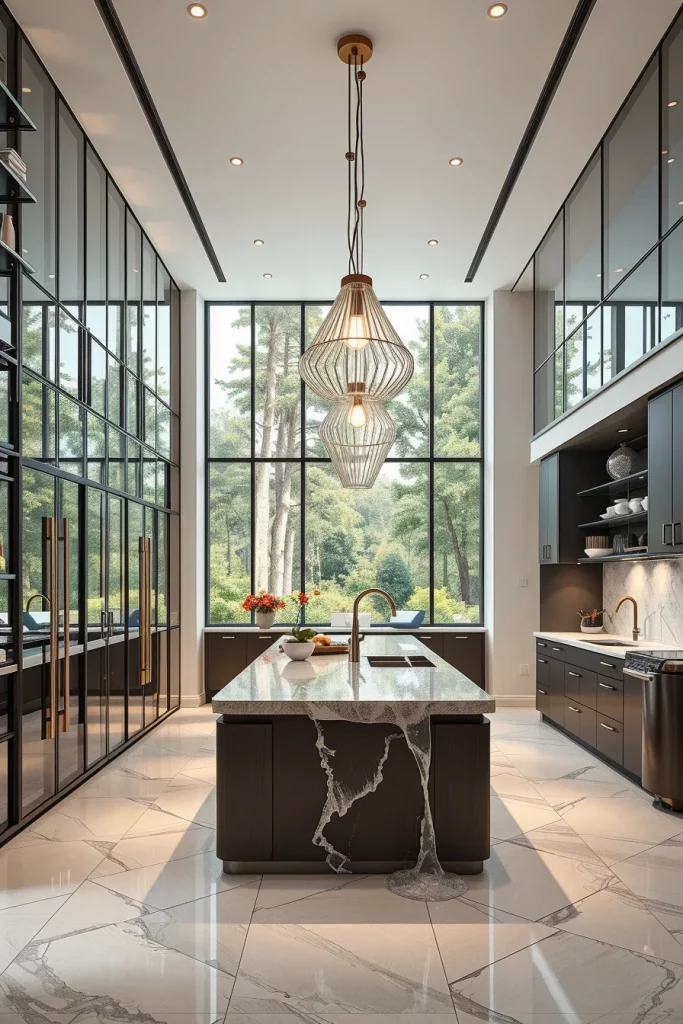
When selecting furniture and materials, I prefer combining glass with matte cabinetry, natural stone islands, and sleek metal accents. Fluted glass pantry doors provide subtle privacy while maintaining visual continuity. Glass-front cabinets allow homeowners to display carefully curated dishware and decorative pieces, adding personality to the room. Sculptural pendant lights above a waterfall island introduce another layer of visual drama while complementing the clean geometry of the kitchen.
In my experience, designers frequently emphasize transparency as a way to make large kitchens feel lighter and smaller kitchens appear more spacious. Publications such as Architectural Digest often highlight glass as a timeless material that bridges luxury and practicality. I find that statement glass works especially well in kitchens designed with open-concept living spaces.
To complete this type of kitchen, I would also incorporate layered lighting systems, reflective surfaces, and carefully selected decorative accessories that reinforce the sophisticated atmosphere without overwhelming the overall design.
Bespoke Furniture Pieces That Personalize Contemporary Kitchens
I believe custom furniture is one of the most effective ways to create truly unique kitchens. Bespoke elements allow homeowners to tailor the kitchen to their specific lifestyle while introducing artistic character. Custom islands, handcrafted seating, and one-of-a-kind storage solutions can transform a standard kitchen into a highly personalized environment that reflects individual taste and daily routines.
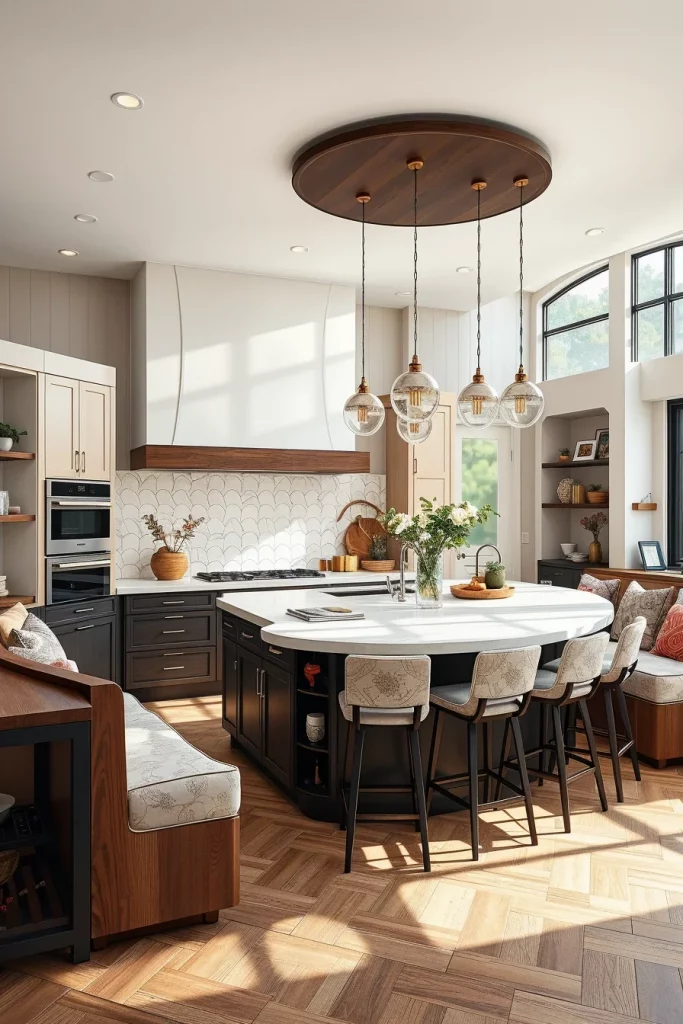
For furniture selection, I often recommend oversized designer islands with integrated seating, custom dining banquettes, and artisan-crafted bar stools. A curved island can soften the linear structure of a contemporary kitchen while improving traffic flow. Custom shelving units and integrated display cabinets offer practical storage while showcasing decorative objects, cookbooks, and curated collections.
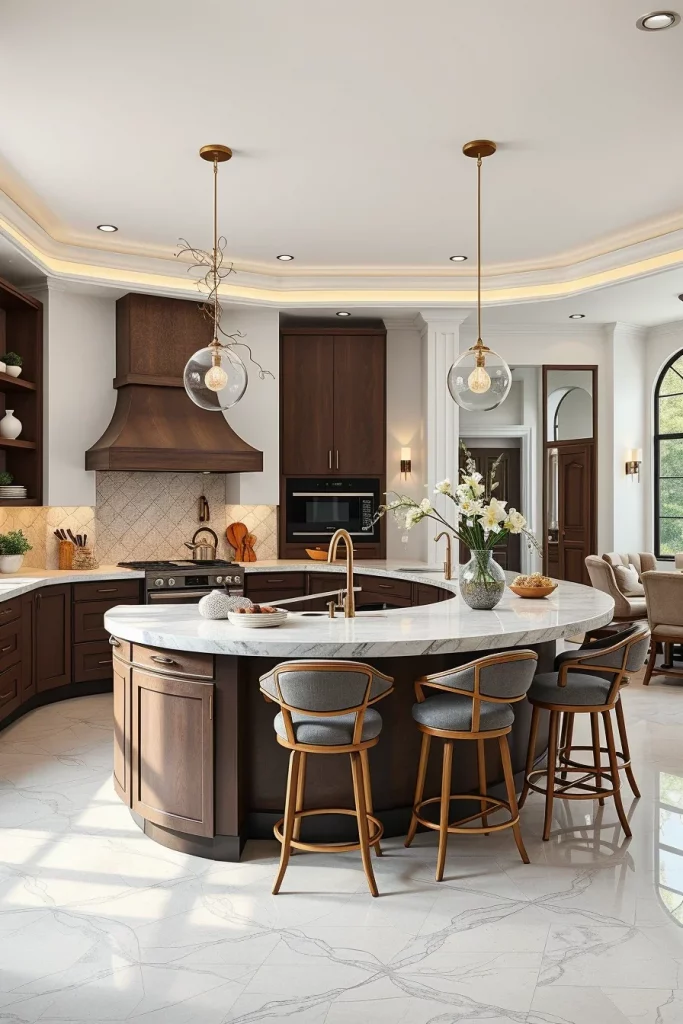
From my perspective, bespoke furniture adds a sense of permanence and exclusivity that cannot be achieved with mass-produced pieces. Many leading interior designers encourage investing in fewer but higher-quality furnishings that contribute both function and visual impact. I have found that custom pieces often become the defining elements of a kitchen long after trends have changed.
I would also consider incorporating custom hardware, integrated charging stations, and hidden storage compartments to further enhance convenience and maintain the refined appearance of the space.
Textured Surfaces And Layered Finishes For Added Dimension
One of my favorite techniques in modern kitchen styling is combining multiple textures to create depth and visual richness. Instead of relying on a single finish, I layer materials such as natural stone, textured wood, plaster, metal, and glass. This approach allows the kitchen to feel warm and inviting while maintaining a contemporary aesthetic.
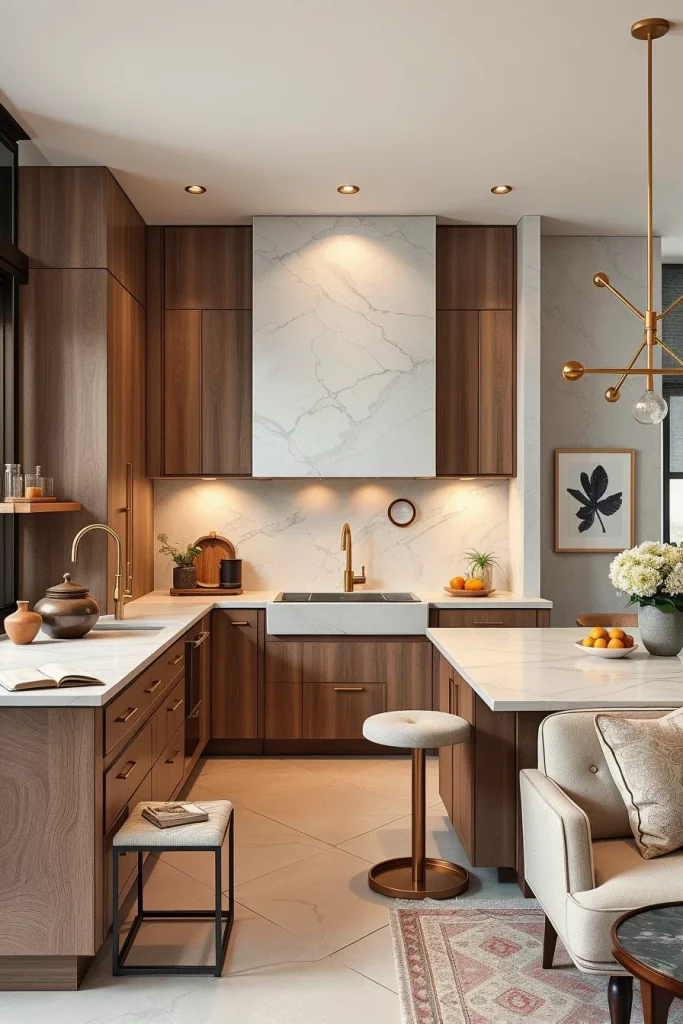
I often pair ribbed wood cabinetry with honed marble countertops and brushed brass accents. Textured backsplashes introduce subtle movement, while plaster-finished walls create a handcrafted appearance. Upholstered seating, woven accessories, and decorative ceramics contribute additional tactile elements that make the room feel more complete and balanced.
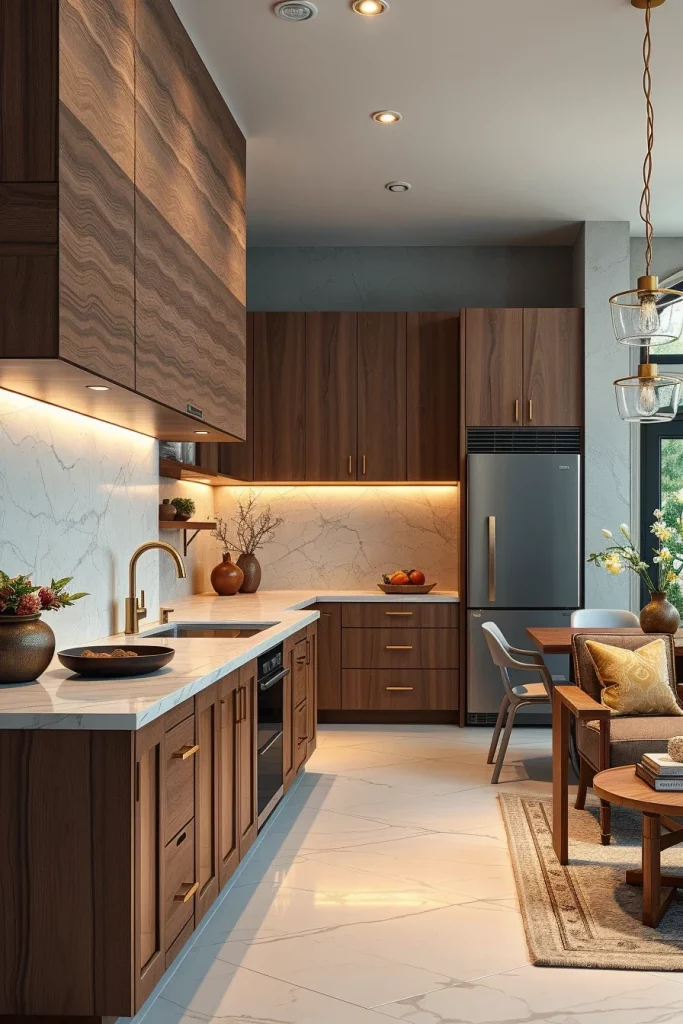
Personally, I find that layered finishes help prevent modern kitchens from feeling overly sterile. Many respected interior publications recommend mixing textures to achieve a more sophisticated and lived-in environment. The contrast between smooth and textured materials can significantly enhance the visual experience without introducing excessive ornamentation.
To strengthen this concept further, I would include strategically placed accent lighting that highlights material textures and reveals the subtle details that might otherwise go unnoticed.
Luxury Modern Kitchens Inspired By Gallery-Like Interiors
I often draw inspiration from contemporary art galleries when designing luxury kitchens. These spaces prioritize clean lines, carefully curated focal points, and an emphasis on visual composition. A gallery-inspired kitchen feels calm, refined, and intentional, allowing materials, furniture, and architectural forms to take center stage.
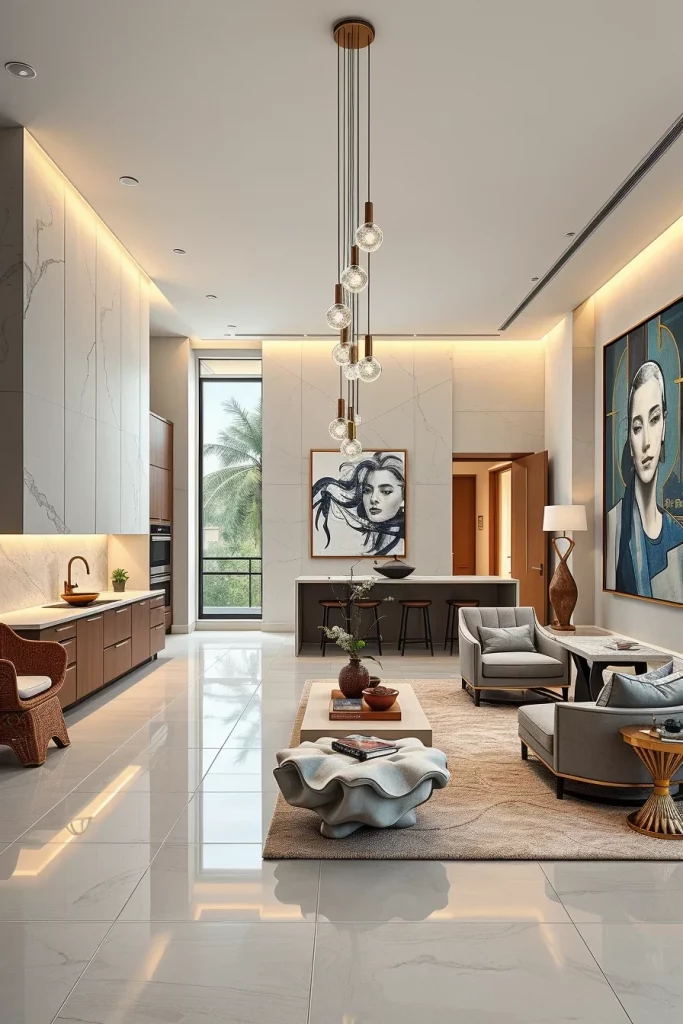
In these kitchens, I typically incorporate minimalist cabinetry, large-format stone surfaces, concealed storage, and dramatic statement lighting. Sculptural furniture pieces serve as functional works of art, while oversized artwork and decorative objects introduce personality. Neutral color palettes help maintain focus on the craftsmanship and material quality throughout the space.
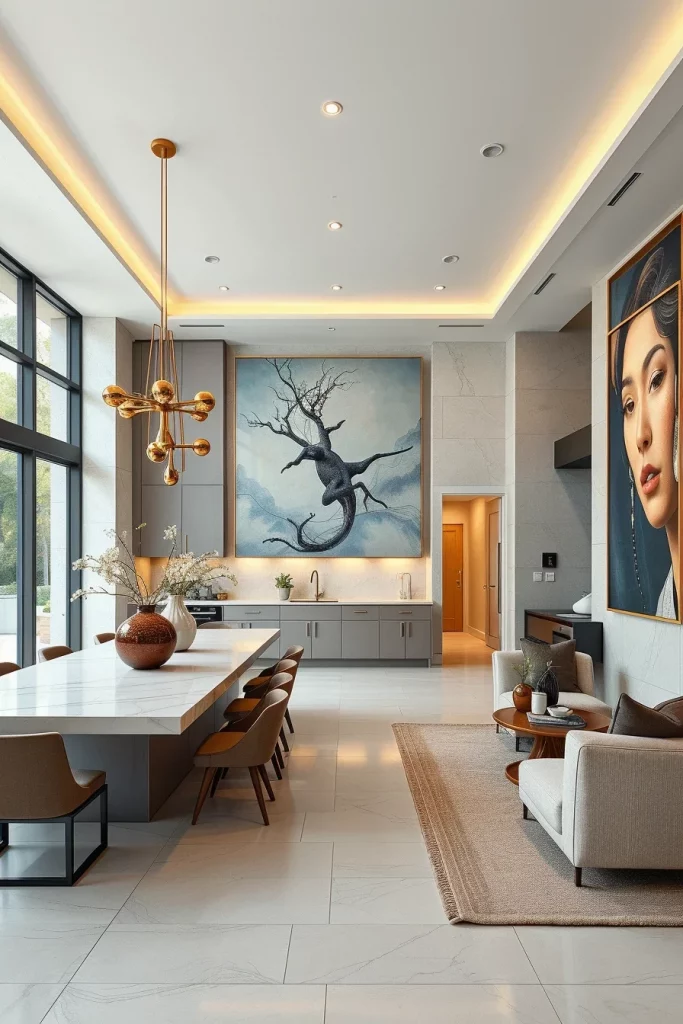
From my experience, gallery-inspired kitchens encourage a greater appreciation for design details. The restrained approach allows every element to feel purposeful and significant. Publications such as Elle Decor frequently showcase interiors where simplicity enhances luxury rather than diminishing it. I appreciate how this philosophy creates spaces that remain visually relevant for many years.
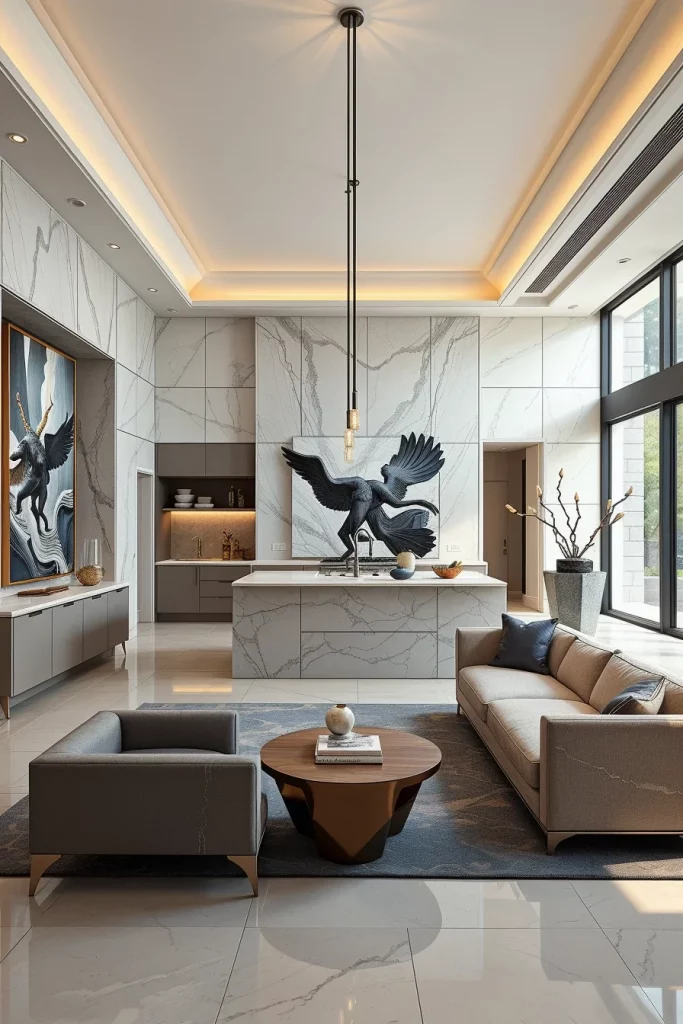
I would also recommend integrating museum-quality lighting and carefully curated decorative collections to reinforce the artistic atmosphere while maintaining the kitchen’s everyday functionality.
Innovative Kitchen Layouts Featuring Asymmetrical Design Elements
Modern kitchens increasingly embrace asymmetry as a way to create more dynamic and engaging interiors. I often use asymmetrical layouts to challenge traditional design conventions while improving the functionality of the space. Offset islands, irregular shelving arrangements, and unexpected architectural features can make a kitchen feel highly customized and visually exciting.
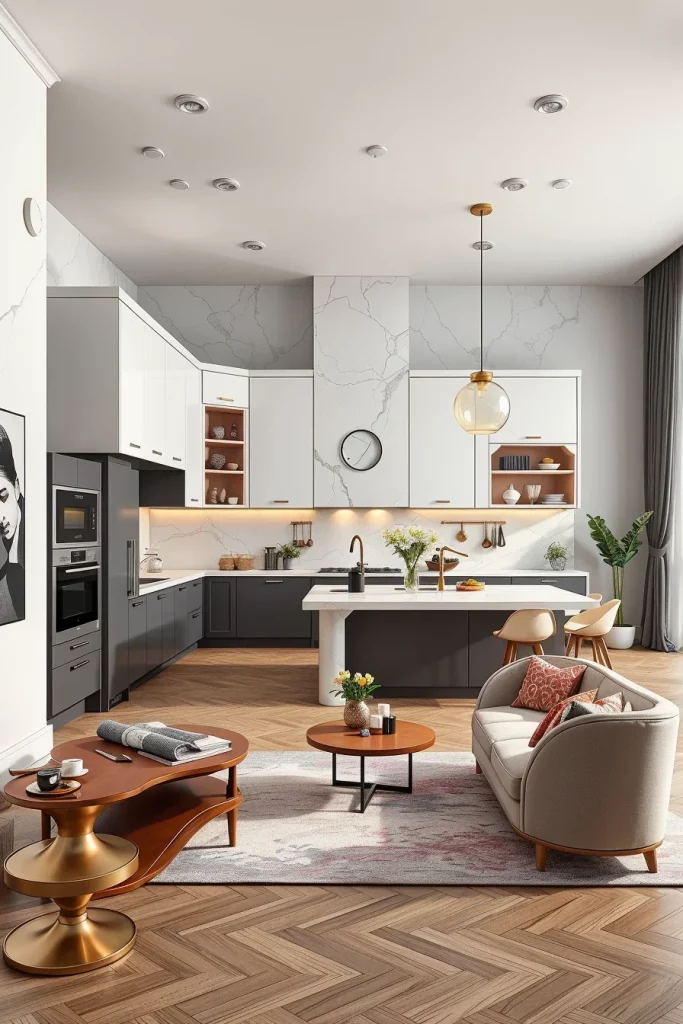
When developing these layouts, I carefully balance asymmetrical forms with practical workflow considerations. An island with varying countertop heights can support multiple activities, while floating cabinets positioned at different levels create visual interest without sacrificing storage. Curved transitions and unconventional furniture arrangements contribute to a more fluid and contemporary environment.
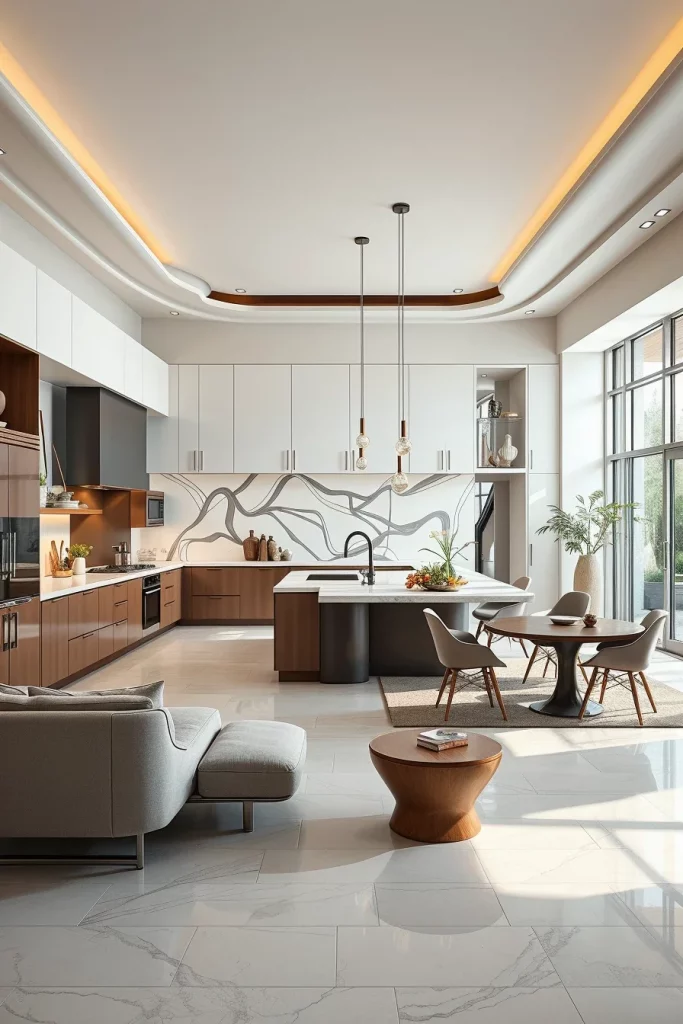
In my opinion, asymmetry introduces a sense of movement that is often missing from highly structured kitchens. Many innovative designers use these techniques to create memorable interiors that feel artistic rather than predictable. I have found that homeowners are often surprised by how practical these layouts can be once they begin using the space daily.
To enhance the success of an asymmetrical kitchen, I would include strong focal points, balanced lighting schemes, and carefully selected finishes that visually connect the various design elements.
Nature-Inspired Modern Kitchens With Organic Elegance
I often find that the most inviting modern kitchens are those that establish a strong connection with nature. Organic elegance is achieved through natural materials, soft forms, and a palette inspired by the outdoors. These kitchens feel calm and sophisticated while maintaining the clean lines associated with contemporary design. By incorporating wood, stone, greenery, and earthy tones, I create spaces that feel balanced and welcoming throughout the year.
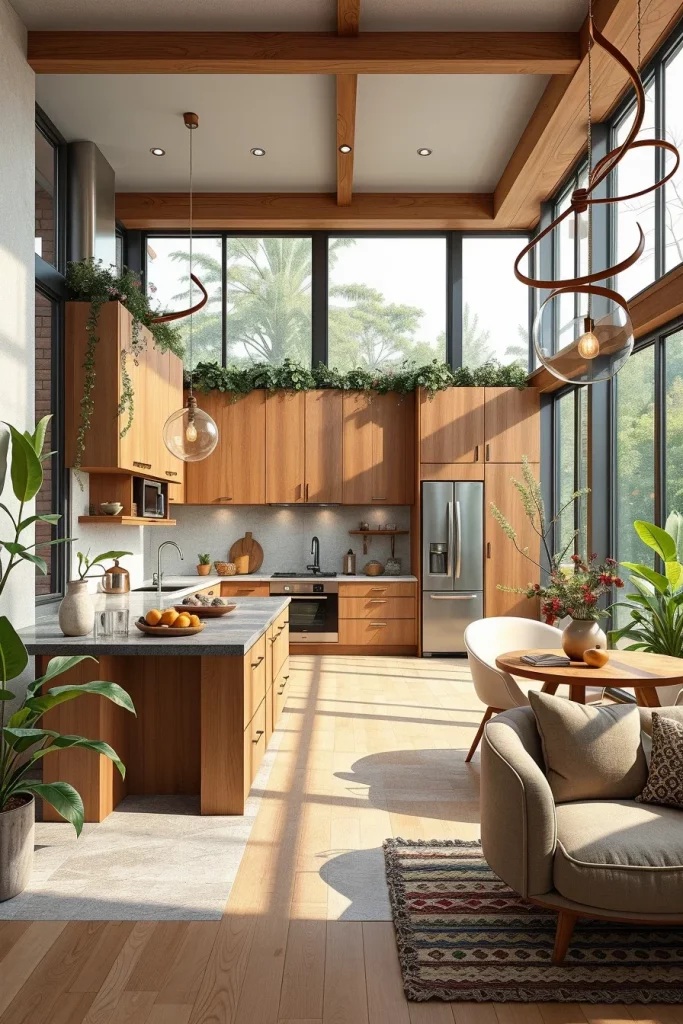
When selecting furnishings and finishes, I prefer natural oak cabinetry, stone countertops with visible veining, and curved furniture that softens the architectural structure of the room. Large windows, indoor plants, and handcrafted accessories enhance the organic atmosphere. Designer dining chairs with sculptural silhouettes and natural textures contribute both comfort and visual appeal while supporting the overall concept.
In my experience, organic design creates a timeless environment that adapts well to changing trends. Many interior designers recommend introducing natural materials because they add warmth and character to modern spaces. I have found that kitchens inspired by nature often become the most frequently used and appreciated areas of the home because they encourage relaxation and connection.
To strengthen this design approach, I would incorporate layered lighting, sustainable materials, and subtle decorative elements inspired by landscapes, botanical forms, and natural textures.
High-End Appliance Integration For A Seamless Designer Look
A truly refined modern kitchen relies on thoughtful appliance integration. I focus on concealing functional elements whenever possible to create a cohesive and uninterrupted visual experience. Integrated appliances contribute to a cleaner aesthetic while supporting the minimalist principles commonly found in luxury contemporary interiors.
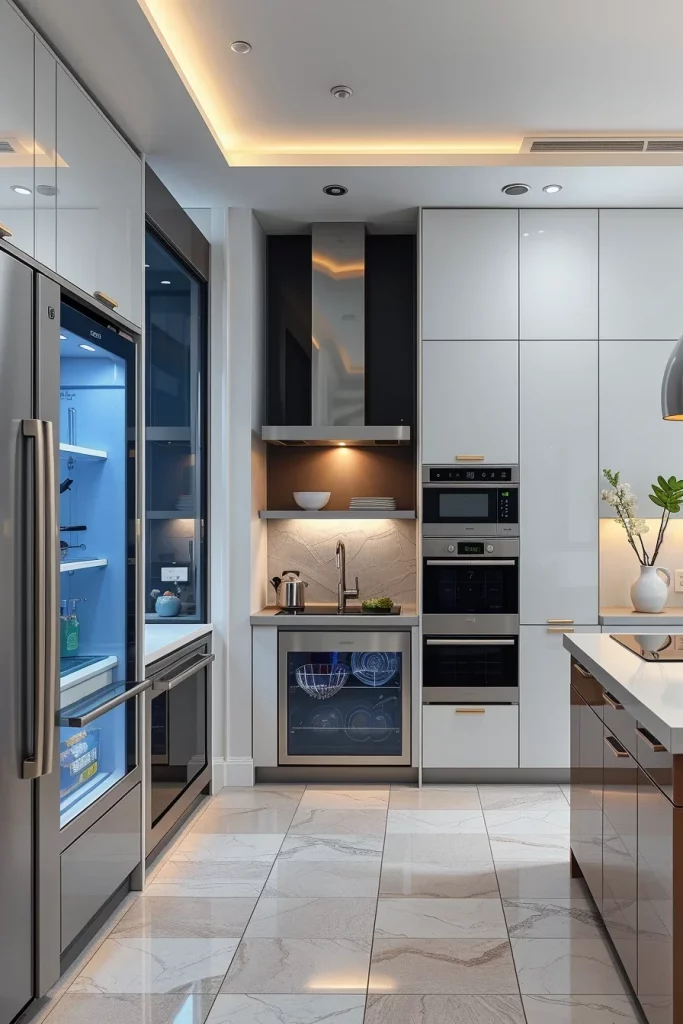
I often specify panel-ready refrigerators, hidden dishwashers, built-in coffee systems, and flush-mounted cooking appliances. These features blend seamlessly with surrounding cabinetry, allowing premium materials and architectural details to remain the primary focus. Custom storage solutions and concealed ventilation systems further enhance the streamlined appearance of the kitchen.
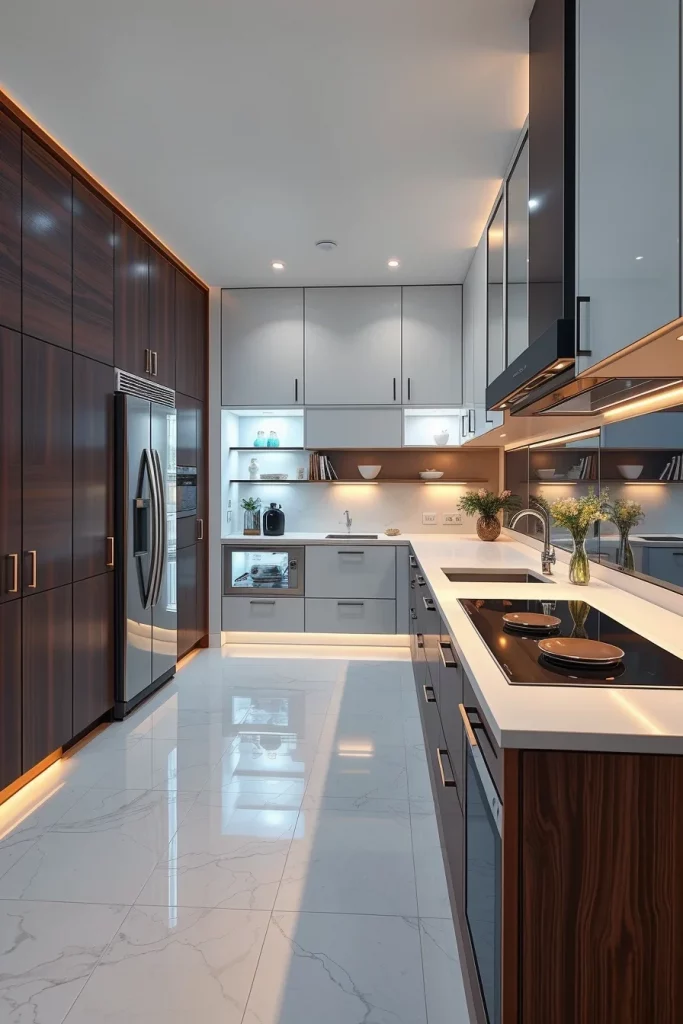
From my perspective, successful appliance integration requires careful planning during the early stages of design. Industry experts frequently emphasize the importance of balancing aesthetics and performance. I have seen many kitchens transformed simply by replacing visible appliances with integrated alternatives that create visual continuity throughout the room.
I would also include dedicated storage for small appliances, charging stations, and smart technology systems that support everyday convenience without disrupting the elegant design language.
Dramatic Contrast And Visual Balance In Contemporary Kitchens
Contrast is one of the most effective tools for creating memorable contemporary kitchens. I use contrasting colors, materials, and forms to establish visual interest while maintaining harmony throughout the space. Dramatic combinations can make a kitchen feel bold and sophisticated without appearing overwhelming when balanced correctly.
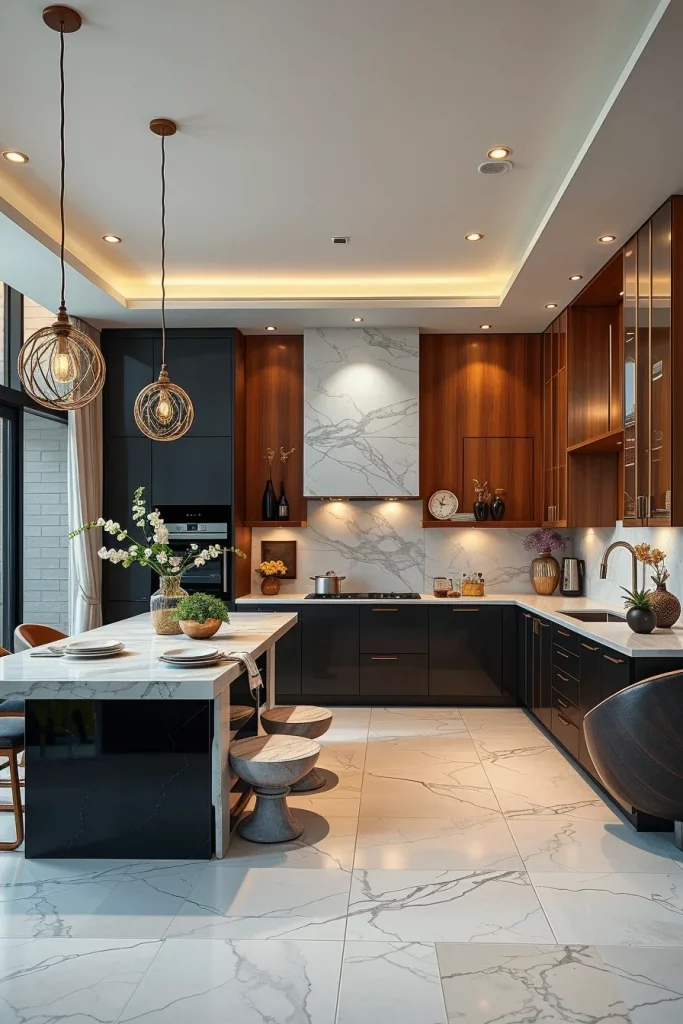
I frequently combine dark cabinetry with light stone surfaces, matte finishes with polished accents, and geometric forms with softer curved details. Black metal fixtures, white marble islands, and warm wood accents create layered compositions that feel dynamic yet cohesive. Statement furniture and designer lighting further enhance the visual dialogue between contrasting elements.
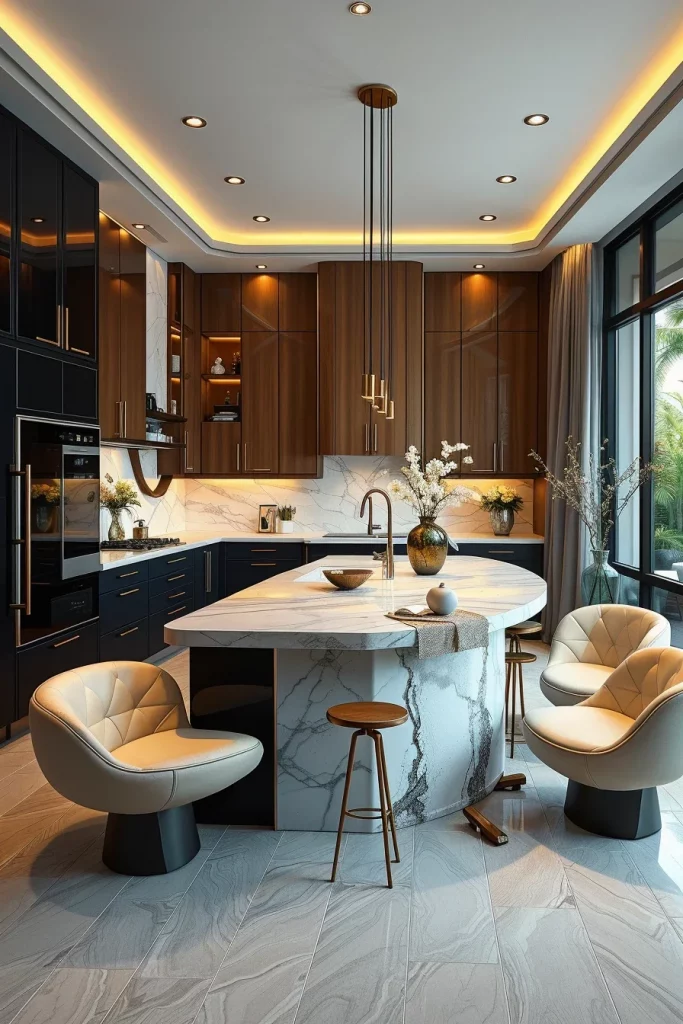
In my experience, visual balance is just as important as contrast itself. Many respected interior publications suggest distributing strong design features evenly throughout a room to prevent any single area from dominating the composition. I often use repetition of materials and colors to create consistency while allowing standout elements to maintain their impact.
To complete this type of kitchen, I would add carefully selected decorative objects, layered lighting, and textured materials that reinforce the balance between boldness and refinement.
Artistic Kitchen Decor That Complements Modern Styling
I believe that artistic decor can transform a functional kitchen into a highly expressive living space. Modern kitchens provide an excellent backdrop for curated decorative elements that introduce personality, creativity, and visual sophistication. Rather than relying on excessive ornamentation, I focus on selecting meaningful pieces that enhance the architectural qualities of the room.
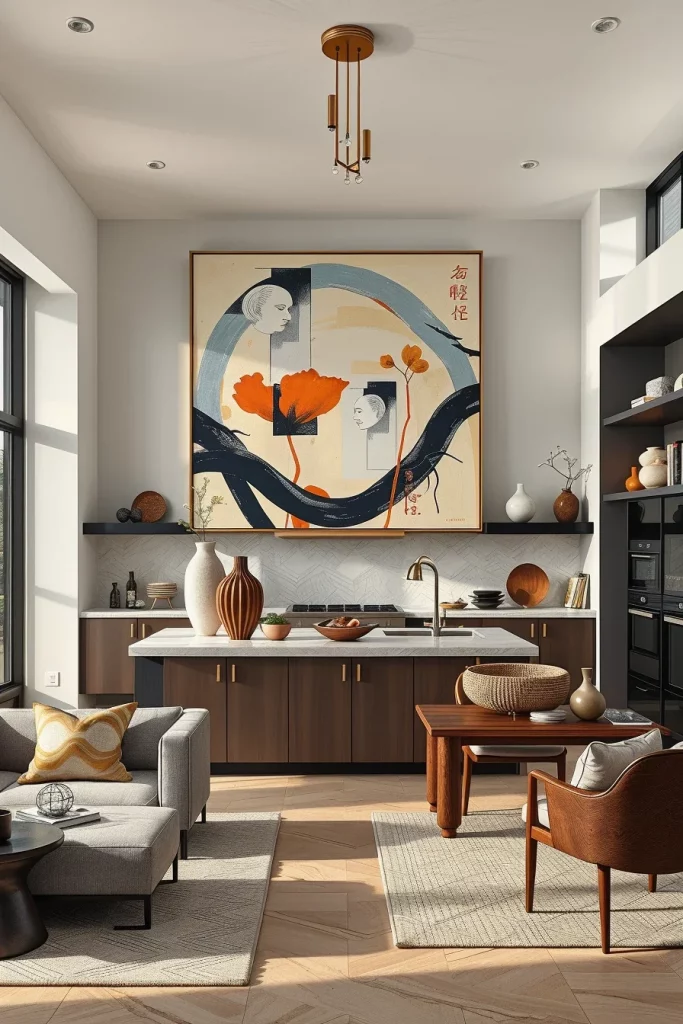
My preferred decorative additions include oversized artwork, sculptural vases, handcrafted ceramics, designer lighting, and statement furniture. Open shelving can display carefully curated collections, while decorative objects with unusual forms create visual interest. These details contribute to a layered environment that feels both personal and professionally designed.
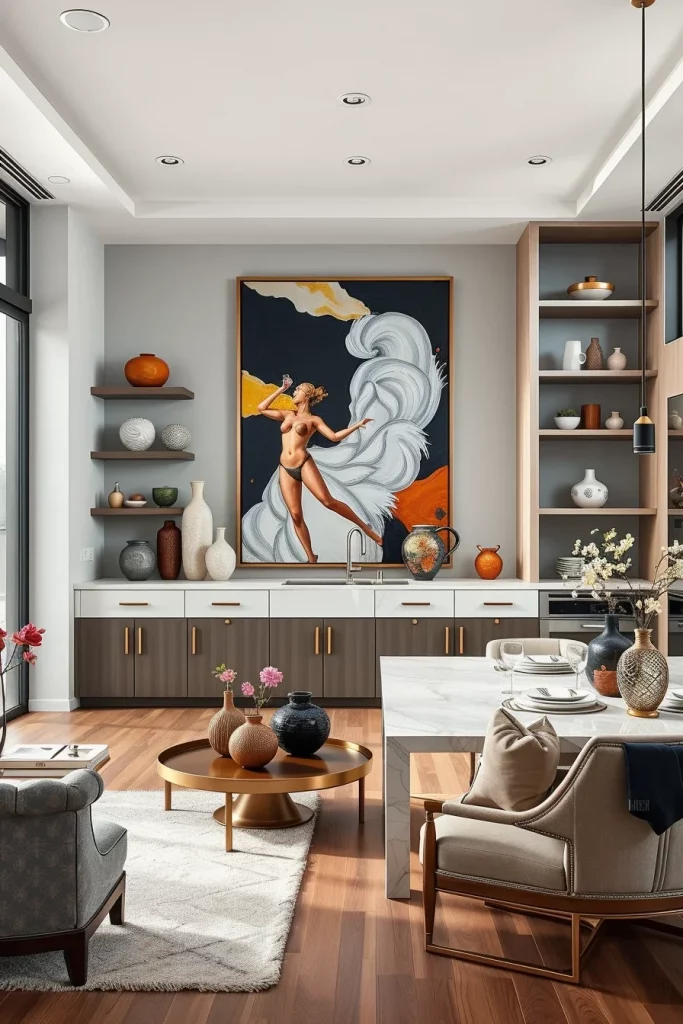
Many of my favorite projects incorporate art as an essential design component rather than an afterthought. Publications such as Architectural Digest regularly showcase kitchens where artwork and decorative objects play a significant role in defining the atmosphere. I find that thoughtfully selected decor often becomes the element that makes a kitchen feel complete and memorable.
I would also consider incorporating custom wall treatments, artisan-made accessories, and rotating art displays to keep the interior feeling fresh and visually engaging over time.
Future-Forward Modern Kitchens With Unique Architectural Expression
Some of the most exciting kitchens today embrace architectural innovation and forward-thinking design. I enjoy exploring concepts that challenge traditional expectations through creative, sculptural, and unique kitchens that prioritize both functionality and artistic expression. These interiors often blur the boundary between architecture, furniture, and art.
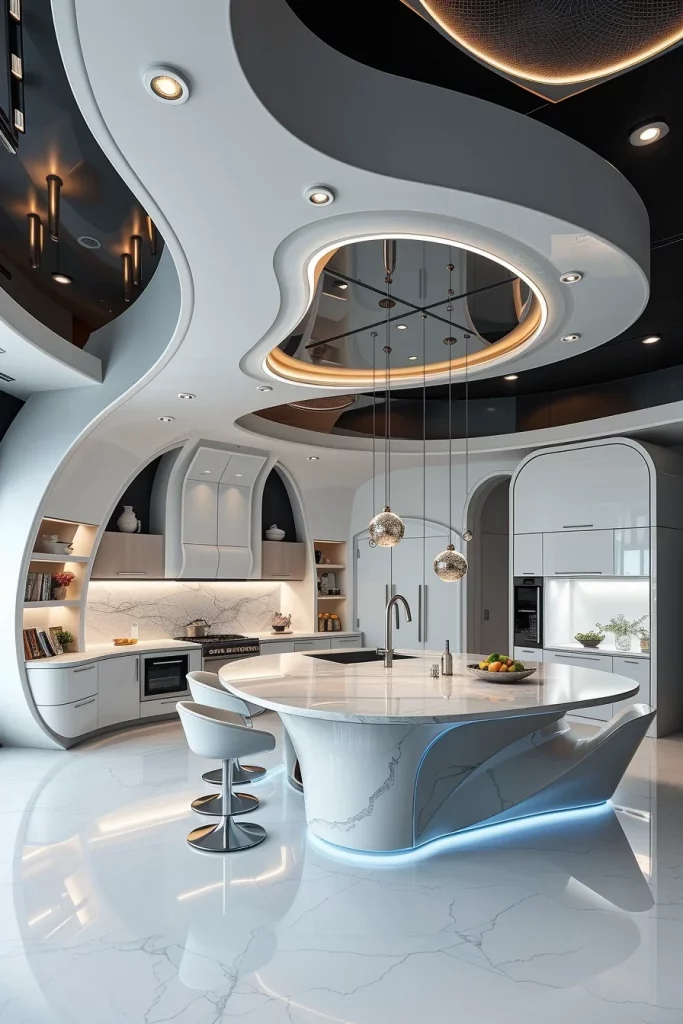
In these spaces, I incorporate flowing forms, integrated lighting systems, custom-designed cabinetry, and statement architectural features. Curved islands, floating storage units, and innovative ceiling treatments contribute to a futuristic aesthetic while maintaining practicality. Stylish designer furniture with organic silhouettes reinforces the sense of movement and innovation throughout the room.
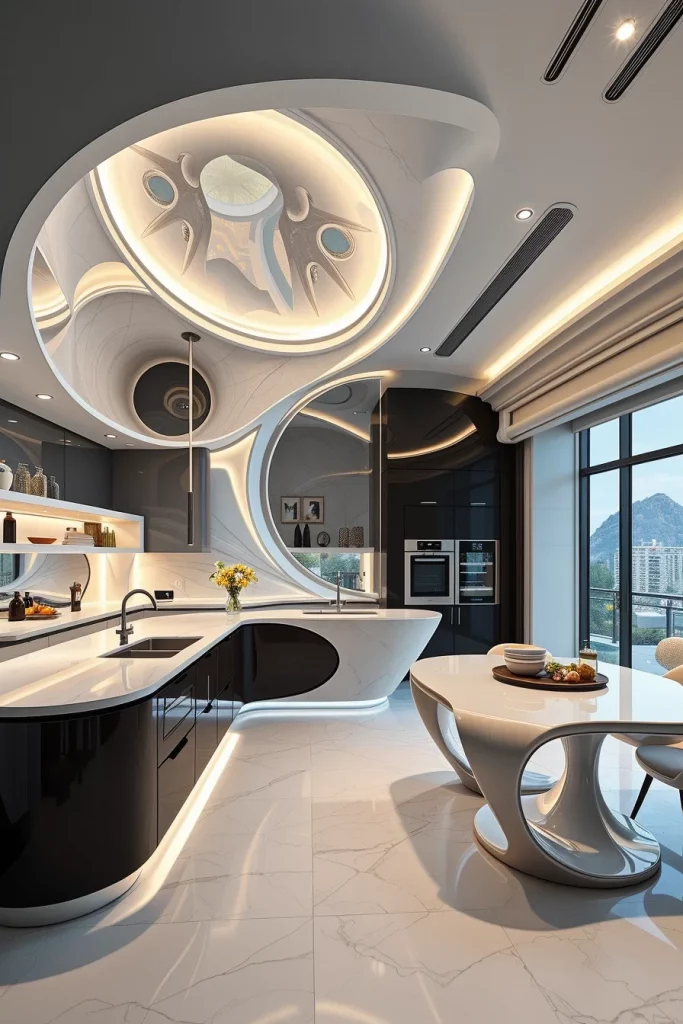
From my experience, future-forward kitchens succeed when bold ideas are supported by thoughtful planning and high-quality materials. Many leading designers advocate for creating spaces that anticipate evolving lifestyles rather than simply following current trends. I appreciate how these kitchens encourage experimentation while remaining comfortable and functional for everyday use.
To elevate this concept further, I would integrate advanced smart-home technology, sustainable materials, and adaptable furniture solutions that allow the kitchen to evolve alongside changing needs and preferences.
Modern kitchen styling is all about balancing beauty, innovation, and everyday functionality. By incorporating sculptural forms, designer furniture, premium materials, and thoughtful layouts, you can create a space that feels both contemporary and timeless. Whether you prefer subtle elegance or bold artistic statements, modern design offers endless ways to personalize your kitchen. The right combination of textures, colors, and architectural details can transform the heart of your home into a truly inspiring living space.