
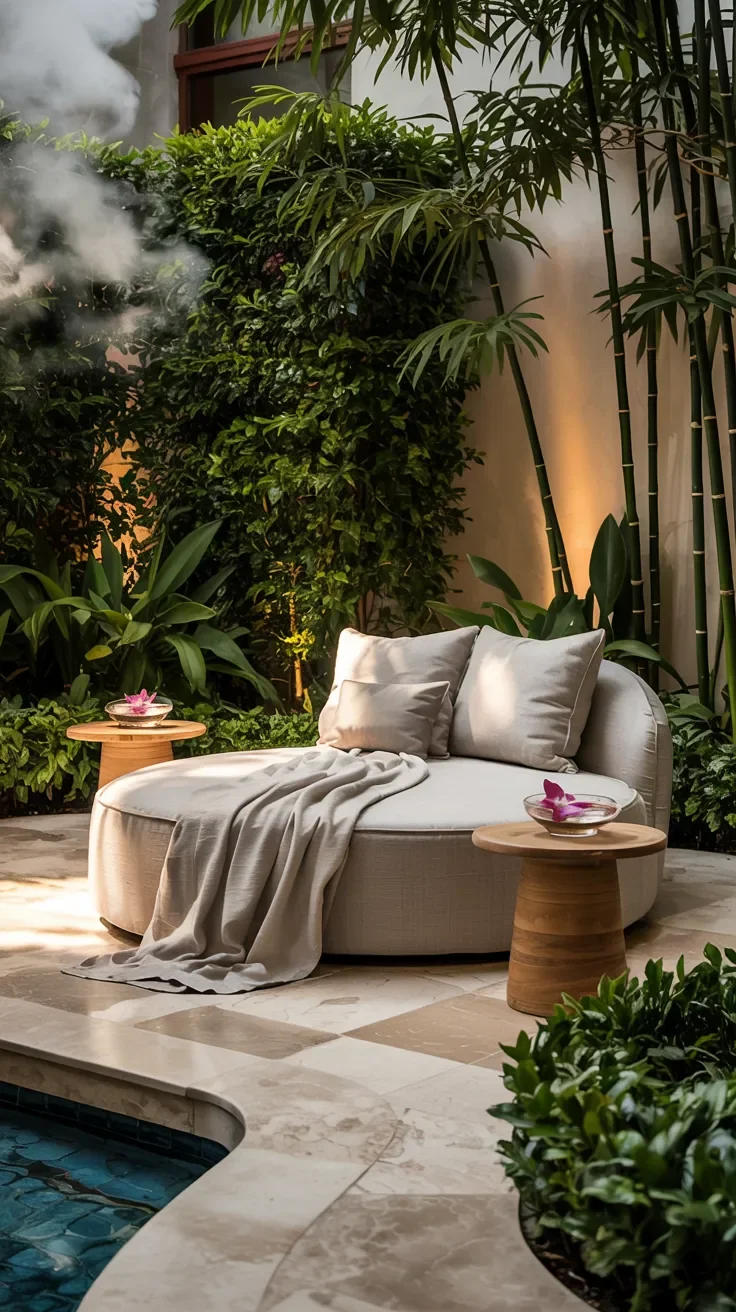
Spa gardens and wellness backyards are becoming one of the biggest outdoor living trends of 2026, transforming ordinary spaces into peaceful personal retreats. Homeowners are focusing on relaxation, mindfulness, and nature-inspired design to create outdoor environments that support both mental and physical well-being. From minimalist meditation corners to luxurious spa-style pools and saunas, modern wellness gardens combine beauty with comfort and functionality. Natural materials, calming water features, soft lighting, and lush greenery are defining the newest backyard aesthetics for the year ahead. These outdoor sanctuaries are designed to encourage slow living, stress relief, and deeper connections with nature in everyday life. In this article, we’ll explore the most inspiring spa garden and wellness backyard ideas that are shaping outdoor design trends in 2026.
Healing Garden Layouts With Organic Flow And Relaxation Zones
I always find that the most successful healing gardens are designed with movement and emotional comfort in mind rather than strict symmetry. In Spa gardens & wellness backyards 2026, organic layouts with curved walkways, layered planting, and separated relaxation zones create a natural rhythm that immediately feels calming. I prefer using soft transitions between spaces, such as gravel paths leading toward shaded lounge areas, small meditation decks, or quiet reading corners surrounded by ornamental grasses and fragrant plants. This type of garden design encourages slow movement and mindfulness while still maintaining a sophisticated modern appearance.
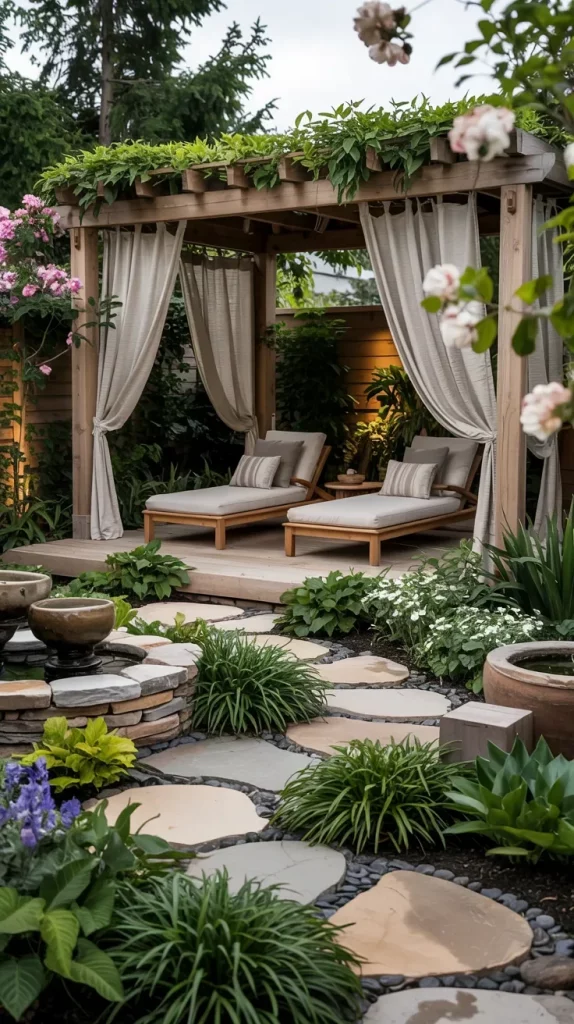
When I design relaxation-focused outdoor layouts, I pay special attention to the materials and furniture because they strongly influence how welcoming the space feels. I recommend oversized teak loungers with weather-resistant cushions, curved outdoor sofas, and sculptural pergolas that soften direct sunlight without making the garden feel enclosed. Natural stone pathways, textured wood decking, and integrated planter beds help establish visual continuity throughout the backyard. I also like to include low ambient lighting, ceramic water bowls, and linen outdoor curtains because these details make the environment feel more personal and restorative.
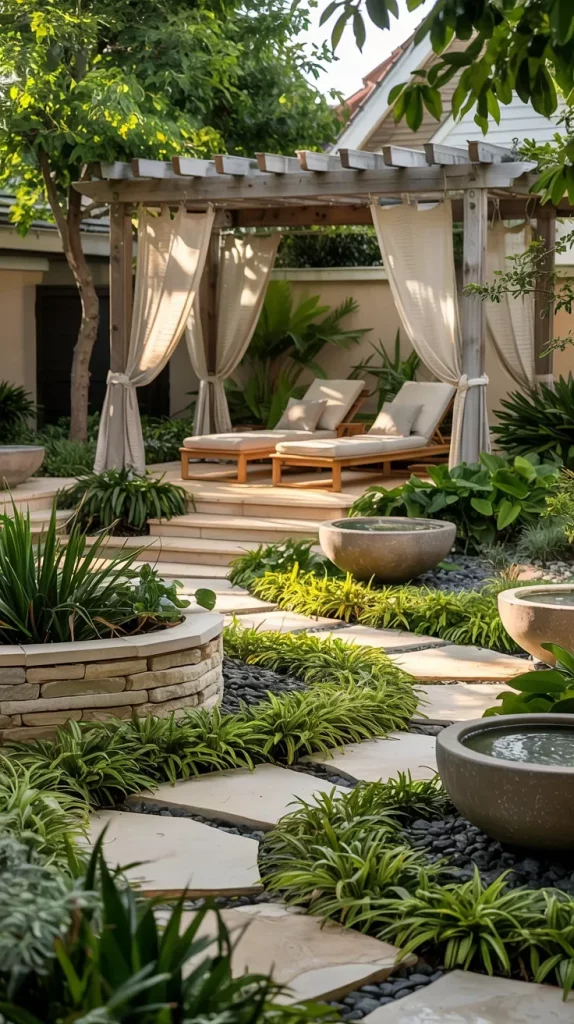
From my experience, wellness gardens work best when every zone serves a specific emotional purpose. I often create separate areas for meditation, social relaxation, and solo quiet time so the backyard feels intentionally balanced rather than overcrowded. Many American landscape designers featured in publications like Architectural Digest and Elle Decor have emphasized the importance of sensory landscaping in recent years, especially through the use of sound, texture, fragrance, and natural movement. I completely agree with this approach because a wellness garden should engage the senses gently without overwhelming them.
I also believe that many homeowners underestimate the importance of shade and privacy in healing garden layouts. Adding layered greenery, vertical gardens, or semi-open wood screens can significantly improve the sense of comfort within the space. In my opinion, privacy transforms a beautiful garden into a truly restorative sanctuary where people can disconnect from daily stress without distractions.
Minimalist Wellness Backyards Inspired By Luxury Resorts
Minimalist outdoor spaces continue to dominate wellness backyard ideas because they create visual clarity and reduce unnecessary distractions. I prefer minimalist wellness gardens that combine clean architectural lines with soft natural textures, creating an atmosphere similar to high-end luxury resorts. Large-format concrete pavers, warm wood accents, and neutral-toned furniture establish a calm and sophisticated foundation while allowing greenery and natural light to remain the main focal points. In my opinion, simplicity is one of the most effective ways to create emotional calm outdoors.
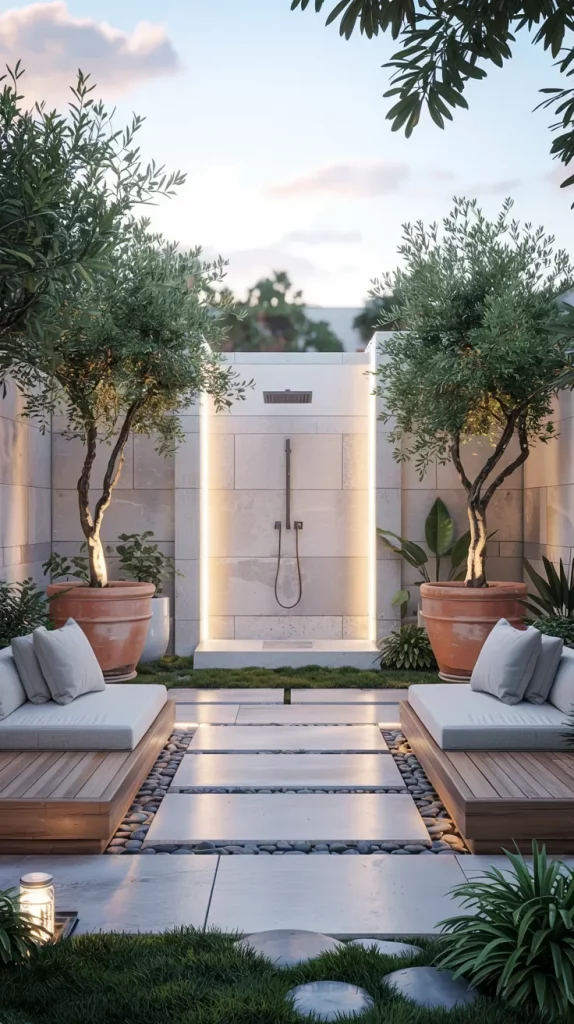
I usually furnish minimalist wellness backyards with low-profile modular seating, floating benches, and sculptural lounge chairs made from teak, boucle outdoor fabric, or powder-coated aluminum. Built-in planters filled with olive trees, bamboo, or ornamental grasses help soften the geometry of the design without creating visual clutter. I also recommend concealed LED lighting under benches and pathways because subtle lighting dramatically improves the spa-like atmosphere in the evening. Outdoor showers with stone walls and rainfall fixtures are another feature I often include to strengthen the resort-inspired feeling.
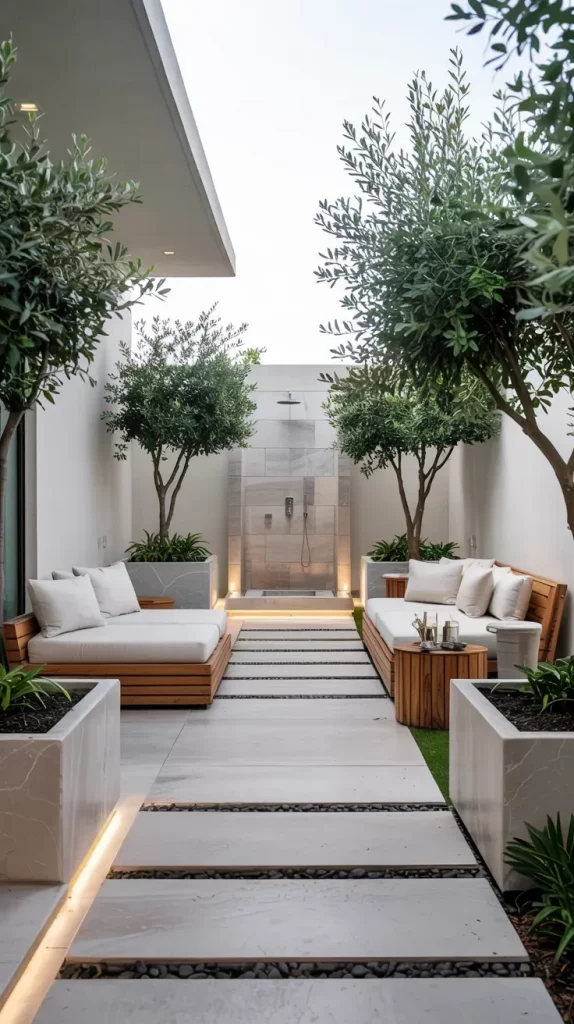
Personally, I appreciate minimalist wellness gardens because they encourage intentional living. Many leading American designers now focus on reducing visual noise in outdoor spaces, especially as people increasingly use their backyards for meditation, remote work, yoga, and recovery routines. I have noticed that clients feel more relaxed in environments where every element serves a purpose rather than competing for attention. The balance between empty space and carefully selected decor is what makes minimalist wellness design feel timeless.
I also recommend incorporating hidden storage solutions into minimalist outdoor layouts. Storage benches, integrated cabinetry, and concealed towel compartments help maintain a clean appearance while supporting practical daily use. In my experience, functional organization is essential for preserving the peaceful atmosphere that defines modern spa-inspired landscaping.
Outdoor Meditation Spaces With Natural Stone Pathways
Outdoor meditation spaces are becoming one of the most requested features in Spa gardens & wellness backyards 2026 because people want environments that support mental clarity and emotional recovery. I prefer designing meditation areas slightly away from the main entertaining zones so they feel intentionally quiet and protected. Natural stone pathways work exceptionally well because they create a grounding visual experience while encouraging slower movement through the garden. Soft greenery, shaded seating, and minimal decorative elements help maintain a tranquil atmosphere without making the space feel staged.
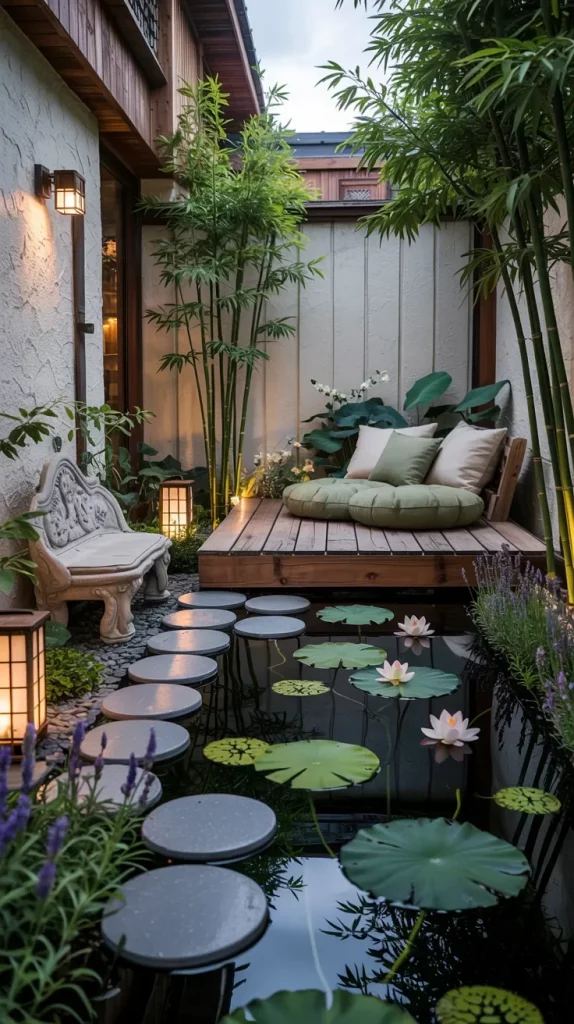
I usually design these meditation spaces with low wooden platforms, weather-resistant floor cushions, and sculptural stone benches positioned near ornamental planting. Materials like limestone, slate, and travertine add texture while maintaining an earthy and calming appearance. I also recommend adding small water features, such as reflecting pools or narrow fountains, because gentle water sounds help reduce background noise and improve relaxation. In some projects, I include lantern lighting and handcrafted ceramic planters to create warmth during evening meditation sessions.
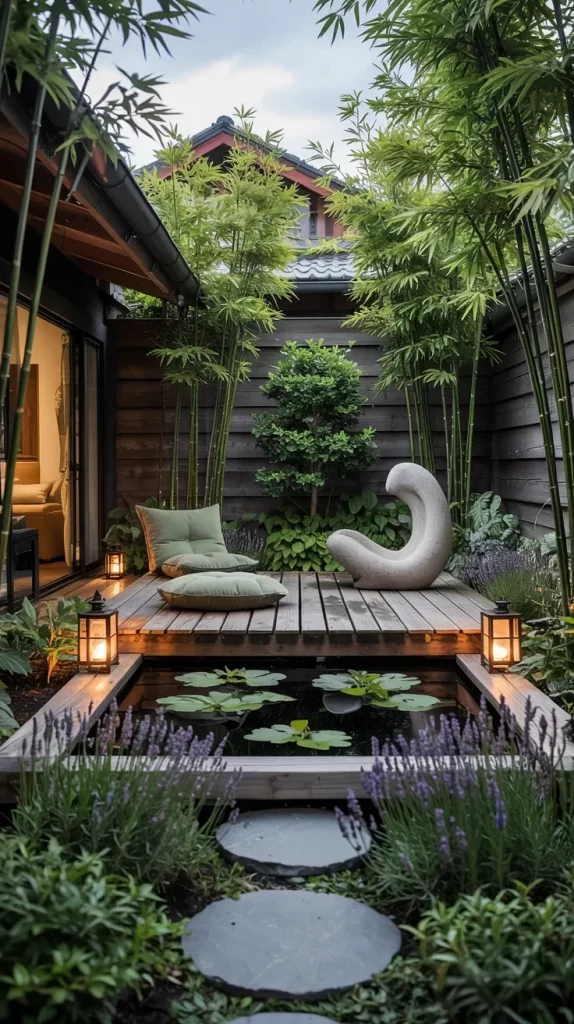
From my perspective, the success of a meditation garden depends more on emotional comfort than on decorative complexity. I often draw inspiration from Japanese and Scandinavian outdoor design because both styles emphasize restraint, texture, and harmony with nature. According to several recent landscape design publications in the US, homeowners increasingly prioritize outdoor wellness areas that support mindfulness and stress reduction rather than purely decorative landscaping. I believe this shift reflects a broader lifestyle movement toward slower and healthier living.
I also think sensory details should never be overlooked in meditation-focused gardens. Fragrant plants like lavender, jasmine, and rosemary can enhance the calming atmosphere significantly. In my experience, combining tactile materials, subtle scents, and soft natural sounds creates a much deeper sense of relaxation than relying on visual design alone.
Modern Spa Garden Designs With Water Features And Pools
Water remains one of the defining elements of Spa gardens & wellness backyards 2026 because it instantly creates a sense of tranquility and luxury. I prefer modern spa gardens that combine clean-lined pools with architectural water features and layered greenery to create a sophisticated resort-like atmosphere. Rectangular plunge pools, infinity-edge designs, and dark reflective surfaces are especially popular because they add visual depth while maintaining a minimalist appearance. I also like integrating shaded lounge areas around the water so the entire garden feels connected rather than divided into separate zones.
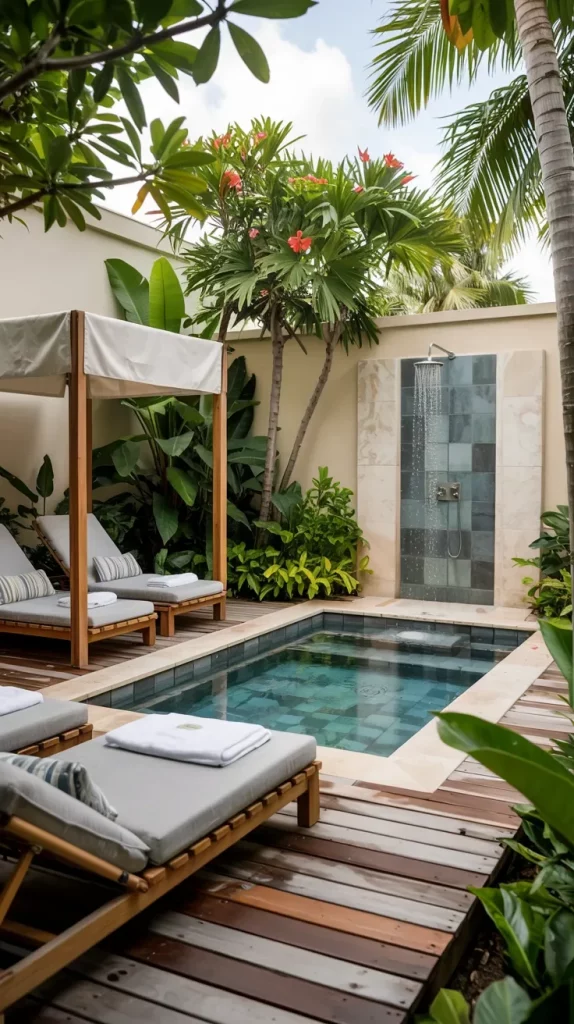
In my projects, I often combine natural stone pool coping, teak decking, and oversized loungers to create warmth and comfort around the spa area. Built-in benches inside pools, hydrotherapy jets, and shallow tanning ledges improve both functionality and relaxation. I also recommend installing outdoor rainfall showers and sculptural fountains because moving water softens the environment acoustically while reinforcing the wellness-focused design concept. Large ceramic planters, tropical greenery, and linen cabanas further enhance the luxurious atmosphere.
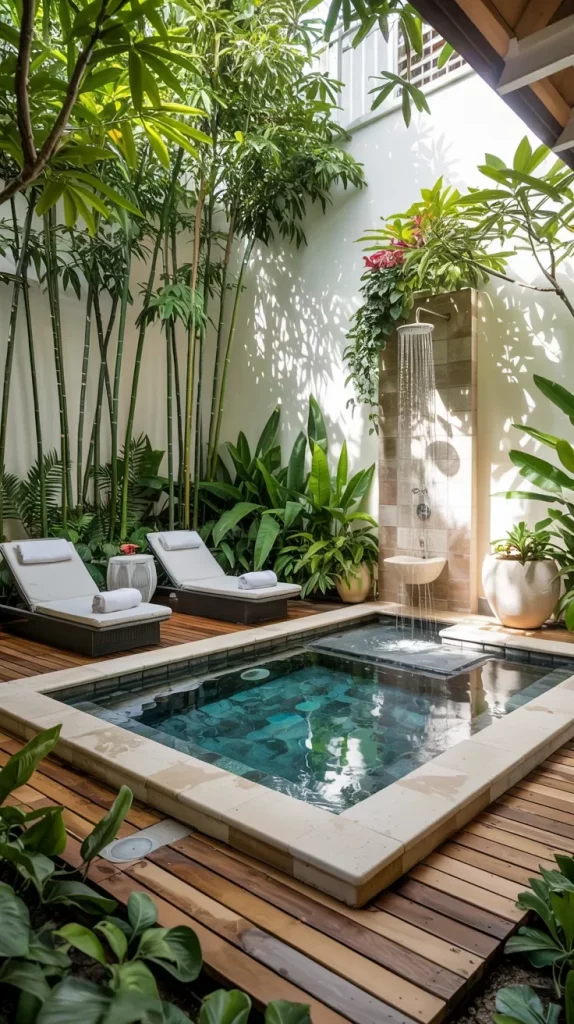
Personally, I believe modern spa gardens should feel restorative rather than overly decorative. Many luxury landscape architects in the US now focus on creating quieter, more immersive outdoor experiences where water becomes both a visual centerpiece and a sensory element. I completely agree with this philosophy because reflective pools and gentle fountains create an emotional calm that is difficult to achieve with furniture or decor alone. The combination of water, natural materials, and soft lighting consistently creates one of the most timeless outdoor aesthetics.
I also encourage homeowners to consider year-round usability when designing spa gardens. Heated pools, covered pergolas, integrated fireplaces, and wind-protected seating areas can extend the functionality of the space far beyond the summer season. In my experience, a wellness garden feels more valuable when it supports daily routines throughout the entire year.
Cozy Fire Pit Retreats For Evening Wellness Rituals
Evening wellness spaces are becoming increasingly important in modern outdoor design, and I believe fire pit retreats are one of the most inviting additions to wellness backyard ideas. A carefully designed fire feature creates warmth, encourages conversation, and transforms the garden into a relaxing nighttime sanctuary. I prefer arranging fire pit areas within softly landscaped zones surrounded by curved seating, layered lighting, and textured materials that make the environment feel intimate without appearing crowded. In many spa-inspired gardens, the fire element balances the coolness of water features and stone surfaces beautifully.
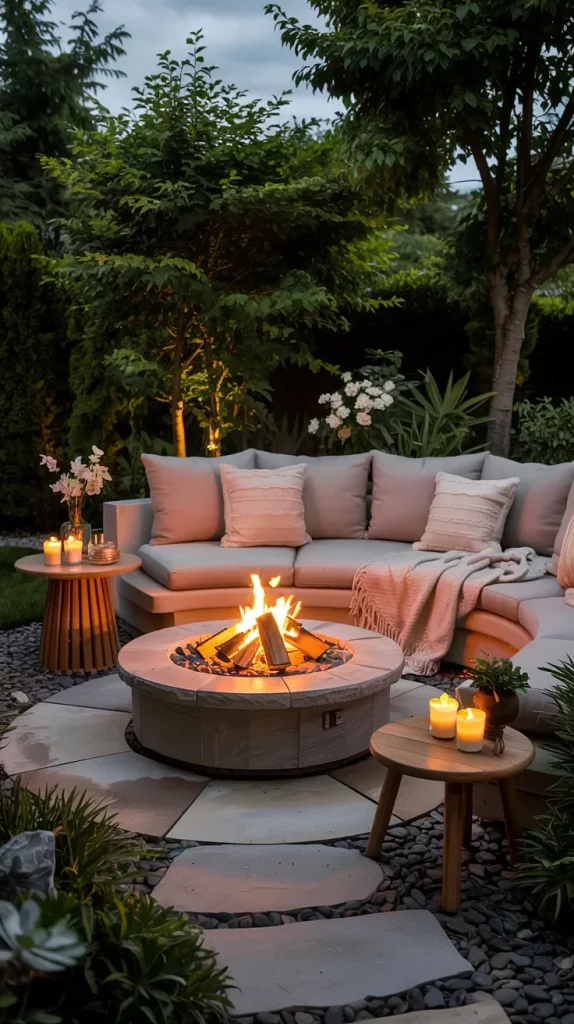
I usually furnish these spaces with deep outdoor lounge chairs, modular curved sofas, boucle cushions, and oversized knit throws that encourage long evenings outdoors. Natural stone fire pits, sunken seating areas, and low-profile teak tables help maintain a modern aesthetic while still feeling comfortable and approachable. I also recommend adding lanterns, recessed pathway lighting, and subtle uplighting around surrounding greenery because layered lighting creates a softer and more relaxing atmosphere after sunset. Outdoor rugs and ceramic side tables can make the retreat feel more like an outdoor living room connected to nature.
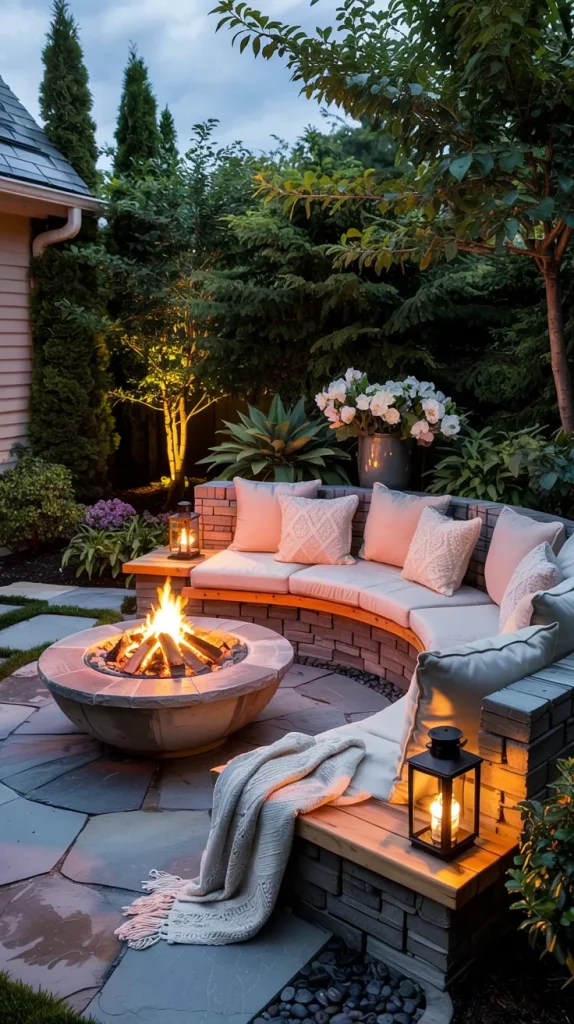
From my experience, fire pit wellness spaces are most successful when they feel emotionally warm rather than overly formal. Many outdoor designers featured in US home design magazines now emphasize “slow evenings” as part of wellness-focused living, encouraging homeowners to create outdoor environments that support meaningful conversations and relaxation instead of constant entertainment. I appreciate this approach because a wellness backyard should encourage people to disconnect from screens and reconnect with their surroundings in a calmer way.
I also recommend including practical comfort elements that many homeowners forget during the planning stage. Hidden storage for blankets, weather-resistant cushions, and integrated beverage stations can significantly improve the usability of the space. In my opinion, thoughtful functionality is what transforms a stylish fire pit area into a truly restorative outdoor retreat.
Zen Garden Ideas With Sand, Pebbles, And Sculptural Plants
Zen-inspired landscapes continue to shape the direction of Spa gardens & wellness backyards 2026 because they create a calming environment through simplicity, texture, and balance. I prefer designing Zen gardens with open negative space, carefully arranged stone compositions, and restrained planting palettes that encourage mental clarity rather than visual overload. Raked sand patterns, smooth river pebbles, and sculptural greenery create a meditative atmosphere that feels timeless and deeply relaxing. In my experience, the most successful Zen gardens feel intentional and quiet while still maintaining a modern outdoor aesthetic.
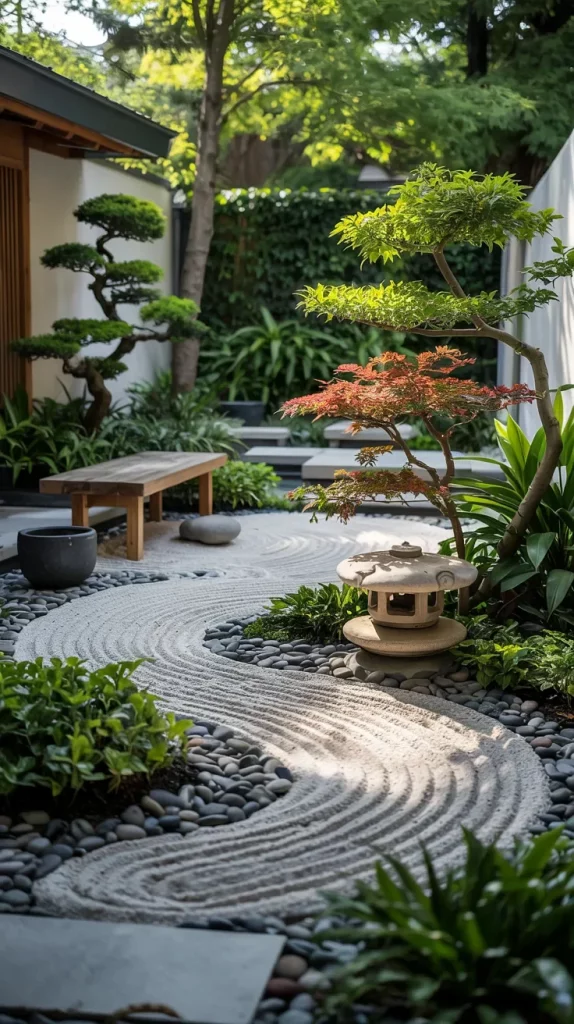
When selecting materials and furniture for these gardens, I focus on natural textures and understated forms. I often use low wooden benches, dark stone lanterns, black ceramic planters, and weathered teak accents because they complement the calm structure of the landscape without distracting from it. Japanese maples, bonsai-style shrubs, ornamental grasses, and cloud-pruned evergreens add sculptural interest while preserving visual harmony. I also recommend adding a small water basin or minimalist fountain because soft water movement enhances the peaceful atmosphere without interrupting the simplicity of the design.
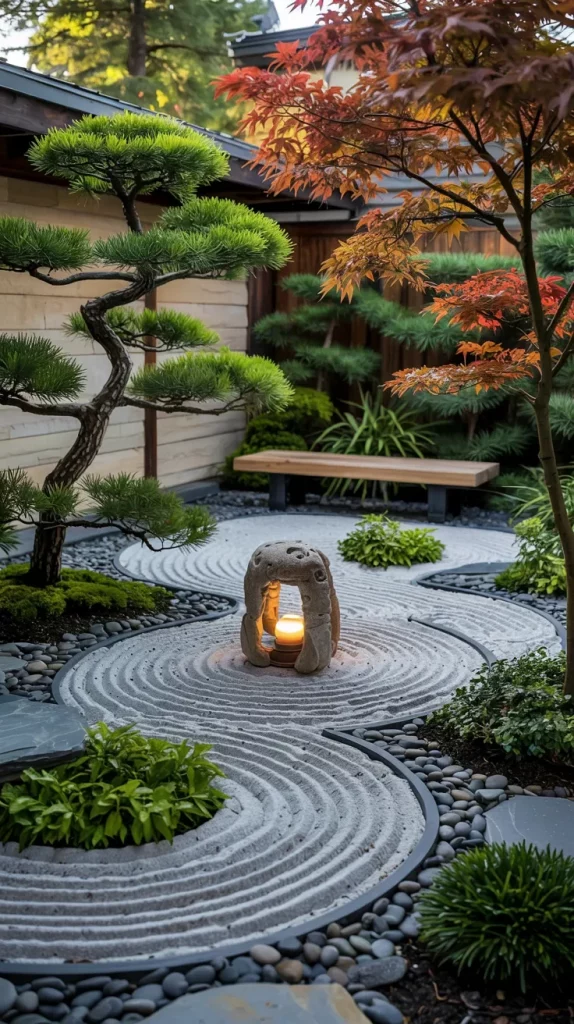
Personally, I believe Zen gardens are especially effective for homeowners who want outdoor spaces that support mindfulness and emotional recovery. Many respected landscape designers and wellness publications in the US continue to emphasize the psychological benefits of minimalist outdoor environments, particularly those influenced by Japanese design philosophy. I completely agree with this approach because restrained landscaping often creates a stronger emotional impact than heavily decorated spaces. The balance between stone, sand, greenery, and open space naturally encourages slower thinking and deeper relaxation.
I also recommend paying close attention to maintenance when designing a Zen-inspired backyard. Hidden edging, quality gravel stabilizers, and drought-tolerant plants can make the space easier to maintain while preserving its clean appearance. In my opinion, simplicity only feels luxurious when the garden remains visually balanced and well cared for throughout the year.
Luxury Outdoor Saunas For Modern Backyard Escapes
Outdoor saunas are becoming one of the defining features of wellness backyard ideas because they combine luxury, health benefits, and architectural beauty in a single feature. I prefer integrating saunas into the landscape rather than treating them as separate backyard structures. Modern outdoor saunas with clean wood cladding, panoramic glass walls, and minimalist forms create a seamless connection between wellness rituals and nature. Positioned near greenery, plunge pools, or private lounge areas, these saunas instantly transform a backyard into a sophisticated retreat.
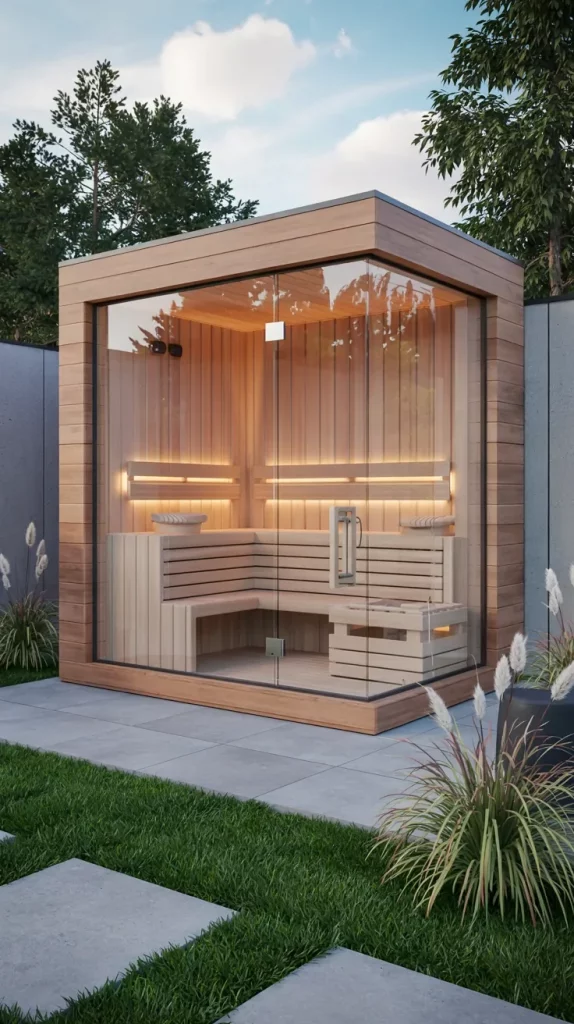
I usually recommend cedar or thermally modified wood for sauna exteriors because these materials age beautifully while resisting moisture and temperature fluctuations. Inside the sauna, I prefer floating wooden benches, indirect LED lighting, and integrated aromatherapy systems because they improve both comfort and atmosphere. Adjacent relaxation zones with loungers, cold showers, towel storage, and textured stone flooring help create a complete spa-inspired experience. I also like adding surrounding ornamental grasses and soft pathway lighting to visually soften the architectural structure.
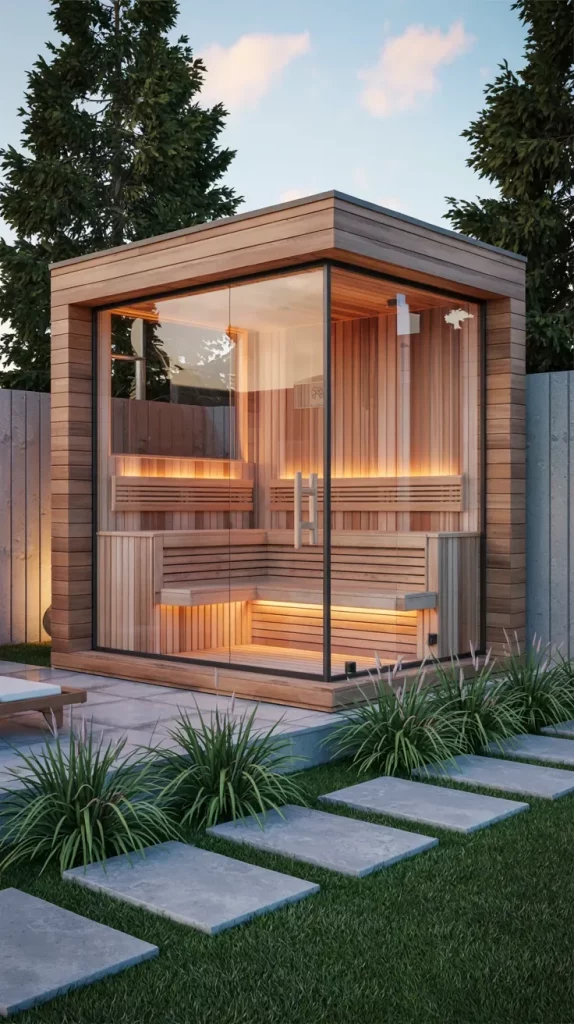
From my experience, homeowners increasingly value wellness spaces that support daily routines rather than occasional luxury use. Many American outdoor designers now approach backyard saunas as extensions of the home’s interior design, focusing on continuity in materials, lighting, and spatial flow. I appreciate this philosophy because the best wellness spaces feel integrated into everyday life rather than isolated features used only occasionally. A thoughtfully designed sauna retreat can encourage healthier habits while also adding strong visual value to the property.
I also believe ventilation, privacy, and landscaping should be carefully planned around outdoor saunas. Layered greenery, privacy screens, and sheltered transitions between the sauna and nearby relaxation areas can significantly improve comfort during colder months. In my opinion, practical details are what elevate a sauna from a decorative addition into a true year-round wellness sanctuary.
Wellness Backyards With Cold Plunge Pools And Hydrotherapy Areas
Cold plunge pools and hydrotherapy spaces are becoming central elements in Spa gardens & wellness backyards 2026 because homeowners increasingly prioritize recovery-focused outdoor living. I prefer designing hydrotherapy zones with a balance of modern architecture and natural materials so the space feels luxurious without becoming clinical. Small plunge pools surrounded by textured stone, wood decking, and soft landscaping create a calming environment that supports relaxation and physical recovery simultaneously. In my experience, these wellness-focused features work best when integrated naturally into the overall backyard design.
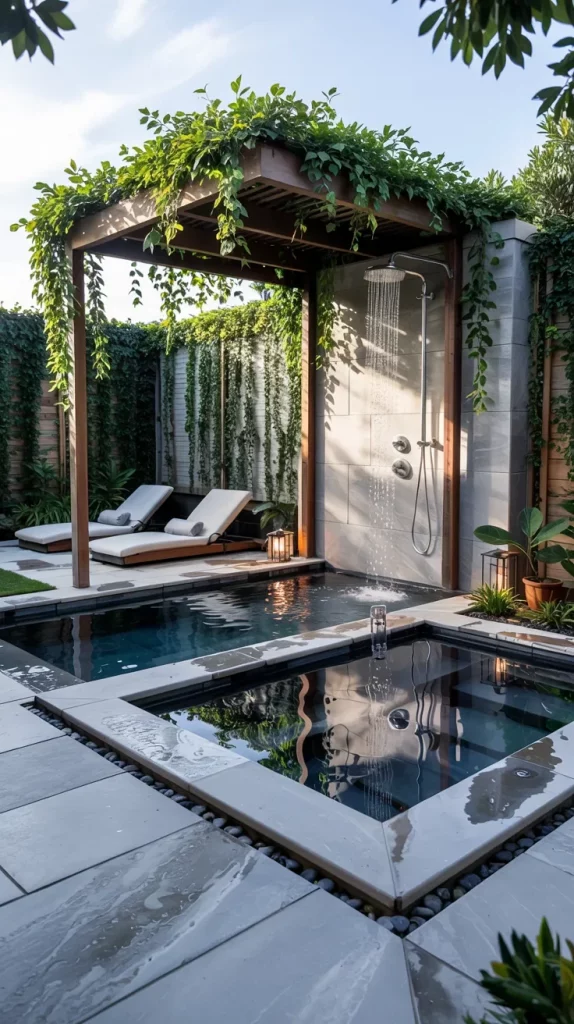
I usually combine cold plunge pools with heated spa tubs, rainfall showers, and built-in hydrotherapy jets to create a complete recovery experience outdoors. Materials such as limestone, travertine, and dark porcelain tiles help maintain a clean and contemporary appearance while also resisting moisture effectively. I also recommend adding ergonomic loungers, towel warming cabinets, and shaded pergolas because comfort before and after hydrotherapy sessions is just as important as the water features themselves. Layered greenery and ambient lighting help soften the technical appearance of wellness equipment while maintaining a spa-like atmosphere.
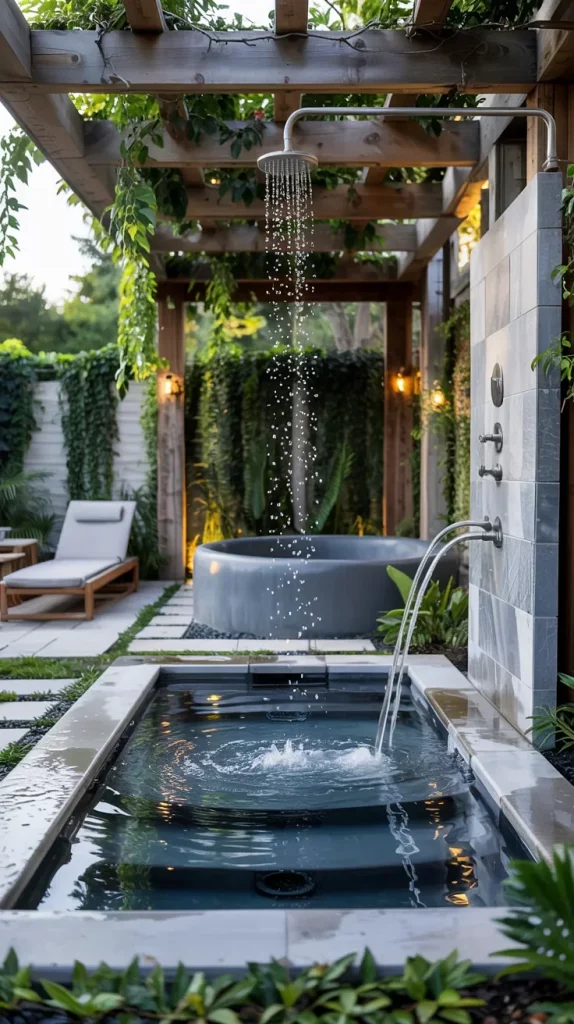
Personally, I believe hydrotherapy gardens represent one of the strongest shifts in modern outdoor design because they combine aesthetics with measurable wellness benefits. Many wellness experts and luxury landscape designers in the US now incorporate contrast therapy concepts into residential backyards, particularly through the combination of hot and cold water experiences. I find that homeowners appreciate these spaces not only for relaxation but also for recovery after exercise, stress reduction, and improved daily routines. The growing connection between outdoor design and personal wellness is becoming impossible to ignore.
I also recommend considering circulation and privacy when planning hydrotherapy areas. Non-slip flooring, sheltered changing spaces, and discreet storage for towels and wellness accessories can dramatically improve usability. In my opinion, a hydrotherapy backyard should feel effortless to use every day rather than overly designed for occasional visual impact.
Biophilic Garden Design Trends For 2026 Outdoor Living
Biophilic design is shaping the future of Spa gardens & wellness backyards 2026 because it strengthens the connection between people and nature through intentional outdoor experiences. I prefer creating biophilic landscapes that combine layered greenery, natural materials, filtered light, and organic textures to support emotional comfort and mental well-being. Living walls, native planting, and tree-canopy seating zones help create immersive outdoor environments that feel restorative and visually dynamic. In my experience, biophilic gardens work best when nature itself becomes the primary design feature rather than simply a decorative addition.
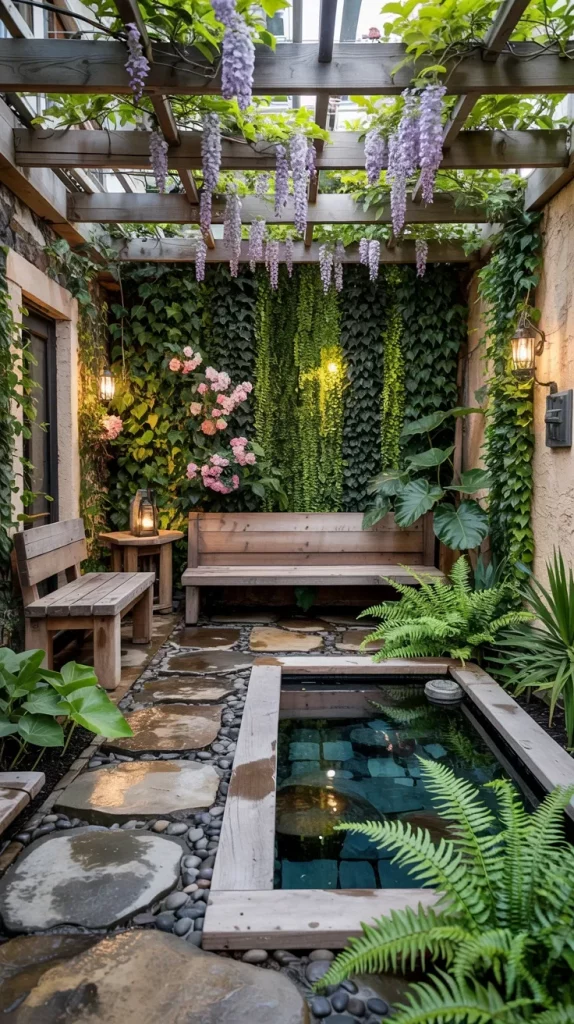
When designing these outdoor spaces, I focus on tactile materials and sensory experiences that encourage people to spend more time outdoors. I often use reclaimed wood furniture, stone pathways, woven outdoor textiles, and large ceramic planters filled with native plants because these materials create warmth and authenticity. I also recommend adding pergolas with climbing greenery, shallow reflecting pools, and soft layered lighting because these features strengthen the feeling of immersion within the landscape. Outdoor dining areas surrounded by dense planting can also create a more intimate and emotionally calming atmosphere.
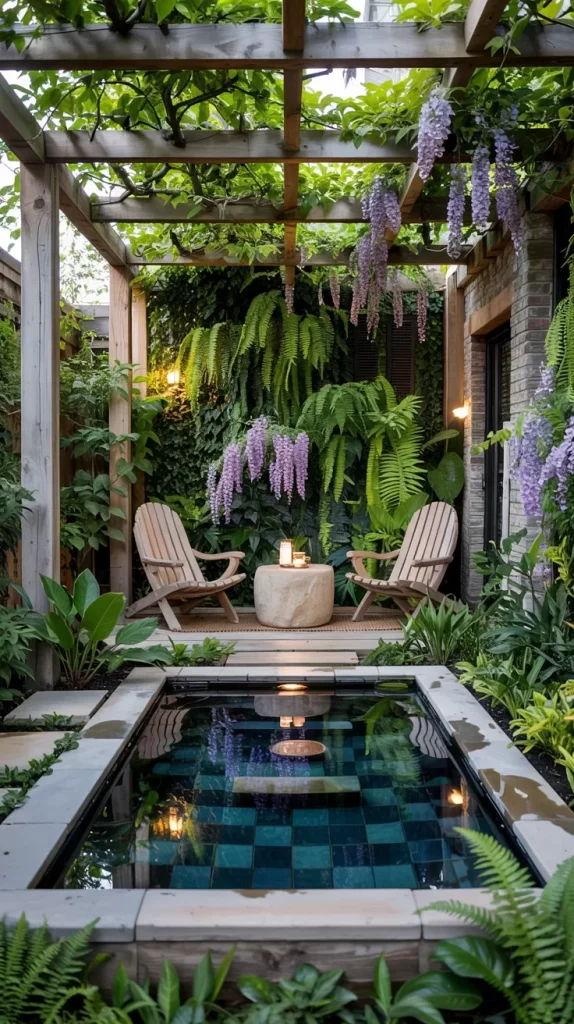
Personally, I appreciate biophilic outdoor design because it creates a stronger emotional response than purely decorative landscaping. Many leading wellness architects and environmental psychologists now emphasize the importance of daily interaction with greenery, natural light, and fresh air for reducing stress and improving concentration. I fully support this perspective because I consistently notice that nature-focused outdoor spaces feel more timeless and restorative than trend-driven designs. A garden that supports well-being emotionally and physically will always remain relevant.
I also believe biodiversity should become a more important consideration in modern wellness gardens. Pollinator-friendly planting, drought-resistant landscaping, and seasonal vegetation can make outdoor spaces both environmentally responsible and visually rich. In my opinion, sustainable choices naturally enhance the authenticity and long-term beauty of biophilic design.
Curved Seating Areas That Create Calm And Comfort Outdoors
Curved forms are becoming increasingly important in wellness backyard ideas because they create softer, more welcoming outdoor environments compared to rigid geometric layouts. I prefer using curved seating arrangements to encourage relaxation and natural conversation flow while visually softening modern outdoor architecture. Rounded lounge zones surrounded by layered planting and textured materials create a more emotionally comfortable atmosphere that feels less formal and more restorative. In many wellness-focused gardens, curved layouts also improve movement through the space by making pathways and seating feel more organic.
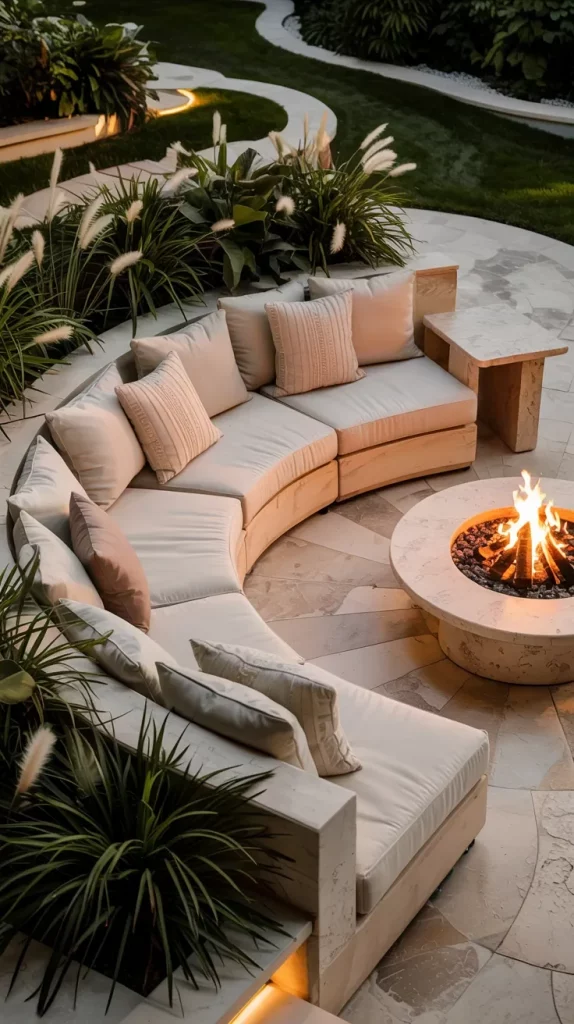
I often furnish these seating areas with modular curved sofas, circular fire pits, sculptural coffee tables, and oversized boucle cushions because soft shapes immediately create a sense of comfort. Materials such as teak, travertine, woven rope, and textured outdoor fabrics help balance luxury with warmth. I also recommend integrating curved retaining walls, circular planters, and softly illuminated pathways because repeating rounded forms throughout the landscape creates stronger visual harmony. Layered lighting and surrounding ornamental grasses further soften the atmosphere during evening hours.
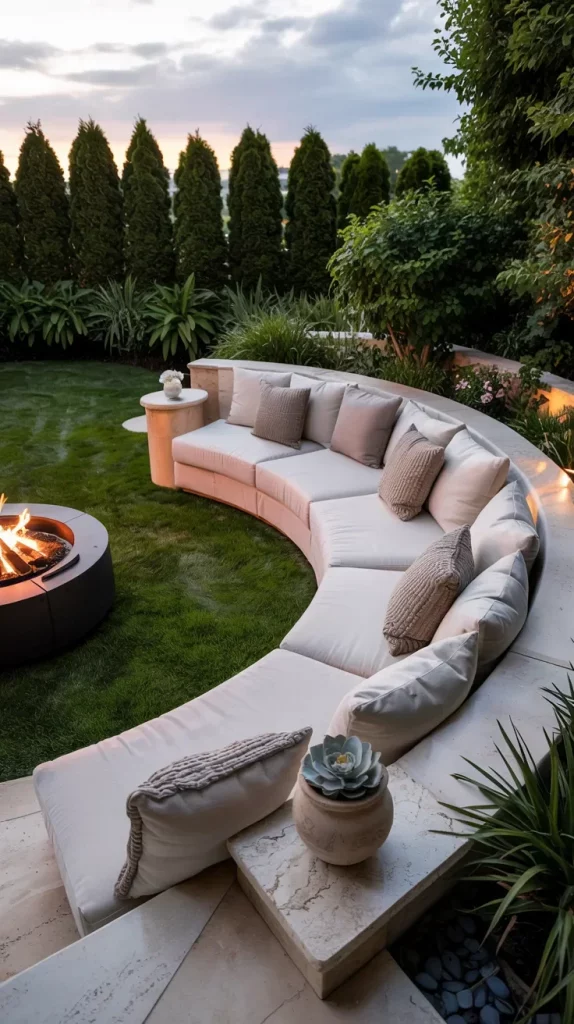
From my experience, curved seating arrangements make outdoor spaces feel significantly more inviting for both relaxation and social connection. Many contemporary landscape designers featured in major American design publications now incorporate curved architecture and furniture specifically because people respond more positively to softer visual forms. I completely agree with this design direction because rounded spaces naturally feel calmer and less rigid than traditional angular layouts. The psychological effect of gentle shapes should never be underestimated in wellness-focused outdoor design.
I also recommend paying attention to scale and spacing when planning curved lounge zones. Oversized furniture placed too closely together can make the area feel heavy rather than relaxing. In my opinion, maintaining openness around curved seating is essential for preserving the airy and tranquil feeling that defines modern spa-inspired outdoor living.
Tropical Spa Gardens With Exotic Greenery And Privacy Screens
I see tropical wellness gardens becoming one of the most desirable directions in Spa gardens & wellness backyards 2026 because they create an immersive escape directly at home. In my experience, the most successful tropical spa gardens combine oversized greenery, layered landscaping, and natural materials to create a secluded atmosphere that feels both luxurious and calming. I recommend using large palms, banana plants, bamboo, and dense hedges to establish privacy while softening the overall appearance of the backyard. Stone pathways, warm wood decking, and water features help connect the entire outdoor space visually and emotionally.
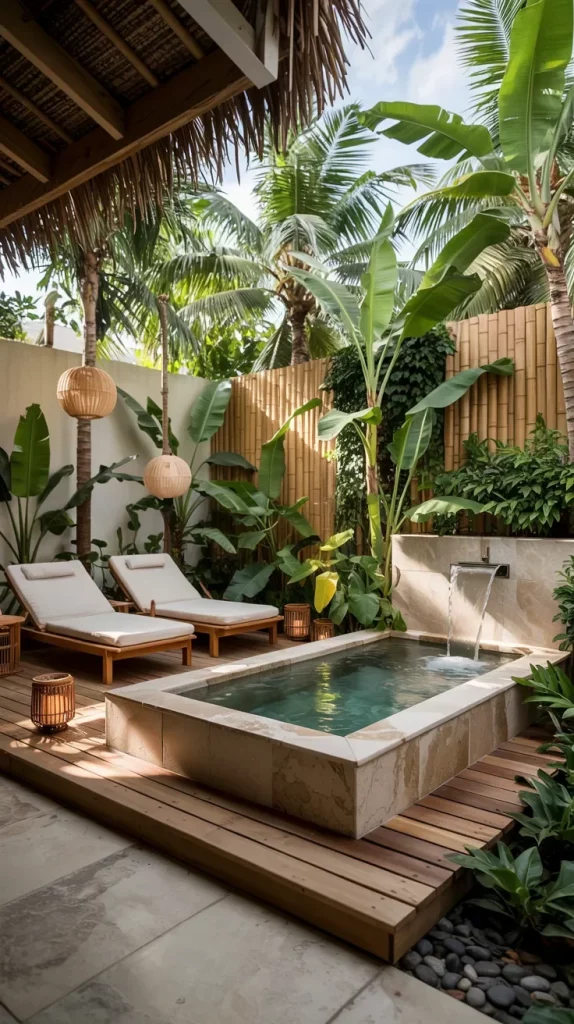
When I design tropical spa-inspired backyards, I pay special attention to furniture placement and material selection. I usually recommend oversized teak loungers with neutral waterproof cushions because they withstand moisture while maintaining a refined appearance. Outdoor soaking tubs surrounded by greenery immediately elevate the space and create a boutique resort feeling. I also prefer woven pendant lights, linen outdoor curtains, and textured stone planters because these elements introduce softness and depth without overwhelming the garden. Privacy screens made from vertical wood slats or bamboo panels are essential for creating intimate wellness zones.
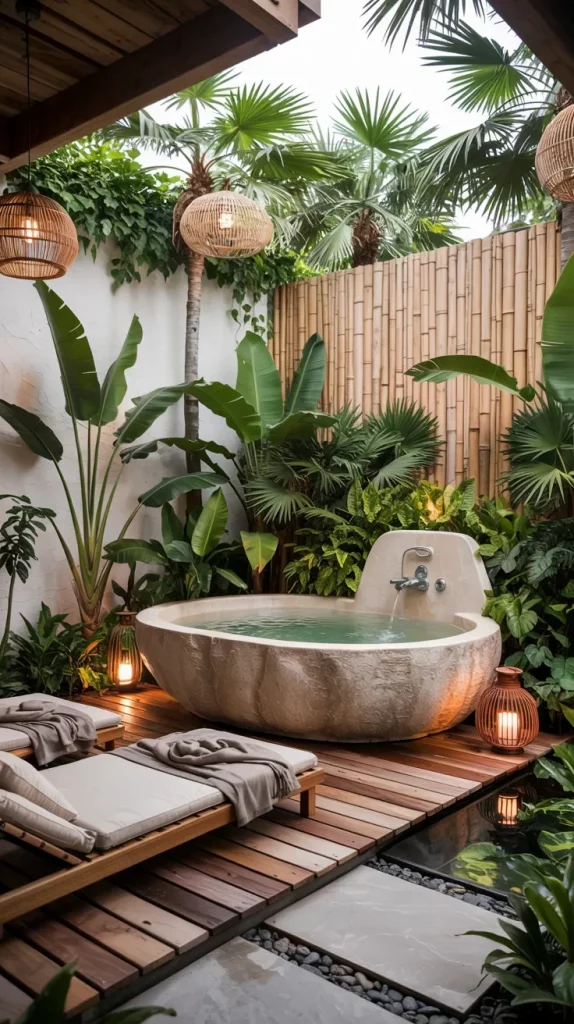
I personally believe tropical spa gardens work best when lighting is subtle and layered. I often reference outdoor wellness concepts featured by publications like Architectural Digest, where designers emphasize warm ambient lighting instead of harsh brightness. In my opinion, hidden LED pathway lights, lanterns, and low garden uplighting create a much more relaxing environment for evening use. I also recommend incorporating natural sounds through fountains or small waterfalls because they improve the sensory experience of the backyard.
To complete this style properly, I would add an outdoor rain shower and a shaded meditation area beneath a pergola or tropical canopy. These additions improve functionality while making the space feel more immersive and complete. I also suggest using natural volcanic stone accents and oversized ceramic pots to reinforce the tropical spa aesthetic while keeping the backyard visually balanced.
Scandinavian Wellness Backyard Ideas With Soft Neutral Tones
Minimalism continues to influence wellness backyard ideas in 2026, and Scandinavian-inspired outdoor spaces are becoming especially popular because of their calming simplicity. I find that Scandinavian wellness gardens work best when the color palette stays soft and restrained, focusing on warm beige, sand, light gray, and muted wood tones. Open layouts, uncluttered furniture arrangements, and carefully selected textures help create a peaceful atmosphere that feels both practical and elegant. I usually recommend combining pale wood decking with gravel pathways and soft ornamental grasses to maintain a natural yet refined look.
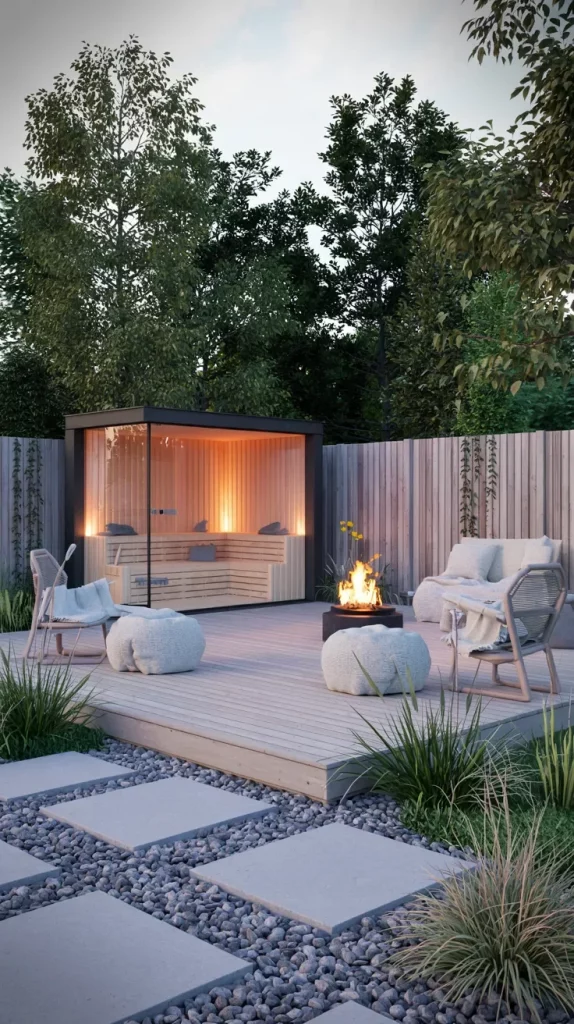
When selecting furniture for this type of spa backyard, I focus on comfort without visual heaviness. I prefer low-profile lounge chairs with light boucle or weather-resistant fabric because they create a cozy atmosphere while maintaining the clean Scandinavian aesthetic. Simple wooden benches, compact fire pits, and linen outdoor cushions add warmth without overcrowding the space. I also recommend adding minimalist outdoor saunas with glass fronts because they fit naturally into Scandinavian wellness design while increasing year-round functionality.
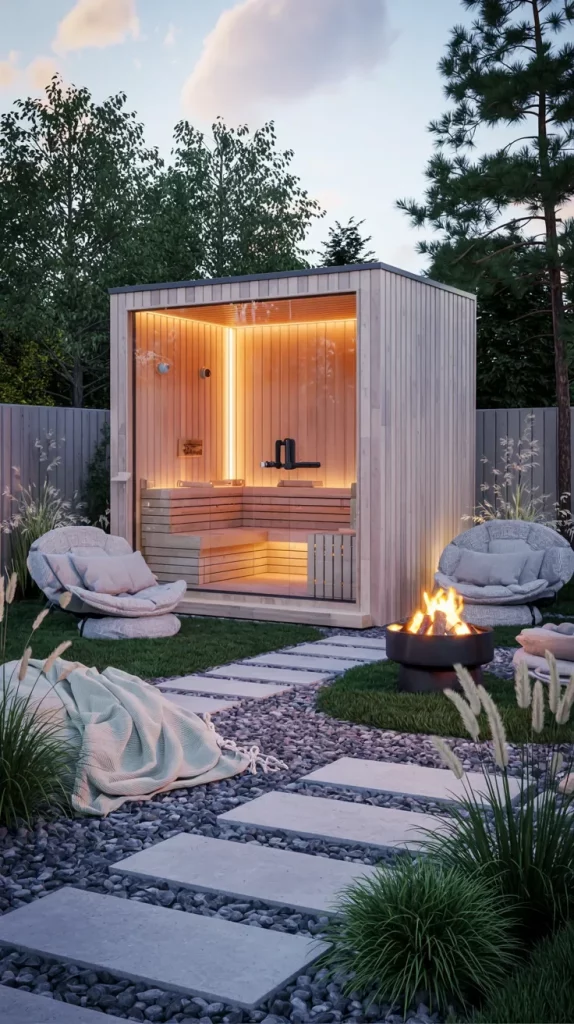
In my experience, Scandinavian spa gardens feel most successful when every element has a clear purpose. I often draw inspiration from Nordic outdoor living concepts featured in publications like Dwell and Elle Decor, where designers prioritize balance, light, and simplicity over decoration. Personally, I believe natural textures matter more than expensive accessories in these spaces. Soft wool throws, textured ceramics, and matte stone surfaces create comfort while preserving the calm visual atmosphere that defines Scandinavian design.
I would also include soft integrated lighting beneath benches and along pathways because subtle illumination improves both safety and ambiance during evening use. Adding a compact cold plunge tub near the sauna would make the backyard feel even more authentic and wellness-focused while remaining visually understated.
Small Spa Garden Designs For Compact Urban Backyards
Not every homeowner has a large outdoor area, which is why compact wellness spaces are becoming an important part of Spa gardens & wellness backyards 2026. I often work with smaller urban backyards where maximizing functionality is more important than adding excessive decoration. In my experience, compact spa gardens work best when every section serves multiple purposes while maintaining a clean and relaxing layout. Vertical landscaping, built-in seating, and carefully planned zoning can make even a small backyard feel surprisingly spacious and luxurious.
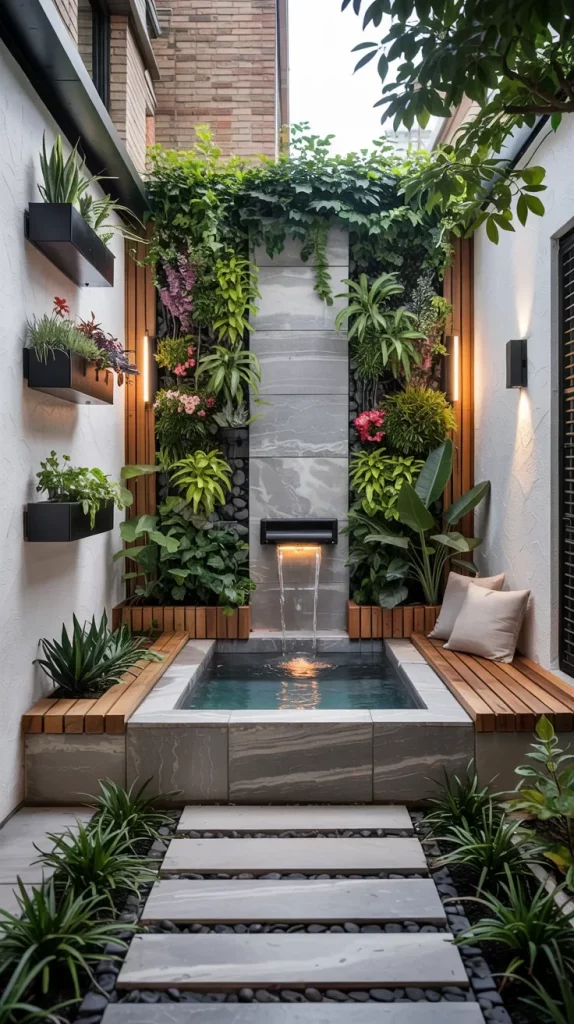
For smaller wellness gardens, I usually recommend space-saving furniture with hidden storage and modular layouts. Built-in wooden benches with integrated planters help reduce clutter while adding warmth and greenery to the space. Compact soaking tubs, slim water walls, and foldable lounge furniture create flexibility without sacrificing comfort. I also like using mirrored panels strategically because they visually expand narrow backyard areas while reflecting natural light throughout the garden. Neutral stone pavers combined with warm wood accents prevent small spaces from feeling cold or overcrowded.
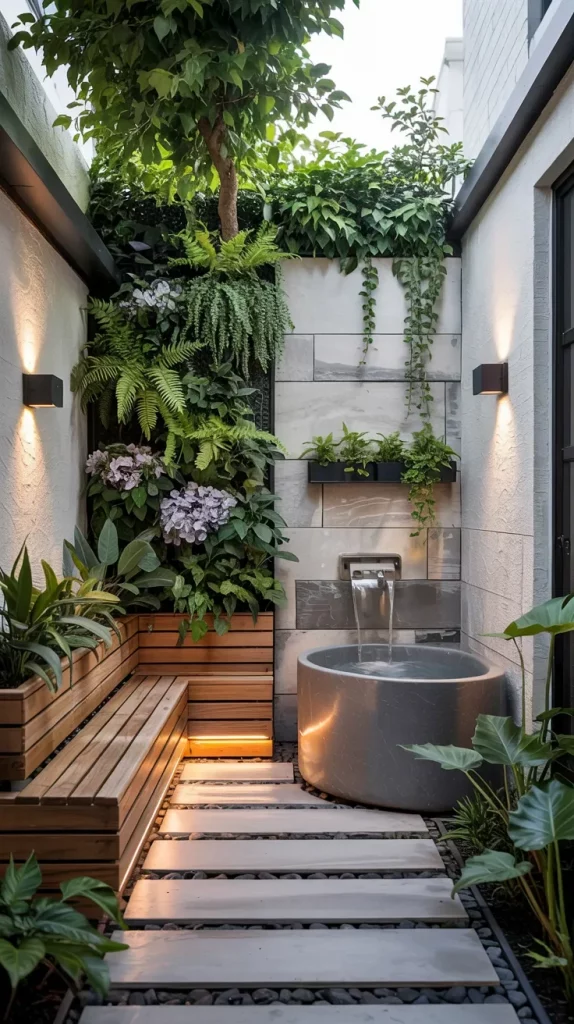
Personally, I believe lighting becomes even more important in compact spa gardens because it can completely change the perception of space. I often recommend layered lighting with wall sconces, hidden LED strips, and lantern-style fixtures to create depth and softness during the evening. Many urban wellness projects featured in House Beautiful emphasize vertical greenery and calming textures instead of oversized furniture, and I completely agree with that approach. A smaller backyard can still feel luxurious when proportions and materials are handled thoughtfully.
I would additionally include retractable privacy screens or climbing vines along fences because privacy is essential in urban wellness spaces. Adding scent-focused plants like jasmine or lavender near seating areas would also improve the sensory experience while requiring very little additional space.
Sustainable Wellness Gardens Using Eco-Friendly Materials
Sustainability has become one of the defining elements of Spa gardens & wellness backyards 2026, and I see more homeowners prioritizing environmentally responsible outdoor spaces without sacrificing luxury. In my opinion, sustainable wellness gardens should feel organic, durable, and timeless rather than overly technical or artificial. I often recommend reclaimed wood decking, permeable stone pathways, and drought-resistant landscaping because these choices reduce environmental impact while creating a naturally calming atmosphere. Native plants and layered greenery also support local biodiversity and require less maintenance over time.
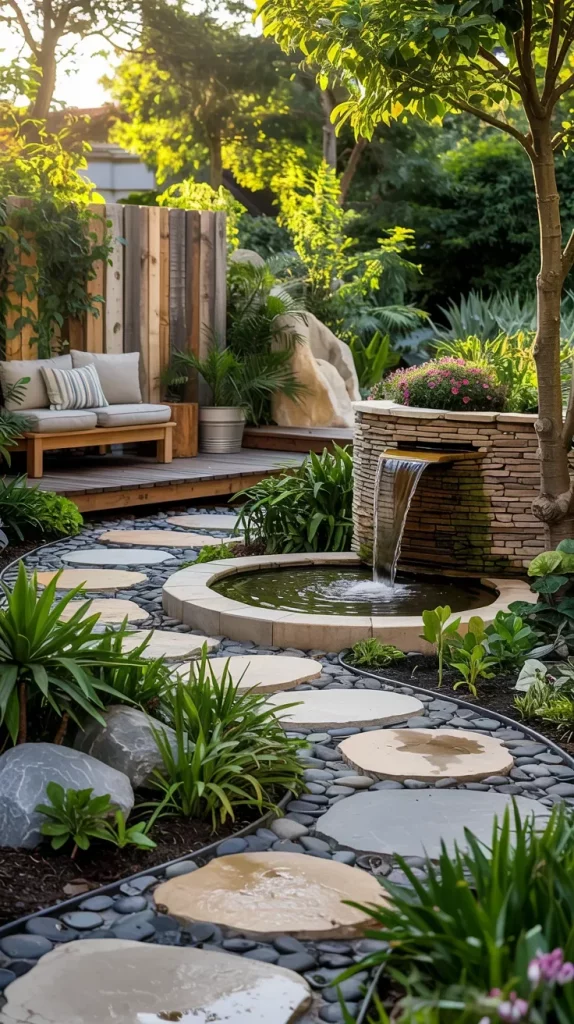
When designing eco-friendly spa backyards, I pay close attention to furniture and material longevity. I usually suggest FSC-certified wood furniture, recycled stone surfaces, and outdoor fabrics made from sustainable fibers because these materials age beautifully while remaining functional. Solar-powered garden lighting is another feature I frequently incorporate because it reduces energy use while providing soft ambient illumination throughout the evening. Rainwater collection systems hidden within the landscaping can also help support irrigation without affecting the visual design of the backyard.
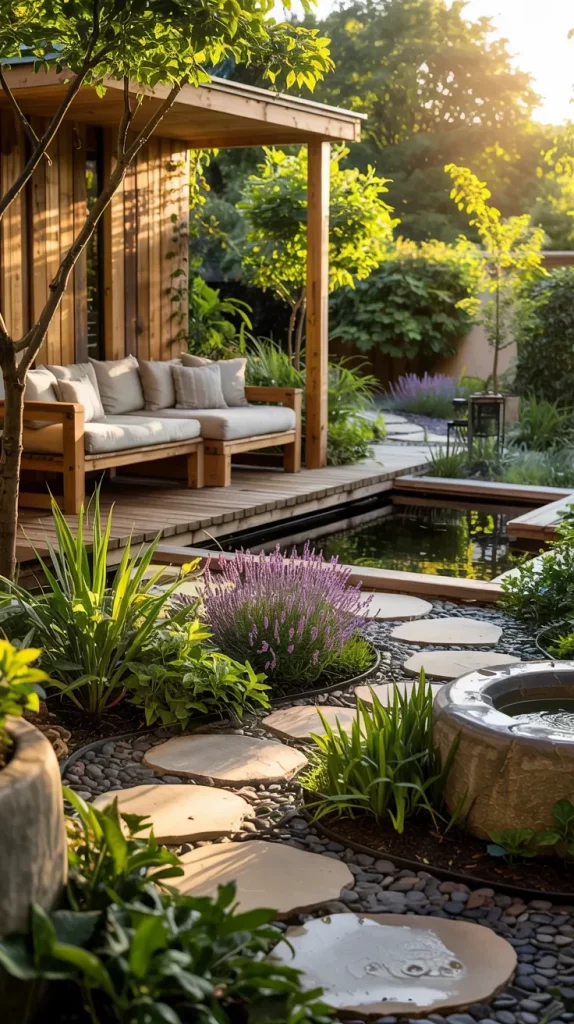
I personally think sustainable gardens feel most luxurious when the environmental features blend seamlessly into the overall design. Publications like Sunset Magazine regularly highlight outdoor wellness spaces that focus on natural materials, water conservation, and long-term durability instead of short-lived trends. From my experience, homeowners appreciate sustainability more when it improves comfort and aesthetics rather than feeling purely functional. A thoughtfully designed eco-friendly spa garden can feel warmer and more authentic than heavily polished outdoor spaces.
To strengthen this concept further, I would include compost-integrated planter beds and natural shade structures using climbing greenery instead of synthetic coverings. I also recommend adding handcrafted ceramic decor and locally sourced stone features because they bring individuality and authenticity to the backyard design.
Outdoor Yoga Deck Ideas Surrounded By Nature And Greenery
Dedicated yoga spaces are becoming an essential feature in modern wellness backyard ideas, especially for homeowners looking to create daily mindfulness routines outdoors. I find that outdoor yoga decks work best when they feel visually connected to the surrounding landscape rather than isolated from it. Elevated wooden platforms framed by ornamental grasses, bamboo, or flowering plants create a peaceful atmosphere that naturally encourages relaxation and focus. I usually recommend placing yoga decks in quieter sections of the backyard where noise and distractions are minimized.
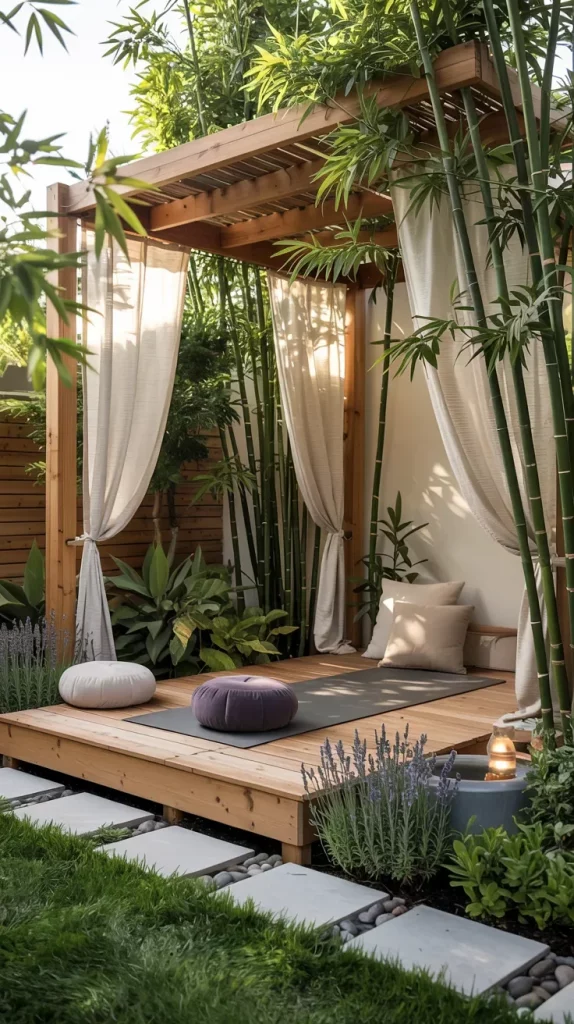
When planning these outdoor wellness areas, I focus heavily on flooring materials and comfort. Natural cedar or teak decking works exceptionally well because it stays visually warm while resisting outdoor conditions. I also recommend adding oversized floor cushions, meditation stools, and lightweight side tables for tea or aromatherapy accessories. Shade structures are equally important, and I often use minimalist pergolas with flowing linen curtains to soften sunlight without blocking airflow. Water bowls, small fountains, and sculptural stone accents help reinforce the calming spa-like environment.
Personally, I believe outdoor yoga areas should remain intentionally uncluttered. I often reference wellness retreats featured in Vogue Living and international spa resorts where simplicity plays a major role in creating mental calmness. In my own design approach, I avoid overcrowding the yoga space with unnecessary decor because open visual space contributes directly to relaxation and mindfulness. Natural sounds, filtered sunlight, and soft textures usually have a stronger impact than decorative accessories.
I would also incorporate integrated storage benches for yoga mats and blankets to maintain a clean appearance throughout the backyard. Adding aromatic plants such as eucalyptus, rosemary, and lavender around the deck would further enhance the sensory experience while naturally supporting relaxation and wellness.
Backyard Hammock Retreats For Peaceful Relaxation Corners
I believe hammock retreats are becoming one of the most underestimated features in Spa gardens & wellness backyards 2026 because they provide a simple yet highly effective way to encourage relaxation outdoors. In my experience, the best hammock areas are designed as intentional wellness corners rather than temporary seating additions. I usually recommend placing hammocks beneath mature trees, pergolas, or shaded garden structures to create a more immersive and protected atmosphere. Layered greenery, soft landscaping, and natural textures help these spaces feel calm and visually separated from the rest of the backyard.
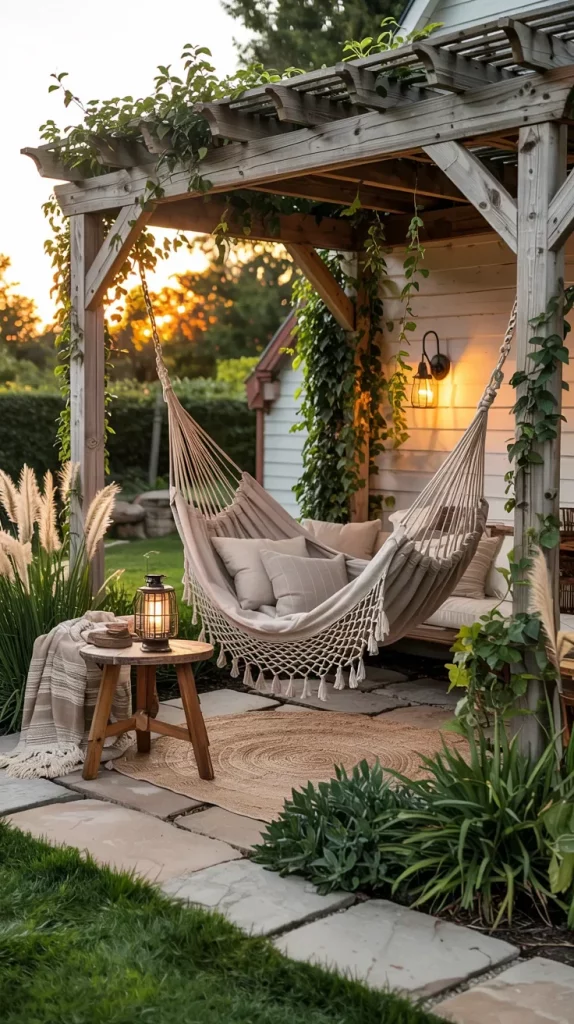
When designing hammock retreats, I focus heavily on comfort and surrounding decor because the atmosphere matters just as much as the hammock itself. I often recommend woven cotton or linen hammocks in warm neutral shades because they blend naturally into modern wellness landscapes. Low wooden side tables, outdoor lanterns, oversized floor cushions, and textured throws help transform the corner into a functional retreat for reading, meditation, or afternoon rest. I also like incorporating gravel pathways and tall ornamental grasses around the space because they soften the transition between relaxation zones and the rest of the garden.
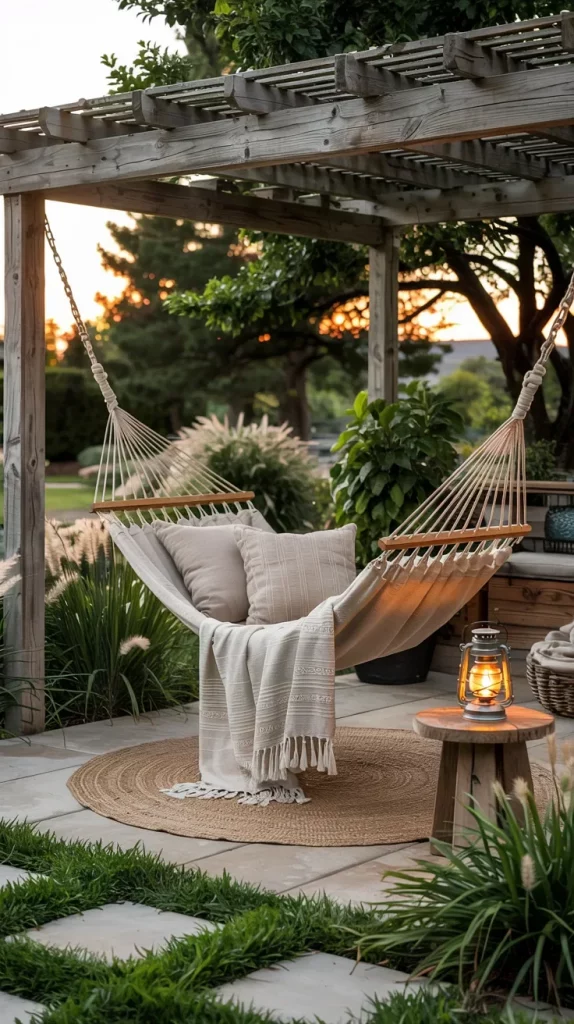
Personally, I find hammock retreats work best when they remain visually uncluttered and connected to nature. Many outdoor wellness projects featured in design publications like Better Homes & Gardens emphasize the importance of sensory calmness through natural materials and quiet landscaping. I completely agree with this approach because overly decorated relaxation spaces can feel distracting instead of restorative. In my opinion, subtle movement from plants, soft fabrics, and filtered sunlight creates a much more luxurious experience than excessive outdoor accessories.
I would additionally include a nearby water feature or small fountain because natural sound significantly improves the feeling of relaxation in these spaces. Adding solar lanterns and soft pathway lighting would also allow the hammock retreat to remain functional and inviting during evening hours.
Natural Swimming Ponds For Eco-Luxury Wellness Landscapes
Natural swimming ponds are becoming a defining feature of luxury wellness backyard ideas because they combine sustainability with resort-inspired outdoor living. I personally see these ponds as one of the most sophisticated alternatives to traditional pools since they create a healthier and more organic environment within the landscape. Instead of relying heavily on chemicals, natural ponds use aquatic plants and biological filtration systems to maintain water quality while blending seamlessly into the surrounding garden. Stone edges, native greenery, and flowing water features help the entire backyard feel connected to nature.
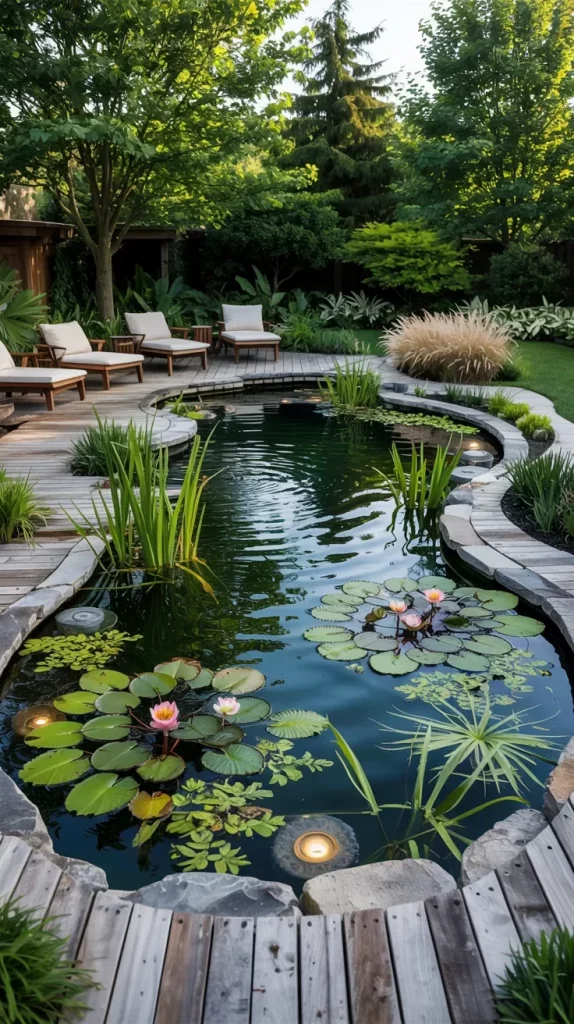
When planning natural swimming ponds, I focus on balancing visual beauty with practical comfort. I usually recommend incorporating wide wooden decks, integrated lounge platforms, and shallow relaxation ledges around the water because these additions improve usability while maintaining the natural aesthetic. Large flat stones, soft underwater lighting, and surrounding ornamental grasses help soften the pond’s appearance and create a tranquil atmosphere during both daytime and evening use. I also prefer minimalist outdoor furniture in warm neutral tones so the landscape remains the main focal point.
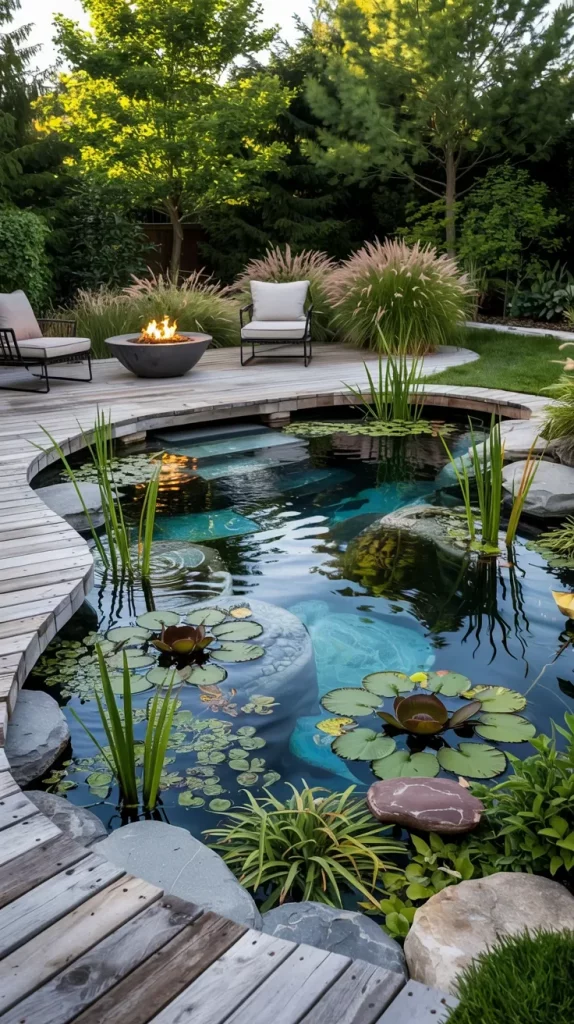
From my experience, homeowners appreciate natural swimming ponds most when they feel immersive rather than decorative. Publications like Veranda and Architectural Digest frequently highlight eco-luxury landscapes where water elements are designed to feel calm, organic, and integrated into the environment. I personally believe natural ponds age more beautifully than traditional pools because they evolve naturally with the surrounding greenery instead of feeling static or overly polished. The movement of water, reflections of plants, and seasonal changes create a much richer outdoor experience.
To complete this type of wellness landscape properly, I would add hidden seating areas, floating stepping stones, and integrated fire bowls near the pond edges. These elements improve both visual balance and functionality while reinforcing the luxurious spa-inspired atmosphere of the backyard.
Modern Pergola Designs For Spa-Inspired Outdoor Spaces
Pergolas continue to play a major role in Spa gardens & wellness backyards 2026 because they help define outdoor wellness zones while adding architectural structure to the landscape. In my experience, modern pergolas work best when they feel clean, open, and connected to the natural surroundings instead of overly decorative. I usually recommend minimalist wood or matte black aluminum pergolas with wide slats because they create filtered light while maintaining an airy atmosphere. These structures help organize outdoor seating, yoga areas, spa zones, and dining spaces without visually overwhelming the backyard.
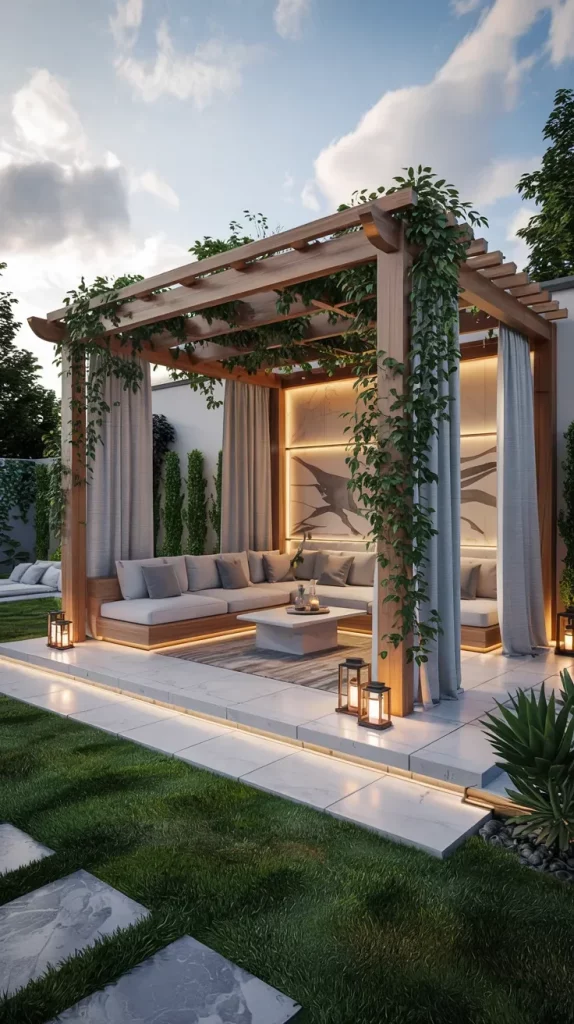
When designing spa-inspired pergolas, I carefully select furniture and materials that support comfort and relaxation. Deep outdoor sofas with weather-resistant neutral fabrics create inviting lounge areas beneath the structure, while textured rugs and oversized cushions add warmth without cluttering the space. I also recommend adding flowing outdoor curtains because they soften the architecture and improve privacy when needed. Integrated LED strip lighting, hanging lanterns, and ceiling fans help the pergola remain comfortable and functional throughout different seasons and times of day.
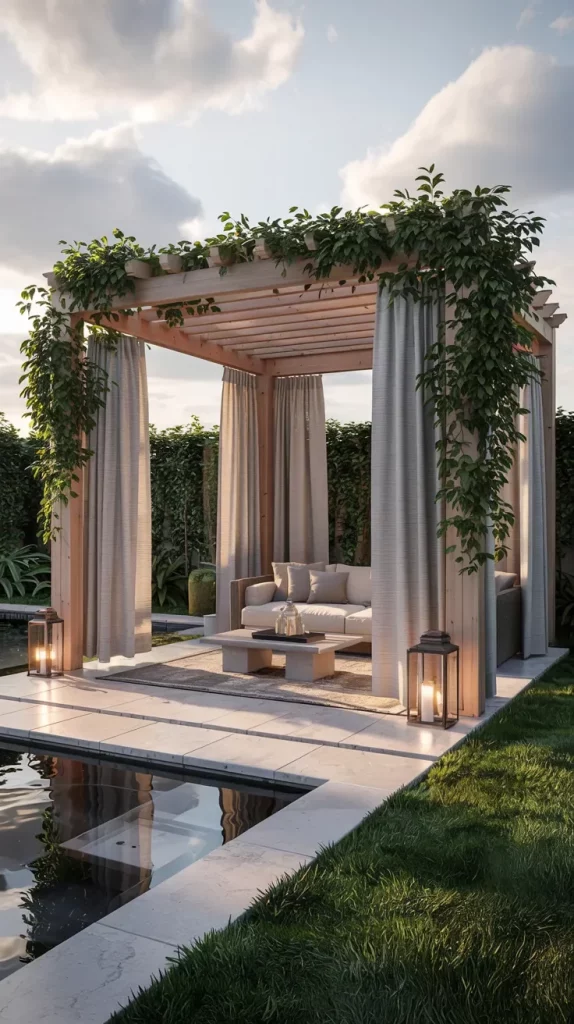
Personally, I think pergolas become far more effective when they include natural elements instead of feeling purely architectural. Many modern outdoor projects featured in Elle Decor combine climbing greenery, suspended planters, and surrounding landscaping to soften the structure visually. I often apply this same approach because greenery helps pergolas feel more connected to wellness design rather than appearing too rigid or industrial. In my opinion, the balance between structure and softness is what creates a successful spa-inspired outdoor retreat.
I would additionally include built-in shelving for candles, towels, and wellness accessories to improve practicality within the pergola area. Adding retractable shade panels or adjustable slats would also increase flexibility while maintaining the clean modern appearance of the backyard.
Aromatherapy Gardens Filled With Lavender, Herbs, And Flowers
Sensory landscaping is becoming increasingly important in Spa gardens & wellness backyards 2026, and aromatherapy gardens are one of the most effective ways to create a calming outdoor atmosphere. I often recommend designing these gardens around fragrance, texture, and seasonal planting combinations rather than focusing only on visual appearance. Lavender, rosemary, jasmine, mint, chamomile, and eucalyptus are some of my preferred choices because they provide both wellness benefits and natural beauty throughout the year. Curved garden paths and layered flower beds help visitors move slowly through the space while fully experiencing the scents and textures.
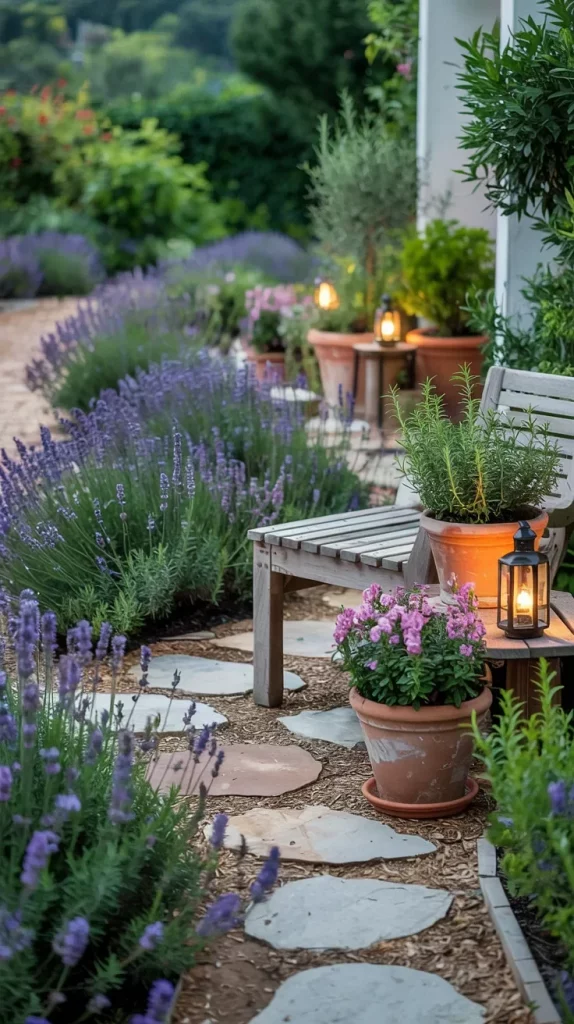
When planning aromatherapy-focused gardens, I pay close attention to seating placement and circulation throughout the landscape. I usually recommend adding small wooden benches, stone meditation corners, and gravel seating zones positioned close to fragrant plants. Terracotta pots, natural stone edging, and weathered wood accents help reinforce the organic atmosphere while preventing the garden from feeling overly formal. I also like using soft outdoor lighting near pathways and planting beds because evening illumination enhances the sensory experience and makes the garden feel more intimate.
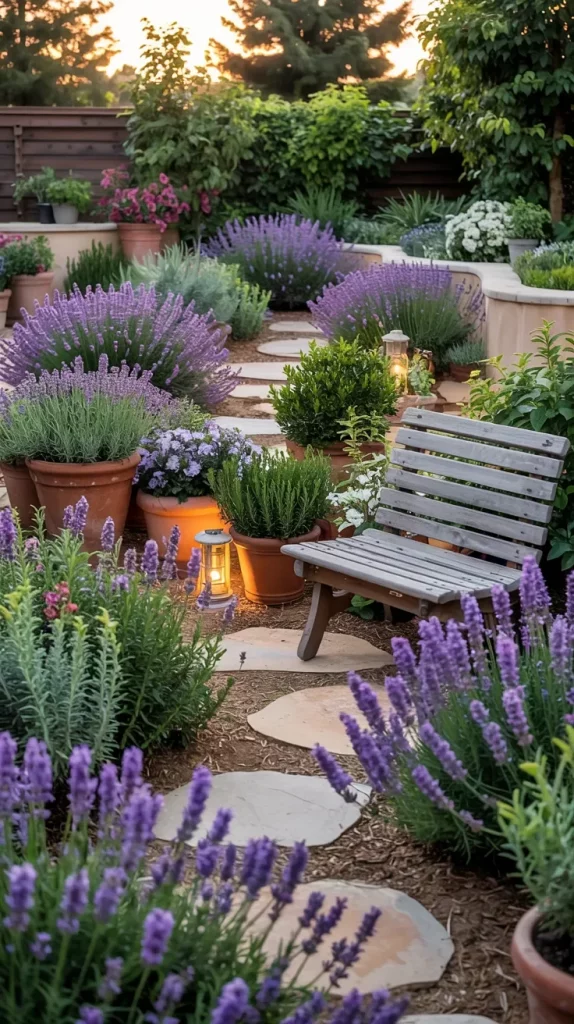
Personally, I believe aromatherapy gardens are most successful when they engage multiple senses simultaneously. Outdoor wellness designers frequently emphasize that scent has a direct impact on relaxation and emotional well-being, and I strongly agree based on my own experience designing wellness spaces. I often encourage homeowners to combine fragrance with movement through ornamental grasses and soft water features because the overall environment becomes much more immersive and restorative.
I would also include a small tea garden section with herbs like mint, lemon balm, and sage because it adds practical value to the backyard while supporting the wellness theme. A compact water fountain surrounded by lavender and stone seating would further strengthen the relaxing spa-inspired atmosphere.
Japandi Spa Garden Ideas Combining Simplicity And Warmth
The fusion of Japanese and Scandinavian aesthetics continues to influence wellness backyard ideas, making Japandi gardens one of the strongest outdoor design trends for 2026. I find this style especially effective because it balances minimalism with warmth, creating outdoor spaces that feel peaceful without becoming cold or empty. In my experience, Japandi spa gardens work best with restrained color palettes, clean architectural lines, and carefully selected natural materials. Soft wood tones, stone pathways, low greenery, and open space help establish a calm and balanced environment ideal for relaxation.
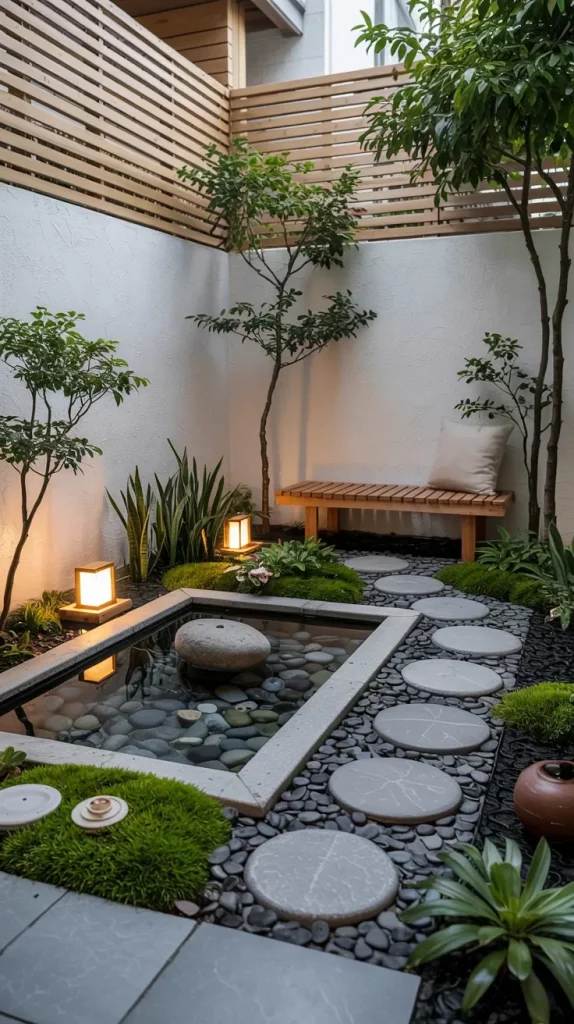
When designing Japandi-inspired wellness gardens, I focus on simplicity and craftsmanship rather than excessive decoration. I usually recommend low-profile wooden seating, smooth stone accents, ceramic planters, and integrated water features because these elements introduce texture while preserving visual calmness. Slatted wood privacy screens and minimalist pergolas help define outdoor wellness zones without interrupting the natural flow of the landscape. I also prefer warm ambient lighting and subtle lanterns because soft illumination reinforces the peaceful atmosphere during evening use.
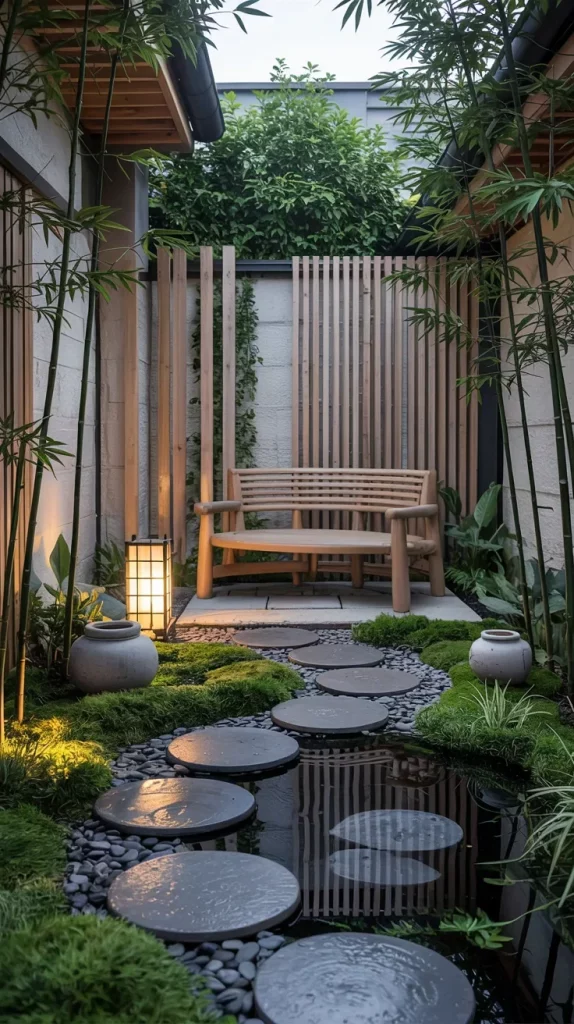
Personally, I think Japandi gardens succeed because they encourage intentional living and slower daily routines. Publications like Architectural Digest often highlight Japandi interiors and outdoor spaces that focus on balance, authenticity, and connection to nature instead of trend-driven decoration. I share that philosophy in my own design approach because wellness spaces should feel timeless and emotionally calming rather than visually overwhelming. The combination of Scandinavian comfort and Japanese simplicity creates a backyard environment that feels refined, functional, and deeply relaxing.
I would additionally incorporate a compact stone courtyard with a meditation bench and shallow reflecting pool because these features strengthen the tranquil atmosphere while maintaining the minimalist aesthetic. Adding moss gardens, textured gravel patterns, and handcrafted ceramic decor would also bring more depth and authenticity to the overall outdoor design.
Wellness Backyards With Outdoor Showers And Rainfall Features
I see outdoor showers becoming one of the most requested features in modern wellness landscaping because they instantly transform a backyard into a private retreat. In Spa gardens & wellness backyards 2026, rainfall shower installations are designed to feel immersive and calming rather than purely functional. I recommend using oversized stone pavers, textured concrete walls, warm teak accents, and layered greenery to soften the environment and create a spa-like atmosphere. Large tropical plants, ornamental grasses, and natural privacy screens help the shower area feel secluded while maintaining an open connection to the landscape. This approach works especially well in coastal, Mediterranean, and contemporary outdoor designs where wellness and nature are visually connected.
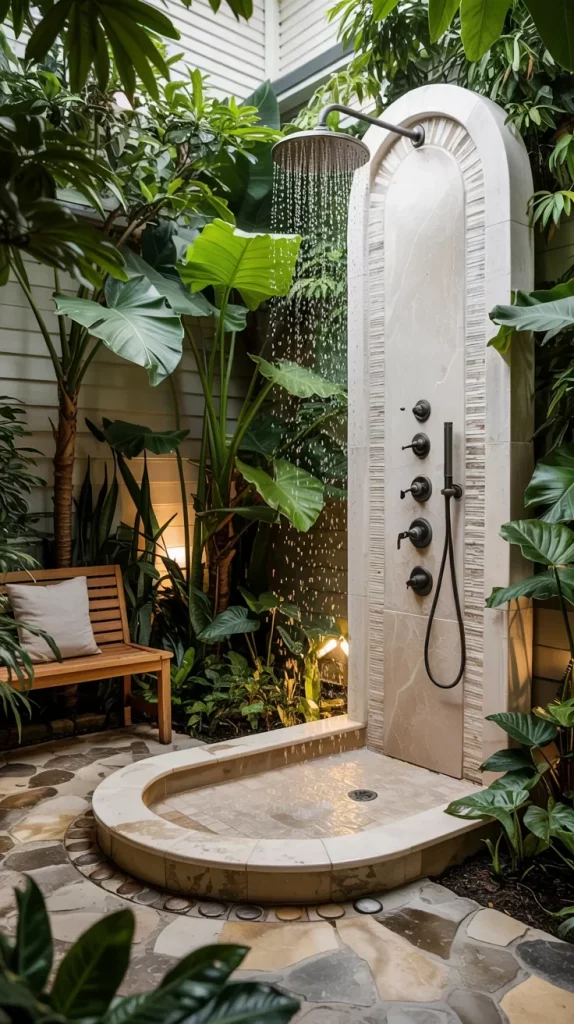
I always suggest using weather-resistant materials that age beautifully over time. Teak benches, floating stone platforms, brushed brass fixtures, and matte black rainfall showerheads are among the best choices because they combine durability with a modern aesthetic. I also recommend integrated drainage systems hidden beneath pebble flooring to keep the area visually clean and easy to maintain. Soft linen towels, built-in niches for aromatherapy products, and subtle indirect lighting make the experience feel intentionally luxurious without becoming overwhelming. In my experience, adding a nearby plunge tub or cold-water immersion basin significantly improves the overall wellness function of the backyard.
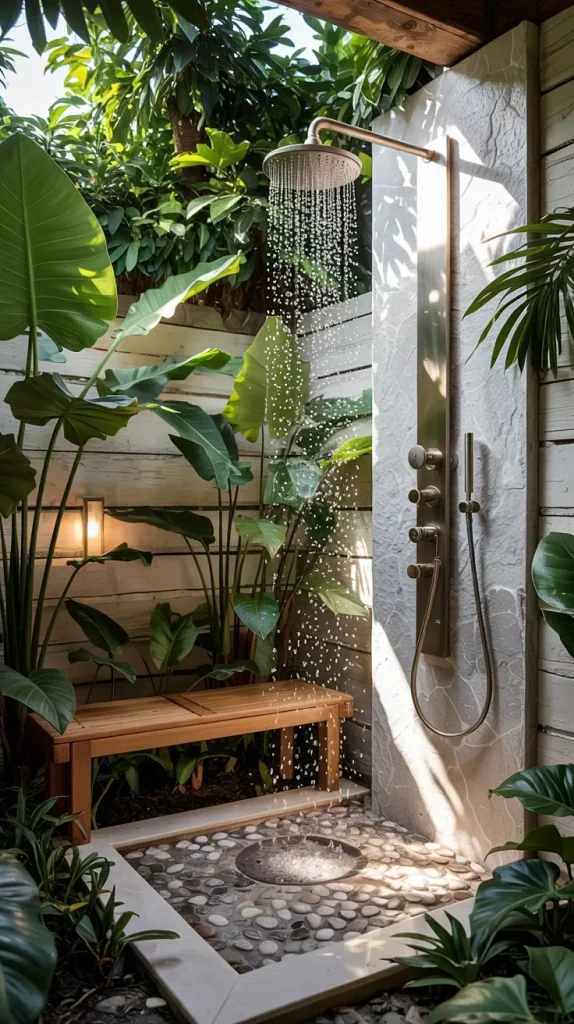
Personally, I believe the success of these outdoor wellness spaces depends on sensory balance. I often reference recommendations from publications like Architectural Digest and Elle Decor, which continue highlighting natural textures and wellness-centered landscaping as dominant outdoor trends. I have noticed that homeowners feel more emotionally connected to their gardens when water features produce gentle ambient sound rather than dramatic visual effects. A rainfall shower paired with soft planting and natural stone creates a quieter and more restorative environment than oversized decorative fountains.
I would also include heated stone flooring or discreet infrared heaters for cooler evenings because they extend the usability of the space throughout multiple seasons. In many projects, I find that adding hidden speakers with soft nature-inspired audio enhances the calming atmosphere without making the space feel overly technological.
Desert-Inspired Spa Gardens With Warm Earthy Textures
One of the most sophisticated directions within Spa gardens & wellness backyards 2026 is the desert-inspired wellness garden. I appreciate this style because it combines minimal maintenance with rich visual warmth and a deeply calming atmosphere. Earth-toned stucco walls, sandy gravel pathways, sculptural succulents, and soft terracotta accents create a grounded outdoor environment that feels both luxurious and natural. I often recommend this design style for homeowners who want a peaceful retreat without excessive greenery or high water consumption. The simplicity of desert landscaping allows textures and natural light to become the focal point of the entire backyard.
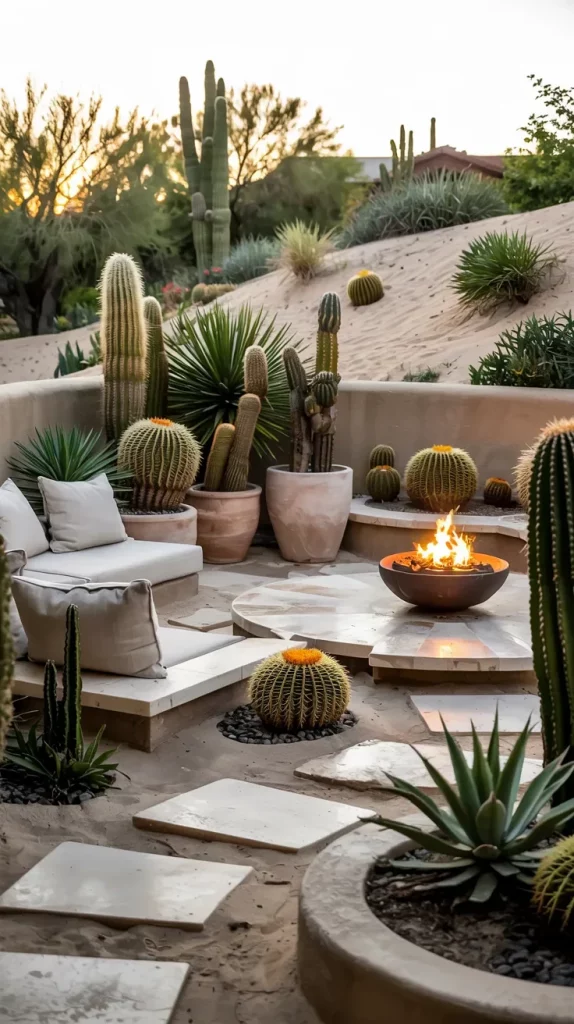
In my experience, furniture selection is extremely important in desert-inspired wellness spaces. Low-profile lounge seating with boucle or performance linen fabrics works beautifully alongside travertine tables and handmade ceramic decor. I frequently use oversized clay planters, weathered wood stools, woven lanterns, and textured outdoor rugs to soften the architectural lines. Fire bowls and linear fireplaces are also essential because they introduce warmth and movement during evening use. I recommend layering different shades of beige, clay, caramel, and muted brown to create depth without overwhelming the space visually.
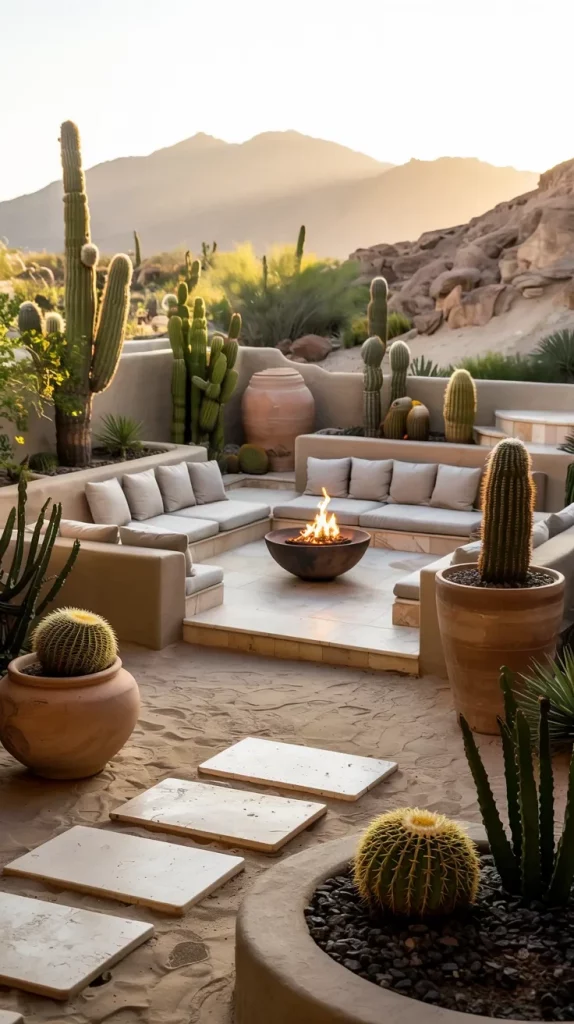
I personally find that desert spa gardens encourage a slower daily routine because the environment naturally feels quiet and uncluttered. Many landscape designers featured in Dwell and House Beautiful emphasize the emotional effect of warm neutral palettes and tactile materials in outdoor wellness design. I strongly agree with this approach because spaces with softer textures and restrained color palettes often feel more restorative than overly decorative gardens. When I design these backyards, I focus on creating visual calm rather than filling every corner with decorative elements.
I also recommend incorporating shaded pergolas with linen drapery or slatted wood roofs because desert-inspired wellness gardens need areas protected from direct sunlight. In my opinion, adding sculptural cacti combined with layered ambient lighting creates one of the most elegant nighttime atmospheres possible in modern outdoor design.
Mood Lighting Ideas For Relaxing Backyard Wellness Spaces
Lighting has become one of the defining features of Spa gardens & wellness backyards 2026 because it completely changes how an outdoor space feels after sunset. I believe wellness gardens should rely on layered and indirect lighting rather than bright overhead fixtures. Warm LED strips hidden beneath benches, recessed pathway lighting, lantern-inspired sconces, and softly illuminated water features create a calm visual rhythm throughout the backyard. I often design lighting plans that guide movement naturally while maintaining darker zones for relaxation and privacy. This balance prevents the backyard from feeling overly exposed or commercial.
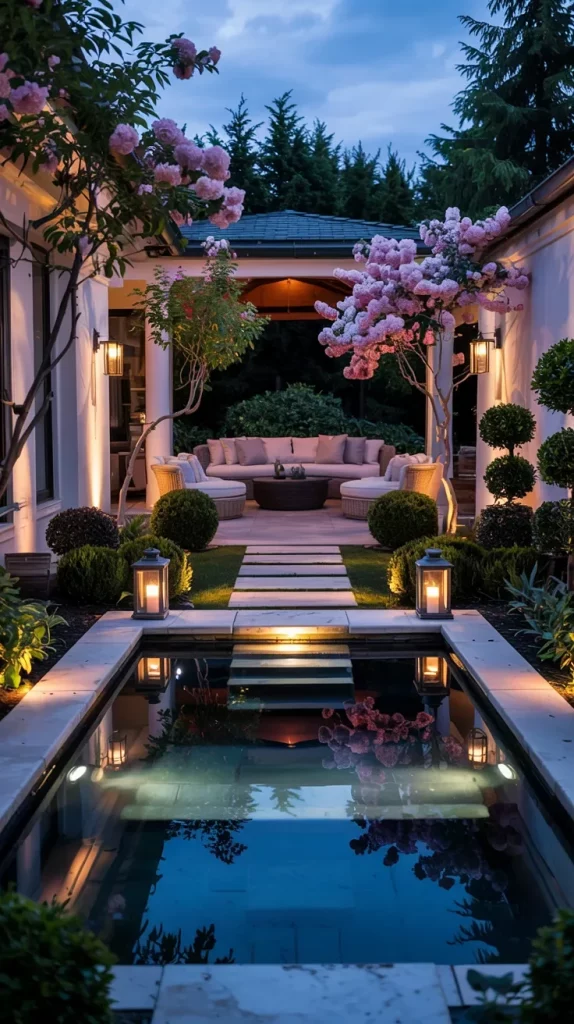
I recommend combining several lighting sources instead of depending on a single fixture style. Outdoor floor lanterns, candle-inspired LED lights, hidden uplighting around ornamental trees, and floating pendant lights beneath pergolas create a more immersive environment. I also find that dimmable smart lighting systems are extremely valuable because they allow homeowners to transition from morning wellness routines to evening entertainment effortlessly. Textured walls, natural stone surfaces, and reflective water elements become significantly more dramatic when illuminated with soft directional lighting.
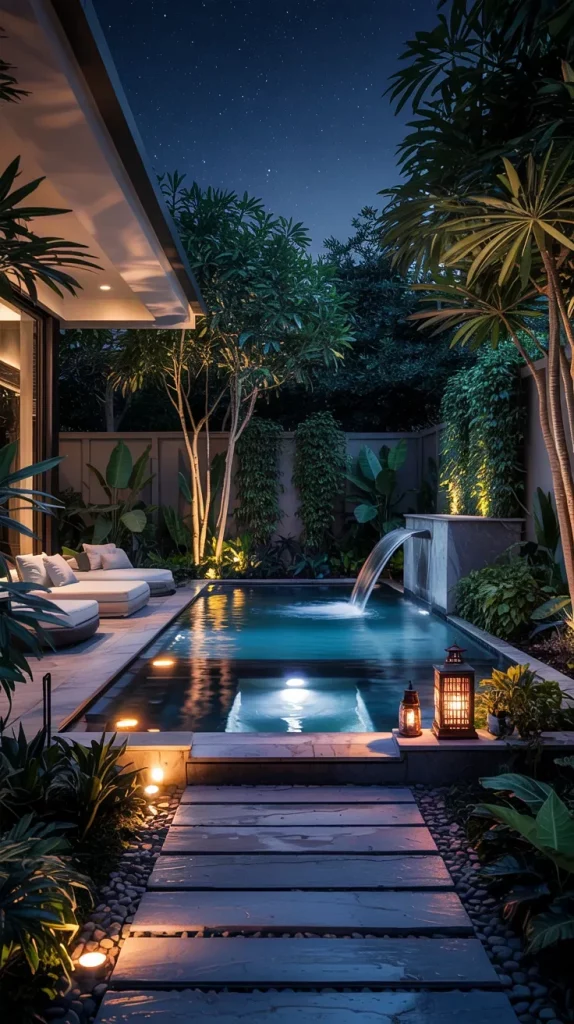
From my perspective, lighting should support emotional comfort rather than simply improving visibility. I often advise clients to avoid cool white lighting because it creates a sharper atmosphere that feels less restorative. Publications like Veranda and Luxe Interiors + Design regularly emphasize the importance of warm layered lighting in luxury wellness environments, and I completely agree with that philosophy. In my own projects, I consistently notice that softer amber lighting encourages people to stay outdoors longer and use their wellness spaces more frequently.
I would also integrate hidden lighting beneath steps, floating decks, and built-in seating because these subtle details make the backyard feel professionally designed. In many cases, the most successful wellness gardens are not the brightest spaces but the ones with the most carefully controlled atmosphere.
Luxury Daybeds And Lounge Furniture For Spa Garden Comfort
Comfort-driven furniture is central to the evolution of Spa gardens & wellness backyards 2026, and luxury daybeds are becoming the focal point of outdoor relaxation areas. I often recommend oversized lounge furniture because it encourages slower routines and transforms the backyard into a true wellness destination rather than a decorative outdoor area. Curved silhouettes, upholstered outdoor daybeds, and modular seating arrangements create a softer and more welcoming atmosphere. I particularly like using layered textiles, neutral palettes, and organic materials to make the space feel calm and visually cohesive.
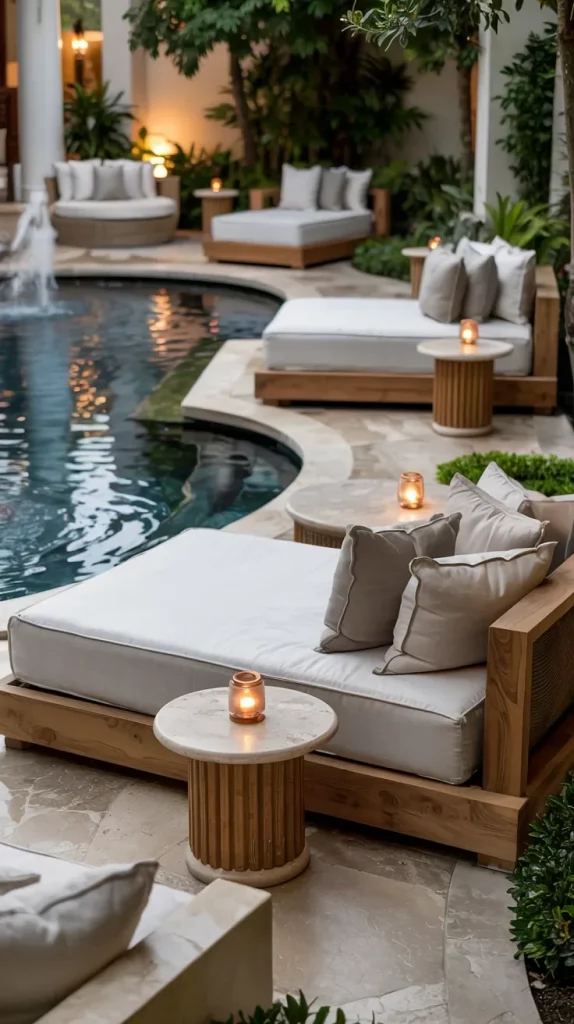
In my experience, selecting the right furniture materials is essential for both comfort and durability. Teak frames, powder-coated aluminum, boucle outdoor upholstery, and weather-resistant linen fabrics work exceptionally well in spa-inspired gardens. I also recommend adding side tables in travertine or natural stone alongside lightweight woven ottomans and oversized ceramic planters. Adjustable loungers with integrated shade canopies are especially practical because they allow homeowners to comfortably use the space throughout different times of the day. Outdoor furniture should feel as refined and inviting as indoor living room furniture.
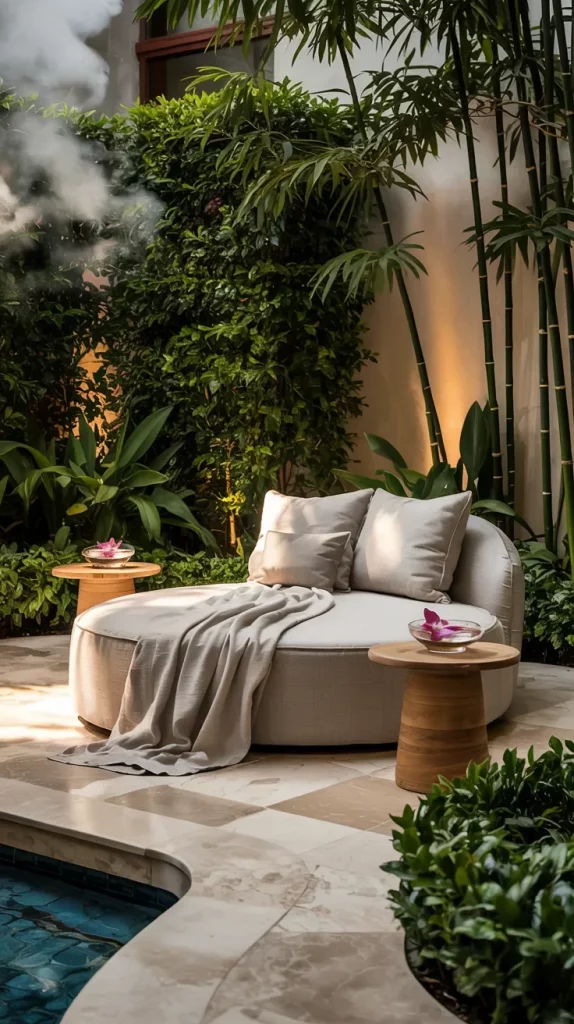
I personally believe outdoor wellness spaces become significantly more functional when seating arrangements encourage conversation, reading, or quiet reflection. Many designers featured in Elle Decor continue highlighting curved furniture and tactile fabrics as major trends for wellness-focused outdoor living. I agree with this approach because rounded shapes psychologically soften the environment and make outdoor spaces feel more relaxed. In several projects, I noticed that clients naturally spent more time outdoors once the furniture arrangement felt intentionally comfortable rather than purely decorative.
I would also add lightweight throws, outdoor poufs, and integrated side lighting near lounge areas because these details improve usability during evening hours. In my opinion, spa gardens should prioritize emotional comfort as much as visual design, and furniture plays the biggest role in achieving that balance.
Indoor-Outdoor Wellness Spaces With Seamless Garden Connections
One of the strongest concepts shaping Spa gardens & wellness backyards 2026 is the seamless connection between interior and exterior spaces. I increasingly see homeowners requesting retractable glass walls, oversized sliding doors, and continuous flooring materials that visually merge indoor wellness rooms with outdoor gardens. This design approach makes the entire property feel calmer, brighter, and more spacious. I often recommend using the same natural tones, stone finishes, and wood textures inside and outside to strengthen the visual continuity between both areas.
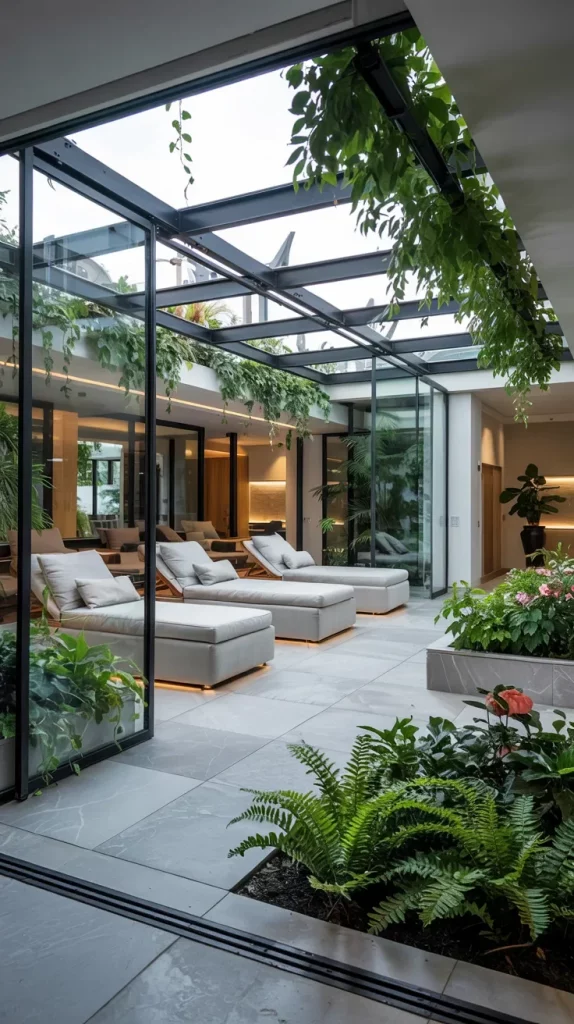
I find that furniture placement becomes especially important in these connected wellness spaces. Indoor seating should visually coordinate with outdoor lounge areas so the transition feels intentional and balanced. I frequently use soft boucle chairs, natural oak cabinetry, linen drapery, and textured stone surfaces indoors while extending similar tones into the outdoor garden furniture and landscaping. Water features placed directly outside wellness rooms also create a soothing sensory connection because the sound naturally travels indoors. This combination strengthens the feeling of living closer to nature without sacrificing comfort.
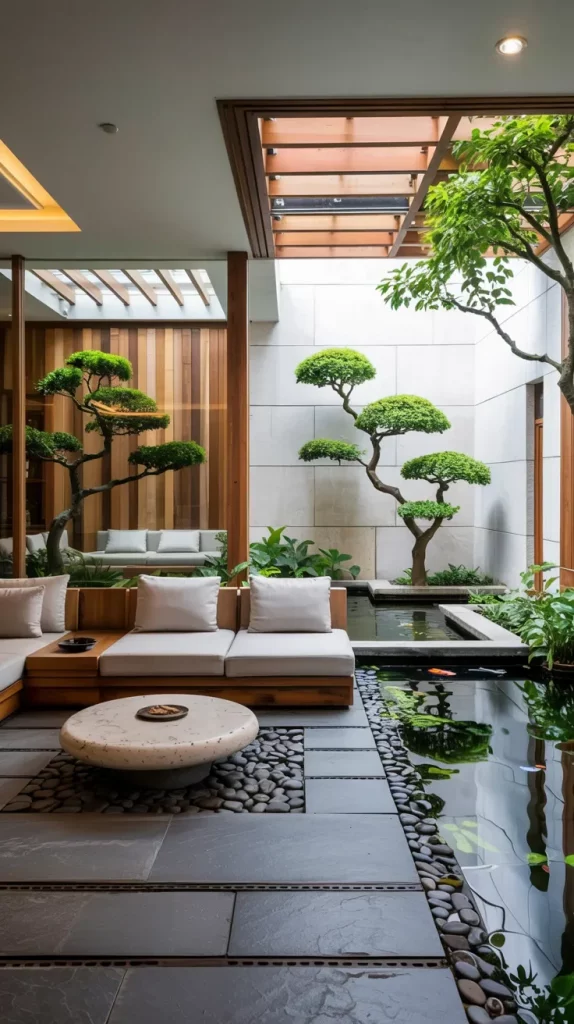
Personally, I think seamless indoor-outdoor wellness design improves daily routines more effectively than isolated spa features. Publications like Architectural Digest regularly discuss how connected environments can positively influence relaxation and mindfulness, and I strongly support that perspective. In my own experience, homes with strong visual and physical connections to outdoor wellness areas feel more restorative throughout the day, even during ordinary routines like reading or drinking tea.
I would also recommend incorporating natural ventilation systems, retractable shade panels, and layered greenery near transitional areas because they soften the architectural edges between the house and garden. When designed carefully, these wellness spaces feel cohesive instead of divided into separate zones.
Backyard Tea Gardens Designed For Slow Living And Mindfulness
I believe tea gardens are becoming one of the most meaningful additions to Spa gardens & wellness backyards 2026 because they encourage intentional daily rituals and slower living. Instead of designing outdoor spaces purely for entertaining, many homeowners now want areas dedicated to quiet reflection, mindfulness, and emotional balance. I often recommend creating layered pathways using natural stone, gravel, or weathered wood that guide visitors gently through the garden toward a dedicated tea seating area. Soft ornamental grasses, Japanese maples, bamboo accents, and shallow water features help create a calm atmosphere without overwhelming the senses. The goal is to make the backyard feel restorative and peaceful from the moment someone enters the space.
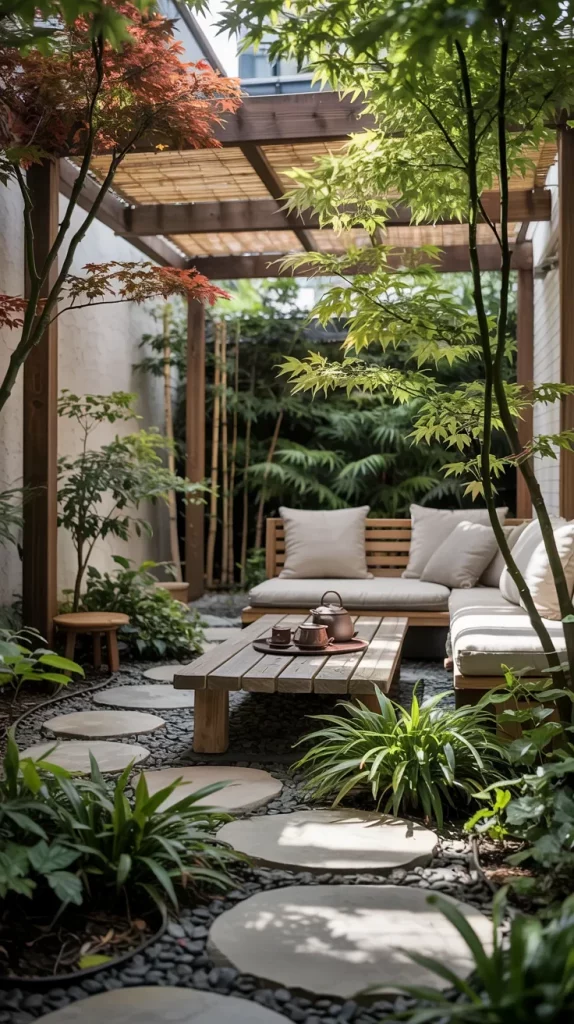
In my experience, furniture selection should remain understated and highly functional in tea-inspired wellness gardens. Low-profile wooden benches, handcrafted ceramic stools, linen floor cushions, and compact teak tables work beautifully because they support a slower and more grounded experience. I also recommend adding shaded pergolas or lightweight canopy structures to create a comfortable environment during warmer afternoons. Stone lanterns, ceramic tea sets, and textured planters add visual depth while preserving the simplicity that makes these spaces feel calming. Every material should feel tactile and natural rather than overly polished.
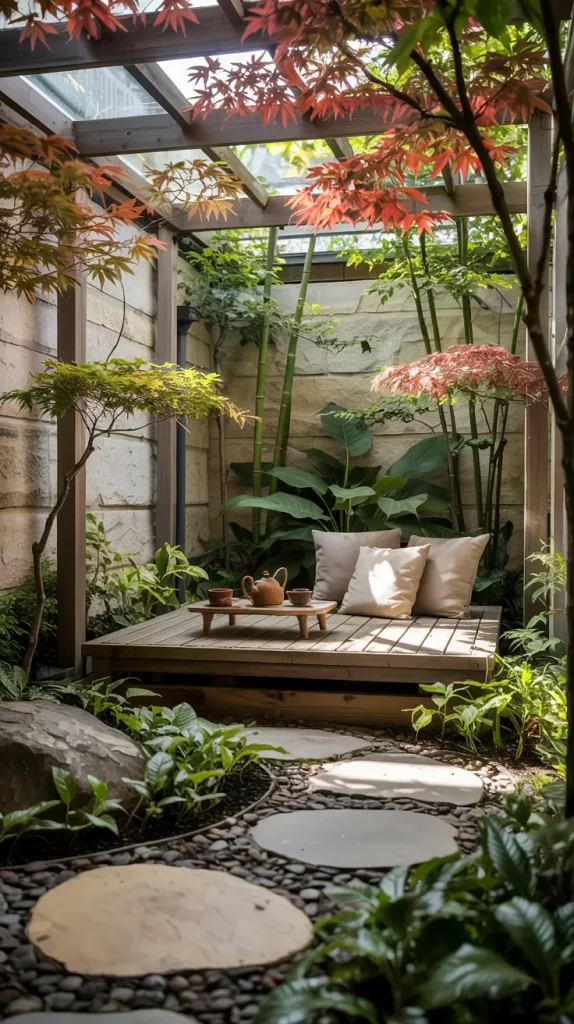
Personally, I find tea gardens especially effective because they encourage homeowners to disconnect from screens and daily stress. Publications like Garden Design and Dwell have increasingly discussed mindfulness-focused outdoor spaces as essential elements of modern wellness living. I strongly agree with this perspective because gardens designed around quiet rituals tend to feel emotionally supportive rather than simply decorative. In several projects, I noticed clients using these spaces regularly for journaling, meditation, or simply enjoying silence during busy weeks.
I would also include subtle aromatherapy planting such as lavender, jasmine, or mint because scent plays a major role in creating a multi-sensory wellness experience. In my opinion, tea gardens become most successful when they feel personal and intentionally uncluttered.
Smart Wellness Gardens With Automated Lighting And Water Systems
Technology is becoming increasingly integrated into Spa gardens & wellness backyards 2026, but the most successful smart wellness gardens use automation discreetly. I recommend focusing on systems that improve comfort and ease of use without visually dominating the landscape. Automated lighting schedules, self-regulating irrigation systems, climate-responsive shading, and app-controlled water features allow homeowners to maintain a relaxing outdoor environment with minimal effort. I often design these gardens so the technology remains nearly invisible while supporting the overall wellness experience behind the scenes. The result feels calm, modern, and highly functional.
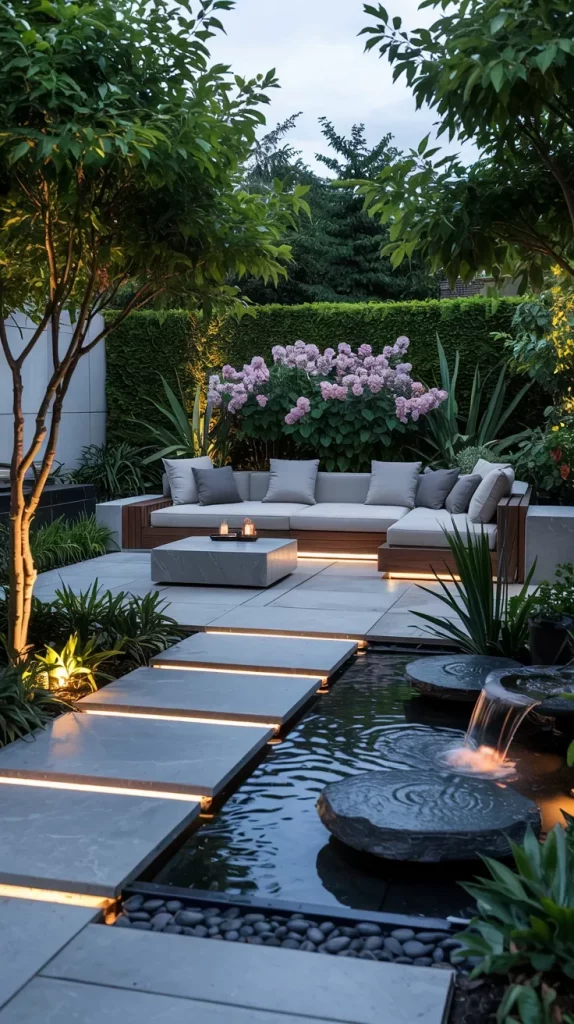
I usually suggest combining hidden speakers, programmable LED lighting, and smart fountains with natural landscaping materials like wood, stone, and layered greenery. Integrated lighting beneath pathways and seating areas can automatically adjust brightness depending on the time of day, creating a more restorative atmosphere in the evening. Automated misting systems are also becoming popular because they cool outdoor lounges naturally during warmer seasons. I particularly like pairing smart wellness systems with minimalist outdoor furniture and architectural planting schemes because the cleaner aesthetic allows the technology to blend seamlessly into the environment.
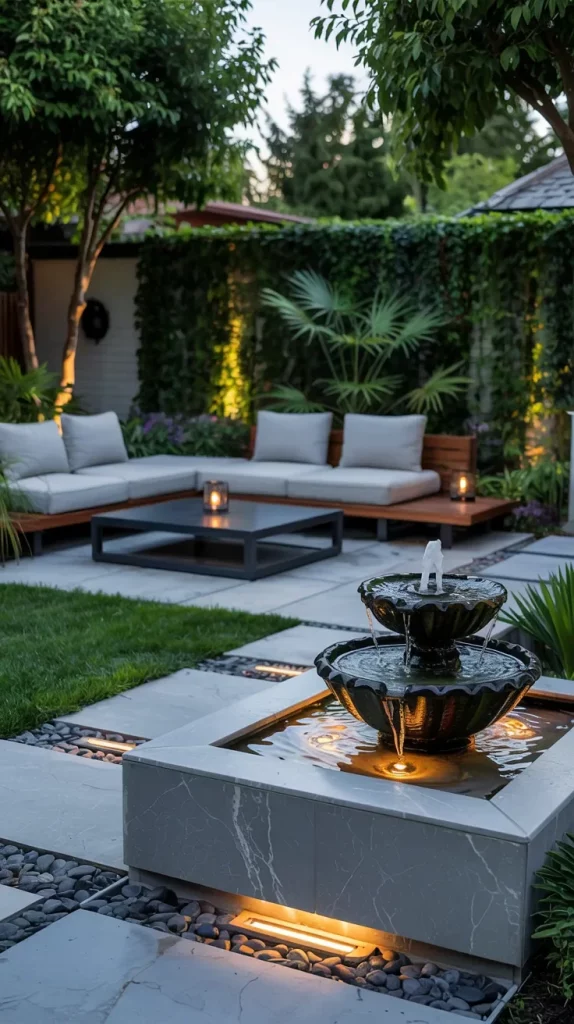
Personally, I think homeowners benefit most when smart technology simplifies their routines instead of adding unnecessary complexity. Many luxury landscape designers featured in Architectural Digest emphasize that modern wellness spaces should feel intuitive and emotionally calming rather than heavily digital. I completely agree with this approach because overly visible technology can interrupt the peaceful atmosphere that wellness gardens are meant to create. In my experience, hidden automation supports relaxation far more effectively than highly interactive outdoor gadgets.
I would also recommend adding smart sensors for water conservation and weather adaptation because sustainability has become an important part of wellness-focused outdoor design. When automated systems reduce maintenance stress while improving comfort, the backyard becomes significantly more enjoyable on a daily basis.
Rustic Spa Backyard Ideas With Wood, Stone, And Natural Finishes
Rustic wellness design continues to influence Spa gardens & wellness backyards 2026 because natural materials create warmth and authenticity that many modern homeowners crave. I often use reclaimed wood, textured limestone, handmade ceramics, and weathered metal finishes to design outdoor spaces that feel grounded and inviting. Rustic spa backyards work particularly well in wooded environments or larger landscapes where the goal is to strengthen the connection between architecture and nature. I recommend avoiding overly polished finishes because the beauty of rustic wellness design comes from texture, imperfection, and natural aging.
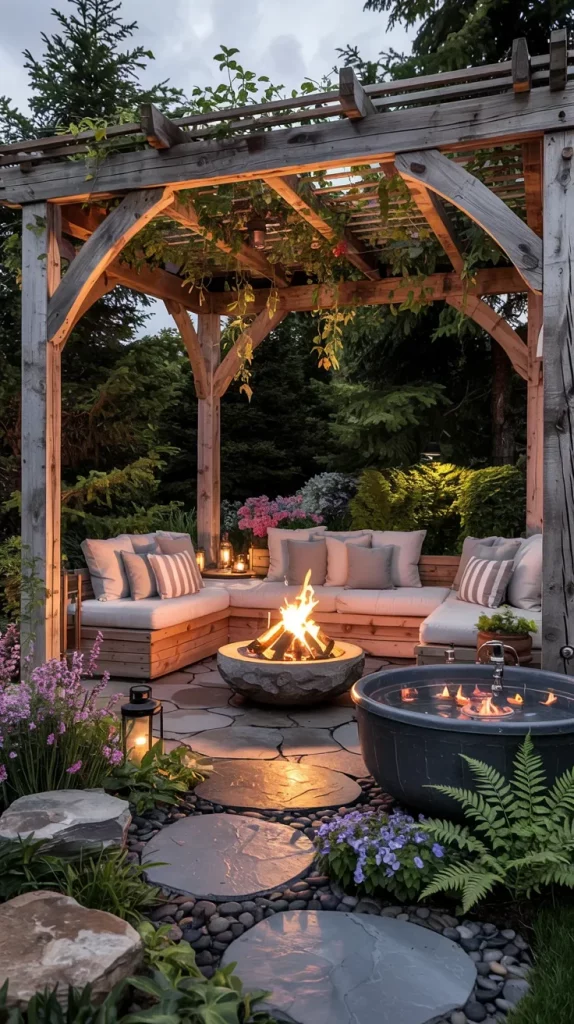
I frequently combine oversized wooden pergolas, stone fire pits, and deep-cushioned lounge seating to create outdoor wellness areas that feel comfortable throughout the year. Natural linen fabrics, woven pendant lights, and handcrafted wooden furniture help soften the harder stone surfaces. I also like incorporating outdoor soaking tubs surrounded by gravel pathways and layered greenery because these elements reinforce the spa atmosphere while maintaining the rustic character of the garden. Warm neutral palettes combined with natural textures create a visually calming environment that feels timeless rather than trend-focused.
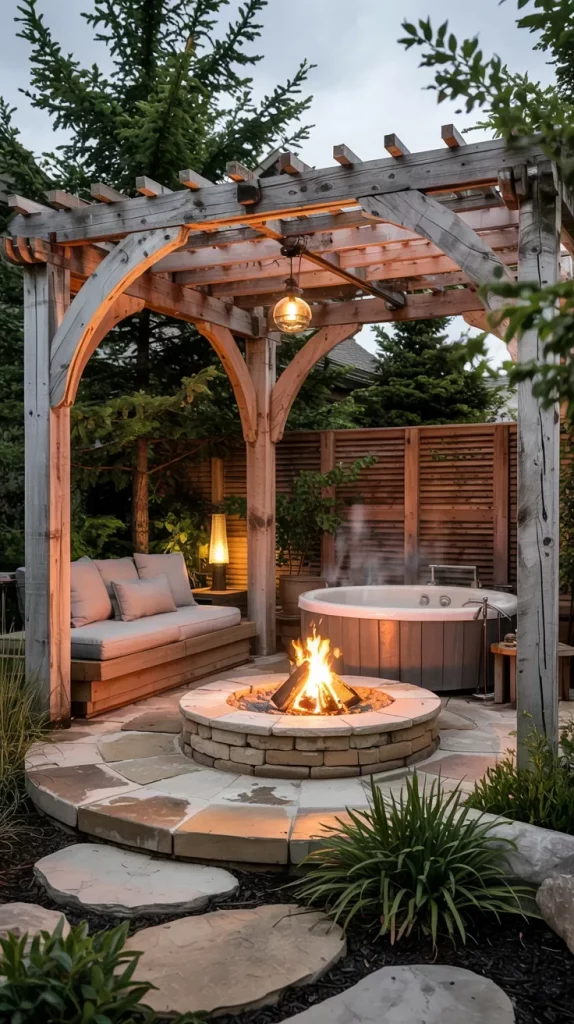
Personally, I believe rustic spa gardens feel emotionally comforting because they avoid excessive minimalism and embrace tactile materials. Publications like Veranda and House Beautiful continue highlighting organic textures and handcrafted details as essential elements in luxury outdoor living. I strongly support this direction because wellness spaces often feel more inviting when they show natural variation and texture instead of appearing perfectly uniform. In my projects, homeowners frequently respond positively to the warmth and authenticity of rustic outdoor materials.
I would also add outdoor fireplaces, layered blankets, and softly illuminated pathways because these features extend the usability of the space into cooler evenings. In my opinion, rustic wellness gardens become most successful when they feel lived-in, comfortable, and naturally integrated into the surrounding landscape.
Multi-Sensory Healing Gardens Designed For Stress Relief
One of the most innovative directions in Spa gardens & wellness backyards 2026 is the rise of multi-sensory healing gardens specifically designed to reduce stress and support emotional well-being. I approach these spaces by carefully layering sound, scent, texture, and lighting to create a deeply immersive environment. Gentle water features, aromatic planting, soft pathways, and calming natural materials work together to influence mood in subtle but effective ways. I often recommend designing these gardens with winding layouts and secluded seating zones so the space feels more restorative and private.
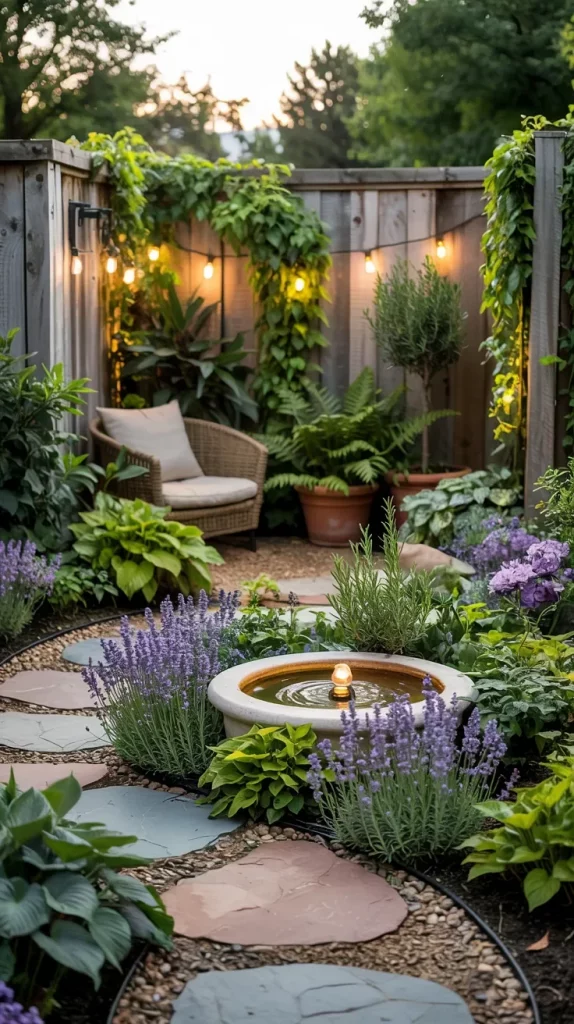
In my experience, every design element should stimulate comfort without becoming visually overwhelming. Lavender, rosemary, jasmine, and eucalyptus are excellent planting choices because they introduce relaxing scents throughout the garden. Textured gravel, smooth stone pathways, and soft outdoor textiles help create tactile variety that enhances the sensory experience. I also recommend adding shaded lounge areas with oversized cushions and low ambient lighting because these details encourage longer periods of relaxation. Soft wind chimes and flowing water features introduce calming sound without disrupting the tranquility of the space.
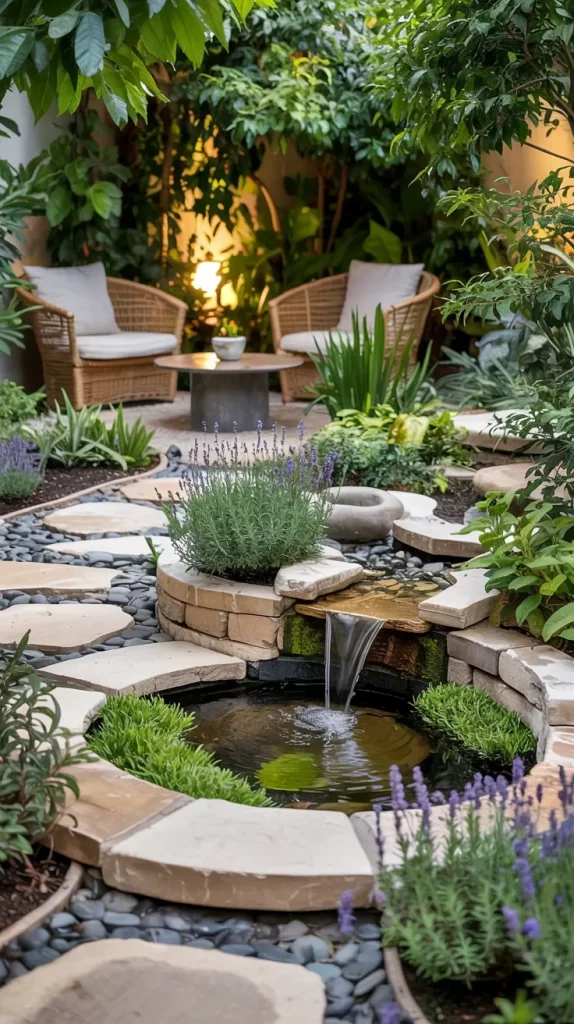
Personally, I find healing gardens especially meaningful because they support mental wellness through intentional environmental design. Publications such as Better Homes & Gardens increasingly discuss how sensory-focused landscapes can positively influence stress levels and emotional balance. I strongly agree with this perspective because outdoor spaces designed for sensory comfort often feel noticeably different from purely decorative gardens. In several wellness-focused projects, clients reported using these spaces daily for decompression after work or during stressful periods.
I would also integrate private meditation corners or yoga platforms because dedicated wellness zones improve the functionality of healing gardens. In my opinion, the most successful sensory gardens are the ones that feel emotionally calming the moment someone steps into them.
Spa Garden Trends 2026 That Redefine Outdoor Wellness Living
The future of Spa gardens & wellness backyards 2026 is centered around personalization, emotional comfort, and stronger connections with nature. I see homeowners moving away from purely decorative landscaping and instead investing in outdoor spaces that actively improve daily well-being. Organic materials, calming water features, layered lighting, wellness technology, and flexible lounge zones are shaping the next generation of spa-inspired backyards. Modern wellness gardens are no longer treated as luxury extras but as important lifestyle spaces integrated into everyday routines.
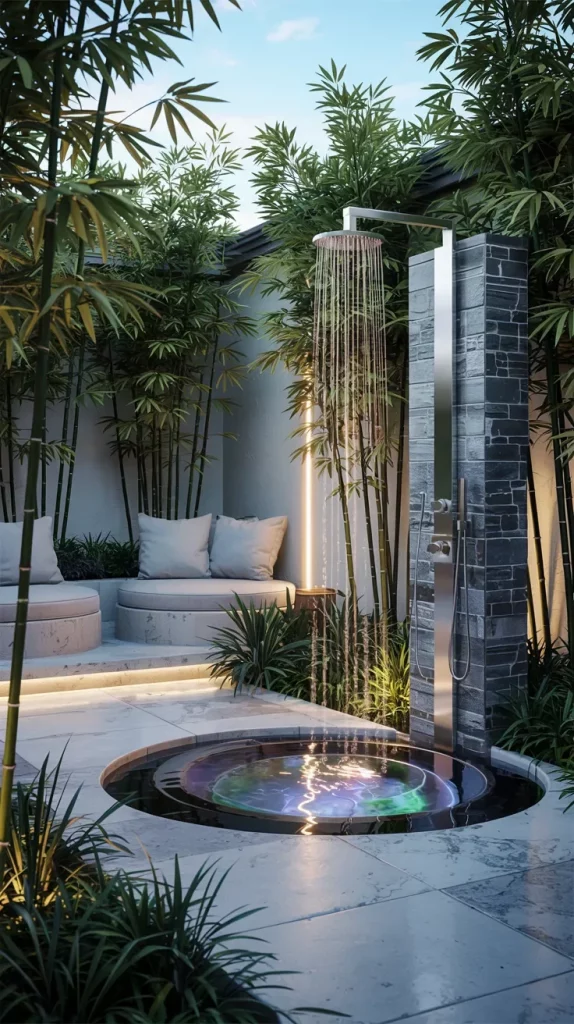
I recommend combining multiple wellness features instead of focusing on a single statement element. Outdoor showers, meditation corners, plunge pools, tea gardens, and shaded lounge areas work best when they feel visually connected through cohesive materials and planting palettes. I also believe furniture should prioritize comfort and durability equally because wellness spaces must remain practical for daily use. Neutral color palettes, natural textures, and subtle lighting create environments that feel timeless and emotionally restorative rather than trend-driven. The overall atmosphere should support calmness from morning to evening.
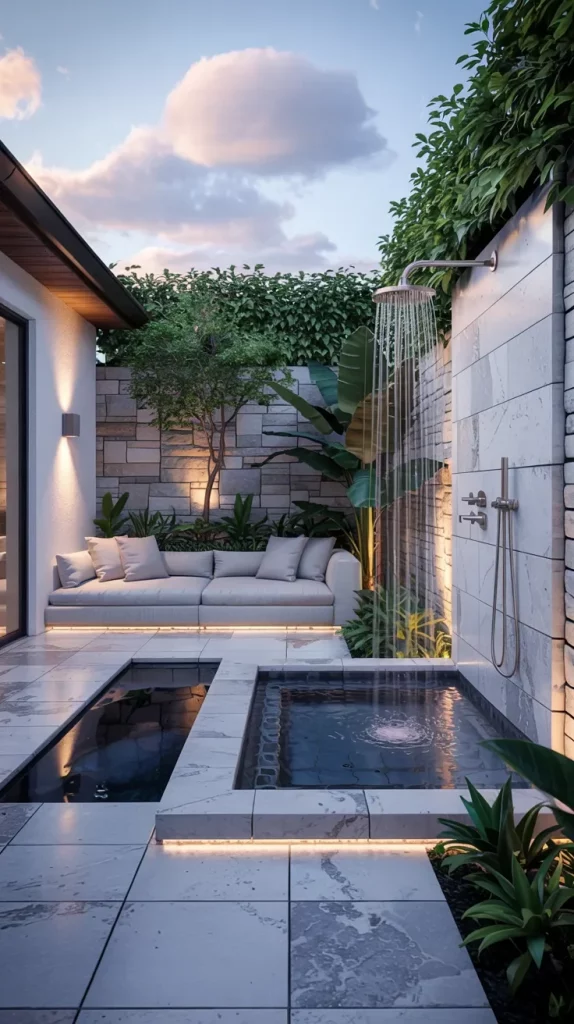
Personally, I think the most important trend in outdoor wellness living is intentional simplicity. Many designers featured in Elle Decor and Architectural Digest continue emphasizing quieter and more emotionally supportive outdoor environments instead of highly decorative landscapes. I strongly agree with this direction because homeowners increasingly value spaces that help them disconnect from constant stimulation. In my experience, wellness gardens become most successful when they encourage consistent everyday use rather than occasional entertainment.
I would also prioritize sustainability through drought-tolerant planting, energy-efficient lighting, and durable natural materials because long-term usability has become essential in modern landscape design. Thoughtfully designed wellness backyards should feel restorative, functional, and deeply personal at the same time.
Spa gardens and wellness backyards in 2026 are all about creating calming outdoor spaces that promote relaxation, balance, and everyday luxury. Whether you prefer a minimalist Zen retreat, a lush tropical escape, or a modern spa-inspired patio, these trends offer endless inspiration for transforming your backyard into a personal sanctuary. By combining natural materials, soothing features, and thoughtful design, you can create an outdoor environment that supports both comfort and well-being for years to come.