
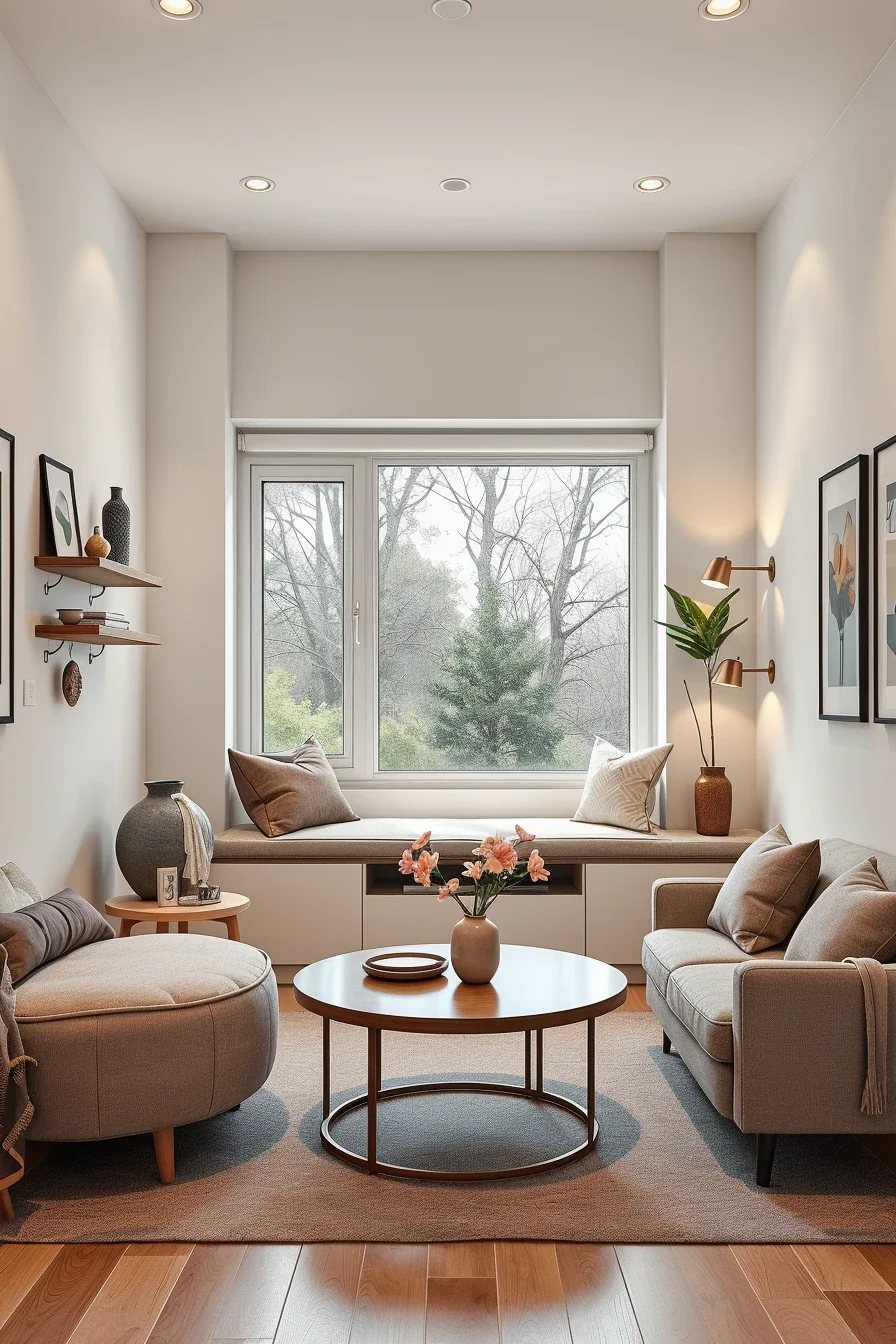
Small living room decor ideas can completely transform a compact space into one that feels stylish, functional, and inviting. A thoughtfully designed room proves that limited square footage doesn’t have to limit creativity or comfort. From sculptural furniture and clever storage to artistic accents and layered textures, there are countless ways to create a beautiful interior. The right color palette, lighting, and layout can make even the smallest living room appear brighter and more spacious. Whether your style is modern, minimalist, cozy, or bold, you’ll find inspiration that suits your personality and lifestyle. In this guide, you’ll discover creative small living room decor ideas that help maximize every inch while creating a unique space you’ll love spending time in.
Small Living Room Decor Ideas That Maximize Every Inch
When I decorate a compact living room, I always begin by studying how every inch of the floor plan can serve more than one purpose. Instead of filling the room with unnecessary pieces, I focus on an open layout that encourages movement while creating clearly defined seating, storage, and display zones. This approach allows even the smallest living room to feel organized rather than crowded. I also pay close attention to natural light because keeping windows visually open instantly makes the room feel larger.
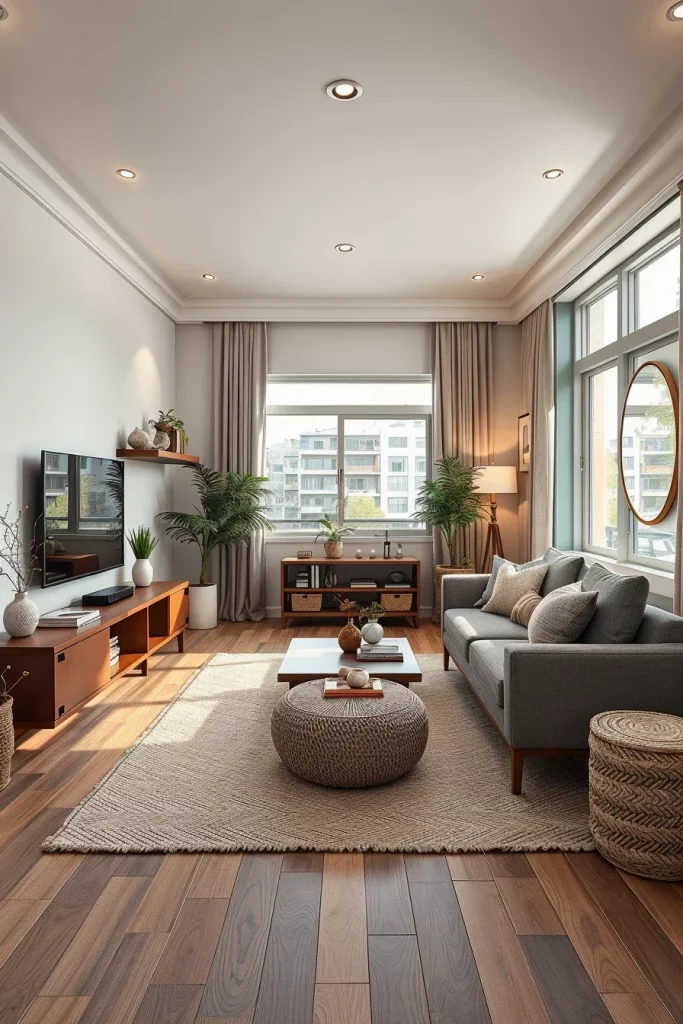
I prefer choosing a compact sofa with slim arms, a pair of lightweight accent chairs, and a nesting coffee table that can be rearranged whenever extra surface space is needed. A floating media console frees valuable floor space while built-in shelving draws the eye upward. Decorative baskets, hidden storage ottomans, textured rugs, ceramic vases, and layered lighting complete the room without creating unnecessary visual clutter. Every furniture choice should provide either storage, flexibility, or visual balance.
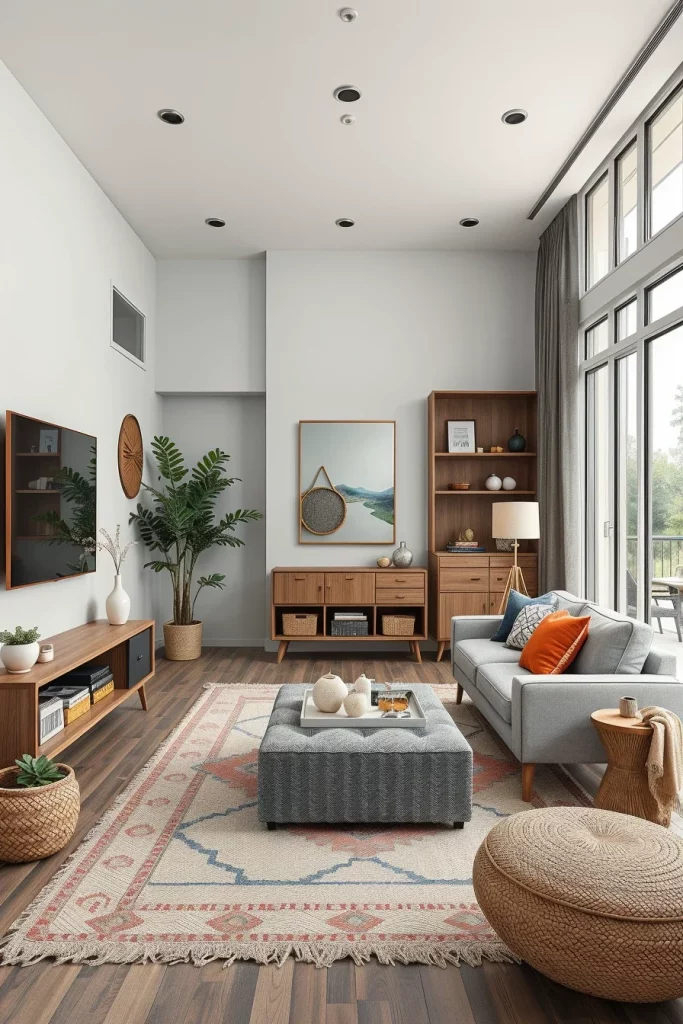
One recommendation I often follow comes from designers frequently featured by Architectural Digest, who emphasize maintaining negative space around furniture instead of trying to fill every corner. I have found that leaving breathing room between furnishings creates a far more comfortable environment than adding one more decorative object simply because space is available.
If I wanted to improve this design even further, I would add a large mirror opposite the primary window, integrated cable management for electronics, and dimmable wall sconces that provide ambient lighting without occupying tabletop space.
Modern Small Living Room Decor Ideas With Clean Architectural Lines
I like modern interiors because clean architectural lines naturally reduce visual noise. In a small living room, straight edges, simple forms, and carefully balanced proportions create a calm atmosphere that feels sophisticated without becoming cold. I focus on maintaining symmetry wherever possible while allowing one or two statement pieces to become the visual centerpiece.
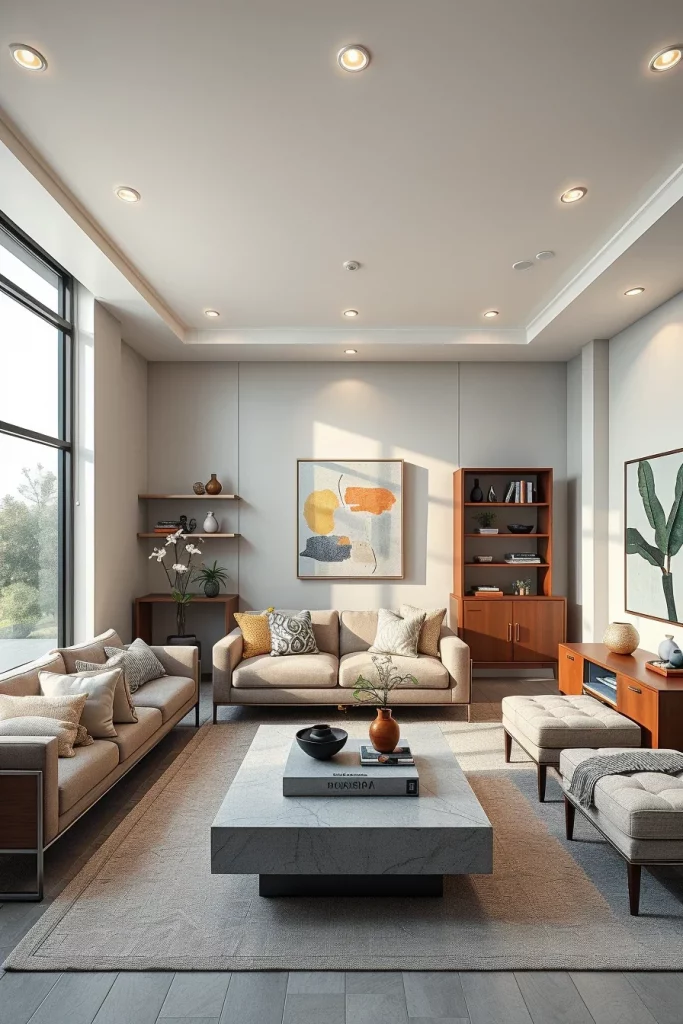
For furniture, I choose a low-profile sofa with tailored upholstery, rectangular marble or stone coffee tables, floating cabinetry, minimalist bookshelves, and sculptural lighting fixtures with matte finishes. Thin-framed artwork, concealed storage, oversized windows, and subtle textured fabrics soften the geometry while preserving the modern aesthetic. Every piece contributes to an uncluttered composition that feels intentional.
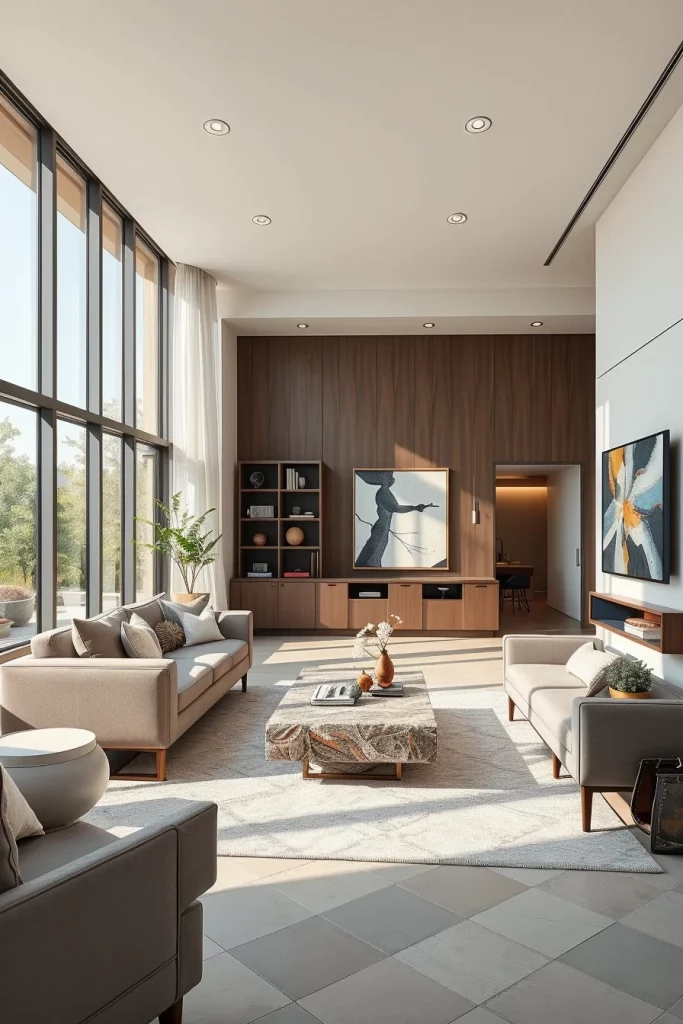
Personally, I avoid decorating every surface because modern interiors rely on restraint. Interior designers often recommend selecting fewer but higher-quality decorative accessories, and I completely agree because each object receives more visual attention instead of competing with dozens of smaller decorations.
To complete this space, I would incorporate recessed ceiling lighting, oversized artwork with minimal color variation, and hidden charging stations that support everyday living without interrupting the streamlined appearance.
Cozy Small Living Room Decor Ideas For Everyday Comfort
Creating a cozy atmosphere has less to do with room size and more to do with thoughtful layering. I enjoy combining soft textures, warm lighting, and comfortable seating to make a compact living room feel welcoming throughout every season. Even a limited floor plan can become relaxing when each decorative element contributes warmth instead of clutter.
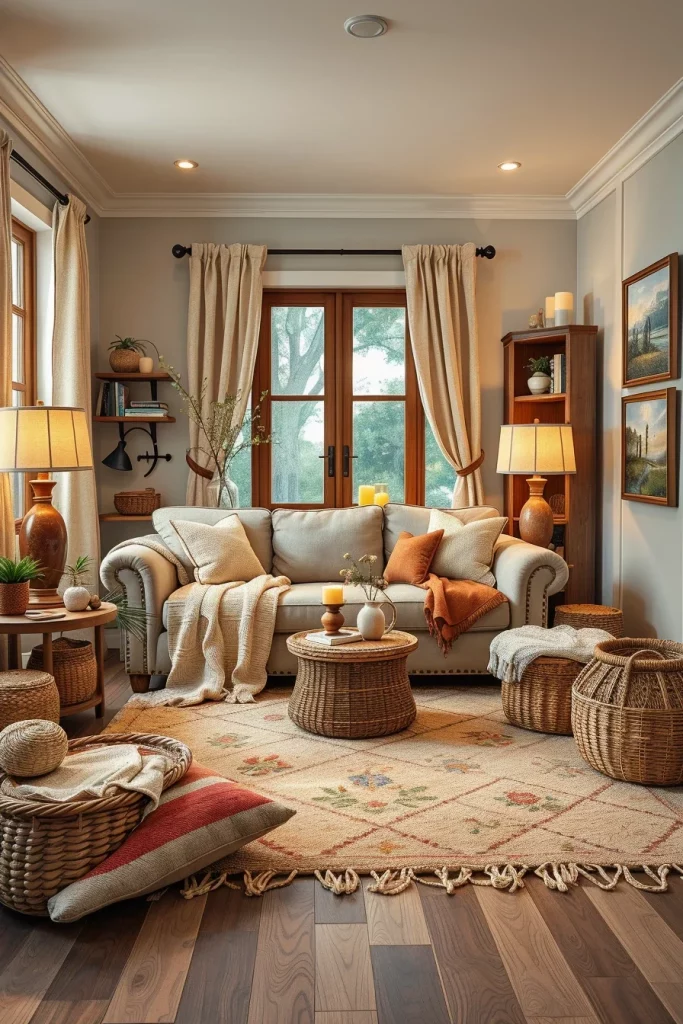
I usually select an oversized area rug, a plush sectional or loveseat, knitted throws, textured cushions, upholstered ottomans, warm wood accents, ceramic table lamps, woven baskets, and soft linen curtains. Rounded side tables and open shelving displaying books, candles, and personal accessories help create a lived-in feeling while still maintaining organization. Every material adds another layer of comfort without overwhelming the room.
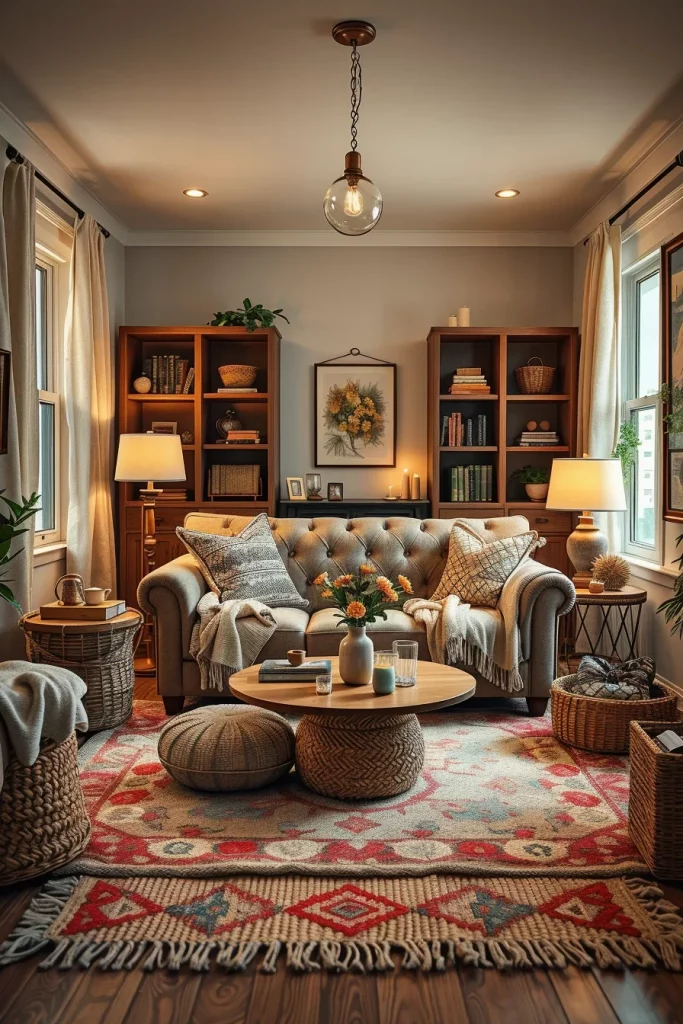
Many designers featured by Better Homes & Gardens recommend using multiple light sources instead of relying on one ceiling fixture. I have consistently found this advice effective because table lamps, floor lamps, and wall sconces produce a softer atmosphere that instantly makes a small room feel more inviting.
If anything were missing, I would include subtle scented candles, seasonal decorative pillows, and a compact reading corner with an adjustable chair and floor lamp to make the room even more enjoyable for daily use.
Minimalist Small Living Room Decor Ideas That Feel Spacious
Minimalism works exceptionally well in smaller living rooms because every object has a purpose. Rather than eliminating personality, I believe this style highlights the quality of individual furnishings and allows architectural details to stand out. A carefully edited room naturally feels brighter, cleaner, and visually larger than one filled with unnecessary accessories.
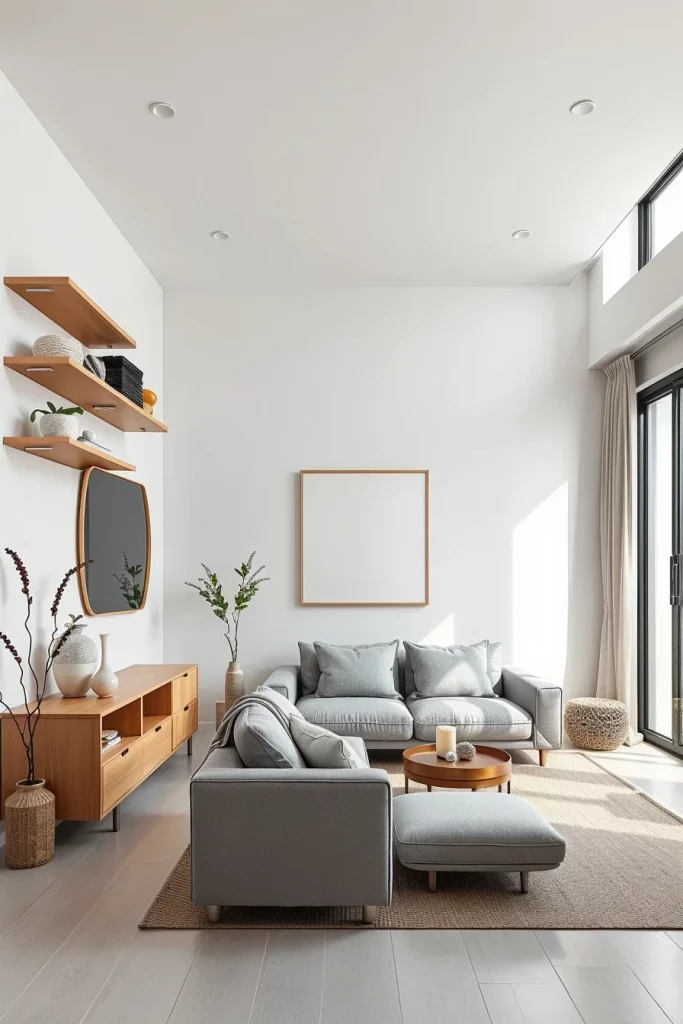
I prefer furniture with hidden storage, floating shelves, simple modular seating, monochromatic textiles, frameless mirrors, and understated decorative ceramics. A restrained color palette keeps the eye moving smoothly throughout the room while maintaining visual continuity. Carefully selected greenery, subtle texture, and natural materials introduce warmth without compromising the minimalist philosophy.
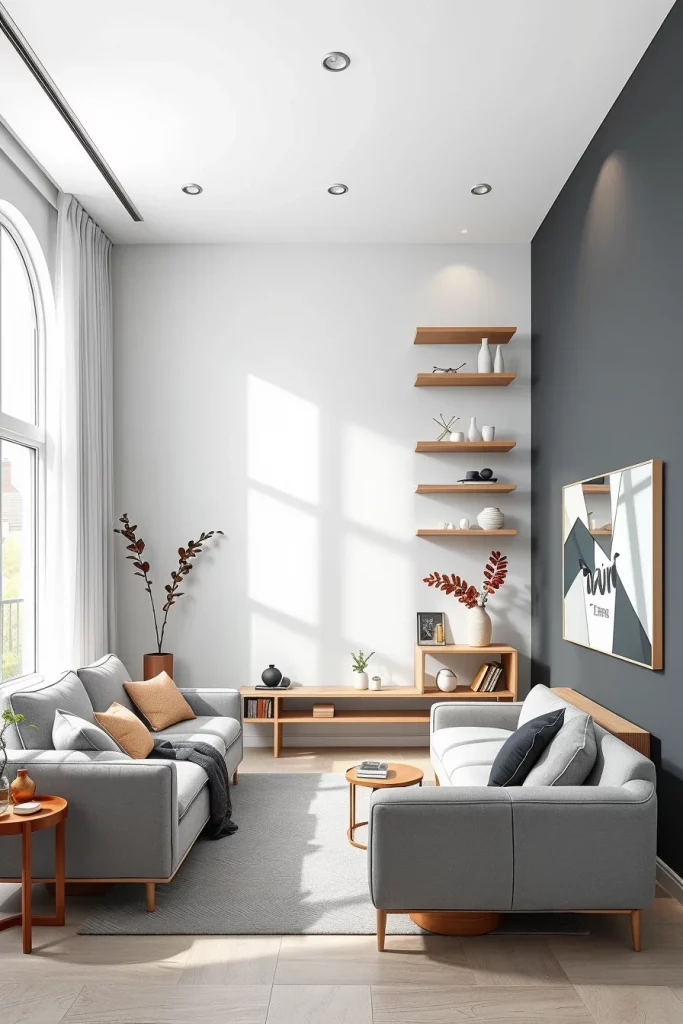
One lesson I have learned is that editing is just as important as decorating. Professional organizers frequently recommend removing items before purchasing new ones, and I have found that simplifying the room often creates a greater transformation than adding more decorative pieces.
To improve this design further, I would incorporate concealed storage compartments, integrated lighting beneath floating shelves, and one carefully selected statement artwork that becomes the room’s primary focal point.
Small Living Room Decor Ideas With Sculptural Furniture Pieces
I love introducing sculptural furniture because it transforms practical pieces into works of art while preserving valuable floor space. Instead of relying on excessive decoration, I allow expressive furniture silhouettes to define the personality of the room. Organic forms, elegant curves, and artistic craftsmanship immediately create a memorable interior that feels sophisticated yet approachable.
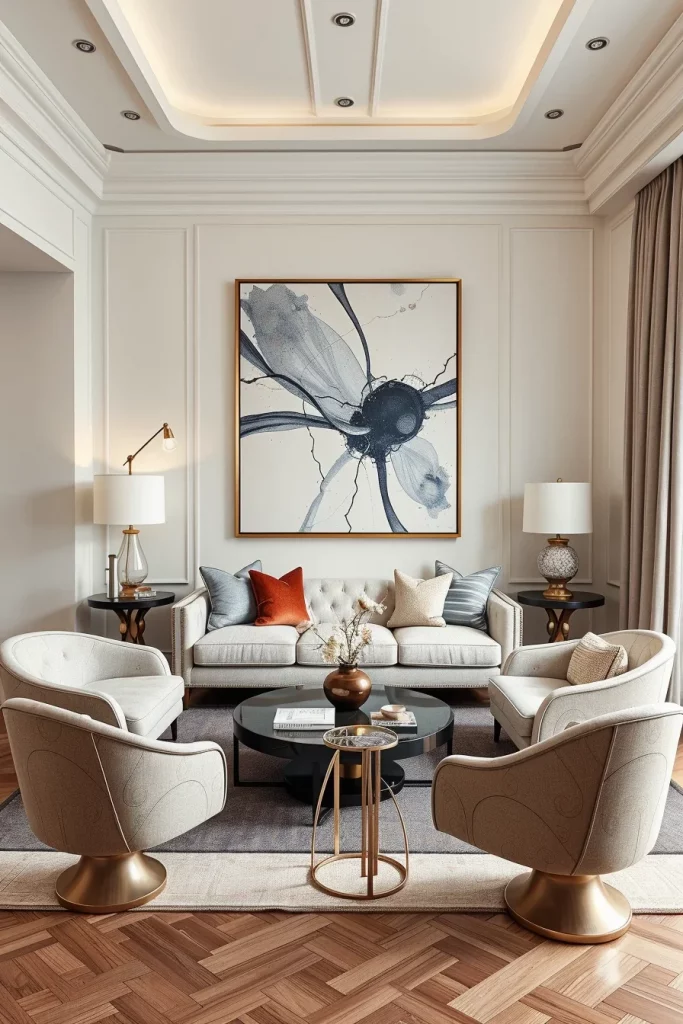
I often choose curved sofas, pedestal coffee tables, artistic lounge chairs, fluted side tables, rounded ottomans, statement floor lamps, and textured stone accessories. These pieces become natural focal points while maintaining visual flow throughout the room. Balanced with simple walls and restrained decorative accessories, sculptural furniture gives the space a refined appearance without feeling crowded.
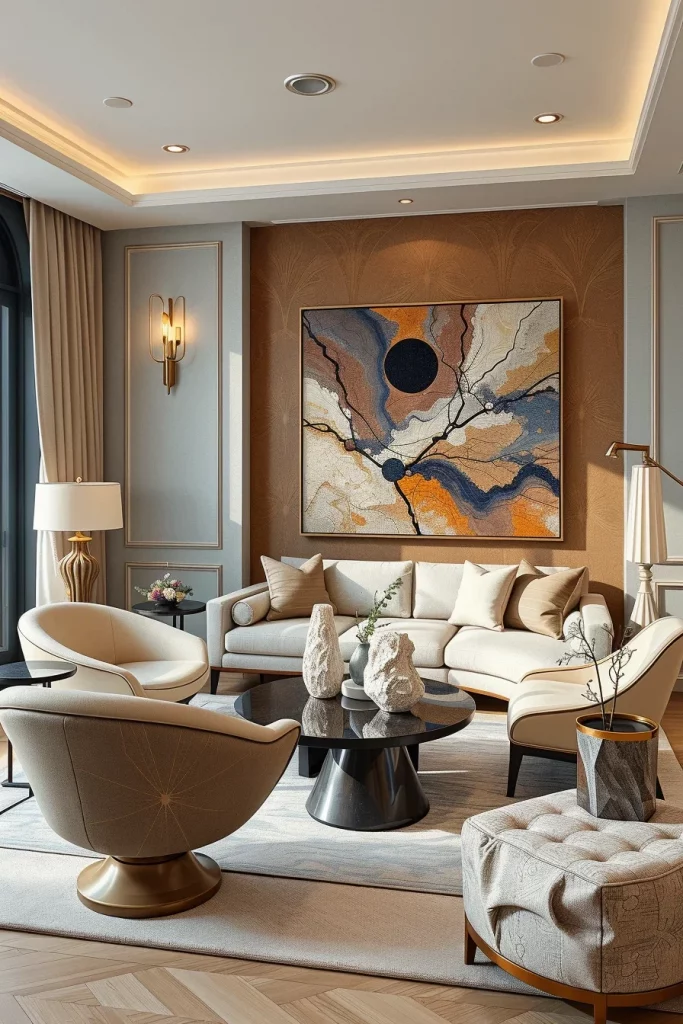
Personally, I believe one remarkable furniture piece creates a stronger impression than several ordinary accessories. Designers featured in Elle Decor frequently highlight investment pieces that combine function and artistic expression, and I have found this philosophy especially valuable in smaller interiors where every object receives more attention.
To complete the composition, I would add indirect lighting that highlights the furniture’s curves, a textured area rug that defines the seating arrangement, and one oversized abstract artwork that complements the sculptural forms without competing for attention.
Artistic Small Living Room Decor Ideas Featuring Statement Walls
A thoughtfully designed statement wall can completely transform a compact living room without occupying any additional floor space. I like using one carefully planned focal wall to introduce personality while allowing the rest of the room to remain balanced and uncluttered. This approach makes even the smallest room feel more intentional and memorable. Whether I choose textured plaster, oversized artwork, decorative panels, or a painted mural, the wall becomes an integral part of the room rather than simple decoration.
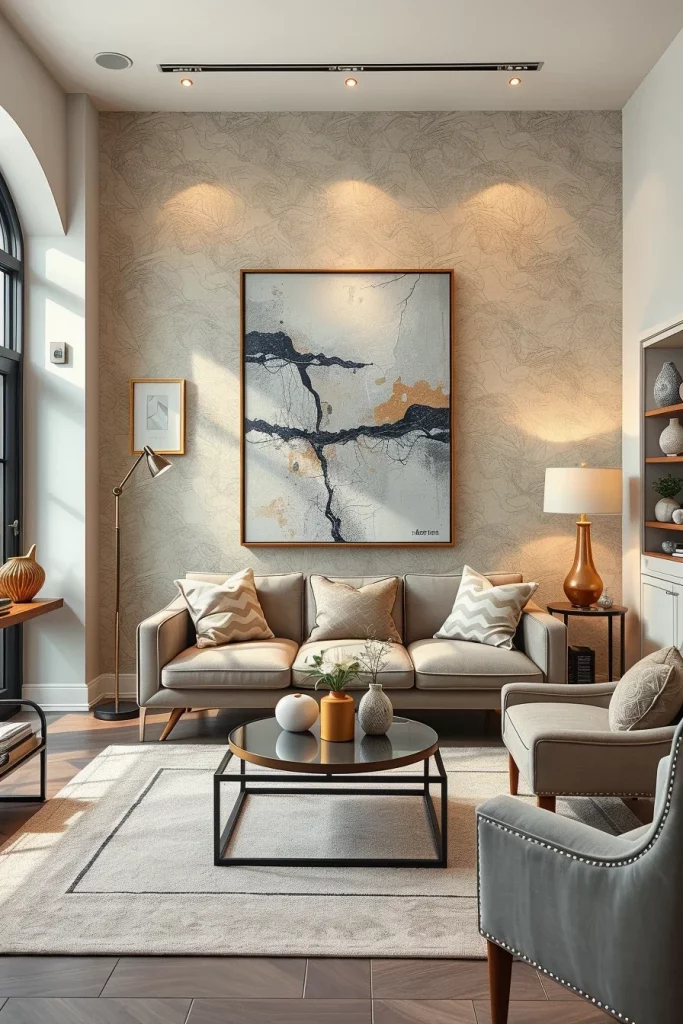
I usually pair the statement wall with understated furniture so the composition remains harmonious. A streamlined sofa, compact coffee table, open shelving, elegant floor lamp, and simple accent chairs allow the artistic backdrop to shine. Decorative ceramics, books, and subtle metallic accessories complement the wall without competing for attention. Layered lighting directed toward the feature wall enhances depth and creates visual interest throughout the day.
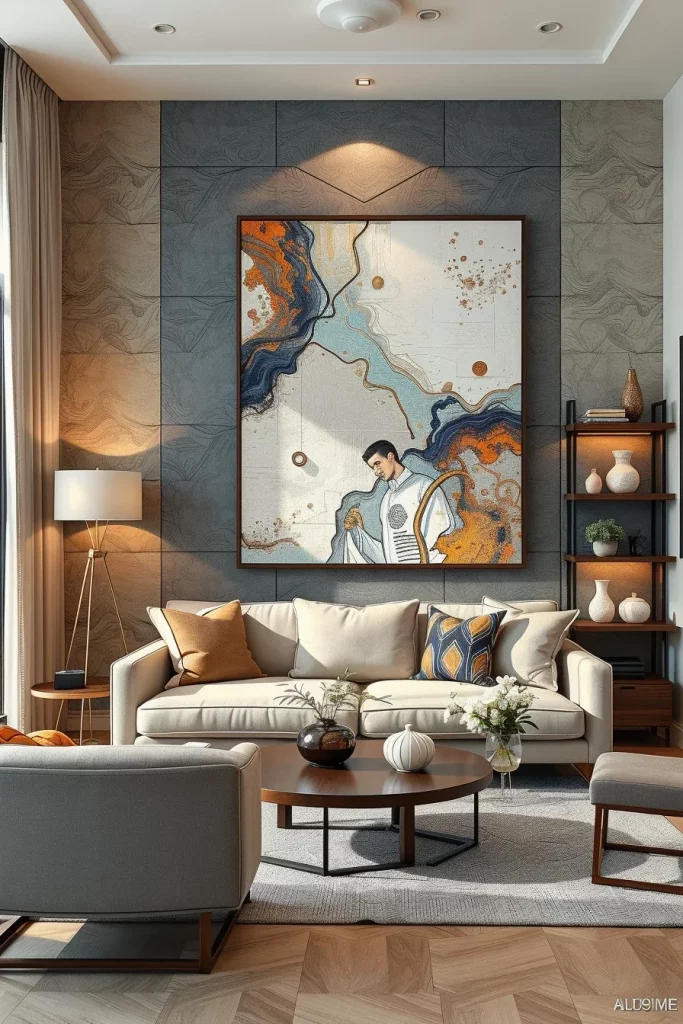
I appreciate advice shared by designers featured in House Beautiful, who often recommend limiting dramatic features to one primary focal point in smaller spaces. I have found this principle especially effective because it creates visual impact while preserving a calm atmosphere. Instead of overwhelming the room with multiple competing ideas, one distinctive wall tells the entire design story.
To finish this space, I would add concealed picture lighting, a textured area rug that echoes the wall’s color palette, and a few carefully selected decorative objects that reinforce the artistic character of the room.
Curved Furniture Ideas For A Stylish Small Living Room
Soft curves introduce movement into a compact living room while making the overall layout feel more inviting. I often recommend rounded furniture because it improves circulation and reduces the visual heaviness created by sharp corners. Curved silhouettes naturally soften architectural lines, helping the room appear more open and comfortable without requiring additional square footage.
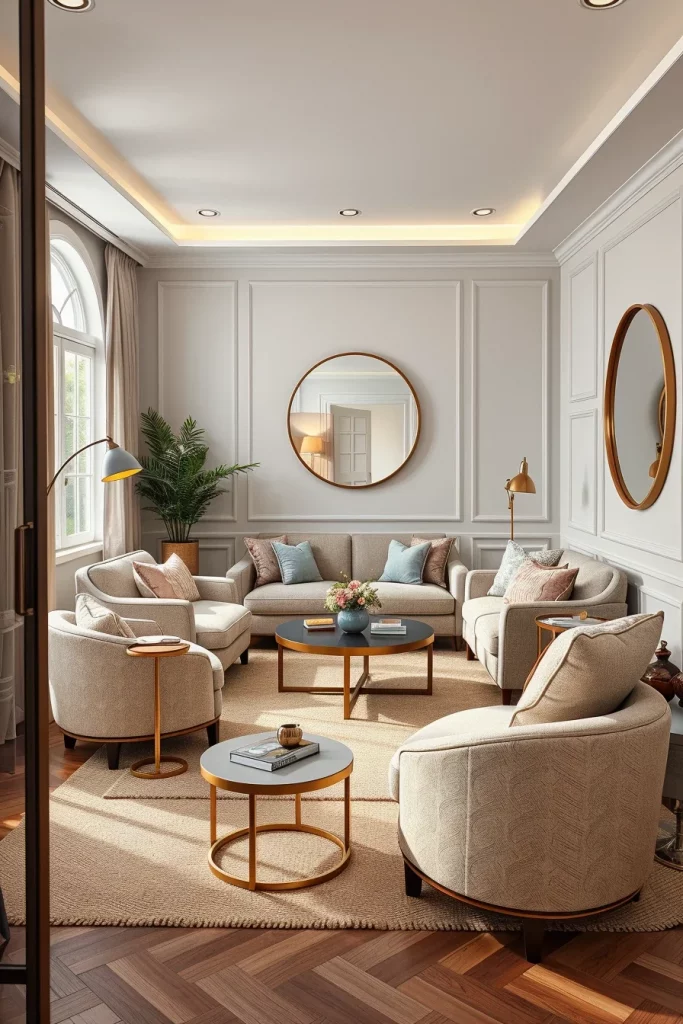
For this style, I choose a curved sofa, a round coffee table, oval side tables, an arched floor lamp, boucle accent chairs, and softly rounded storage cabinets. Circular mirrors, sculptural vases, layered textiles, and upholstered benches continue the flowing shapes throughout the interior. I also prefer rounded pendant lighting because it reinforces the cohesive design language while providing functional illumination.
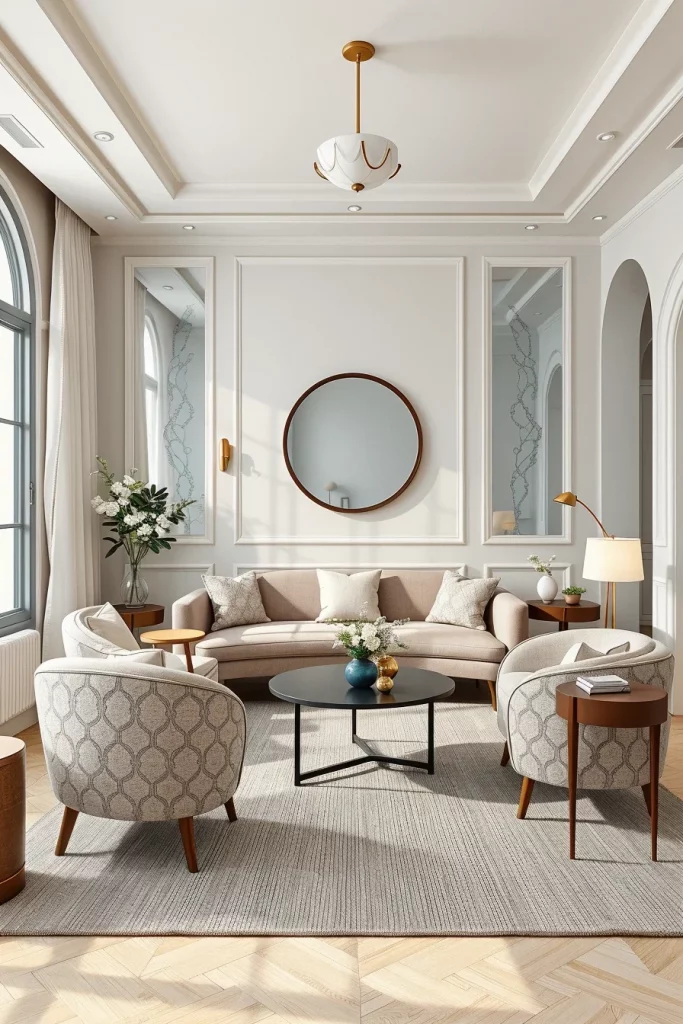
From my experience, curved furniture works particularly well when balanced with straight architectural elements such as shelving or media units. This contrast creates visual harmony and prevents the room from feeling overly decorative. Designers frequently emphasize combining organic forms with structured layouts, and I have consistently achieved excellent results using this principle.
To enhance this room further, I would introduce curved wall niches for display, indirect LED lighting that highlights the furniture contours, and textured fabrics that emphasize the softness of every rounded silhouette.
Layered Neutral Color Palettes For Small Living Room Decor Ideas
Neutral colors never have to feel plain when they are layered thoughtfully. I enjoy combining multiple shades within the same palette because subtle variation creates depth without overwhelming a compact room. Soft creams, warm beige, taupe, light gray, ivory, sand, and muted stone tones work together to make the space appear brighter while maintaining a calm atmosphere.
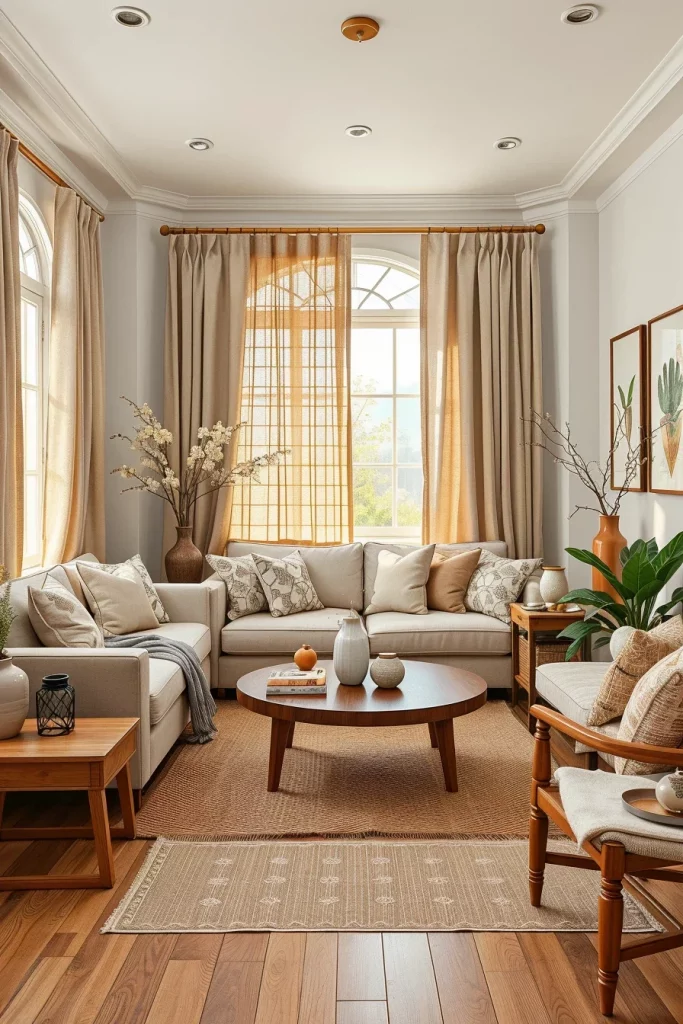
I normally begin with a neutral sofa before adding textured pillows, woven throws, linen curtains, natural fiber rugs, upholstered accent chairs, ceramic accessories, and wooden coffee tables with simple silhouettes. Matte finishes and soft fabrics introduce richness through texture rather than strong color contrasts. The result is a room that feels sophisticated, comfortable, and timeless.
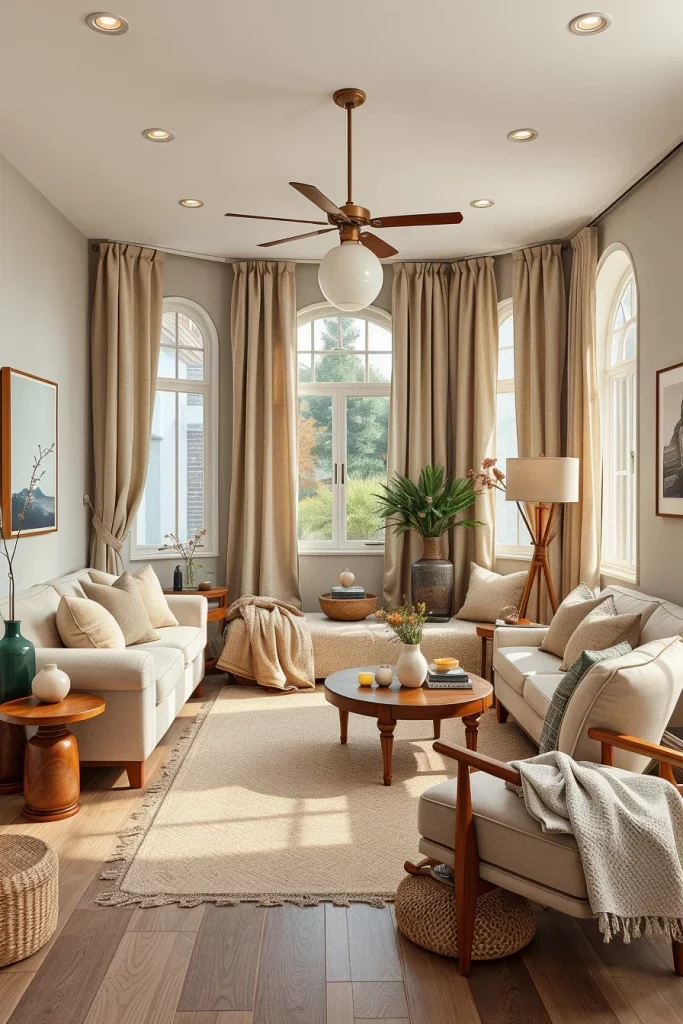
One lesson I have learned is that texture becomes even more important when working with neutral palettes. Interior designers often recommend mixing woven fabrics, boucle upholstery, stone surfaces, glass, and natural materials to prevent monochromatic interiors from feeling flat. I have found this approach consistently successful in smaller spaces.
If I wanted to complete this design, I would add layered lighting with warm color temperatures, oversized textured artwork, and subtle greenery that gently contrasts with the neutral surroundings while preserving the peaceful mood.
Bold Accent Colors That Transform Small Living Rooms
A compact living room does not need to rely entirely on neutral tones. I often use carefully selected accent colors to introduce energy while keeping the overall design balanced. Instead of painting every wall, I prefer incorporating bold hues through furniture, artwork, textiles, or decorative accessories. This method allows the room to remain visually open while expressing individuality.
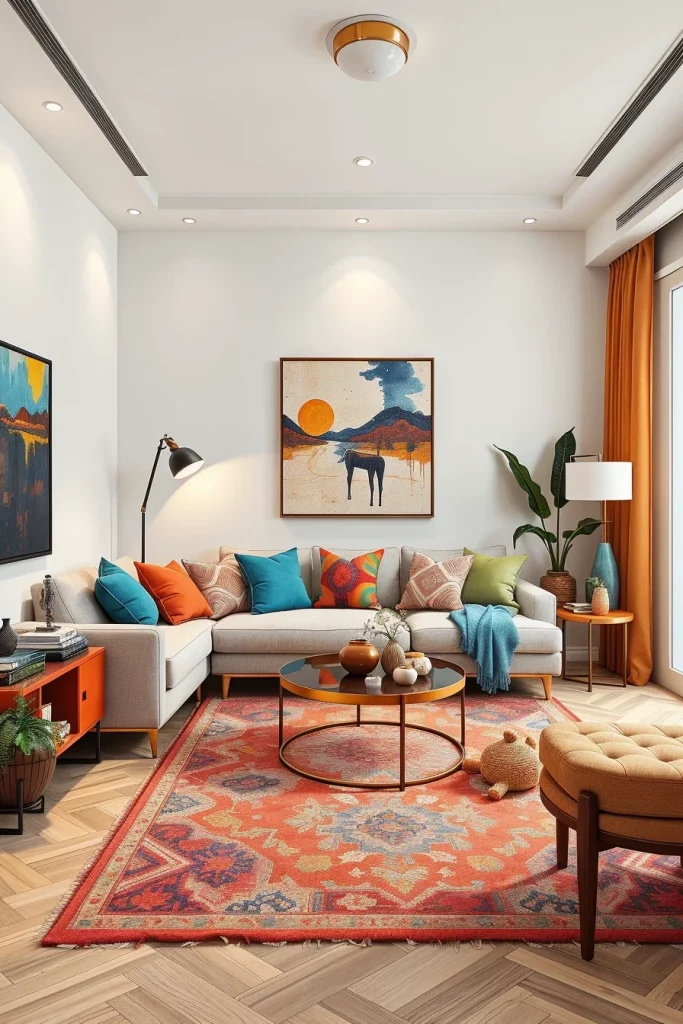
I like pairing neutral foundations with deep blue, emerald green, terracotta, mustard, burgundy, or charcoal accents. Colorful cushions, upholstered chairs, abstract artwork, decorative vases, patterned rugs, and contemporary lighting create focal points without dominating the room. Repeating the accent color in several small details helps establish visual continuity and prevents the design from feeling random.
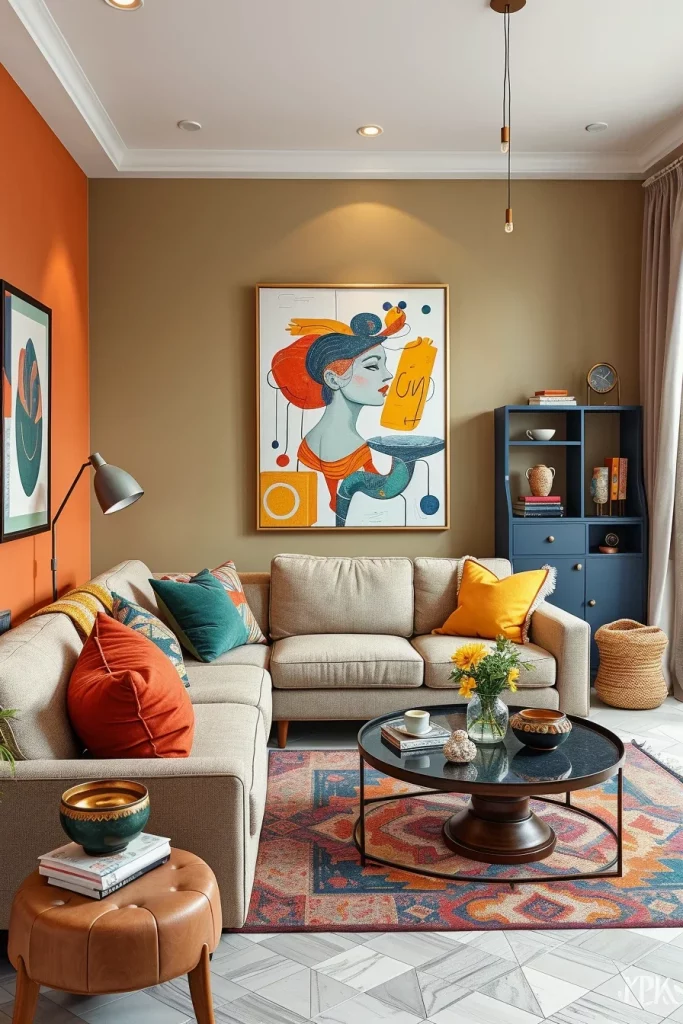
Personally, I always recommend selecting one primary accent color and one supporting tone. This creates a cohesive palette rather than an overly busy composition. Designers featured in Better Homes & Gardens frequently encourage using color intentionally instead of excessively, and I believe this advice is particularly valuable in compact interiors.
To elevate this room even further, I would incorporate coordinated decorative books, colorful ceramics, and subtle metallic finishes that reflect natural light while enhancing the chosen accent palette.
Floor-To-Ceiling Curtains That Make Small Living Rooms Feel Taller
One of the simplest ways I visually enlarge a small living room is by installing curtains from the ceiling all the way to the floor. This technique immediately emphasizes the room’s height and draws the eye upward, making standard ceilings appear significantly taller. Even modest windows become architectural features when framed with full-length drapery.
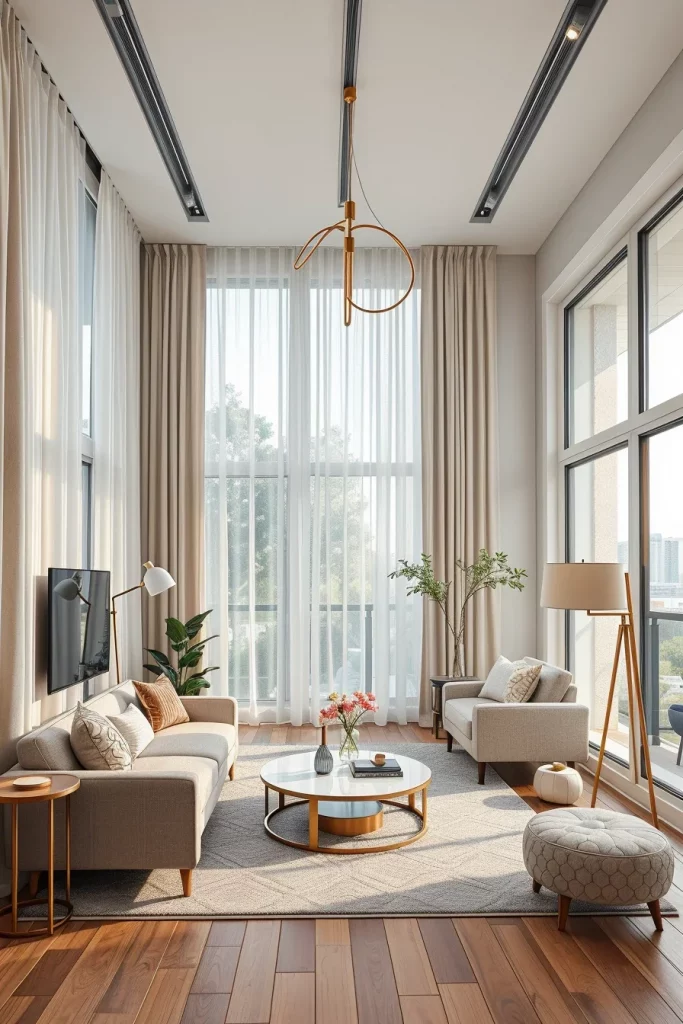
I usually select lightweight linen or textured woven curtains in soft neutral shades to maximize natural light. Ceiling-mounted curtain tracks create a seamless appearance, while slim curtain rods maintain a clean profile. I pair the window treatment with a low-profile sofa, simple coffee table, elegant floor lamp, and understated decorative accessories so the vertical lines remain the primary visual focus.
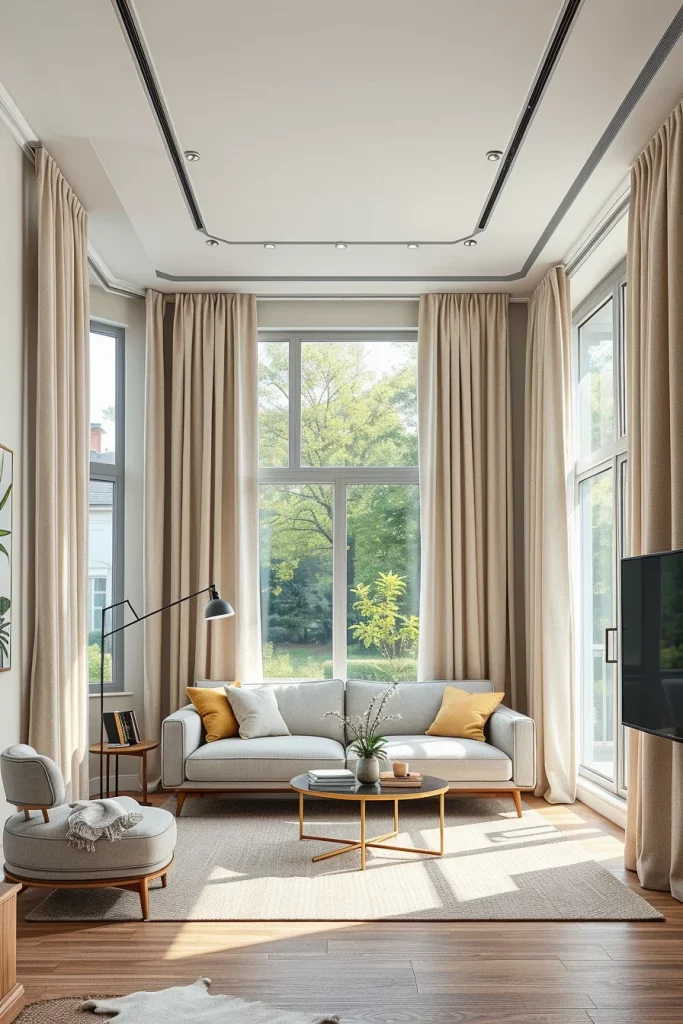
I have repeatedly noticed that properly mounted curtains create a more dramatic improvement than replacing furniture. Many professional interior designers recommend hanging curtain hardware as close to the ceiling as possible, and I consistently use this technique because the results are immediately noticeable without requiring major renovations.
To complete this living room, I would include layered sheer curtains for daytime privacy, coordinated textured cushions that echo the fabric, and carefully positioned mirrors that reflect both daylight and the increased sense of height.
Creative Lighting Ideas For A Bright Small Living Room
Lighting is always one of the first things I plan because it changes how a small room feels before I even introduce furniture or decorative pieces. I like combining natural daylight with layered artificial lighting to remove dark corners and visually expand the room. Instead of relying on one ceiling fixture, I create multiple light sources that make the interior feel warmer, larger, and more welcoming. This approach works especially well for creative and stylish small living room decor ideas because every layer of light highlights textures and architectural details.
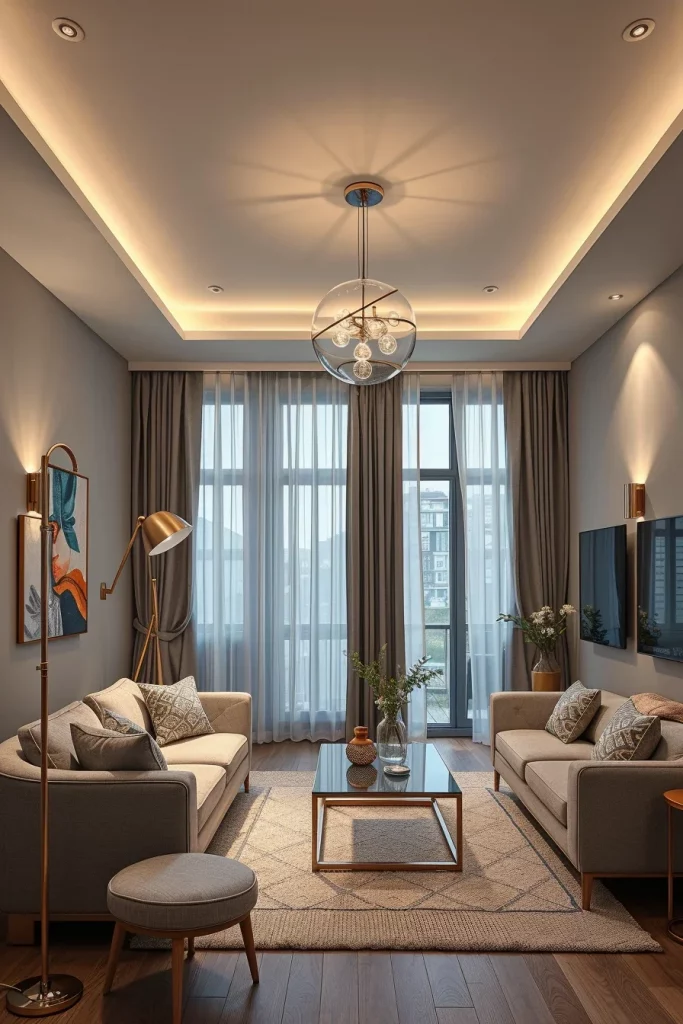
I usually combine a modern ceiling pendant, slim wall sconces, a sculptural floor lamp, and discreet LED lighting behind floating furniture or shelving. Soft linen curtains allow sunlight to filter inside while reflective finishes help bounce light throughout the room. Neutral upholstery, textured rugs, glass side tables, and metallic accents work together to create brightness without adding visual clutter. Every lighting element has a purpose while also becoming part of the overall design.
I often return to recommendations published by design experts in Architectural Digest and House Beautiful, who consistently emphasize layered lighting as one of the easiest ways to improve compact interiors. I have found this advice reliable because even a modest living room immediately feels more balanced and inviting once several light sources work together instead of competing with one another.
If I wanted to complete this design, I would add dimmable switches and smart lighting controls so the room could easily transition from daytime brightness to a cozy evening atmosphere without changing the décor.
Space-Saving Storage Solutions That Blend Into The Design
One of my favorite strategies for decorating small living rooms is making storage almost invisible. Rather than filling a room with bulky cabinets, I look for solutions that become part of the architecture. Built-in cabinetry, recessed shelving, and storage benches allow the room to stay organized while preserving valuable floor space. The result is a clean, unique, and highly functional interior that never feels overcrowded.
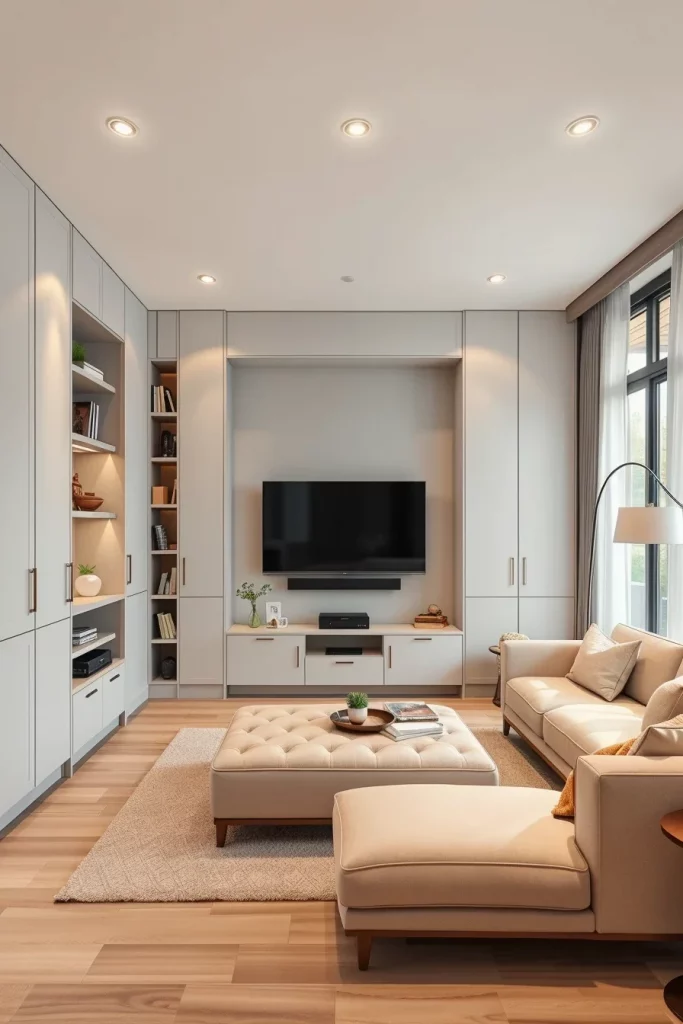
I prefer media units with concealed storage, custom cabinetry painted the same color as the walls, and ottomans that hide blankets or magazines inside. Vertical storage reaches toward the ceiling while keeping the center of the room visually open. Decorative baskets, slim console cabinets, and floating media centers create additional storage without making the living room feel heavy.
Personally, I have learned that reducing visual clutter immediately makes a room appear larger. Interior designers featured by Better Homes & Gardens frequently recommend treating storage as part of the design instead of an afterthought, and I completely agree. When every item has a designated place, decorating becomes much easier and the overall atmosphere feels calmer.
To finish this space, I would include integrated cable management, hidden charging stations, and adjustable shelving so the storage can evolve as daily needs change.
Floating Shelves That Add Style Without Clutter
Floating shelves are one of the simplest ways I create personality in compact spaces without sacrificing precious floor area. They draw the eye upward, making walls appear taller while providing display space for carefully selected decorative objects. I like using them to showcase books, ceramics, framed artwork, and sculptural accessories that reinforce the room’s overall style.
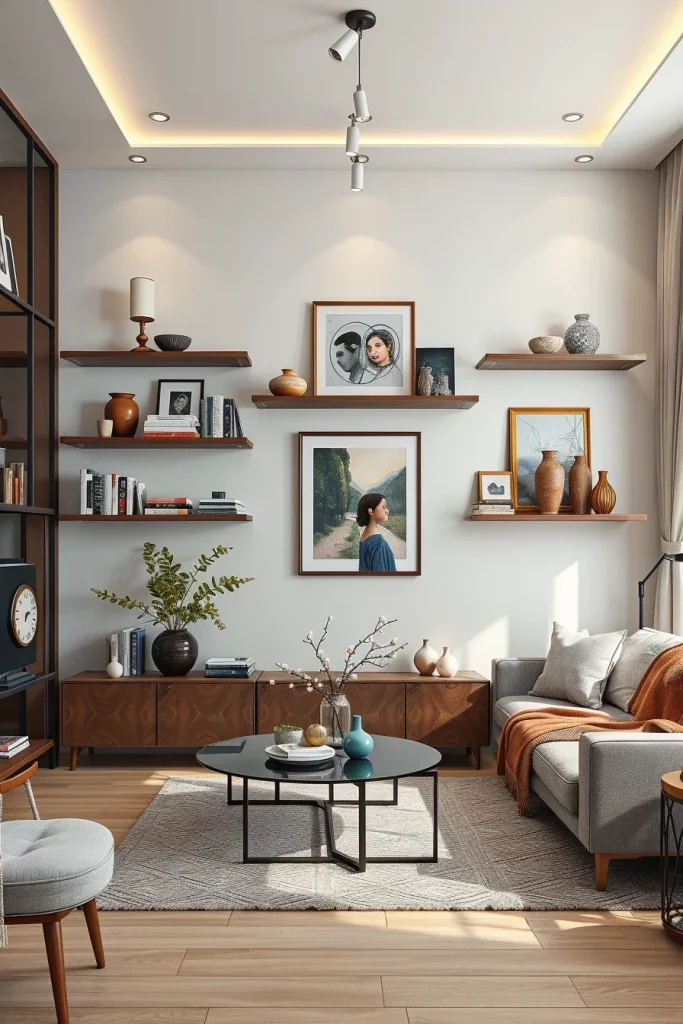
I usually install shelves in natural wood, matte painted finishes, or stone-look materials depending on the design direction. Styling remains intentionally restrained with balanced spacing between objects to prevent visual overload. Small plants, candles, textured vases, and artwork add depth while maintaining an organized appearance. This combination creates an artistic display that feels collected instead of crowded.
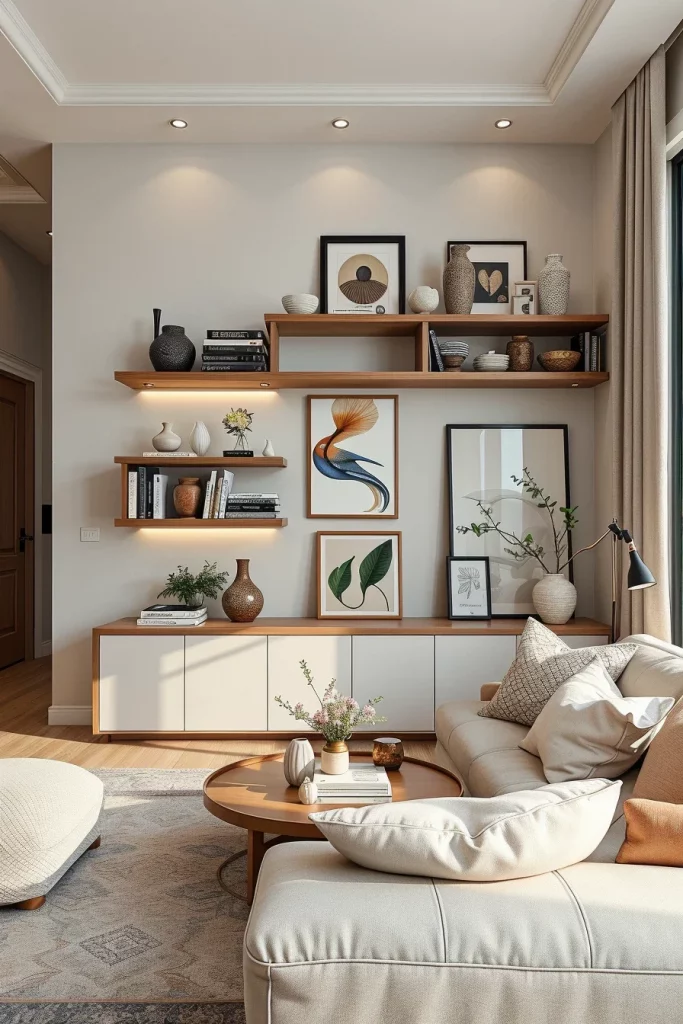
From my experience, floating shelves work best when every object serves a purpose or tells a story. I often take inspiration from projects published by Elle Decor, where carefully curated shelving creates visual interest without overwhelming compact interiors. Limiting the number of displayed objects allows each piece to stand out more effectively.
I would also consider incorporating discreet LED strip lighting beneath selected shelves to emphasize decorative pieces and provide soft ambient illumination during the evening.
Multifunctional Furniture For Beautiful Small Living Rooms
Whenever I decorate a compact living room, multifunctional furniture becomes one of my highest priorities. Every piece should perform at least two functions while maintaining a refined appearance. This strategy allows me to create a room that supports entertaining, relaxing, working, and everyday living without making the space feel crowded. These small living room decor ideas combine practicality with sophisticated design.
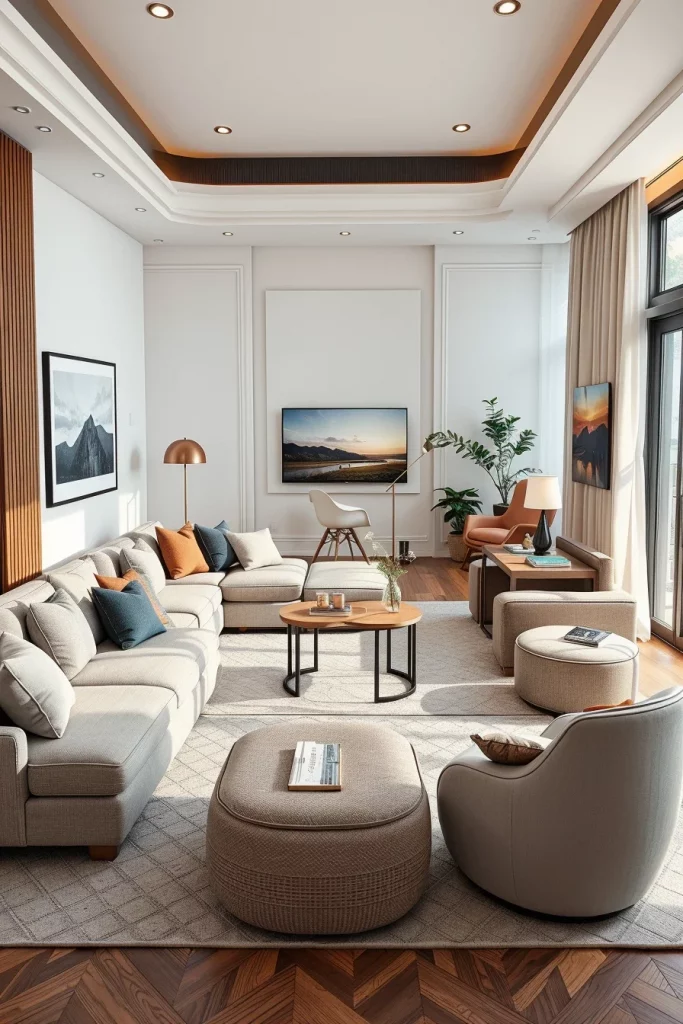
I often choose modular sofas with hidden storage, nesting side tables, extendable consoles, storage ottomans, and compact desks that disappear into cabinetry when not in use. Curved furniture softens the room while slim metal legs expose more flooring, helping the room feel larger. Upholstery in light neutral tones paired with textured fabrics creates warmth without overwhelming the compact footprint.
Over the years, I have found that investing in fewer but more versatile furniture pieces always produces better long-term results. Many interior designers featured in HGTV projects recommend prioritizing flexibility over quantity, and I have consistently seen how adaptable furniture improves both organization and comfort.
To make this room even more functional, I would introduce movable accent tables, hidden charging outlets, and flexible seating that can easily be rearranged for guests or daily activities.
Stylish Coffee Table Ideas For Compact Living Spaces
A coffee table may seem like a small detail, but I believe it anchors the entire living room. In compact spaces, I look for designs that contribute to both functionality and visual openness. Round tables, transparent materials, and sculptural bases create an elegant focal point while allowing circulation to remain comfortable. The right table supports everyday living without dominating the room.
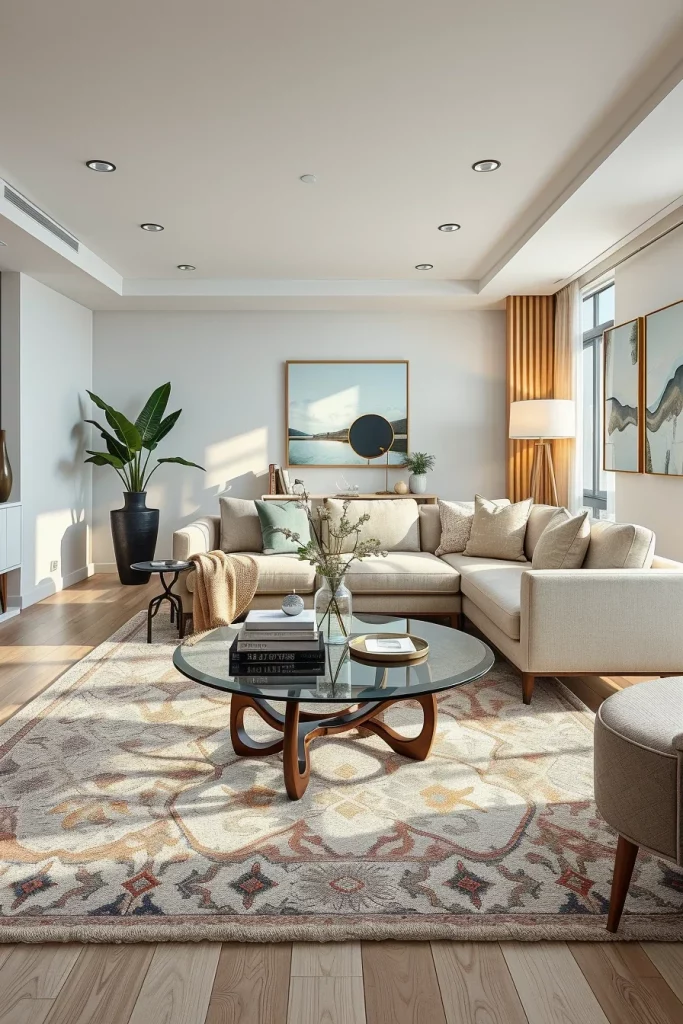
I often select glass, stone, or light wood finishes paired with rounded edges that improve movement around the seating area. Some tables include hidden storage beneath lift-top surfaces, while others nest together to provide additional flexibility. Decorative trays, candles, books, and a single statement vase keep the tabletop organized while adding a stylish finishing touch to the room.
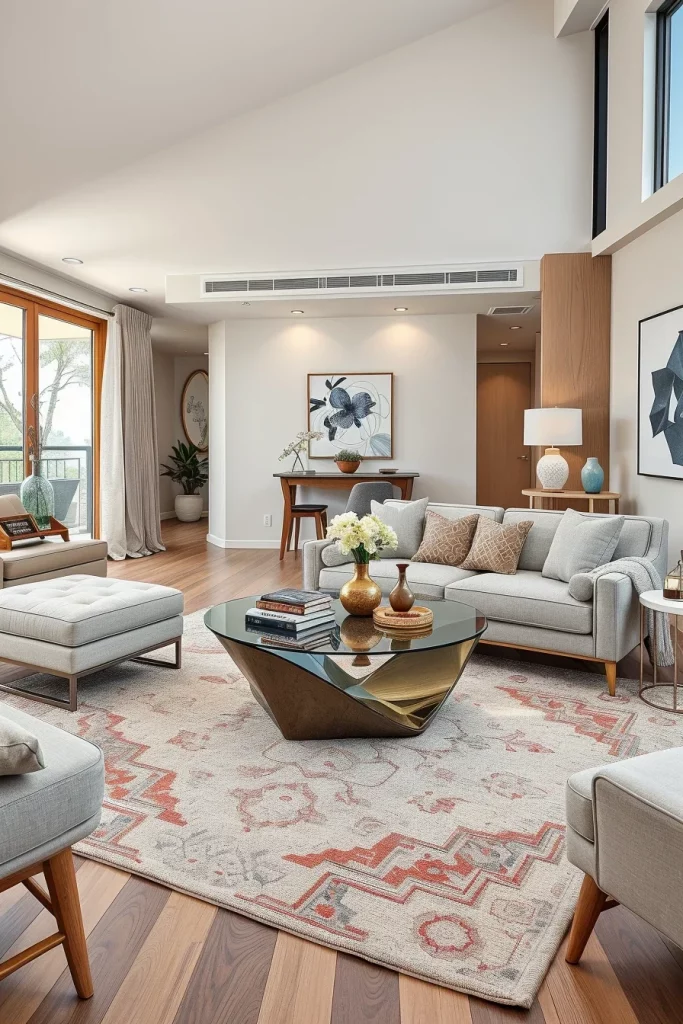
Personally, I avoid oversized coffee tables because they quickly reduce usable space. Instead, I focus on proportions that complement the sofa while leaving generous walking paths. This balanced approach creates a room that feels comfortable, practical, and visually harmonious.
If I wanted to enhance this design further, I would add a textured area rug beneath the coffee table to define the seating arrangement while introducing another layer of warmth and visual interest.
Sculptural Accent Chairs That Become Works Of Art
When I want to introduce personality into a compact living room, I often begin with a sculptural accent chair instead of adding multiple decorative accessories. A chair with graceful curves or an unexpected silhouette can become an artistic focal point while still serving a practical purpose. In a small room, one thoughtfully selected statement piece creates more visual impact than several smaller items competing for attention. This approach allows the space to feel both refined and uncluttered.
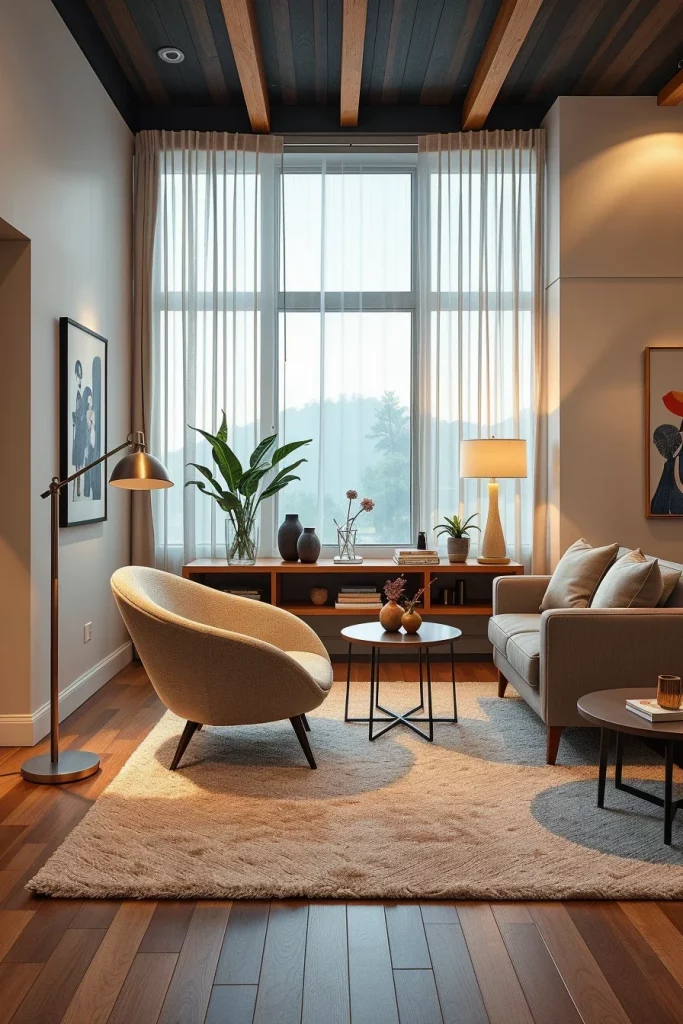
I usually choose chairs with rounded backs, soft boucle or woven upholstery, slender wooden or metal legs, and ergonomic proportions that suit compact layouts. Placing the chair beside a floor lamp or near a window creates a comfortable reading corner while adding depth to the room. A small side table, textured throw, and decorative cushion complete the arrangement without overwhelming the available space. Every element supports the chair rather than distracting from it, allowing the sculptural design to remain the highlight.
From my experience, investing in one beautifully designed chair often transforms the entire room. Designers featured in Elle Decor frequently recommend selecting a statement seating piece that combines comfort with sculptural form, and I have found that advice especially useful in smaller interiors where every piece receives more visual attention. A carefully chosen chair gives the room a memorable identity without requiring extensive decoration.
To complete this corner, I would add a small textured rug beneath the chair and a compact side table with concealed storage to increase functionality while preserving the elegant appearance.
Gallery Wall Ideas That Personalize Small Living Rooms
A gallery wall is one of my favorite ways to make a small living room feel personal and welcoming. Instead of covering every surface with decorative objects, I concentrate visual interest on one wall. This creates a curated display that reflects individual style while leaving the rest of the room calm and balanced. A carefully planned gallery wall adds character without making the space appear crowded.
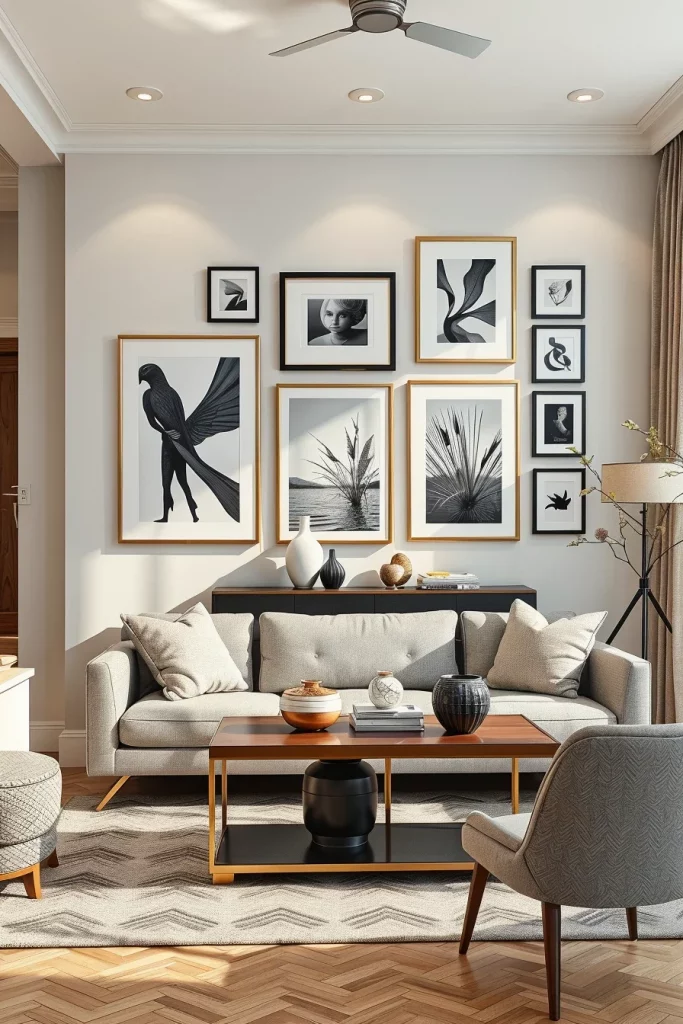
I like combining artwork, black-and-white photography, abstract prints, architectural sketches, and minimalist frames in different sizes while maintaining a consistent color palette. Leaving equal spacing between frames creates order, and incorporating one or two sculptural wall objects adds subtle dimension. Positioning the gallery above a sofa or console naturally draws attention upward, making the ceiling appear higher and the room feel more open.
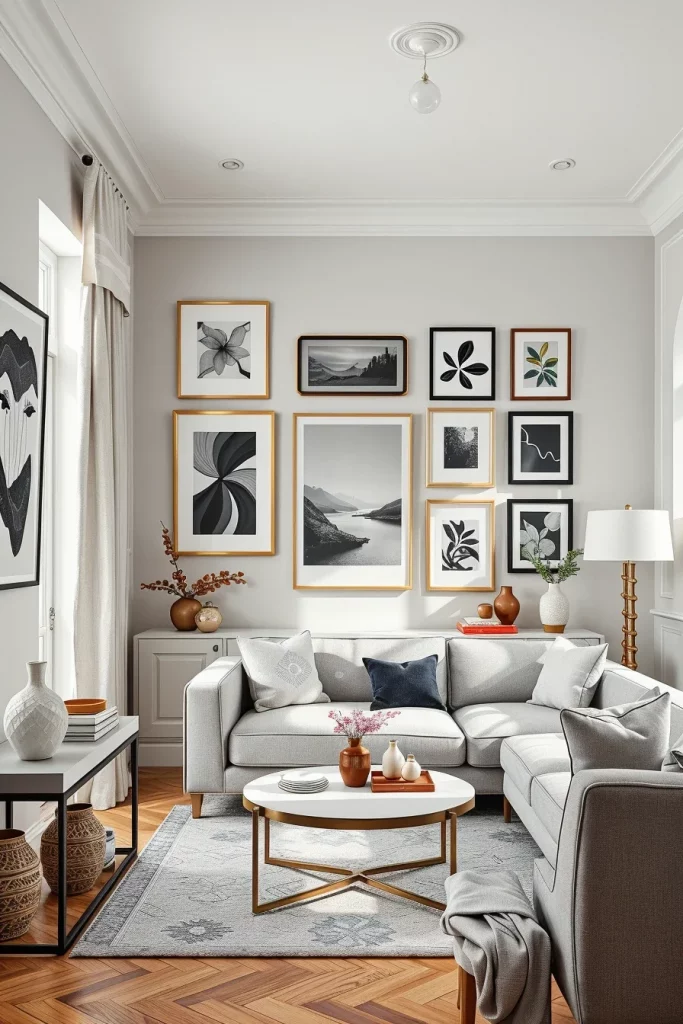
Personally, I believe a gallery wall should tell a story rather than simply fill empty space. House Beautiful often encourages mixing meaningful artwork with decorative pieces instead of purchasing matching sets, and I completely agree with this philosophy. A collection built gradually over time always feels more authentic and interesting than one assembled all at once.
If I wanted to refine this display further, I would include picture lighting or adjustable wall sconces to highlight selected artwork and create additional ambiance during the evening.
Oversized Mirrors That Expand Small Living Room Interiors
Oversized mirrors are one of the most effective design tools I use when decorating compact living rooms. A large mirror reflects natural light, visually doubles the space, and creates the illusion of greater depth without requiring any structural changes. When positioned thoughtfully, it becomes both a decorative centerpiece and a practical solution for making the room feel brighter and more spacious.
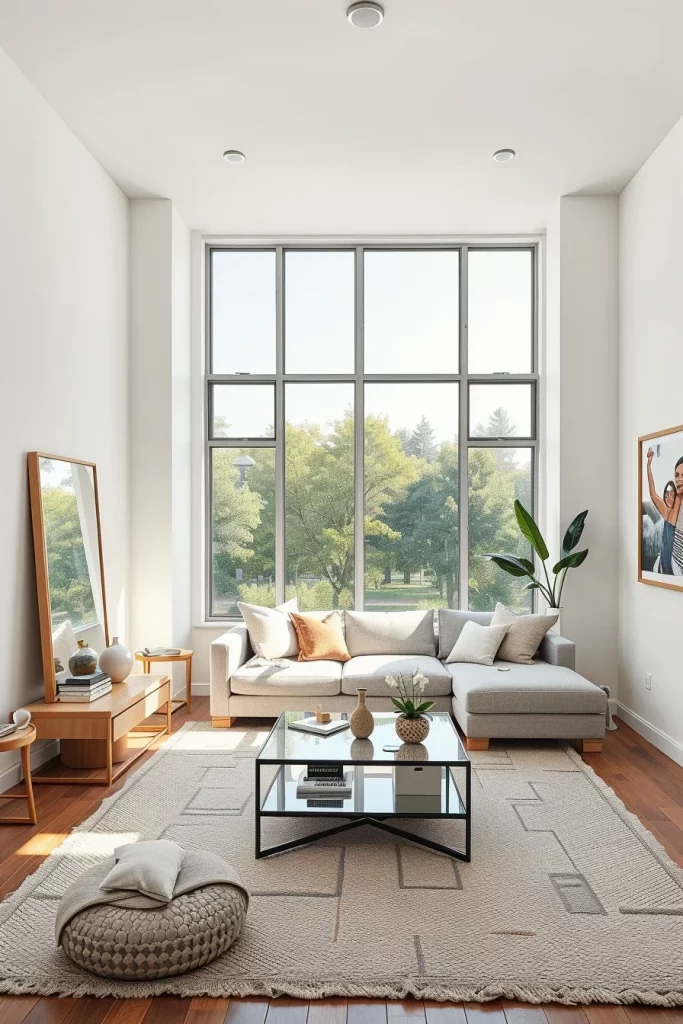
I often place a tall mirror opposite a window or behind the main seating area to maximize reflected light throughout the day. Thin metal frames, softly curved shapes, or minimalist frameless designs work particularly well in modern interiors because they enhance the architecture without adding visual weight. Paired with light-colored furniture, textured fabrics, and subtle decorative accessories, the mirror helps unify the entire room.
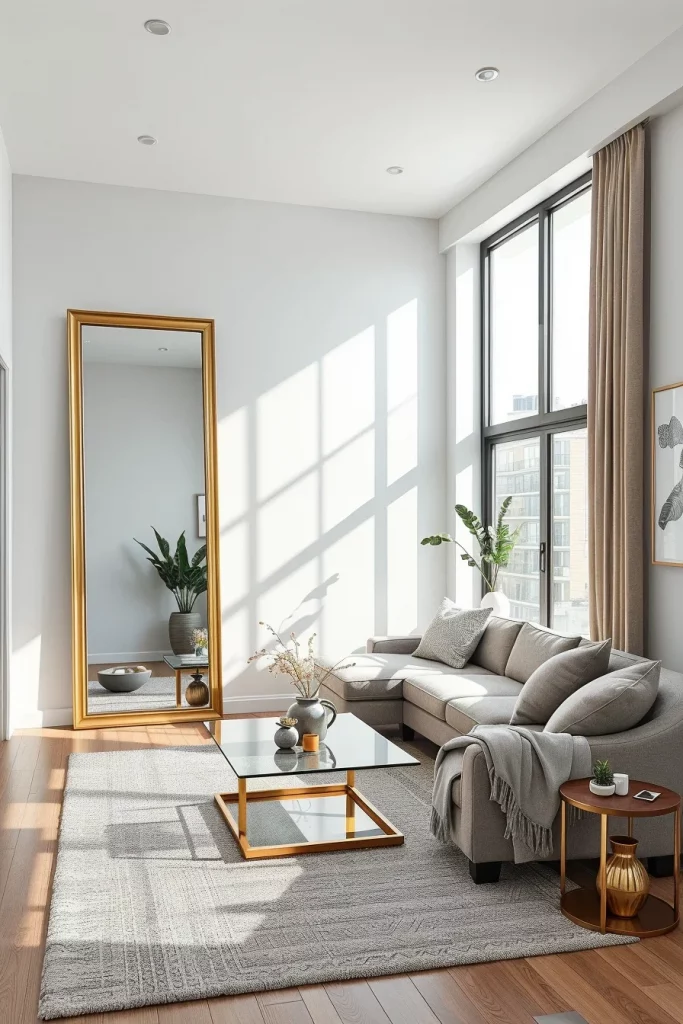
In my own decorating projects, I have consistently noticed that mirrors produce one of the biggest visual transformations for the smallest investment. Architectural Digest frequently highlights oversized mirrors as an essential element in compact interiors, and I have seen firsthand how dramatically they improve brightness and perceived space while maintaining an elegant appearance.
To strengthen this design even further, I would add reflective accessories such as glass table lamps or metallic decorative objects that continue distributing light throughout the room.
Unique Ceiling Designs That Elevate Small Living Rooms
Many people focus exclusively on walls and furniture, but I believe the ceiling deserves equal attention. An interesting ceiling treatment naturally draws the eye upward, making the room feel taller and more dynamic. Even subtle architectural details can transform a plain living room into a memorable space without reducing valuable floor area. This is one of my favorite ways to create a truly unique interior.
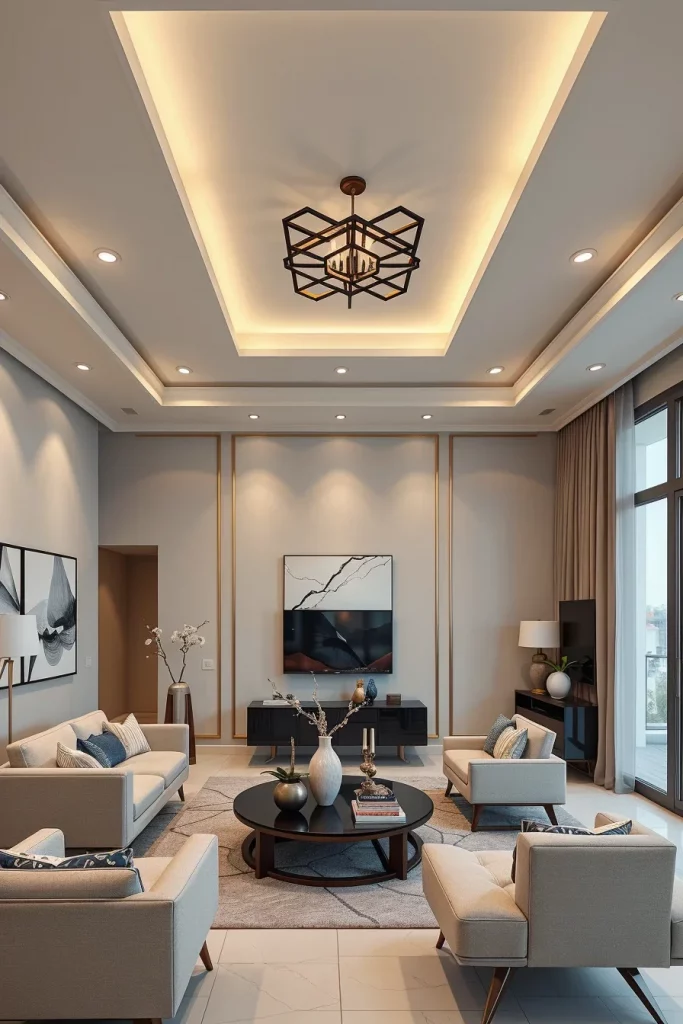
I often recommend recessed ceiling details, slim wooden slats, geometric molding, indirect LED lighting, or smooth architectural curves that complement modern interiors. Rather than using bold colors, I prefer relying on texture, shadow, and carefully integrated lighting to create visual interest. Combined with clean-lined furniture and a restrained color palette, the ceiling becomes a sophisticated design feature that enhances the entire room.
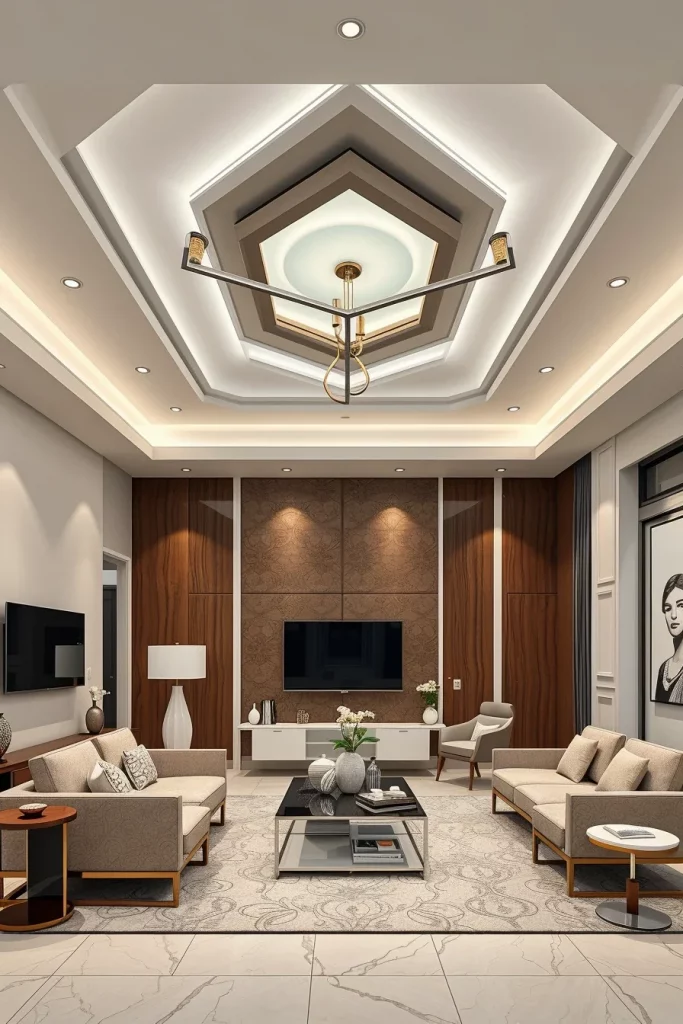
From my perspective, ceiling design is frequently overlooked despite offering tremendous design potential. Interior designers featured by HGTV regularly emphasize the importance of treating the ceiling as the “fifth wall,” and I completely agree. A thoughtfully designed ceiling brings balance to the room while making the architecture itself part of the décor.
To complete this concept, I would coordinate the ceiling lighting with wall sconces and floor lamps so every layer of illumination works together to highlight the architectural details.
Textured Walls That Add Depth And Character
Whenever I want a small living room to feel richer without introducing excessive decoration, I focus on wall texture. Texture creates visual depth that flat painted walls simply cannot achieve. Instead of relying on bright colors or busy patterns, I use subtle finishes that catch changing light throughout the day and give the room a sophisticated, layered appearance. This approach helps create stylish, creative, and artistic interiors while maintaining a calm atmosphere.
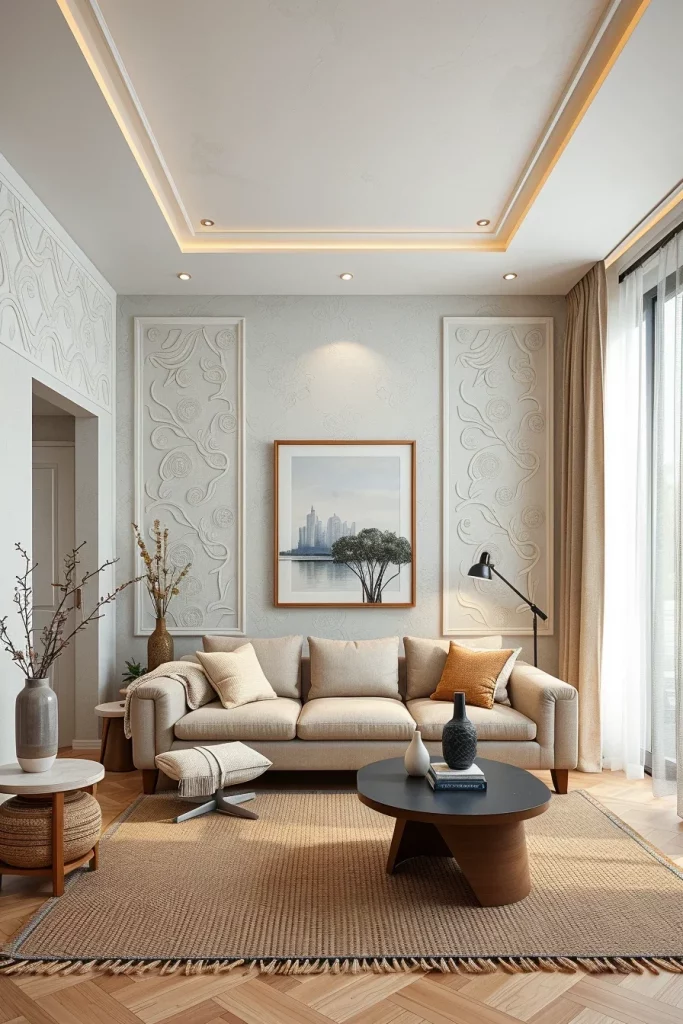
I like incorporating limewash finishes, decorative plaster, fluted wall panels, ribbed wood details, stone-inspired surfaces, or textured wallpaper with understated patterns. These materials pair beautifully with upholstered furniture, woven rugs, linen curtains, ceramic accessories, and soft ambient lighting. The combination introduces warmth and dimension while allowing every decorative element to feel intentionally placed.
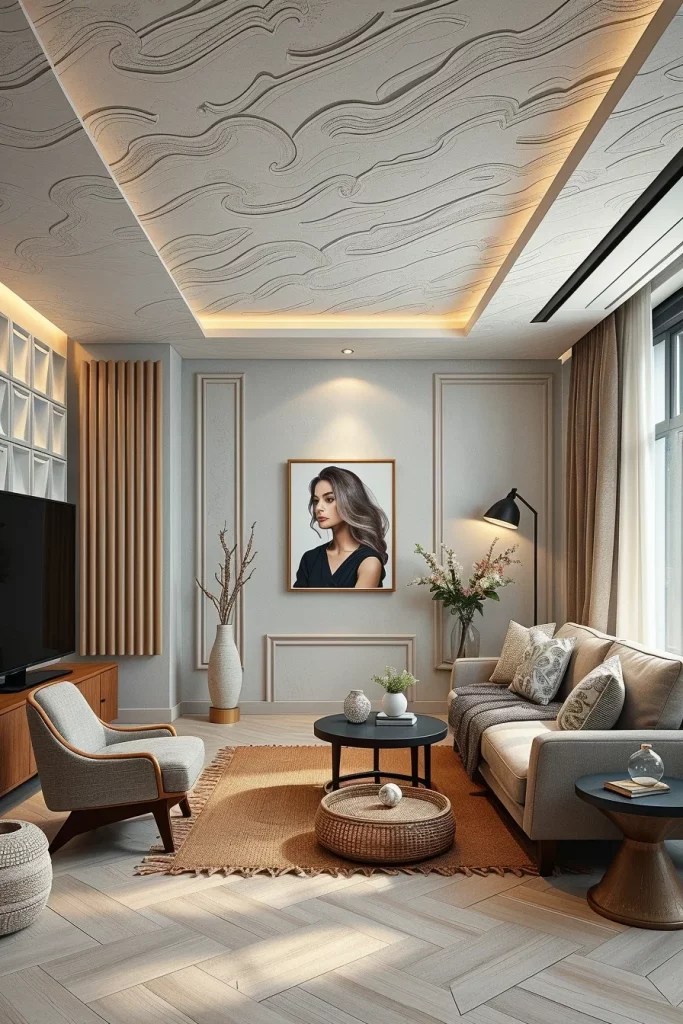
In my experience, textured walls become even more beautiful over time because changing daylight constantly reveals new highlights and shadows. Better Homes & Gardens often recommends adding texture before introducing additional decorative accessories, and I have found this approach creates interiors that feel balanced instead of overly decorated.
If I wanted to enhance this room further, I would include a large piece of minimalist artwork or a sculptural wall installation that complements the textured surface without hiding its natural beauty.
Creative Area Rug Ideas That Define Small Spaces
When I decorate a compact living room, I almost always begin with the area rug because it visually defines the seating zone without adding physical barriers. A carefully selected rug creates structure, making the room appear more organized and intentionally designed. I like using rugs with subtle geometric patterns, soft textures, or artistic abstract motifs that introduce personality while keeping the overall composition calm. This approach works especially well in apartments where one room often serves several purposes.
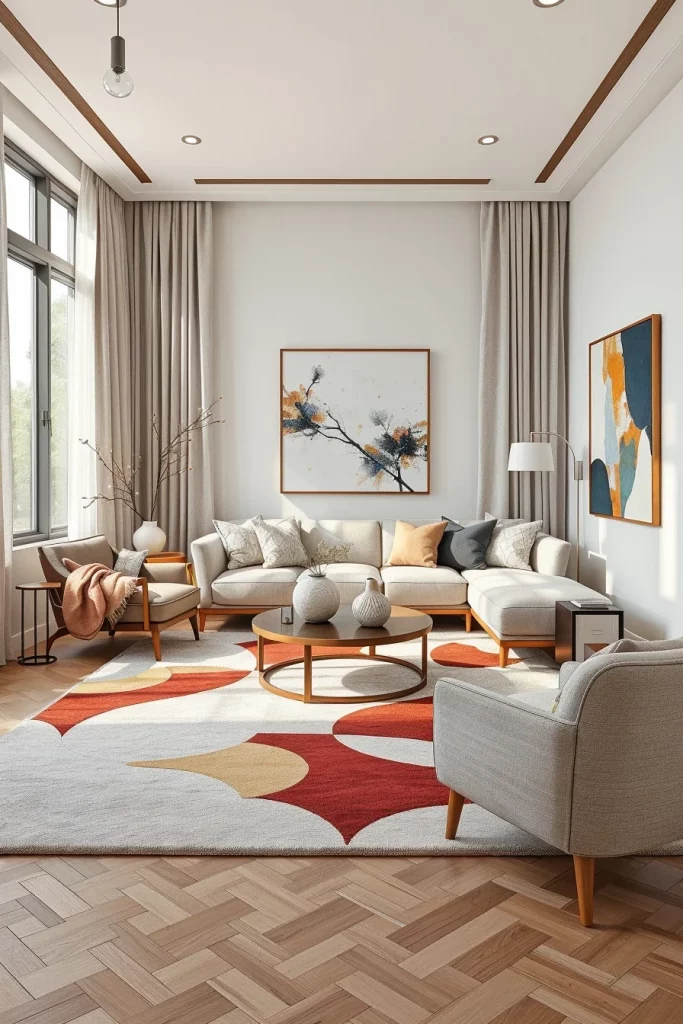
I usually position the front legs of the sofa and accent chairs on the rug to create a unified conversation area. A curved coffee table, sculptural side table, textured boucle seating, slim floor lamp, and layered linen curtains complement the rug without overwhelming the limited floor space. Decorative ceramic vases, low-profile shelving, and a restrained color palette help the room feel open while still looking stylish and unique.
I appreciate the advice often shared by designers featured in Architectural Digest, who recommend using appropriately sized rugs instead of choosing one that is too small. I have found that a generously sized rug actually makes a compact living room appear larger because it visually expands the seating arrangement instead of breaking it into disconnected sections.
If I wanted to enhance this design even further, I would add a large framed artwork above the sofa and one oversized indoor tree in a simple planter to strengthen the room’s visual balance without creating clutter.
Built-In Seating Ideas For Functional Small Living Rooms
Built-in seating is one of my favorite ways to maximize every available inch in a small living room. Instead of relying on multiple bulky chairs, I prefer a custom bench beneath the window or along one wall that provides comfortable seating while preserving valuable walking space. This solution creates a clean architectural appearance and naturally supports a more open layout.
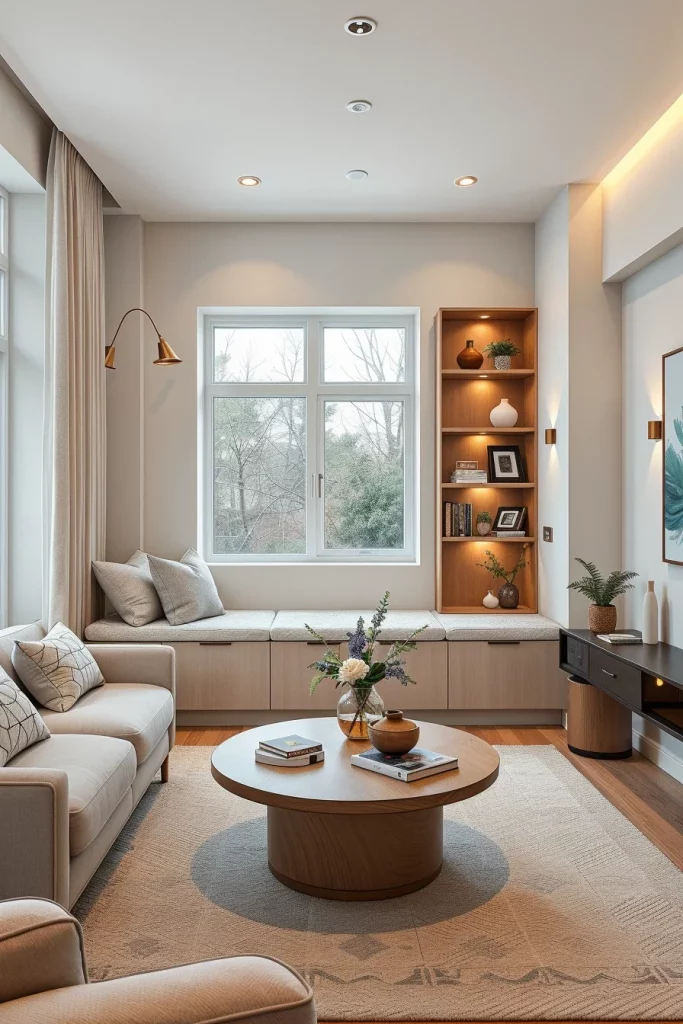
I often pair built-in seating with hidden storage compartments that keep blankets, books, board games, and seasonal accessories neatly tucked away. Comfortable seat cushions, layered throw pillows, a compact round coffee table, floating shelves, and integrated wall lighting complete the arrangement. Every element serves more than one purpose, allowing the room to remain functional without feeling crowded.
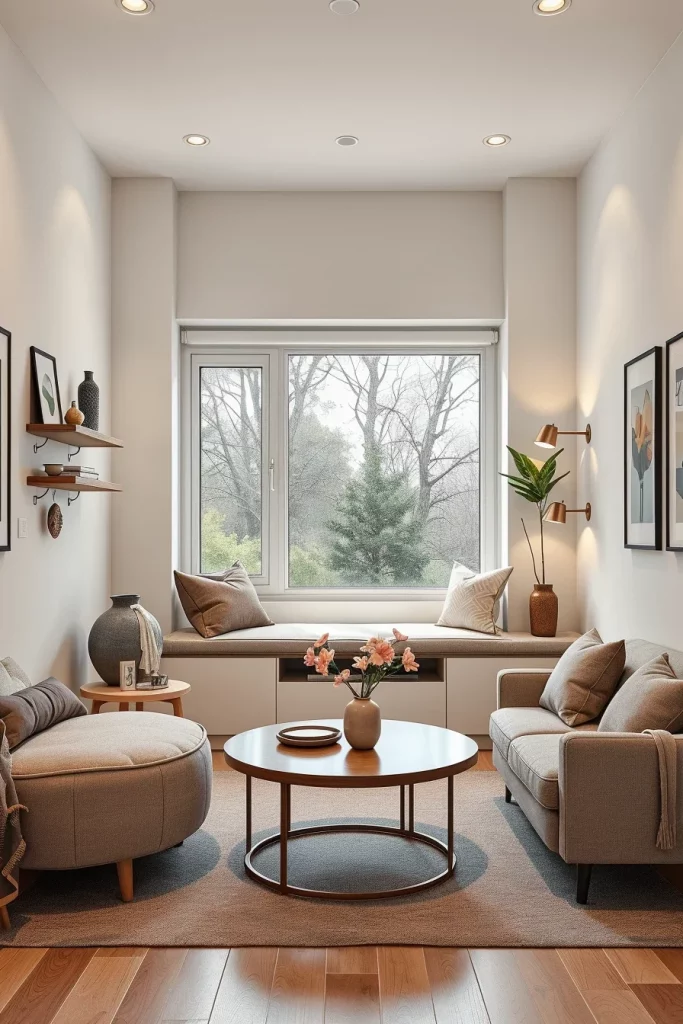
Many interior designers featured in House Beautiful frequently emphasize that multifunctional furniture is one of the smartest investments for compact homes. I completely agree because built-in seating eliminates unnecessary furniture while giving the room a custom-designed appearance that feels both practical and sophisticated.
To complete this section, I would include a narrow side cabinet with concealed storage and a soft upholstered ottoman that can function as additional seating whenever guests visit.
Elegant Window Styling For A Stylish Small Living Room
Window treatments often receive less attention than furniture, yet I believe they have a remarkable influence on how spacious a room feels. I prefer installing curtain rods close to the ceiling and extending them beyond the window frame, allowing the fabric to hang gracefully while making both the windows and ceilings appear taller. This simple adjustment creates an elegant visual effect that immediately improves the room.
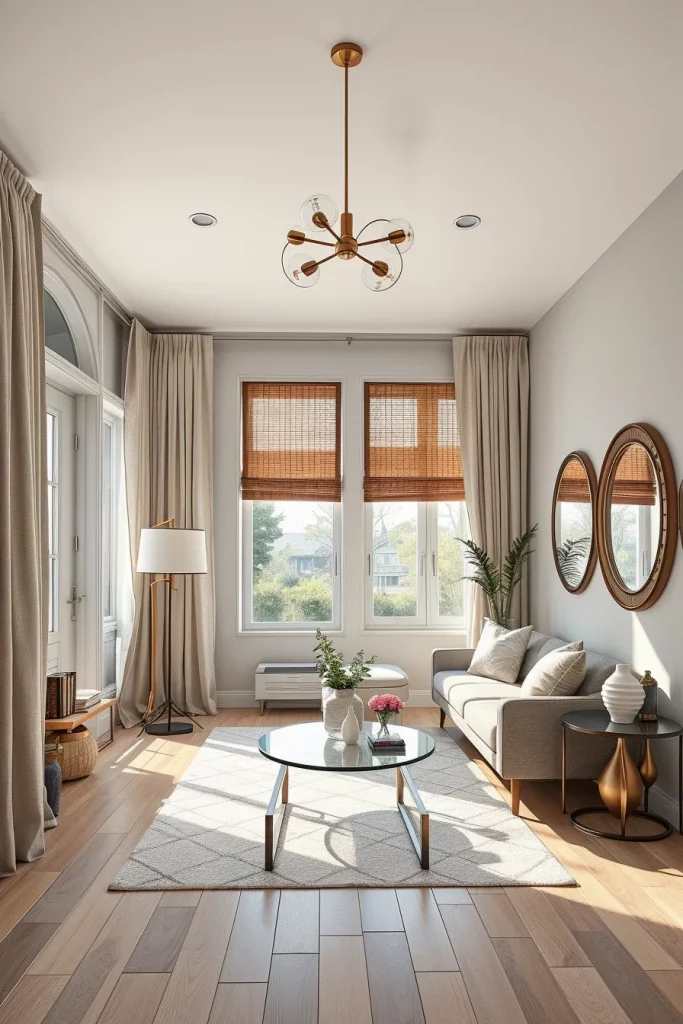
My preferred combination includes lightweight linen drapes, woven Roman shades, a comfortable sofa with slim arms, a sculptural floor lamp, glass coffee table, compact media console, and carefully selected decorative accessories. I avoid heavy fabrics because they absorb too much light, while lighter materials help sunlight travel freely throughout the room and highlight its architectural features.
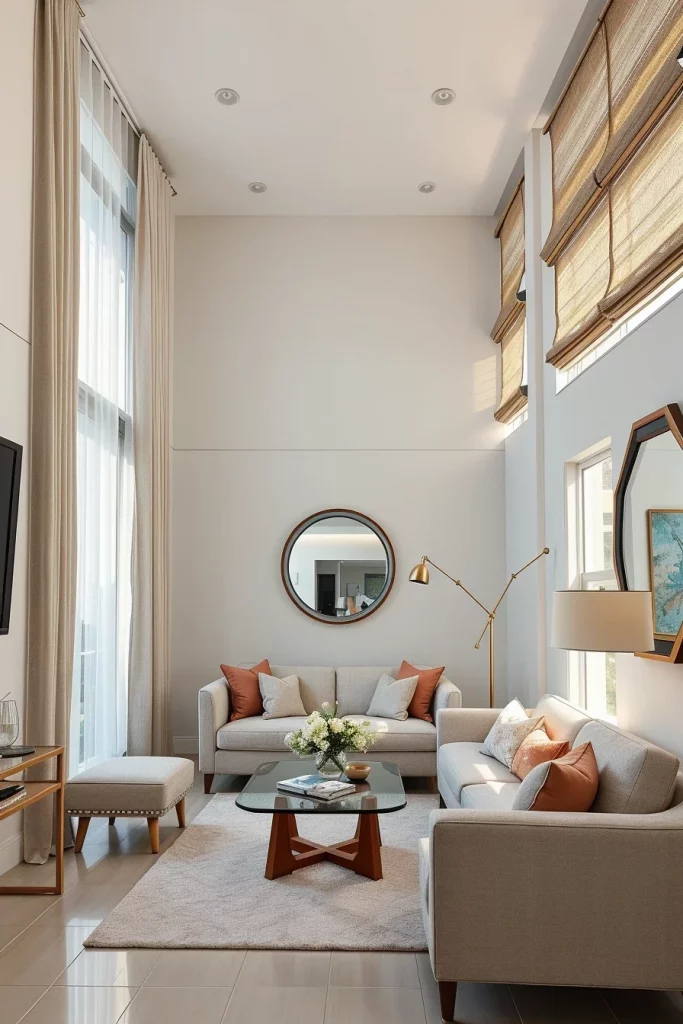
I often follow recommendations from designers published by Better Homes & Gardens, who consistently encourage homeowners to maximize natural light before introducing additional decorative elements. In my experience, allowing daylight to become part of the design creates a welcoming atmosphere that no artificial lighting can fully replace.
If I wanted to enrich this design further, I would introduce a decorative mirror opposite the windows to reflect daylight and visually double the sense of openness throughout the living room.
Nature-Inspired Decor Ideas That Create A Relaxing Atmosphere
Whenever I want a compact living room to feel calm and welcoming, I introduce natural materials through furniture, textiles, and carefully selected decorative details. Soft neutral colors, organic textures, and gentle curves create an environment that feels peaceful without becoming predictable. I find that this approach adds warmth while preserving the clean appearance that small rooms require.
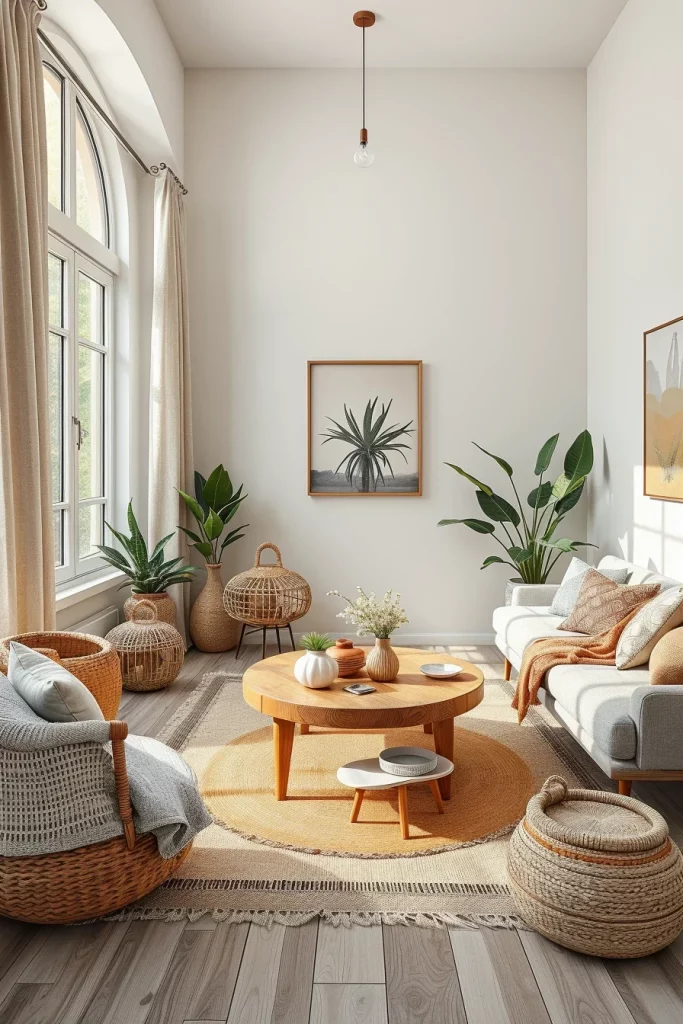
I like combining a comfortable sofa with textured upholstery, woven baskets, natural wood coffee tables, linen curtains, ceramic accessories, stone decorative objects, and several carefully placed indoor plants. Rather than filling every surface, I leave generous open areas so each decorative element can stand out while maintaining visual balance. This combination creates an artistic and relaxing atmosphere that feels timeless.
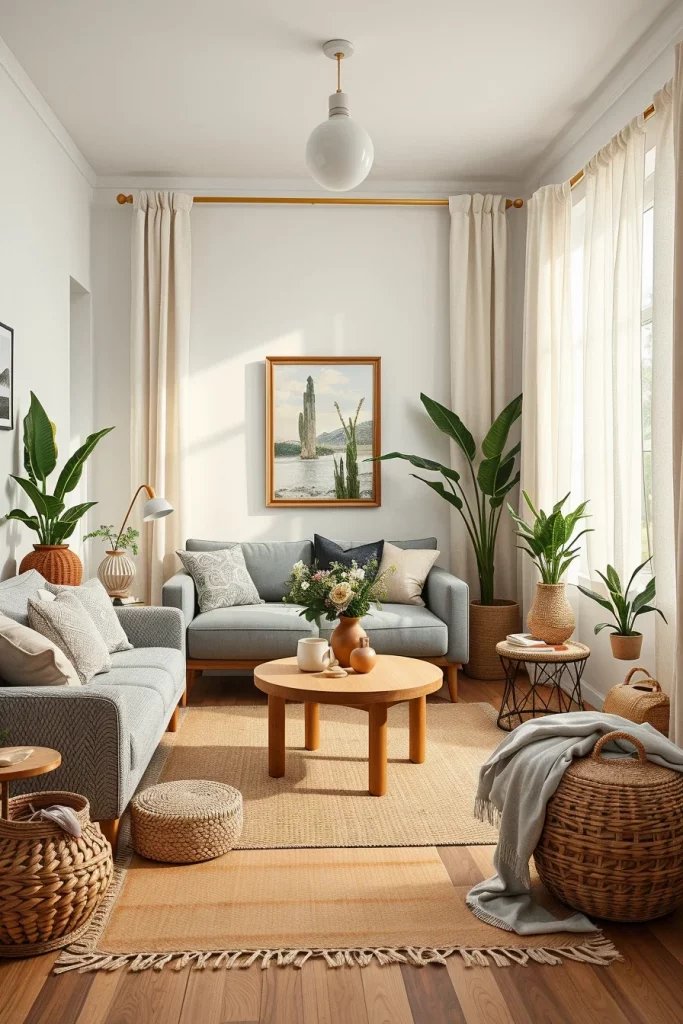
Many designers featured by Elle Decor encourage layering natural textures instead of relying solely on bold colors. I have found this advice especially valuable because texture adds visual richness without making a small room appear busy or confined.
One additional feature I would recommend is incorporating soft indirect lighting through wall sconces or concealed LED lighting to emphasize the textures and create an inviting atmosphere during the evening.
Sculptural Decor Accessories That Add Personality
I enjoy introducing sculptural accessories because they immediately give a small living room a distinctive identity without requiring extensive renovations. Rather than filling shelves with many small objects, I prefer selecting a few larger decorative pieces that serve as artistic focal points. This strategy keeps the room feeling organized while expressing personality in a refined way.
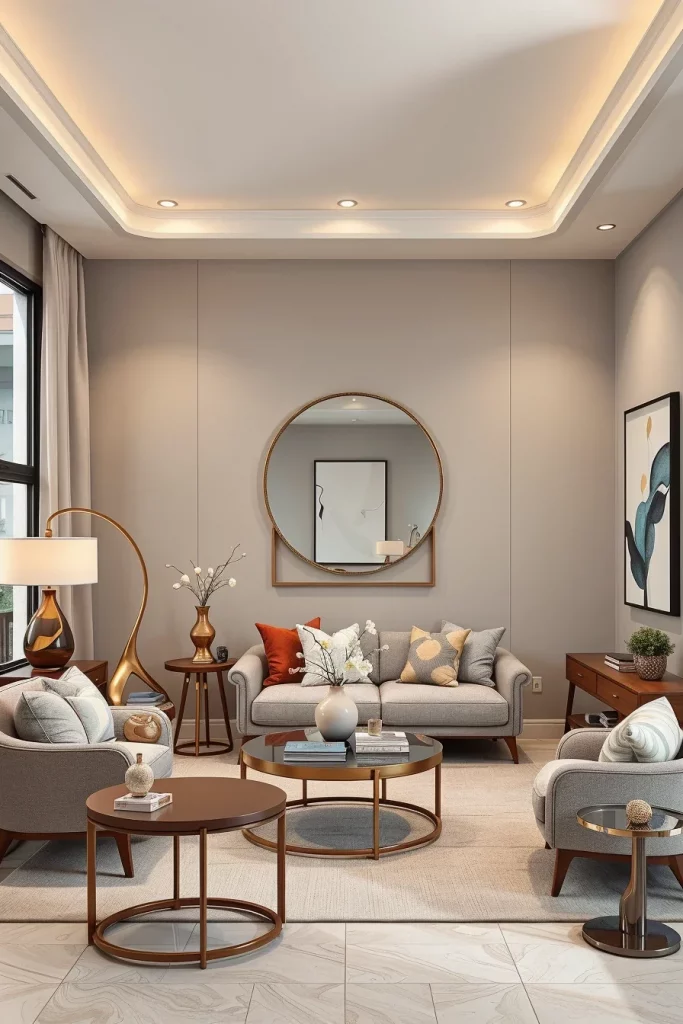
Some of my favorite additions include abstract ceramic sculptures, oversized vases, artistic table lamps, curved mirrors, rounded coffee tables, minimalist shelving, textured poufs, and statement artwork. Every piece contributes its own visual interest while supporting the overall composition. I intentionally maintain generous spacing between accessories so each object can be appreciated individually.
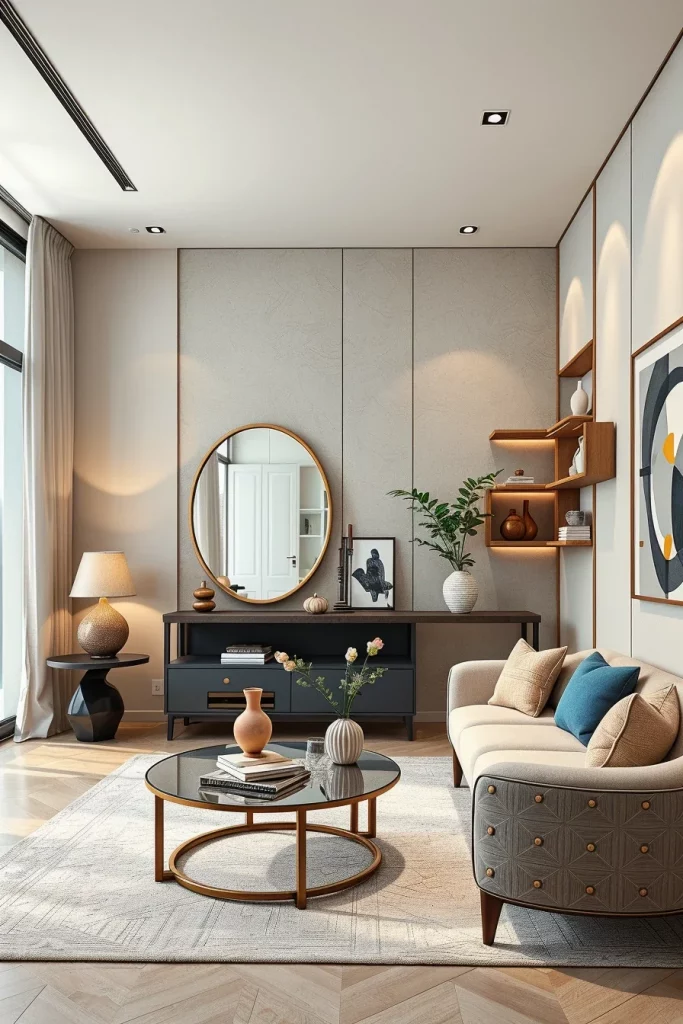
Interior stylists frequently recommend editing decorative collections instead of displaying everything at once, and I fully support that philosophy. I have consistently found that carefully curated accessories create a stronger impression than overcrowded shelves filled with numerous decorative items.
If I were completing this room, I would also introduce one striking ceiling light with sculptural lines to connect the furnishings and decorative accessories into one cohesive design.
Open Concept Small Living Room Decor Ideas That Flow Beautifully
When I decorate an open concept living room with limited square footage, I focus on creating natural visual transitions instead of separating areas with bulky furniture. I like arranging the seating area so it feels connected to the dining or kitchen space while still maintaining its own identity. A consistent color palette, repeated materials, and balanced proportions help the room feel larger and more harmonious. This approach creates one cohesive environment where every corner contributes to the overall design.
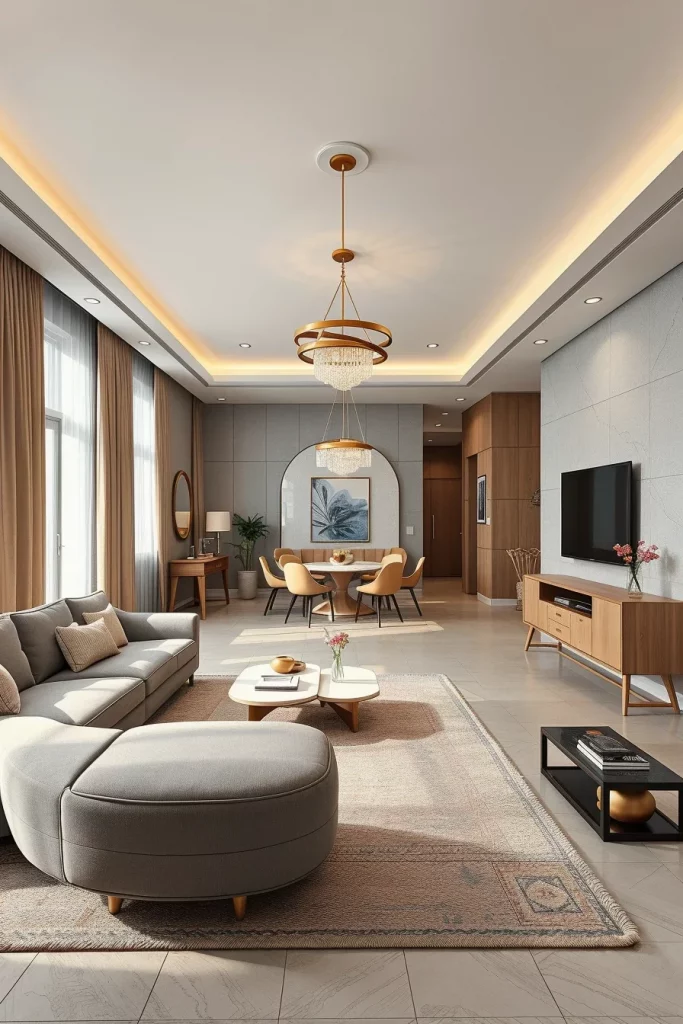
I usually begin with a comfortable sofa that faces the primary focal point, then add a pair of lightweight accent chairs that are easy to move when needed. A slim console table behind the sofa subtly separates the living area from the adjacent space while providing room for lighting and decorative accessories. I include a sculptural coffee table, textured area rug, floating media cabinet, and carefully selected artwork that ties the entire room together. Every furnishing has enough breathing room to preserve the feeling of openness.
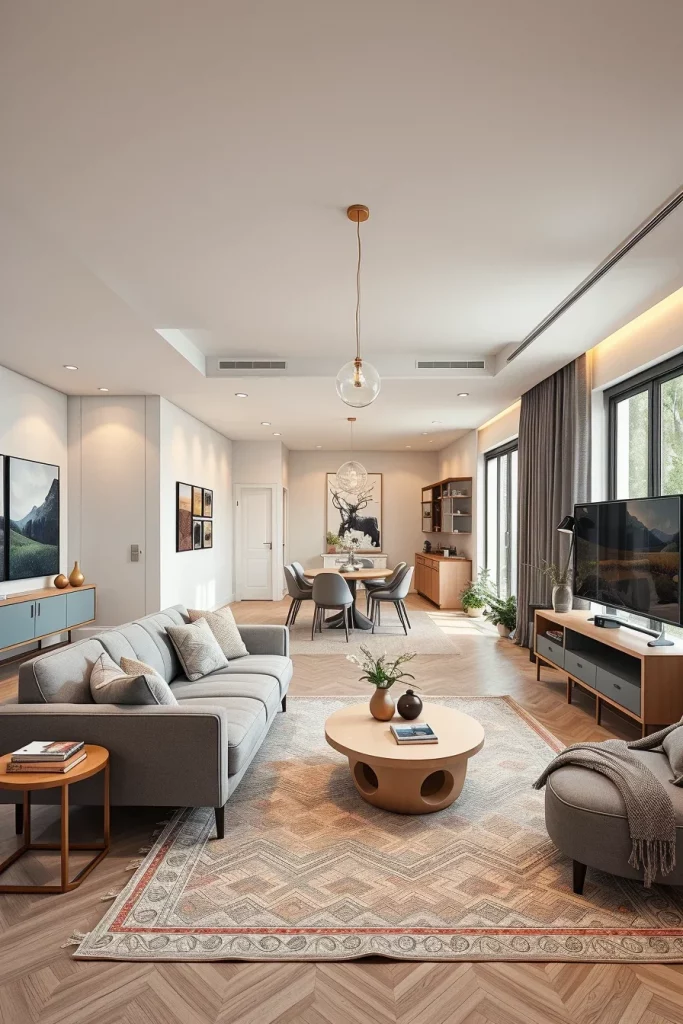
I often follow advice shared by designers featured in Better Homes & Gardens, who recommend repeating finishes and colors throughout open floor plans to create visual continuity. I have found this strategy extremely effective because the eye naturally moves through the room without abrupt interruptions, making the entire home appear more spacious and thoughtfully designed.
To complete this design, I would add one large statement pendant light centered above the seating area and introduce concealed storage furniture to minimize everyday clutter while preserving the elegant appearance.
Luxury-Inspired Details For Sophisticated Small Living Rooms
A small living room can feel refined without becoming excessive. I believe luxury comes from quality materials, thoughtful proportions, and careful styling rather than expensive decoration alone. Even in a compact room, subtle finishes and elegant details can create a welcoming atmosphere that feels timeless. I always aim for balance instead of excess so every decorative element has a purpose.
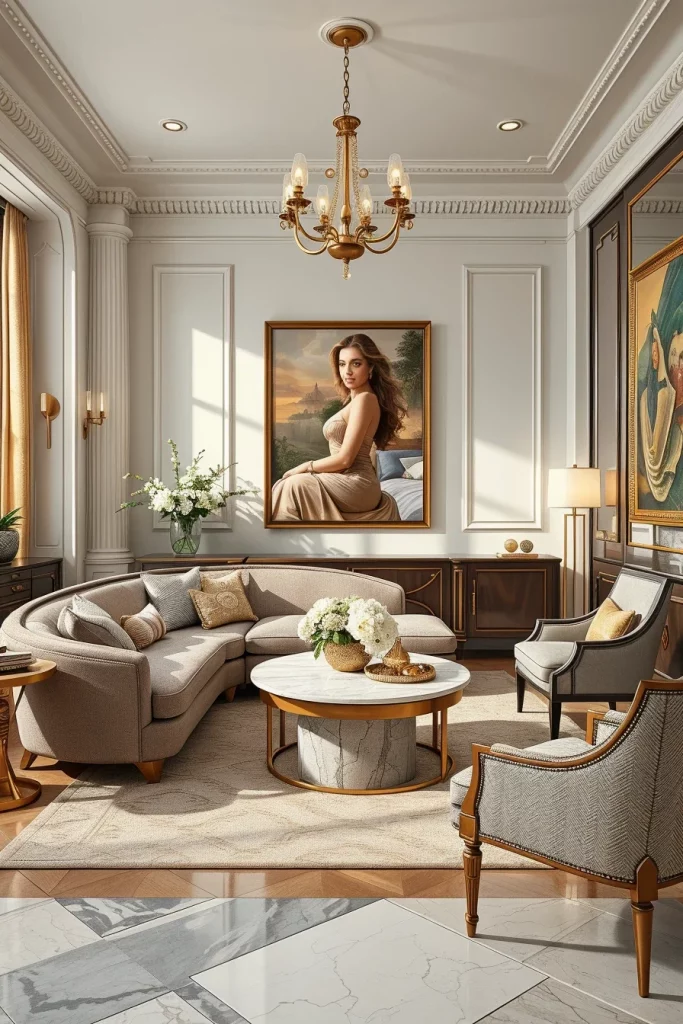
My preferred combination includes a curved sofa upholstered in soft fabric, a marble-top coffee table, brass lighting fixtures, fluted cabinet fronts, decorative wall molding, oversized artwork, layered textiles, and elegant ceramic accessories. I also incorporate rich textures through velvet cushions, boucle seating, and a soft wool rug. Together, these materials create depth while maintaining a calm and sophisticated palette suitable for everyday living.
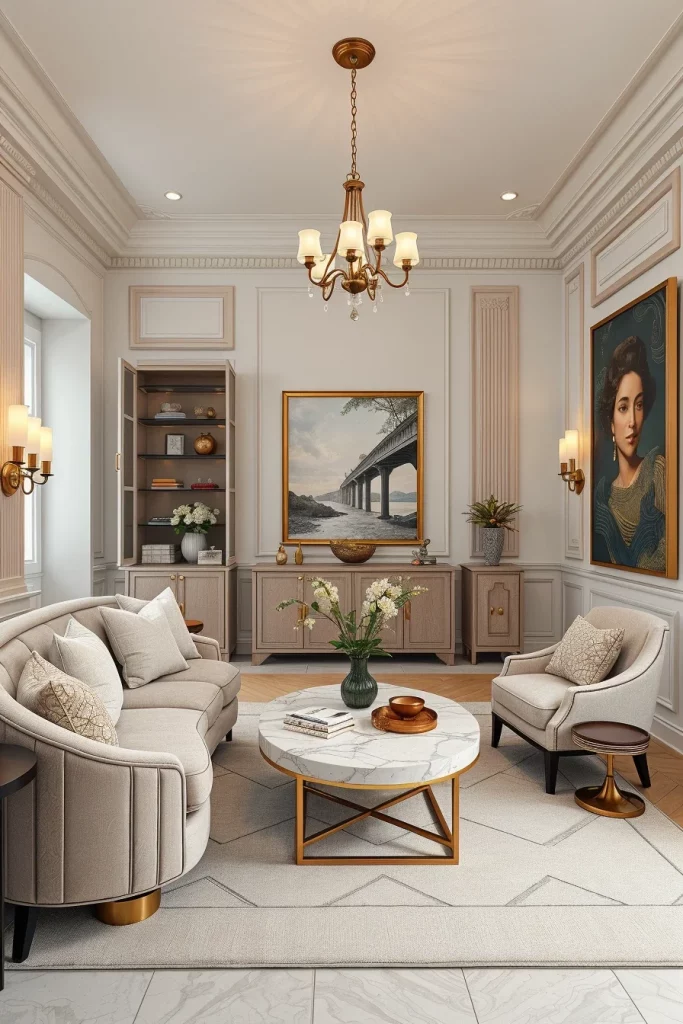
Architectural Digest frequently highlights that luxurious interiors depend on restraint as much as beautiful materials. I completely agree because limiting the number of finishes allows each one to stand out while preventing a small room from feeling visually overwhelming.
If I wanted to refine this room further, I would install dimmable wall sconces and add one oversized decorative mirror to amplify natural light while reinforcing the sophisticated atmosphere.
Unexpected Design Combinations That Make Small Living Rooms Stand Out
Some of my favorite interiors combine elements that are not traditionally paired together. I enjoy mixing rounded furniture with clean architectural lines, soft fabrics with polished stone, or contemporary artwork with handcrafted decorative objects. These unexpected combinations give a compact living room a memorable personality while maintaining visual harmony. The result feels creative without appearing random or cluttered.
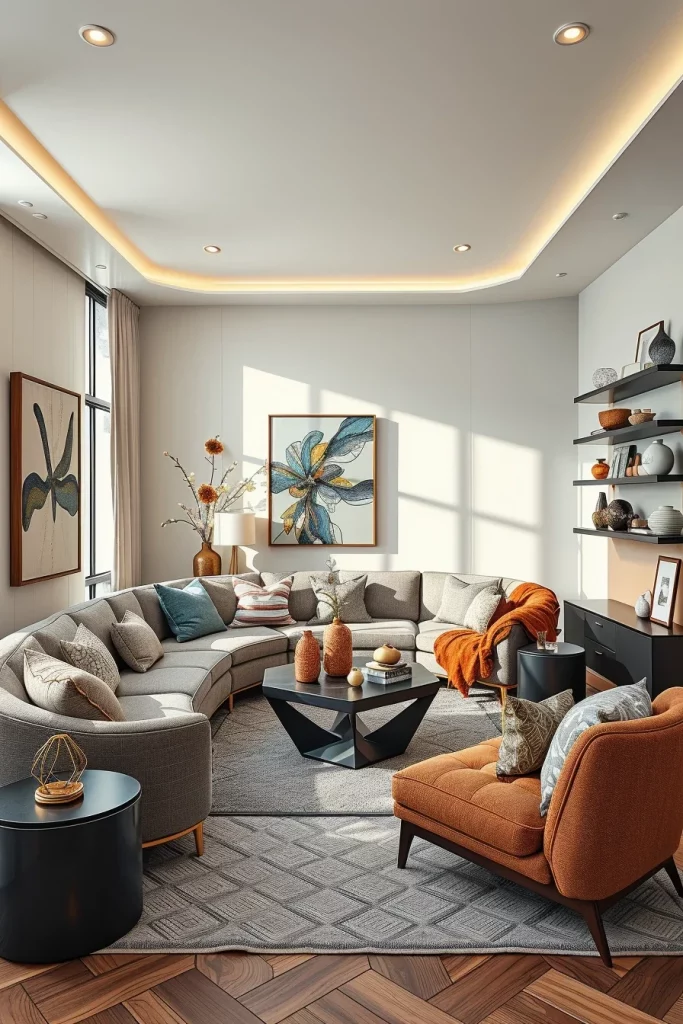
I often pair a curved sofa with an angular coffee table, combine textured upholstery with smooth glass surfaces, and introduce sculptural lighting alongside minimalist shelving. Abstract artwork, oversized ceramic vases, layered textiles, and unique side tables contribute additional character while supporting the overall composition. Each contrasting element serves as a conversation piece while remaining practical for daily living.
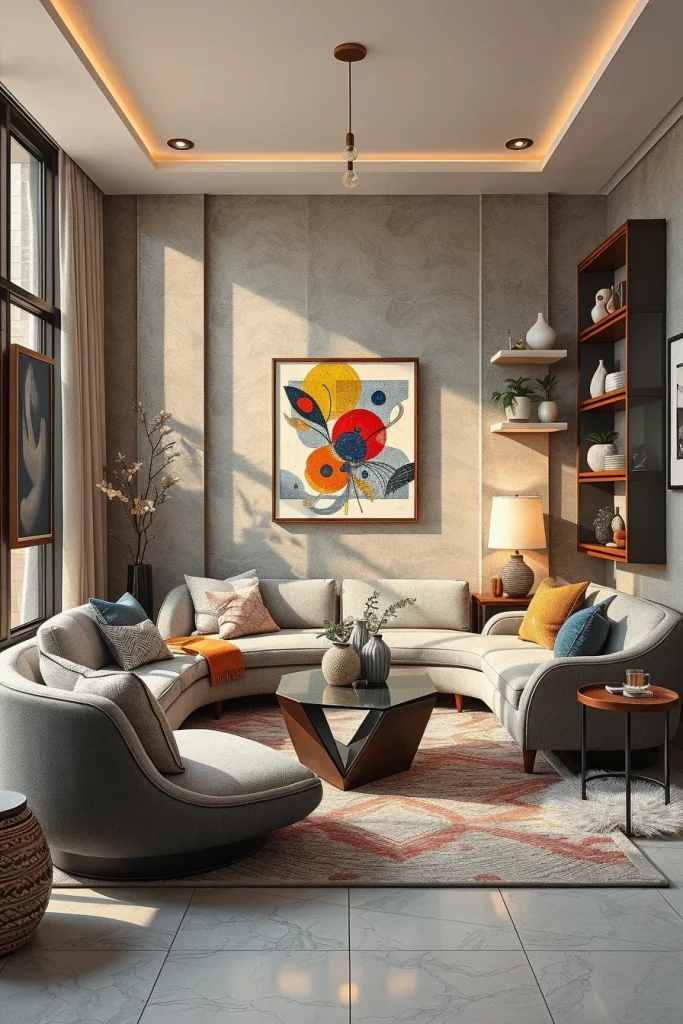
Design experts featured in Elle Decor often encourage homeowners to combine contrasting textures rather than relying on matching furniture collections. I have applied this principle many times, and it consistently creates interiors that feel collected over time instead of purchased all at once.
One feature I would still include is a custom storage cabinet with artistic front panels that functions both as practical storage and as a distinctive design feature within the room.
Designer Styling Secrets For A Polished Small Living Room
When I want a small living room to look professionally designed, I pay close attention to proportion, spacing, and visual layering. Rather than filling every empty corner, I intentionally leave open areas that allow the furniture and decor to stand out. This simple principle creates a calm environment where every object has room to breathe. Even compact spaces benefit from thoughtful editing.
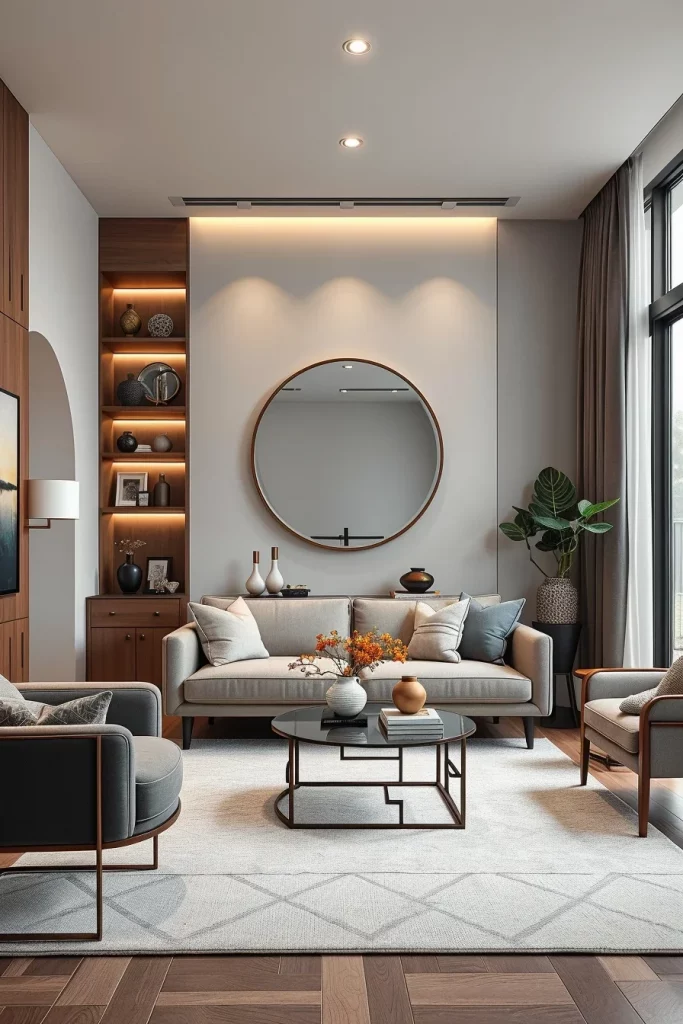
I usually combine furniture with slender legs, floating shelves, concealed storage, layered lighting, decorative books, sculptural accessories, and carefully selected textiles. I also repeat shapes throughout the room by using curved mirrors, rounded tables, and soft upholstery to establish visual consistency. Decorative trays, candles, and natural textures complete the arrangement without making surfaces appear crowded.
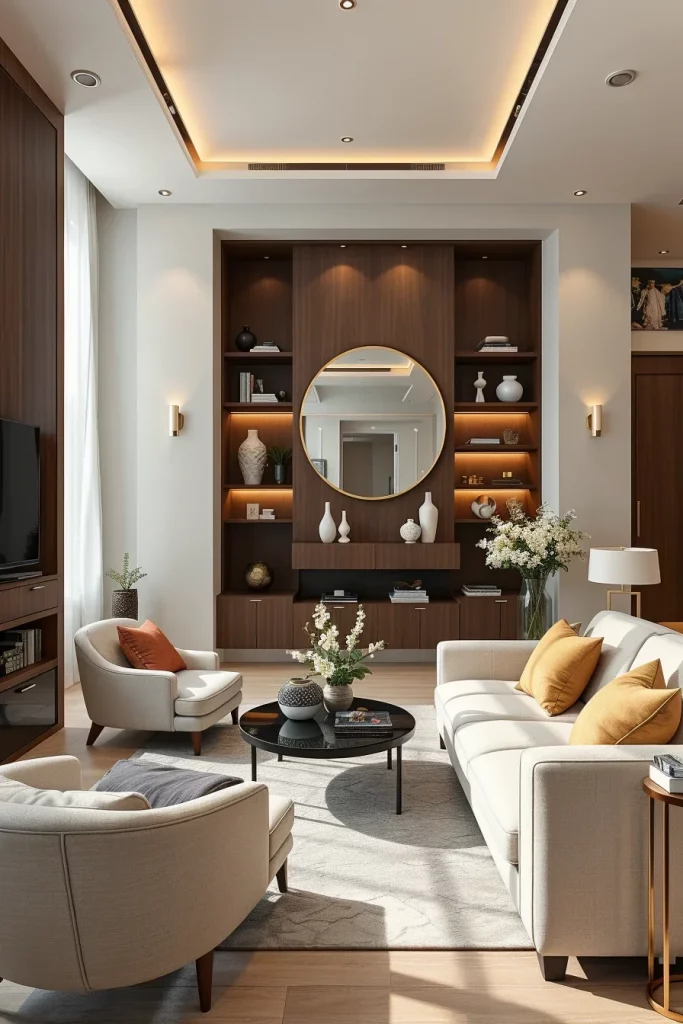
Many professional designers recommend stepping back during the decorating process and removing one or two accessories from each surface. I regularly follow this advice because reducing visual clutter almost always improves the overall balance of a compact living room.
If I were adding one final detail, I would introduce custom artwork scaled specifically for the wall dimensions so the room feels intentionally designed from floor to ceiling.
Timeless Small Living Room Decor Ideas That Never Go Out Of Style
Trends may change from year to year, but I always appreciate interiors built around timeless design principles. A balanced layout, comfortable seating, quality materials, and restrained decoration create living rooms that remain attractive for many years. Instead of chasing every new trend, I prefer investing in versatile furniture that can easily adapt to changing decorative accents over time.
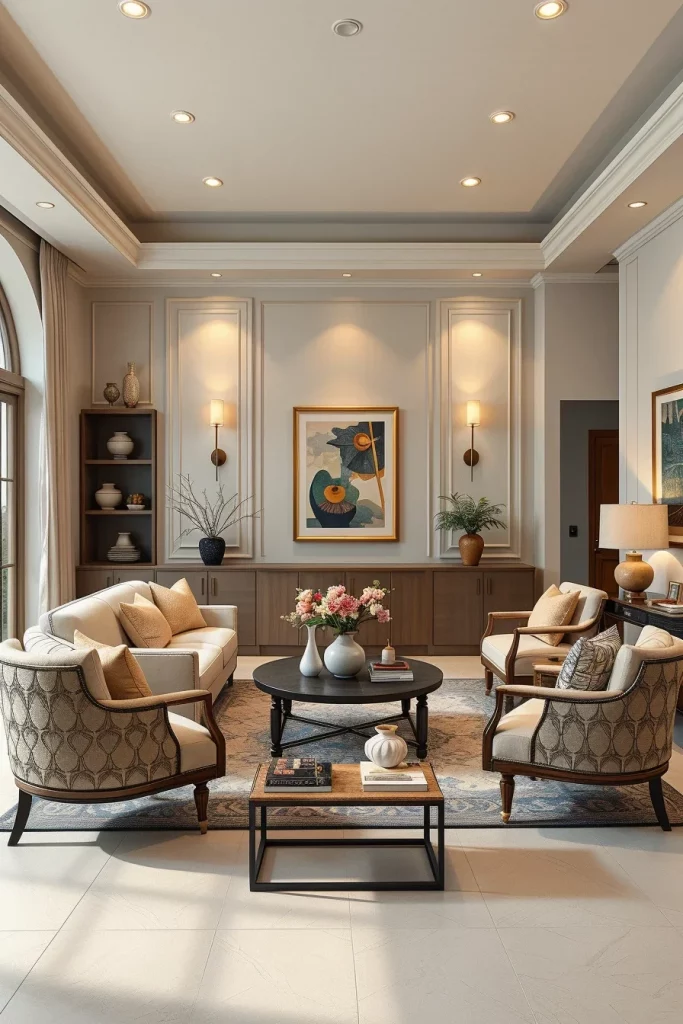
My ideal timeless living room includes a neutral sofa, classic armchairs, an elegant coffee table, layered lighting, built-in shelving, textured fabrics, framed artwork, ceramic accessories, and a carefully selected mix of natural materials. These elements work together to create a room that feels welcoming in every season while allowing smaller decorative pieces to evolve with personal style.
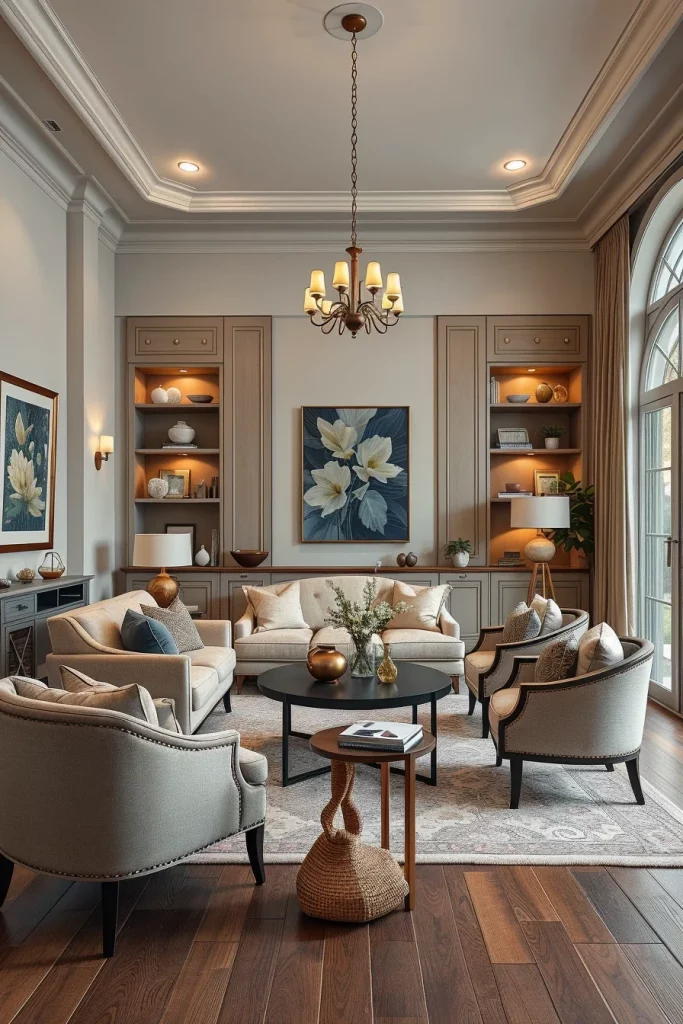
House Beautiful has long emphasized that lasting interiors prioritize comfort and functionality before decoration. I have consistently found that rooms designed around these principles remain beautiful long after temporary design trends have disappeared.
To make this room even more complete, I would incorporate subtle seasonal accessories that can be changed throughout the year without altering the room’s overall character or timeless appeal.
Decorating a small living room is all about making thoughtful choices that balance style, comfort, and functionality. With the right furniture, colors, lighting, and decorative details, even the most compact space can feel open, inviting, and full of personality. Use these small living room decor ideas as inspiration to create a home that reflects your taste while making every square foot work beautifully.