
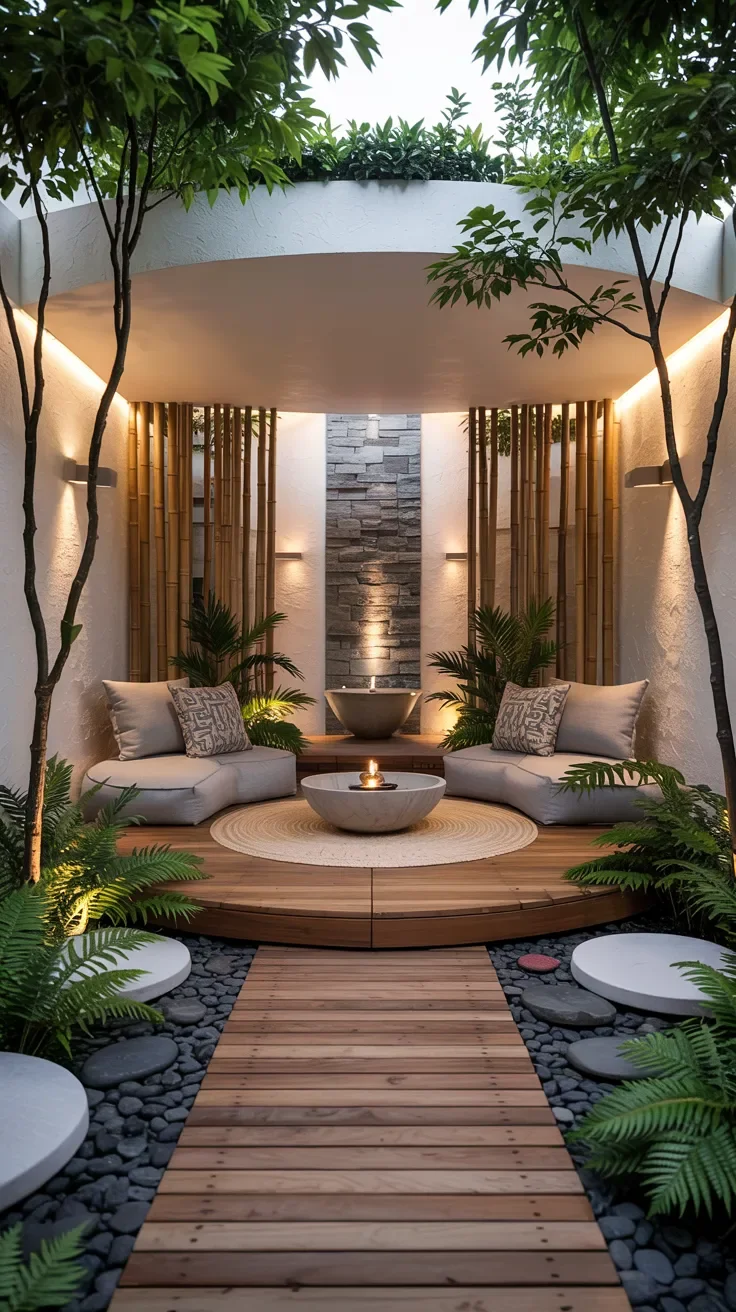
Outdoor living space 2026 trends are redefining how homeowners relax, entertain, and connect with nature at home. Modern outdoor areas are becoming true extensions of interior living spaces, combining comfort, technology, and stylish design in one seamless environment. From luxury patios and cozy fire pit lounges to eco-friendly landscaping and smart outdoor kitchens, this year’s ideas focus on both beauty and functionality. Designers are embracing natural materials, calming color palettes, and multifunctional layouts that work for every season. Whether you have a spacious backyard, a rooftop terrace, or a compact courtyard, the latest outdoor living trends offer inspiration for every type of home. In this article, you’ll discover the most creative and stylish outdoor living space ideas that will define 2026.
Smart Outdoor Lounges With Integrated Technology
I see one of the strongest trends in outdoor living space 2026 being the rise of smart lounges that combine comfort with intuitive technology. Modern homeowners want outdoor areas that function as naturally as indoor living rooms, which is why integrated lighting systems, hidden speakers, app-controlled pergolas, and weather-responsive shading systems have become increasingly popular. I prefer designing these lounges with open layouts, oversized sectionals, and subtle ambient lighting that creates a relaxed atmosphere both during the day and at night. The key is making the technology invisible while improving the overall outdoor experience.
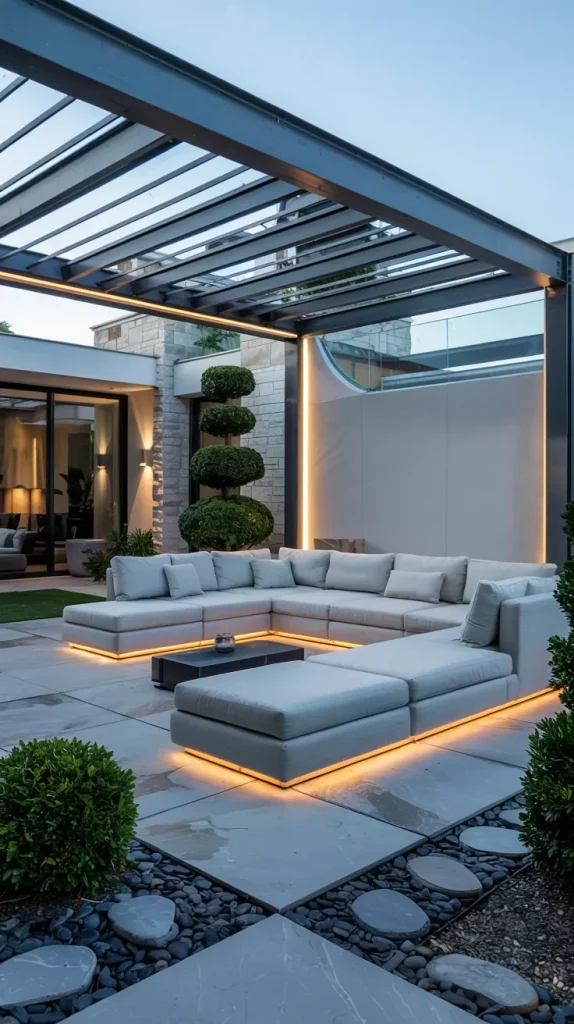
When I design smart outdoor lounges, I always focus on durable and sophisticated furniture pieces that can withstand changing weather conditions. Deep modular sofas with performance fabrics, stone-top coffee tables, integrated charging stations, and built-in LED pathway lighting are essential elements in my opinion. I also find that concealed outdoor televisions and ceiling-mounted infrared heaters help homeowners use their spaces throughout multiple seasons. Wireless audio systems and automated irrigation around surrounding greenery create an effortless luxury that feels highly modern without becoming overwhelming.
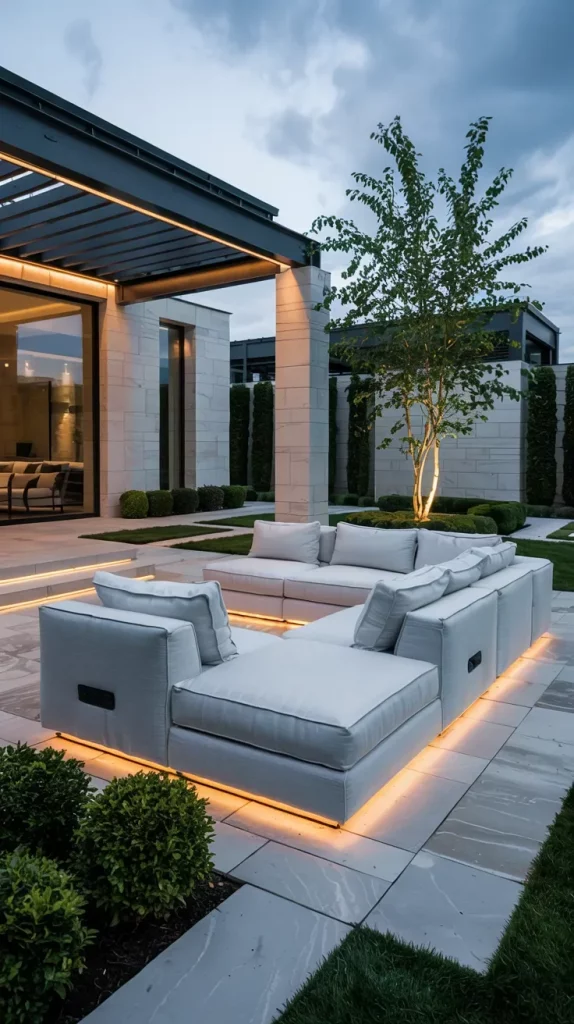
Personally, I believe technology should support relaxation rather than dominate the design. Architectural Digest recently highlighted how seamless smart integration is becoming more desirable than visibly futuristic features, and I completely agree with that approach. I often advise homeowners to prioritize layered lighting and climate control systems first because these upgrades immediately improve comfort and functionality. In my experience, subtle automation always ages better visually than trend-driven gadgets.
I would also add textured landscaping and natural stone accents to soften the modern technology-focused design. Without greenery, wood textures, and layered planting, smart lounges can sometimes feel too cold or overly engineered. I find that combining technology with organic materials creates a more balanced and inviting outdoor environment.
Minimalist Patio Designs With Clean Architectural Lines
Minimalist patios continue to dominate outdoor living space 2026 trends because they create a timeless and highly functional environment. I notice that homeowners increasingly prefer uncluttered outdoor layouts with clean architectural lines, neutral palettes, and simple geometric forms. In my designs, I use large-format concrete pavers, floating benches, and carefully selected sculptural furniture pieces to maintain visual harmony. This type of patio feels calm, sophisticated, and intentionally organized without appearing empty.
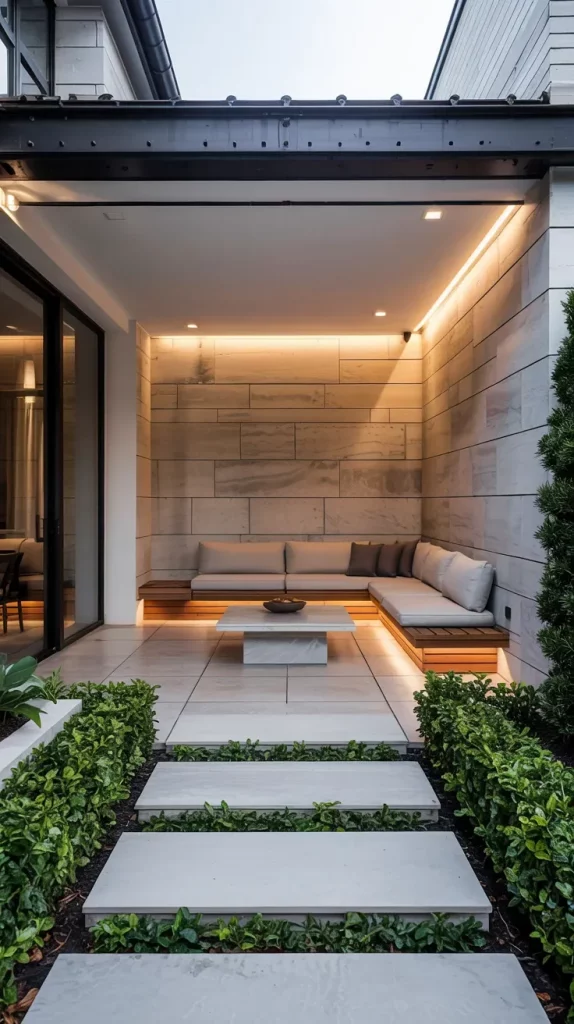
For furniture and decor, I usually recommend low-profile seating with matte black or natural teak finishes combined with linen-toned outdoor cushions. Streamlined dining tables, integrated planters, and concealed storage solutions help maintain the minimalist aesthetic while still supporting practical daily use. I also believe that built-in seating and hidden lighting systems are especially important because they reduce visual clutter while maximizing comfort. Oversized sliding glass doors connecting indoor and outdoor areas further strengthen the modern architectural look.
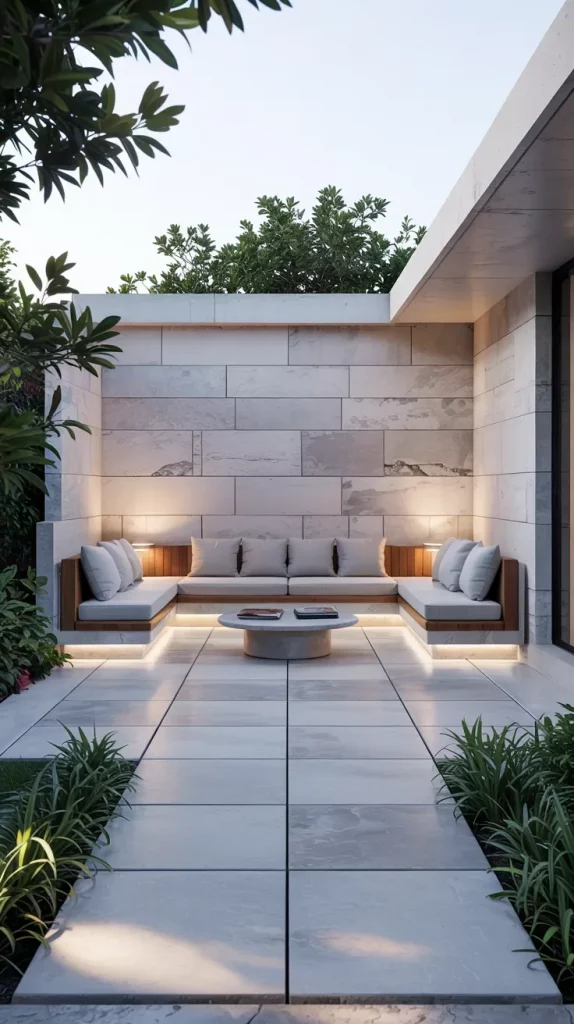
From my experience, minimalist outdoor spaces work best when every material serves both a visual and functional purpose. I often reference modern California outdoor designs featured by Elle Decor because they demonstrate how simplicity can still feel warm and luxurious. I personally avoid overcrowding these patios with excessive decor or too many furniture pieces. Instead, I focus on proportion, spacing, and material quality to create a refined atmosphere.
I also think minimalist patios benefit from incorporating subtle landscaping elements like ornamental grasses, olive trees, or structured hedges. These natural details soften the hard architectural lines while maintaining the clean aesthetic that defines this style.
Nature-Inspired Outdoor Living Spaces With Organic Materials
Nature-inspired concepts are becoming a defining feature of outdoor living space 2026 because homeowners are looking for more peaceful and restorative environments. I often create these spaces using earthy palettes, reclaimed wood, natural stone, woven textures, and layered greenery that visually connect the home with nature. The atmosphere should feel grounded and calming, almost like a private retreat hidden within the backyard. I find that curved pathways, uneven stone textures, and native landscaping help achieve this organic look beautifully.
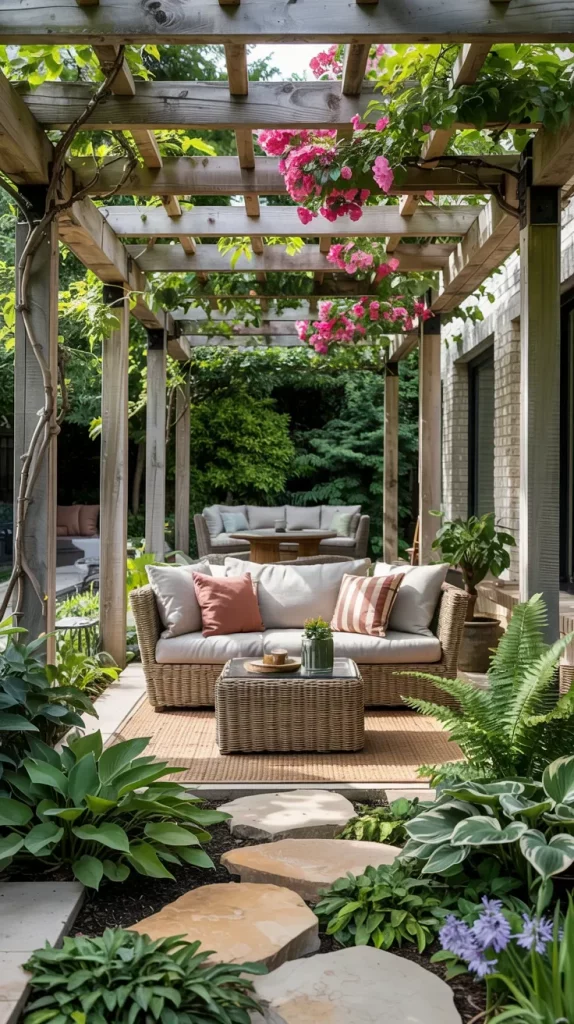
When selecting furniture for these outdoor spaces, I usually incorporate teak lounge chairs, rattan seating, handmade ceramic decor, and linen outdoor textiles in warm neutral tones. Stone fire bowls, water features, and pergolas wrapped with climbing plants create a softer and more immersive outdoor experience. I also recommend using gravel pathways and sustainable decking materials because they add texture while blending naturally with the surrounding environment. Organic designs work best when they feel slightly imperfect and relaxed rather than overly polished.
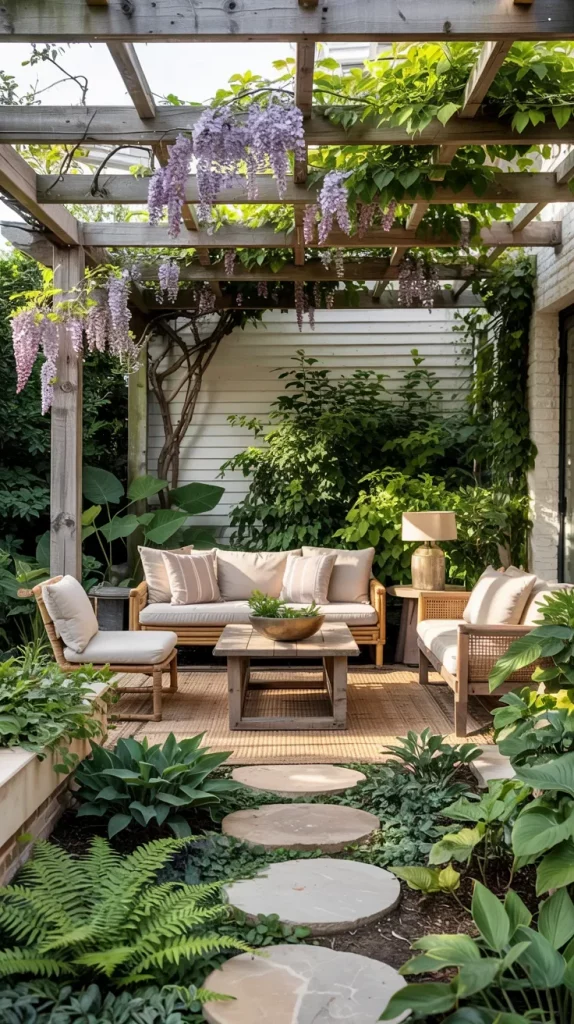
Personally, I believe biophilic design principles are becoming essential in modern outdoor planning. Better Homes & Gardens has frequently emphasized the emotional benefits of connecting living spaces with nature, and I see that reflected in homeowner preferences today. Clients often tell me they want outdoor areas that reduce stress and encourage slower daily routines. In my experience, layered greenery and natural materials consistently create the most emotionally inviting spaces.
I would also include outdoor lanterns, textured pottery, and native plants adapted to the local climate. These details improve sustainability while helping the space feel authentic rather than artificially styled.
Luxury Outdoor Kitchens For Modern Backyard Entertaining
Luxury outdoor kitchens are evolving into fully functional entertainment zones within outdoor living space 2026 designs. I see homeowners investing more heavily in complete culinary setups that include grilling stations, pizza ovens, wine refrigerators, prep counters, and covered dining areas. These outdoor kitchens are no longer secondary spaces; they are becoming central gathering areas for family events and social entertaining. I prefer layouts that flow naturally between cooking, dining, and lounging zones to create a seamless hosting experience.
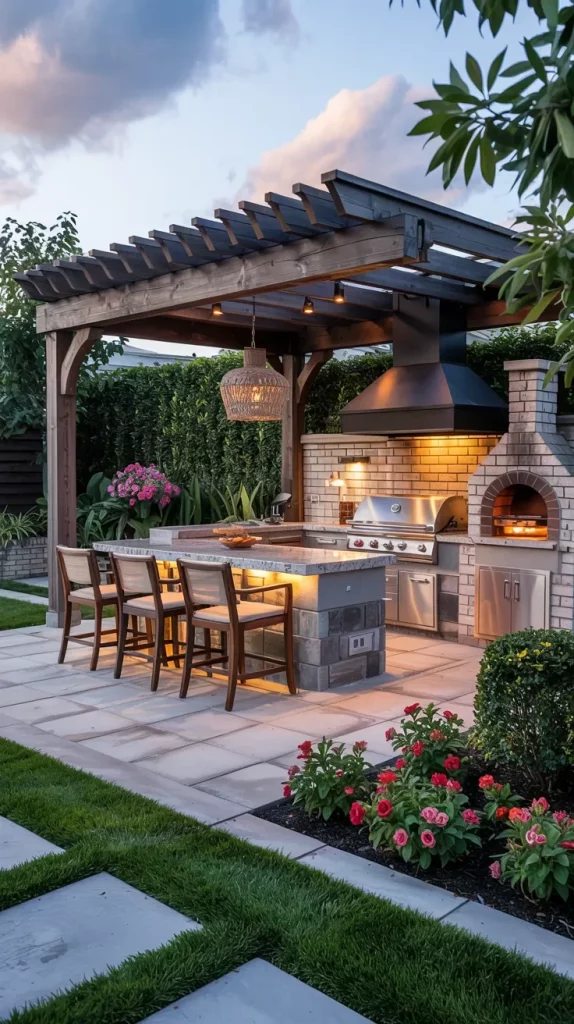
In my projects, I often use weather-resistant cabinetry, quartz countertops, stainless steel appliances, and oversized kitchen islands designed specifically for outdoor conditions. Comfortable bar seating, integrated lighting, and durable dining furniture are essential because these spaces are designed for long evenings outdoors. I also recommend adding ceiling fans, retractable shades, and outdoor storage solutions to improve both comfort and practicality. Large pergolas or covered roofs help protect the kitchen while visually defining the entertainment area.
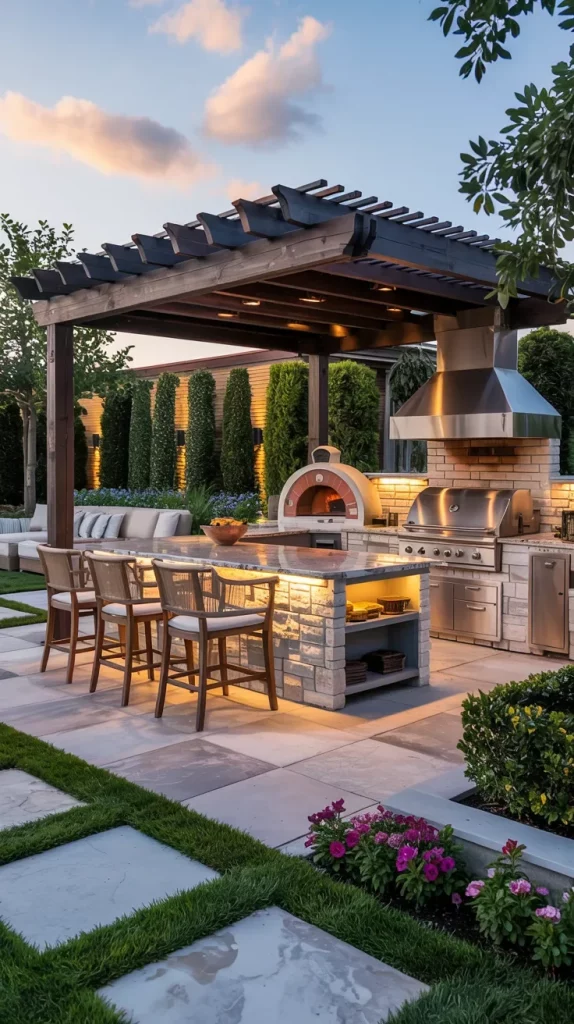
From my perspective, the most successful outdoor kitchens balance functionality with aesthetics. I often reference outdoor entertaining concepts featured by HGTV because they emphasize creating spaces that feel welcoming rather than overly commercial. In my experience, adding warm wood accents and ambient lighting helps luxury kitchens feel more personal and inviting. I also find that homeowners appreciate multifunctional layouts that allow guests to socialize comfortably while meals are being prepared.
I would additionally suggest incorporating herb planters, beverage stations, and hidden waste management systems. These details improve convenience while maintaining the polished appearance expected in luxury outdoor environments.
Cozy Fire Pit Seating Areas For Year-Round Comfort
Fire pit lounges remain one of the most practical elements of outdoor living space 2026 because they extend outdoor usability far beyond summer months. I like creating cozy seating arrangements centered around gas or wood-burning fire features that encourage conversation and relaxation throughout the year. Circular layouts work especially well because they naturally create intimacy and warmth. Layered lighting, textured fabrics, and surrounding landscaping make these spaces feel comfortable even during colder evenings.
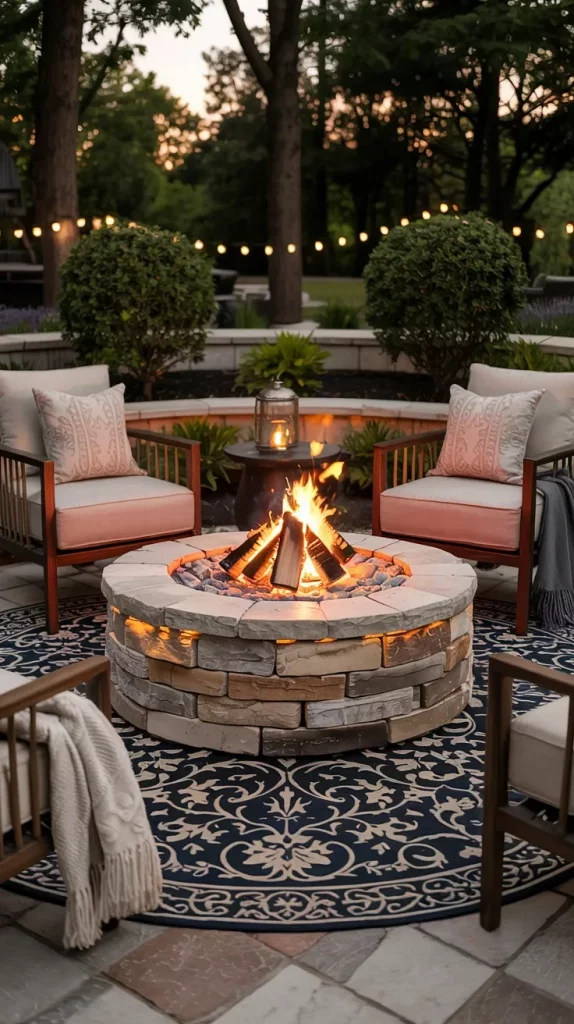
For seating, I typically recommend deep cushioned chairs, curved sectionals, weather-resistant poufs, and oversized blankets stored in nearby benches. Natural stone fire pits, concrete bowls, and linear fireplaces are all excellent choices depending on the architectural style of the home. I also believe outdoor rugs and side tables are essential because they make the lounge feel as complete and comfortable as an indoor living room. Subtle lighting integrated into pathways and retaining walls further enhances the atmosphere.
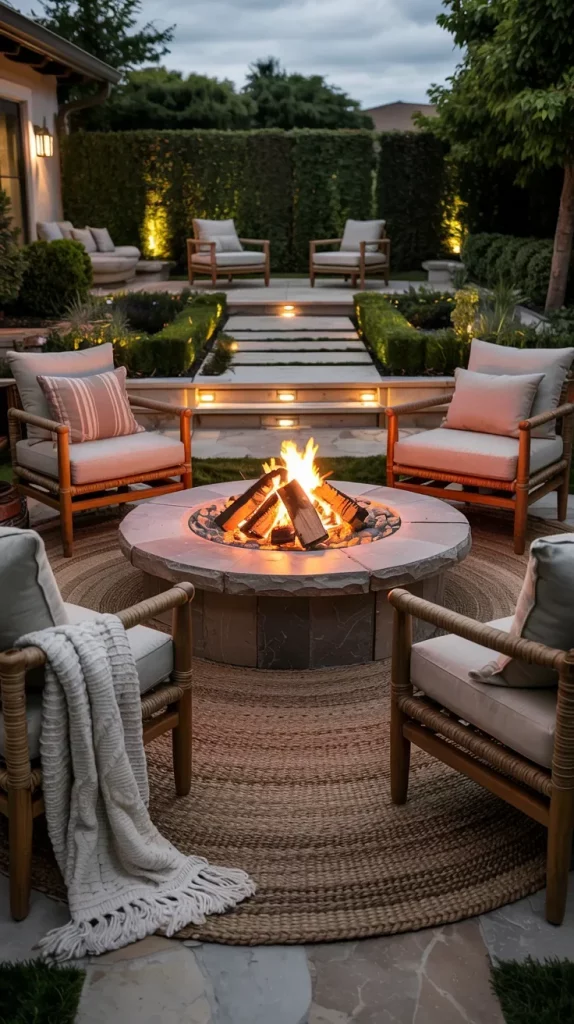
Personally, I find fire pit areas to be some of the most emotionally engaging outdoor spaces homeowners can create. Southern Living has frequently highlighted how outdoor fire features improve both entertaining and everyday relaxation, and I strongly agree with that perspective. In many of my projects, clients end up using these spaces far more often than expected because the environment naturally encourages people to gather and unwind.
I would also include partial wind protection through landscaping, decorative privacy screens, or pergola structures. These additions improve comfort significantly and allow the fire pit area to remain usable in changing weather conditions.
Sustainable Outdoor Living Ideas Using Eco-Friendly Decor
Sustainability has become one of the most influential directions in outdoor living space 2026, and I believe homeowners are now prioritizing long-term durability and environmental responsibility just as much as aesthetics. I often design eco-friendly outdoor areas using recycled materials, native landscaping, solar lighting, and water-conscious layouts that reduce maintenance while still looking elegant. Modern sustainable spaces no longer feel overly rustic or limited in style. Instead, they combine clean contemporary design with thoughtful environmental choices that support a healthier outdoor lifestyle.
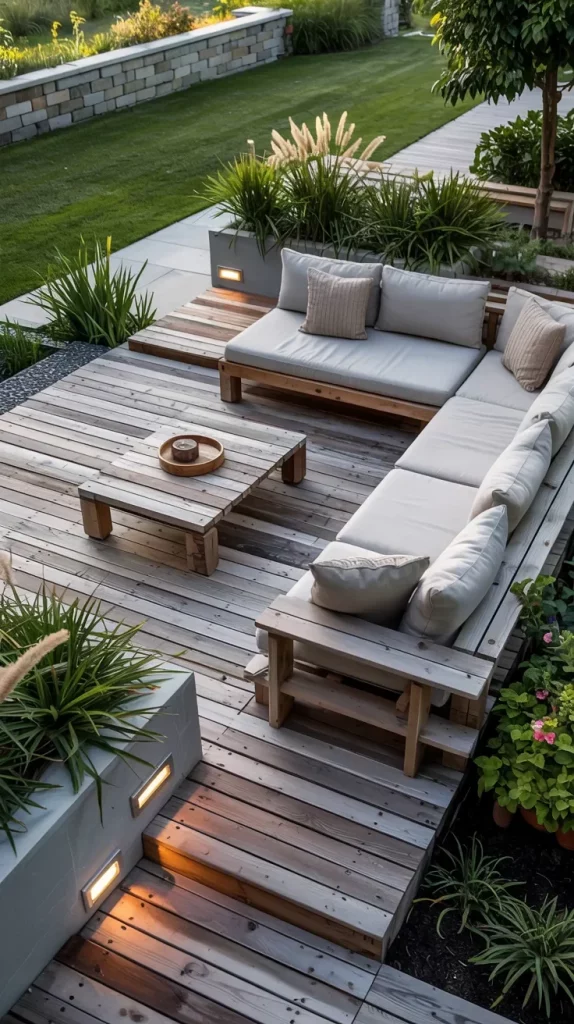
When selecting furniture and decor, I usually recommend reclaimed wood dining tables, recycled composite decking, weather-resistant fabrics made from sustainable fibers, and energy-efficient LED lighting systems. Large ceramic planters, drought-resistant plants, and rainwater collection systems also contribute to a more functional and environmentally aware design. I personally find that natural textures like jute rugs, woven lanterns, and unfinished wood finishes help eco-friendly spaces feel warm and visually balanced rather than overly engineered or sterile.
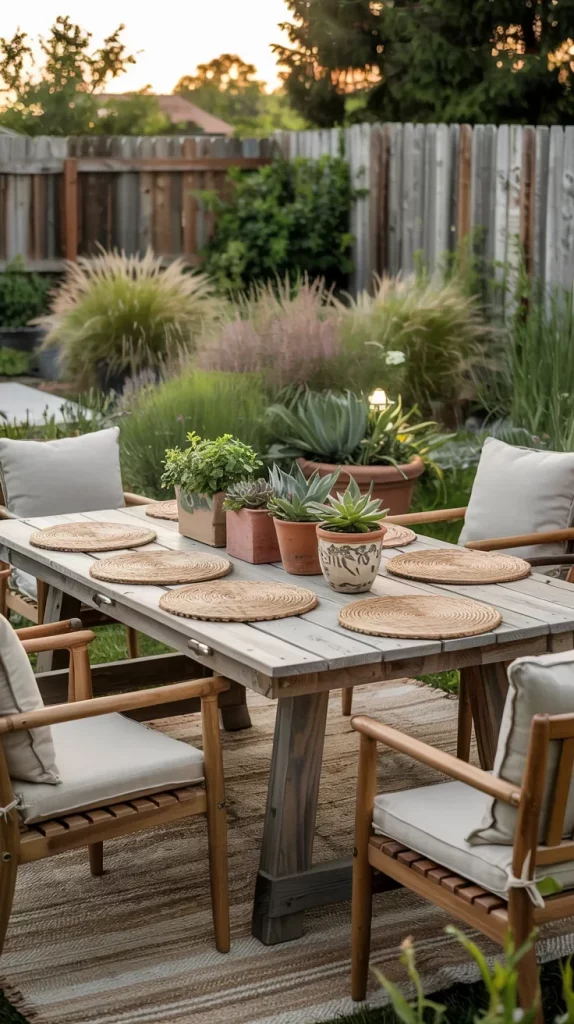
From my experience, sustainability works best when it feels effortless and practical instead of forced. Dwell Magazine has often emphasized that modern sustainable design should improve everyday living while minimizing environmental impact, and I strongly agree with that philosophy. Homeowners frequently appreciate how eco-conscious outdoor spaces lower maintenance costs while still delivering the comfort and beauty they expect from luxury outdoor environments. I always encourage investing in fewer but higher-quality outdoor pieces that will last for years.
I would also suggest incorporating edible gardens, composting stations, or pollinator-friendly landscaping into sustainable outdoor spaces. These additions improve functionality while creating a deeper connection between the homeowner and the surrounding environment.
Resort-Style Backyard Retreats With Spa-Inspired Features
One of the most luxurious approaches to outdoor living space 2026 is creating a backyard retreat inspired by high-end resorts and wellness spas. I notice more homeowners transforming their outdoor areas into private sanctuaries focused on relaxation, comfort, and mental well-being. These designs often include serene water features, oversized loungers, tropical landscaping, and calming neutral palettes that immediately create a vacation-like atmosphere at home. I prefer layouts that separate active entertaining areas from quieter wellness-focused zones for better balance and usability.
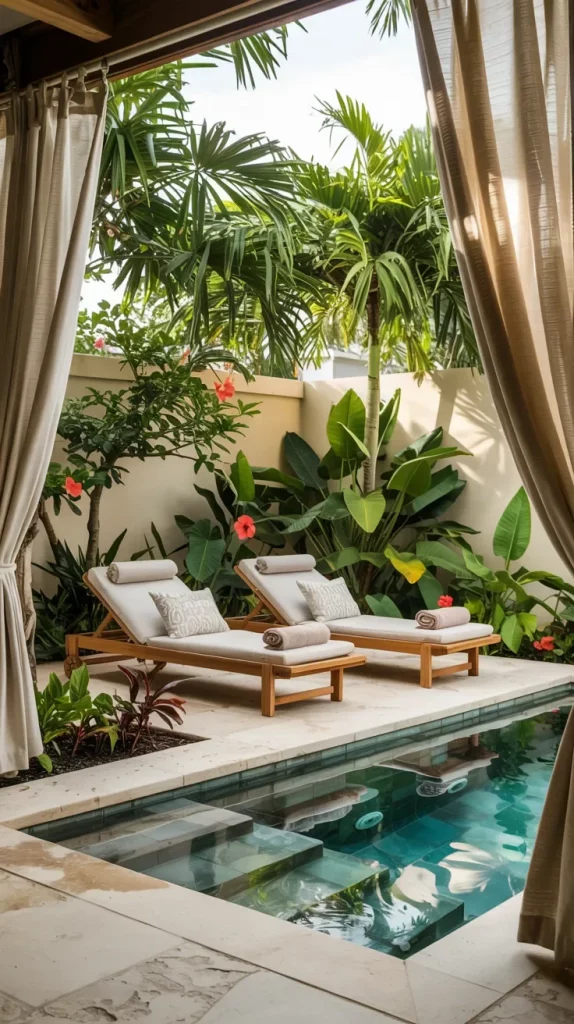
For furniture and design elements, I typically recommend teak chaise lounges, shaded cabanas, outdoor curtains, textured stone surfaces, and minimalist water fountains. Plunge pools, hot tubs, and outdoor showers are becoming especially popular because they elevate the backyard experience while supporting relaxation throughout the year. I also find that layered lighting, soft textiles, and integrated greenery help create the calm atmosphere associated with luxury resorts. Neutral tones combined with natural wood and stone materials make the space feel timeless and elegant.
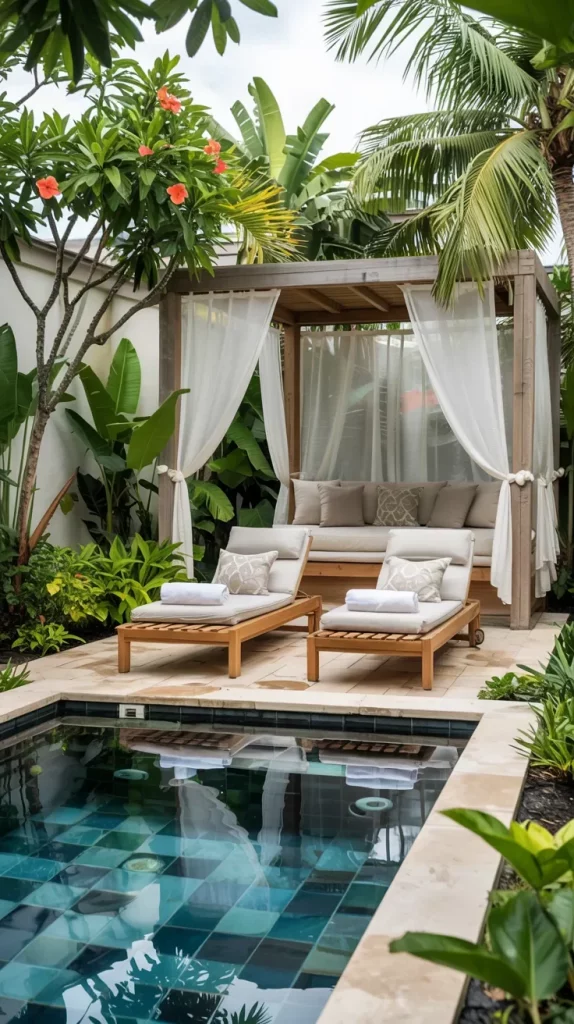
Personally, I believe wellness-oriented outdoor design is becoming increasingly important as homeowners seek spaces that support rest and recovery from busy daily routines. Architectural Digest has highlighted how resort-inspired outdoor spaces can positively affect mood and reduce stress, and I have seen that reflected in client preferences as well. In many of my projects, adding even a small spa-inspired corner completely changes how often the outdoor space is used.
I would additionally recommend including aromatherapy gardens with lavender, rosemary, or jasmine near seating areas. These sensory details enhance the overall experience and help create a more immersive and restorative outdoor retreat.
Outdoor Dining Spaces Designed For Large Gatherings
Large outdoor dining spaces are becoming a central feature of outdoor living space 2026 because homeowners increasingly value entertaining family and friends at home. I often design these spaces with long communal tables, layered lighting, and flexible seating arrangements that encourage comfortable social interaction. The goal is creating a dining environment that feels sophisticated yet relaxed enough for everyday use. Open layouts connected to kitchens and lounge areas help improve movement and make hosting gatherings feel more natural.
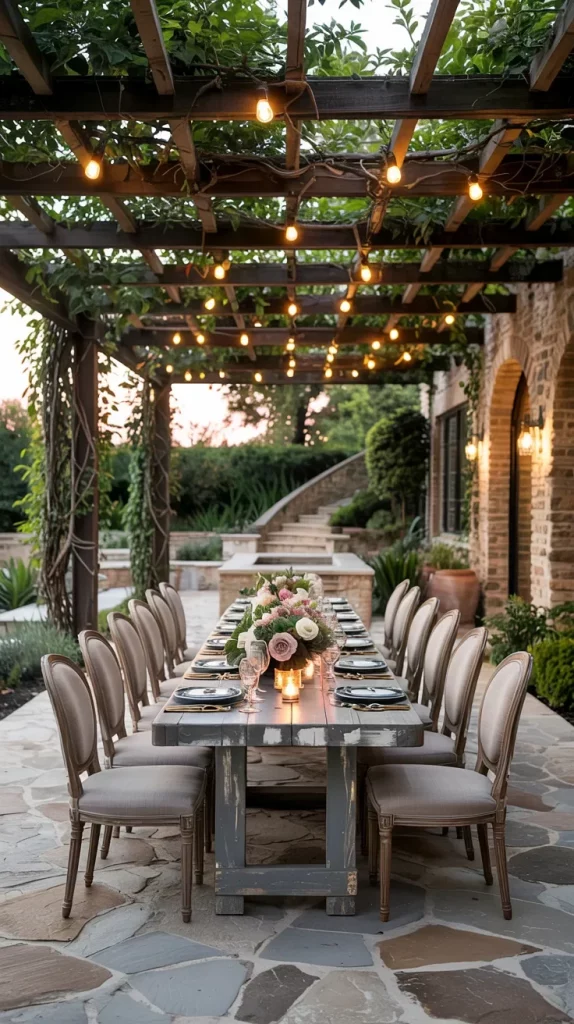
When selecting furniture, I usually recommend oversized weather-resistant dining tables, upholstered outdoor chairs, pendant lighting, and durable serving stations that simplify entertaining. Covered pergolas, retractable shades, and outdoor heating systems also improve comfort for guests throughout different seasons. I personally find that mixing natural materials like wood, linen, and stone creates a more inviting atmosphere than overly formal outdoor setups. Decorative centerpieces with lanterns, greenery, and ceramic accents further soften the dining area visually.
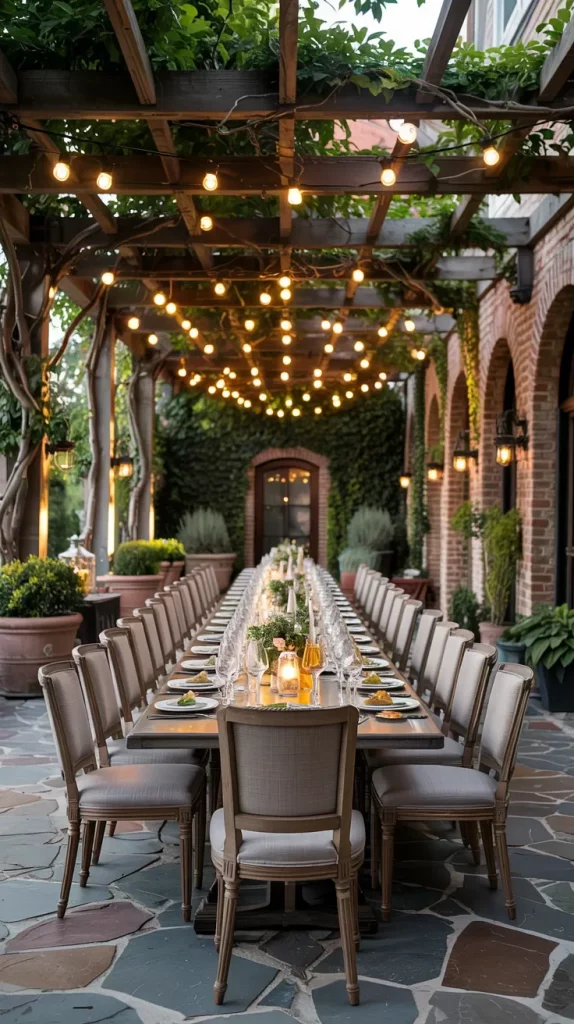
From my experience, successful outdoor dining spaces depend heavily on thoughtful lighting and circulation. House Beautiful frequently emphasizes that layered outdoor lighting is essential for creating a welcoming entertaining environment, and I completely agree with that advice. I often encourage homeowners to include multiple seating zones nearby so guests can comfortably transition between dining and conversation throughout the evening.
I would also add an outdoor beverage station or concealed serving counter close to the dining area. These additions improve functionality while allowing hosts to entertain more comfortably without constantly returning indoors.
Covered Patio Concepts With Contemporary Pergolas
Covered patios continue to define outdoor living space 2026 because they allow homeowners to enjoy outdoor areas comfortably in changing weather conditions. I prefer contemporary pergola designs with sleek architectural profiles, adjustable louvers, and integrated lighting systems that blend seamlessly with modern home exteriors. These structures not only provide shade and protection but also visually frame the outdoor living area, making the backyard feel more complete and intentional.
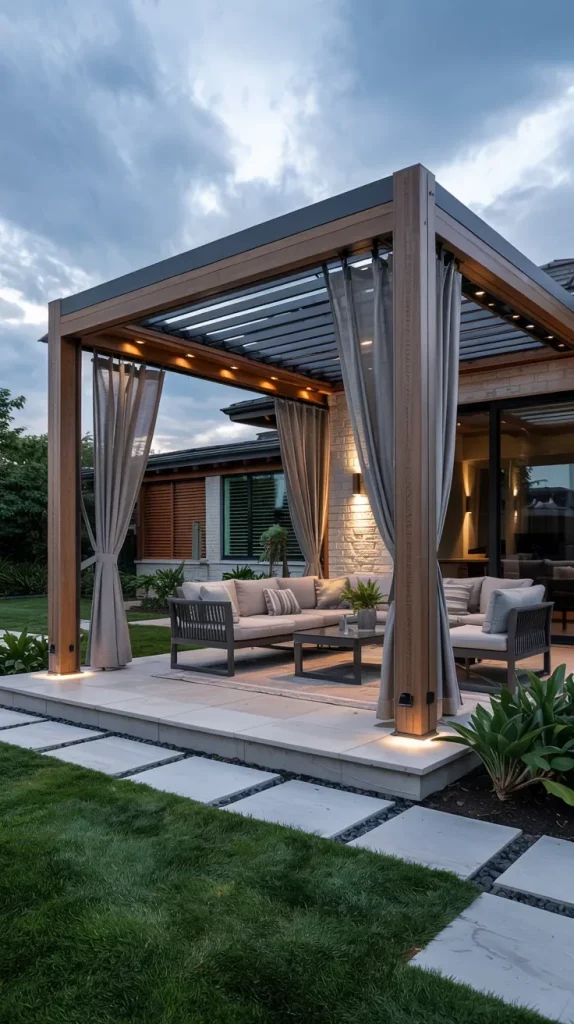
In my designs, I often combine aluminum pergolas with wood accents, outdoor ceiling fans, recessed lighting, and neutral-toned furniture to create a refined and highly functional atmosphere. Comfortable sectionals, outdoor curtains, and textured rugs help soften the architectural lines while maintaining a clean modern appearance. I also recommend incorporating climbing greenery or suspended planters to add warmth and natural texture to contemporary patio structures. Built-in heaters and retractable screens can significantly improve year-round usability.
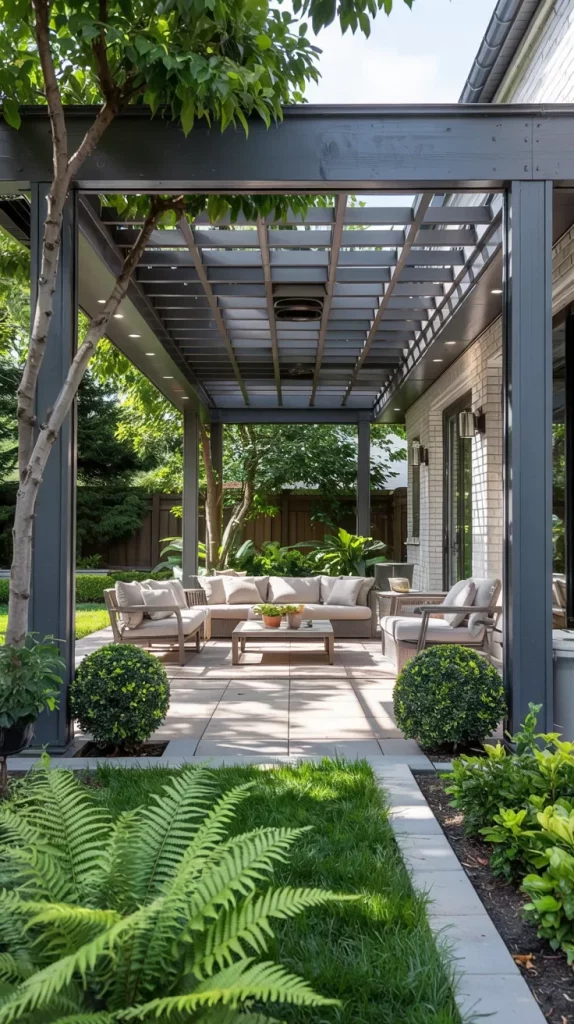
Personally, I believe pergolas are one of the most versatile investments homeowners can make in outdoor design. Elle Decor has highlighted how modern pergolas are evolving into fully customizable outdoor rooms rather than simple shade structures, and I strongly agree with that direction. In my experience, homeowners use covered patios far more frequently because they feel protected and comfortable regardless of weather conditions.
I would additionally suggest integrating hidden drainage systems and weatherproof storage solutions into pergola designs. These details improve long-term maintenance and help preserve the clean architectural appearance of the space.
Multifunctional Outdoor Spaces For Small Backyards
Designing small yet highly functional outdoor areas is one of the most practical challenges within outdoor living space 2026. I often work with compact backyards where every design decision must maximize usability without making the space feel overcrowded. Multifunctional layouts that combine dining, lounging, storage, and greenery within a limited footprint are becoming increasingly important for urban homeowners. I prefer using layered zoning techniques that visually separate functions while maintaining an open and airy atmosphere.
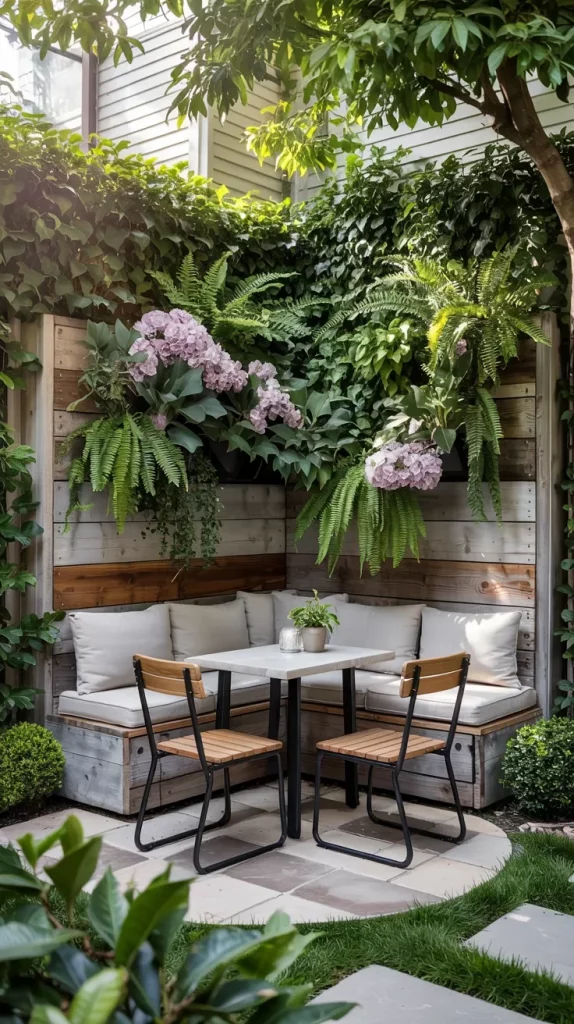
For furniture, I usually recommend modular seating, foldable dining tables, built-in benches with storage, and vertical gardens that save valuable floor space. Slim-profile furniture pieces, light neutral colors, and reflective surfaces help smaller backyards appear larger and brighter. I also find that multifunctional fire tables and movable planters provide flexibility while maintaining visual simplicity. Integrated lighting under benches and along pathways further improves the atmosphere without adding clutter.
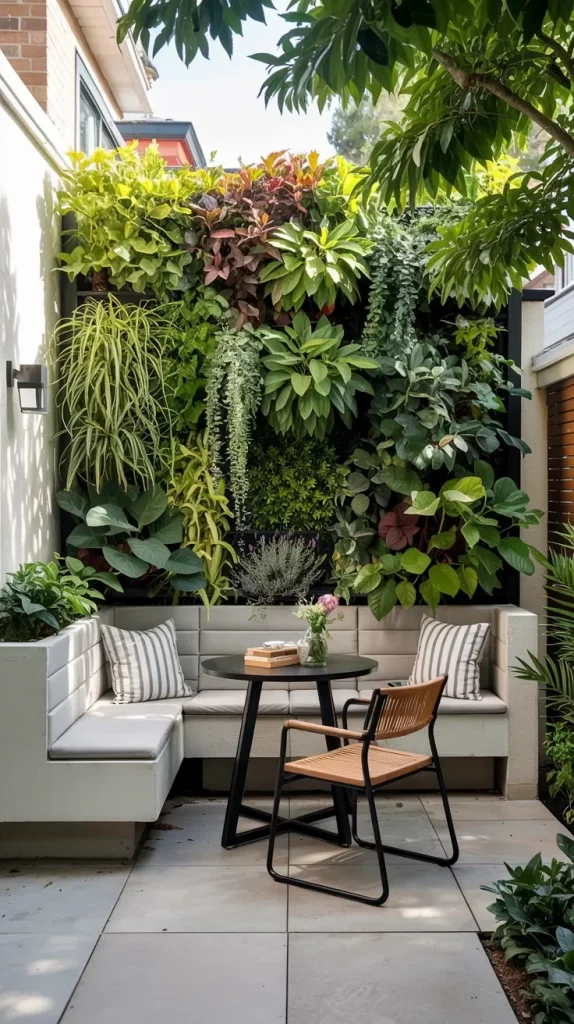
From my perspective, successful small outdoor spaces rely more on thoughtful planning than square footage. Better Homes & Gardens often emphasizes the importance of vertical design and flexible furniture in compact outdoor areas, and I have found this advice extremely effective in real projects. In many cases, small backyards can feel more inviting and efficient than oversized outdoor spaces because every detail serves a clear purpose.
I would also recommend adding mirrors, layered greenery, and partially transparent privacy screens. These elements improve depth, enhance natural light, and create a more comfortable sense of separation without visually shrinking the backyard.
Outdoor Living Rooms With Weatherproof Designer Furniture
I see one of the strongest trends in outdoor living space 2026 designs being the creation of true outdoor living rooms that feel as sophisticated as indoor spaces. Homeowners are moving away from simple patio seating and investing in complete lounge environments with layered textures, oversized sectionals, and architectural layouts. I recommend using covered pergolas, large-format porcelain pavers, and soft neutral palettes to create a polished atmosphere that feels inviting in every season. The practicality of weatherproof materials is especially important because these spaces are expected to handle sun, rain, and changing temperatures without losing their refined appearance.
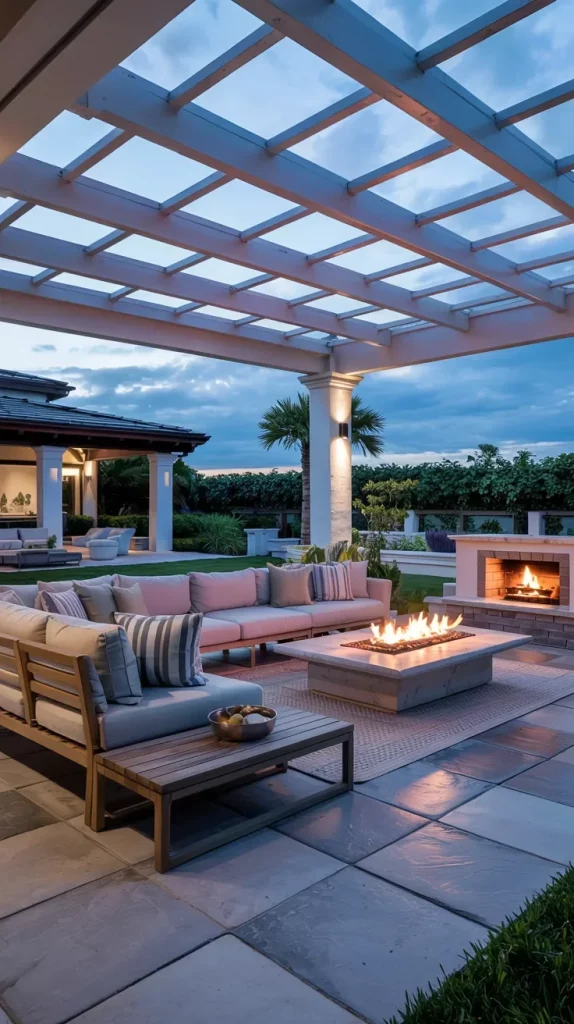
I always suggest incorporating designer-grade performance furniture made from powder-coated aluminum, teak, and all-weather wicker because these materials maintain their beauty while resisting moisture and fading. Deep modular sofas with performance fabric cushions instantly make the space feel luxurious and functional for entertaining. I also recommend adding textured outdoor rugs, ceramic side tables, sculptural lanterns, and low-profile fire pits to create visual warmth. Built-in shelving or concealed outdoor storage benches help keep the area organized while maintaining the clean aesthetic that defines many luxury outdoor patio ideas for 2026.
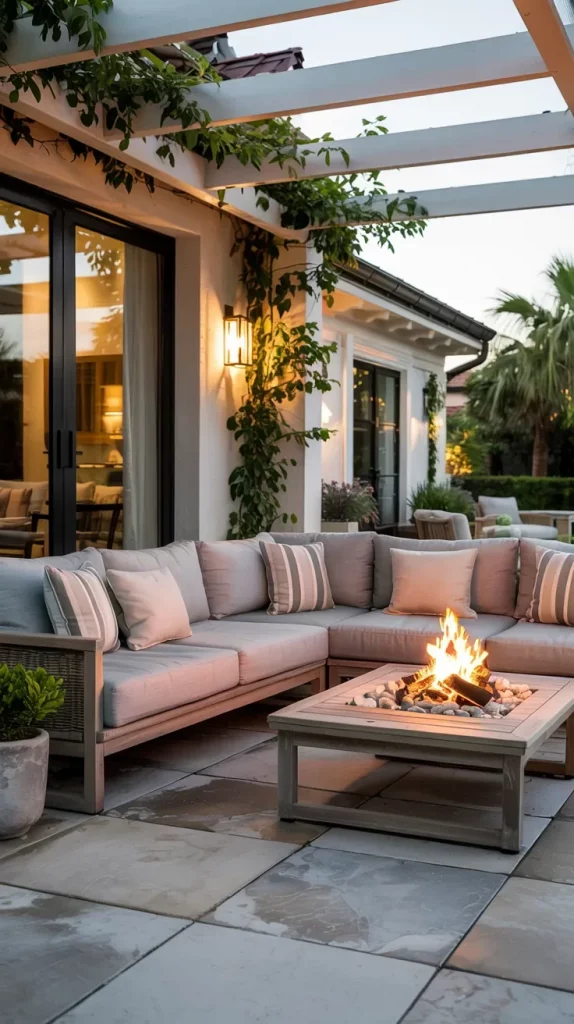
From my experience, the most successful outdoor living rooms balance elegance with durability. Many designers featured in publications like Architectural Digest emphasize the importance of choosing outdoor fabrics that mimic indoor upholstery for a seamless transition between spaces. I personally prefer layouts that encourage conversation and relaxation instead of rigid furniture arrangements. Soft lighting, layered cushions, and movable accent seating make the area adaptable for both quiet evenings and larger gatherings.
I also believe these spaces benefit from integrated ceiling fans, retractable shades, and discreet outdoor heating systems. These additions extend the usability of the space throughout the year and make the investment feel practical rather than purely decorative. In many projects, I’ve noticed that homeowners regret not planning enough shade and lighting early in the design process, so I always recommend prioritizing those elements from the beginning.
Poolside Lounge Areas Inspired By Luxury Hotels
One of the most exciting directions in modern outdoor living spaces is the influence of luxury resorts and boutique hotels on residential poolside design. I’m seeing homeowners transform basic pool decks into immersive relaxation zones with layered seating, resort-style cabanas, and elevated landscaping. The goal is to create an environment that feels private, calming, and visually cohesive rather than simply functional. In 2026, poolside spaces are becoming extensions of the home’s overall design aesthetic instead of isolated outdoor features.
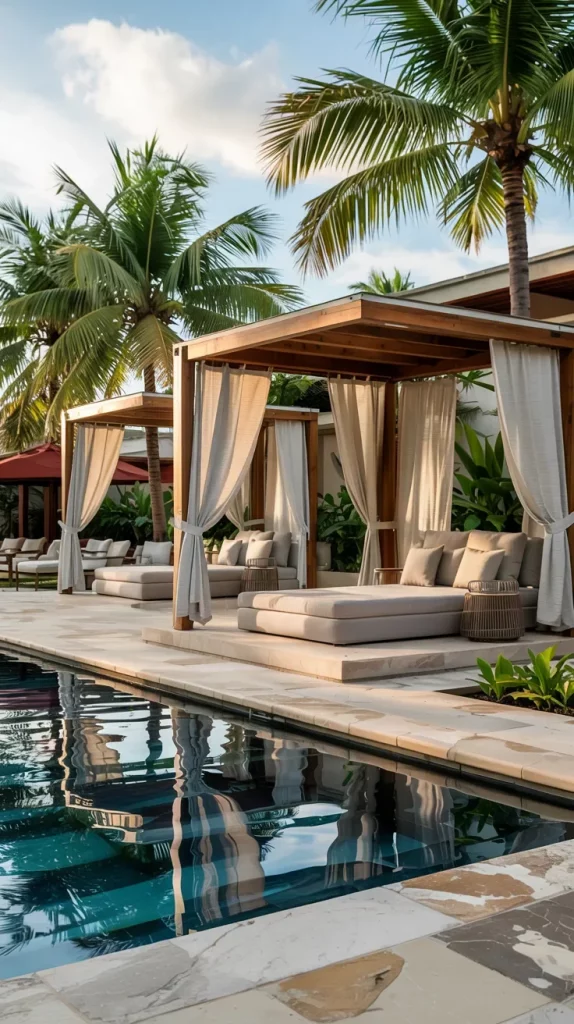
I recommend using oversized chaise lounges with thick cushions, natural stone decking, and wood-accent pergolas to achieve this resort-inspired look. Daybeds with flowing curtains instantly create a high-end atmosphere while also offering practical shade during hot afternoons. I also like incorporating large ceramic planters, built-in towel storage, and minimalist outdoor dining sets to make the area feel complete. Water-resistant fabrics in sandy beige, ivory, and muted taupe help maintain the calm luxury aesthetic that defines many contemporary poolside spaces.
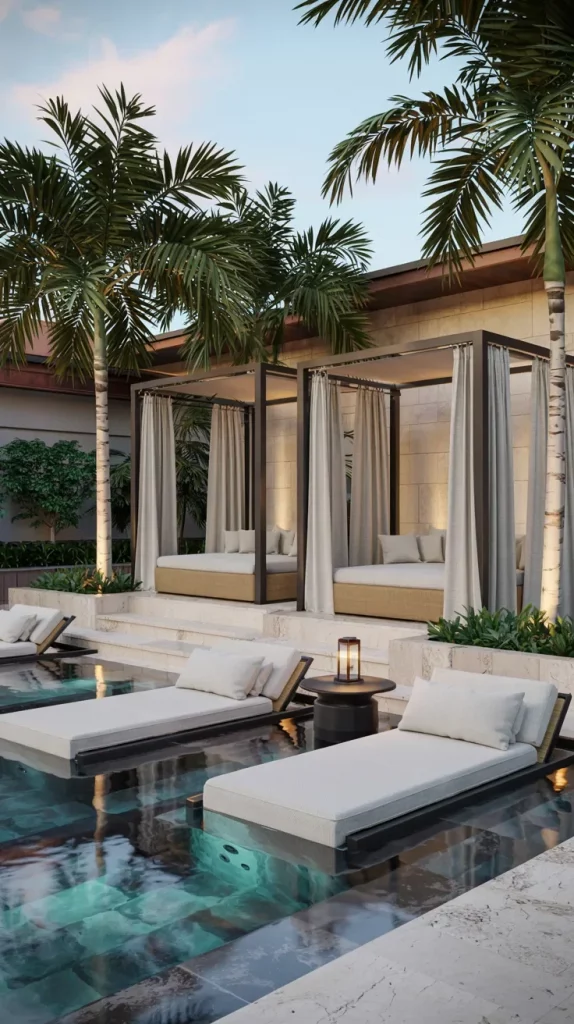
Personally, I’ve found that lighting plays a major role in achieving the upscale hotel-inspired mood. Soft LED lighting integrated into pathways, under benches, and around the pool perimeter creates a dramatic ambiance after sunset without overwhelming the space. Designers from Elle Decor frequently highlight the importance of layered lighting outdoors, and I completely agree because it transforms the atmosphere from ordinary to sophisticated almost instantly.
I also recommend adding outdoor bars, compact refrigerators, and integrated speakers near poolside lounges whenever space allows. These details improve functionality and make entertaining feel effortless. In my opinion, the most memorable outdoor spaces are the ones that anticipate comfort and convenience before guests even ask for them.
Biophilic Outdoor Designs That Blend Indoor And Outdoor Living
The rise of biophilic design is strongly shaping outdoor living space 2026 concepts, especially for homeowners who want a deeper connection to nature. I notice more outdoor spaces being designed to blur the boundary between interior and exterior living through organic materials, expansive glass doors, and continuous flooring finishes. This approach creates a calm environment where natural textures and greenery become central design features instead of decorative additions. The overall atmosphere feels healthier, softer, and more emotionally comforting.
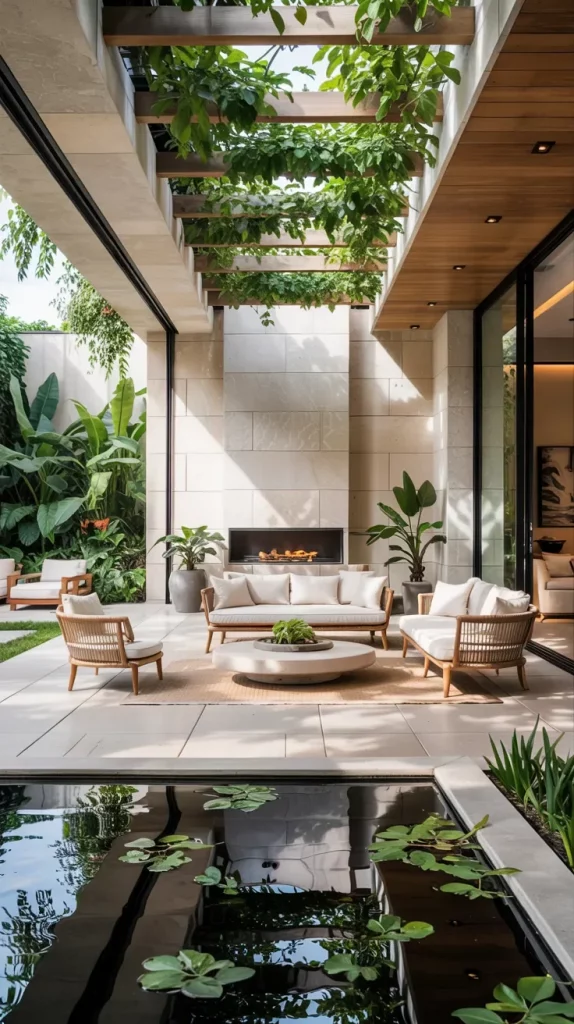
I usually recommend using natural wood ceilings, stone walls, linen-inspired textiles, and abundant greenery to create this seamless indoor-outdoor transition. Sliding glass walls are particularly effective because they visually expand the home while allowing fresh air and natural light to move freely through the space. I also like incorporating vertical gardens, oversized potted trees, and organic-shaped furniture because these elements soften modern architectural lines. Neutral earthy colors paired with layered plant textures help the space feel grounded and timeless.
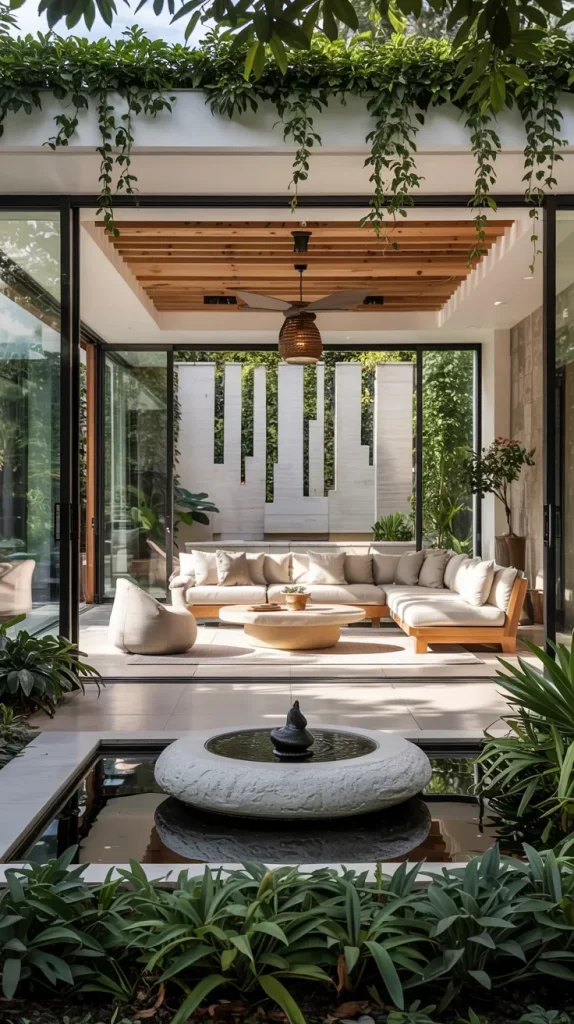
In my experience, biophilic outdoor spaces are especially beneficial for stress reduction and everyday relaxation. Many wellness-focused designers now emphasize the psychological value of outdoor environments that feel immersive and connected to nature. I personally find that adding water features, natural wood grain finishes, and shaded garden corners makes the space feel more restorative and balanced. Even smaller patios can benefit from this design philosophy when materials and greenery are selected thoughtfully.
I also encourage homeowners to prioritize scent and sound within these spaces. Fragrant herbs, jasmine vines, and ornamental grasses add another sensory layer that enhances the overall atmosphere. Small fountains or subtle water walls create calming background noise that masks traffic or neighborhood distractions while reinforcing the tranquil feeling of the design.
Outdoor Lighting Trends That Transform Evening Ambiance
Lighting has become one of the most important elements in luxury outdoor patio ideas because it completely changes how a space feels after sunset. In 2026, outdoor lighting trends are moving toward layered illumination that combines functionality with atmosphere. I see homeowners using lighting not only for visibility but also to highlight architectural details, landscaping, and entertainment zones. The result is a more sophisticated and intentional outdoor environment that remains visually appealing long after daylight fades.
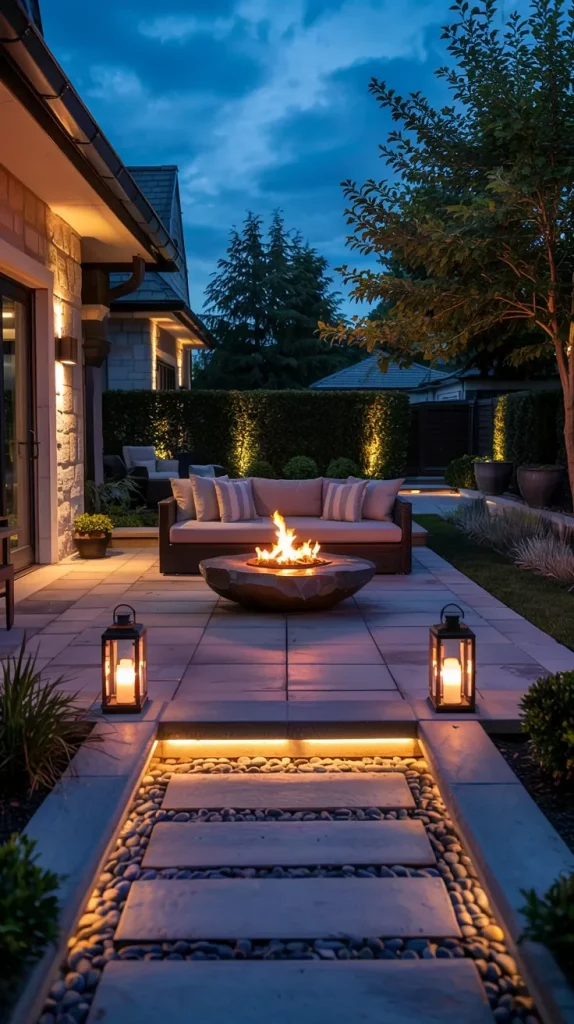
I often recommend combining multiple lighting sources such as recessed deck lighting, pendant fixtures, pathway lights, and hidden LED strips beneath seating or stairs. Warm lighting tones are especially effective because they create a relaxed and welcoming ambiance instead of harsh brightness. I also like using oversized lanterns, sculptural sconces, and modern fire features to add visual interest during evening gatherings. Smart lighting systems have become increasingly popular because they allow homeowners to control brightness and color temperature directly from mobile devices.
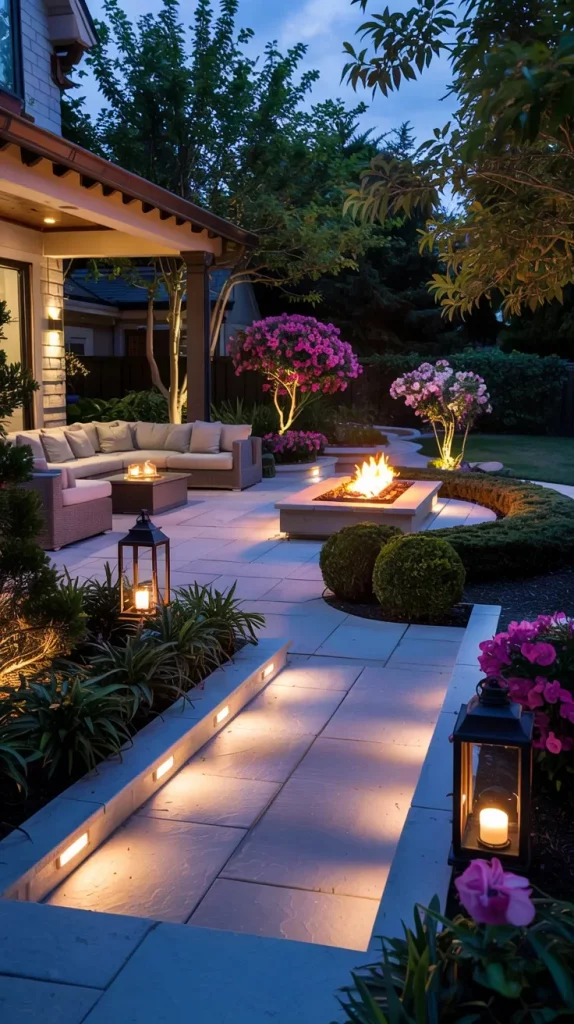
From my perspective, outdoor lighting should feel subtle rather than overwhelming. House Beautiful and other design publications frequently highlight how layered lighting creates depth and dimension in exterior spaces, and I strongly agree with that approach. I personally prefer balancing practical illumination with softer accent lighting so the outdoor area feels intimate and luxurious rather than overly commercial or bright.
I also recommend paying attention to lighting placement around plants and architectural textures. Uplighting beneath trees or textured stone walls creates dramatic shadows that add character to the entire backyard. In many outdoor projects, thoughtful lighting becomes the feature that truly elevates the space from standard to unforgettable.
Modern Deck Designs With Mixed Texture Finishes
Modern deck design in outdoor living space 2026 trends is becoming more visually layered through the use of mixed materials and contrasting textures. Instead of relying on a single decking finish, homeowners are combining wood, concrete, stone, and metal accents to create dynamic outdoor environments. I see this trend adding both architectural interest and practical zoning to large patios and backyard entertainment areas. The combination of textures also helps outdoor spaces feel more customized and contemporary.
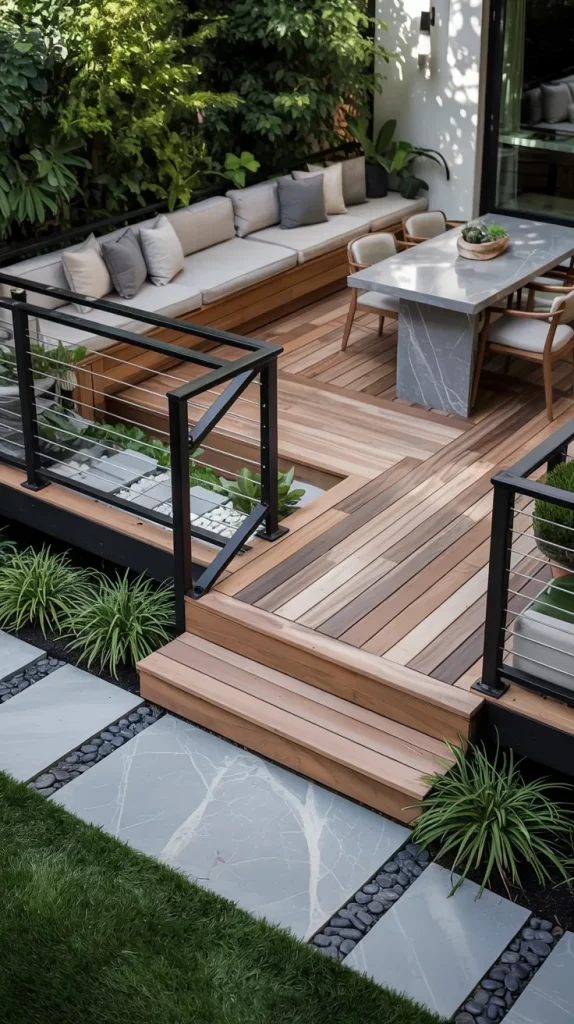
I frequently recommend composite decking paired with natural stone borders, black metal railings, and concrete planter walls for a clean modern appearance. Mixing smooth and textured finishes creates depth while maintaining a cohesive color palette. I also like adding built-in benches with wood slats, floating stairs, and integrated planter boxes because they make the design feel more intentional and functional. Outdoor kitchens and dining zones blend naturally into these mixed-material layouts when the finishes are coordinated carefully.
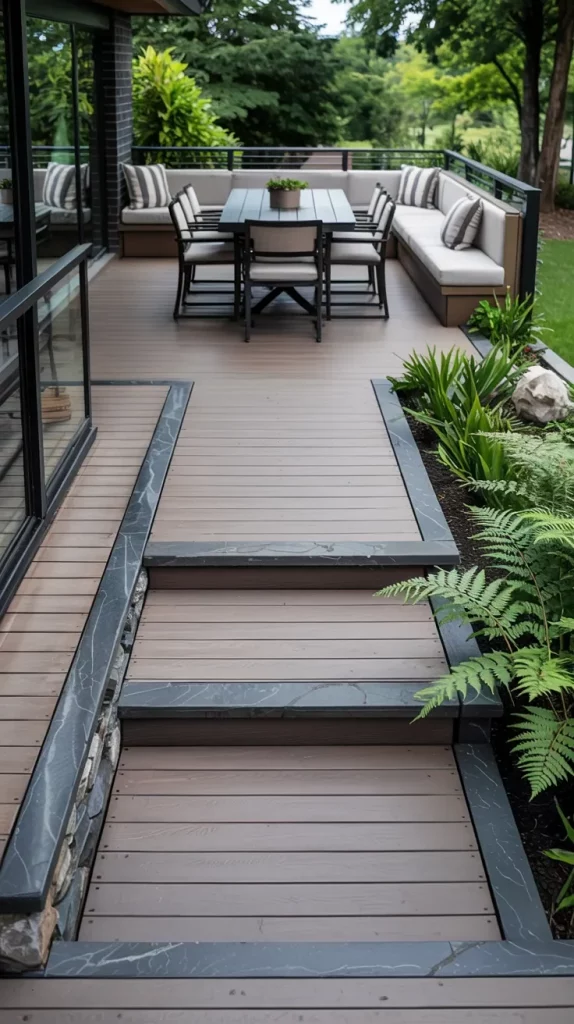
Personally, I think texture variation is one of the easiest ways to make an outdoor space feel professionally designed. Many contemporary landscape architects use contrast to visually separate lounging, dining, and entertaining areas without relying on physical dividers. I’ve noticed that even subtle combinations like matte concrete with warm teak accents can completely transform the sophistication of a deck design.
I also recommend including layered textiles and greenery to soften harder surfaces. Outdoor rugs, textured cushions, and oversized planters prevent modern decks from feeling too cold or industrial. In my experience, balancing sleek architectural materials with natural elements creates the most comfortable and timeless outdoor environments.
Outdoor Entertainment Spaces With Built-In Media Systems
Entertainment-focused patios are becoming a defining feature of outdoor living space 2026 design because homeowners want outdoor areas that function as complete social environments. I see more families investing in exterior spaces that support movie nights, sports viewing, music streaming, and casual gatherings without sacrificing comfort or visual sophistication. The best outdoor entertainment areas feel intentional and integrated into the architecture of the home instead of appearing like temporary additions. Covered lounge areas, weather-resistant finishes, and layered seating arrangements help create a welcoming atmosphere that encourages people to spend more time outside.
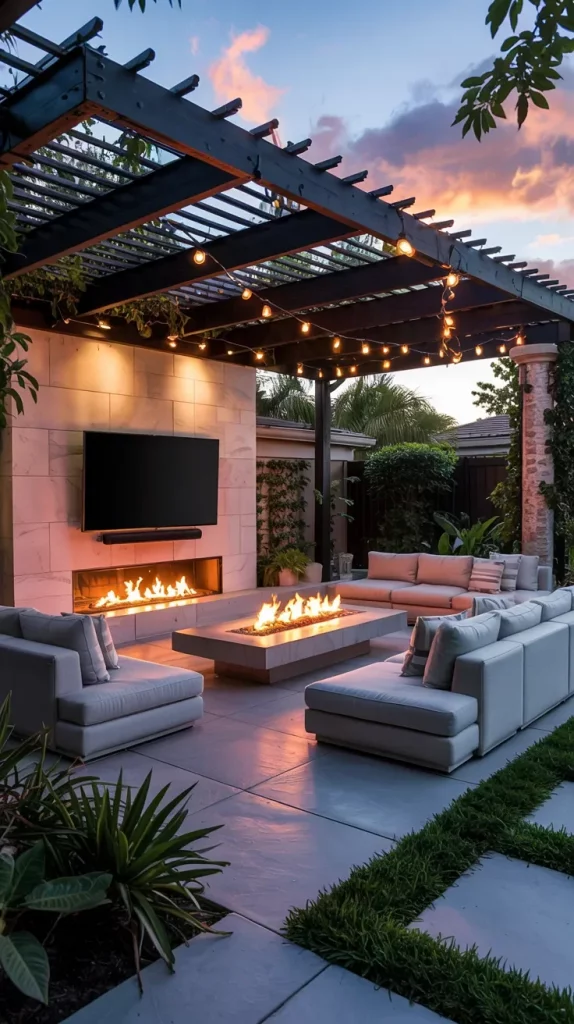
I usually recommend installing weatherproof televisions, hidden surround-sound systems, and built-in cabinetry designed specifically for exterior use. Large modular sectionals with deep cushions make viewing areas feel more relaxed and comfortable, especially when paired with fire tables or outdoor coffee tables. I also like incorporating outdoor kitchens or bar counters nearby because they improve convenience during gatherings and reduce constant movement between indoor and outdoor spaces. Retractable projector screens are becoming increasingly popular for homeowners who prefer a cleaner minimalist look when the media system is not in use.
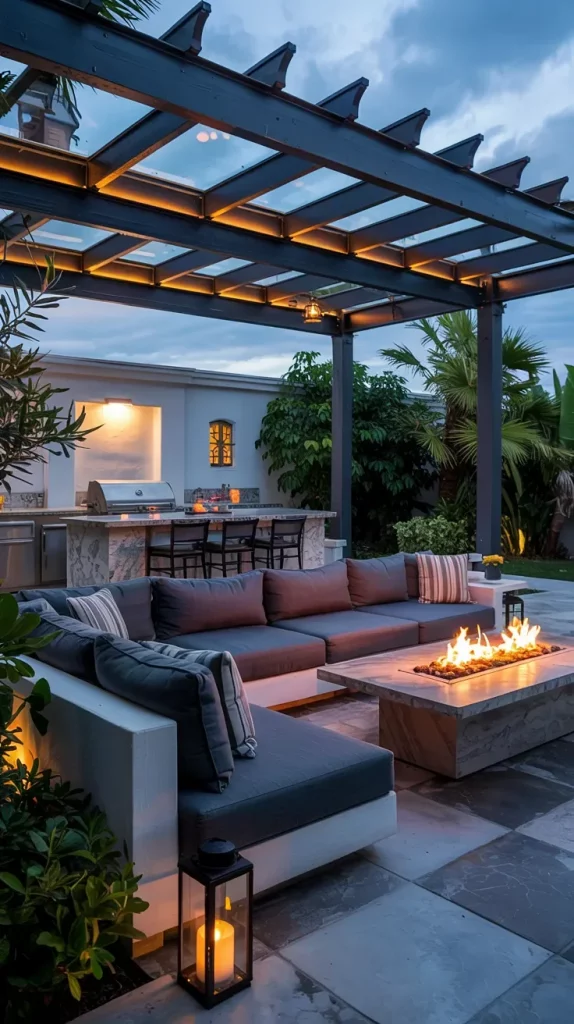
From my experience, one of the biggest mistakes people make with outdoor entertainment areas is underestimating acoustics and lighting. I personally prefer discreet speaker systems integrated into landscaping or ceilings because they provide balanced sound without cluttering the space visually. Design experts from HGTV often recommend dividing entertainment zones into smaller functional areas, and I completely agree because it keeps large outdoor spaces feeling organized and comfortable instead of overwhelming.
I also believe that durable shade structures are essential in these entertainment spaces. Pergolas with adjustable louvers, retractable awnings, and outdoor curtains improve both comfort and screen visibility throughout the day. In many cases, adding subtle accent lighting around the seating area dramatically improves the evening atmosphere while maintaining a luxurious and modern appearance.
Tropical Backyard Escapes With Lush Greenery And Water Features
Tropical-inspired backyards are becoming one of the most visually immersive trends in modern outdoor living spaces because they create the feeling of a private resort directly at home. I notice homeowners increasingly using dense greenery, layered landscaping, and water elements to transform ordinary yards into calming retreats. The goal is not simply decoration but creating an environment that feels relaxing, secluded, and emotionally restorative. In 2026, tropical outdoor spaces are focusing on authenticity through natural textures and carefully selected plant combinations.
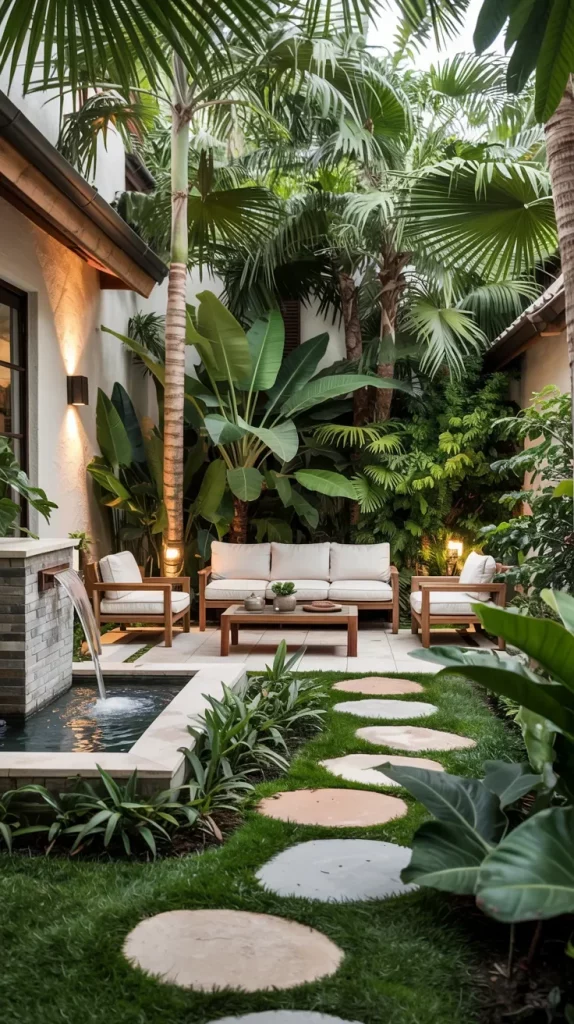
I recommend incorporating oversized palms, tropical shrubs, climbing greenery, and natural stone pathways to establish a lush atmosphere. Waterfalls, reflecting pools, and modern fountains immediately enhance the sensory experience while adding soothing background sound. I also like using teak lounge furniture, woven pendant lighting, and textured outdoor fabrics because these materials reinforce the relaxed tropical aesthetic without appearing overly themed. Neutral cushions combined with rich green landscaping help the space feel elegant and balanced rather than overly colorful.
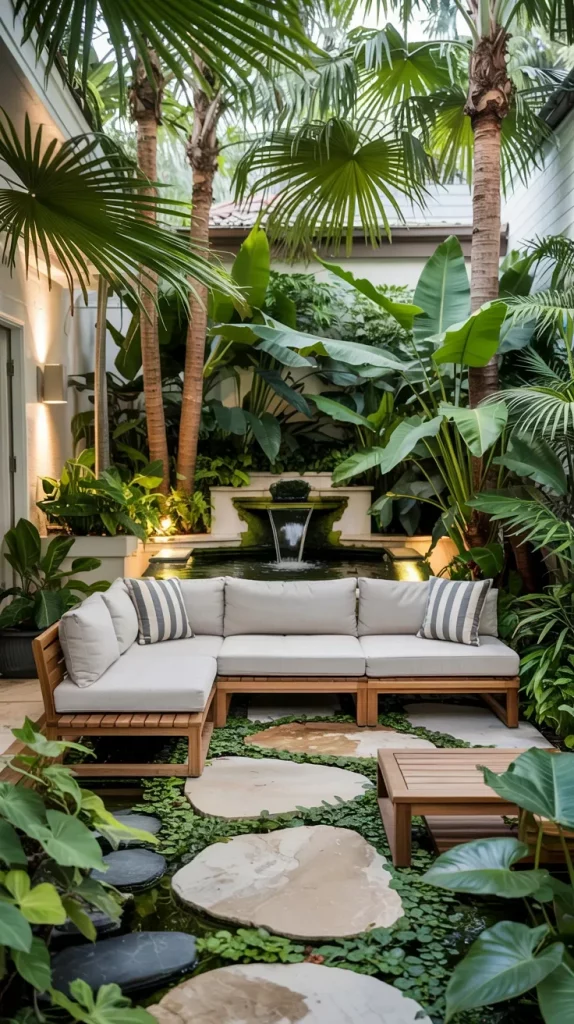
Personally, I find that tropical backyard designs work best when the landscaping feels layered and slightly organic instead of overly symmetrical. Many landscape designers featured in Veranda emphasize the importance of creating depth through plant height variation, and I strongly agree with that approach. I prefer combining large leafy plants with softer ornamental grasses and subtle pathway lighting to create movement and visual richness throughout the space.
I also suggest adding shaded seating zones and natural privacy elements within tropical landscapes. Pergolas covered in vines, bamboo screening, and hidden garden corners make the backyard feel more intimate and immersive. In my experience, these quieter retreat areas often become the most frequently used parts of the entire outdoor design.
Scandinavian Outdoor Living Spaces With Neutral Color Palettes
Scandinavian-inspired patios are influencing many luxury outdoor patio ideas because they combine simplicity, comfort, and functionality in a timeless way. I see homeowners embracing cleaner outdoor layouts with soft neutral palettes, minimalist furniture, and calming natural materials that make exterior spaces feel peaceful and uncluttered. This design style works especially well for smaller patios because it creates openness while maintaining warmth and personality. The emphasis in 2026 is on understated luxury rather than excessive decoration.
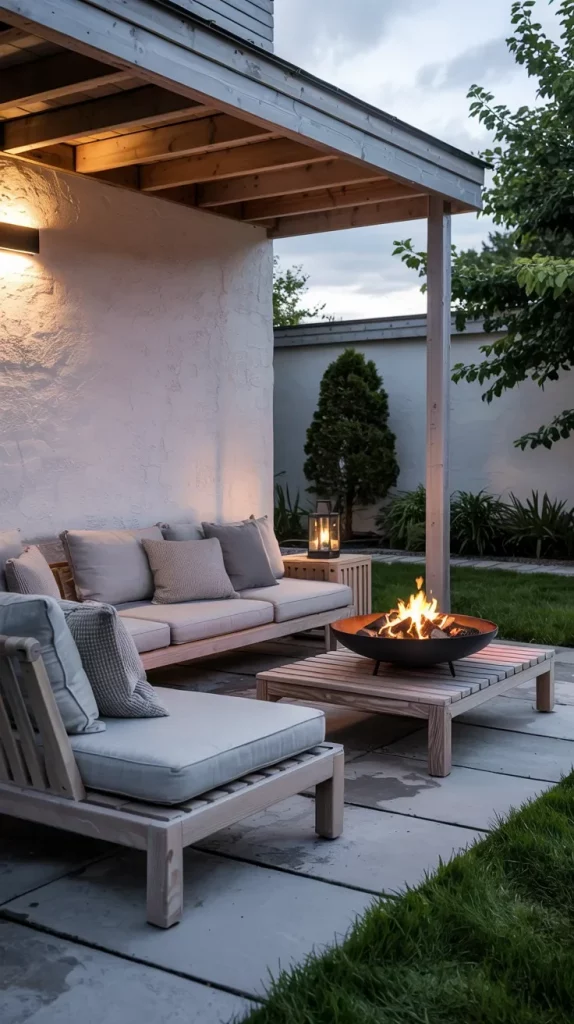
I often recommend using pale wood finishes, soft beige upholstery, matte black accents, and light stone surfaces to create the signature Scandinavian look. Simple outdoor sectionals with clean lines paired with cozy textured throws help maintain both comfort and visual balance. I also like incorporating lantern-style lighting, ceramic planters, and understated fire bowls because these details add warmth without overwhelming the minimalist design. Outdoor dining areas with streamlined furniture and subtle greenery complete the calm atmosphere.
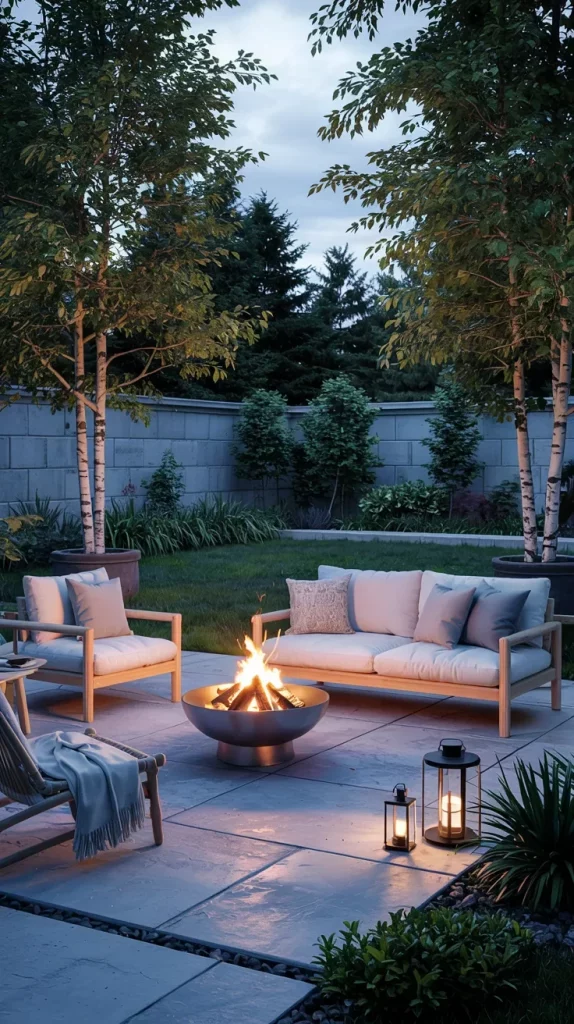
From my perspective, Scandinavian outdoor spaces succeed because they prioritize comfort just as much as aesthetics. I personally prefer designs that encourage slow living and quiet relaxation rather than excessive visual stimulation. Publications like Dwell frequently highlight the importance of natural light and functional simplicity in Scandinavian design, and I believe those principles translate beautifully into exterior spaces as well.
I also recommend layering soft textures into these minimalist patios to avoid making them feel too cold. Woven rugs, boucle-style cushions, and warm ambient lighting add depth while preserving the clean overall appearance. In many projects, these subtle additions become what makes the outdoor area feel welcoming and livable year-round.
Desert Modern Outdoor Spaces With Earthy Tones
Desert modern design continues to shape outdoor living space 2026 trends through its combination of earthy colors, sculptural forms, and minimalist landscaping. I’m seeing homeowners drawn to warm neutral palettes and low-maintenance outdoor environments that still feel highly architectural and luxurious. This design style works particularly well in sunny climates because it embraces natural light and textured materials instead of competing against them. The overall effect feels grounded, modern, and visually calming.
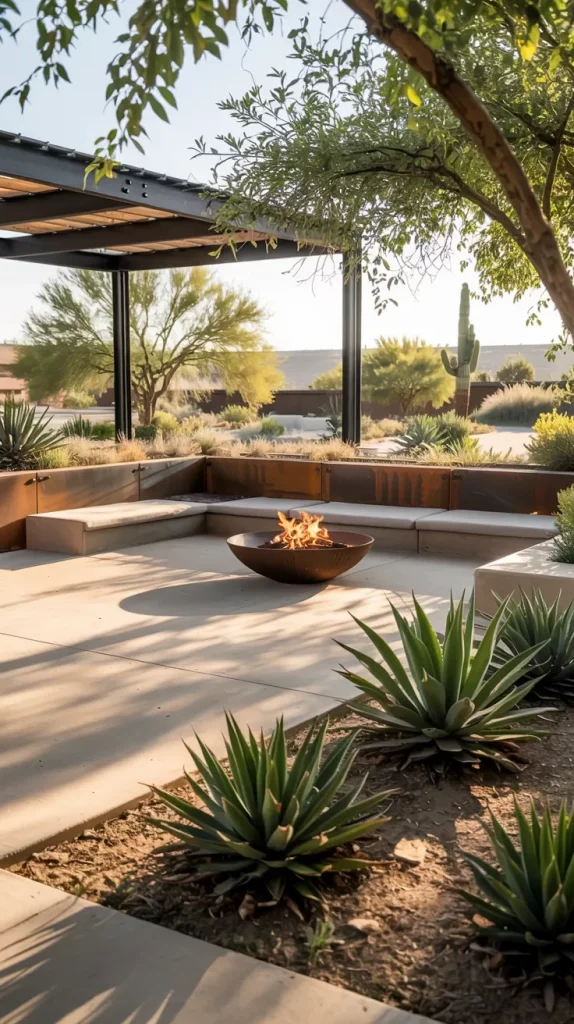
I typically recommend using materials like smooth concrete, natural stone, corten steel, and warm wood accents to establish the desert modern aesthetic. Neutral-toned seating with structured silhouettes pairs beautifully with gravel landscaping, oversized ceramic planters, and drought-resistant greenery such as agave and ornamental grasses. I also like incorporating geometric fire pits, floating benches, and minimalist pergolas because they reinforce the clean architectural lines that define this style. Layered earthy tones help the entire outdoor space feel cohesive and sophisticated.
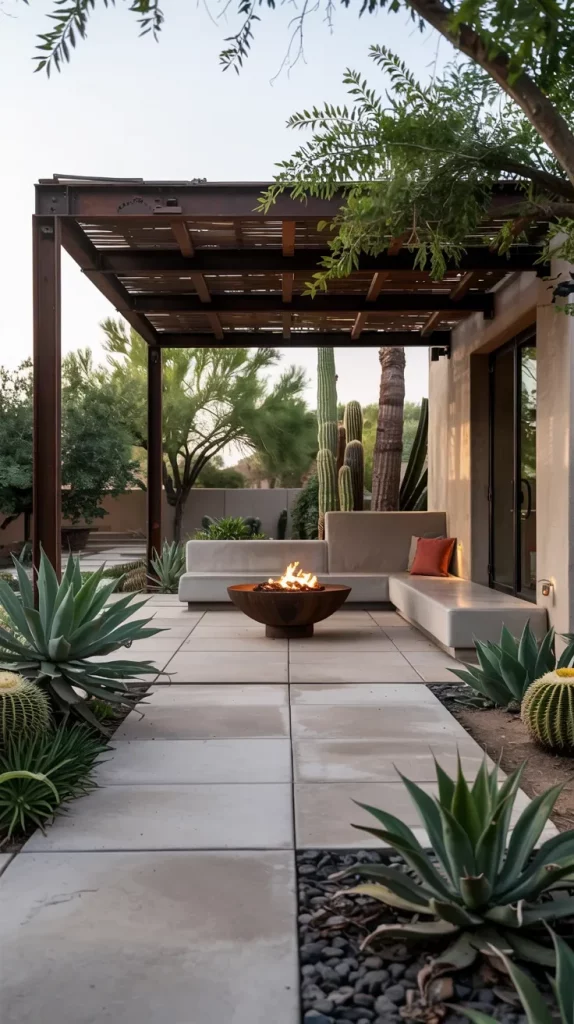
Personally, I believe desert modern patios are most successful when they embrace restraint instead of over-decoration. Many contemporary architects emphasize the importance of allowing materials and natural textures to become the focal point, and I strongly agree with that philosophy. I prefer carefully curated furniture arrangements and uncluttered layouts that allow the surrounding landscape and architecture to stand out naturally.
I also recommend integrating soft lighting and shaded gathering areas to balance the stronger architectural features. Even minimalist outdoor spaces need warmth and comfort to feel inviting. In my experience, combining textured natural materials with subtle lighting creates the perfect balance between luxury and simplicity.
Outdoor Privacy Solutions With Stylish Screens And Landscaping
Privacy is becoming one of the most requested features in modern outdoor living spaces because homeowners want outdoor areas that feel protected without appearing closed off. I notice more designs incorporating decorative screening, layered landscaping, and architectural dividers that provide seclusion while still maintaining an open and airy atmosphere. In 2026, privacy solutions are becoming major design features instead of purely functional additions. The best designs create separation subtly while enhancing the overall beauty of the space.
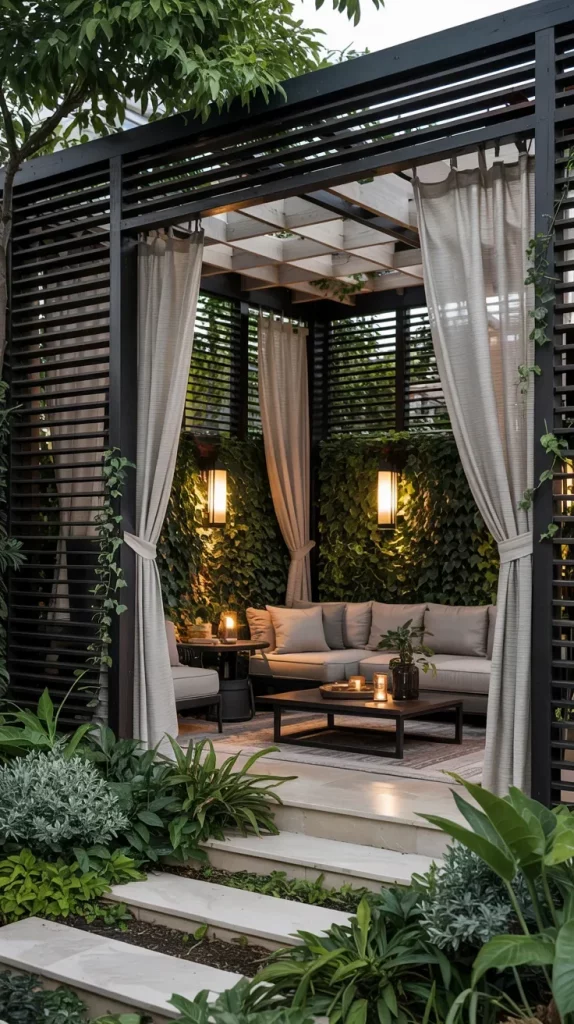
I frequently recommend combining wood slat screens, metal privacy panels, and tall landscaping elements such as ornamental trees or hedges to create natural visual barriers. Pergolas with flowing curtains or adjustable louvers also work beautifully because they offer flexibility depending on the season and time of day. I like adding climbing vines, raised planter walls, and layered greenery because they soften harder structures and make the outdoor environment feel more organic. Neutral-toned privacy screens paired with modern outdoor furniture maintain a sophisticated appearance while improving comfort.
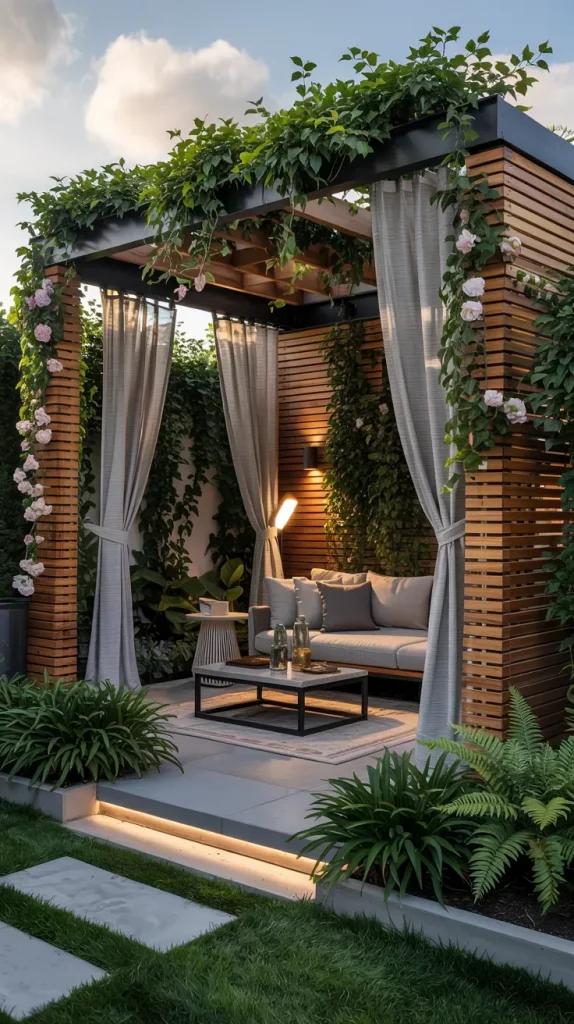
From my experience, successful privacy design should never make the backyard feel smaller or confined. I personally prefer partial screening combined with strategic landscaping because it preserves openness while still creating intimacy. Better Homes & Gardens often highlights layered landscaping as one of the most effective privacy strategies, and I completely agree because natural greenery creates a softer and more welcoming result than solid fencing alone.
I also recommend paying attention to sound privacy in addition to visual separation. Water features, dense planting zones, and textured surfaces can help reduce outside noise while improving the overall atmosphere. In many outdoor projects, these quieter and more secluded environments become the spaces where homeowners spend the most time relaxing and entertaining.
Rooftop Outdoor Living Spaces With Urban Luxury Appeal
I see rooftop outdoor spaces becoming one of the strongest directions in outdoor living space 2026 design because they maximize unused square footage while delivering impressive city views and resort-style comfort. In urban homes and penthouses, I prefer combining sleek architectural lines with soft textures to create a rooftop that feels luxurious but still inviting. Large sectional sofas, integrated fire pits, porcelain tile flooring, and layered ambient lighting create an atmosphere that works equally well during the day or evening. I also notice that modern rooftop spaces rely heavily on neutral color palettes with charcoal, beige, taupe, and warm wood accents to maintain a timeless aesthetic.
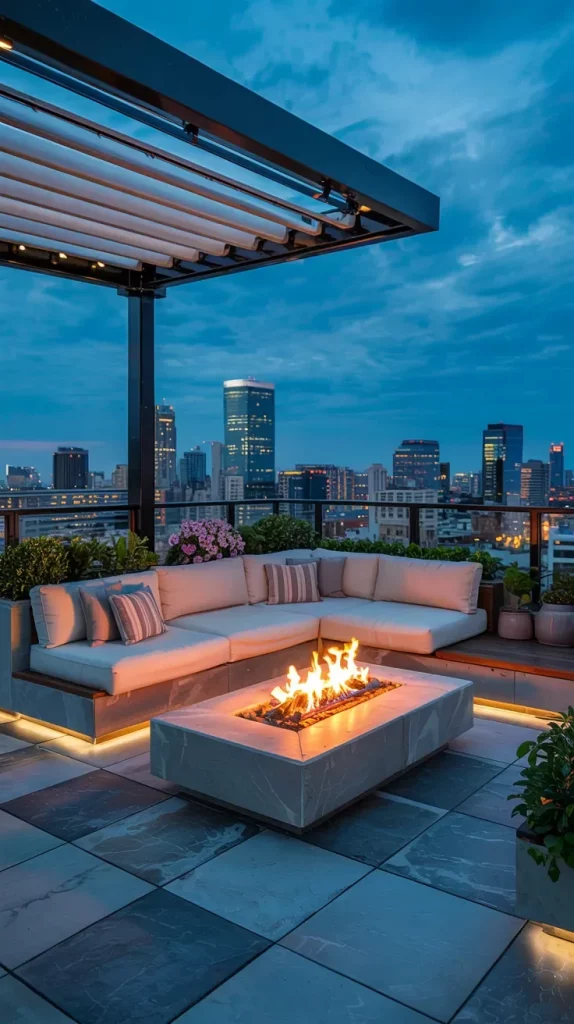
When I design rooftop environments, I focus on furniture that is both weather-resistant and visually elegant. Modular outdoor seating allows homeowners to adapt the layout for entertaining or relaxation, while oversized planters soften the hard architectural surfaces typically found in urban spaces. I strongly recommend adding retractable pergolas or shade systems because they improve comfort during hot summer months and visually define the lounge area. Outdoor kitchens with matte cabinetry, compact refrigeration, and stone countertops also elevate the functionality of the rooftop while maintaining a polished contemporary appearance.
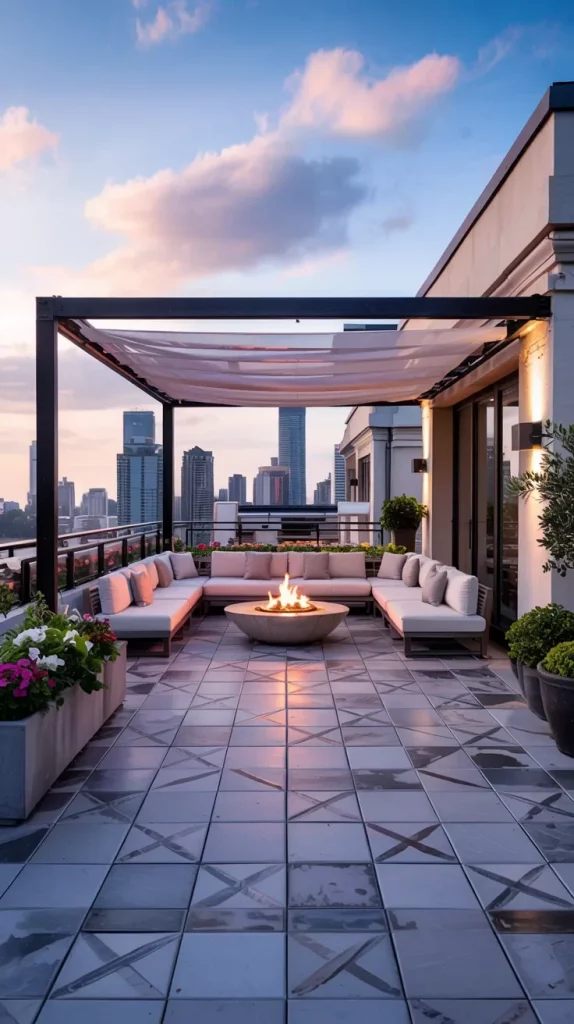
Personally, I believe the most successful rooftop designs feel like an extension of a boutique hotel terrace rather than a standard patio. I often draw inspiration from projects featured in Architectural Digest and Elle Decor, where designers use layered lighting, sculptural furniture, and greenery to balance luxury with comfort. In my experience, subtle details like textured cushions, lanterns, and integrated bench seating make rooftop spaces feel far more welcoming and usable throughout the year.
I would also include built-in privacy screens and wind-resistant landscaping in this type of space because rooftops can often feel too exposed without these elements. Tall ornamental grasses, olive trees in oversized planters, and decorative metal partitions help create intimacy while preserving the sophisticated urban atmosphere.
Outdoor Wellness Zones Featuring Yoga And Meditation Areas
One of the most meaningful shifts in outdoor living space 2026 trends is the rise of wellness-focused exterior environments. I’ve noticed that homeowners increasingly want outdoor areas dedicated to relaxation, mindfulness, and mental well-being instead of purely entertainment. A successful outdoor wellness zone usually includes soft natural materials, calming greenery, and open layouts that encourage movement and quiet reflection. I prefer using stone pathways, warm wood decking, and minimalist landscaping to create a peaceful atmosphere that feels separated from everyday distractions.
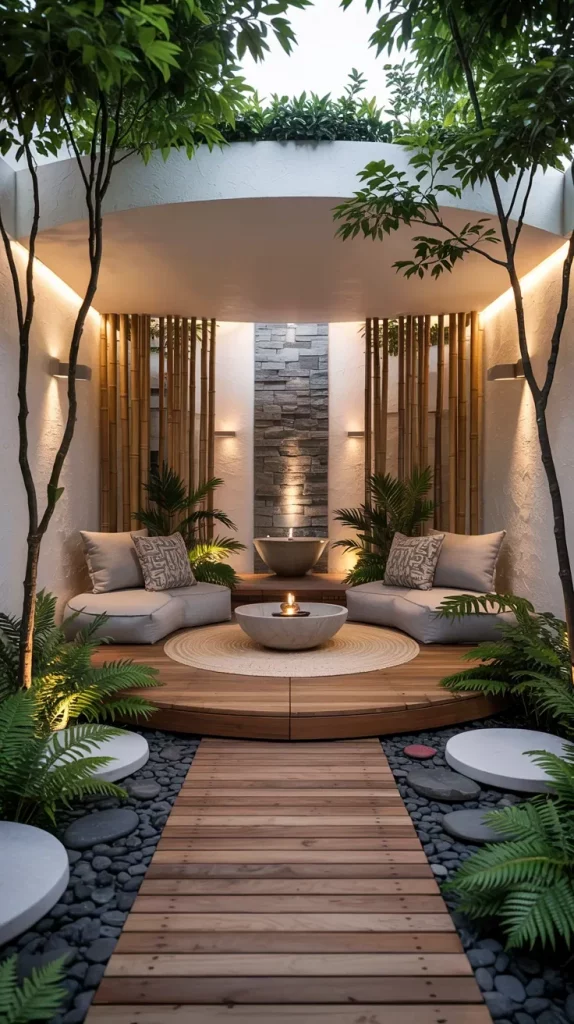
For furniture and decor, I recommend low-profile lounge seating, outdoor meditation cushions, teak benches, and lightweight pergolas draped with sheer weather-resistant fabric. Water features are especially important because they introduce calming sound and movement into the space. I also like incorporating subtle LED pathway lighting and hidden speakers that play soft ambient music during yoga or meditation sessions. Large potted plants, bamboo screens, and natural textures help reinforce the spa-inspired feeling while keeping the environment visually uncluttered.
In my experience, wellness spaces work best when they feel intentionally simple rather than overdesigned. I often reference recommendations from wellness-oriented design publications that emphasize the psychological benefits of natural light, greenery, and organic materials in exterior spaces. Personally, I find that even compact backyards can become restorative environments when the design focuses on balance, openness, and comfort instead of excessive decoration.
I would also recommend adding an outdoor shower or cold-plunge feature to complete the wellness concept. These additions are becoming increasingly common in luxury exterior design because they create a more immersive spa-like experience while increasing the practicality of the outdoor retreat.
Rustic Contemporary Patios With Natural Wood Accents
Rustic contemporary patios continue to define many outdoor living space 2026 concepts because they balance warmth and modern simplicity so effectively. I love combining clean-lined furniture with raw natural textures because it creates outdoor environments that feel sophisticated without becoming cold or overly minimal. Reclaimed wood ceilings, exposed beams, stone fireplaces, and oversized sliding doors help establish a cozy but upscale atmosphere that works beautifully in suburban homes and countryside properties alike.
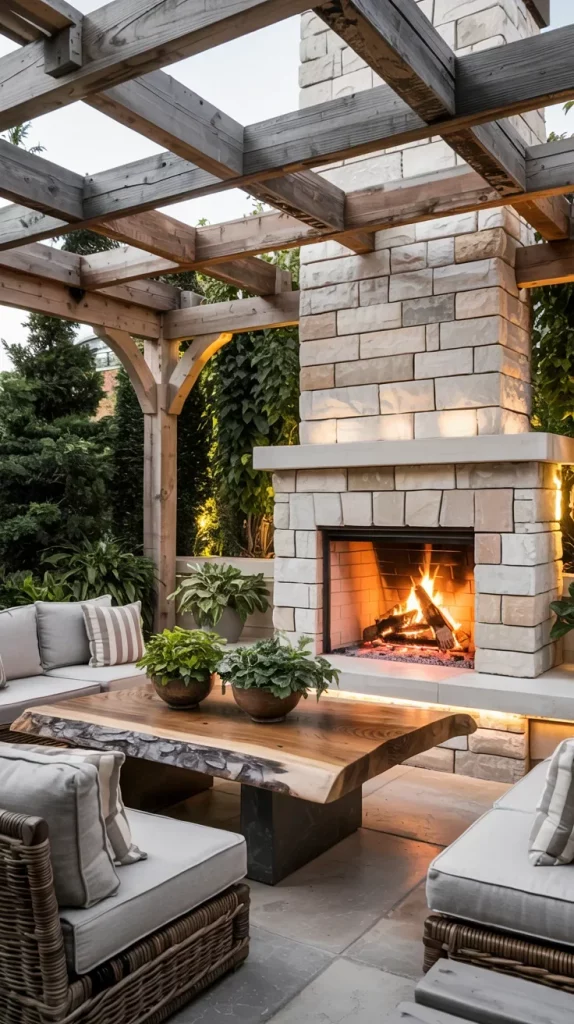
When selecting furniture for this type of patio, I usually focus on deep seating with textured neutral upholstery, live-edge wood coffee tables, and black metal accents for contrast. Natural materials are essential because they introduce authenticity and visual depth into the design. I also recommend adding woven lanterns, linen outdoor curtains, and oversized ceramic planters to soften the harder architectural elements. A large dining table made from reclaimed wood becomes an important centerpiece because it encourages gathering and enhances the welcoming feeling of the patio.
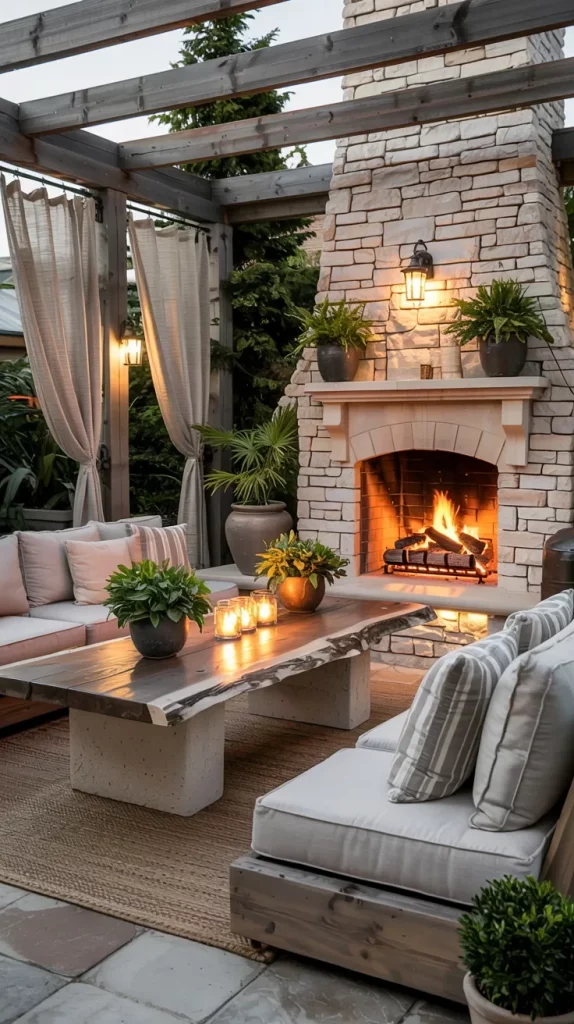
Personally, I appreciate rustic contemporary design because it ages beautifully and feels less trend-dependent than highly polished modern aesthetics. Many designers featured in House Beautiful and Dwell emphasize mixing imperfect natural materials with structured modern lines, and I strongly agree with that approach. In my own projects, I’ve seen how wood textures and layered fabrics make outdoor areas feel significantly more inviting and livable throughout multiple seasons.
To complete this style properly, I would add layered outdoor lighting and a statement fireplace wall. These details help the patio remain functional in cooler evenings while enhancing the visual warmth that defines rustic contemporary design.
Seamless Indoor-Outdoor Living Concepts For Modern Homes
One of the most transformative ideas in outdoor living space 2026 design is the seamless connection between interior and exterior spaces. I’ve noticed that modern homeowners no longer treat patios and terraces as separate zones; instead, they want fluid transitions that visually and functionally expand the living area. Floor-to-ceiling glass doors, consistent flooring materials, and coordinated color palettes create continuity that makes homes feel larger and more cohesive. I especially like using large-format stone tiles that continue from the interior to the exterior because they visually blur the boundary between the two spaces.
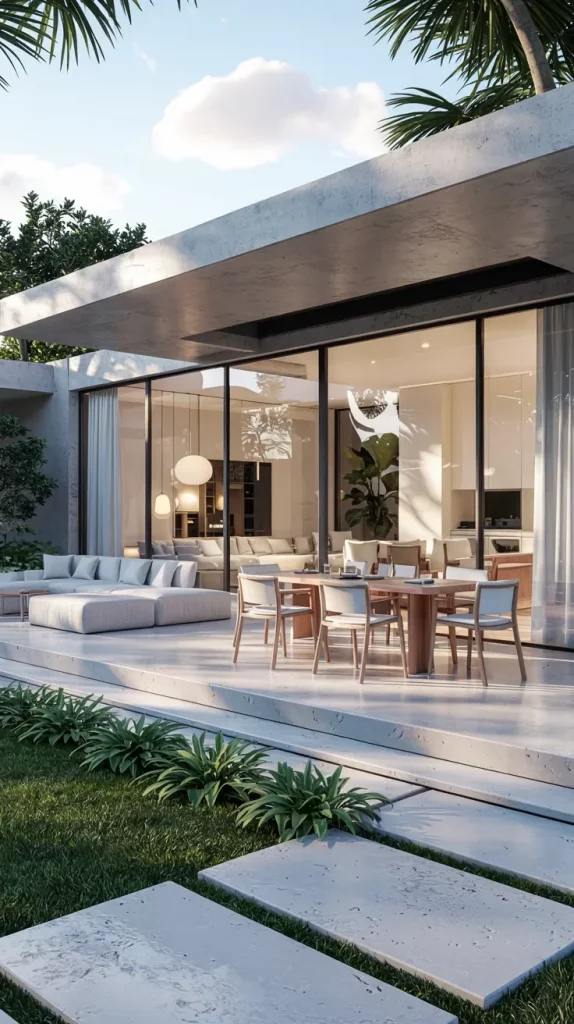
Furniture selection plays a critical role in making indoor-outdoor living successful. I prefer choosing exterior furniture that mirrors the sophistication of interior pieces, including upholstered sectionals, sculptural lounge chairs, and elegant dining tables. Outdoor kitchens with integrated appliances and concealed storage help maintain the clean architectural look while supporting entertaining and daily functionality. I also recommend incorporating layered lighting systems so the exterior environment feels equally comfortable during evening hours.
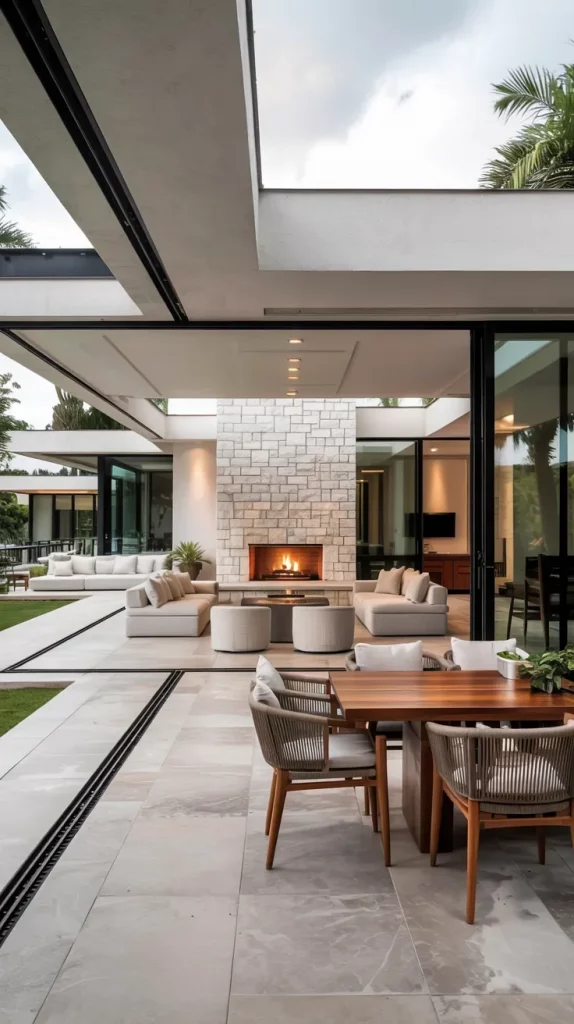
From my perspective, the best indoor-outdoor spaces prioritize comfort as much as aesthetics. Designers frequently featured in modern architecture publications often emphasize the importance of flexibility and adaptability, and I completely agree with this philosophy. In my experience, retractable glass walls and covered patios significantly improve how often homeowners actually use their exterior spaces throughout the year.
I would also integrate ceiling fans, heating elements, and weather-resistant textiles to ensure the space remains practical during changing seasons. These functional details are often overlooked, but they dramatically improve comfort and long-term usability.
Outdoor Bar Designs Perfect For Summer Entertaining
Outdoor entertaining continues to shape many outdoor living space 2026 trends, and stylish exterior bars are becoming essential in modern backyard layouts. I like designing outdoor bars that feel elegant yet approachable, with a strong focus on comfort, social interaction, and efficient functionality. Stone countertops, slatted wood cabinetry, ambient lighting, and integrated shelving help create a sophisticated atmosphere that works for both casual gatherings and larger summer parties. Covered bar areas with pergolas or pavilion roofs also improve usability while giving the structure architectural presence.
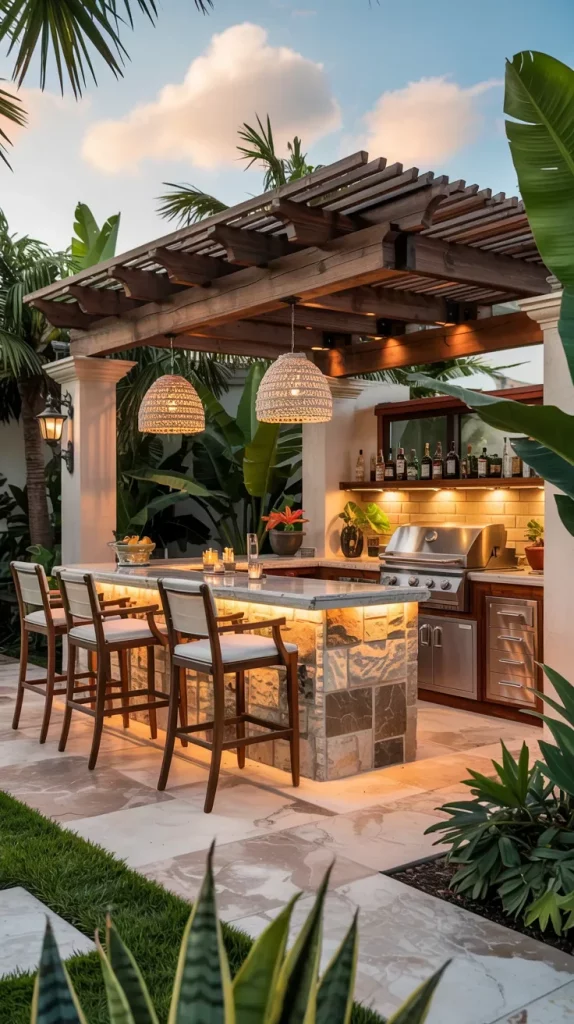
For furniture and accessories, I recommend comfortable counter-height seating with durable performance fabrics and powder-coated metal frames. Beverage refrigerators, wine storage, built-in grills, and floating shelves help keep the bar organized while supporting entertaining needs. I also believe decorative lighting is essential because pendant lights and under-counter LED strips create a warm evening ambiance that makes guests want to stay longer. Tropical plants and textured outdoor rugs can soften the space and prevent it from feeling overly commercial.
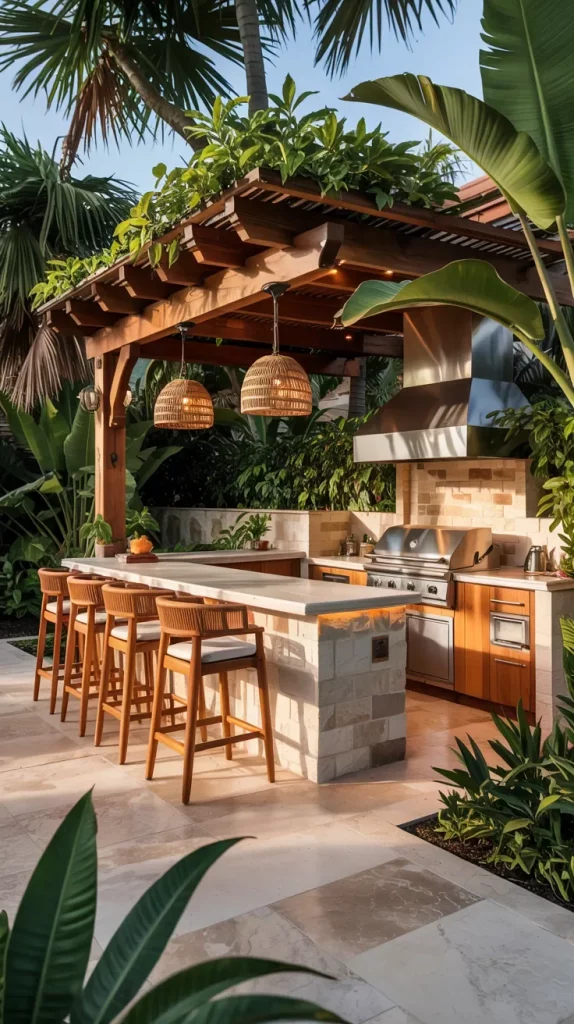
Personally, I find that the most successful outdoor bars are designed around conversation and movement rather than excessive decoration. Many luxury exterior designers now focus on creating hospitality-inspired residential spaces, and I think this approach works extremely well for outdoor entertaining. In my own experience, layouts that encourage easy circulation and comfortable seating make gatherings feel far more relaxed and natural.
I would also recommend including hidden storage and weather-protected cabinetry because these practical additions help maintain a clean appearance while improving long-term durability and convenience.
Mediterranean-Inspired Outdoor Spaces With Timeless Elegance
Mediterranean-inspired exteriors are becoming increasingly popular in outdoor living space 2026 trends because they combine relaxed luxury with timeless architectural beauty. I often recommend this style for homeowners who want their outdoor environment to feel warm, inviting, and vacation-inspired without appearing overly formal. Stucco walls, terracotta flooring, arched details, and natural stone textures help create an atmosphere that feels authentic and effortlessly elegant. I also notice that Mediterranean outdoor spaces work especially well in sunny climates because the materials age beautifully and develop additional character over time.
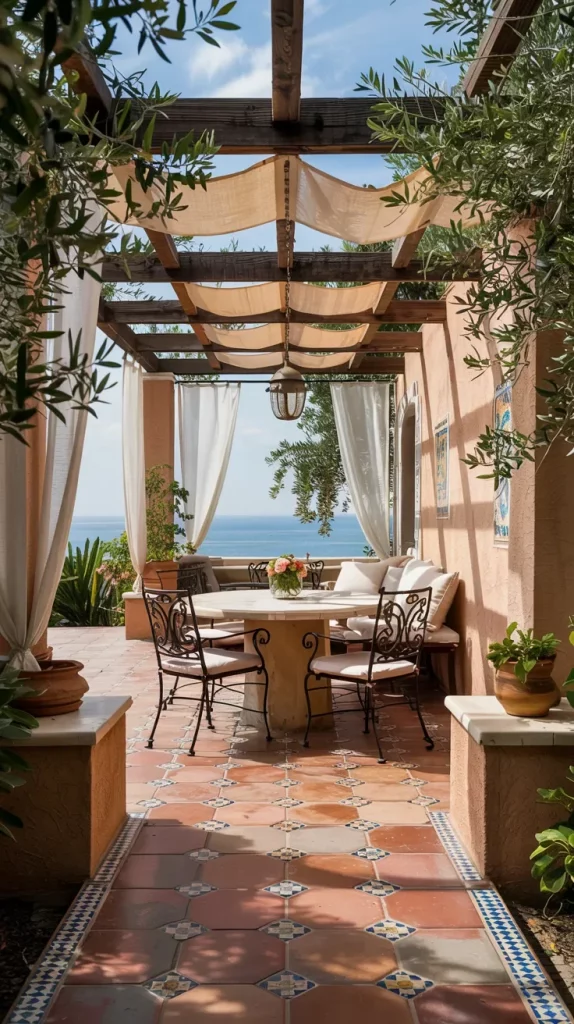
When designing this type of outdoor space, I focus heavily on natural materials and handcrafted details. Teak dining furniture, wrought iron accents, linen cushions, ceramic planters, and mosaic tile features all contribute to the layered Mediterranean aesthetic. I also recommend incorporating olive trees, lavender, climbing vines, and citrus plants because greenery is essential to achieving the relaxed garden atmosphere associated with coastal European homes. Large wooden pergolas with flowing fabric curtains can help soften sunlight while visually framing the outdoor seating or dining area.
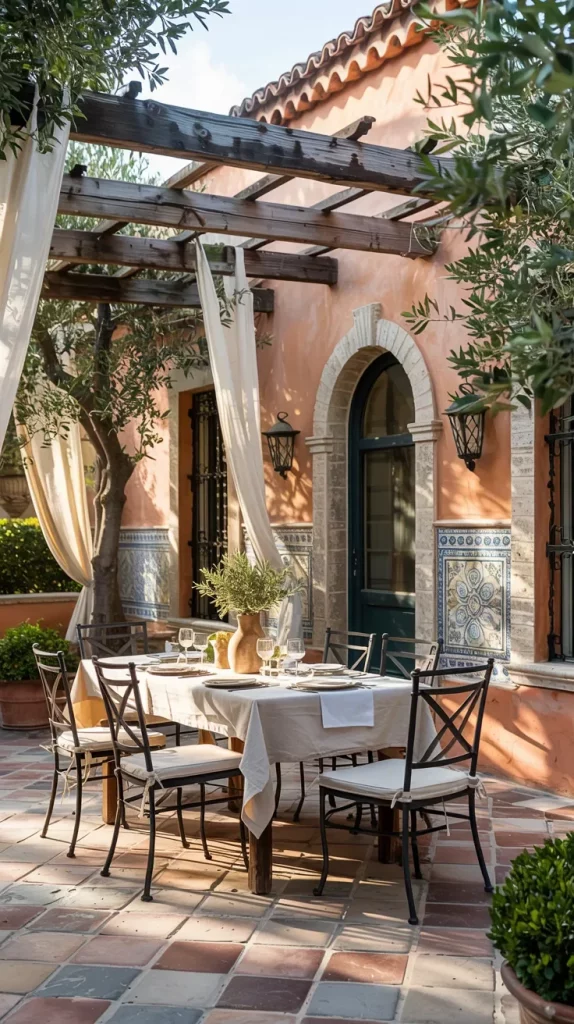
Personally, I believe Mediterranean design succeeds because it prioritizes comfort and livability over perfection. I often draw inspiration from homes featured in Veranda and Coastal Living, where outdoor areas feel curated yet naturally welcoming. In my experience, the most beautiful Mediterranean-inspired patios include imperfect textures, aged finishes, and comfortable furniture arrangements that encourage long conversations and slow outdoor living.
I would also add layered lantern lighting and a stone water fountain to complete the atmosphere. These features enhance the sensory experience of the space while reinforcing the timeless elegance that defines Mediterranean outdoor design.
Garden-Centered Outdoor Living Spaces With Decorative Pathways
Gardens are taking a more central role in outdoor living space 2026 layouts, and I see homeowners treating landscaping as an essential design feature rather than simple background decoration. A garden-centered outdoor space creates visual movement, texture, and seasonal beauty while making the entire backyard feel more immersive and relaxing. I prefer organizing these spaces with winding pathways, layered plantings, and strategically positioned seating areas that encourage people to explore and spend more time outdoors. Decorative stone walkways and soft landscape lighting also help create a more polished and intentional environment.
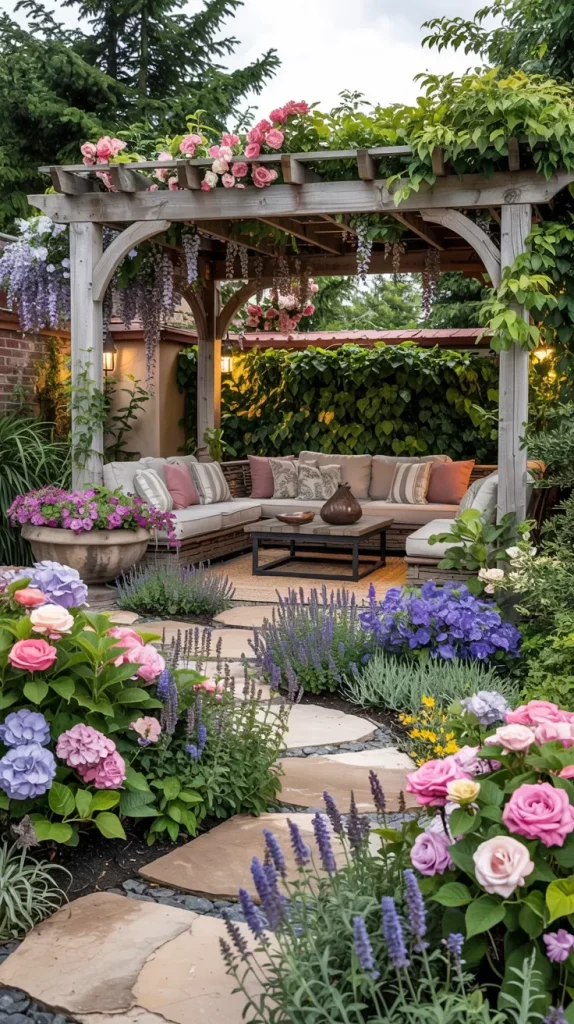
For furniture and structural elements, I recommend weathered wood benches, wrought iron café seating, pergolas covered in climbing greenery, and sculptural planters that add architectural interest to the landscape. Raised garden beds and decorative borders can help define different outdoor zones while maintaining visual cohesion throughout the yard. I also like using gravel pathways mixed with natural stone because they introduce texture and help gardens feel more organic and established.
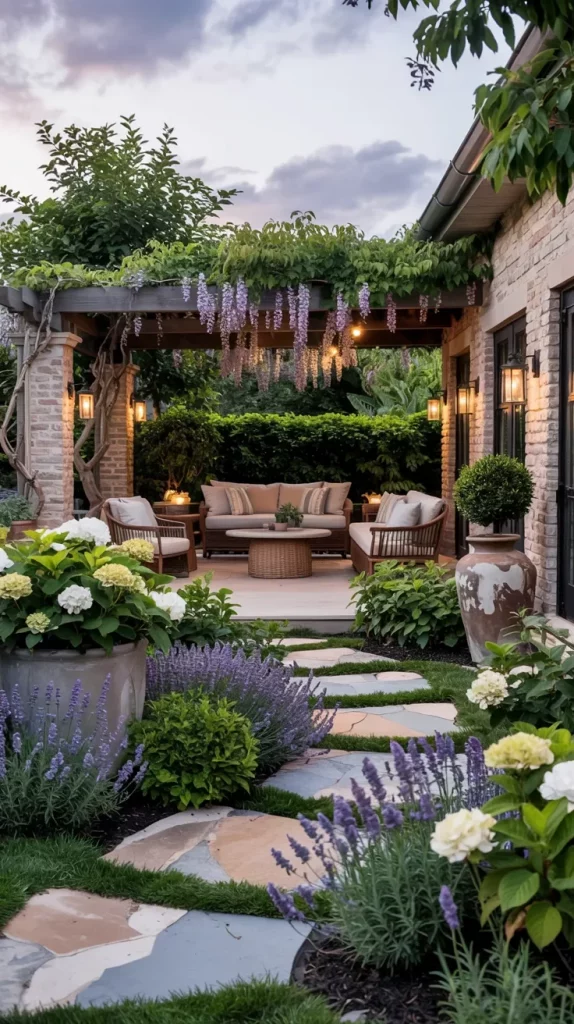
From my perspective, garden-focused outdoor spaces create some of the most emotionally rewarding environments in residential design. Landscape architects frequently emphasize the importance of layered planting and year-round visual interest, and I completely agree with this philosophy. In my own projects, I’ve noticed that gardens designed with varying heights, textures, and flowering seasons feel significantly more dynamic and luxurious over time.
I would also incorporate a shaded reading corner or small garden pavilion within this type of layout. These additions help transform the garden into a true living environment instead of a purely decorative exterior feature.
Outdoor Furniture Trends Dominating 2026 Backyard Designs
Furniture is shaping the identity of outdoor living space 2026 design more than ever before, and I see homeowners investing in pieces that rival indoor furniture in both comfort and sophistication. Modern exterior furniture is no longer limited to simple patio sets; instead, it includes fully upholstered sectionals, sculptural lounge chairs, oversized daybeds, and multifunctional dining arrangements. I especially notice a growing preference for soft neutral palettes paired with organic textures because they create a calm and timeless atmosphere outdoors.
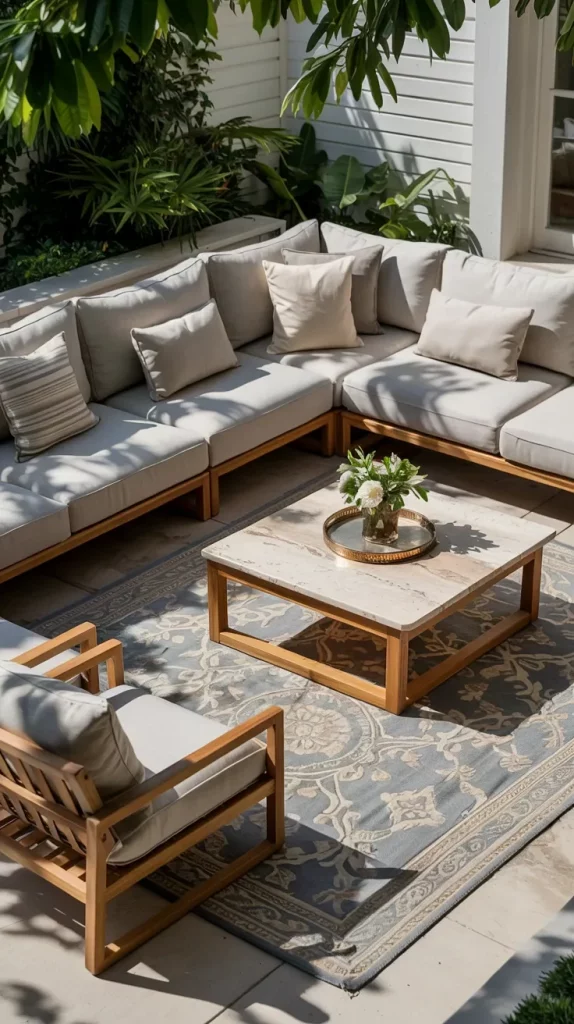
When selecting furniture for outdoor environments, I prioritize durability without sacrificing visual appeal. Performance fabrics, powder-coated aluminum frames, sustainably sourced teak, and weather-resistant woven materials are becoming standard in luxury backyard design. I also recommend modular seating because it provides flexibility for entertaining and allows homeowners to easily adapt their layout based on the occasion. Accent tables in travertine or concrete add sculptural contrast while maintaining the clean aesthetic that defines modern outdoor spaces.
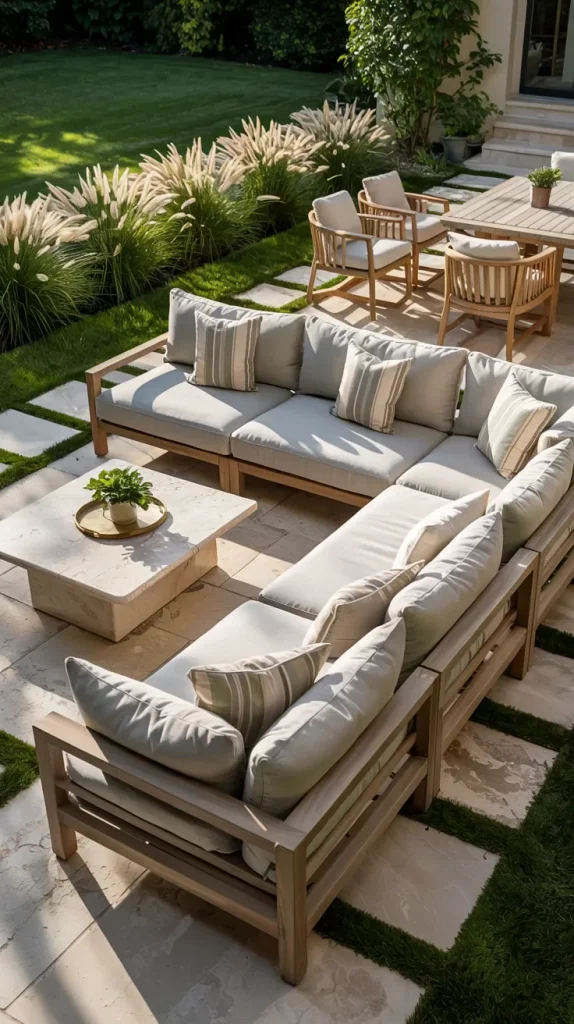
Personally, I believe comfort should always guide furniture selection because outdoor areas are intended to feel relaxing and usable every day. Many designers featured in contemporary design publications now focus on creating “living room style” exteriors, and I think this approach dramatically improves how people use their outdoor environments. In my experience, deep seating, layered textiles, and oversized cushions immediately make exterior spaces feel more inviting and luxurious.
I would also include movable side tables, portable lanterns, and weather-resistant storage solutions because these smaller details improve both functionality and organization in modern backyard layouts.
Compact Courtyard Ideas For Stylish Outdoor Living
Compact courtyards are becoming increasingly important in outdoor living space 2026 design because many homeowners want beautiful exterior environments even in limited square footage. I enjoy designing smaller outdoor spaces because thoughtful layouts and smart material choices can make compact courtyards feel surprisingly luxurious and functional. Clean architectural lines, vertical greenery, and layered lighting help visually expand the space while maintaining an intimate atmosphere. I also find that minimalist landscaping works particularly well in courtyards because it prevents the design from feeling visually crowded.
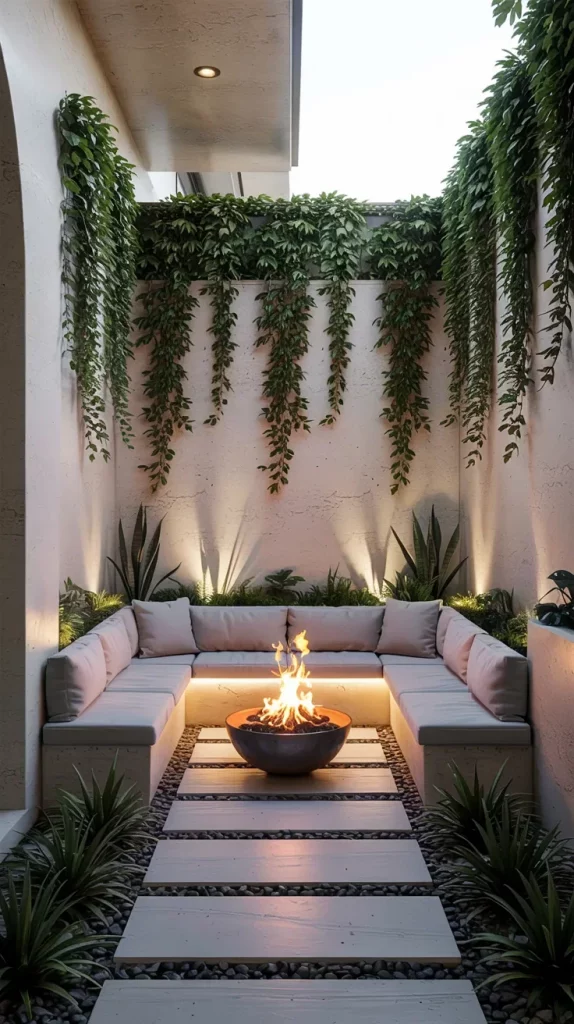
Furniture selection is especially important in smaller outdoor environments. I usually recommend slim-profile lounge seating, built-in benches with hidden storage, foldable dining furniture, and multifunctional tables that maximize usability without overwhelming the layout. Mirrors, textured wall finishes, and decorative planters can also help add depth and visual interest to compact courtyards. I often include wall-mounted lighting and hanging greenery because they free up floor space while making the courtyard feel more dynamic.
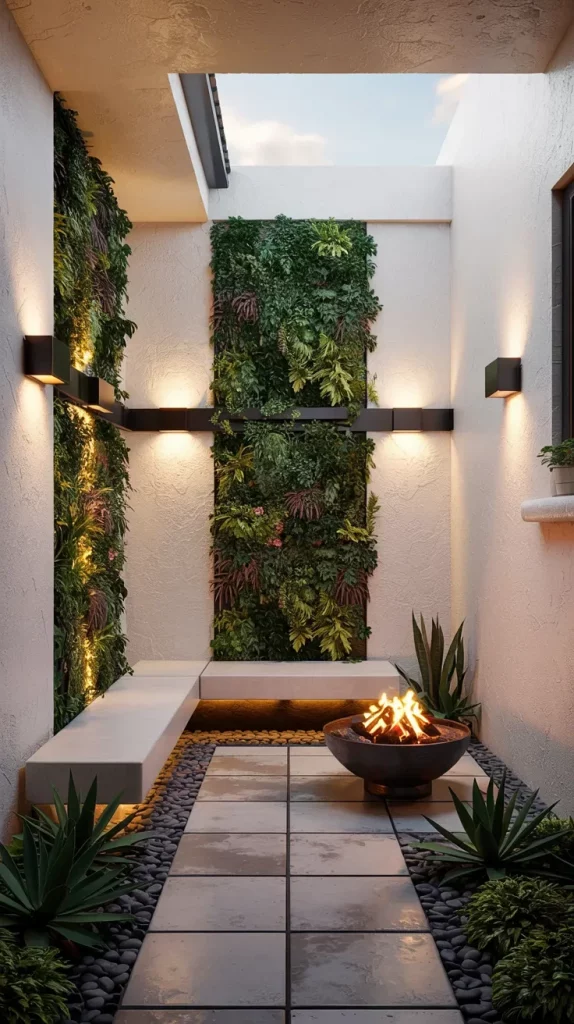
Personally, I think compact outdoor spaces often become the most charming and frequently used areas of a home because they naturally encourage comfort and privacy. Many urban designers now emphasize quality over scale in exterior design, and I strongly agree with that philosophy. In my own experience, smaller courtyards feel most successful when every piece serves both a functional and aesthetic purpose.
I would also suggest adding a small water feature or fire bowl because these elements create a strong focal point without requiring much space. Even compact sensory details can dramatically elevate the atmosphere of a courtyard environment.
Future-Forward Outdoor Living Spaces With Innovative Materials
Innovation is redefining outdoor living space 2026 trends, and I see modern homeowners becoming increasingly interested in sustainable materials and advanced exterior technology. Future-forward outdoor environments combine sleek contemporary aesthetics with practical solutions that improve durability, efficiency, and long-term maintenance. I often notice the use of recycled composite decking, eco-friendly concrete alternatives, smart lighting systems, and high-performance weather-resistant materials that maintain their appearance with minimal upkeep. These spaces feel modern and architectural while still remaining comfortable and livable.
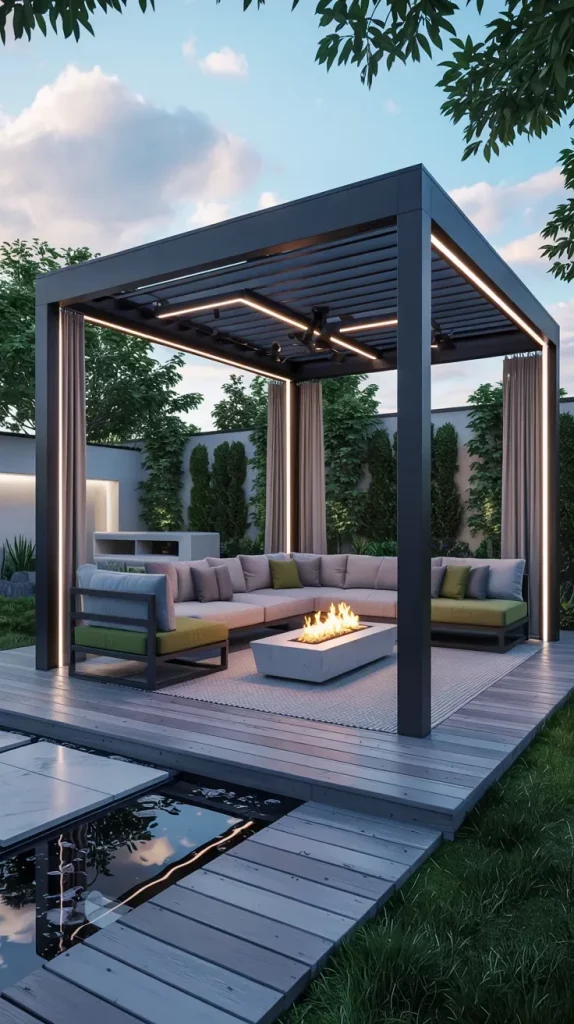
When planning futuristic outdoor environments, I recommend modular furniture with integrated charging stations, solar-powered lighting, and smart pergola systems that automatically adjust shade coverage. Sustainable materials such as recycled wood composites, textured porcelain surfaces, and innovative exterior fabrics help create a cleaner and more refined aesthetic. I also believe integrated technology should remain subtle because the space should still feel relaxing rather than overly mechanical or sterile.
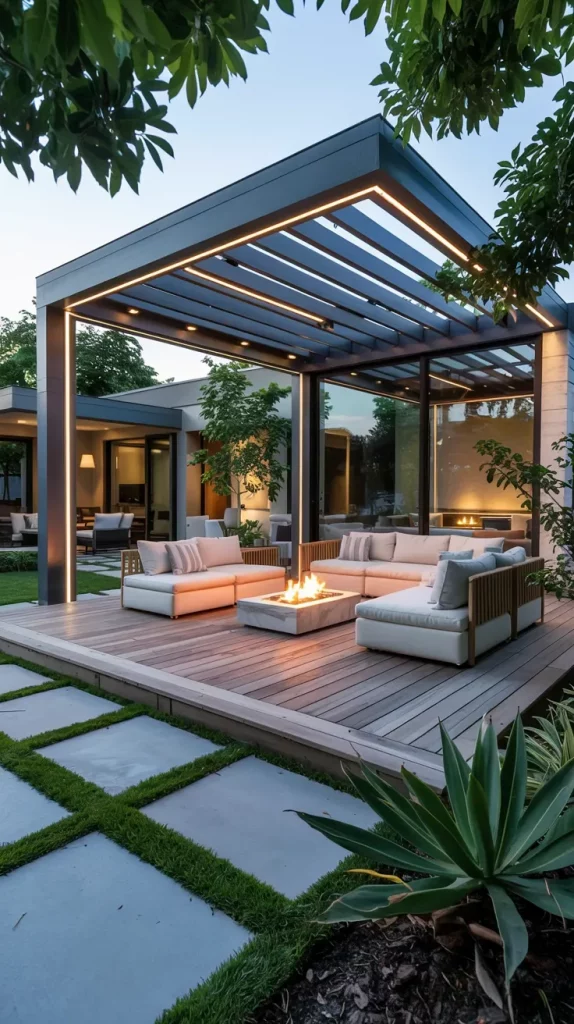
Personally, I appreciate how innovative exterior materials are making outdoor living more practical for everyday homeowners. Many architecture and sustainability publications now emphasize the importance of resilient, low-maintenance design solutions, and I think this shift is transforming the future of exterior spaces in a positive way. In my experience, combining modern technology with warm textures creates outdoor environments that feel sophisticated without losing comfort or personality.
I would also include rainwater collection systems, hidden storage compartments, and energy-efficient heating features to further improve sustainability and year-round usability. These additions support the long-term practicality that defines future-focused outdoor living.
Outdoor living space 2026 trends prove that outdoor areas can be just as stylish, comfortable, and functional as indoor rooms. From smart technology and sustainable materials to luxurious lounge zones and modern landscaping, this year’s designs focus on creating personalized spaces for relaxation and entertaining. Whether you prefer a minimalist patio, a tropical retreat, or a cozy fire pit setup, there are endless ways to transform your outdoor area into a beautiful extension of your home. By combining comfort, nature, and modern design, you can create an outdoor living space that feels inviting throughout every season.