
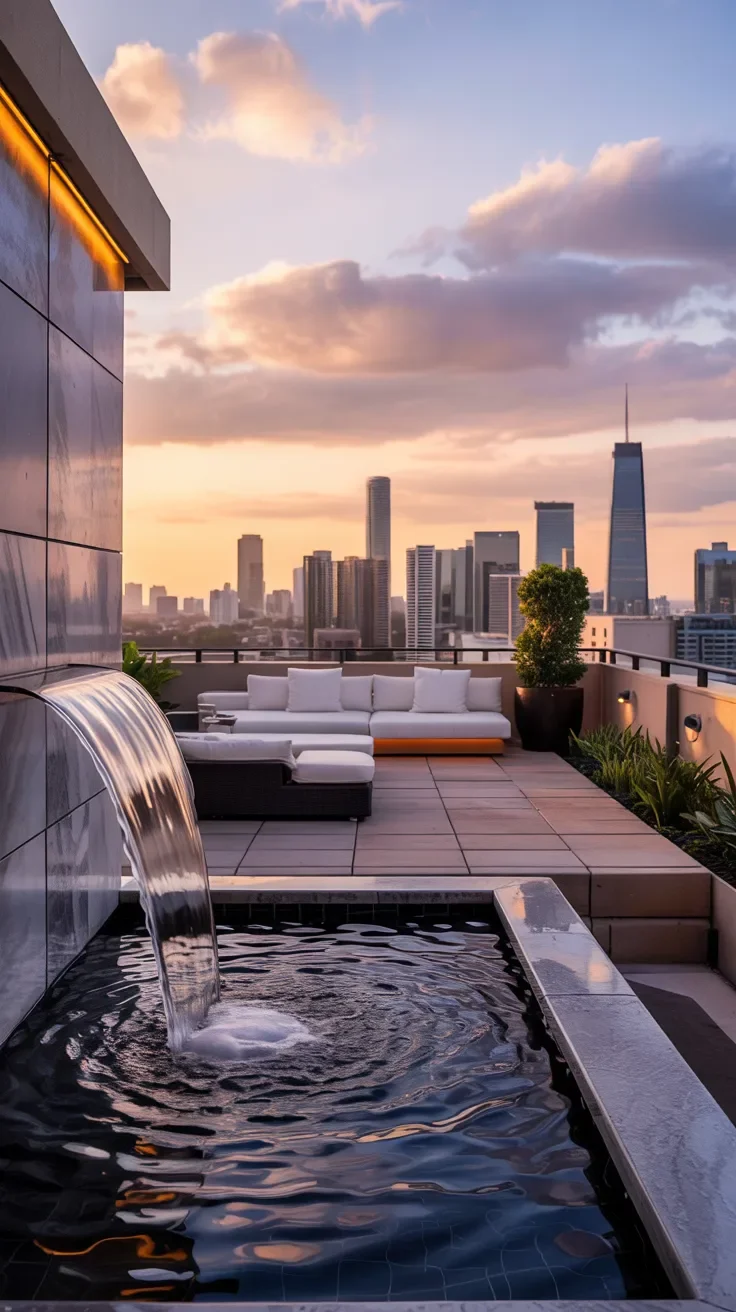
Rooftop patio design 2026 is all about transforming unused outdoor spaces into stylish and functional retreats above the city. This year’s trends combine modern comfort, eco-friendly materials, smart technology, and luxurious outdoor living ideas that make rooftops feel like private resorts. From cozy lounge corners and rooftop gardens to elegant dining areas and minimalist decor, homeowners are focusing on creating spaces that are both relaxing and visually impressive. Designers are also embracing natural textures, weather-resistant furniture, ambient lighting, and multi-functional layouts to maximize every square foot. Whether you have a compact apartment rooftop or a spacious terrace, the latest rooftop patio ideas offer inspiration for every style and budget. In this article, you’ll discover the top rooftop patio design trends, creative decorating concepts, and practical solutions that will define outdoor living in 2026.
Rooftop Patio Design Trends 2026
In 2026, I see rooftop patios becoming more architectural and lifestyle-focused rather than simply decorative. Homeowners are choosing layered outdoor spaces that combine dining, lounging, greenery, and wellness areas into one cohesive design. One of the strongest directions in rooftop patio design 2026 is the use of warm neutral palettes, textured concrete, natural wood decking, and oversized planters that soften modern structures. I also notice that designers are prioritizing seamless indoor-outdoor transitions with large sliding glass doors and continuous flooring materials.
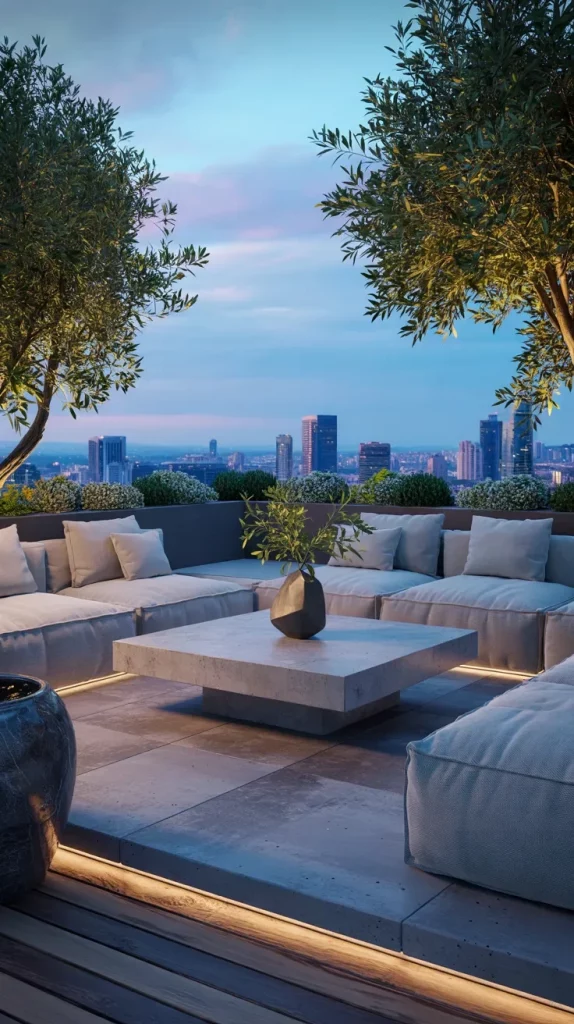
I recommend incorporating modular seating, weather-resistant fabrics, and sculptural accent furniture because rooftop environments demand durability without sacrificing style. Deep sectionals with low silhouettes create a contemporary look while remaining comfortable for entertaining. I also prefer integrated storage benches because rooftop layouts often require efficient use of space. Adding layered greenery such as ornamental grasses, olive trees, and climbing vines instantly makes the rooftop feel more welcoming and balanced against urban surroundings.
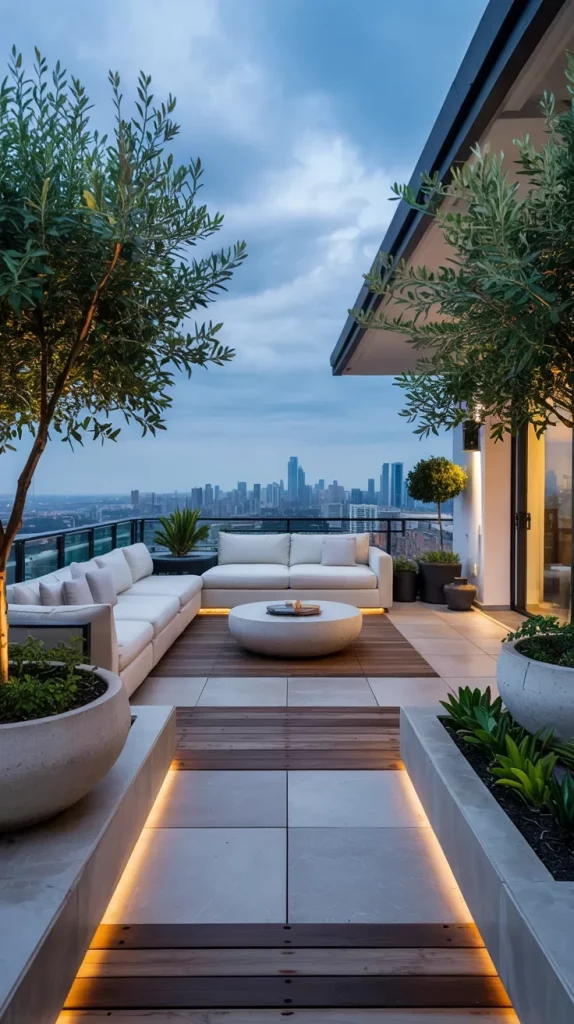
Personally, I believe the best rooftop patios in 2026 feel curated rather than overcrowded. Architectural Digest and several American outdoor designers have recently emphasized the importance of creating outdoor “living rooms” that feel emotionally calming while remaining highly functional. I completely agree with this approach because rooftops should feel relaxing after a busy day, not visually chaotic.
I also suggest adding smart outdoor technology early in the design process. Built-in speakers, automated lighting systems, and weather-adaptive pergolas can significantly improve the usability of rooftop spaces throughout the year while maintaining a clean and uncluttered aesthetic.
Modern Minimalist Rooftop Patio Ideas
Minimalism continues to dominate exterior design trends, and I find that rooftop patios benefit greatly from this clean and intentional aesthetic. A minimalist rooftop patio focuses on open space, carefully selected furniture, and restrained color palettes. In rooftop patio design 2026, minimalist concepts are evolving beyond cold monochromatic looks and now include warmer textures such as light oak decking, travertine-inspired surfaces, and soft linen outdoor upholstery. The result feels modern yet inviting.
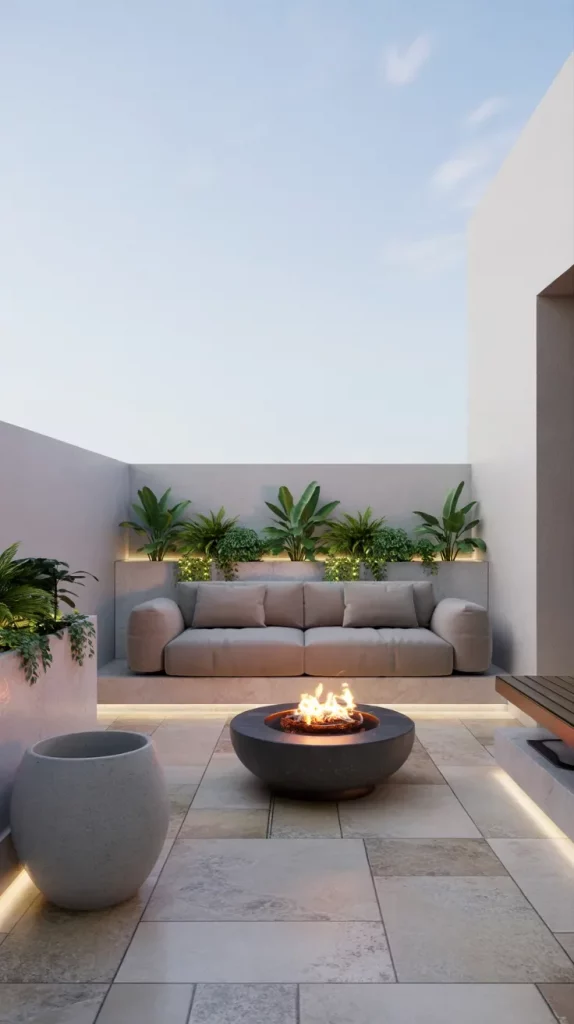
I prefer using low-profile modular sofas, floating benches, and sleek fire tables because these pieces maintain visual openness while still offering comfort. Neutral shades like sand, taupe, charcoal, and soft gray work especially well in rooftop settings because they reflect natural light beautifully. I also recommend hidden LED strip lighting integrated into seating or decking to maintain a subtle atmosphere without overwhelming the design. Minimalist patios should always feel breathable and balanced.
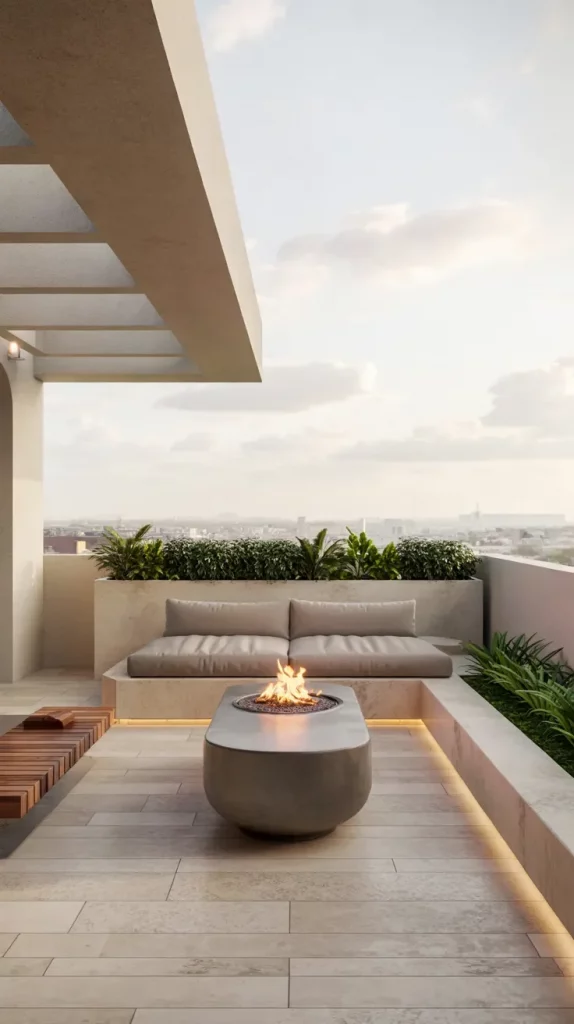
From my experience, restraint is the most difficult but most important part of minimalist rooftop styling. Many homeowners want to add too many accessories, but I find that fewer, higher-quality pieces create a much more luxurious appearance. Several outdoor living specialists in the US have noted that minimalist outdoor spaces help reduce visual stress, and I strongly support that philosophy when designing compact rooftop areas.
To complete the design, I would include sculptural planters, textured outdoor rugs, and a small water feature for movement and sound. These elements add warmth and personality without disrupting the simplicity that defines modern minimalism.
Luxury Rooftop Lounge Concepts For 2026
Luxury rooftop lounges in 2026 are designed to feel like private boutique hotel terraces with a strong focus on comfort and atmosphere. I notice that many high-end rooftop patios now include multiple seating zones, custom lighting systems, and premium natural materials that create a sophisticated outdoor experience. Rich textures, oversized furniture, and layered fabrics are becoming essential components of upscale rooftop living. The goal is to create a retreat that feels elegant both during the day and at night.
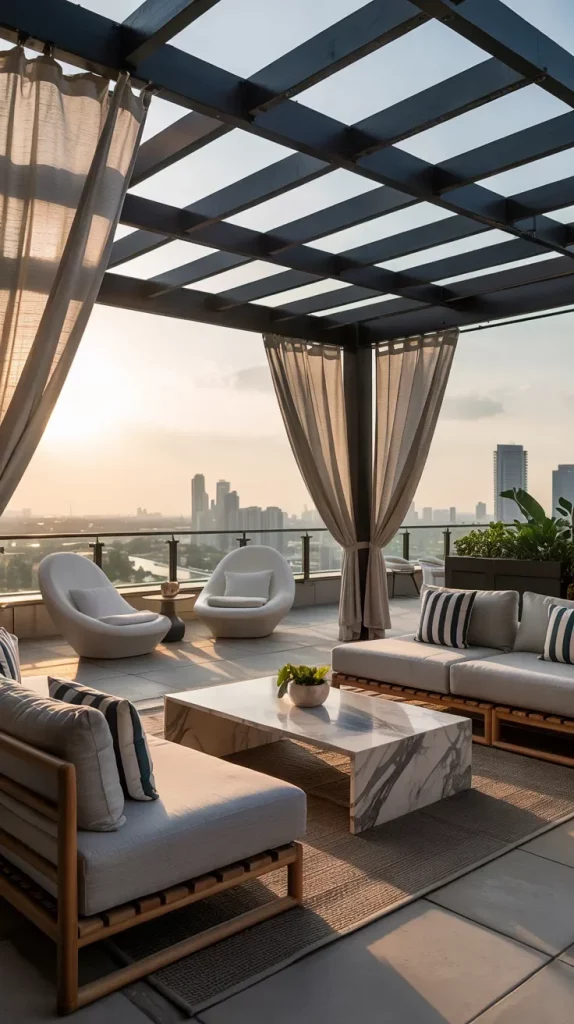
I recommend investing in large sectional sofas, curved lounge chairs, marble-top coffee tables, and custom outdoor cabinetry because these pieces instantly elevate the rooftop environment. One trend I particularly like is the use of mixed materials such as teak wood combined with matte black aluminum frames and creamy bouclé-style outdoor fabrics. Outdoor curtains and retractable shade systems also help create a more intimate and luxurious atmosphere while providing practical weather protection.
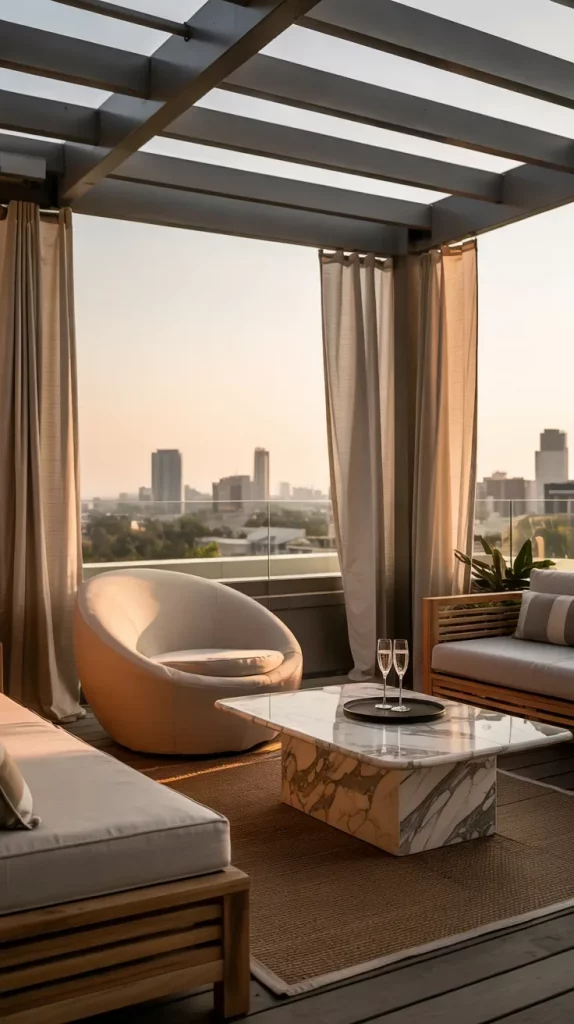
In my opinion, lighting is what truly transforms a rooftop lounge into a luxury destination. I often recommend layered lighting with pendant fixtures, recessed deck lights, lanterns, and integrated LED accents. Many respected US designers now focus on creating “hospitality-inspired” outdoor spaces, and I think this concept works perfectly for rooftops because it encourages relaxation and social interaction without feeling overly formal.
I would also include a small cocktail station or wine refrigerator because luxury rooftop spaces should support entertaining. These additions improve functionality while reinforcing the feeling of a complete outdoor living experience rather than just a seating area.
Small Rooftop Patio Design Solutions
Designing a small rooftop patio requires careful planning, but I believe compact spaces often become the most charming and functional outdoor retreats. In rooftop patio design 2026, small rooftop layouts are focusing on flexibility, smart storage, and visually lightweight furniture that prevents the area from feeling cramped. The key is maximizing every square foot without sacrificing comfort or style.
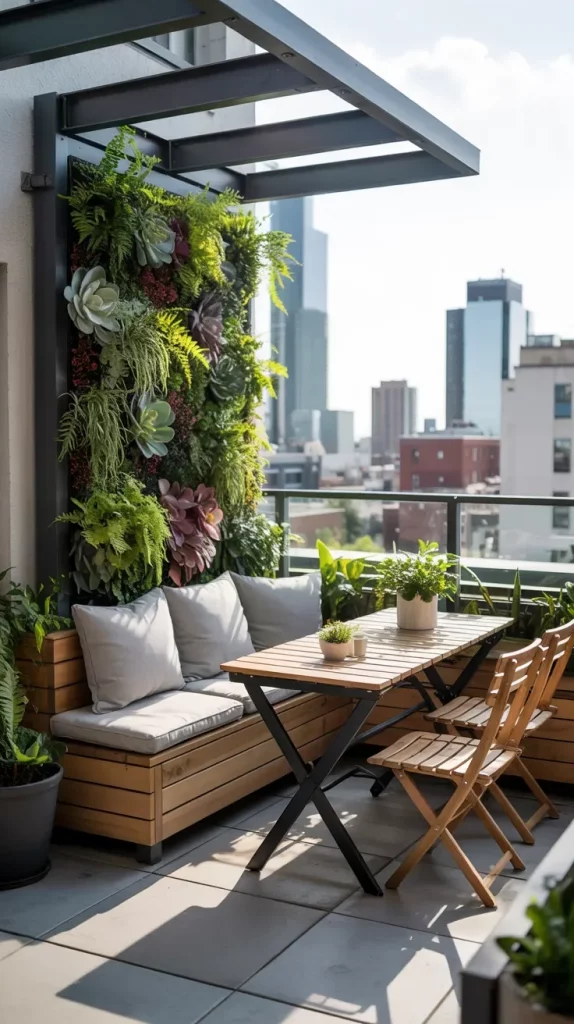
I usually recommend foldable dining furniture, built-in benches with hidden storage, and vertical gardens because these solutions save space while adding practicality. Slim-profile furniture with raised legs also helps small rooftops appear larger by creating visual openness underneath the seating. I prefer using light neutral colors and reflective materials because they make compact patios feel brighter and more expansive. Mirrors and glass railings can also visually enlarge the space.
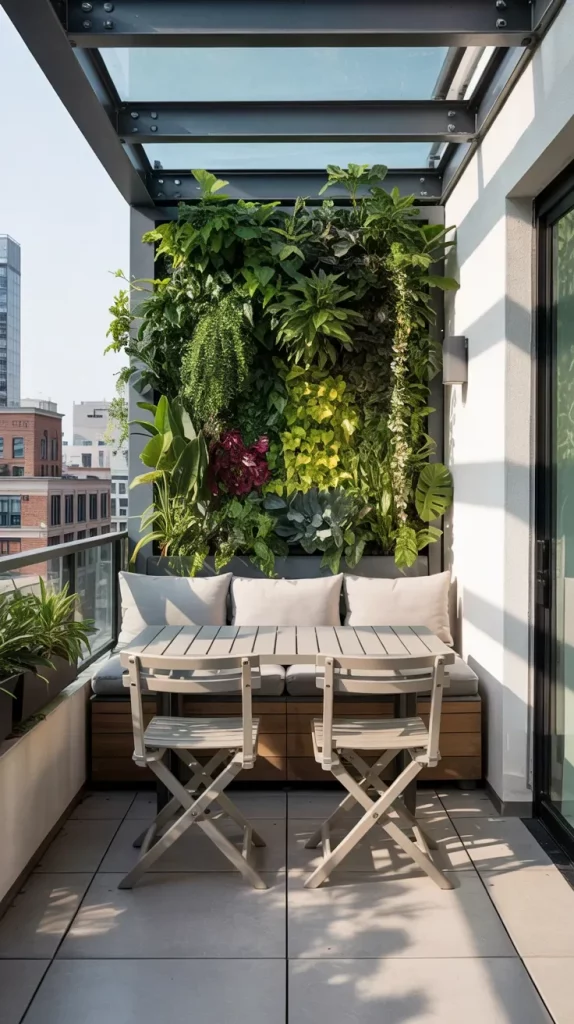
Personally, I think many people underestimate how effective zoning can be in a small rooftop design. Even a tiny patio can feel organized when separate areas are created for dining, relaxing, and greenery. Better Homes & Gardens has highlighted the importance of multifunctional outdoor furniture in recent outdoor living trends, and I completely agree that flexibility is essential in compact rooftop spaces.
I would additionally suggest incorporating movable planters and nesting side tables because they allow the layout to adapt easily for entertaining guests or enjoying quiet evenings alone. Flexibility is one of the most valuable features in smaller rooftop environments.
Cozy Rooftop Patio Decor Inspirations
Creating a cozy rooftop patio is all about layering textures, lighting, and natural materials to make the outdoor space feel warm and inviting. In 2026, I see cozy rooftop designs moving away from overly rustic looks and embracing softer contemporary styling with earthy tones, plush fabrics, and ambient lighting. A cozy rooftop should encourage people to relax comfortably for hours while still maintaining a polished and modern appearance.
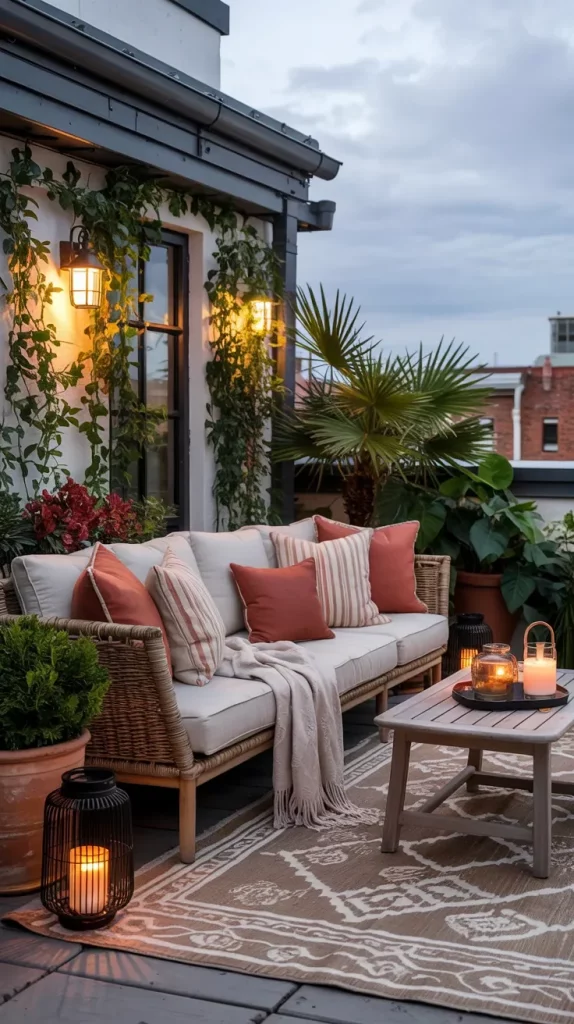
I recommend adding oversized cushions, textured throws, outdoor rugs, and lantern-style lighting because these elements immediately soften hard rooftop surfaces. Woven furniture, teak accents, and soft neutral upholstery work especially well for creating a welcoming atmosphere. I also find that adding greenery in different heights helps make rooftop patios feel more intimate and connected to nature, especially in urban settings surrounded by concrete and glass.
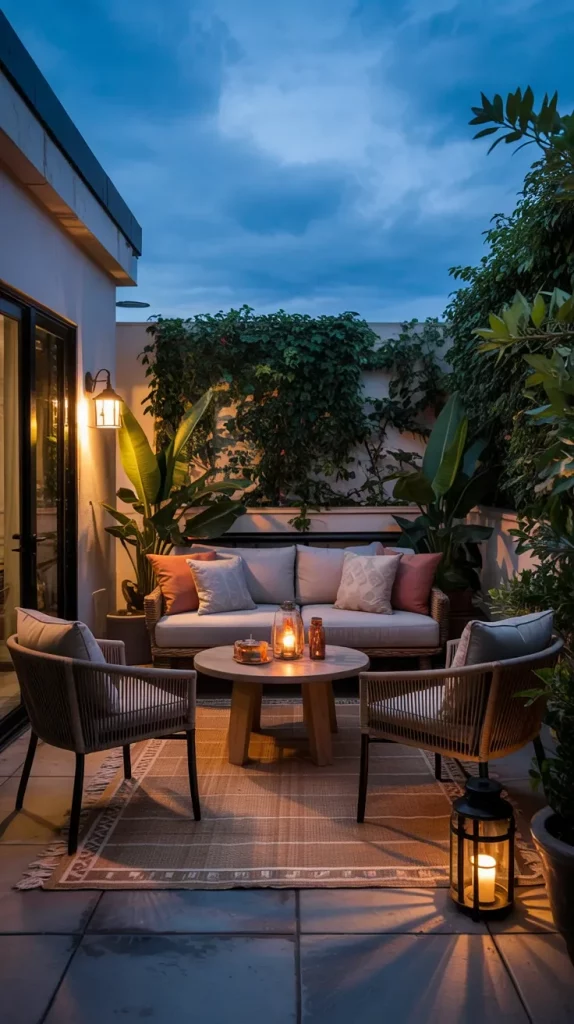
From my experience, cozy rooftop patios become much more successful when homeowners focus on sensory details rather than simply decorating visually. Soft lighting, comfortable seating depth, and layered textures create emotional warmth that guests instantly notice. Many modern outdoor designers now encourage using indoor-inspired styling outdoors, and I believe this trend makes rooftops feel far more livable and personal.
To make the space even more inviting, I would include scented herbs, portable heaters, and small side tables for drinks and books. These subtle additions improve daily usability and help transform the rooftop into a true extension of the home.
Contemporary Outdoor Furniture Trends
Outdoor furniture in 2026 is becoming more refined, sculptural, and adaptable to modern rooftop lifestyles. I notice that homeowners are moving away from bulky traditional patio sets and choosing streamlined pieces with cleaner silhouettes and premium materials. In rooftop patio design 2026, furniture trends focus heavily on comfort, modularity, and weather-resistant finishes that still feel luxurious. Curved forms, textured fabrics, and natural finishes are especially popular because they soften contemporary rooftop environments.
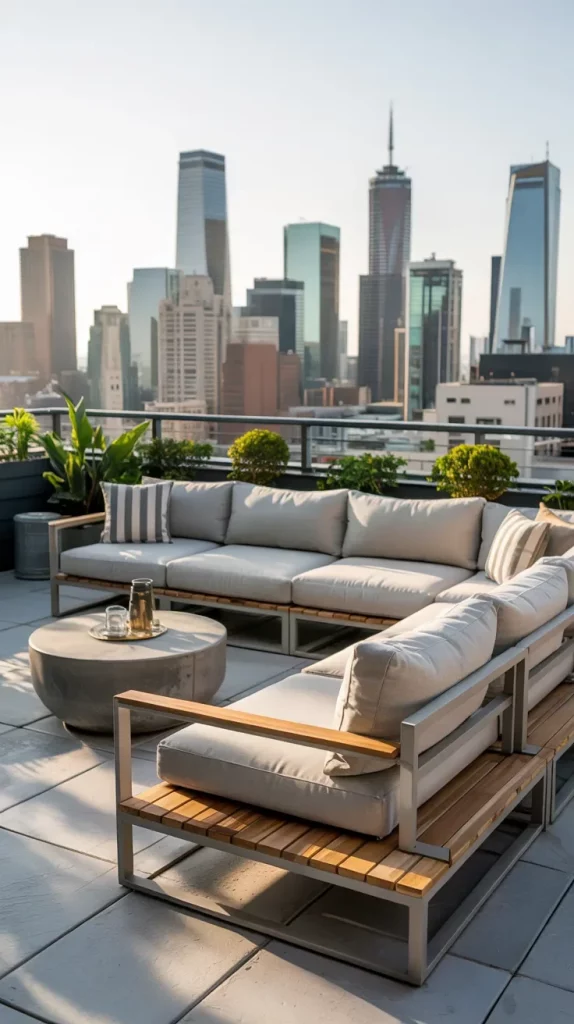
I recommend choosing modular seating systems because they can easily adapt to different rooftop layouts and entertaining needs. Powder-coated aluminum frames, teak wood details, and high-performance outdoor fabrics are some of the best material combinations for durability and visual appeal. I also prefer deep seating cushions with layered neutral textiles because they create a comfortable lounge atmosphere without overwhelming the design. Sculptural coffee tables and compact side tables help complete the rooftop while keeping the arrangement visually balanced.
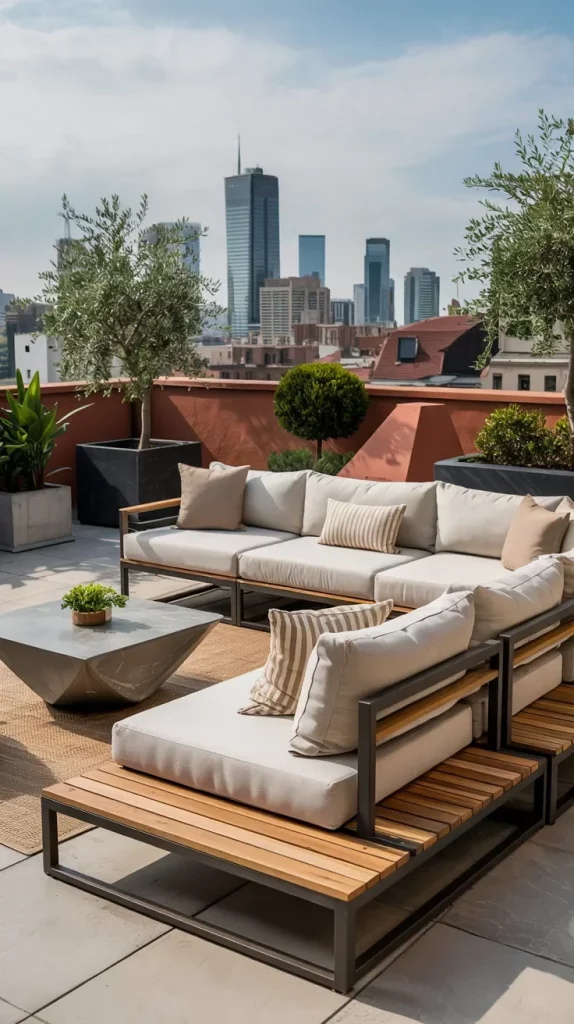
From my experience, investing in fewer but higher-quality outdoor furniture pieces produces a far more elegant rooftop design than overcrowding the space with unnecessary decor. Many American outdoor living designers now emphasize the importance of creating flexible outdoor spaces that can transition from daytime relaxation to evening entertaining. I strongly agree with this approach because rooftop patios should feel adaptable throughout the entire day.
I would also include multifunctional furniture such as ottomans with hidden storage or extendable dining tables. These additions make rooftop patios significantly more practical, especially in urban homes where outdoor square footage is limited.
Rooftop Patio Lighting Ideas For Evening Ambiance
Lighting plays one of the most important roles in rooftop patio design because it completely changes the mood and functionality of the space after sunset. In 2026, rooftop lighting trends are becoming more layered and architectural rather than relying on a single overhead source. I find that the most successful rooftop patios combine subtle ambient lighting with decorative accent fixtures to create depth and warmth. Soft illumination makes outdoor spaces feel sophisticated and comfortable instead of overly bright or commercial.
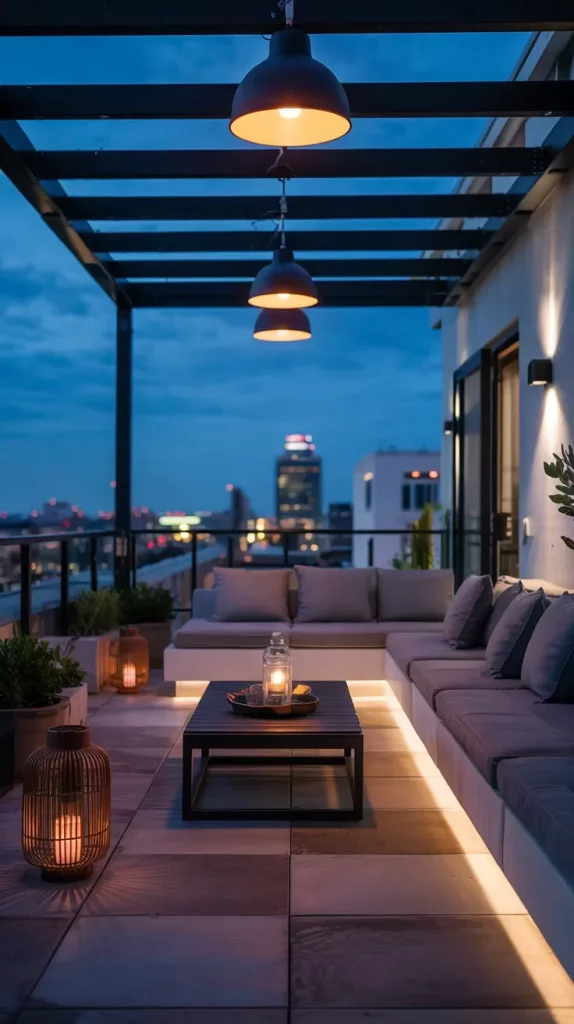
I recommend integrating LED strip lighting into stairs, benches, and decking because it creates a modern floating effect while improving safety. Pendant lights under pergolas, lantern-style fixtures, and rechargeable table lamps also work beautifully for creating cozy evening environments. I often use warm white lighting temperatures because cooler tones can make rooftop spaces feel sterile and uninviting. String lights are still popular, but in 2026 they are being styled in more minimal and refined ways.
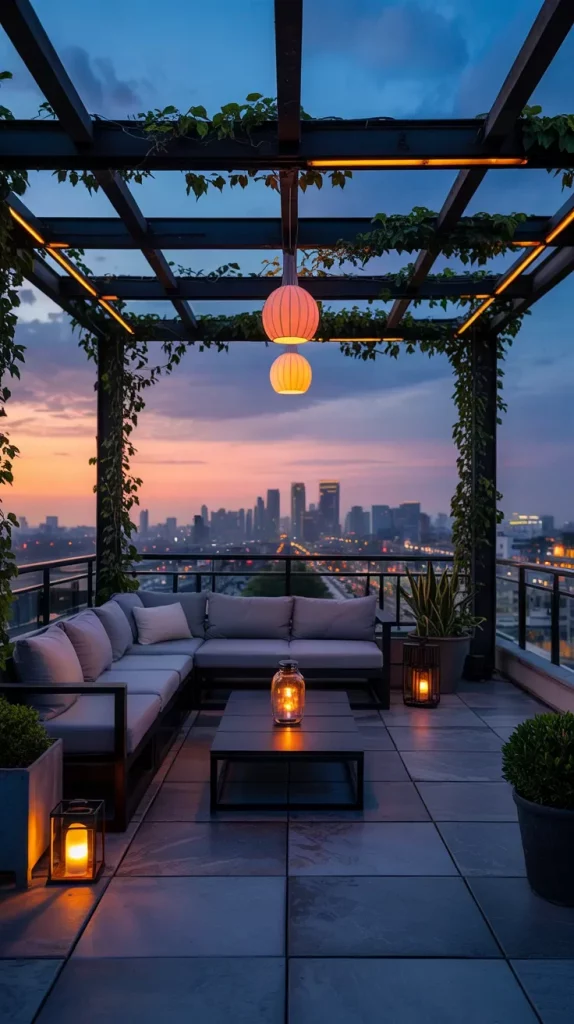
Personally, I think lighting should guide how people experience a rooftop rather than simply illuminate it. Several well-known outdoor designers in the US now focus on “mood zoning” through layered lighting, and I find this strategy extremely effective for rooftop patios. Softly lit lounge areas feel intimate, while brighter dining zones remain functional for entertaining guests.
To complete the atmosphere, I would add candle lanterns, illuminated planters, or portable wireless lamps. These details create visual depth and allow the rooftop to feel welcoming long after sunset without requiring excessive decorative clutter.
Outdoor Kitchen Designs For Rooftop Spaces
Outdoor kitchens are becoming one of the most desirable features in modern rooftop living because they transform patios into complete entertainment destinations. In rooftop patio design 2026, outdoor kitchens are focusing on compact efficiency, elegant materials, and seamless integration into the surrounding lounge space. Even smaller rooftops can accommodate functional cooking areas when layouts are carefully planned. The goal is creating convenience without sacrificing valuable relaxation space.
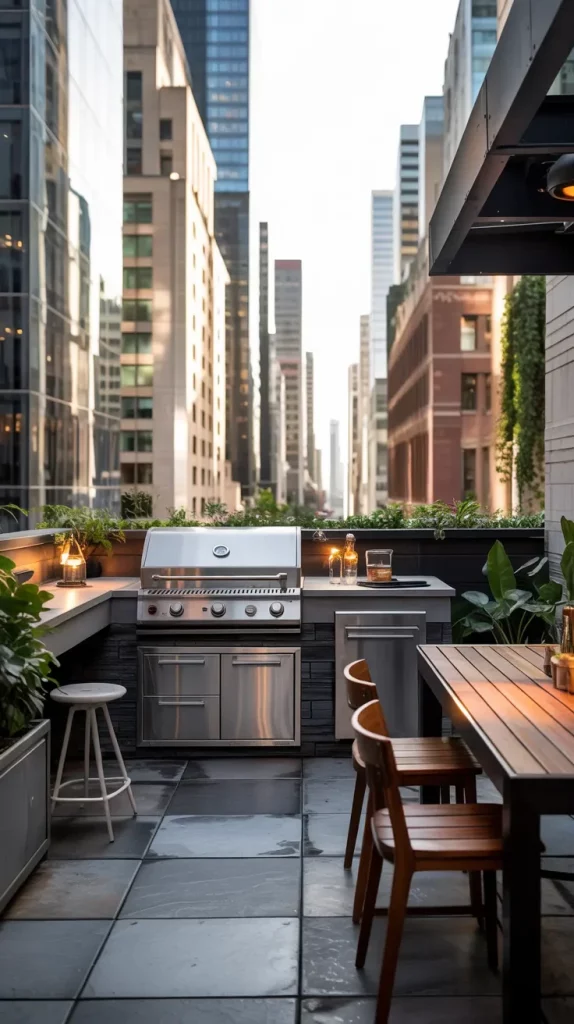
I recommend including built-in grills, compact refrigerators, durable stone countertops, and weather-resistant cabinetry because these materials hold up well in rooftop conditions. Stainless steel appliances remain a favorite for outdoor kitchens due to their durability and timeless appearance. I also prefer adding bar seating or narrow dining counters because they encourage social interaction while maximizing space efficiency. Integrated storage is essential for keeping rooftop kitchens organized and visually clean.
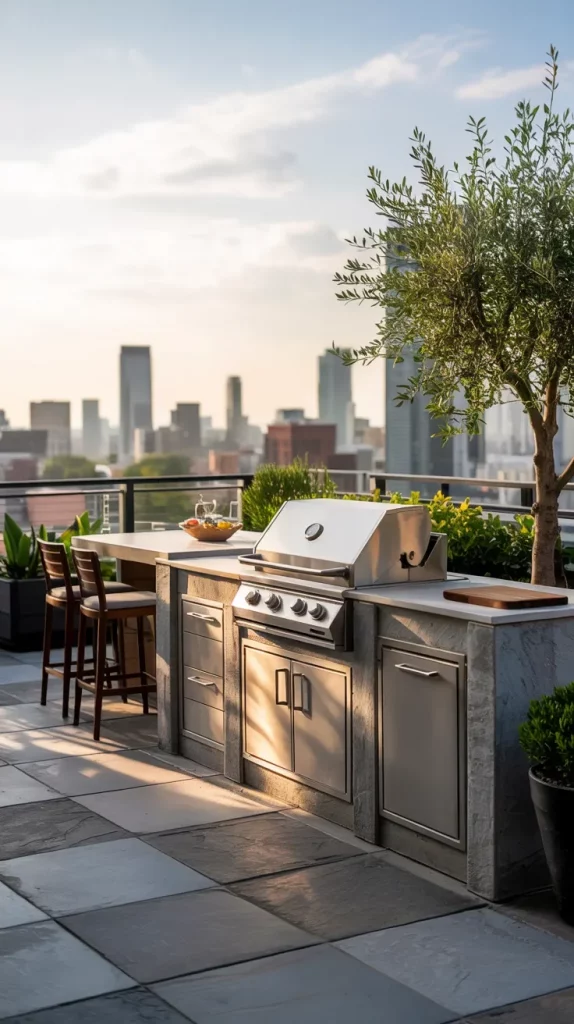
From my experience, rooftop outdoor kitchens work best when they feel connected to the seating and dining zones rather than separated from them. Many luxury outdoor designers now emphasize creating “social cooking spaces” where guests can comfortably gather during meal preparation. I completely agree because rooftop entertaining should feel relaxed and interactive rather than formal.
I would additionally suggest incorporating compact herb planters, outdoor shelving, and shaded cooking areas. These additions improve both functionality and comfort, especially during warmer summer months when rooftops receive direct sunlight throughout the day.
Stylish Pergola And Shade Structures
Shade structures have become essential elements in rooftop design because they improve comfort while adding strong architectural character. In 2026, pergolas are evolving into multifunctional features that define outdoor living zones and enhance the overall visual composition of rooftop patios. I notice that modern pergolas now feature cleaner lines, integrated lighting, retractable canopies, and mixed materials such as wood, aluminum, and steel. These structures help rooftops feel more complete and livable throughout the year.
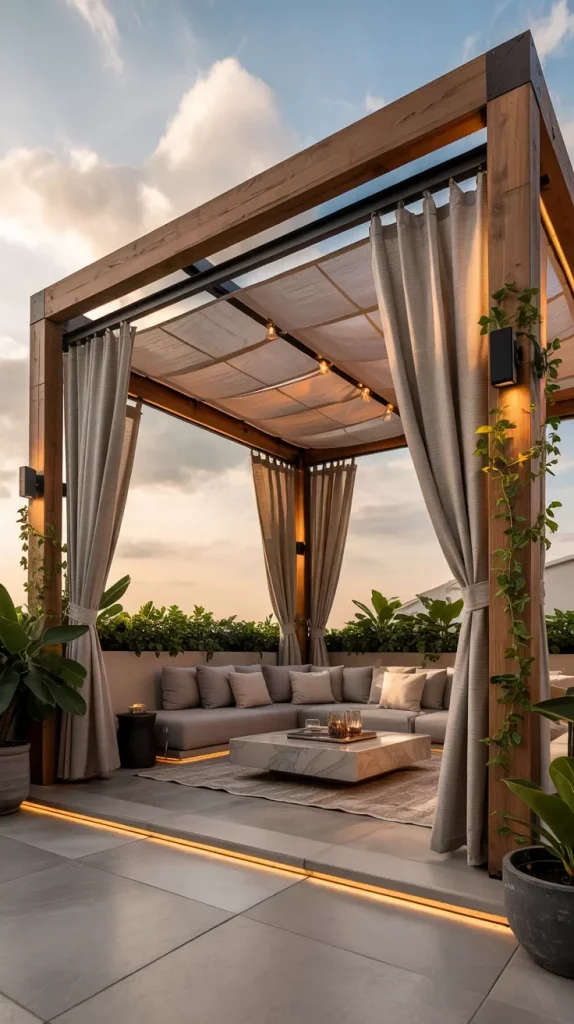
I recommend choosing pergolas with adjustable louvers or retractable fabric systems because rooftop weather conditions can change quickly. Wooden pergolas bring warmth and texture to contemporary rooftops, while matte black aluminum designs create a sleek minimalist appearance. I also like incorporating climbing greenery or sheer outdoor curtains because they soften the structure and create a more relaxing atmosphere. Shade structures should always feel integrated into the overall design rather than added as an afterthought.
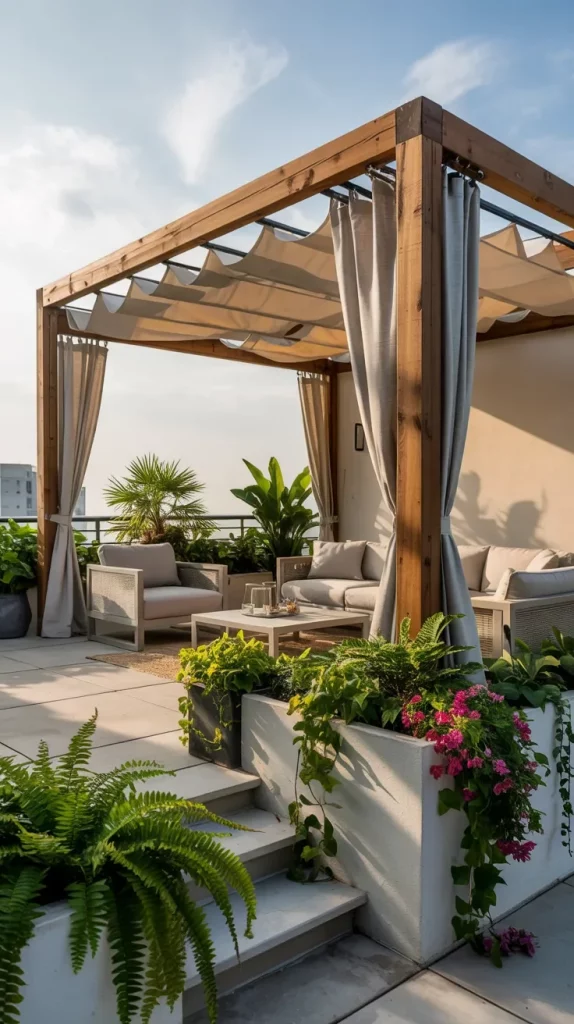
Personally, I find that pergolas dramatically improve the usability of rooftop patios during hot afternoons and light rain. Several outdoor architecture publications in the US have highlighted the growing popularity of flexible shade systems that combine comfort with smart technology, and I believe this trend will continue to expand in modern urban homes.
To make the pergola area even more functional, I would add ceiling fans, integrated heaters, or hanging pendant lights. These additions allow rooftop patios to remain comfortable and visually inviting throughout multiple seasons.
Rooftop Fire Pit Ideas For Modern Homes
Fire pits remain one of the most attractive focal points in rooftop patios because they instantly create warmth, atmosphere, and social interaction. In rooftop patio design 2026, fire pit styles are becoming more sculptural and minimalist, often blending seamlessly into luxury rooftop lounge layouts. Clean geometric shapes, concrete finishes, and linear gas fire features are especially popular because they complement modern architecture while maintaining practicality and safety.
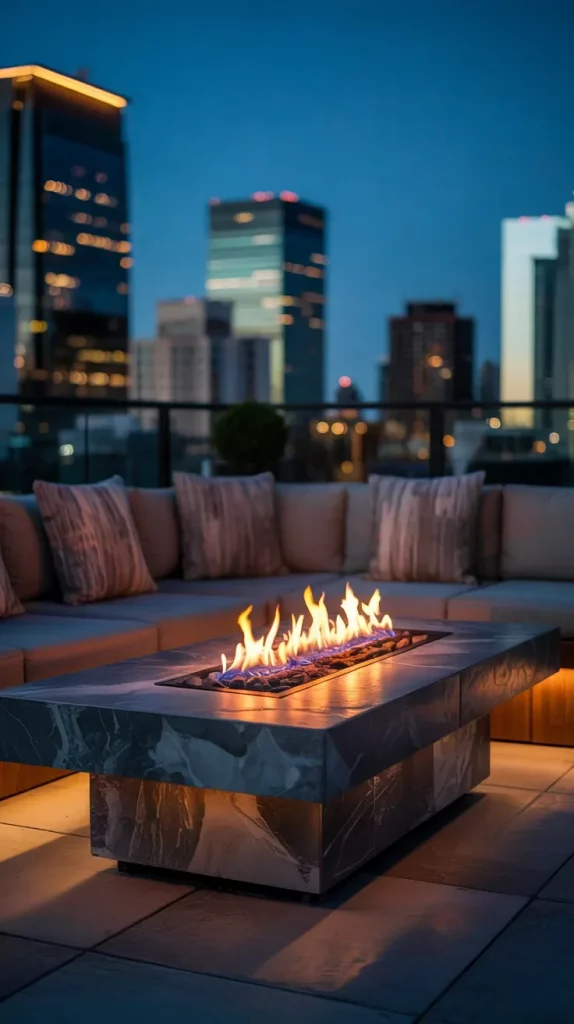
I recommend choosing gas-powered fire pits for rooftop spaces because they are cleaner, easier to maintain, and typically more suitable for urban environments. Linear fire tables work beautifully between sectional sofas, while compact round fire pits create a cozy conversational setting for smaller rooftops. I also prefer pairing fire features with low lounge seating, textured cushions, and soft lighting to create a balanced and comfortable evening atmosphere.
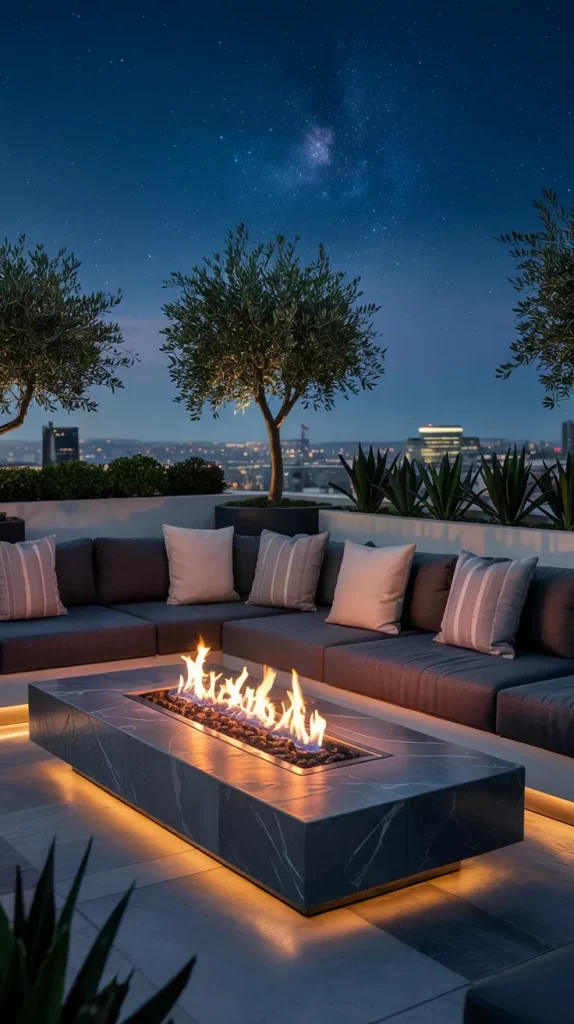
From my experience, rooftop fire pits encourage people to spend significantly more time outdoors during cooler evenings. Many respected outdoor living experts now describe fire features as the emotional center of modern outdoor spaces, and I completely agree with that perspective. A well-designed fire pit naturally draws people together and gives the rooftop a more luxurious and inviting identity.
I would also suggest adding weather-resistant side tables, warm throws, and integrated seating walls around the fire feature. These details improve both comfort and functionality while helping the rooftop feel polished and thoughtfully designed.
Eco-Friendly Rooftop Patio Designs
I believe sustainable outdoor spaces will dominate rooftop patio design 2026 because homeowners increasingly want stylish areas that also reduce environmental impact. In my experience, eco-friendly rooftop patios work best when they combine recycled materials, drought-resistant plants, and energy-efficient lighting. I often recommend using composite decking made from recycled wood fibers because it withstands weather changes while maintaining a refined appearance. Neutral palettes mixed with greenery create a calming atmosphere that feels modern without becoming overly decorative.
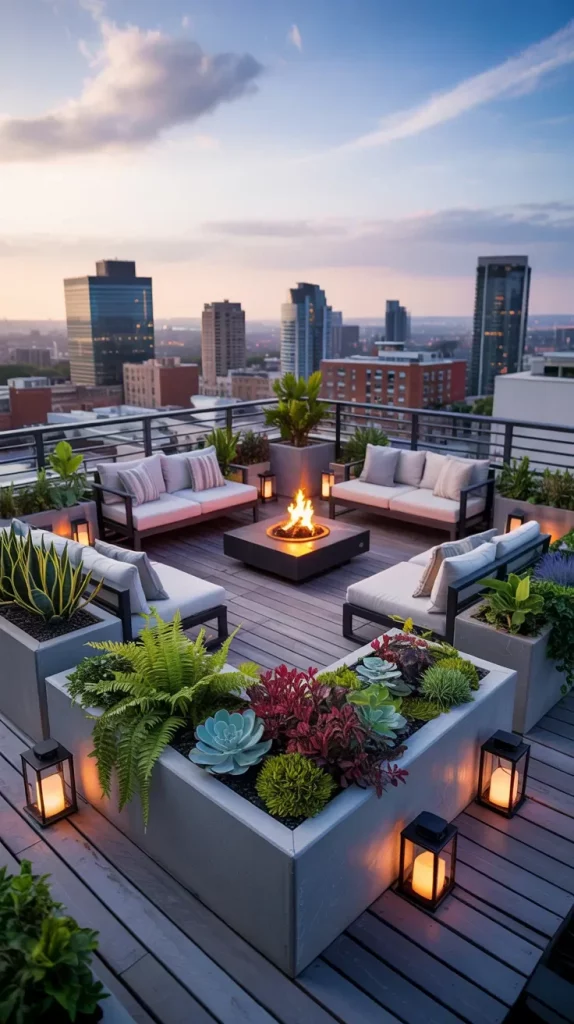
When I design sustainable rooftop patios, I focus heavily on furniture that balances durability and environmental responsibility. Teak alternatives, powder-coated aluminum seating, and weather-resistant woven lounge chairs are practical choices that last for years. I also like incorporating solar lanterns, rainwater collection systems for plants, and modular planters that can easily adapt to changing layouts. Large outdoor rugs made from recycled plastics help define seating areas while making the rooftop feel more comfortable and visually cohesive.
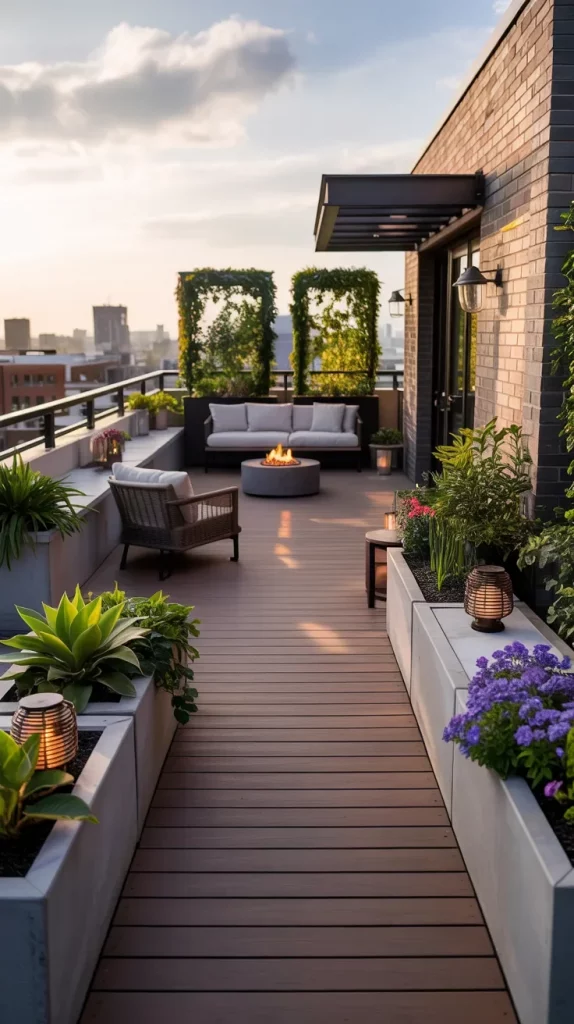
I’ve noticed that many respected American designers and publications, including Architectural Digest, emphasize the importance of blending sustainability with luxury rather than treating eco-friendly design as purely functional. From my perspective, the most successful rooftop patios are the ones that feel inviting first and sustainable second. I personally prefer layered textures, soft outdoor cushions, and warm ambient lighting because they prevent eco-conscious spaces from appearing too minimal or cold.
I would also add a compact outdoor kitchen with energy-efficient appliances to complete this type of rooftop patio. In my experience, adding a small herb garden near the cooking area makes the rooftop feel more personal and practical while enhancing the connection between nature and entertaining.
Rooftop Garden Ideas With Lush Greenery
Lush rooftop gardens are one of the most visually striking rooftop garden ideas for urban homes in 2026. I find that layered greenery instantly softens hard architectural lines and creates a more relaxing outdoor atmosphere. Vertical gardens, oversized planters, and climbing vines are especially effective for rooftops because they maximize greenery without consuming valuable floor space. I usually recommend combining ornamental grasses, olive trees, and flowering plants to create depth and seasonal variation.
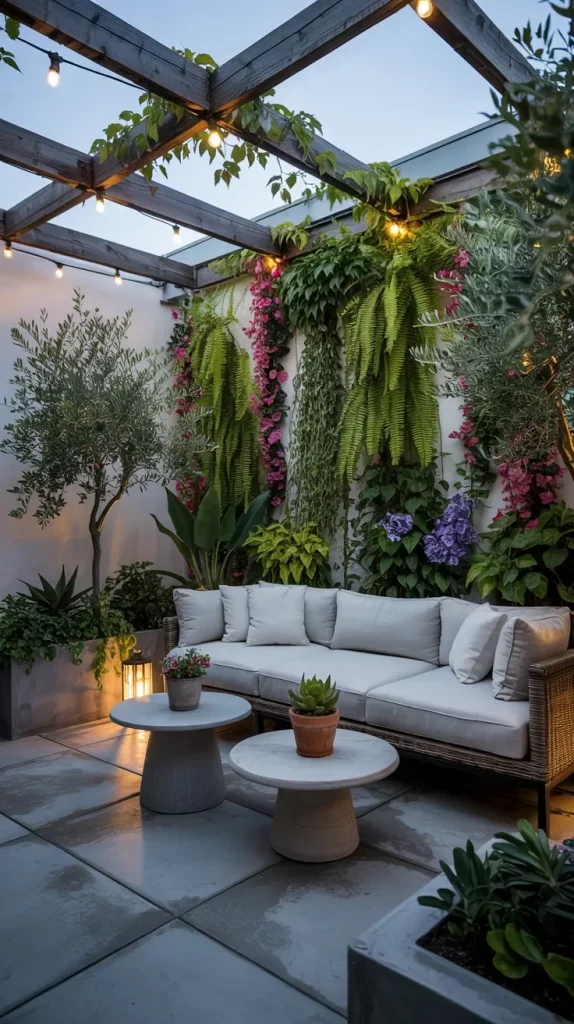
Furniture selection plays a major role in making rooftop gardens functional. I prefer low-profile outdoor sectionals in earthy tones because they allow the greenery to remain the focal point. Concrete or ceramic side tables work beautifully with natural plants, while built-in benches with hidden storage add practicality without overcrowding the rooftop. Pergolas covered with climbing plants can also create shaded areas that feel intimate and protected from direct sunlight.
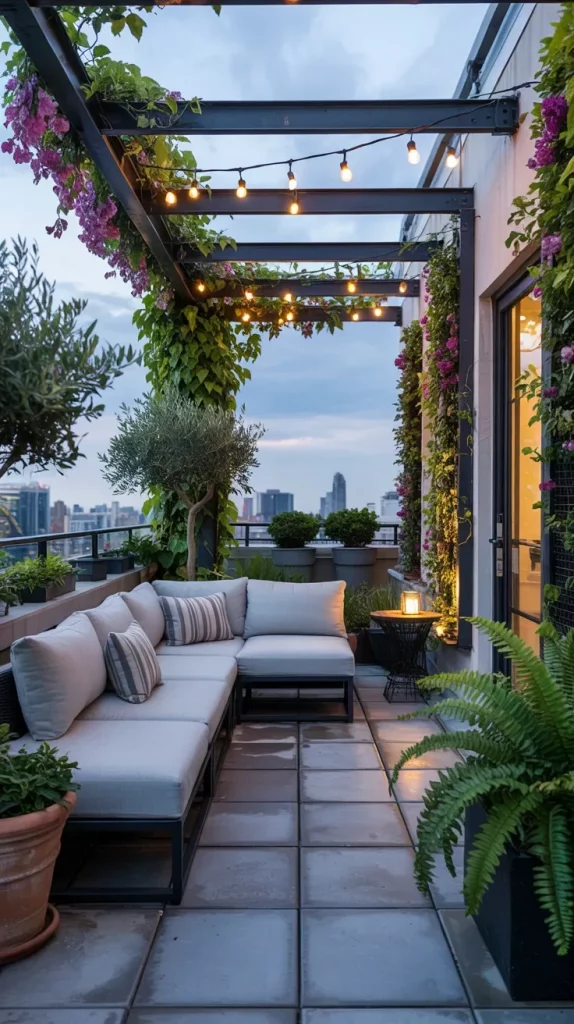
From my experience, successful rooftop gardens require careful planning around irrigation and maintenance. I often suggest installing automated drip irrigation systems because they simplify plant care and reduce water waste. Many professional landscape designers in the US now recommend mixing native plants with tropical accents to achieve a modern yet manageable rooftop garden aesthetic. I personally think this balance creates the most timeless result.
I would also include layered lighting throughout the greenery to make the rooftop functional in the evening. Soft LED pathway lighting, hanging lanterns, and hidden uplighting beneath plants can completely transform the mood after sunset while emphasizing the natural textures of the garden.
Scandinavian Rooftop Patio Inspiration
Minimalism continues to influence modern rooftop patio ideas, and Scandinavian-inspired rooftops are perfect for homeowners who want calm, uncluttered outdoor spaces. I like using soft neutral tones, light wood finishes, and clean architectural lines to create a rooftop that feels airy and relaxing. In my opinion, Scandinavian design works particularly well on smaller rooftops because it avoids visual clutter while still feeling warm and welcoming.
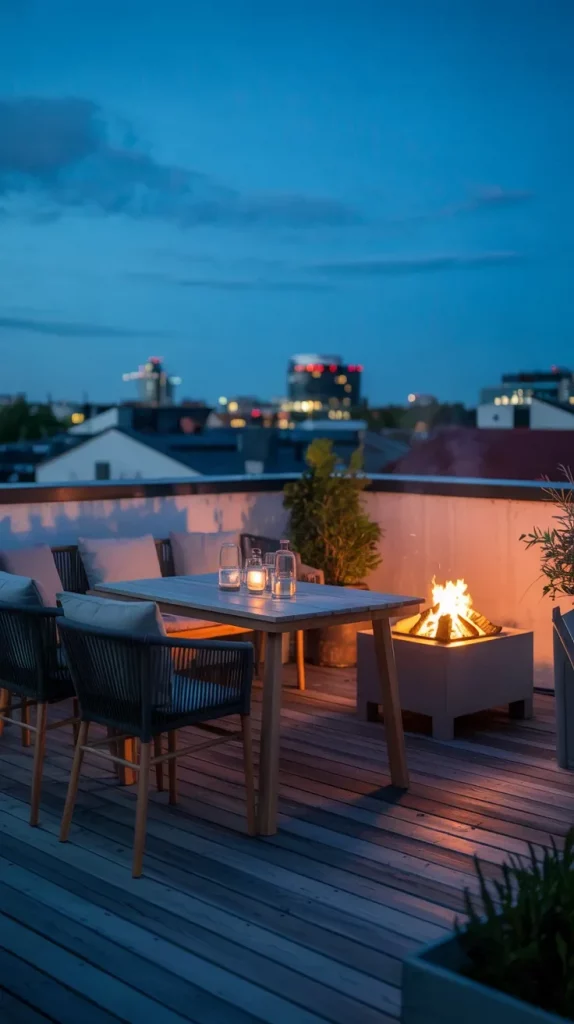
For furniture, I usually select simple teak seating, linen outdoor cushions, and streamlined dining tables with matte finishes. Scandinavian rooftop patios benefit from layered textures rather than excessive decoration, so I often include chunky knit throws, textured outdoor rugs, and soft lantern lighting. Compact fire pits also work extremely well because they add warmth and encourage year-round outdoor use without overwhelming the minimalist aesthetic.
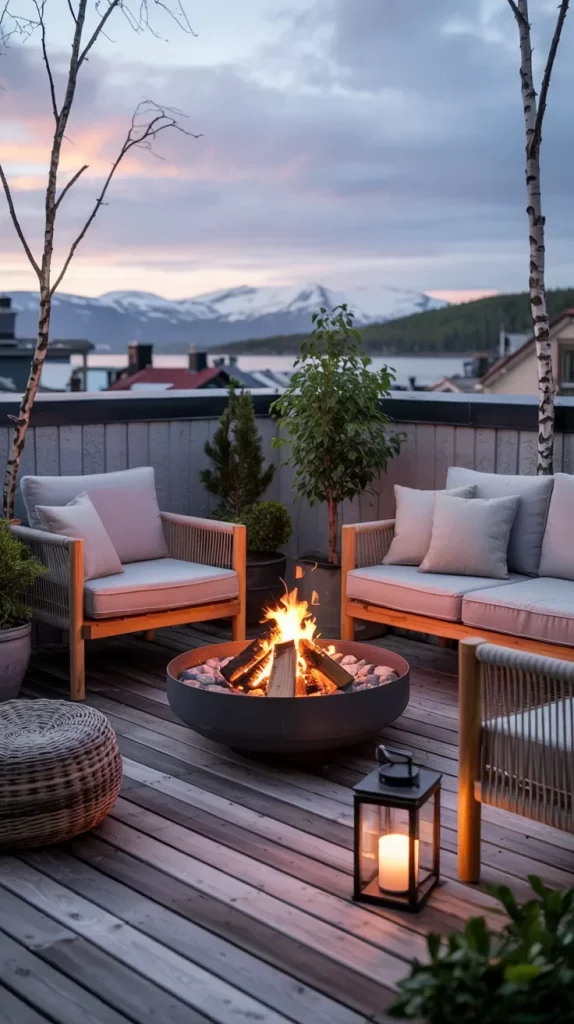
Personally, I think Scandinavian rooftops succeed because they prioritize comfort over decoration. I’ve noticed that many Nordic-inspired outdoor spaces focus heavily on natural light and functional layouts rather than trendy accessories. Publications like Dwell frequently highlight how Scandinavian design encourages intentional living, and I completely agree with that philosophy when designing rooftop spaces.
I would recommend adding retractable glass wind panels for rooftops exposed to strong winds. In my experience, they preserve the clean Scandinavian look while making the patio much more comfortable throughout different seasons.
Boho Chic Rooftop Patio Decor
Boho-inspired rooftops remain one of the most creative directions in outdoor rooftop living trends because they allow homeowners to mix textures, patterns, and vintage-inspired details freely. I love designing boho rooftops with layered fabrics, oversized floor cushions, hanging chairs, and woven decor because these elements create a relaxed and artistic atmosphere. Warm earthy tones mixed with terracotta accents and natural materials make the rooftop feel inviting and visually rich.
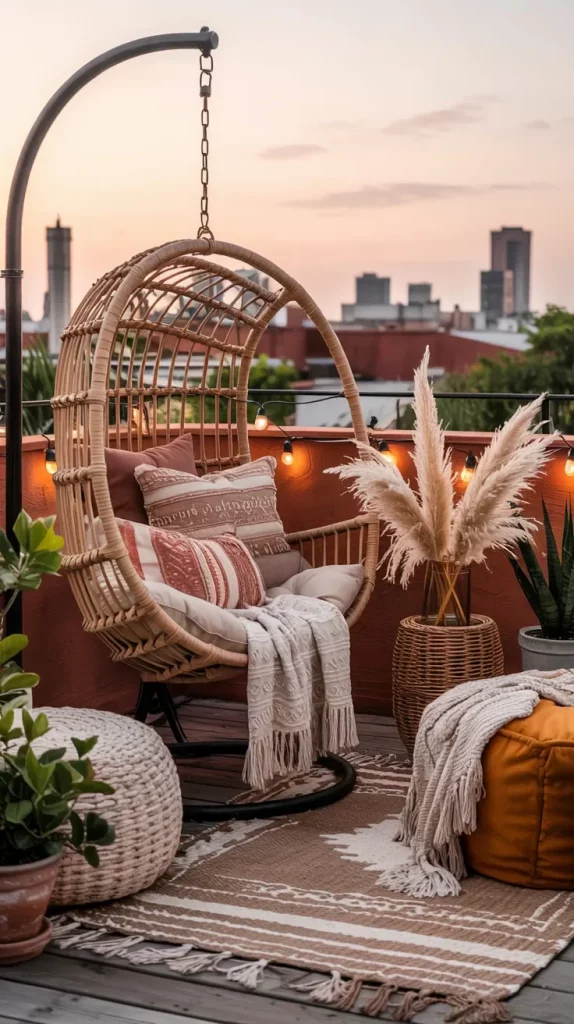
When choosing furniture for a boho rooftop, I typically recommend rattan loungers, reclaimed wood coffee tables, and macramé decor. Outdoor poufs and patterned cushions add personality while keeping the space casual and comfortable. String lights, lanterns, and candle-style LED lighting are essential because they create the warm ambient glow that defines boho outdoor spaces. I also like incorporating textured planters and dried pampas grass for additional depth.
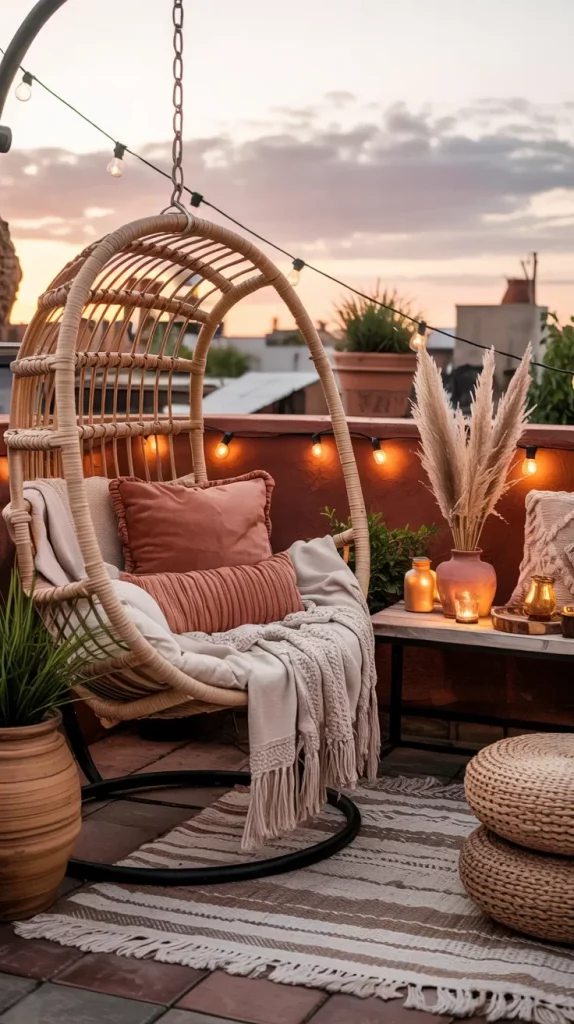
In my experience, the biggest mistake people make with boho patios is overcrowding the space with too many decorative objects. I believe balance is extremely important. While boho design embraces creativity, the rooftop should still feel functional and easy to navigate. Many modern designers now combine boho elements with contemporary furniture to prevent the style from feeling outdated or overly eclectic.
I would also add a shaded canopy or lightweight fabric pergola to complete the rooftop. Besides improving comfort during sunny afternoons, flowing fabrics introduce movement and softness that perfectly complement the bohemian aesthetic.
Industrial Style Rooftop Patio Concepts
Industrial rooftop patios continue to evolve in rooftop patio design 2026, especially in urban apartments and modern penthouses. I find that exposed concrete, black metal accents, and raw materials create a sophisticated rooftop atmosphere that feels contemporary without appearing overly polished. Industrial design works especially well on rooftops with city skyline views because the architecture naturally complements the surrounding urban environment.
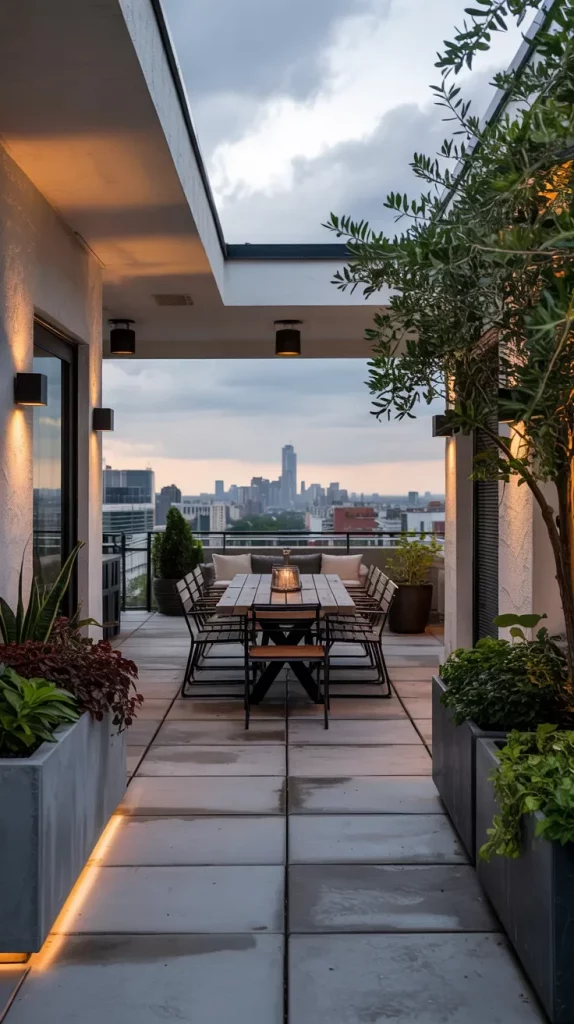
For furniture, I usually recommend black aluminum sectionals, concrete coffee tables, and weathered wood dining sets. Industrial rooftops often benefit from oversized planters, matte black lighting fixtures, and minimalist fire features. I also like using large-format porcelain tiles that mimic concrete because they provide the industrial look while offering better durability and easier maintenance than real concrete surfaces.
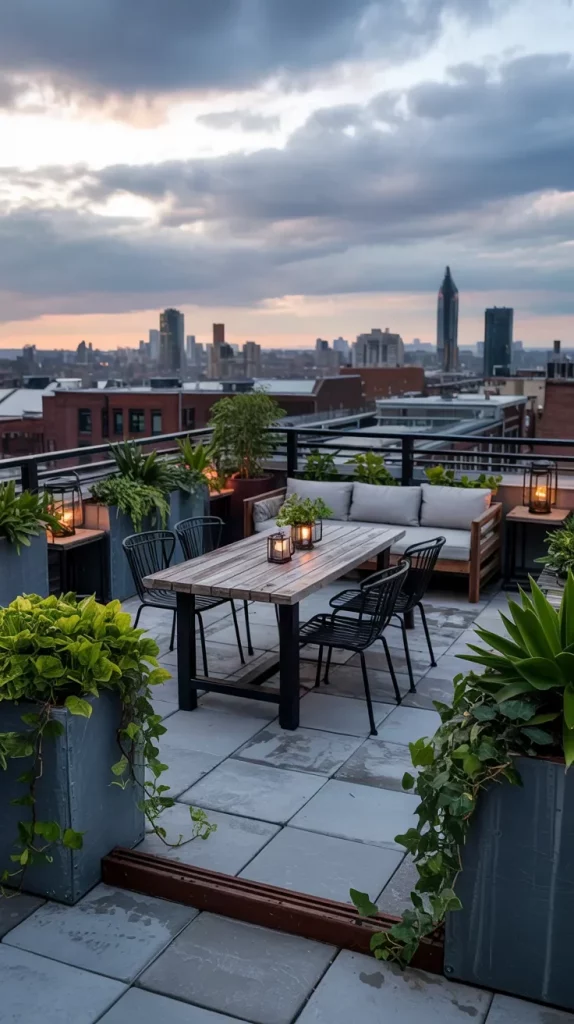
Personally, I think industrial rooftop patios become much more inviting when softened with warm textures. I often add neutral outdoor cushions, layered lighting, and subtle greenery to prevent the design from feeling too harsh. Many contemporary American designers now combine industrial materials with organic textures, which creates a more balanced and livable outdoor environment.
I would recommend incorporating built-in seating along the perimeter of the rooftop to maximize usable space. In my experience, this approach enhances the sleek industrial aesthetic while making the patio more practical for entertaining larger groups.
Mediterranean Rooftop Patio Designs
Mediterranean-inspired rooftops are becoming increasingly popular within rooftop patio design 2026 because they create a warm and timeless outdoor atmosphere. I like using natural stone textures, white stucco finishes, and earthy terracotta tones to capture the relaxed elegance associated with coastal European homes. In my experience, Mediterranean rooftop patios feel especially inviting when they combine open-air lounging with shaded dining areas. Arched details, textured walls, and handcrafted decorative accents help create a rooftop space that feels sophisticated yet comfortable.
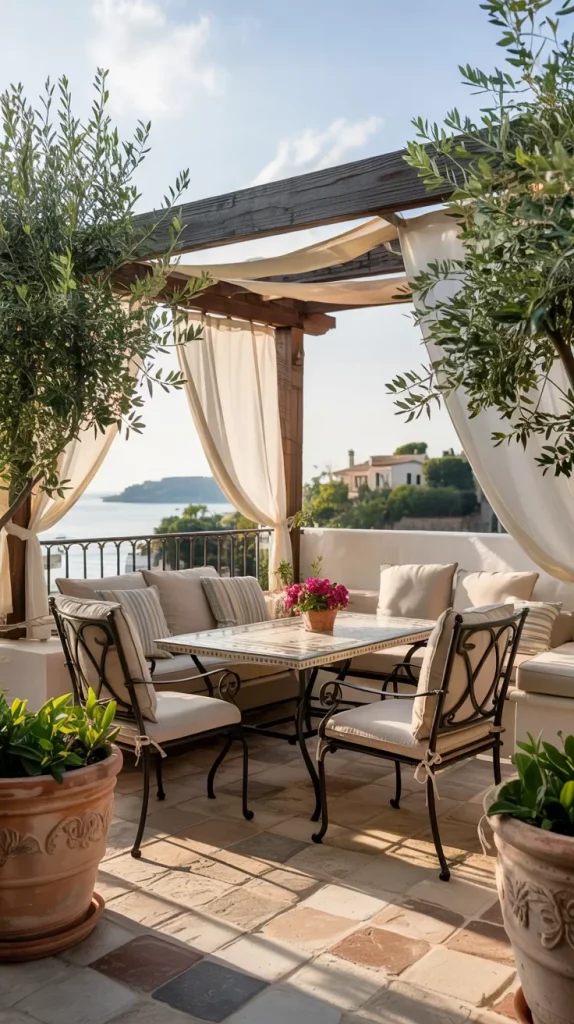
For furniture, I usually recommend teak or wrought iron dining sets paired with neutral linen cushions and ceramic accessories. Large clay planters filled with olive trees, lavender, or citrus plants instantly enhance the Mediterranean character of the rooftop. I also find that mosaic tile coffee tables and textured outdoor rugs add warmth without overwhelming the space. Pergolas with flowing white curtains are another important feature because they soften the architecture while providing relief from direct sunlight.
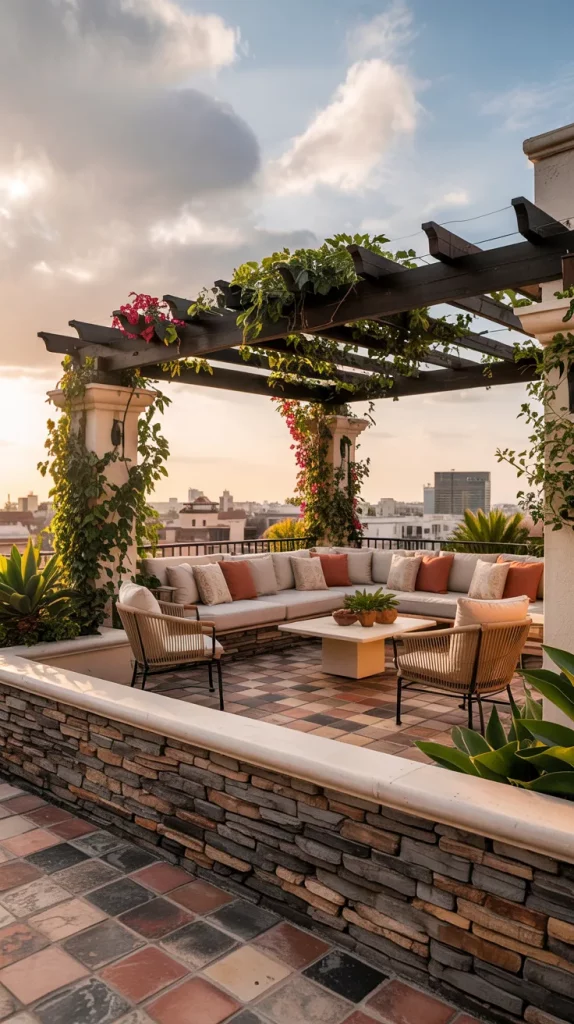
Personally, I think Mediterranean rooftops work best when the design feels organic rather than overly styled. I often reference design inspiration from coastal homes featured in Elle Decor and House Beautiful because they successfully balance elegance with relaxed living. In my own projects, I prefer layering warm lighting, natural textures, and greenery to make the rooftop feel lived-in and welcoming rather than overly polished.
I would also include an outdoor bar or serving station in this type of rooftop layout. In my experience, Mediterranean patios are designed around entertaining, so a dedicated area for drinks and casual dining helps complete the atmosphere while improving functionality.
Rooftop Patio Flooring Trends 2026
Flooring is one of the most important elements in modern rooftop patio ideas because it affects both the appearance and durability of the space. In 2026, I’m seeing a strong preference for large-format porcelain tiles, composite decking, and textured natural stone finishes. These materials are popular because they resist weather damage while creating a high-end architectural appearance. I usually recommend choosing flooring in soft neutral tones because it allows furniture and greenery to stand out more naturally.
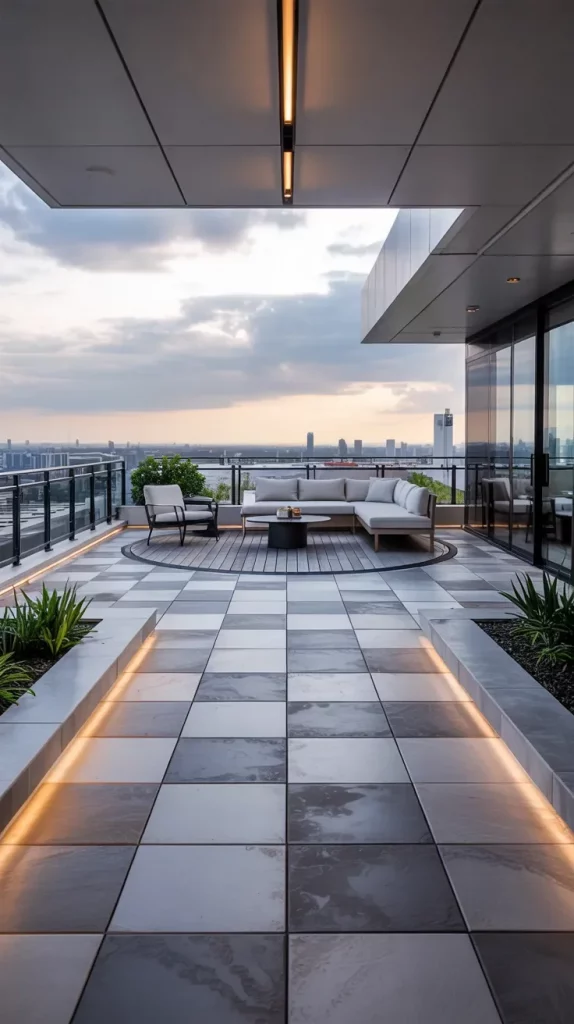
When selecting rooftop flooring, I focus on slip resistance, heat retention, and maintenance requirements. Composite wood decking remains one of my preferred options because it provides the warmth of natural wood without constant upkeep. Porcelain tiles that imitate concrete or travertine are also excellent choices because they create a modern look while remaining highly durable. I often combine flooring materials to visually separate dining areas, lounge spaces, and garden zones across larger rooftops.
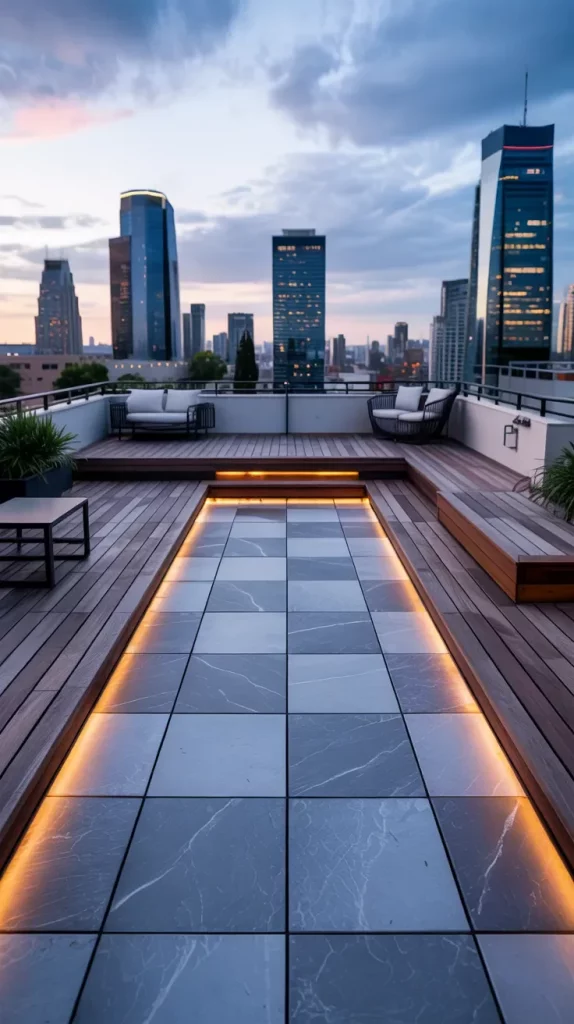
From my experience, homeowners sometimes underestimate how much flooring influences the overall atmosphere of a rooftop patio. I personally believe that cohesive flooring creates a more luxurious and professionally designed appearance. Many landscape architects now recommend using sustainable and weather-resistant materials that can handle temperature fluctuations without fading or cracking, especially in exposed urban environments.
I would also suggest integrating subtle LED strip lighting directly into the flooring layout. Besides improving nighttime safety, illuminated flooring details can dramatically enhance the rooftop’s ambiance and create a more modern architectural effect.
Creative Privacy Screen Ideas For Rooftops
Privacy has become an essential feature in outdoor rooftop living trends, especially in densely populated urban areas. I find that modern privacy screens can improve comfort without making the rooftop feel closed off or cramped. Slatted wood panels, frosted glass dividers, and vertical gardens are some of the most effective solutions because they maintain airflow while creating separation from neighboring buildings. I often use layered privacy solutions to make rooftops feel more intimate and visually dynamic.
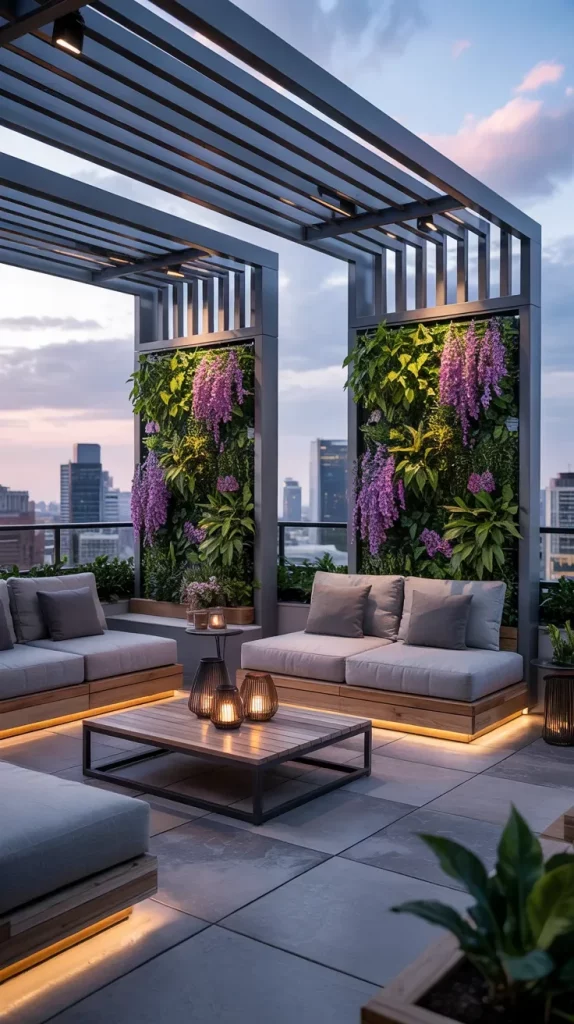
For rooftop furniture layouts, privacy screens help define functional zones more effectively. I typically position lounge seating near greenery-covered dividers to create a more secluded atmosphere. Decorative laser-cut metal screens are another excellent option because they add architectural interest while filtering sunlight beautifully throughout the day. Outdoor curtains and retractable partitions can also provide flexibility for homeowners who want adjustable levels of openness and privacy.
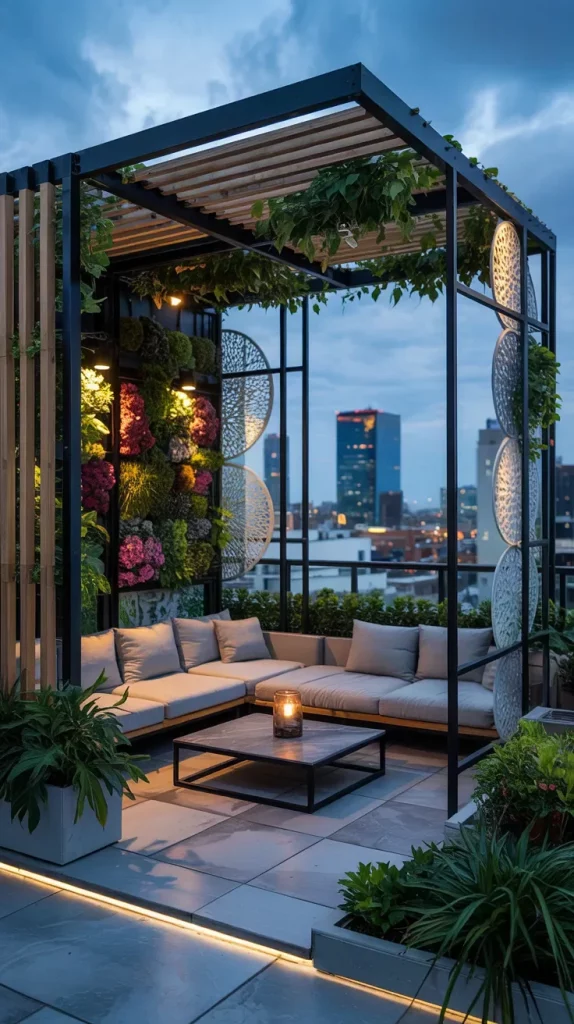
Personally, I think privacy features should feel integrated into the design rather than appearing purely functional. I’ve seen many successful rooftop projects where designers combine planters, lighting, and privacy panels into one cohesive structure. In my own work, I prefer natural materials and greenery because they soften the rooftop visually while maintaining a modern aesthetic.
I would also add acoustic elements such as water features or tall ornamental grasses to improve the sense of privacy. In my experience, reducing noise levels is just as important as blocking visual exposure when designing a relaxing rooftop retreat.
Smart Technology For Rooftop Patios
Technology is transforming rooftop patio design 2026, making outdoor spaces more convenient, comfortable, and energy-efficient. I’ve noticed that homeowners increasingly want smart systems that allow them to control lighting, heating, music, and irrigation directly from their phones. Automated features not only improve convenience but also help rooftops function as true extensions of the indoor living environment.
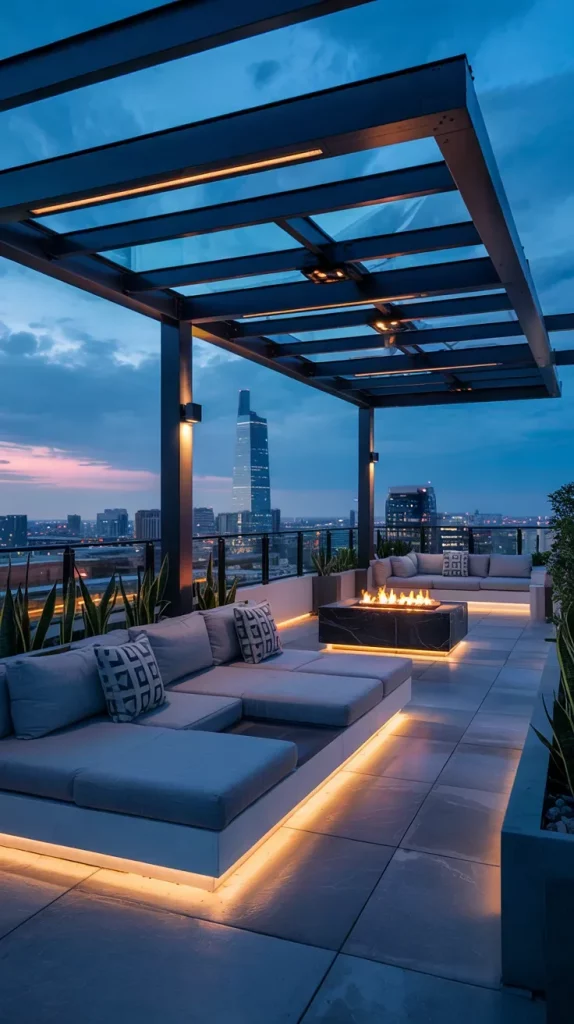
When integrating smart technology into rooftop patios, I usually recommend weatherproof speakers, app-controlled LED lighting, and automated pergolas with retractable roofs. Smart irrigation systems are especially useful for rooftop gardens because they simplify plant maintenance while reducing water waste. I also find that built-in outdoor heaters and fire tables controlled through mobile apps make rooftops much more comfortable during cooler evenings.
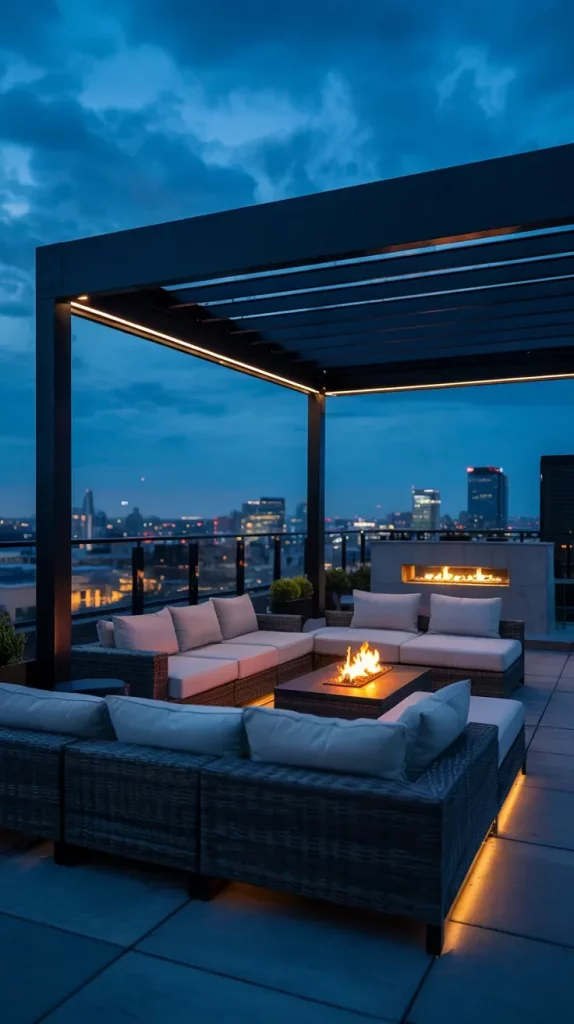
In my experience, the best smart rooftops are the ones where technology remains subtle and unobtrusive. I personally avoid overcrowding outdoor spaces with visible devices or overly complicated systems. Publications like Architectural Digest frequently emphasize seamless integration in luxury outdoor design, and I completely agree with that approach. Technology should support relaxation rather than dominate the atmosphere.
I would also recommend incorporating hidden charging stations and outdoor Wi-Fi boosters into the rooftop design. These additions may seem small, but they significantly improve functionality for entertaining, remote work, and everyday outdoor living.
Multi-Functional Rooftop Patio Layouts
Versatility is becoming one of the defining characteristics of rooftop patio design 2026 because homeowners want outdoor spaces that support relaxation, dining, entertaining, and even remote work. I believe multi-functional rooftops are most successful when the layout feels intentional and organized rather than crowded. Dividing the rooftop into clearly defined zones helps maximize usability while maintaining a cohesive visual flow.
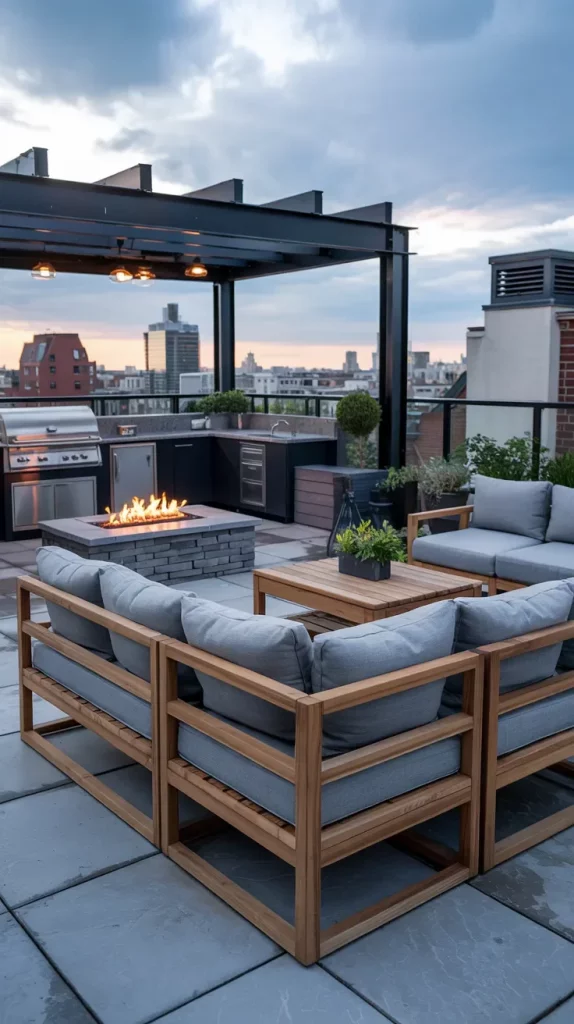
For furniture selection, I prefer modular seating, extendable dining tables, and built-in storage benches because they provide flexibility without sacrificing style. Outdoor kitchens, compact bars, and convertible fire pit tables are also excellent additions for rooftops designed around entertaining. I often use outdoor rugs, lighting variations, and planter arrangements to visually separate lounge and dining areas without adding physical barriers.
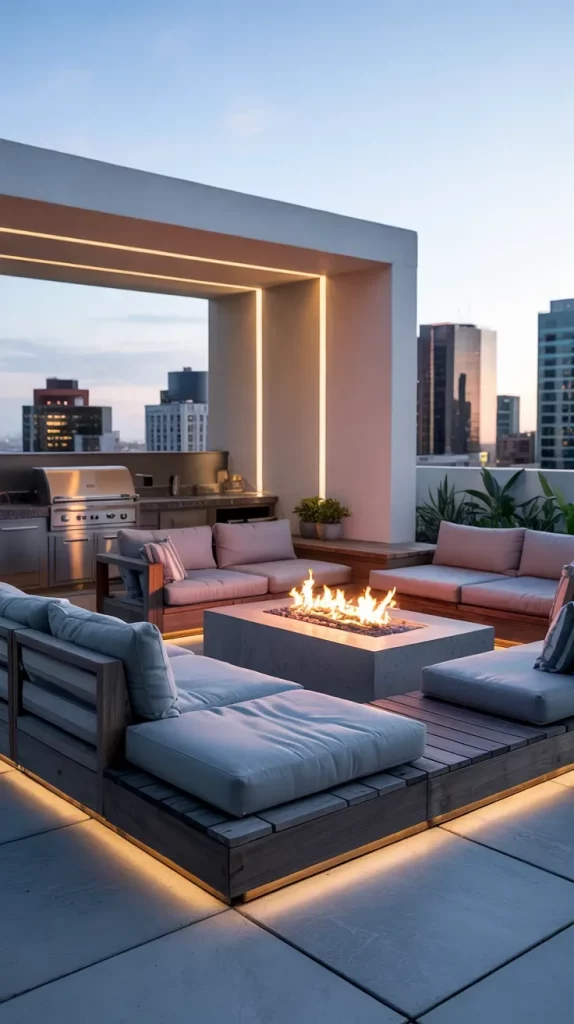
Personally, I think adaptable rooftop layouts are especially valuable in urban homes where outdoor space is limited. I’ve worked on rooftops where a single area functioned as a dining space during the evening and a comfortable work zone during the day. Many professional designers now recommend investing in modular outdoor furniture because it allows homeowners to easily adjust the layout for different occasions and seasonal needs.
I would also include hidden storage solutions throughout the rooftop to maintain a clean and uncluttered appearance. In my experience, organized storage is essential for preserving the comfort and sophistication of multi-functional outdoor spaces.
Rooftop Dining Area Design Inspiration
I always recommend starting a rooftop patio project with a functional dining area because it naturally becomes the center of outdoor living. In rooftop patio design 2026, dining spaces are becoming softer, warmer, and more residential in style instead of looking like traditional outdoor furniture setups. I prefer using oversized dining tables with textured finishes, comfortable upholstered chairs, layered lighting, and pergolas that help define the dining zone without closing it off completely. A rooftop dining area should feel inviting both during the day and at night, especially in urban settings where city views become part of the design experience.
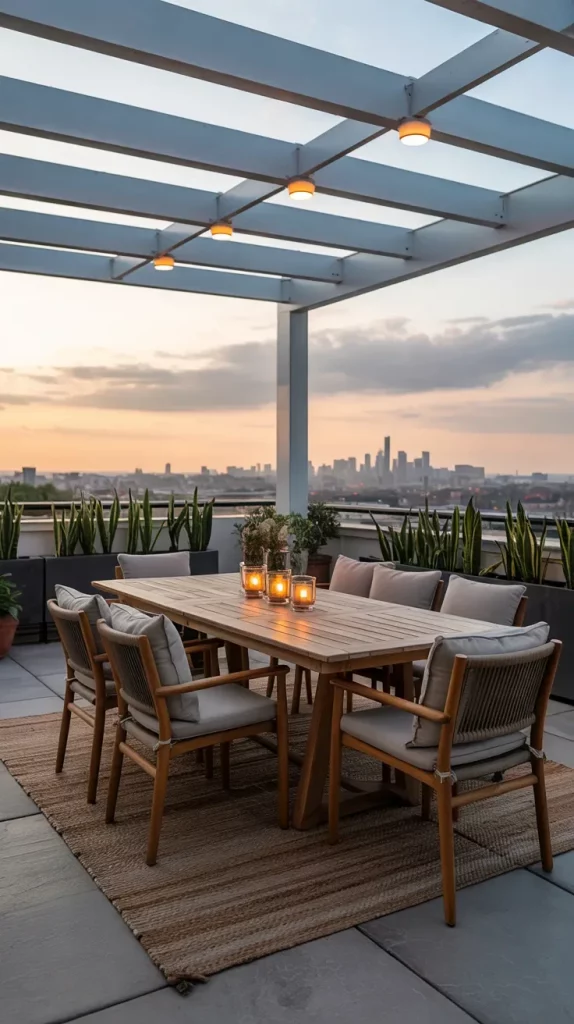
When I design rooftop dining spaces, I focus heavily on durable but refined furniture materials. Teak dining tables, powder-coated aluminum frames, weather-resistant upholstery, and ceramic tabletops work especially well because they handle changing weather conditions while still looking elegant. I also like adding built-in bench seating with hidden storage because rooftop spaces often need practical solutions without sacrificing style. Warm LED pendant lights, outdoor rugs, textured cushions, and portable fire bowls help soften the architecture and create a welcoming atmosphere for entertaining guests.
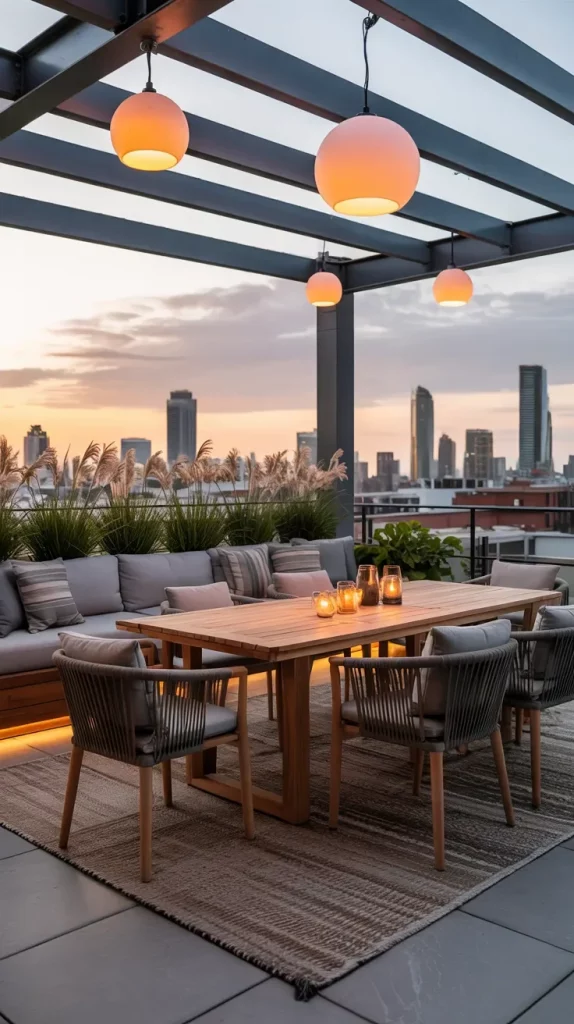
I’ve noticed that many designers featured in publications like Architectural Digest and Elle Decor are emphasizing layered outdoor lighting and multifunctional furniture in modern rooftop spaces. Personally, I completely agree with this direction because rooftop dining areas should feel adaptable rather than overly formal. I also find that mixing natural wood finishes with black metal accents creates a timeless look that works beautifully in both minimalist and contemporary rooftop environments.
One detail I would never skip is wind protection. Rooftops can become uncomfortable without proper planning, so I often recommend decorative glass partitions, slatted privacy panels, or tall planters filled with ornamental grasses. These additions make the dining area feel more intimate while improving comfort throughout the year.
Outdoor Bar Ideas For Rooftop Entertaining
An outdoor bar instantly transforms a rooftop into an entertaining destination, and this is one of the strongest trends in rooftop patio design 2026. I like designing rooftop bars that feel connected to the rest of the patio instead of looking isolated or overly commercial. A clean modern bar with integrated shelving, warm ambient lighting, and comfortable counter seating creates a social atmosphere while maintaining an elegant residential feel. In larger rooftop layouts, I often divide the entertaining area into lounge and bar zones to improve flow and functionality.
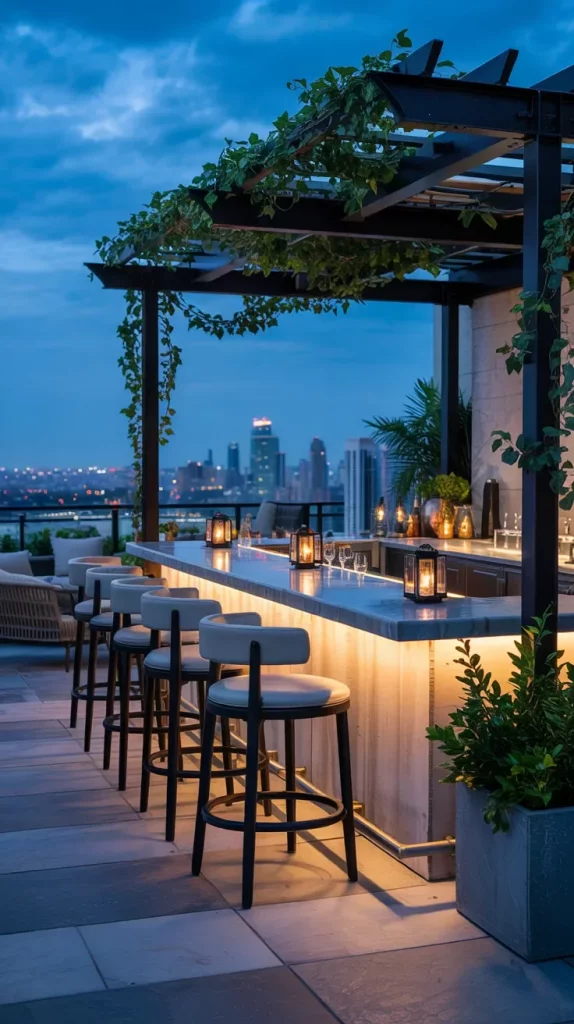
For rooftop bars, I typically use weather-resistant stone countertops, matte cabinetry finishes, and durable bar stools with quick-dry cushions. Built-in mini refrigerators, hidden storage compartments, and floating shelves are practical additions that make the space more usable for hosting gatherings. I also recommend incorporating statement lighting such as globe pendants or recessed LED strips beneath the bar counter because lighting dramatically changes the rooftop atmosphere after sunset. Decorative details like textured ceramics, outdoor lanterns, and greenery help soften the modern materials and create a more relaxed environment.
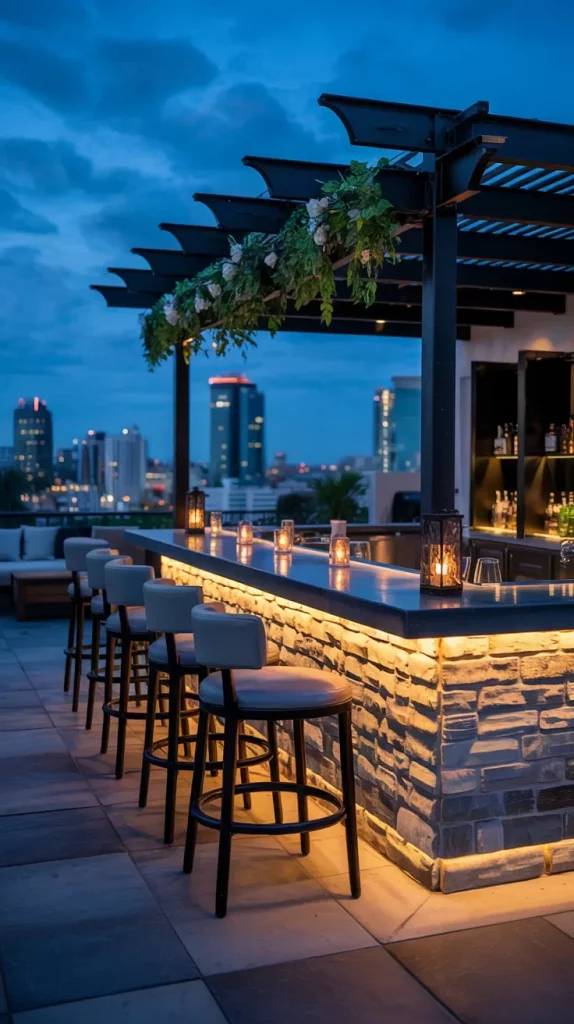
From my experience, the best rooftop bars avoid overcrowding the space with unnecessary features. I prefer focusing on comfort, circulation, and visual balance rather than trying to replicate a commercial rooftop lounge. Designers from House Beautiful have recently highlighted the growing popularity of minimalist outdoor entertaining spaces, and I think this approach works especially well for rooftops because it allows the skyline and surrounding views to remain the focal point.
I also strongly recommend adding partial shade structures above rooftop bars. Retractable awnings, metal pergolas, or wood slat covers improve comfort during hot afternoons while helping protect furniture and surfaces from direct sun exposure.
Rooftop Patio Color Trends For 2026
The color direction for rooftop patio design 2026 is becoming noticeably warmer and more organic compared to previous years. I’m seeing fewer cold monochromatic palettes and more earthy neutrals mixed with muted greens, warm terracotta, sandy beige, charcoal, and natural wood tones. These colors help rooftop spaces feel calmer and more connected to nature, especially in dense urban environments. I personally like using soft neutral foundations with darker accent furniture because it creates depth while still maintaining a clean modern appearance.
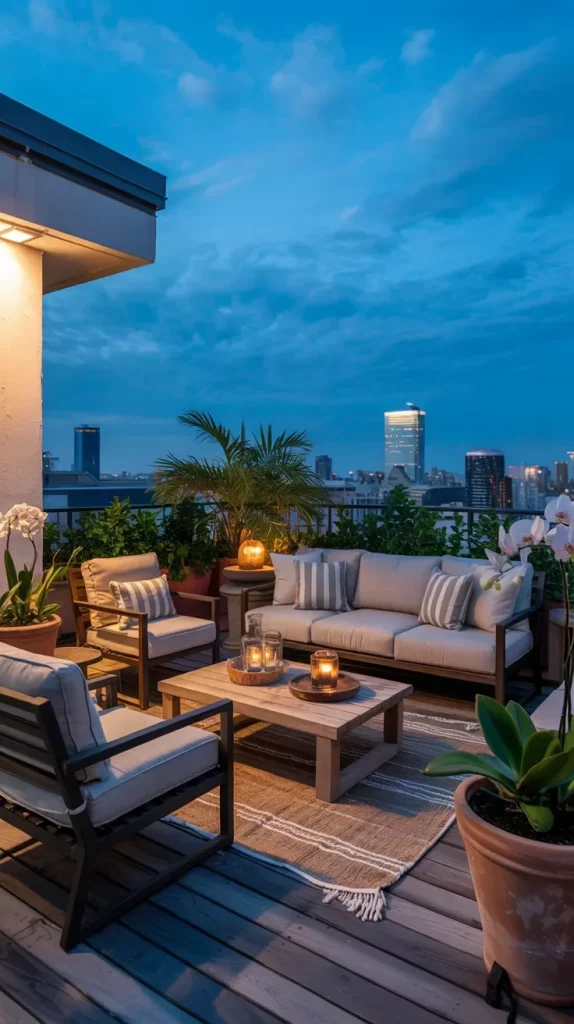
In furniture and decor selections, I recommend combining textured fabrics with matte finishes instead of glossy surfaces. Bouclé-inspired outdoor upholstery, woven rope seating, travertine-look tables, and brushed metal accents work beautifully together in modern rooftop spaces. I also find that incorporating natural materials through planters, wood decking, or clay accessories prevents the rooftop from feeling too sterile or artificial. Outdoor rugs in muted geometric patterns can subtly introduce additional color without overwhelming the design.
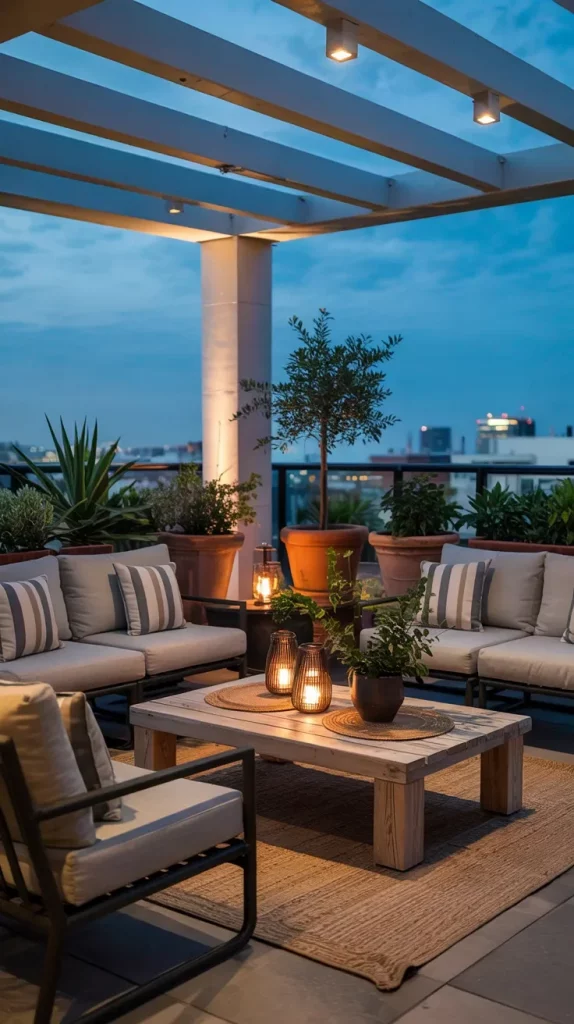
I’ve personally noticed that clients are becoming more interested in calming rooftop environments rather than highly dramatic outdoor spaces. Many modern designers are shifting toward biophilic design principles, which emphasize colors and textures inspired by nature. I think this trend will continue growing because rooftops increasingly function as personal retreats from busy city life rather than purely entertaining spaces.
One feature I often add is layered textiles in complementary earthy tones. Cushions, throws, and outdoor curtains make the rooftop feel more luxurious while allowing homeowners to refresh the design seasonally without replacing major furniture pieces.
Best Plants And Trees For Rooftop Spaces
Plants play an essential role in modern rooftop patio ideas because they soften hard architectural surfaces and create privacy in open environments. I usually recommend combining ornamental grasses, olive trees, dwarf evergreens, and layered container gardens to create visual texture without overcrowding the rooftop. In rooftop patio design 2026, the emphasis is shifting toward low-maintenance greenery that can tolerate wind, sun exposure, and changing temperatures while still looking elegant throughout the year.
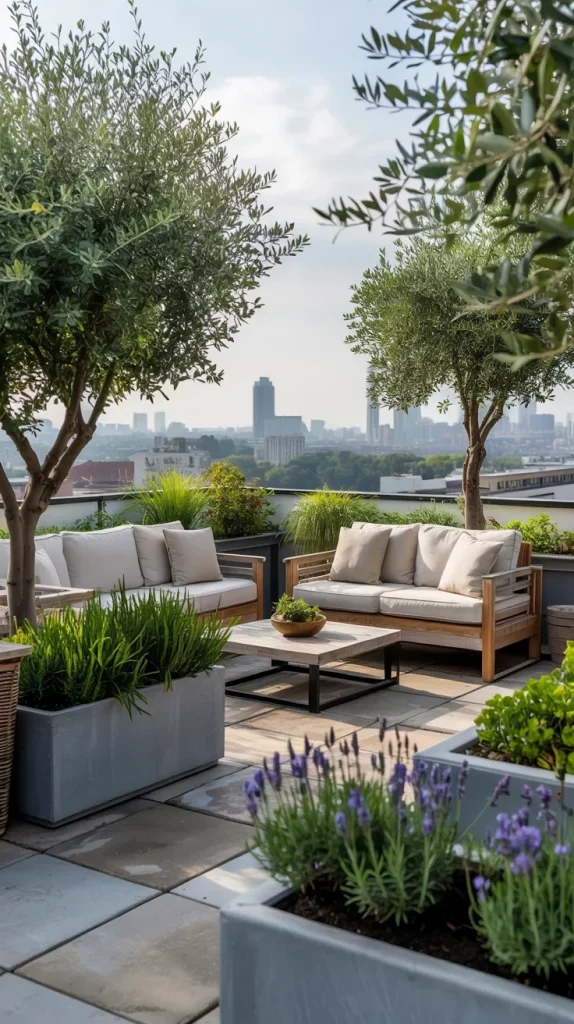
When selecting rooftop plants, I pay close attention to weight, drainage, and climate conditions. Lightweight fiberglass planters are often better than concrete because rooftops have structural limitations that must be respected. I also prefer drought-tolerant plants such as lavender, rosemary, succulents, and boxwoods because they require less maintenance while still adding rich texture and color. Tall planters with layered greenery can also function as natural privacy screens, which is especially useful in apartment and condo rooftop spaces.
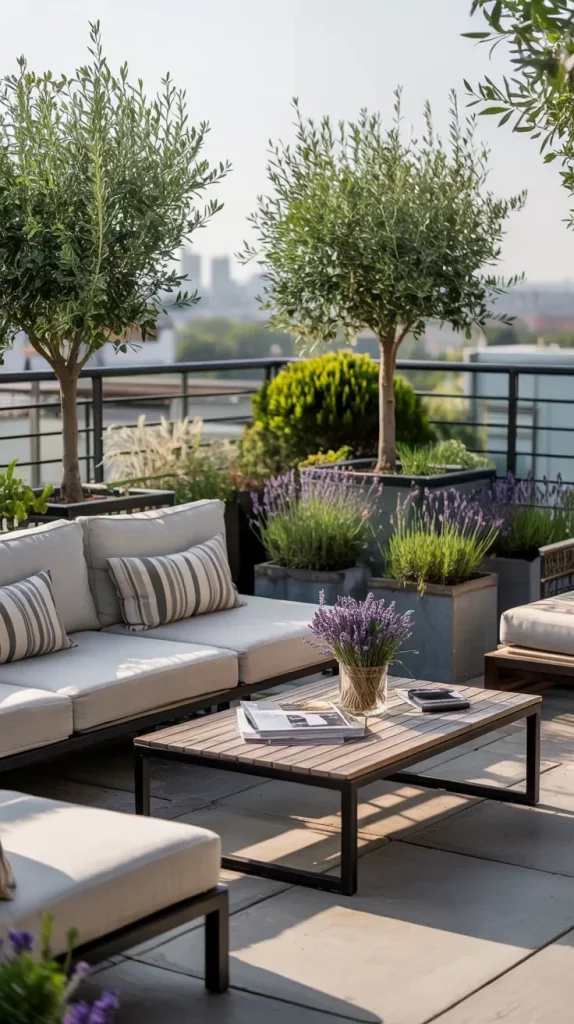
I’ve worked on rooftop projects where the landscaping completely changed how the space felt emotionally. Even minimal greenery can make a rooftop feel calmer, more intimate, and more connected to nature. Publications like Dwell frequently discuss the importance of biophilic outdoor design, and I strongly agree with the idea that plants are no longer decorative extras but central design elements in outdoor living spaces.
I also recommend incorporating automated irrigation systems whenever possible. Rooftop gardens can dry out quickly due to sun and wind exposure, so proper irrigation helps maintain healthy greenery while reducing maintenance demands for homeowners.
Weather-Resistant Materials For Rooftop Patios
Durability is one of the most important considerations in rooftop patio design 2026, especially because rooftop spaces experience direct exposure to sun, rain, and wind. I always encourage homeowners to invest in high-quality weather-resistant materials because replacing damaged outdoor furniture or flooring becomes expensive over time. Modern rooftop patios are moving toward materials that combine performance with luxury aesthetics, allowing outdoor spaces to feel just as refined as indoor interiors.
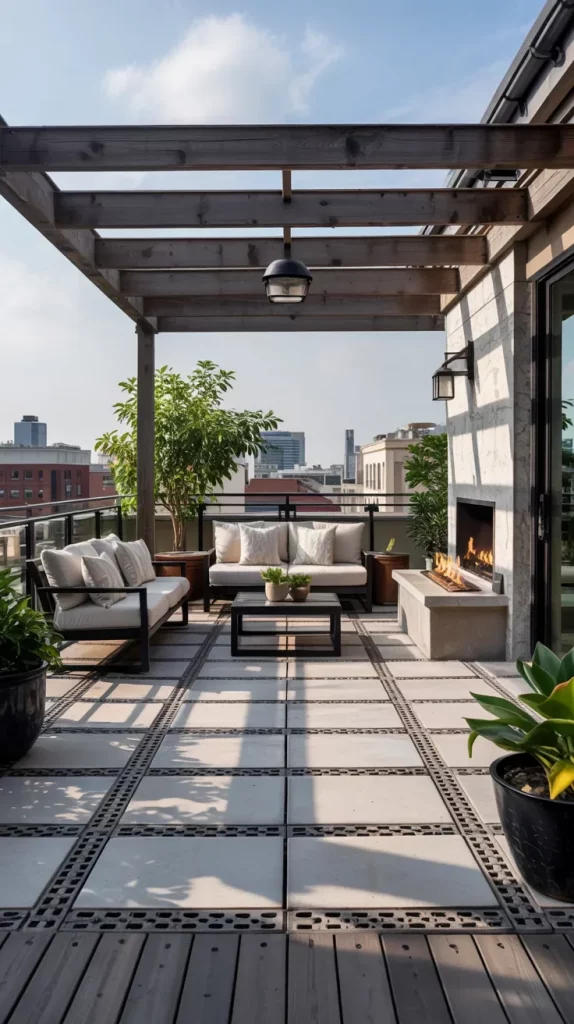
For flooring, I often recommend porcelain pavers, composite decking, or natural stone because these materials handle temperature fluctuations while maintaining an upscale appearance. Powder-coated aluminum furniture frames are another excellent choice because they resist rust and require minimal maintenance. Performance fabrics designed for outdoor use have improved dramatically in recent years, and I now use them frequently for sofas, lounge chairs, and cushions because they provide indoor-level comfort while resisting moisture and fading.
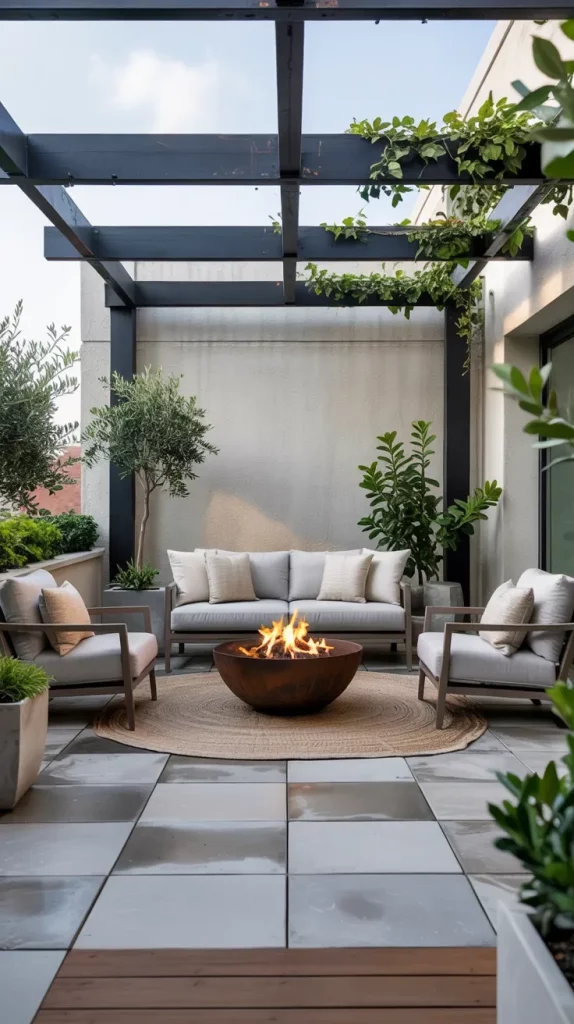
From my experience, investing in quality materials completely changes how long a rooftop design remains visually appealing. I’ve seen inexpensive outdoor furniture deteriorate within a season, while properly selected premium materials continue looking beautiful for years. Many professional designers now prioritize sustainability and longevity in outdoor design, and I believe this approach creates more value for homeowners in the long term.
I also recommend including storage solutions for cushions and smaller accessories during extreme weather conditions. Even durable materials last longer when properly protected, especially in climates with strong seasonal changes.
Rooftop Patio Designs With Water Features
Water features are becoming one of the most luxurious additions in rooftop patio design 2026 because they instantly create a calming atmosphere while helping soften urban noise. I like using compact fountains, reflecting pools, or sleek modern water walls that fit naturally into the rooftop layout without overwhelming the space. Even small water features can dramatically improve the ambiance by introducing movement, texture, and sound. In modern rooftop patios, the goal is usually to create a private retreat that feels disconnected from the busy city below.
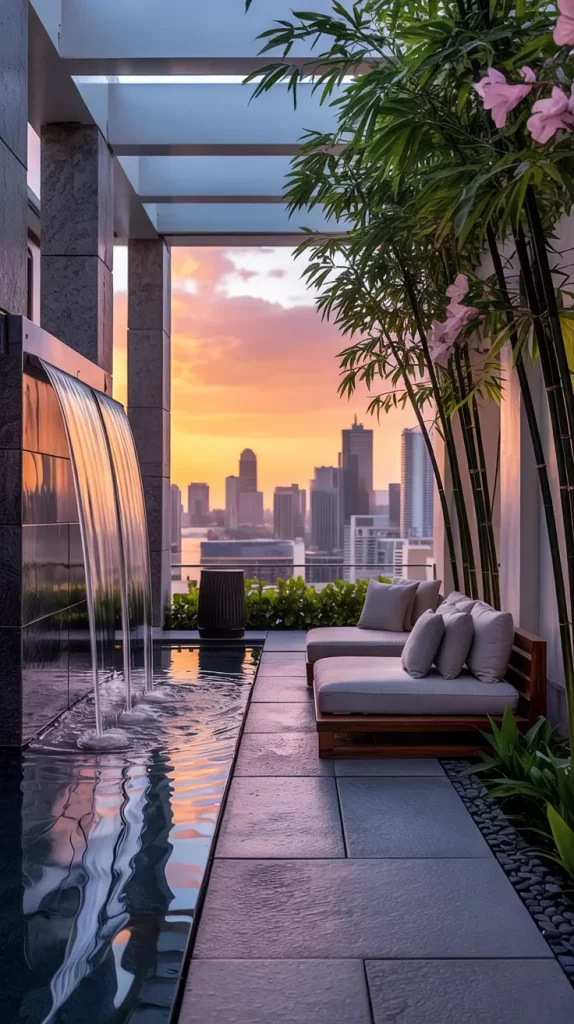
When planning rooftop water features, I focus on lightweight construction materials and integrated placement. Slim stone fountains, minimalist black water basins, and built-in linear water walls work especially well in contemporary outdoor spaces. I often combine these features with LED lighting, natural stone flooring, and surrounding greenery to create a balanced visual composition. Comfortable lounge chairs, modular sofas, and soft outdoor textiles help complete the relaxing atmosphere while maintaining practicality for everyday use.
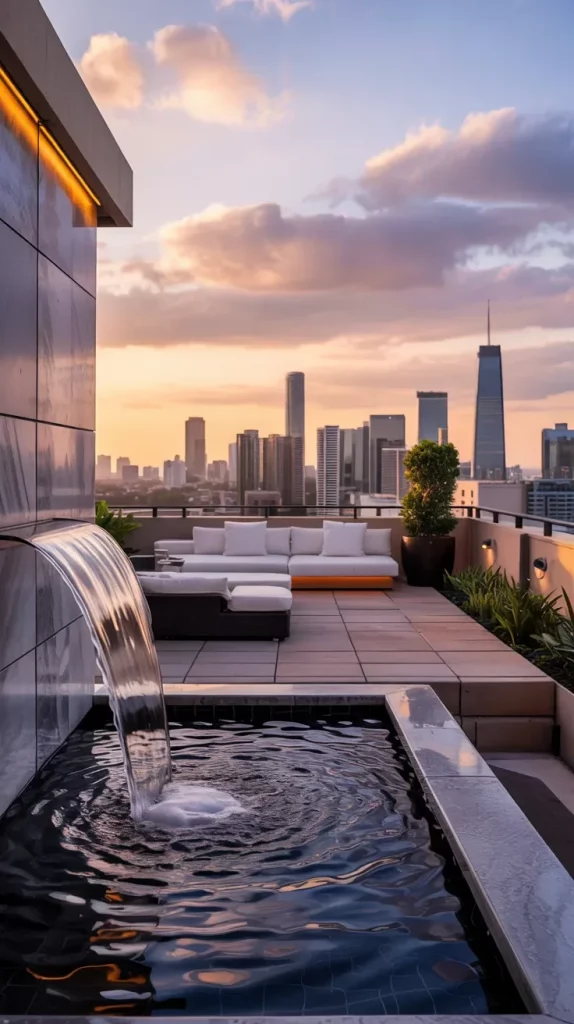
I personally believe that rooftop water features should remain elegant and understated instead of becoming oversized focal points. Designers featured in publications like Veranda and Architectural Digest often emphasize simplicity in outdoor luxury spaces, and I completely agree with this philosophy. The sound of moving water alone can completely change how a rooftop feels emotionally, especially in crowded urban environments where relaxation becomes increasingly valuable.
I also recommend considering maintenance requirements before installing any rooftop fountain or pool feature. Hidden filtration systems, proper drainage, and weather-resistant materials are essential if you want the rooftop to remain visually appealing and easy to maintain over time.
Zen-Inspired Rooftop Retreat Ideas
A Zen-inspired rooftop patio creates a peaceful environment focused on simplicity, balance, and comfort, which perfectly aligns with current luxury rooftop terrace decor trends. In rooftop patio design 2026, I’m seeing more homeowners move toward calming outdoor spaces with minimalist layouts, natural textures, and soft neutral colors. The purpose of a Zen rooftop retreat is not to overcrowd the space with decorative elements but to create an atmosphere that encourages relaxation and mindfulness.
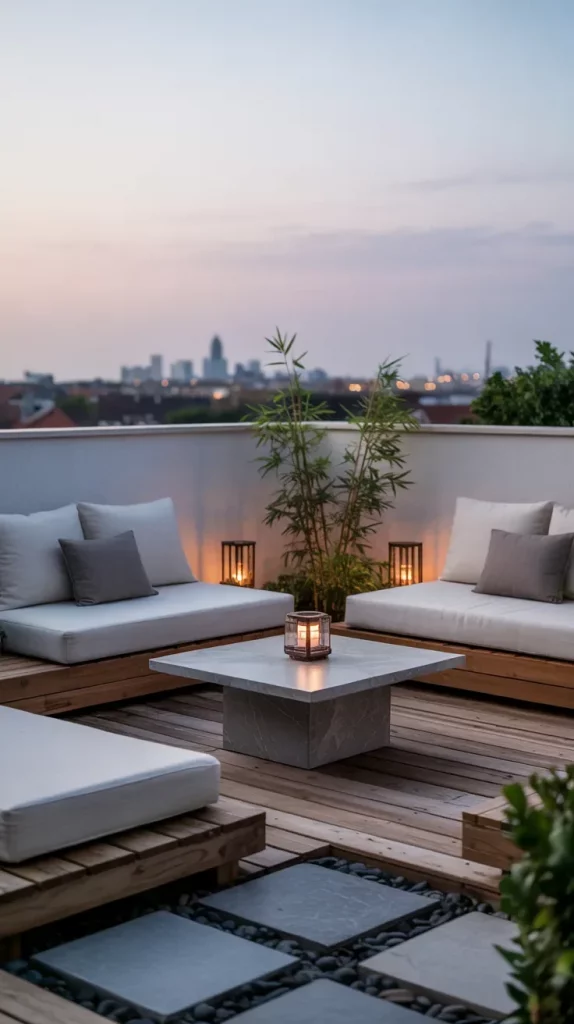
For furniture and decor, I typically recommend low-profile lounge seating, natural wood finishes, linen outdoor cushions, and textured stone surfaces. Slatted wood privacy screens, soft lantern lighting, and carefully selected greenery such as bamboo, bonsai trees, or ornamental grasses help reinforce the tranquil aesthetic. I also like incorporating small gravel gardens or minimalist water bowls because these details add visual calmness without overwhelming the rooftop design.
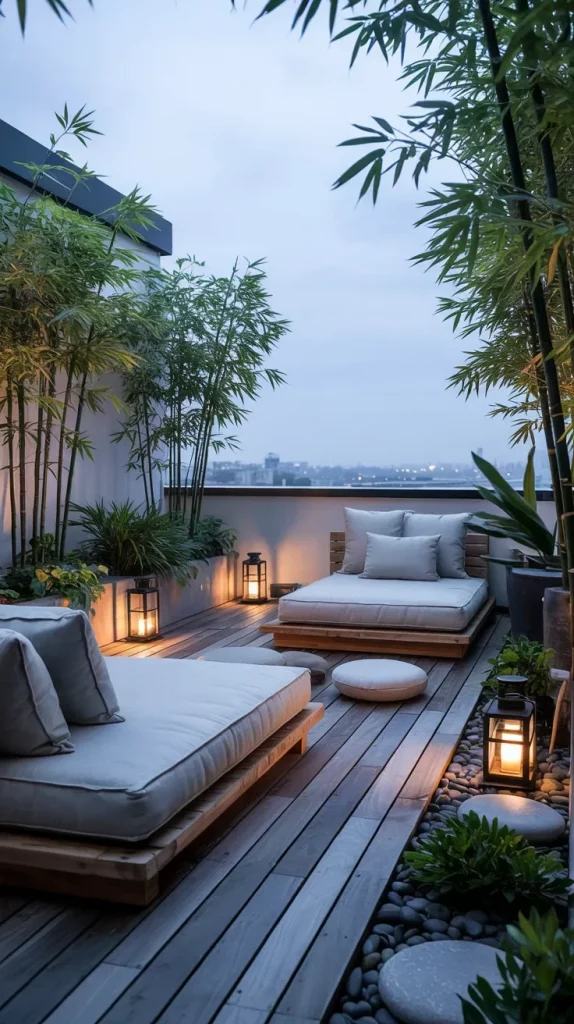
From my experience, Zen-inspired rooftops work best when every design choice feels intentional. I personally avoid excessive furniture or bold color contrasts because they can disrupt the peaceful atmosphere. Many designers are now focusing on sensory outdoor experiences rather than purely visual styling, and I think this approach reflects how people increasingly use rooftops as personal wellness spaces rather than traditional entertainment zones.
I would also recommend adding soft indirect lighting throughout the rooftop retreat. Hidden LED strips, floor lanterns, and warm wall sconces create a relaxing evening atmosphere while preserving the minimalist appearance of the space.
Rooftop Patio Ideas For Apartments And Condos
Apartment and condo rooftops often have limited square footage, so functionality becomes extremely important in rooftop patio design 2026. I usually approach smaller rooftop spaces by dividing them into flexible zones that can adapt to different activities throughout the day. Compact lounge seating, foldable dining furniture, and built-in storage solutions help maximize every available inch while keeping the rooftop visually organized and comfortable.
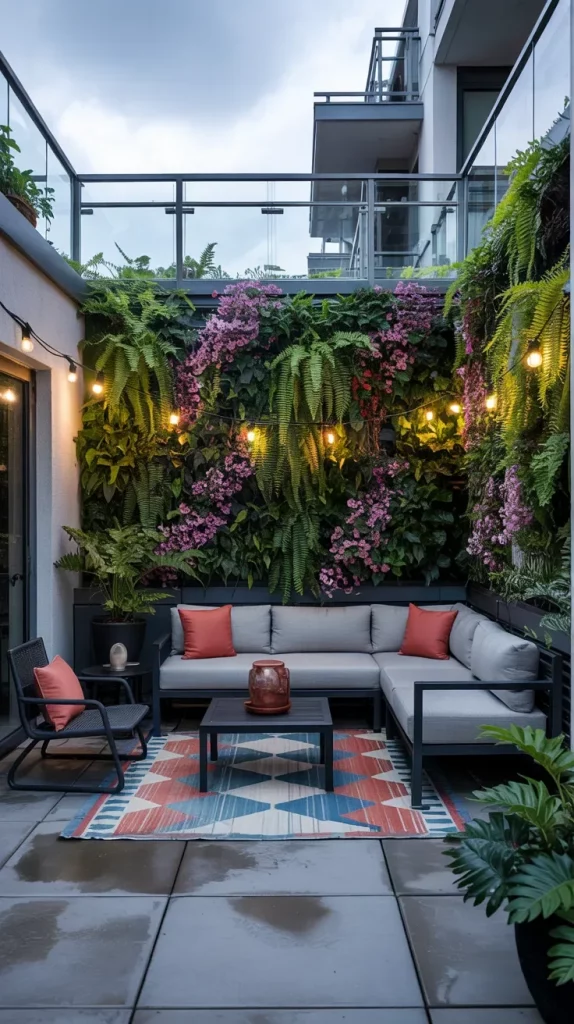
In smaller rooftop patios, I prefer using modular furniture because it can easily be rearranged depending on the occasion. Slim-profile sofas, nesting coffee tables, vertical gardens, and wall-mounted lighting are especially useful in apartment rooftop designs. I also recommend mirrors, light neutral colors, and glass railings because they visually expand the space and help smaller rooftops feel brighter and more open. Layered textiles and greenery soften the structure without adding unnecessary clutter.
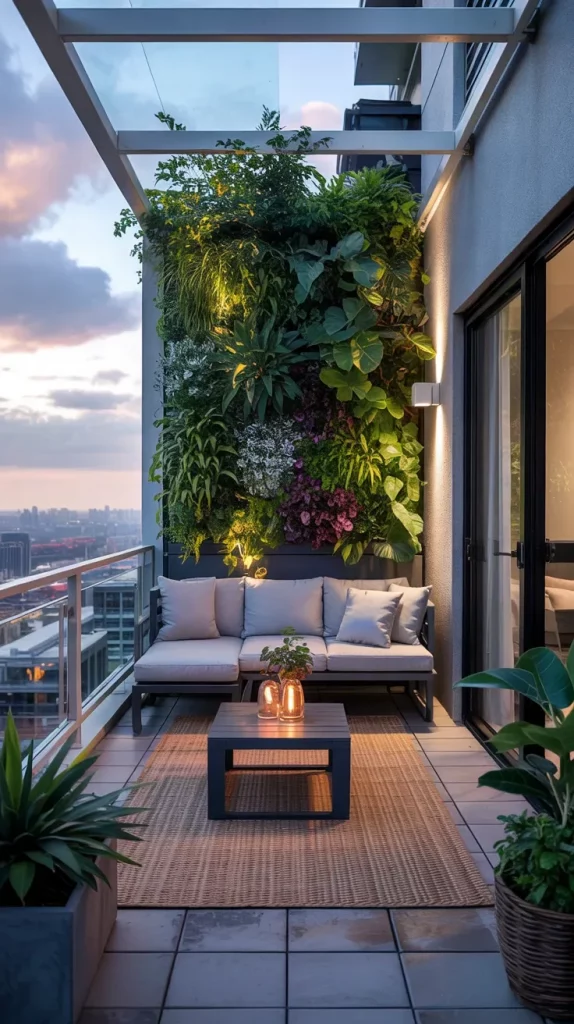
I’ve worked with many urban rooftop layouts where the biggest challenge was balancing comfort with limited space. Personally, I think simplicity is the most effective design strategy for condo rooftops. Publications like Dwell often highlight multifunctional outdoor furniture in urban living environments, and I strongly agree because adaptability is essential when designing compact rooftop areas.
I also suggest incorporating movable shade solutions like retractable umbrellas or lightweight pergolas. Apartment rooftops often receive intense direct sunlight, and flexible shade options make the space significantly more comfortable during warmer months.
Budget-Friendly Rooftop Patio Makeover Ideas
Creating a stylish rooftop patio does not always require a massive budget, and many of the best modern rooftop patio ideas are surprisingly affordable when planned carefully. In rooftop patio design 2026, I’m noticing a growing focus on layered styling rather than expensive custom construction. Simple upgrades like outdoor rugs, ambient lighting, modular seating, and greenery can completely transform a rooftop without requiring a full renovation.
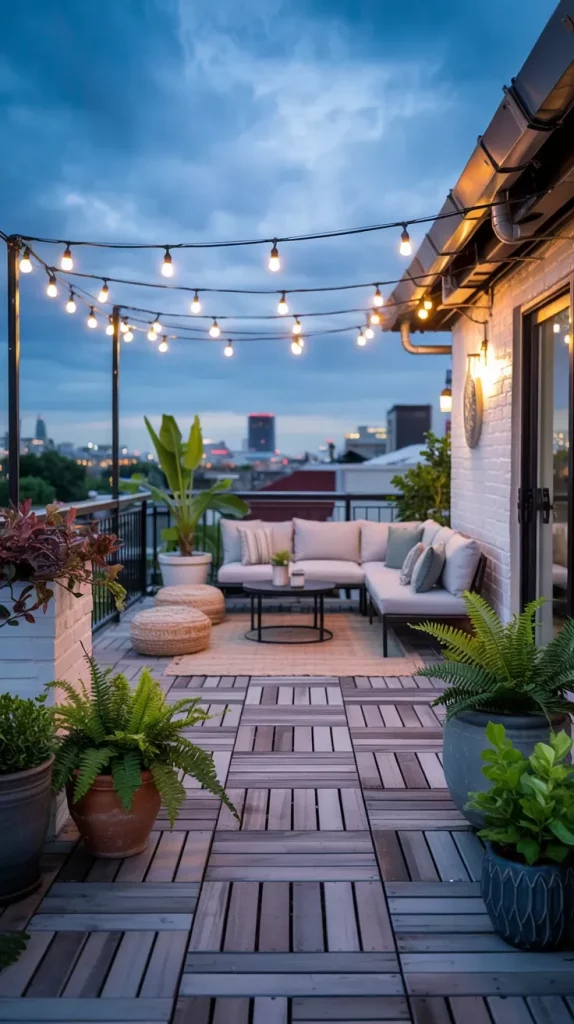
When working with smaller budgets, I usually prioritize foundational pieces first. Comfortable seating, durable flooring solutions, and practical lighting create the biggest visual impact. I often recommend composite deck tiles because they are affordable, easy to install, and visually elevate rooftop surfaces immediately. String lights, solar lanterns, outdoor poufs, and secondhand furniture with updated cushions can also create a polished and modern outdoor environment without overspending.
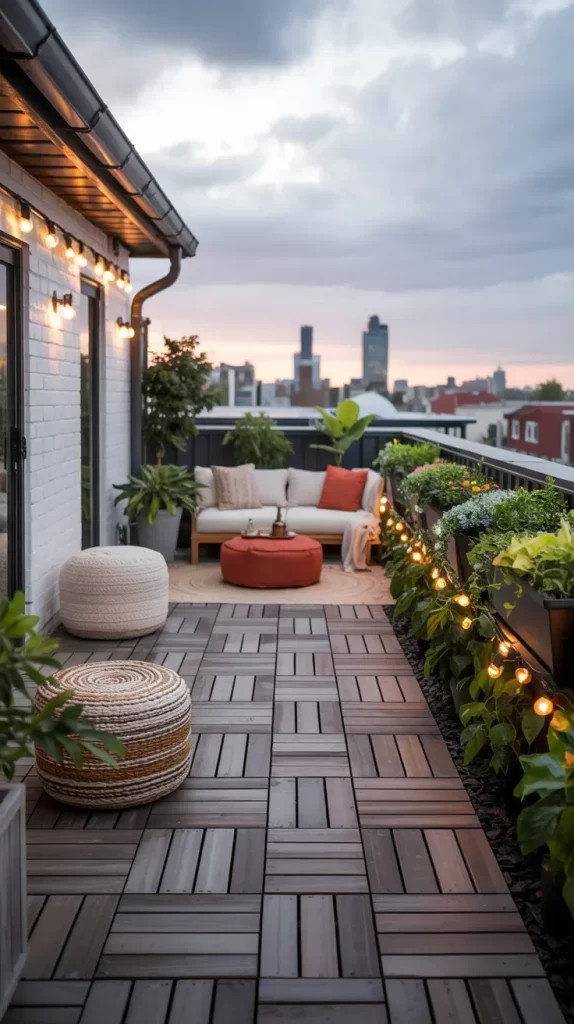
In my opinion, budget-friendly rooftop design works best when homeowners focus on cohesion instead of quantity. I’ve seen inexpensive rooftops look far more elegant than high-budget projects simply because the styling felt intentional and balanced. Many designers now emphasize curated outdoor styling rather than excessive decoration, and I believe this makes rooftop patios feel more timeless and sophisticated.
I also recommend investing in a few oversized planters because greenery instantly improves the appearance of outdoor spaces. Even affordable rooftops feel more luxurious when layered with plants, textured fabrics, and warm lighting.
Elegant Rooftop Patio Styling Tips
Elegant styling is what ultimately transforms a rooftop patio from functional to visually unforgettable. In rooftop patio design 2026, elegance is defined less by excessive luxury and more by thoughtful layering, texture, and atmosphere. I always focus on creating visual harmony through coordinated furniture, soft lighting, natural materials, and carefully selected decorative accents. A rooftop patio should feel cohesive and refined while still remaining comfortable enough for daily use.
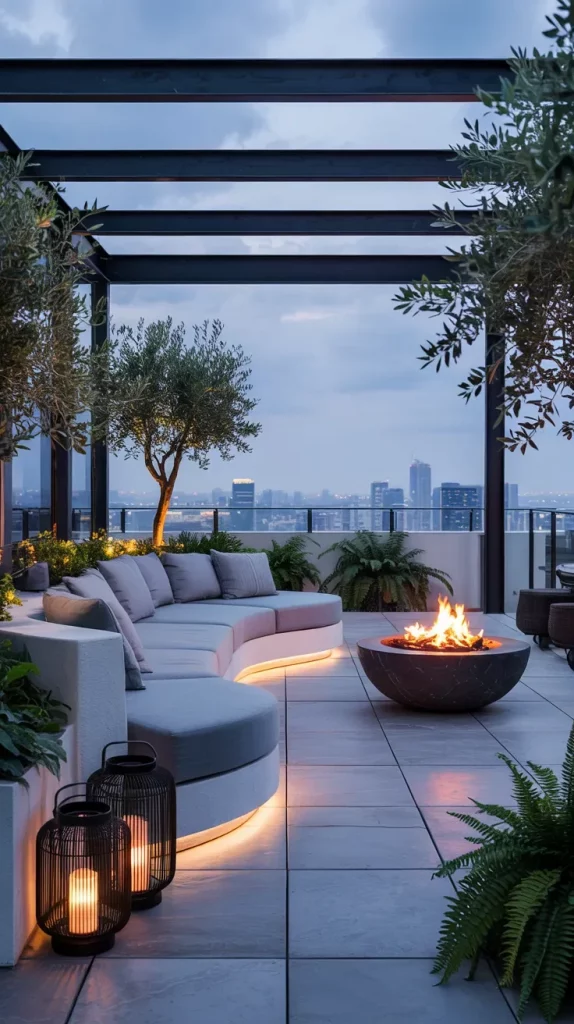
I like combining sculptural outdoor furniture with textured fabrics, oversized lanterns, ceramic accessories, and layered greenery. Neutral palettes with subtle contrast help maintain a sophisticated aesthetic, especially when paired with natural wood or stone finishes. Outdoor curtains, low-profile fire features, and statement coffee tables also help create a high-end residential atmosphere. I often use large outdoor rugs to visually connect seating arrangements and make the rooftop feel more complete.
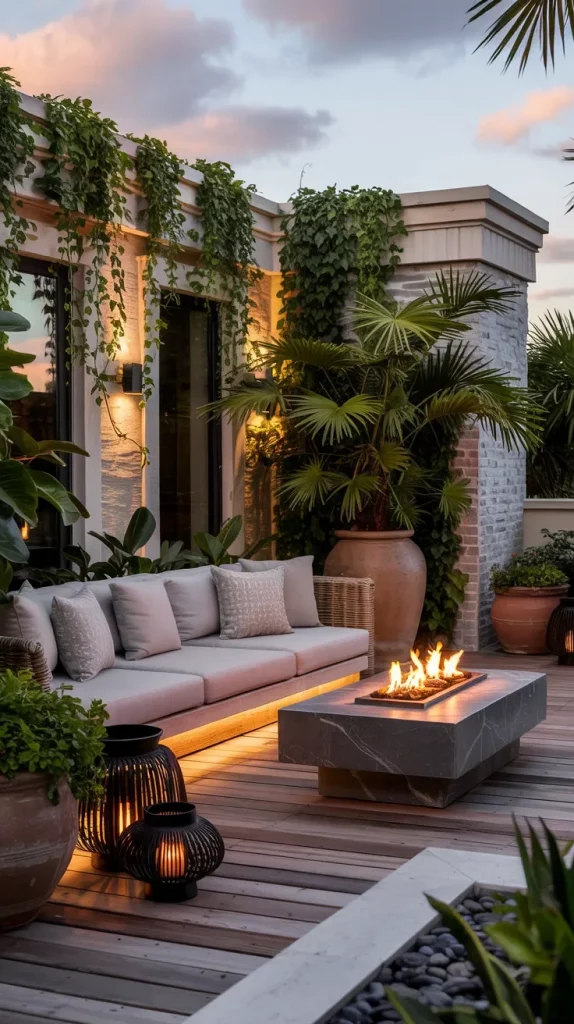
Personally, I think the most elegant rooftop patios avoid chasing short-lived trends. Timeless materials, balanced proportions, and comfortable layouts always create stronger long-term results. Designers from Elle Decor frequently highlight the importance of layering textures in luxury outdoor spaces, and I completely agree because texture adds depth without requiring overly dramatic design elements.
I also recommend paying attention to scent and ambiance. Fragrant plants like lavender or jasmine, subtle candlelight, and soft background music can elevate the entire rooftop experience and make the space feel far more luxurious and inviting.
Rooftop patio design 2026 focuses on blending comfort, style, and functionality to create beautiful outdoor living spaces above the city. Whether you prefer a modern minimalist retreat, a lush rooftop garden, or a cozy entertainment area, the latest trends offer endless inspiration for every home and lifestyle. By combining smart layouts, durable materials, elegant lighting, and stylish decor, you can transform any rooftop into a relaxing and inviting escape. Use these creative ideas to design a rooftop patio that feels modern, practical, and perfectly suited for outdoor living in 2026.