
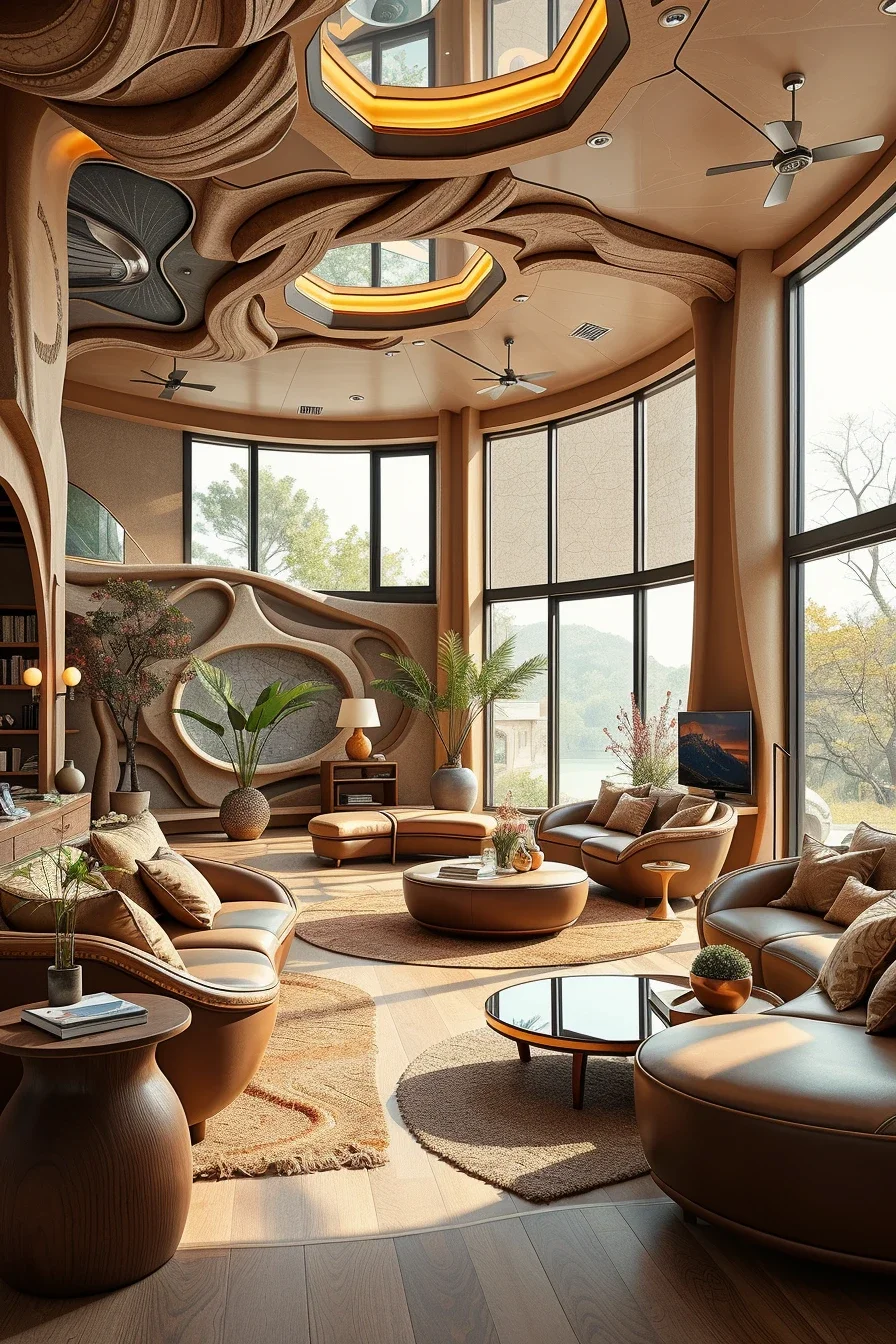
Modern chocolate brown interior design is redefining contemporary spaces with its rich warmth, timeless elegance, and sophisticated appeal. Once considered a traditional color, chocolate brown has evolved into a versatile design choice that complements minimalist, modern, luxury, and rustic interiors alike. Its deep, earthy tones create a welcoming atmosphere while adding depth and character to every room. Whether used on walls, furniture, textiles, or decorative accents, chocolate brown can instantly make a space feel more refined and comfortable. Designers are increasingly pairing this classic shade with natural materials, metallic finishes, and lighter neutrals to achieve a balanced and stylish look. In this article, we’ll explore inspiring modern chocolate brown interior design ideas and practical ways to incorporate this trend into your home.
Why Modern Chocolate Brown Interior Design Is Making A Comeback
Modern homeowners are increasingly looking for spaces that feel comfortable, grounded, and visually rich. I have noticed that modern chocolate brown interior design provides exactly that balance. Unlike the cool gray palettes that dominated previous years, chocolate brown introduces warmth and character while still feeling refined and contemporary. The color works beautifully in modern homes because it connects interiors to natural materials such as wood, leather, stone, and linen.
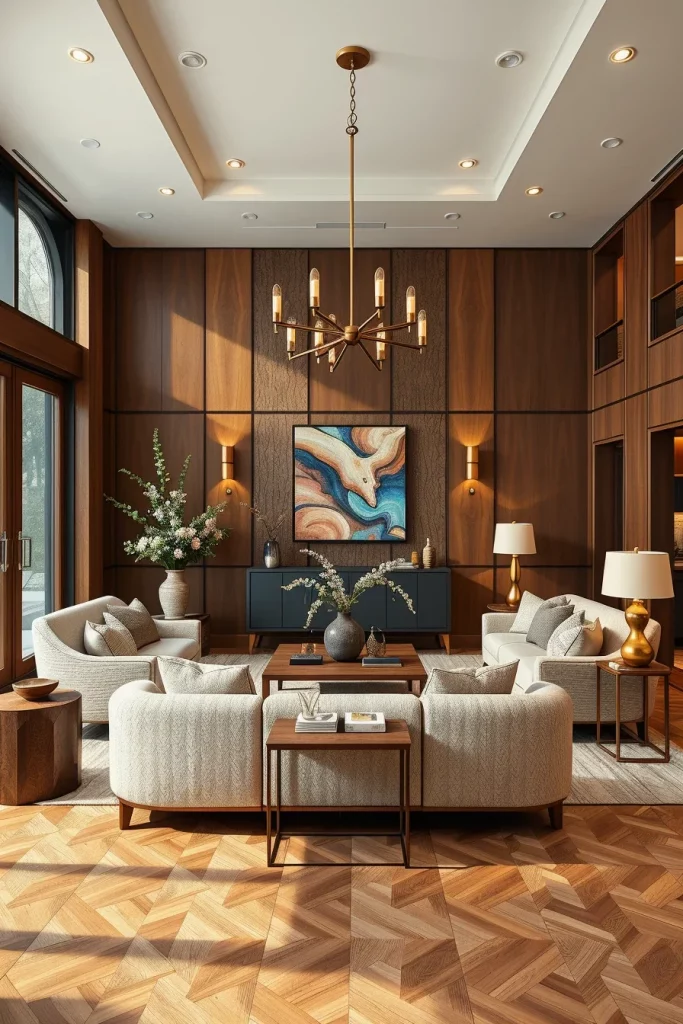
When designing a room around chocolate brown, I often focus on large anchor pieces such as sofas, cabinetry, wall panels, or built-in shelving. These elements create a strong foundation while allowing lighter accents to soften the overall appearance. I find that walnut furniture, textured rugs, brass lighting, and natural wood flooring complement chocolate brown exceptionally well. Together, these pieces create a layered and welcoming environment.
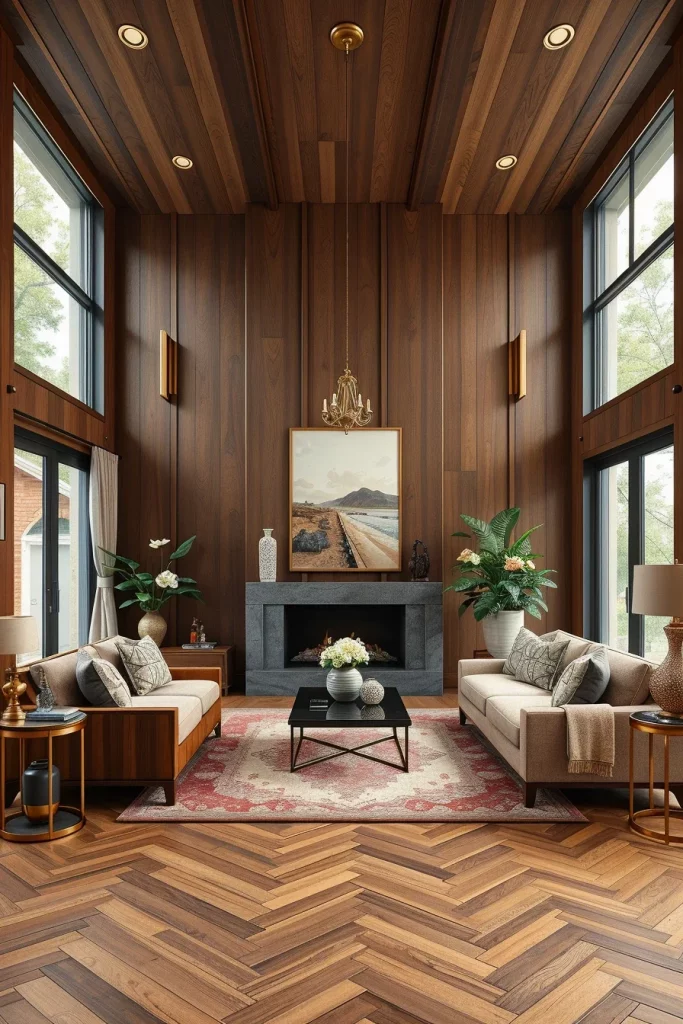
In my experience, many respected interior designers and publications have highlighted the growing preference for warmer color palettes. The shift toward comfort-focused interiors has encouraged homeowners to embrace richer tones that feel personal and timeless. Chocolate brown offers a sense of permanence that many trendy colors cannot achieve.
To strengthen this design approach, I recommend incorporating tactile materials such as boucle fabrics, woven textiles, ceramic accessories, and natural stone surfaces. These additions help create depth and prevent dark colors from feeling flat or overwhelming.
Understanding The Psychology Of Chocolate Brown In Interiors
The psychology behind chocolate brown interiors plays a significant role in their growing popularity. I often explain to clients that brown is associated with stability, comfort, reliability, and connection to nature. When used thoughtfully, chocolate brown can make a room feel secure and relaxing without sacrificing sophistication.
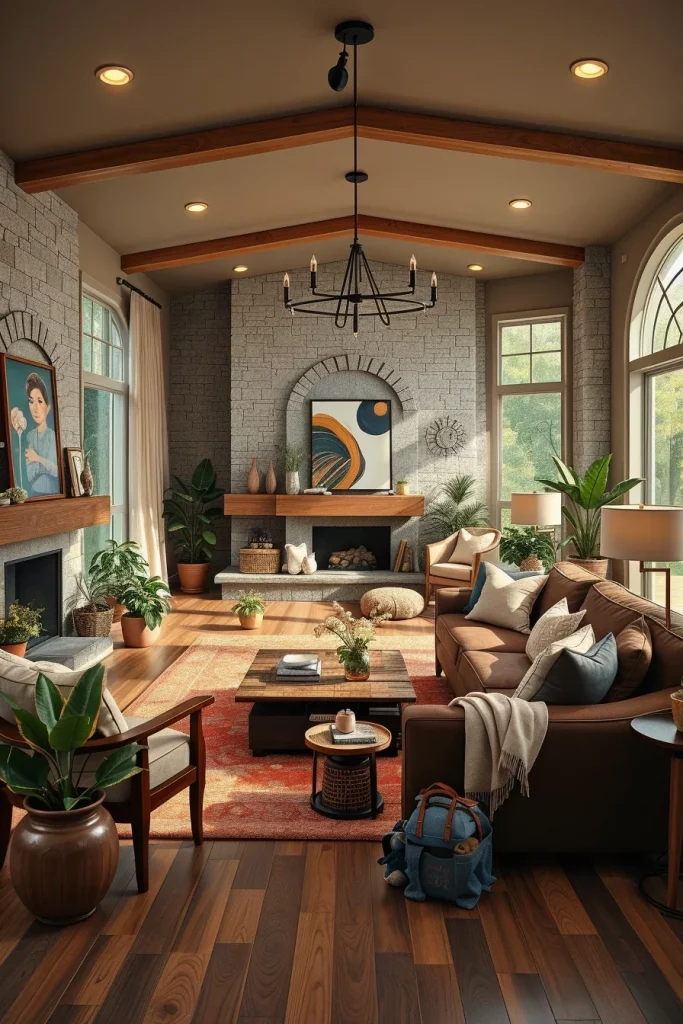
I typically incorporate chocolate brown through upholstered furniture, wood finishes, area rugs, and decorative accents. A chocolate brown sectional, for example, can instantly anchor a living room and create a sense of permanence. Pairing these pieces with soft textiles and natural materials enhances the feeling of warmth and comfort.
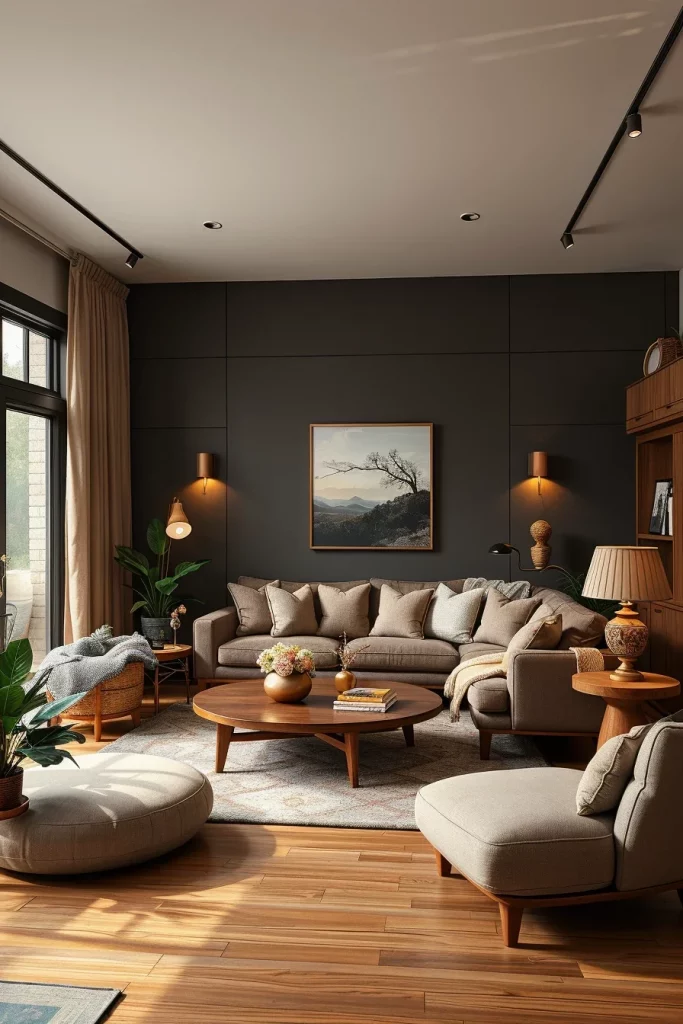
From my perspective, one of the greatest strengths of chocolate brown is its versatility. It can feel luxurious in formal spaces, cozy in family rooms, and calming in bedrooms. Unlike some darker colors that may appear dramatic or cold, chocolate brown generally creates a welcoming atmosphere that appeals to a broad range of homeowners.
I also recommend introducing greenery throughout the space. Plants help reinforce the natural qualities of brown tones while adding freshness and visual contrast that keeps the room feeling vibrant.
Choosing The Perfect Chocolate Brown Color Palette
Selecting the right palette is one of the most important aspects of successful modern chocolate brown interior design. I always begin by identifying whether the room benefits from warm undertones, cool undertones, or neutral brown shades. This decision influences every other design element within the space.
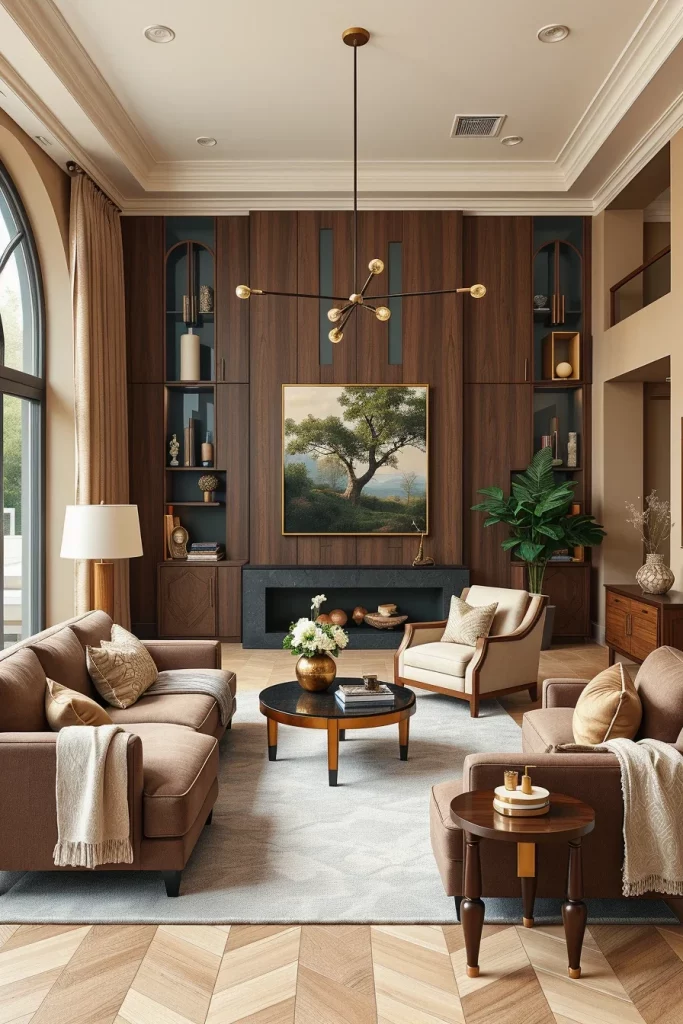
For furniture and finishes, I often combine chocolate brown with soft taupe, warm beige, creamy white, muted olive green, and subtle charcoal accents. These supporting colors allow chocolate brown to remain the focal point while preventing the room from feeling too heavy. Layering multiple shades creates a sophisticated and professionally designed appearance.
In my projects, I have found that matte finishes generally work better than highly reflective surfaces when using dark browns. Matte textures create a modern aesthetic and allow natural materials to stand out. Wood grains, textured fabrics, and stone surfaces become more visually interesting when paired with rich brown tones.
If I feel that a room lacks dimension, I often introduce metallic details such as brushed brass, aged bronze, or matte black hardware. These accents provide subtle contrast and elevate the overall design without overpowering the color palette.
How To Balance Dark Brown Tones With Natural Light
One concern many homeowners have is whether dark colors will make their rooms feel smaller. In my experience, balancing chocolate brown decor with natural light is the key to success. Proper lighting allows rich brown tones to appear elegant rather than heavy.
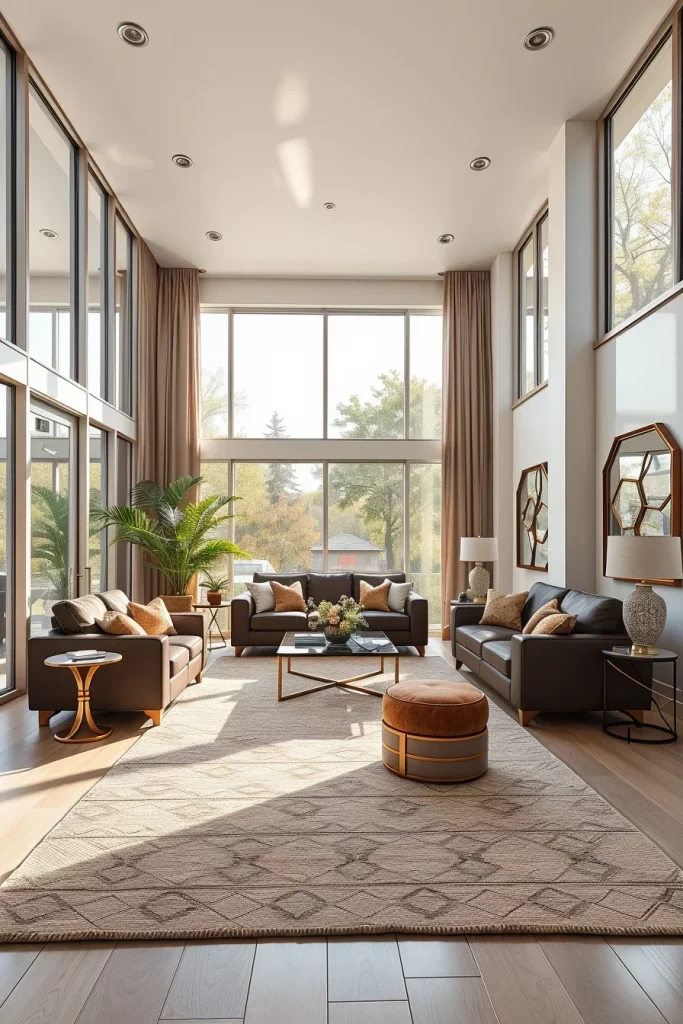
I typically maximize window exposure and choose light-filtering curtains that allow sunlight to enter while maintaining privacy. Large mirrors, glass furniture, and reflective accessories can help distribute natural light throughout the room. Light-colored flooring or area rugs also create visual balance when darker furniture is present.
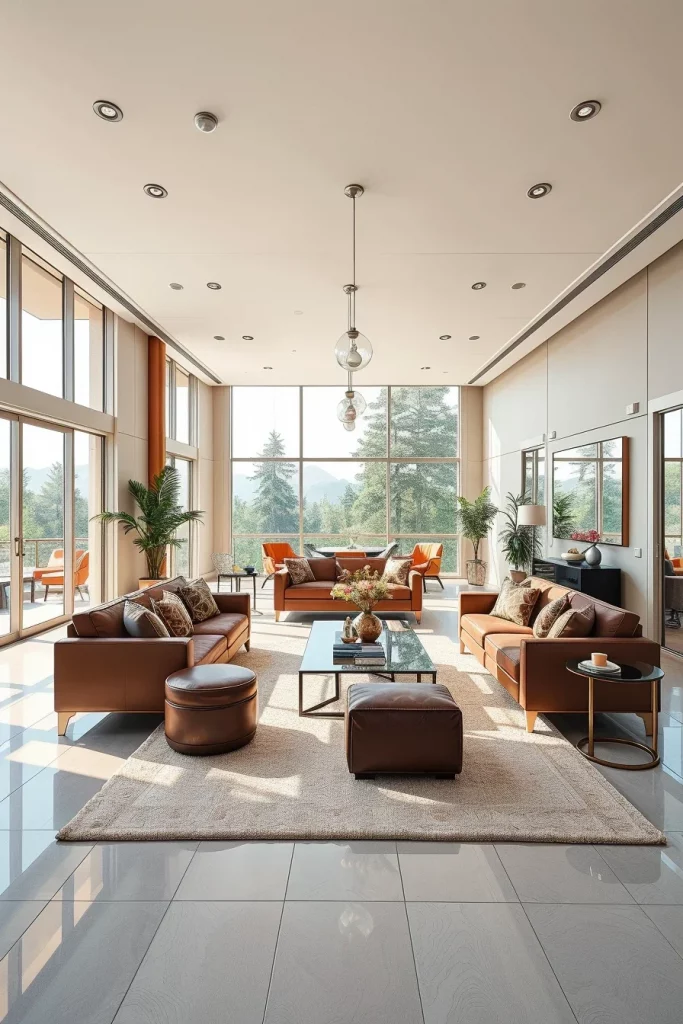
I have seen remarkable transformations simply by adjusting lighting strategies. Layered lighting that combines natural light, ambient fixtures, table lamps, and accent lighting can dramatically improve the appearance of chocolate brown interiors. Even smaller rooms can feel open and inviting when lighting is thoughtfully planned.
For additional balance, I often incorporate white ceilings and lighter wall sections. These elements create contrast and prevent the darker tones from visually dominating the space.
Creating A Warm And Sophisticated Living Room With Chocolate Brown
A living room is one of the best places to showcase modern chocolate brown interior design. I like to use chocolate brown as the foundation for creating a welcoming and sophisticated environment where family members and guests can comfortably gather. The richness of the color adds depth while maintaining a timeless appearance.
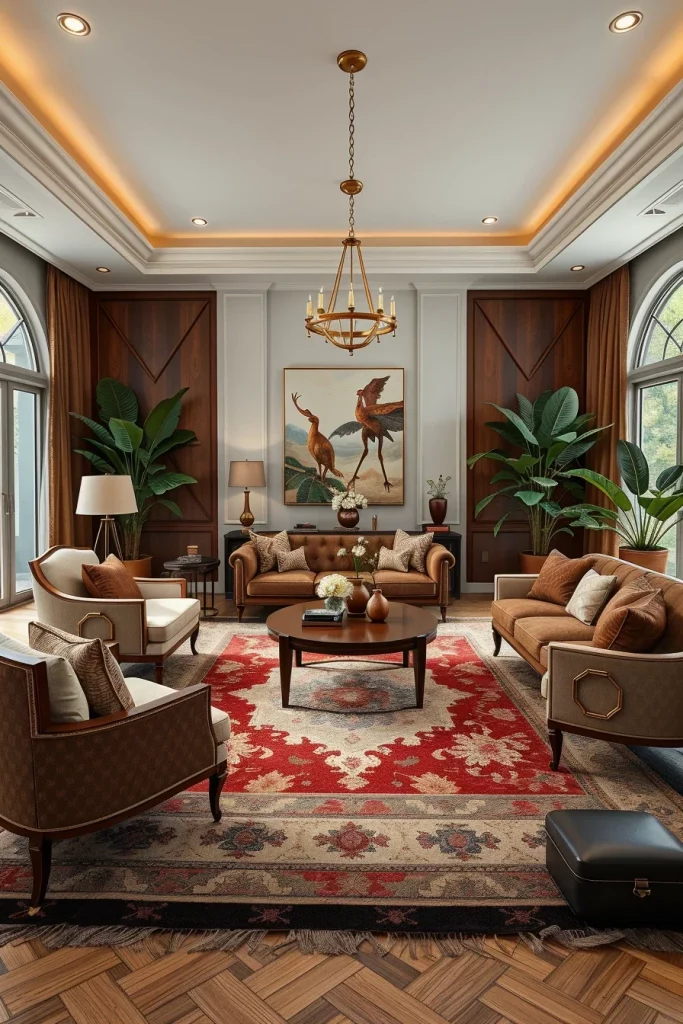
My preferred furniture combination includes a chocolate brown sofa, walnut coffee table, textured accent chairs, layered area rugs, and modern lighting fixtures. I often add cream-colored cushions, natural wood elements, and stone accessories to introduce contrast and visual interest. These details help the room feel balanced and thoughtfully curated.
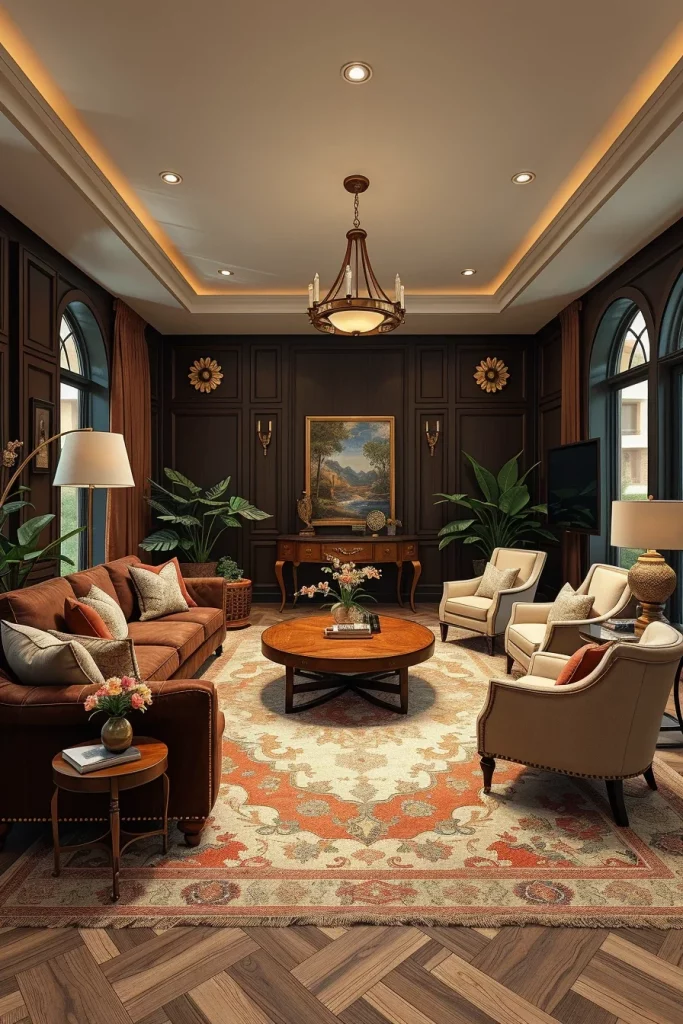
In my opinion, successful living room design relies heavily on layering textures. Chocolate brown performs exceptionally well when combined with boucle fabrics, linen drapery, ceramic decor, and natural wood finishes. This variety prevents the room from feeling one-dimensional and creates a luxurious atmosphere.
To complete the space, I recommend adding artwork, oversized plants, and carefully selected decorative objects. These finishing touches personalize the room while enhancing the overall design composition.
Modern Chocolate Brown Bedroom Ideas For A Cozy Retreat
A bedroom designed around chocolate brown can feel remarkably calming and luxurious. I often use chocolate brown interiors in bedrooms because the color naturally promotes relaxation and creates a cocoon-like atmosphere. When paired with lighter accents and soft textures, chocolate brown transforms the room into a comfortable retreat that feels both modern and timeless.
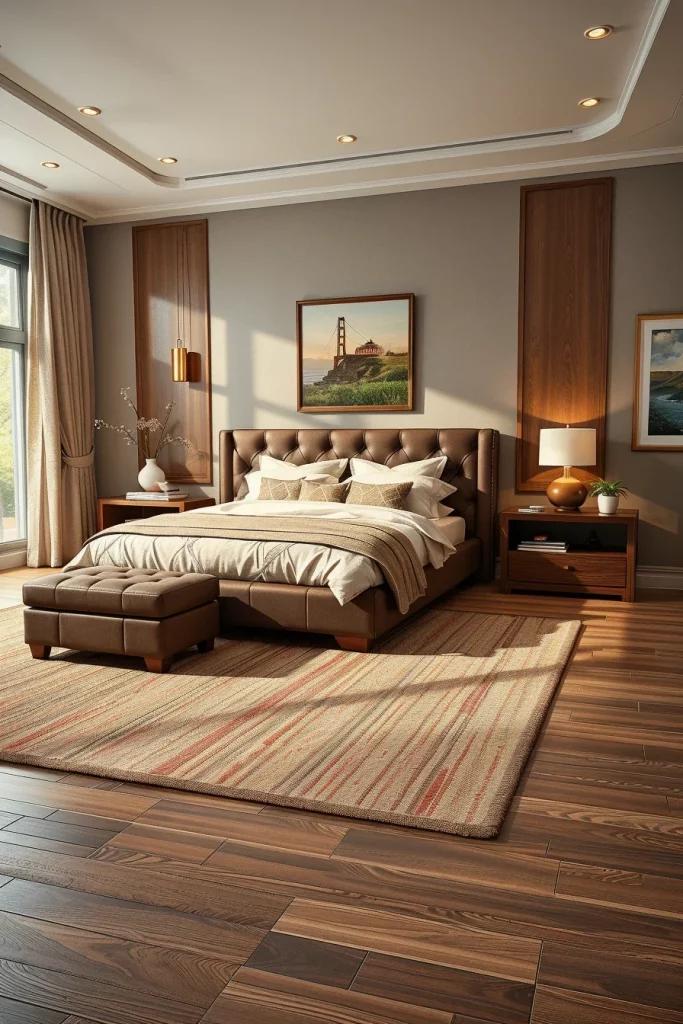
I typically start with a chocolate brown upholstered bed or a dark wood bed frame as the focal point. Soft cream bedding, textured throws, linen curtains, and walnut nightstands help create visual balance. I also like incorporating warm lighting through bedside lamps and wall sconces, as they enhance the richness of the brown tones while maintaining a cozy ambiance.
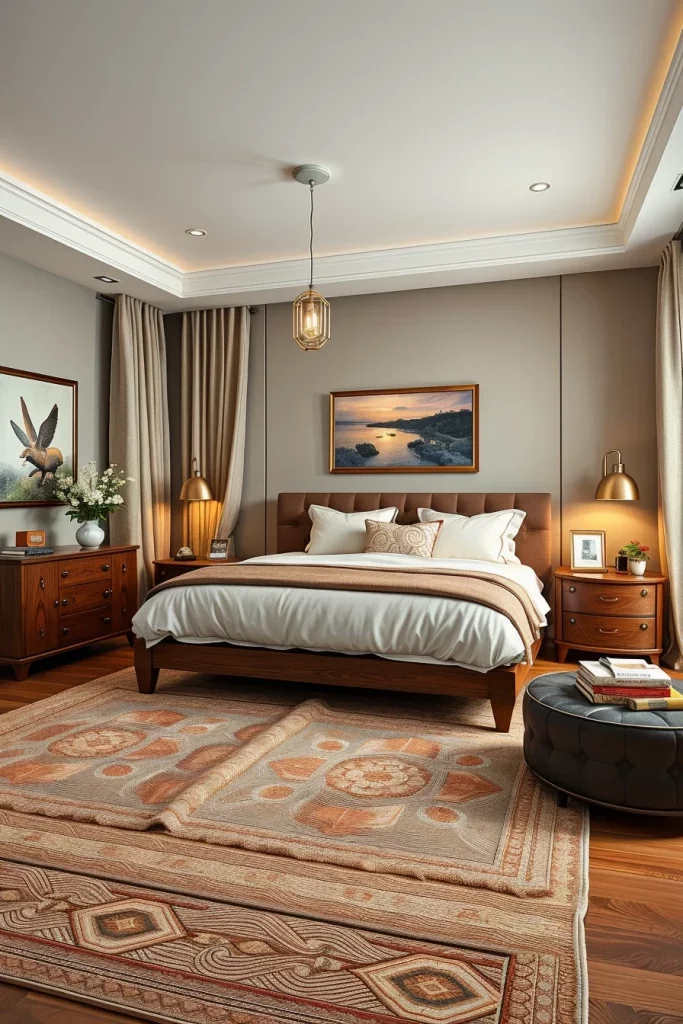
From my experience, layering textures is especially important in bedroom design. Soft rugs, quilted bedding, boucle benches, and woven accessories prevent the room from feeling too dark or heavy. Many interior designers recommend mixing natural materials to create a more inviting environment, and I find this approach works particularly well with chocolate brown palettes.
To elevate the design further, I recommend adding oversized artwork, decorative cushions, and subtle metallic accents. These details create depth and contribute to a sophisticated bedroom that feels carefully curated.
Designing A Luxurious Chocolate Brown Dining Room
A dining room provides an excellent opportunity to embrace modern chocolate brown interior design in a bold and elegant way. I often use chocolate brown to create a sense of intimacy and sophistication, making meals and gatherings feel more memorable. The color adds richness to the room without overwhelming the overall design.
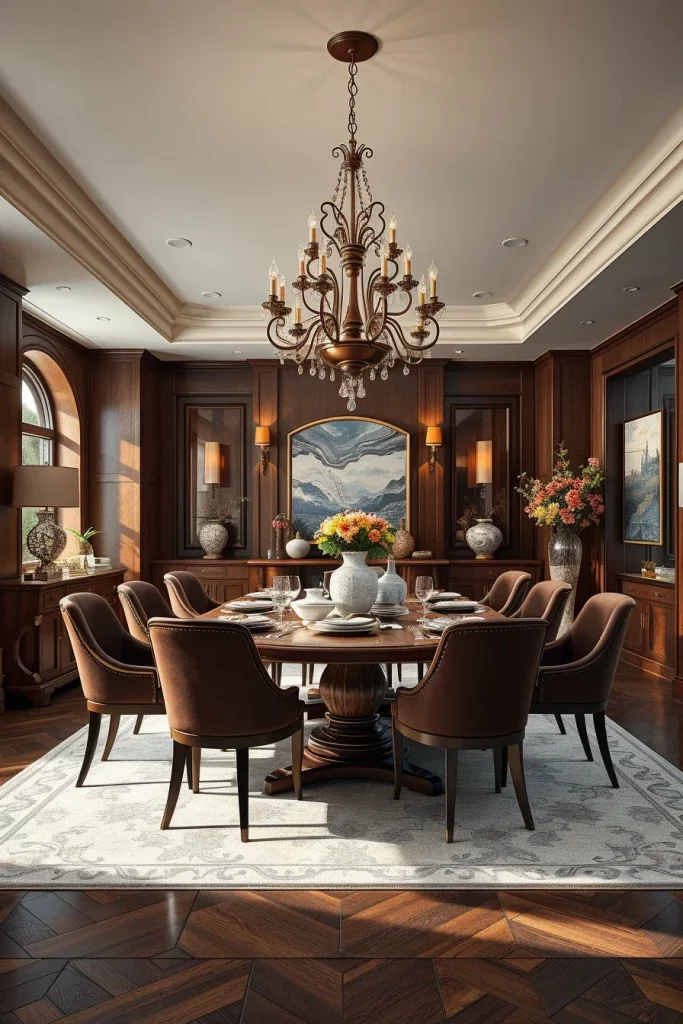
For furniture, I usually recommend a walnut or dark wood dining table paired with upholstered dining chairs in chocolate brown or complementary neutral tones. Statement lighting, such as a sculptural chandelier or pendant fixture, helps establish a focal point while adding visual interest above the table. Decorative elements like ceramic vases and textured table linens further enhance the space.
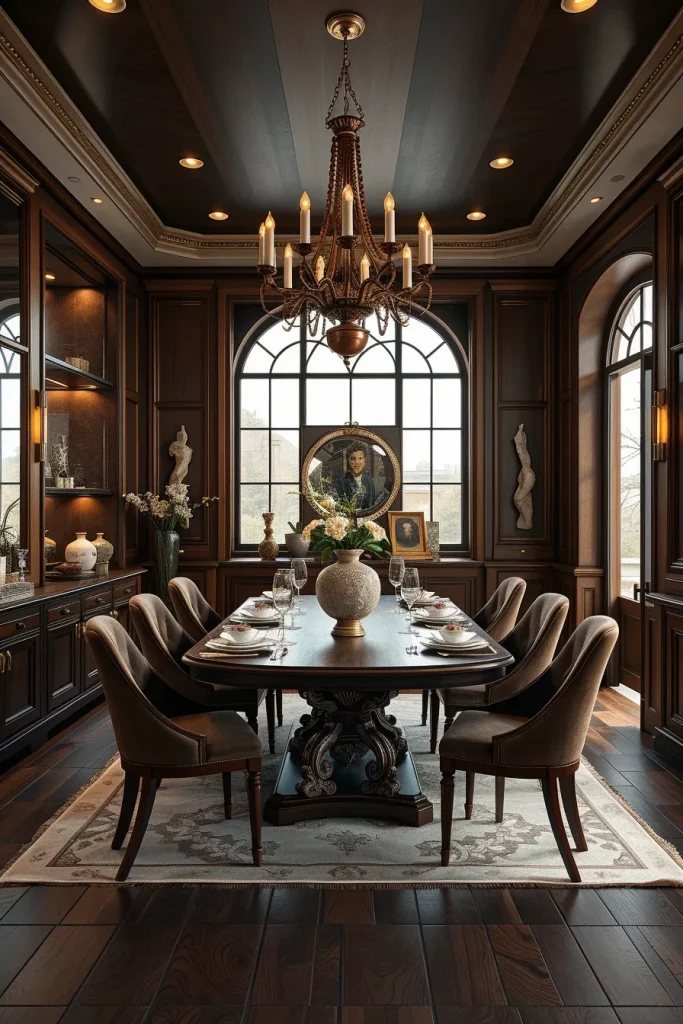
I have found that darker dining rooms often feel more luxurious when balanced with reflective surfaces. Glass accents, metallic finishes, and carefully positioned mirrors help brighten the room and prevent the palette from appearing too heavy. The result is a space that feels welcoming yet refined.
If something is missing from a chocolate brown dining room, it is often contrast. I recommend introducing lighter artwork, cream-colored accessories, or natural stone elements to create visual balance and maintain a contemporary appearance.
Contemporary Kitchen Designs Featuring Chocolate Brown Elements
Modern kitchens benefit greatly from carefully integrated chocolate brown details. I often use chocolate brown decor through cabinetry, islands, shelving, or wood finishes because these elements introduce warmth while maintaining a clean and contemporary aesthetic. Chocolate brown can soften the often sterile appearance of modern kitchens.
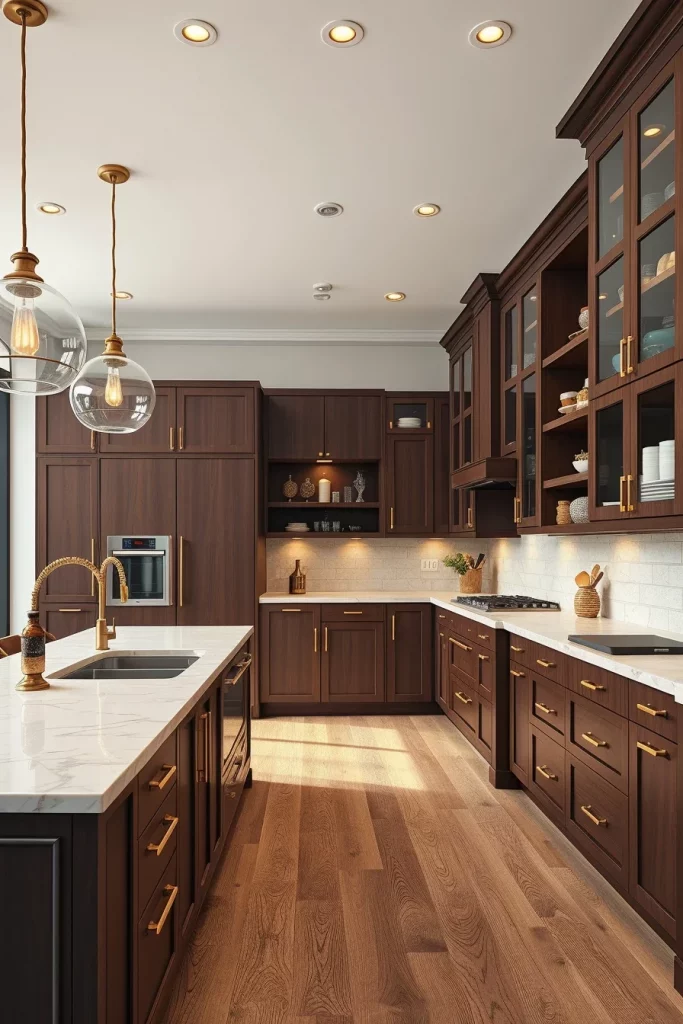
I typically combine chocolate brown cabinetry with light countertops, natural stone backsplashes, and brushed brass or matte black hardware. Open shelving, integrated lighting, and streamlined appliances help maintain a modern look while allowing the rich brown tones to stand out. This combination creates a kitchen that feels both functional and visually appealing.
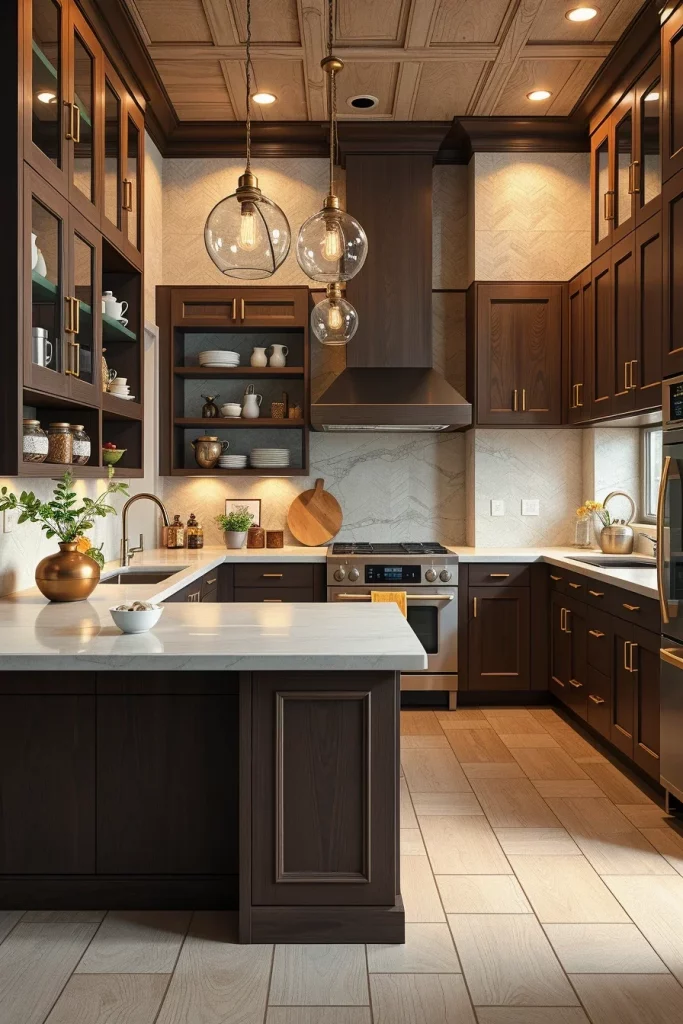
In my projects, I have found that texture plays a major role in kitchen design. Wood grain cabinetry, stone countertops, and handcrafted accessories add depth and prevent the space from feeling flat. The combination of natural materials creates a kitchen that feels welcoming and highly livable.
For a more complete design, I often suggest adding bar stools with textured upholstery, decorative greenery, and pendant lighting. These additions help create a cohesive space that balances practicality with style.
Chocolate Brown Accent Walls That Transform A Space
One of the simplest ways to introduce chocolate brown interiors is through an accent wall. I frequently recommend this strategy to homeowners who want to experiment with darker colors without committing to a fully saturated room. A well-designed accent wall can dramatically change the atmosphere of a space.
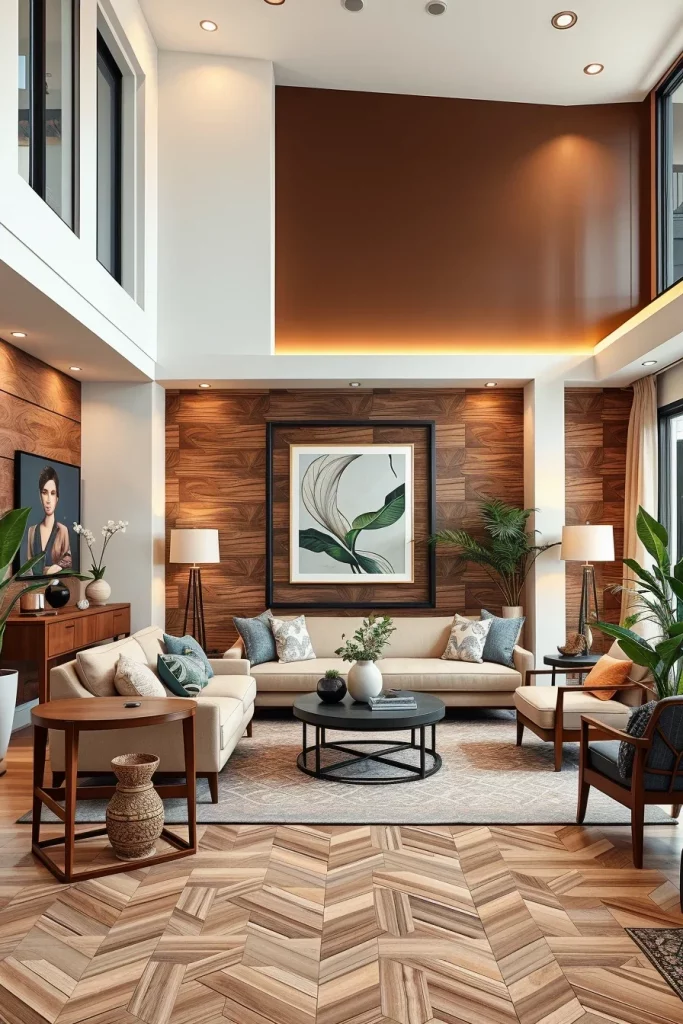
I usually place chocolate brown accent walls behind beds, sofas, dining tables, or built-in shelving units. These locations naturally attract attention and benefit from additional visual depth. Complementary furniture, light-colored decor, and layered lighting ensure that the wall enhances rather than overwhelms the room.
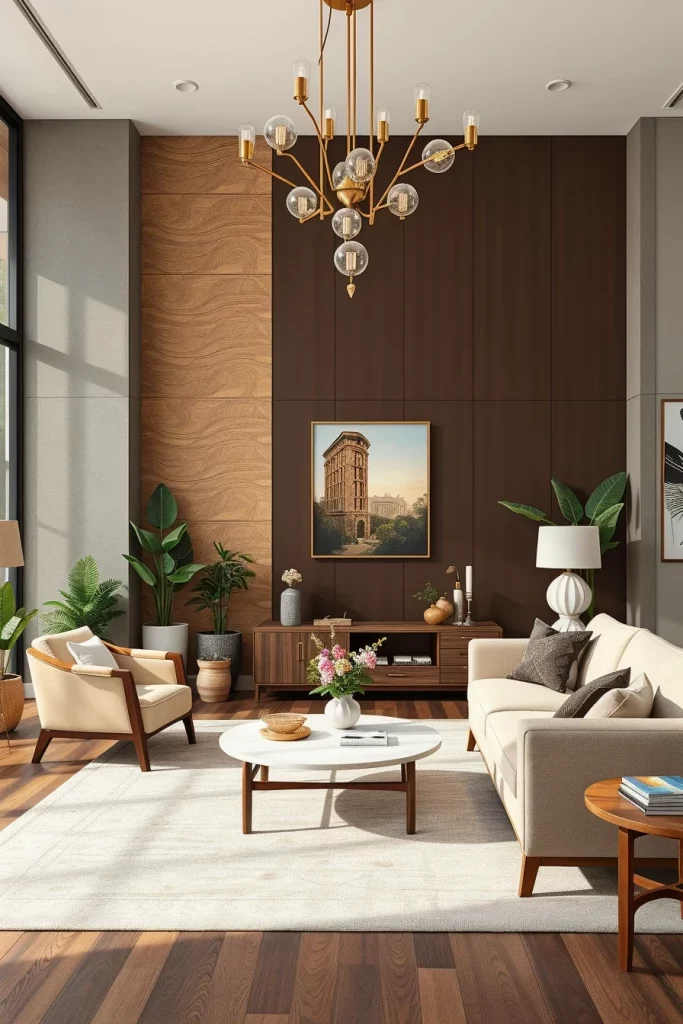
In my experience, textured finishes often produce the best results. Wood paneling, limewash treatments, or subtle wall moldings add architectural interest while making the chocolate brown color feel more dynamic. These details contribute to a high-end appearance that elevates the entire room.
To maximize the impact of an accent wall, I recommend incorporating artwork, mirrors, or sculptural decor. These additions create focal points and help distribute visual interest throughout the space.
Mixing Chocolate Brown With Beige And Cream Tones
One of my favorite design strategies involves combining chocolate brown with beige and cream. This timeless palette creates a harmonious balance between depth and brightness. While chocolate brown provides structure and richness, lighter tones prevent the room from feeling overly dark.
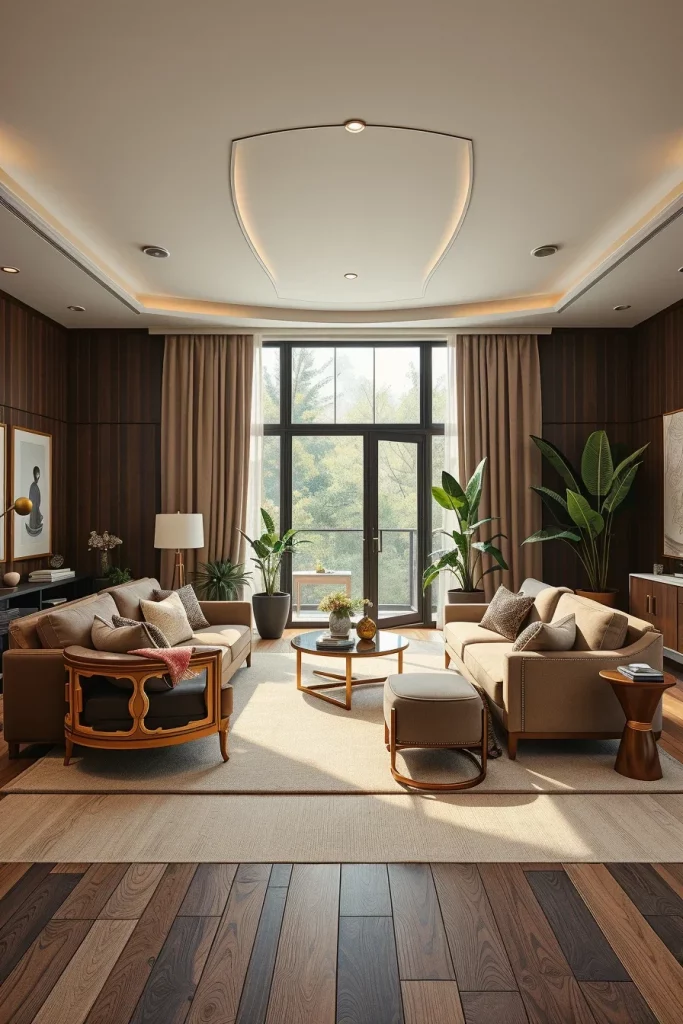
I often begin with chocolate brown furniture pieces and then layer cream upholstery, beige rugs, linen curtains, and light-colored accessories throughout the room. This combination creates contrast while maintaining a cohesive aesthetic. Natural wood finishes and stone surfaces further enhance the warmth of the palette.
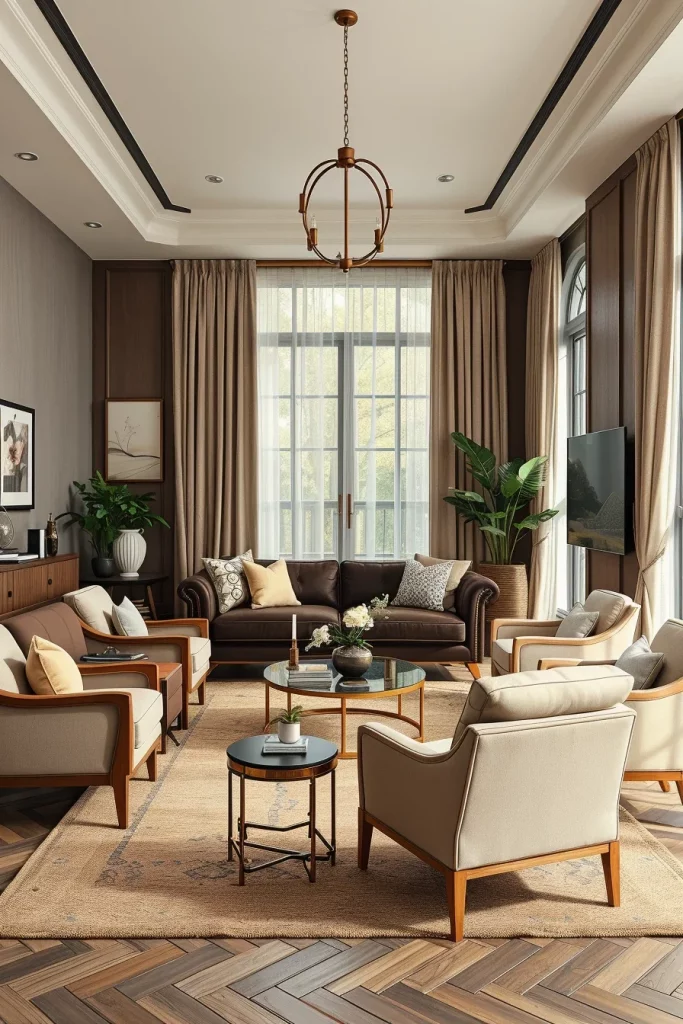
In my opinion, this color combination works exceptionally well because it feels both modern and approachable. The palette can adapt to a wide range of design styles, from contemporary minimalism to transitional interiors. Many successful interior projects rely on this balance between dark and light tones.
To complete the look, I recommend adding subtle metallic finishes, greenery, and textured decor. These details introduce variety while reinforcing the sophisticated character of the space.
Pairing Chocolate Brown With White For A Modern Contrast
I find that one of the most effective ways to use modern chocolate brown interior design is by pairing deep brown tones with crisp white surfaces. This combination creates a balanced contrast that feels clean, contemporary, and welcoming. Chocolate brown introduces warmth and depth, while white reflects light and prevents the space from feeling visually heavy. This pairing works exceptionally well in living rooms, dining spaces, and open-concept interiors where visual balance is important.
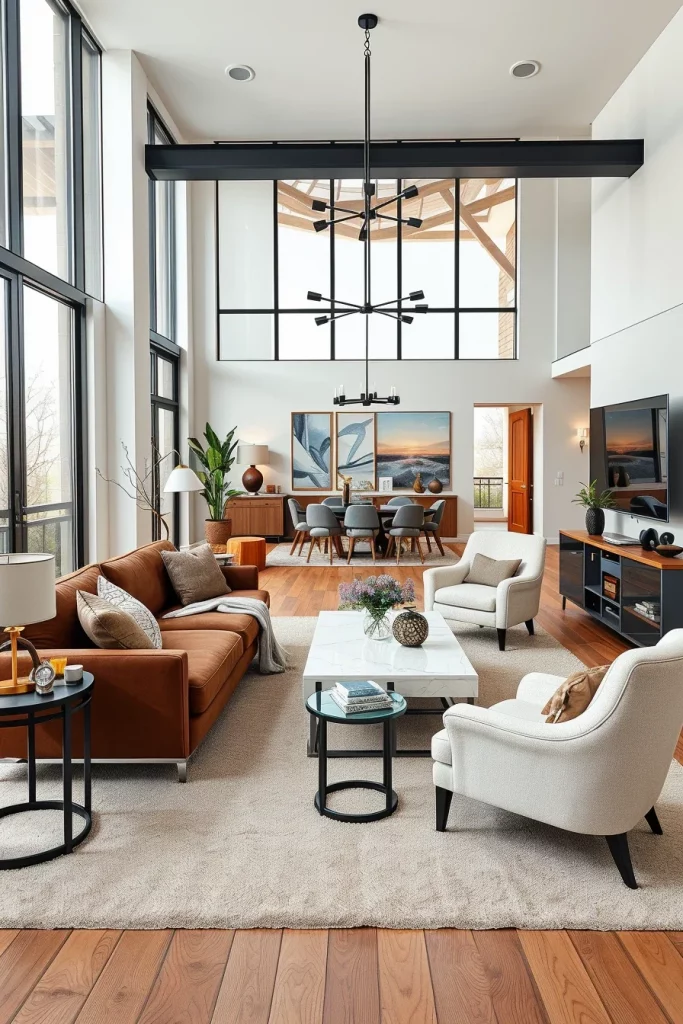
In my experience, white walls provide the perfect backdrop for chocolate brown sofas, built-in cabinetry, or statement accent walls. I often recommend incorporating white marble coffee tables, white boucle armchairs, and light-colored area rugs to soften the darker elements. Large windows, minimal architectural details, and modern lighting fixtures further enhance the sophisticated contrast. Natural wood finishes can also bridge the gap between the dark and light tones, creating a cohesive design.
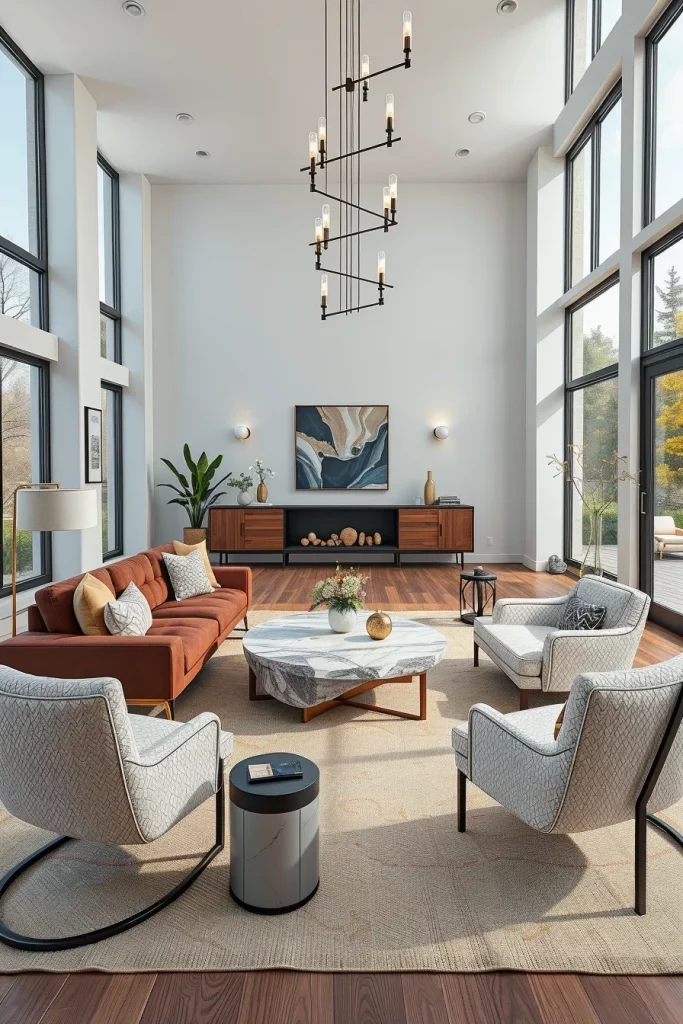
I have noticed that many interior designers featured in leading design publications recommend using contrast strategically rather than evenly throughout a room. I agree with this approach because it creates visual interest while maintaining harmony. By allowing white to dominate larger surfaces and chocolate brown to anchor key furniture pieces, the room feels refined and modern.
To complete this design, I would add oversized artwork with neutral tones, black metal accents, and layered lighting. These details reinforce the contemporary aesthetic while ensuring the room remains visually dynamic and comfortable for everyday living.
Elegant Chocolate Brown And Gold Interior Combinations
I often recommend combining chocolate brown with gold accents when clients want a luxurious yet modern interior. The richness of brown provides a sophisticated foundation, while gold introduces warmth, elegance, and subtle glamour. Together, these elements create an upscale environment that feels inviting rather than overly formal.
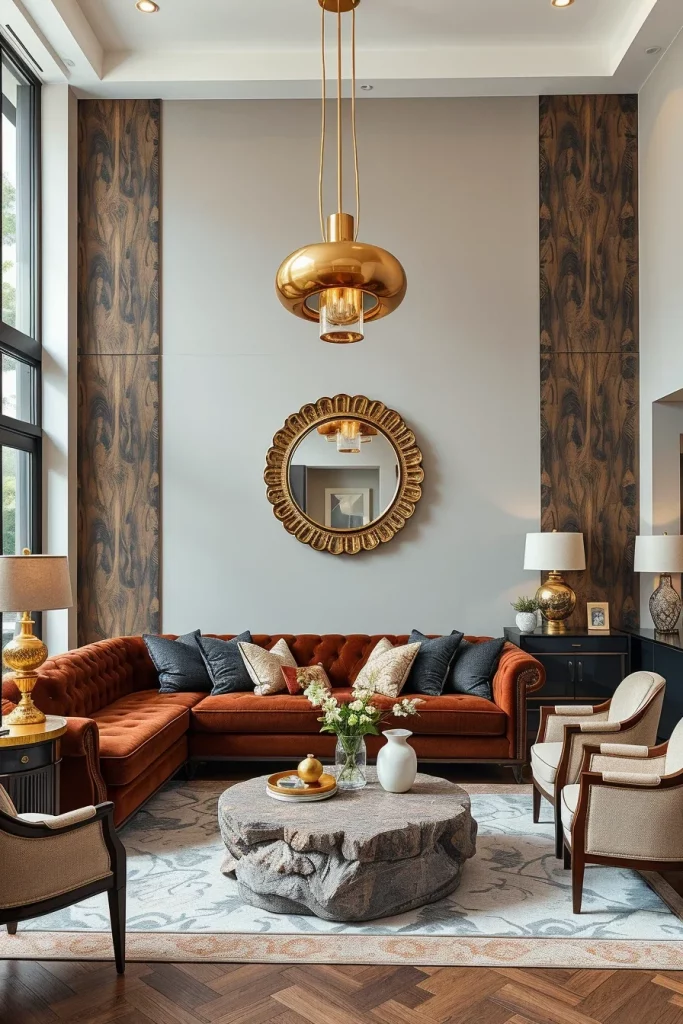
For furniture and décor, I prefer chocolate brown velvet sofas, dark wood console tables, and sleek cabinetry paired with brushed gold lighting fixtures and hardware. Gold-framed mirrors, sculptural table lamps, and metallic coffee table details add visual interest without overwhelming the space. I also like incorporating cream-colored upholstery and natural stone surfaces to balance the richness of the palette.
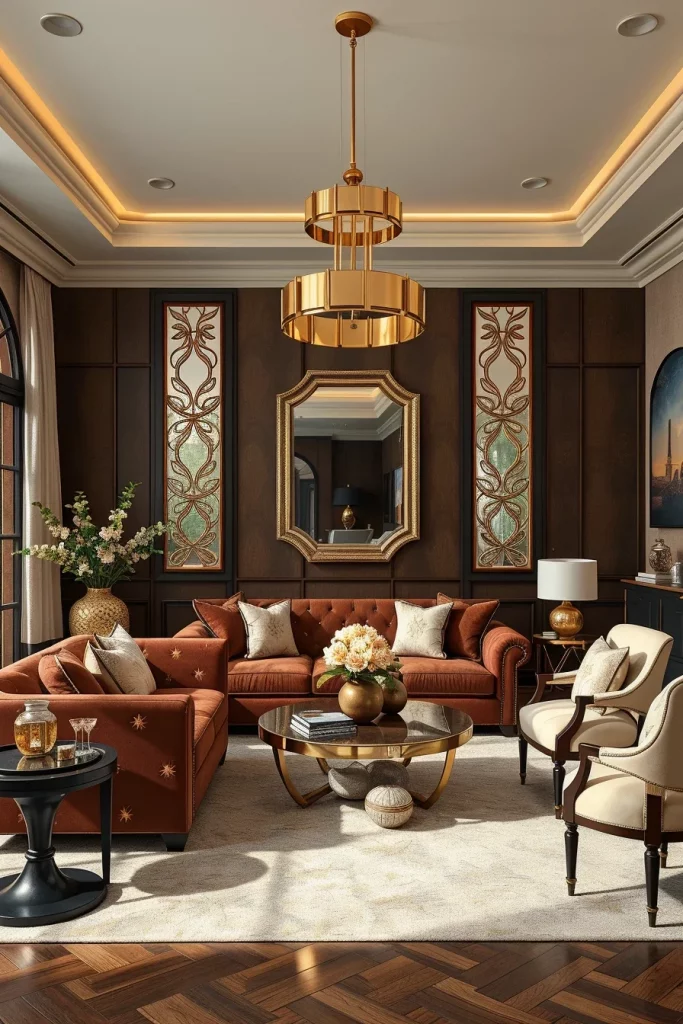
From my perspective, moderation is essential when working with gold accents. Many respected interior designers emphasize the importance of using metallic finishes as highlights rather than dominant elements. I find that a few carefully chosen gold pieces often create a more sophisticated result than an abundance of metallic décor.
To elevate this style further, I would include textured drapery, large-scale artwork, and decorative accessories in warm neutral tones. These additions create depth and help the chocolate brown and gold combination feel layered and thoughtfully curated.
Incorporating Chocolate Brown Furniture Into Modern Spaces
I believe that furniture is one of the easiest ways to introduce chocolate brown into a modern home. A well-chosen sofa, dining table, or accent chair can instantly establish warmth and character while maintaining a contemporary appearance. Chocolate brown furniture works particularly well in neutral interiors that need additional depth and visual grounding.
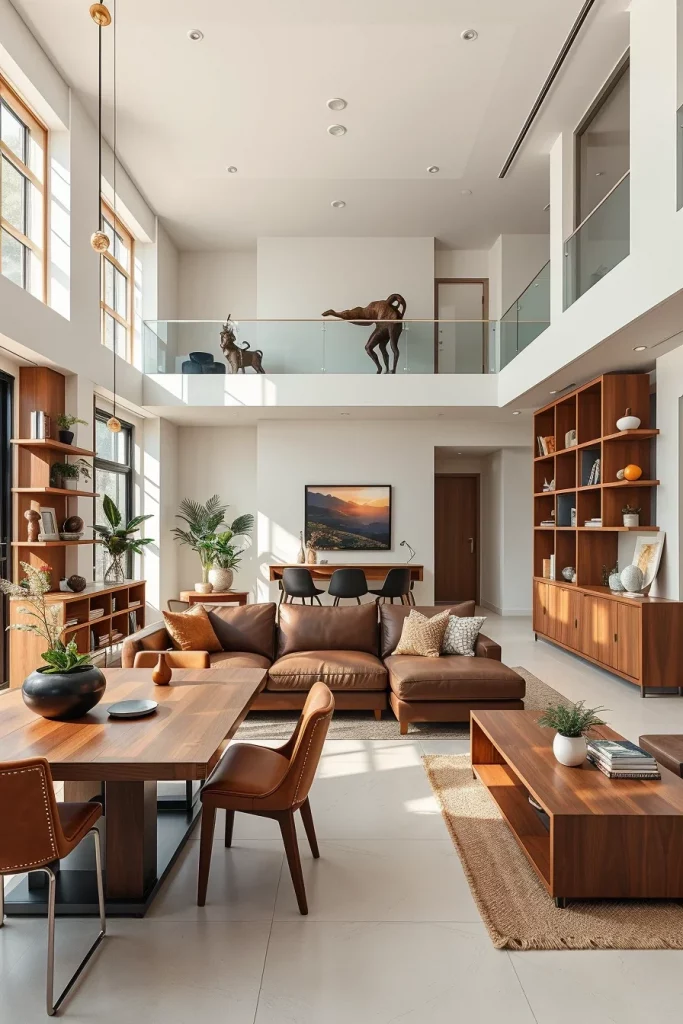
When selecting furniture, I often focus on clean silhouettes and high-quality materials. A chocolate brown leather sectional, sleek walnut dining table, and minimalist shelving system can serve as focal points without dominating the room. I also recommend pairing darker furniture with lighter flooring, neutral walls, and modern lighting to create visual balance.
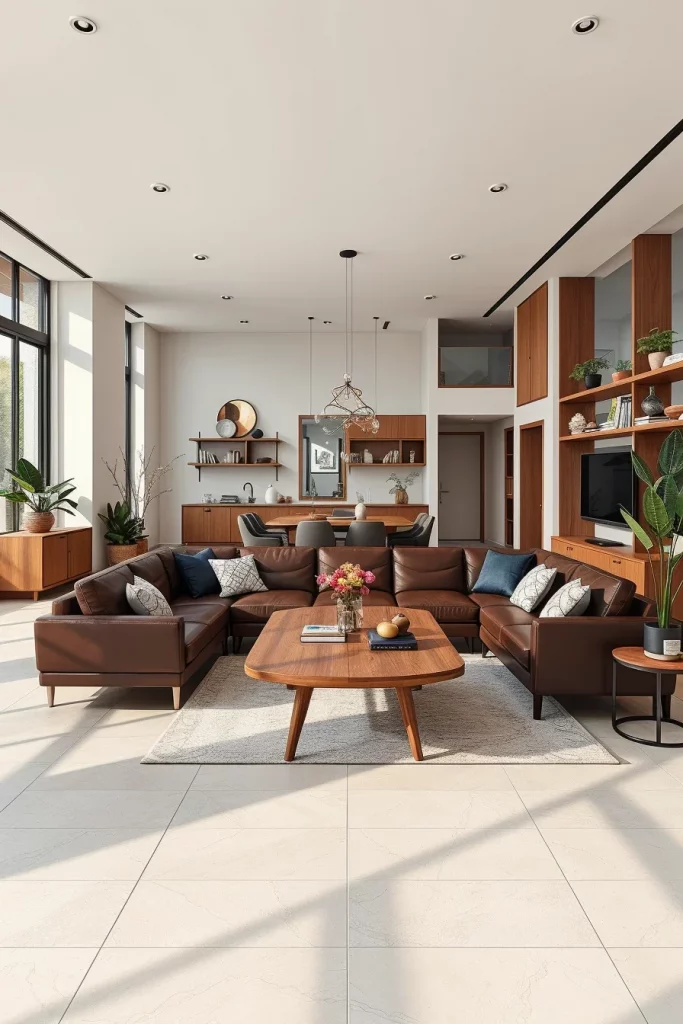
In my experience, chocolate brown furniture remains timeless because it complements a wide range of color palettes and design styles. Design experts frequently highlight the value of investing in classic furniture pieces that can adapt to changing trends. I share this view because versatile furnishings offer both aesthetic and practical longevity.
I would also incorporate greenery, textured throw pillows, and sculptural accessories to soften the darker furniture elements. These details add freshness and prevent the room from feeling overly structured or formal.
The Best Flooring Options For Chocolate Brown Interiors
I find that flooring plays a crucial role in the success of modern chocolate brown interior design. The right flooring choice can enhance the richness of brown tones while maintaining an open and contemporary atmosphere. Selecting complementary materials helps create a cohesive foundation for the entire space.
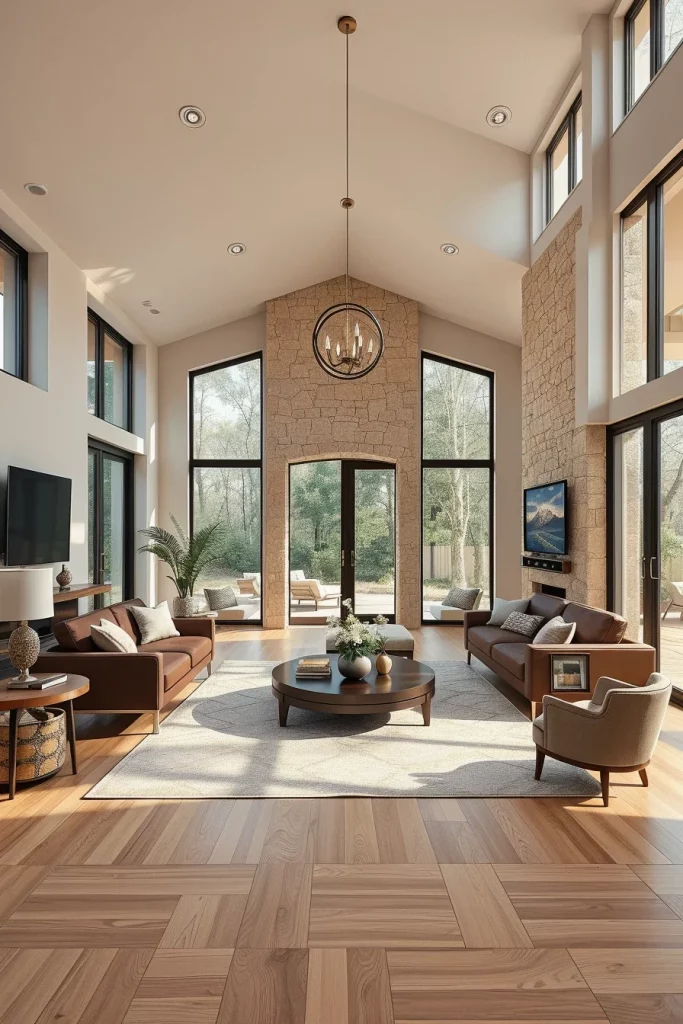
For most interiors, I recommend light oak flooring, natural stone tiles, or warm-toned engineered wood. These surfaces provide contrast and help reflect natural light throughout the room. In larger spaces, wide-plank flooring creates a seamless appearance that complements modern architecture. Area rugs in cream, beige, or soft gray tones can further balance darker furnishings and wall colors.
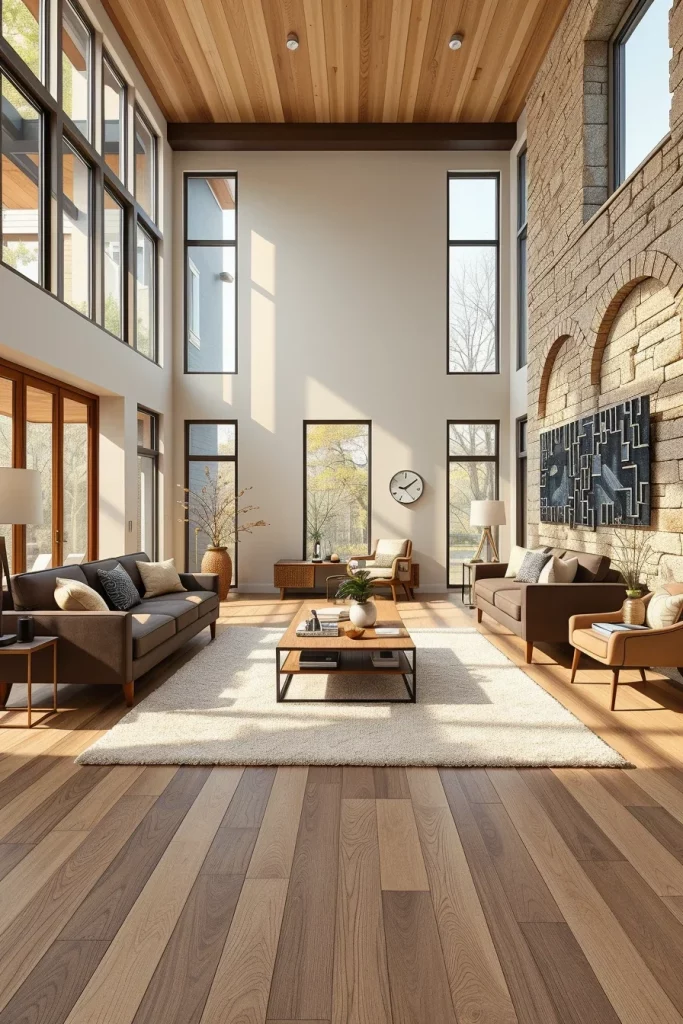
Based on my experience, flooring should support the overall design rather than compete with it. Many professionals in the interior design industry suggest using flooring as a neutral backdrop that allows furniture and décor to stand out. I find this advice particularly effective when working with rich color palettes such as chocolate brown.
To enhance the flooring design, I would add subtle underfloor lighting, textured rugs, and coordinated wood finishes throughout the space. These elements create visual continuity and contribute to a polished, professional result.
Modern Window Treatments For Chocolate Brown Rooms
I consider window treatments an essential component of any chocolate brown interior. Properly selected curtains, shades, or blinds can dramatically influence the amount of natural light entering the room while complementing the overall color scheme. In modern interiors, simplicity and functionality should guide these choices.
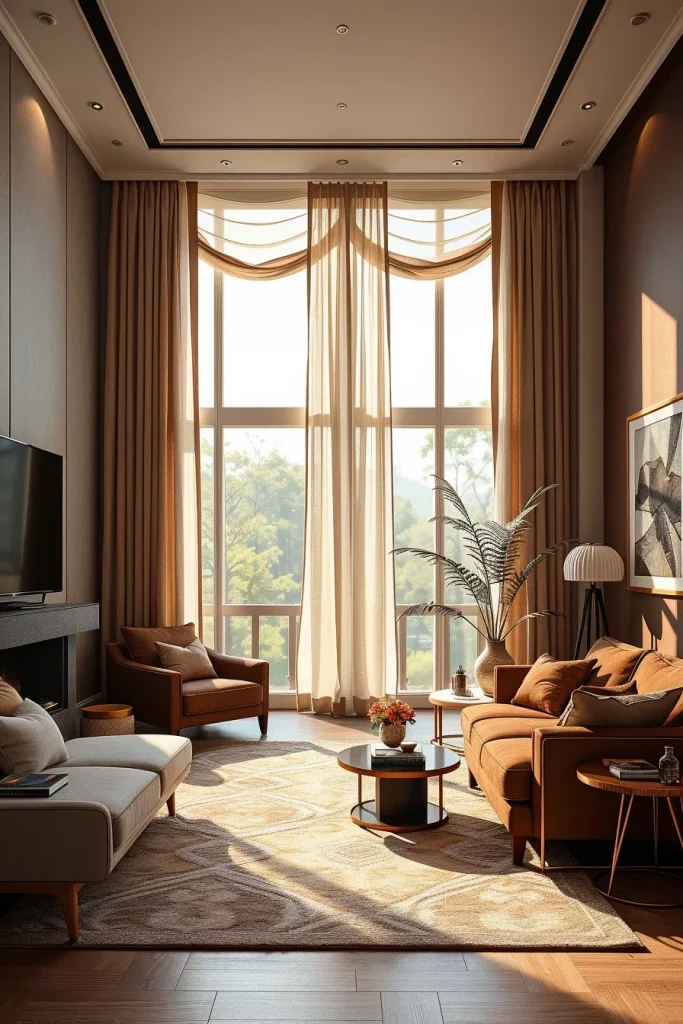
I often recommend floor-to-ceiling linen drapes in soft white, beige, or warm taupe shades. These fabrics create a beautiful contrast against chocolate brown walls or furniture while maintaining an airy atmosphere. Motorized roller shades, minimalist curtain rods, and layered window treatments can further improve both aesthetics and convenience. Large windows should remain as unobstructed as possible to maximize daylight.
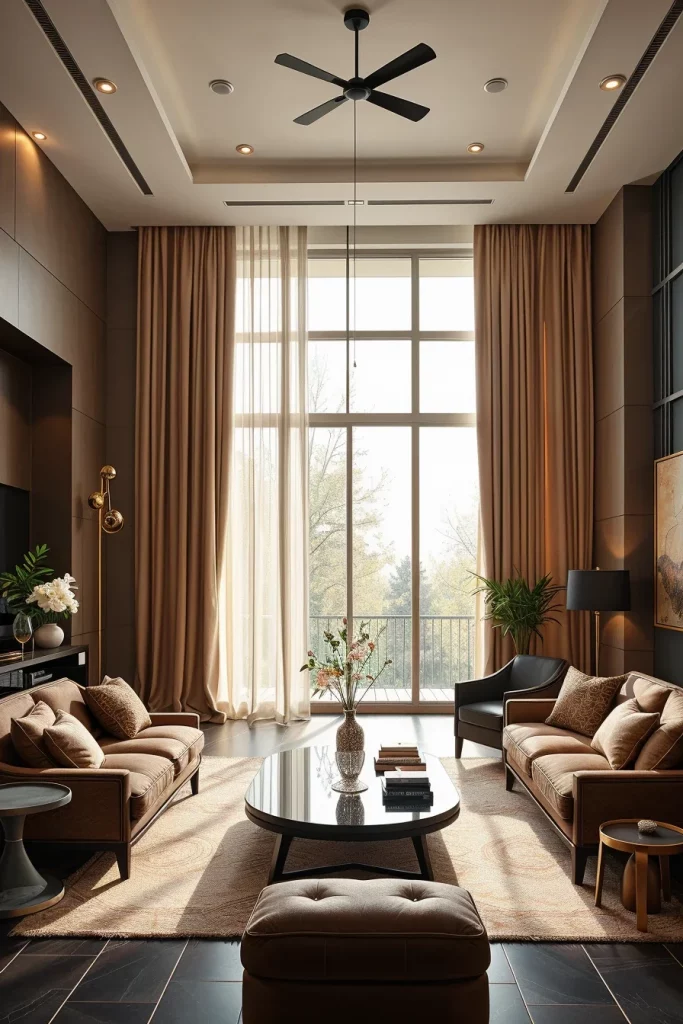
In my projects, I have found that natural light is one of the most effective tools for balancing darker color palettes. Many leading designers emphasize the importance of enhancing daylight rather than covering it. I fully agree because well-lit chocolate brown interiors feel elegant, spacious, and inviting.
To complete the window design, I would include sheer curtain layers, decorative lighting nearby, and strategically placed mirrors to reflect sunlight throughout the room. These additions help maintain brightness while reinforcing the modern aesthetic.
Layering Textures To Enhance Chocolate Brown Decor
I find that texture is one of the most important elements when designing with chocolate brown. Because this rich color naturally adds depth, layering different materials helps prevent the room from feeling flat or monotonous. In modern chocolate brown interior design, textures create visual interest while maintaining a sophisticated and cohesive appearance. Combining soft, smooth, rough, and reflective surfaces makes the space feel more inviting and dynamic.
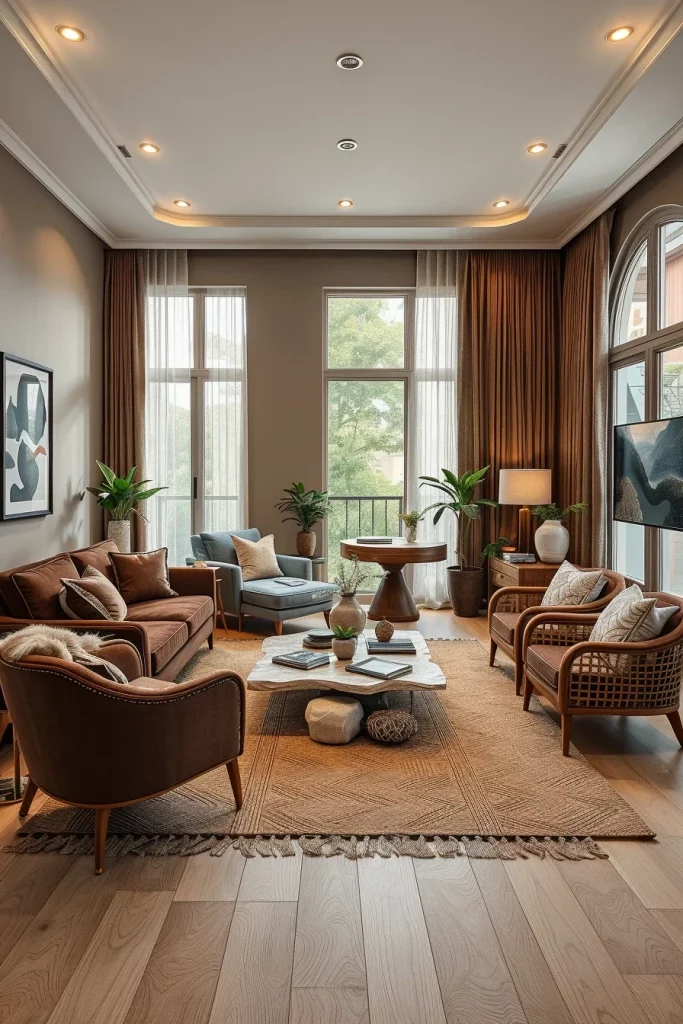
When selecting furnishings, I often mix velvet sofas, boucle accent chairs, woven rugs, natural wood furniture, and stone surfaces. Chocolate brown leather seating can be paired with textured throw blankets and linen cushions to create balance. I also like incorporating ribbed wood panels, ceramic accessories, and matte metal finishes because they contribute additional layers of visual complexity without overwhelming the room.
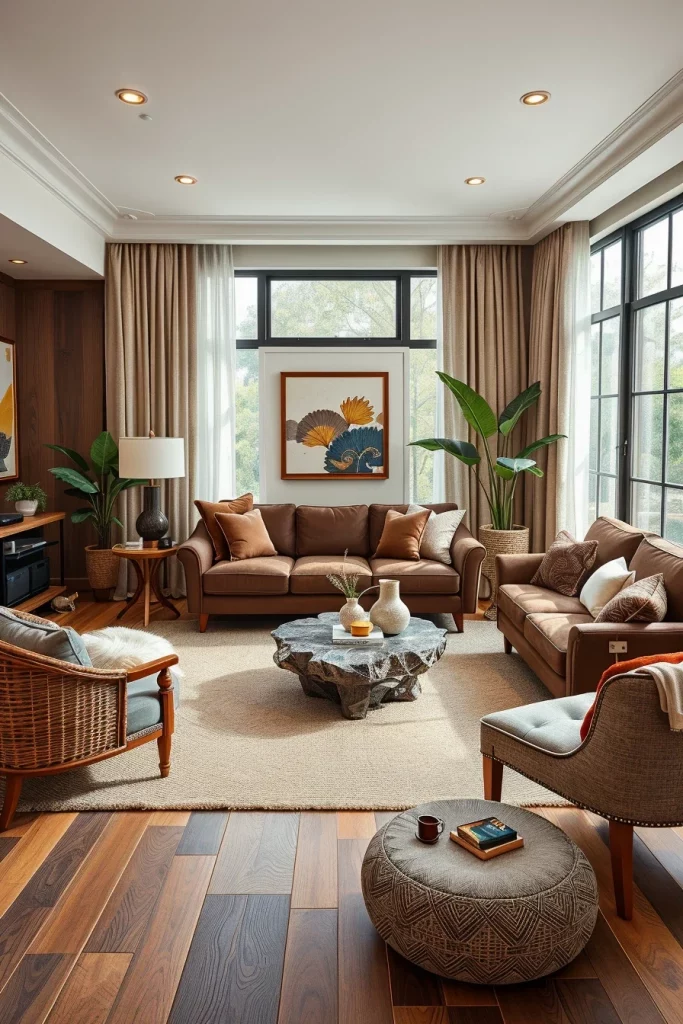
In my experience, professionally designed interiors rarely rely on color alone. Many interior designers emphasize texture as a key component of luxury design because it enhances comfort and visual depth. I follow this principle by ensuring that every room contains a variety of materials that complement one another while supporting the overall color palette.
To complete this type of space, I would add oversized curtains, handcrafted décor pieces, and natural greenery. These additions soften the darker tones and create a warm environment that feels both contemporary and comfortable.
Using Chocolate Brown In Small Spaces Without Feeling Dark
I often hear concerns that chocolate brown may make a small room feel cramped, but I have found that thoughtful planning can achieve the opposite effect. When used strategically, chocolate brown can add character, warmth, and elegance to compact interiors without sacrificing brightness. The key is balancing dark tones with sufficient light and contrast.
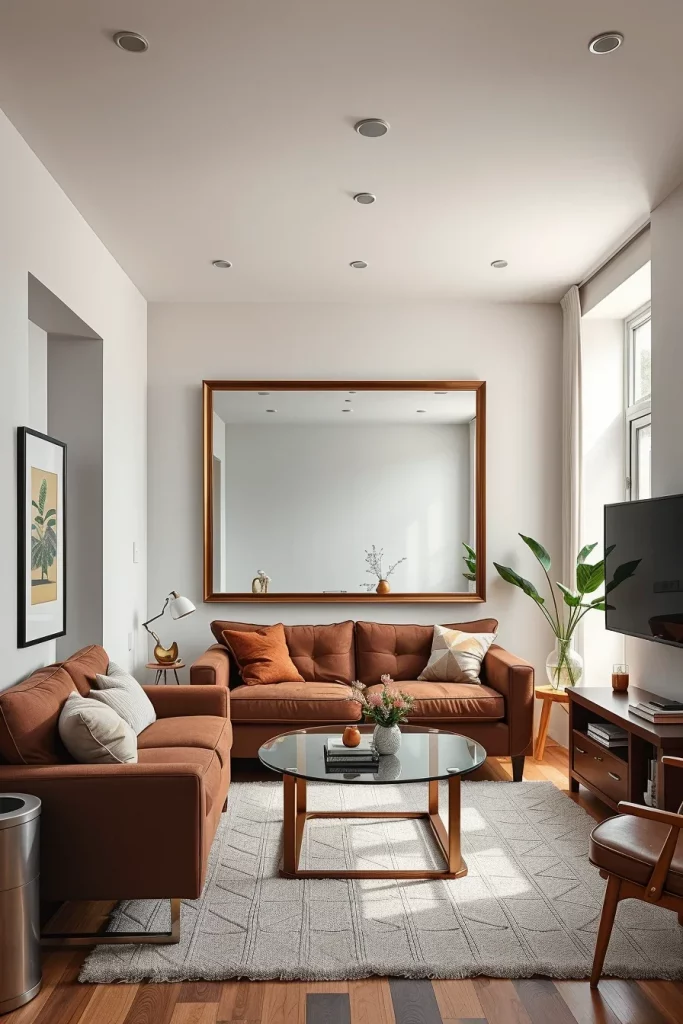
For smaller rooms, I recommend limiting chocolate brown to furniture, accent walls, or decorative details rather than applying it to every surface. A chocolate brown sofa, floating shelves, or built-in cabinetry can introduce richness while preserving openness. Light-colored walls, mirrors, glass furniture, and abundant natural light help reflect brightness throughout the room. Multifunctional furniture also contributes to a cleaner and more spacious appearance.
From my perspective, proportion is essential in small-space design. Many experts advise pairing darker colors with reflective surfaces and lighter architectural elements. I agree because this approach allows chocolate brown to become a stylish focal point rather than a dominating presence.
To improve functionality, I would incorporate concealed storage, wall-mounted lighting, and minimalist décor. These additions reduce visual clutter and help maintain an airy, modern atmosphere even in compact interiors.
Stylish Chocolate Brown Home Office Design Ideas
I believe that chocolate brown is an excellent choice for home office environments because it promotes focus, sophistication, and comfort. A well-designed office should feel professional without becoming sterile, and chocolate brown provides the perfect balance between warmth and productivity. This color works particularly well in contemporary workspaces where both style and functionality are priorities.
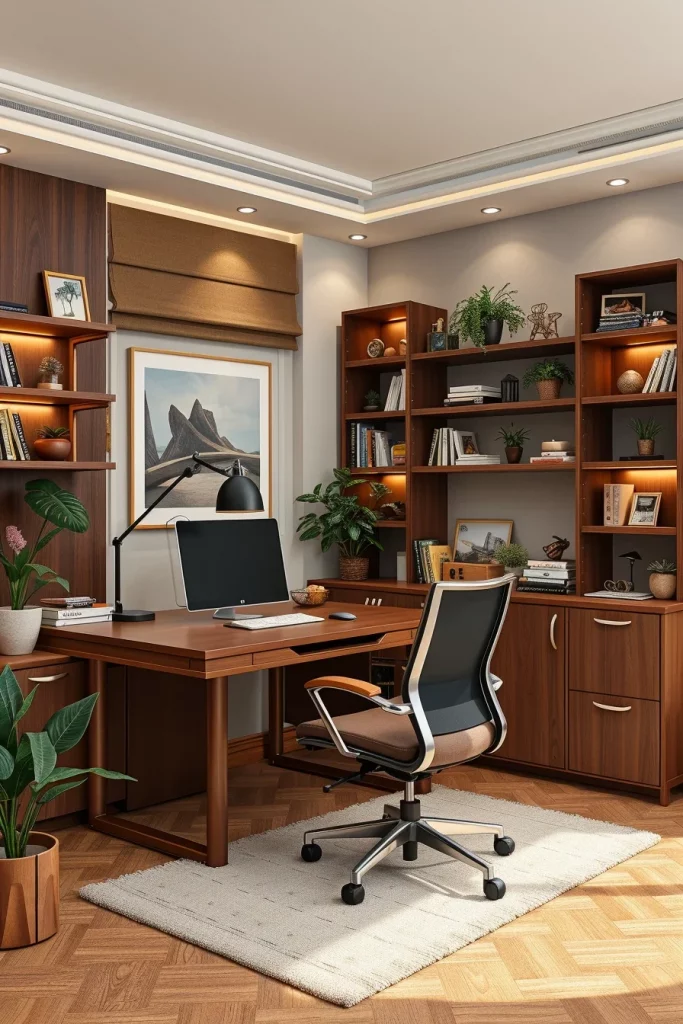
When designing a home office, I often start with a chocolate brown desk or built-in shelving system. Comfortable ergonomic seating in complementary shades, warm wood finishes, and streamlined storage solutions create an organized environment. I also recommend incorporating task lighting, neutral walls, and subtle decorative accents that support concentration while maintaining visual appeal.
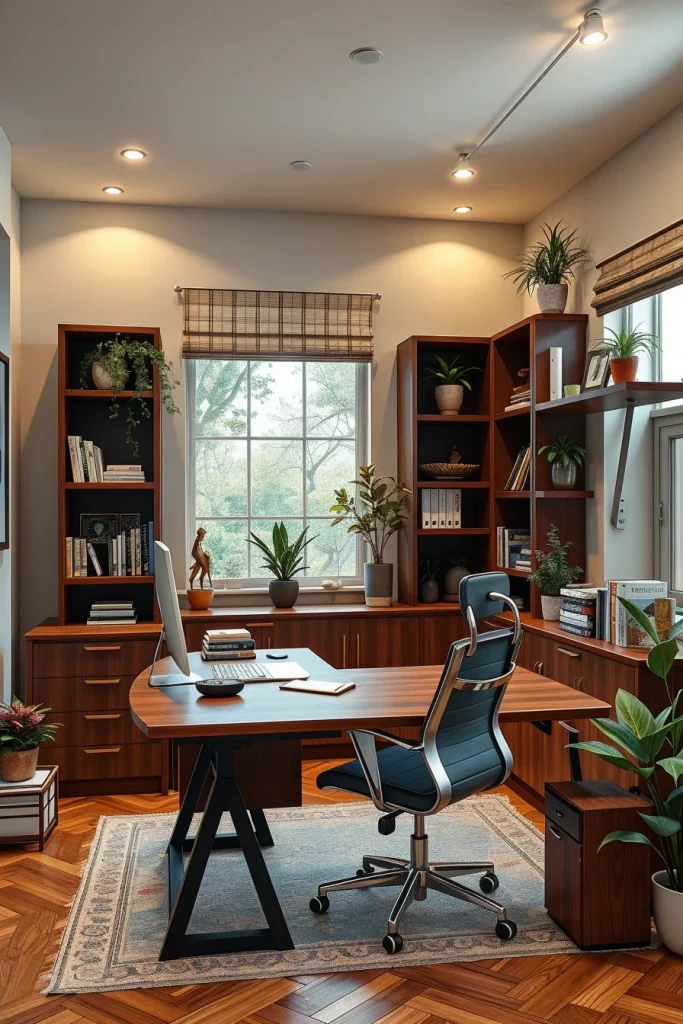
In my experience, productivity improves when a workspace feels intentional and personalized. Design professionals frequently suggest integrating natural materials into home offices to create a more comfortable atmosphere. I share this opinion because wood, leather, and textured fabrics help reduce the coldness often associated with purely functional workspaces.
To make the office even more effective, I would add acoustic panels, indoor plants, and layered lighting. These features enhance comfort throughout the day while reinforcing the sophisticated character of the design.
Minimalist Interiors With Rich Chocolate Brown Accents
I find that chocolate brown accents can bring warmth and personality to minimalist interiors without disrupting their clean aesthetic. Minimalism often relies on neutral palettes and simple forms, making chocolate brown an ideal accent color that introduces depth while maintaining visual clarity. This combination creates a modern environment that feels welcoming rather than stark.
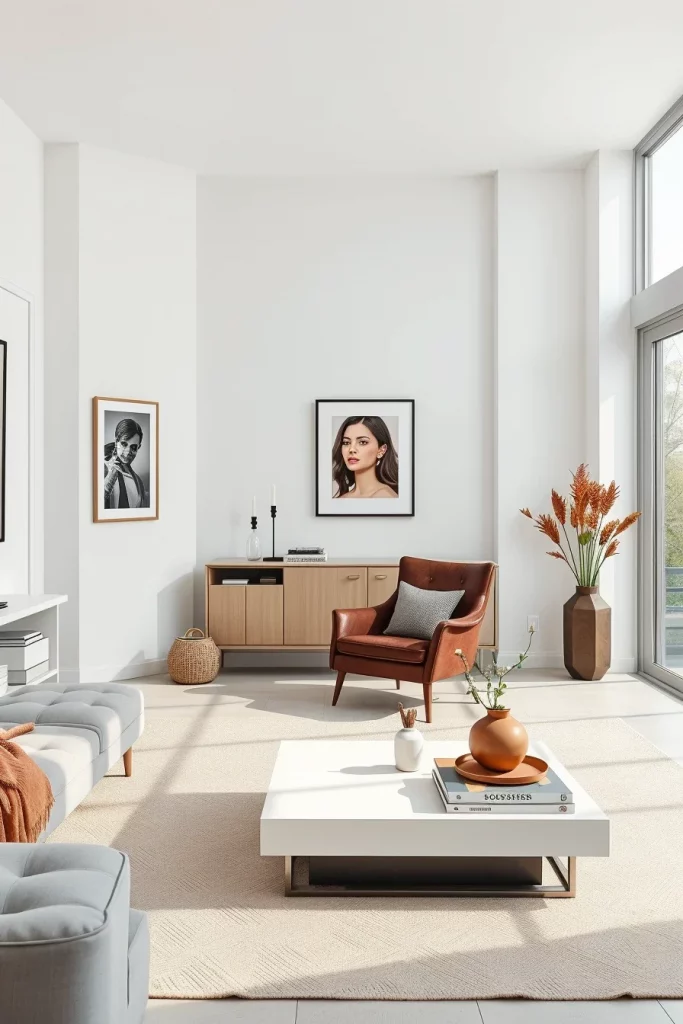
In these interiors, I typically use chocolate brown through accent chairs, coffee tables, shelving, or decorative objects. Light walls, uncluttered layouts, and streamlined furniture allow the darker elements to stand out naturally. I also appreciate incorporating subtle textures and natural materials to prevent the design from feeling overly rigid.
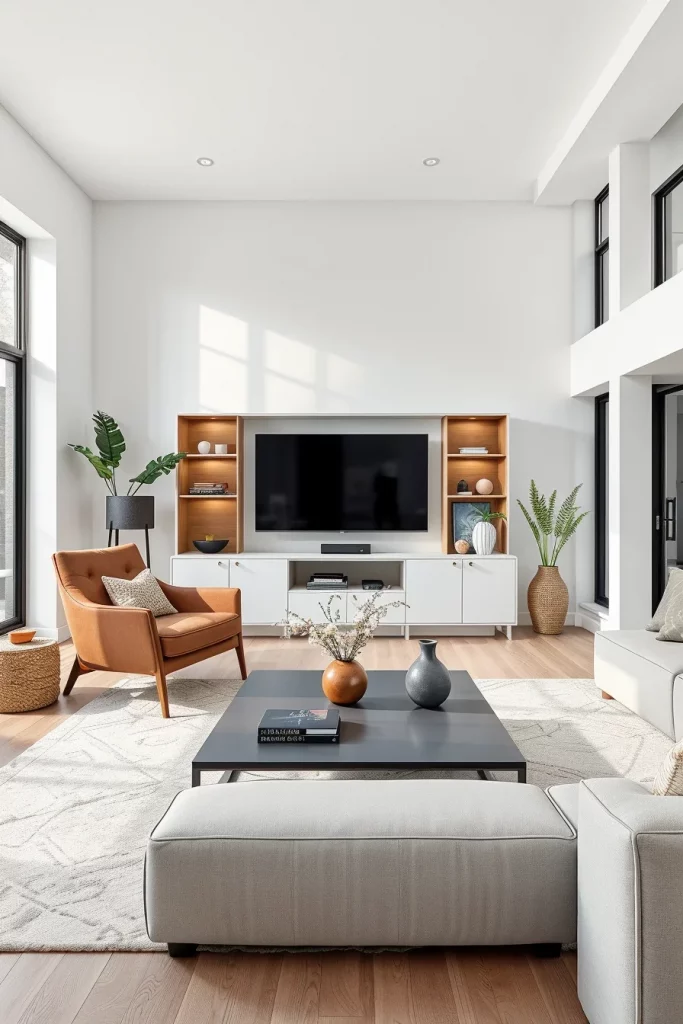
Many designers advocate for restraint when working with minimalist spaces, and I fully support this philosophy. Rather than filling the room with numerous decorative items, I prefer selecting a few carefully curated pieces that contribute both function and beauty. Chocolate brown works exceptionally well because it adds visual weight without creating unnecessary complexity.
To further refine this design, I would include concealed storage, architectural lighting, and simple artwork with neutral tones. These details preserve the minimalist atmosphere while enhancing the overall sophistication of the room.
Modern Farmhouse Spaces Featuring Chocolate Brown Details
I enjoy incorporating chocolate brown into modern farmhouse interiors because it complements the natural materials and welcoming atmosphere associated with this style. Chocolate brown adds richness and maturity to farmhouse spaces while helping them feel more contemporary and refined. The result is a balanced design that blends rustic charm with modern elegance.
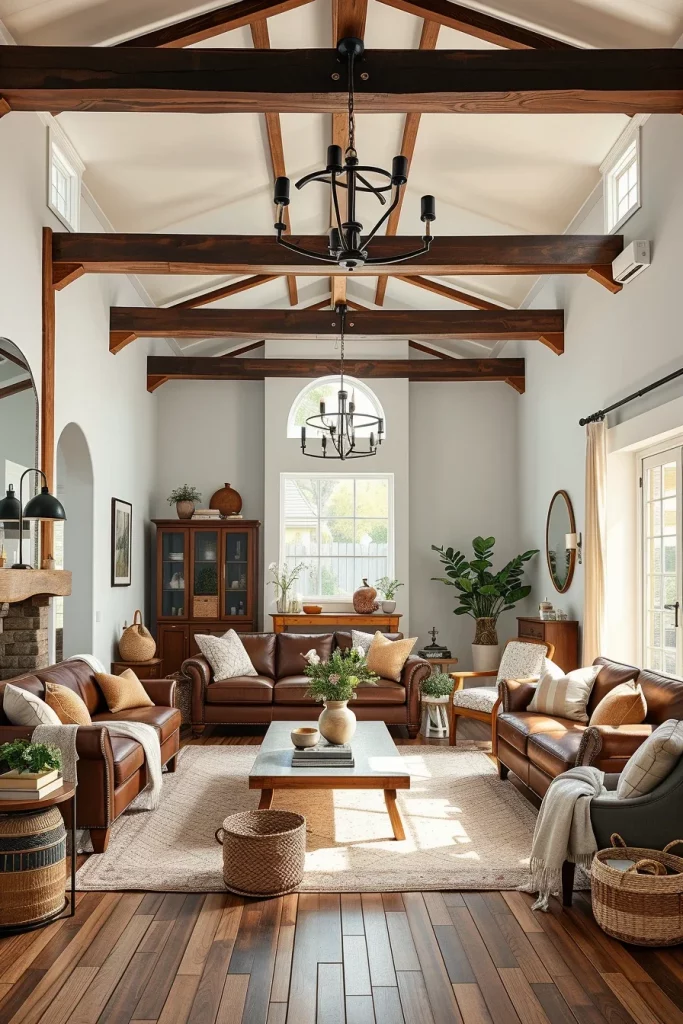
When furnishing these interiors, I often combine chocolate brown wood beams, leather seating, and cabinetry with white walls and light flooring. Natural wood dining tables, woven baskets, linen upholstery, and black metal fixtures contribute to the farmhouse aesthetic while maintaining a modern appearance. The contrast between light architectural elements and darker details creates visual depth and character.
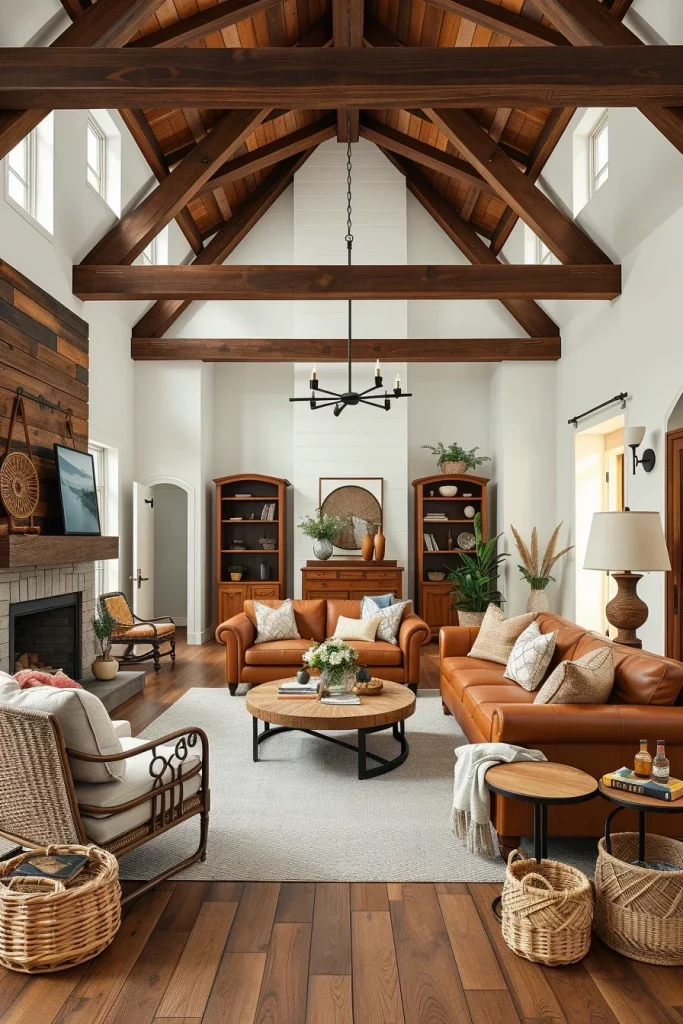
From my experience, the most successful modern farmhouse designs avoid excessive rustic decoration. Many respected designers recommend focusing on quality materials and simple forms rather than themed accessories. I agree because this approach creates a timeless interior that remains relevant as trends evolve.
To complete the room, I would add oversized pendant lighting, textured area rugs, and organic decorative elements such as pottery and greenery. These features enhance the warmth of the space while supporting the relaxed elegance that defines modern farmhouse design.
Scandinavian-Inspired Chocolate Brown Interior Concepts
I find that Scandinavian-inspired spaces provide one of the most effective ways to introduce modern chocolate brown interior design without overwhelming a room. The combination of warm chocolate brown tones with soft neutrals, clean lines, and functional layouts creates an inviting atmosphere. In these interiors, chocolate brown often appears through accent walls, upholstered seating, wooden furniture, or textured area rugs while maintaining the simplicity that defines Scandinavian design.
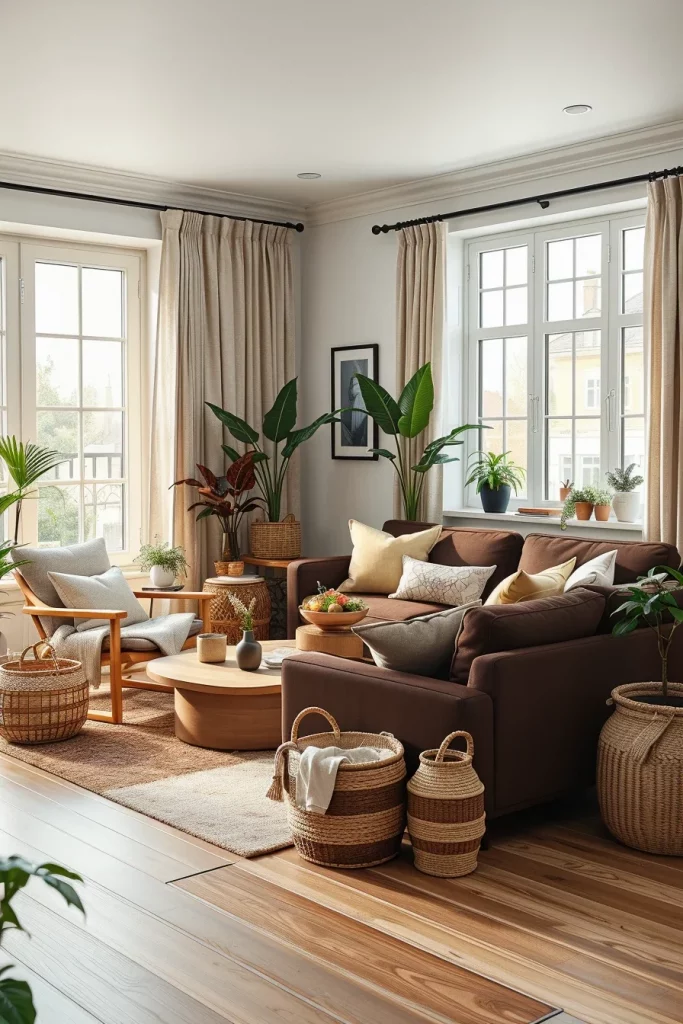
When designing such a space, I typically include a chocolate brown sofa, light oak coffee tables, cream-colored textiles, and minimalist shelving. Natural light is essential because it balances the richness of darker tones. Soft linen curtains, simple ceramic décor, and subtle black accents help create visual contrast while preserving the airy feeling that Scandinavian interiors are known for.
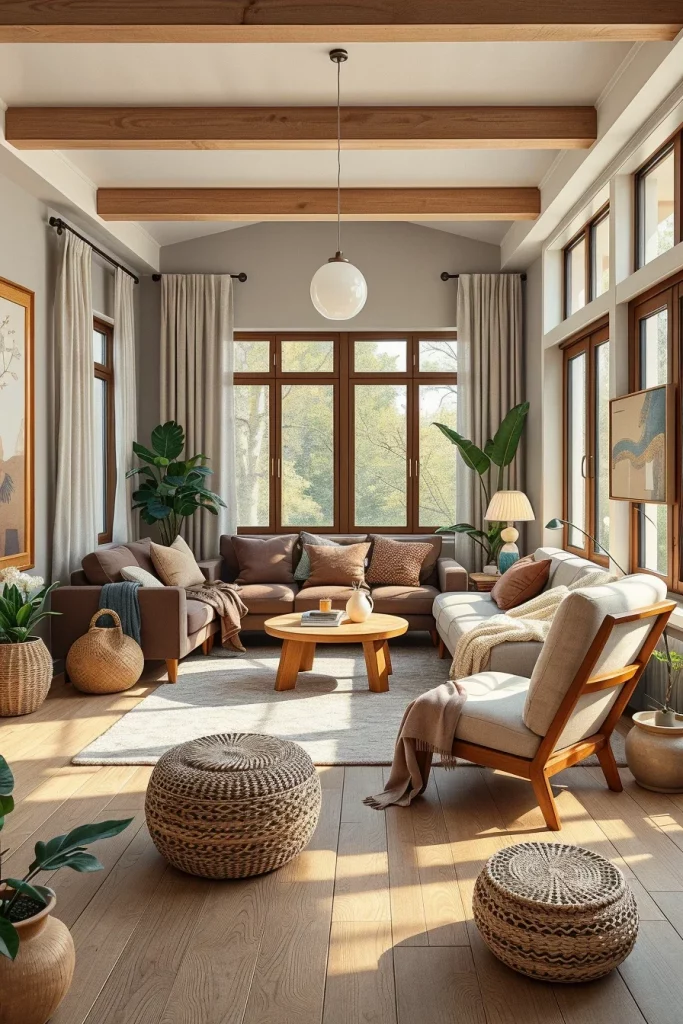
From my experience, many designers recommend layering textures instead of adding excessive decoration. Publications such as Architectural Digest frequently highlight the importance of combining natural materials and tactile fabrics when working with deeper colors. I have found that wool throws, boucle chairs, and woven baskets help chocolate brown feel approachable rather than formal.
To complete this concept, I would add indoor greenery and strategically placed mirrors. These elements reflect light throughout the room and prevent darker tones from dominating the space while enhancing the overall sense of comfort.
Luxury Apartment Designs Using Chocolate Brown Tones
I often associate luxury apartment interiors with sophisticated color palettes, and chocolate brown serves as an excellent foundation for upscale spaces. Rich brown walls, custom millwork, and carefully selected furnishings create a refined environment that feels timeless rather than trendy. In a luxury setting, chocolate brown introduces depth and elegance without relying on overly dramatic colors.
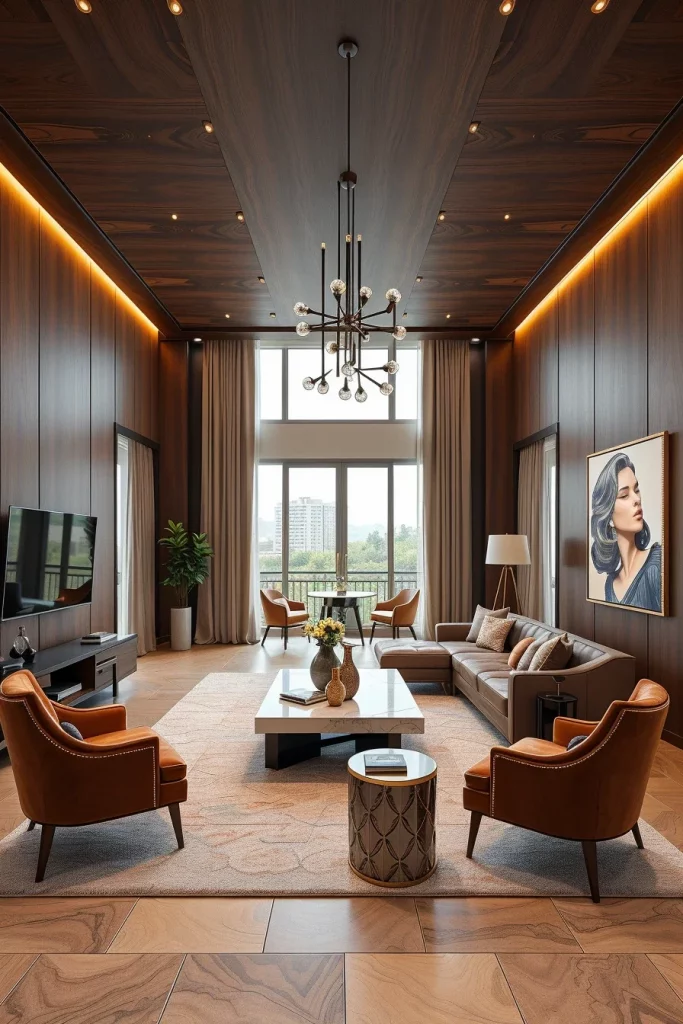
For furniture, I recommend investing in high-quality materials such as leather sectionals, walnut cabinetry, marble coffee tables, and velvet accent chairs. These pieces complement chocolate brown beautifully while adding texture and visual interest. Large-scale artwork, floor-to-ceiling drapery, and custom area rugs further enhance the luxurious atmosphere.
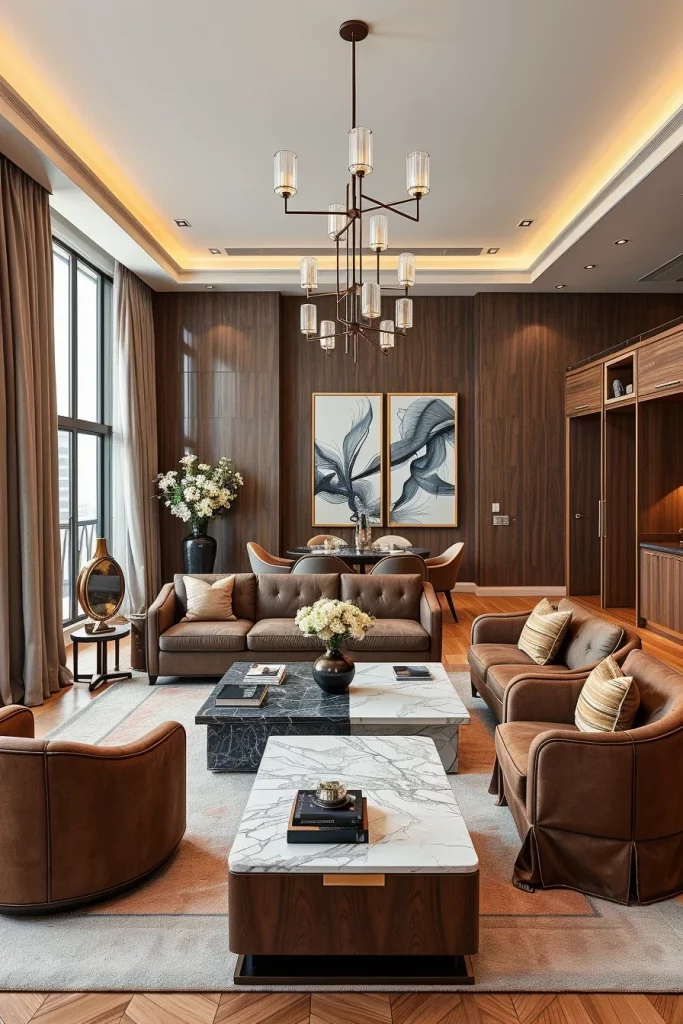
Personally, I believe lighting plays a crucial role in maintaining balance within darker interiors. Many leading interior designers suggest using layered lighting rather than relying solely on ceiling fixtures. I often combine recessed lighting, decorative lamps, and statement pendants to highlight architectural details and create warmth throughout the apartment.
A feature that is often missing from luxury chocolate brown interiors is personalized styling. I recommend incorporating curated books, sculptural accessories, and meaningful artwork to ensure the space feels unique rather than resembling a showroom.
Statement Lighting Ideas For Chocolate Brown Interiors
Lighting can completely transform how chocolate brown appears within a room. I view statement lighting as both a functional necessity and a decorative focal point. In modern interiors, dramatic lighting fixtures help brighten darker color schemes while adding character and sophistication.
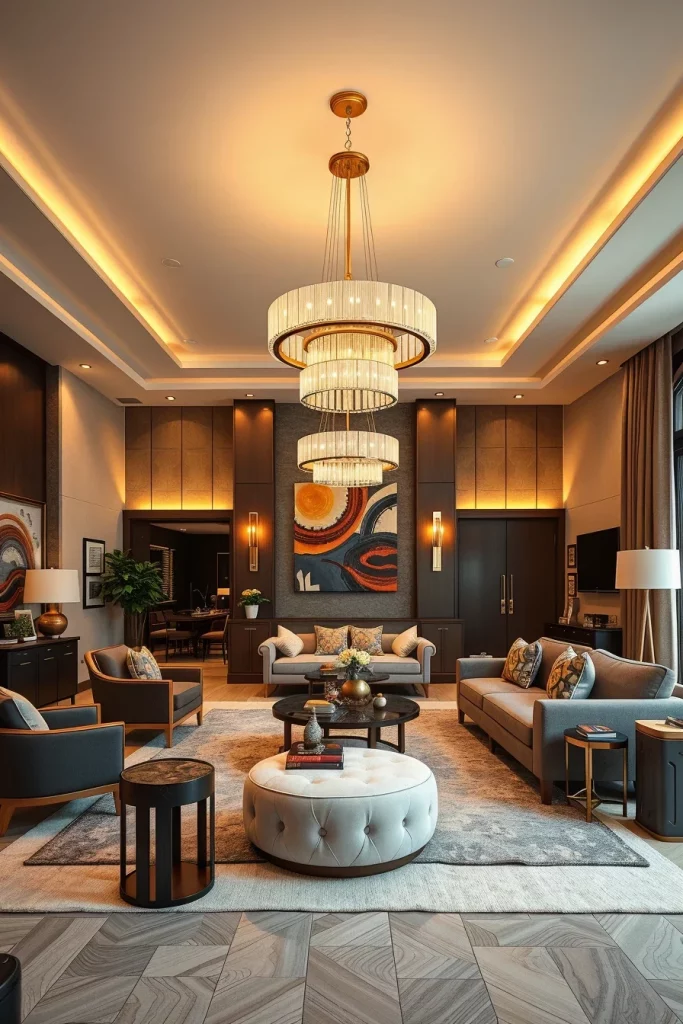
I frequently incorporate oversized pendant lights, sculptural chandeliers, wall sconces, and contemporary floor lamps. Metallic finishes such as brushed brass, matte black, and antique bronze work particularly well with chocolate brown palettes. These finishes create contrast and prevent the room from appearing flat or monotonous.
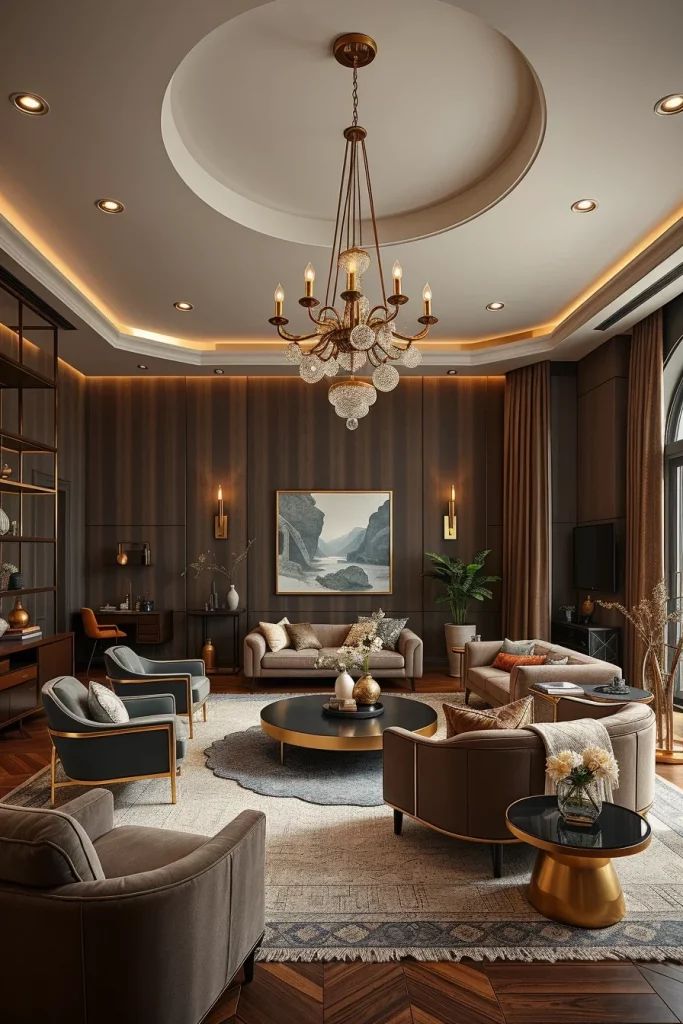
Based on my experience, lighting should be layered at different heights throughout the room. Design experts often emphasize the importance of combining ambient, task, and accent lighting. This approach ensures that every area remains functional while showcasing furniture, artwork, and architectural features.
To further enhance the design, I would include dimmer systems and warm LED bulbs. These additions allow homeowners to adjust the atmosphere according to the time of day and create a more inviting environment.
Decorative Accessories That Complement Chocolate Brown Decor
I believe accessories are essential for bringing personality into a chocolate brown interior design scheme. Without thoughtful decoration, even the most beautifully designed room can feel incomplete. Accessories help soften darker tones while introducing visual layers that make a space feel curated and welcoming.
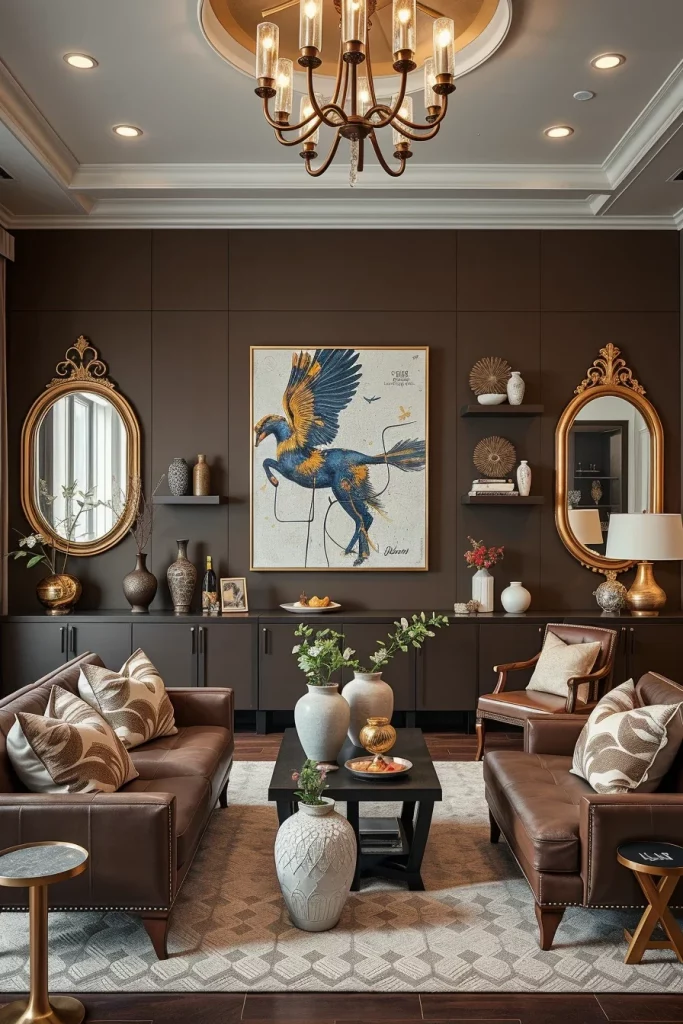
My preferred accessories include textured throw pillows, ceramic vases, abstract artwork, decorative trays, and books displayed on open shelving. Warm metallic accents such as brass candle holders and gold-framed mirrors pair exceptionally well with chocolate brown. I also enjoy incorporating glass elements because they reflect light and reduce visual heaviness.
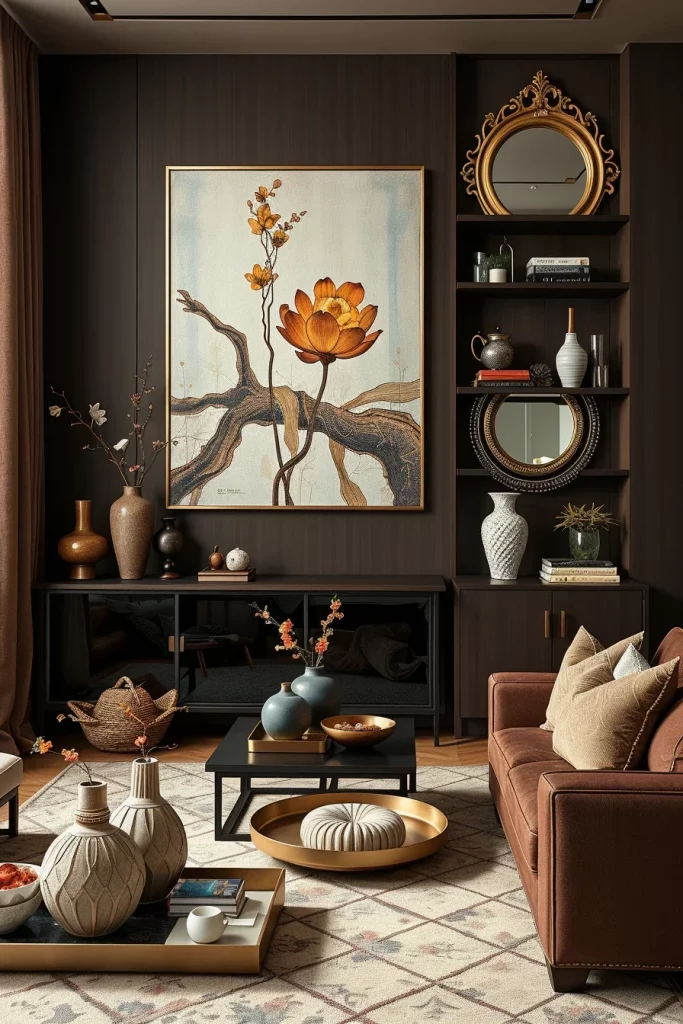
In my projects, I focus on maintaining balance rather than filling every surface with décor. Many professional designers advocate for intentional styling where each object contributes to the overall design story. This approach creates a more sophisticated and organized appearance.
For additional visual interest, I would add seasonal accessories that can be rotated throughout the year. This simple update keeps the room feeling fresh while preserving the core design palette.
Incorporating Natural Materials With Chocolate Brown Design
One of my favorite ways to elevate modern chocolate brown interior design is through natural materials. Wood, stone, linen, wool, and rattan create an organic foundation that complements the richness of chocolate brown while making interiors feel more inviting and timeless.
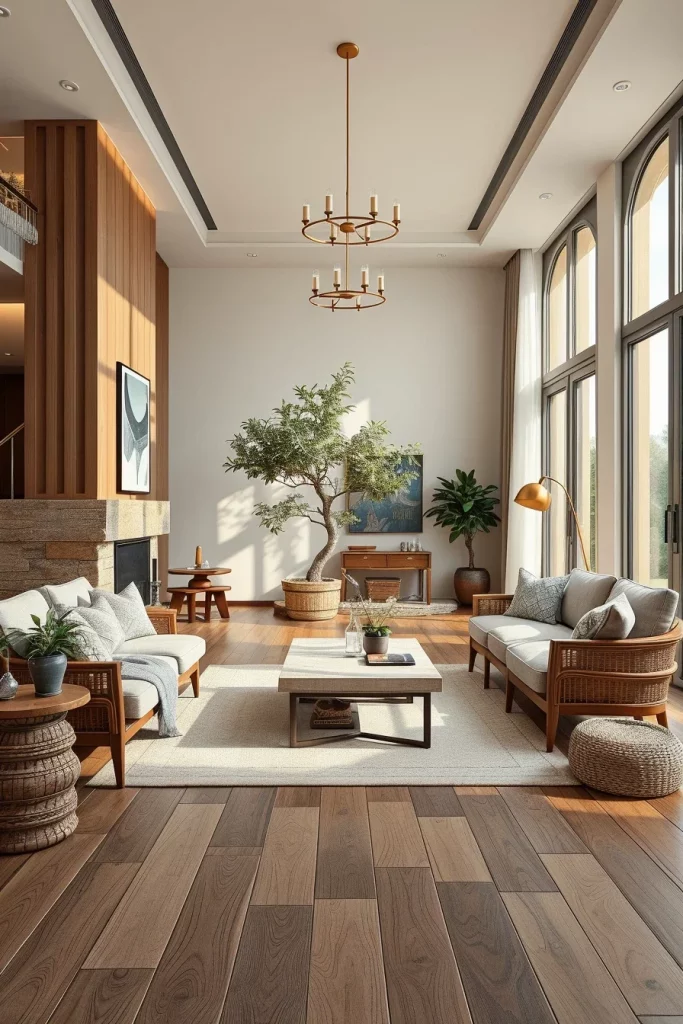
I frequently combine chocolate brown furniture with oak flooring, travertine tables, woven baskets, and linen upholstery. Natural materials introduce subtle variations in texture and color that prevent the design from feeling overly uniform. These elements also help create a stronger connection between indoor and outdoor environments.
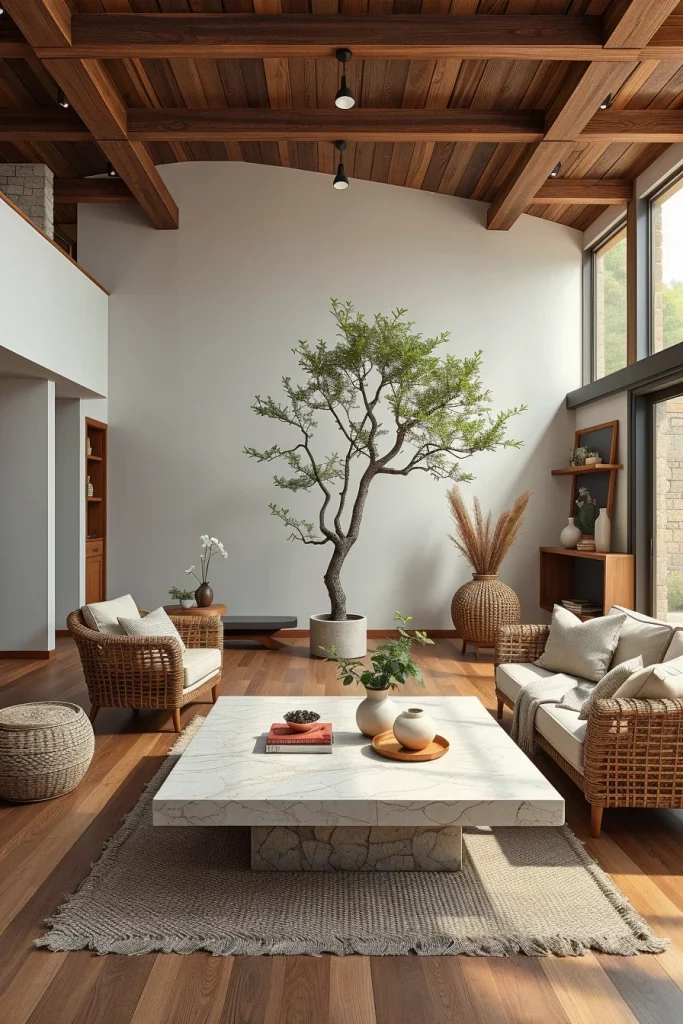
From my perspective, sustainability and authenticity are becoming increasingly important in modern design. Many respected design publications encourage homeowners to invest in durable natural materials that age gracefully over time. I have found that these materials often improve in appearance with regular use, adding character to the home.
To strengthen this concept, I would incorporate larger organic elements such as indoor trees, live-edge wood furniture, or stone accent walls. These additions provide depth and reinforce the natural aesthetic that pairs so effectively with chocolate brown tones.
Seasonal Styling Tips For Chocolate Brown Interiors
I find that one of the greatest advantages of a chocolate brown color palette is its adaptability throughout the year. In spring and summer, chocolate brown serves as a grounding element that pairs beautifully with lighter colors and natural textures. During autumn and winter, the same palette becomes warmer and cozier, creating a welcoming atmosphere that feels perfectly suited to colder months.
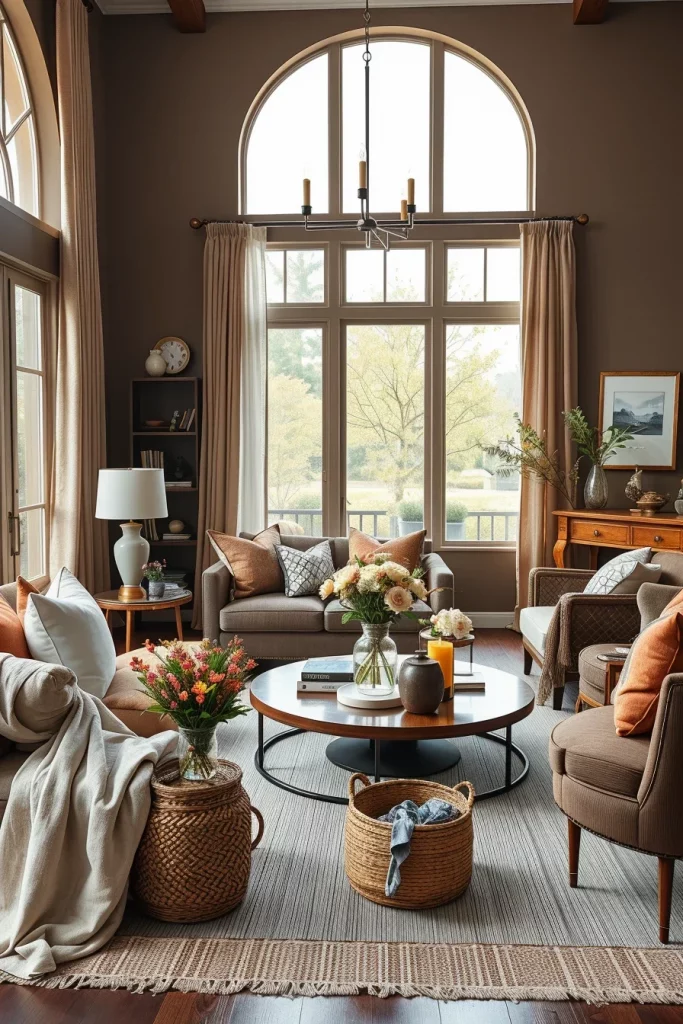
When styling seasonally, I recommend updating textiles and decorative accents rather than replacing large furniture pieces. Light linen pillows, airy curtains, fresh flowers, and woven accessories work well during warmer seasons. In cooler months, I prefer adding chunky knit throws, velvet cushions, layered rugs, and warm metallic accents to enrich the overall design.
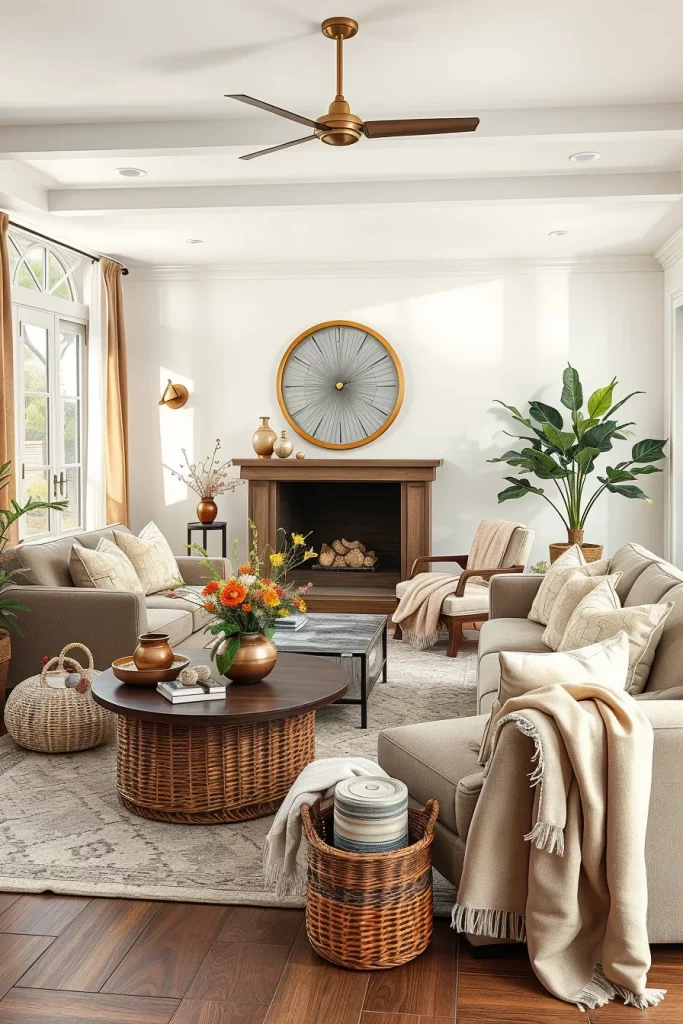
From my experience, successful seasonal styling is based on subtle adjustments rather than complete transformations. Many professional designers suggest maintaining a consistent foundational palette while introducing temporary accents that reflect seasonal changes. This method keeps the interior cohesive and cost-effective.
To further enhance seasonal flexibility, I would add interchangeable artwork, decorative bowls, and tabletop accessories that can be updated throughout the year while preserving the room’s core identity.
Common Mistakes To Avoid When Decorating With Chocolate Brown
While chocolate brown interior design can be incredibly sophisticated, I often see homeowners make mistakes that cause rooms to feel dark or outdated. One of the most common issues is using too much brown without introducing contrast. A room dominated entirely by dark shades may appear smaller and less inviting than intended.
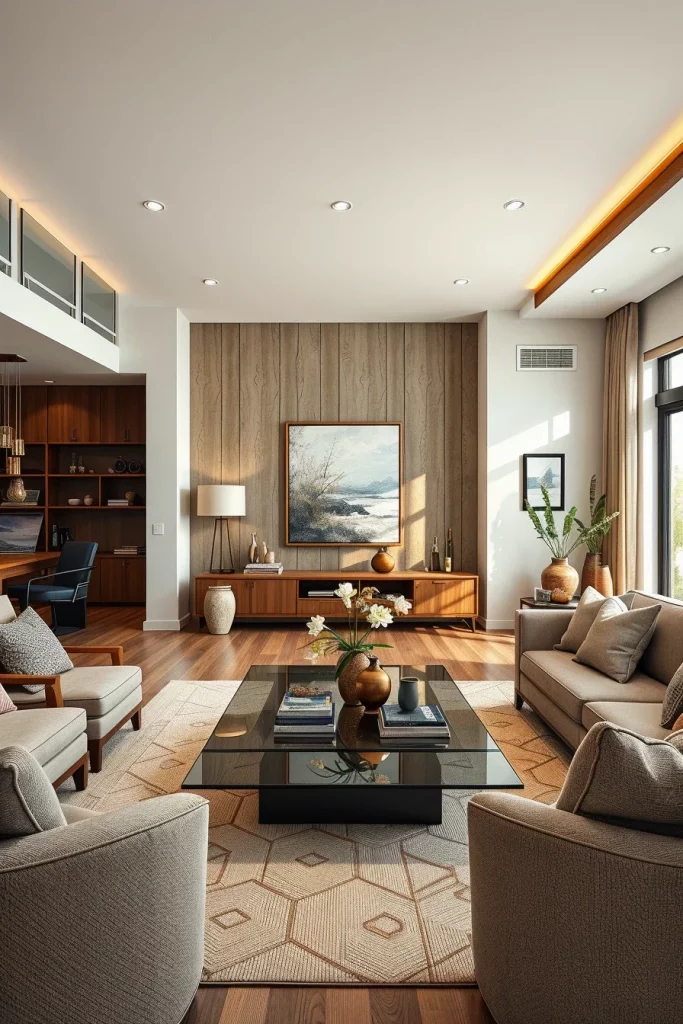
I recommend balancing chocolate brown with lighter walls, textured fabrics, reflective surfaces, and carefully selected accent colors. Furniture should vary in material and tone rather than matching perfectly. Glass tables, light wood finishes, and neutral upholstery can help prevent visual monotony while maintaining a cohesive appearance.
In my opinion, another frequent mistake is overlooking lighting. Interior design experts consistently emphasize that darker color palettes require thoughtful illumination. I always evaluate natural light sources before selecting paint colors, furniture finishes, and decorative elements for a chocolate brown space.
If I were improving this design approach, I would ensure that every room contains multiple focal points. Artwork, architectural features, statement lighting, and natural materials can all help create depth and visual balance.
Sustainable Design Approaches Using Chocolate Brown Elements
Sustainability has become an important part of modern interior design, and I believe chocolate brown works exceptionally well within environmentally conscious spaces. The color naturally complements reclaimed materials, handcrafted furniture, and durable finishes that support long-term design goals.
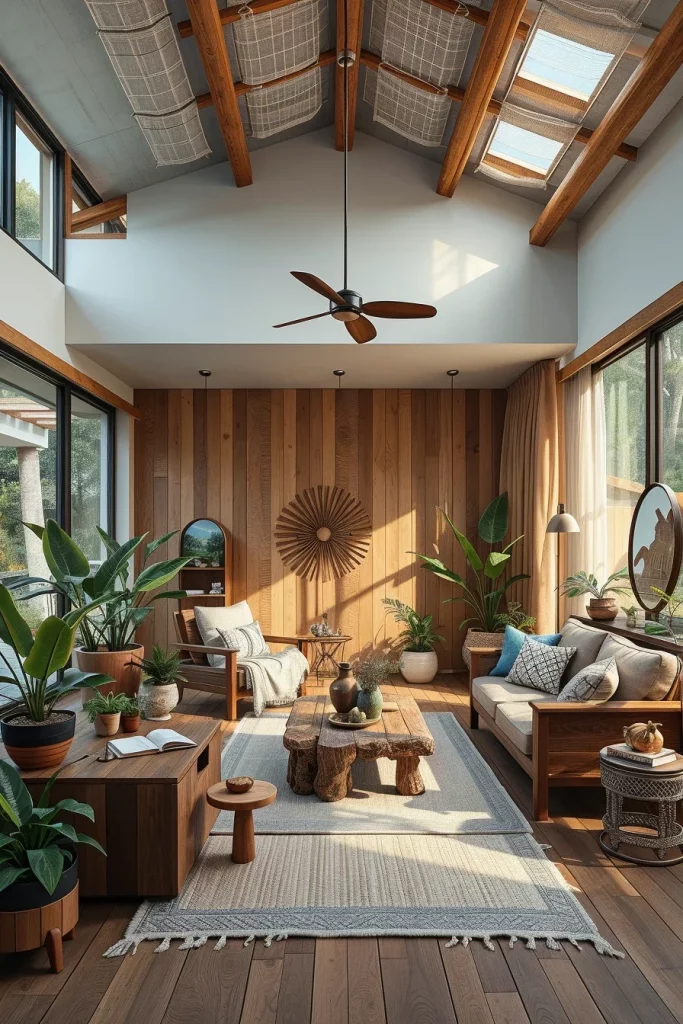
In sustainable interiors, I often incorporate reclaimed wood furniture, recycled textiles, vintage accessories, and responsibly sourced natural materials. Chocolate brown leather alternatives, bamboo elements, and eco-friendly paint finishes allow homeowners to create beautiful interiors while minimizing environmental impact.
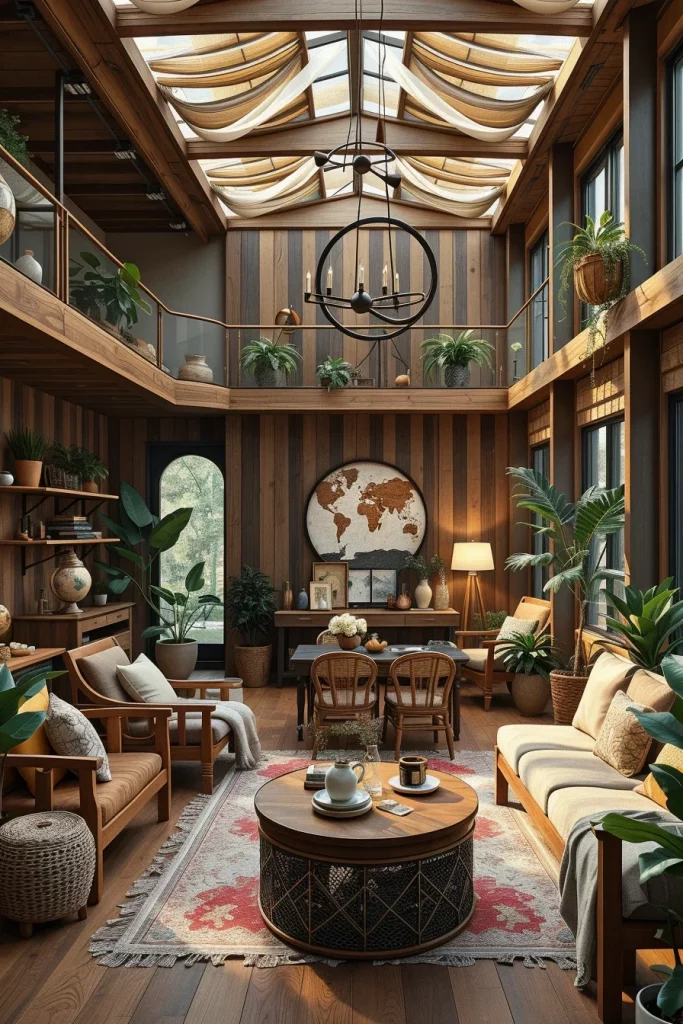
Many respected designers and sustainability advocates encourage investing in quality over quantity. I share this philosophy because durable furniture and timeless color palettes reduce the need for frequent replacements. Chocolate brown is particularly effective because it remains stylish through changing design trends.
To strengthen a sustainable design strategy, I would include energy-efficient lighting, locally crafted décor, and multifunctional furniture pieces that maximize usability while reducing unnecessary consumption.
Budget-Friendly Ways To Achieve A Modern Chocolate Brown Interior
Creating a stylish modern chocolate brown interior design does not require a luxury budget. I often advise homeowners to focus on strategic updates that deliver maximum visual impact without major renovations. Small changes can dramatically transform a space when implemented thoughtfully.
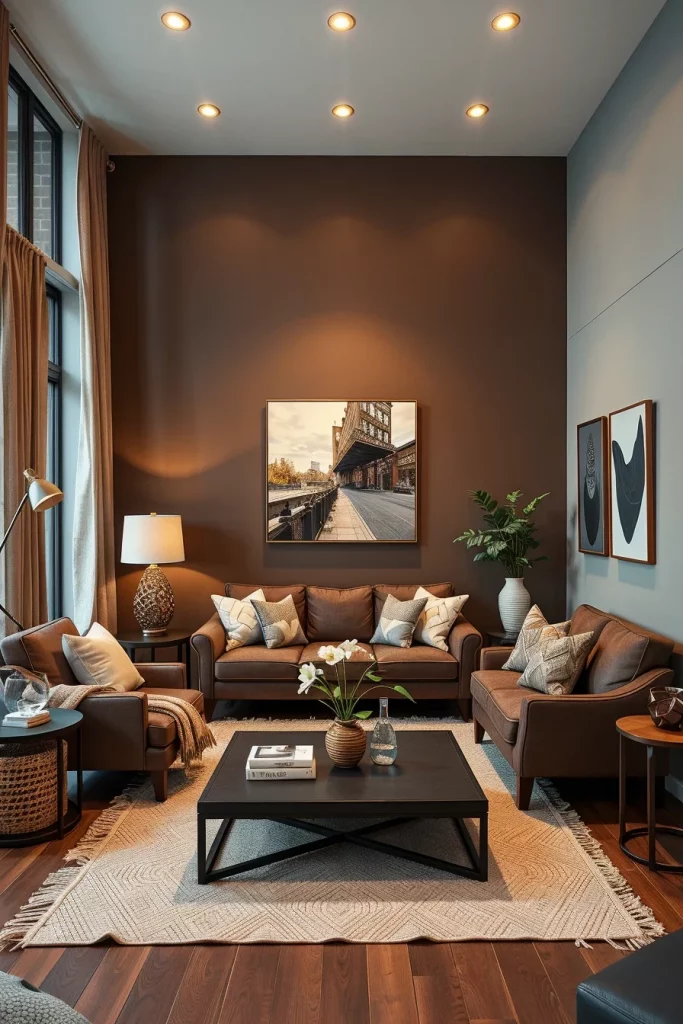
My preferred budget-friendly upgrades include chocolate brown throw pillows, area rugs, curtains, accent chairs, and wall art. Paint is another powerful tool. A single chocolate brown feature wall can introduce depth and sophistication at a relatively low cost. Affordable lighting fixtures and decorative accessories can further elevate the room.
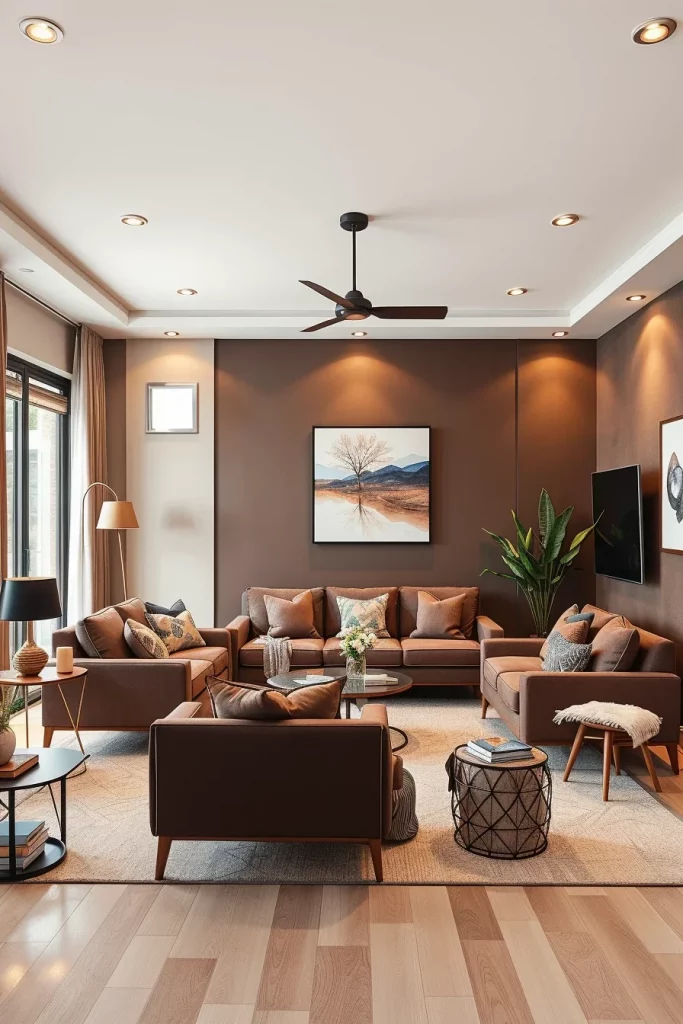
From my experience, prioritizing a few high-impact pieces produces better results than purchasing numerous inexpensive decorations. Design magazines frequently recommend investing in one standout furniture item and building the room around it. This strategy creates a more polished and intentional appearance.
I would also consider updating hardware, lamp shades, and decorative accents. These small details are often overlooked, yet they can significantly influence the overall perception of the space.
Future Trends In Modern Chocolate Brown Interior Design
As interior design continues to evolve, I expect modern chocolate brown interior design to remain highly relevant due to its versatility and timeless appeal. Designers are increasingly moving away from stark minimalism and embracing warmer, more welcoming color palettes. Chocolate brown aligns perfectly with this shift toward comfort and authenticity.
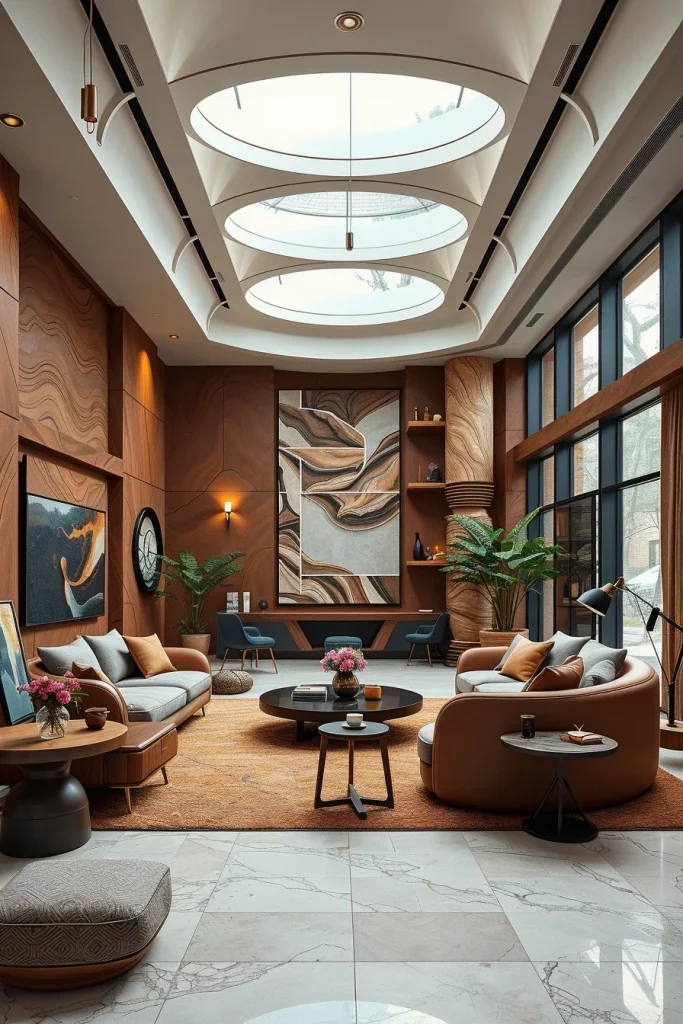
Future interiors will likely feature chocolate brown combined with earthy greens, warm terracotta tones, muted stone colors, and textured natural materials. Curved furniture, organic shapes, and layered finishes will continue to complement brown palettes while creating softer and more inviting environments.
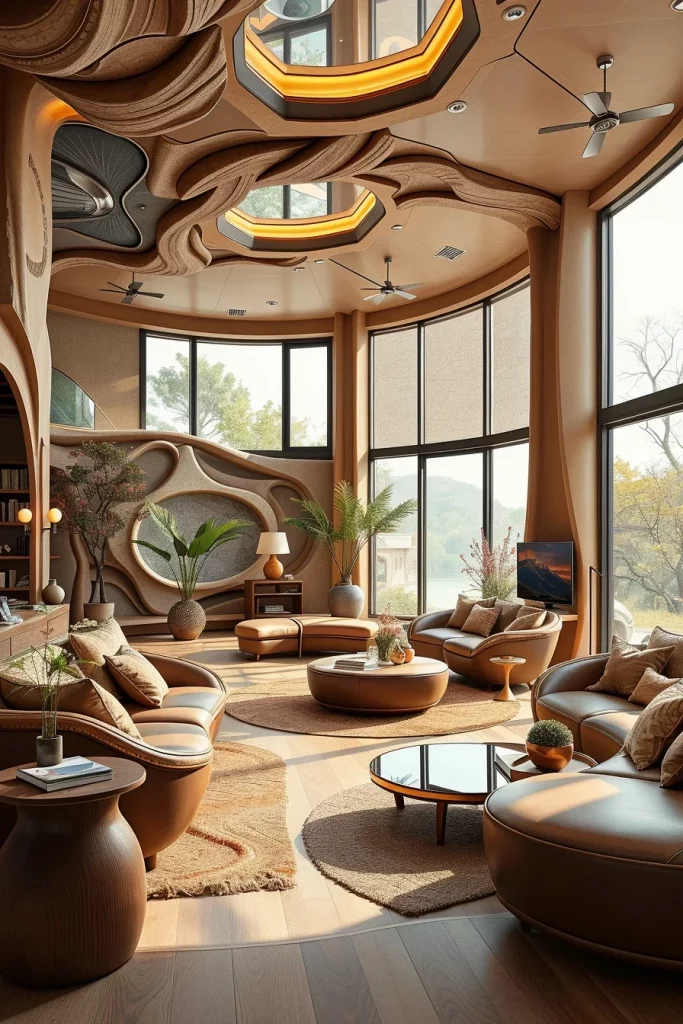
I have noticed that many contemporary design collections already emphasize craftsmanship, sustainability, and tactile materials. These trends support the continued popularity of chocolate brown because the color enhances natural textures and showcases material quality exceptionally well.
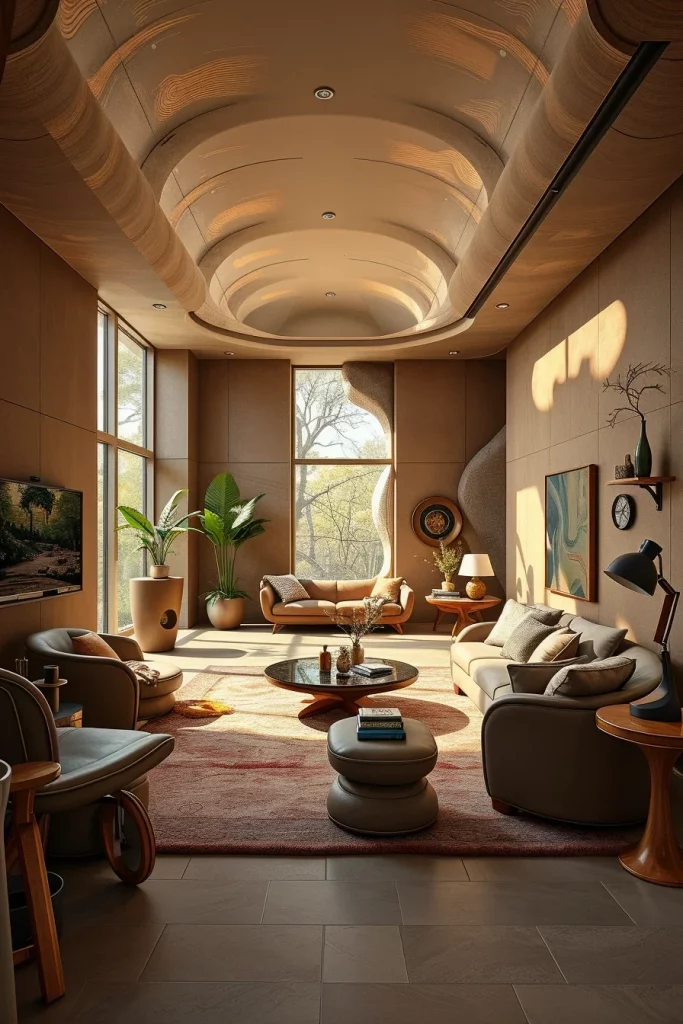
Looking ahead, I would incorporate smart home technology, flexible furniture arrangements, and sustainable materials alongside chocolate brown finishes. These elements represent the balance between innovation and timeless design that many homeowners seek today.
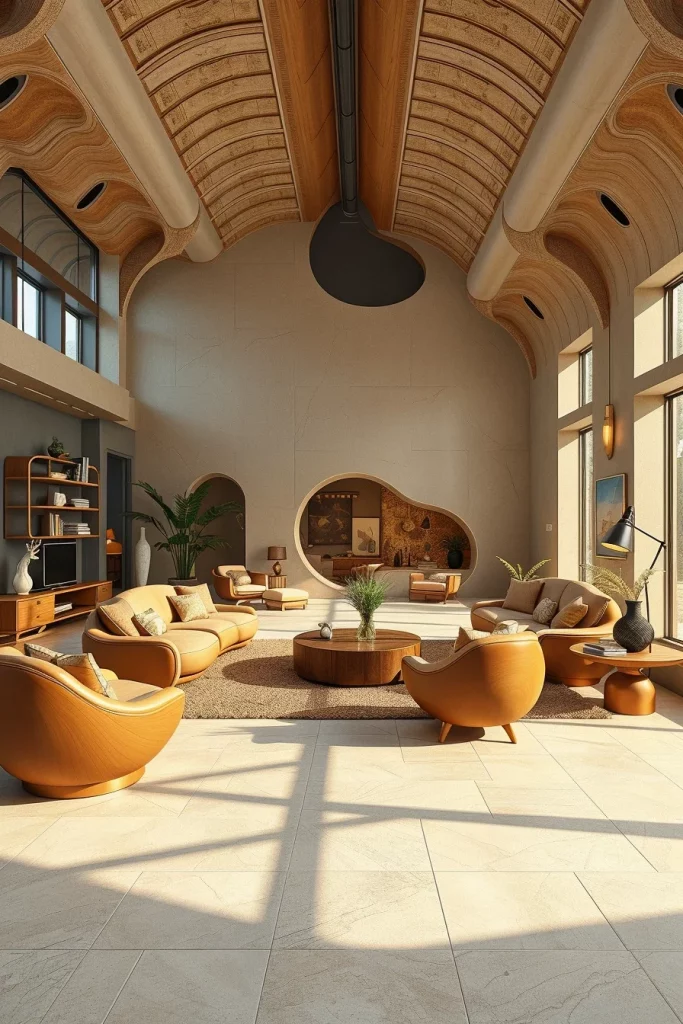
Modern chocolate brown interior design proves that dark, earthy tones can be both stylish and inviting in contemporary homes. From elegant living rooms to cozy bedrooms, this versatile color adds warmth, depth, and timeless sophistication to any space. By combining chocolate brown with complementary colors, textures, and materials, you can create an interior that feels balanced, modern, and uniquely personal. Whether you’re planning a complete redesign or adding a few rich accents, chocolate brown remains a beautiful choice that continues to inspire interior design trends.