
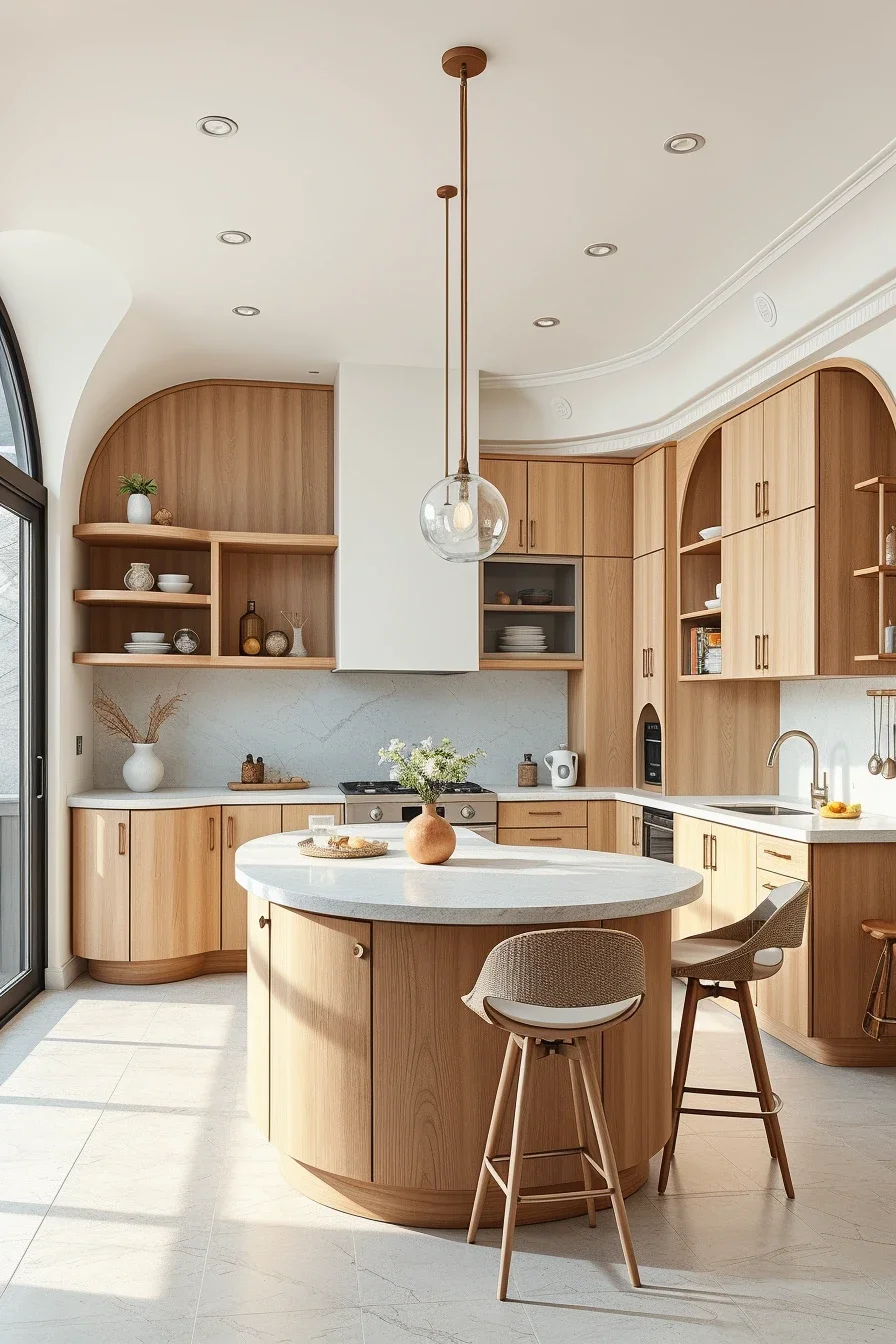
Minimalist small kitchen decor styling ideas prove that even the smallest kitchens can feel spacious, elegant, and highly functional. By focusing on clean lines, thoughtful organization, and carefully selected decor, minimalist design creates a calm and inviting atmosphere without unnecessary clutter. Modern minimalist kitchens combine practical storage solutions with stylish finishes to maximize every inch of available space. From sleek cabinetry and hidden appliances to warm natural textures and creative lighting, there are countless ways to achieve a sophisticated look in a compact kitchen. The key is balancing simplicity with personality, allowing decorative elements to enhance the space while maintaining a clean and uncluttered aesthetic. In this article, you’ll discover inspiring minimalist small kitchen decor styling ideas that bring beauty, efficiency, and modern charm to any home.
Warm Neutral Color Palettes That Make Small Minimalist Kitchens Feel Larger
When I design small minimalist kitchens, I often begin with a warm neutral color palette because it immediately creates a sense of openness. Soft beige, warm white, light taupe, and creamy greige tones reflect natural light throughout the room and visually expand the space. This approach works especially well in compact apartments where every design decision influences how spacious the kitchen feels. The overall atmosphere becomes calm, welcoming, and timeless while maintaining a distinctly minimalist aesthetic.
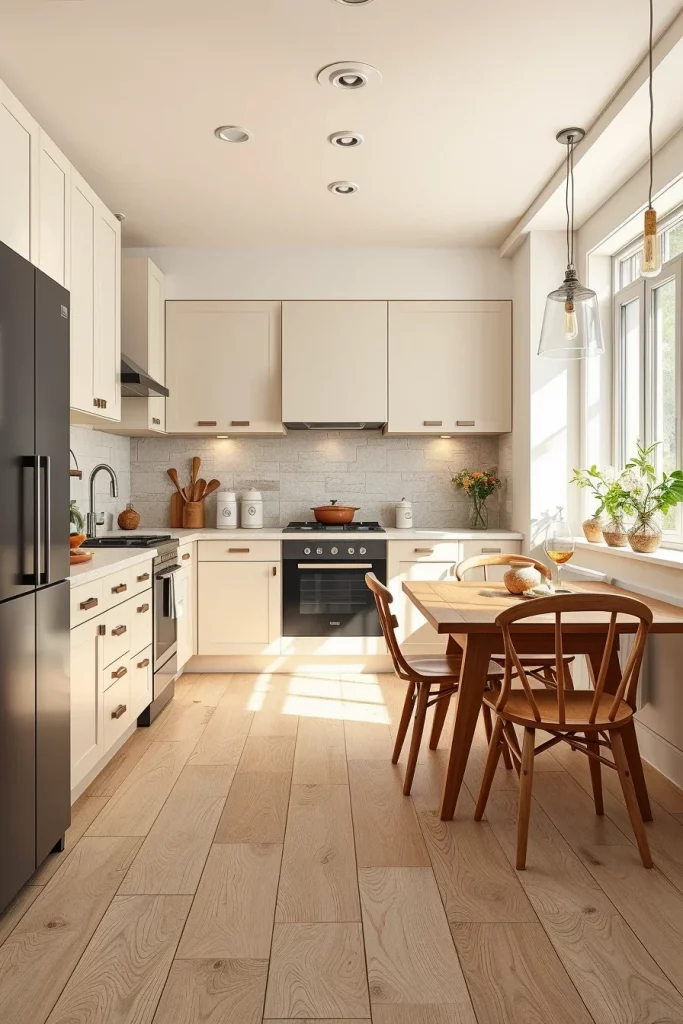
I like to pair warm neutral walls with flat-panel cabinetry in matching shades to create visual continuity. Light quartz countertops, subtle stone backsplashes, and pale wood flooring help soften the clean lines typically associated with minimalist interiors. Simple bar stools, slim pendant lights, and understated dining furniture reinforce the uncluttered appearance while adding practical functionality. Every element serves a purpose without overwhelming the room.
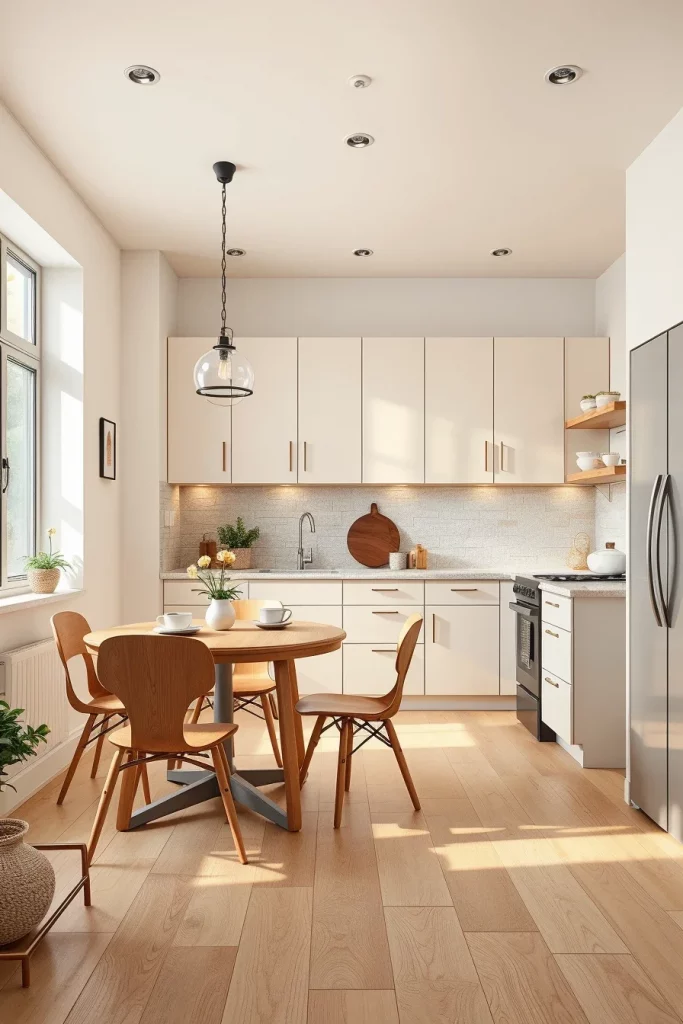
From my experience, many interior designers recommend layering different neutral tones rather than relying on a single shade. Publications focused on modern interiors often highlight tonal variation as a way to add depth without introducing visual clutter. I find that combining warm ivory cabinets with slightly darker beige accents creates a sophisticated and balanced result.
To complete this design, I would add integrated under-cabinet lighting and a few carefully selected ceramic accessories. These subtle details enhance the warmth of the space while preserving the minimalist philosophy of keeping only what is useful and beautiful.
Sleek Handleless Cabinets For A Clean And Contemporary Kitchen Design
One of the most effective minimalist small kitchen decor styling ideas is the use of handleless cabinetry. I find that removing visible hardware instantly creates cleaner lines and a more contemporary appearance. In small kitchens, uninterrupted cabinet fronts make the room appear larger because the eye moves smoothly across surfaces without distractions. The result is a sleek environment that feels organized and highly functional.
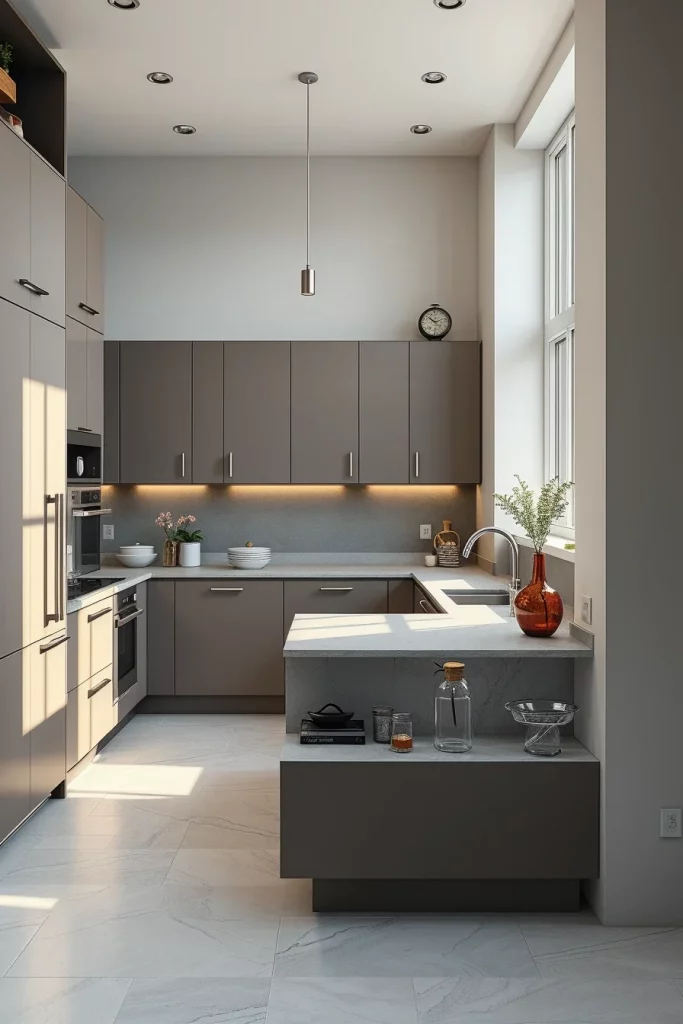
I prefer matte cabinet finishes in soft white, warm gray, or muted sand tones. Push-to-open mechanisms or integrated finger pulls maintain usability while preserving the streamlined aesthetic. Pairing handleless cabinets with a waterfall countertop and concealed storage solutions strengthens the minimalist character. Modern appliances integrated behind matching panels further enhance visual cohesion throughout the room.
Personally, I appreciate how handleless cabinetry encourages homeowners to keep surfaces clutter-free. Many modern kitchen specialists emphasize the importance of reducing visual noise in compact spaces, and this design strategy supports that goal perfectly. The simplicity of the cabinetry becomes an architectural feature in itself.
If I wanted to improve this design further, I would include hidden pantry storage and full-height cabinets that extend to the ceiling. These additions maximize storage capacity while maintaining the clean and uninterrupted look that defines contemporary minimalist kitchens.
Floating Shelves Styled With Minimalist Decor And Functional Accessories
Floating shelves offer a practical alternative to bulky upper cabinets while helping a small kitchen feel lighter and more open. I often use them in minimalist kitchens where visual breathing room is important. Properly styled shelves provide storage without creating the heaviness sometimes associated with traditional cabinetry. They also introduce opportunities for subtle decorative expression within a minimalist framework.
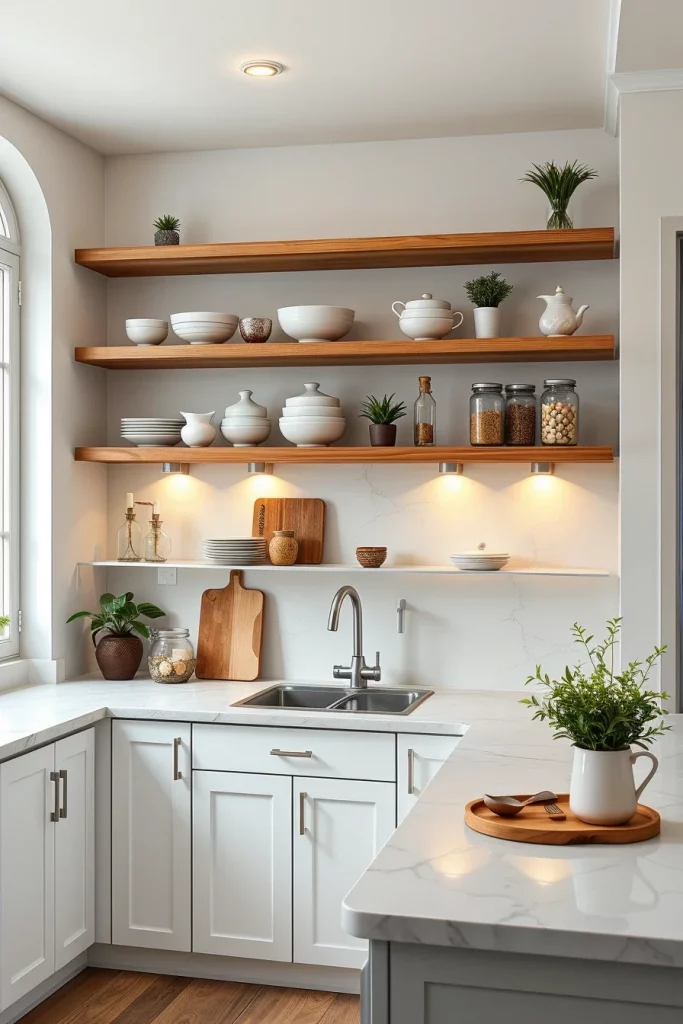
I recommend using natural wood, white oak, or painted shelves that coordinate with the kitchen’s overall palette. A carefully curated arrangement of ceramic bowls, glass jars, neutral dishware, and a few small plants creates visual interest while maintaining order. The key is limiting the number of displayed items so the shelves remain functional rather than cluttered.
In my projects, I focus on balancing aesthetics and practicality. Interior design experts frequently suggest displaying everyday essentials rather than purely decorative objects. I agree with this approach because it supports the minimalist principle that beautiful items should also serve a useful purpose.
To make the shelves even more effective, I would add discreet LED lighting underneath each shelf. This feature improves visibility, highlights textures, and contributes to a warm ambiance during evening hours.
Space-Saving Kitchen Islands With Modern Minimalist Appeal
A compact kitchen island can dramatically improve functionality in a small kitchen when designed thoughtfully. I often incorporate narrow islands that provide additional workspace without restricting circulation. Modern minimalist islands are characterized by clean geometry, integrated storage, and multifunctional features that adapt to daily needs.
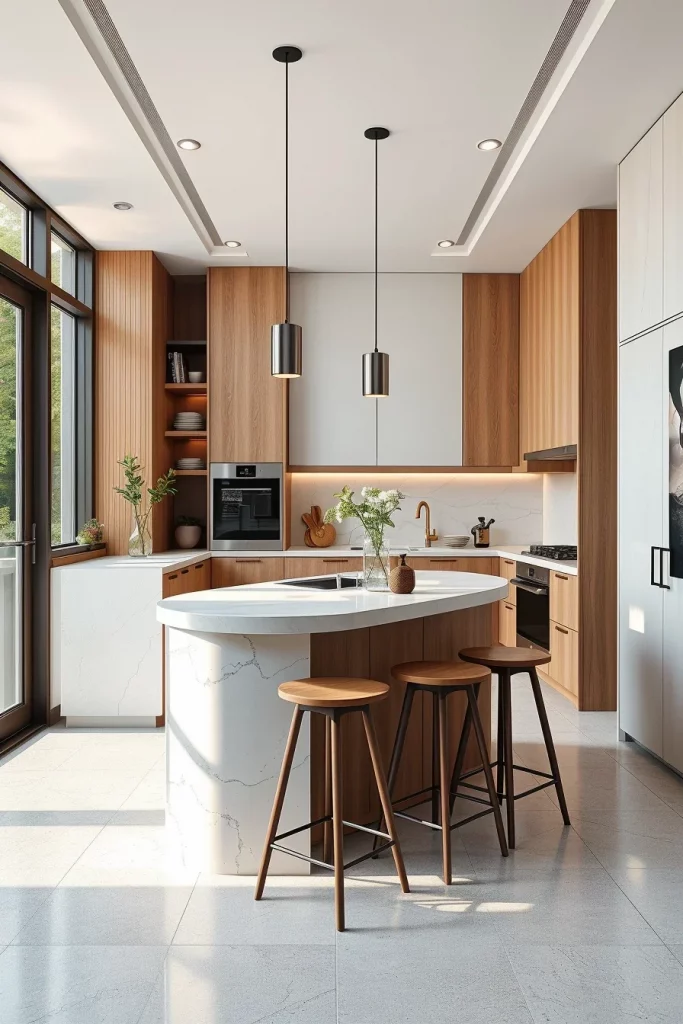
I prefer islands with simple rectangular forms, waterfall countertops, and hidden cabinets. Some designs include built-in seating, pull-out storage drawers, or open shelving for frequently used items. Materials such as quartz, light wood, and matte finishes help maintain the minimalist aesthetic while ensuring durability. Slim stools with understated profiles complement the design without adding visual bulk.
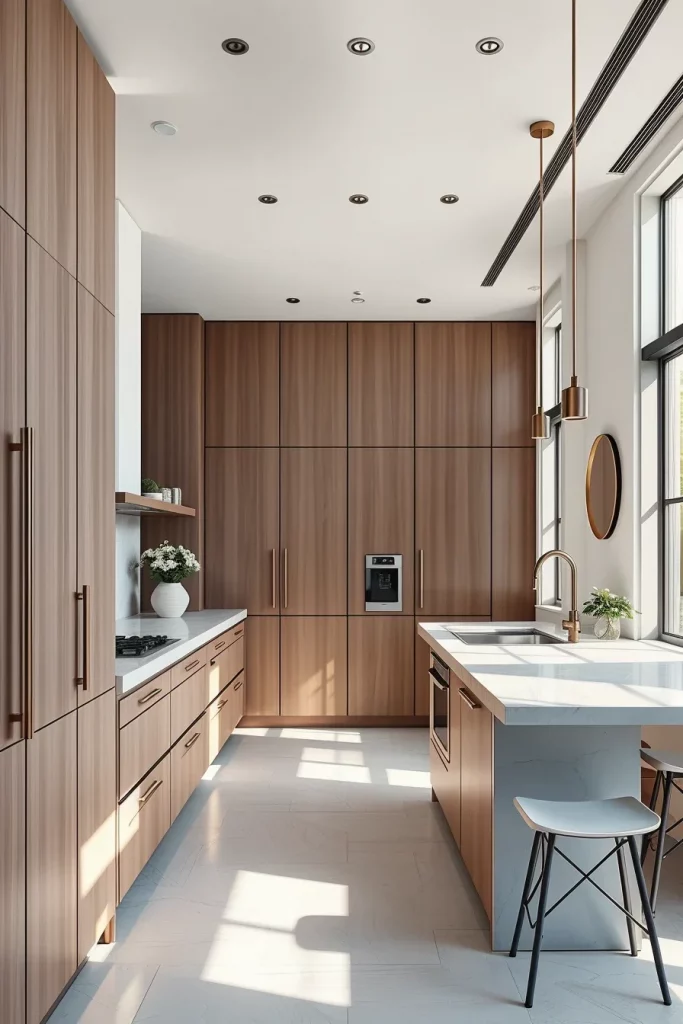
From my perspective, multifunctionality is essential in compact kitchens. Many designers advocate for furniture that performs multiple roles, and a well-designed island exemplifies this principle. It can function as a prep station, dining area, storage unit, and social gathering space all at once.
To enhance this setup, I would incorporate concealed electrical outlets and integrated charging stations. These modern conveniences improve usability while preserving the clean appearance of the island.
Scandinavian-Inspired Minimalist Small Kitchen Styling Ideas
Scandinavian design remains one of my favorite approaches for small minimalist kitchens because it combines simplicity, warmth, and practicality. Light-filled interiors, natural materials, and thoughtful organization create an environment that feels both comfortable and highly functional. The style embraces minimalism without appearing cold or sterile, making it ideal for everyday living.
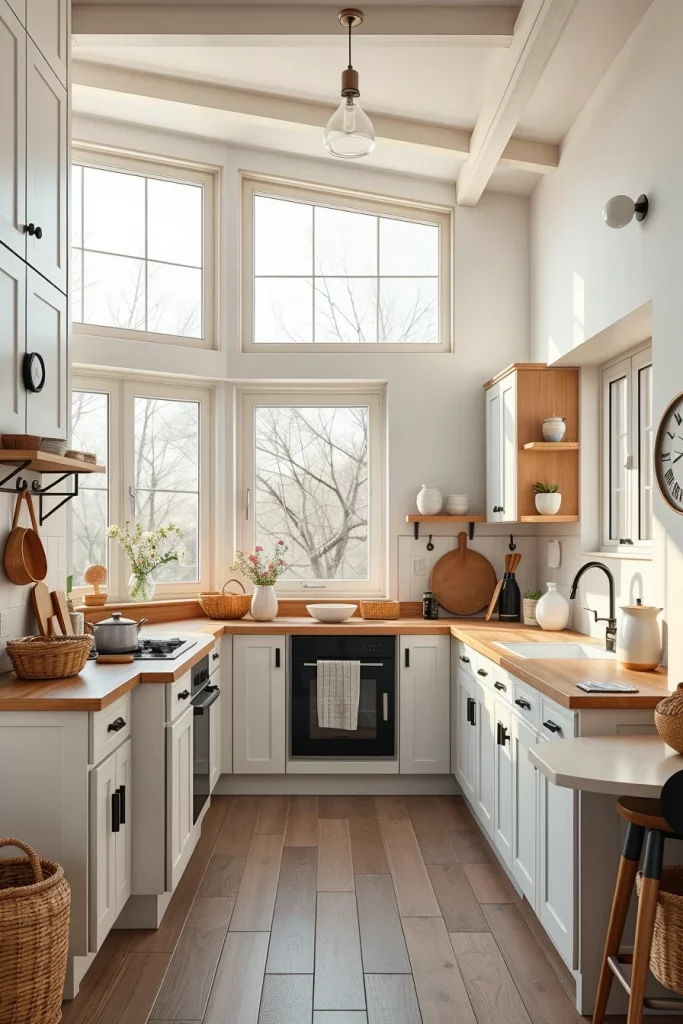
I typically use white cabinetry, pale wood finishes, simple black accents, and soft textiles to achieve the Scandinavian look. Open layouts, streamlined furniture, and abundant natural light contribute to the airy atmosphere. Functional storage solutions keep countertops clear, while subtle decorative elements such as woven baskets and ceramic accessories introduce texture and character.
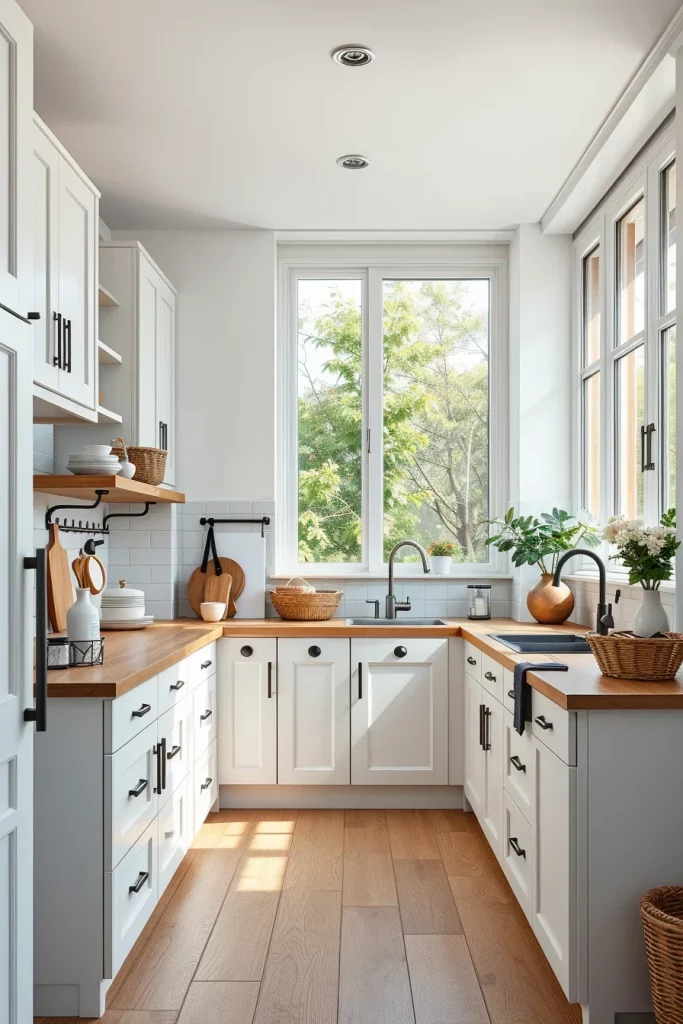
I appreciate how Scandinavian designers prioritize human comfort alongside visual simplicity. Design publications frequently highlight hygge-inspired elements that make minimalist spaces feel more inviting. In my experience, this balance between practicality and warmth is what makes Scandinavian kitchens so enduringly popular.
If I were refining this design further, I would introduce additional layered lighting through wall sconces and pendant fixtures. Proper lighting enhances both functionality and ambiance while emphasizing the natural textures that define Scandinavian interiors.
Black And White Minimalist Kitchens With Bold Architectural Character
When I want to create a striking minimalist kitchen that still feels refined and uncluttered, I often turn to a black-and-white color scheme. This timeless combination emphasizes architectural details and creates strong visual contrast without relying on excessive decoration. In small kitchens, the careful balance of black and white surfaces can define zones, highlight structure, and add sophistication while preserving a sense of openness. The result is a kitchen that feels modern, confident, and intentionally designed.
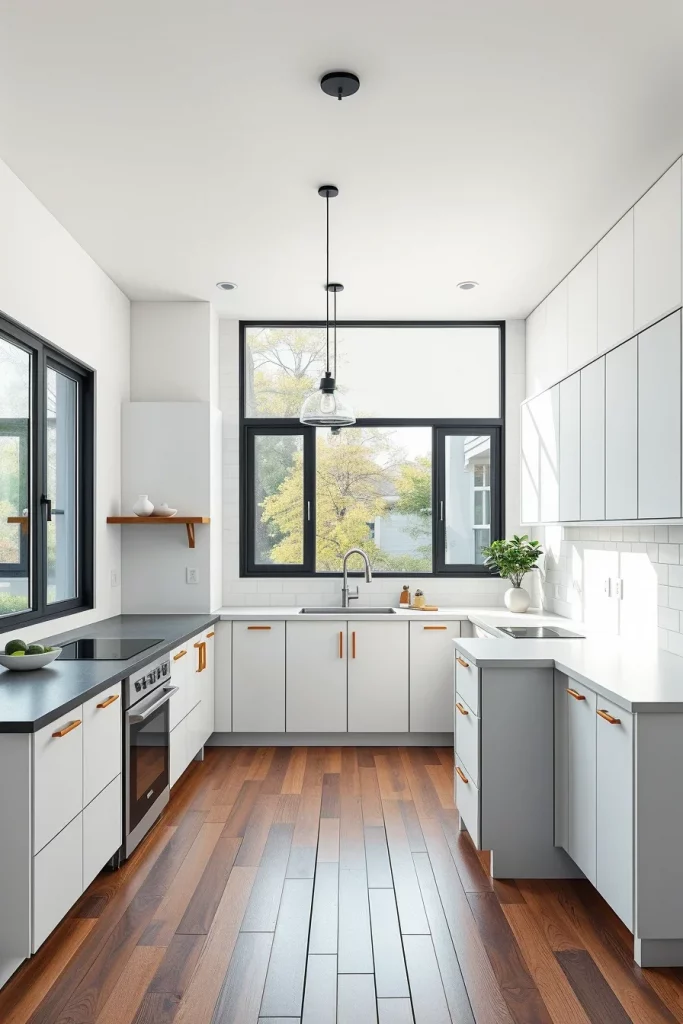
I typically use white walls and cabinetry as the foundation, then introduce black accents through countertops, lighting fixtures, window frames, or bar stools. Flat-panel cabinets, simple geometric shapes, and streamlined hardware reinforce the minimalist aesthetic. Matte black faucets, slim pendant lights, and understated dining furniture add visual interest while maintaining consistency throughout the space. Every element contributes to a cohesive architectural composition.
In my experience, contrast should be used strategically rather than excessively. Many respected interior designers recommend allowing one dominant color to lead the design while the secondary color acts as an accent. I find that this approach prevents the room from feeling visually heavy and helps preserve the airy qualities that are important in smaller kitchens.
To further elevate this design, I would include textured materials such as matte stone, fluted glass, or subtle wood accents. These elements soften the stark contrast and add depth without compromising the minimalist character of the space.
Natural Wood Accents That Add Warmth To Minimalist Kitchen Interiors
Natural wood is one of the most effective ways to introduce warmth into a minimalist kitchen. I often incorporate wood elements because they soften clean lines and create a more inviting atmosphere without adding visual clutter. In compact kitchens, wood brings a sense of balance that prevents minimalist spaces from feeling overly sterile or impersonal. The organic texture also adds visual richness while supporting a calm and cohesive design.
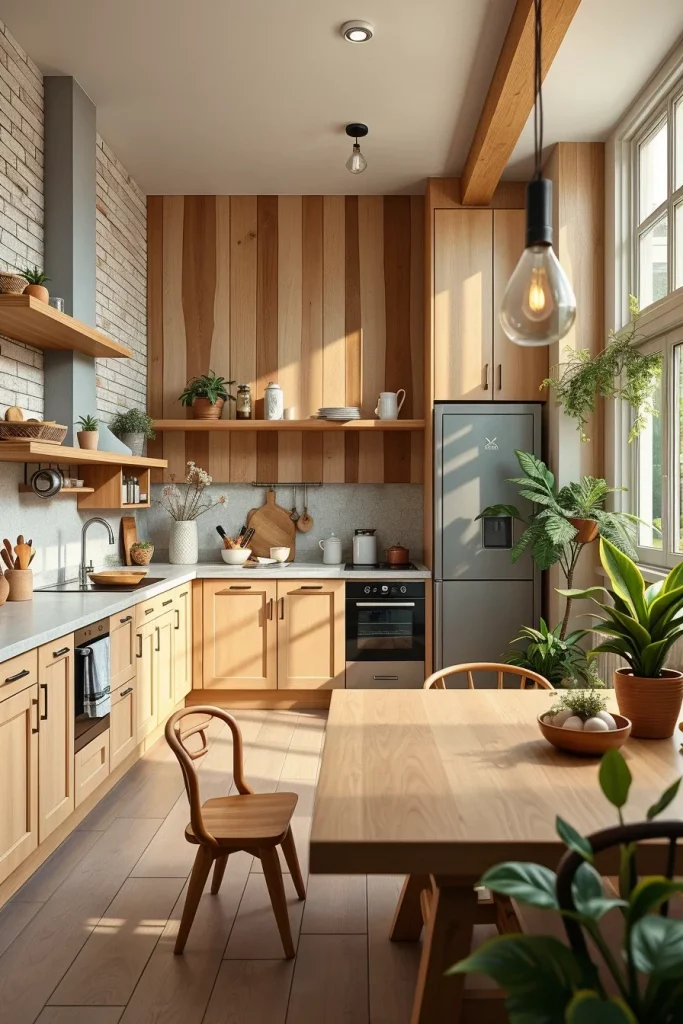
I like to use light oak, ash, walnut, or white oak finishes for open shelving, cabinetry details, dining tables, or flooring. Wood can also appear in bar stools, cutting boards, and decorative accessories that complement the overall aesthetic. Combined with neutral colors and modern finishes, these natural materials create a sophisticated environment that feels connected to nature. The warmth of wood contrasts beautifully with smooth stone surfaces and matte cabinetry.
From my perspective, natural materials remain essential in contemporary kitchen design. Leading design publications frequently highlight the growing popularity of biophilic elements in residential interiors. I agree with this approach because wood introduces texture, authenticity, and timeless appeal without disrupting the simplicity of minimalist spaces.
To complete this look, I would add subtle greenery through small potted herbs or carefully selected indoor plants. These additions reinforce the natural theme and contribute to a healthier, more welcoming environment.
Creative Corner Storage Solutions For Small Minimalist Kitchens
Corners are often underutilized in small kitchens, but I see them as valuable opportunities for increasing storage and functionality. Creative corner solutions allow homeowners to maximize every square inch while maintaining a clean and organized appearance. In minimalist kitchens where clutter reduction is essential, efficient corner storage can make a significant difference in everyday usability.
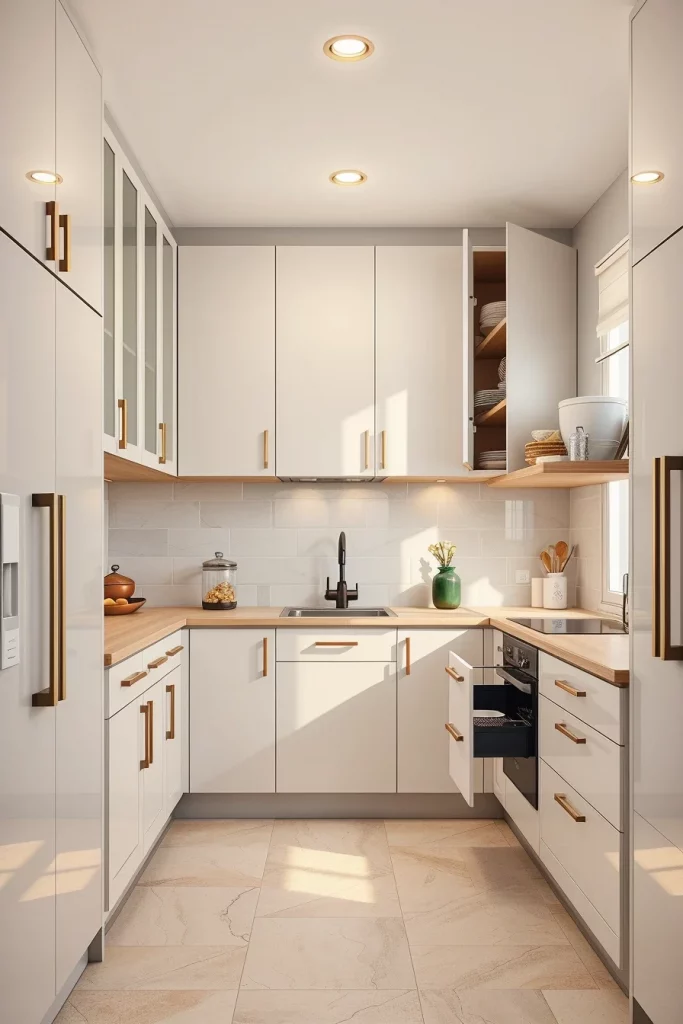
I frequently recommend corner drawers, rotating pull-out shelves, hidden carousel systems, and custom-built cabinets that make difficult-to-reach areas fully accessible. These solutions help store cookware, pantry items, and small appliances while keeping countertops clear. The cabinetry remains visually streamlined, preserving the minimalist aesthetic while significantly improving storage capacity.
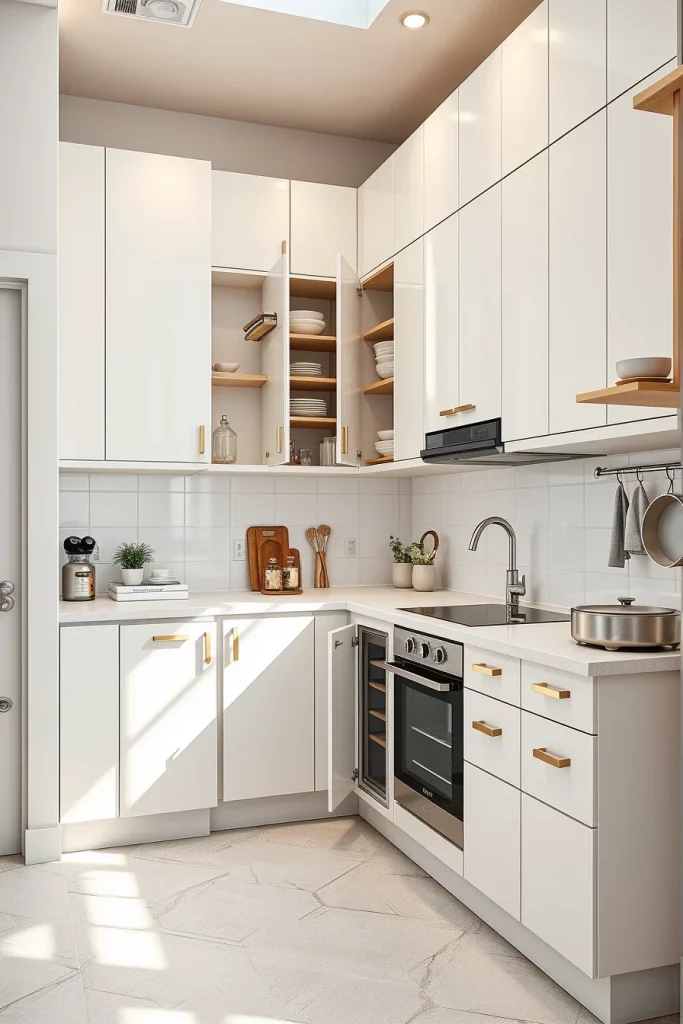
In my experience, investing in high-quality storage mechanisms is often more valuable than adding additional decorative features. Professional kitchen designers consistently emphasize functionality as the foundation of successful small-space design. I find that homeowners appreciate minimalist kitchens even more when every cabinet and drawer serves a clear purpose.
If I were enhancing this concept further, I would incorporate vertical storage solutions near the corner areas. Tall pull-out pantry units and slim shelving systems can work alongside corner cabinets to create a highly efficient storage network.
Hidden Appliance Designs For A Seamless And Clutter-Free Look
Hidden appliances are a defining feature of many modern minimalist kitchens. I often recommend integrating major appliances into cabinetry because it creates visual continuity and reduces distractions. In small kitchens especially, concealed appliances help the room appear larger and more cohesive. The kitchen feels less like a collection of individual objects and more like a unified architectural space.
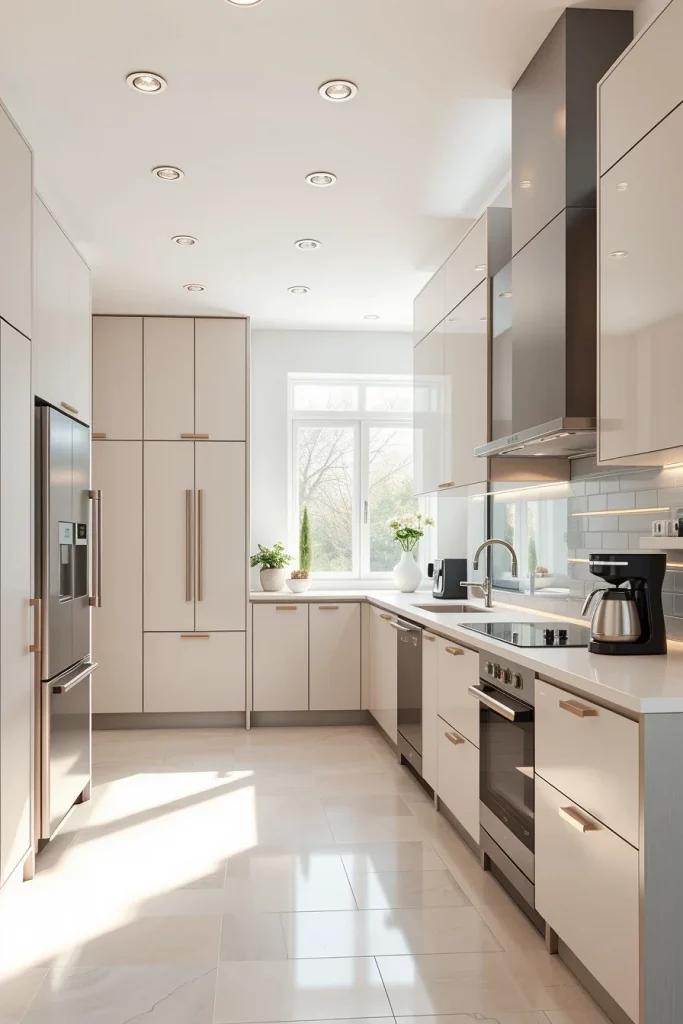
I prefer refrigerators, dishwashers, microwaves, and even range hoods that are concealed behind matching cabinet panels. Built-in coffee stations and appliance garages can hide frequently used equipment while keeping it easily accessible. Combined with handleless cabinetry and consistent finishes, these design choices create an exceptionally clean and sophisticated appearance. The result is a streamlined environment where functionality remains fully intact.
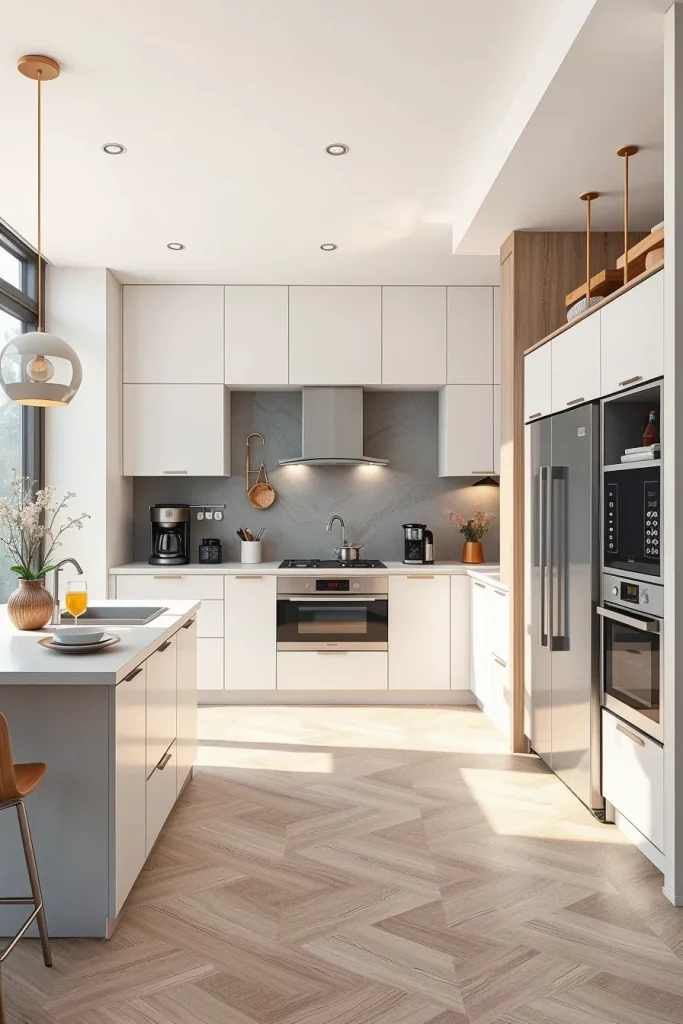
Personally, I believe hidden appliances represent one of the most practical investments in contemporary kitchen design. Many luxury kitchen specialists advocate for integrated systems because they simplify visual composition and improve the overall user experience. I have found that even small kitchens feel significantly more spacious when visual clutter is minimized.
To make this concept even more effective, I would include hidden charging stations and concealed storage compartments for everyday electronics. These additions support modern lifestyles while maintaining the seamless appearance that defines minimalist interiors.
Minimalist Lighting Ideas That Enhance Small Kitchen Functionality
Lighting plays a critical role in the success of any minimalist kitchen, particularly in smaller spaces. I view lighting as both a functional necessity and an important design element that influences how spacious and welcoming a room feels. Well-planned lighting highlights architectural features, improves visibility, and creates an atmosphere that supports daily activities.
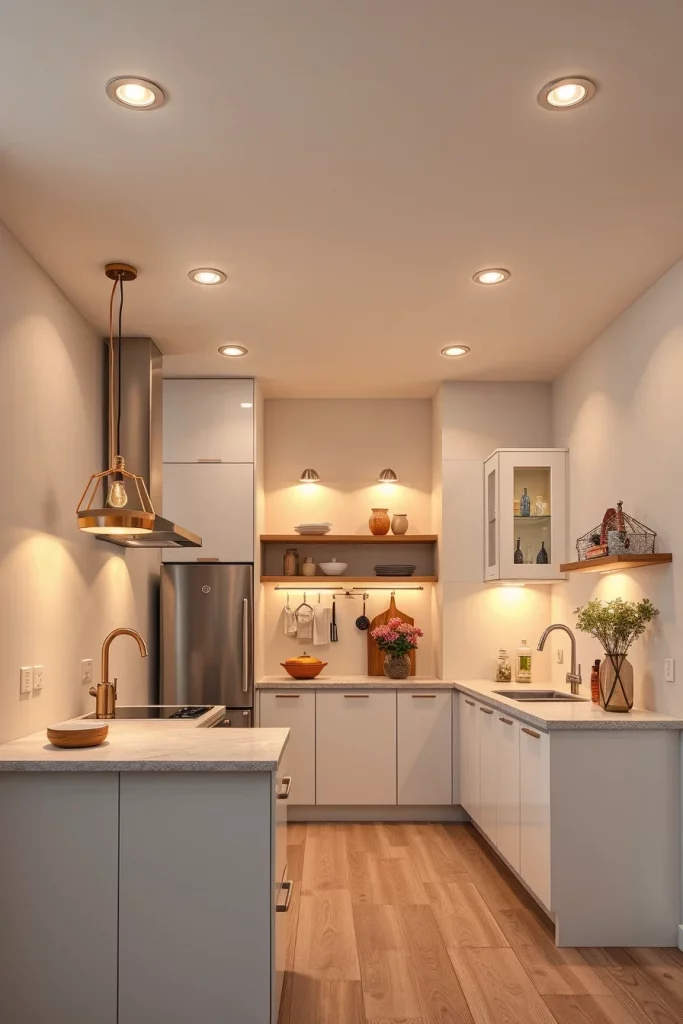
I typically combine recessed ceiling lights, under-cabinet LED strips, and a small number of carefully selected pendant fixtures. This layered approach ensures that work surfaces remain well illuminated while maintaining visual simplicity. Fixtures with clean lines and understated forms blend naturally into minimalist interiors. Warm white lighting enhances comfort and complements neutral color palettes commonly used in compact kitchens.
In my experience, lighting should be designed with flexibility in mind. Many professionals recommend combining task lighting and ambient lighting to accommodate different activities throughout the day. I find that adjustable lighting systems provide excellent versatility while preserving the clean aesthetic that minimalist kitchens require.
To strengthen this design further, I would incorporate dimmable controls and smart lighting technology. These features allow homeowners to adapt the mood and functionality of the kitchen while maintaining a sleek and modern appearance.
Open Concept Small Kitchens Styled With Modern Minimalist Elegance
I often recommend open-concept layouts for small kitchens because they instantly create a greater sense of space. By removing unnecessary visual barriers, the kitchen flows naturally into the surrounding living or dining area. This approach works especially well in creative and modern homes where every square foot matters. A minimalist palette of soft whites, warm neutrals, and natural materials helps maintain an airy atmosphere while emphasizing clean architectural lines.
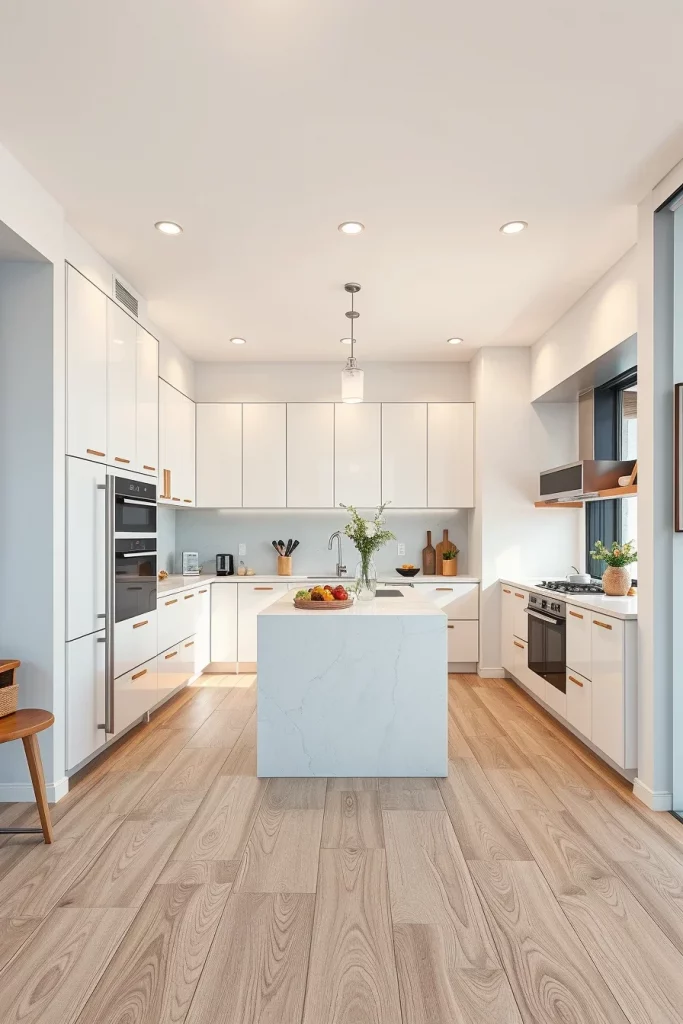
When designing this type of kitchen, I focus on streamlined cabinetry with flat-panel doors, integrated appliances, and hidden storage solutions. A waterfall-edge island can serve as both a preparation area and a social hub without overwhelming the room. Simple bar stools, handleless cabinets, and subtle open shelving contribute to a cohesive look that feels both practical and elegant. Every furniture choice should support functionality while reducing visual clutter.
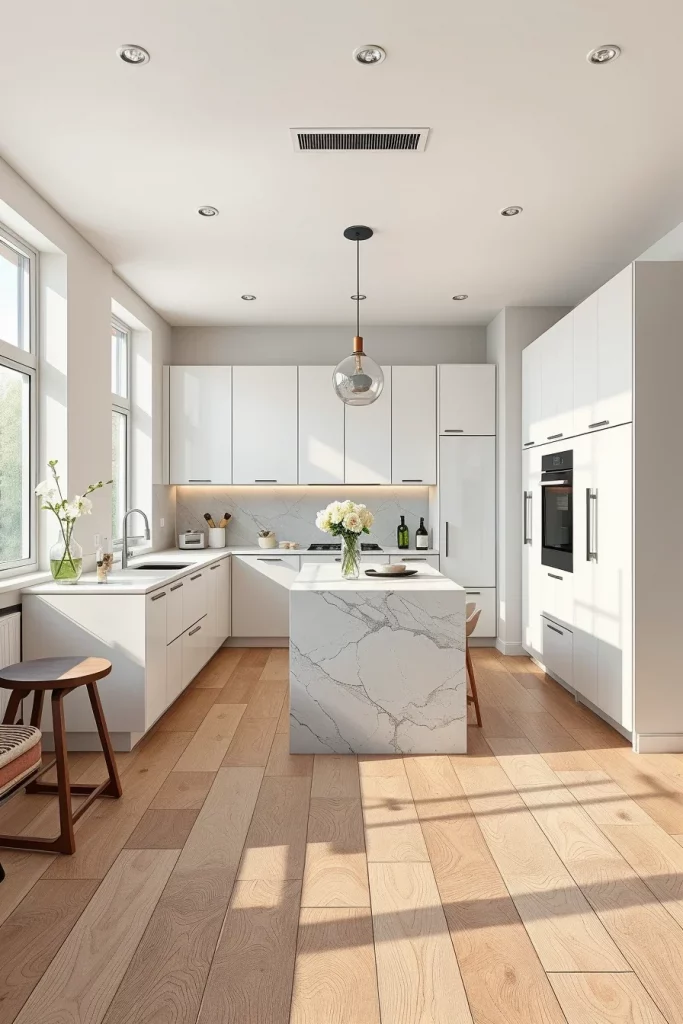
In my experience, successful open-concept kitchens rely heavily on consistency. Designers frequently emphasize the importance of using similar finishes throughout connected spaces to create visual harmony. I find that matching flooring materials and coordinating color palettes make even the smallest kitchens feel significantly larger and more luxurious.
To complete this design, I would add discreet under-cabinet lighting and a few carefully selected decorative objects. These details provide warmth and personality without compromising the minimalist aesthetic.
Statement Lighting Fixtures That Elevate Minimalist Kitchen Decor
One of my favorite ways to introduce character into a minimalist kitchen is through statement lighting. In a room where decoration is intentionally limited, a striking pendant fixture or sculptural chandelier can become the focal point. This strategy allows the kitchen to remain minimalist while still feeling distinctive and memorable.
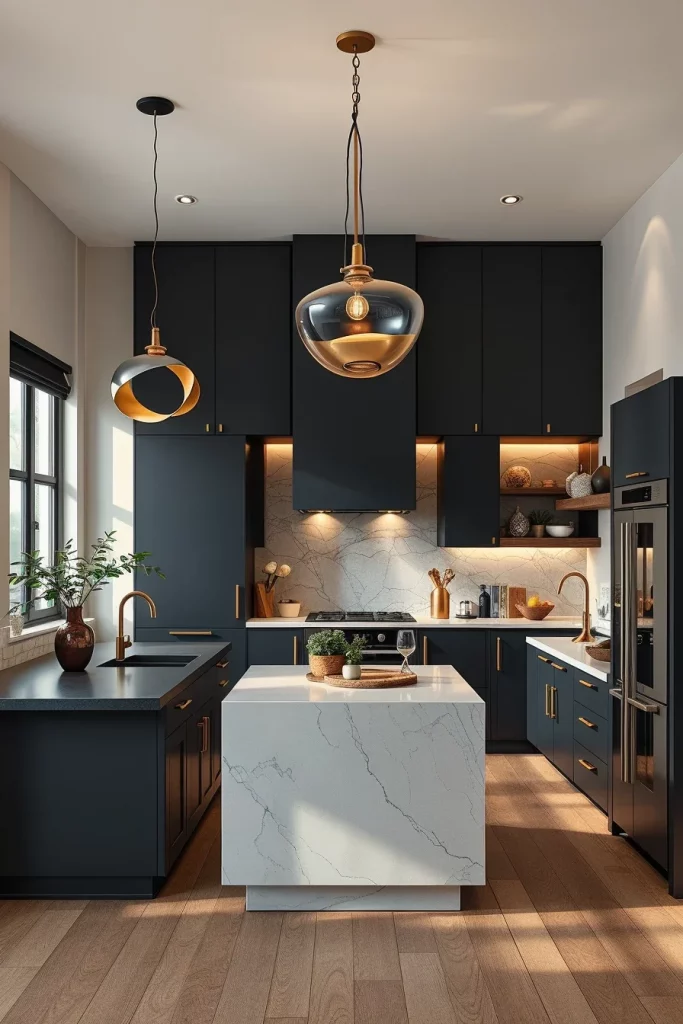
I typically pair minimalist cabinetry with oversized pendant lights featuring matte black, brushed brass, or frosted glass finishes. Above an island or dining counter, lighting serves both a functional and decorative role. Layered lighting, including recessed ceiling fixtures and subtle task lighting, ensures the room remains practical for daily use while maintaining visual interest.
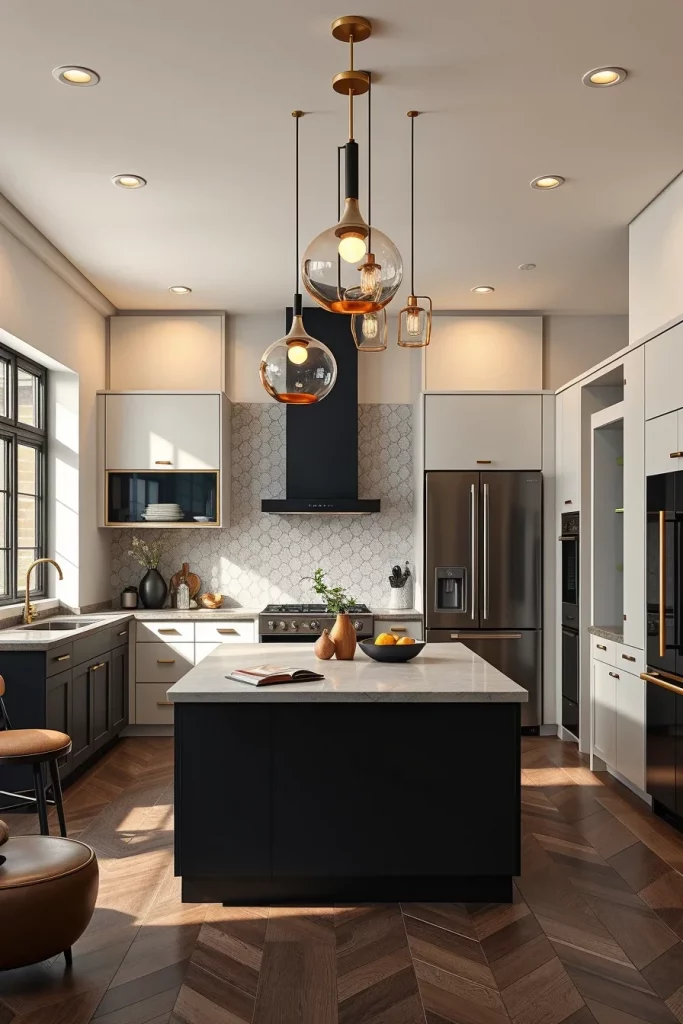
From my perspective, statement lighting works best when it complements the overall architecture rather than competing with it. Many interior design professionals recommend choosing fixtures with simple geometric forms that reinforce the clean lines found throughout minimalist interiors. I have found that this approach creates a sophisticated balance between form and function.
What I would add to this concept is a dimmable lighting system. The ability to adjust brightness throughout the day enhances comfort and allows the kitchen to adapt to different activities and moods.
Minimalist Backsplash Ideas With Contemporary Texture And Style
A well-designed backsplash can bring depth and personality to a small kitchen without disrupting its minimalist character. I often use subtle textures and large-format materials to create visual interest while preserving a clean and uncluttered appearance. The goal is to introduce dimension rather than excessive pattern.
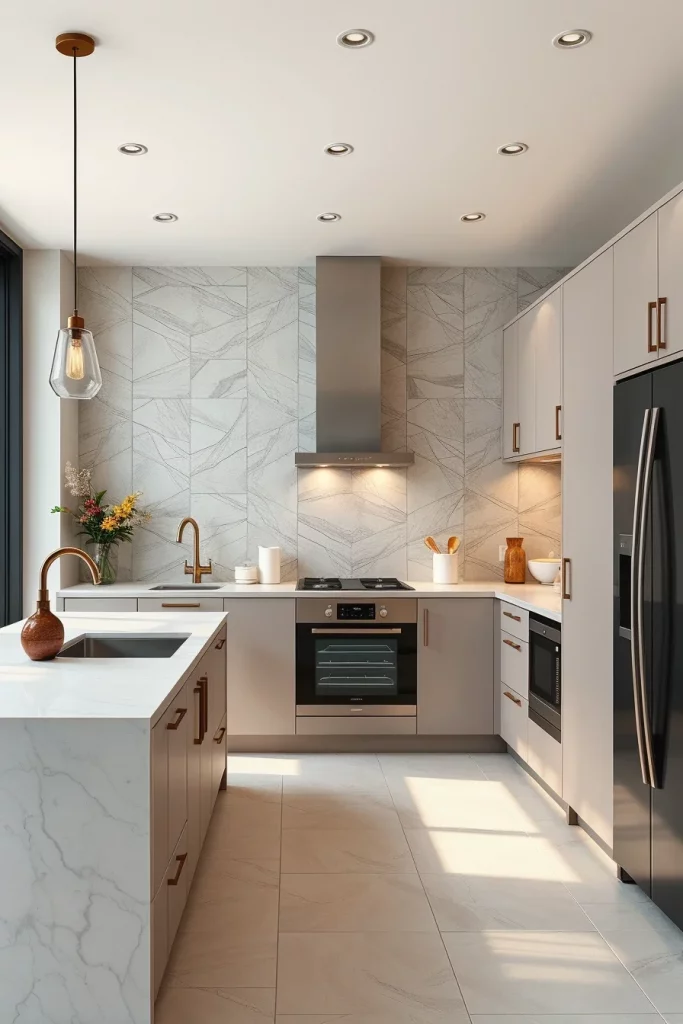
For contemporary minimalist kitchens, I frequently recommend slab backsplashes in quartz, porcelain, or natural stone. Vertical tile layouts, micro-textured surfaces, and seamless installations help maintain a sophisticated aesthetic. Pairing these materials with sleek countertops and handleless cabinets creates a cohesive design that feels both modern and timeless.
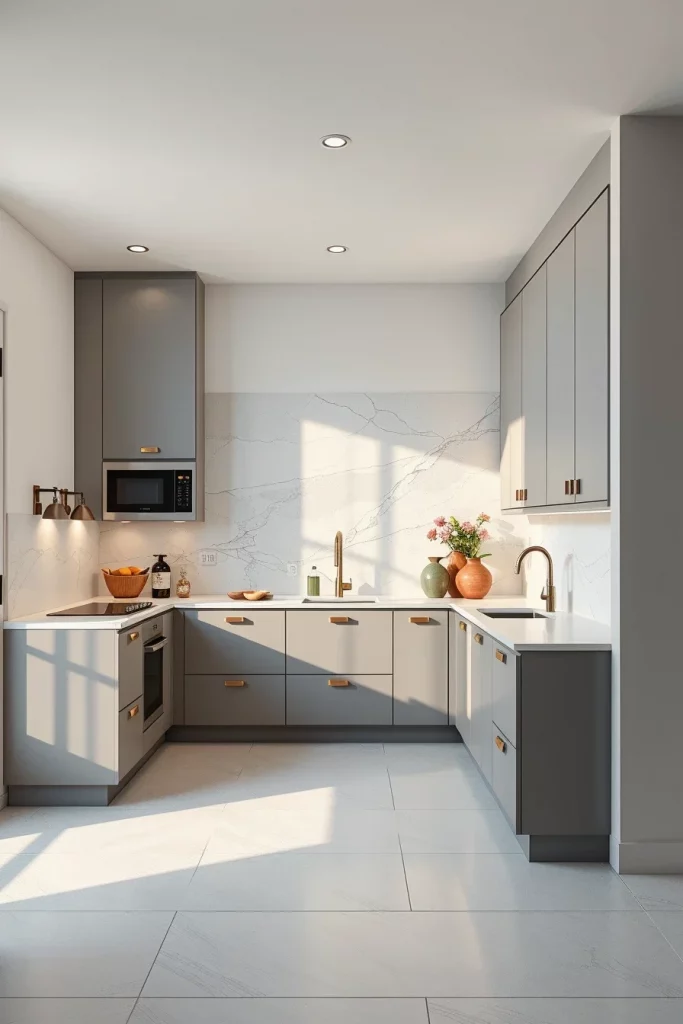
In my experience, the most successful backsplash designs are those that support the overall color palette rather than dominate it. Design publications often highlight the effectiveness of monochromatic materials in minimalist spaces because they create continuity and reduce visual distractions. I find that this principle is especially valuable in compact kitchens where every design decision influences the perception of space.
To further enhance this section, I would incorporate integrated lighting that highlights the backsplash texture during evening hours. This subtle feature adds depth while preserving the minimalist atmosphere.
Compact Dining Nooks Integrated Into Small Kitchen Layouts
Small kitchens can still accommodate comfortable dining areas when the layout is planned thoughtfully. I often incorporate compact dining nooks that blend seamlessly into the kitchen design. These spaces maximize functionality while creating inviting areas for everyday meals and casual gatherings.
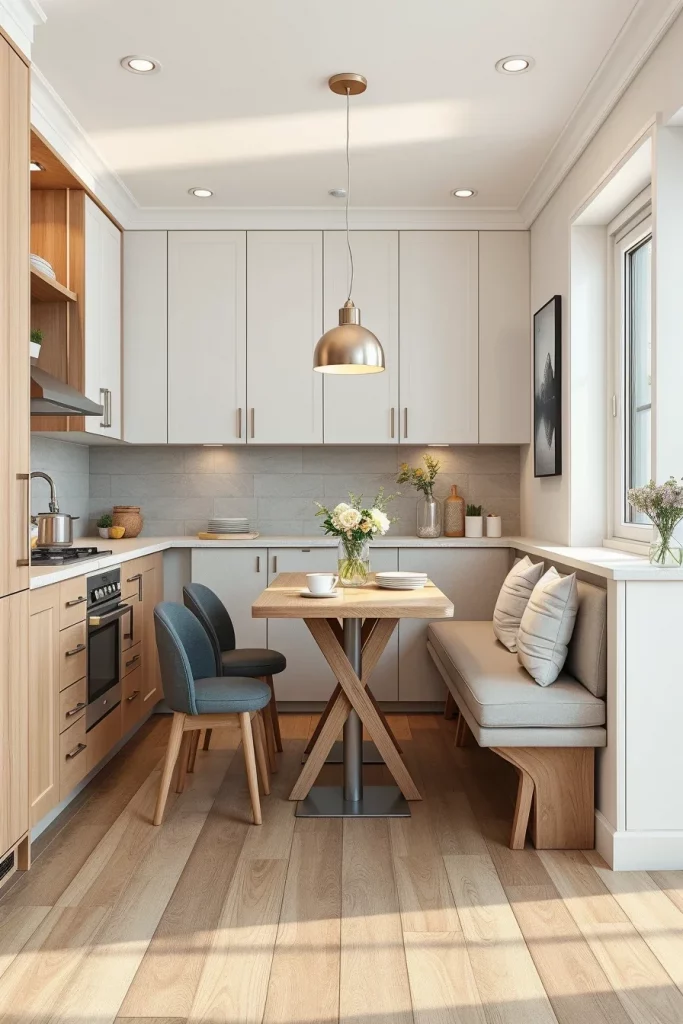
Built-in benches, slim-profile tables, and multifunctional seating solutions are particularly effective in minimalist kitchens. I prefer furniture with simple lines and hidden storage compartments that support organization. Light wood finishes, neutral upholstery, and compact dimensions help maintain a sense of openness while providing practical seating.
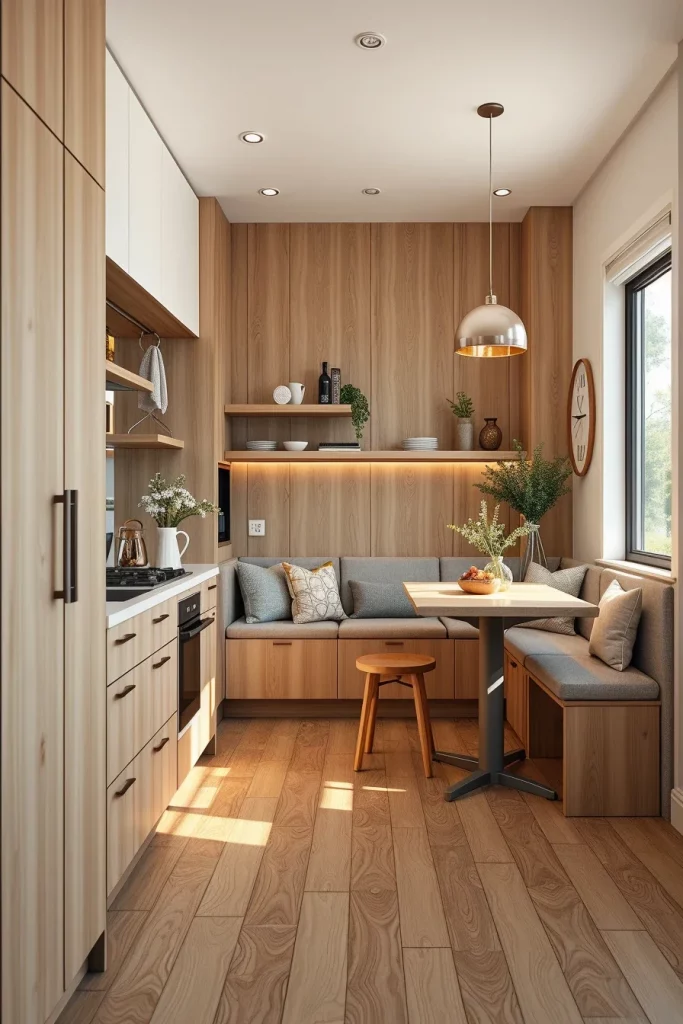
Personally, I believe dining nooks contribute significantly to the livability of a small kitchen. Many homeowners underestimate the value of having a dedicated place to sit, relax, and connect with family members. Even a modest corner can become one of the most frequently used areas in the home when designed thoughtfully.
I would enhance this arrangement with a small wall-mounted shelf or integrated niche for books, ceramics, or decorative accessories that add personality without creating clutter.
Monochromatic Kitchen Styling For A Sophisticated Minimalist Aesthetic
Monochromatic design is one of the most effective techniques I use to create a refined minimalist kitchen. Limiting the color palette reduces visual complexity and allows architectural details, textures, and materials to stand out. This approach is particularly useful in small kitchens because it creates a sense of continuity and spaciousness.
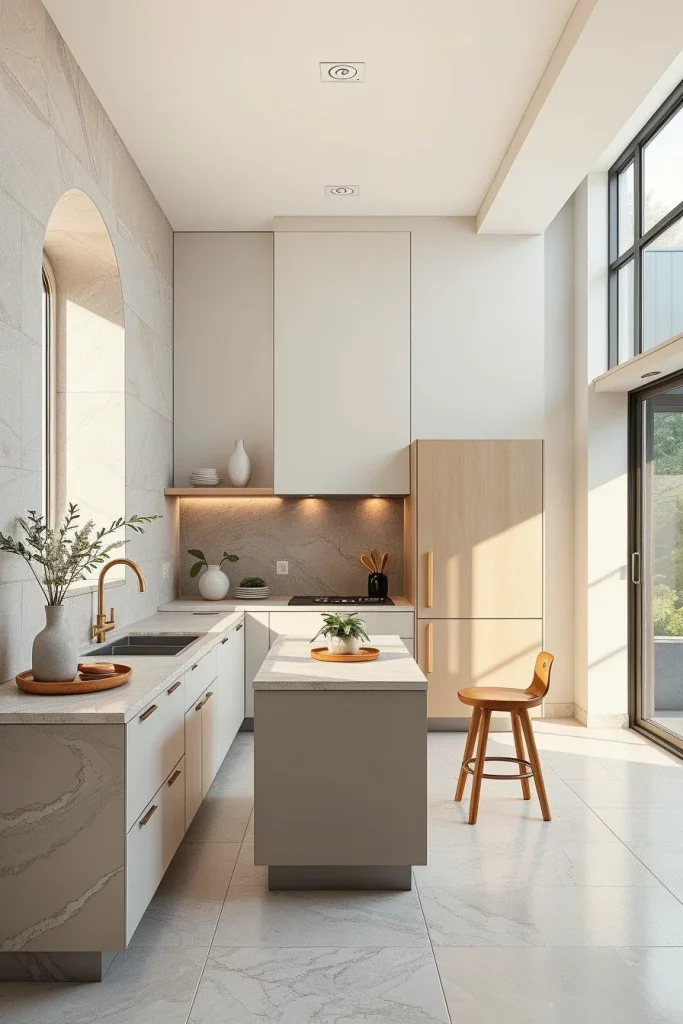
I often build monochromatic kitchens around shades of white, beige, gray, or soft taupe. Cabinets, countertops, backsplashes, and walls share similar tones while subtle variations in texture provide visual depth. Matte finishes, natural wood accents, and understated hardware prevent the space from feeling flat or sterile.
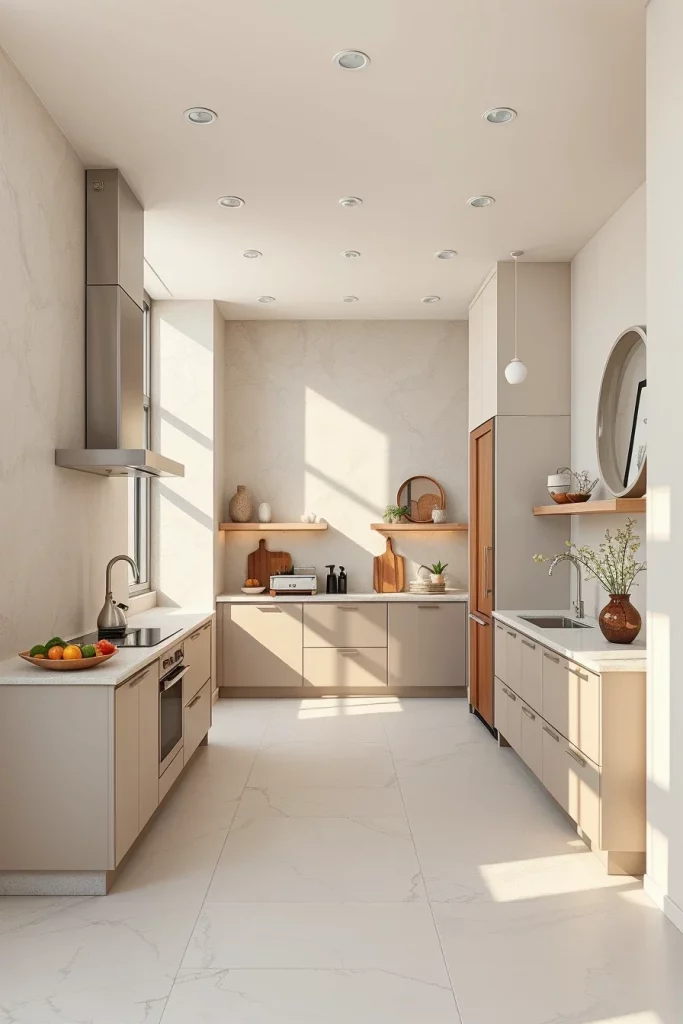
In my experience, a monochromatic kitchen can feel remarkably luxurious when materials are selected carefully. Leading interior designers frequently emphasize texture as the key element in minimalist interiors. I completely agree, as textured stone, wood grain, and soft textiles add warmth while preserving simplicity.
To complete this concept, I would introduce a few organic elements such as greenery or handcrafted ceramics. These additions soften the space and enhance its welcoming character without disrupting the minimalist design.
Smart Vertical Storage Ideas For Maximizing Every Inch Of Space
When I design a small minimalist kitchen, I always look upward for additional storage opportunities. Vertical storage allows me to maximize every available inch without increasing the kitchen’s footprint. This strategy is especially valuable in stylish and modern compact kitchens where maintaining open floor space is essential. Tall cabinetry, floating shelves, and wall-mounted organizers help create an efficient environment while preserving a clean visual appearance.
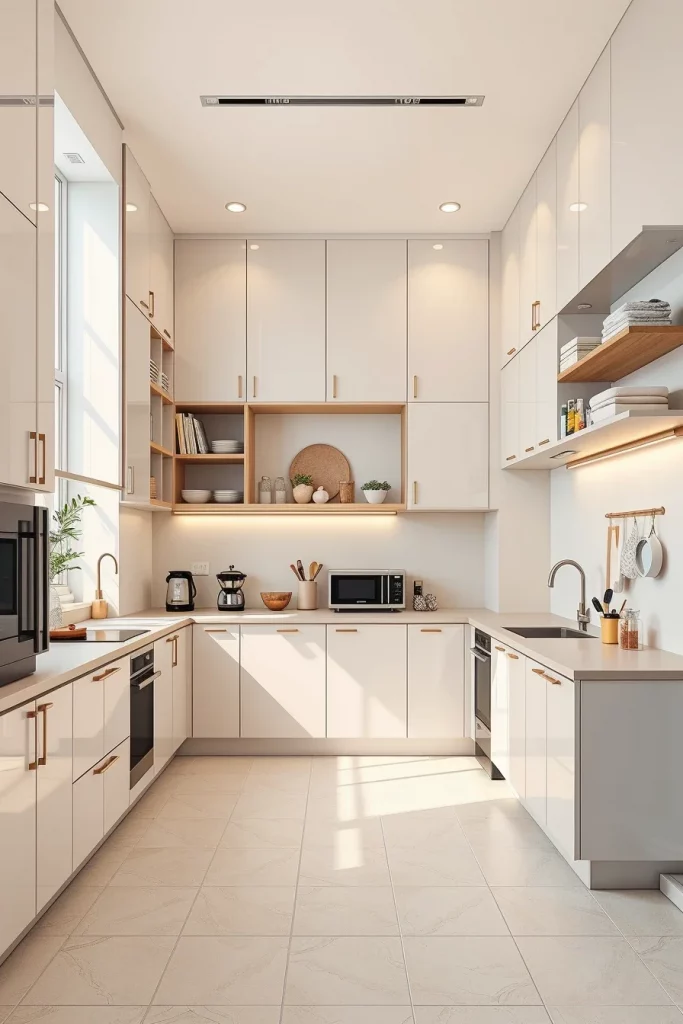
I often include floor-to-ceiling cabinets with concealed compartments for pantry items, cookware, and small appliances. Slim open shelves can display a limited number of attractive dishes or decorative objects without introducing clutter. Magnetic knife strips, hanging rails, and integrated storage systems keep frequently used items accessible while freeing valuable countertop space. Each storage element should contribute to both organization and aesthetics.
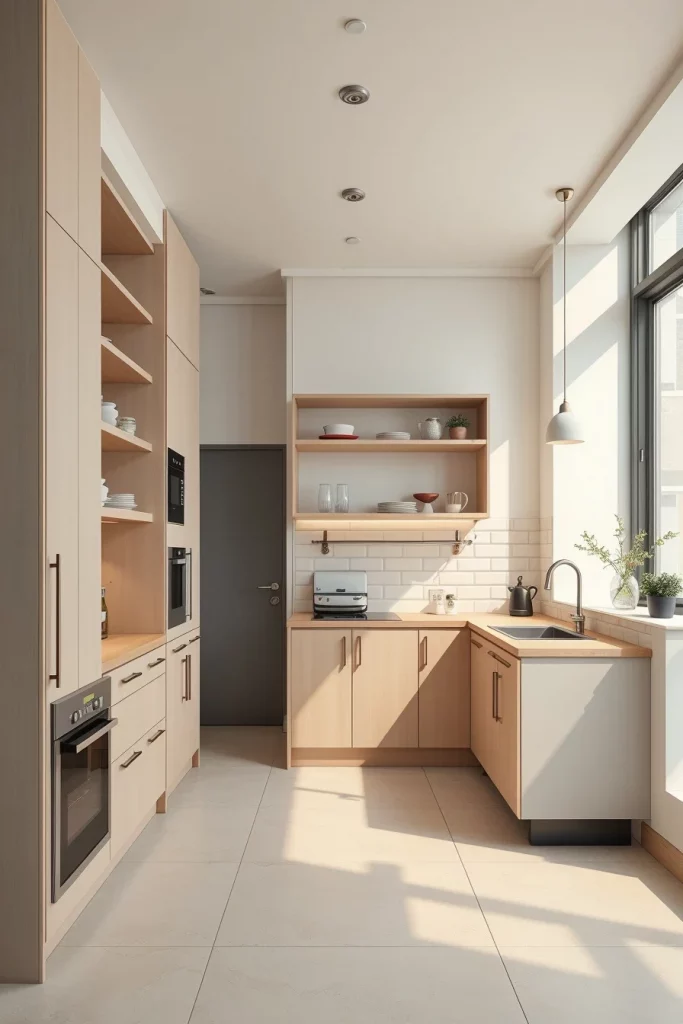
In my experience, homeowners frequently underestimate how much storage potential exists on vertical surfaces. Professional kitchen designers often recommend customized storage solutions tailored to individual cooking habits. I agree with this approach because effective organization makes a small kitchen feel significantly larger and more functional.
To improve this concept further, I would add adjustable shelving systems that can evolve as storage needs change over time. This flexibility increases the long-term practicality of the kitchen.
Japandi Minimalist Kitchens Combining Simplicity And Natural Beauty
Japandi design combines Japanese simplicity with Scandinavian warmth, making it one of my favorite approaches for small kitchens. This style embraces minimalism while creating spaces that feel calm, welcoming, and highly functional. The combination of natural materials, soft colors, and thoughtful craftsmanship results in a kitchen that feels both modern and timeless.
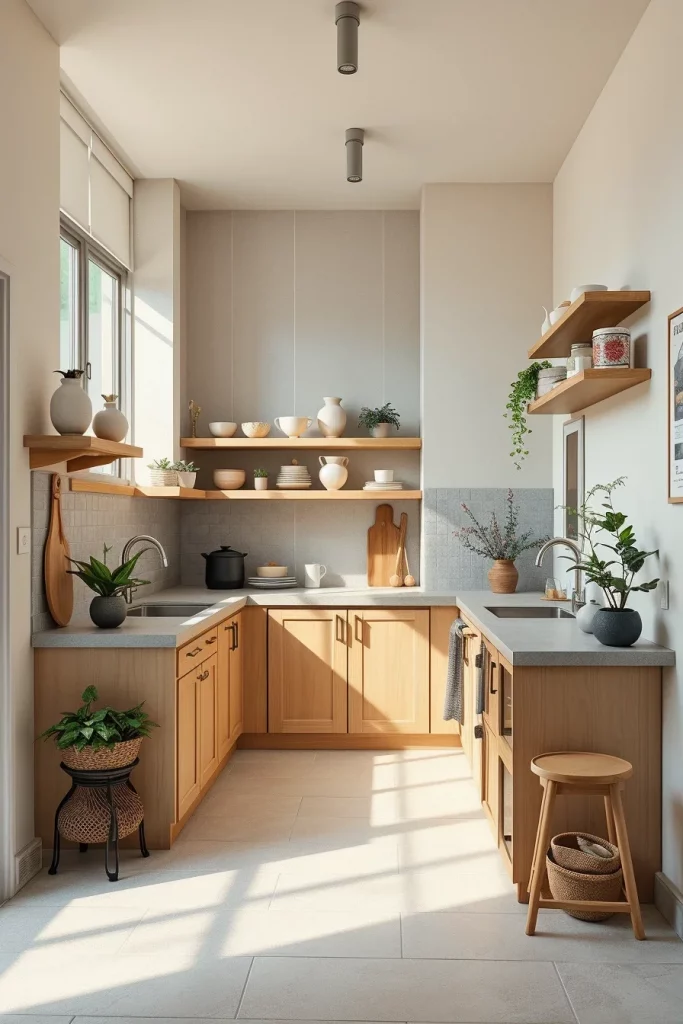
I typically incorporate light wood cabinetry, stone surfaces, handmade ceramics, and simple open shelving into Japandi kitchens. Neutral tones such as warm beige, soft gray, and muted white establish a peaceful atmosphere. Furniture pieces often feature clean lines and natural textures, while decorative accessories remain purposeful and restrained. Every item serves a function while contributing to the overall sense of harmony.
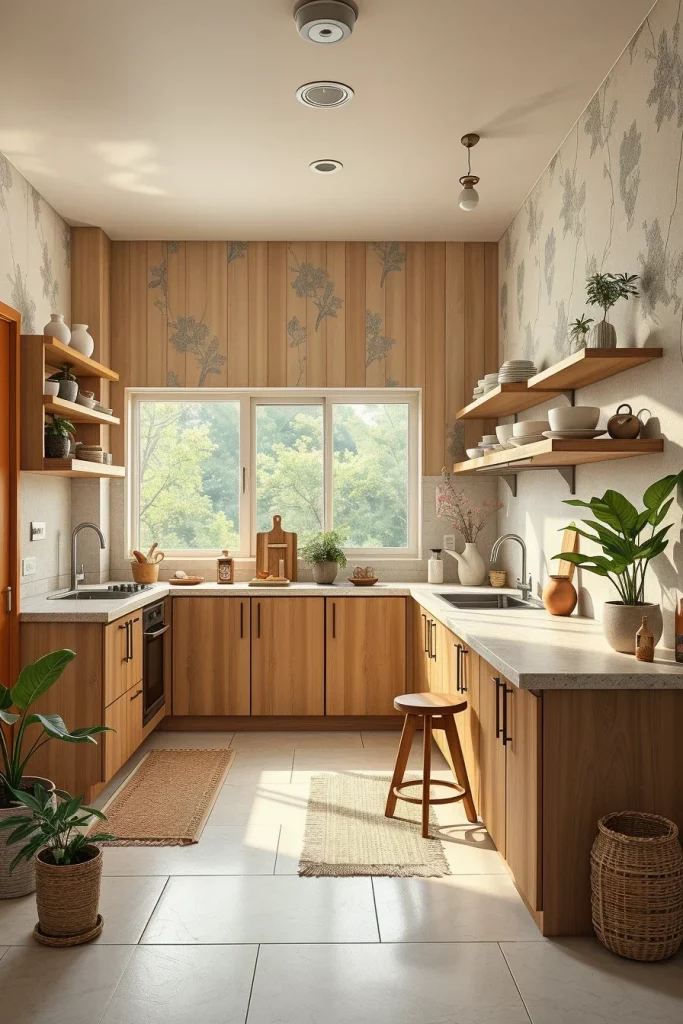
From my perspective, Japandi kitchens offer an excellent balance between practicality and beauty. Many respected interior designers highlight the importance of incorporating natural elements into minimalist spaces, and I have found that wood grain, stone textures, and handcrafted details prevent the room from feeling overly sterile.
To strengthen this design even further, I would introduce subtle greenery through potted herbs or small indoor plants. These additions reinforce the connection to nature while enhancing the kitchen’s visual appeal.
Creative Countertop Styling With Functional Minimalist Decor Pieces
Minimalist kitchens do not require completely empty countertops. Instead, I focus on carefully selected decor pieces that combine beauty and functionality. This approach allows the kitchen to feel personal and inviting while maintaining the principles of minimalist design. Thoughtful countertop styling can add character without creating visual chaos.
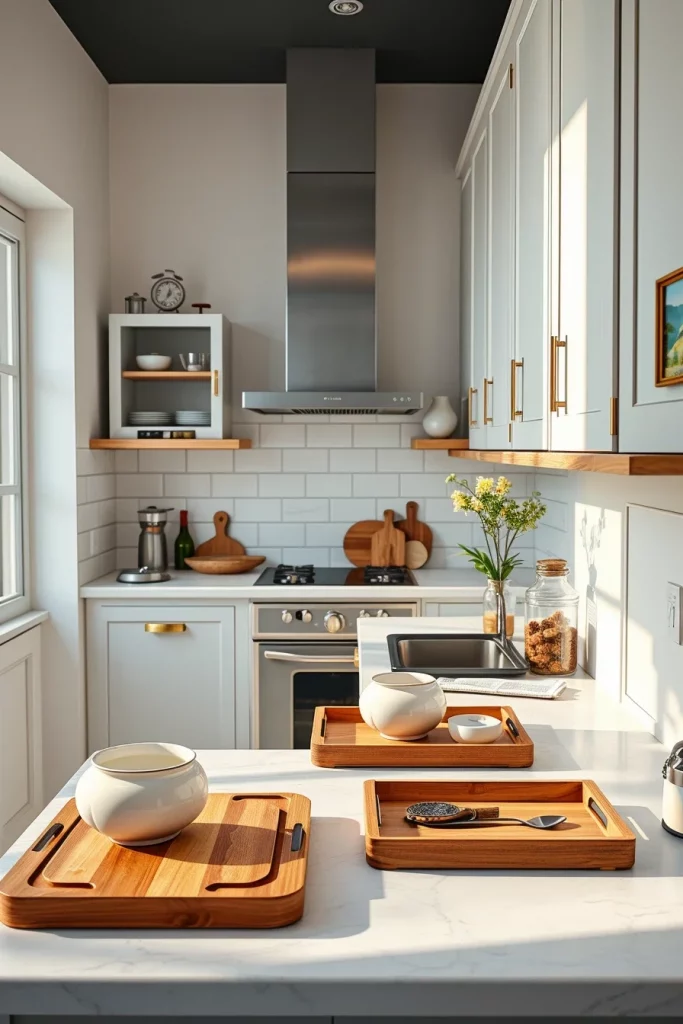
I often arrange a small collection of practical items such as wooden cutting boards, ceramic utensil holders, glass storage jars, and elegant trays. These pieces serve everyday purposes while contributing texture and visual interest. The key is limiting the number of objects and choosing materials that complement the kitchen’s overall color palette and design language.
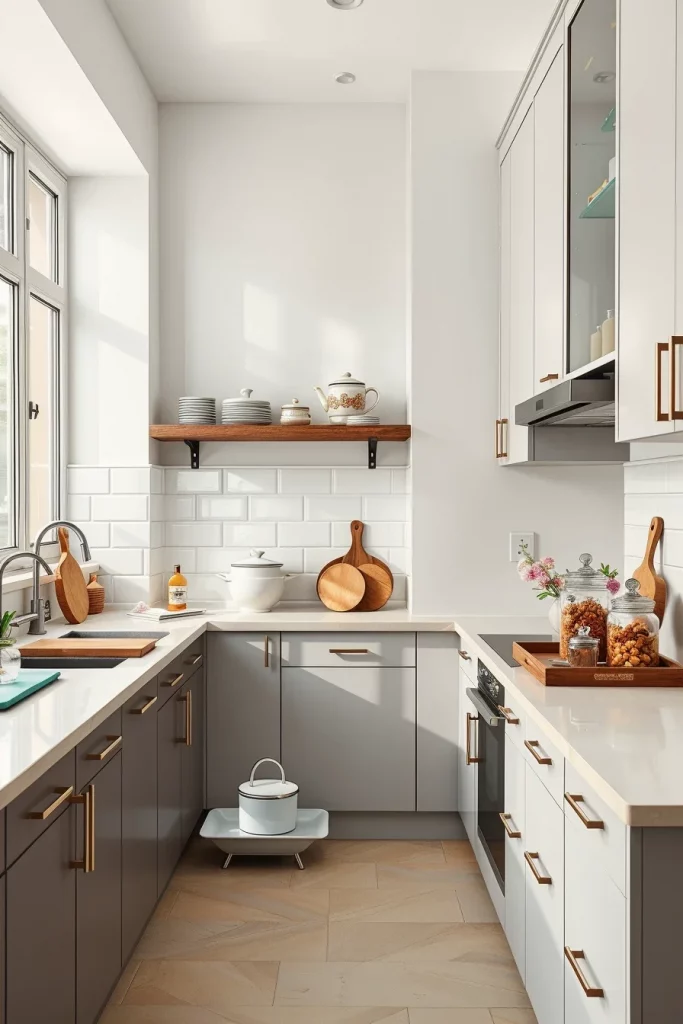
In my experience, the most successful countertop arrangements appear effortless while being highly intentional. Design experts frequently recommend grouping objects in small collections rather than scattering them throughout the room. I find that this technique creates order and helps maintain a clean, sophisticated appearance.
What I would add to this concept is seasonal flexibility. Rotating a few decorative elements throughout the year can refresh the space without requiring major changes or additional clutter.
Small Luxury Kitchens Featuring Refined Minimalist Design Elements
Luxury and minimalism work exceptionally well together in small kitchens when every detail is carefully considered. I often focus on premium materials, expert craftsmanship, and refined finishes rather than excessive ornamentation. This approach creates a kitchen that feels elegant, exclusive, and highly functional despite its compact dimensions.
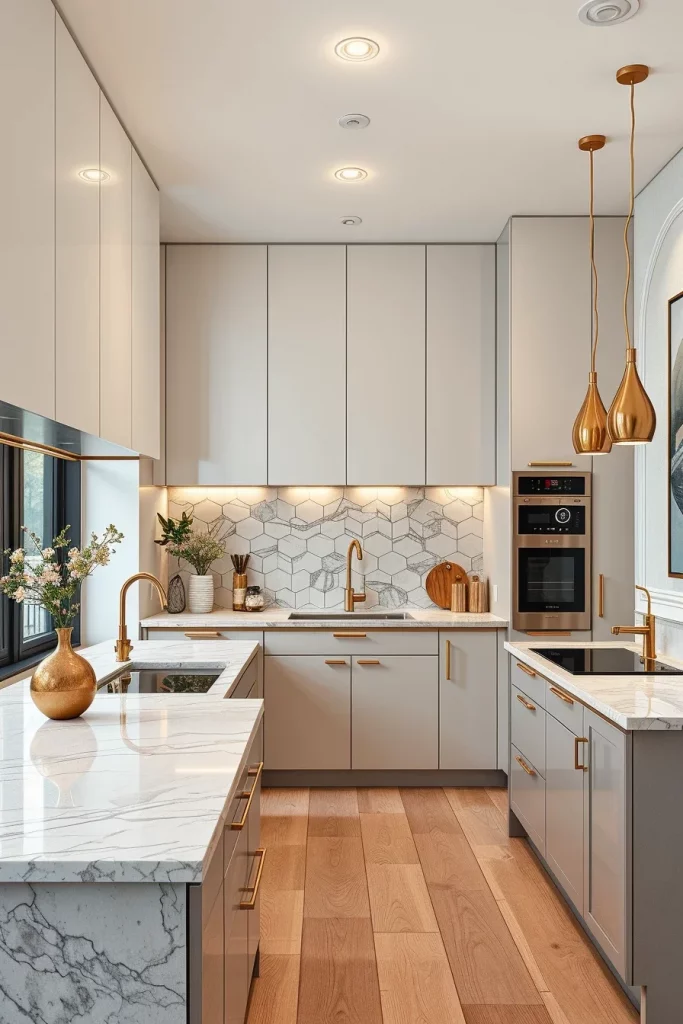
For a luxurious minimalist kitchen, I frequently select natural stone countertops, custom cabinetry, integrated appliances, and high-quality hardware. Features such as soft-close drawers, concealed storage, and seamless surfaces contribute to a polished appearance. Warm metallic accents, subtle lighting, and carefully chosen textures add depth while preserving the clean aesthetic.
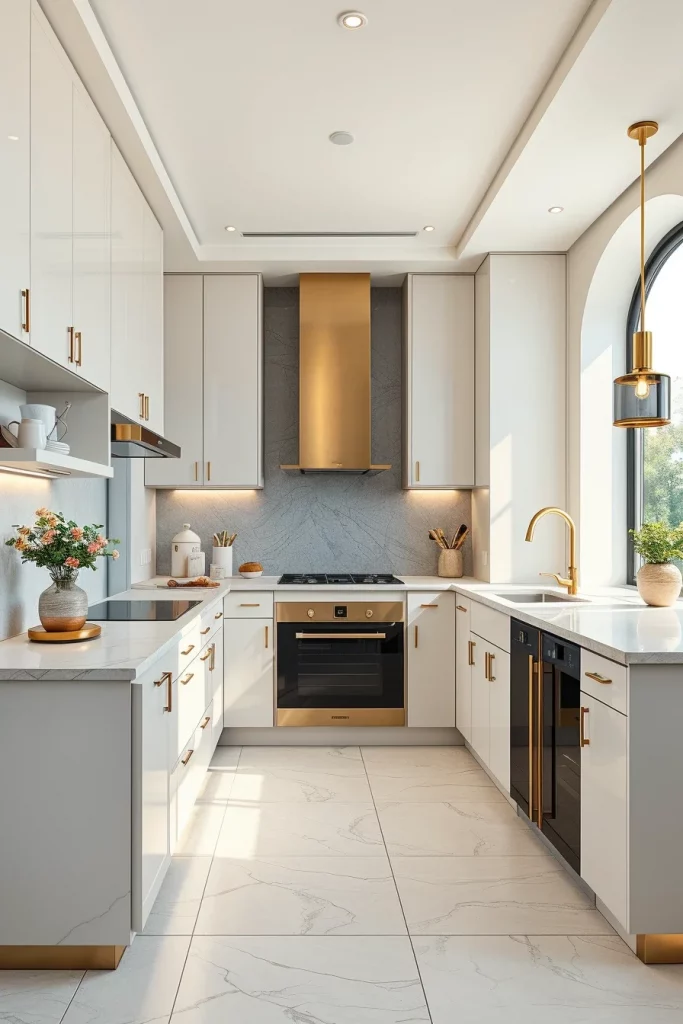
Personally, I believe luxury is most evident in the quality of materials and the precision of execution. Leading interior design publications often emphasize that true luxury comes from thoughtful design rather than excessive decoration. My own projects consistently demonstrate that a restrained approach can feel more sophisticated than an overly elaborate one.
To complete this concept, I would incorporate custom organizational systems within cabinets and drawers. These hidden details significantly improve everyday functionality while maintaining the kitchen’s elegant appearance.
Glass And Reflective Surfaces That Enhance Light In Compact Kitchens
One of the most effective ways I create the illusion of space in a small kitchen is through the strategic use of glass and reflective materials. These surfaces bounce natural and artificial light throughout the room, making the space appear brighter and larger. This technique works particularly well in unique minimalist small kitchens where openness and light are priorities.
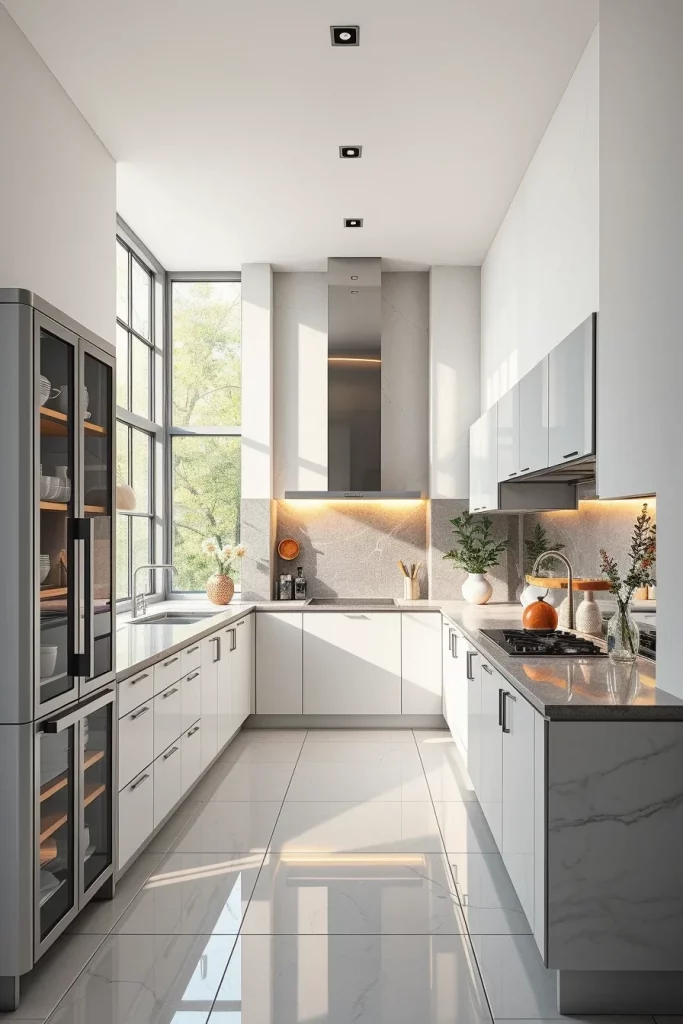
I often use glass-front cabinets, reflective backsplashes, polished stone surfaces, and subtle metallic accents. Large windows, slim-framed glass partitions, and glossy finishes can further amplify available light. When balanced carefully, these reflective elements enhance the room without creating an overly shiny or distracting environment.
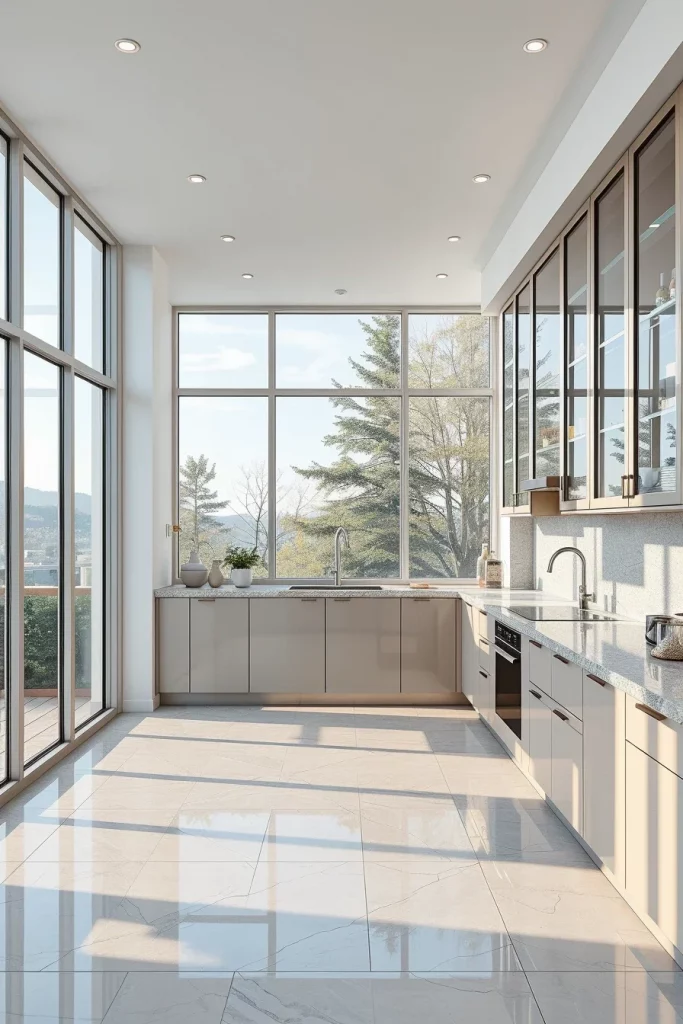
In my experience, light reflection is one of the most powerful tools available in compact kitchen design. Many design professionals recommend combining reflective materials with neutral color palettes to maximize their effectiveness. I have consistently found that this combination creates a bright, welcoming atmosphere that feels larger than its actual dimensions.
To enhance this design, I would add layered lighting that highlights reflective surfaces during evening hours. This approach maintains the kitchen’s brightness and elegance regardless of the time of day.
Minimalist Kitchen Decor Ideas Using Organic Shapes And Soft Curves
When I design a minimalist kitchen with organic shapes, I focus on creating a softer and more welcoming atmosphere without sacrificing simplicity. Rounded edges on cabinetry, curved kitchen islands, and arched shelving help reduce the rigid appearance often associated with minimalist spaces. In a small kitchen, these flowing forms also improve movement throughout the room and visually expand the layout. I find that natural curves create a calming environment while maintaining a clean and uncluttered aesthetic.
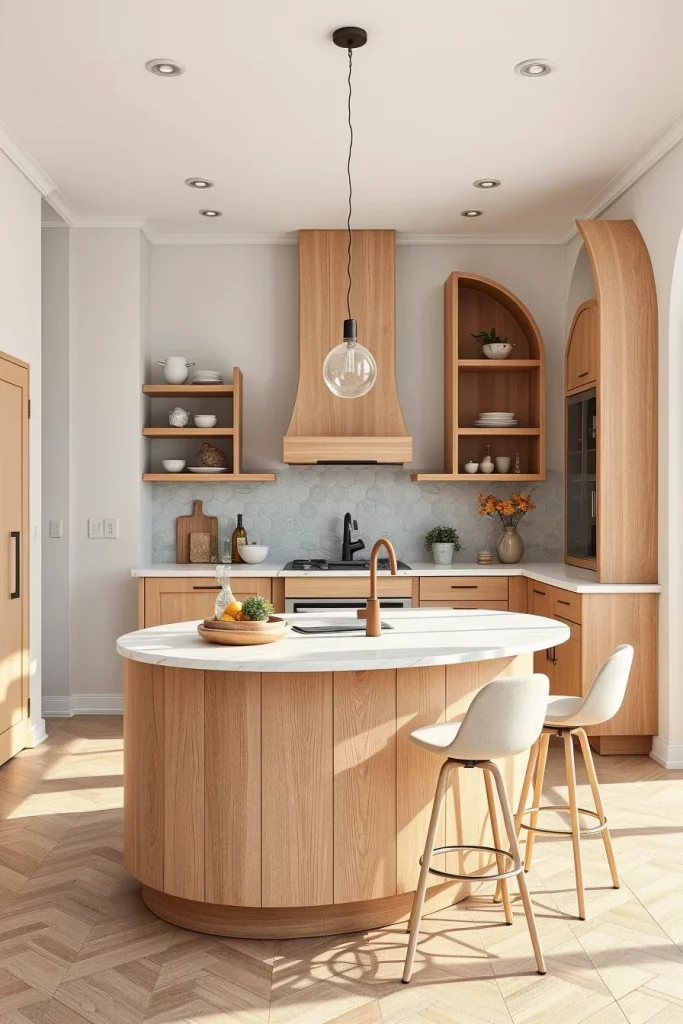
I often incorporate curved wood cabinetry, rounded bar stools, circular pendant lighting, and soft-edged countertops. These elements work together to create visual harmony and reduce sharp visual interruptions. Light oak finishes, matte white cabinets, and pale stone surfaces complement the organic shapes beautifully. I also recommend adding subtly curved open shelves that display only a few carefully selected kitchen essentials to maintain the minimalist look.
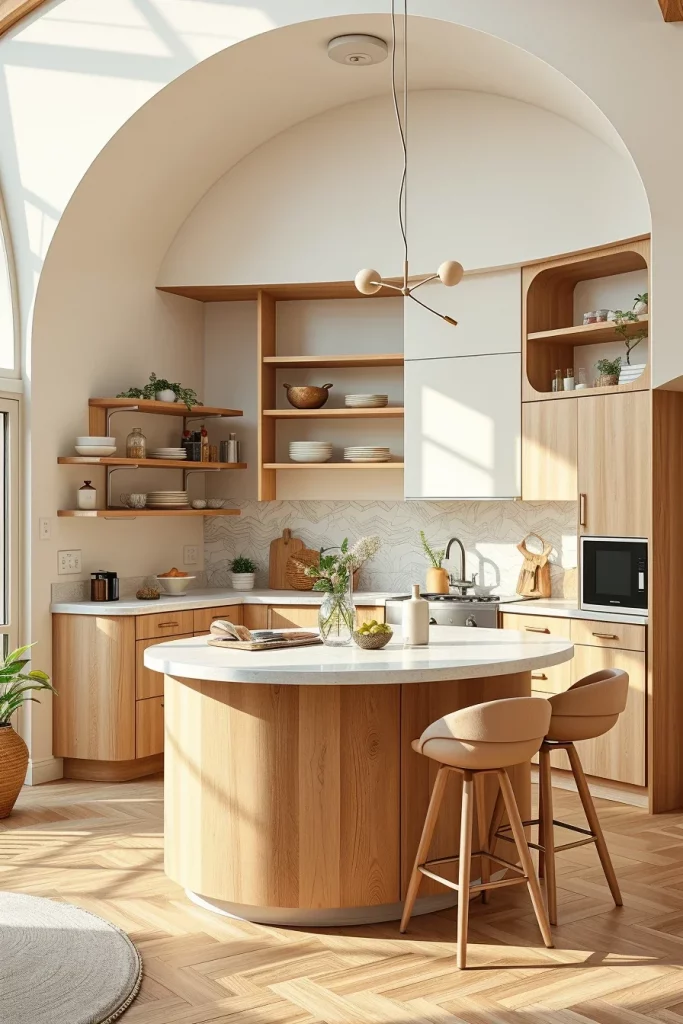
From my experience, soft curves have become increasingly popular in contemporary interior design because they create balance and comfort. Many designers featured in leading interior publications emphasize that curved furniture and architectural details help soften compact spaces, making them feel more inviting. I have found that even one curved focal point, such as a rounded island or dining nook, can significantly transform the character of a small kitchen.
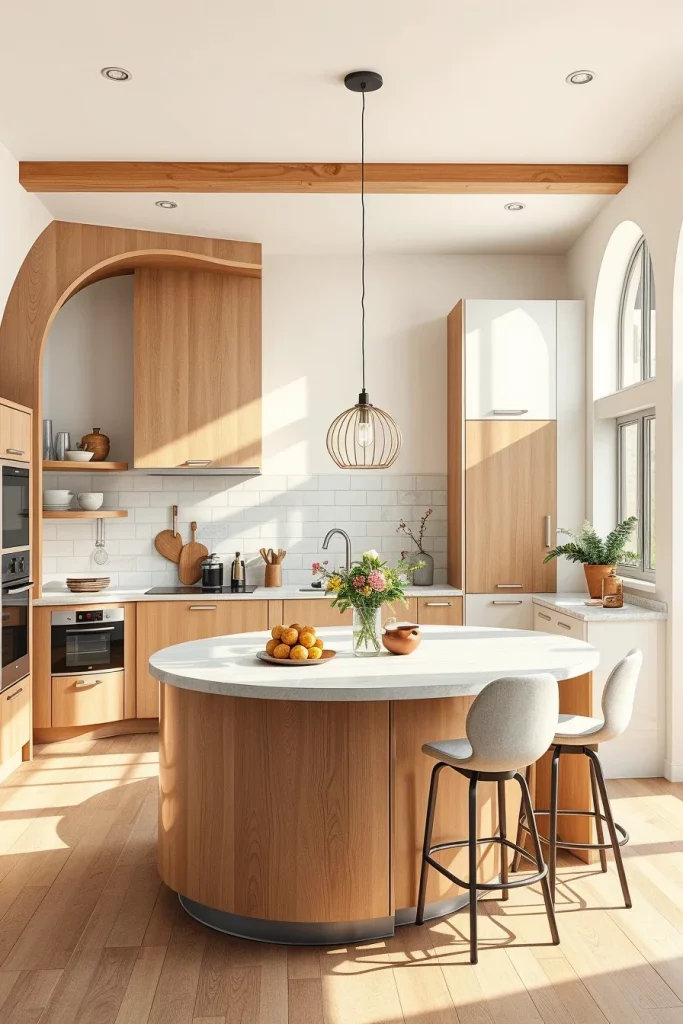
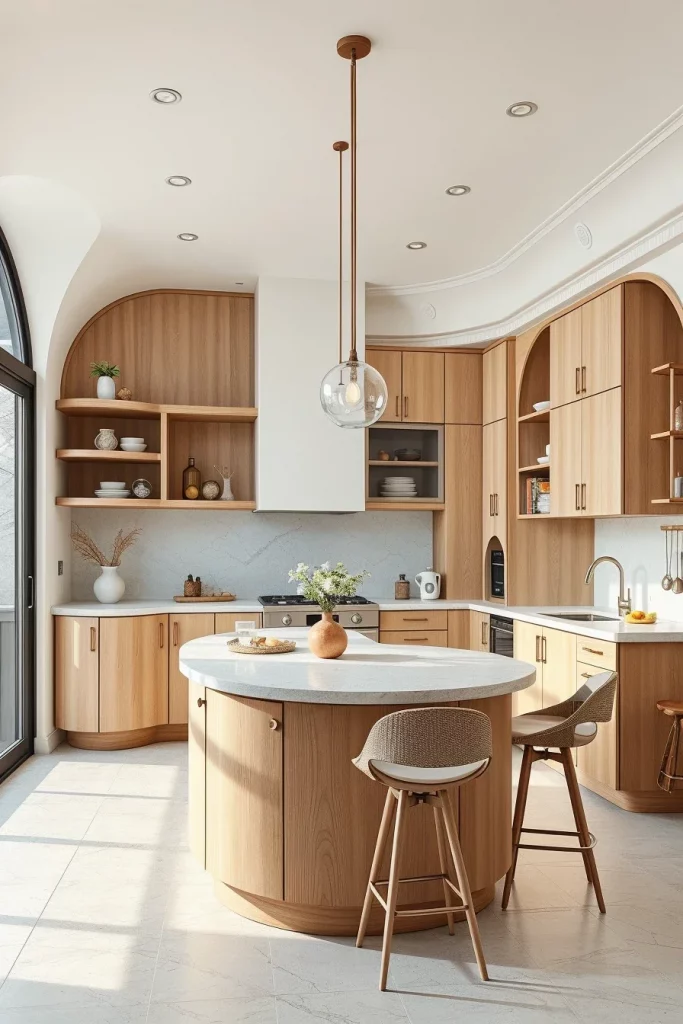
To complete this concept, I would add textured natural materials such as limestone backsplashes, woven pendant shades, or handmade ceramic accessories. These details reinforce the organic theme while preserving the simplicity that defines minimalist design.
Modern Greenery And Indoor Plants For Fresh Minimalist Kitchen Styling
I believe that indoor plants are one of the easiest ways to introduce life and freshness into a minimalist kitchen. In small kitchens, carefully selected greenery adds color and texture without creating clutter. A few strategically placed plants can soften clean lines, improve the visual balance of the room, and create a stronger connection to nature. This approach works especially well in kitchens dominated by neutral tones and modern finishes.
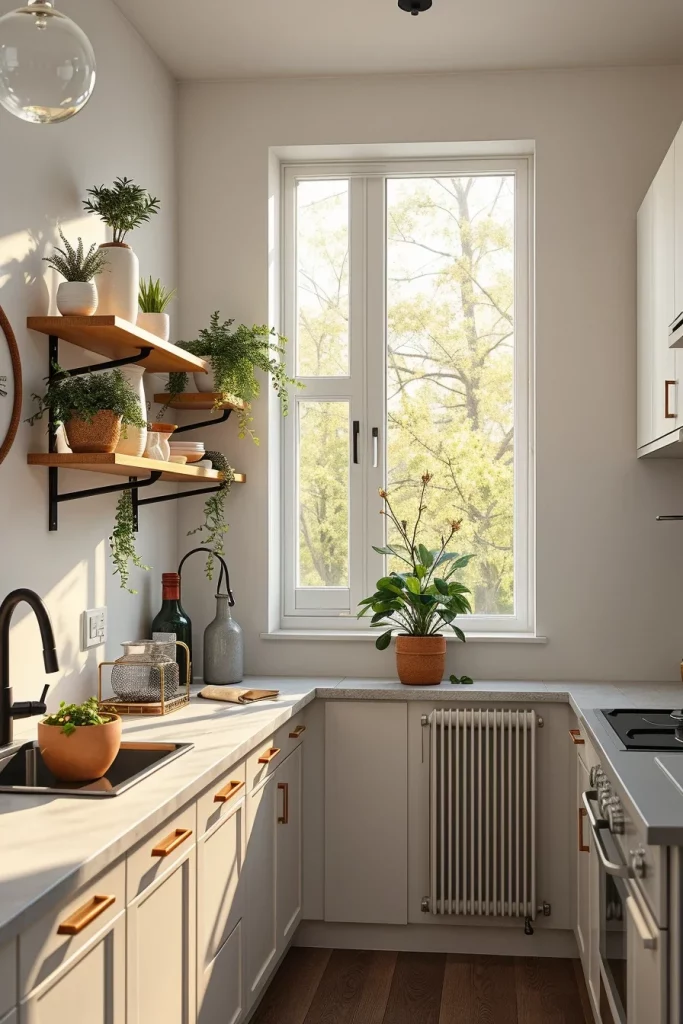
For practical styling, I prefer low-maintenance plants such as pothos, snake plants, herbs, or small olive trees. Wall-mounted planters, floating shelves, and slim countertop planters allow greenery to become part of the design rather than an afterthought. I often pair black metal accents with terracotta pots or matte ceramic containers to maintain a modern minimalist appearance. Fresh herbs near a window also provide both decorative and functional value.
In my own projects, I have noticed that kitchens with natural greenery tend to feel more welcoming and comfortable for everyday use. Many interior experts recommend using plants to introduce organic variation into minimalist spaces, helping prevent the design from feeling sterile. Even in very compact kitchens, one carefully placed plant can become a striking focal point.
To strengthen this design concept further, I would include large windows, sheer window treatments, and natural daylight whenever possible. Good lighting enhances both the plants and the overall sense of openness within the kitchen.
Tiny Apartment Kitchens Designed With Smart Minimalist Solutions
When working with extremely small apartment kitchens, I prioritize efficiency above all else. Every cabinet, shelf, and appliance must serve a purpose while maintaining a visually clean appearance. Smart minimalist solutions help maximize storage capacity without overwhelming the room. I focus on creating a layout that feels open, organized, and comfortable despite limited square footage.
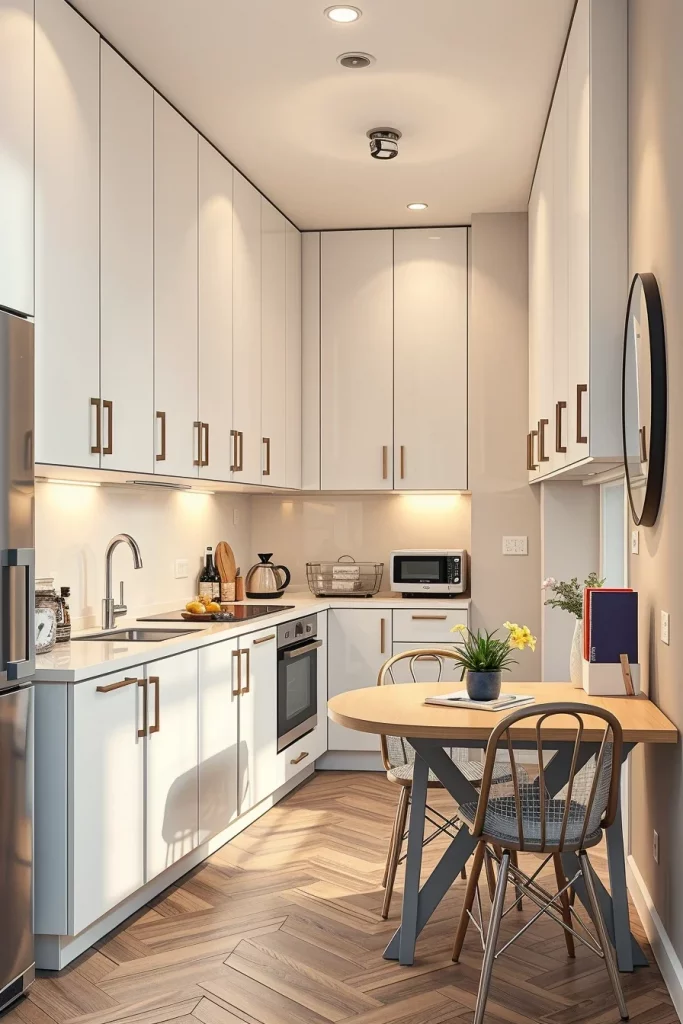
I frequently recommend full-height cabinetry, integrated appliances, slim pull-out storage systems, and foldable dining surfaces. Hidden storage compartments and handleless cabinets contribute to a seamless visual flow. Light-colored cabinetry paired with reflective surfaces helps bounce natural light around the room, making the kitchen feel larger than it actually is. Compact multifunctional furniture also plays an important role in maximizing usability.
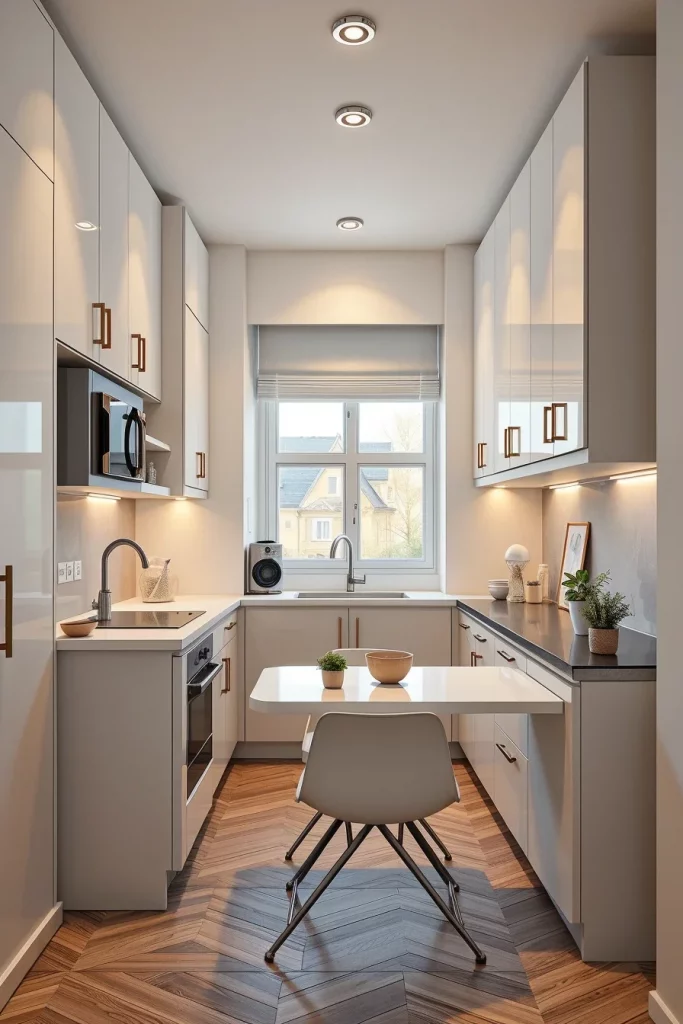
From my perspective, the success of a tiny minimalist kitchen depends on disciplined organization. Every item should have a designated place. Professional organizers often stress the importance of reducing visual clutter, and I completely agree. Keeping countertops largely clear allows the architecture and materials to become the primary design features.
If I were refining this kitchen further, I would incorporate under-cabinet lighting, mirrored backsplashes, and custom drawer dividers. These additions enhance both functionality and visual spaciousness while maintaining the minimalist aesthetic.
Unique Minimalist Kitchen Decor Inspired By Boutique Designer Homes
Boutique designer homes often demonstrate how minimalist kitchens can remain highly individual and memorable. I enjoy drawing inspiration from these spaces because they combine restraint with carefully curated personality. Rather than filling a kitchen with decorations, the focus shifts toward distinctive materials, architectural details, and artistic focal points. This creates a unique minimalist environment that feels sophisticated and intentional.
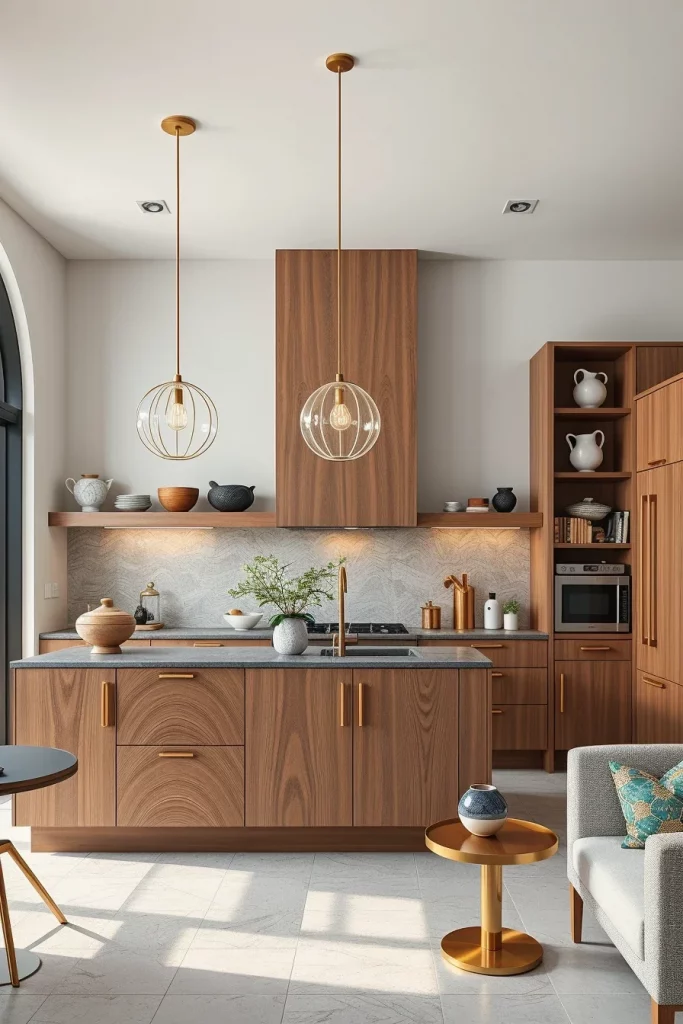
I often see boutique-inspired kitchens featuring custom wood grain cabinetry, sculptural pendant lights, statement stone backsplashes, and handcrafted decorative objects. The furniture remains simple, but each piece has strong design character. Minimalist open shelving may showcase a collection of artisan ceramics or carefully selected glassware that reflects the homeowner’s style.
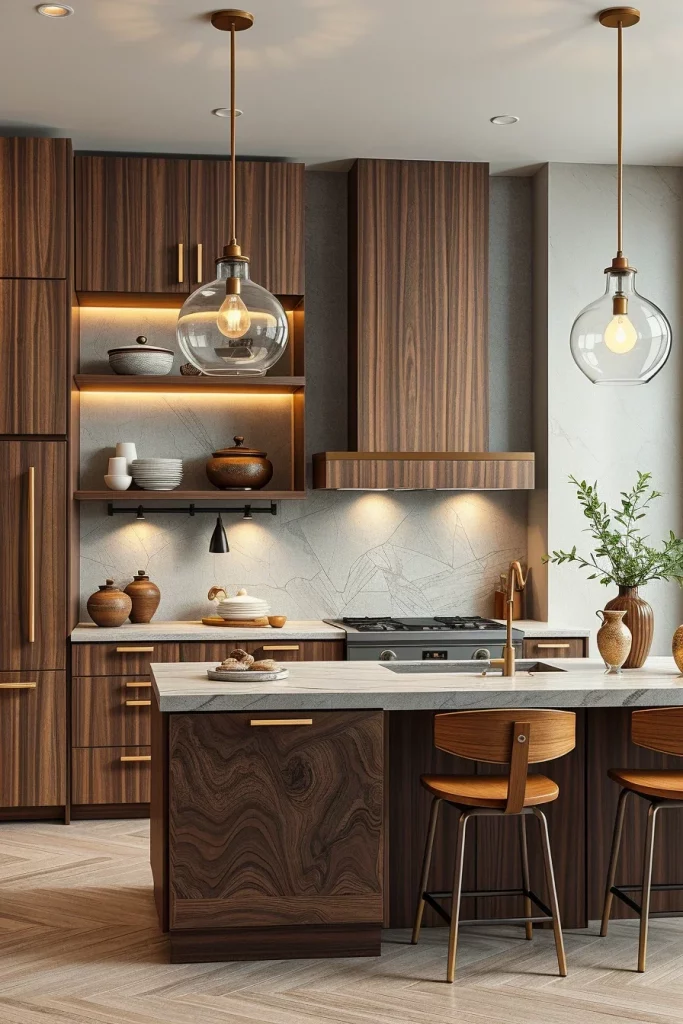
Personally, I appreciate how boutique-inspired kitchens balance practicality with visual interest. Many renowned designers advocate investing in fewer but higher-quality elements that create lasting impact. In my experience, this philosophy works exceptionally well in smaller kitchens where every detail receives greater attention.
To enrich this design further, I would introduce subtle luxury touches such as brushed brass hardware, custom lighting designs, or textured plaster walls. These additions provide depth without compromising the minimalist approach.
Elegant Mixed Material Combinations For Contemporary Small Kitchens
One of my favorite approaches to contemporary minimalist kitchens involves combining several complementary materials. Mixing textures creates visual depth and sophistication while preserving a restrained design language. In a small kitchen, material contrast can help define functional zones and add character without requiring excessive decoration.
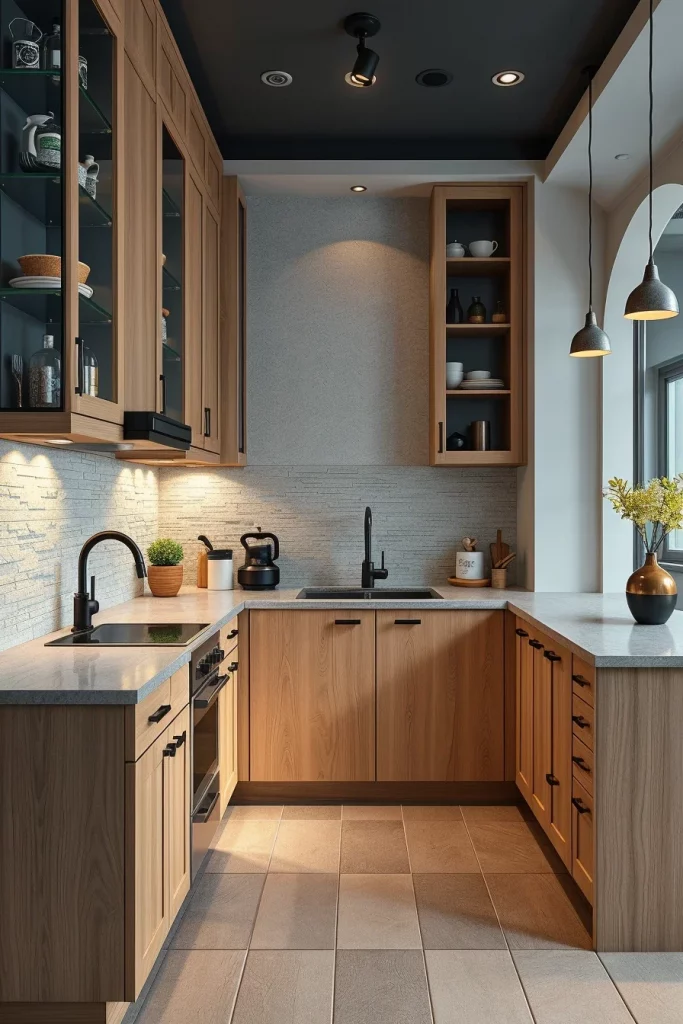
I frequently combine natural oak cabinetry with quartz countertops, matte black fixtures, glass-front cabinets, and textured stone backsplashes. The contrast between warm wood and cool stone creates balance and visual interest. Metal accents introduce refinement, while glass elements contribute lightness and transparency. Each material serves both a practical and aesthetic purpose.
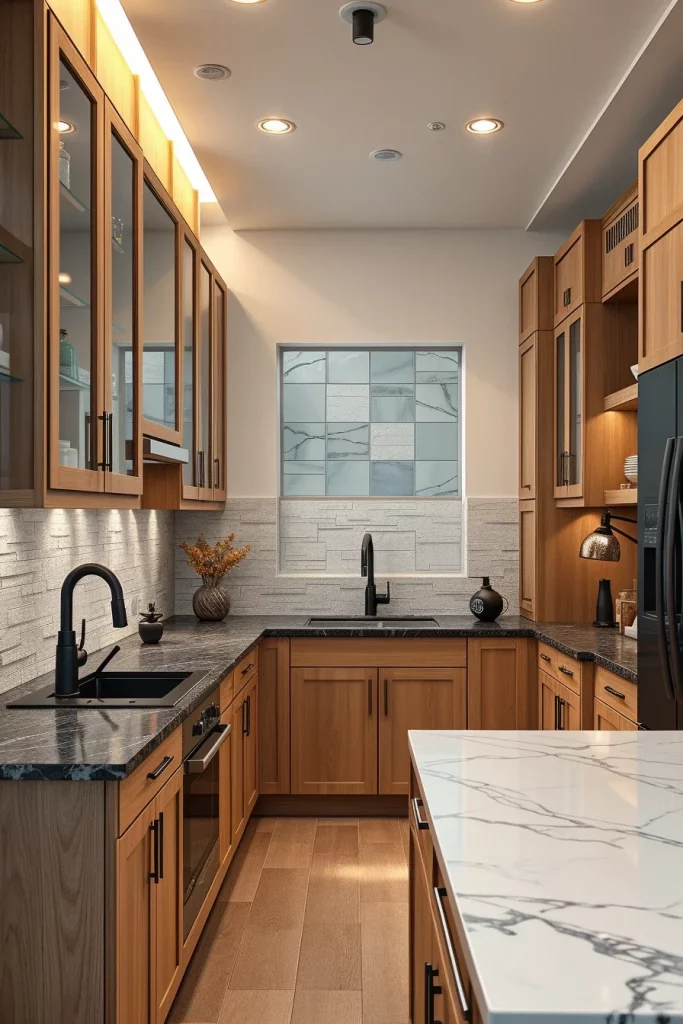
From my experience, successful material combinations rely on moderation. I typically limit the palette to three or four primary finishes to avoid visual overload. Leading interior designers often recommend maintaining consistency in color tones even when introducing contrasting textures, and I have found this advice highly effective in minimalist kitchens.
To complete this concept, I would add layered lighting that highlights the different materials throughout the day. Under-cabinet lighting, pendant fixtures, and discreet ceiling lights can dramatically enhance the textures and finishes while maintaining a clean contemporary atmosphere.
Minimalist Coffee Stations Designed For Stylish Everyday Living
I find that a dedicated coffee station can elevate even the smallest minimalist kitchen by adding both convenience and visual appeal. Rather than scattering coffee supplies across multiple surfaces, I prefer creating a compact zone that keeps everything organized in one location. In a small kitchen, this approach helps maintain clean countertops while supporting an efficient daily routine. A thoughtfully designed coffee station can become a subtle focal point without disrupting the minimalist aesthetic.
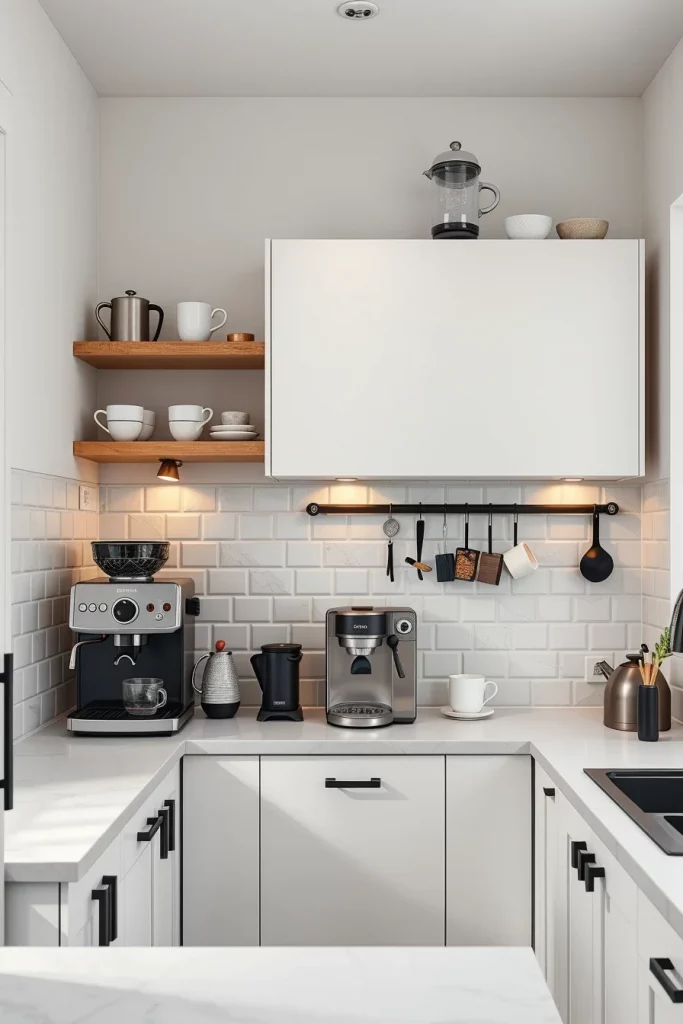
I usually include a sleek espresso machine, floating shelves, concealed storage for coffee pods or beans, and a simple tray to organize mugs and accessories. Natural wood shelves paired with white cabinetry create warmth, while matte black hardware introduces contrast. I also recommend using matching containers for sugar, tea, and coffee to maintain visual consistency. Every element should contribute to both function and appearance.
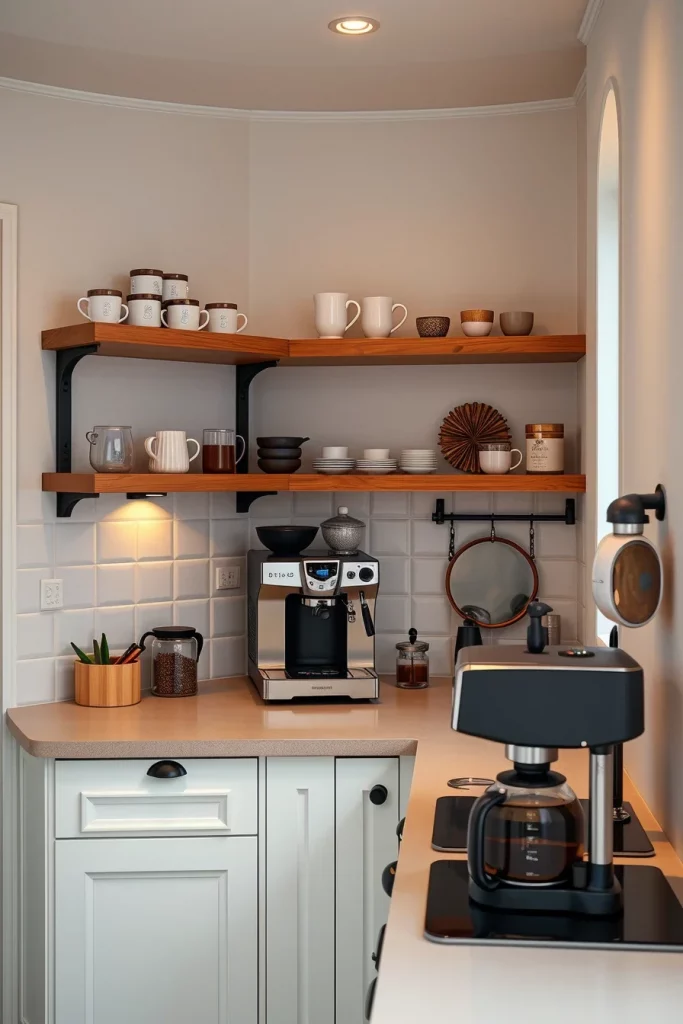
From my experience, the best coffee stations are those that blend seamlessly with the surrounding kitchen design. Many interior designers recommend treating coffee stations as integrated design features rather than standalone additions. I agree because a cohesive approach helps preserve the calm, uncluttered feeling that defines minimalist interiors.
To enhance this space further, I would add under-shelf lighting and a small piece of wall art. These details create a welcoming atmosphere while maintaining simplicity and order.
Creative Kitchen Organization Systems That Maintain A Clutter-Free Space
In my view, organization is one of the most important components of successful minimalist kitchen design. Even the most beautiful kitchen can feel chaotic if storage solutions are ineffective. I focus on systems that keep everyday items accessible while reducing visual distractions. In small kitchens, smart organization allows the room to function efficiently without appearing overcrowded.
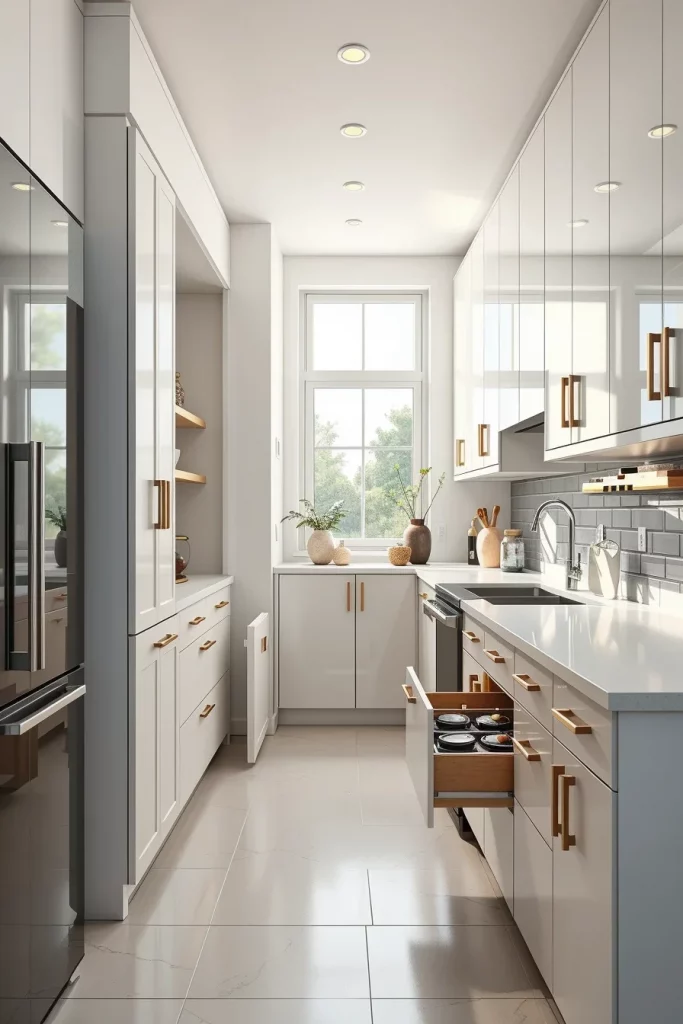
I often incorporate deep drawer organizers, pull-out pantry units, vertical tray storage, hidden recycling compartments, and custom cabinet inserts. These features help maximize available space while ensuring every item has a designated location. I also recommend drawer dividers for utensils and adjustable shelving that can adapt to changing storage needs over time.
Personally, I believe that maintaining a clutter-free environment improves both functionality and overall well-being. Professional organizers frequently emphasize the value of intentional storage, and I have found this principle especially important in compact kitchens. When everything is organized properly, daily tasks become faster and more enjoyable.
If I were refining this concept further, I would add labeled storage containers and concealed appliance garages. These additions make it easier to maintain a consistently organized appearance while supporting everyday practicality.
High-End Minimalist Small Kitchens With Custom Built-In Features
High-end minimalist kitchens demonstrate how thoughtful customization can transform a compact space into something truly exceptional. When I design luxury small kitchens, I focus on seamless integration, clean architectural lines, and tailored storage solutions. Custom built-ins allow every inch of the room to be used efficiently while maintaining a sophisticated appearance. The result is a kitchen that feels spacious, elegant, and highly functional.
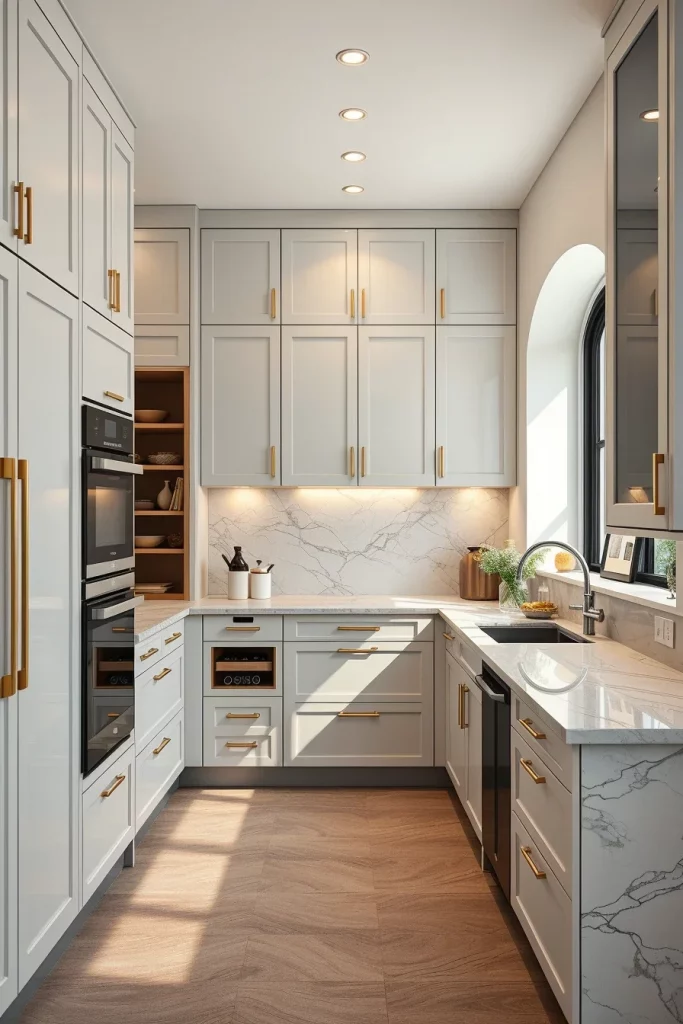
I frequently specify floor-to-ceiling cabinetry, integrated refrigeration, hidden pantry systems, built-in seating, and custom shelving. These features eliminate visual clutter and create a streamlined aesthetic. Premium materials such as natural stone, rift-cut oak, and brushed metal accents add refinement while preserving simplicity. Carefully integrated lighting further enhances the architectural qualities of the space.
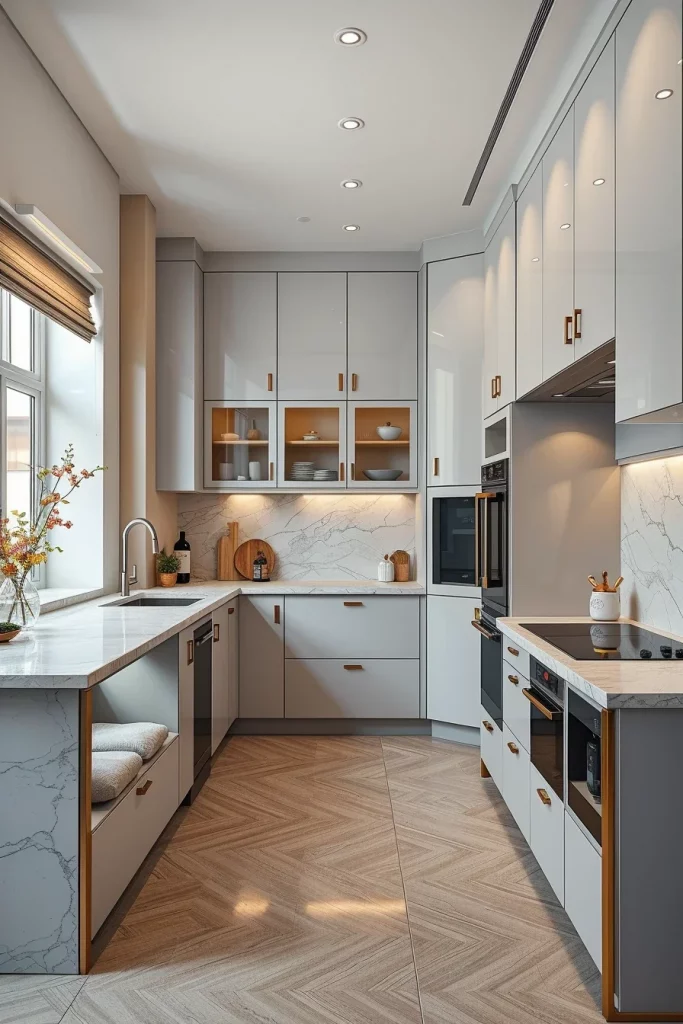
From my experience, custom built-ins are often worth the investment because they address the specific challenges of small kitchens. Many luxury kitchen designers advocate prioritizing tailored storage over decorative excess, and I strongly support this approach. Well-designed built-ins improve both daily functionality and long-term value.
To complete this concept, I would include touch-latch cabinets, concealed charging stations, and integrated appliance panels. These details contribute to a highly polished and cohesive minimalist environment.
Artistic Decor Accents That Complement Minimalist Kitchen Interiors
I believe that minimalist kitchens benefit from carefully selected artistic accents that introduce personality without creating clutter. Rather than filling shelves with decorative objects, I prefer focusing on a few meaningful pieces that enhance the overall design. In small kitchens, restraint is especially important because every decorative element has a significant visual impact.
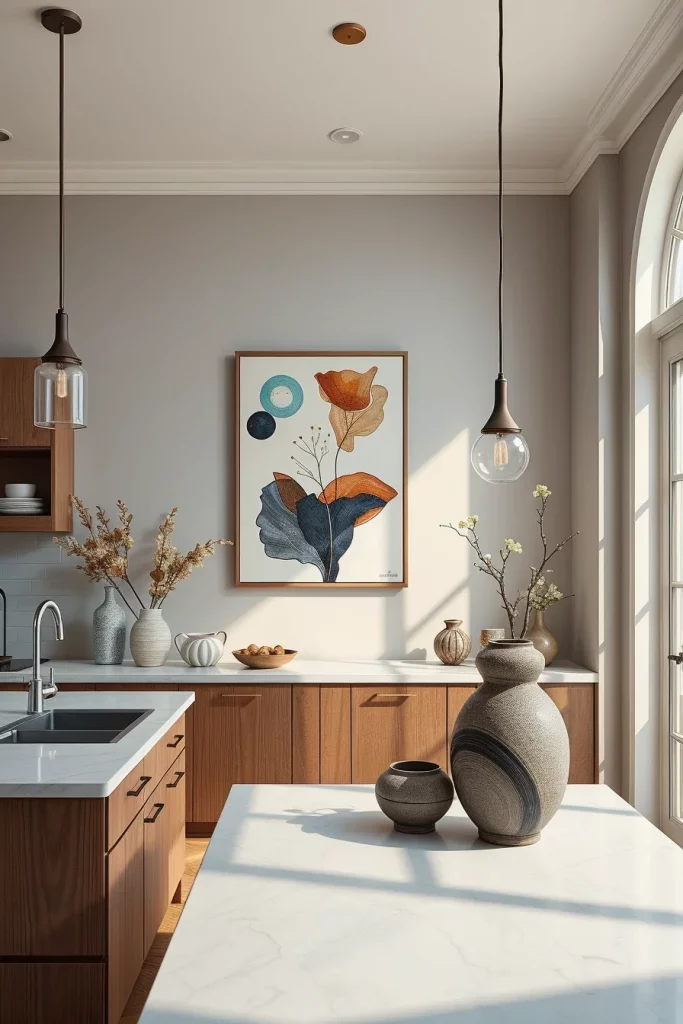
My favorite accents include abstract artwork, handcrafted ceramics, sculptural vases, textured wall panels, and designer pendant lighting. These pieces add character while supporting the minimalist aesthetic. I often choose decor that echoes the kitchen’s color palette and material finishes to create visual cohesion. Even a single statement piece can transform the atmosphere of the room.
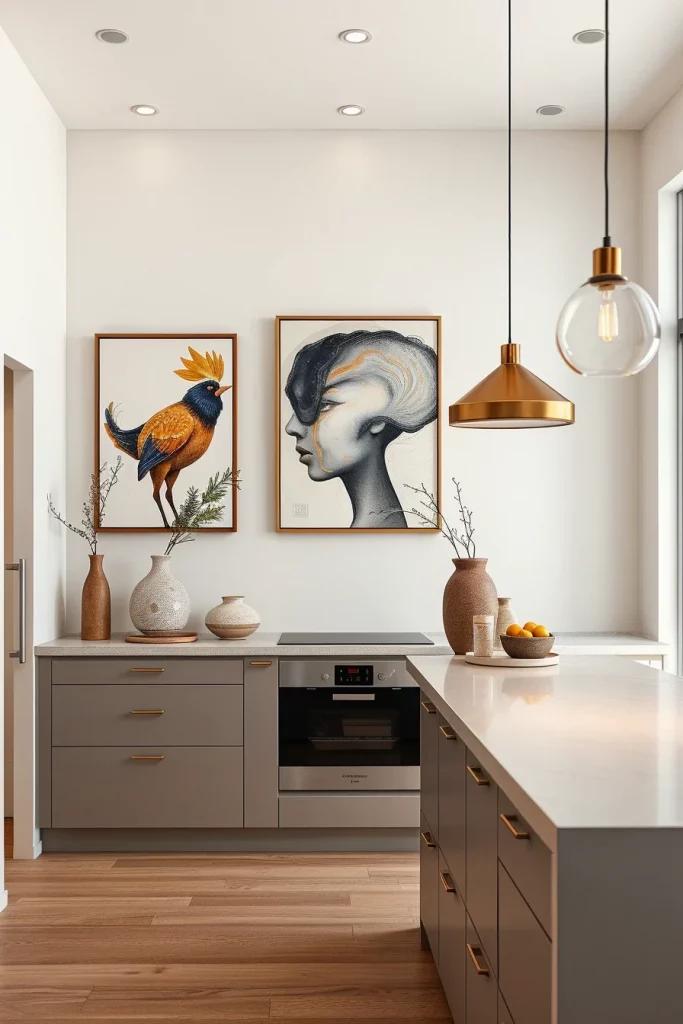
Personally, I appreciate how artistic details make minimalist interiors feel more personal and inviting. Design experts often recommend prioritizing quality over quantity when selecting decor, and I have consistently found this advice effective. A carefully curated collection creates interest without overwhelming the space.
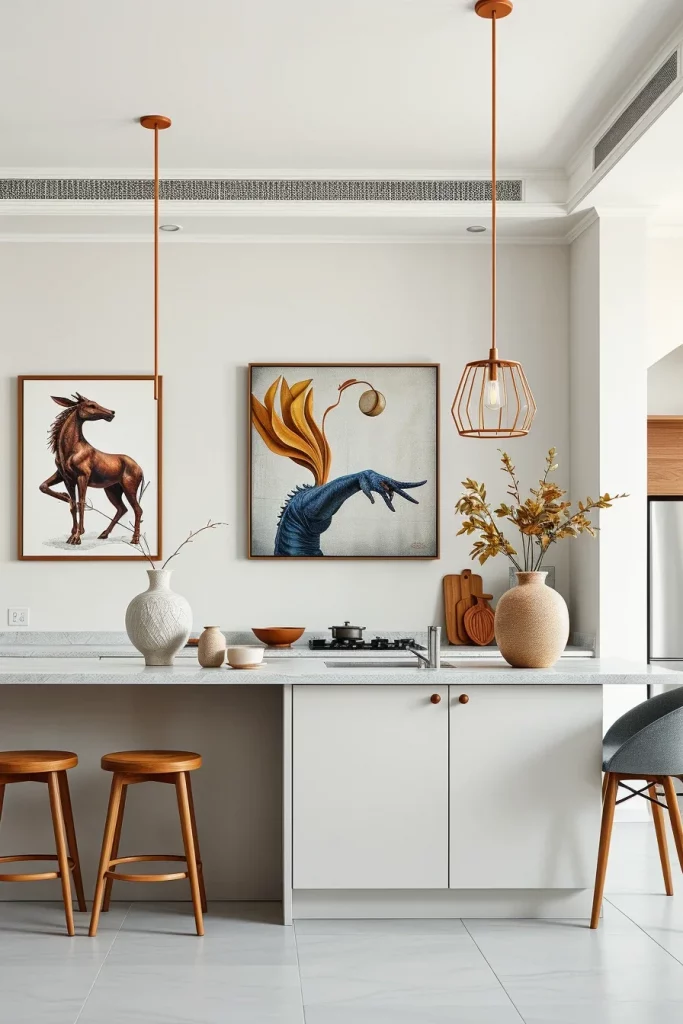
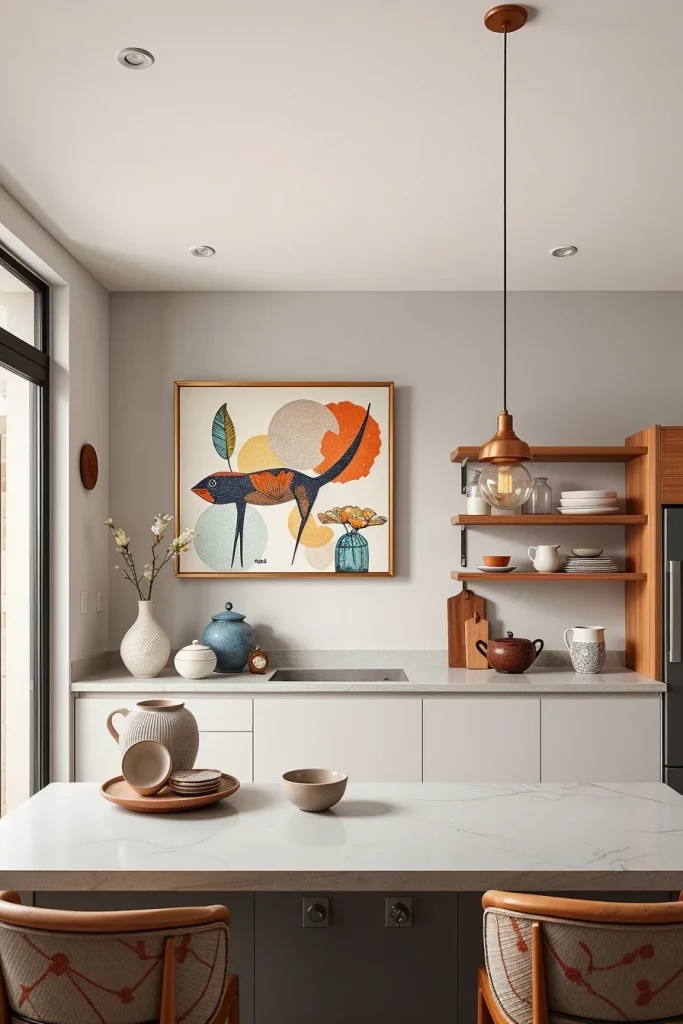
To strengthen this design approach, I would incorporate subtle textural contrasts such as handmade pottery, natural linen accessories, or a unique stone centerpiece. These additions introduce depth while preserving simplicity.
Inspiring Minimalist Small Kitchen Transformations For A Timeless Modern Look
One of the most rewarding aspects of minimalist design is witnessing how dramatically a small kitchen can be transformed through thoughtful planning. I focus on removing unnecessary elements, improving functionality, and introducing a cohesive visual language. Even outdated kitchens can achieve a timeless modern appearance when simplicity becomes the guiding principle. The transformation often makes the space feel larger, brighter, and more enjoyable to use.
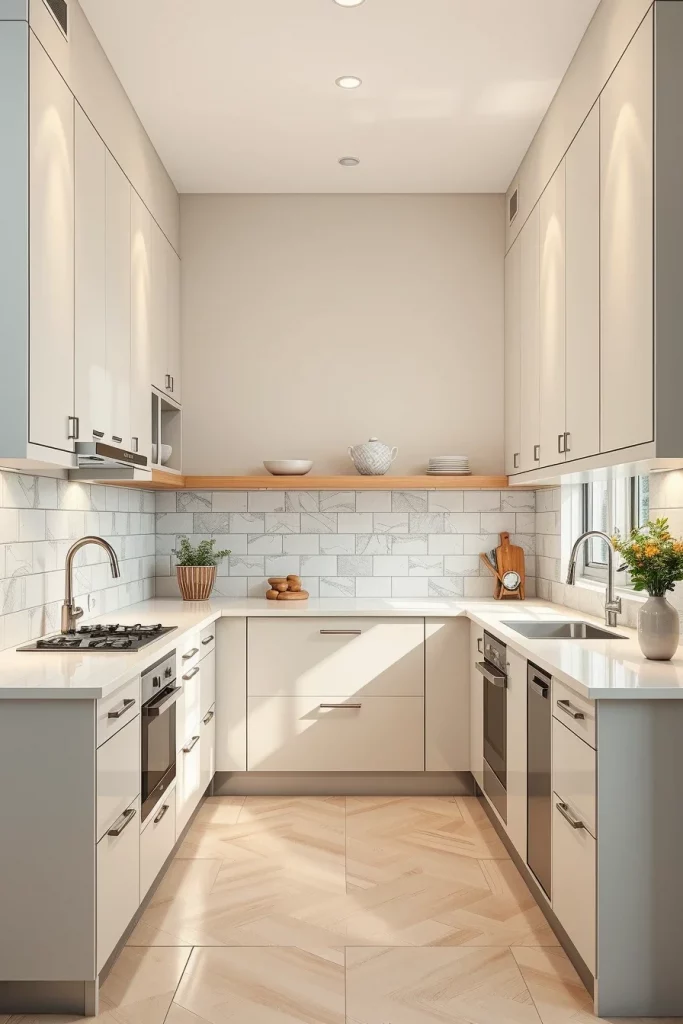
I typically begin by upgrading cabinetry, simplifying color palettes, improving lighting, and introducing streamlined storage solutions. Neutral tones, integrated appliances, and carefully selected materials contribute to a sophisticated yet practical environment. Modern fixtures and uncluttered surfaces further reinforce the minimalist aesthetic. Every improvement should support both beauty and usability.
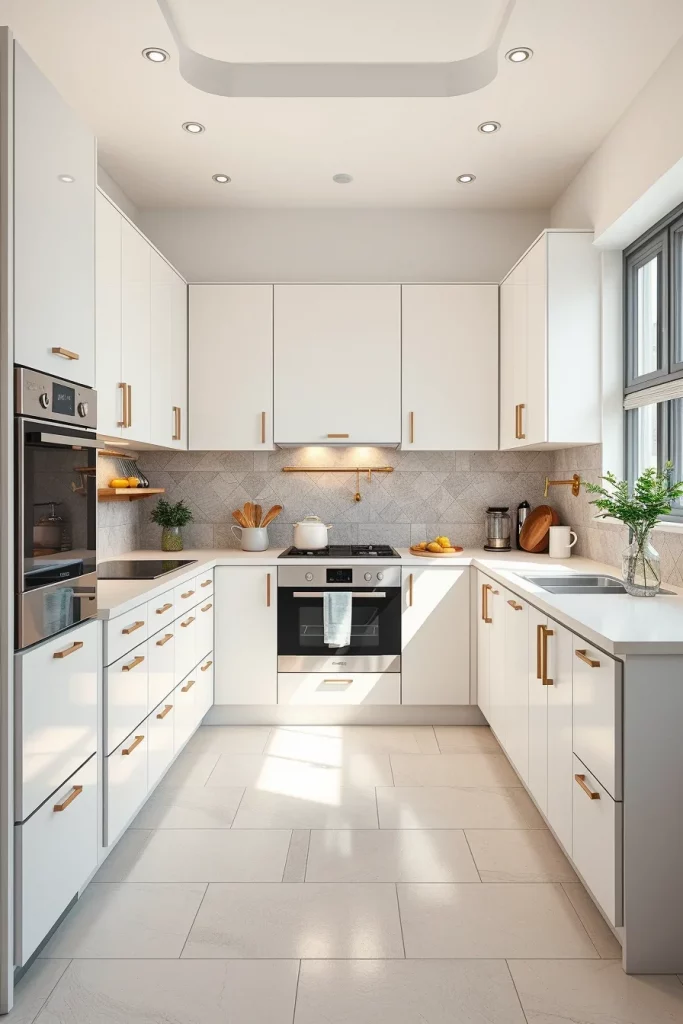
From my experience, the most successful transformations are those that prioritize long-term functionality rather than short-lived trends. Many respected design publications emphasize investing in quality materials and timeless finishes, and I fully agree with this philosophy. A well-designed minimalist kitchen remains attractive and relevant for many years.
To maximize the impact of a transformation, I would also evaluate traffic flow, natural lighting, and storage efficiency. These factors often have the greatest influence on how comfortable and functional a small kitchen ultimately becomes.
Minimalist small kitchen decor styling ideas show that limited square footage doesn’t have to limit style or functionality. With smart storage solutions, clean design elements, and carefully chosen decor, even the smallest kitchen can feel open, organized, and welcoming. Whether you prefer Scandinavian simplicity, Japandi warmth, or sleek modern finishes, minimalist design offers endless possibilities for creating a beautiful and efficient space. Use these ideas as inspiration to transform your kitchen into a clutter-free environment that reflects both practicality and contemporary elegance.