
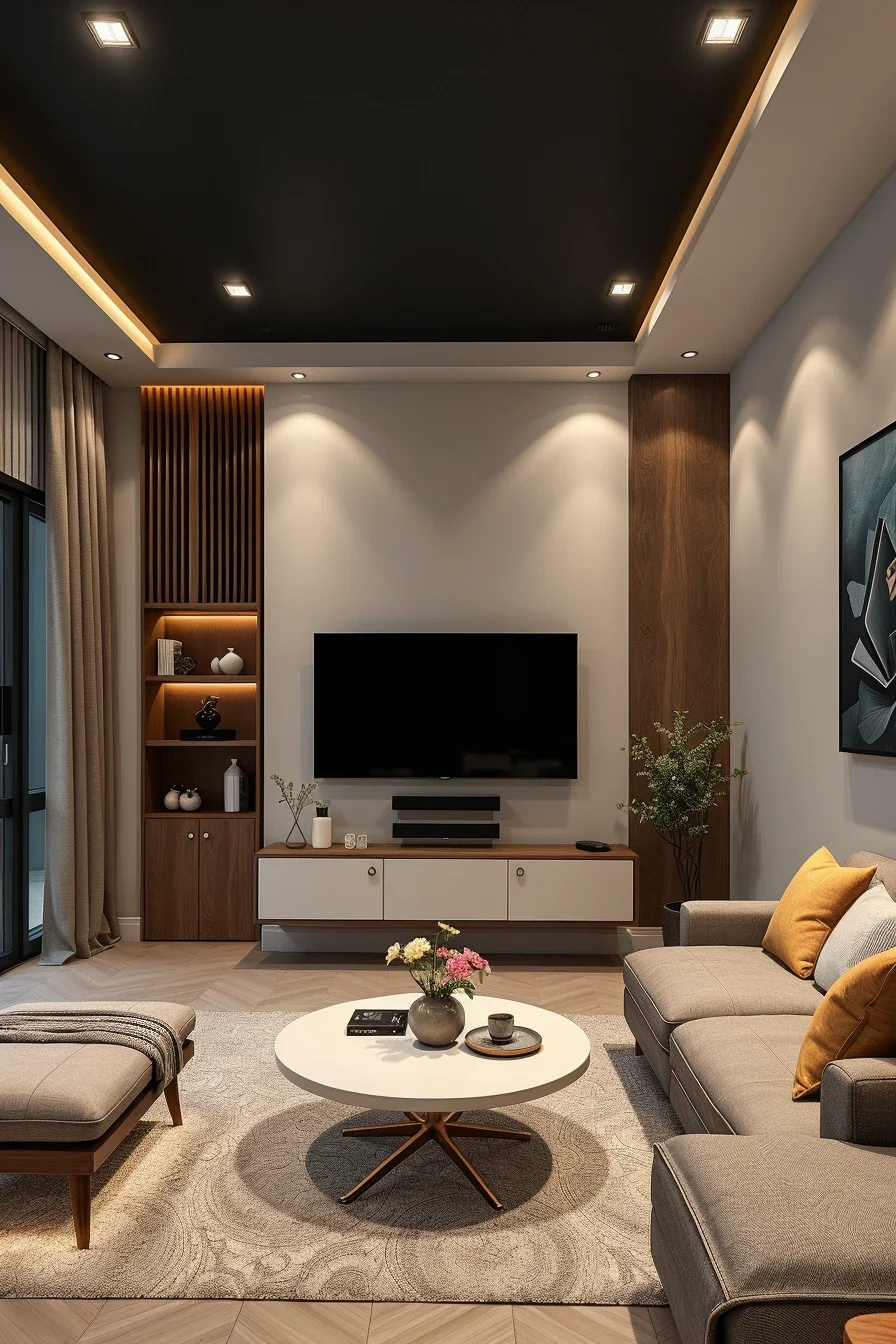
Designing a small living room can be challenging, but the right furniture choices can completely transform the space. Creative furniture small living room design focuses on maximizing functionality while maintaining a stylish and inviting atmosphere. From multifunctional pieces to smart storage solutions, innovative furniture helps make every square foot count. Thoughtful layouts, compact seating, and space-saving designs can create a room that feels larger and more comfortable. Whether you prefer a modern, minimalist, or cozy aesthetic, creative furniture ideas offer endless possibilities for personalization. In this article, you’ll discover inspiring ways to furnish a small living room beautifully without sacrificing comfort or practicality.
Why Creative Furniture Is Essential In A Small Living Room
In my experience, a small living room performs best when every piece of furniture serves a clear purpose. Creative furniture solutions help maximize floor space, improve movement throughout the room, and create a more open atmosphere. Instead of overcrowding the area with oversized pieces, I prefer selecting furnishings that visually lighten the space while offering practical functionality. This approach makes even the smallest living room feel welcoming and organized.
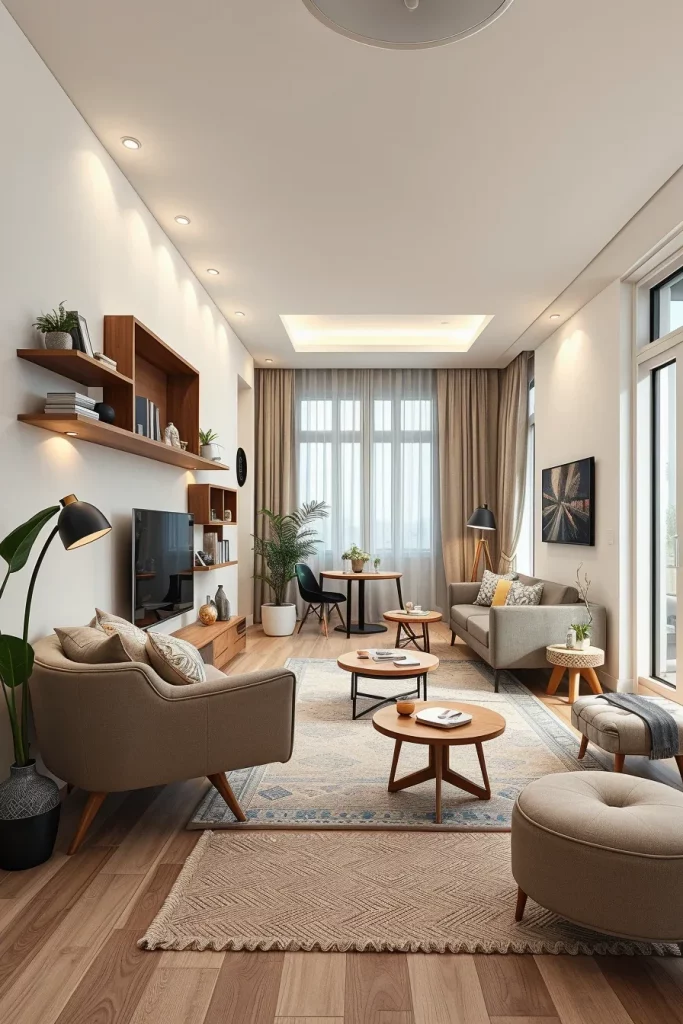
I usually recommend furniture with slim profiles, raised legs, and built-in storage. Compact sofas, floating shelves, wall-mounted media units, and multifunctional tables allow homeowners to maintain comfort without sacrificing precious square footage. Mirrors, layered lighting, and light-colored upholstery also contribute to a more spacious appearance.
Personally, I have found that creative furniture choices dramatically improve everyday living. Designers frequently featured in Architectural Digest emphasize that flexibility and adaptability are essential in compact interiors. I agree completely because a well-designed small room should easily adapt to entertaining, relaxing, and daily routines.
To complete this type of living room, I often add a carefully selected area rug, layered lighting sources, and vertical storage elements to enhance both comfort and visual balance.
Space-Saving Sofa Designs For Compact Living Rooms
Selecting the right sofa is one of the most important decisions in a creative furniture small living room design. In compact interiors, I prefer streamlined sofas that provide generous seating without overwhelming the room. Sofas with narrow arms and elevated legs create an airy appearance and allow light to circulate throughout the space.
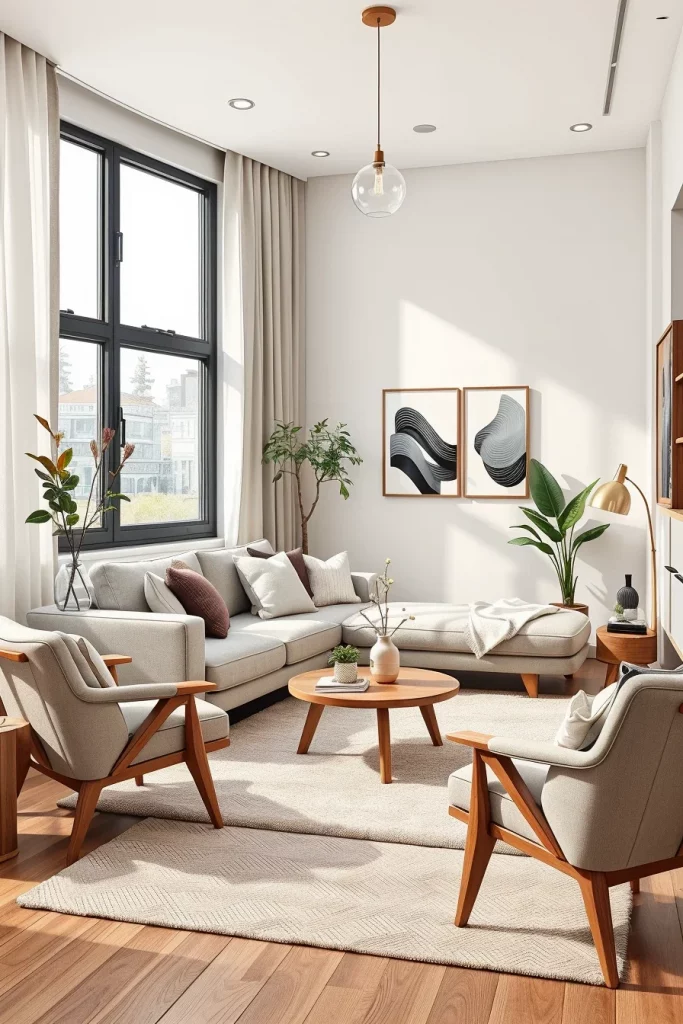
Apartment-sized loveseats, slim-profile three-seat sofas, and sleeper sofas work exceptionally well in smaller rooms. I often recommend upholstery in neutral tones because it helps maintain visual openness. A sofa with hidden storage beneath the seat can provide valuable space for blankets, pillows, or seasonal accessories.
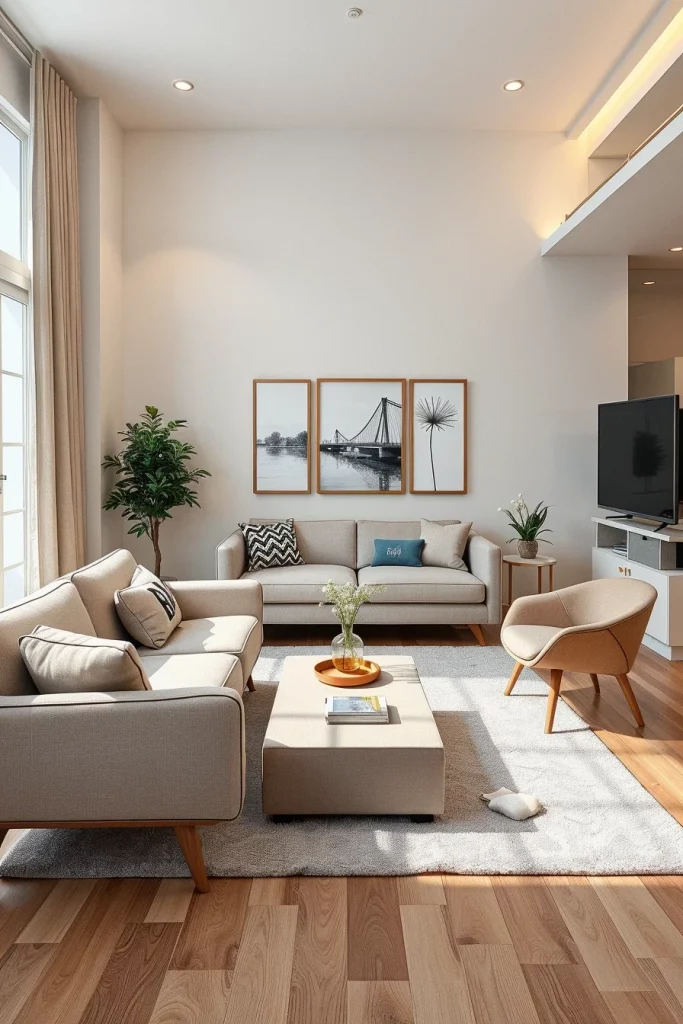
From my experience, many homeowners underestimate the importance of scale. Better Homes & Gardens frequently advises measuring furniture carefully before purchasing, and I strongly support this recommendation. Even a few inches can significantly affect how spacious a room feels.
I also suggest pairing compact sofas with lightweight accent chairs or movable poufs that can easily be rearranged when guests visit.
Curved Furniture Ideas To Maximize Small Spaces
Curved furniture introduces softness and improves traffic flow in compact living rooms. I often incorporate rounded silhouettes because sharp corners can make small rooms feel crowded and difficult to navigate. Curved pieces naturally guide movement while adding visual sophistication.
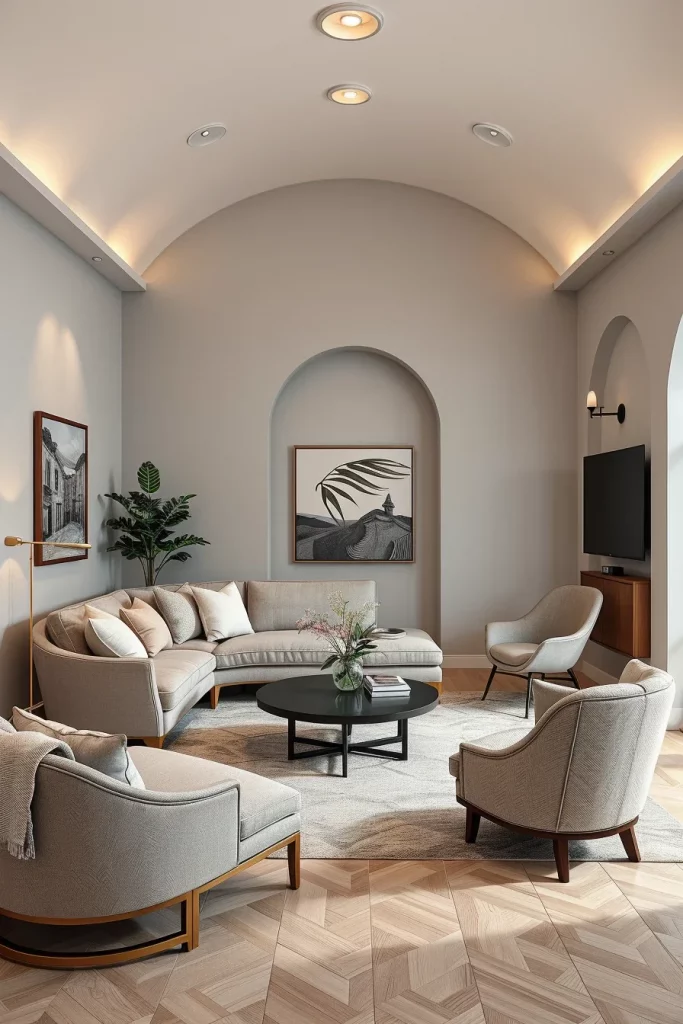
Rounded sofas, curved accent chairs, circular coffee tables, and arched shelving units work beautifully in small interiors. I find that curved furniture creates a sense of harmony and reduces the rigid appearance often found in compact rooms. Soft lines also make the overall design feel more inviting.
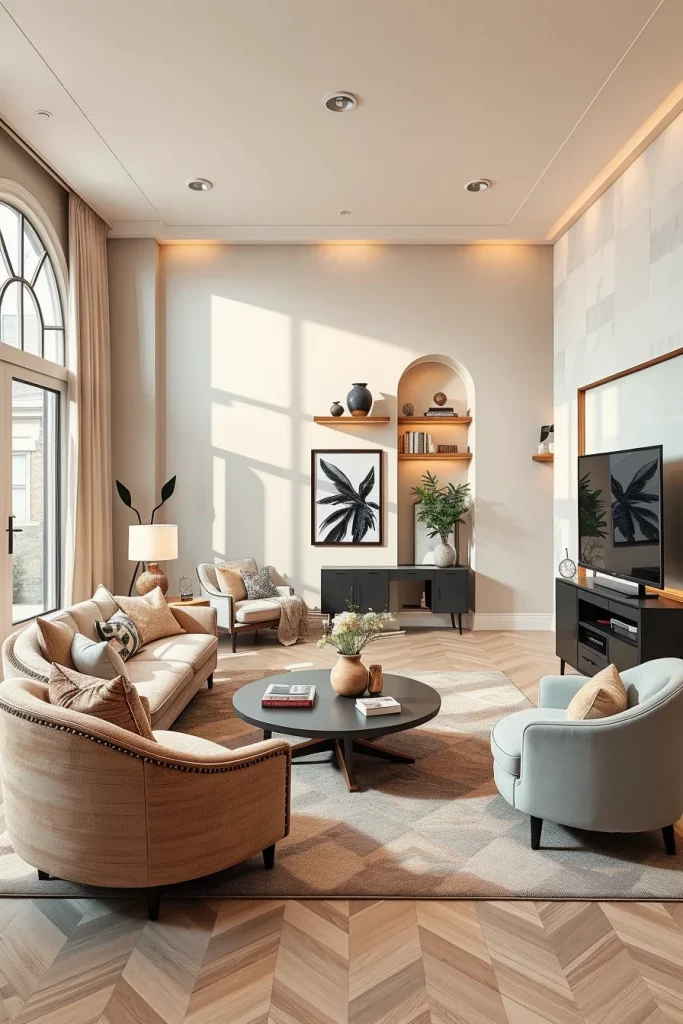
Personally, I appreciate how curved furniture encourages conversation and social interaction. Interior designers featured in Elle Decor often recommend curved seating arrangements for intimate spaces because they promote connection while maintaining openness. I have seen this approach succeed repeatedly in smaller homes and apartments.
To enhance the effect, I like adding curved floor lamps, rounded rugs, or soft-textured accessories that reinforce the flowing design aesthetic.
Multifunctional Coffee Tables That Add Style And Storage
A multifunctional coffee table can become the centerpiece of a small living room while providing valuable storage. In my projects, I often prioritize coffee tables that perform multiple functions rather than selecting purely decorative pieces. This strategy keeps the room organized without adding unnecessary furniture.
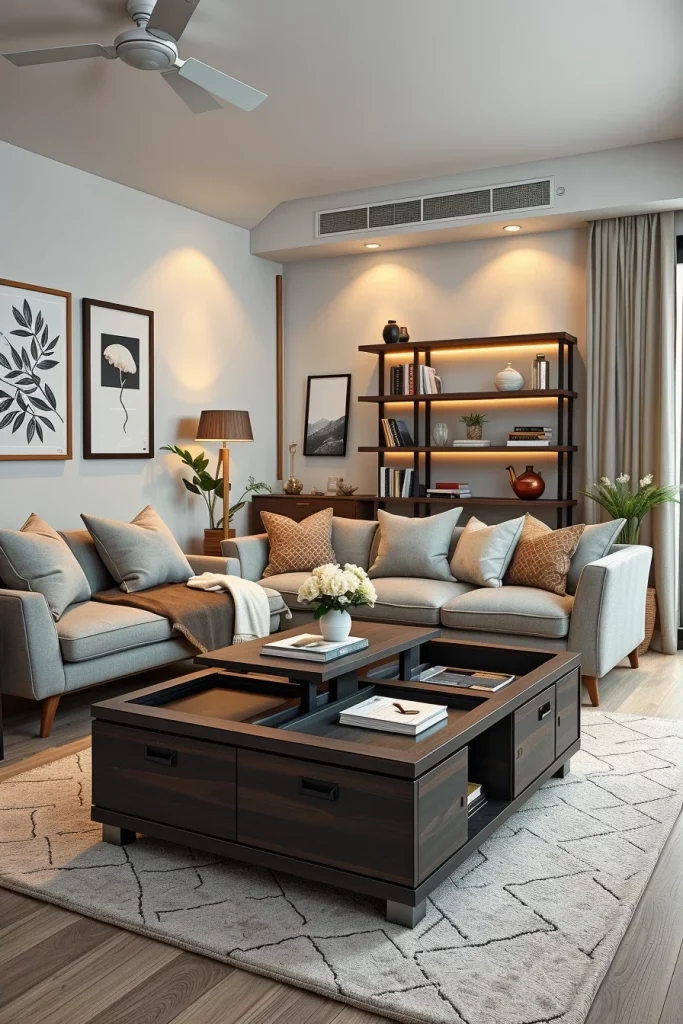
Lift-top coffee tables are especially practical because they provide hidden storage while also functioning as temporary workstations or dining surfaces. I also recommend tables with shelves, drawers, or integrated compartments for storing magazines, remote controls, books, and everyday essentials.
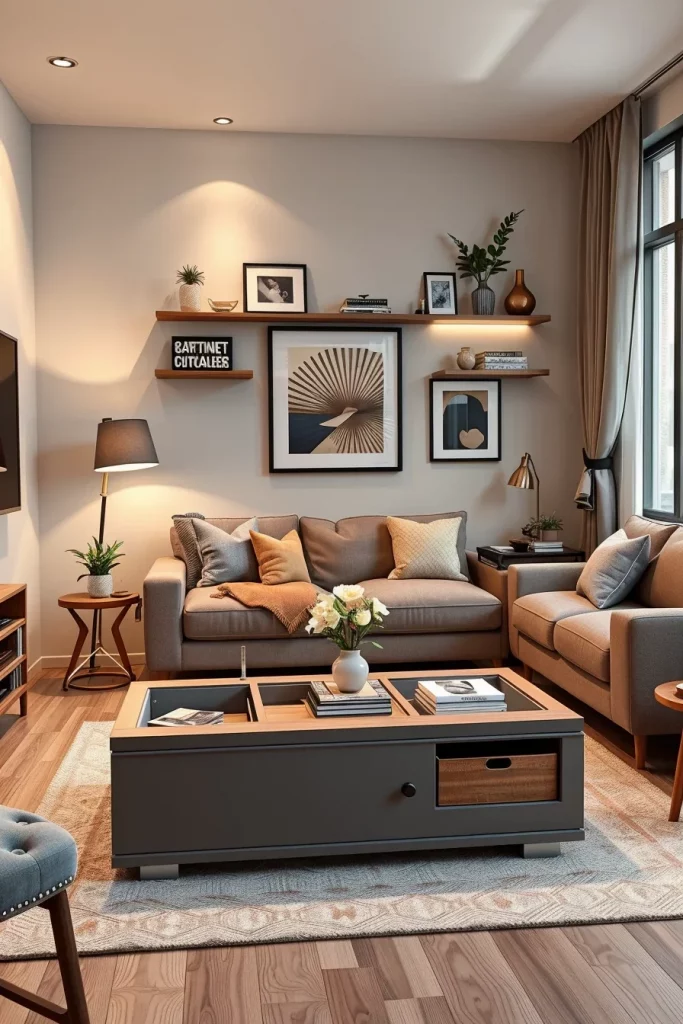
I have personally used lift-top designs in several compact interiors, and the improvement in daily convenience is significant. According to HGTV, multifunctional furniture remains one of the most effective solutions for maximizing small spaces, and I completely agree with this principle.
To complement the coffee table, I often include decorative trays, compact table lamps, or baskets underneath to further enhance organization and style.
Smart Storage Ottomans For A Clutter-Free Living Room
Storage ottomans are among my favorite pieces for a small living room because they combine seating, storage, and style in a single compact element. In smaller spaces, reducing visible clutter instantly makes the room feel larger and more relaxing.
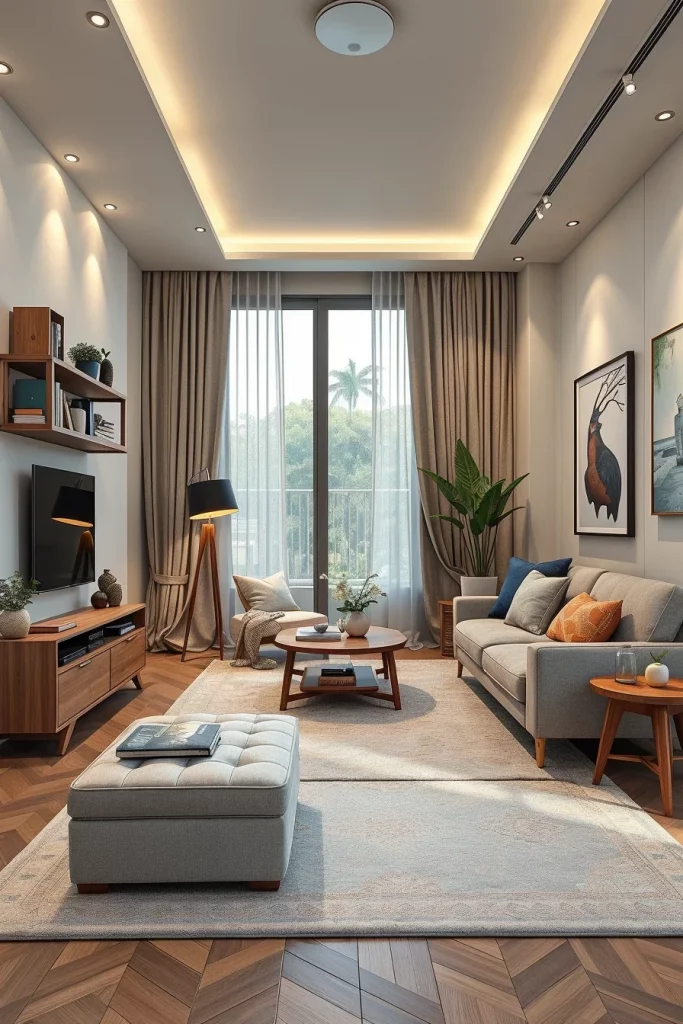
I frequently use upholstered storage ottomans that can serve as extra seating, footrests, or even casual coffee tables when topped with a tray. Hidden interior compartments are perfect for storing throws, books, children’s toys, or seasonal décor items. Round ottomans soften the room, while rectangular designs provide maximum storage capacity.
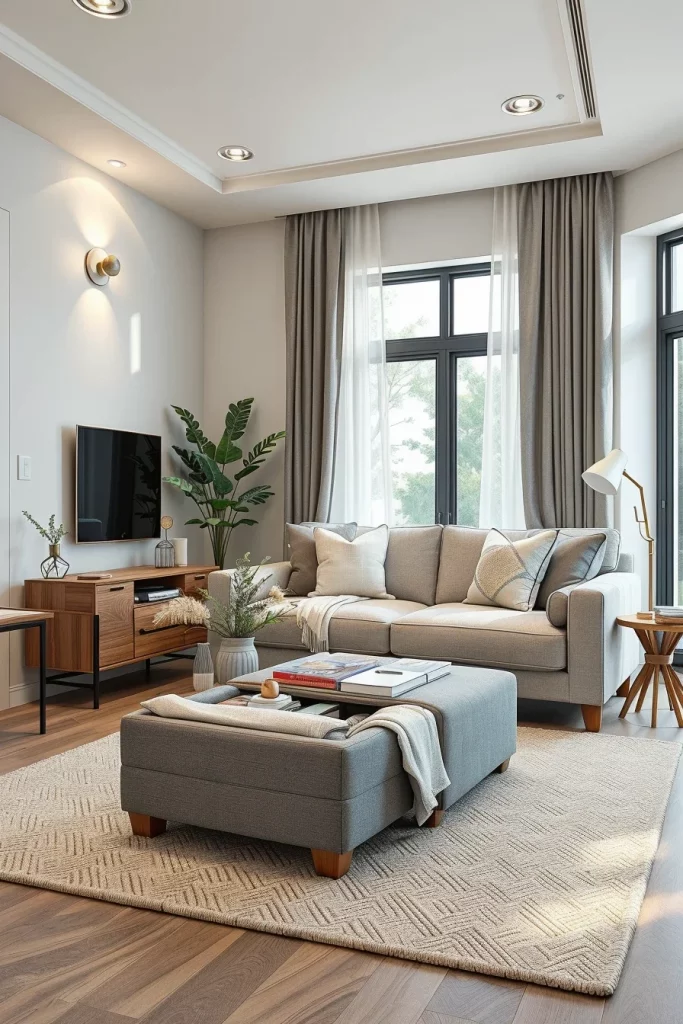
From my perspective, storage ottomans offer exceptional versatility. House Beautiful often highlights hidden storage solutions as essential for compact living, and I consistently see positive results when incorporating them into small interiors.
For even greater functionality, I recommend selecting ottomans with casters, allowing them to move easily throughout the room as needs change.
Wall-Mounted Furniture Solutions For Tiny Living Areas
Wall-mounted furniture is one of the most effective strategies I use when designing small living rooms. By lifting furniture off the floor, the room immediately feels larger and less crowded. Floating pieces create visual openness while preserving valuable floor space for movement and daily activities. This approach works particularly well in apartments and compact homes where every inch matters.
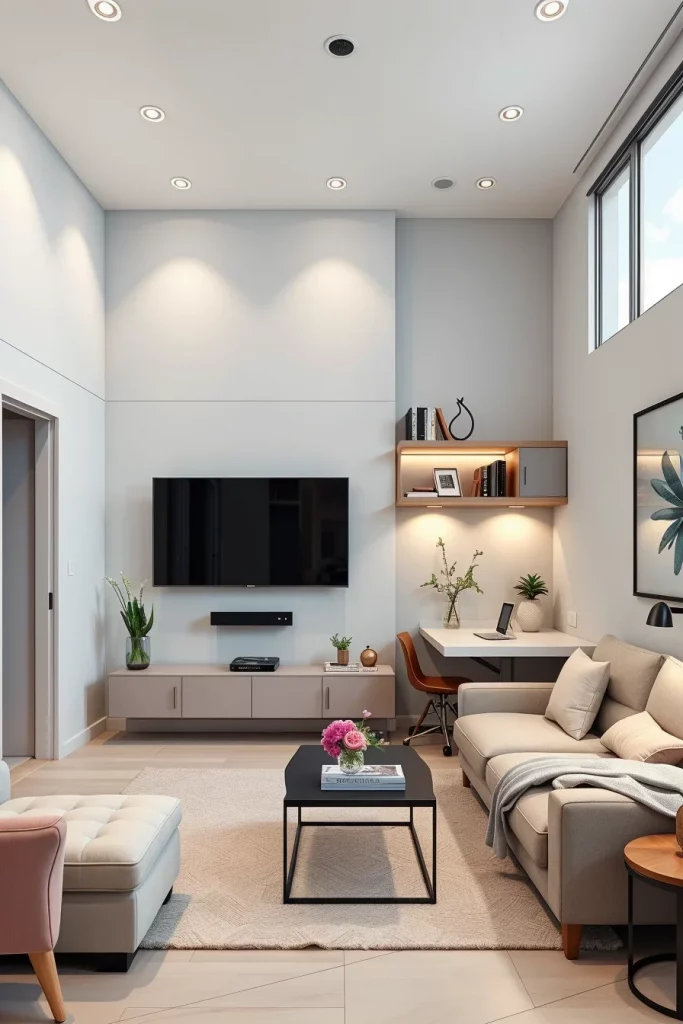
I often recommend floating media consoles, wall-mounted desks, fold-down tables, and suspended shelving systems. A floating TV unit provides storage without adding visual bulk, while wall shelves display books and decorative accessories without occupying floor space. Foldable wall desks are especially useful for homeowners who occasionally work from their living room.
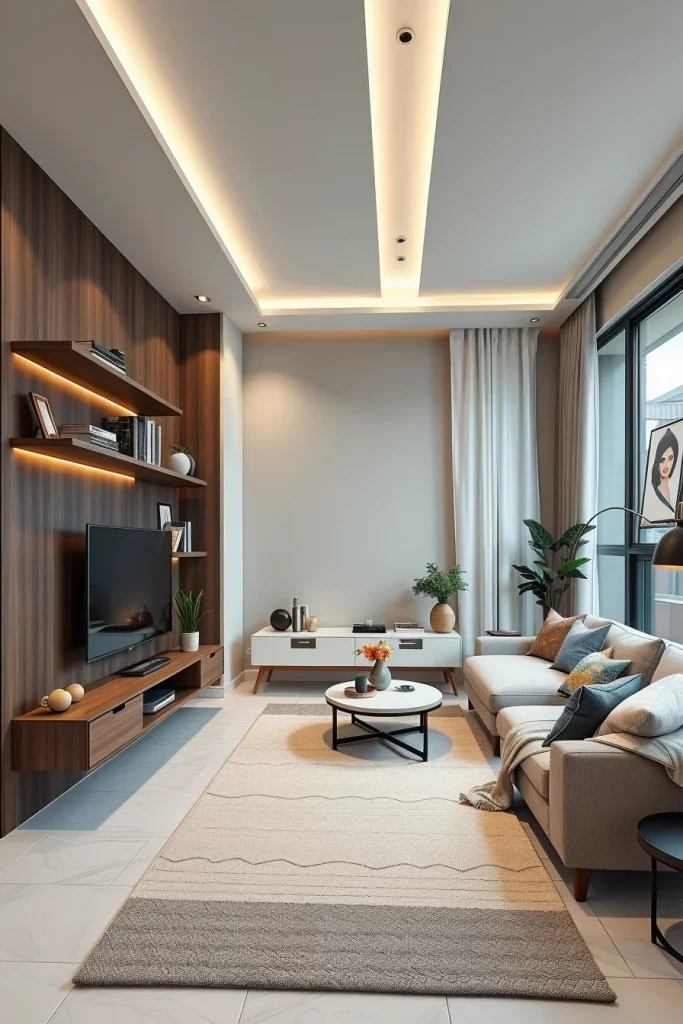
From my experience, wall-mounted furniture creates a cleaner and more contemporary appearance. Interior designers featured in Dwell frequently highlight floating furnishings as essential elements in small-space living because they maximize functionality while maintaining simplicity. I have consistently found this advice valuable in my own projects.
To complete this arrangement, I usually incorporate integrated lighting beneath floating units and vertical artwork to draw the eye upward and emphasize ceiling height.
Creative Corner Seating Arrangements For Small Living Rooms
Corners are often underutilized in small living rooms, yet they offer excellent opportunities for additional seating. I like to transform empty corners into functional conversation areas that enhance both comfort and space efficiency. Properly designed corner seating can significantly improve room flow without overcrowding the central area.
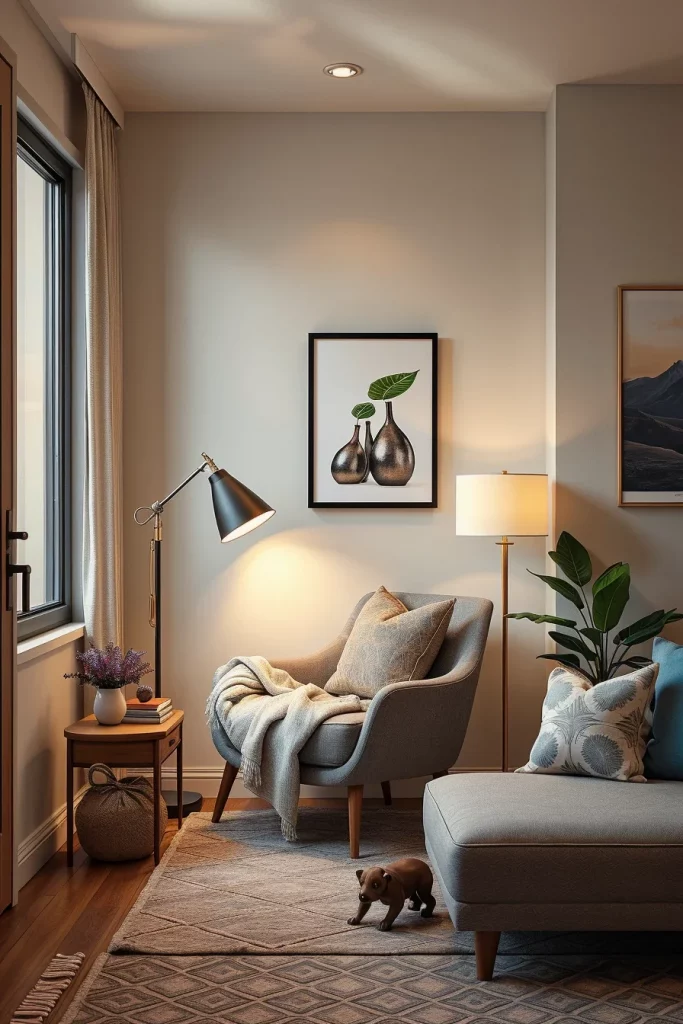
Compact corner chairs, curved loveseats, built-in benches, and small reading nooks work exceptionally well. I often pair an accent chair with a slender floor lamp and a compact side table to create a cozy retreat. Window-adjacent corners can also accommodate custom benches with hidden storage beneath the seating.
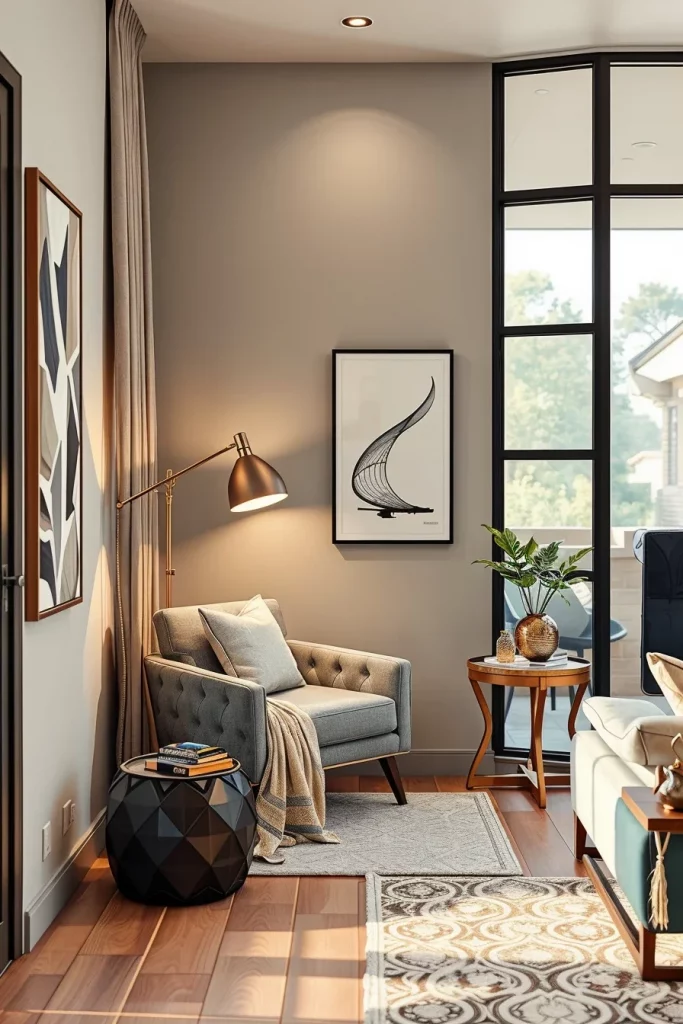
Personally, I believe that corner seating makes small living rooms feel more intentional and welcoming. Better Homes & Gardens frequently recommends creating dedicated functional zones in compact spaces, and I have found that corner seating perfectly supports this design philosophy.
I also suggest adding textured cushions, layered lighting, and a small area rug to define the corner and visually separate it from the main seating zone.
Modular Furniture Designs For Flexible Layouts
Modular furniture offers exceptional flexibility for small living rooms because it can adapt to changing needs. In my experience, homeowners benefit greatly from furniture that can be rearranged easily for entertaining, relaxing, or working from home. Flexible layouts make compact spaces feel significantly more versatile.
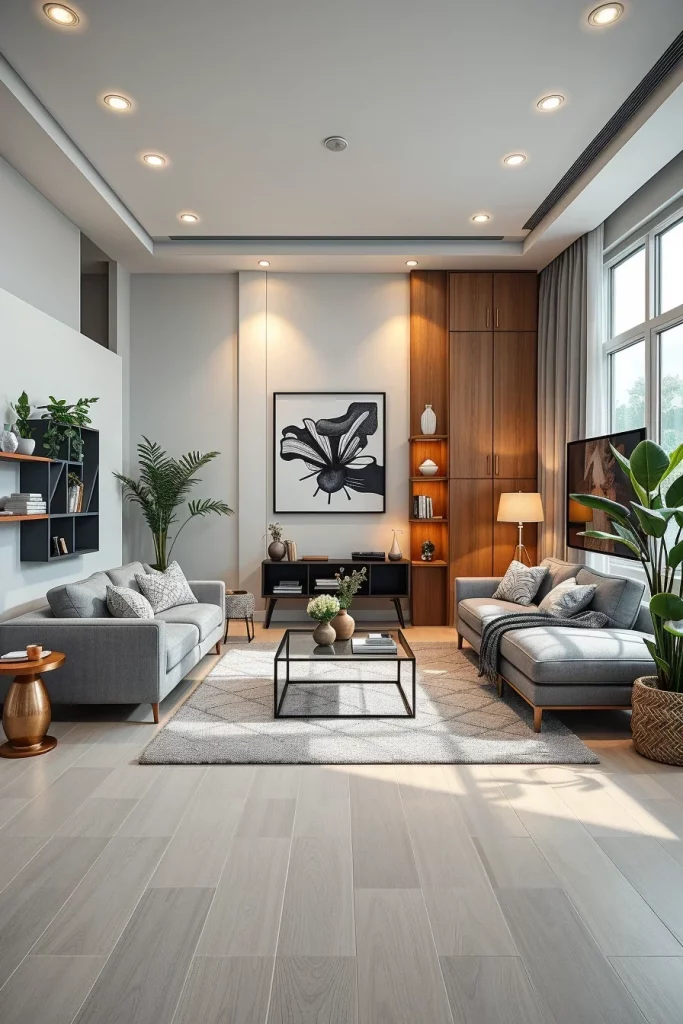
Modular sofas, stackable stools, movable storage cubes, and configurable shelving systems are among my favorite choices. Individual seating units can be rearranged to create different seating arrangements, while modular storage adapts as organizational needs evolve. This flexibility allows homeowners to refresh their space without purchasing entirely new furniture.
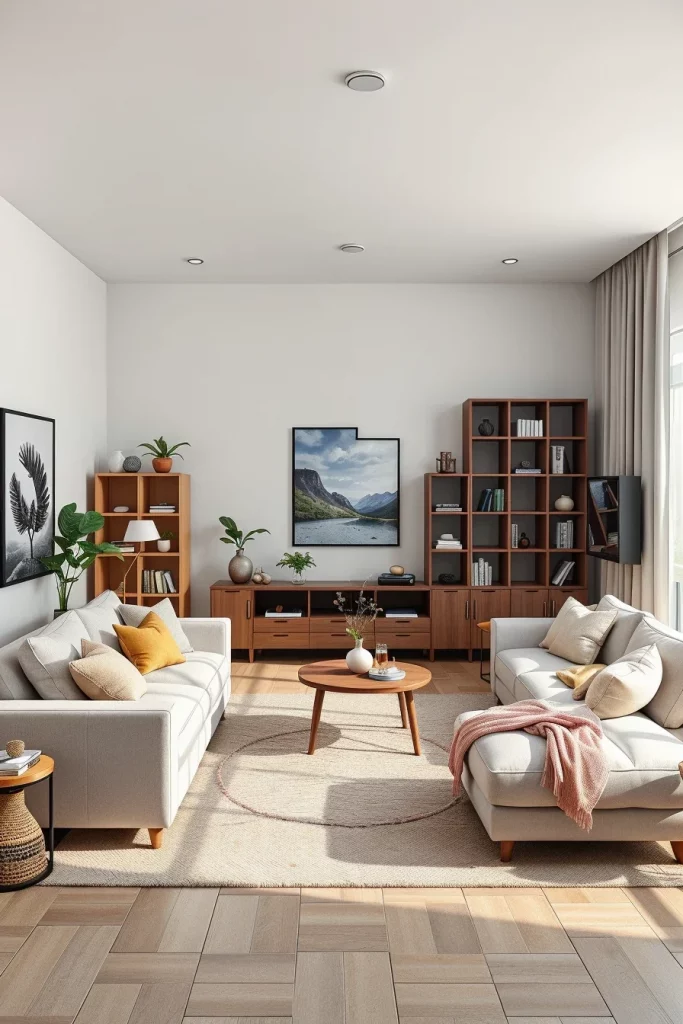
I personally appreciate modular furniture because it encourages experimentation with room layouts. Architectural Digest often highlights adaptability as a defining characteristic of successful small-space interiors, and I strongly agree. Being able to modify a layout keeps a room functional over time.
For maximum practicality, I recommend selecting modular pieces in cohesive colors and materials to maintain visual harmony regardless of configuration.
Compact Sectional Sofas That Fit Small Spaces Perfectly
Many people assume sectional sofas are only suitable for large rooms, but compact sectionals can perform beautifully in smaller living areas. I often recommend apartment-sized sectionals because they maximize seating capacity while efficiently utilizing room dimensions.
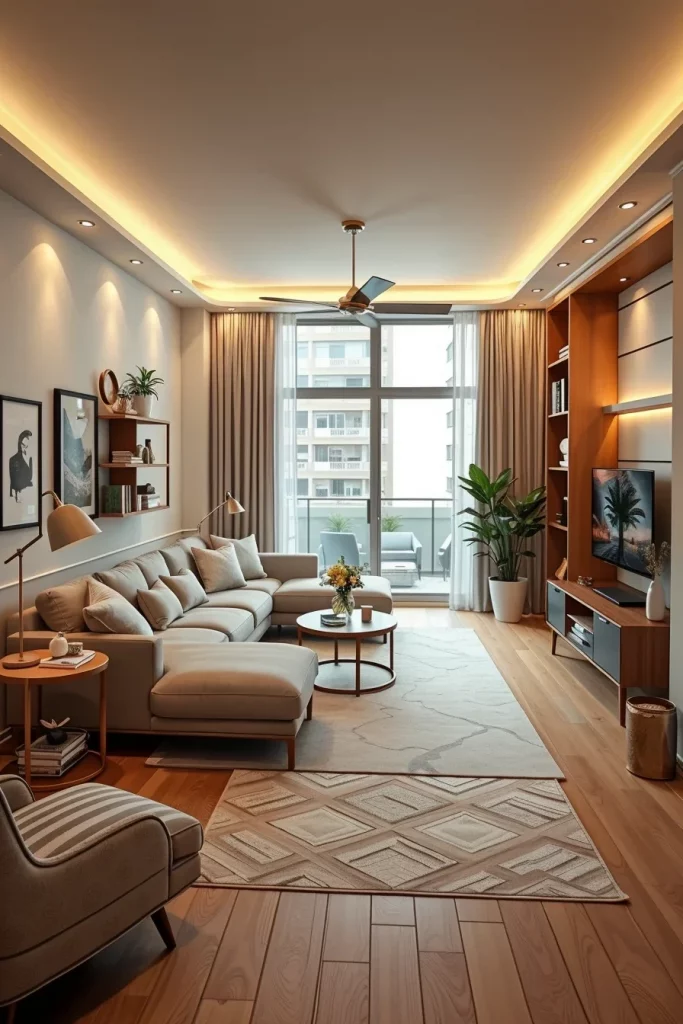
Small L-shaped sectionals define seating zones and eliminate the need for multiple separate chairs. Models with chaise lounges provide additional relaxation space while maintaining a streamlined footprint. I also prefer sectionals with storage compartments or sleeper functionality to increase practicality.
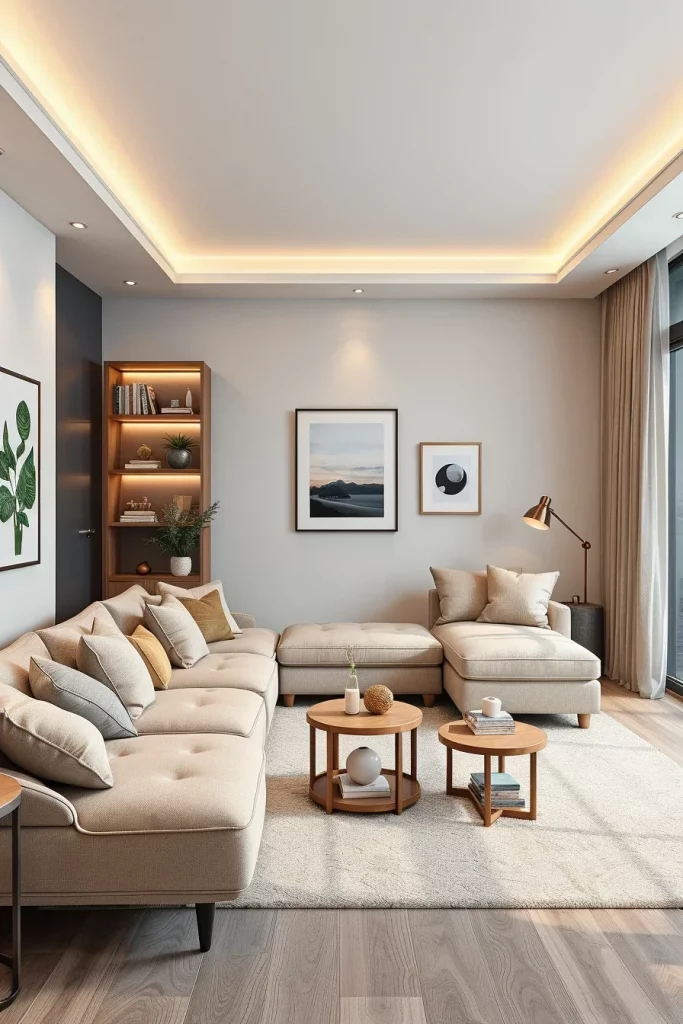
From my perspective, selecting the correct scale is crucial. House Beautiful regularly advises choosing sectionals specifically designed for apartments rather than traditional oversized models. I have followed this principle in numerous projects with excellent results.
To balance the visual weight of a sectional, I usually pair it with lightweight nesting tables, open shelving, and strategically placed lighting.
Nesting Tables For Stylish And Practical Living Rooms
Nesting tables are among the most versatile furnishings I incorporate into small living rooms. They provide flexible surface space when needed and can be neatly tucked away when not in use. This adaptability makes them ideal for compact interiors where space must remain flexible.
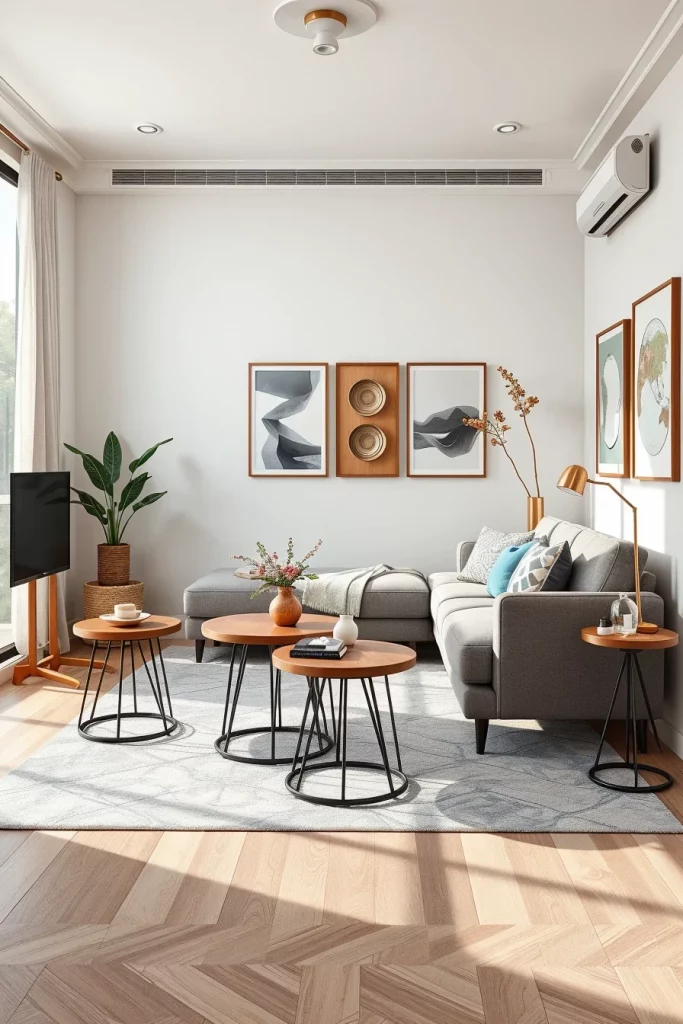
I often choose nesting tables with slim metal frames or rounded profiles to maintain an airy appearance. Smaller tables can serve as side tables for guests, display surfaces for decorative accents, or temporary workspaces. When grouped together, they create a stylish focal point without occupying excessive space.
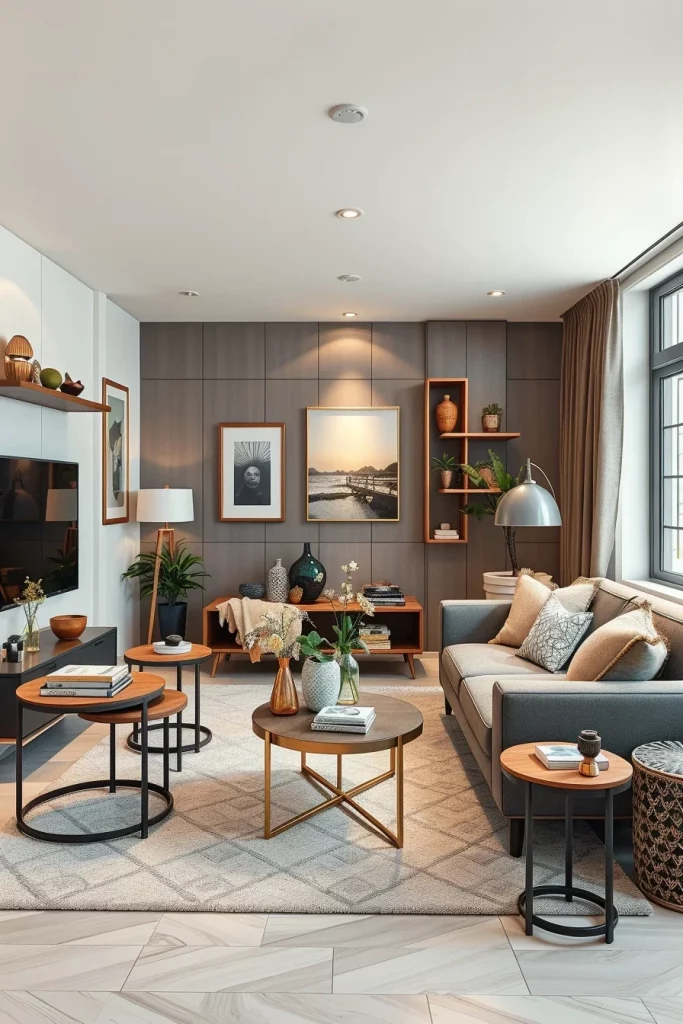
Personally, I have found nesting tables invaluable when entertaining. HGTV frequently recommends movable furnishings for small spaces because they allow homeowners to adjust the room according to changing needs. I consistently see how this flexibility improves both functionality and comfort.
For additional visual interest, I like combining nesting tables with decorative trays, sculptural accessories, and layered textures that complement the overall living room design.
Floating Shelves And Built-In Furniture Ideas
In my experience, floating shelves and built-in furniture are among the most effective solutions for a creative furniture small living room design. By utilizing vertical surfaces and custom storage, I can keep the floor area open while maintaining a clean and organized appearance. Built-in units surrounding a window, fireplace, or media wall create a seamless look that visually enlarges a compact room. This approach works especially well in apartments and narrow living spaces where every inch matters.
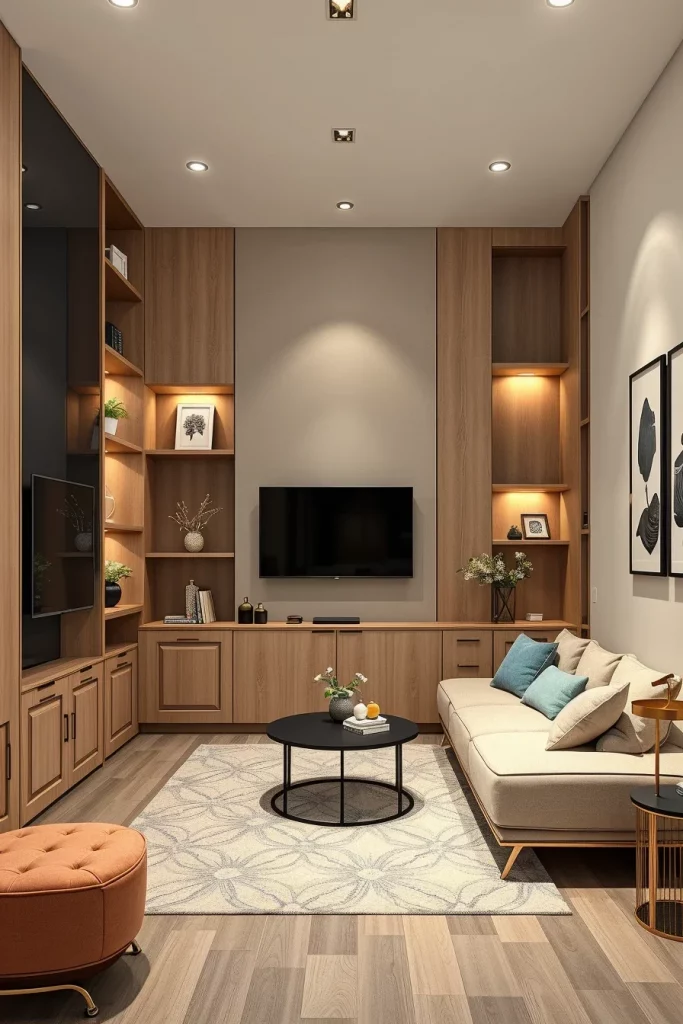
I usually recommend installing floating shelves above sofas, beside windows, or around television units. Built-in cabinets with concealed storage compartments help reduce visual clutter while offering ample space for books, electronics, and decorative accessories. A custom bench with integrated drawers can also serve as additional seating while providing hidden storage. Combining these elements creates a balanced and highly functional interior.
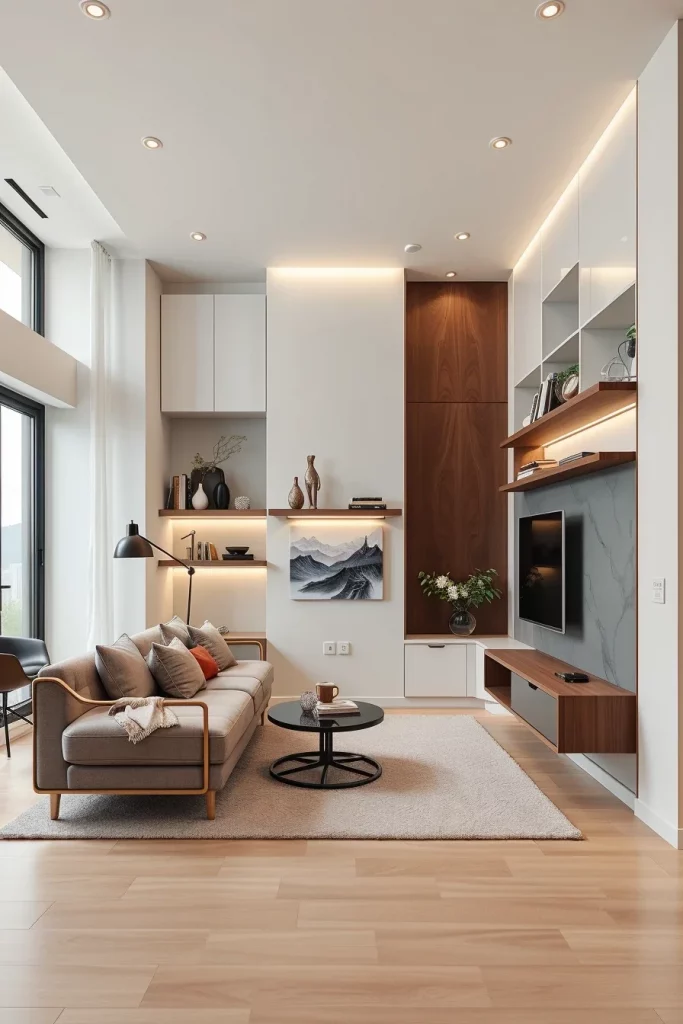
Personally, I have found that built-in furniture creates a more intentional and sophisticated appearance compared to freestanding pieces. Designers frequently featured in Architectural Digest often emphasize the importance of custom storage in smaller homes because it minimizes unnecessary furniture and maximizes efficiency.
To complete this design, I would add integrated LED lighting beneath floating shelves. Soft illumination highlights decorative objects, creates ambiance, and enhances the architectural character of the room.
Hidden Storage Furniture Ideas For Small Living Rooms
One of the biggest challenges in small living rooms is finding enough storage without overcrowding the space. I often rely on hidden storage furniture because it keeps everyday items accessible while preserving a streamlined interior. A clutter-free room immediately feels larger and more inviting.
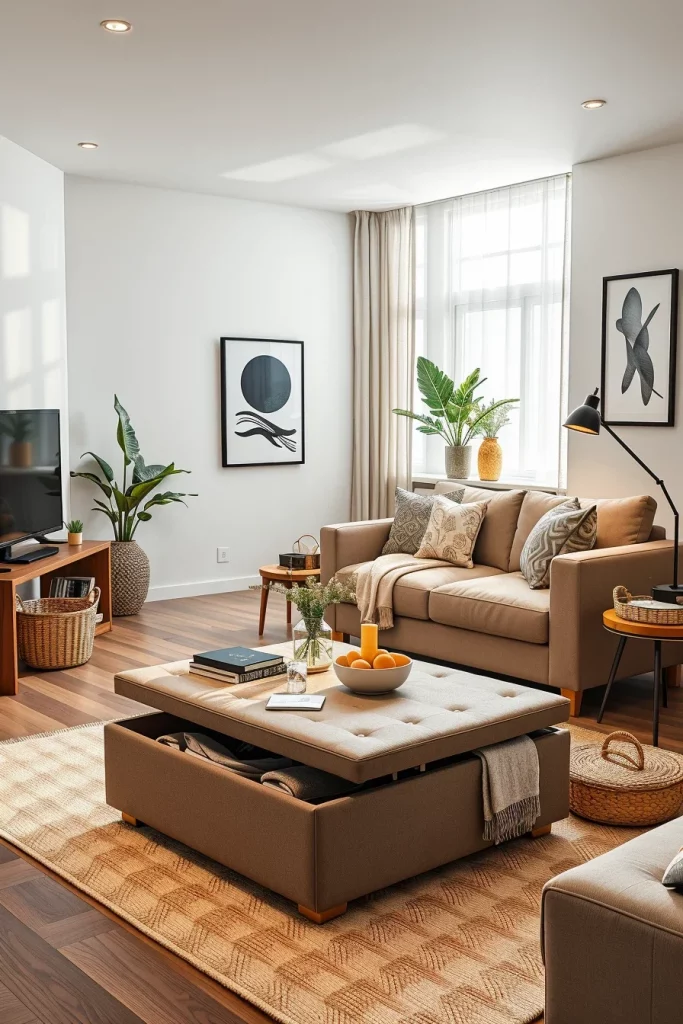
Storage ottomans, lift-top coffee tables, sofas with under-seat compartments, and nesting side tables are pieces I frequently include in small living room projects. These multifunctional furnishings provide practical storage for blankets, magazines, electronics, and seasonal accessories while maintaining a stylish appearance. Hidden compartments also help maintain visual simplicity, which is essential in compact spaces.
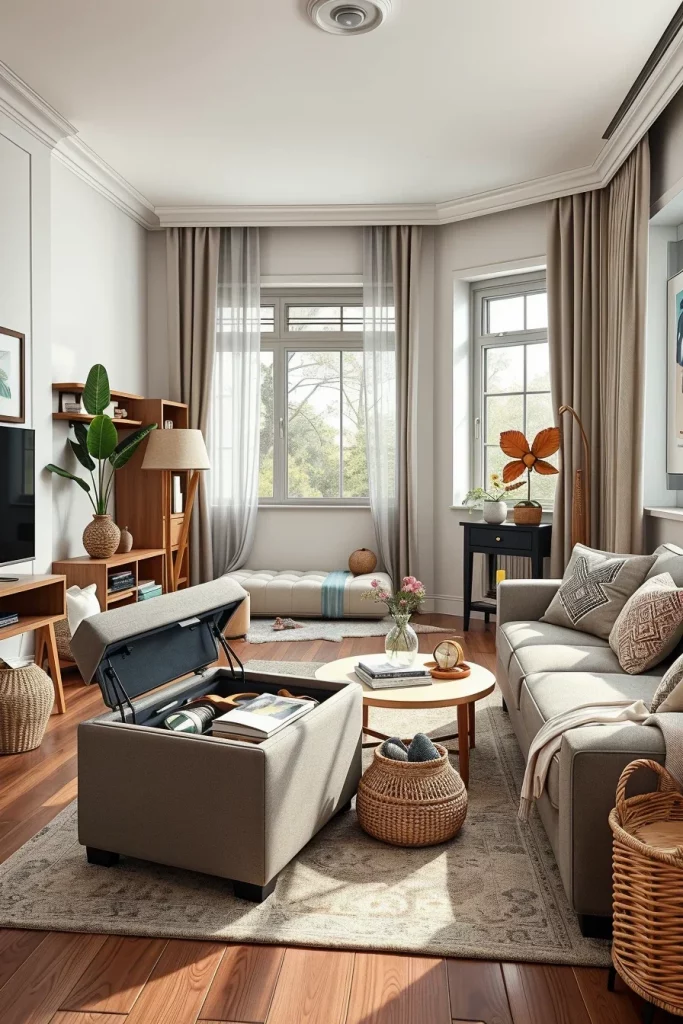
From my own projects, I have noticed that homeowners are often surprised by how much storage these pieces provide. Better Homes & Gardens regularly recommends multifunctional furniture for small-space living because it combines practicality and aesthetics without sacrificing comfort.
I would also include decorative storage baskets placed beneath side tables or inside open shelving units. They add texture while offering additional concealed organization.
Round Furniture Pieces That Improve Traffic Flow
When designing a compact living room, I often introduce round furniture because curved edges naturally improve movement throughout the space. Sharp corners can interrupt circulation and make a room feel restrictive, while rounded forms encourage smoother traffic flow.
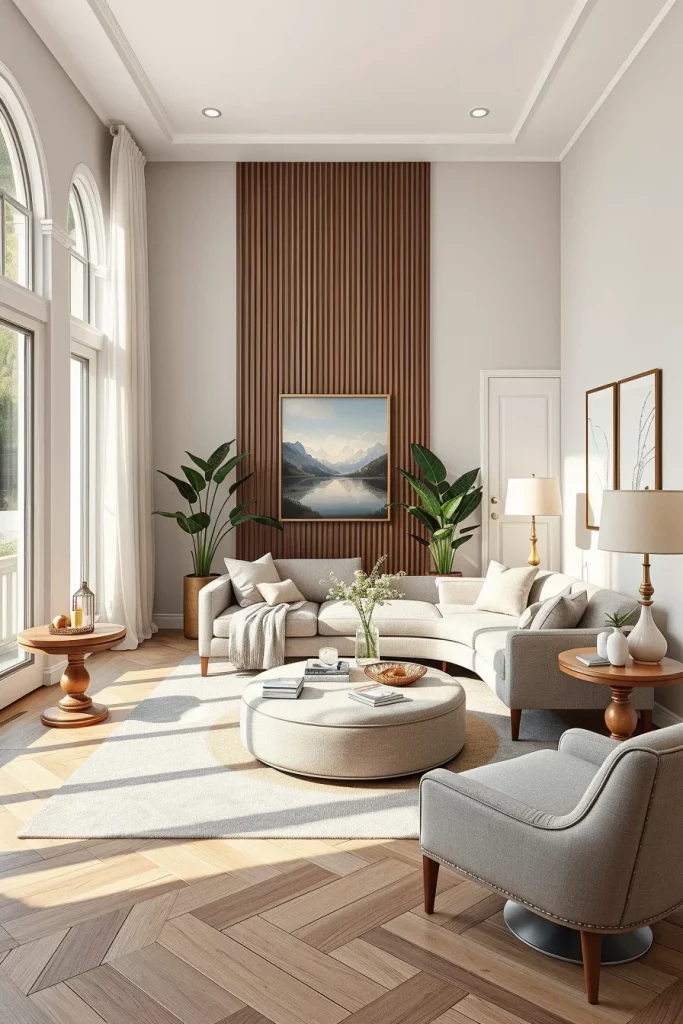
Round coffee tables, curved sofas, circular ottomans, and small pedestal side tables are excellent additions to a small living room. These pieces soften the overall aesthetic and reduce the risk of bumping into corners in tight layouts. A curved sofa, in particular, creates a welcoming seating arrangement while visually breaking up rigid lines.
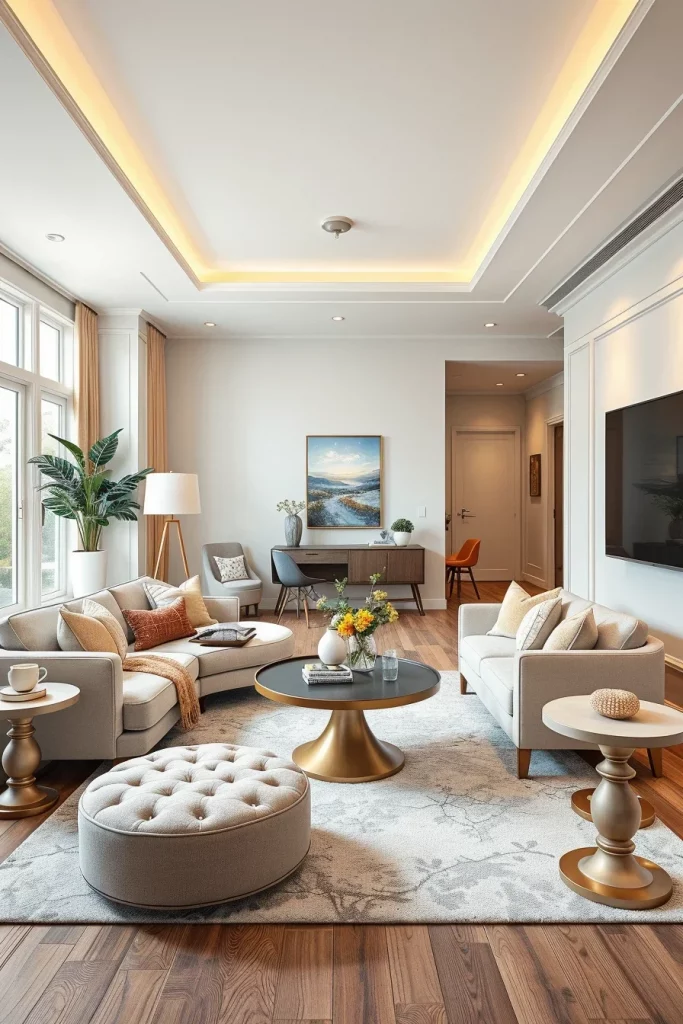
In my opinion, round furniture instantly makes a small room feel more inviting and contemporary. Interior designers frequently featured in Elle Decor suggest incorporating curved silhouettes to soften compact interiors and create a more comfortable atmosphere.
For even greater functionality, I recommend pairing round furniture with layered lighting and a circular area rug to reinforce the soft, cohesive design.
Foldable Furniture Ideas For Everyday Convenience
Foldable furniture offers exceptional flexibility in a creative furniture small living room design. I especially appreciate these solutions in multifunctional homes where the living room may also serve as a workspace, dining area, or guest room. Furniture that adapts to changing needs significantly increases usability.
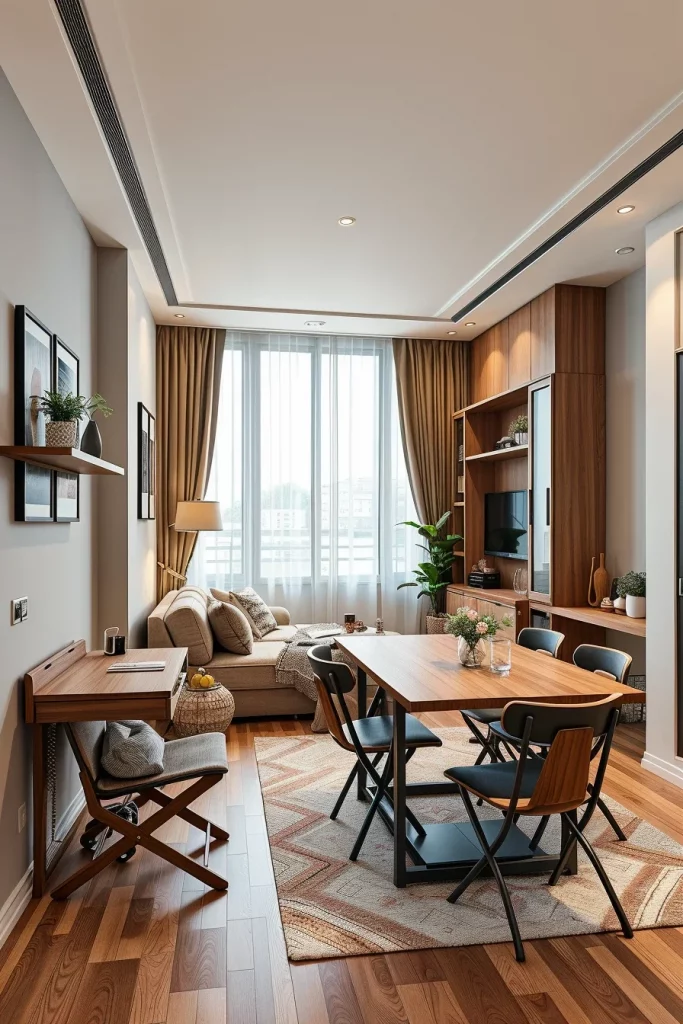
Wall-mounted drop-leaf desks, folding dining tables, collapsible chairs, and expandable coffee tables are some of my preferred options. These pieces remain compact when not in use and can be quickly expanded when additional functionality is required. This adaptability allows homeowners to maintain open floor space throughout the day.
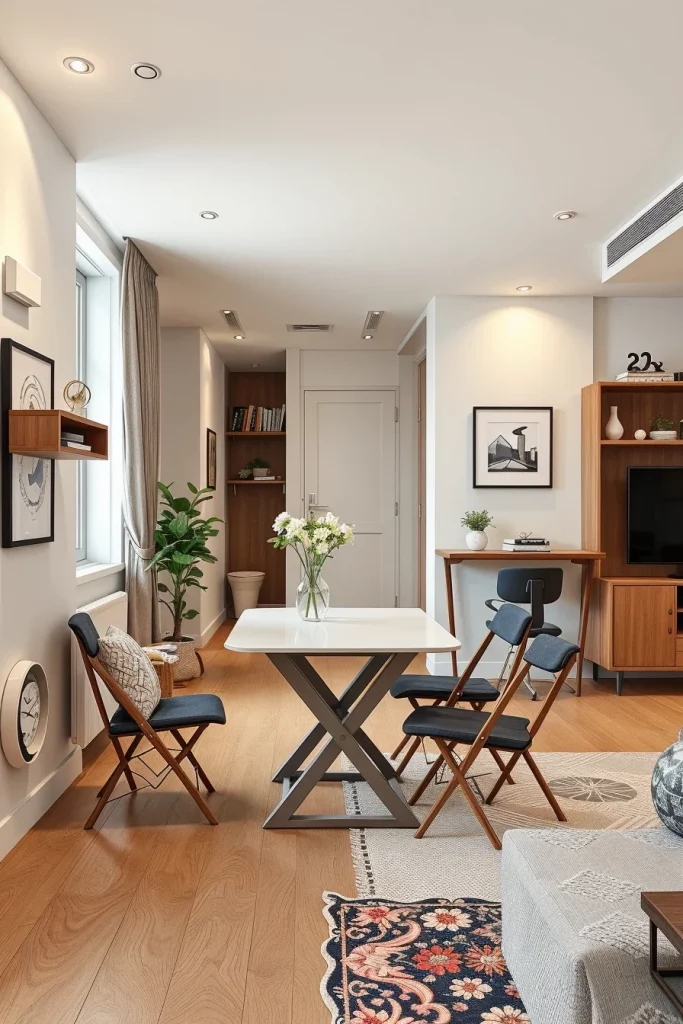
Personally, I believe foldable furniture has evolved dramatically in recent years. Modern designs are stylish, durable, and blend seamlessly into contemporary interiors. Many designers highlighted by House Beautiful recommend investing in high-quality transformable furniture for smaller homes.
To further enhance convenience, I suggest incorporating lightweight movable seating that can easily be repositioned whenever guests arrive.
Creative TV Unit Designs For Small Living Rooms
Television areas often become the focal point of small living rooms, so I prefer designing TV units that combine storage, display space, and visual elegance. A thoughtfully designed media wall can significantly improve both functionality and aesthetics.
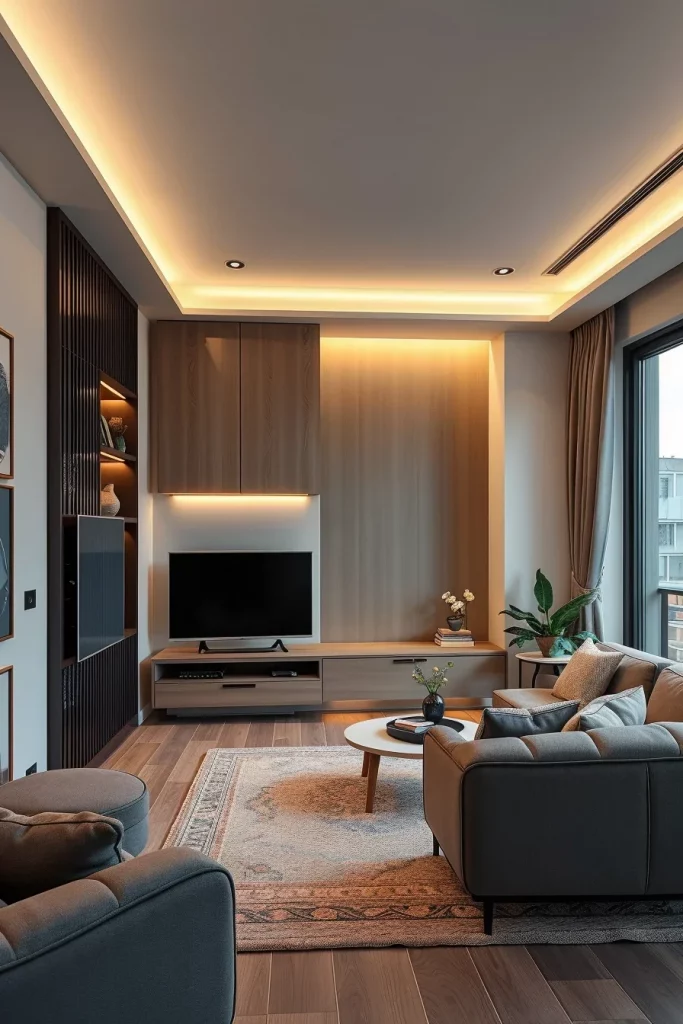
Wall-mounted TV units with floating cabinets, integrated shelving, concealed cable management, and slim storage compartments work exceptionally well in compact spaces. I often select minimalist cabinetry in neutral finishes to avoid overwhelming the room visually. Vertical shelving surrounding the television can also provide display opportunities without consuming valuable floor space.
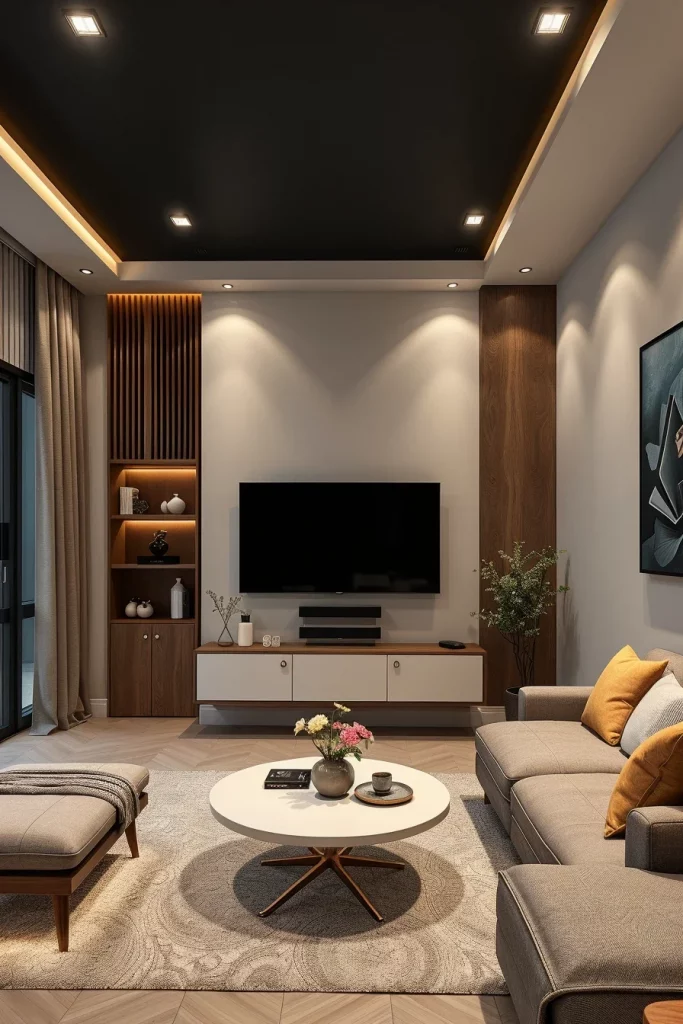
From my experience, keeping the TV unit elevated above the floor creates an illusion of spaciousness. Architectural Digest frequently highlights floating media consoles as an effective solution for maintaining openness in smaller interiors.
I would also include accent lighting behind the television or inside display shelves to create depth and add a sophisticated finishing touch.
Statement Accent Chairs That Do Not Overcrowd The Room
A well-chosen accent chair can completely transform a small living room without making it feel crowded. In my experience, selecting a chair with a lightweight profile and elevated legs allows the room to remain visually open while introducing personality and style. In a creative furniture small living room design, every piece should contribute both function and beauty, and accent chairs are no exception.
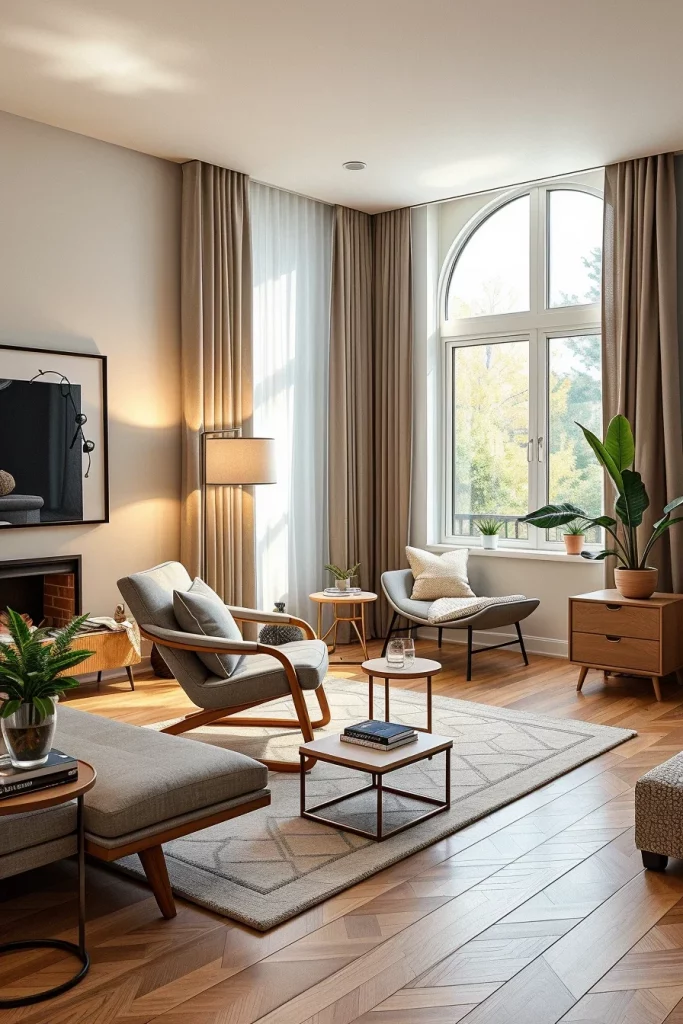
I often recommend accent chairs with slim frames, curved backs, or open arm designs. Upholstered lounge chairs, swivel chairs, or compact barrel chairs can provide additional seating without dominating the layout. Choosing fabrics in neutral tones or subtle textures helps maintain a harmonious atmosphere, while a bold chair in a carefully selected color can create a stylish focal point.
Personally, I prefer accent chairs that can easily be moved around when entertaining guests. Interior designers featured in House Beautiful frequently suggest selecting furniture that appears visually light, as exposed legs and open silhouettes help small rooms feel larger.
To enhance this setup, I would add a small side table and a floor lamp beside the accent chair, creating a cozy reading corner that serves multiple purposes.
Vertical Furniture Solutions To Maximize Wall Space
When floor space is limited, I always look upward. Vertical furniture solutions are essential in compact living rooms because they maximize storage while preserving valuable floor area. Tall storage units and wall-mounted furnishings make a room feel more organized and spacious.
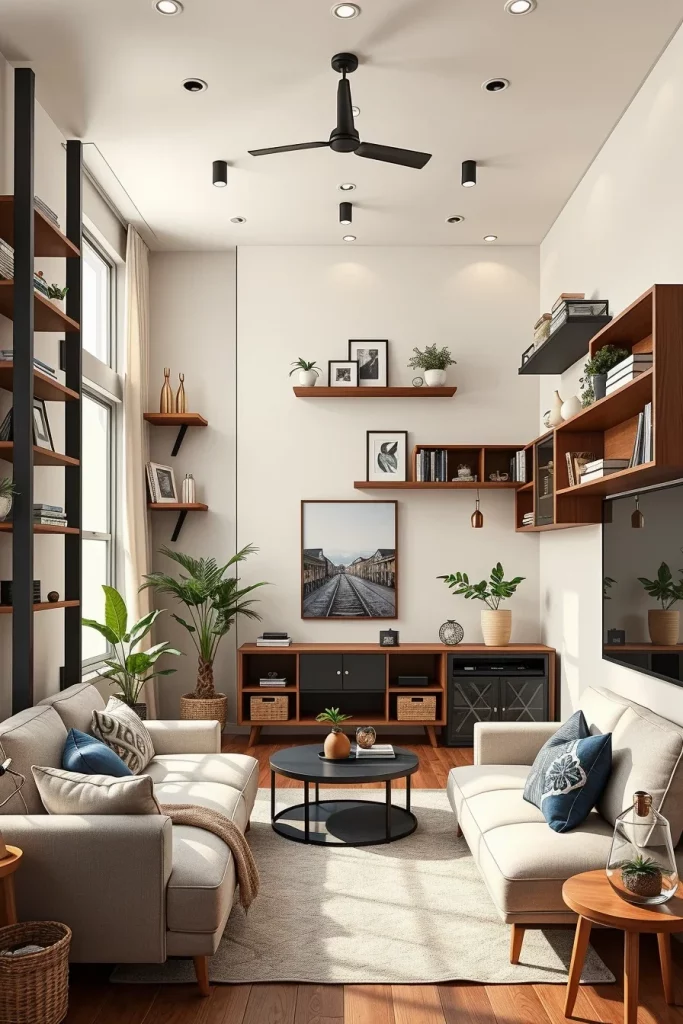
Floor-to-ceiling bookcases, wall-mounted cabinets, ladder shelves, and tall display units are among my favorite choices. These pieces utilize unused wall space while keeping daily essentials accessible. I also like incorporating vertical storage around doorways or windows to take advantage of often-overlooked areas.
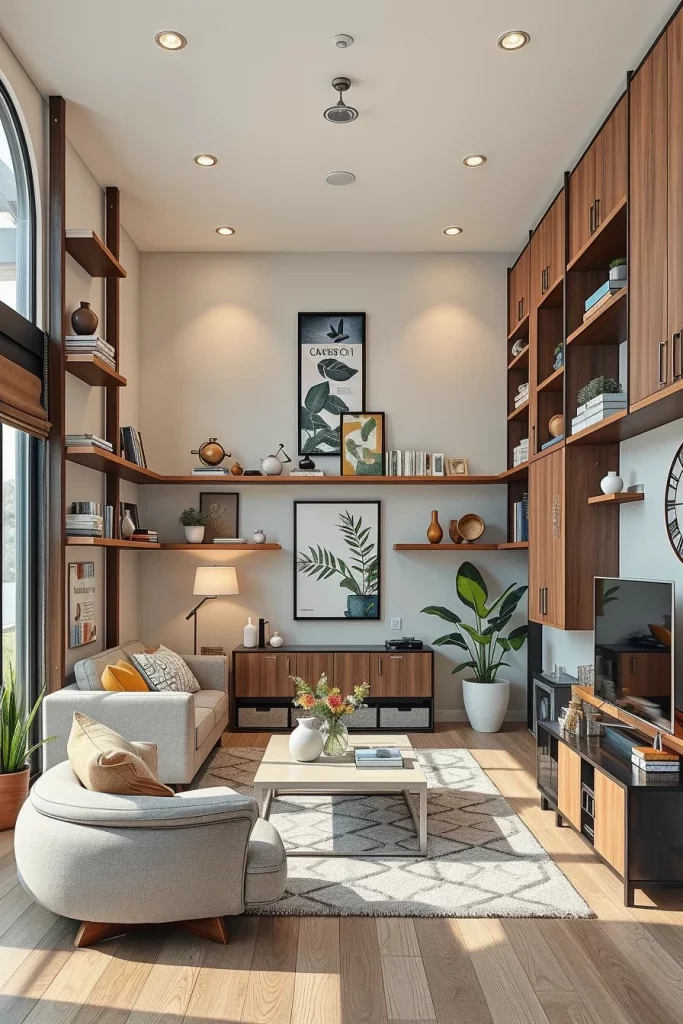
In my own projects, vertical storage consistently improves both functionality and visual appeal. Designers at Better Homes & Gardens often emphasize that drawing the eye upward can make ceilings appear higher, creating a stronger sense of openness.
I would also include decorative objects, framed artwork, or integrated lighting on upper shelves to add warmth and prevent tall furniture from feeling too utilitarian.
Minimalist Furniture Layouts For Small Living Rooms
A minimalist layout is one of the most effective strategies for achieving a successful creative furniture small living room design. I have found that simplifying the furniture arrangement immediately makes a compact room feel larger, calmer, and more inviting. The goal is not to remove comfort, but to prioritize only the pieces that truly serve the space.
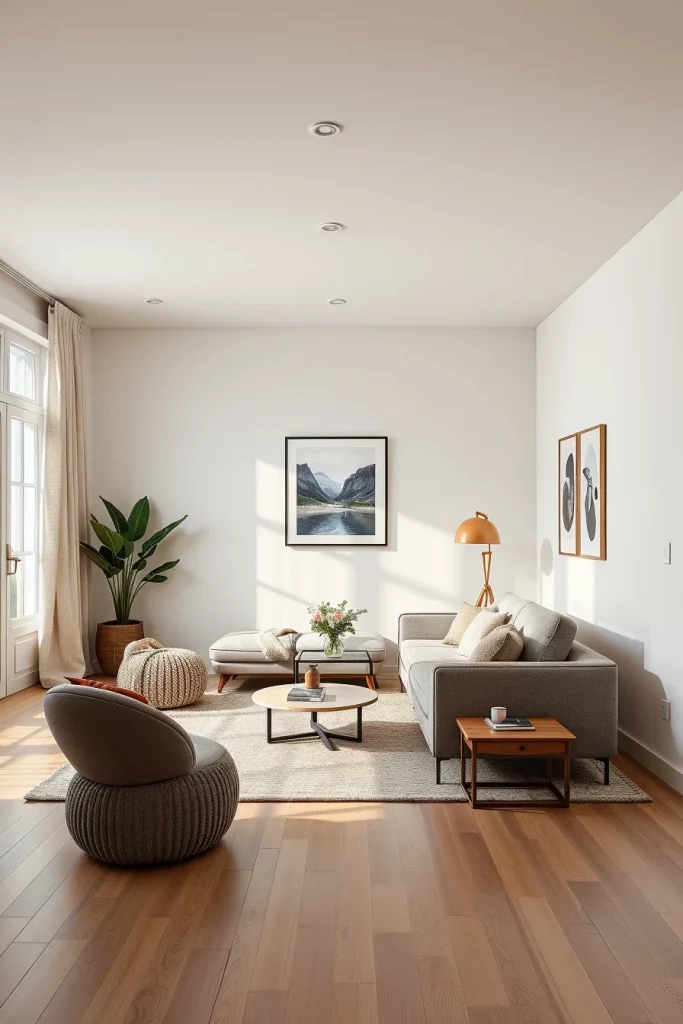
I usually begin with essential furnishings such as a compact sofa, a functional coffee table, and one or two additional seating options. Avoiding excessive furniture allows for better movement throughout the room and prevents visual clutter. Choosing furniture with clean lines and simple forms further reinforces the minimalist aesthetic.
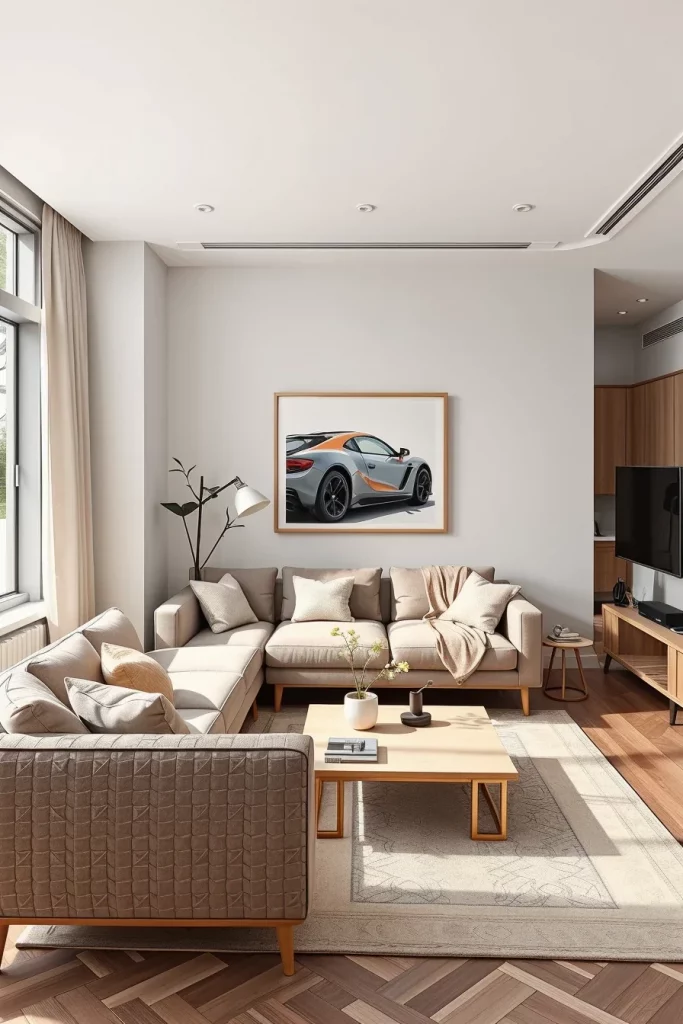
Personally, I believe that a minimalist layout encourages better organization and easier daily living. Architectural Digest regularly showcases small interiors that succeed because they embrace simplicity rather than overcrowding the space with unnecessary items.
To complete this design, I would add layered lighting and a large area rug to define the seating zone while maintaining the room’s clean and uncluttered appearance.
Creative Furniture Placement Ideas For Better Functionality
Furniture placement can dramatically influence how a small living room functions. I often experiment with unconventional layouts to maximize usability while preserving openness. Even slight adjustments in positioning can improve circulation, conversation, and overall comfort.
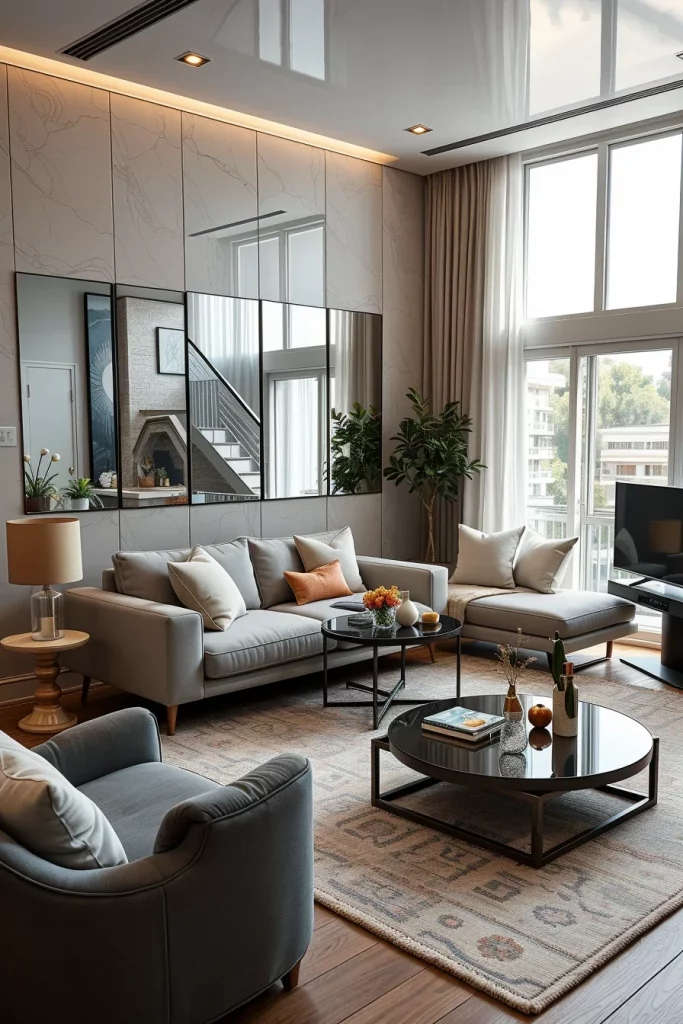
Instead of pushing every piece against the walls, I sometimes float the sofa slightly away from the perimeter to create distinct zones within the room. Positioning furniture diagonally or using a sectional to divide living and dining areas can also improve functionality. Multipurpose pieces placed strategically near high-traffic areas ensure convenience without disrupting movement.
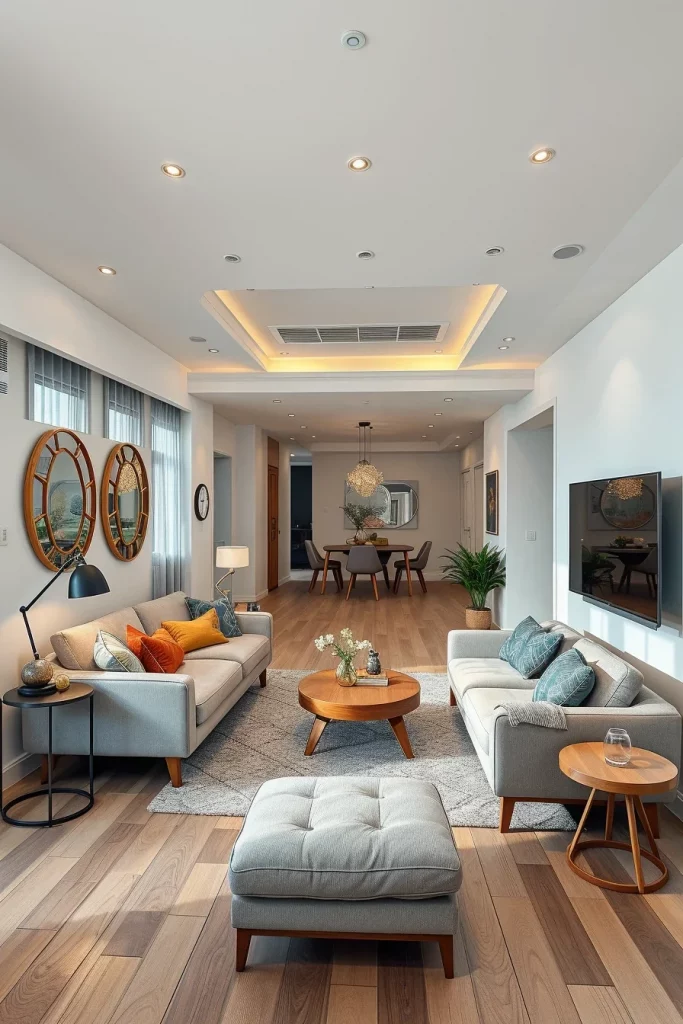
From my experience, thoughtful furniture placement often eliminates the need for additional furnishings altogether. Many interior experts featured in Elle Decor recommend evaluating how people naturally move through a room before finalizing the layout.
I would also suggest using mirrors opposite windows to reflect natural light and visually expand the space, enhancing the effectiveness of the furniture arrangement.
Slim Console Tables For Narrow Living Room Layouts
Slim console tables are incredibly versatile additions to narrow living rooms. In my experience, these narrow-profile pieces provide valuable storage and display opportunities without consuming significant floor space. They fit perfectly behind sofas, along walls, or in transitional areas.
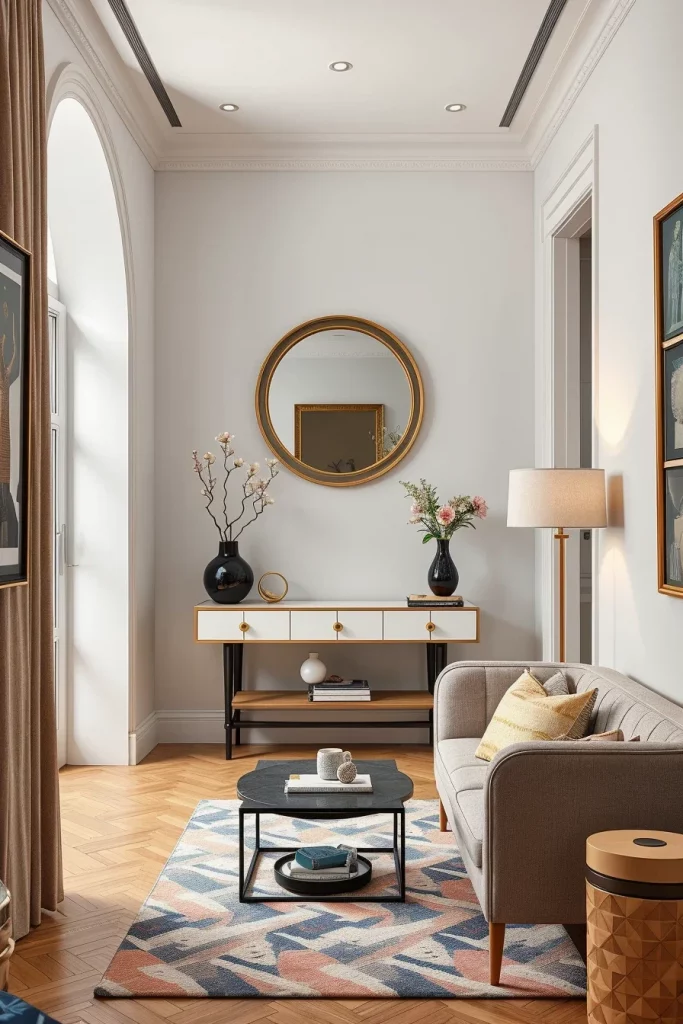
I frequently select console tables with drawers, lower shelves, or integrated charging stations to increase functionality. A narrow console can display decorative accessories, hold lighting, or serve as a compact workspace when paired with a small stool. Choosing designs with open frames prevents the room from feeling heavy or confined.
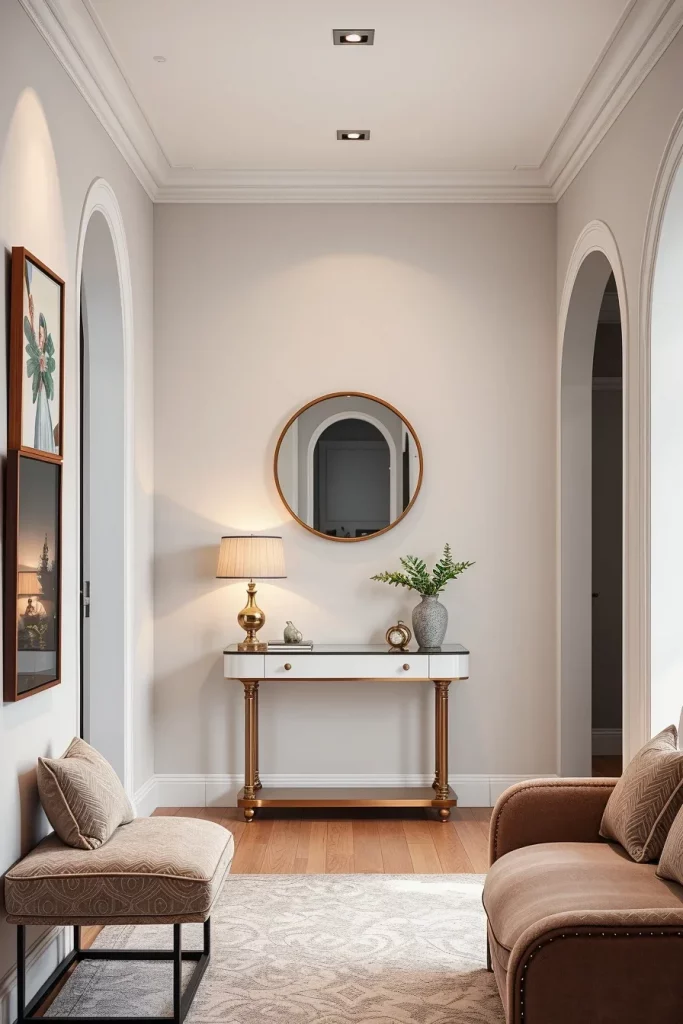
Personally, I appreciate how console tables introduce both practicality and elegance. House & Garden designers often recommend narrow furniture profiles for compact spaces because they maintain circulation while adding useful surfaces.
To maximize the benefits of a console table, I would place artwork or a large mirror above it. This combination creates a visually appealing focal point and contributes to the feeling of spaciousness.
Glass Furniture Designs That Make A Room Feel Larger
When I work on a small living room, I often recommend incorporating glass furniture because it creates an airy and visually unobtrusive atmosphere. Transparent surfaces allow natural and artificial light to flow throughout the room, preventing the space from feeling crowded. A glass coffee table or side table can provide full functionality while maintaining visual openness. This approach is especially effective in apartments where every inch matters.
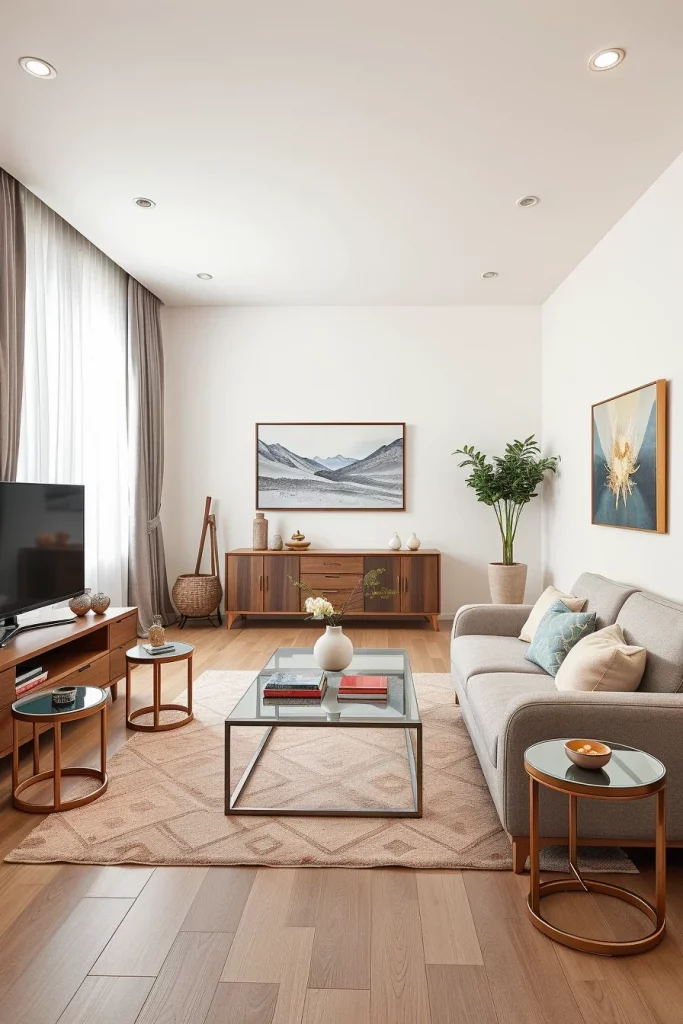
I typically pair a glass coffee table with a compact upholstered sofa, slender accent chairs, and a minimal media console. Glass shelving units are another excellent addition because they provide storage without creating visual heaviness. I also like adding mirrors and reflective accessories to reinforce the spacious feeling. Together, these elements support a balanced and highly functional creative furniture small living room design.
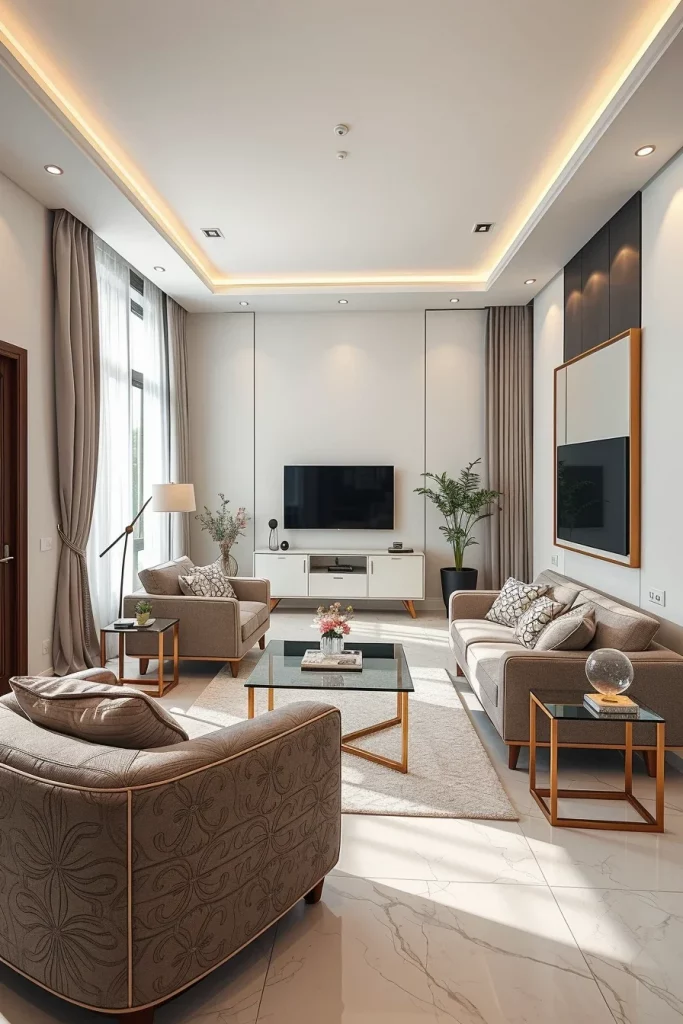
In my experience, many professional designers, including experts frequently featured in Architectural Digest, emphasize the importance of transparency and reflection in compact interiors. I have found that glass furniture works particularly well when combined with neutral color palettes and layered lighting, creating a sophisticated yet welcoming environment.
To complete this design, I would add sheer window treatments and strategically placed wall mirrors. These additions further maximize daylight and contribute to the illusion of a larger living area.
Custom Furniture Ideas For Uniquely Shaped Small Living Rooms
Small living rooms with unusual layouts often benefit greatly from custom furniture solutions. I have worked with rooms featuring awkward corners, angled walls, and narrow floor plans where standard furniture simply did not fit. Custom-built pieces allow homeowners to utilize every available inch while maintaining a cohesive appearance. This strategy ensures that no valuable space goes unused.
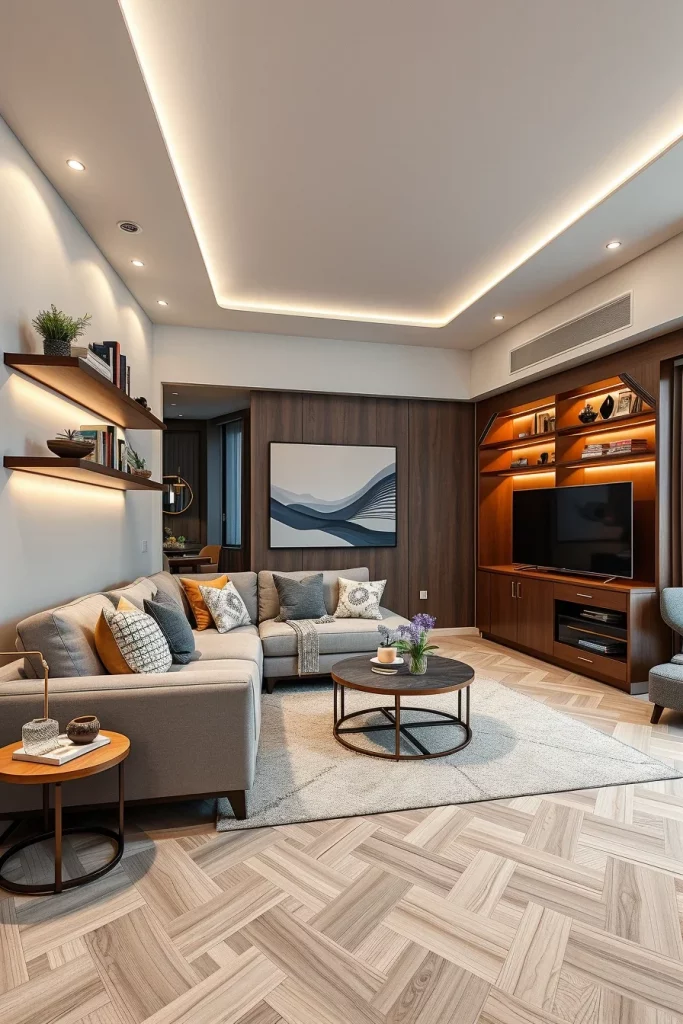
I frequently recommend built-in benches, corner sofas, floating shelving systems, and made-to-measure storage cabinets. A custom sectional can perfectly follow the room’s dimensions, while integrated shelving provides both display space and hidden storage. Tailored furniture also allows homeowners to personalize materials, finishes, and configurations according to their lifestyle.
Personally, I find that custom furniture often solves problems that cannot be addressed with ready-made pieces. Interior designers featured in House Beautiful regularly highlight the value of bespoke solutions in challenging spaces, and I completely agree based on my own projects.
An additional element worth considering is integrated lighting within custom cabinetry. Built-in LED strips can highlight storage areas and add warmth to the overall atmosphere.
Space-Efficient Entertainment Centers For Compact Homes
Entertainment areas can quickly dominate a small living room if they are not carefully planned. I prefer designing streamlined entertainment centers that provide storage, technology integration, and display opportunities without overwhelming the room. Wall-mounted solutions are especially effective because they preserve valuable floor space.
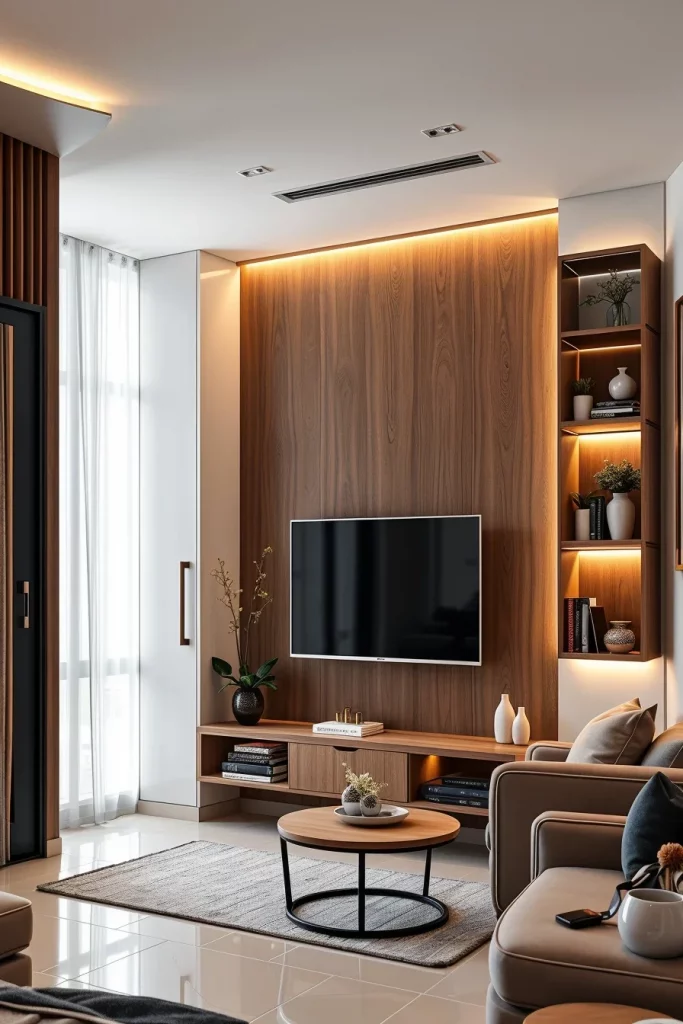
I usually incorporate floating media units, wall-mounted televisions, concealed cable management systems, and vertical shelving. Closed cabinets help hide electronics and accessories, reducing visual clutter. Open shelves can be reserved for decorative objects, books, or personal collections that enhance the room’s character.
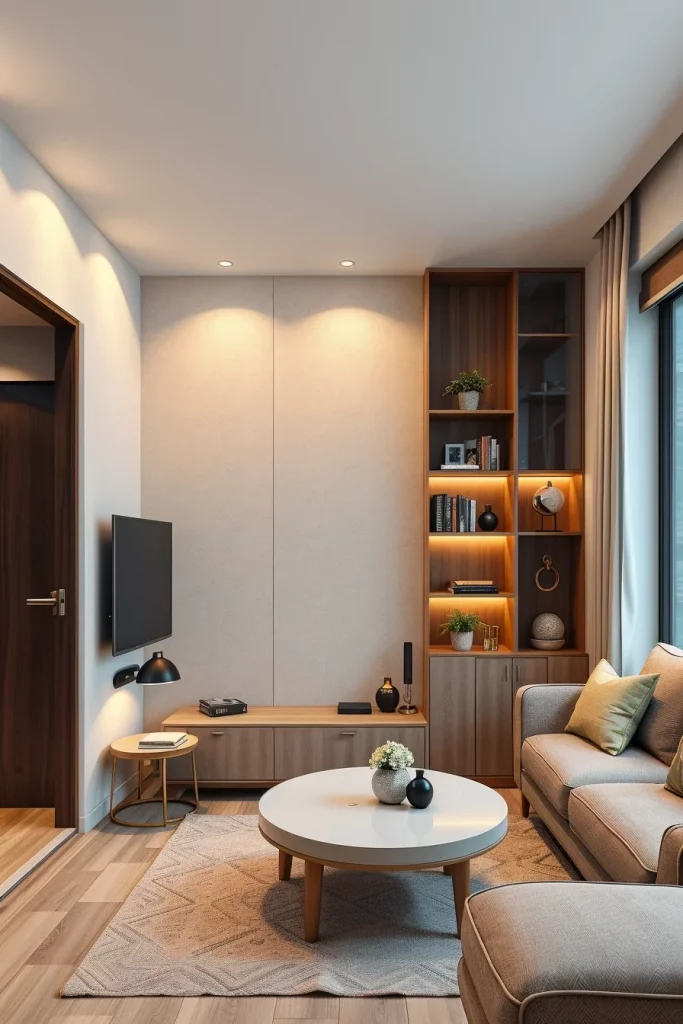
From my perspective, clutter control is one of the most important aspects of successful small-space living. I have found that minimalist entertainment centers not only improve functionality but also make the entire room appear larger and more organized.
To improve this setup further, I recommend adding ambient LED backlighting behind the television. This creates visual depth and enhances viewing comfort during evening hours.
Creative Furniture Color Choices For Visually Expanding Space
Color plays a significant role in any creative furniture small living room design. In small spaces, I often use furniture colors strategically to create the illusion of greater openness. Light, soft tones naturally reflect more light, helping the room feel larger and brighter. However, carefully placed darker accents can also add depth and sophistication.
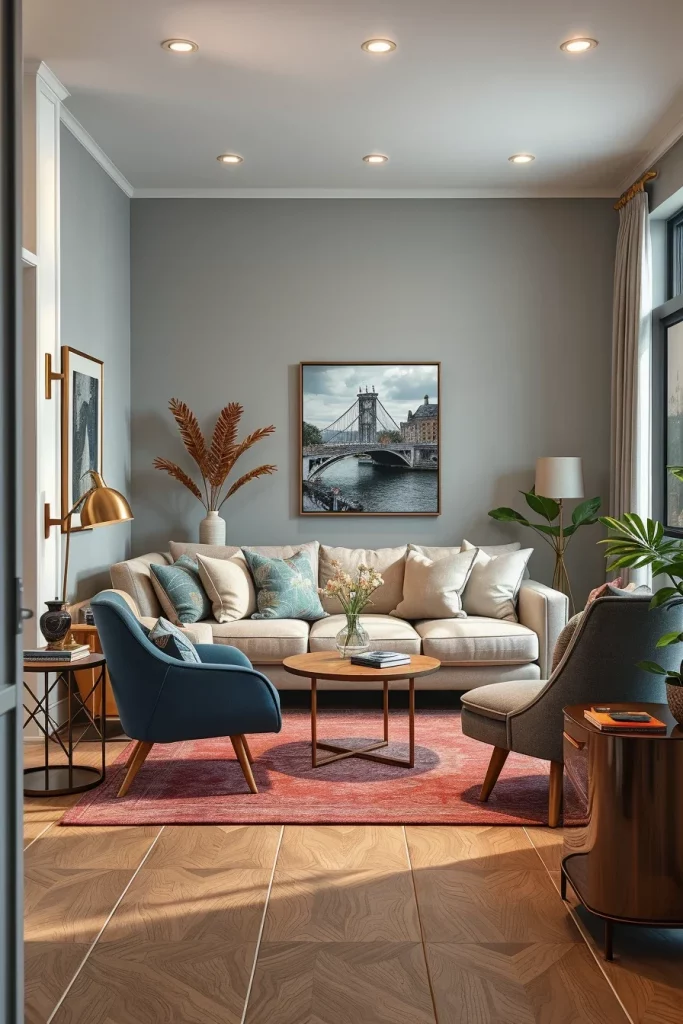
I frequently select sofas in soft beige, warm gray, creamy white, or pale taupe. Accent chairs in muted blues or sage tones can introduce subtle contrast without visually shrinking the room. Furniture with exposed legs also contributes to a lighter appearance by allowing more visible floor area.
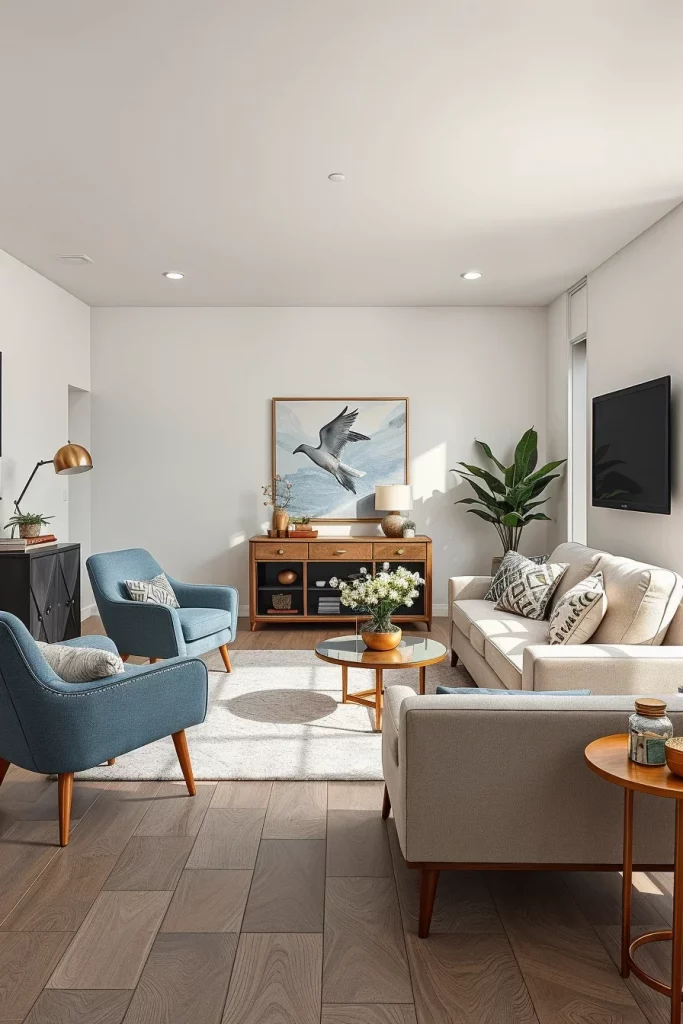
I personally enjoy combining light upholstery with textured fabrics and metallic accents. Many interior publications, including Better Homes & Gardens, recommend layering soft tones rather than relying on stark white alone, and I have consistently seen excellent results using this approach.
One feature that should not be overlooked is proper lighting. Layered lighting helps furniture colors perform as intended throughout the day and evening.
Dual-Purpose Furniture Ideas For Modern Small Living Rooms
Multifunctional furniture is essential in modern compact homes. Whenever I design a small living room, I prioritize pieces that serve multiple purposes without sacrificing style. Dual-purpose furniture allows homeowners to maximize functionality while maintaining a clean and organized appearance.
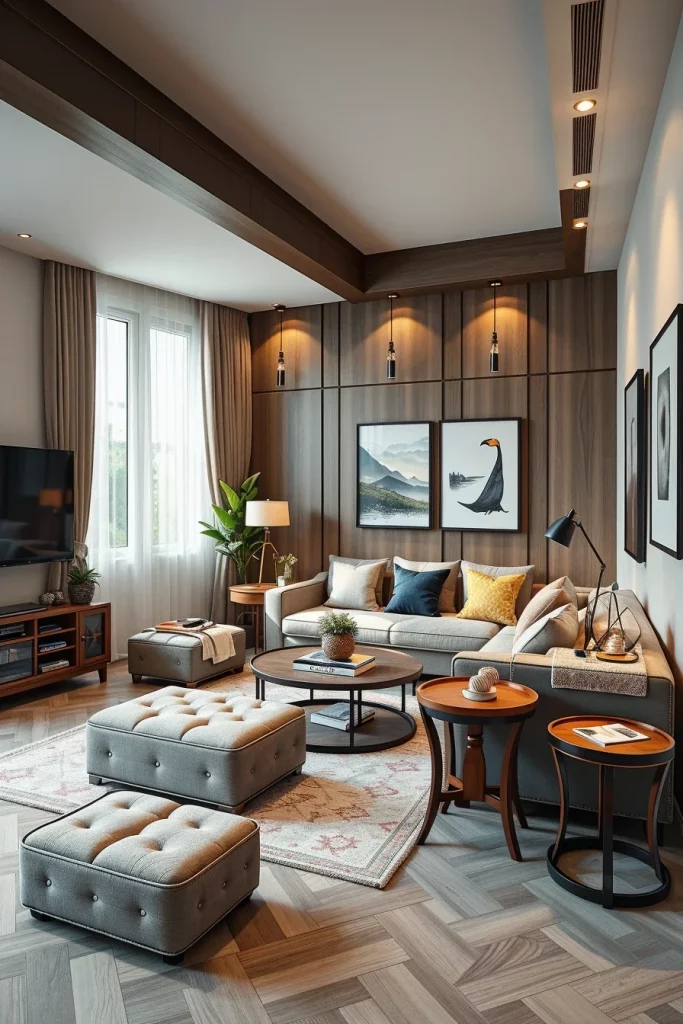
Some of my favorite options include storage ottomans, sleeper sofas, nesting tables, lift-top coffee tables, and benches with concealed compartments. A storage ottoman can function as seating, hidden storage, and even a coffee table when topped with a tray. Similarly, a sofa bed transforms the living room into a guest space whenever needed.
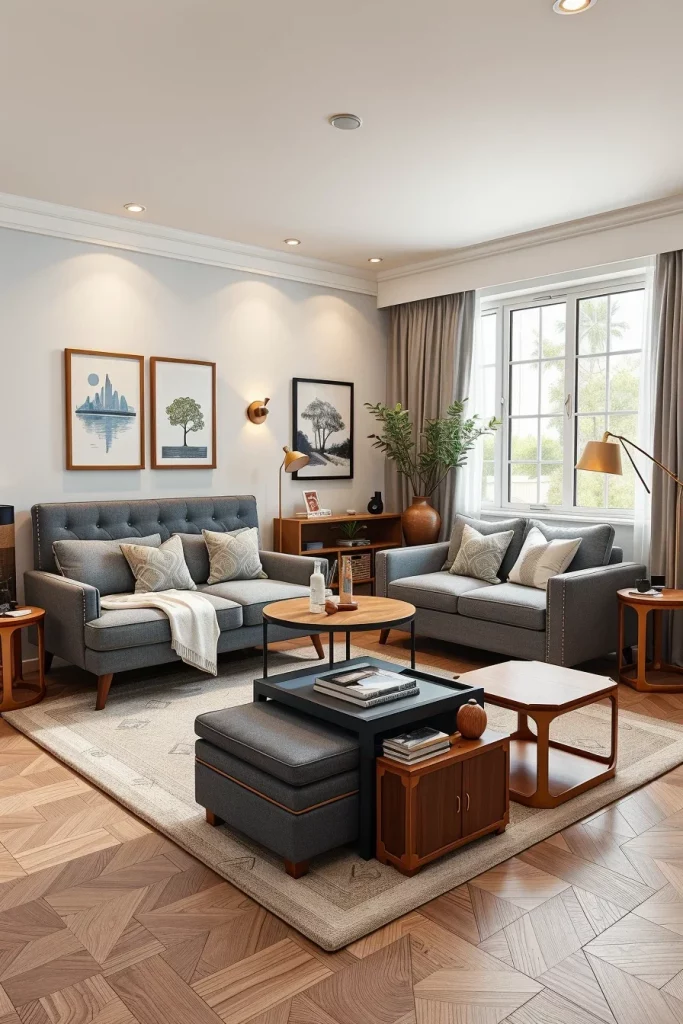
I have personally found that investing in high-quality multifunctional furniture significantly improves everyday living. Designers frequently featured in Elle Decor often recommend prioritizing versatility in compact homes, and I fully support this advice based on my own experience.
To make this arrangement even more practical, I would incorporate modular furniture pieces that can be easily rearranged as household needs change.
Compact Workstation Furniture For Living Room Home Offices
Creating a functional home office within a small living room requires careful planning and furniture selection. I often recommend integrating a compact workstation that blends seamlessly with the existing decor rather than dominating the room. A well-designed workspace can support productivity while preserving the relaxing atmosphere typically associated with a living room. In compact homes, flexibility is essential.
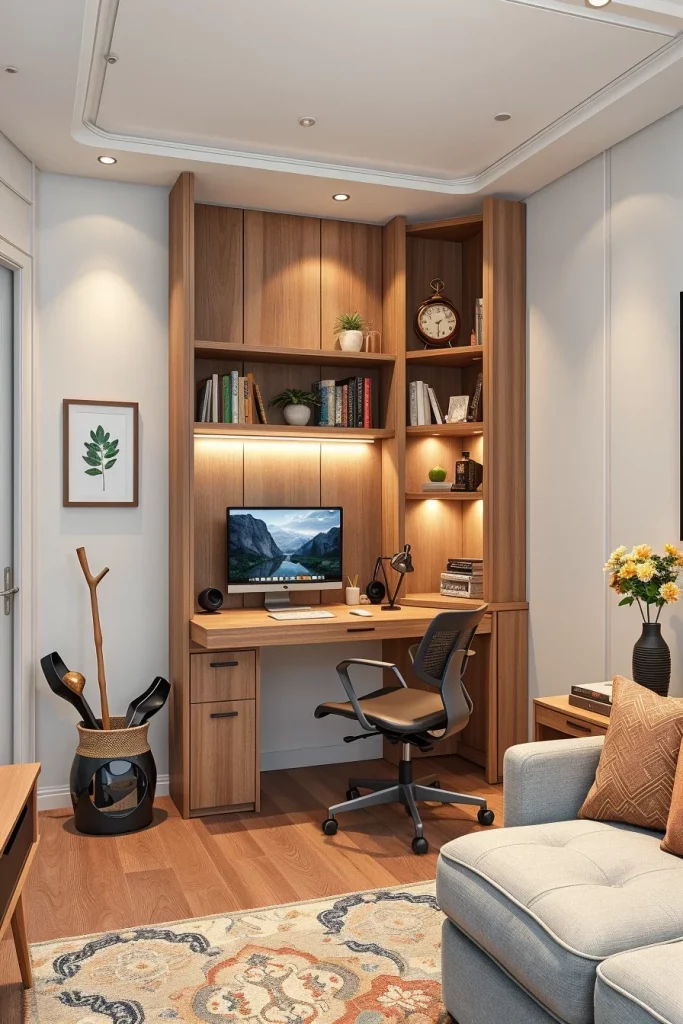
I usually choose floating desks, slim writing tables, wall-mounted fold-down desks, and ergonomic chairs with compact dimensions. Storage is equally important, so I often incorporate vertical shelving, concealed drawers, and multifunctional cabinets. Furniture with clean lines helps maintain visual openness, while mobile storage units can easily be repositioned when needed.
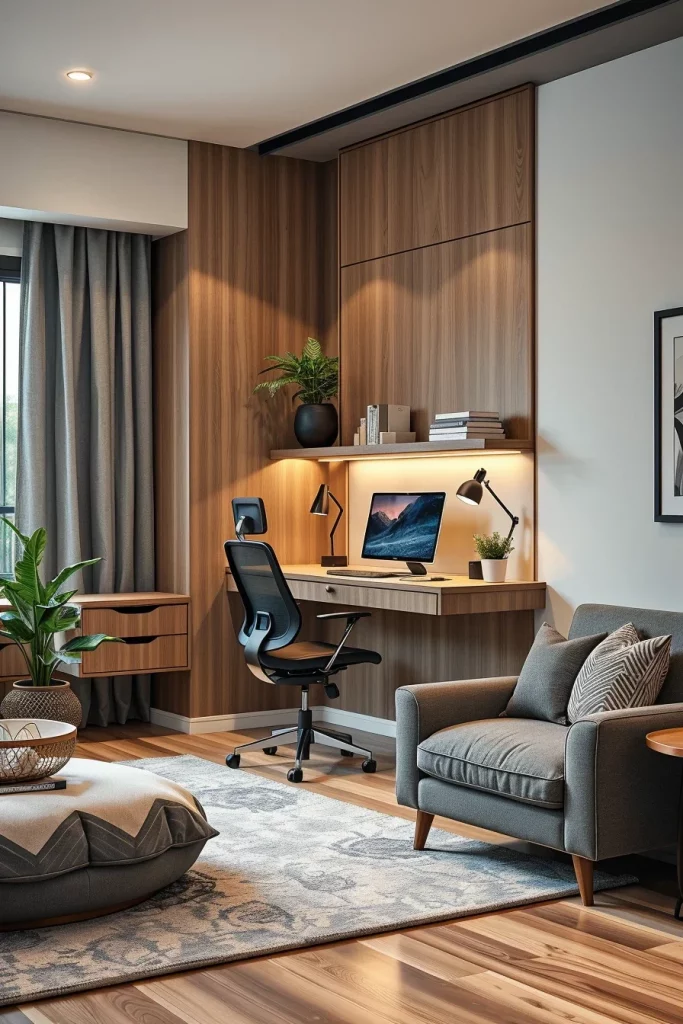
From my experience, dedicating even a small area to work significantly improves concentration and daily routines. Interior experts featured in publications such as Apartment Therapy frequently recommend defining the workspace with lighting or a small rug rather than physical dividers, and I have found this strategy highly effective.
To make the workstation even more practical, I would add integrated charging stations and adjustable task lighting. These additions improve convenience while minimizing cable clutter.
Creative Lighting Furniture Combinations For Small Spaces
Lighting and furniture should always work together to maximize the potential of a small living room. I often design spaces where lighting is integrated directly into furniture, creating a layered and highly efficient environment. This approach not only saves space but also enhances comfort and visual appeal throughout the room.
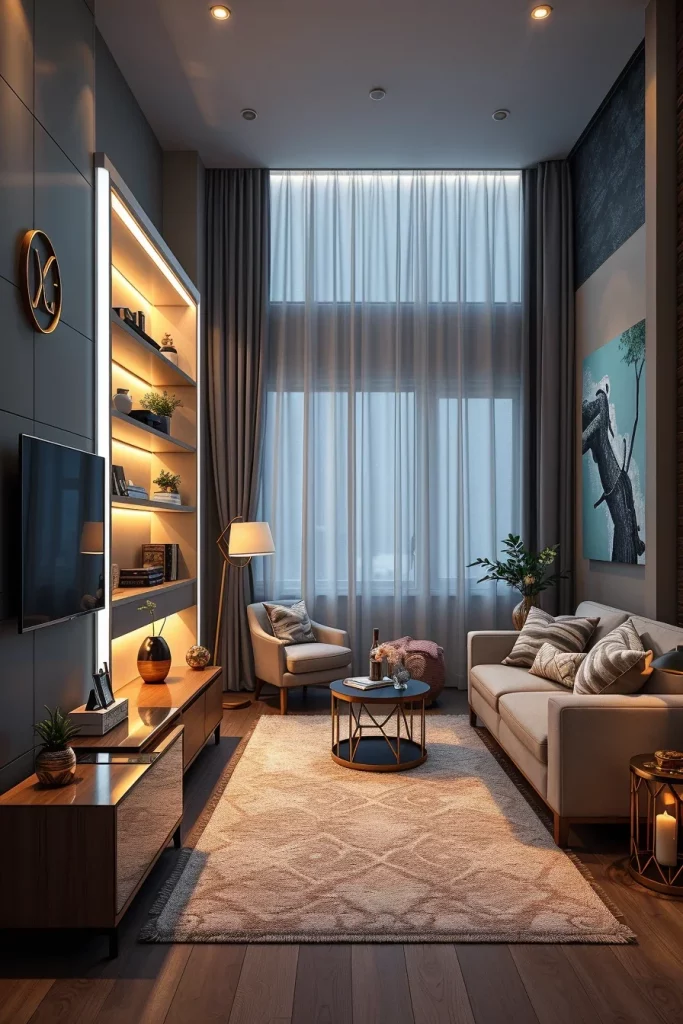
I frequently combine side tables with built-in lamps, shelving units with integrated LED lighting, and media consoles featuring ambient illumination. Floor lamps with attached shelving are another excellent option because they provide both storage and lighting without occupying additional floor space. Reflective finishes and metallic accents further amplify the lighting effect.
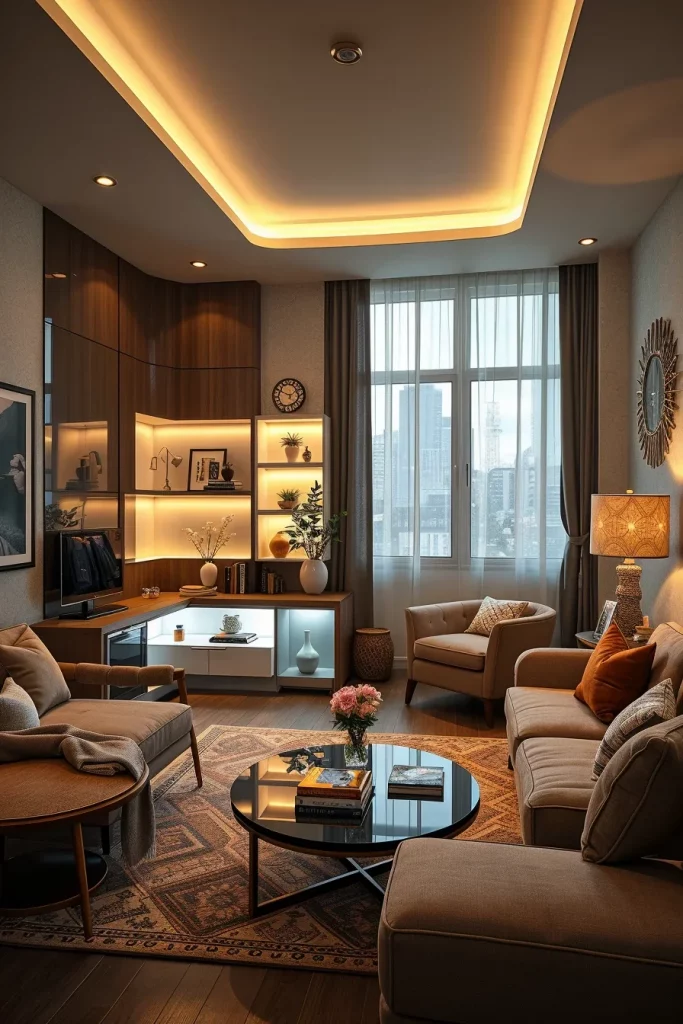
Personally, I have noticed that layered lighting dramatically changes how a small room feels. By combining ambient, task, and accent lighting, I can create a space that feels larger and more inviting. Designers from HGTV often stress the importance of multiple light sources in compact interiors, and I fully agree with this recommendation.
An additional enhancement I often suggest is installing dimmable lighting systems. Adjustable brightness levels allow homeowners to adapt the atmosphere for work, relaxation, or entertaining.
Open-Concept Furniture Arrangements For Small Living Rooms
Open-concept layouts can make small living rooms feel substantially larger when furniture is arranged thoughtfully. I prefer layouts that encourage natural movement and maintain clear sightlines throughout the space. Avoiding bulky furniture placement helps preserve openness while still creating functional zones.
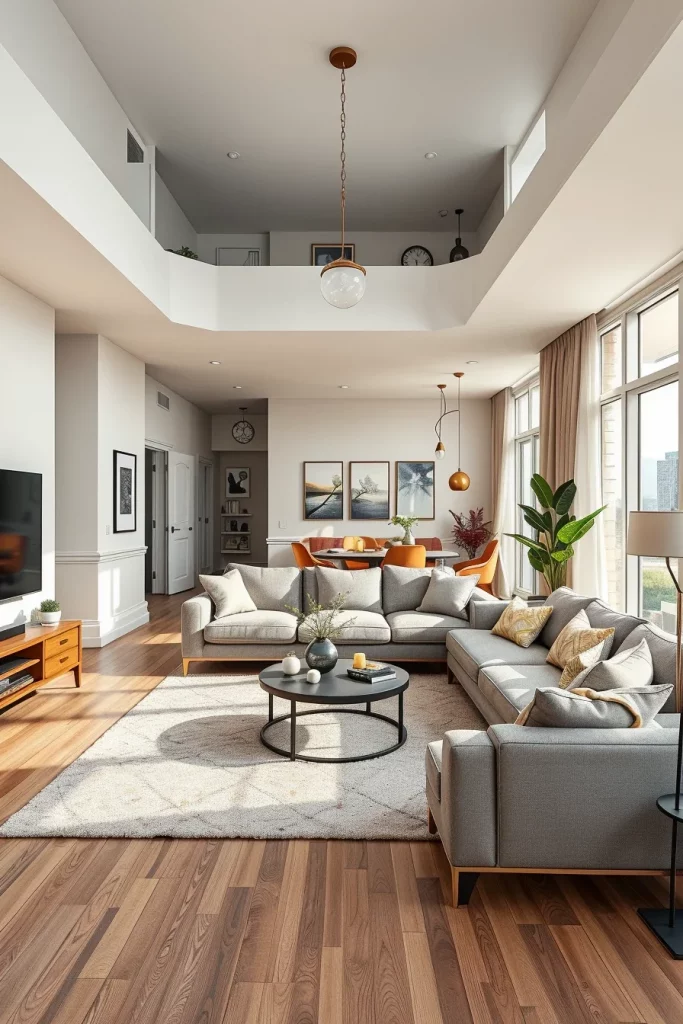
I often position sofas away from walls to define separate areas within an open-plan environment. Compact sectionals, armless chairs, and round coffee tables help improve traffic flow. Area rugs can visually distinguish conversation zones without interrupting the overall openness. Low-profile furniture is especially useful because it allows light to travel freely throughout the room.
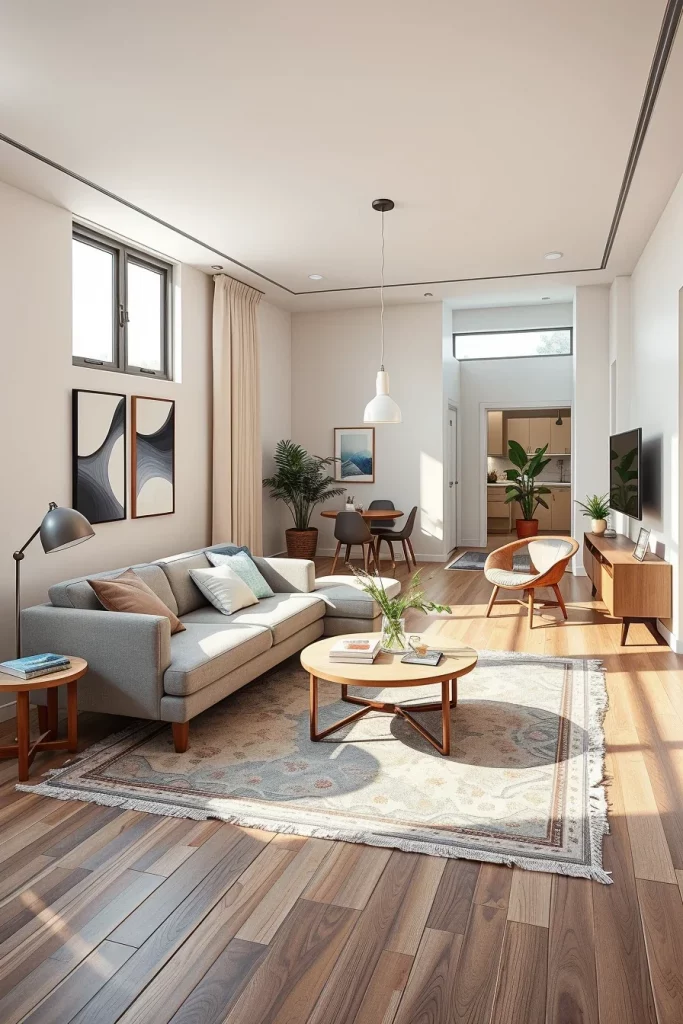
In my own projects, I have found that maintaining consistent materials and color palettes throughout adjoining spaces strengthens the sense of continuity. Many designers featured in Elle Decor recommend minimizing visual barriers in open-concept homes, and this strategy consistently produces excellent results.
To further refine this arrangement, I would incorporate lightweight movable furniture pieces. Flexible seating options make it easier to adapt the room for gatherings or everyday living.
Decorating Around Creative Furniture In Small Living Rooms
Decor plays a crucial role in supporting a successful creative furniture small living room design. I always strive to complement innovative furniture choices with accessories that enhance rather than overwhelm the room. In smaller spaces, every decorative element should contribute both beauty and functionality.
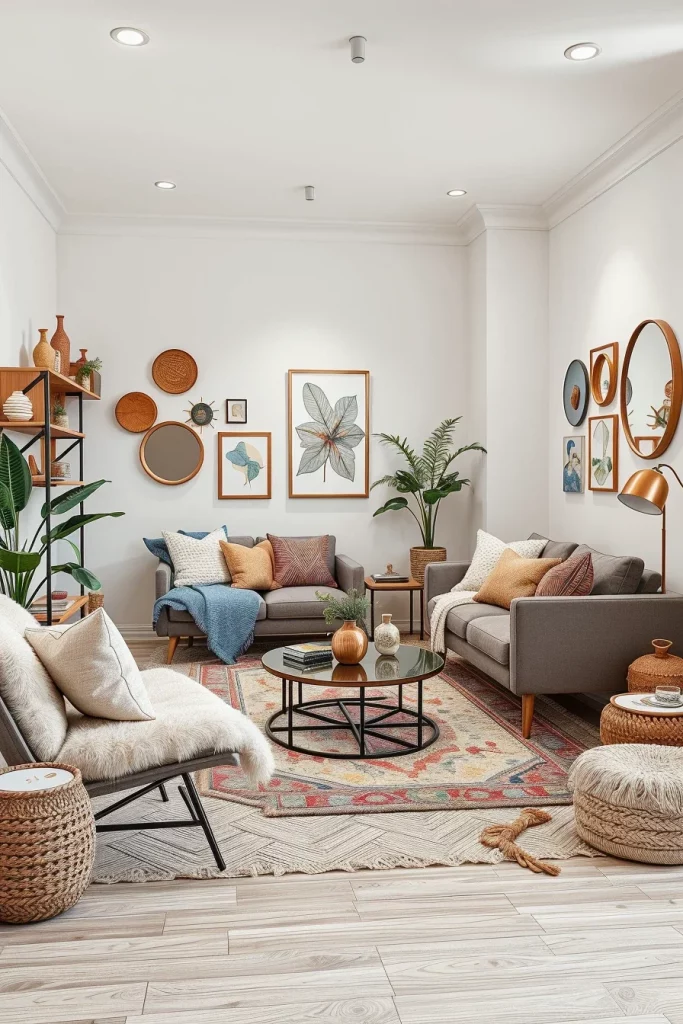
I often incorporate textured cushions, layered rugs, statement artwork, decorative trays, and carefully selected accessories. Mirrors remain one of my favorite decorative tools because they reflect light and visually expand the room. Open shelving can display books and curated decor pieces while maintaining an organized appearance.
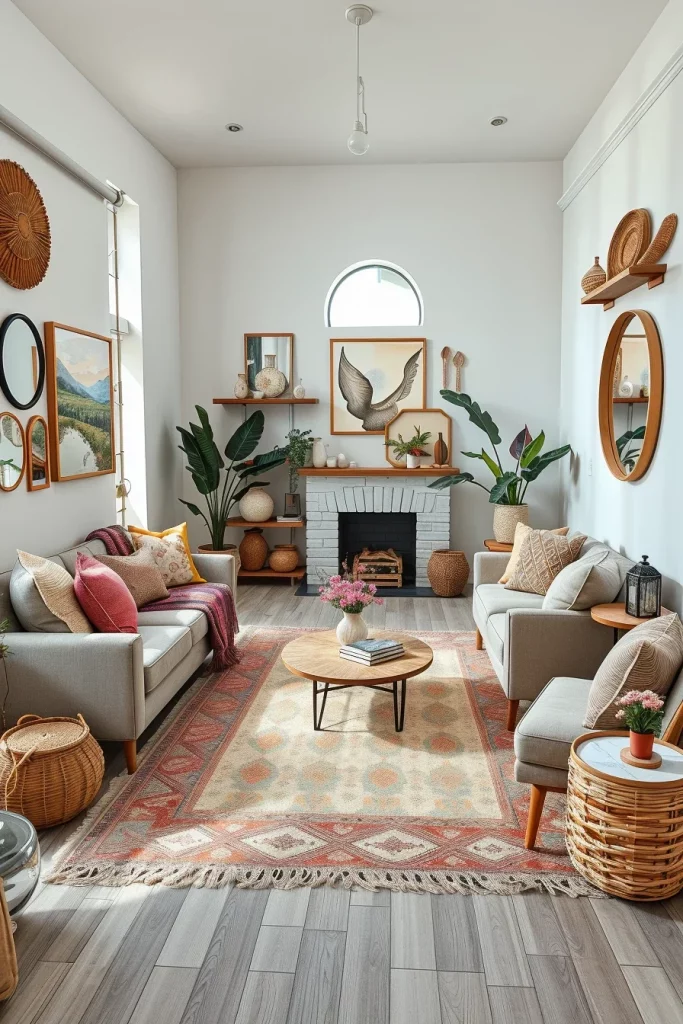
Personally, I prefer limiting decorative accessories to a few meaningful items rather than overcrowding surfaces. Professional stylists from Better Homes & Gardens often emphasize editing decor collections regularly, and I believe this practice helps maintain a fresh and uncluttered atmosphere.
I would also recommend introducing natural textures such as woven baskets, linen fabrics, or ceramic accessories. These details add warmth and character without making the room feel crowded.
Common Furniture Mistakes To Avoid In Small Living Rooms
Even beautifully designed furniture can create problems if it is used incorrectly in a small living room. Over the years, I have observed several common mistakes that frequently reduce functionality and make compact spaces feel even smaller. Recognizing these issues early can significantly improve the final design.
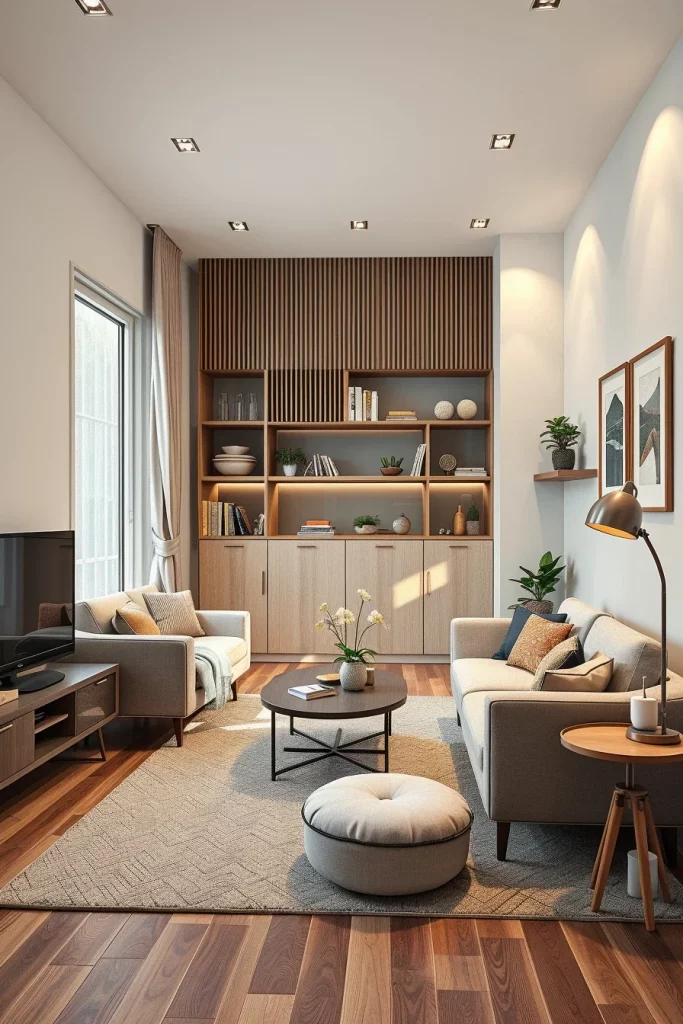
One of the most common mistakes is selecting oversized furniture that overwhelms the room. I also often see excessive furniture pieces, poor furniture placement, inadequate storage, and insufficient lighting. Heavy furniture without visible legs can visually shrink the room, while cluttered surfaces contribute to a cramped atmosphere.
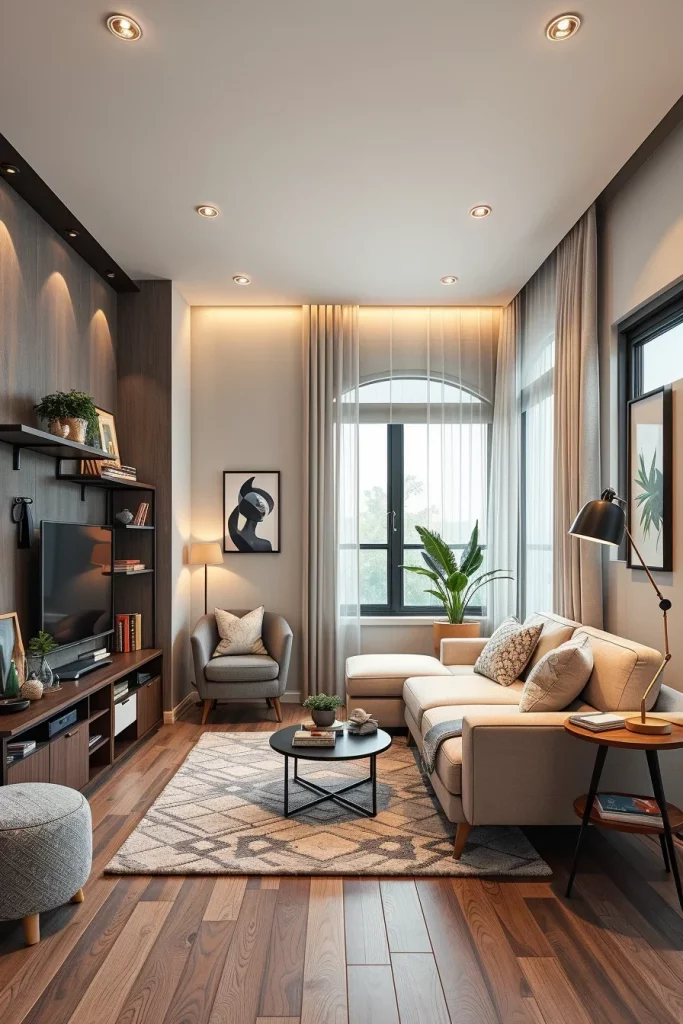
From my experience, homeowners sometimes focus exclusively on aesthetics and overlook everyday practicality. I always encourage balancing visual appeal with functionality. Advice commonly shared by interior designers in Architectural Digest emphasizes careful measurement before purchasing furniture, and I strongly support this recommendation.
To avoid these problems, I suggest creating a detailed floor plan before making any major purchases. Measuring the room and testing layouts in advance helps ensure that every furniture piece contributes positively to the overall design.
Creative furniture can turn even the smallest living room into a functional and stylish space. By choosing multifunctional, space-saving, and thoughtfully arranged pieces, you can maximize comfort without overcrowding the room. The right furniture design not only enhances practicality but also creates a welcoming atmosphere that reflects your personal style. With these creative ideas, any small living room can feel more spacious, organized, and beautifully designed.