
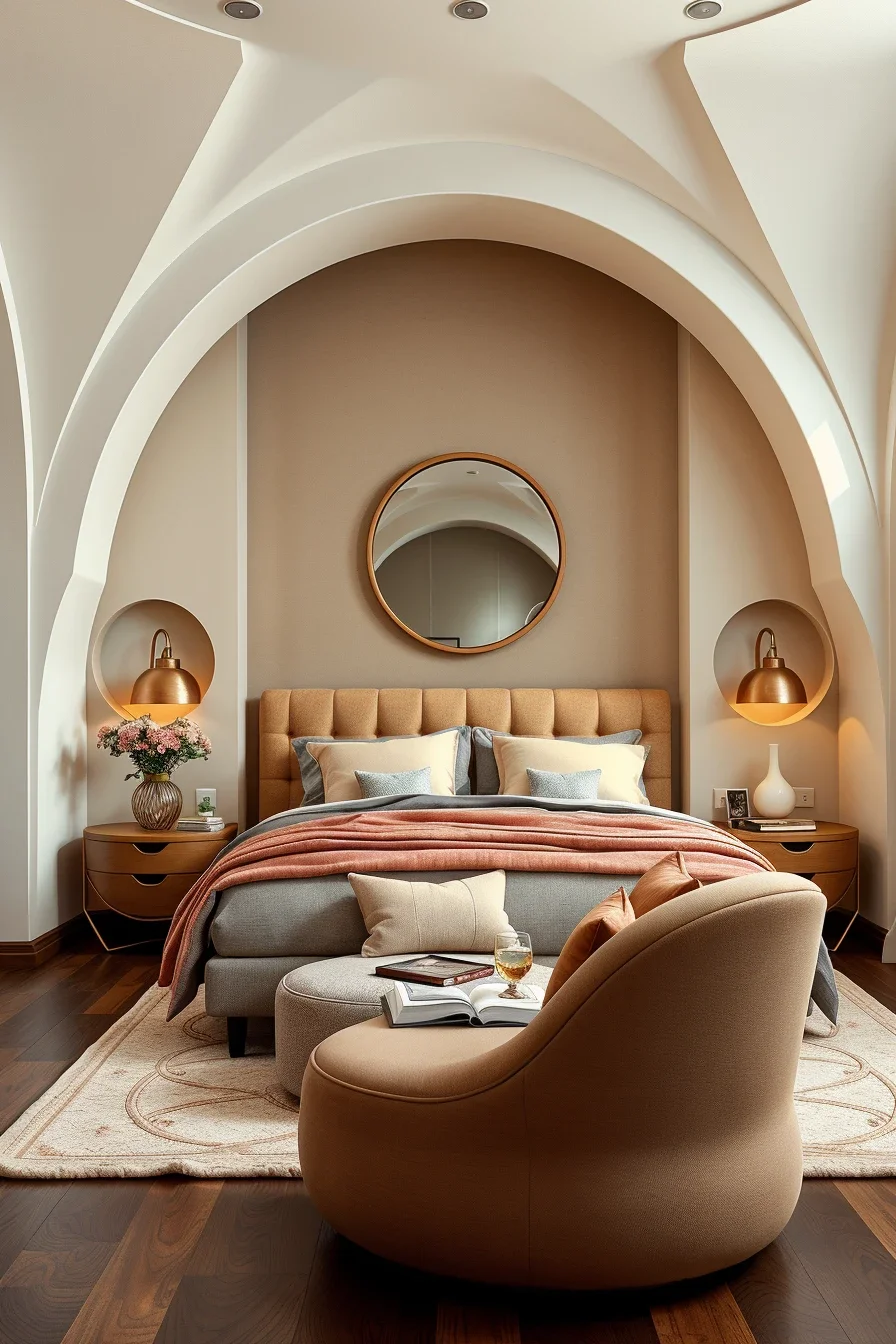
A cozy bedroom is more than just a place to sleep—it is a personal sanctuary designed for comfort, relaxation, and self-expression. The most inspiring cozy bedroom aesthetics combine soft textures, thoughtful lighting, and artistic details that make a space feel warm and inviting. From sculptural furniture to layered fabrics and creative wall treatments, every element contributes to the overall atmosphere. Modern cozy bedrooms often balance style and function, creating interiors that are both visually stunning and incredibly comfortable. Whether you prefer a minimalist retreat or a richly layered design, there are endless ways to make your bedroom feel unique and welcoming. In this article, you’ll discover beautiful cozy bedroom aesthetics that transform ordinary spaces into extraordinary havens.
Sculptural Bed Designs As The Centerpiece Of A Cozy Bedroom
When I design a bedroom around a sculptural bed, I treat the bed as a functional work of art. A curved frame, an architectural silhouette, or a softly molded upholstered structure instantly establishes a focal point that defines the entire room. This approach works particularly well in cozy bedroom aesthetics because it creates a sense of intention while maintaining visual comfort. The sculptural form draws attention without overwhelming the space, allowing the room to feel balanced and welcoming.
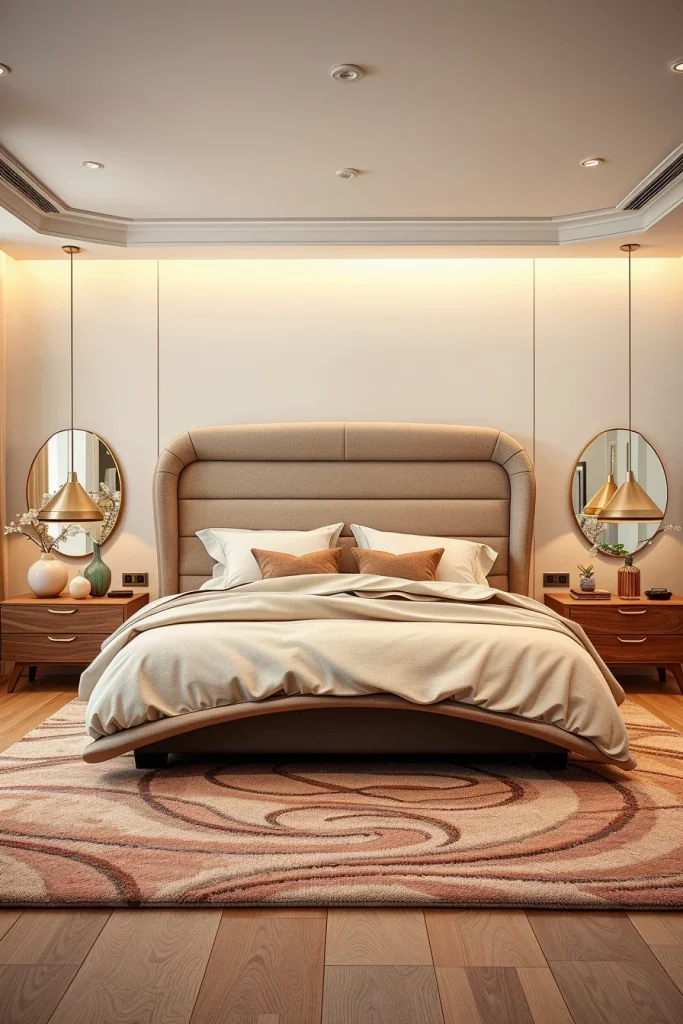
I like to pair a statement bed with simple surrounding elements that support its presence. Low-profile nightstands, soft bedding, textured area rugs, and subtle wall finishes allow the bed to remain the visual centerpiece. Upholstered frames in warm neutrals help soften the overall look, while rounded edges contribute to a calm atmosphere. Every piece of furniture should reinforce the room’s comfortable and cohesive design.
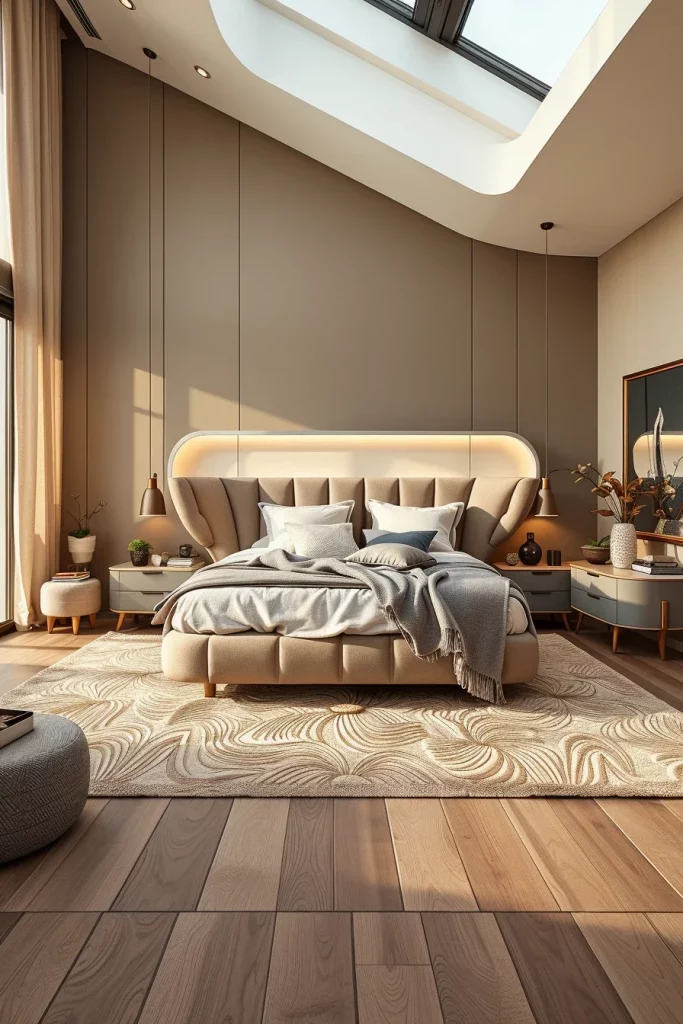
From my experience, the most successful sculptural bedrooms avoid excessive decoration. Publications such as Architectural Digest often highlight the importance of creating visual hierarchy, and I find this advice especially useful when working with statement furniture. A well-designed bed can provide enough visual interest without requiring multiple competing focal points.
To complete this concept, I would add oversized bedding layers, soft accent lighting, and a large area rug extending beyond the bed frame. These additions help connect the sculptural centerpiece to the rest of the room while increasing overall comfort.
Curved Headboards That Create A Soft And Inviting Atmosphere
Curved headboards are one of my favorite ways to make a bedroom feel instantly more welcoming. Their gentle lines soften the geometry typically found in bedrooms and introduce a sense of relaxation. In stylish and artistic bedroom designs, curved forms help create a visual flow that encourages comfort while adding subtle sophistication.
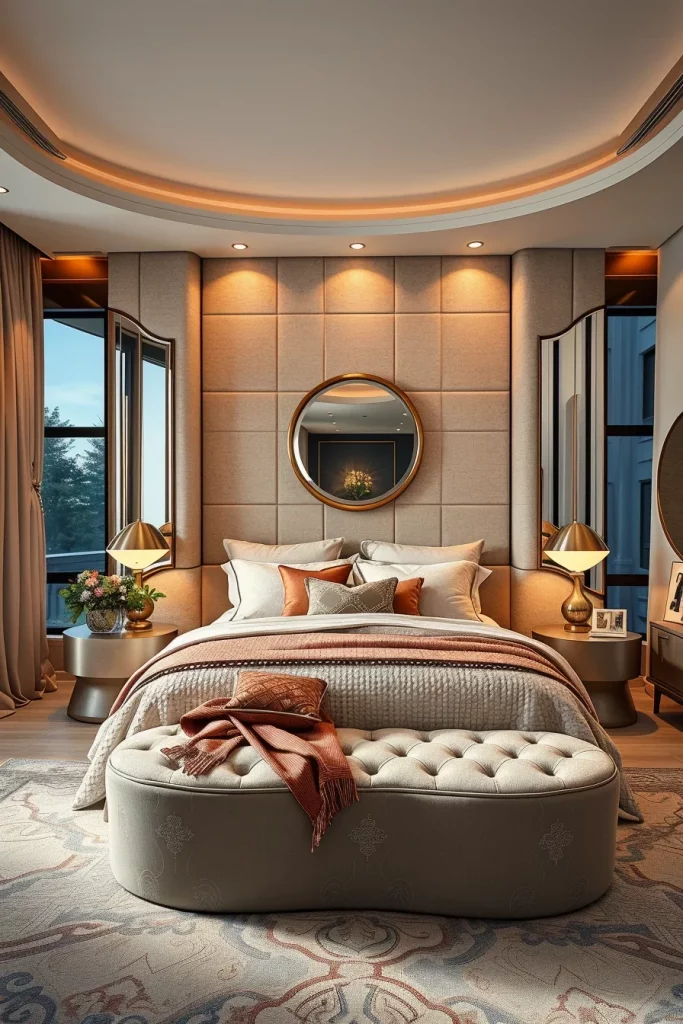
I often select headboards with generous proportions and plush upholstery. Bouclé fabrics, velvet textures, and finely woven materials enhance the softness of the design. Combined with layered bedding, rounded benches, and softly draped curtains, the curved headboard becomes part of a harmonious composition that feels both elegant and approachable.
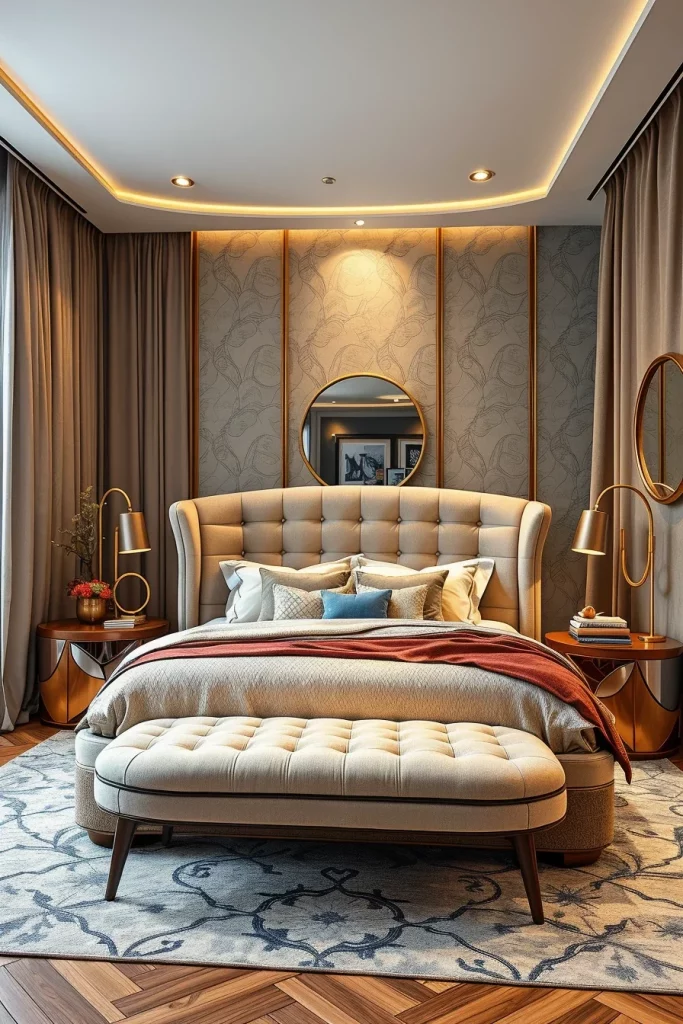
Personally, I find curved furniture easier to integrate into contemporary interiors because it balances sharp architectural features. Many interior designers have noted the growing popularity of organic forms, and I agree that curved pieces make spaces feel more human-centered and comfortable.
If I wanted to strengthen this concept further, I would include rounded pendant lights, circular mirrors, and curved bedside tables. These additions help reinforce the visual language established by the headboard and create a more cohesive room.
Statement Ceiling Designs For A Unique Cozy Retreat
A ceiling is often overlooked, yet I consider it one of the most powerful opportunities for creating a unique bedroom. A thoughtfully designed ceiling can transform a simple room into an immersive retreat. Coffered details, subtle geometric patterns, sculptural moldings, or softly illuminated recessed elements bring visual interest to the upper portion of the room without sacrificing comfort.
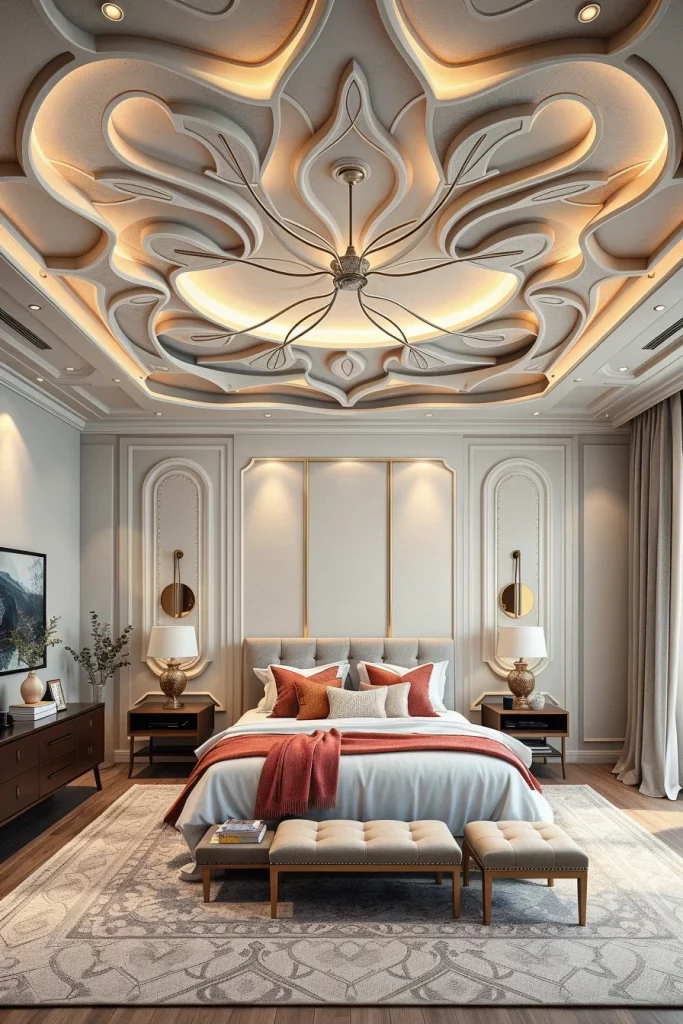
When designing statement ceilings, I prefer finishes that complement the room rather than dominate it. Soft plaster textures, warm paint tones, and integrated lighting create depth while maintaining a relaxing atmosphere. The ceiling should feel connected to the furniture, textiles, and architectural features below.
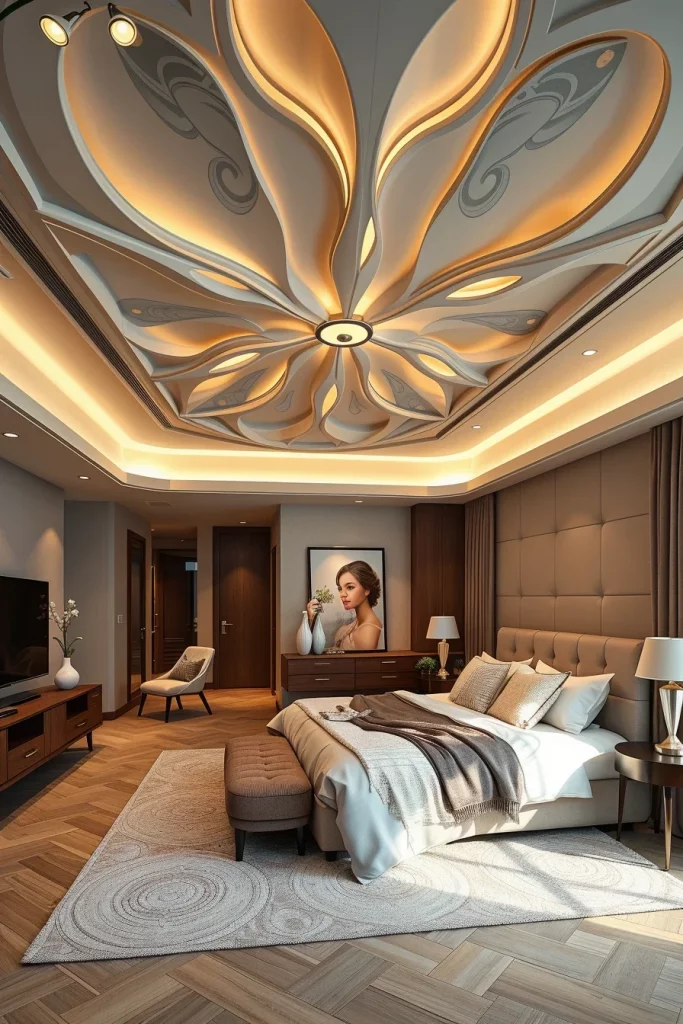
I have found that layered lighting is especially important in bedrooms with decorative ceilings. Interior experts frequently emphasize the value of ambient lighting, and I agree that indirect illumination enhances both comfort and architectural detail. Proper lighting allows the ceiling design to contribute to the room’s mood throughout the day and evening.
To complete this retreat-like environment, I would add dimmable lighting controls, luxurious bedding, and carefully selected artwork. These details help create a fully immersive and comfortable experience.
Layered Textures That Add Warmth And Visual Interest
Layering textures is one of the most effective ways I know to create cozy bedroom aesthetics. Even a simple room can feel rich and inviting when multiple tactile surfaces work together. Combining soft fabrics, textured walls, plush rugs, and upholstered furniture creates depth that immediately enhances comfort.
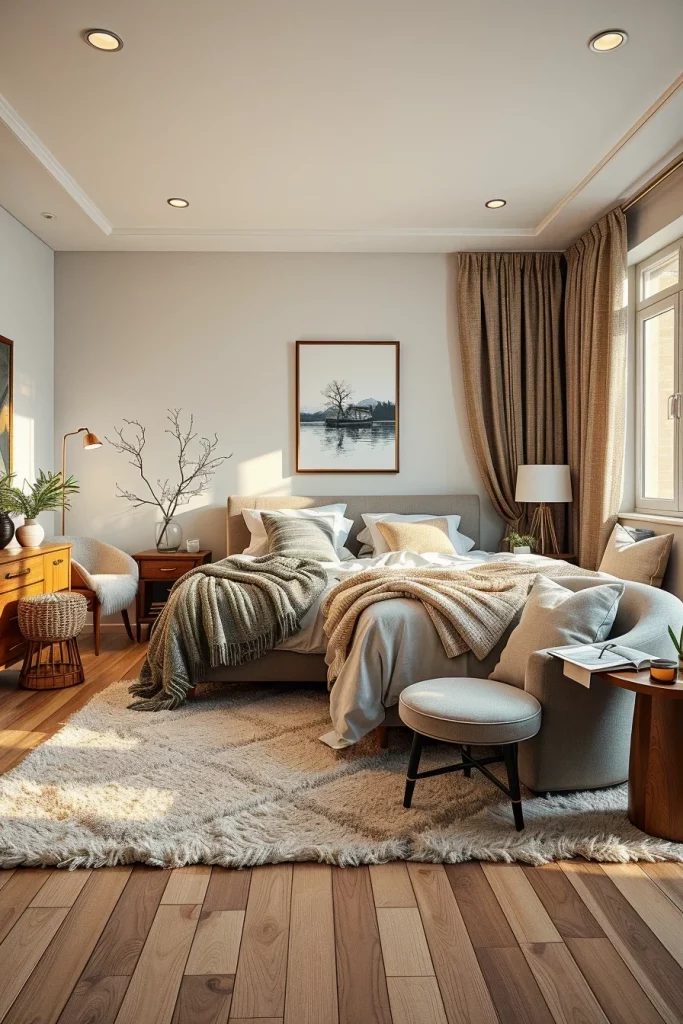
I typically begin with foundational textures such as area rugs and bedding. From there, I introduce knit throws, upholstered benches, textured curtains, and decorative cushions. Materials with different visual weights prevent the room from feeling flat while maintaining a cohesive appearance. The goal is to create warmth without introducing clutter.
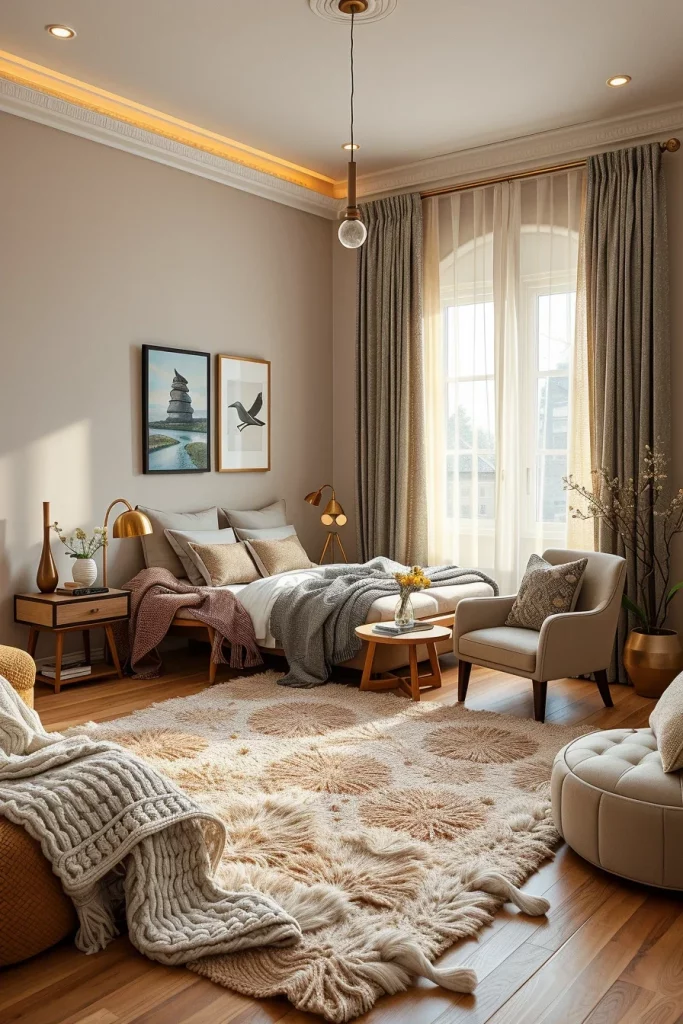
In my opinion, texture often contributes more to coziness than color alone. Many professional designers recommend focusing on tactile comfort, and I have seen firsthand how effective this approach can be. A room filled with inviting textures naturally encourages relaxation and rest.
For additional depth, I would incorporate textured wall panels, layered window treatments, and accent furniture with rich upholstery. These elements strengthen the room’s visual character while preserving a comfortable atmosphere.
Artistic Wall Panels With Three-Dimensional Appeal
Three-dimensional wall panels introduce a distinctly creative and unusual element to bedroom design. I often use them to create a sophisticated backdrop behind the bed, transforming an ordinary wall into an architectural feature. Their sculptural quality adds movement and depth while maintaining an elegant appearance.
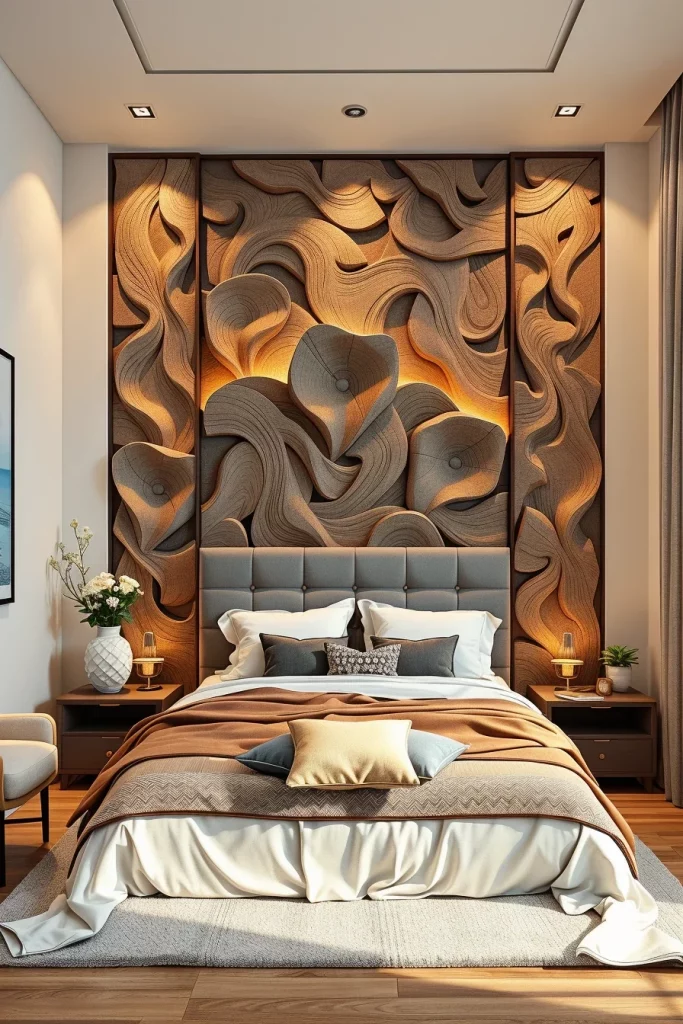
The best wall panels complement the room’s overall design language. Organic wave patterns, geometric reliefs, and softly curved forms work especially well in modern bedrooms. I like to combine these panels with simple furniture and restrained color palettes so the wall treatment remains the primary visual attraction.
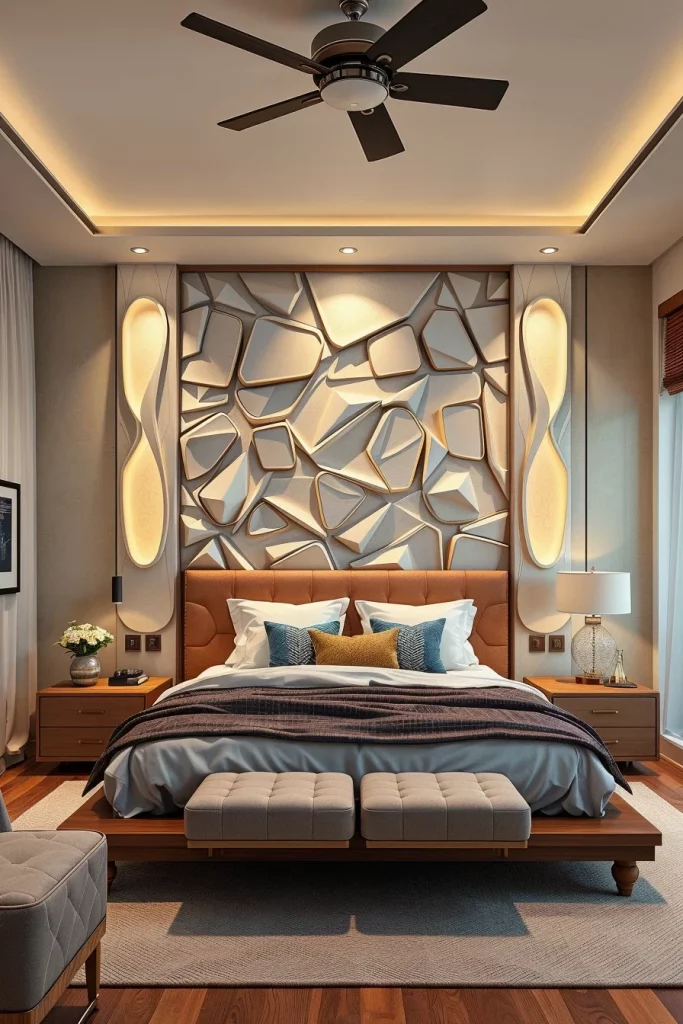
From my perspective, artistic wall panels offer a practical advantage beyond aesthetics. They can visually define zones, improve perceived depth, and create a sense of customization. Design publications frequently showcase three-dimensional surfaces because they bring individuality to interiors without requiring excessive decoration.
To maximize the effect, I would add integrated accent lighting that highlights the panel texture. This simple enhancement dramatically increases depth and creates beautiful shadow play throughout the evening.
Oversized Pendant Lighting For A Sculptural Look
Oversized pendant lighting can completely transform the atmosphere of a bedroom while serving as a striking sculptural feature. I often use large-scale lighting fixtures to create a strong focal point that balances the bed and anchors the entire room. In artistic and stylish interiors, pendant lights become more than a source of illumination—they function as suspended sculptures that contribute to the room’s identity.
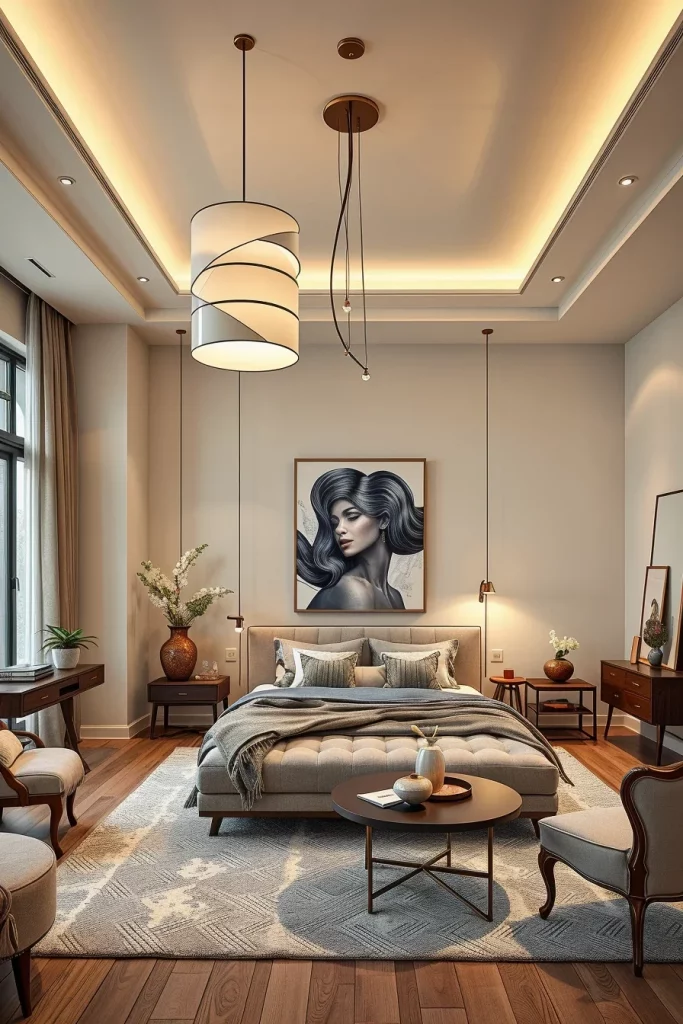
When selecting oversized pendants, I pay close attention to shape, scale, and material. Rounded forms, layered shades, and organic silhouettes work particularly well in cozy settings because they soften the room while adding dimension. Positioned above nightstands or centrally above the bed, these fixtures help define the space and create a sense of intentional design. Soft, warm bulbs are essential for maintaining a relaxing atmosphere.
I have found that statement lighting often allows me to simplify other decorative elements in the room. Many designers featured in leading interior publications recommend investing in a few impactful pieces rather than filling a space with numerous small accessories. I agree with this approach because it creates a cleaner and more sophisticated result.
To enhance this concept, I would incorporate dimmable lighting controls and complementary accent lamps. This combination provides flexibility while ensuring the bedroom remains comfortable throughout the day and evening.
Cozy Bedroom Aesthetics With Organic-Shaped Furniture
Organic-shaped furniture introduces movement and softness that perfectly support cozy bedroom aesthetics. I often choose pieces with flowing curves and asymmetrical profiles because they make a room feel more inviting and visually dynamic. These forms bring a sense of calm that contrasts beautifully with the straight lines often found in architecture.
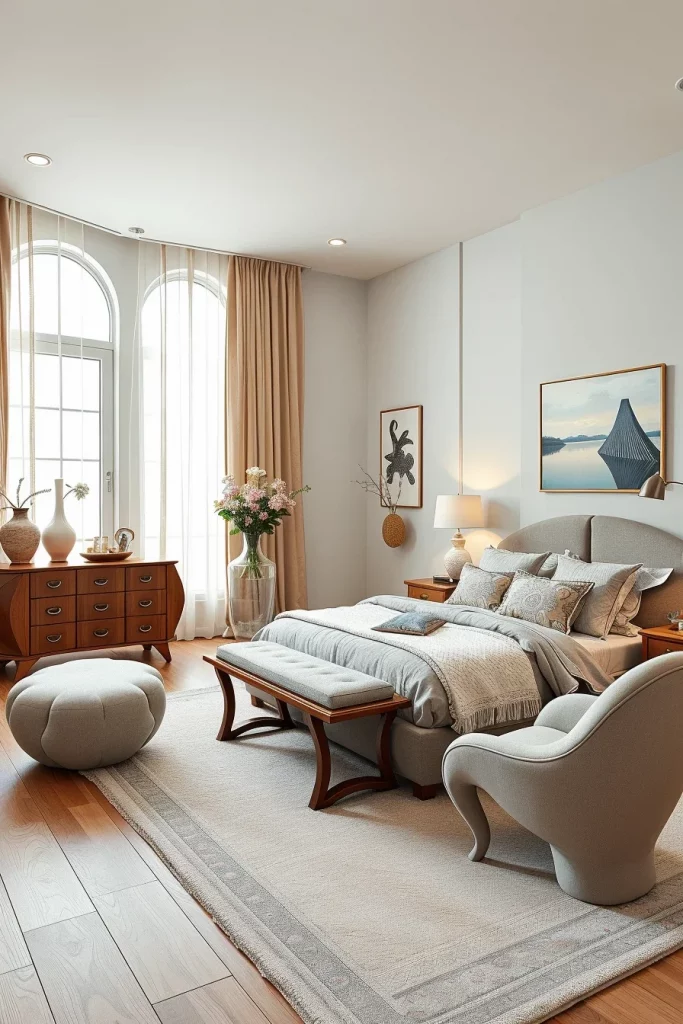
Furniture such as curved dressers, rounded benches, sculptural chairs, and softly contoured nightstands contributes to a harmonious environment. I like to combine these pieces with layered textiles and warm color palettes to create a balanced composition. The furniture itself becomes part of the room’s artistic expression while remaining highly functional.
In my experience, organic forms help a bedroom feel more personal and relaxed. Contemporary designers increasingly embrace furniture inspired by nature because it creates a stronger emotional connection to the space. I find that these shapes naturally encourage a more comfortable and welcoming atmosphere.
To further develop this design, I would include textured upholstery, curved mirrors, and subtle decorative objects with rounded forms. These additions reinforce the overall concept without overwhelming the room.
Monochromatic Color Stories For A Sophisticated Mood
A monochromatic palette can make a bedroom feel exceptionally refined while preserving warmth and comfort. I often use varying shades of a single color to create depth without introducing visual clutter. This strategy works especially well in unique and creative bedroom designs because it allows architectural features and furniture silhouettes to take center stage.
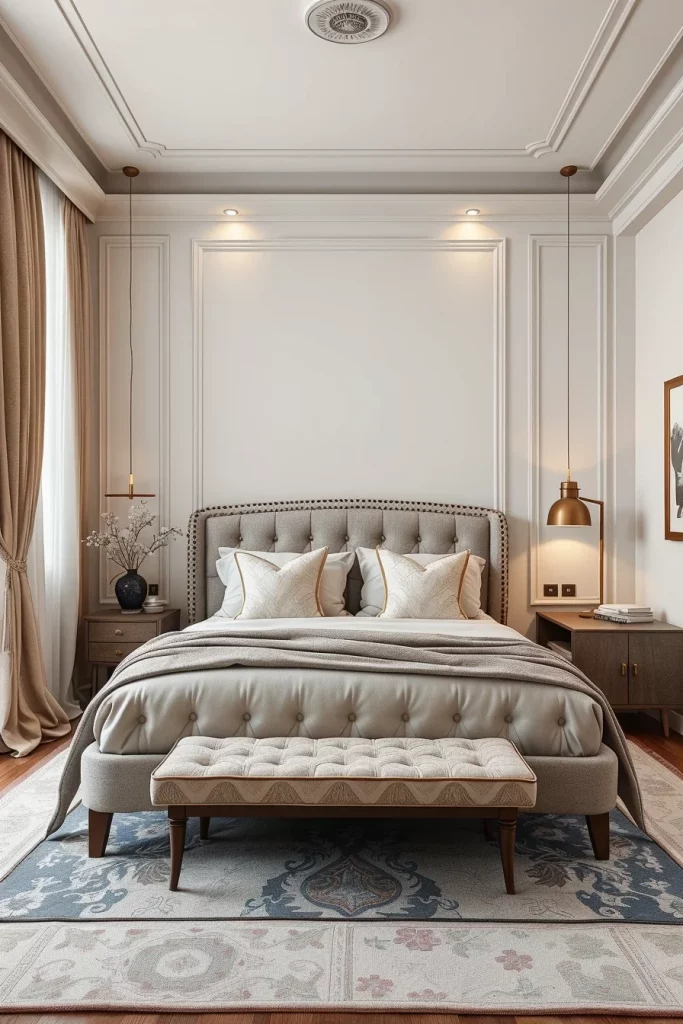
The success of a monochromatic room depends on layering tones and textures. I like to combine lighter and darker variations of the same hue through bedding, upholstery, rugs, curtains, and wall finishes. This approach creates subtle contrast while maintaining a cohesive appearance. Soft lighting further enhances the richness of the color palette.
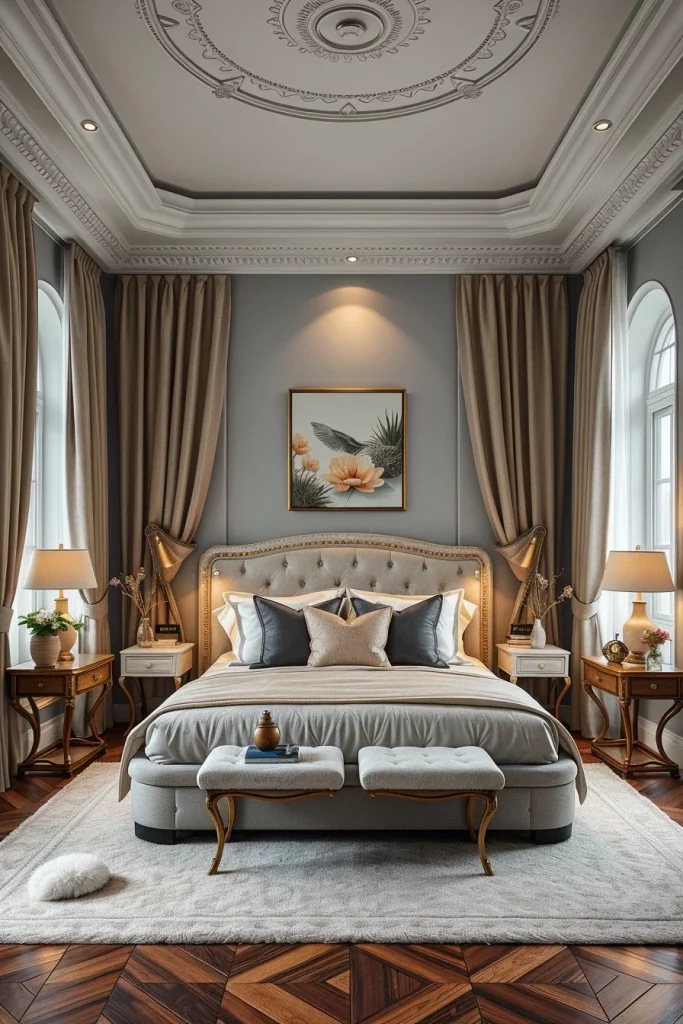
Personally, I appreciate monochromatic interiors because they create an immediate sense of calm. Interior design experts frequently recommend tonal layering as a way to achieve sophistication, and I have consistently found it effective in creating restful bedroom environments.
To complete the room, I would add carefully selected decorative objects in matching tones along with textured materials that prevent the design from feeling flat. These details introduce depth while preserving visual harmony.
Creative Accent Walls Inspired By Modern Art
A modern art-inspired accent wall can instantly elevate a bedroom from ordinary to memorable. I often use this approach to introduce personality and artistic expression while maintaining an overall sense of comfort. Abstract forms, geometric compositions, and subtle tonal contrasts can transform a wall into a captivating design feature.
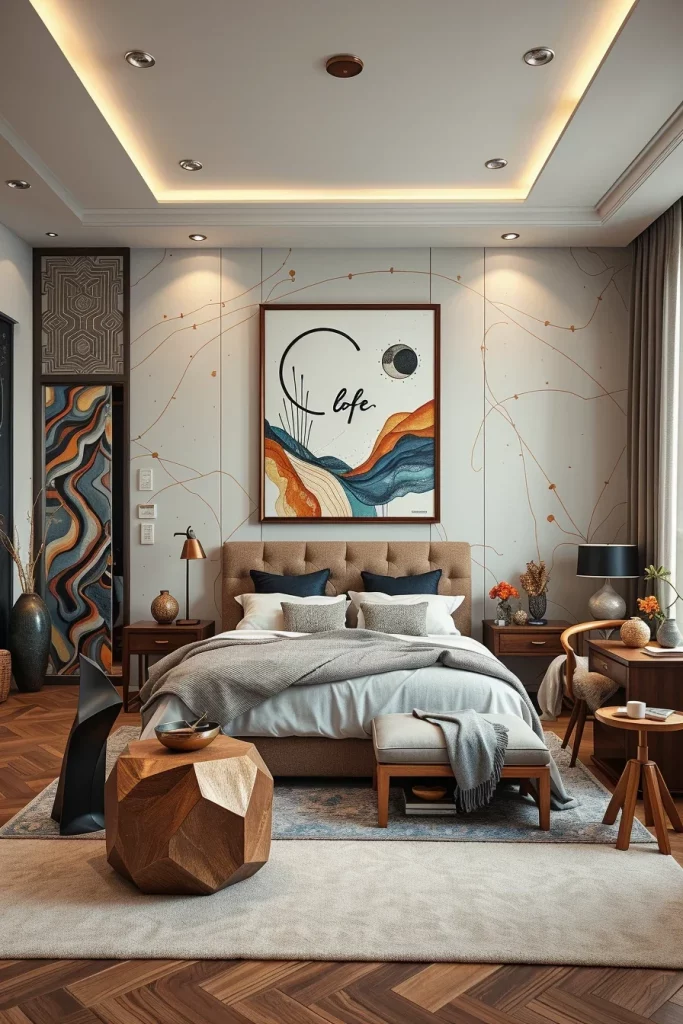
When creating an accent wall, I prefer designs that complement rather than compete with the room’s furnishings. Painted murals, textured finishes, and large-scale artistic patterns work especially well when paired with simple furniture. This balance allows the wall to become a focal point while preserving the relaxing atmosphere essential to a cozy bedroom.
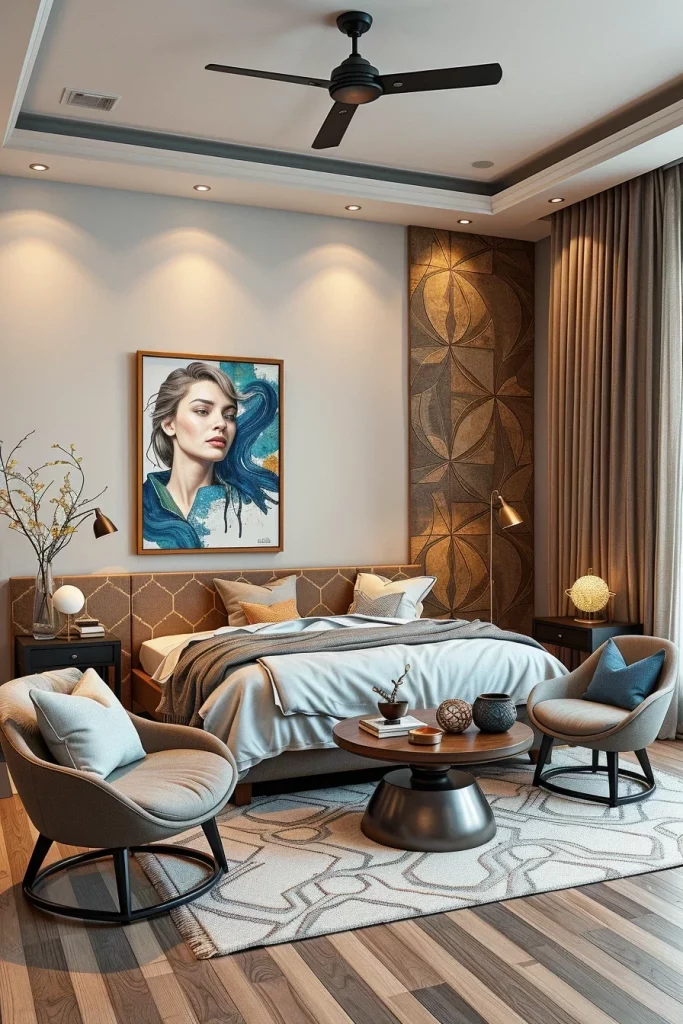
I believe that accent walls provide one of the easiest opportunities to express creativity. Many contemporary interior designers encourage the use of personalized artistic elements, and I agree that these details can make a bedroom feel more distinctive and meaningful.
To strengthen this design concept, I would include carefully positioned lighting that highlights the artwork and creates subtle visual depth. This ensures the feature wall remains impactful throughout the day and night.
Floating Nightstands For A Light And Contemporary Feel
Floating nightstands offer a sleek solution that contributes to a more open and spacious bedroom environment. I frequently incorporate them into modern bedrooms because they reduce visual weight and create a cleaner overall appearance. Their elevated design allows more floor area to remain visible, helping the room feel larger and lighter.
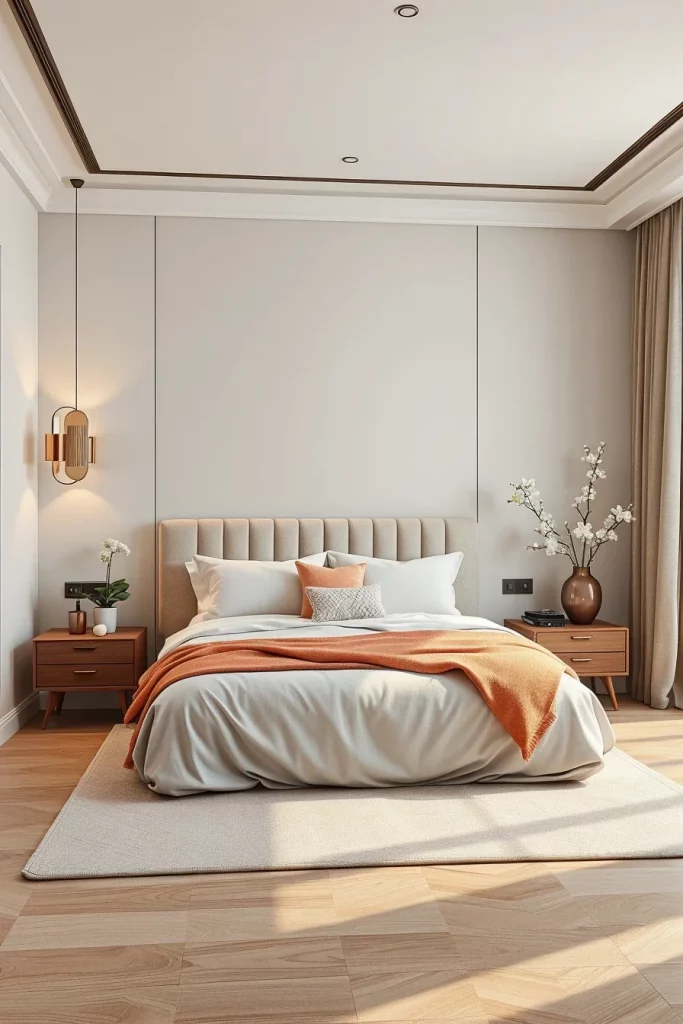
Functionality remains important despite their minimalist appearance. I typically choose floating nightstands with concealed storage to maintain organization while preserving a streamlined look. Paired with wall-mounted lighting and a sculptural bed, they contribute to a highly cohesive design that feels contemporary yet comfortable.
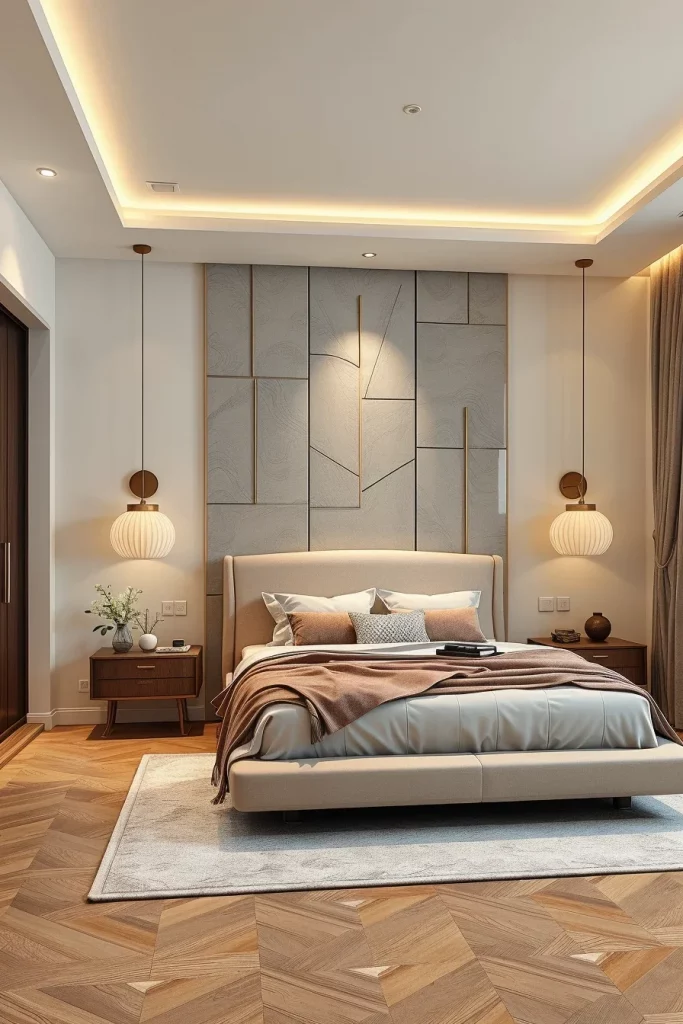
From my perspective, floating furniture supports a sense of visual calm that is particularly valuable in sleeping spaces. Many modern interiors embrace this approach because it simplifies the room while maintaining practicality. I find that the result often feels more sophisticated than traditional furniture arrangements.
To make this concept even more effective, I would incorporate hidden cable management, integrated lighting, and subtle decorative accents. These additions improve functionality while maintaining the clean aesthetic that makes floating nightstands so appealing.
Layered Bedding Arrangements With Luxurious Dimension
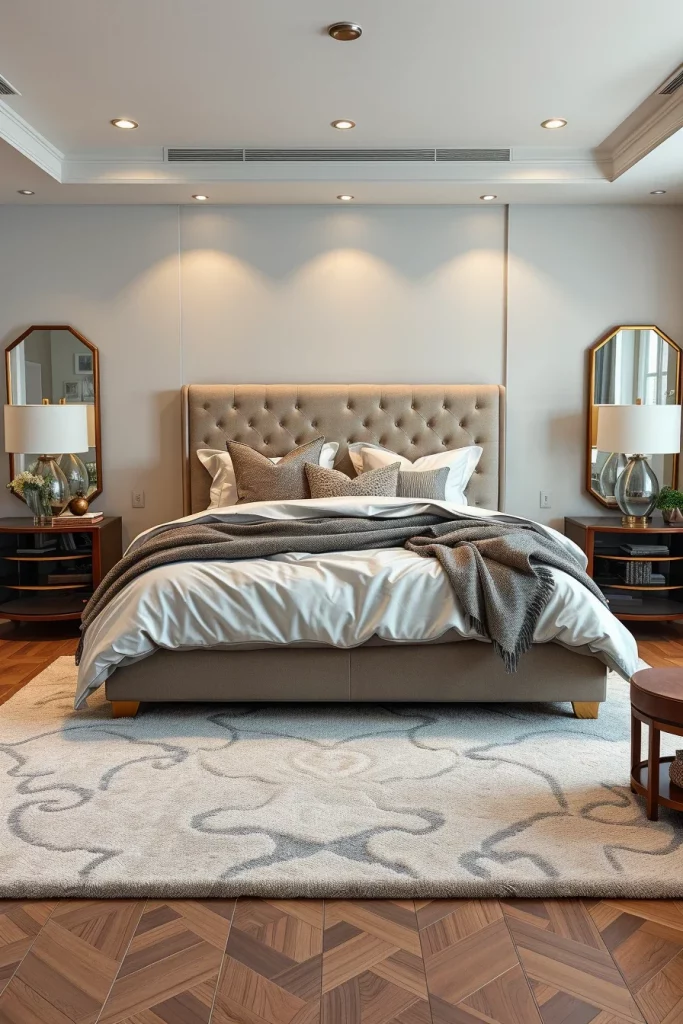
One of the most effective ways I create inviting and cozy bedroom aesthetics is through layered bedding. Multiple layers add visual depth while making the room feel more comfortable and welcoming. I often combine oversized duvets, textured coverlets, accent blankets, and decorative cushions to create a bed that becomes the focal point of the entire room. This approach works particularly well in both large and compact bedrooms because it immediately introduces softness and warmth.
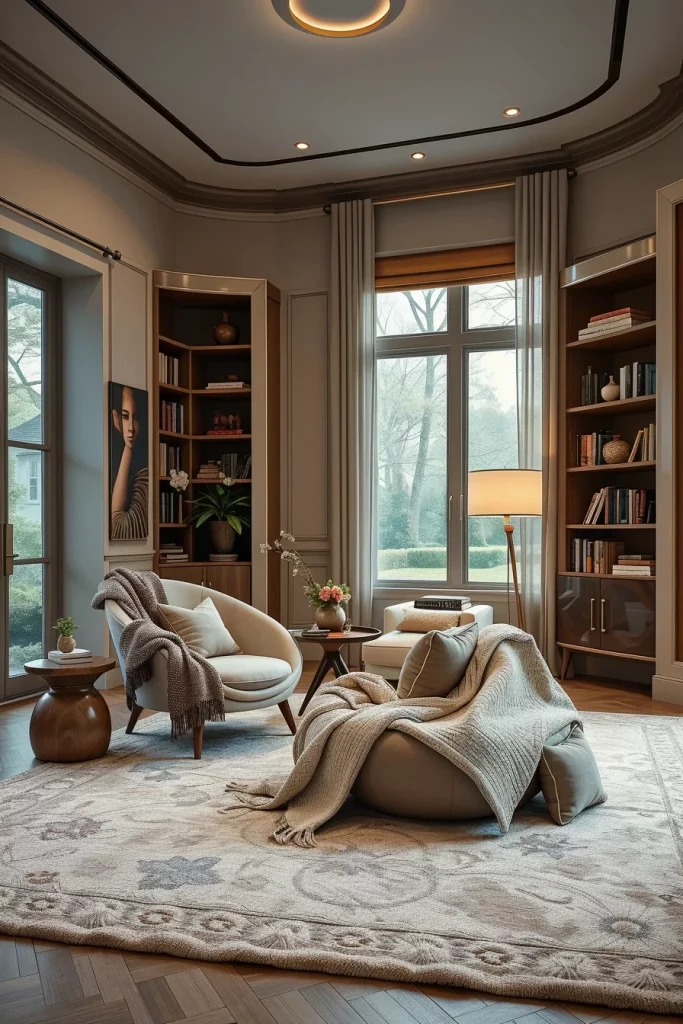
I typically begin with high-quality neutral bedding as a foundation and then introduce contrasting textures through knitted throws, quilted blankets, and velvet cushions. An upholstered bed frame adds another layer of comfort while nightstands with soft curves help balance the composition. A large area rug beneath the bed extends the feeling of comfort throughout the room and visually anchors the furniture arrangement.
In my experience, interior designers frequently recommend combining at least three distinct textile textures to achieve a sophisticated layered effect. Publications such as Architectural Digest often highlight the importance of texture when creating comfortable sleeping environments. I have found that layering creates a luxurious appearance without requiring expensive decorative additions.
To complete this type of bedroom, I would add subtle ambient lighting, oversized drapery panels, and a statement bench at the foot of the bed. These additions reinforce the sense of dimension and help the room feel intentionally designed.
Artistic Lighting Installations That Double As Decor
Lighting can dramatically influence how a bedroom feels, and I believe artistic fixtures are among the most impactful decorative elements available. Rather than relying solely on functional ceiling lights, I prefer incorporating sculptural pendants, oversized chandeliers, or custom wall-mounted fixtures that become visual centerpieces. These artistic installations contribute to both atmosphere and personality.
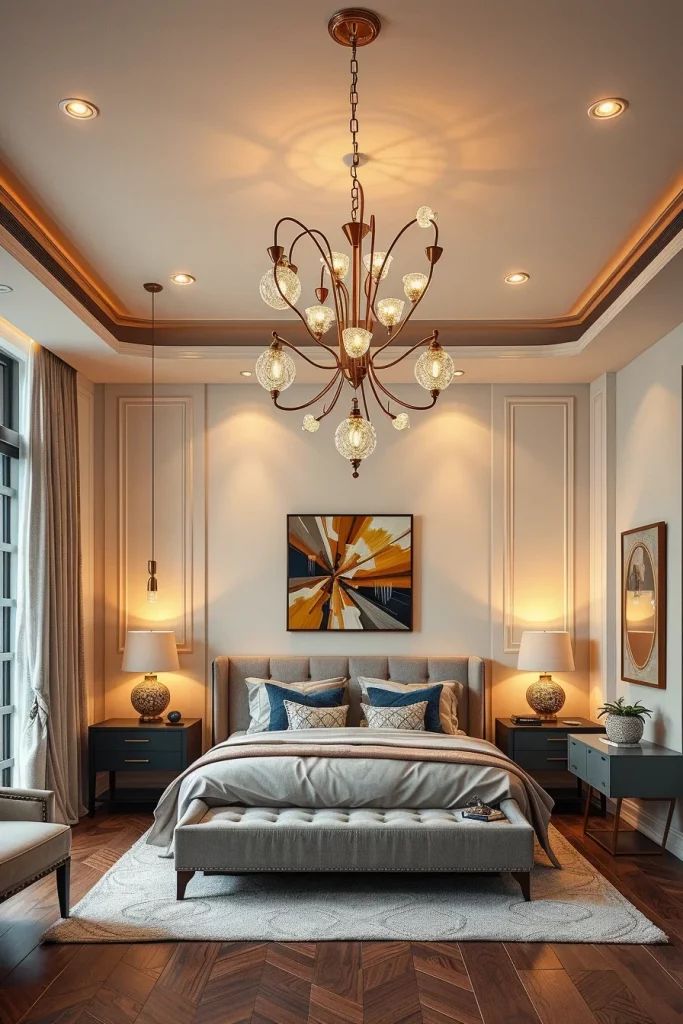
I often combine multiple light sources throughout the room. Sculptural pendant lights above bedside tables, integrated wall sconces, and hidden LED accent lighting create visual layers that enhance comfort. Decorative fixtures with curved silhouettes or handcrafted finishes introduce an artistic quality while maintaining practical illumination.
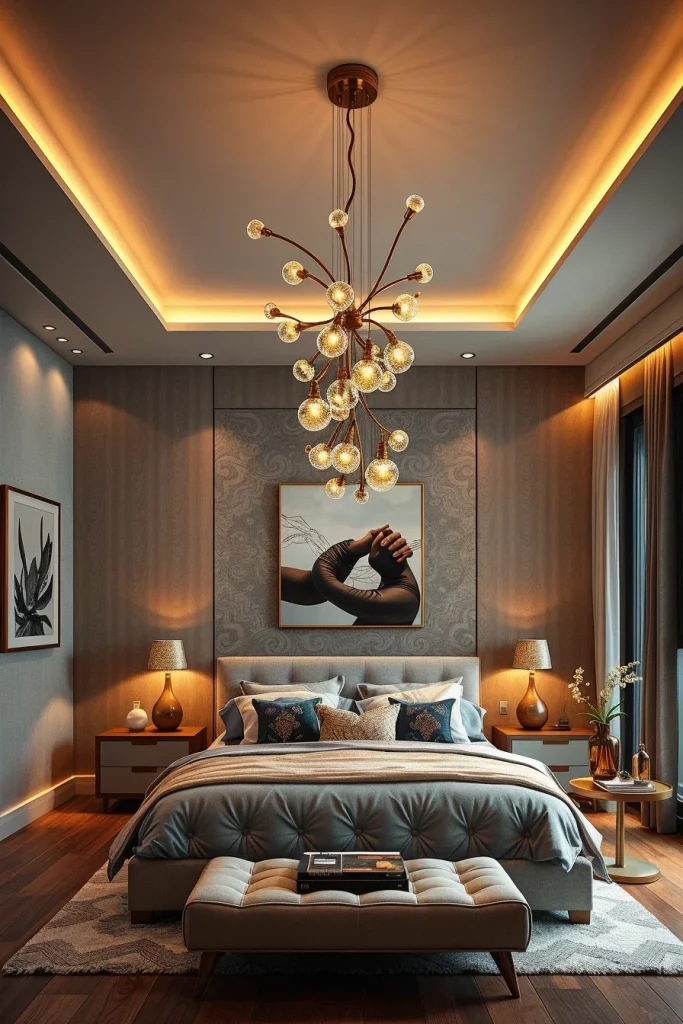
From my perspective, the most successful lighting designs balance aesthetics with functionality. Designers featured in leading American interior publications frequently emphasize the importance of layered lighting instead of depending on a single overhead fixture. I have noticed that bedrooms feel significantly more welcoming when light sources are distributed throughout the space.
If I were refining this design further, I would introduce dimmable controls and decorative reflective surfaces. These additions help maximize the impact of the lighting while allowing the atmosphere to shift throughout the day.
Cozy Reading Corners With Sculptural Seating
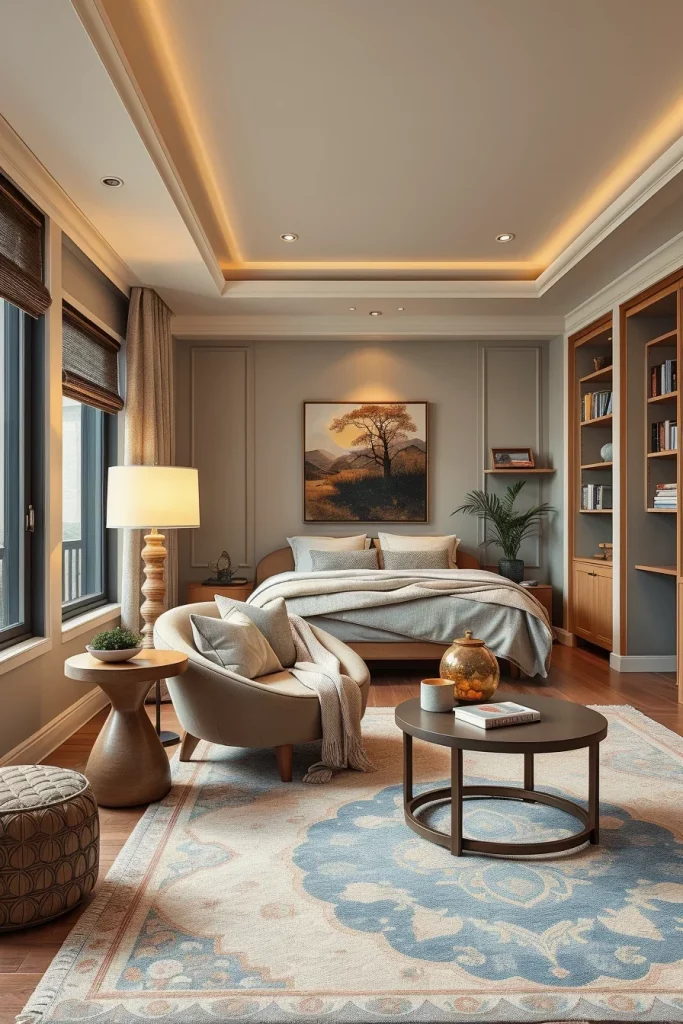
A dedicated reading corner can transform a bedroom into a multifunctional retreat. I often design these spaces as intimate destinations within the room, creating an area that encourages relaxation beyond sleep. When thoughtfully arranged, a reading nook contributes both comfort and architectural interest.
I usually select a sculptural lounge chair with generous proportions and pair it with a small accent table. A soft floor lamp, textured throw blanket, and oversized cushion increase comfort while maintaining visual cohesion with the rest of the bedroom. Curved forms work especially well because they soften the overall appearance of the room and encourage a relaxed atmosphere.
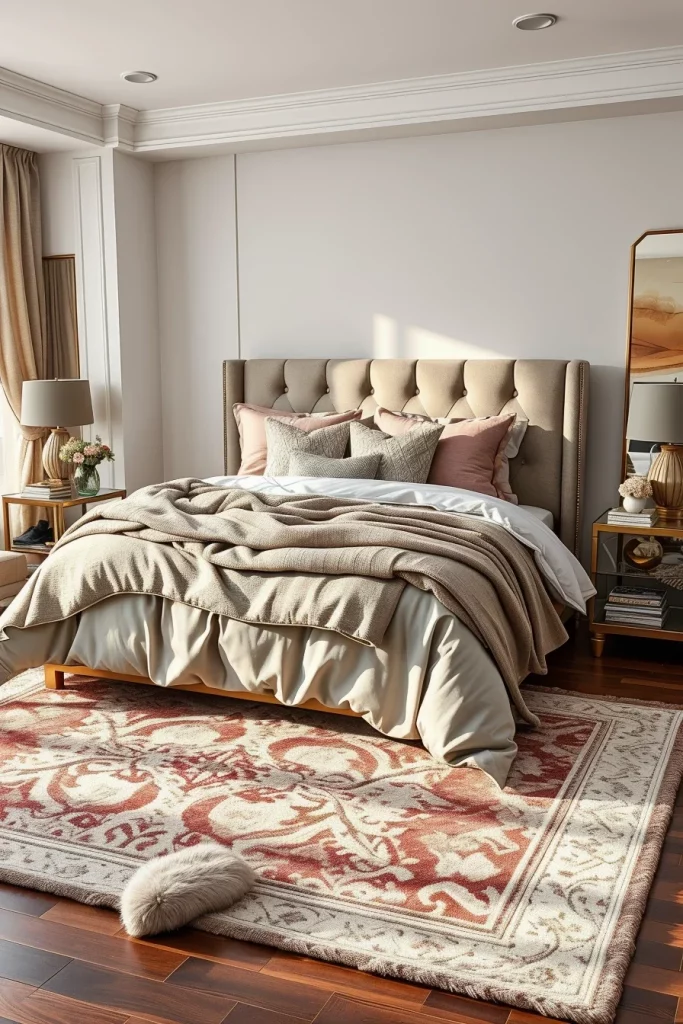
Personally, I find that reading corners make bedrooms feel more complete and personalized. Many professional designers recommend creating distinct functional zones even within smaller spaces because it increases both usability and visual interest. A reading nook can become the most frequently used area of the bedroom outside of the bed itself.
To enhance this section further, I would add a compact bookshelf, a textured rug, and layered lighting sources. These additions strengthen the sense of purpose while preserving the cozy character of the space.
Floor-To-Ceiling Drapery For A Soft And Elegant Setting
Floor-to-ceiling drapery is one of my favorite techniques for creating elegant and cozy bedroom aesthetics. Full-height fabric panels visually expand the room while introducing softness to every surface they frame. Even in modern interiors, drapery helps reduce harsh architectural lines and creates a more welcoming environment.
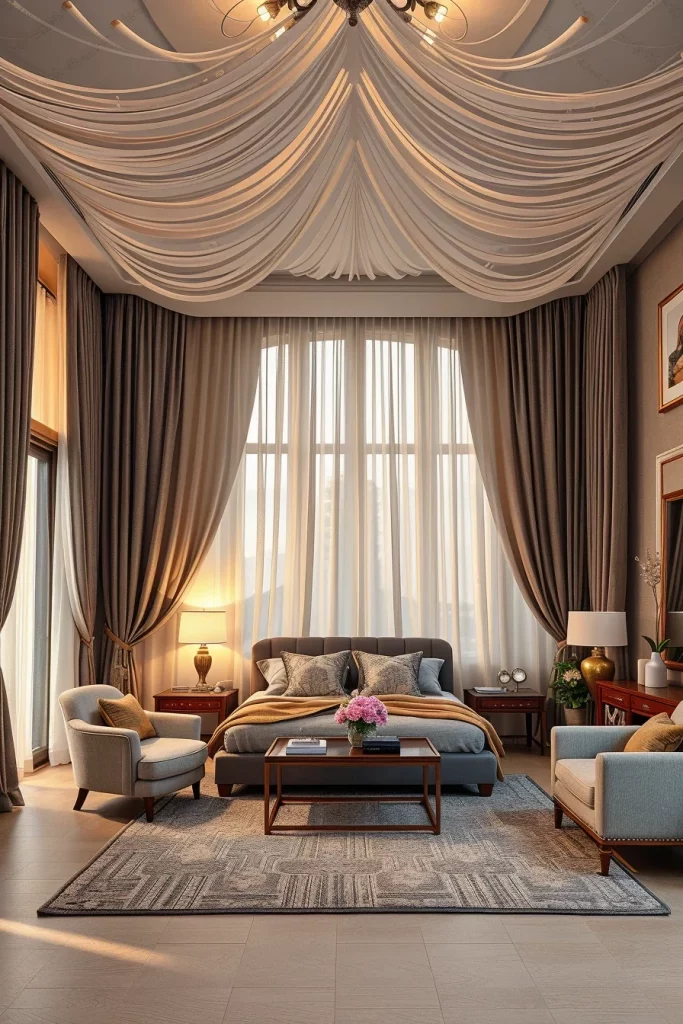
I often choose richly textured fabrics that extend from ceiling level to the floor. When combined with upholstered furniture, layered bedding, and soft area rugs, the drapery contributes to a cohesive and luxurious atmosphere. Ceiling-mounted curtain tracks create a seamless appearance that emphasizes the room’s vertical dimensions.
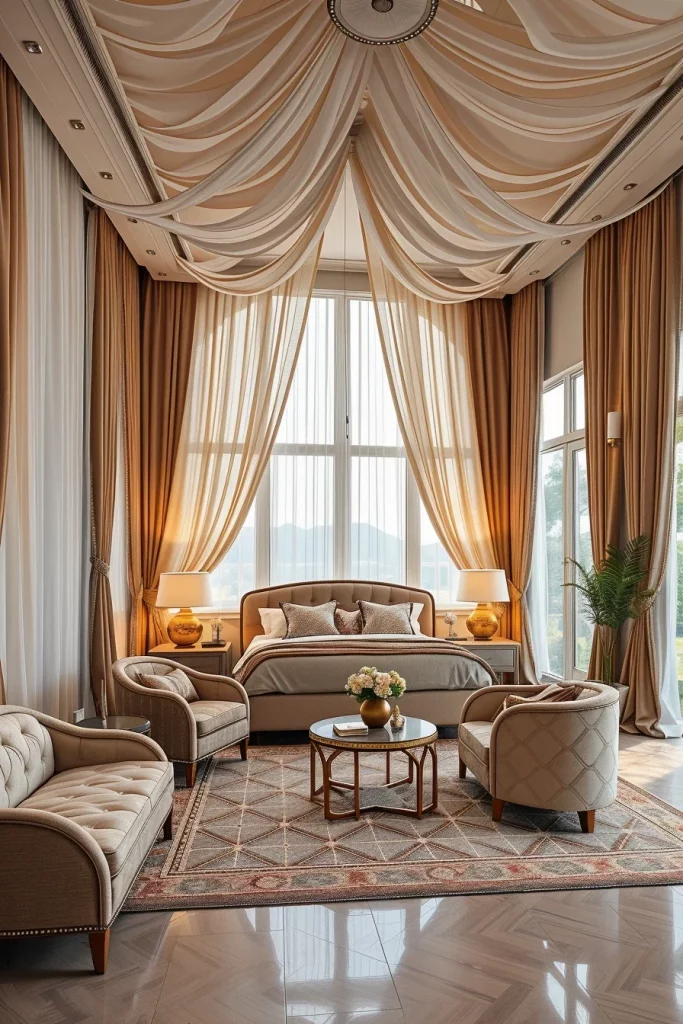
I have consistently found that generous drapery panels improve both aesthetics and comfort. Beyond their decorative value, they can help manage natural light and contribute to acoustic softness. Interior design experts frequently highlight drapery as an essential tool for adding warmth to contemporary bedrooms.
For an even more refined result, I would incorporate layered sheers behind the primary drapery panels. This combination allows for flexible light control while preserving the elegant appearance throughout the day.
Textured Ceiling Features That Enhance Comfort
Many homeowners focus on walls and furniture while overlooking the ceiling. I believe the ceiling presents an excellent opportunity to introduce texture and visual interest that elevates the entire bedroom. Thoughtfully designed ceiling features can create a cocoon-like atmosphere that supports relaxation.
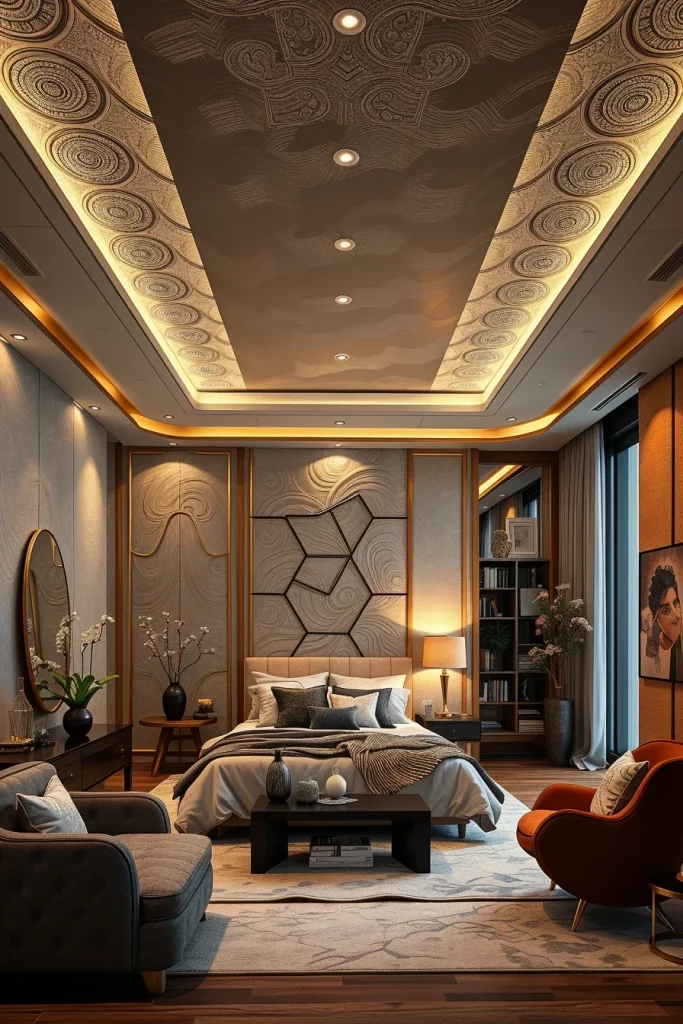
I often incorporate architectural paneling, decorative beams, subtle geometric detailing, or softly textured finishes. These elements draw the eye upward and create a sense of enclosure without making the room feel crowded. When paired with layered lighting and comfortable furnishings, textured ceilings contribute significantly to the overall ambiance.
From my experience, textured ceilings work particularly well in bedrooms because they add complexity without occupying valuable floor space. Designers increasingly use ceiling treatments to create immersive environments, especially in bedrooms intended to feel restful and intimate.
To complete this concept, I would integrate concealed lighting along ceiling transitions and coordinate the ceiling texture with other materials used throughout the room. This creates a cohesive and highly intentional design experience.
Unusual Bedroom Layouts That Feel Intimate And Functional
When I design bedrooms that feel both practical and memorable, I often experiment with unusual layouts that move away from traditional furniture placement. Instead of centering every piece around the bed, I create distinct zones that encourage relaxation, reading, dressing, or quiet reflection. These unusual arrangements can make even a standard room feel more personal and thoughtfully designed. A carefully planned layout also improves circulation and helps the room feel naturally comfortable.
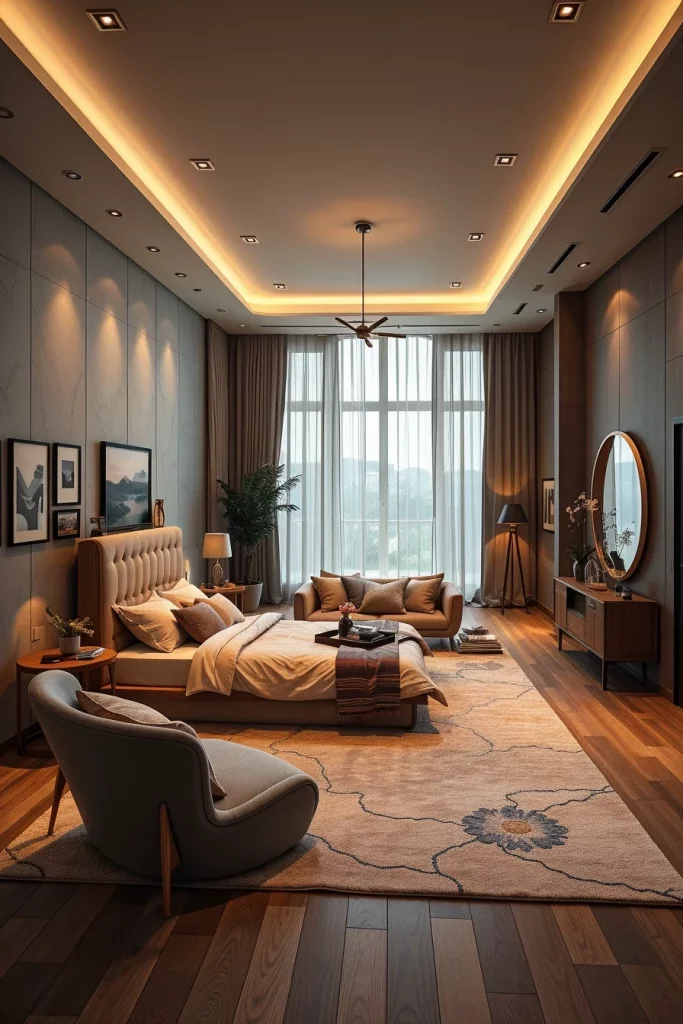
I often position the bed slightly off-center to accommodate a seating area, a reading corner, or a decorative console. Curved screens, open shelving, and upholstered partitions can subtly separate functions without making the room feel smaller. Sculptural nightstands, oversized rugs, and layered textiles help unify the different zones while maintaining visual harmony throughout the space.
In my experience, some of the most successful bedroom interiors are those that challenge conventional layouts. Interior designers frequently emphasize designing around lifestyle rather than habit, and I completely agree with that philosophy. When a bedroom reflects the way a person actually lives, it becomes more enjoyable and functional every day.
To strengthen this type of design, I would add integrated storage solutions and flexible lighting options that adapt to each activity zone. These additions help maintain organization while preserving the cozy atmosphere.
Rounded Architectural Details For A Relaxing Environment
Soft curves have a remarkable ability to transform a bedroom into a calming retreat. I often use rounded architectural details to reduce the visual rigidity commonly found in modern interiors. Arched openings, curved wall niches, and softly contoured furniture create a soothing flow that immediately makes the room feel more welcoming. These sculptural forms contribute to a gentle and balanced environment.
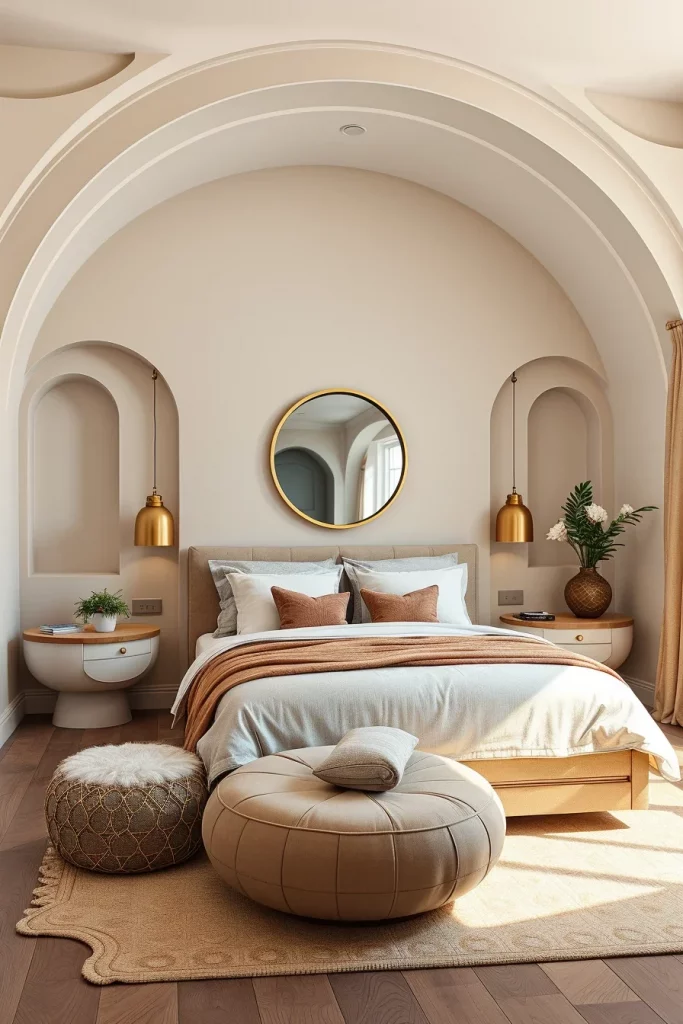
I like incorporating curved headboards, rounded nightstands, circular mirrors, and softly shaped seating. Even subtle details, such as curved shelving or arched cabinetry, can have a significant impact. These elements soften the room’s appearance while adding visual sophistication and a distinctly artistic character.
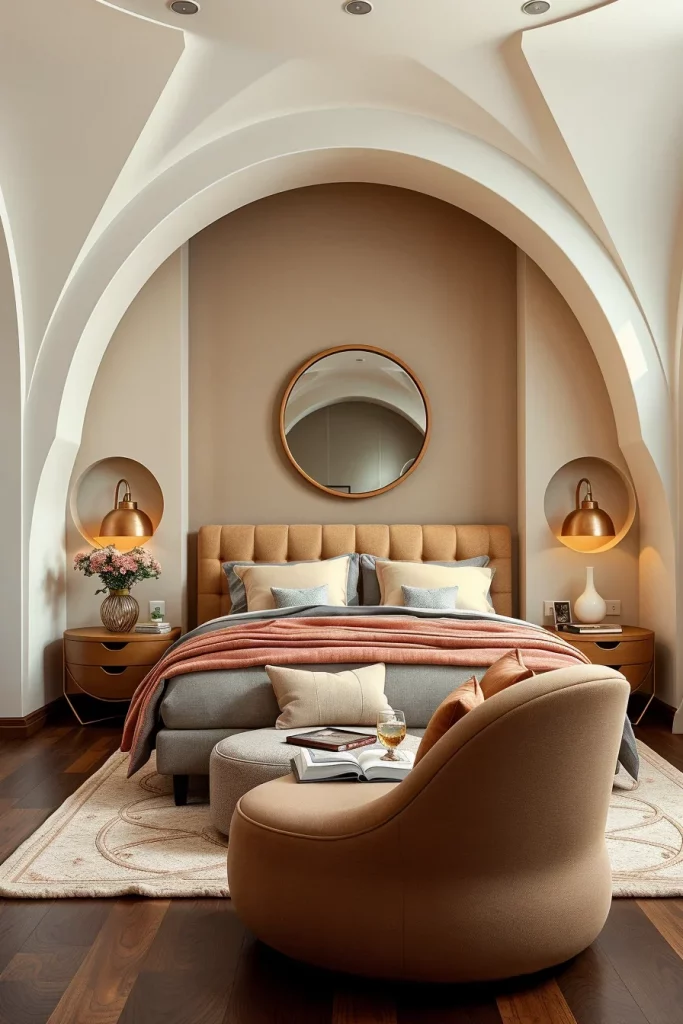
Personally, I find curved architecture especially effective in bedrooms because it naturally encourages relaxation. Many contemporary designers favor organic forms because they create spaces that feel approachable and comfortable rather than overly formal. I have seen curved details completely transform a room’s atmosphere without requiring extensive renovations.
For additional warmth, I would include textured fabrics, layered lighting, and soft-toned finishes that complement the rounded forms. Together, these details create a cohesive and highly inviting interior.
Gallery-Style Artwork Displays In Cozy Bedrooms
A thoughtfully curated artwork display can give a bedroom depth, personality, and visual interest. I enjoy creating gallery-style arrangements that showcase meaningful pieces while enhancing the overall design. Rather than treating artwork as an afterthought, I view it as an essential component of creative and unique bedroom aesthetics.
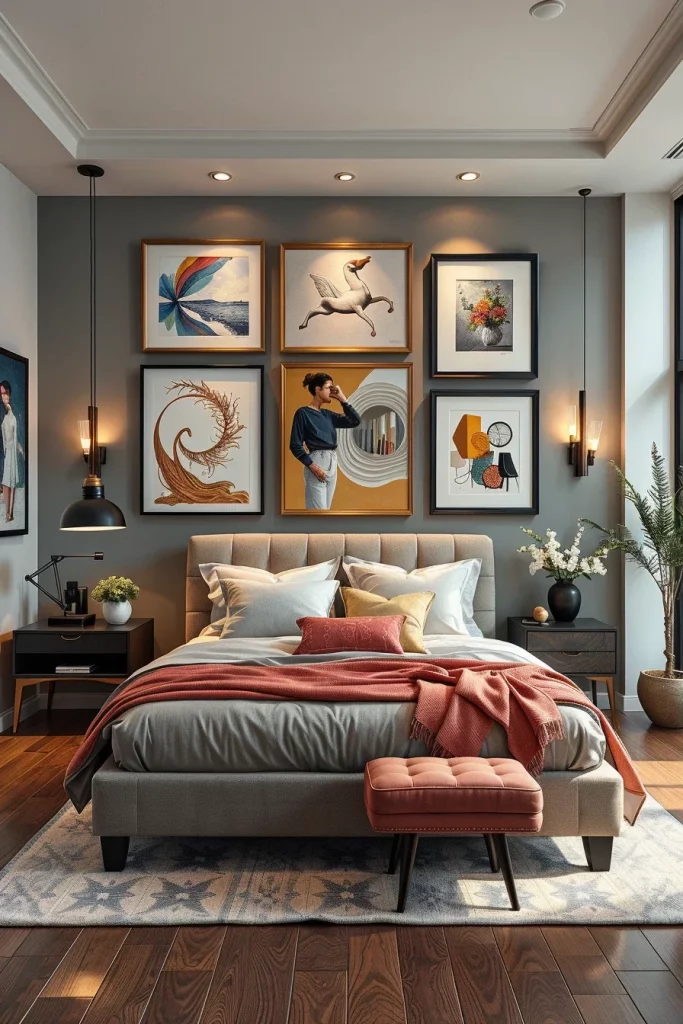
I often combine oversized framed prints, abstract compositions, sculptural wall pieces, and carefully selected photography. The arrangement itself becomes part of the design, especially when artwork is layered above upholstered headboards or positioned along feature walls. Consistent framing styles help maintain cohesion while allowing individual pieces to stand out.
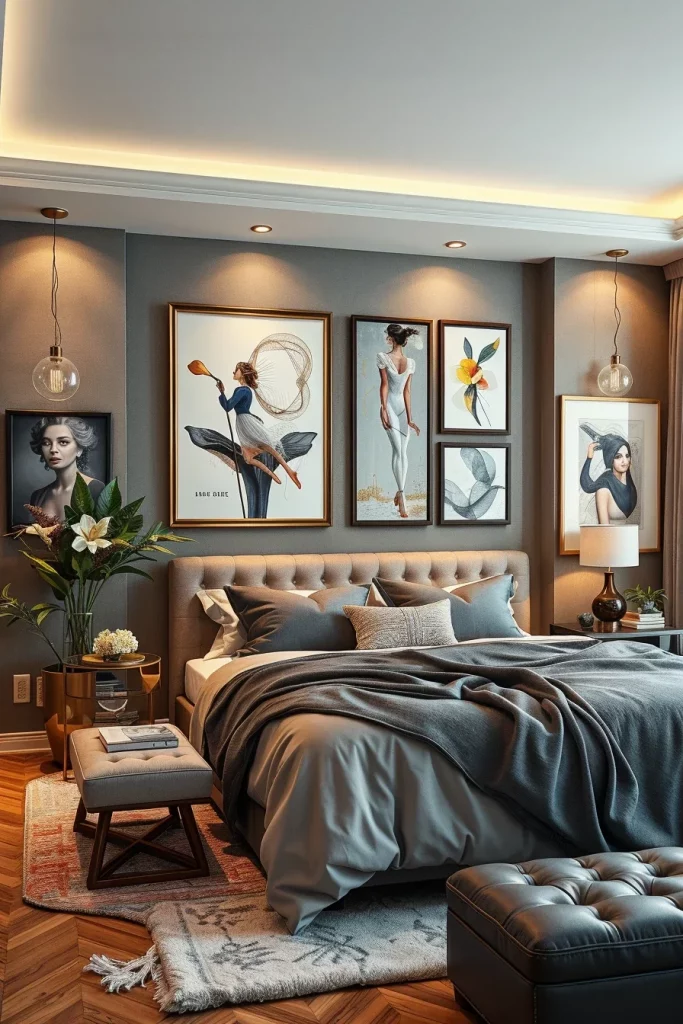
From my perspective, artwork is one of the most effective ways to personalize a bedroom. Publications such as Elle Decor frequently highlight the role of art in creating emotionally engaging interiors. I have found that carefully chosen pieces can completely redefine the mood of a room while reflecting the homeowner’s personality.
To complete this concept, I would add accent lighting directed toward the artwork and include complementary decorative accessories throughout the room. These additions help integrate the gallery display into the overall design scheme.
Layered Ambient Lighting For A Warm Evening Glow
Creating a warm evening atmosphere requires more than a single light fixture. I rely on layered ambient lighting to establish comfort, depth, and flexibility throughout the bedroom. This approach allows the room to transition seamlessly from a bright daytime environment to a peaceful nighttime retreat. It is one of the most important aspects of achieving truly cozy bedroom aesthetics.
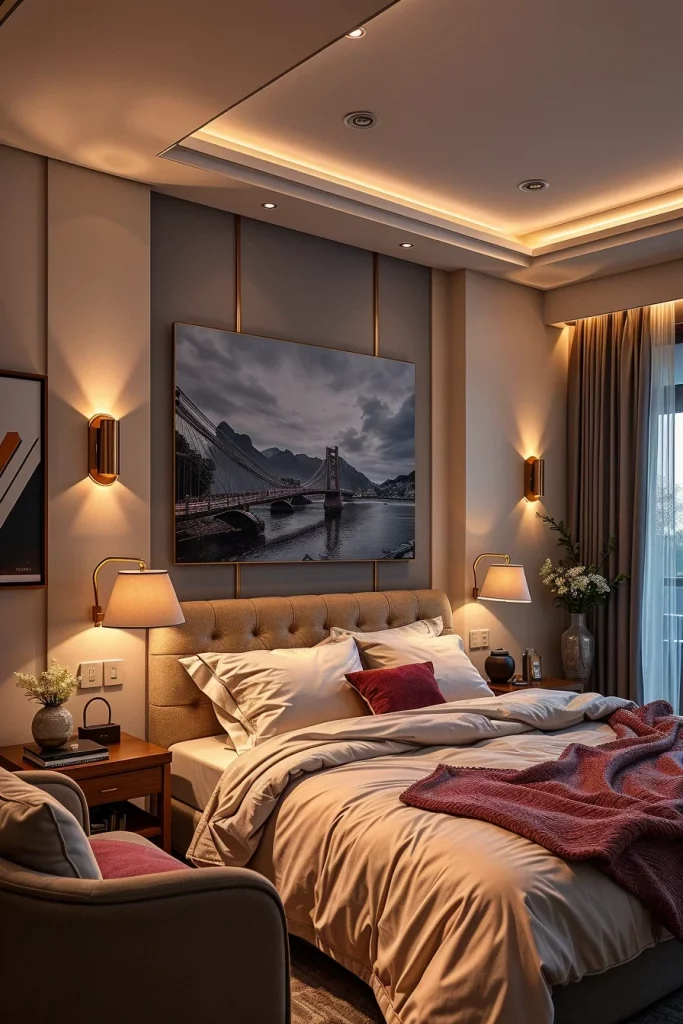
I typically combine ceiling fixtures, bedside lamps, wall sconces, concealed LED lighting, and decorative accent lights. Each source serves a specific purpose while contributing to the overall atmosphere. Warm color temperatures enhance comfort, while dimmable controls provide the flexibility needed for different activities and moods.
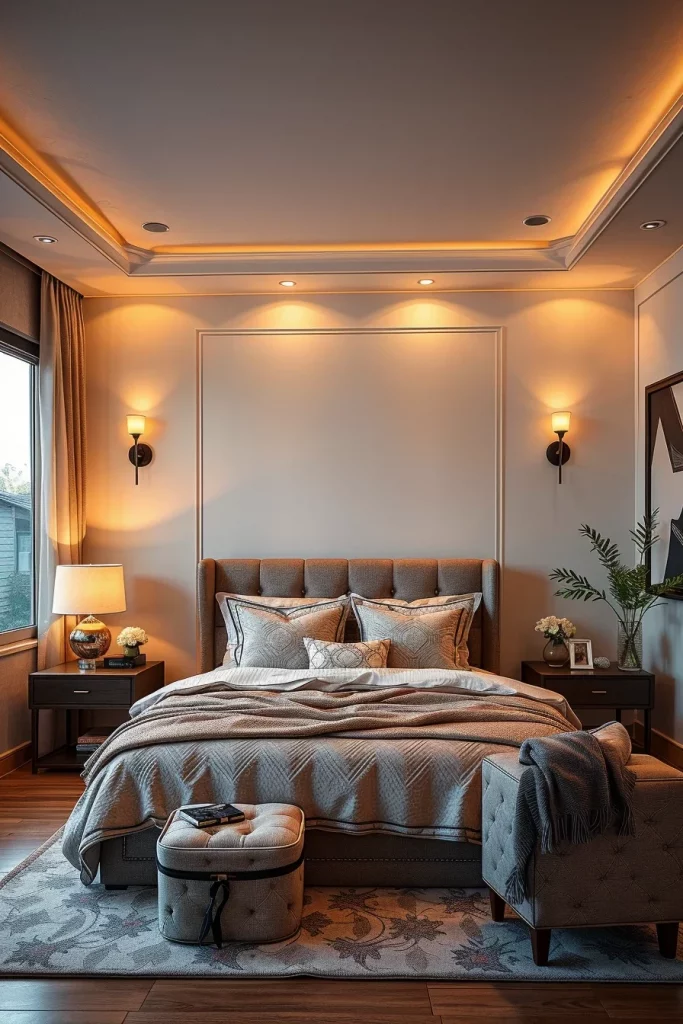
In my experience, layered lighting can dramatically improve how a bedroom feels. Many interior experts recommend using multiple light sources positioned at different heights to create visual depth and eliminate harsh shadows. I consistently find that bedrooms with layered lighting appear more luxurious and comfortable than those relying on a single fixture.
To further elevate the design, I would incorporate reflective materials such as mirrored accents or metallic finishes. These surfaces subtly amplify the lighting and enhance the room’s evening ambiance.
Sculptural Benches And Seating At The Foot Of The Bed
The area at the foot of the bed presents an excellent opportunity to introduce additional functionality and style. I often use stylish and sculptural benches to create a finished, intentional appearance while providing practical seating. This simple addition can make a bedroom feel significantly more complete and sophisticated.
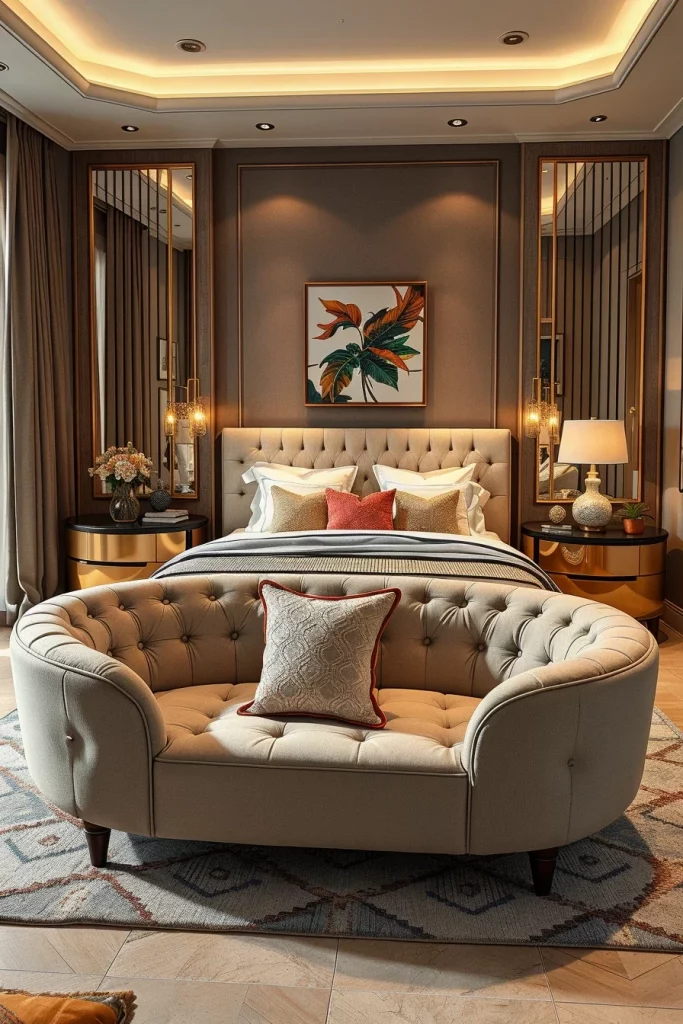
I prefer benches with curved silhouettes, upholstered finishes, and distinctive forms that contribute to the room’s overall design narrative. Depending on the space, I may pair the bench with accent stools, decorative trays, or integrated storage solutions. These pieces help anchor the bed while adding another layer of comfort and visual interest.
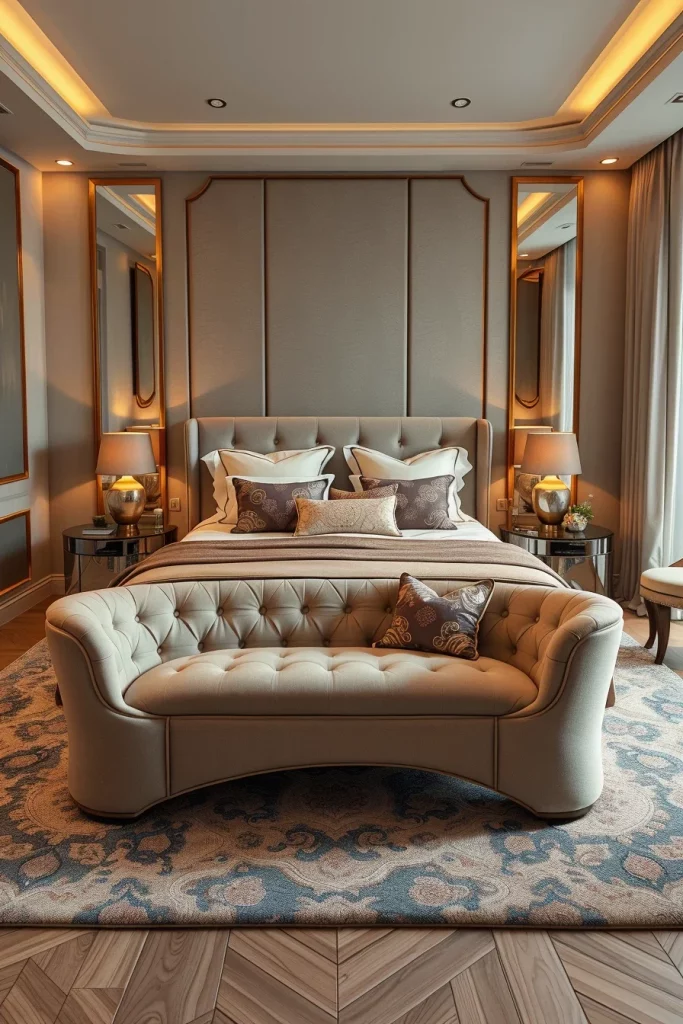
Personally, I believe that seating at the foot of the bed is one of the most underrated design elements. It introduces balance, improves functionality, and creates opportunities for additional texture and material contrast. Many luxury bedroom designs incorporate this feature because it enhances both aesthetics and usability.
For a fully realized arrangement, I would add a textured throw, decorative cushions, and nearby accent lighting. These finishing touches reinforce the room’s cozy character while highlighting the bench as a design feature.
Cozy Bedroom Aesthetics Inspired By Boutique Hotel Design
When I design a bedroom inspired by boutique hotel interiors, I focus on creating a space that feels welcoming, refined, and deeply comfortable. Boutique hotels are known for balancing sophistication with warmth, and I often recreate this feeling through thoughtful layouts, layered materials, and carefully selected décor. The goal is to establish one of those memorable cozy bedroom aesthetics that feels luxurious without appearing overly formal. Every detail contributes to a relaxing atmosphere that encourages rest and calm.
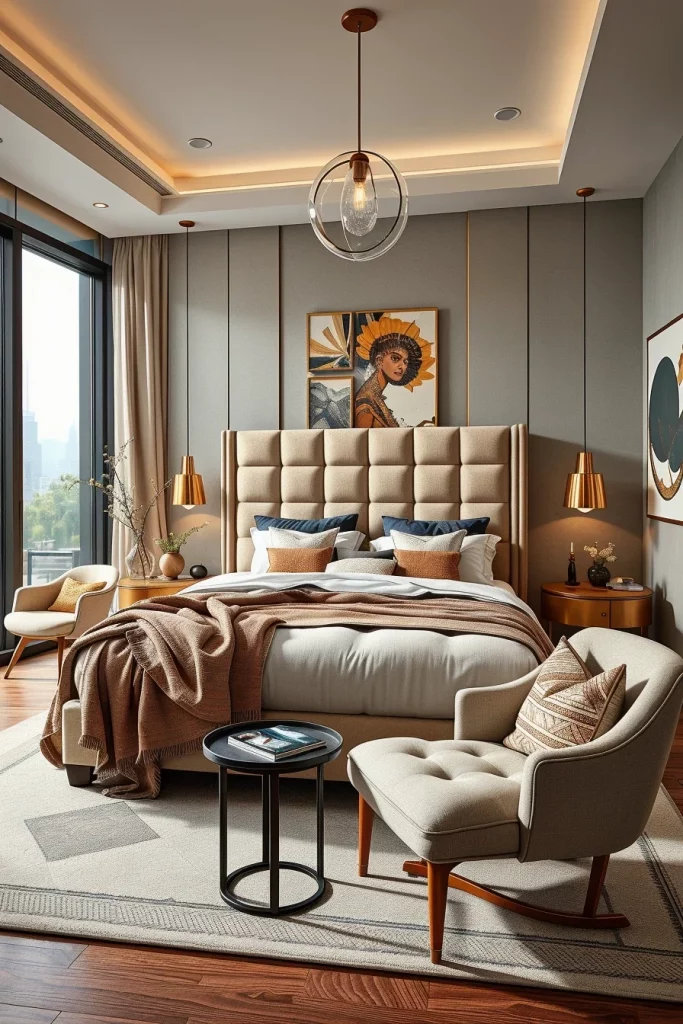
I typically begin with an upholstered bed featuring a generously padded headboard that serves as the focal point of the room. Soft bedding, textured throws, accent pillows, bedside tables, and elegant lighting fixtures work together to create depth and comfort. A lounge chair near a window adds functionality, while decorative artwork introduces personality. These furnishings help create a cohesive environment where every item feels intentional and useful.
From my experience, the most successful boutique-inspired bedrooms avoid excess decoration and instead prioritize quality materials and meaningful accents. Many designers featured in interior publications such as Architectural Digest emphasize the importance of layered textures and comfortable seating in creating hospitality-inspired interiors. I find that this approach helps the room feel inviting rather than staged.
To complete this design, I would add a subtle fragrance element, such as a decorative diffuser, along with carefully selected books and personal accessories. These finishing touches strengthen the connection between comfort and individuality while enhancing the overall experience of the room.
Artistic Mirrors That Reflect Light And Character
Artistic mirrors can dramatically influence the mood of a bedroom while maintaining elegance and functionality. I often use mirrors not only to reflect natural light but also to introduce sculptural and creative forms that become focal points within the space. In rooms designed around cozy bedrooms, mirrors help create a brighter and more spacious atmosphere without sacrificing intimacy.
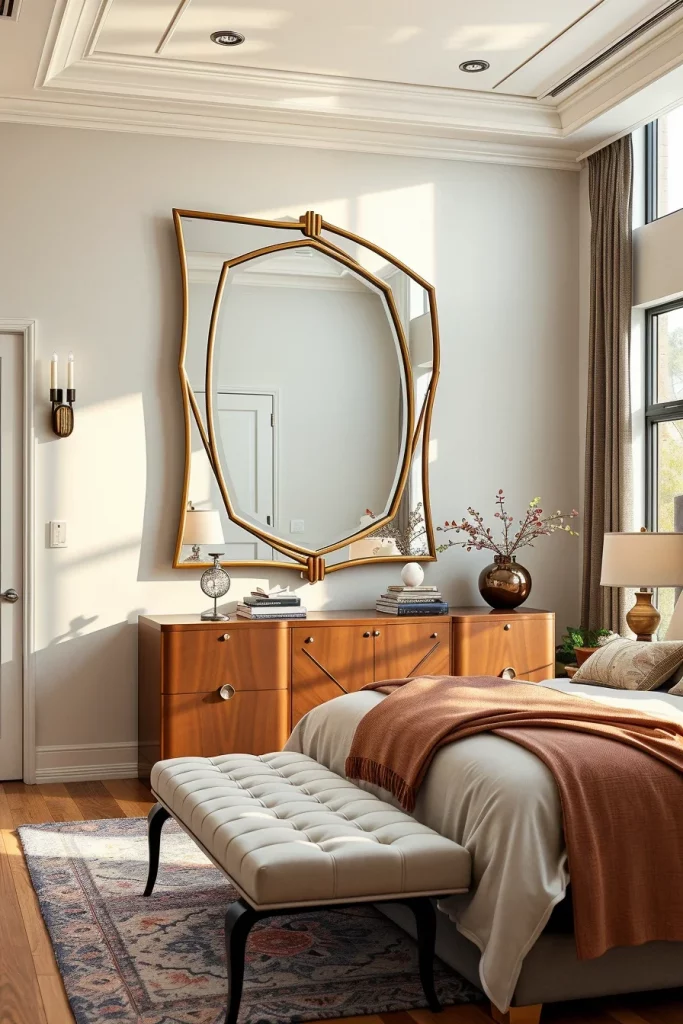
I frequently select oversized arched mirrors, asymmetrical designs, or handcrafted frames with artistic detailing. Positioned opposite windows or near lighting sources, these mirrors maximize brightness throughout the room. I also pair them with minimalist dressers, upholstered benches, and subtle wall treatments to ensure that the mirror remains visually impactful while complementing the overall design.
Personally, I appreciate mirrors that function as decorative art rather than purely practical objects. Design experts often recommend choosing statement mirrors that contribute texture and dimension to a room, and I have found this advice particularly effective in bedrooms where visual softness is important. A well-placed mirror can transform an otherwise simple wall into an engaging feature.
What I would additionally incorporate into this concept is layered lighting around the mirror area. Decorative sconces or pendant lights can highlight the reflective surface while creating a warm ambiance during the evening hours.
Rich Neutral Palettes With Contemporary Depth
A rich neutral color palette creates the foundation for a sophisticated and comfortable bedroom. Rather than relying on stark whites, I prefer layering shades of taupe, warm beige, soft gray, mushroom, and muted brown to build visual depth. This approach creates one of the most versatile cozy bedroom aesthetics, offering both timeless appeal and contemporary elegance.
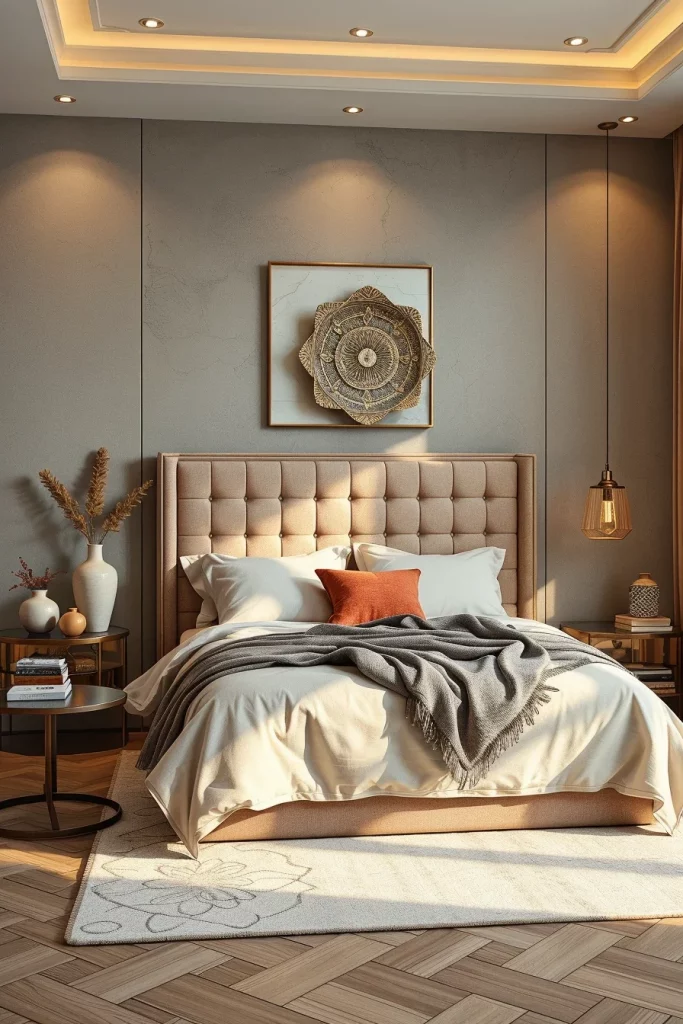
When developing a neutral bedroom, I combine upholstered furniture, textured bedding, area rugs, curtains, and decorative accessories in varying tones. A fabric headboard, soft linen bedding, ceramic accents, and textured wall finishes contribute to the layered appearance. These elements ensure that the room feels dynamic despite its restrained color palette.
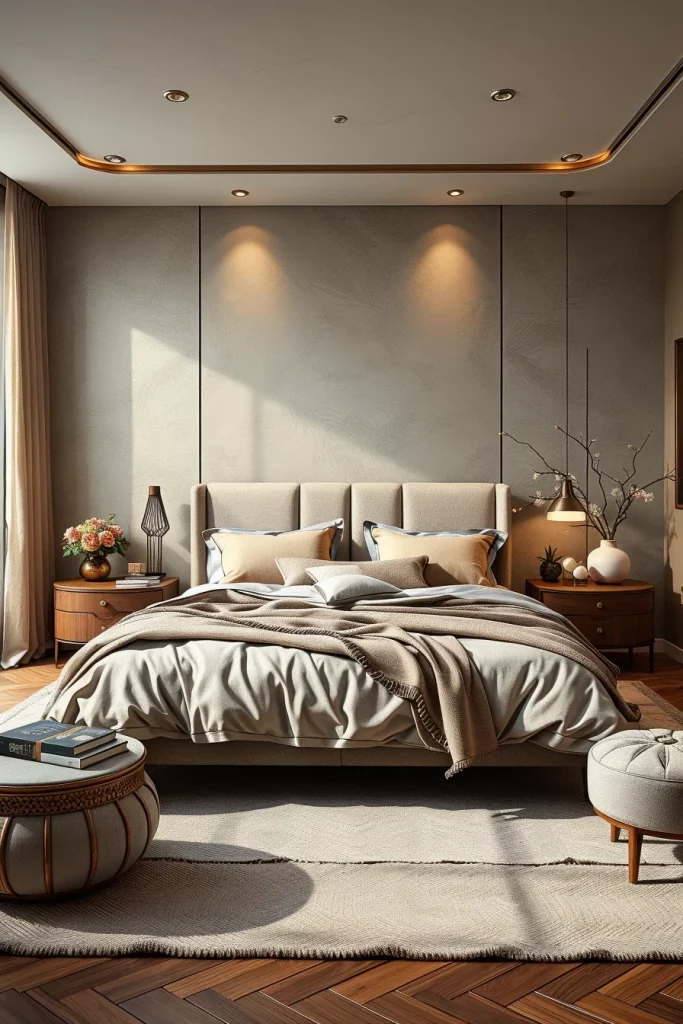
I have noticed that neutral bedrooms often remain visually appealing for many years because they provide flexibility for future updates. Many leading interior designers advocate using texture rather than bold color to create interest, and I strongly agree with this philosophy. Texture introduces richness while maintaining a calming environment suitable for rest.
For even greater depth, I would include subtle metallic accents through lighting fixtures, mirror frames, or decorative objects. These details introduce contrast while preserving the understated elegance of the room.
Statement Rugs That Define The Bedroom Experience
A statement rug has the ability to completely transform a bedroom by grounding furniture arrangements and introducing texture underfoot. I often view rugs as one of the most important design elements because they establish visual boundaries and contribute significantly to comfort. Within cozy bedroom aesthetics, a carefully selected rug can make the room feel warmer, more cohesive, and more inviting.
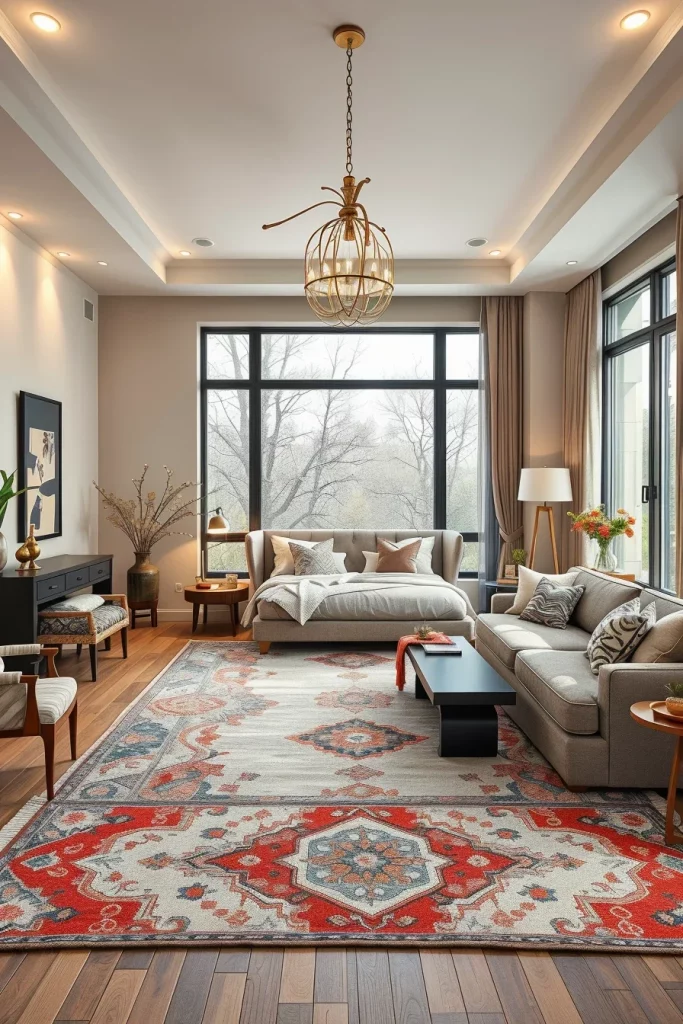
I usually choose oversized rugs that extend beyond the bed frame, allowing soft textures to be experienced throughout the room. Sculptural patterns, artistic motifs, subtle geometric designs, and layered textures can all contribute to a distinctive visual identity. Complementary furnishings such as upholstered beds, accent chairs, bedside tables, and decorative lighting help reinforce the design direction established by the rug.
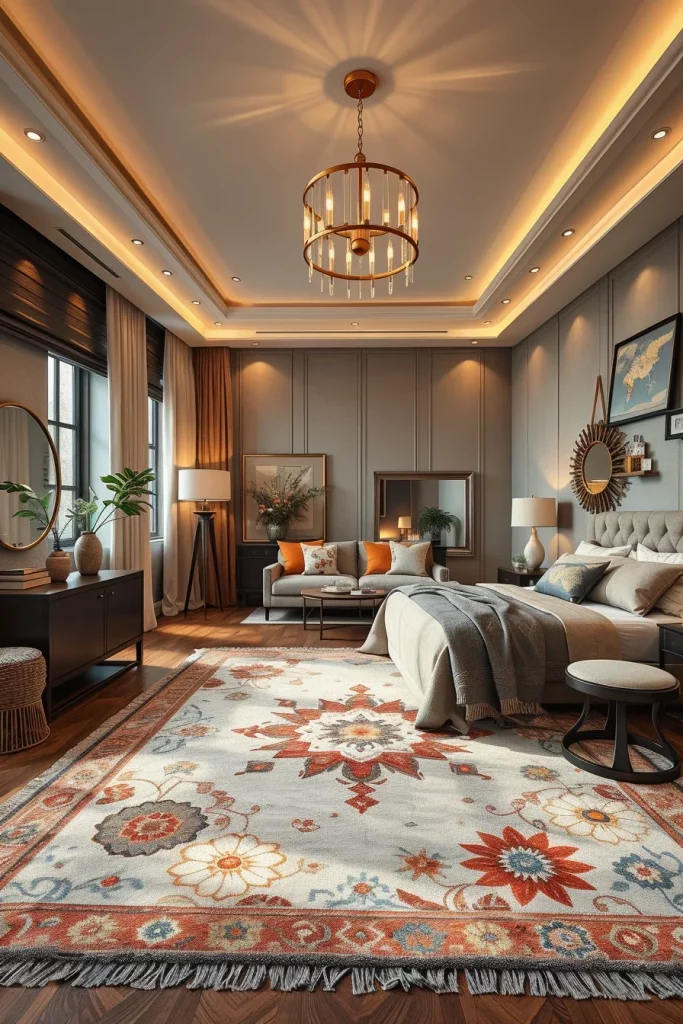
From my perspective, investing in a high-quality rug is one of the most effective ways to elevate a bedroom. The tactile experience it provides enhances daily comfort, while the visual impact creates an immediate sense of refinement. Interior designers frequently highlight rugs as essential tools for adding warmth and personality, and I consistently find this recommendation valuable.
If I were refining this space further, I would introduce additional textile layers such as a textured throw blanket and decorative cushions that echo the colors or patterns found within the rug.
Creative Built-In Storage Solutions With Elegant Styling
Built-in storage allows a bedroom to remain organized while maintaining a clean and sophisticated appearance. I often recommend custom storage solutions because they maximize available space and support a clutter-free environment. This approach aligns perfectly with cozy bedrooms that prioritize comfort, simplicity, and functionality without sacrificing visual appeal.
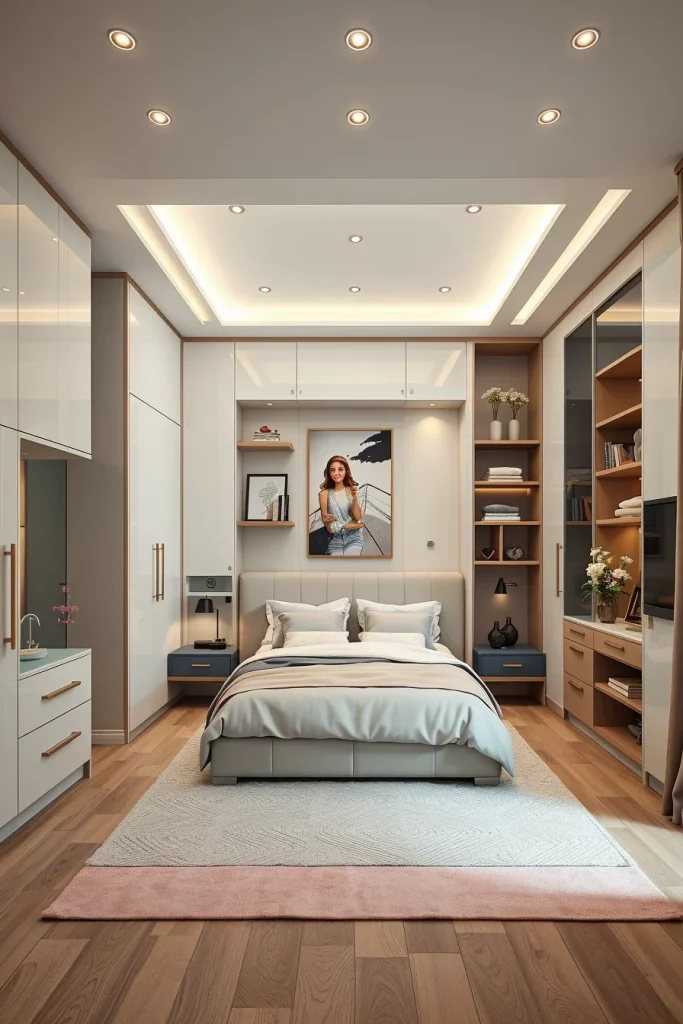
My preferred storage designs include floor-to-ceiling cabinetry, integrated wardrobes, hidden drawers, floating nightstands, and built-in shelving around the bed. These features provide practical storage while contributing to the architectural character of the room. Carefully selected hardware, soft finishes, and integrated lighting elevate these functional elements into attractive design features.
I have found that bedrooms feel significantly more relaxing when everyday items have designated storage locations. Many professional organizers and interior designers emphasize that visual order contributes directly to a sense of calm. In my experience, elegant storage solutions help achieve this balance between practicality and aesthetics.
To further enhance this concept, I would incorporate display niches for books, ceramics, or meaningful decorative objects. These personalized details prevent the room from feeling overly minimal while maintaining its organized appearance.
Layered Decorative Objects For A Curated Look
Creating a curated bedroom is about displaying decorative objects with intention rather than simply filling surfaces. I often use layered arrangements to add personality and artistic character while maintaining a calm atmosphere. This approach works especially well in cozy bedroom aesthetics because it allows the room to feel collected over time instead of appearing overly designed. Carefully selected decorative pieces can tell a story and make the bedroom feel deeply personal.
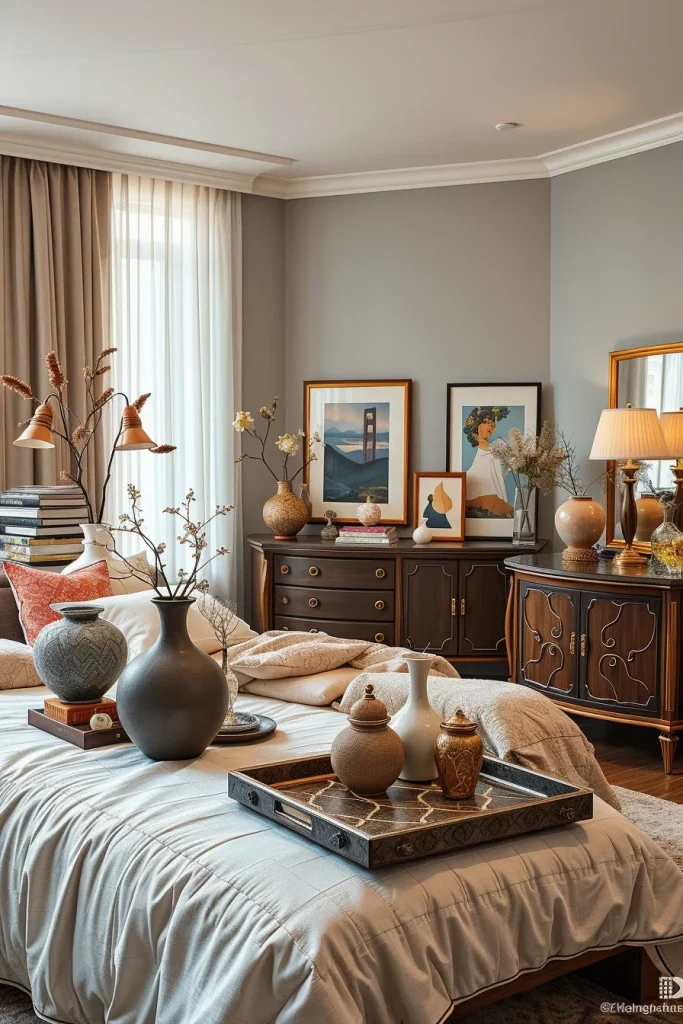
I usually combine ceramic vessels, sculptural objects, framed artwork, stacked books, decorative boxes, and textured trays. These items are arranged across nightstands, dressers, shelves, and consoles to create visual interest at different heights. Mixing materials such as stone, glass, fabric, and metal introduces contrast while preserving harmony. Each object should contribute to the overall composition rather than compete for attention.
In my experience, restraint is one of the most important principles when styling decorative accessories. Many respected interior designers recommend editing decorative collections regularly to avoid visual clutter. I find that a smaller number of meaningful pieces often creates a stronger impression than an abundance of accessories.
To strengthen this concept further, I would incorporate personal items such as travel souvenirs, handmade pieces, or family photographs. These additions help transform the bedroom into a truly individual retreat with emotional significance.
Unique Window Treatments That Enhance Comfort And Style
Window treatments have a significant impact on both the visual appeal and functionality of a bedroom. I view them as essential design elements because they influence privacy, natural light, acoustics, and overall comfort. In cozy bedrooms, thoughtfully selected window coverings contribute to a softer and more relaxing atmosphere while enhancing the room’s architectural features.
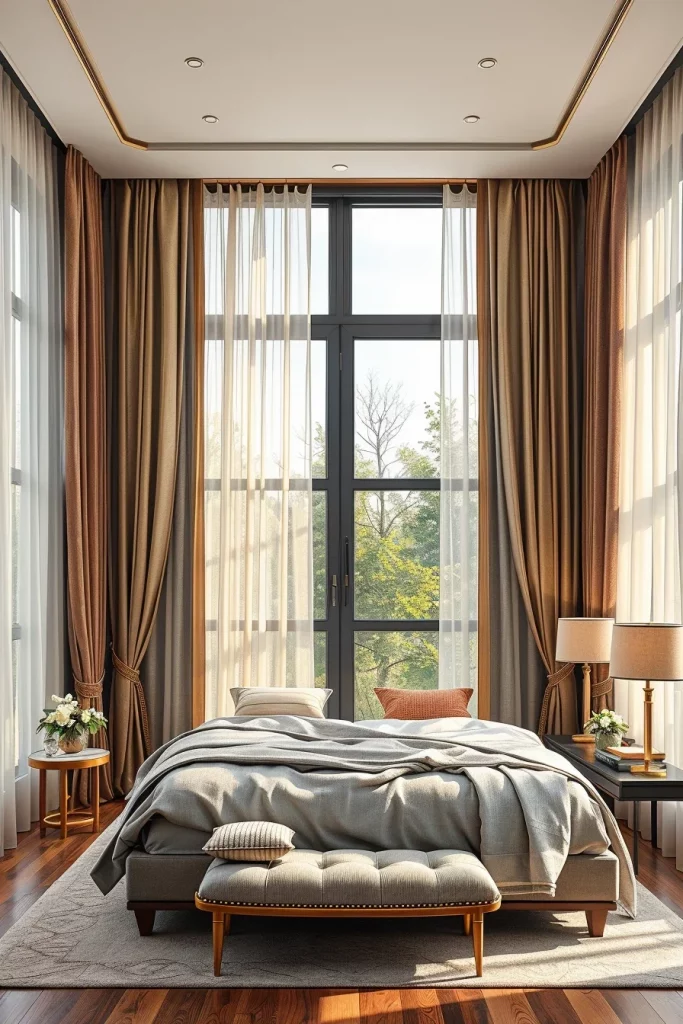
I often layer sheer curtains with heavier drapery panels to achieve flexibility throughout the day. Soft fabrics add movement and texture, while full-length curtains create a sense of height and elegance. Decorative curtain rods, tailored pleats, and carefully coordinated colors help the treatments feel integrated with the rest of the interior. These details ensure that the windows become part of the overall design rather than an afterthought.
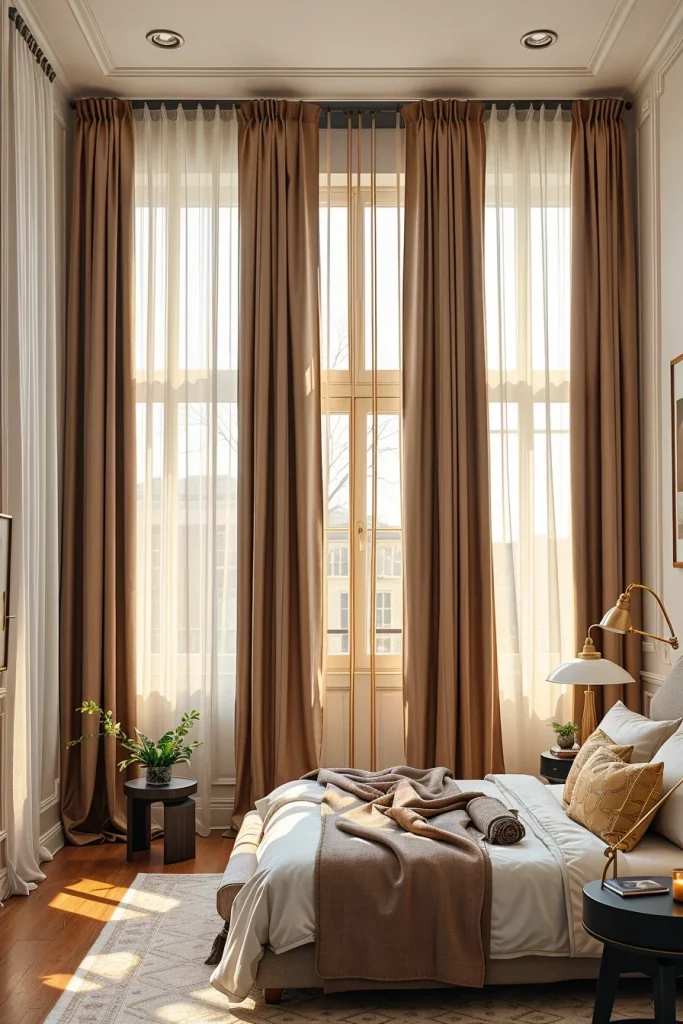
Personally, I prefer window treatments that balance beauty with practicality. Natural daylight is important, but so is the ability to create a private and restful environment. Many interior experts suggest using layered fabrics for greater versatility, and I have consistently found this solution effective in bedrooms of various sizes.
If I wanted to elevate this design further, I would add motorized shades hidden behind the drapery. This modern feature increases convenience while maintaining a refined appearance.
Sculptural Shelving Displays For Artistic Expression
Sculptural shelving introduces an artistic dimension that goes beyond simple storage. I often use shelving as an opportunity to create visual compositions that showcase books, artwork, and decorative objects. Within cozy bedroom aesthetics, sculptural shelving can become a striking focal point while contributing to the room’s functionality and personality.
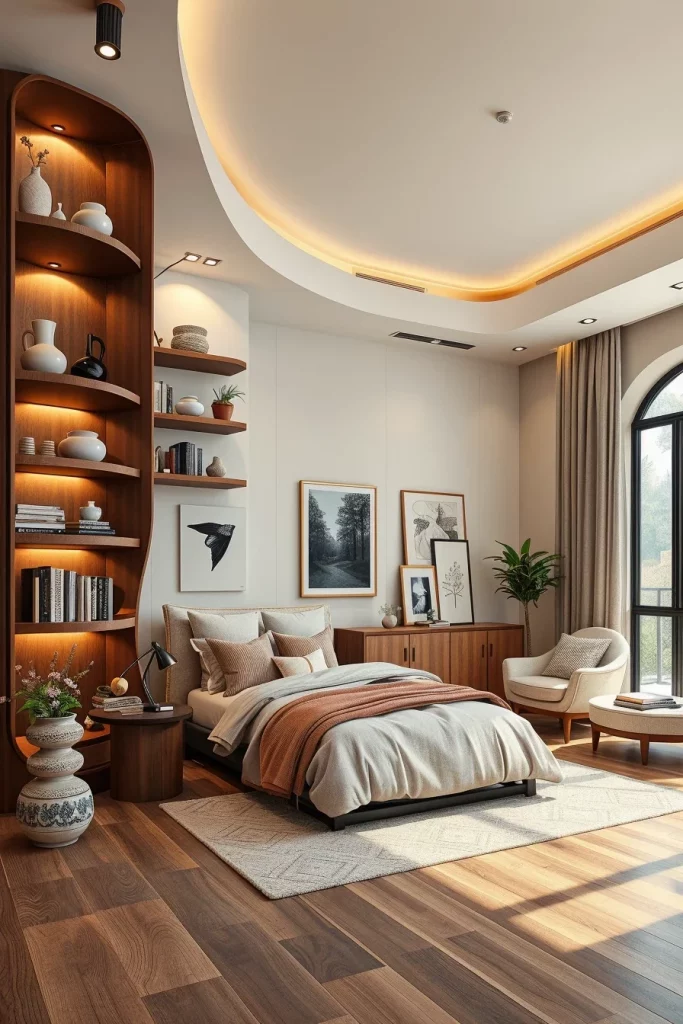
I frequently choose curved shelving systems, asymmetrical wall-mounted units, or custom-built displays that complement the architecture of the room. These structures provide space for ceramics, framed photographs, small sculptures, and curated collections. The shelves themselves become part of the design, adding shape and movement to the walls while maintaining organization.
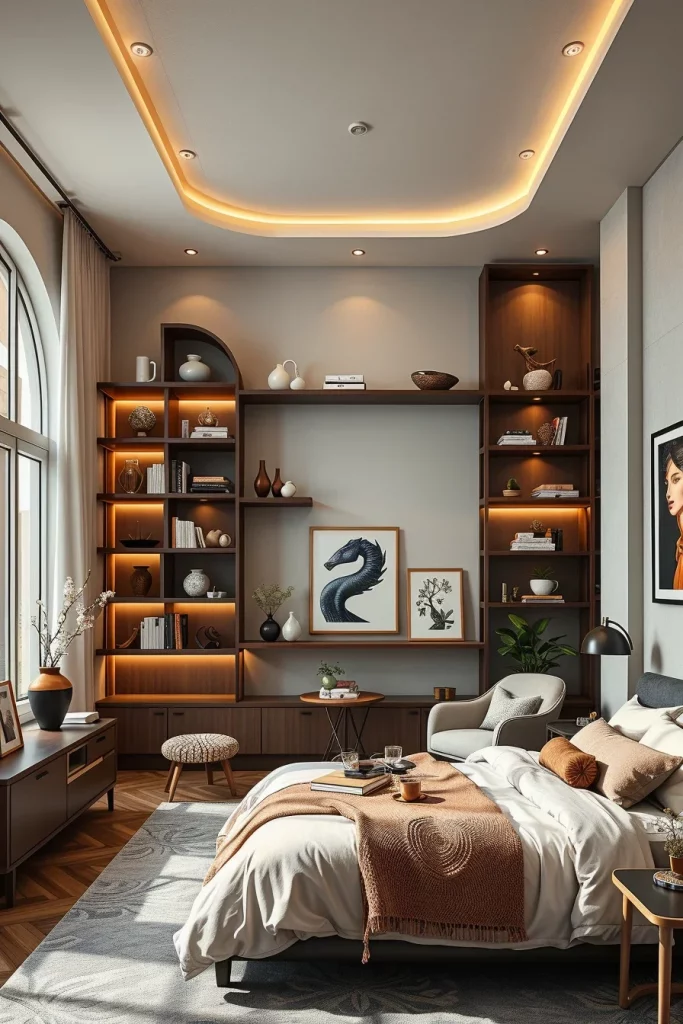
From my perspective, artistic shelving works best when the display feels balanced and intentional. Leading design publications often emphasize the importance of combining negative space with decorative objects, and I strongly agree with this approach. Empty space allows each item to stand out while preserving a calm visual environment.
To complete this concept, I would introduce integrated lighting within the shelving system. Soft illumination highlights displayed objects and contributes to the warm atmosphere of the bedroom during evening hours.
Cozy Bedrooms Featuring Soft Architectural Lighting
Lighting plays a fundamental role in creating comfortable and inviting bedrooms. I believe that architectural lighting is especially effective because it integrates seamlessly into the room while producing a gentle and sophisticated ambiance. This design strategy is central to many cozy bedrooms because it supports relaxation without overwhelming the space.
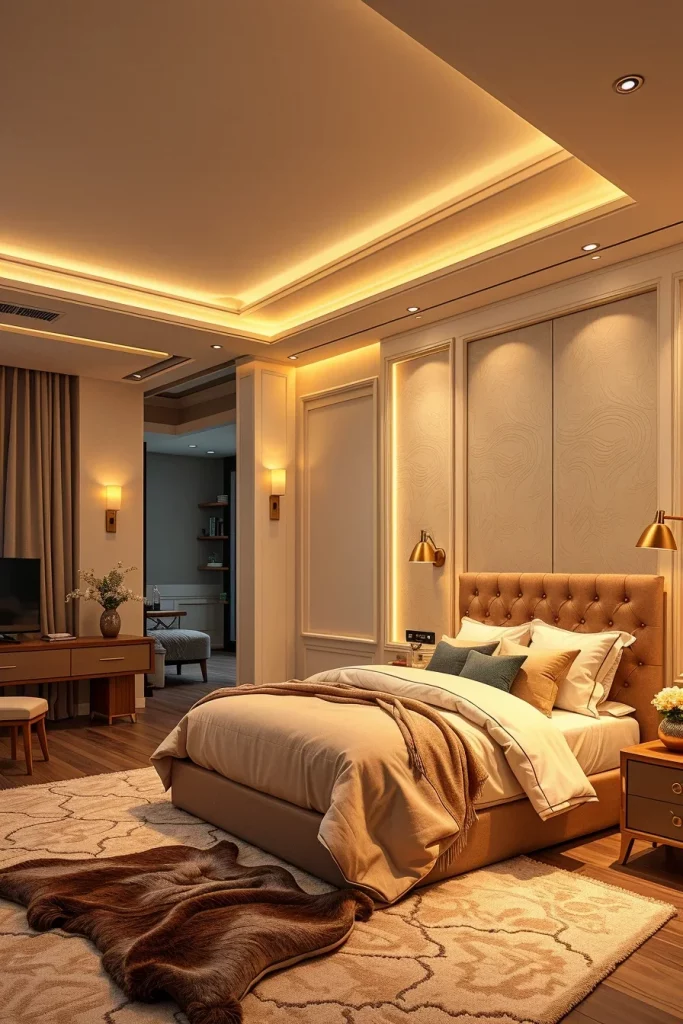
I often combine recessed lighting, concealed LED strips, illuminated headboards, wall sconces, and decorative table lamps. These multiple light sources create layers of illumination that can be adjusted throughout the day. Soft architectural lighting emphasizes textures, highlights design features, and helps establish a tranquil atmosphere suitable for rest.
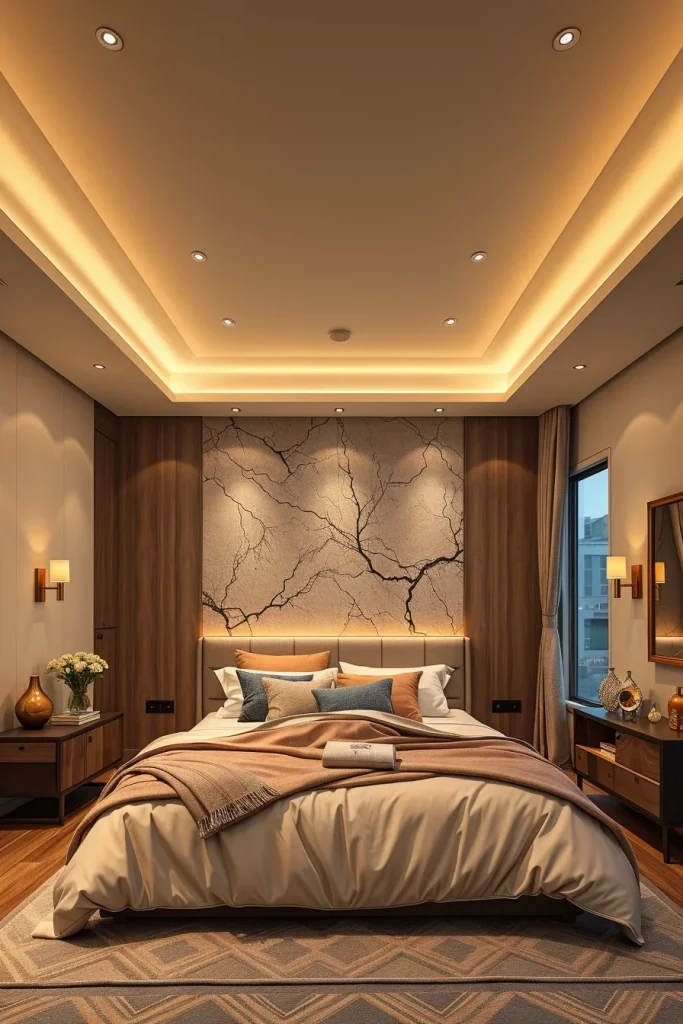
In my own projects, I avoid relying on a single overhead fixture because it rarely provides the warmth required for a comfortable bedroom. Interior lighting specialists frequently recommend layered lighting plans that include ambient, task, and accent lighting. I have found this approach invaluable for creating rooms that feel balanced and welcoming.
An additional enhancement would be installing dimmer controls throughout the room. This feature allows the lighting to adapt easily to different moods and activities while increasing overall comfort.
Designing A Cozy Bedroom That Feels Personal, Artistic, And Timeless
A truly memorable bedroom combines comfort, artistic expression, and timeless design principles. When creating a space with lasting appeal, I focus on incorporating meaningful elements that reflect the personality of the homeowner. The most successful cozy bedroom aesthetics balance visual interest with practicality, ensuring that the room remains beautiful and functional for years to come.
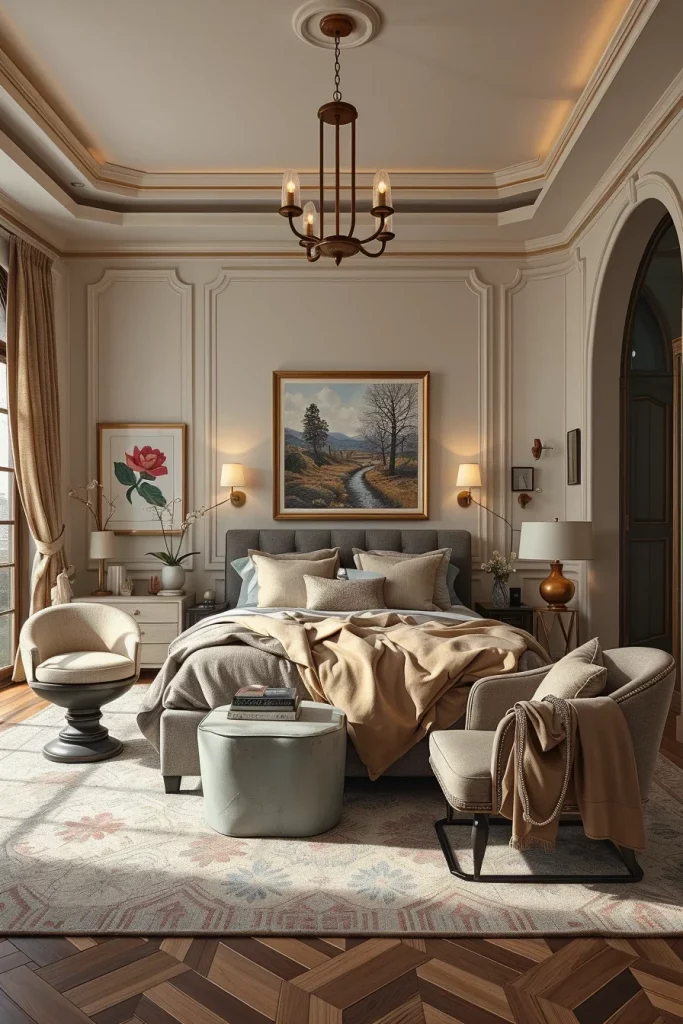
I typically combine sculptural furniture, layered textiles, curated artwork, elegant lighting, and carefully selected accessories. A comfortable bed remains the centerpiece, while artistic accents contribute individuality and character. By mixing classic design elements with contemporary details, the room achieves a timeless quality that avoids short-lived trends.
Personally, I believe that the most inspiring bedrooms are those that feel authentic rather than perfectly staged. Designers often discuss the importance of creating emotional connections within interior spaces, and I find this principle particularly relevant in bedrooms. A room should support daily comfort while reflecting the interests and experiences of the people who use it.
To make this design even stronger, I would include custom details such as commissioned artwork, handmade décor, or furniture with personal significance. These elements reinforce the uniqueness of the space and help create a bedroom that feels both artistic and deeply personal.
Creating beautiful cozy bedroom aesthetics is all about combining comfort, personality, and thoughtful design choices. From sculptural furniture and layered textures to artistic lighting and calming color palettes, every detail can help shape a space that feels warm and inviting. The best cozy bedrooms reflect your individual style while providing a peaceful retreat from everyday life. Use these ideas as inspiration to design a bedroom that feels both stylish and effortlessly comfortable.