
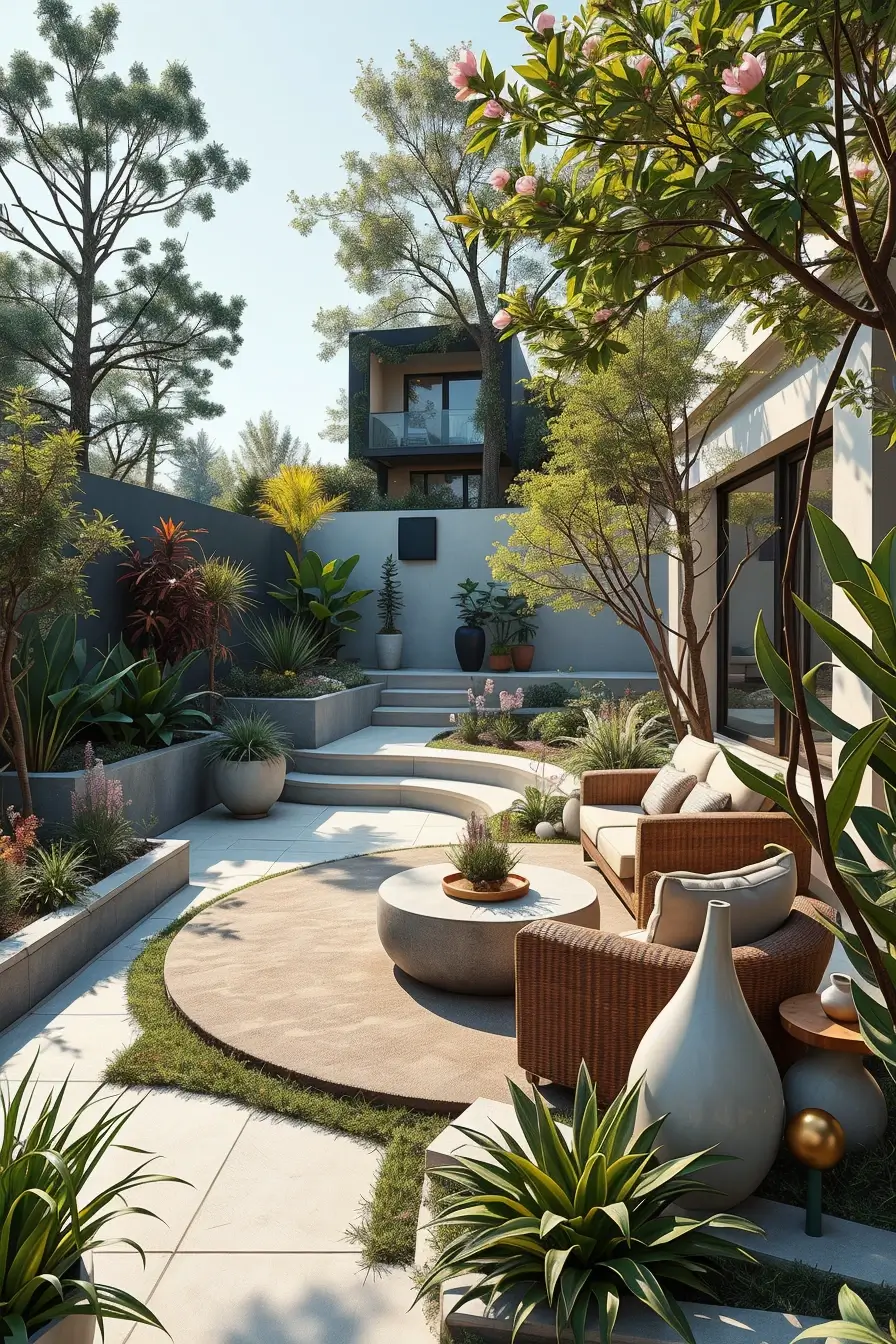
Garden landscaping in 2026 is moving far beyond traditional flower beds and predictable layouts. Gardens are becoming expressive outdoor spaces where art, architecture, and nature merge into one cohesive experience. Instead of simply decorating the landscape, designers are shaping environments that feel sculptural, intentional, and emotionally engaging, turning gardens into living works of art.
In 2026, garden landscaping is defined by creative forms, bold geometry, and artistic composition. Curved pathways, statement installations, living sculptures, and unconventional material combinations are transforming outdoor areas into spaces that invite exploration and reflection. Every element—from plants to hardscape—plays a role in storytelling, making the garden a personal and visually striking extension of the home.
This article explores the most stylish, unusual, and forward-thinking garden landscaping ideas for 2026, focusing on unique design concepts, sculptural layouts, and artistic approaches that redefine how outdoor spaces are imagined. Whether you’re drawn to minimal sculptural elegance or expressive, gallery-inspired landscapes, these ideas showcase the future of garden design as a powerful form of creative expression.
Living Sculptures As The New Centerpiece Of Garden Design
I see living sculptures becoming the emotional and visual core of garden landscaping 2026. These designs rely on carefully shaped trees, oversized ornamental grasses, and sculpted hedges that function as architectural elements rather than background greenery. From a practical standpoint, living sculptures help structure large outdoor spaces, guide movement, and create focal points without relying on excessive hard materials.
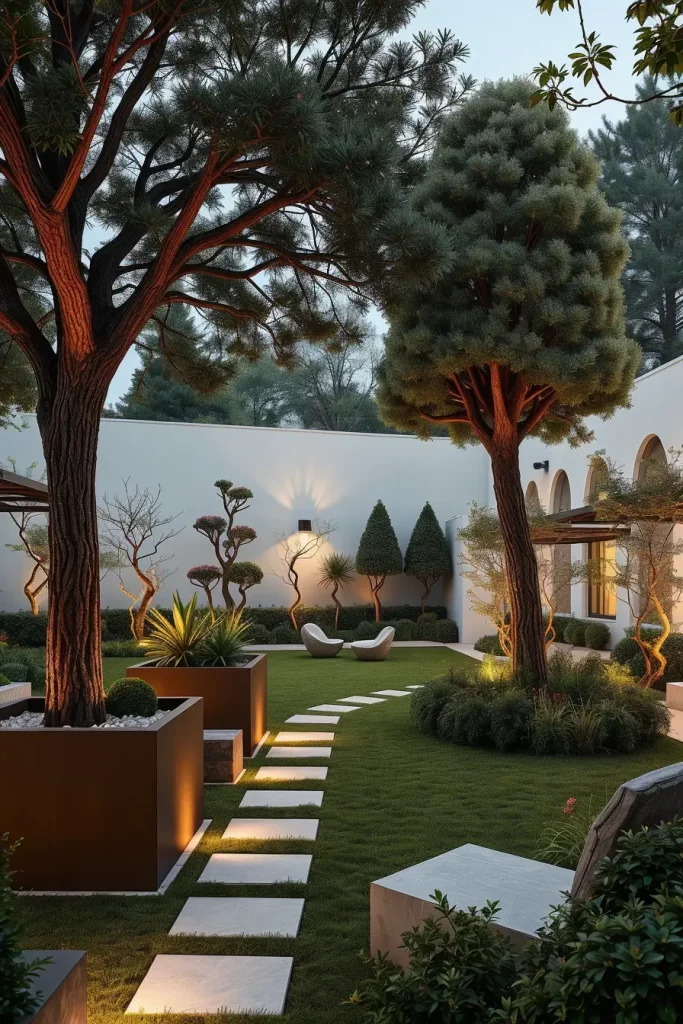
In my projects, I often combine topiary forms, multi-trunk trees, and elevated planting beds to give these sculptures a deliberate presence. Materials such as corten steel planters, stone bases, and integrated seating allow the living elements to feel intentional and durable. Each sculptural plant is chosen not only for its appearance but also for its long-term growth pattern and maintenance needs.
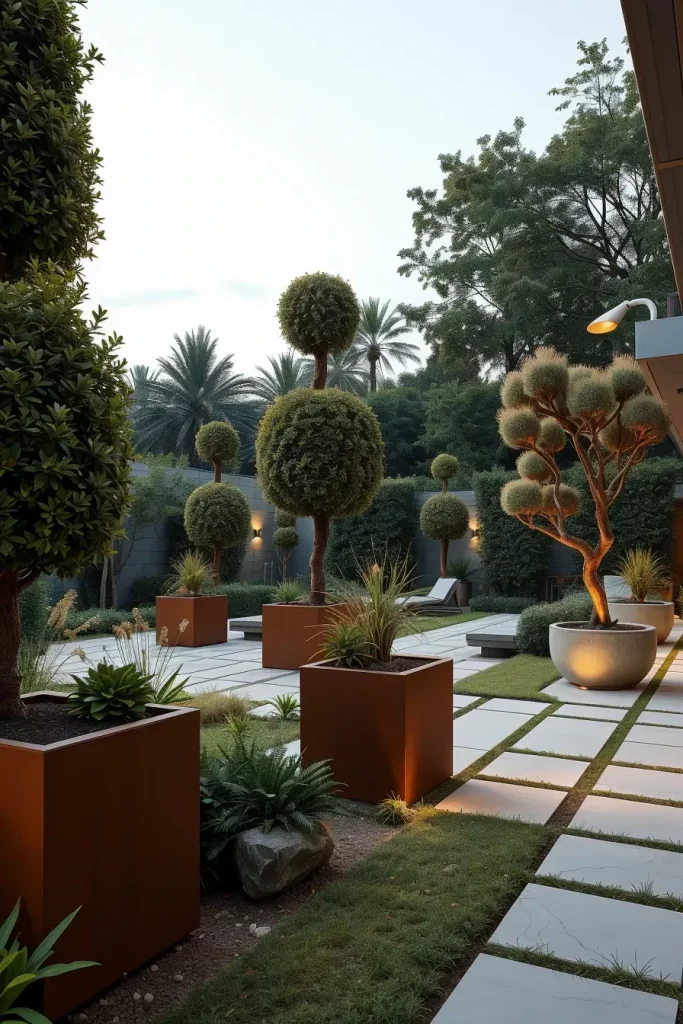
From my experience, designers like Piet Oudolf and landscape features published by Architectural Digest emphasize restraint and clarity when using living sculptures. I agree with this approach. One or two strong sculptural elements are far more impactful than overcrowding the garden. The goal is to let nature perform as art, not overwhelm the space.
What I would add to this concept is subtle lighting integrated directly into the base of these living sculptures. Soft uplighting enhances their form after sunset and extends their visual impact into the evening without disrupting the natural atmosphere.
Garden Landscaping 2026 Trends Inspired By Contemporary Art
In garden landscaping 2026, I increasingly draw inspiration from contemporary art galleries and installations. The garden becomes a curated composition where negative space, contrast, and intentional placement matter just as much as planting density. This approach improves usability by clearly defining zones for relaxation, circulation, and visual focus.
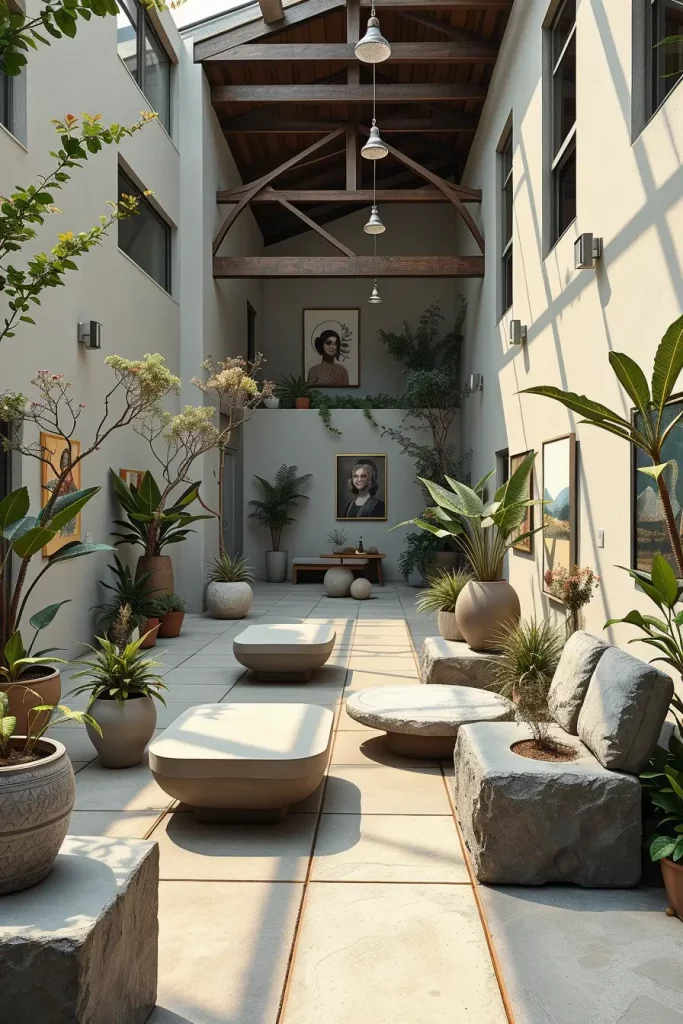
I incorporate minimalistic benches, monolithic planters, and large-format paving slabs arranged in gallery-like compositions. Materials such as smooth concrete, polished stone, and matte metal finishes echo modern art spaces while remaining weather-resistant. Each element earns its place, contributing to a cohesive and artistic outdoor experience.
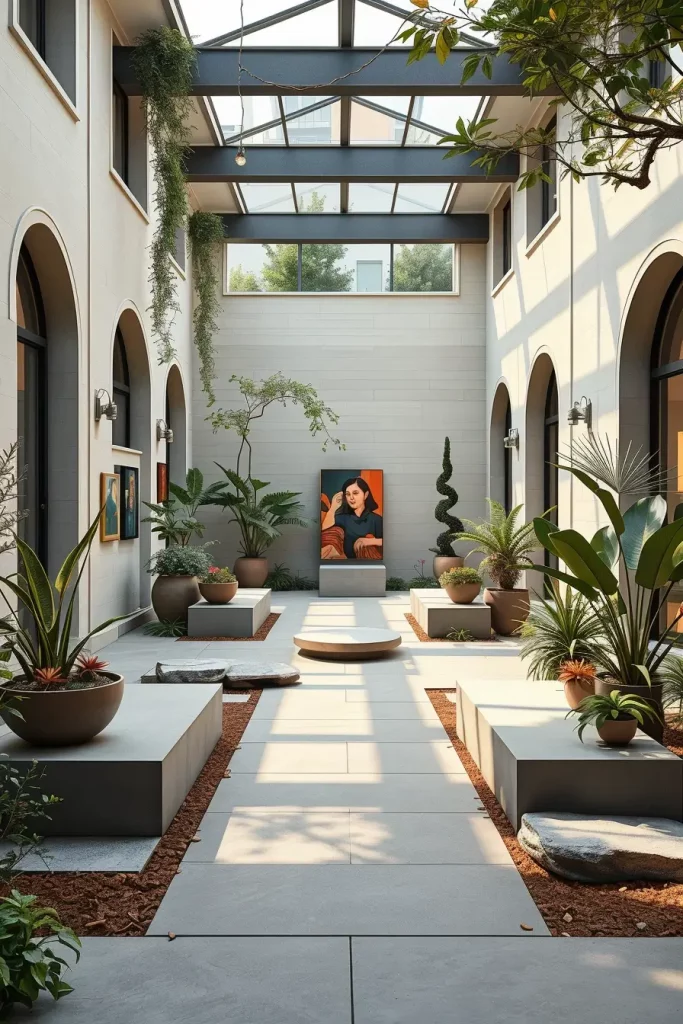
Personally, I find guidance from sources like The New York Times Design section valuable when discussing the influence of art on outdoor spaces. They consistently highlight how simplicity enhances emotional impact. In my own work, removing excess decoration often results in gardens that feel calmer, more intentional, and more memorable.
To strengthen this section, I would introduce rotating seasonal art elements, such as movable sculptures or temporary installations. These allow the garden to evolve throughout the year without permanent structural changes.
Sculptural Pathways That Turn Movement Into Visual Art
Pathways in sculptural garden landscaping are no longer just functional routes. I design them as flowing visual experiences that guide the eye and body through the space. Curved layouts, varied elevations, and rhythmic spacing improve accessibility while transforming movement into a design feature.
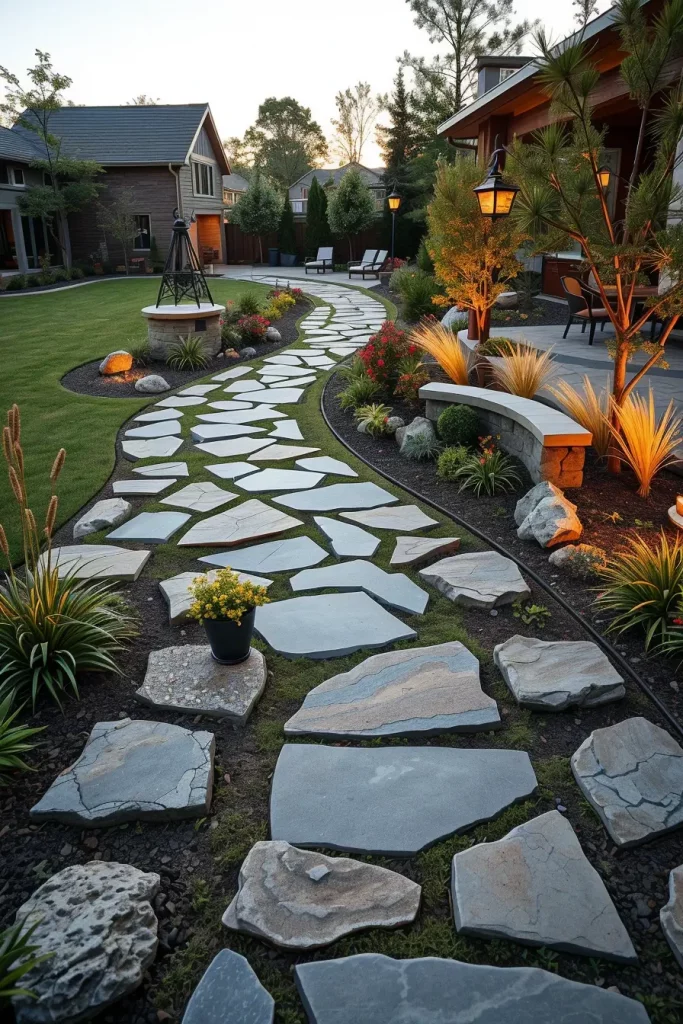
I prefer materials like poured concrete with soft edges, natural stone slabs, and timber inserts that create contrast underfoot. Integrated ground lighting and low-profile edging reinforce the sculptural quality while maintaining safety. Each pathway becomes a deliberate line drawn through the landscape.
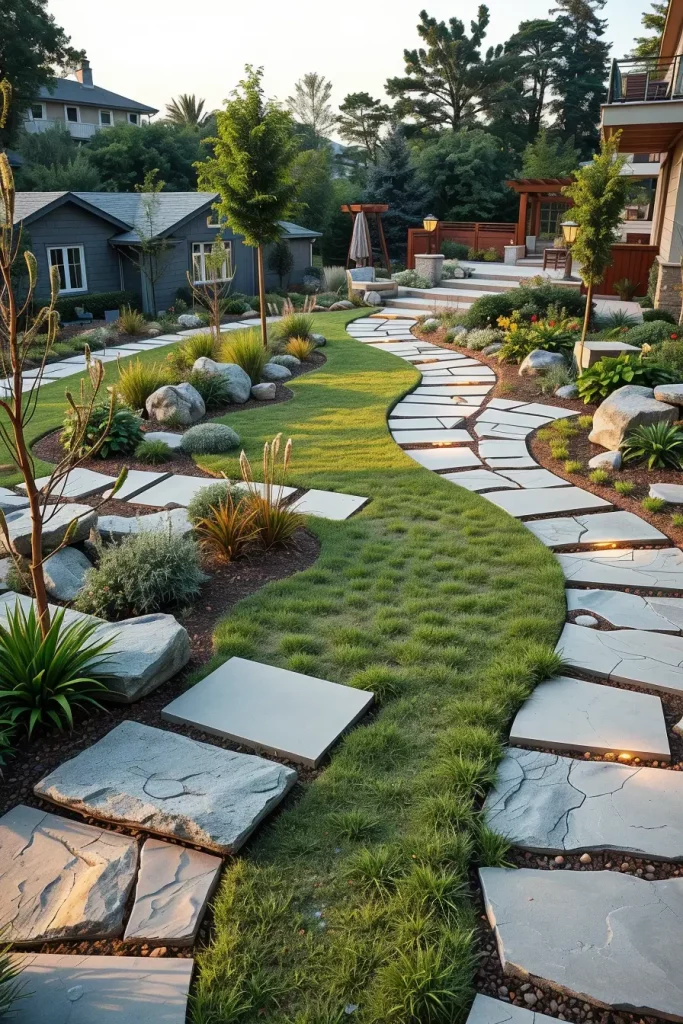
From my professional standpoint, publications like Landscape Architecture Magazine frequently stress how circulation defines user experience. I have seen firsthand how thoughtfully designed paths encourage exploration and slow movement, making gardens feel larger and more immersive.
What I would add here is the use of textured surfaces that subtly change underfoot. This tactile variation enhances sensory engagement without compromising comfort or accessibility.
Statement Garden Layouts With Asymmetrical And Fluid Forms
I consider asymmetry and fluid geometry essential to creative and stylish garden landscaping 2026. These layouts break away from rigid grids, allowing gardens to feel more natural while still being highly controlled. Practically, fluid forms help adapt designs to irregular plots and existing topography.
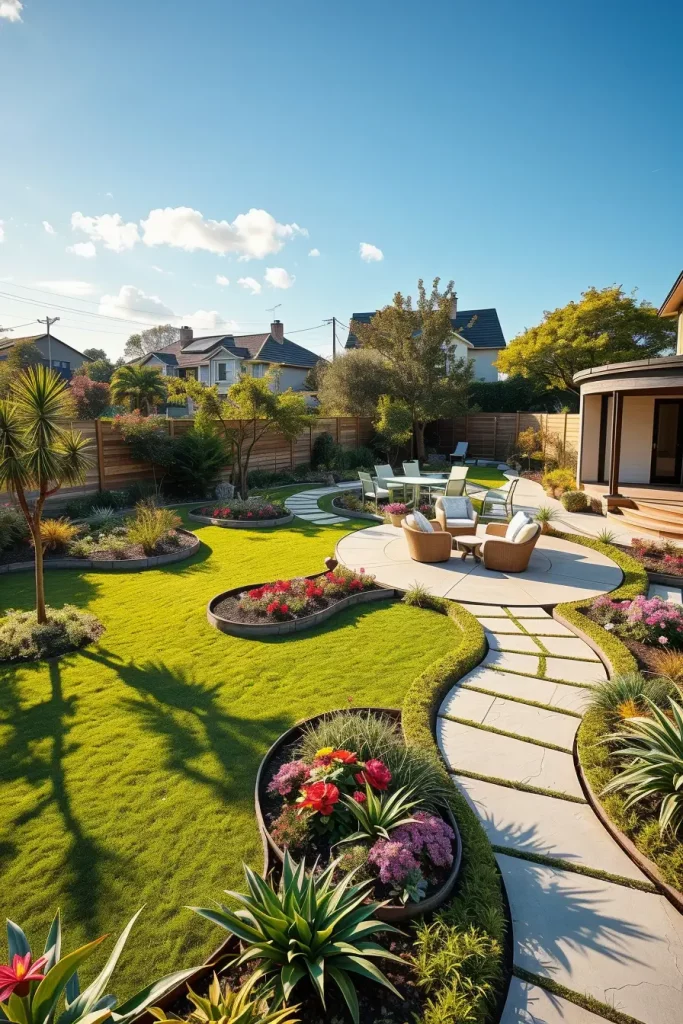
I often work with curved retaining walls, organic lawn shapes, and irregular planting beds to create motion across the site. Outdoor furniture follows these forms, featuring rounded sofas, curved benches, and circular fire features that reinforce continuity. Each design choice supports visual flow and spatial harmony.
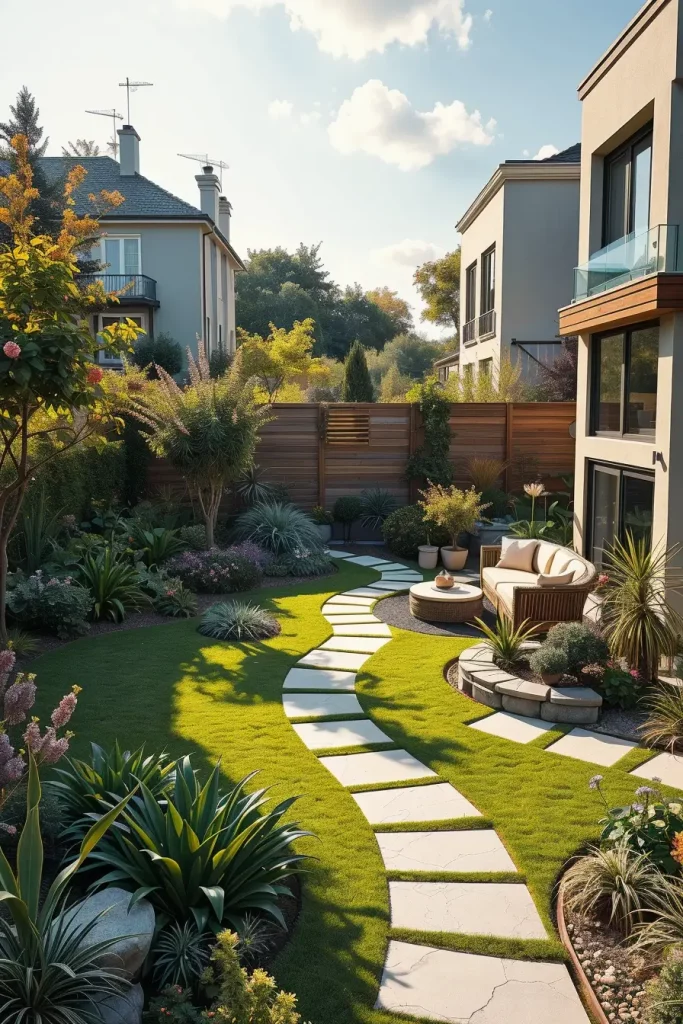
In my experience, designers featured in Dezeen emphasize that asymmetry creates emotional engagement because it feels more human and less mechanical. I fully agree. Gardens designed this way invite longer stays and repeated exploration.
To complete this concept, I recommend adding water elements with free-form edges. Even shallow reflective pools enhance fluidity and amplify the sculptural quality of the overall layout.
Artistic Hardscaping With Organic Concrete And Stone Shapes
Artistic hardscaping plays a major role in unusual and unique garden landscaping 2026. I approach hard surfaces as sculptural components rather than background infrastructure. Organic shapes improve drainage, usability, and visual softness while maintaining durability.
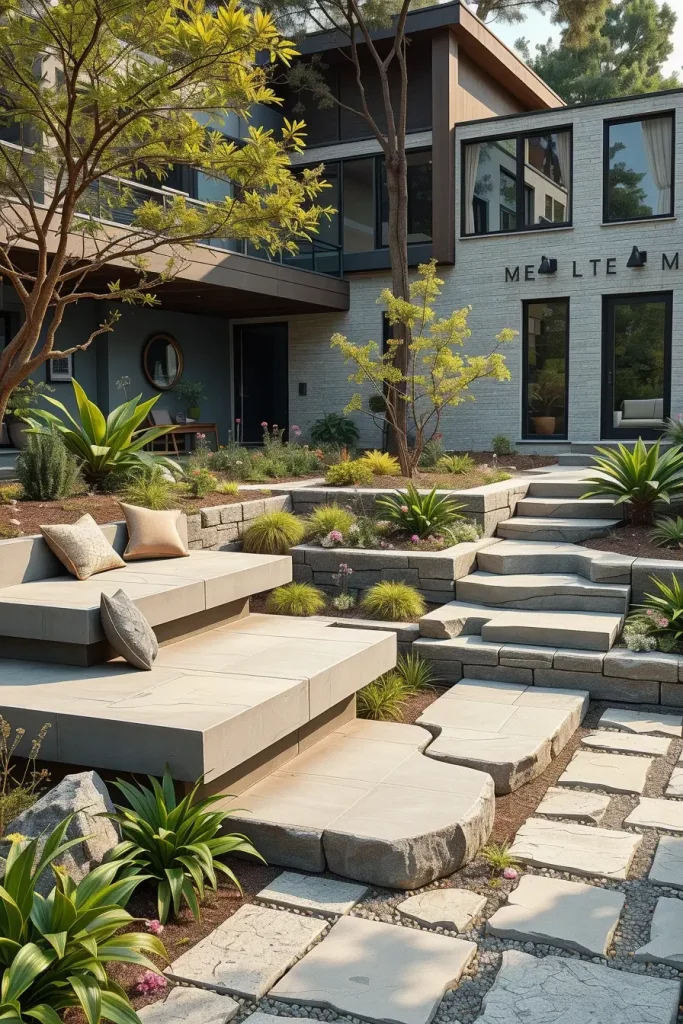
I use curved concrete seating, stone platforms with irregular contours, and layered terraces that appear carved rather than constructed. These elements provide seating, elevation changes, and visual anchors while blending seamlessly with planting schemes.
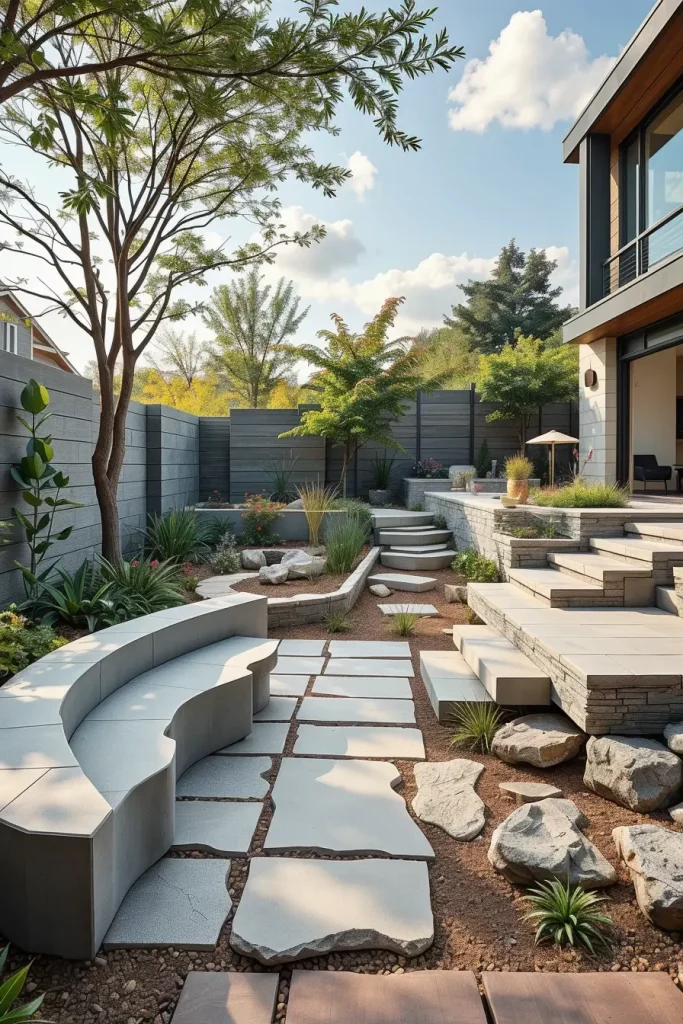
From my professional perspective, resources like Dwell Magazine highlight the growing demand for tactile, handcrafted outdoor materials. I have found that clients respond positively to hardscaping that feels custom and expressive rather than modular and repetitive.
What I would add here is the integration of textured finishes that age gracefully. Materials that patina over time enhance the sculptural narrative rather than detract from it.
Bold Garden Landscaping 2026 Ideas Using Monumental Forms
When I work on bold garden landscaping 2026 concepts, monumental forms become essential tools for defining scale and identity. Large sculptural elements anchor expansive outdoor spaces and prevent them from feeling visually scattered. From a practical perspective, monumental forms help organize circulation, create wind protection, and establish strong visual hierarchy.
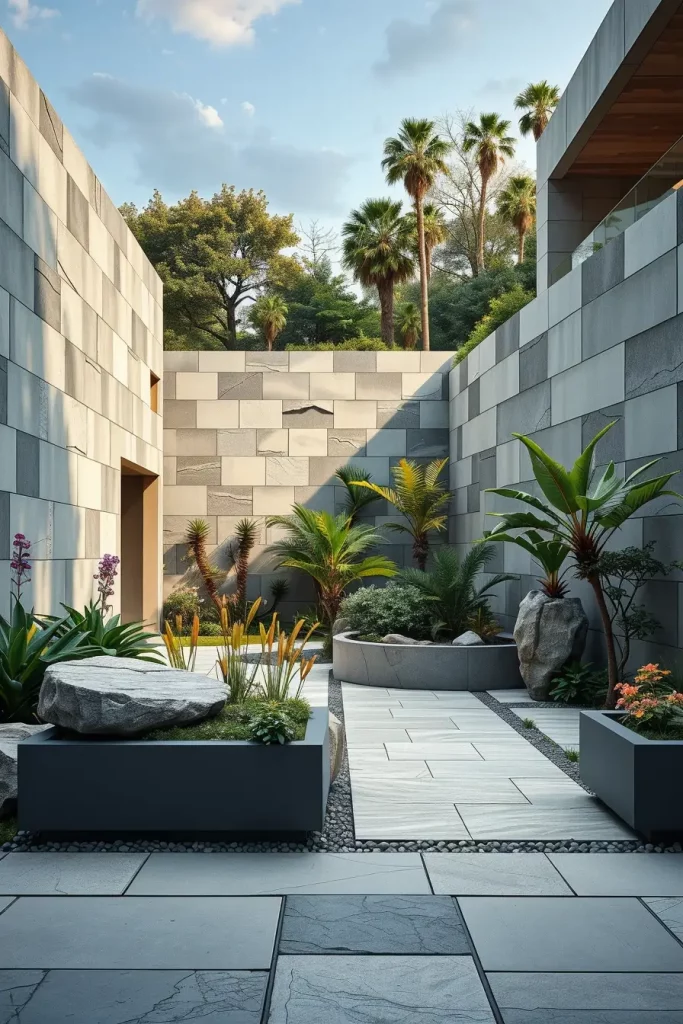
I often use oversized stone blocks, tall sculptural walls, and massive planters that double as seating or spatial dividers. These elements are deliberately simple in shape but powerful in presence. Materials like raw stone, architectural concrete, and weathered steel ensure durability while reinforcing the sculptural quality of the garden.
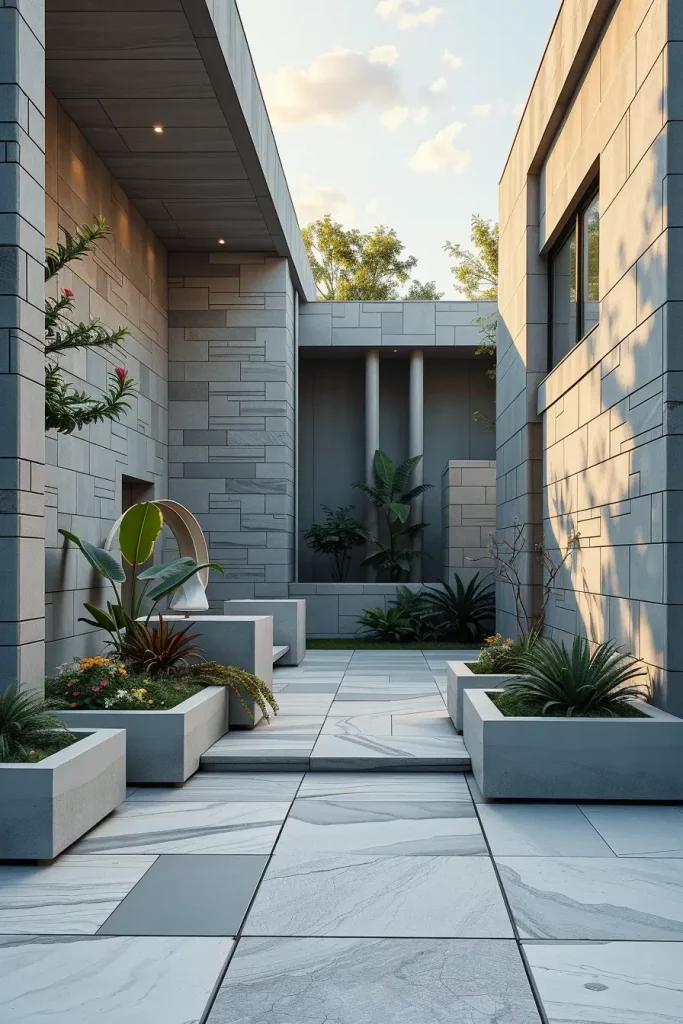
In my professional experience, designers highlighted by Domus Magazine emphasize that monumental landscape features work best when paired with restraint. I have seen how limiting the color palette and surrounding these elements with calm planting allows their scale to feel intentional rather than overwhelming.
What I would add to this approach is careful attention to sightlines from the house interior. Monumental elements should align with key windows and terraces to strengthen the connection between indoor and outdoor spaces.
Curated Outdoor Spaces Designed Like Open-Air Galleries
I increasingly approach artistic garden landscaping as a curatorial process, much like designing an open-air gallery. Each zone has a clear purpose, visual rhythm, and emotional tone. This structure improves functionality by making outdoor spaces intuitive to navigate and visually coherent.
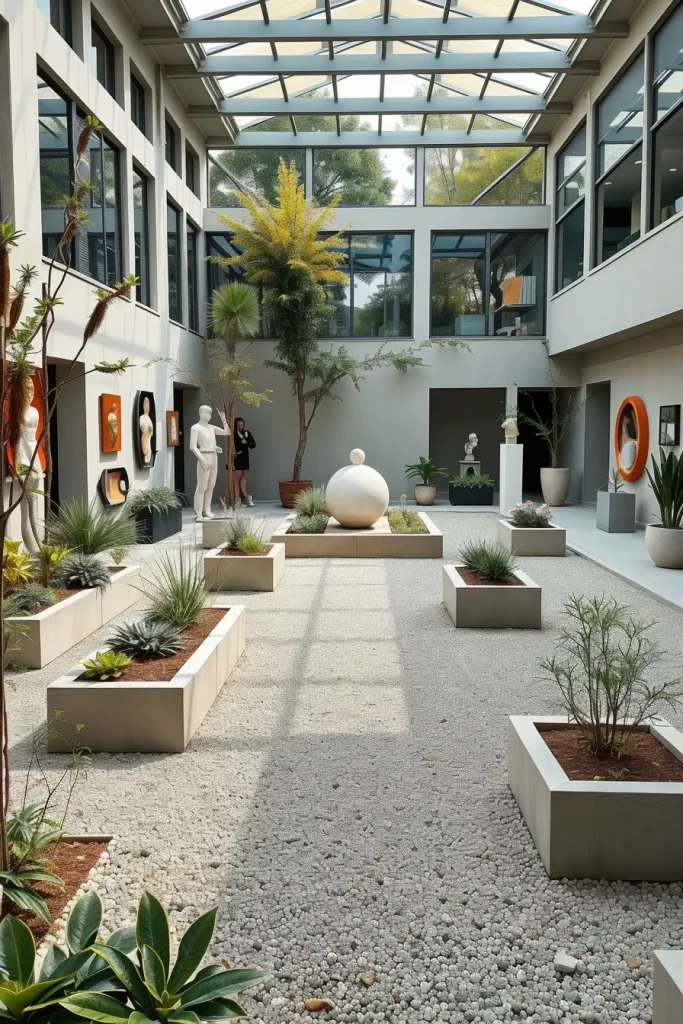
In these gardens, I place sculptural seating, framed planting beds, and standalone art pieces with deliberate spacing. Gravel courtyards, concrete plinths, and linear hedges act as neutral backdrops that allow each feature to stand out. Outdoor furniture is chosen for its form as much as its comfort, reinforcing the gallery concept.
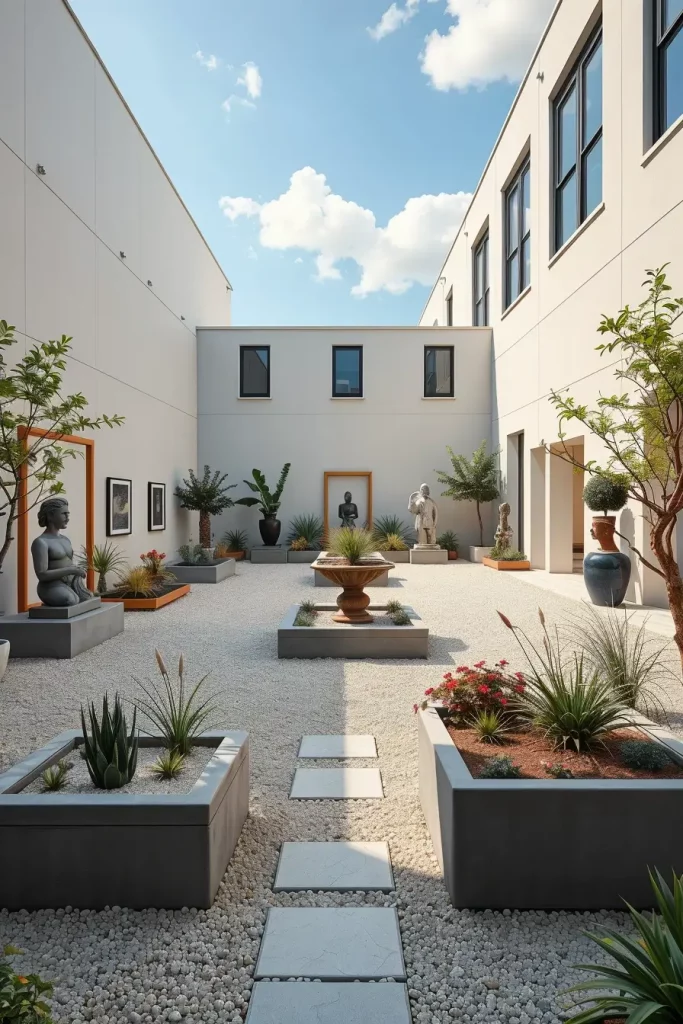
From my perspective, The Wall Street Journal has consistently noted how homeowners value intentional outdoor environments that feel collected rather than decorated. I apply this philosophy by editing aggressively and treating every element as part of a larger composition.
To complete this section, I would recommend adding subtle wayfinding cues, such as changes in ground texture or lighting intensity, to guide visitors naturally through the garden experience.
Nature-Inspired Sculptures Integrated Into Garden Landscaping
In creative garden landscaping 2026, I find that nature-inspired sculptures help bridge the gap between art and environment. These forms echo natural shapes such as waves, leaves, and geological formations, making them visually striking yet harmonious. Practically, they serve as focal points, seating, or spatial markers.
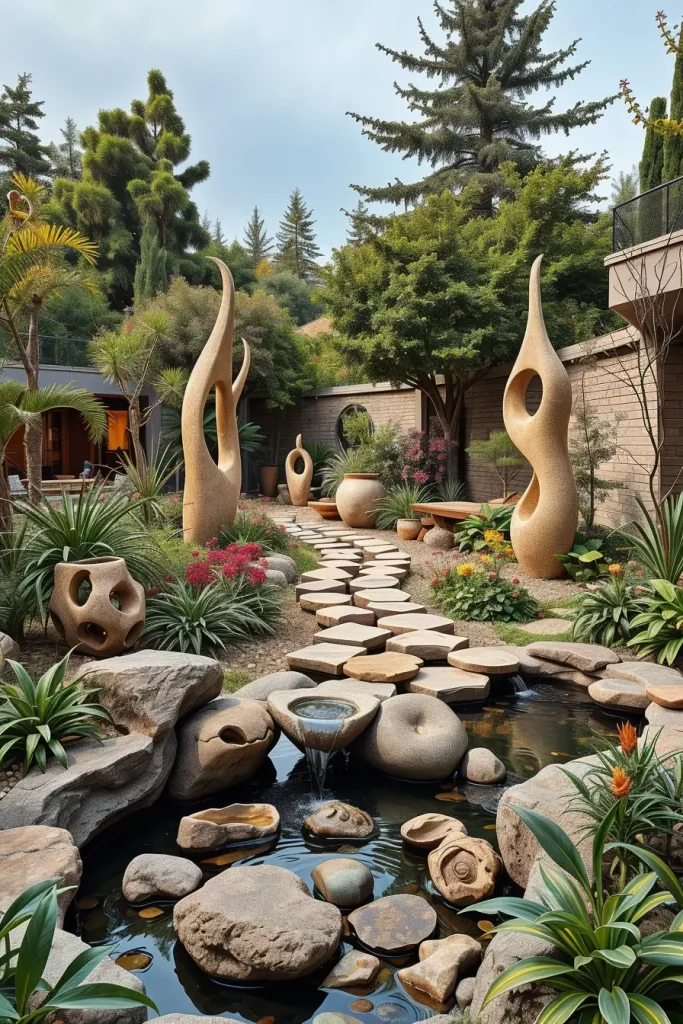
I integrate sculptures made from stone, ceramic, wood, or cast concrete directly into planting zones or water features. Their placement feels organic rather than staged, allowing them to emerge naturally from the landscape. Surrounding plant selections are kept simple to avoid visual competition.
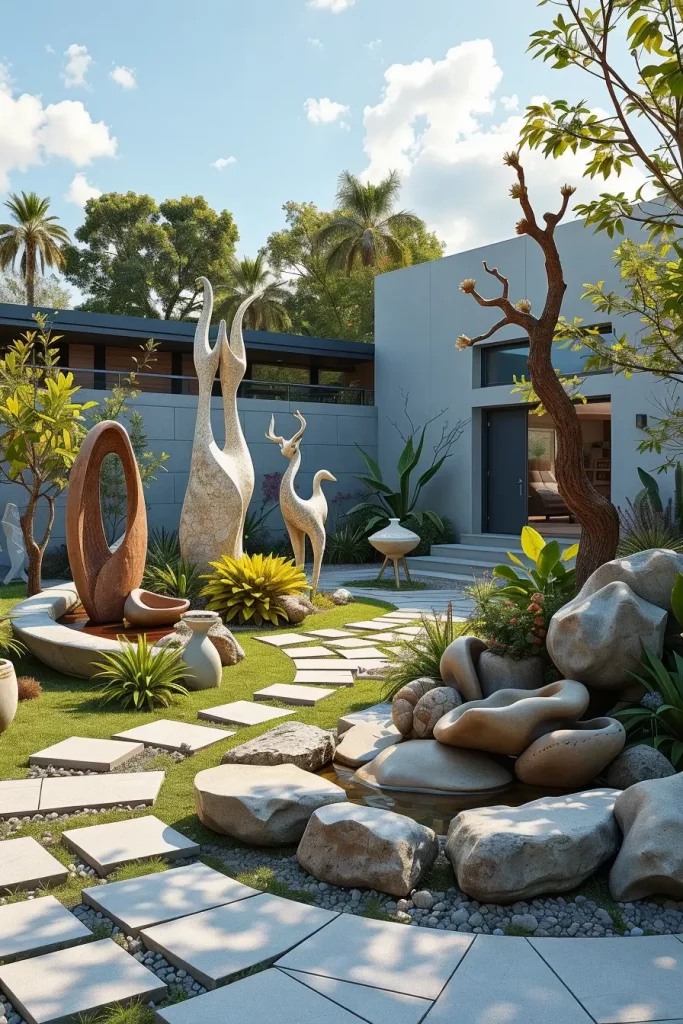
In my own work, I follow advice from landscape artists featured in Dezeen, who stress that sculptures should respond to their setting rather than dominate it. I have learned that scale and material choice are critical for achieving this balance.
What I would add here is collaboration with local artists whenever possible. Custom pieces designed specifically for the site create authenticity and strengthen the emotional connection to the space.
Creative Garden Landscaping With Layered Visual Perspectives
Layering is one of the most effective strategies I use in stylish and unique garden landscaping 2026. By designing multiple visual planes, I create depth and interest while improving privacy and microclimate control. This approach makes even compact gardens feel expansive and immersive.
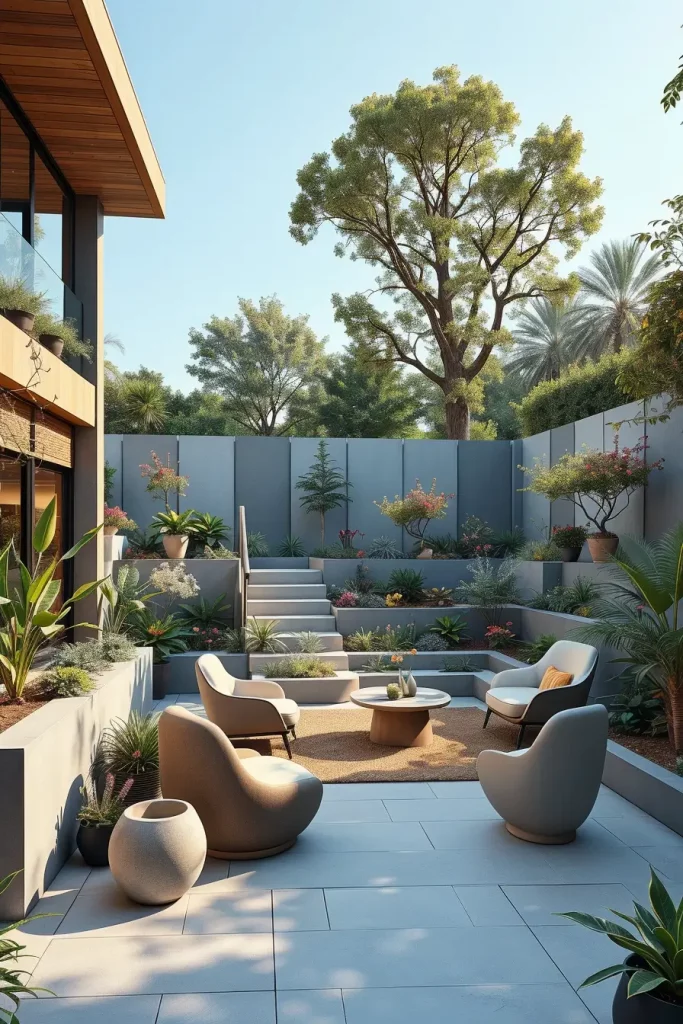
I work with staggered planting heights, semi-transparent screens, raised terraces, and overlapping pathways. Furniture and sculptural elements are positioned at different depths, encouraging movement and discovery. Each layer reveals itself gradually rather than all at once.
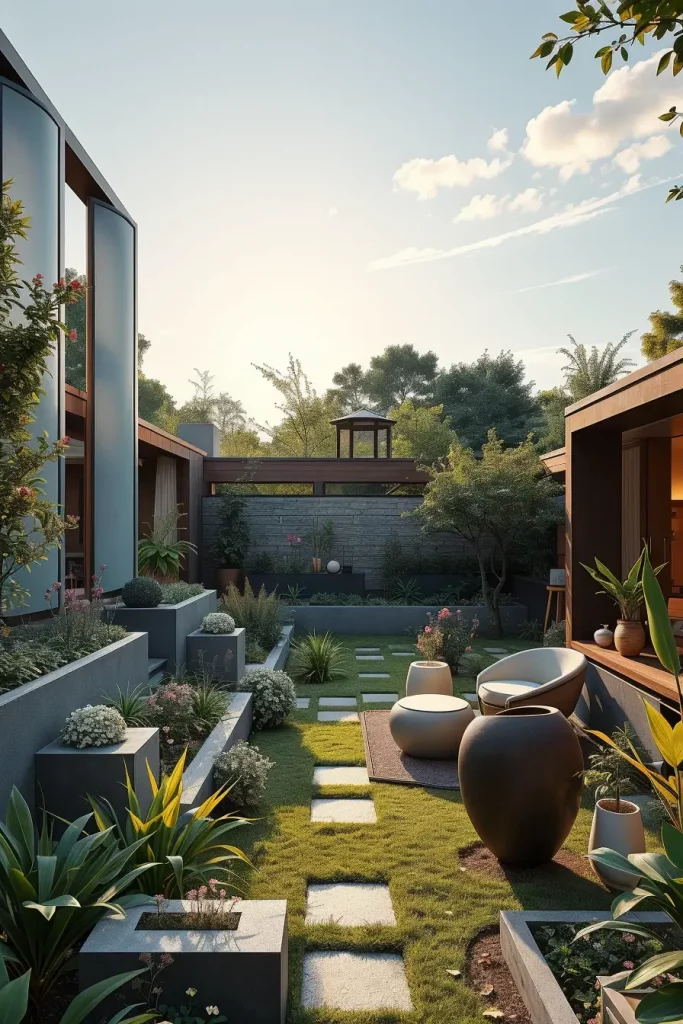
From my experience, publications like Garden Design Magazine emphasize that layered landscapes keep users engaged over time. I agree, as these gardens reveal new details with each visit and change beautifully across seasons.
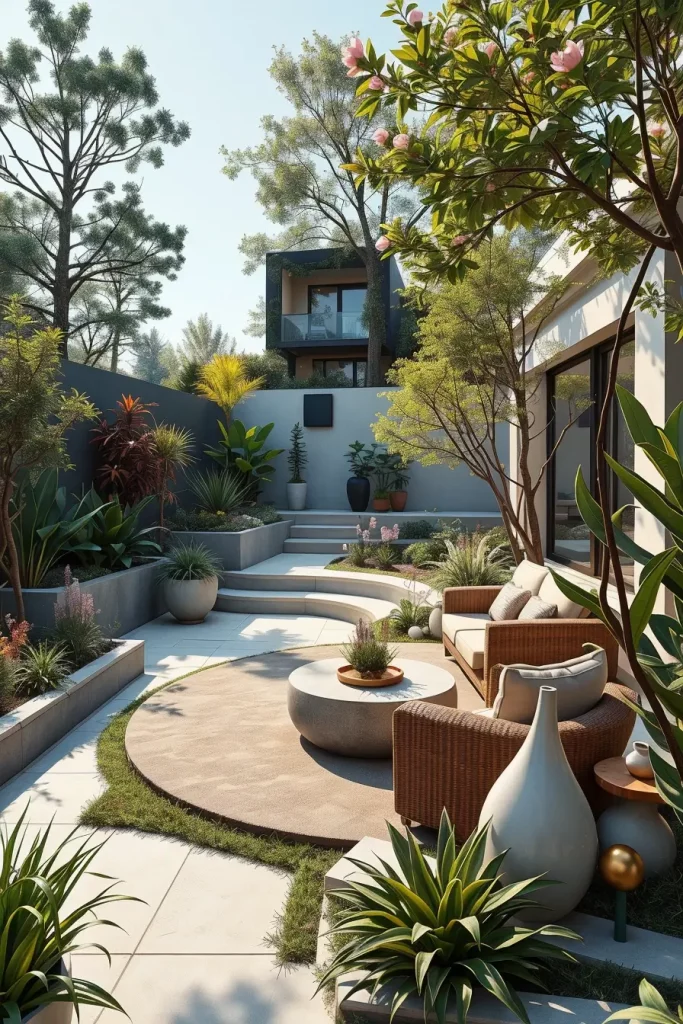
To strengthen this concept, I would introduce elevated viewpoints such as low platforms or stepped seating. These allow users to experience the garden from multiple perspectives.
Experimental Garden Zones That Break Traditional Design Rules
Experimental zones represent the most unusual and forward-thinking aspect of garden landscaping 2026. I use these areas to challenge conventions, blending materials, forms, and functions in unexpected ways. While experimental, these spaces remain practical through thoughtful planning and durable construction.
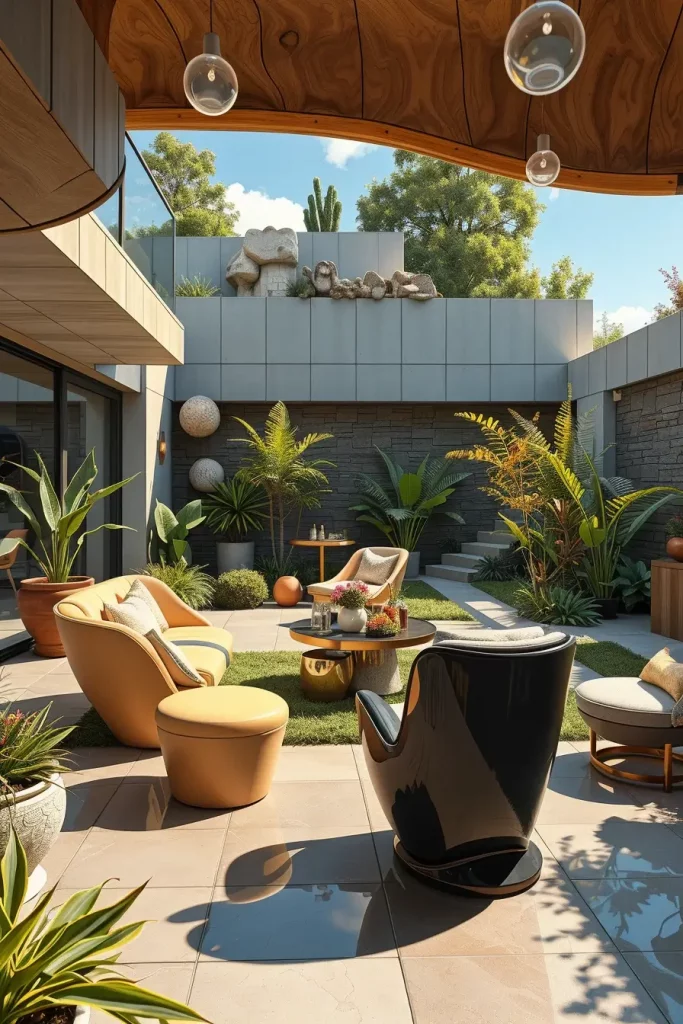
I might combine reflective surfaces with wild planting, mix sculptural furniture with raw landscape elements, or introduce unexpected color accents. These zones often function as conversation starters and creative retreats within the larger garden.
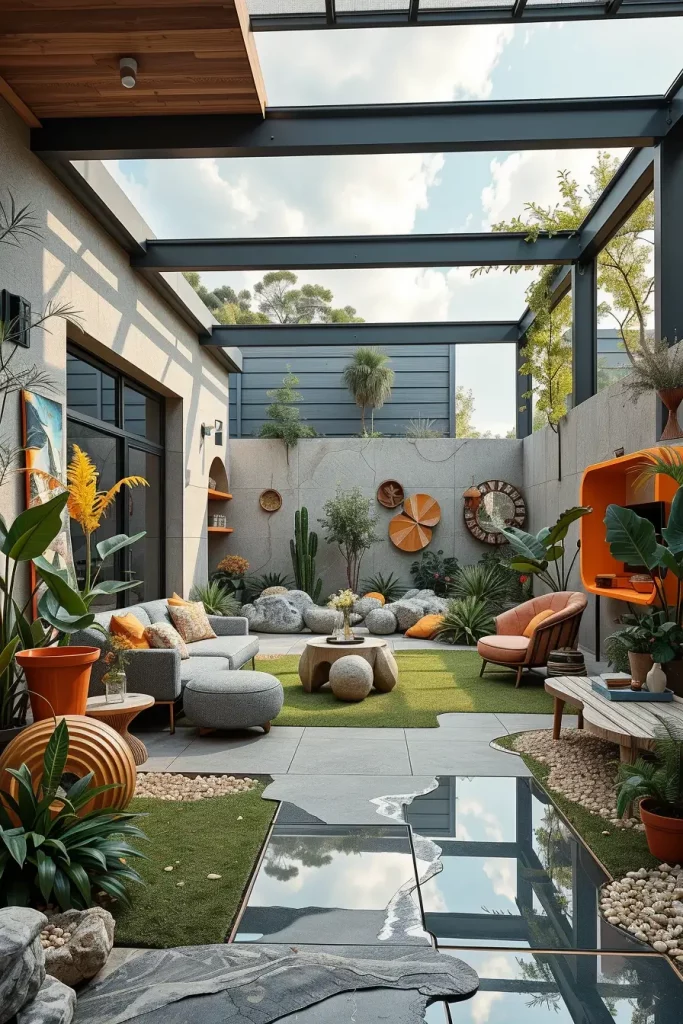
In my professional opinion, designers featured in Fast Company highlight experimentation as a driver of innovation in outdoor spaces. I have found that allocating even a small area for experimentation keeps the entire garden feeling current and expressive.
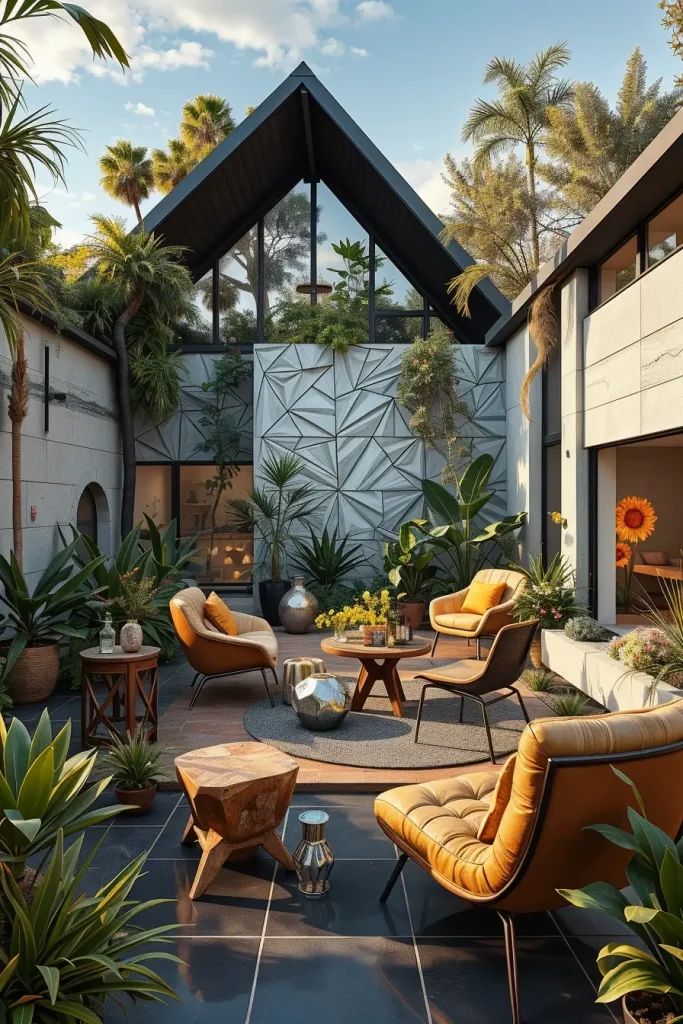
What I would add here is flexibility. Modular elements or movable installations allow experimental zones to evolve over time without requiring full redesigns.
Sculptural Water Features As Functional Art Installations
I see sculptural water features in garden landscaping 2026 as a deliberate shift from decorative fountains toward functional art that anchors the entire outdoor composition. These installations are designed as focal points, guiding movement through the garden while providing cooling effects, acoustic comfort, and visual rhythm. From shallow reflecting pools to vertically integrated water walls, these features serve both environmental and aesthetic purposes, making them practical additions rather than purely ornamental elements.
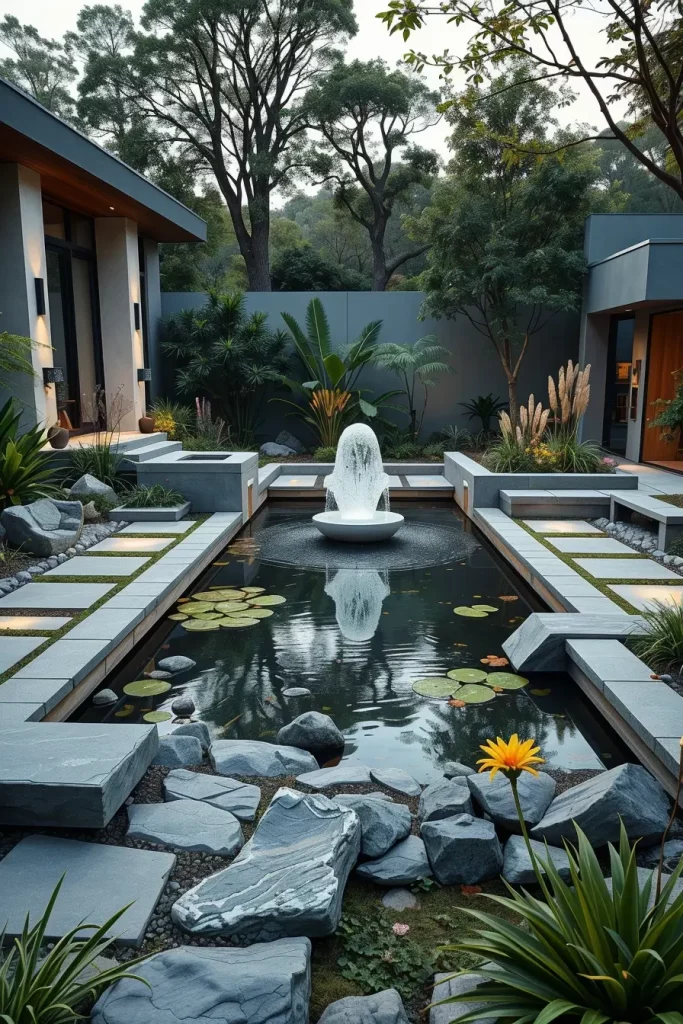
In my work, I prioritize water features made from stone, concrete, weathered steel, or architectural ceramics. Integrated seating edges, submerged lighting, and smooth circulation paths around the water ensure usability and safety. I often pair these features with minimalist hardscaping and restrained planting to let the sculptural form speak clearly without visual overload.
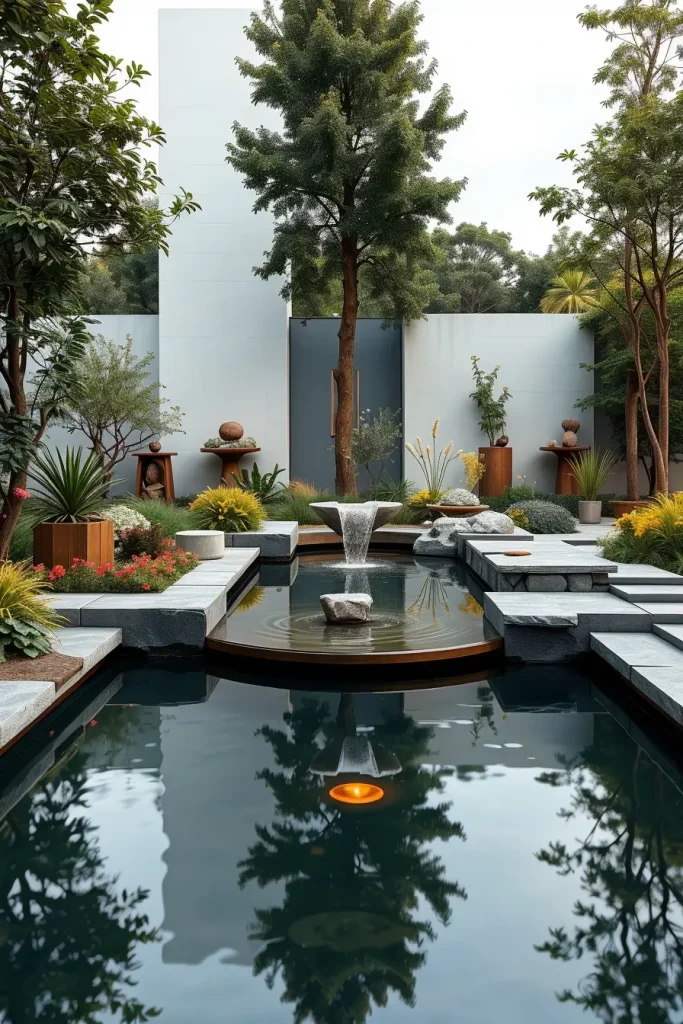
From experience, designers featured in Architectural Digest and Garden Design Magazine emphasize that water should feel intentional, not excessive. I agree with this approach and always recommend calibrating scale carefully. A sculptural water element works best when it feels like part of the landscape’s structure rather than an added accessory.
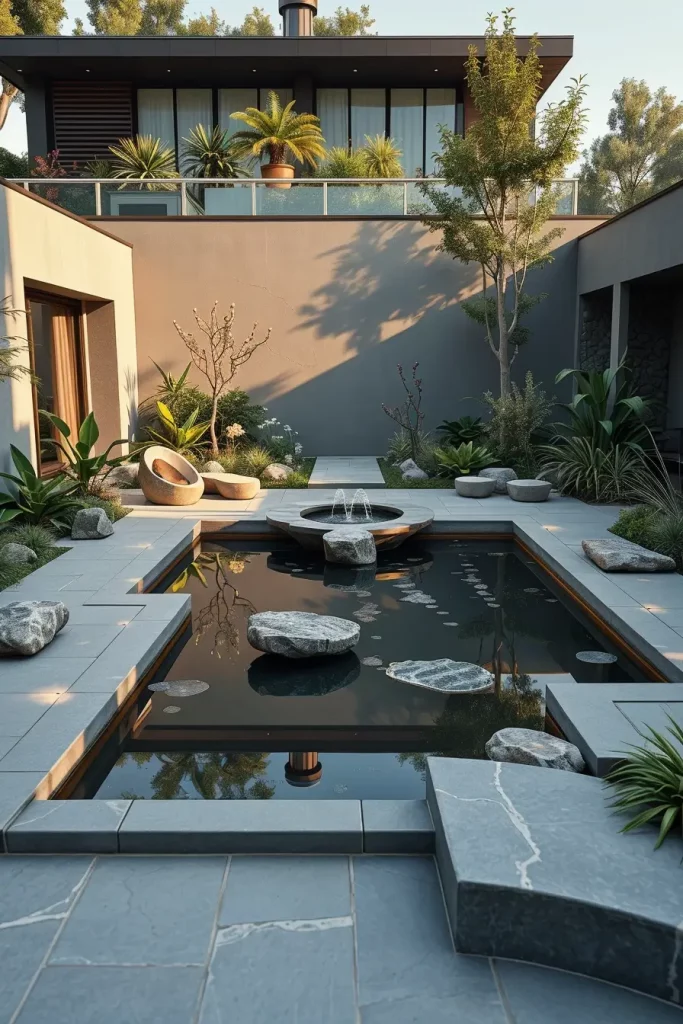
What I would add to this section is the integration of smart water systems. Hidden filtration, recirculation technology, and eco-conscious pumps are essential today to ensure sustainability without compromising the artistic vision.
Garden Landscaping 2026 Concepts Focused On Visual Drama
When I design for visual drama, I focus on bold contrasts, spatial tension, and controlled openness. Garden landscaping 2026 embraces theatrical perspectives created through framing, layered depth, and intentional sightlines. These gardens are meant to be experienced dynamically, revealing sculptural compositions as one moves through the space rather than presenting everything at once.
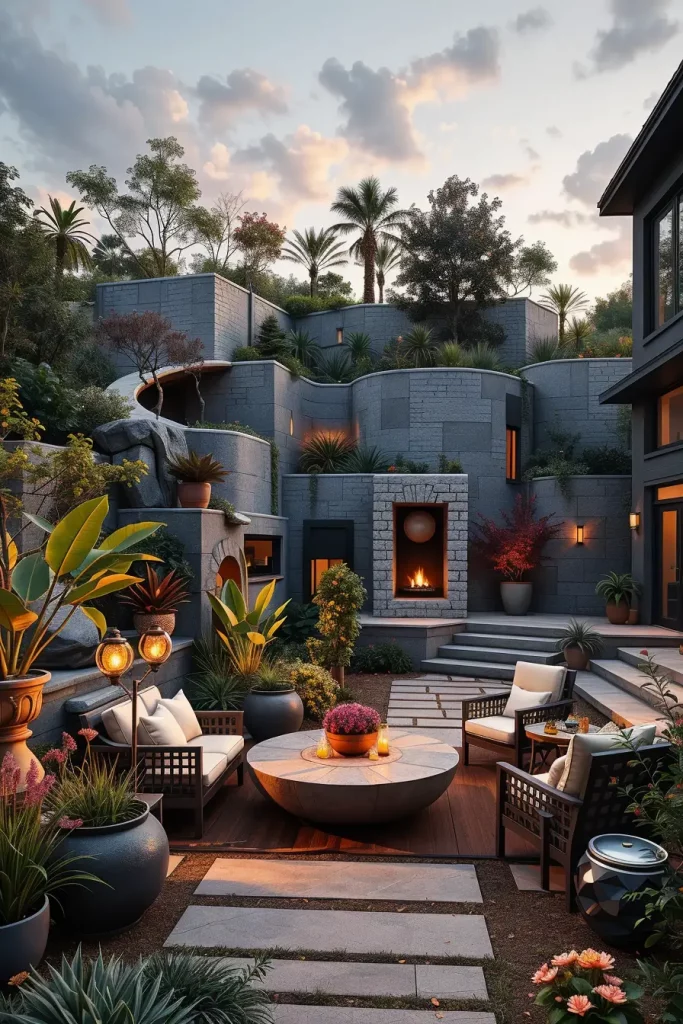
I rely on oversized planters, monolithic walls, stepped terraces, and dramatic elevation changes to build this effect. Materials such as dark stone, brushed concrete, and textured plaster help reinforce depth, while carefully positioned furniture grounds the space and maintains comfort. Each element is selected to amplify scale and presence without sacrificing usability.
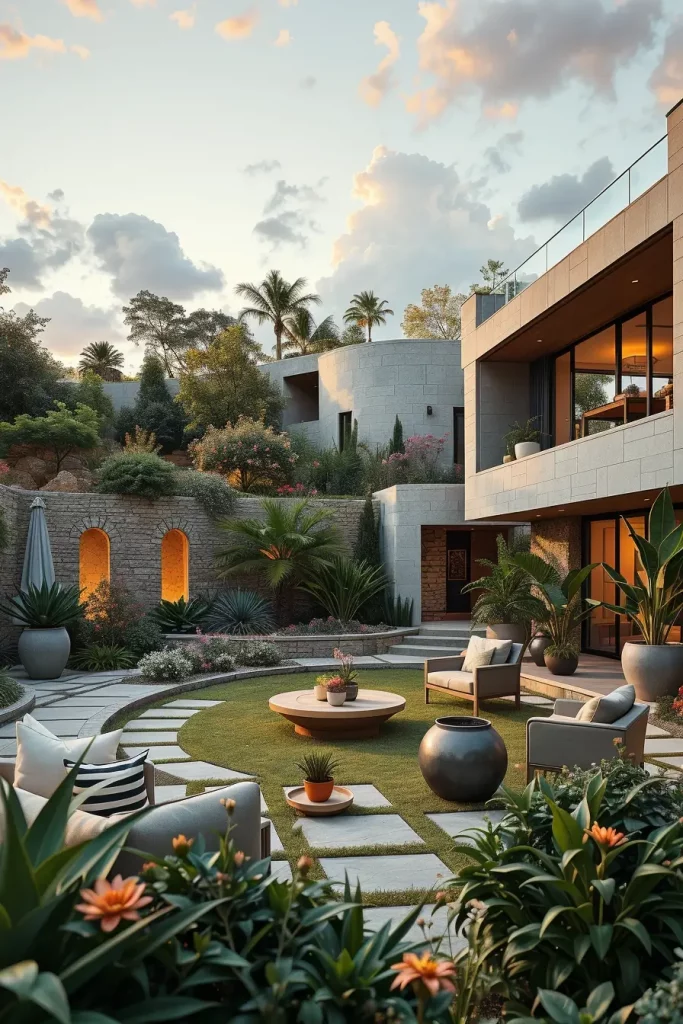
In my professional opinion, dramatic gardens work best when paired with restraint. As noted by landscape architects interviewed in Dezeen, drama should come from proportion and structure, not excess. I apply this principle by limiting color palettes and allowing form and shadow to do the visual work.
What could strengthen this section further is the inclusion of seasonal adaptability. I recommend incorporating elements that shift visually throughout the year, such as deciduous trees or adjustable lighting, to keep the dramatic effect alive beyond one season.
Artistic Garden Lighting That Shapes Space And Mood
I treat lighting as an architectural tool rather than a finishing touch. In artistic and sculptural garden landscaping, lighting defines boundaries, highlights textures, and shapes nighttime experiences. In garden landscaping 2026, layered lighting strategies allow gardens to transform after sunset without altering their daytime identity.
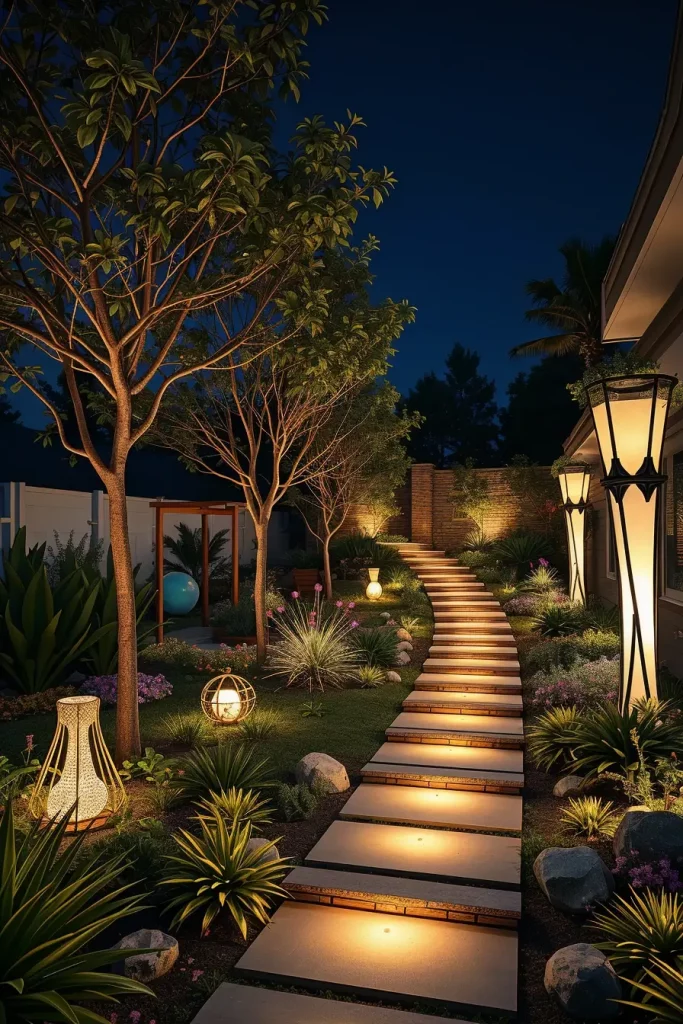
I typically combine low-level path lighting, concealed uplights, and sculptural light fixtures that act as visual elements themselves. Integrated LED strips along steps, benches, and water edges enhance safety while reinforcing geometry. Adjustable color temperature ensures the space remains inviting rather than overly theatrical.
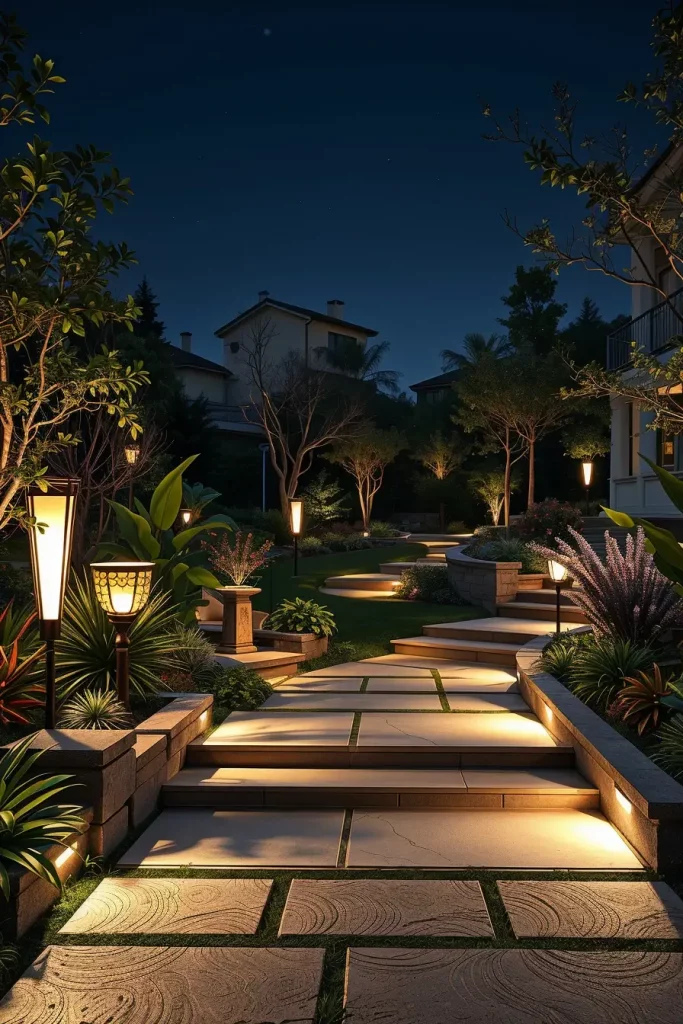
Personally, I follow recommendations from lighting designers published in Dwell, who stress the importance of darkness as much as illumination. I apply this by leaving intentional shadows, allowing focal points to stand out and giving the garden a sense of depth and calm.
What is often missing here is smart lighting control. I strongly recommend programmable systems that adapt to seasons, events, and energy usage, ensuring the lighting design remains both expressive and efficient.
Abstract Plant Compositions For A Modern Sculptural Look
Abstract planting is central to unique and stylish garden landscapes in 2026. I approach plant selection as compositional design, focusing on shape, texture, and rhythm rather than traditional floral abundance. These gardens feel curated, calm, and architectural, aligning perfectly with modern outdoor living.
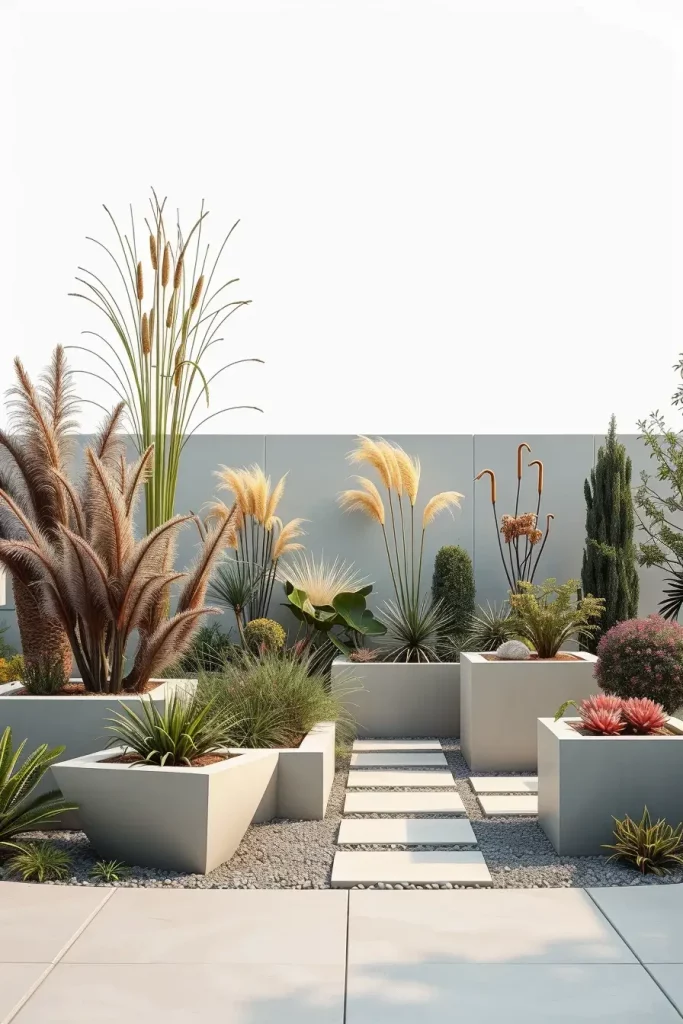
I favor grasses, structural shrubs, sculptural trees, and monochromatic plant palettes. Repetition and spacing are critical, allowing each plant to function almost like a sculptural object. Raised beds, linear planters, and geometric layouts help reinforce clarity and order.
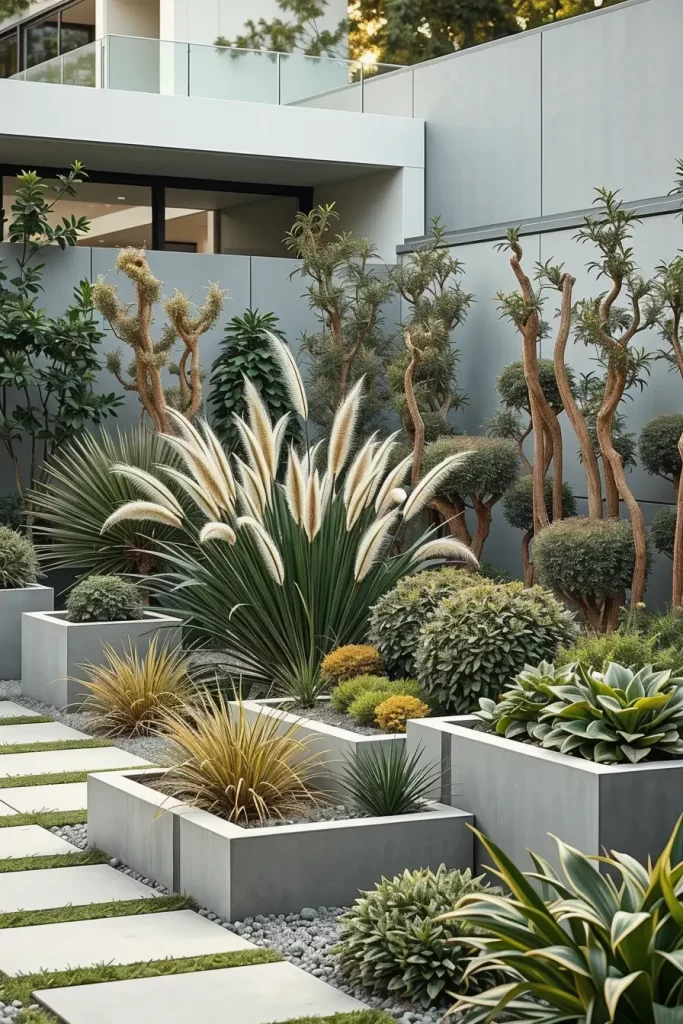
From my experience, leading landscape architects featured in The New York Times highlight that modern planting should prioritize longevity and low maintenance. I fully support this approach and often recommend native or climate-adapted species to maintain the garden’s form with minimal intervention.
To enhance this section, I would include guidance on soil preparation and long-term maintenance planning, ensuring that abstract compositions retain their intended shape over time.
Outdoor Landscaping Designs That Blur Art And Nature
In unusual and artistic garden landscaping, I intentionally dissolve the boundary between built form and natural growth. Garden landscaping 2026 favors designs where pathways, sculptures, and planting merge seamlessly, creating immersive outdoor environments that feel curated yet organic.
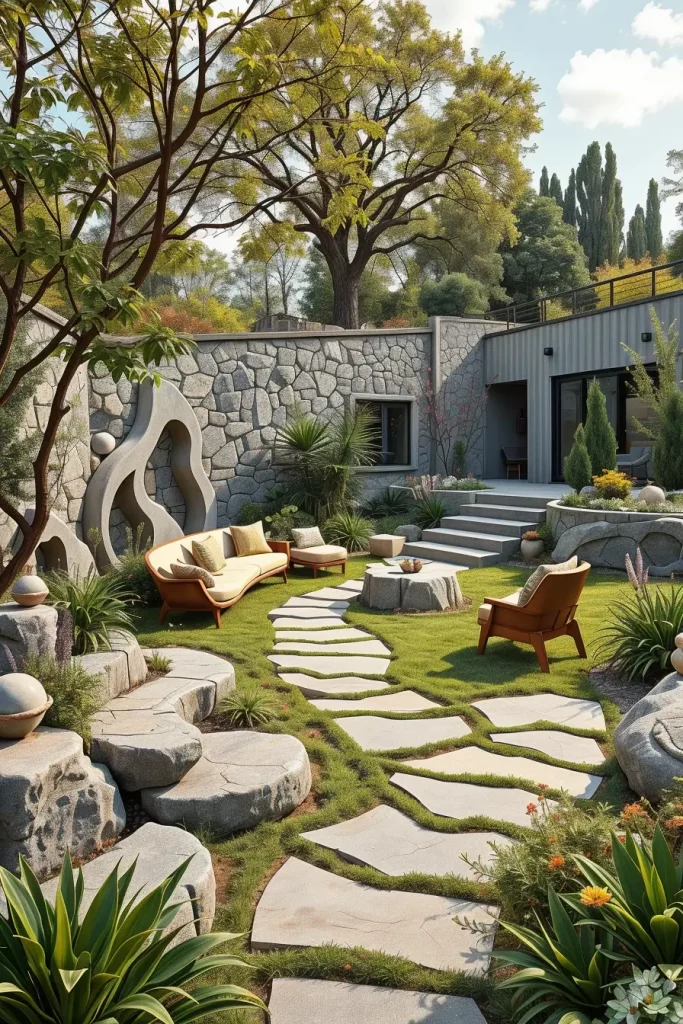
I incorporate sculptural walls that double as seating, stone paths that flow like natural contours, and furniture that echoes natural forms. Materials such as limestone, wood, and textured concrete help bridge the gap between art and nature. Every element serves both a functional and expressive role.
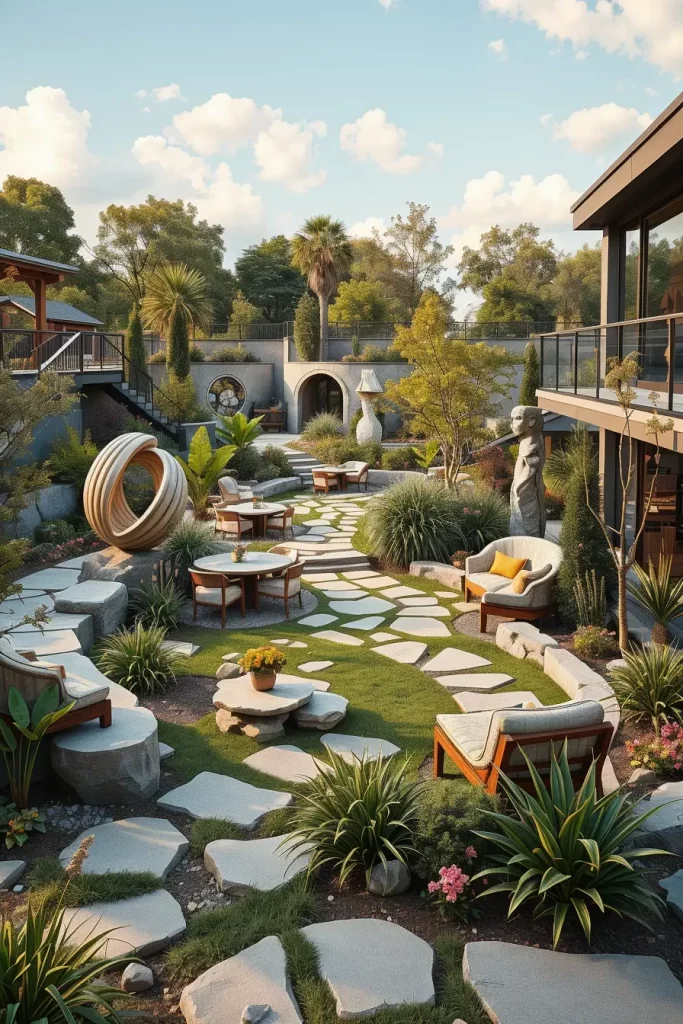
In my view, this approach aligns with philosophies promoted by contemporary designers in Landscape Architecture Magazine, who emphasize emotional connection over rigid structure. I apply this by allowing controlled irregularity and subtle asymmetry in layouts.
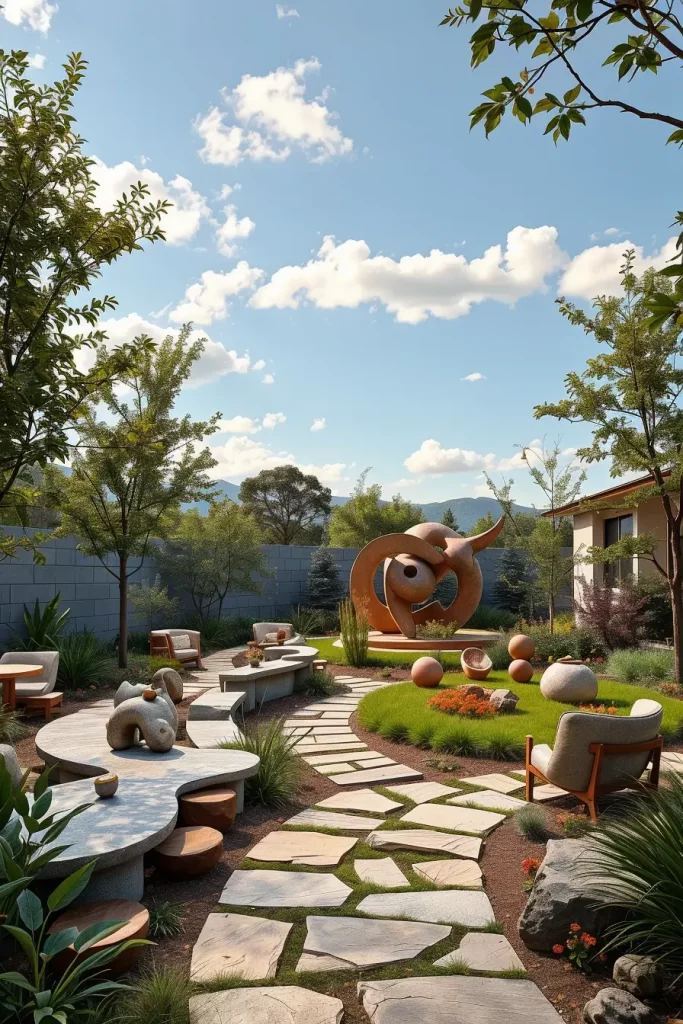
What I would add here is the inclusion of interactive elements, such as walkable art or tactile surfaces, to deepen user engagement and transform the garden into an experiential space rather than a static one.
Unique Garden Landscaping With Oversized Botanical Elements
When I work with oversized botanical elements, I treat plants as architectural features rather than background greenery. In garden landscaping 2026, large-scale plants create instant visual impact and help structure outdoor spaces without heavy construction. These elements introduce a sense of scale and boldness while maintaining a natural, organic presence that feels both unique and intentional.
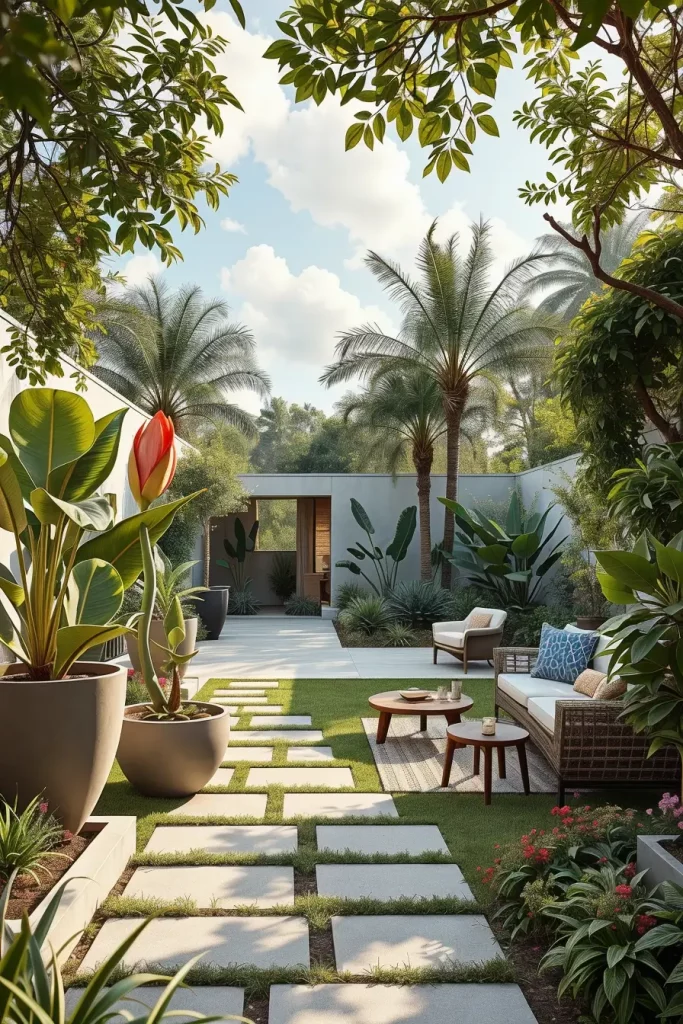
I typically select oversized ornamental grasses, large-leaf tropical-style plants, or sculptural trees placed in strategic locations. Extra-large planters made of stone, concrete, or metal help define zones and frame pathways. These botanical elements reduce the need for excessive decor while still delivering a strong design statement.
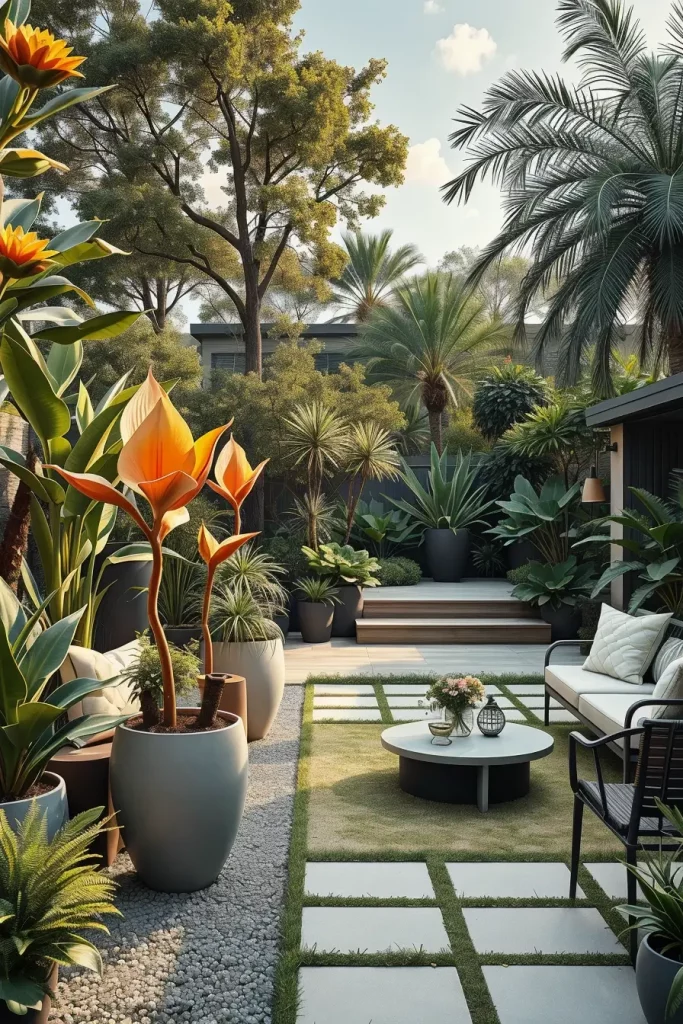
From my professional experience, landscape designers featured in Garden Design Magazine emphasize that oversized plants should be used sparingly to avoid overwhelming the space. I follow this principle by balancing scale with open areas, ensuring comfort and visual clarity.
What should be added here is guidance on spacing and long-term growth management. I recommend planning for mature plant size from the beginning to preserve the intended composition over time.
Creative Use Of Height And Vertical Sculpture In Gardens
Vertical design has become a defining feature of creative and artistic garden landscaping in 2026. I use height strategically to draw the eye upward, expand perceived space, and introduce sculptural interest without increasing the garden’s footprint. Vertical elements are especially effective in compact or urban outdoor environments.
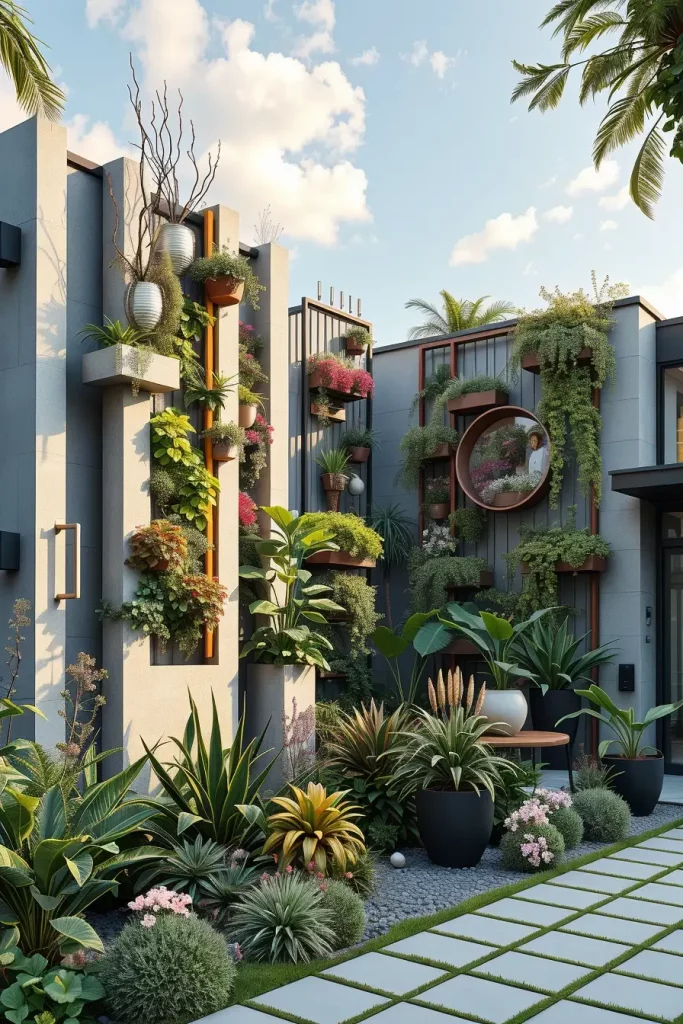
In my designs, vertical sculptures, tall planters, living walls, and architectural screens work together to create layers. Materials such as metal frameworks, textured concrete panels, and climbing plants add depth and rhythm. Integrated lighting further enhances vertical forms after dark, making them functional day and night.
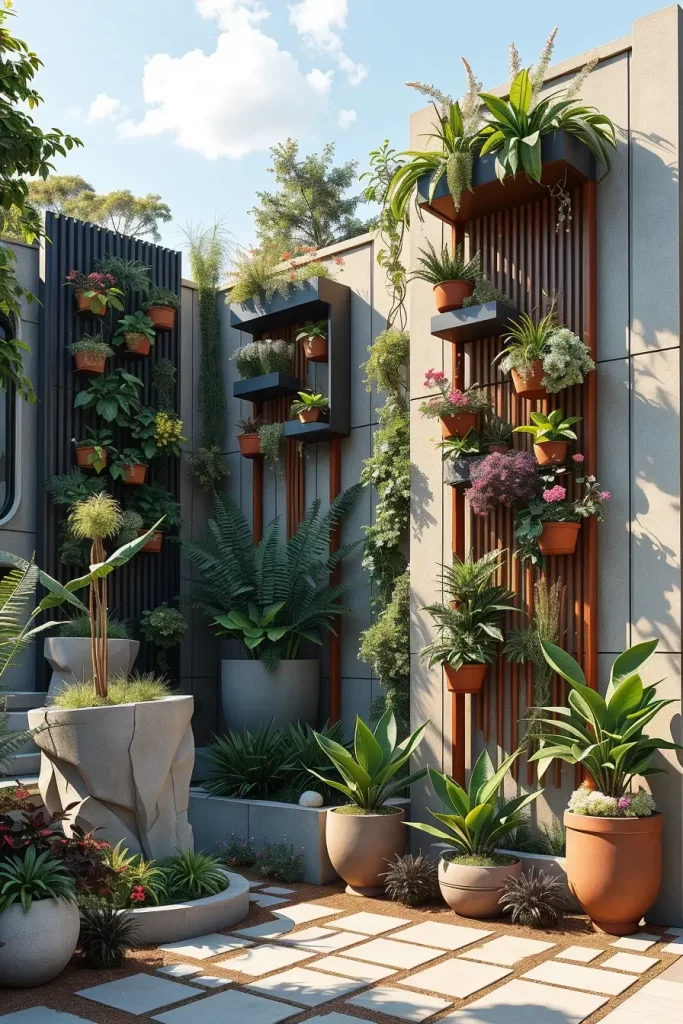
I align with insights from landscape architects published in Dezeen, who note that verticality brings balance to minimalist gardens. I apply this by keeping ground-level layouts clean while allowing vertical elements to carry visual weight.
What I would add is the integration of vertical irrigation systems and maintenance access. These practical considerations ensure longevity and ease of care without compromising the sculptural effect.
Garden Landscaping 2026 With Curved Lines And Soft Geometry
Curved lines play a central role in garden landscaping 2026, offering a softer alternative to rigid layouts. I use flowing paths, rounded terraces, and organic shapes to create gardens that feel welcoming and intuitive. These curves introduce movement and calm while supporting a more stylish and contemporary aesthetic.
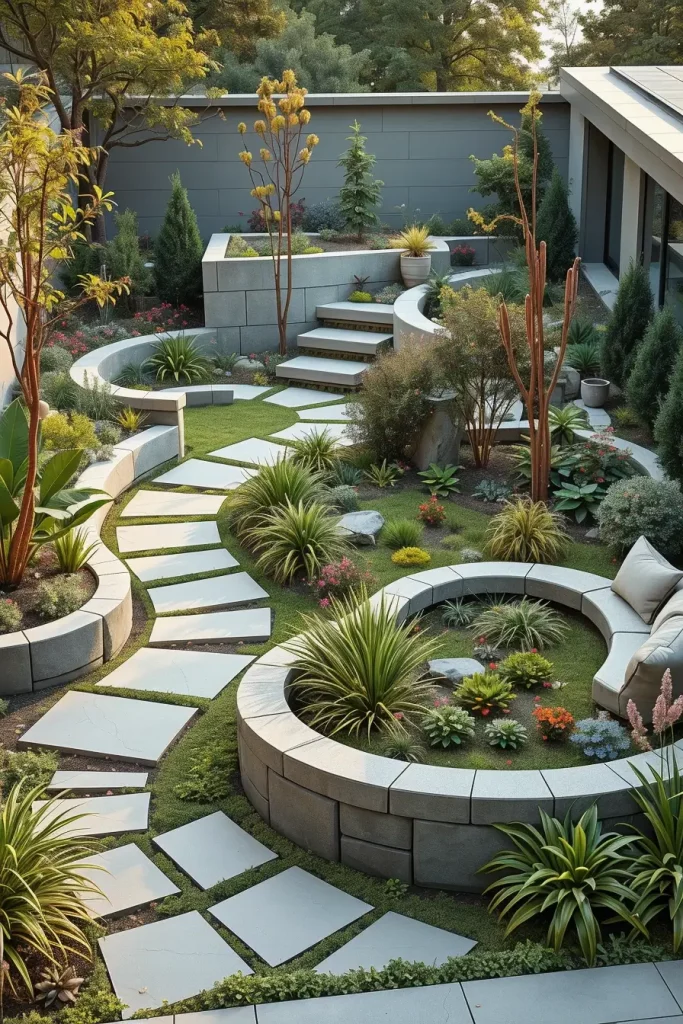
I incorporate curved seating, circular planters, and gently arched retaining walls to reinforce continuity. Materials such as smooth stone, poured concrete, and wood are shaped to follow these forms, ensuring both comfort and durability. Furniture is selected to echo the geometry, avoiding sharp contrasts.
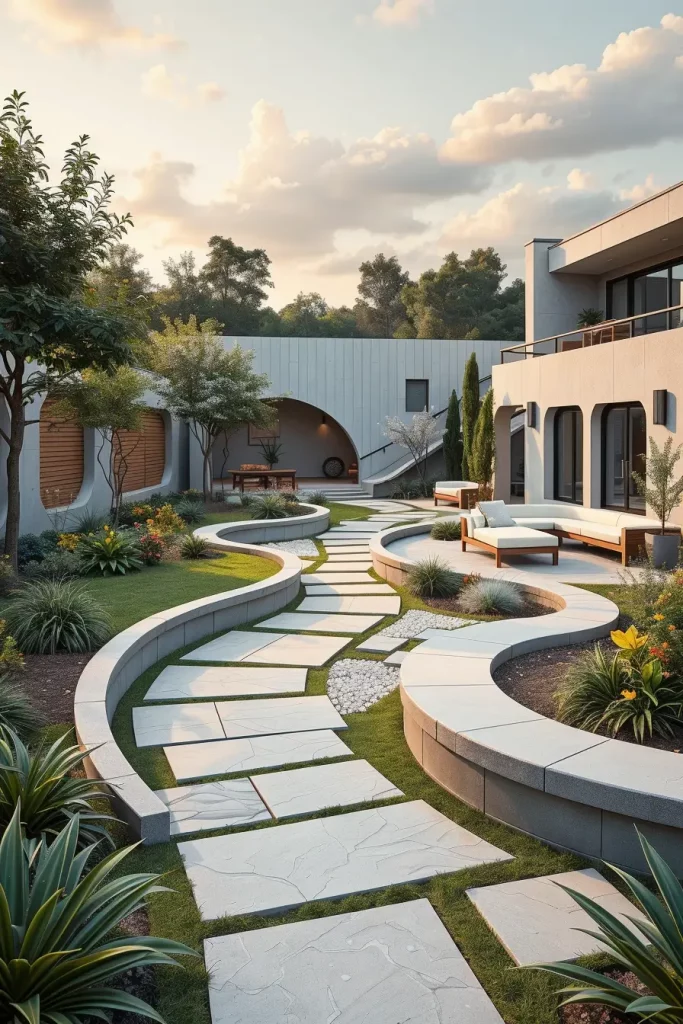
In my opinion, this approach reflects guidance from landscape professionals featured in Architectural Digest, who highlight the emotional comfort created by soft geometry. I have consistently seen clients respond positively to spaces that feel fluid rather than rigid.
To strengthen this section, I would include recommendations for drainage and circulation planning. Curved layouts require careful technical execution to ensure functionality matches aesthetics.
Artistic Seating And Functional Sculptures In Garden Spaces
I see seating as an opportunity for sculptural garden landscaping, not just a necessity. In garden landscaping 2026, benches, loungers, and resting areas often double as artistic installations that define the character of the space while remaining fully functional.
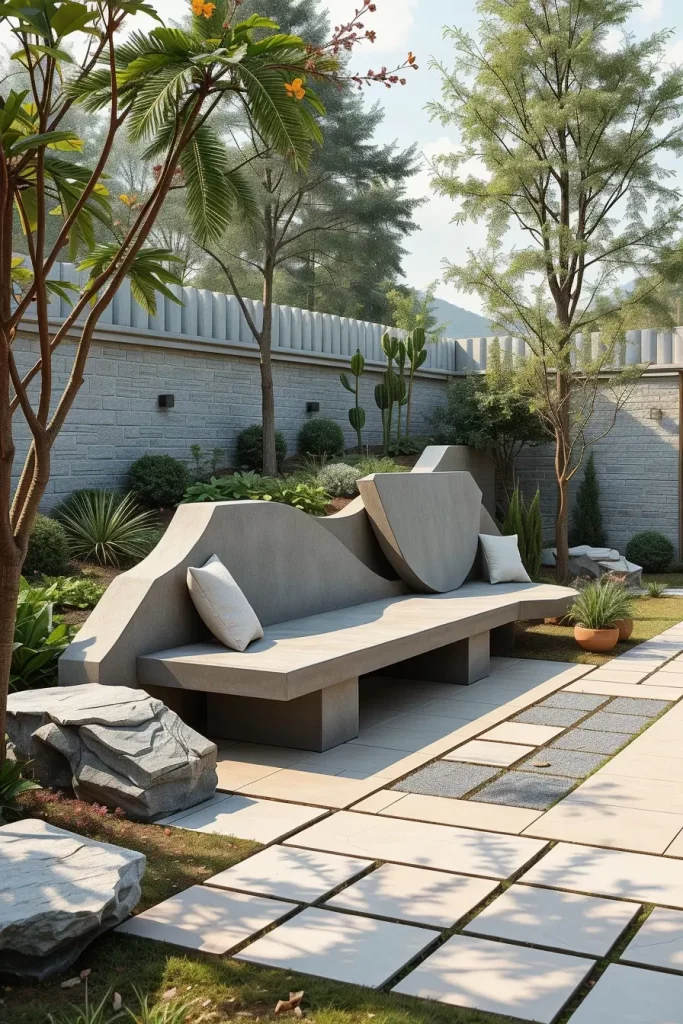
I favor custom seating made from stone, concrete, wood, or composite materials shaped into bold yet ergonomic forms. These pieces are placed to encourage conversation, contemplation, or views toward focal points such as water features or sculptures. Their permanence anchors the landscape design.
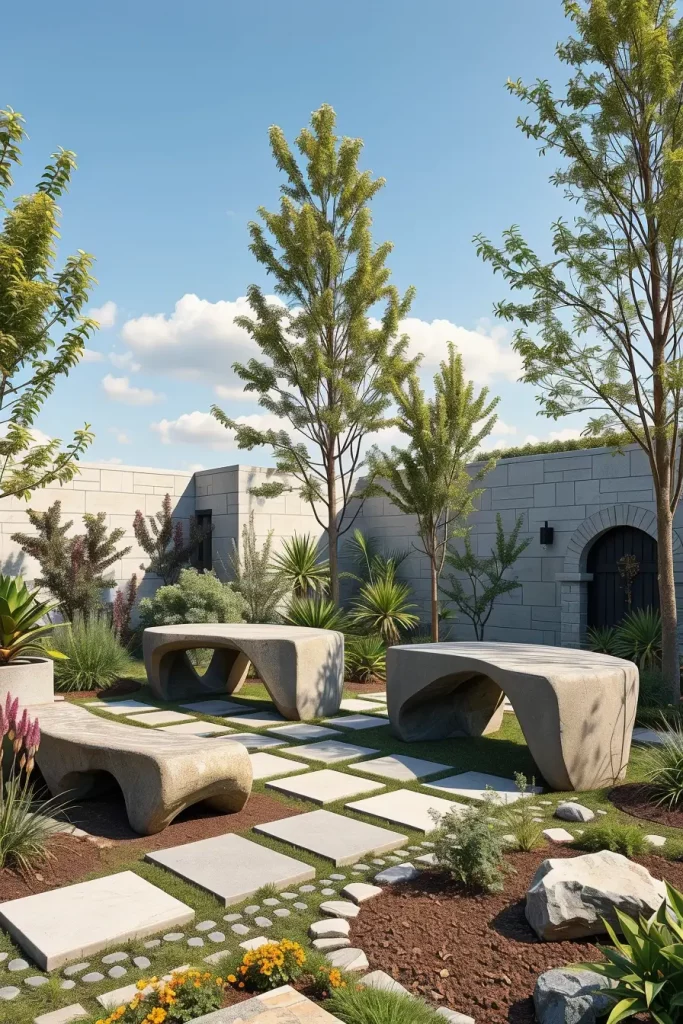
Based on my experience and advice from designers featured in Dwell, multifunctional elements reduce clutter and enhance cohesion. I always recommend investing in fewer, higher-quality sculptural pieces rather than multiple decorative items.
What is missing here is a focus on comfort enhancements. I suggest integrating subtle cushions, thermal finishes, or shaded placement to ensure artistic seating remains inviting for everyday use.
Unusual Garden Landscaping Using Mixed Natural Materials
Mixing natural materials is one of the most effective ways to achieve unusual and artistic garden landscapes. In garden landscaping 2026, I intentionally combine contrasting textures to create depth, authenticity, and tactile interest while maintaining a refined overall look.
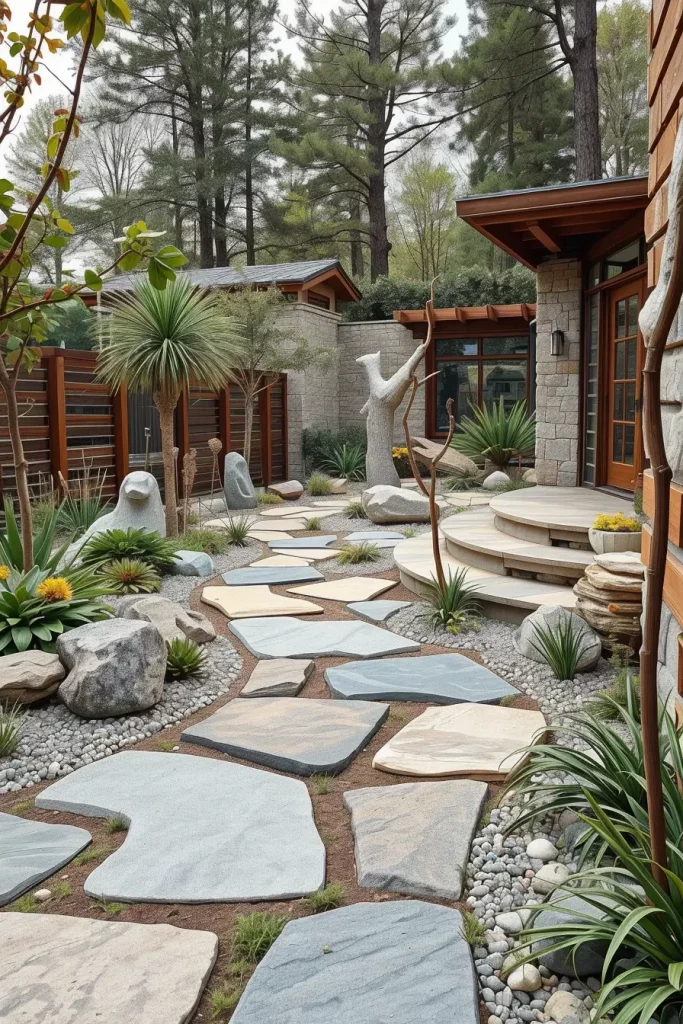
I often pair stone with wood, concrete with gravel, and metal accents with natural greenery. These combinations define zones, highlight pathways, and emphasize sculptural elements. Furniture and planters echo these materials to reinforce consistency across the design.
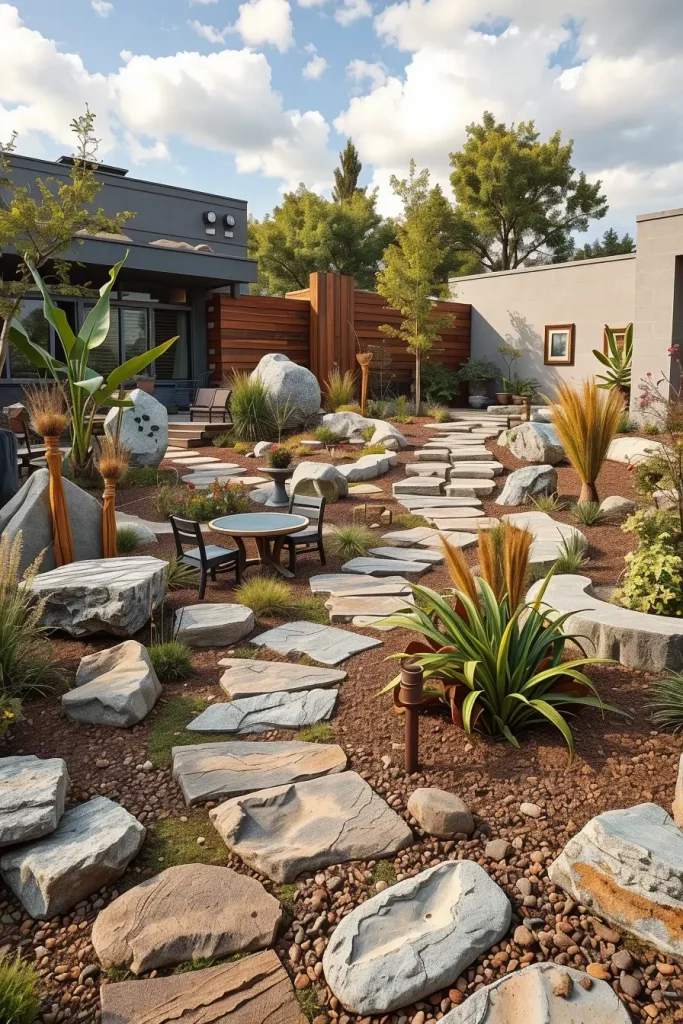
From my professional perspective, landscape experts writing for The New York Times emphasize that material contrast should feel deliberate, not decorative. I apply this by limiting the palette and repeating combinations throughout the space.
To complete this section, I would add guidance on weather resistance and aging. Selecting materials that patinate gracefully ensures the garden grows more characterful over time rather than deteriorating.
Expressive Garden Layouts Designed For Emotional Impact
I see expressive garden layouts in 2026 as carefully choreographed outdoor environments where movement, perspective, and spatial rhythm guide emotional response. Instead of symmetrical paths or predictable zoning, these gardens rely on curved walkways, layered elevations, and intentional pauses that invite reflection. I design such layouts to feel intuitive, allowing the garden to unfold gradually as one walks through it, making the space practical for daily use while still emotionally engaging.
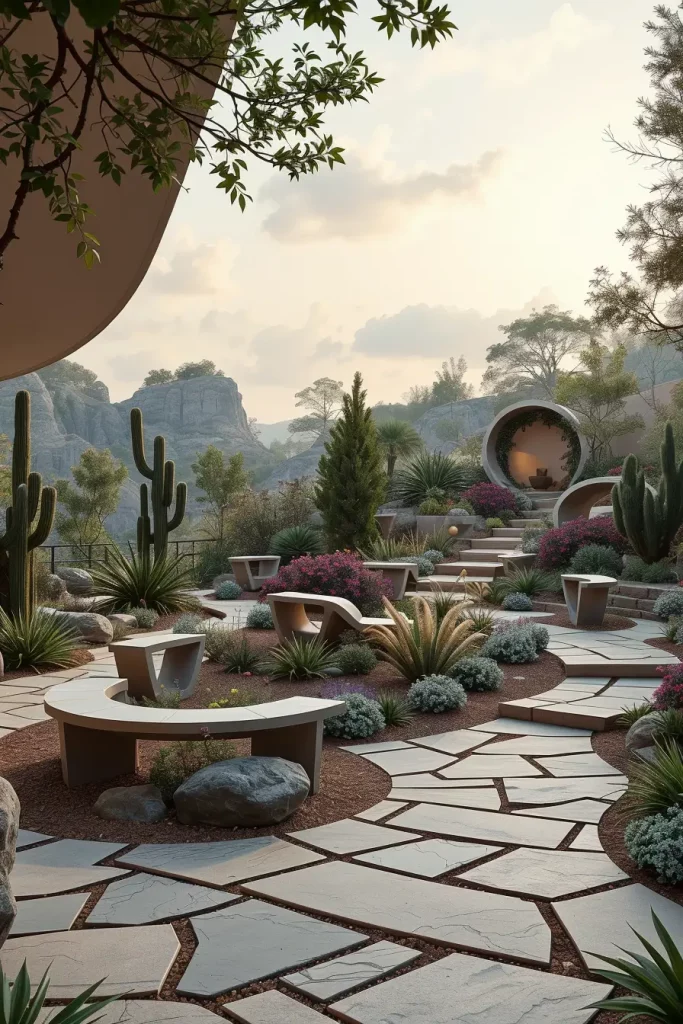
When I plan these layouts, I include sculptural seating, organically shaped paving, and low-profile outdoor furniture that does not interrupt visual flow. Benches are often integrated into retaining walls, while lounge areas are subtly recessed into greenery to create intimacy. Every element, from lighting placement to plant height, serves a purpose in shaping how the garden feels at different times of day.
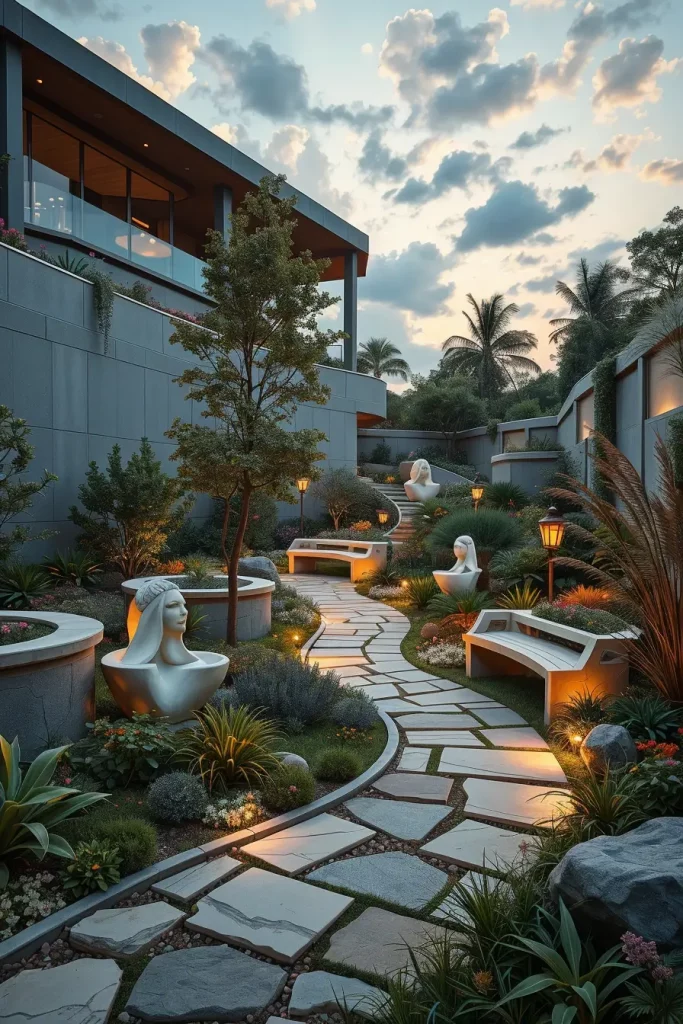
From my experience, this approach aligns with what landscape architects featured in Architectural Digest and Garden Design magazine have emphasized in recent years: gardens should be experienced, not just viewed. I have seen homeowners respond more positively to spaces that feel calm yet dynamic, especially when the layout supports both solitude and social interaction without obvious separation.
What I would add to this type of garden is a stronger sensory layer, particularly sound. Subtle water features or wind-activated elements would complete the emotional narrative and enhance the immersive quality of the space.
Sculptural Green Walls As Living Design Statements
In 2026, I treat green walls not as vertical gardens but as living sculptures that define outdoor rooms. These installations function as spatial dividers, privacy screens, and focal points, especially in compact or urban gardens. I focus on modular systems with depth and variation, allowing plants to grow in layered patterns that feel architectural rather than decorative.
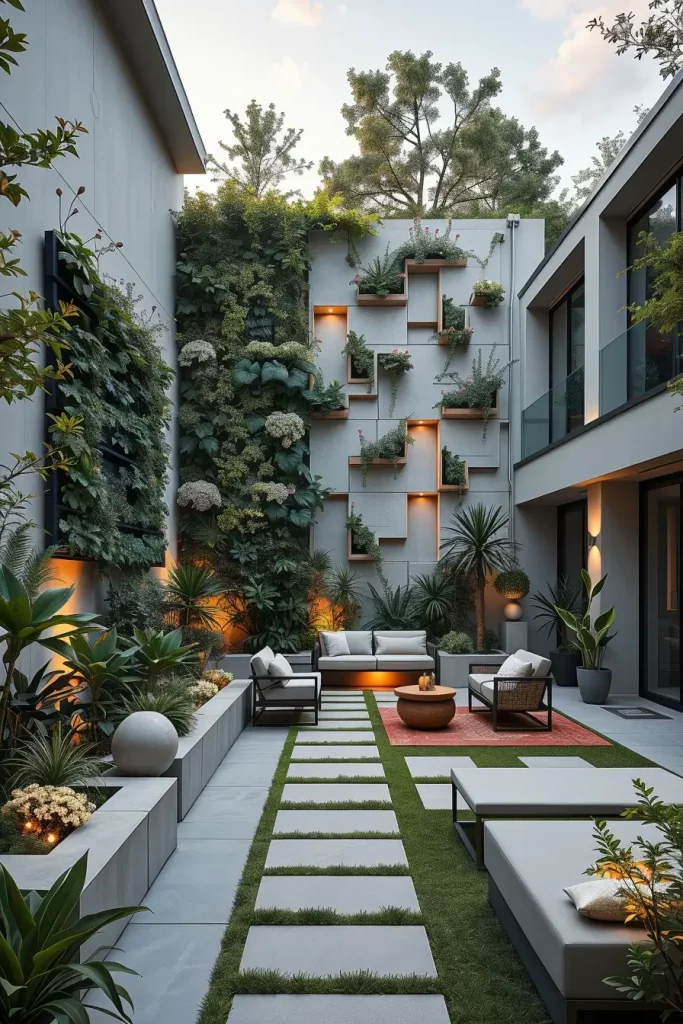
I typically select a mix of evergreen structures, textured foliage, and controlled flowering elements to maintain visual interest year-round. Integrated irrigation systems, concealed frames, and built-in lighting ensure that the wall remains both functional and visually clean. I often pair these walls with minimalist outdoor sofas or dining sets to reinforce the idea that the green wall is the main design feature.
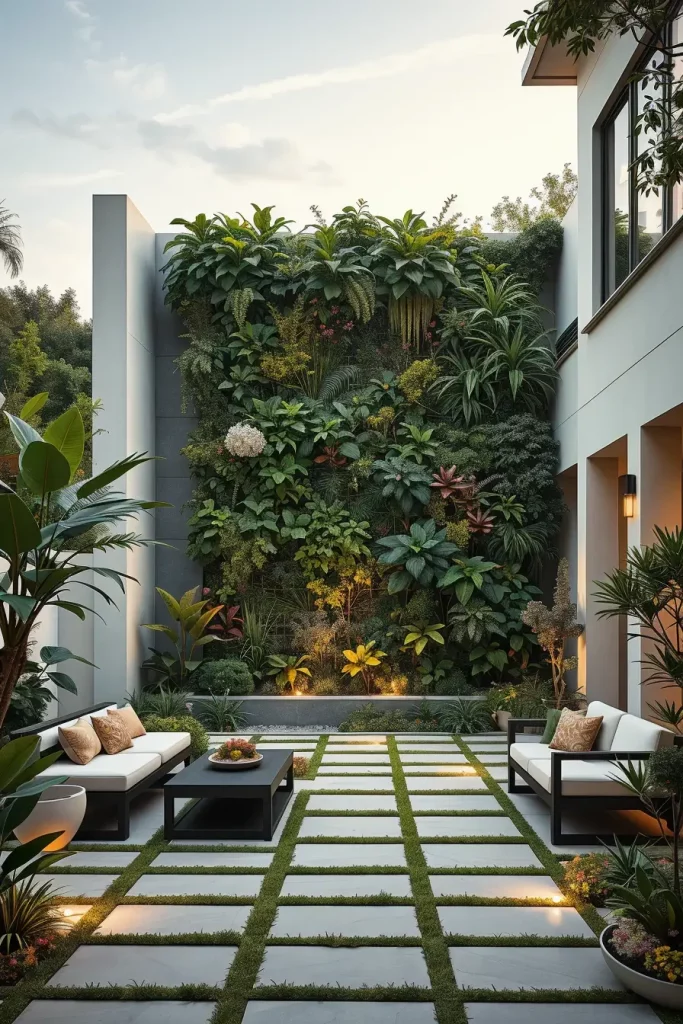
In my professional practice, I have noticed that clients increasingly value green walls for their environmental and psychological benefits. Designers quoted in The New York Times have highlighted how vertical greenery improves microclimates and reduces noise, which mirrors my own observations in residential projects.
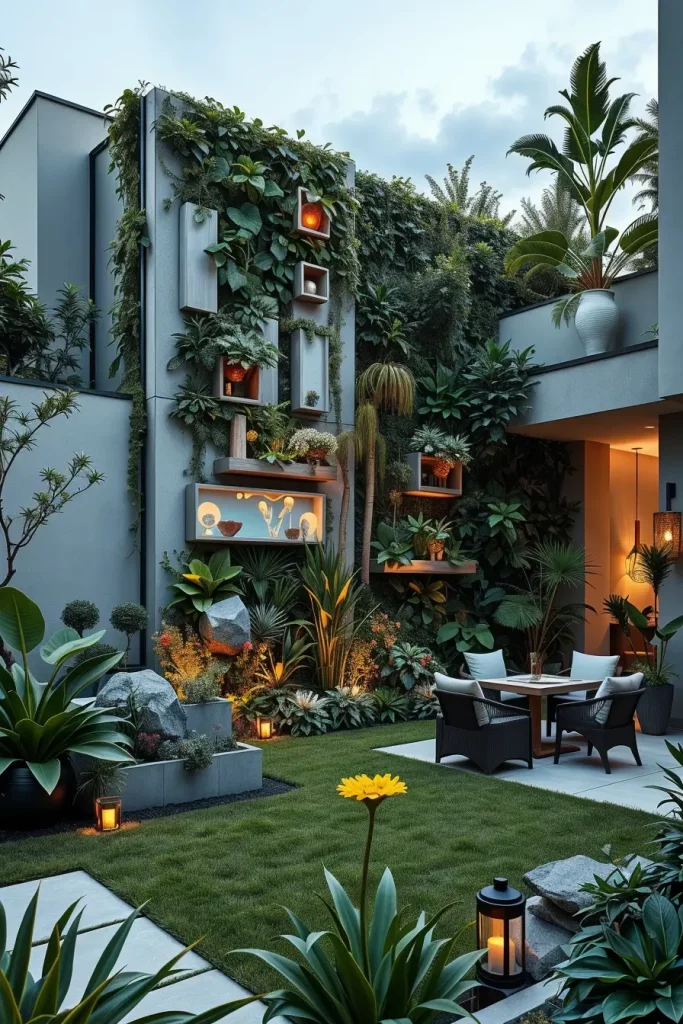
To enhance this concept further, I would incorporate interactive elements such as seasonal plant panels that can be swapped or rearranged, allowing the wall to evolve without full reconstruction.
Garden Landscaping 2026 Focused On Individuality And Self-Expression
I approach garden landscaping in 2026 as a form of personal storytelling, where each outdoor space reflects the owner’s lifestyle, values, and aesthetic preferences. Rather than following a single style, I design gardens that blend materials, forms, and planting schemes in a way that feels authentic and intentional. Practicality remains essential, but it is guided by individuality rather than convention.
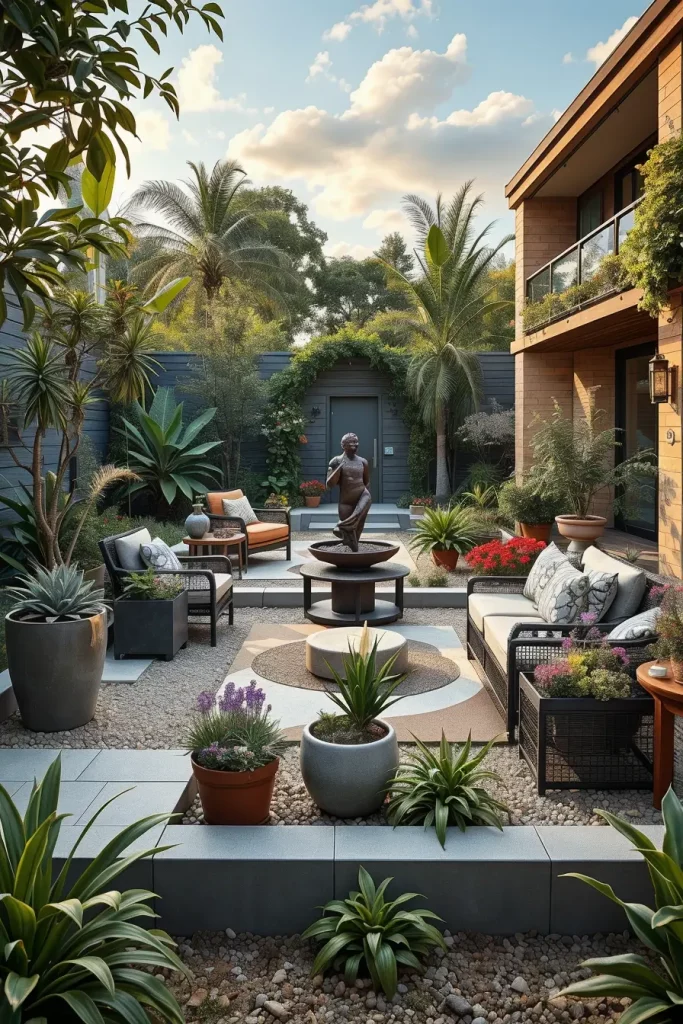
In these gardens, I include custom-designed planters, one-of-a-kind furniture pieces, and personalized focal points such as commissioned sculptures or bespoke fire features. Materials like cast concrete, weathered steel, and natural stone are selected not for trend value but for how they resonate with the user’s identity and daily habits.
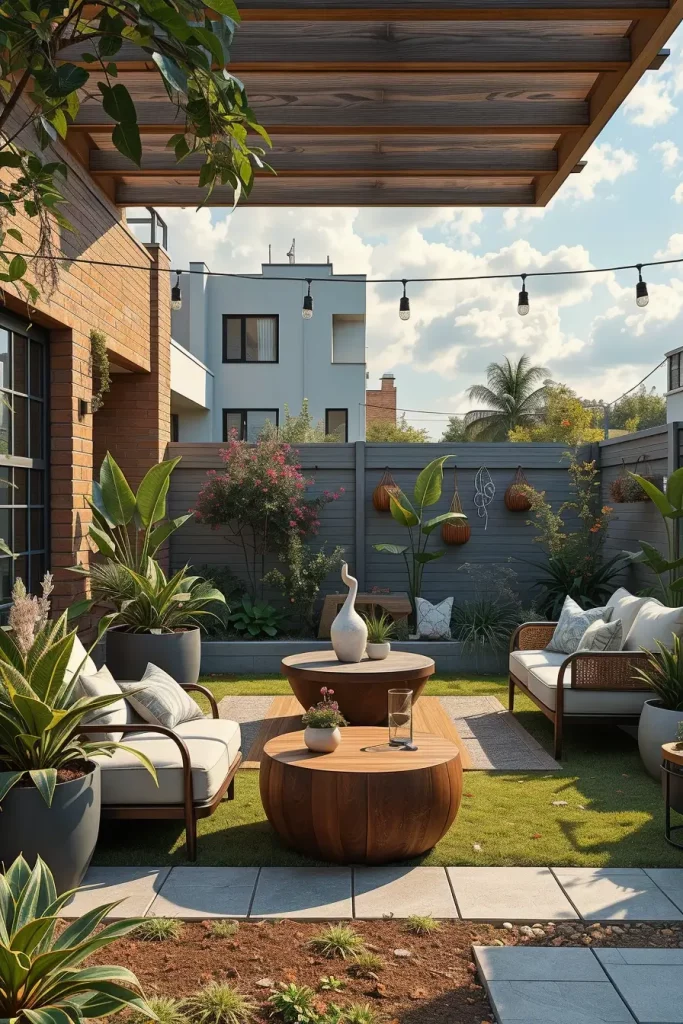
From my perspective, this shift toward self-expression reflects a broader movement discussed by landscape professionals in Dwell and Dezeen, where outdoor spaces are treated as extensions of personal interiors. I have found that when clients are encouraged to participate creatively, the resulting gardens are more meaningful and better maintained over time.
What is often missing in these gardens is a clear long-term vision. I recommend adding a flexible master plan that allows the space to evolve alongside the owner’s life, without losing its original narrative.
Artistic Minimalism In Modern Garden Landscaping
Artistic minimalism in garden landscaping for 2026 is about restraint with intention. I design these spaces using a limited palette of materials, plants, and forms, allowing each element to stand out. The goal is not emptiness, but clarity, where every component has a visual and functional reason to exist.
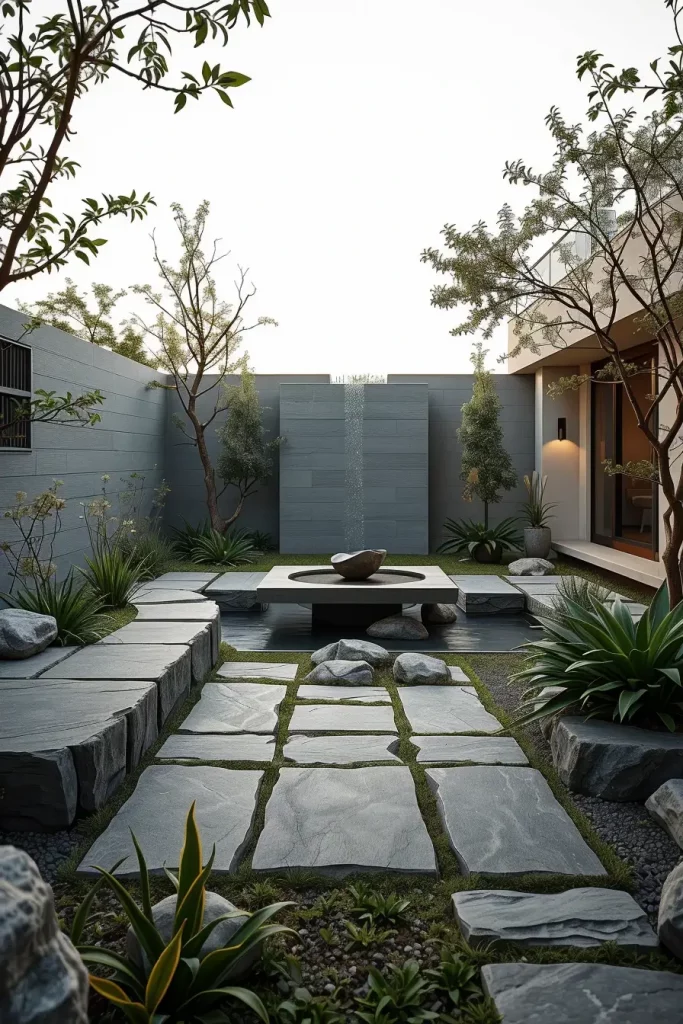
I usually work with large-format stone slabs, simple water features, and low, sculptural furniture with clean lines. Planting is deliberate, often focusing on repetition of a single species or form to create rhythm. Lighting is subtle and integrated, highlighting textures rather than illuminating entire areas.
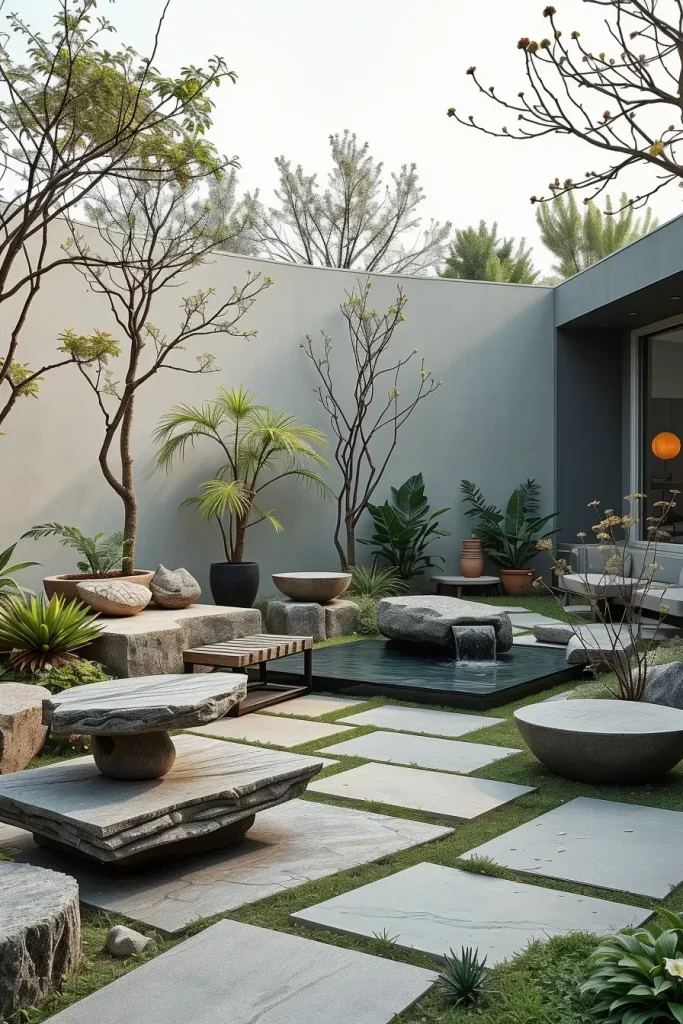
In my experience, this approach aligns with advice from modern landscape designers featured in Wallpaper magazine, who stress that minimalism works best when craftsmanship and proportion are prioritized. I have seen these gardens age beautifully, requiring less intervention while maintaining a strong visual identity.
To strengthen this concept, I would add one contrasting artistic element, such as a bold sculptural piece or a textured wall, to prevent the space from feeling overly restrained.
Conceptual Garden Spaces Designed As Immersive Experiences
Conceptual garden spaces in 2026 are designed as immersive environments that engage the visitor on multiple levels. I treat these gardens almost like installations, where theme, material, and movement are unified by a central idea. Practical pathways and seating are still present, but they are embedded within a larger conceptual framework.
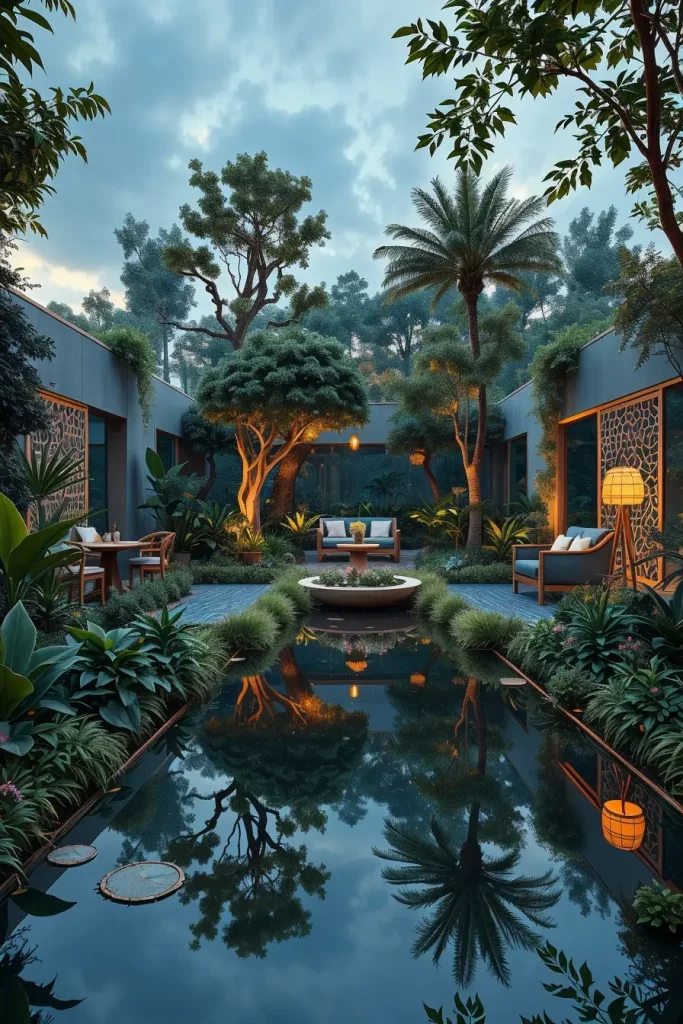
In these projects, I integrate elements such as reflective surfaces, controlled sightlines, and layered planting that changes perception as one moves through the space. Furniture is often custom-made to echo the garden’s concept, while lighting and water are used to reinforce mood rather than function alone.
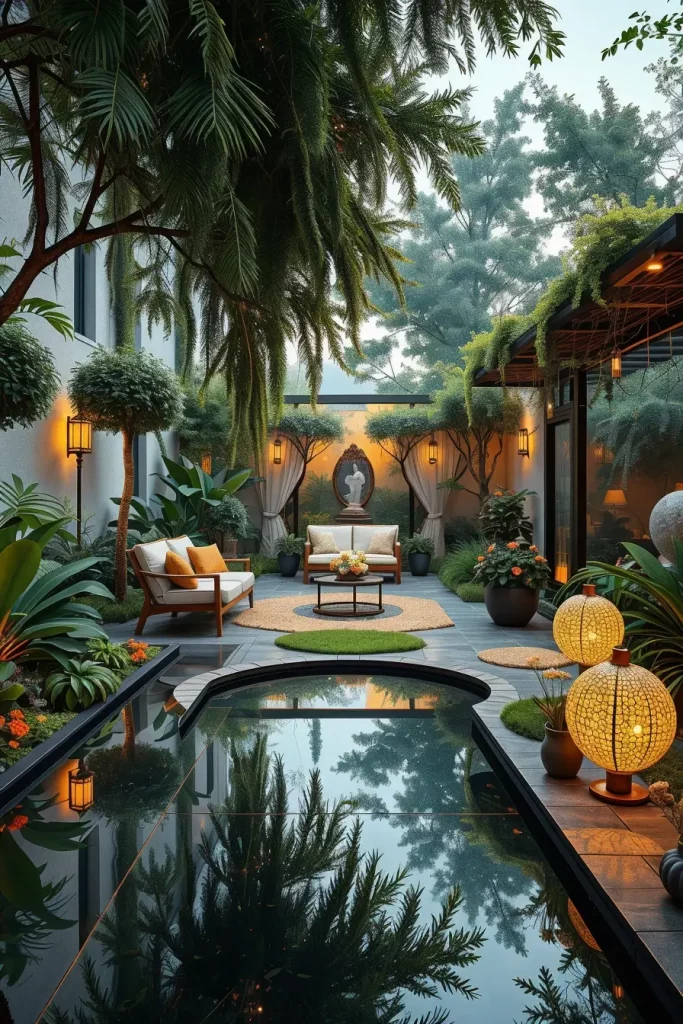
Personally, I find this approach most rewarding, as it allows for deeper creative exploration. Landscape artists featured in The Guardian have discussed how immersive gardens can reduce stress and encourage mindfulness, which aligns with feedback I receive from clients who use these spaces regularly.
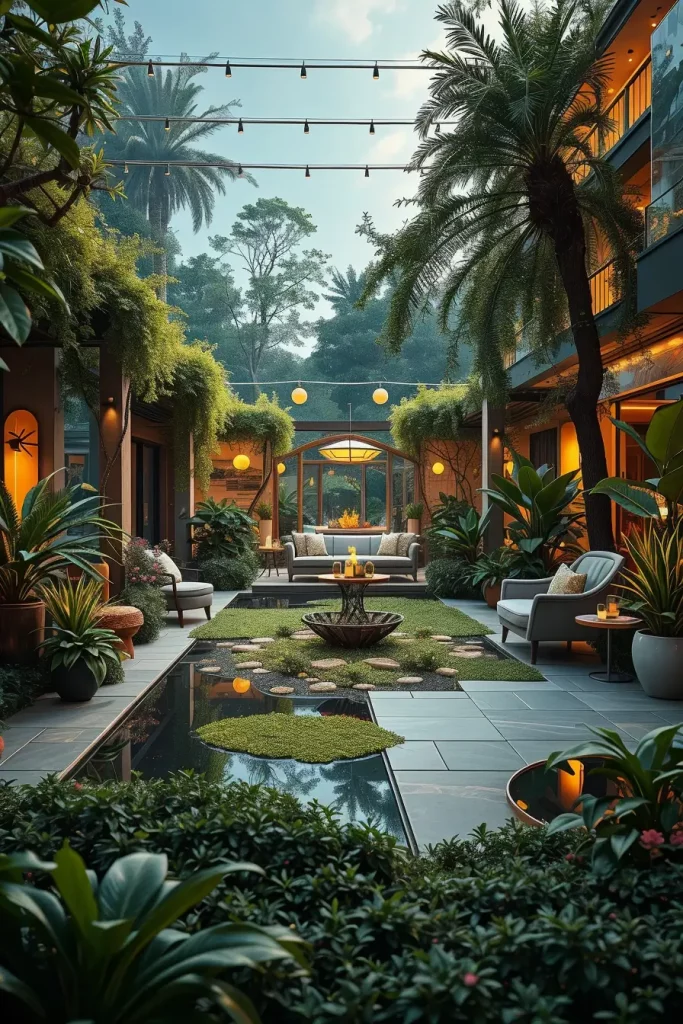
What I would add to these gardens is a stronger connection to seasonal change, using plants and materials that transform visibly throughout the year to keep the experience dynamic and relevant.
Handcrafted Elements That Elevate Garden Landscaping Design
In 2026, I see handcrafted elements becoming essential to garden landscaping that aims to feel authentic and expressive. These gardens move away from mass-produced features and instead rely on artisanal details that bring warmth and individuality to outdoor spaces. I use handcrafted components strategically, ensuring they enhance functionality while also adding visual depth and emotional resonance to the landscape.
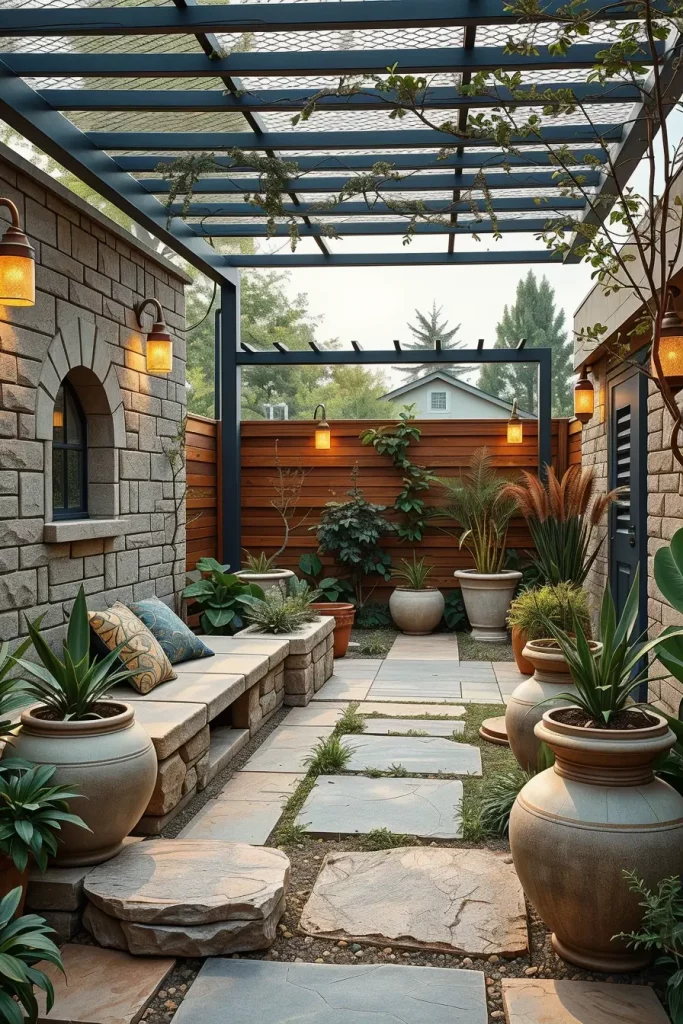
I often incorporate handmade ceramic planters, custom metal pergolas, carved stone seating, and artisan wood structures. Each piece is selected for its texture, imperfections, and tactile quality, which contrast beautifully with clean architectural lines. These elements are not decorative extras; they serve clear purposes such as defining zones, supporting plants, or providing comfortable seating.
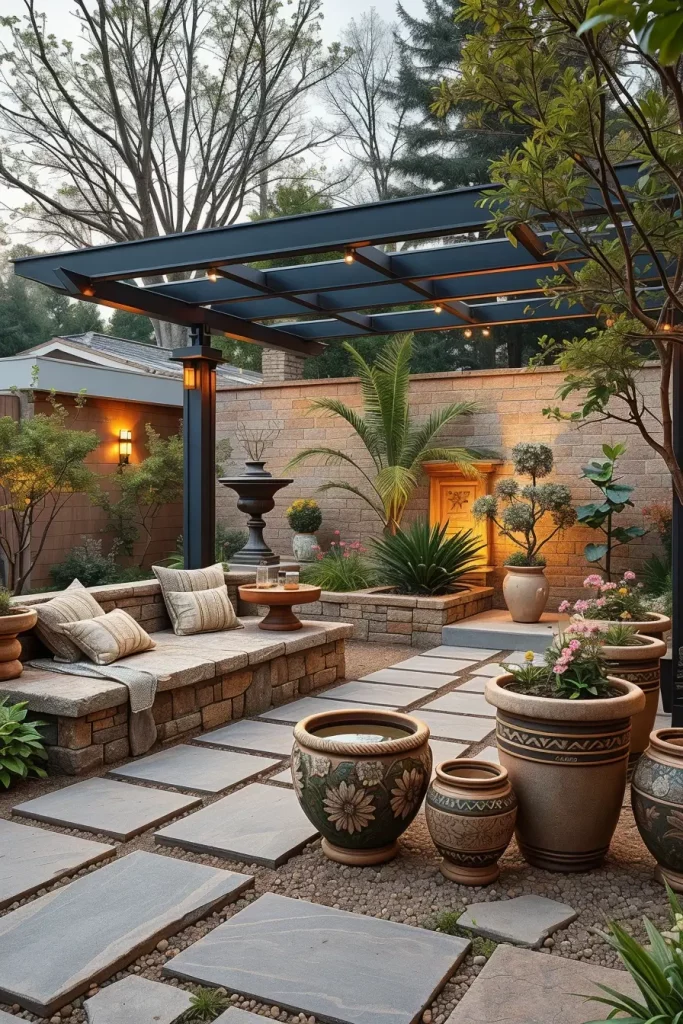
From my professional experience, designers featured in Garden Design magazine consistently note that handcrafted elements help gardens age gracefully. I agree with this perspective, as I have observed that clients form stronger emotional connections with spaces that include visible craftsmanship and human touch.
What I would add to these gardens is clearer documentation of materials and makers. Including information about artisans not only supports sustainable design practices but also deepens the story behind the space.
Avant-Garde Garden Landscaping Inspired By Architecture
Avant-garde garden landscaping in 2026 draws heavily from contemporary architecture, and I design these spaces as outdoor extensions of bold buildings. Geometry, scale, and materiality guide every decision, resulting in gardens that feel intentional and forward-thinking. Practical circulation and usability are always considered, but they are framed within strong architectural concepts.
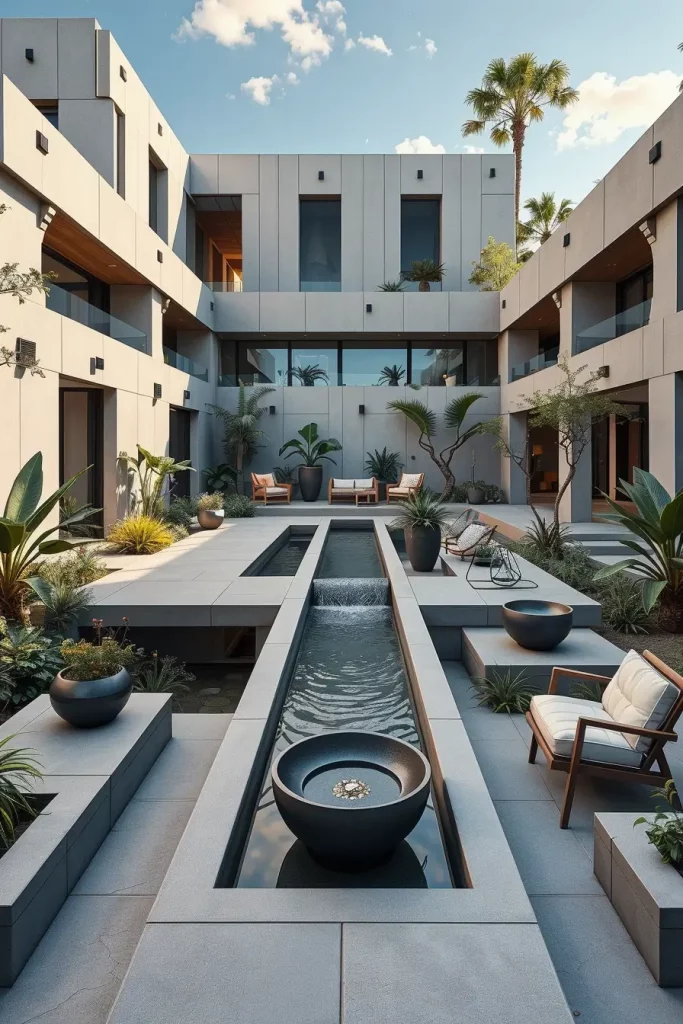
In these gardens, I integrate cantilevered platforms, linear water features, monolithic planters, and architectural outdoor furniture with sharp silhouettes. Materials such as concrete, glass, steel, and engineered stone are used cohesively to echo the structure of the home while maintaining outdoor durability.
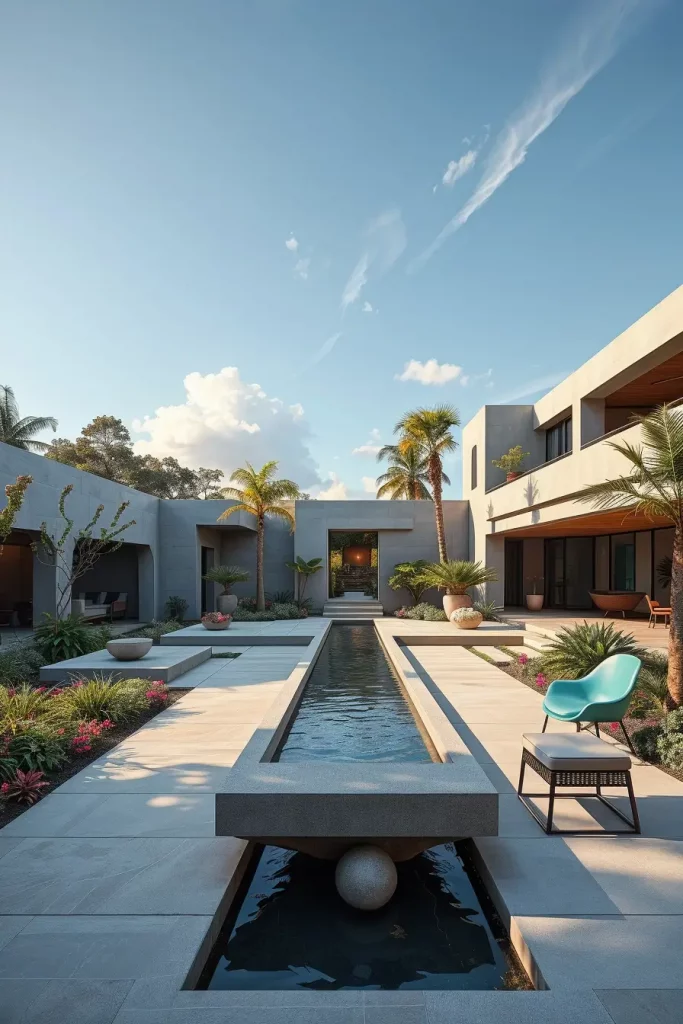
In my own work, I have found inspiration in projects featured by Dezeen and ArchDaily, where landscape and architecture are treated as one system. This approach creates visual continuity and enhances property value while offering a striking, modern outdoor experience.
To strengthen these spaces further, I would introduce more adaptive planting schemes that soften hard lines over time, allowing the garden to evolve without losing its architectural clarity.
Unique Outdoor Landscapes Designed For Visual Storytelling
I approach visual storytelling in garden landscaping as a narrative journey rather than a static composition. In 2026, these gardens are designed to unfold scene by scene, each area contributing to a larger story. I focus on clear transitions, framed views, and intentional contrasts to guide the viewer through the space in a meaningful way.
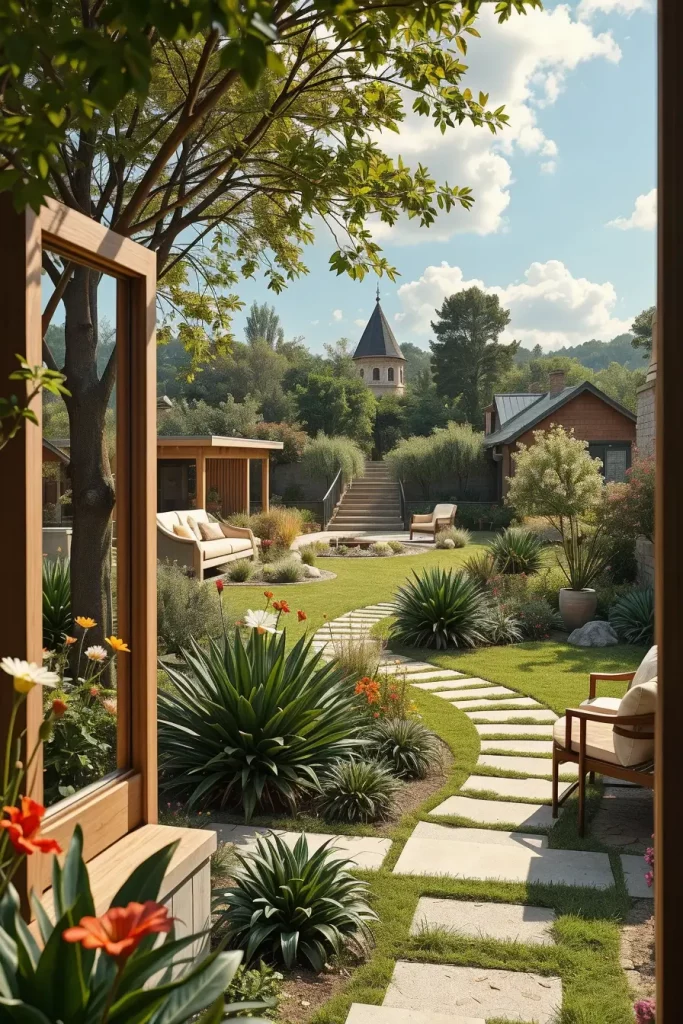
Key elements include focal sculptures, framed vistas, changes in ground texture, and carefully placed seating that encourages pause and observation. Furniture and structures are positioned to support the story, whether that means highlighting a distant feature or creating a moment of enclosure and calm.
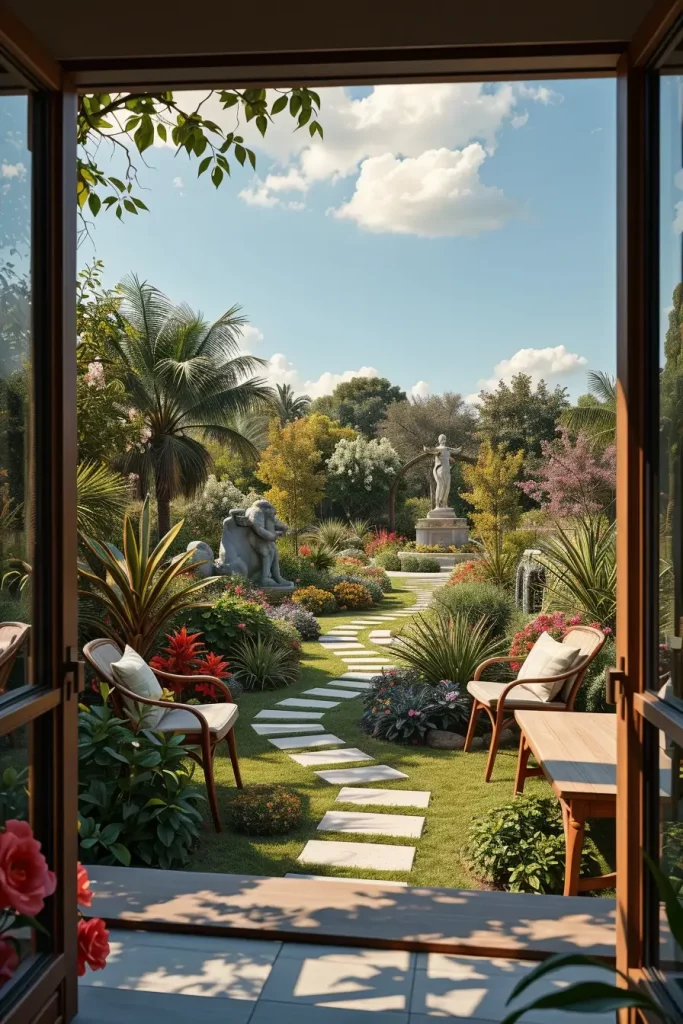
From my perspective, this method aligns with insights shared by landscape storytellers in The New York Times, who emphasize that memorable gardens are those that reveal themselves gradually. I have applied this principle in residential projects and consistently seen higher engagement and longer use of outdoor spaces.
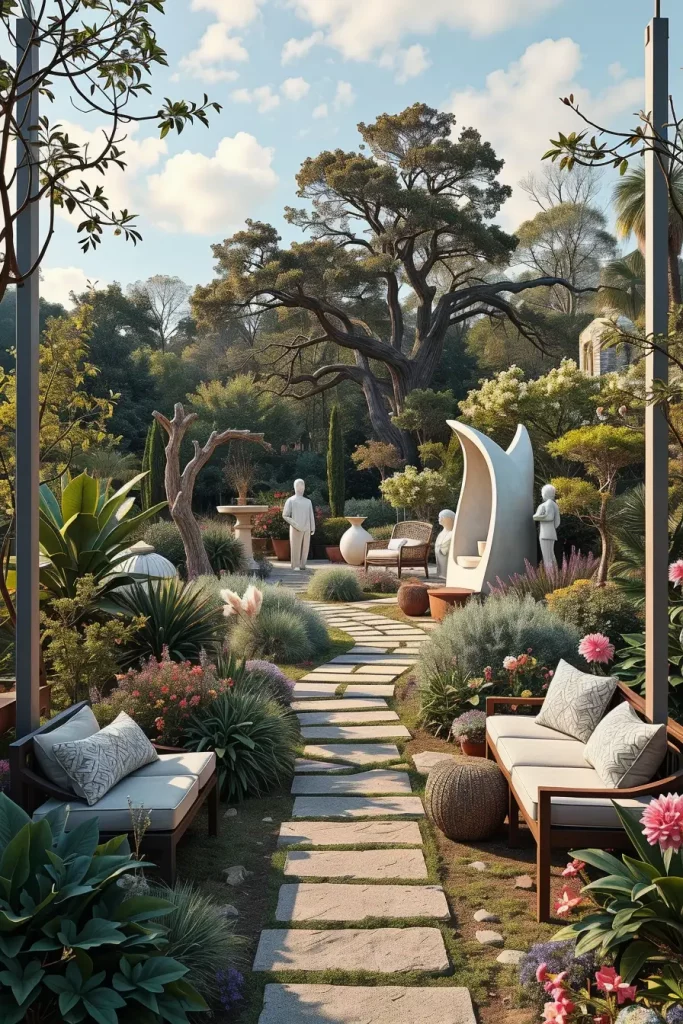
What is often missing is a clear ending point. I recommend adding a defined visual conclusion, such as a statement wall or sculptural element, to complete the narrative arc of the garden.
The Future Of Garden Landscaping As Sculptural Art In 2026
Looking ahead, I believe garden landscaping in 2026 fully embraces its role as sculptural art. Gardens are no longer secondary to architecture but stand as independent design statements. I design these spaces with the same discipline applied to art installations, balancing form, void, texture, and proportion while maintaining everyday usability.
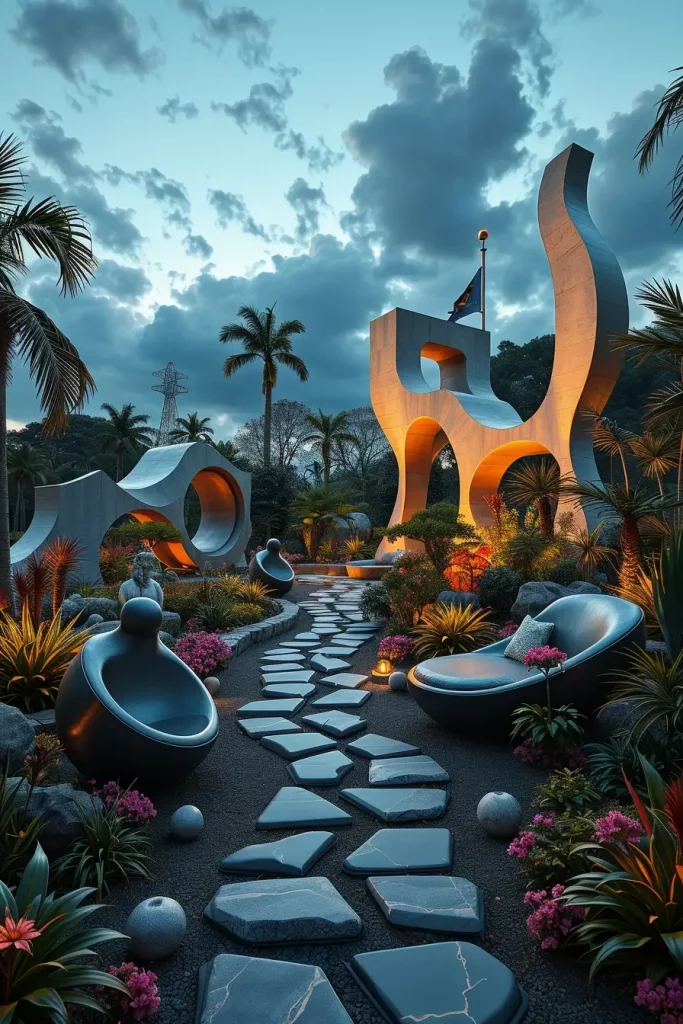
I include large-scale sculptural forms, integrated land art, and multifunctional structures that blur the line between art and utility. Seating may double as sculpture, while pathways become compositional lines that shape perception and movement throughout the garden.
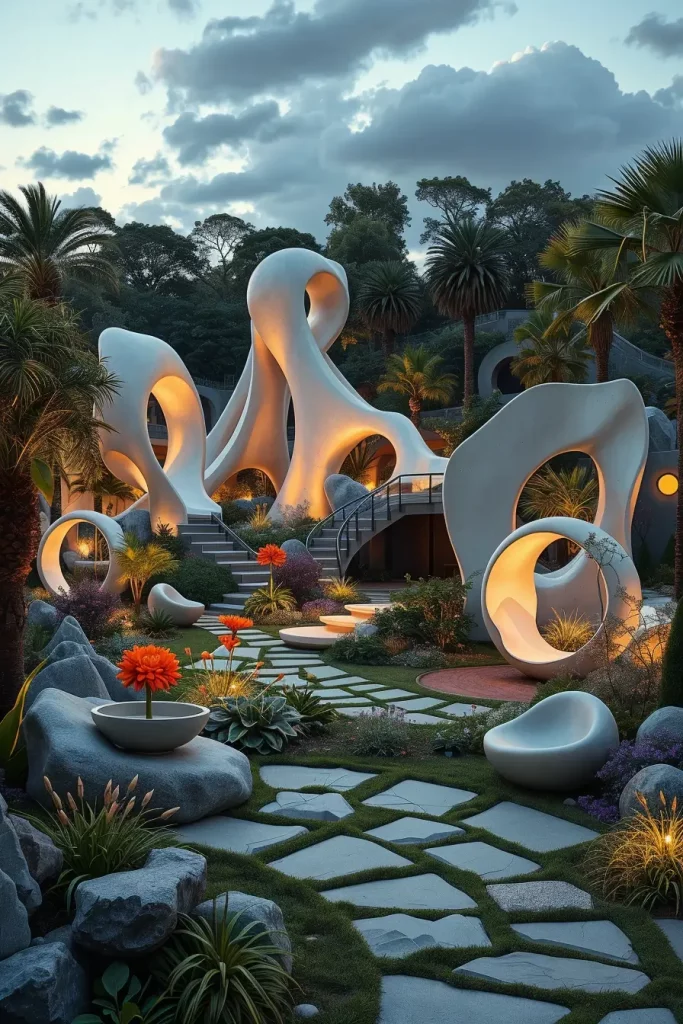
In my experience, this evolution reflects ideas shared by contemporary landscape artists featured in design-focused media such as Designboom. I have found that clients are increasingly open to bold expressions when they understand how sculptural design can still support comfort and long-term maintenance.
To complete these gardens, I would add curated nighttime lighting strategies. Thoughtful illumination ensures that sculptural qualities remain visible after dark, extending the artistic impact beyond daylight hours.
Garden landscaping in 2026 is no longer just about planting and layout—it is about creative expression, sculptural form, and artistic vision. Gardens are evolving into immersive outdoor environments where design, nature, and individuality coexist in striking harmony. By embracing bold shapes, unique materials, and art-inspired concepts, garden landscaping becomes a way to tell a story and create a lasting visual impact. As these trends continue to shape the future, 2026 stands as a defining moment where gardens transform into living sculptures and truly expressive spaces.