
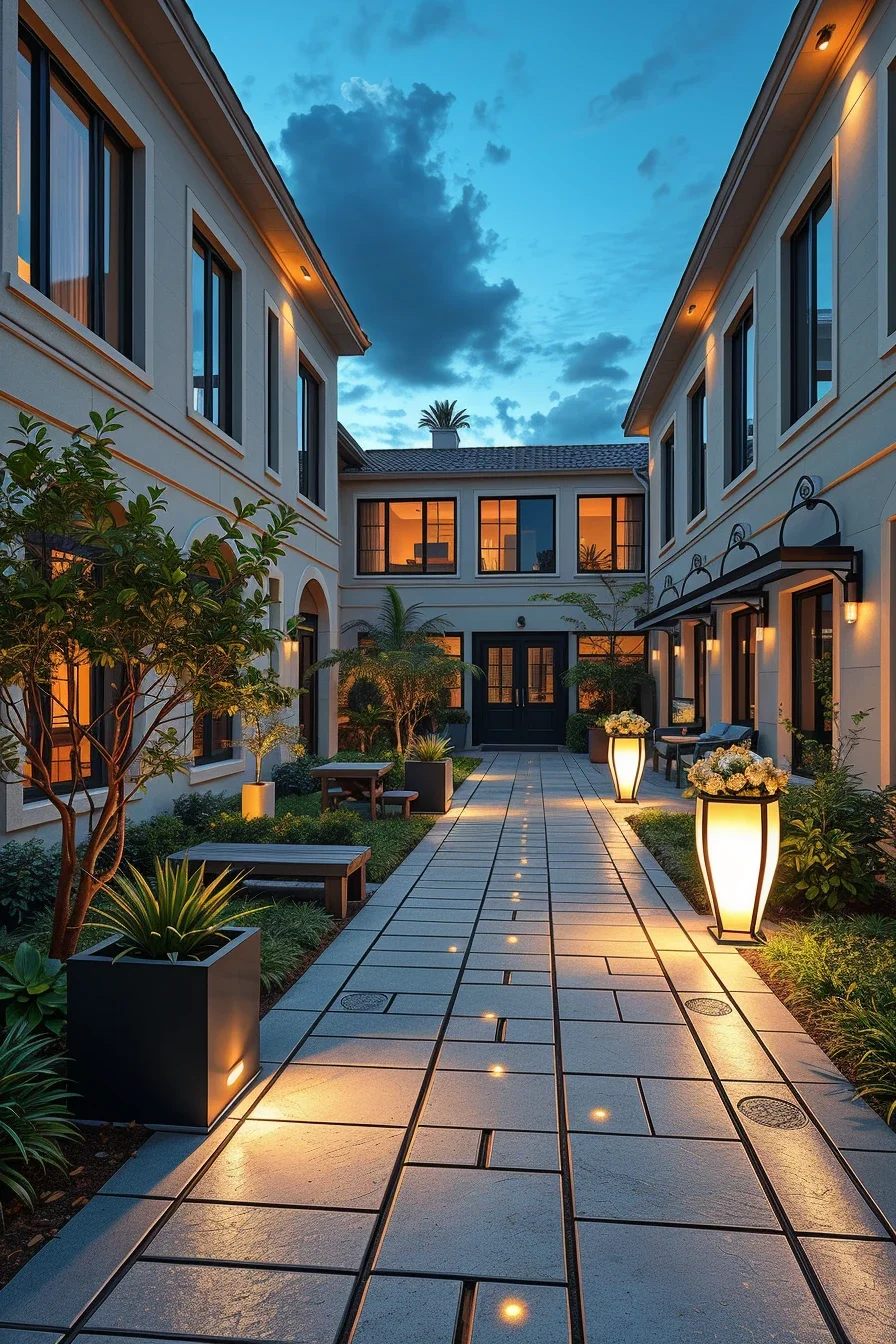
Courtyard pathway design ideas 2026 are transforming outdoor spaces into stylish, functional, and inviting extensions of the home. Modern pathway designs focus on blending aesthetics with practicality, creating seamless connections between gardens, patios, entryways, and relaxation zones. From natural stone walkways and elegant pavers to sustainable gravel paths and innovative lighting solutions, this year’s trends offer options for every landscape style. Thoughtfully designed pathways not only improve accessibility but also add structure, texture, and visual interest to a courtyard. Whether you have a compact urban courtyard or a spacious garden retreat, the right pathway can dramatically enhance the overall appearance of your outdoor area. In this article, you’ll discover inspiring courtyard pathway design ideas that combine beauty, durability, and the latest landscaping trends for 2026.
Modern Minimalist Courtyard Pathways With Clean Geometric Lines
I find that modern minimalist pathways remain one of the strongest trends among courtyard pathway design ideas 2026 because they create structure without overwhelming the surrounding landscape. Straight lines, large-format paving materials, and uncluttered layouts help define movement through the courtyard while maintaining a calm visual appearance. These pathways work particularly well in contemporary homes where simplicity and functionality are equally important.
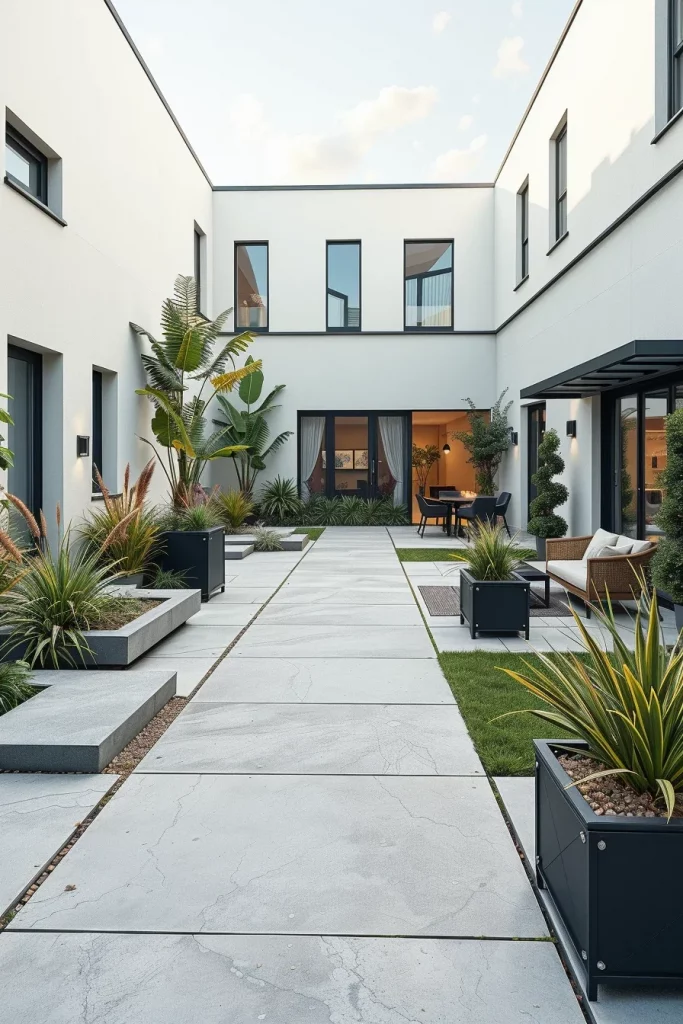
When designing this style, I prefer oversized concrete slabs, porcelain pavers, or smooth stone panels arranged with consistent spacing. Integrated LED pathway lighting, low-profile planters, and architectural greenery such as ornamental grasses complement the geometric layout. Minimalist outdoor seating placed alongside the pathway can create visual balance while providing functional resting areas.
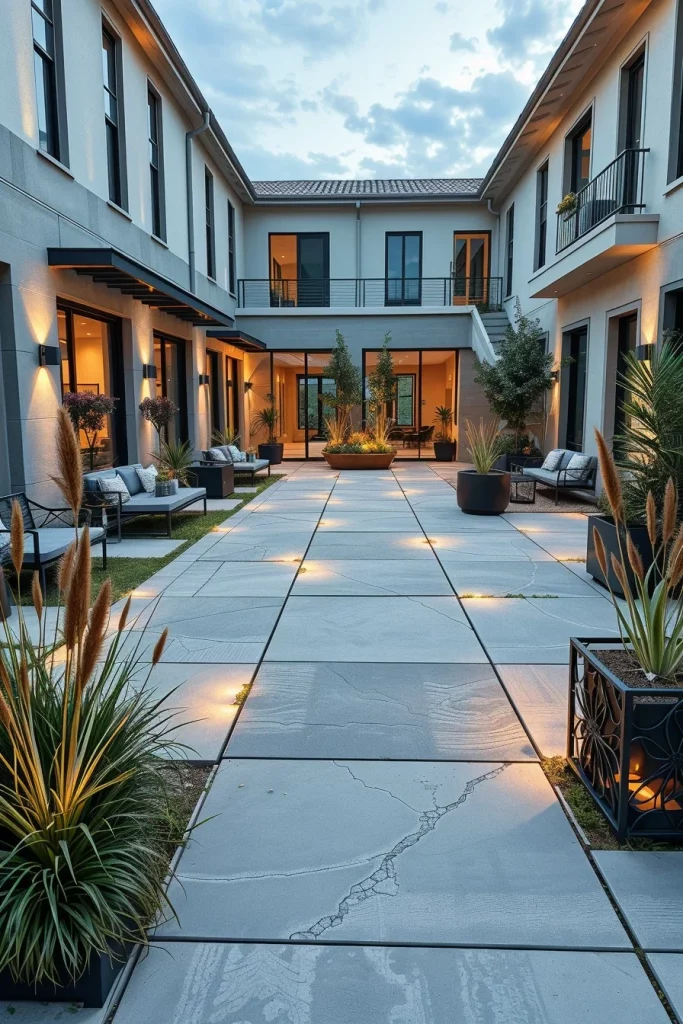
From my experience, the success of minimalist pathway design depends on proportion and spacing. Many landscape professionals featured in leading design publications emphasize the importance of negative space, allowing materials and plantings to breathe rather than filling every available area. I have found this principle especially effective in small courtyards.
To enhance this design further, I would add subtle lighting controls, drought-tolerant planting beds, and carefully selected focal points such as sculptural containers or modern water features that reinforce the clean architectural aesthetic.
Natural Stone Walkways That Blend Seamlessly With Landscaping
Natural stone continues to be one of the most timeless courtyard pathway design ideas because it creates a connection between architecture and nature. I often recommend natural stone pathways for homeowners who want their courtyard to feel mature, organic, and integrated with surrounding plantings. The texture and color variations found in stone create visual richness that synthetic materials often struggle to replicate.
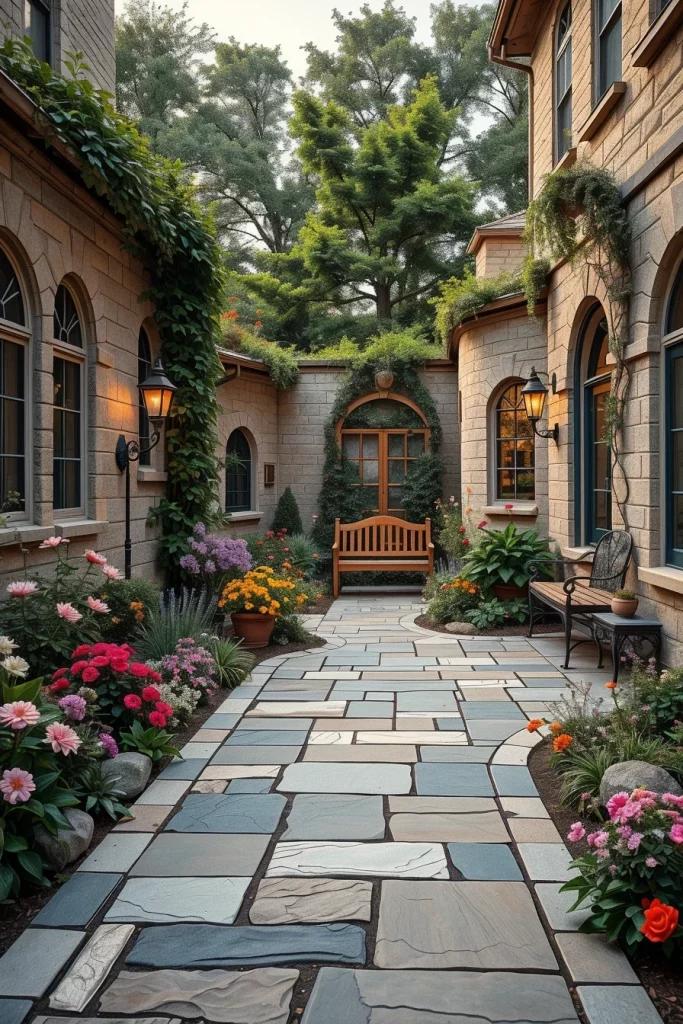
I typically use limestone, bluestone, slate, or sandstone depending on the desired appearance. These materials pair beautifully with layered garden beds, flowering perennials, ornamental shrubs, and natural wood furniture. Stone pathways often look best when softened by surrounding vegetation that partially overlaps the path edges.
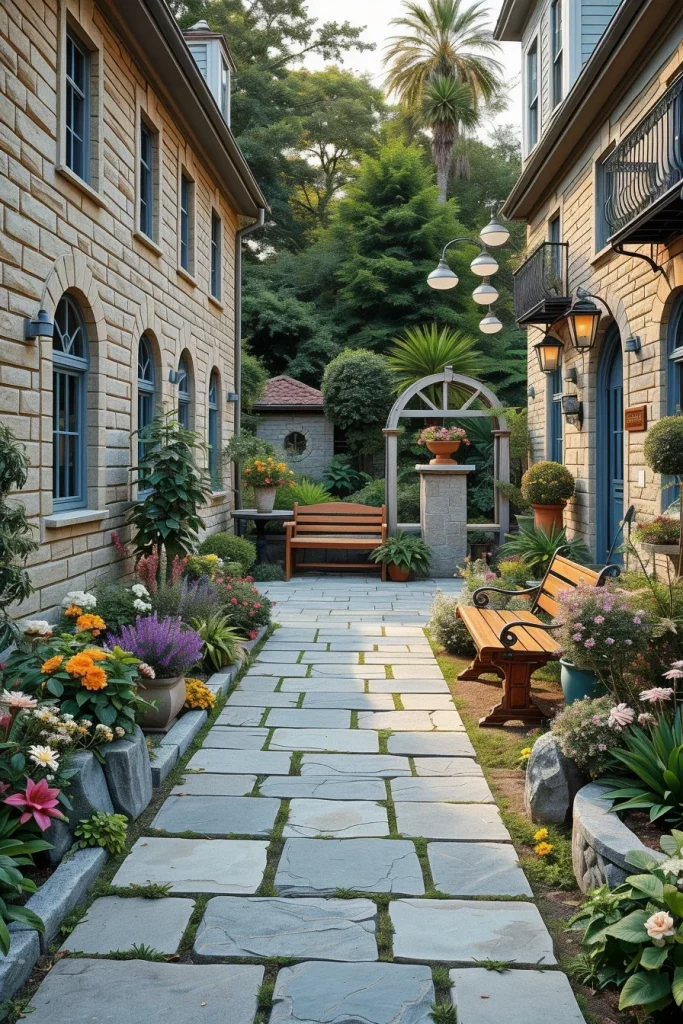
In my opinion, natural stone becomes even more appealing as it ages. Many landscape architects highlight the value of weathering, which allows the pathway to develop character over time. I have seen stone pathways become more attractive after several years as they settle naturally into the landscape.
For a more complete design, I would include subtle landscape lighting, native plant species, and strategically placed seating areas that encourage visitors to slow down and enjoy the garden environment.
Gravel Pathway Designs For Low-Maintenance Courtyards
Among the most practical courtyard pathway design ideas 2026, gravel pathways offer exceptional versatility and affordability. I often suggest gravel for homeowners seeking a relaxed aesthetic that requires minimal upkeep while still providing strong visual appeal. Gravel pathways work equally well in modern, cottage-style, and Mediterranean-inspired courtyards.
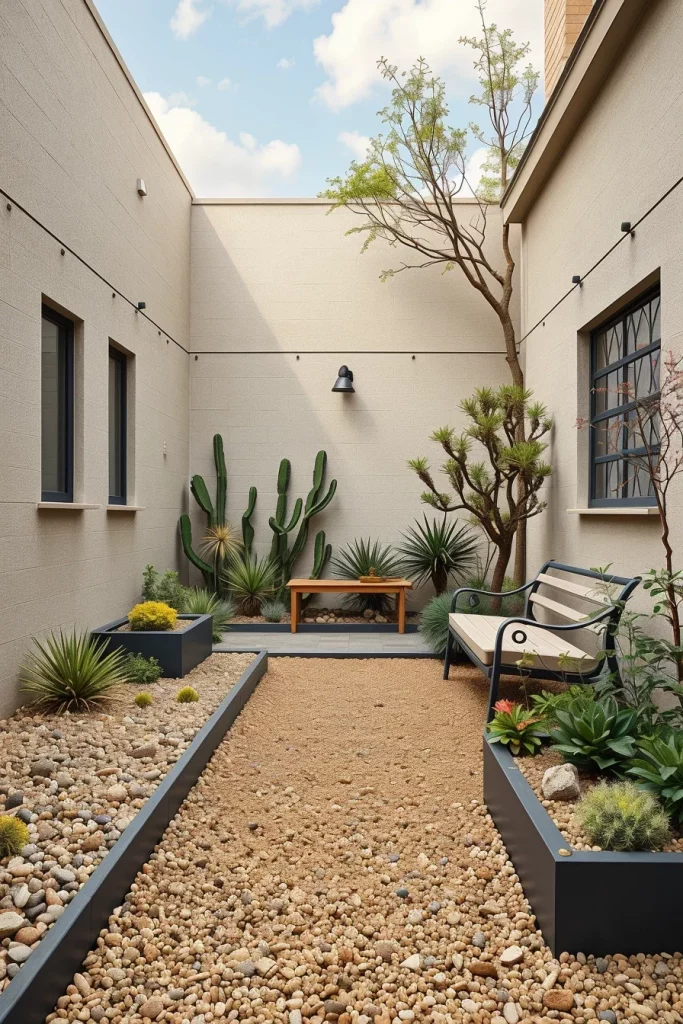
I usually recommend decomposed granite, pea gravel, or crushed stone contained within metal, stone, or brick edging. Outdoor benches, raised planters, and drought-resistant planting schemes complement gravel surfaces particularly well. The natural texture also provides excellent drainage, making it suitable for various climates.
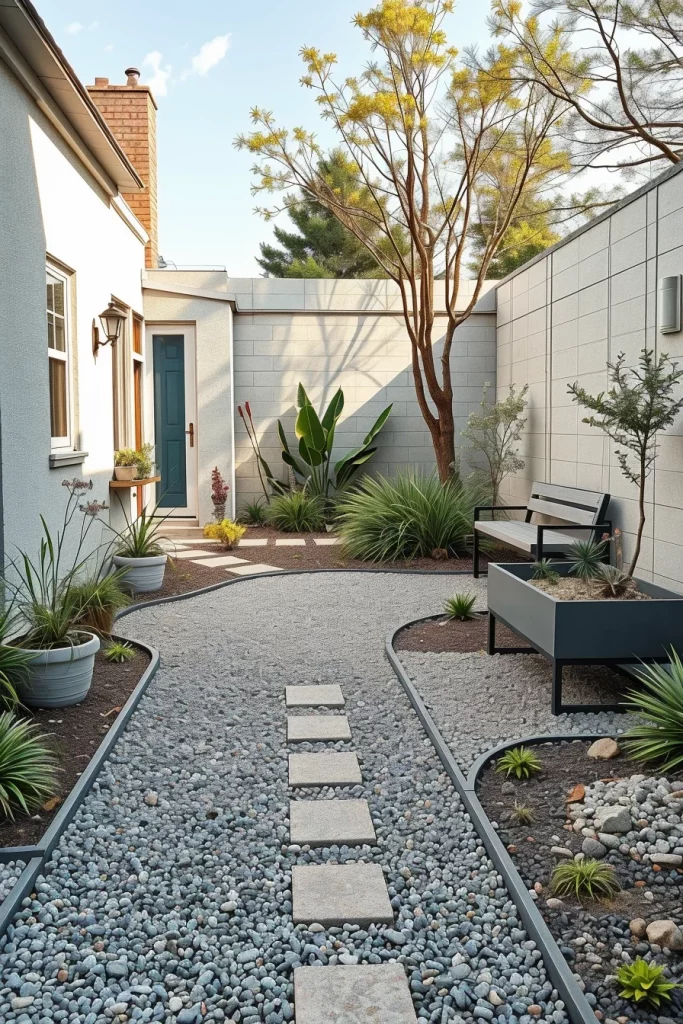
From my perspective, one of the greatest advantages of gravel pathways is flexibility. Design publications frequently highlight gravel as a sustainable option because it allows water infiltration and can be refreshed easily when necessary. I appreciate how quickly a gravel pathway can transform an outdoor space without extensive construction.
To improve this design further, I would incorporate decorative edging, landscape lighting, and carefully planned planting zones that help contain gravel while creating a cohesive courtyard composition.
Large Concrete Pavers For A Contemporary Outdoor Look
Large concrete pavers are becoming increasingly popular in courtyard pathway design ideas 2026 because they create a sleek and sophisticated appearance. I often use this approach when designing modern courtyards that prioritize simplicity, durability, and visual consistency. The large scale of the pavers reduces visual clutter and makes outdoor spaces appear larger.
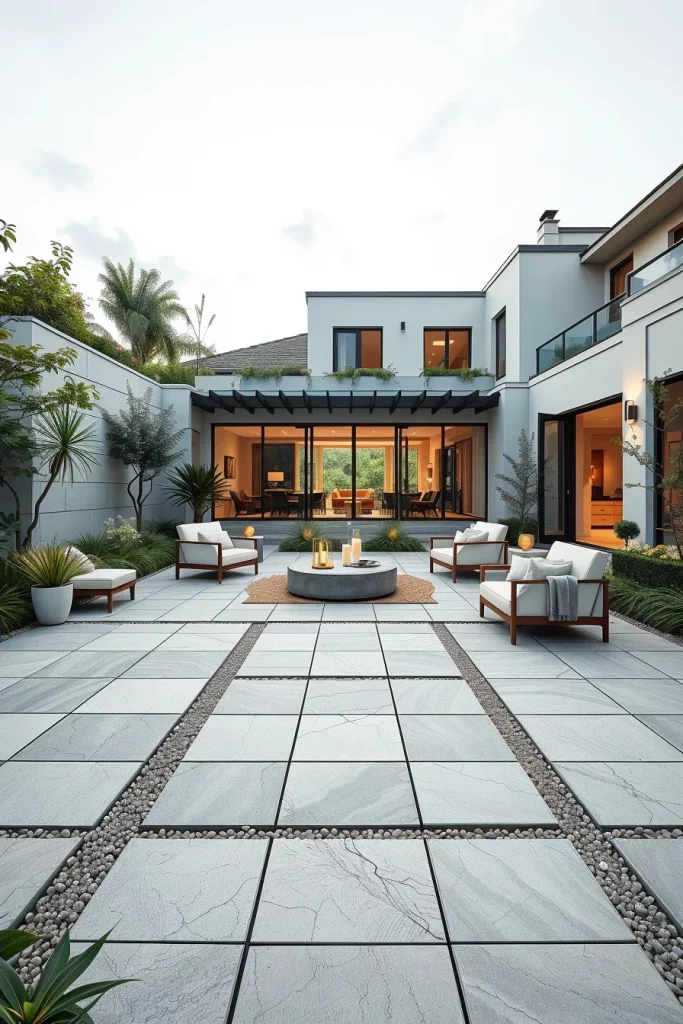
I typically pair oversized pavers with decorative gravel joints, linear planting strips, minimalist furniture, and contemporary outdoor lighting. Neutral tones such as charcoal, light gray, and warm beige remain particularly popular because they complement a wide variety of architectural styles.
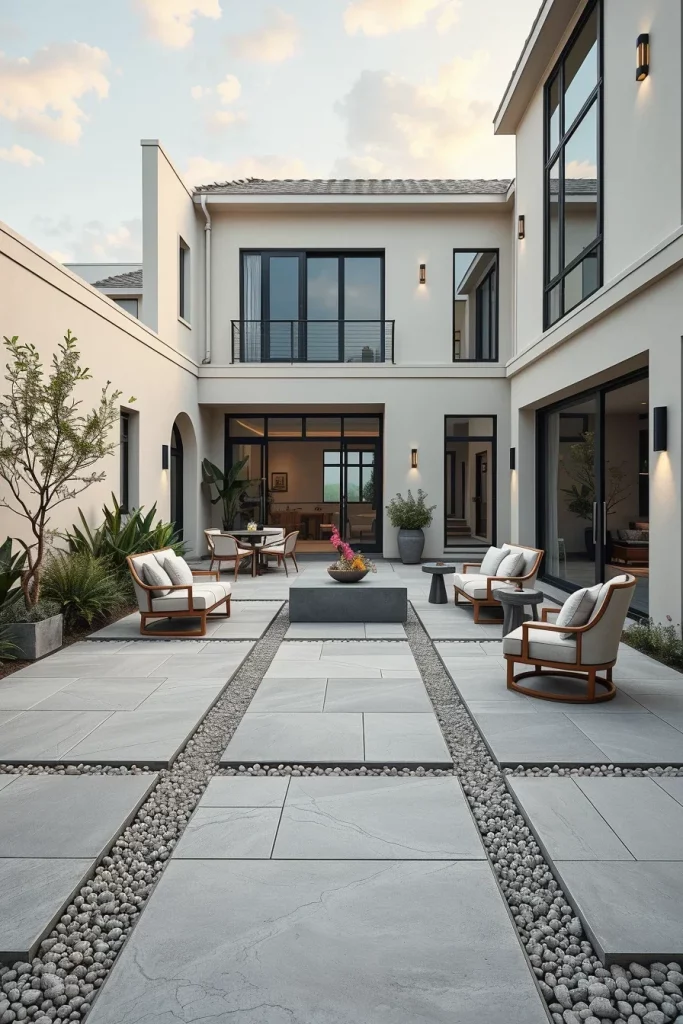
In my experience, large-format paving performs best when installed with precise alignment and proper spacing. Many landscape professionals recommend maintaining strong geometric relationships between pathways, patios, and adjacent structures, which helps create a cohesive overall design.
I would also consider adding integrated drainage solutions, built-in seating walls, and modern fire features to strengthen the contemporary atmosphere while increasing functionality.
Curved Garden Paths That Create A Relaxed Flow
Curved pathways offer a softer alternative to rigid geometric layouts and remain an important category within courtyard pathway design ideas. I often use curved paths when the goal is to create a sense of exploration and encourage visitors to experience different parts of the courtyard gradually. Gentle curves naturally slow movement and add visual interest.
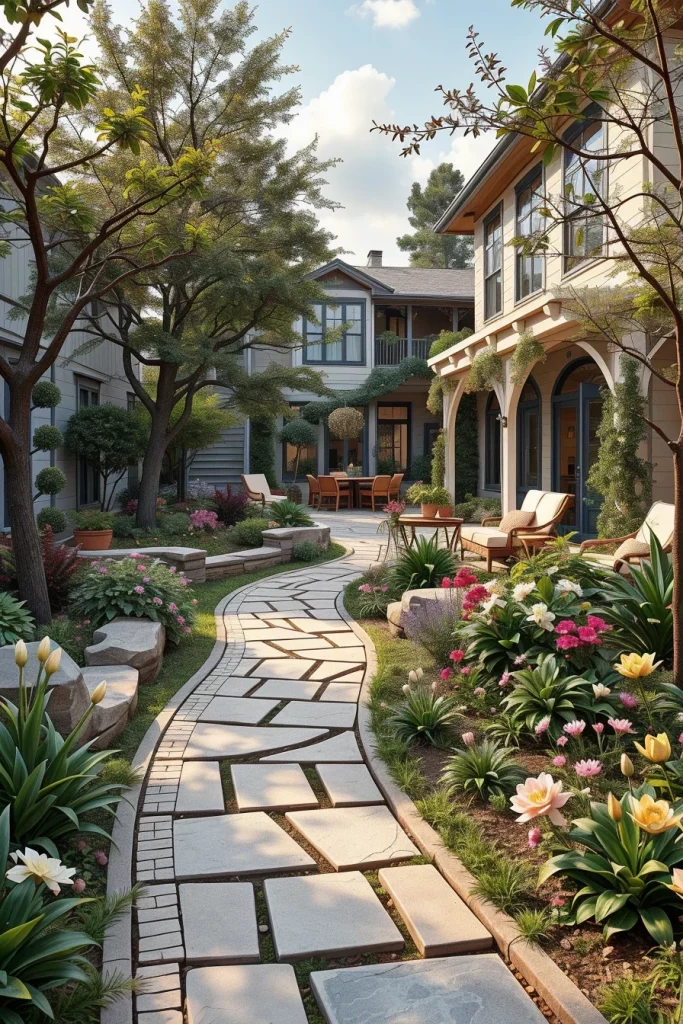
For these pathways, I frequently select natural stone, brick, gravel, or decorative concrete materials. Curved routes work especially well alongside lush planting beds, flowering shrubs, ornamental trees, and cozy outdoor seating areas. The combination creates an inviting garden atmosphere that feels welcoming and relaxed.
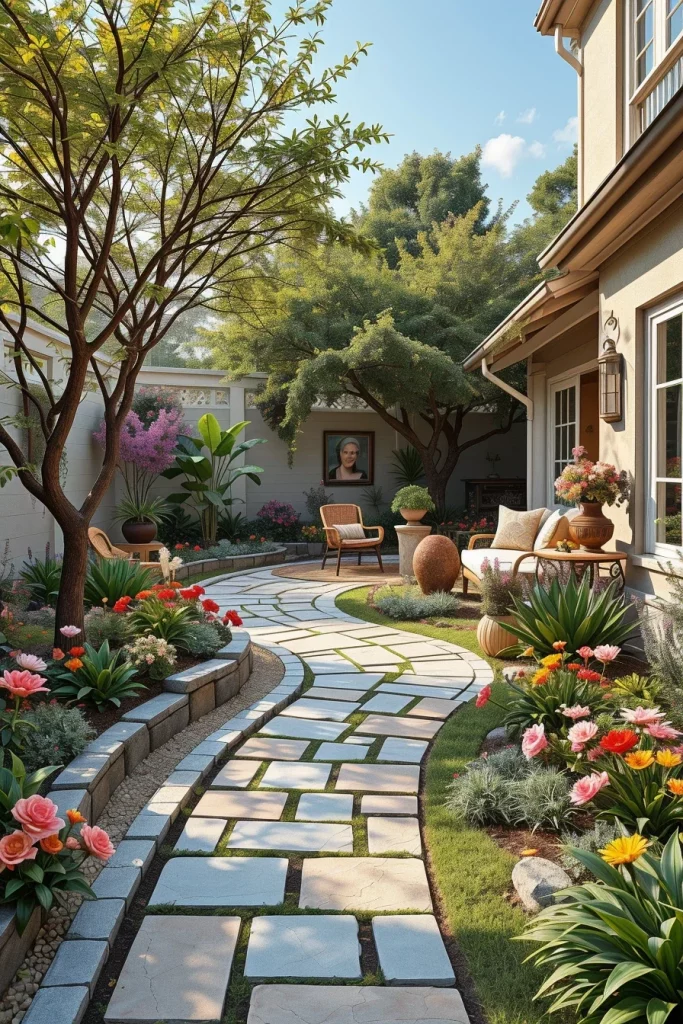
I personally appreciate how curved pathways can make compact courtyards feel larger. Landscape designers often discuss the psychological impact of indirect movement, which creates curiosity and encourages people to explore spaces more fully. I have consistently seen this approach improve the overall experience of garden environments.
To maximize the effectiveness of a curved pathway, I would add layered planting heights, strategically placed focal points, and comfortable seating destinations that reward visitors as they move through the courtyard.
Stepping Stone Pathways Surrounded By Ground Cover Plants
I often recommend stepping stone pathways for homeowners who want a courtyard that feels natural, inviting, and connected to the landscape. This approach remains one of the most attractive courtyard pathway design ideas 2026 because it softens hardscape elements while creating a gentle transition between different outdoor zones. The spaces between stones allow greenery to become part of the pathway itself, creating a balanced and organic appearance.
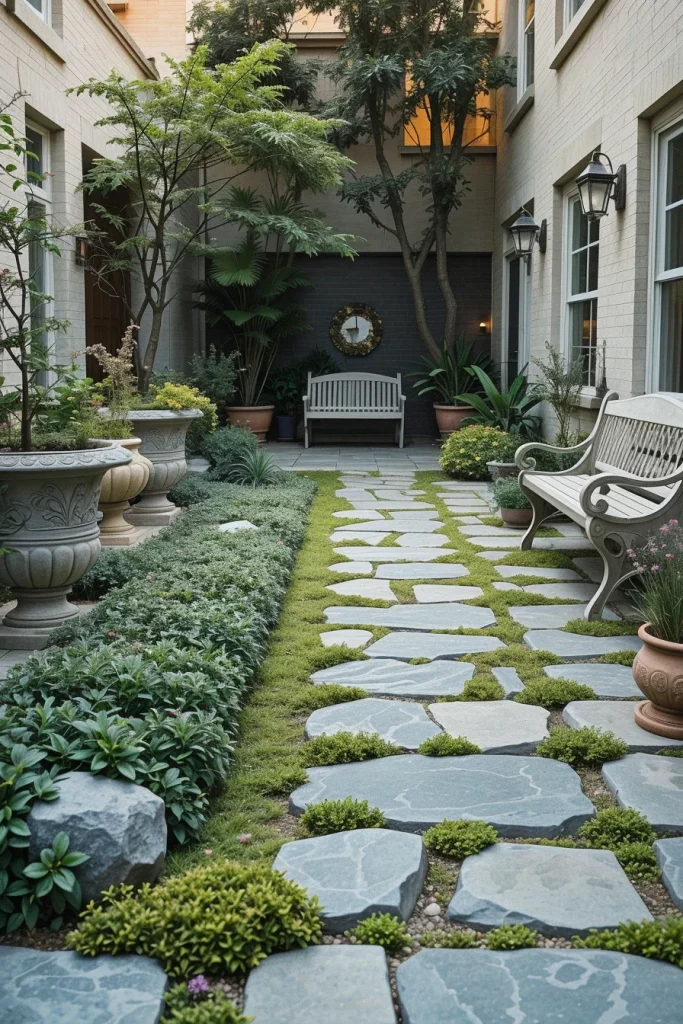
When designing this type of pathway, I usually select large natural stones or concrete stepping pads surrounded by low-growing ground covers such as creeping thyme, Irish moss, or dwarf mondo grass. These plants fill the gaps beautifully while helping reduce weeds. I also like incorporating garden benches, decorative planters, and subtle lighting to make the pathway functional during both day and evening hours.
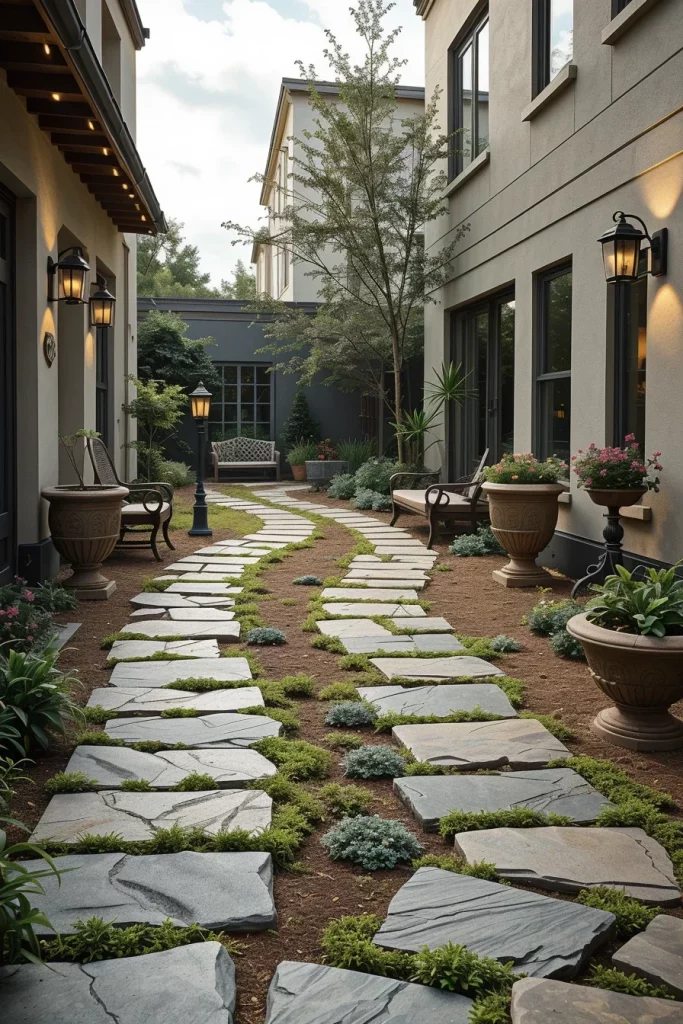
In my experience, stepping stone pathways work especially well in smaller courtyards because they create visual texture without making the space feel crowded. Many landscape designers encourage blending hardscape and planting elements to create a more natural environment, and I have found this technique highly effective in residential projects.
To improve this design further, I would add seasonal flowering plants along the borders and install efficient irrigation systems to keep the ground cover healthy and vibrant throughout the year.
Brick Courtyard Walkways With Timeless Character
Brick pathways continue to be a favorite among classic courtyard pathway design ideas because they bring warmth, texture, and historical charm to outdoor spaces. I frequently recommend brick walkways for traditional, cottage-style, and transitional homes where character and durability are important design goals.
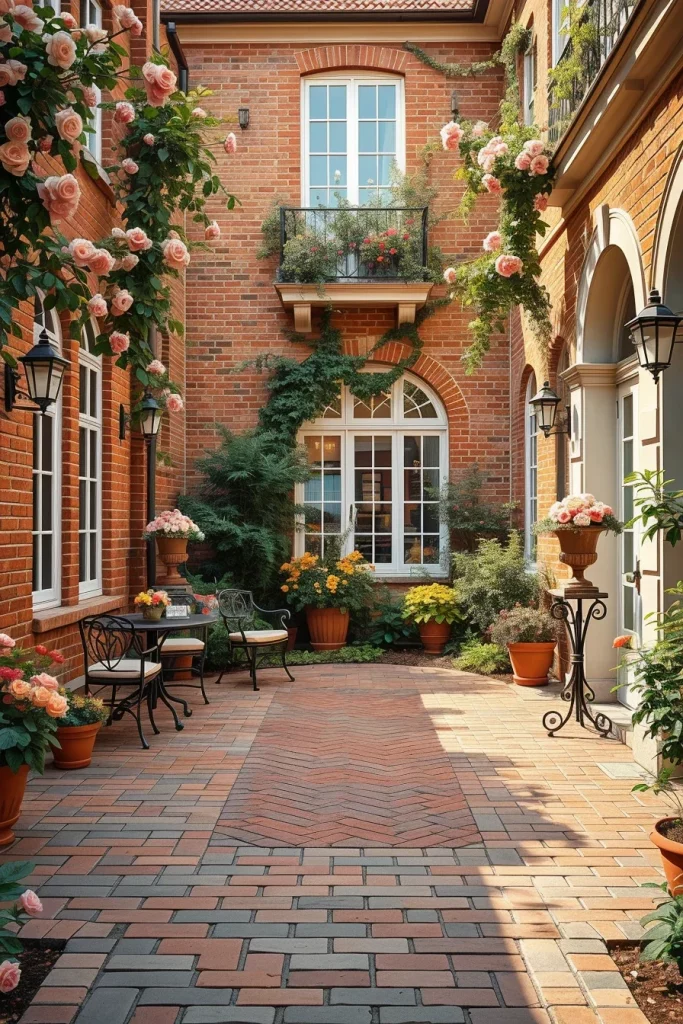
I often use clay brick pavers arranged in herringbone, basketweave, or running bond patterns. These layouts create visual interest while maintaining excellent durability. Brick pathways pair beautifully with wrought iron furniture, decorative urns, climbing roses, and formal garden beds. Together, these elements establish a welcoming and elegant courtyard atmosphere.
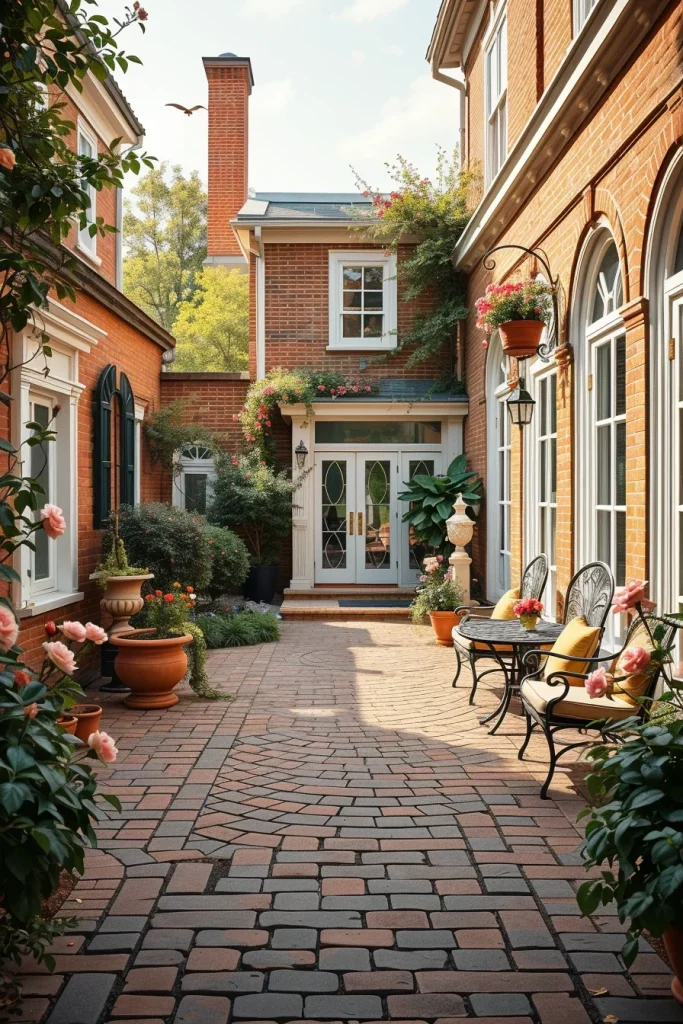
From my perspective, brick offers a unique ability to age gracefully. Many landscape professionals appreciate how brick develops a natural patina over time, adding depth and authenticity to the design. I have seen well-installed brick pathways remain attractive and functional for decades with relatively little maintenance.
For a more complete courtyard composition, I would include accent lighting, ornamental shrubs, and seating areas positioned near focal points such as fountains or decorative garden sculptures.
Mixed Material Pathway Designs For Visual Interest
One of the most creative courtyard pathway design ideas 2026 involves combining multiple materials to create texture and contrast. I enjoy using this approach because it allows greater customization and helps establish unique visual identities for outdoor spaces. Mixed-material pathways can feel both modern and timeless depending on the selected combinations.
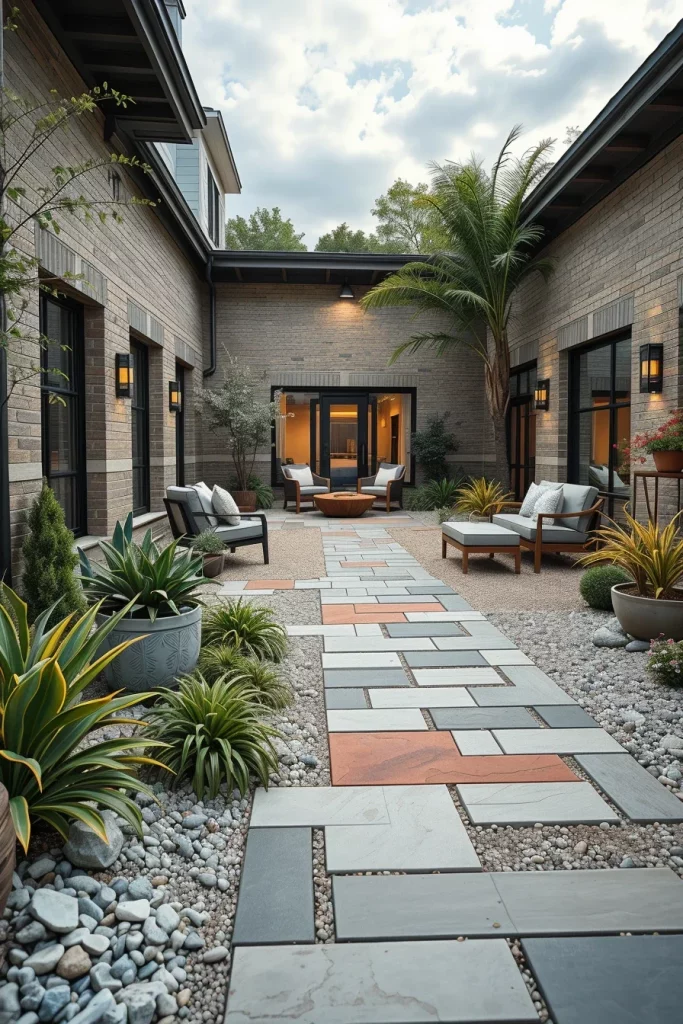
I commonly combine concrete pavers with gravel, natural stone with brick, or large stepping stones with decorative pebbles. These combinations add depth and break up large surfaces that might otherwise appear monotonous. Modern outdoor furniture, architectural planting beds, and decorative lighting work particularly well alongside these dynamic pathway designs.
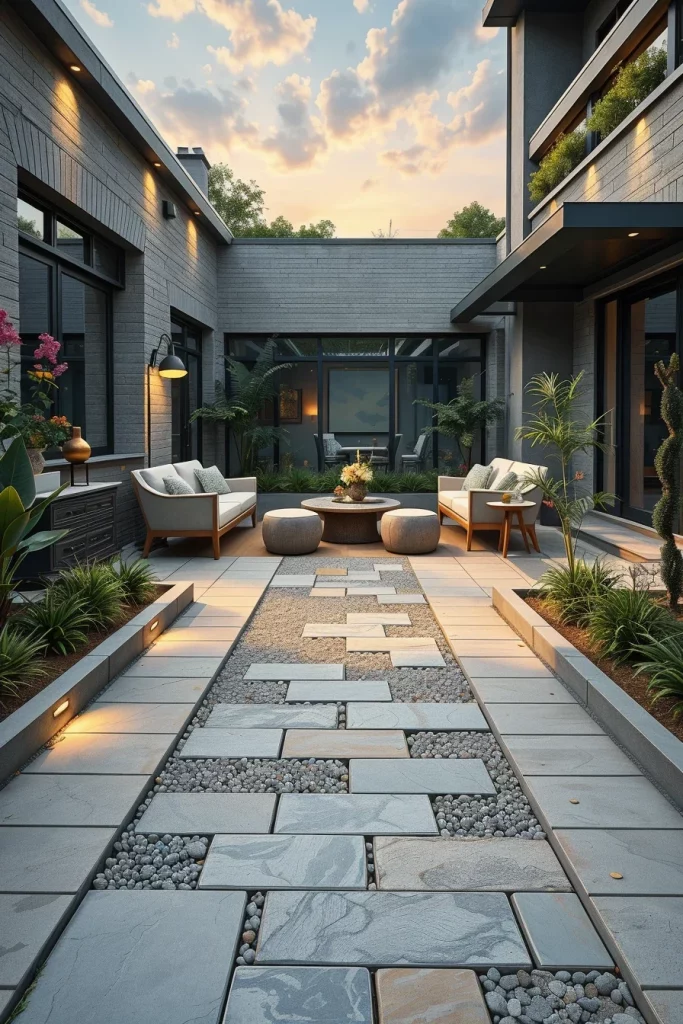
In my experience, the key to success is maintaining a consistent color palette while varying textures. Many leading landscape designers recommend limiting material choices to two or three complementary options to avoid visual clutter. I follow this principle to ensure the design remains cohesive and sophisticated.
To enhance this concept further, I would introduce repeating landscape elements such as matching planters, coordinated lighting fixtures, and carefully selected plant species that connect the different materials visually.
Permeable Pathways For Sustainable Courtyard Landscaping
Sustainability continues to influence courtyard pathway design ideas 2026, making permeable pathways increasingly popular. I often recommend these systems because they allow rainwater to infiltrate naturally into the ground, helping reduce runoff while supporting environmentally responsible landscaping practices.
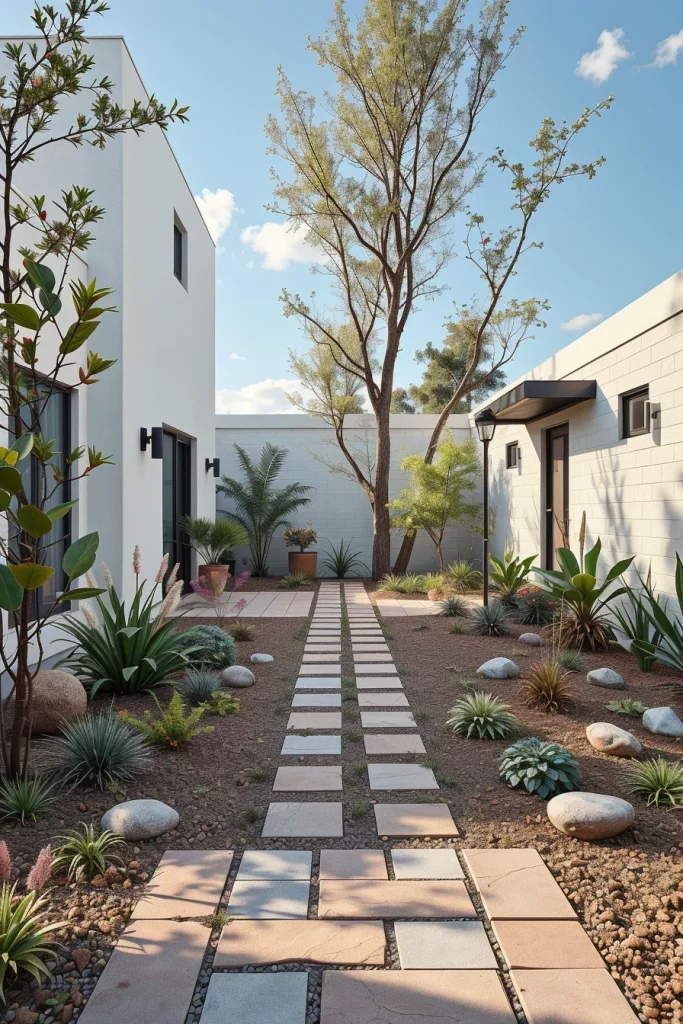
Permeable pathway materials may include permeable pavers, gravel systems, porous concrete, or reinforced grass surfaces. These materials can be combined with rain gardens, native plantings, and drought-tolerant landscaping to create a highly efficient outdoor environment. I find that these features not only improve sustainability but also contribute to long-term cost savings.
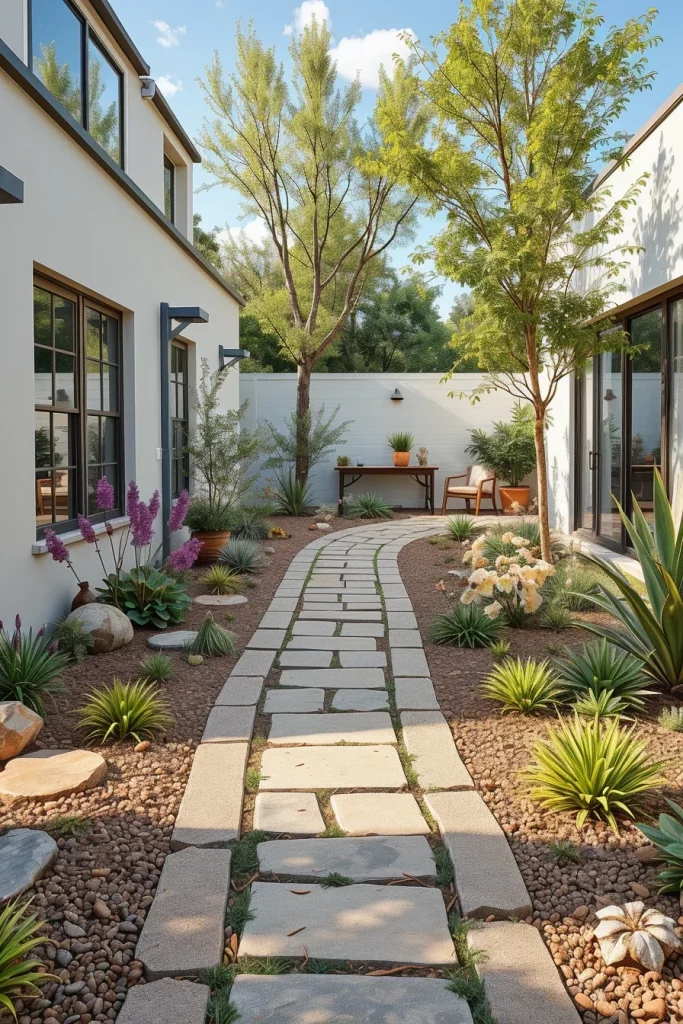
Many landscape architects emphasize the importance of water management in modern design, and I agree with this perspective. Proper drainage planning helps prevent erosion, reduces standing water, and supports healthier plant growth. In my own projects, permeable pathways consistently provide both functional and environmental benefits.
I would also recommend incorporating rainwater collection systems, native pollinator gardens, and efficient irrigation technologies to maximize the sustainability of the courtyard design.
Rustic Flagstone Paths For A Natural Outdoor Retreat
Rustic flagstone pathways remain among the most desirable courtyard pathway design ideas for homeowners seeking a peaceful outdoor retreat. I appreciate how flagstone creates a relaxed and authentic atmosphere while blending effortlessly with natural surroundings. The irregular shapes and earthy colors help establish a landscape that feels established and welcoming.
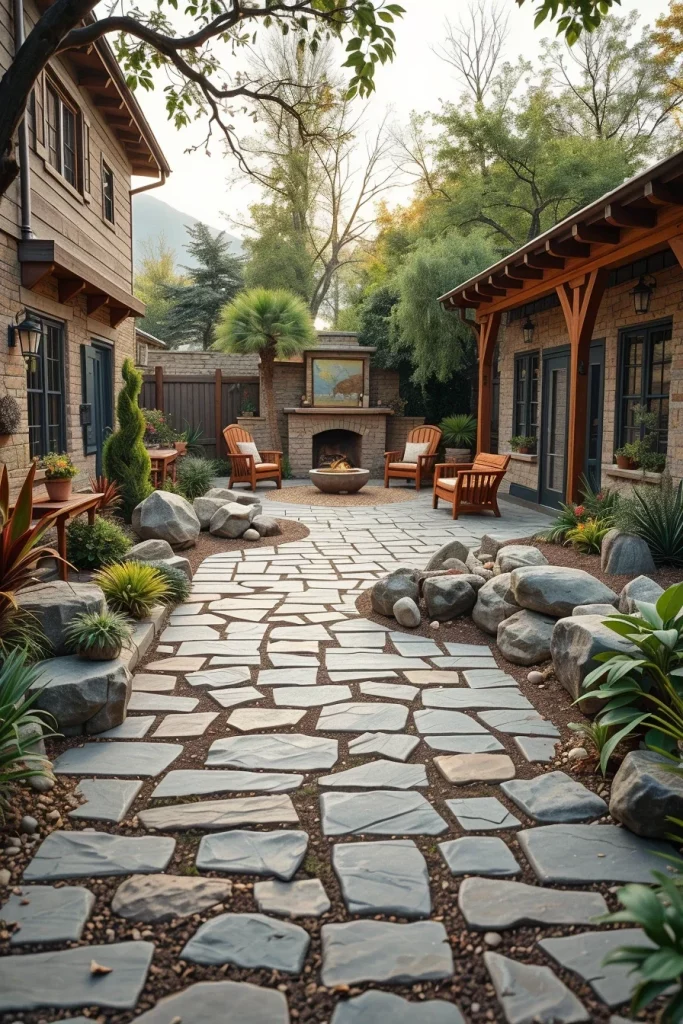
I typically use flagstone alongside cottage-style gardens, woodland plantings, decorative boulders, and rustic wood furniture. Ground covers growing between the stones enhance the natural appearance while helping integrate the pathway into the landscape. Outdoor fire pits and comfortable seating areas further strengthen the retreat-like atmosphere.
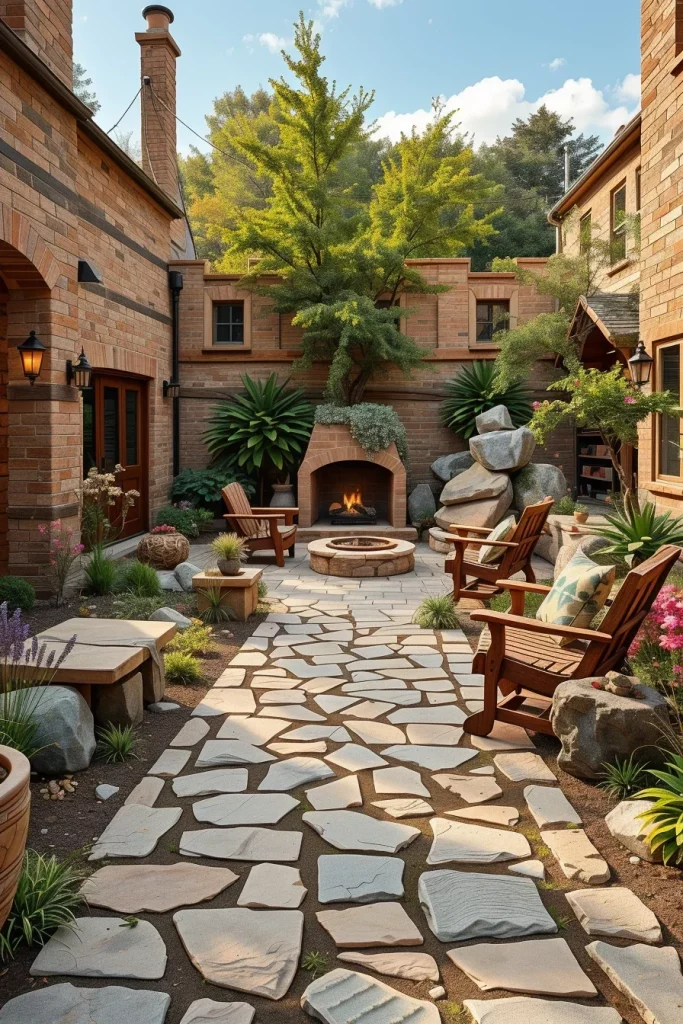
In my experience, flagstone pathways are particularly effective in courtyards designed for relaxation and entertaining. Many landscape professionals recommend using natural materials whenever possible to create a stronger connection between people and outdoor environments. I have found that flagstone consistently delivers this effect.
To complete the design, I would add layered planting schemes, soft landscape lighting, water features, and seasonal flowers that provide year-round interest and encourage frequent outdoor use.
Pathway Lighting Ideas To Enhance Evening Ambiance
When I design a courtyard intended for evening use, lighting is one of the first elements I consider. Strategic pathway lighting creates a welcoming atmosphere while improving safety and visibility after sunset. In 2026, I see a strong preference for warm LED fixtures integrated directly into paving, low bollard lights, and hidden landscape lighting that softly illuminates walking surfaces without creating glare. These solutions allow the pathway to become a focal point even after dark.
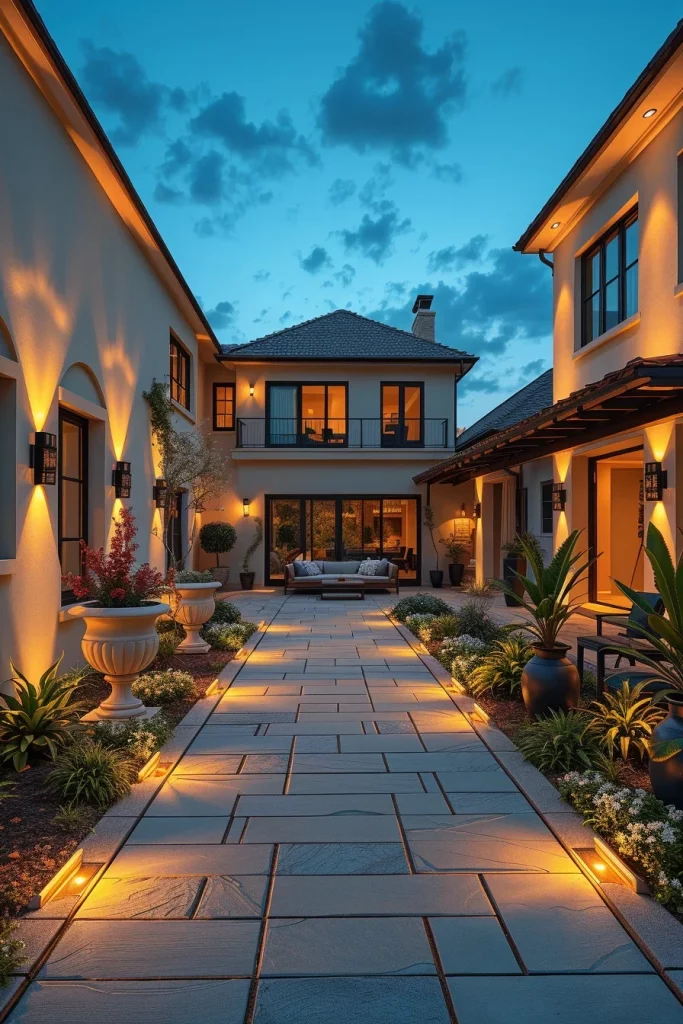
I often combine stone or concrete pathways with subtle lighting accents placed along edges and within nearby planting beds. Comfortable outdoor seating, decorative planters, and architectural lighting on surrounding walls work together to create a cohesive environment. I find that layered lighting adds depth and dimension while highlighting textures and materials throughout the courtyard.
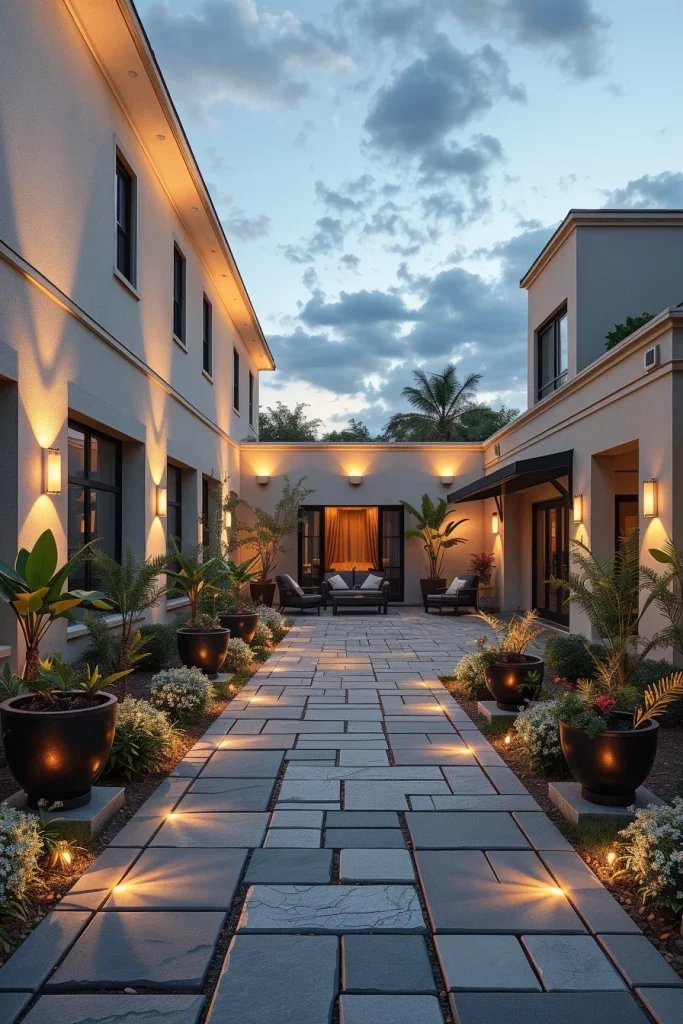
In my experience, many landscape professionals recommend avoiding overly bright fixtures. Publications such as Architectural Digest frequently emphasize the importance of creating mood through indirect illumination rather than excessive brightness. I have found that this approach makes outdoor spaces feel more inviting and luxurious.
To complete this design, I would add smart lighting controls that allow homeowners to adjust brightness levels and schedules. This improves energy efficiency while creating customized evening experiences throughout the year.
Courtyard Pathways Framed By Decorative Borders
One of my favorite courtyard pathway design ideas 2026 involves using decorative borders to define and enhance walkways. Borders create structure, guide movement, and visually separate pathways from planting areas. Whether using contrasting pavers, natural stone edging, brick accents, or metal landscape borders, these details significantly elevate the overall design.
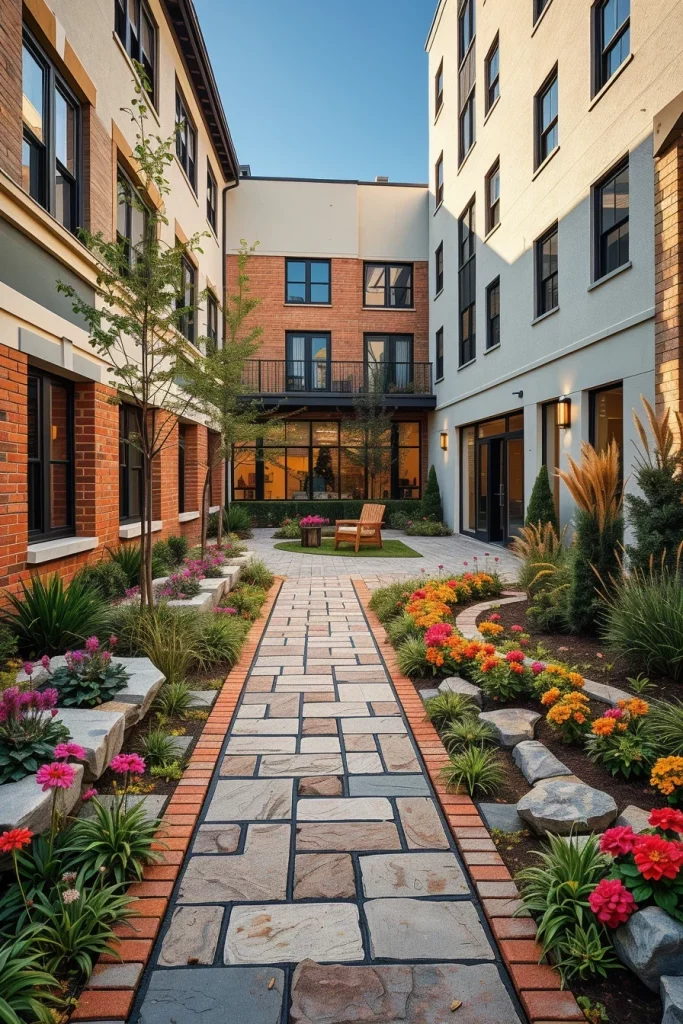
I often incorporate decorative borders alongside colorful planting beds, ornamental grasses, and low-maintenance shrubs. The pathway itself may feature concrete pavers, while the border introduces texture and contrast through darker stone or brick. This layered approach helps create a polished, professionally designed appearance.
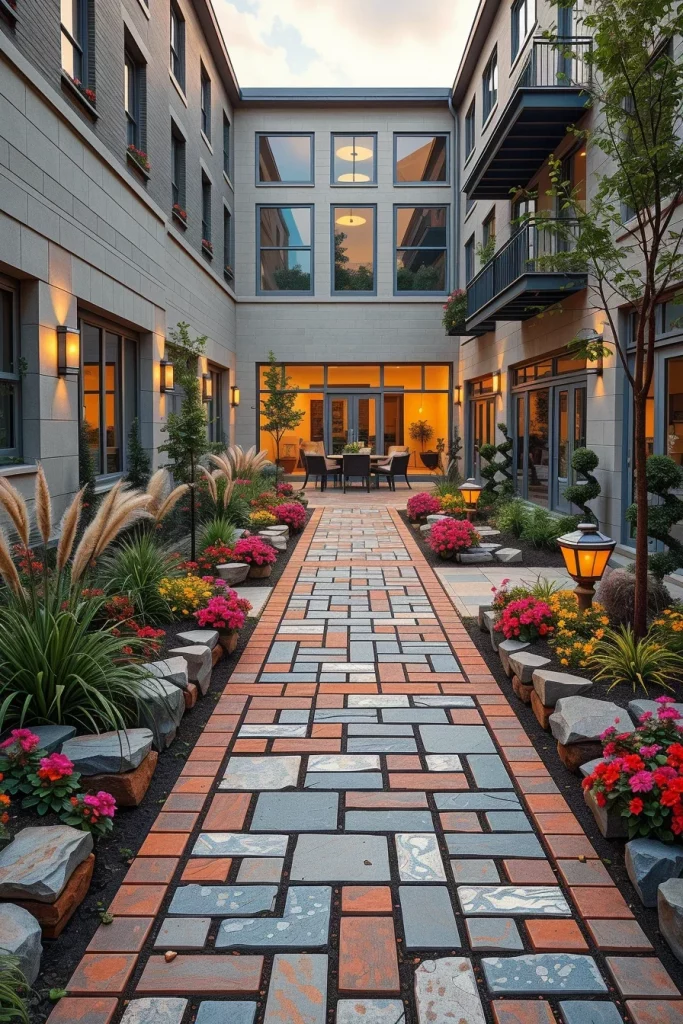
From my perspective, decorative borders provide both aesthetic and practical benefits. They help contain gravel, mulch, and ground cover while preventing materials from spilling onto the walkway. This makes maintenance easier and preserves the pathway’s clean lines.
If additional enhancement is needed, I would include integrated lighting along the border edges. This feature emphasizes the pathway’s shape at night and creates a sophisticated visual effect that complements modern courtyard landscapes.
Zen-Inspired Walkways With Gravel And Stone Features
Zen-inspired pathways continue to gain popularity among homeowners seeking calm and simplicity. I often use carefully arranged gravel surfaces, natural stepping stones, and minimalist planting schemes to create a peaceful environment. These walkways encourage slower movement and foster a sense of relaxation within the courtyard.
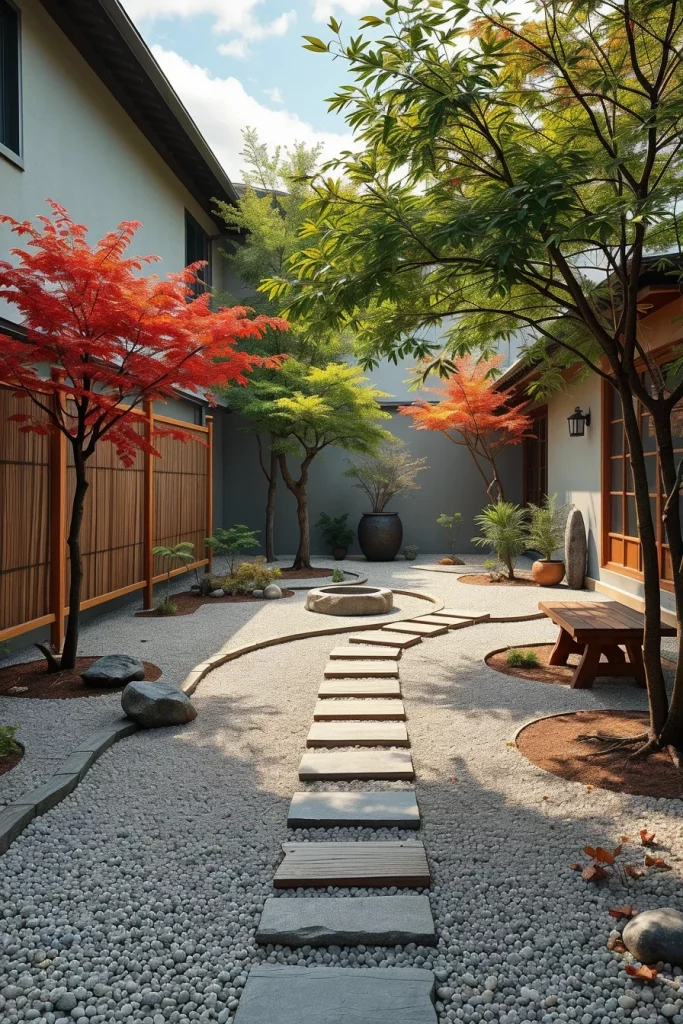
In my designs, I pair gravel pathways with large natural stones, ornamental grasses, Japanese maples, bamboo screens, and simple water elements. Each component serves a purpose and contributes to the overall harmony of the space. Clean lines and uncluttered layouts are essential for achieving an authentic Zen-inspired atmosphere.
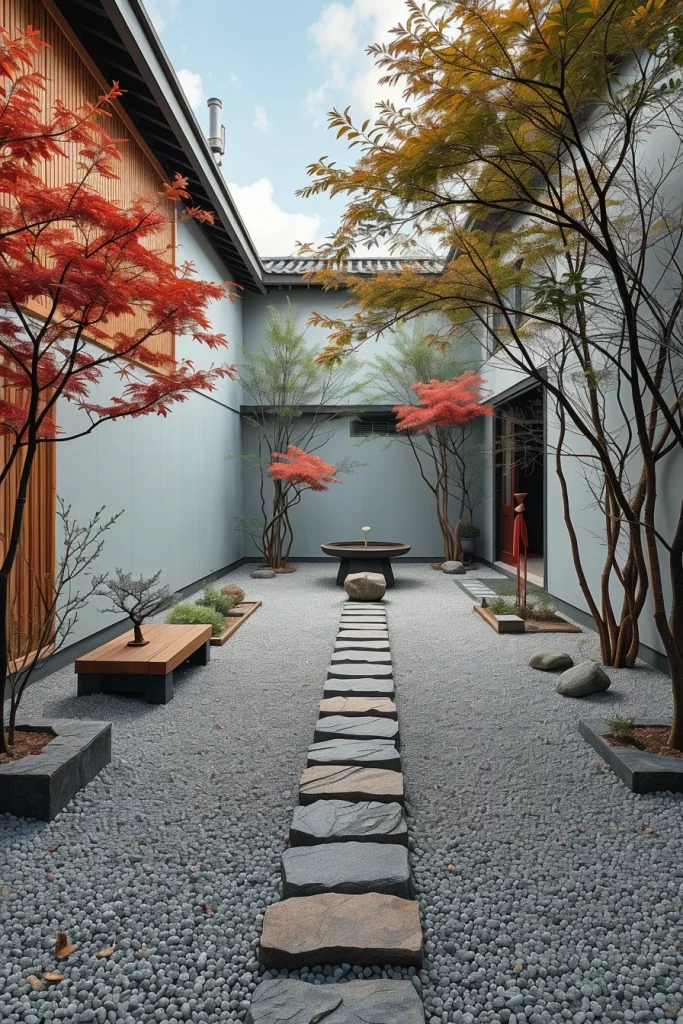
I have found that successful Zen gardens rely on restraint rather than excess decoration. Many landscape architects emphasize the importance of negative space, allowing natural materials to become the primary visual focus. This principle creates a timeless aesthetic that remains appealing year after year.
To further enhance this style, I would incorporate a small stone bench or meditation seating area adjacent to the pathway. This addition provides a destination point while reinforcing the tranquil character of the courtyard.
Narrow Side Yard Pathways That Maximize Small Spaces
Small and narrow courtyards often present design challenges, but thoughtful pathway planning can make these areas feel larger and more functional. When working with limited space, I focus on creating clean, unobstructed walkways that improve circulation while maximizing visual openness.
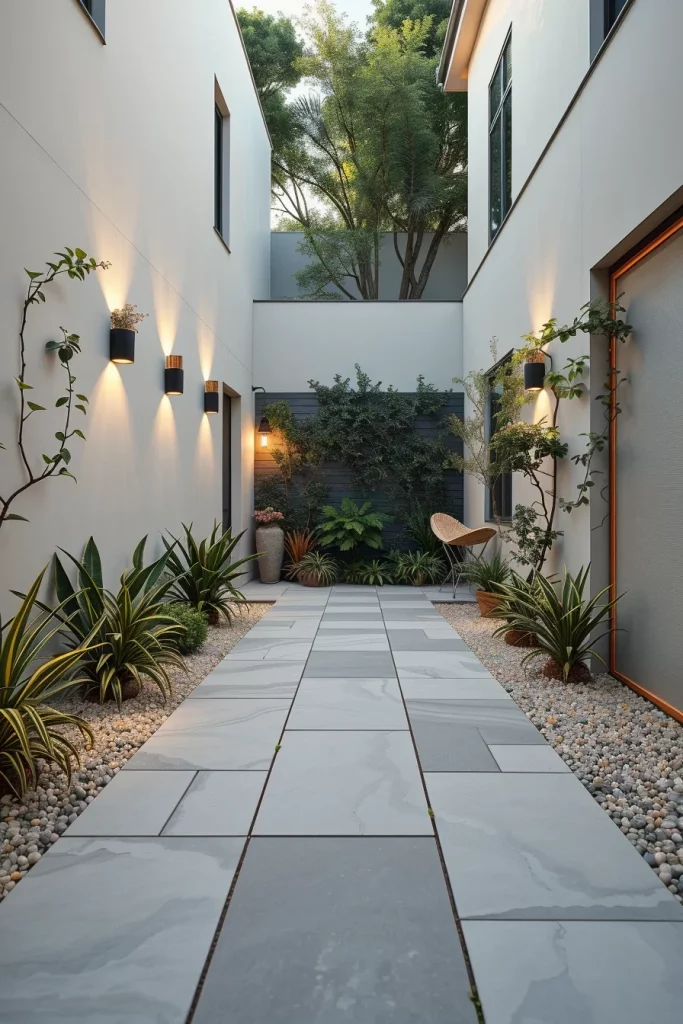
I frequently use oversized pavers separated by gravel, vertical garden walls, slim planting beds, and compact outdoor lighting. These elements provide visual interest without overwhelming the available space. Light-colored materials are particularly effective because they reflect sunlight and help the area feel more expansive.
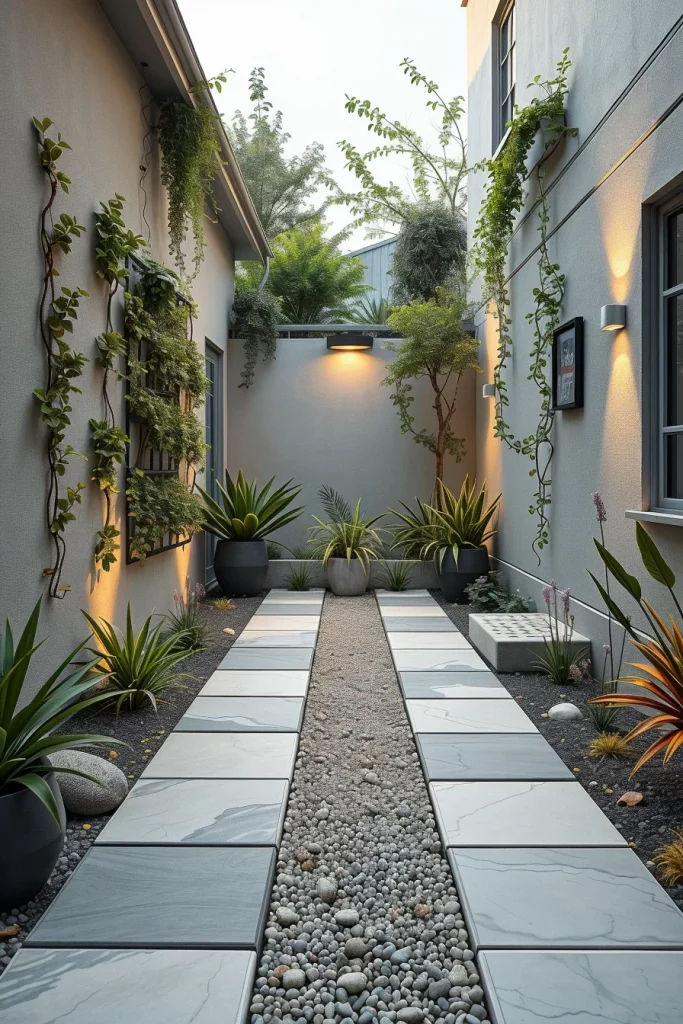
From my experience, maintaining simplicity is critical in narrow side yards. Overcrowding the space with excessive furniture or large decorative features can make the area feel confined. Instead, I prefer streamlined designs that prioritize functionality and ease of movement.
I would also recommend adding mirrors, decorative wall panels, or climbing plants to introduce vertical interest. These additions draw the eye upward and help create the illusion of a larger courtyard.
Patterned Paver Walkways For A Designer Finish
Patterned paver pathways are an excellent way to introduce personality and sophistication into a courtyard. In 2026, geometric layouts, herringbone patterns, basketweave arrangements, and mixed-size paver installations are particularly popular. These designs create visual movement and transform simple walkways into architectural features.
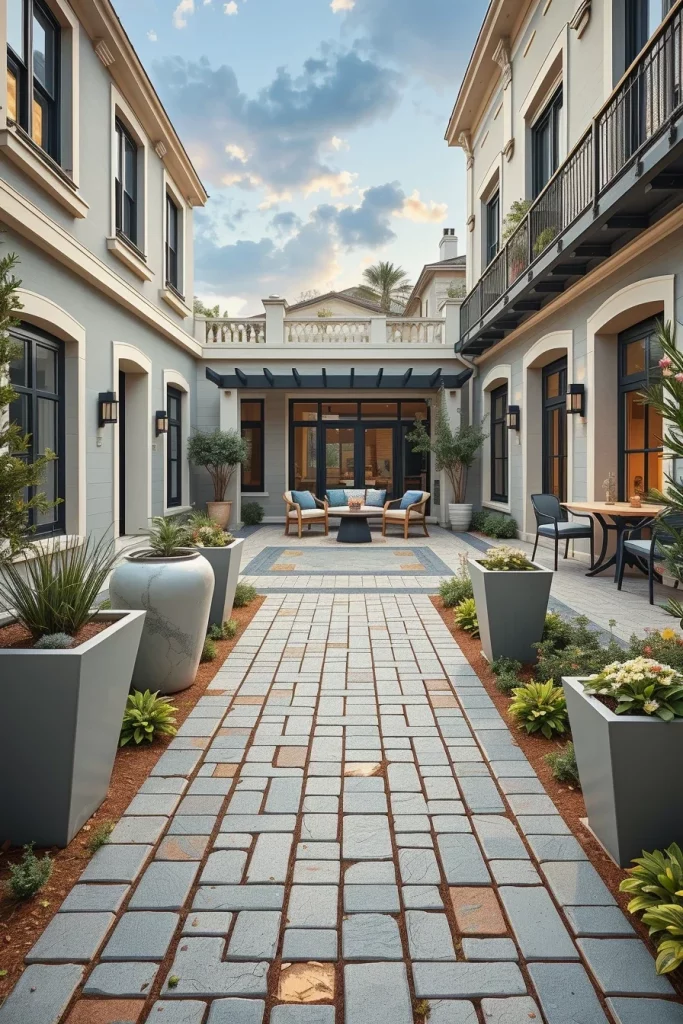
I often combine patterned pavers with modern outdoor furniture, raised planters, decorative containers, and carefully selected landscape lighting. The pathway becomes the foundation that unifies all surrounding elements while contributing texture and visual interest.
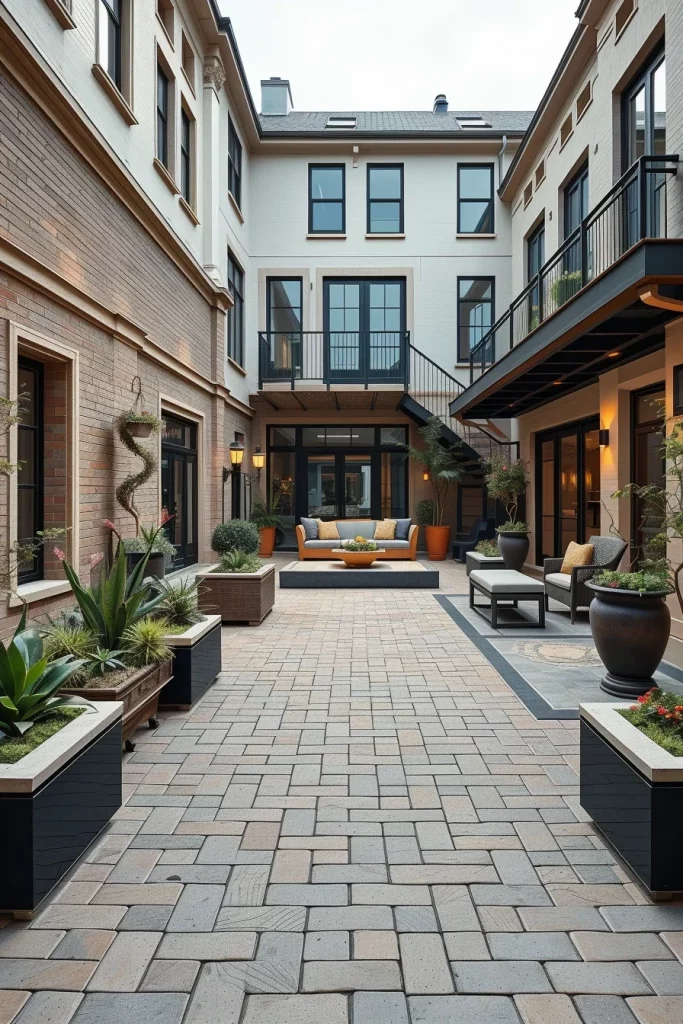
In my opinion, patterned pavers offer one of the best opportunities to customize a courtyard without requiring extensive structural changes. Design publications frequently showcase how unique paving patterns can dramatically increase curb appeal and outdoor enjoyment.
To complete the space, I would add coordinated seating areas positioned along the pathway. This creates functional destinations and encourages homeowners to spend more time enjoying their outdoor environment.
Raised Pathway Designs For Sloped Courtyard Areas
When designing courtyards with uneven terrain, I often recommend raised pathways that improve accessibility while creating visual structure. Elevated walkways help manage changes in elevation safely and elegantly, preventing erosion while guiding movement through the landscape. In 2026, raised pathways are becoming an important element of modern courtyard pathway design ideas 2026, especially for properties with natural slopes.
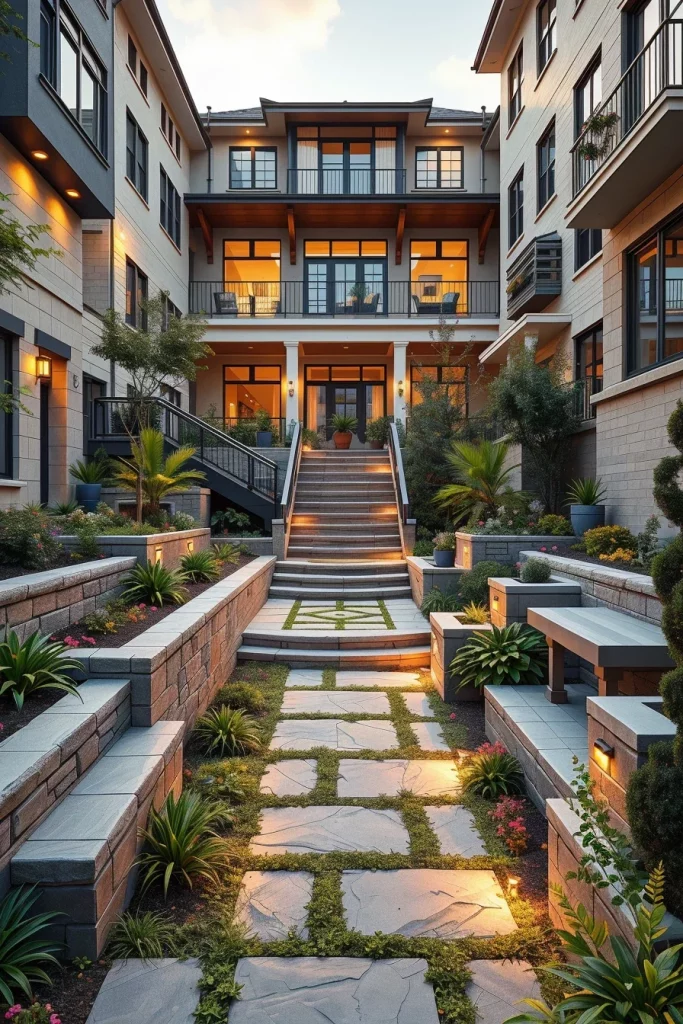
I typically use retaining walls, stone risers, concrete platforms, and integrated planting beds to support the elevated pathway. Modern railings, decorative lighting, and weather-resistant materials contribute both safety and style. These elements work together to create a seamless transition between different levels of the courtyard while maintaining a cohesive appearance.
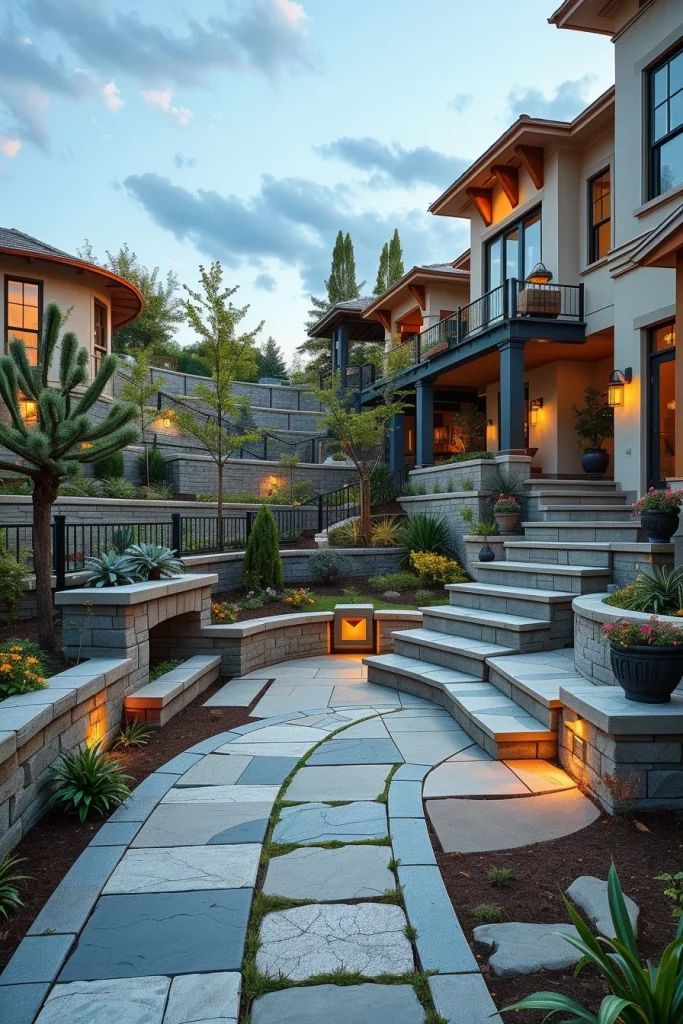
In my experience, the most successful raised pathways feel like a natural extension of the landscape rather than an added structure. Many landscape architects recommend blending hardscape materials with surrounding greenery to soften visual transitions and create a more organic appearance.
To complete this design, I would add built-in seating areas along the raised sections. These spaces provide opportunities to enjoy views of the courtyard while increasing the overall functionality of the outdoor environment.
Mediterranean-Style Courtyard Paths With Warm Textures
Mediterranean-inspired pathways bring warmth, character, and timeless appeal to outdoor spaces. When I create this style, I focus on rich textures, earthy colors, and natural materials that evoke the relaxed atmosphere of coastal European courtyards. This approach remains one of the most enduring courtyard pathway design ideas 2026 because it combines elegance with comfort.
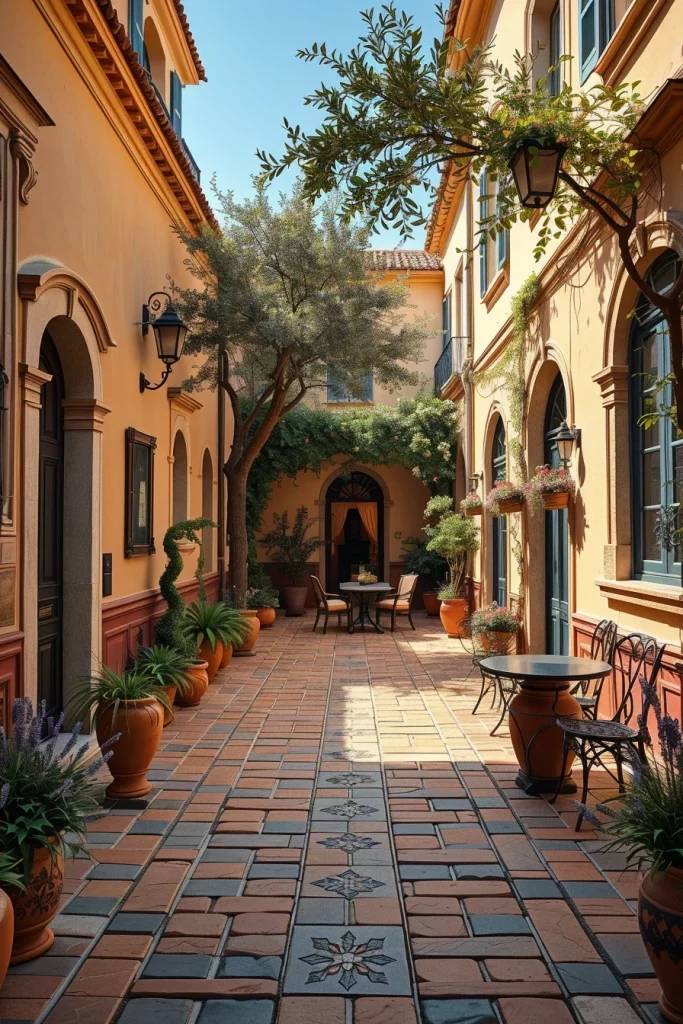
I often incorporate terracotta pavers, natural stone surfaces, decorative tile accents, and gravel details. Surrounding the pathway, I include olive trees, lavender, ceramic pots, wrought-iron furniture, and climbing vines. These elements create visual richness while reinforcing the Mediterranean aesthetic.
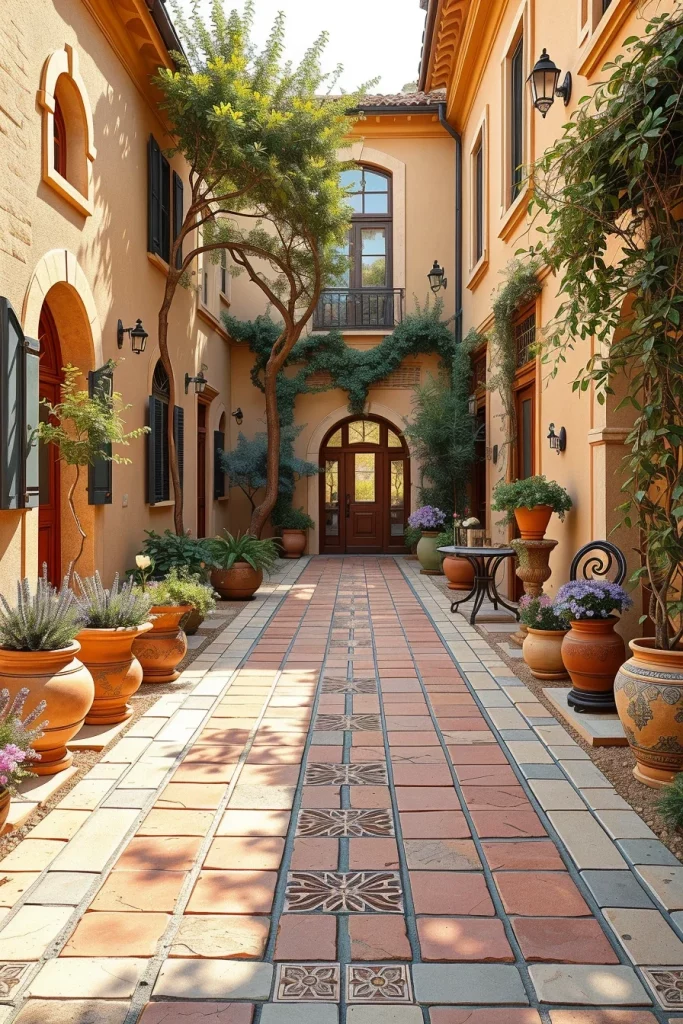
From my perspective, texture plays a critical role in achieving an authentic result. The combination of weathered materials and lush planting creates a courtyard that feels established and inviting. I find that homeowners appreciate the relaxed atmosphere this design style naturally provides.
If I were enhancing this pathway further, I would introduce a pergola or vine-covered archway that frames the walkway and creates additional shade during warmer months.
Modern Black And Gray Pathways For Sophisticated Exteriors
Modern black and gray pathways continue to dominate contemporary landscape design. I often recommend this color palette for homeowners seeking a sleek and sophisticated exterior. Dark paving materials create strong visual contrast while complementing modern architecture and minimalist landscaping.
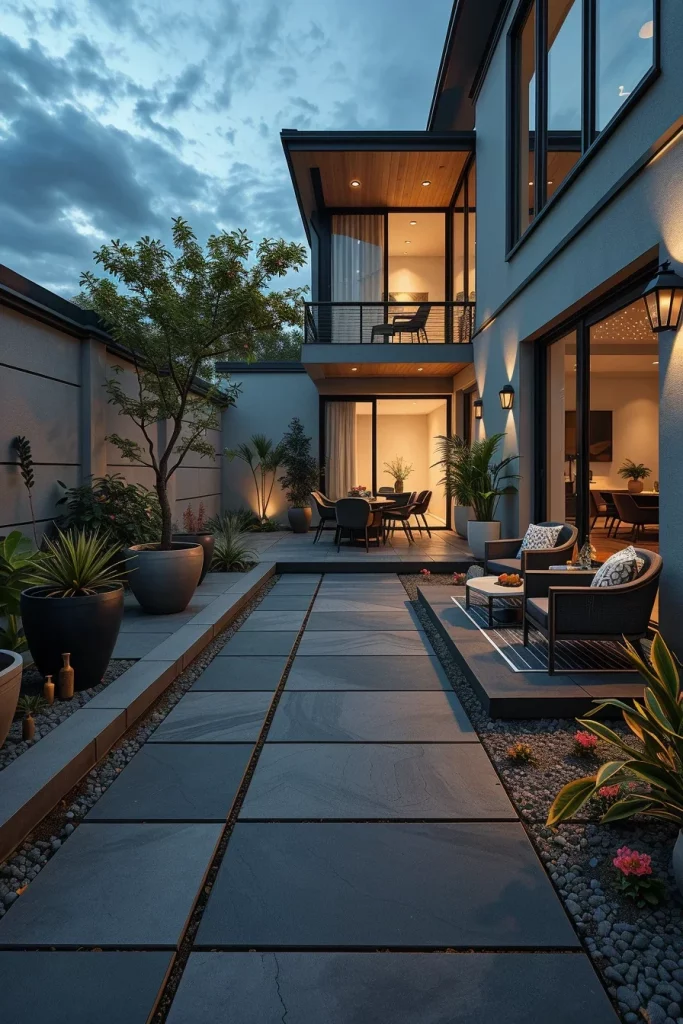
In my projects, I frequently use charcoal concrete pavers, black natural stone, gray gravel, and streamlined planting arrangements. Outdoor furniture featuring metal frames and neutral cushions works exceptionally well within this design scheme. Integrated LED lighting further enhances the clean lines and architectural qualities of the pathway.
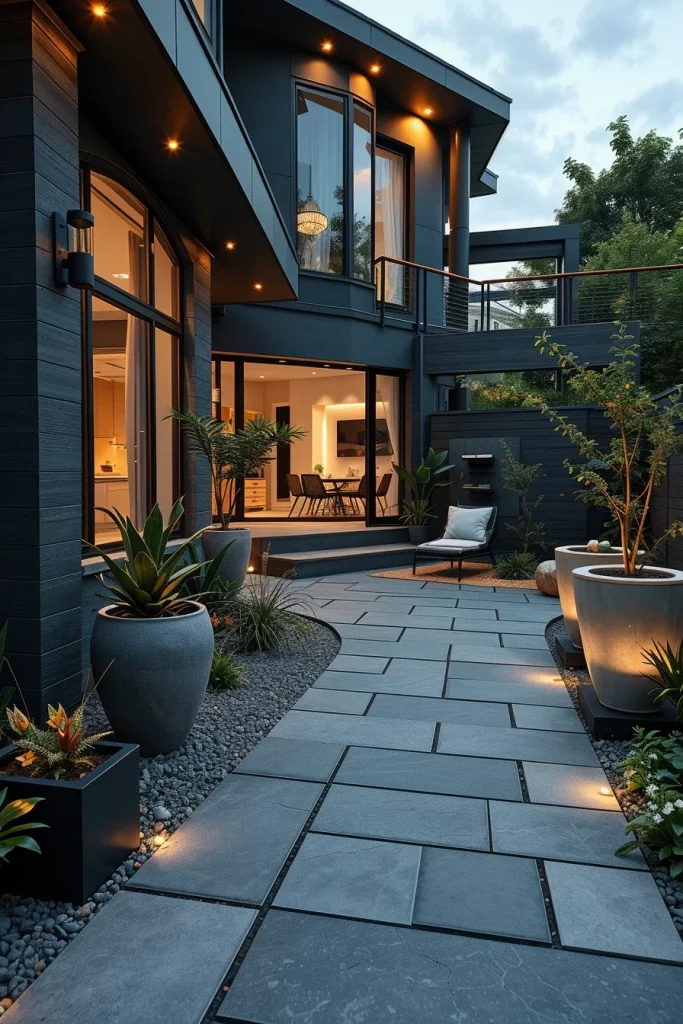
I have found that limiting the color palette allows textures and forms to become the primary visual features. Many contemporary designers emphasize simplicity and consistency, and I believe black and gray pathways successfully achieve both goals while remaining highly versatile.
To strengthen this design, I would add sculptural planters or modern water features that provide focal points without disrupting the minimalist aesthetic.
Wood-Look Pathway Designs For Cozy Courtyard Settings
Wood-look pathways offer the warmth of natural timber while providing the durability required for outdoor environments. In 2026, porcelain pavers and composite materials that replicate wood grain are becoming increasingly popular for homeowners seeking low-maintenance solutions. I often recommend this style for creating comfortable and welcoming courtyards.
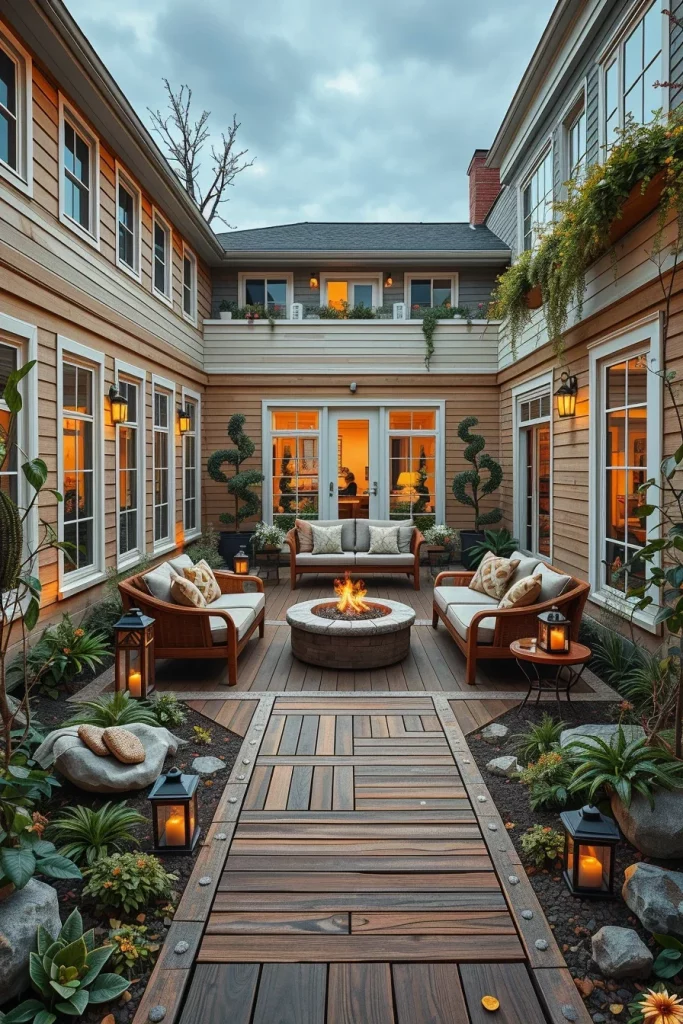
I typically pair wood-look pathways with outdoor sofas, fire pits, soft landscape planting, and layered lighting. The natural appearance of the pathway complements both contemporary and traditional outdoor furnishings while adding texture and warmth to the overall design.
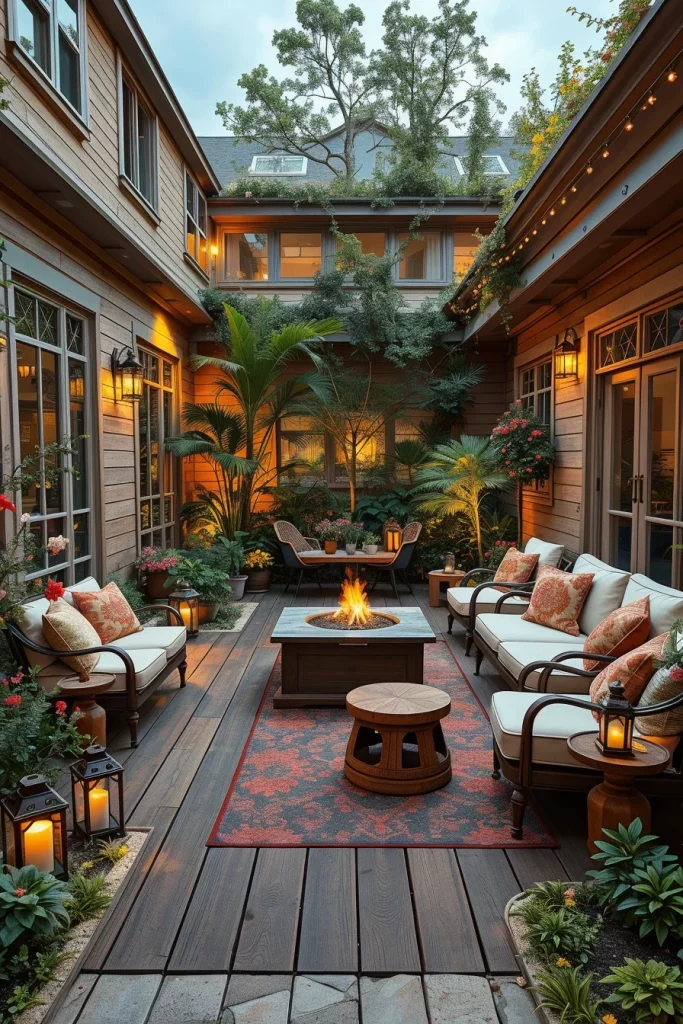
In my experience, wood-look materials provide an excellent balance between aesthetics and practicality. Unlike natural wood, these surfaces resist moisture, fading, and insect damage while maintaining their attractive appearance for many years.
To make the space feel even more inviting, I would incorporate outdoor rugs, decorative lanterns, and comfortable seating zones adjacent to the pathway.
Courtyard Walkways Integrated With Water Features
Combining pathways with water features creates a memorable outdoor experience that engages multiple senses. I often design walkways that pass alongside reflecting pools, fountains, shallow streams, or decorative water walls. The movement and sound of water introduce a calming element that enhances the overall atmosphere of the courtyard.
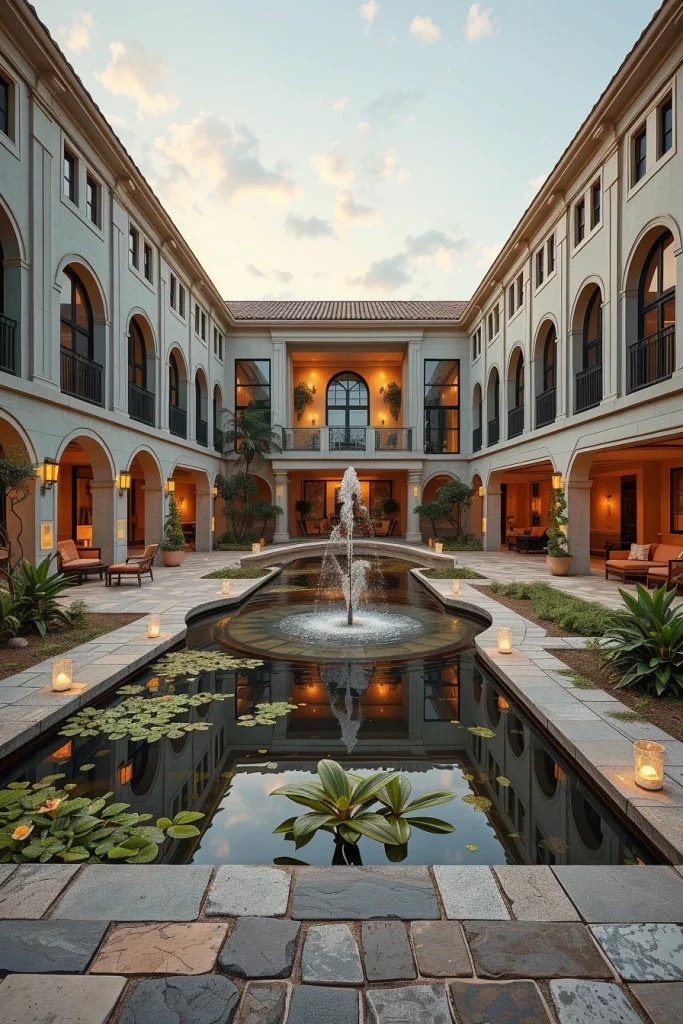
I frequently use natural stone paving, bridge-style walkway sections, aquatic plants, accent lighting, and carefully positioned seating areas. These components help establish a strong connection between the pathway and surrounding water feature while maintaining safe and comfortable circulation throughout the space.
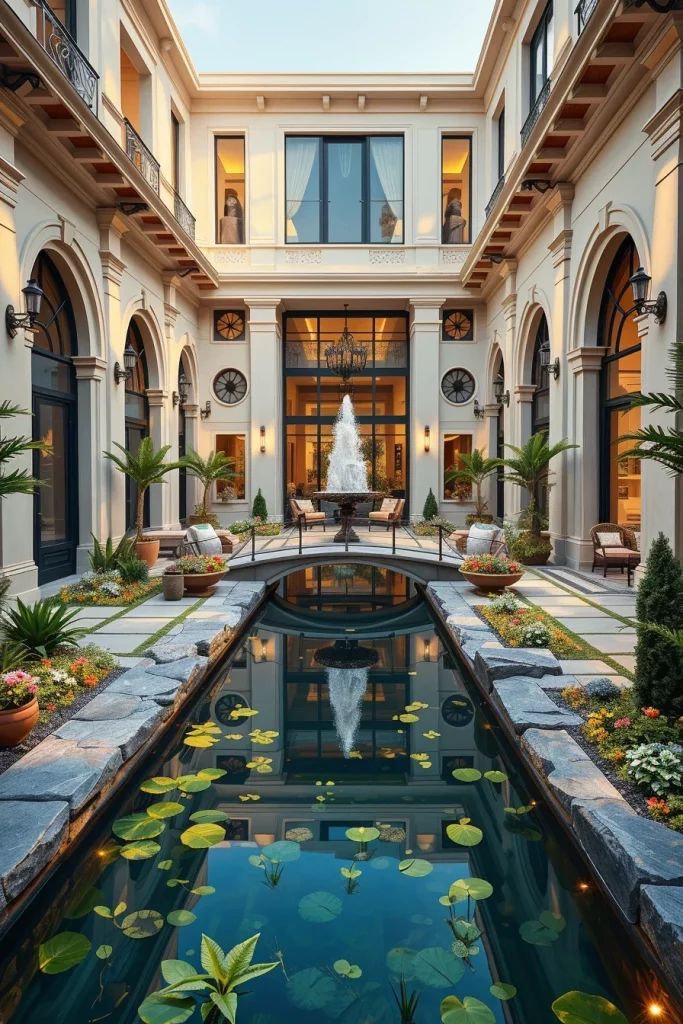
From my perspective, water features bring a level of sophistication that few other landscape elements can achieve. Design experts often note that moving water helps mask unwanted noise while creating a more relaxing outdoor environment. I have seen this effect transform ordinary courtyards into peaceful retreats.
For additional impact, I would include underwater lighting and strategically placed viewing areas that allow homeowners and guests to fully appreciate the water feature from multiple angles.
Cottage Garden Paths Filled With Charm And Color
I find that cottage garden pathways remain one of the most inviting trends in courtyard pathway design ideas 2026. These paths are designed to feel natural and relaxed, winding gently through colorful flower beds and lush plantings. Rather than creating rigid lines, I prefer pathways that encourage exploration and create a welcoming atmosphere. The combination of vibrant blooms and textured materials adds character while maintaining a timeless appearance.
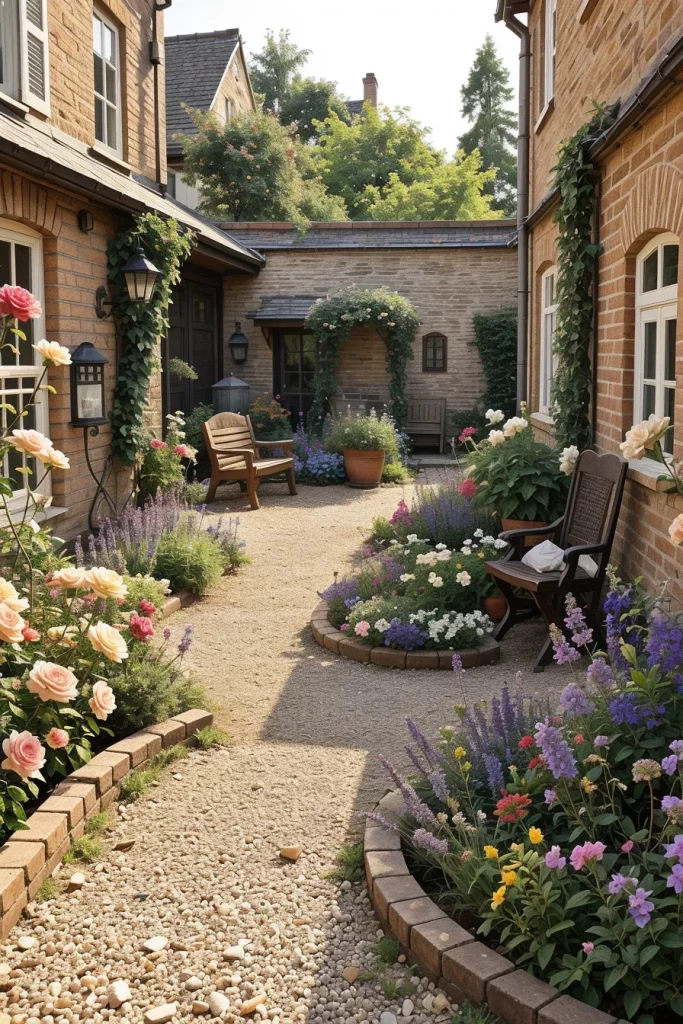
When designing this style, I often incorporate gravel pathways bordered by lavender, roses, salvia, and other long-blooming perennials. Weathered brick edging helps define the walkway while preserving a rustic charm. Wooden benches, decorative urns, and climbing trellises provide focal points along the route. Every element works together to create a layered landscape that feels both organized and effortlessly beautiful.
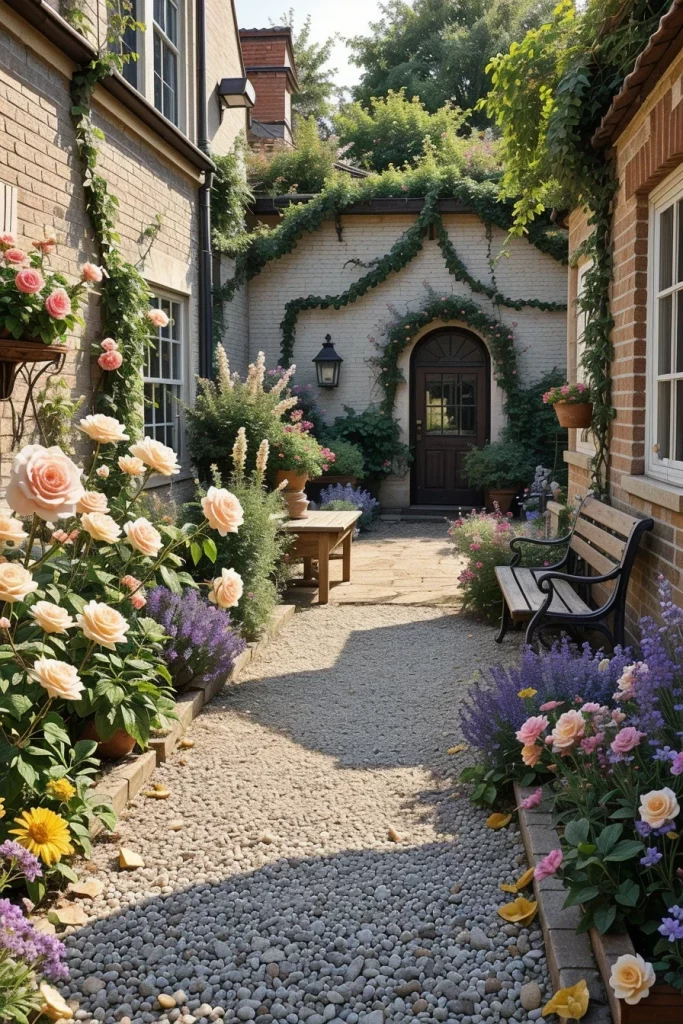
From my experience, publications such as Better Homes & Gardens frequently emphasize the importance of mixing textures and seasonal color in cottage-style gardens. I agree with this approach because it ensures visual interest throughout the year without making the courtyard feel overcrowded. The pathway should appear as though it naturally evolved within the garden.
To complete this design, I recommend adding small seating areas where visitors can pause and enjoy the surroundings. Garden lanterns and subtle pathway lighting further enhance the atmosphere during evening hours while maintaining the romantic character of the space.
Large Format Stone Slabs For Luxury Courtyard Design
Large stone slabs continue to dominate high-end courtyard pathway design ideas 2026 because they create a sophisticated and modern appearance. I often use oversized pavers to establish clean lines and visual continuity throughout the courtyard. Their generous scale minimizes visual clutter and makes smaller spaces appear larger and more refined.
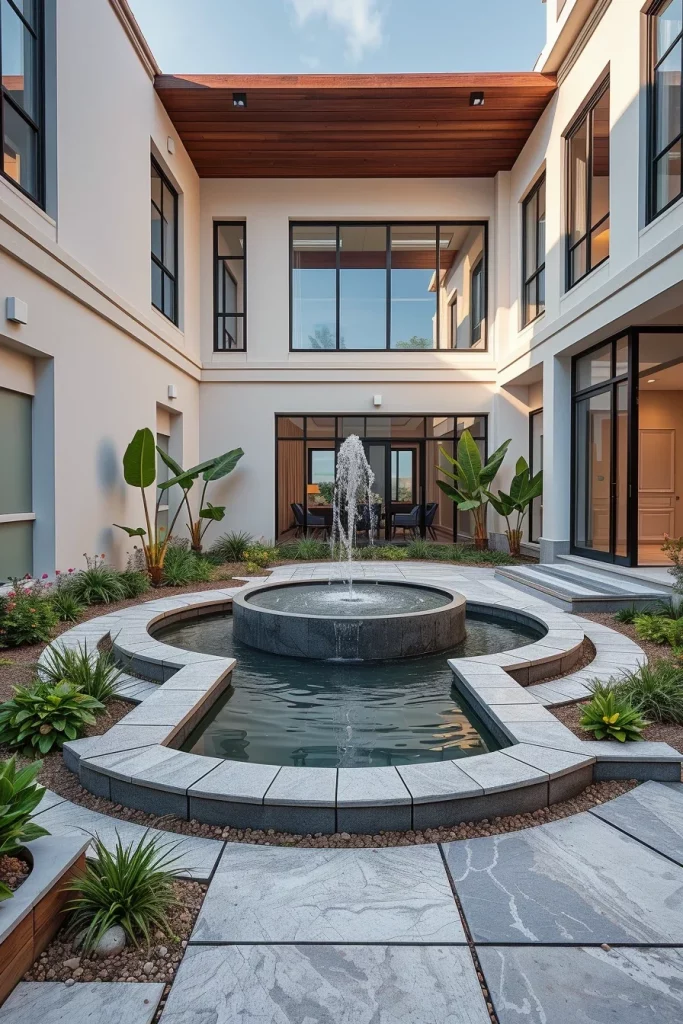
For this design, I typically choose limestone, porcelain stone-look slabs, or natural bluestone. The pathway is often paired with contemporary outdoor furniture, architectural planters, and minimalist water features. Low-profile seating and sleek dining sets complement the geometric nature of the paving, creating a cohesive outdoor living environment.
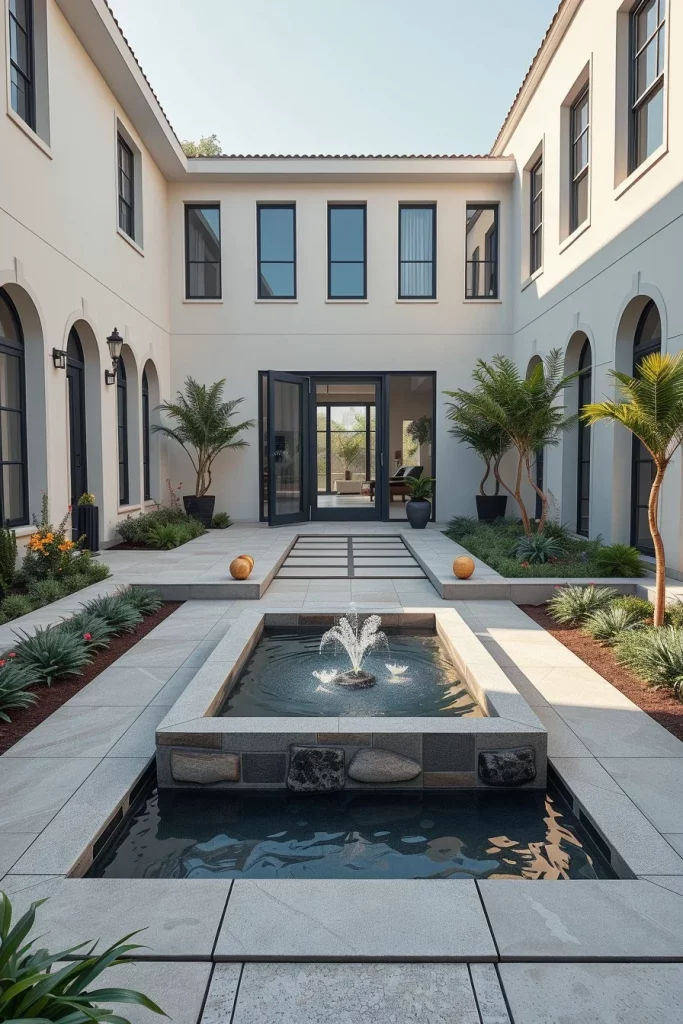
I have found that luxury landscape designers frequently recommend limiting the material palette when using large-format paving. I follow the same principle because fewer materials allow the stone to become the primary visual statement. Consistency in finishes helps create a polished and upscale appearance.
I also suggest incorporating linear lighting between selected slabs or along pathway edges. This addition enhances safety while emphasizing the architectural qualities of the design after sunset.
Pathways Surrounded By Ornamental Grasses And Greenery
Among the most versatile courtyard pathway design ideas 2026, pathways framed by ornamental grasses offer movement, texture, and year-round appeal. I appreciate how these plantings soften hardscape elements while creating a calm and natural environment. The pathway becomes part of the landscape rather than simply passing through it.
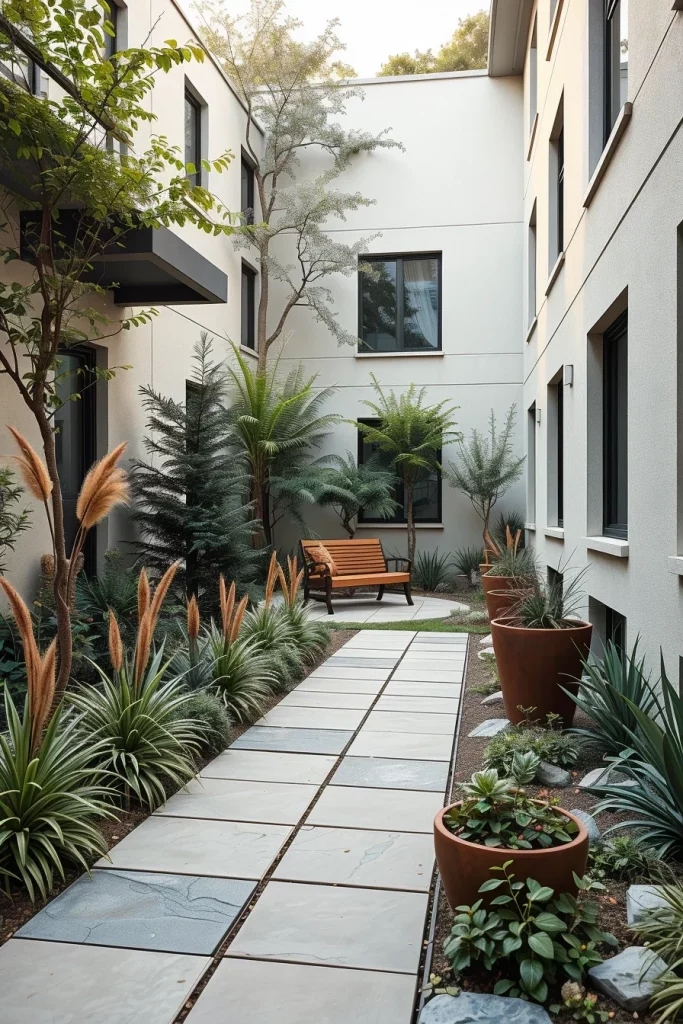
I often use grasses such as feather reed grass, fountain grass, and blue oat grass alongside evergreen shrubs and ground covers. Natural stone pavers or decomposed granite pathways work especially well in this setting. Modern benches, corten steel planters, and simple decorative accents help reinforce the contemporary garden aesthetic.
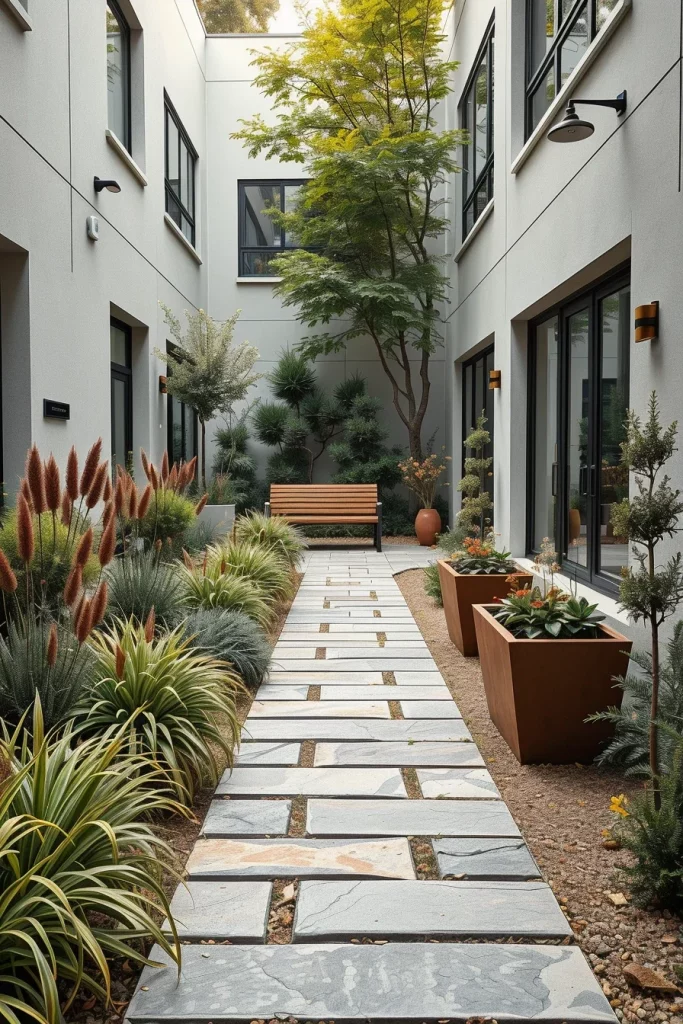
In my opinion, ornamental grasses are particularly valuable because they provide visual interest even during colder months. Many landscape professionals recommend using a mix of heights and textures to achieve depth without overwhelming the courtyard. I consistently see positive results from this layered planting strategy.
To further improve the design, I would add a small water feature or sculptural focal point visible from the pathway. These additions help create destination points and encourage visitors to move through the courtyard.
Desert-Inspired Courtyard Walkways With Drought-Tolerant Plants
As water-conscious landscaping continues to grow in popularity, desert-inspired walkways have become a major component of courtyard pathway design ideas 2026. I enjoy this style because it combines sustainability with dramatic visual impact. Clean lines, sculptural plants, and warm materials create a distinctive outdoor environment that requires relatively little maintenance.
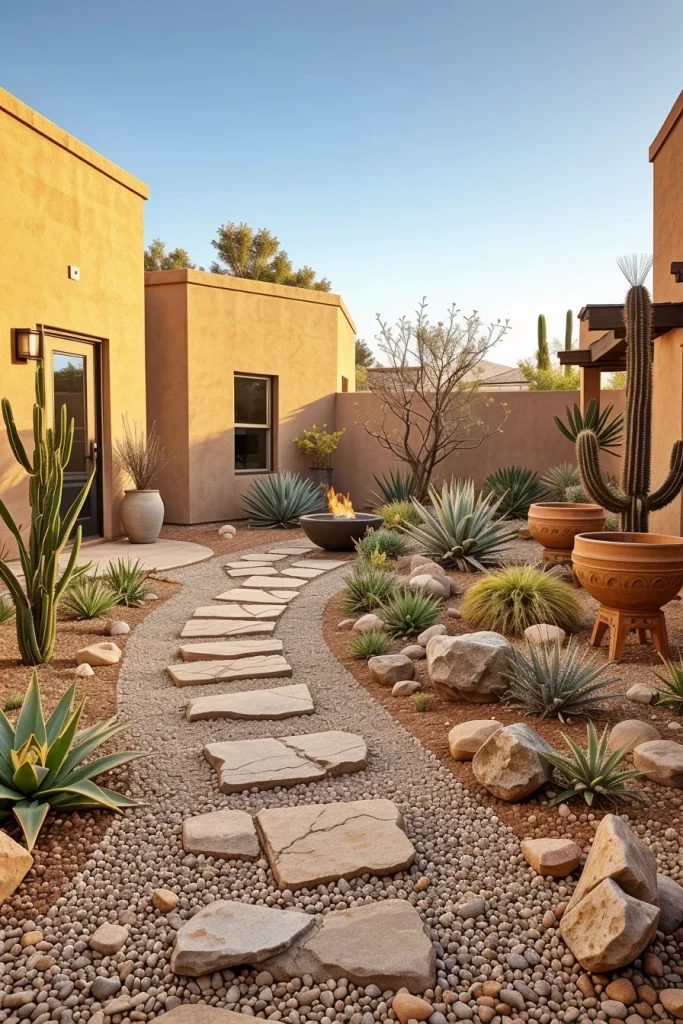
For these courtyards, I commonly use gravel pathways, natural stone stepping stones, and decorative rock mulch. Agave, yucca, aloe, and ornamental cacti provide structure and architectural interest. Modern outdoor seating, fire bowls, and textured ceramic containers enhance the desert-inspired atmosphere while maintaining functionality.
From my perspective, successful desert landscapes depend on careful spacing and composition. Leading landscape designers often emphasize the importance of allowing individual plants room to stand out. I fully agree because overcrowding diminishes the striking forms that make this style so appealing.
I also recommend incorporating shade structures or pergolas where possible. These features improve comfort while adding visual balance to the strong geometry of the planting design.
Multi-Level Courtyard Pathways That Add Dimension
Multi-level pathways are becoming increasingly popular within courtyard pathway design ideas 2026 because they introduce depth and architectural interest. I often use changes in elevation to visually separate outdoor zones while improving circulation throughout the courtyard. Even modest level changes can dramatically enhance the overall design.
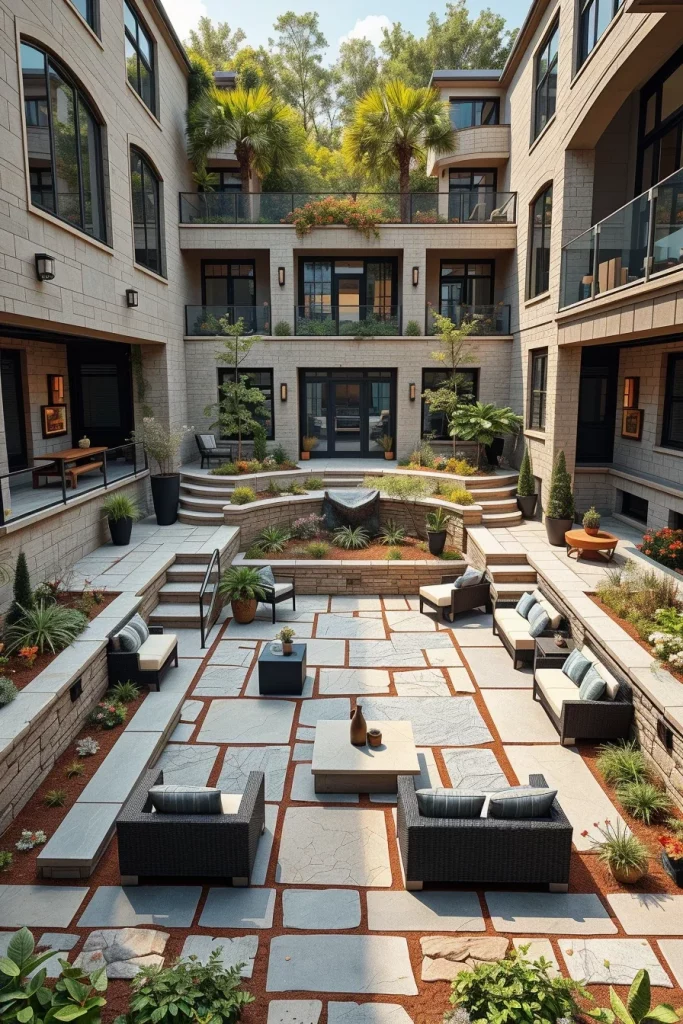
In these layouts, I typically combine wide stone steps, retaining walls, integrated seating, and layered planting beds. Materials such as natural stone, concrete, and porcelain pavers help create seamless transitions between levels. Outdoor lounge furniture positioned on terraces provides comfortable destinations connected by the pathway system.
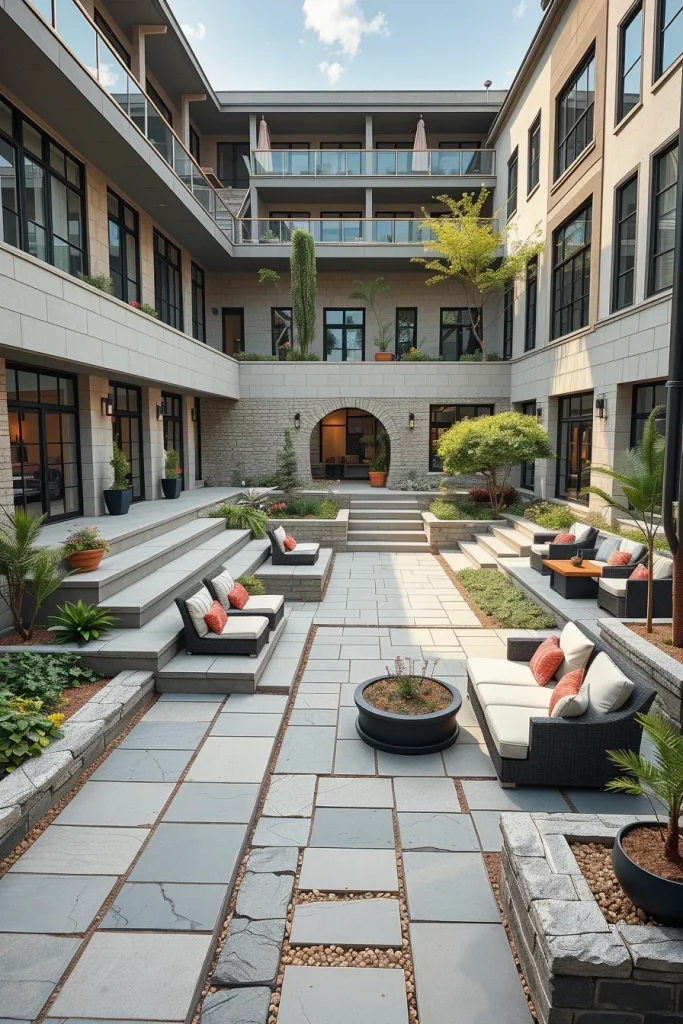
I believe multi-level designs are especially effective in sloped courtyards where elevation changes already exist. Many landscape architects recommend embracing natural site conditions rather than fighting them. I have consistently found that this approach results in more functional and visually appealing outdoor spaces.
To maximize usability, I suggest integrating subtle stair lighting and handrails where necessary. These additions improve safety while maintaining the sophisticated appearance of the courtyard.
Outdoor Entry Path Designs That Create A Strong First Impression
I believe the entry pathway is one of the most important elements in courtyard pathway design ideas 2026 because it establishes the mood of the entire property. A thoughtfully designed entrance creates anticipation and immediately communicates the home’s architectural style. Whether the courtyard is modern, traditional, or transitional, the pathway should guide visitors naturally toward the entrance while creating a welcoming experience.
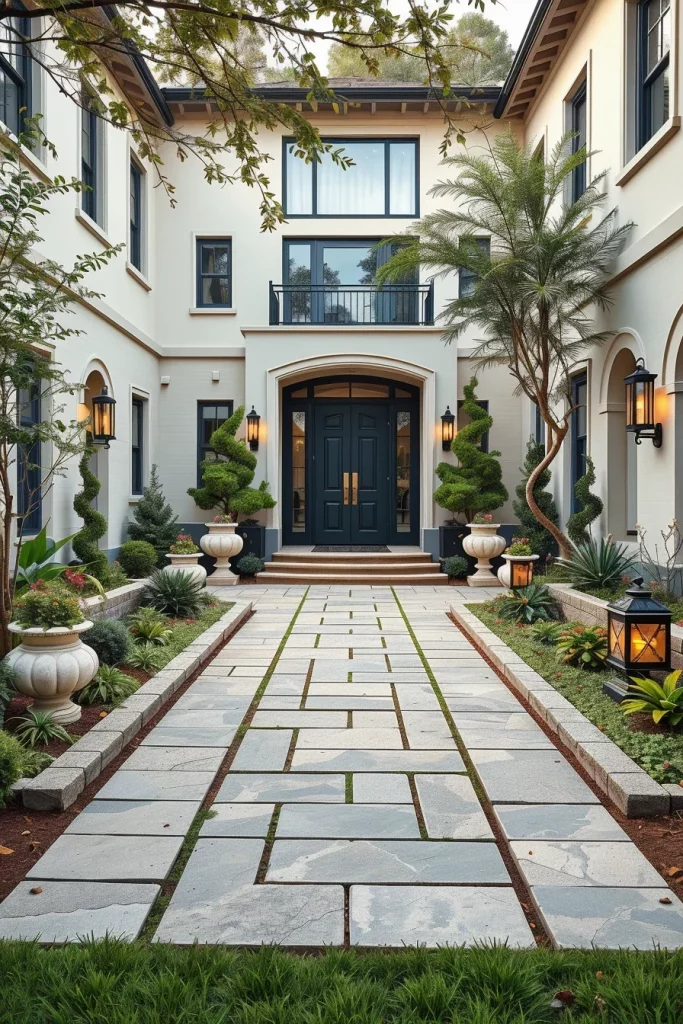
When designing entry paths, I often combine premium pavers, decorative borders, statement planters, and carefully selected lighting fixtures. Symmetrical layouts work particularly well for formal homes, while gently curved pathways create a more relaxed appearance. Large ceramic pots, sculptural plants, and seasonal flowers add personality and visual interest without overwhelming the space.
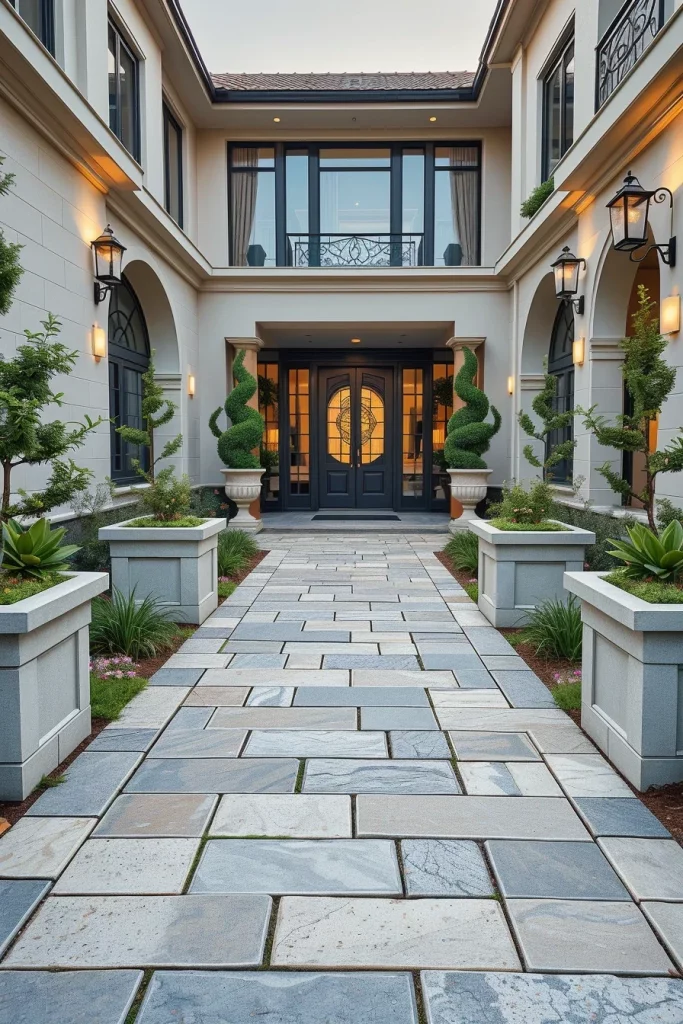
From my experience, many landscape professionals recommend creating a clear visual hierarchy at the entrance. I agree with this approach because visitors should immediately understand where the path leads. A strong focal point such as a front door, fountain, or architectural feature helps reinforce this sense of direction.
I also recommend incorporating layered lighting that highlights both the pathway and surrounding landscape. This improves safety while enhancing the visual appeal of the courtyard during evening hours.
Circular Pathway Layouts Around Courtyard Focal Points
Circular pathways are becoming increasingly popular in courtyard pathway design ideas 2026 because they encourage movement and create balanced outdoor compositions. I often use circular layouts when the courtyard includes a central feature that deserves attention. The pathway naturally draws visitors around the focal point while allowing the entire space to feel interconnected.
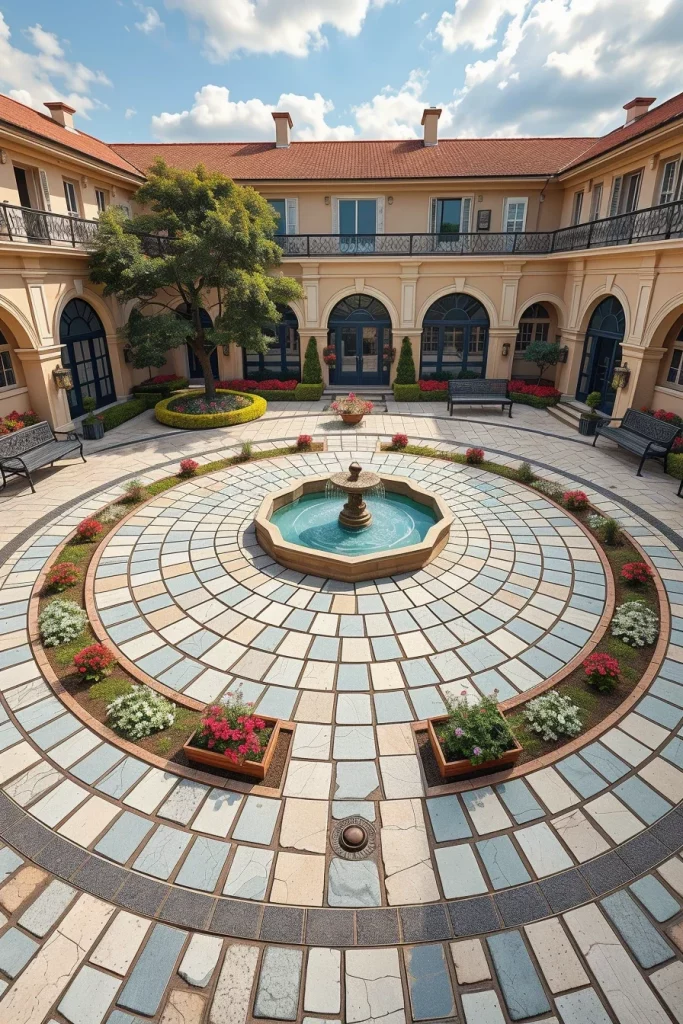
For this design, I frequently incorporate circular stone paving patterns surrounding fountains, sculptures, fire pits, or ornamental trees. Curved seating walls, decorative benches, and symmetrical planting beds help reinforce the geometry. Natural stone and premium concrete pavers are excellent materials because they can be arranged to emphasize the circular form.
In my opinion, circular layouts work particularly well in medium and large courtyards where movement around a central destination enhances the user experience. Many award-winning landscape projects utilize this strategy because it creates a sense of harmony and order that feels both timeless and contemporary.
To complete the design, I would add accent lighting focused on the central feature. This helps maintain the focal point after dark and adds a dramatic visual effect throughout the courtyard.
Eco-Friendly Recycled Material Pathways For Modern Homes
Sustainability remains one of the strongest influences on courtyard pathway design ideas 2026, and recycled-material pathways perfectly reflect this trend. I appreciate these designs because they reduce environmental impact while offering unique textures and visual character. Modern homeowners increasingly seek solutions that are both attractive and responsible.
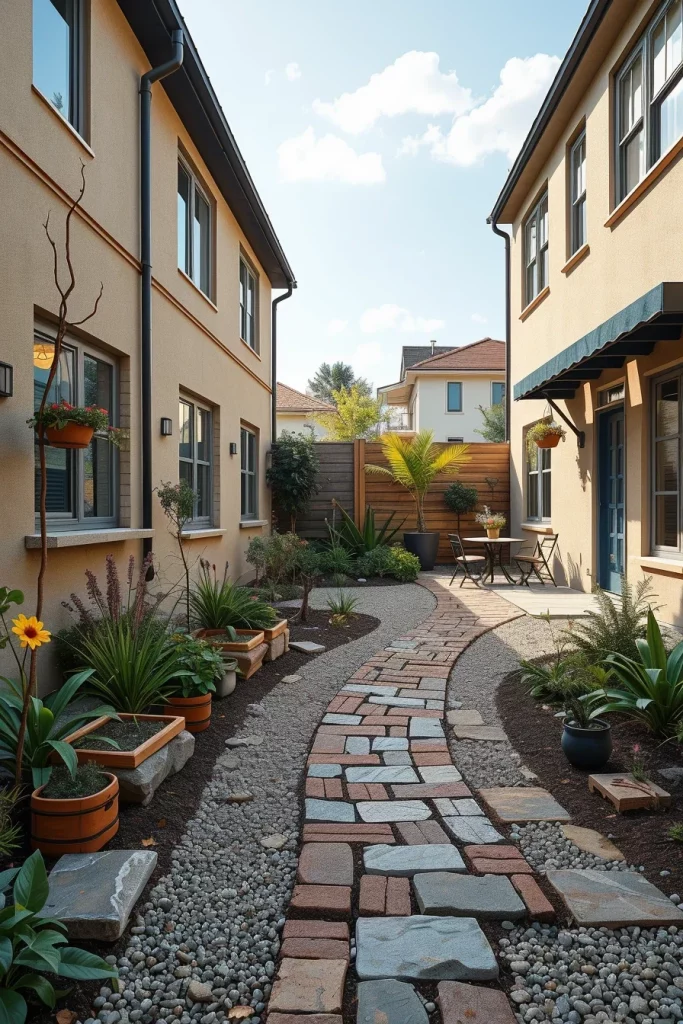
In these courtyards, I often use reclaimed brick, recycled concrete pavers, repurposed stone, and permeable gravel systems. Native plants, rain gardens, and drought-tolerant landscaping complement the eco-friendly theme. Outdoor furniture made from recycled materials further strengthens the sustainable design approach without sacrificing comfort or aesthetics.
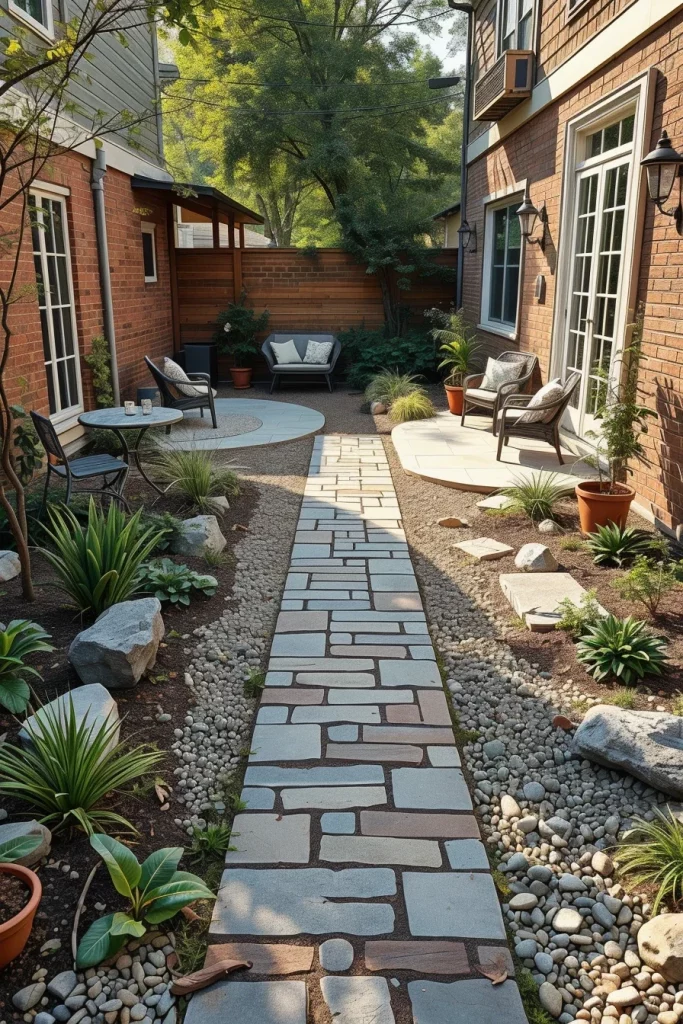
I have found that sustainable materials often develop more character over time than newly manufactured alternatives. Many environmental design experts recommend incorporating permeable surfaces whenever possible because they improve water management and reduce runoff. I consider this a practical and environmentally beneficial solution.
I also suggest integrating composting areas, pollinator-friendly plantings, or rainwater collection systems nearby. These additions support the broader sustainability goals of the courtyard while enhancing its long-term functionality.
Smart Lighting And Technology Features For Courtyard Walkways
Technology is playing a larger role in courtyard pathway design ideas 2026, especially when it comes to lighting and automation. I often incorporate smart systems that improve convenience, safety, and energy efficiency without compromising design aesthetics. Modern technology can make outdoor spaces more functional while remaining nearly invisible.
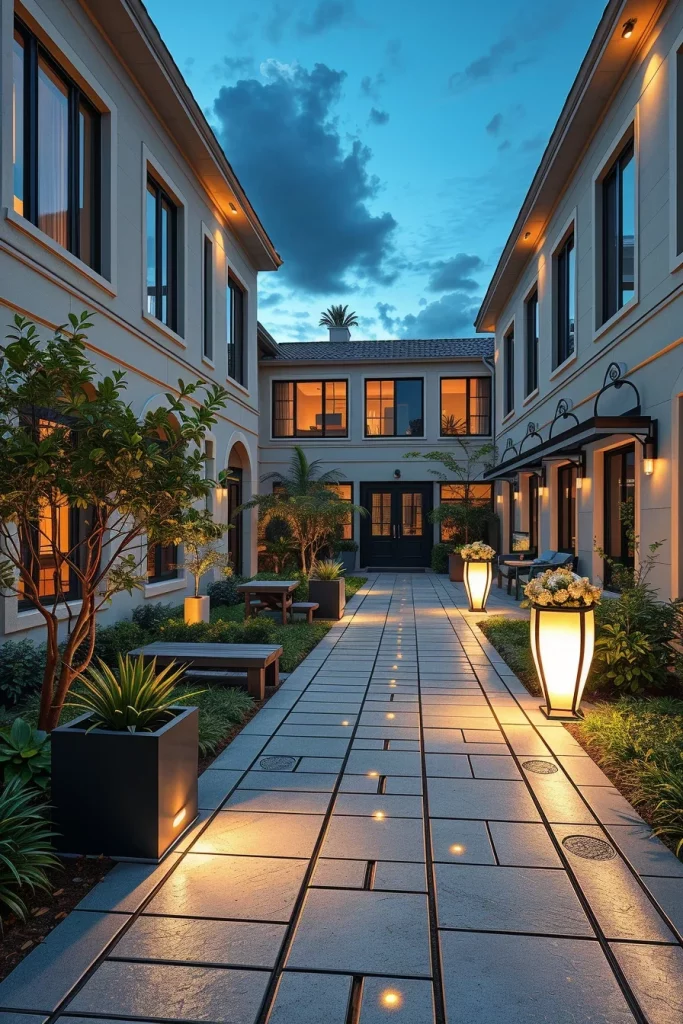
For these pathways, I typically use programmable LED lighting, motion sensors, integrated speakers, and smartphone-controlled systems. Path lights, recessed stair lighting, and illuminated planters help define circulation routes while creating a sophisticated atmosphere. Contemporary outdoor furniture with charging stations and integrated lighting can further enhance the experience.
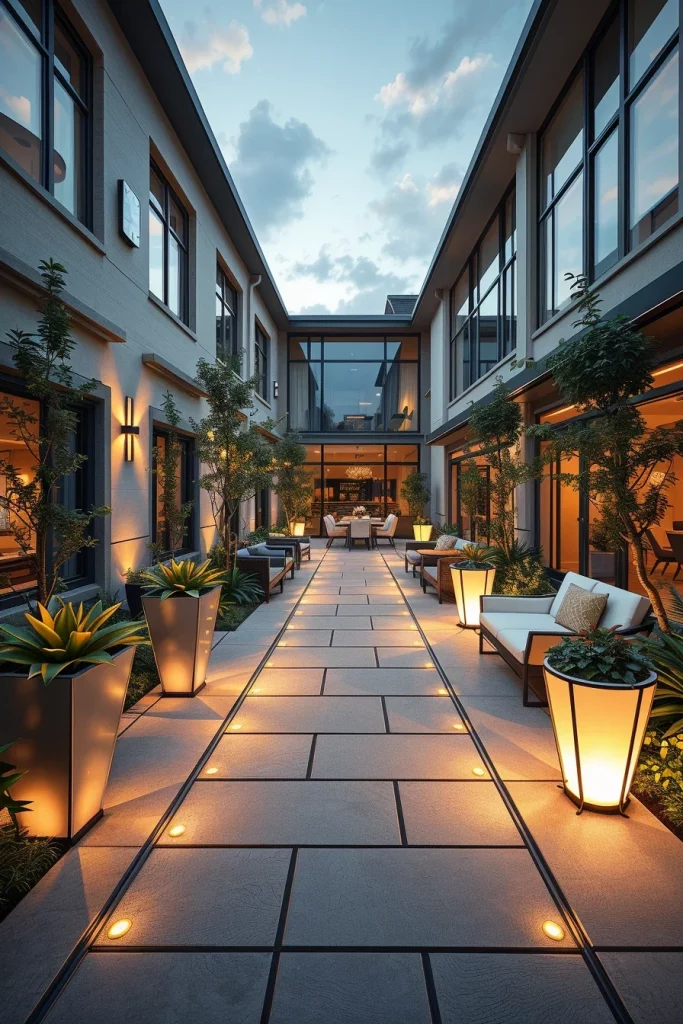
From my perspective, smart lighting offers one of the highest returns on investment for outdoor spaces. Leading home design publications frequently highlight automated lighting systems because they combine security benefits with visual enhancement. I have seen how these systems dramatically improve the usability of courtyards after sunset.
I recommend selecting technology that can be updated and expanded over time. Flexible systems allow homeowners to adapt their outdoor spaces as new innovations become available.
Top Courtyard Pathway Design Trends Defining 2026
The most influential courtyard pathway design ideas 2026 combine aesthetics, functionality, and sustainability. I see homeowners moving away from purely decorative pathways and embracing designs that contribute to the overall outdoor living experience. Pathways are now expected to serve as architectural features that enhance both beauty and usability.
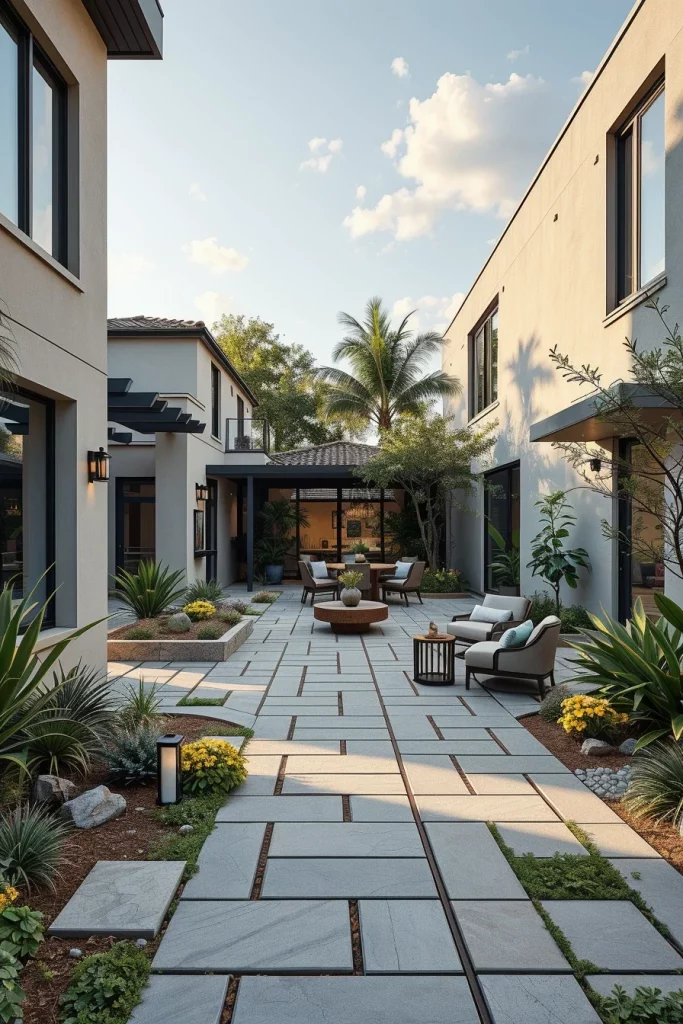
Current trends include oversized pavers, organic curves, integrated lighting, native plantings, and sustainable materials. Outdoor rooms connected by pathways are also becoming increasingly common. Furniture selections focus on comfort and durability, while landscaping emphasizes low-maintenance solutions that provide year-round visual appeal.
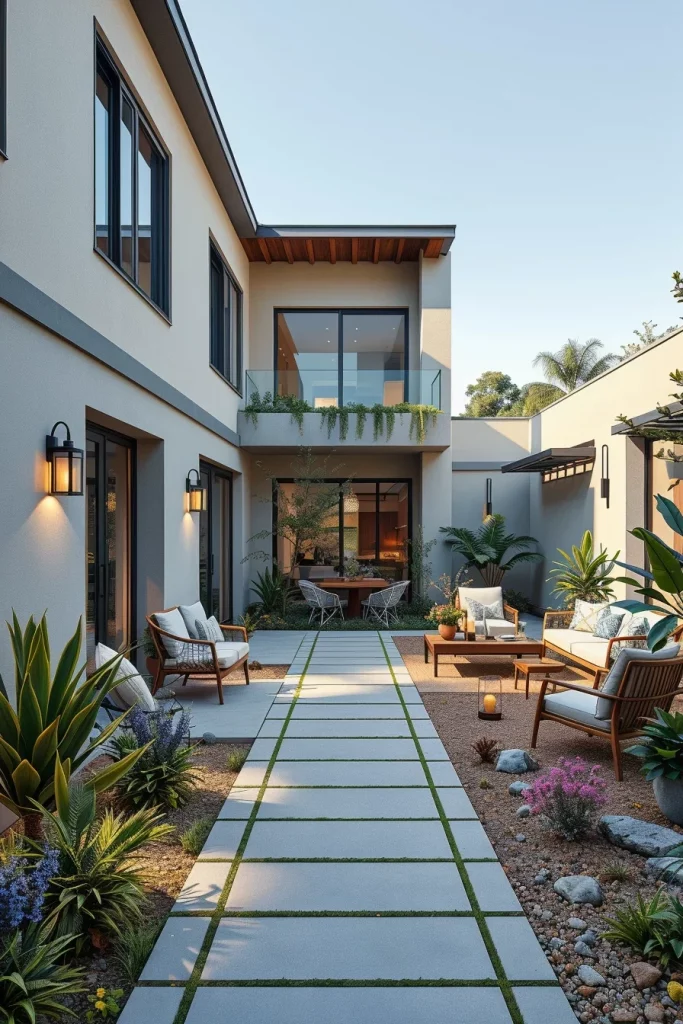
In my experience, the most successful courtyard designs avoid following trends too literally. Instead, they incorporate modern features while remaining consistent with the home’s architecture and the owner’s lifestyle. This balanced approach ensures that the courtyard remains attractive and functional for many years.
I believe future courtyard pathway designs will continue blending technology, sustainability, and timeless materials. By focusing on quality construction and thoughtful planning, homeowners can create outdoor spaces that remain relevant long after individual trends evolve.
Courtyard pathway design ideas 2026 highlight the perfect balance between functionality, comfort, and visual appeal. Whether you prefer sleek modern pavers, rustic stone walkways, or eco-friendly landscaping solutions, the right pathway can completely transform your outdoor space. By choosing materials, layouts, and features that complement your home’s style, you can create a courtyard that feels both inviting and timeless. Use these inspiring ideas as a guide to design a beautiful pathway that enhances your landscape and adds lasting value to your property.