
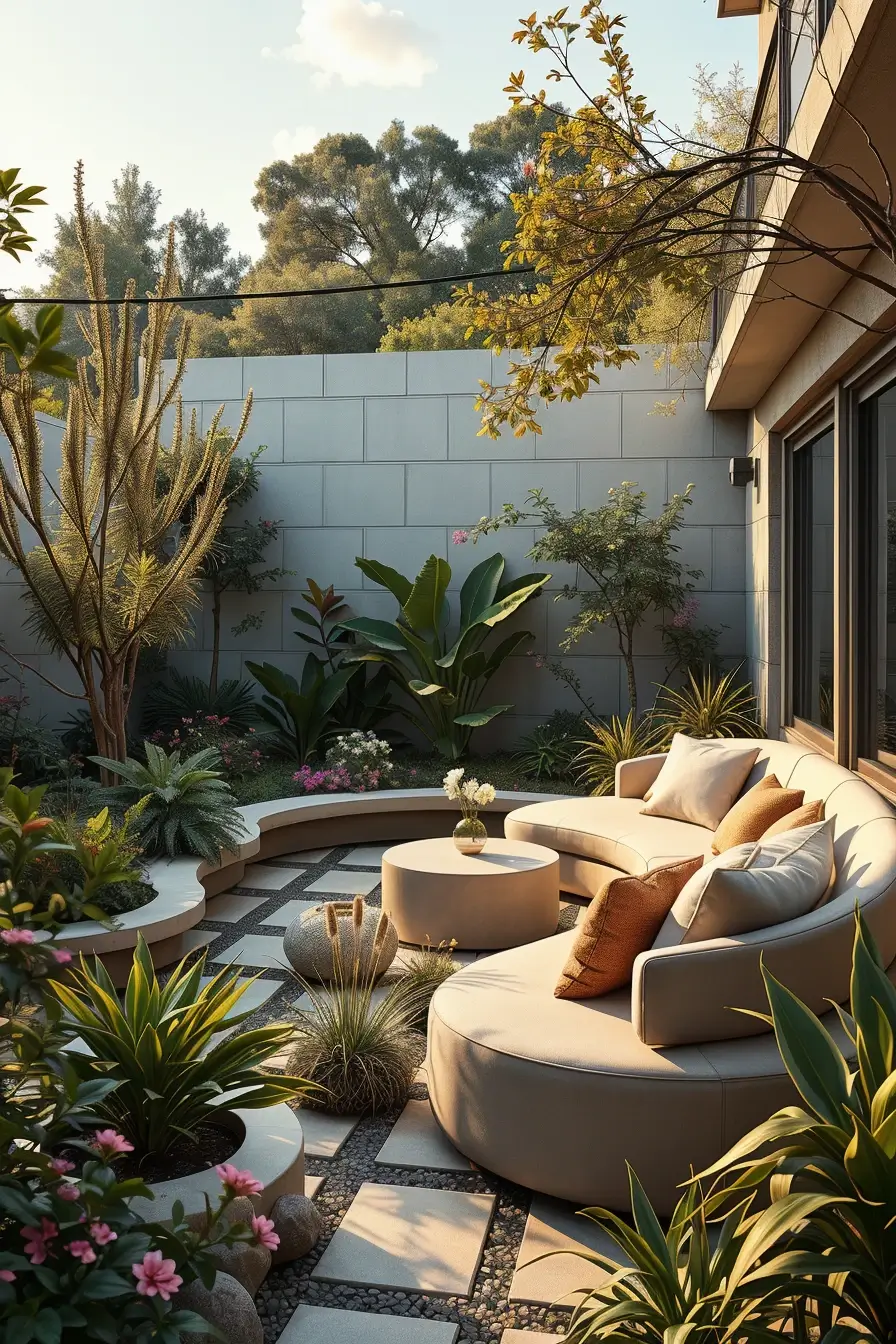
Garden inspiration ideas for 2026 reflect a clear shift toward more thoughtful, expressive, and design-driven outdoor spaces. Gardens are no longer seen as simple green areas but as curated extensions of the home, where creativity, architecture, and nature work together. This year’s trends focus on modern layouts, artistic elements, and unique compositions that feel intentional, refined, and visually striking.
In 2026, garden design embraces bold concepts, sculptural forms, layered greenery, and carefully selected materials that create atmosphere as much as function. From minimalist spaces with clean geometry to experimental gardens inspired by art and contemporary architecture, outdoor design is becoming more personal and expressive. Whether the goal is a stylish retreat, a statement garden, or an unconventional outdoor experience, the latest garden inspiration ideas offer fresh perspectives for creating spaces that feel modern, original, and truly distinctive.
The New Era Of Garden Inspiration Ideas For 2026
I see 2026 as a defining year for garden inspiration ideas, where outdoor spaces evolve into intentional extensions of the home. The focus is no longer just planting, but on creating functional environments that support relaxation, social gatherings, and visual harmony. In this new era, gardens feel structured yet welcoming, with clear zones for dining, lounging, and quiet reflection, all tied together through thoughtful layout and proportion.
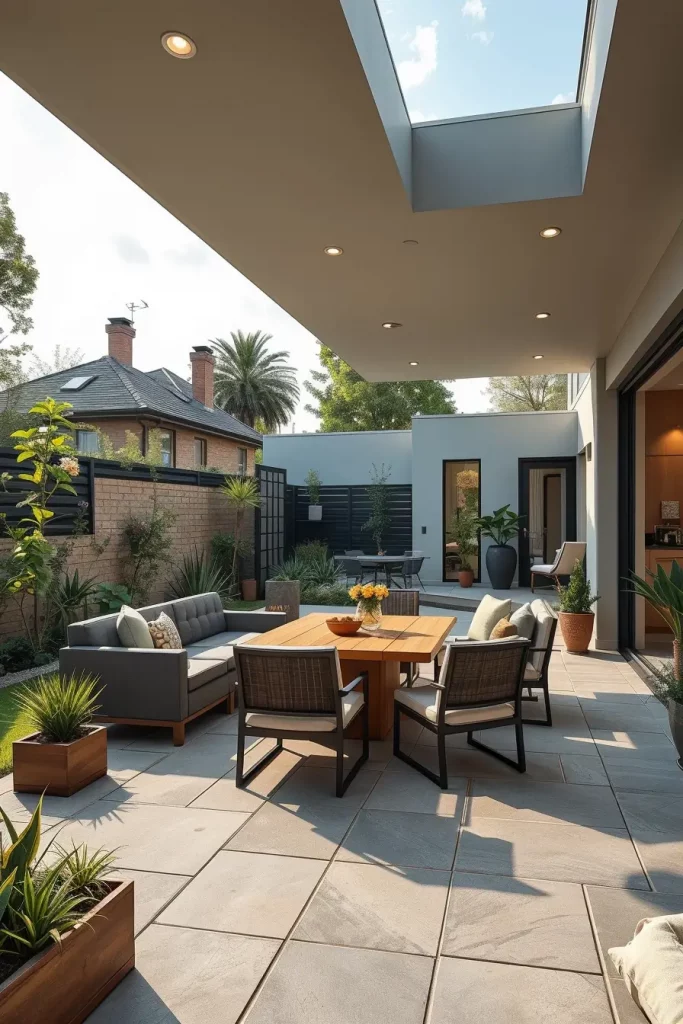
When designing such a garden, I prioritize architectural paving, integrated seating, and defined pathways that guide movement naturally. Built-in benches, outdoor sofas with weather-resistant upholstery, and low-profile planters help maintain a clean, contemporary look while still feeling comfortable. Lighting is subtle but essential, often recessed into steps or walls to enhance usability after sunset without overwhelming the space.
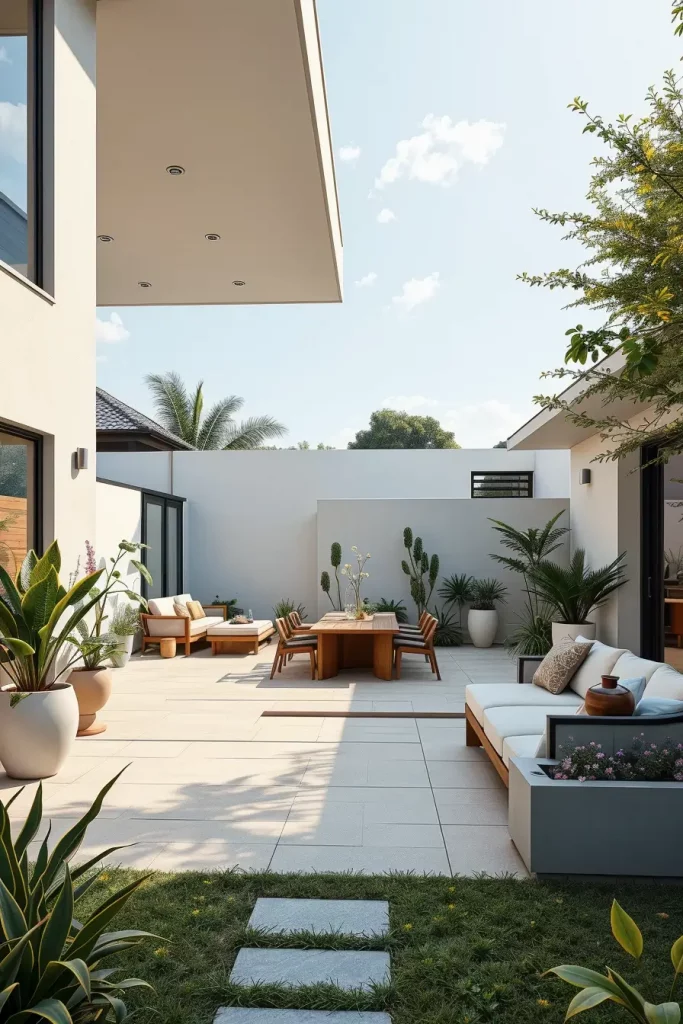
From my professional experience, this approach reflects what many designers featured in publications like Architectural Digest emphasize: gardens should function like outdoor rooms. I have found that clients appreciate gardens more when they feel intentional rather than decorative. A well-planned garden becomes a daily-use space, not just something to admire from indoors.
What I would add to complete this concept is smart technology integration, such as automated lighting and irrigation systems. These elements ensure the garden remains efficient, sustainable, and easy to maintain while supporting the refined vision of modern outdoor living.
Modern Garden Inspiration Ideas With Architectural Precision
In modern garden inspiration ideas for 2026, architectural precision plays a central role. I approach these gardens as compositions of lines, volumes, and balance. Clean geometry, symmetrical layouts, and structured plantings help create a sense of calm and order, especially in urban or minimalist homes where visual clarity is essential.
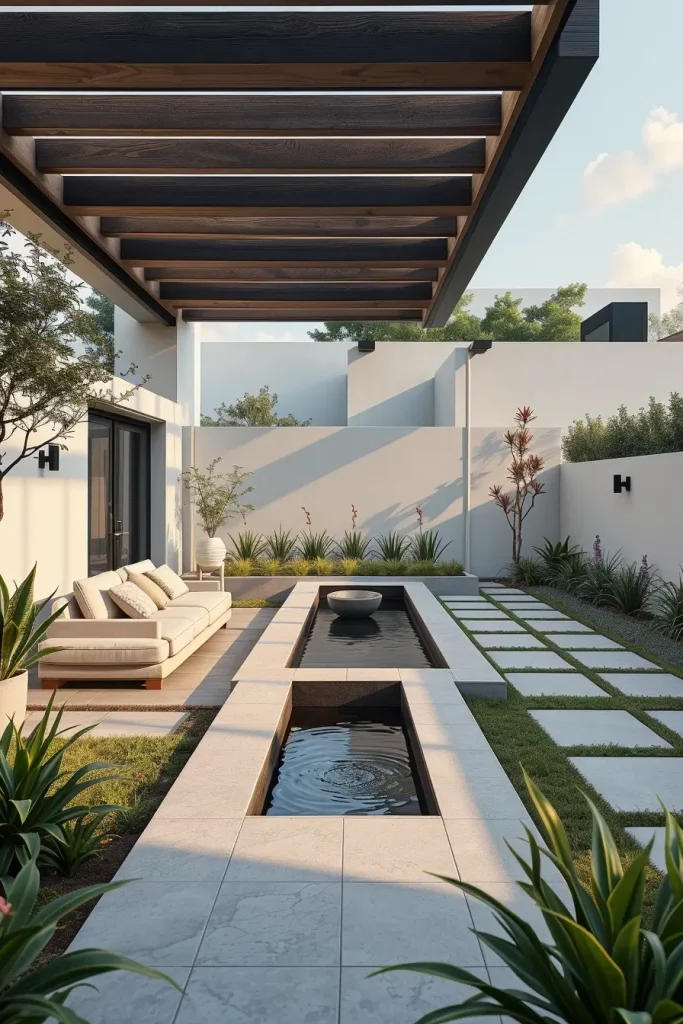
Key elements include concrete or porcelain paving, linear water features, and modular outdoor furniture with sharp silhouettes. I often recommend sectional sofas, minimalist dining tables, and integrated retaining walls that double as seating. Each piece has a purpose, supporting both aesthetics and everyday use without visual clutter.
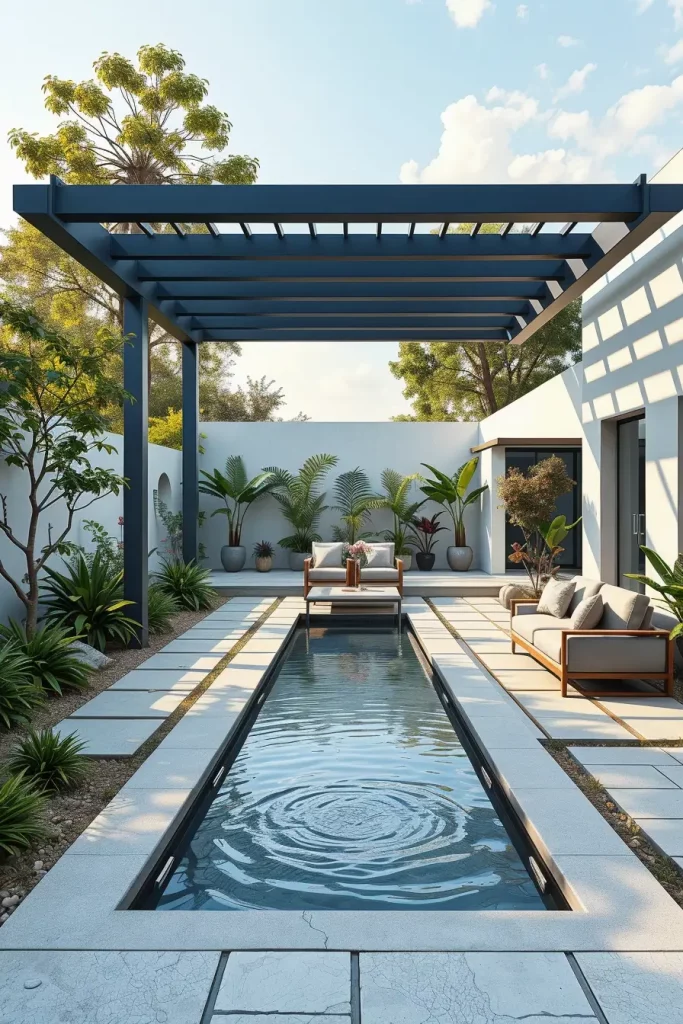
Personally, I value how this style encourages discipline in design. As noted by landscape architects writing for Dezeen, restraint often leads to stronger impact. I have seen how reducing unnecessary elements allows the garden’s form and materials to truly stand out, making the space feel timeless rather than trend-driven.
To enhance this type of garden further, I would add custom-built elements such as pergolas or shade structures with precise proportions. These additions reinforce the architectural language and provide comfort, making the garden usable throughout different seasons.
Designer Gardens That Blend Art And Nature Seamlessly
Designer gardens in 2026 focus on blurring the line between art and nature. I see these spaces as curated environments where plants, materials, and sculptural features coexist harmoniously. The goal is not to overpower nature but to frame it thoughtfully, allowing artistic elements to elevate the natural landscape.
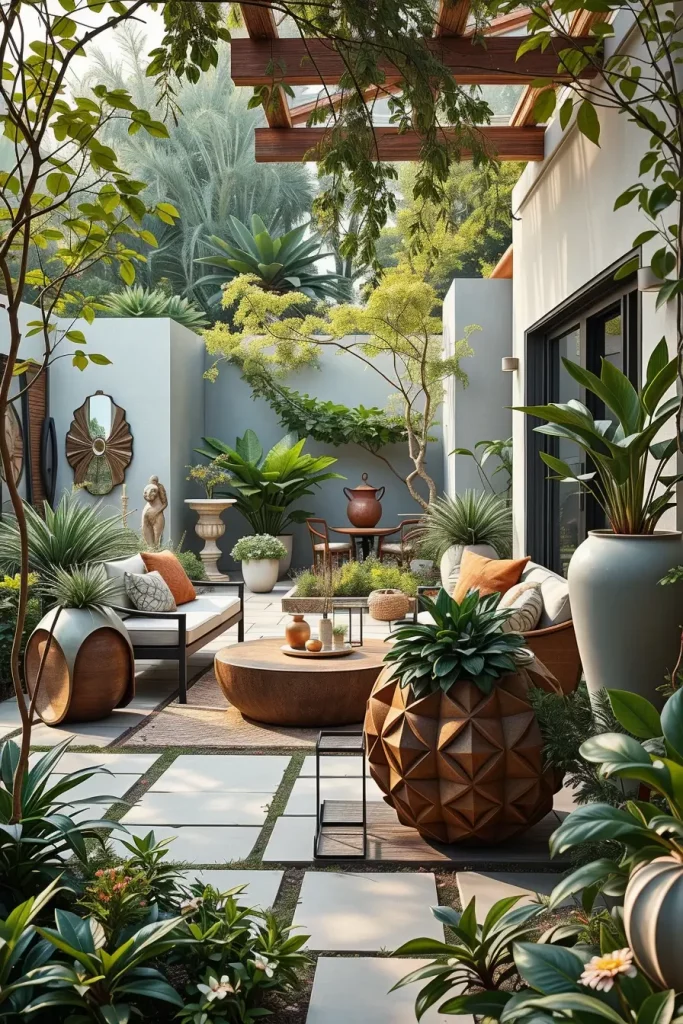
In these gardens, I incorporate sculptural seating, artistic planters, and statement water features that feel intentional rather than decorative. Furniture often resembles gallery pieces, with organic forms and refined finishes. Plant selections are deliberate, using texture and color to complement rather than compete with design elements.
From my perspective, this approach reflects insights shared by designers in Elle Decor, who often highlight the emotional impact of artful outdoor spaces. I have observed that gardens designed this way encourage slower movement and deeper appreciation, much like walking through an exhibition.
What could strengthen this concept is the inclusion of rotating art elements or seasonal installations. This keeps the garden dynamic and allows the space to evolve throughout the year while maintaining its designer identity.
Creative Garden Inspiration Ideas For Statement Outdoor Spaces
When exploring creative garden inspiration ideas, I focus on making the garden a statement rather than a backdrop. In 2026, bold layouts, unexpected materials, and distinctive focal points define outdoor spaces that leave a lasting impression. These gardens are expressive and confident, designed to spark conversation.
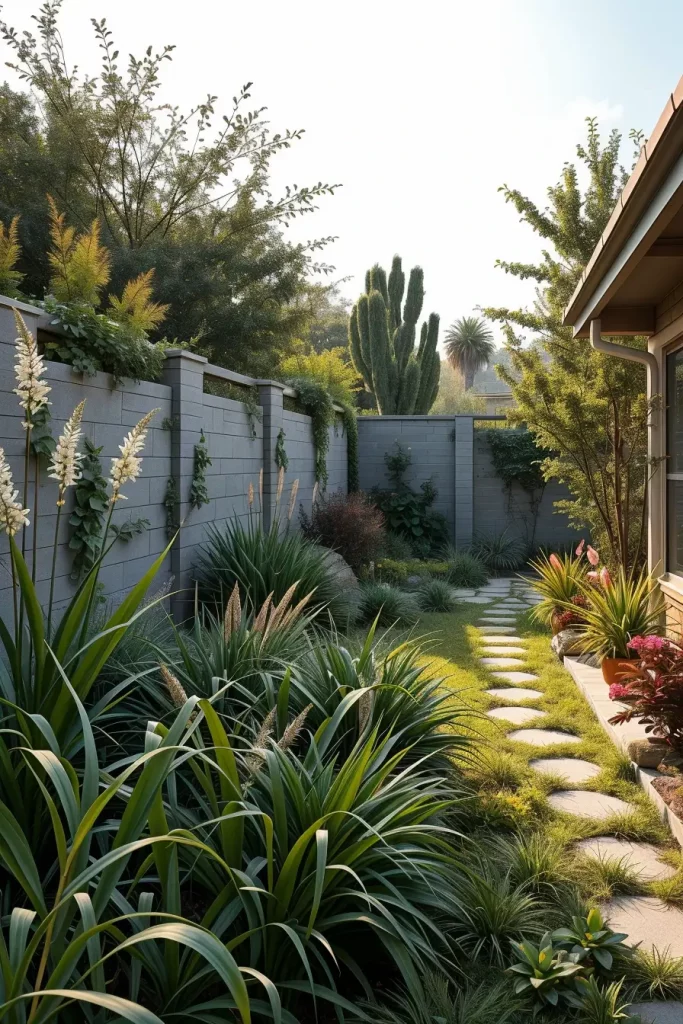
Furniture and features play a crucial role here. I often recommend oversized loungers, custom fire pits, and mixed-material surfaces such as stone paired with metal or wood. Accent walls, raised platforms, and dramatic lighting help define zones and add visual interest without sacrificing functionality.
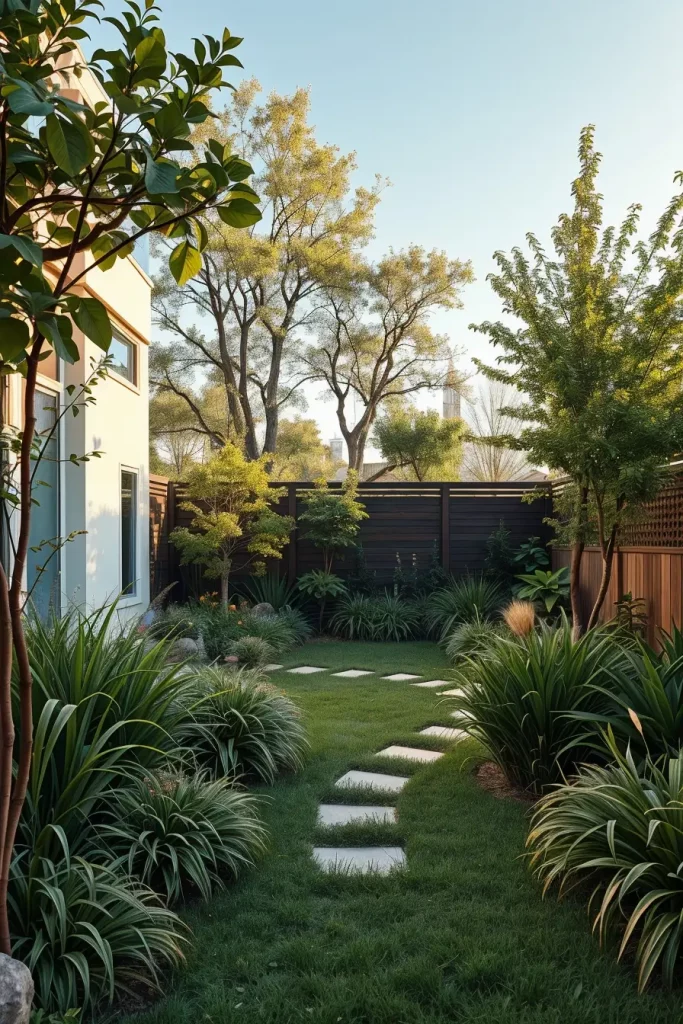
In my experience, statement gardens work best when creativity is balanced with usability. Design experts from Better Homes and Gardens often stress that even bold spaces should remain practical. I always ensure seating is comfortable, pathways are clear, and maintenance is manageable.
To complete this type of garden, I would introduce a strong central element, such as a sculptural tree or water feature. This anchors the design and gives the eye a clear focal point, reinforcing the garden’s unique character.
Minimalist Garden Designs With Bold Visual Impact
Minimalist garden designs for 2026 prove that simplicity can still deliver bold visual impact. I approach these spaces by reducing elements to their essentials while carefully selecting materials and forms that make a strong statement. Open space becomes as important as what is placed within it.
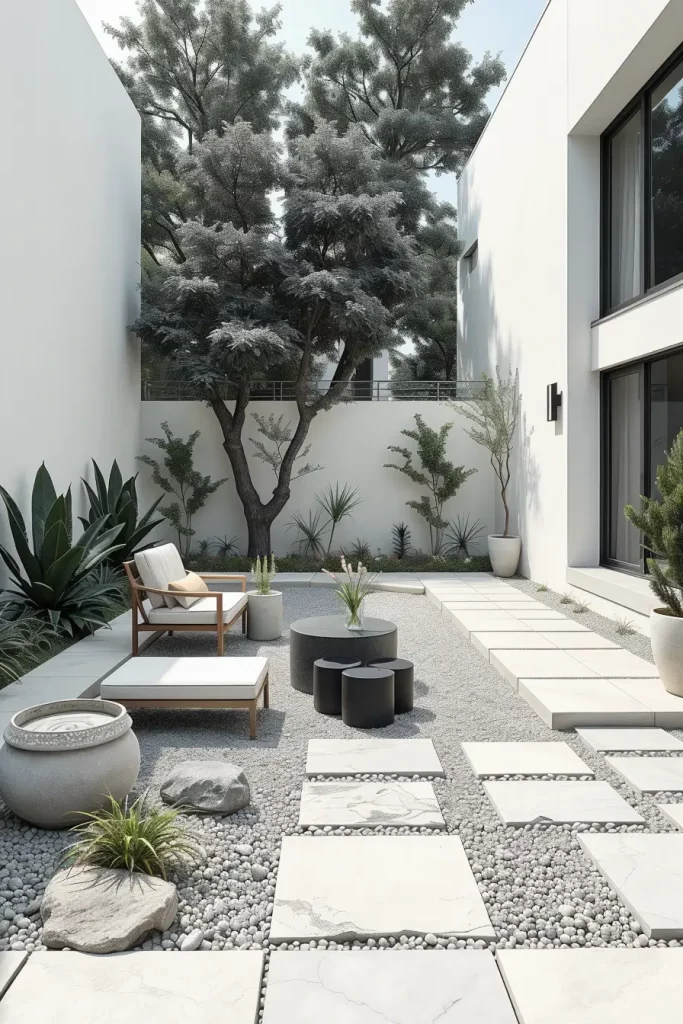
Furniture is minimal but intentional, often limited to a few high-quality pieces like low-profile benches, simple loungers, or a single dining set. Materials such as smooth stone, gravel, and monochrome planting palettes help maintain cohesion and clarity throughout the garden.
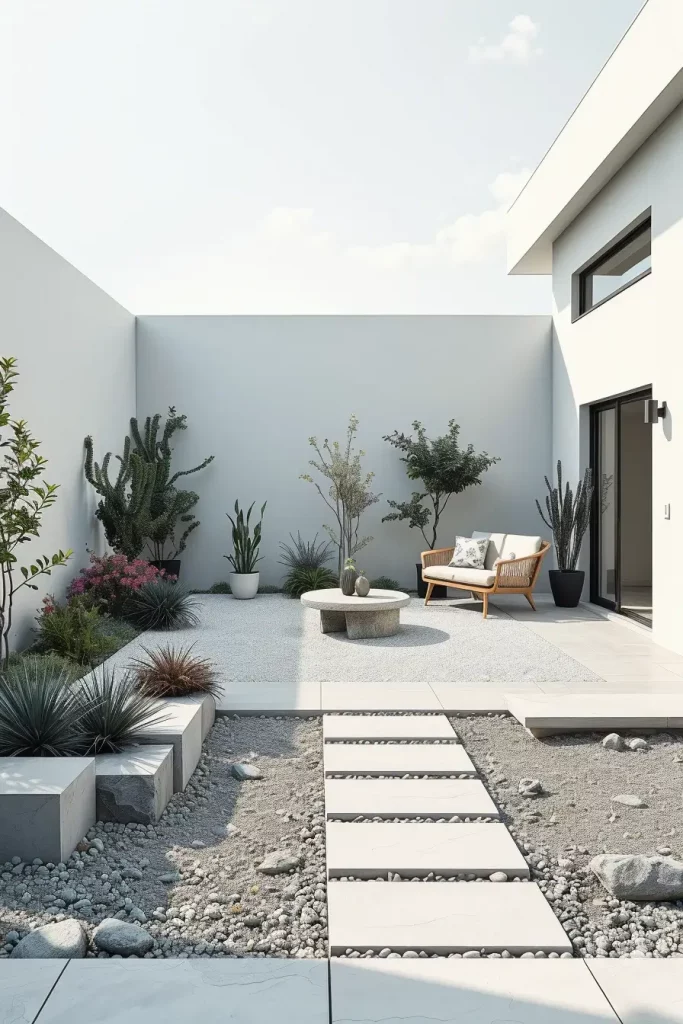
I personally appreciate how this style aligns with advice from designers featured in Dwell, who emphasize quality over quantity. In my projects, minimalist gardens tend to age well, as they rely on proportion and material integrity rather than trends.
What I would add to refine this approach is subtle contrast, such as a single bold plant or textured surface. This small addition enhances visual interest without compromising the minimalist philosophy, ensuring the garden feels intentional and complete.
Futuristic Garden Inspiration Ideas With Clean Geometry
When I think about futuristic garden inspiration ideas for 2026, clean geometry immediately comes to mind. These gardens are defined by sharp angles, seamless transitions, and a sense of forward-thinking design that feels intentional rather than experimental. I design such spaces to feel calm and advanced at the same time, using layout precision to make the garden both visually striking and easy to navigate.
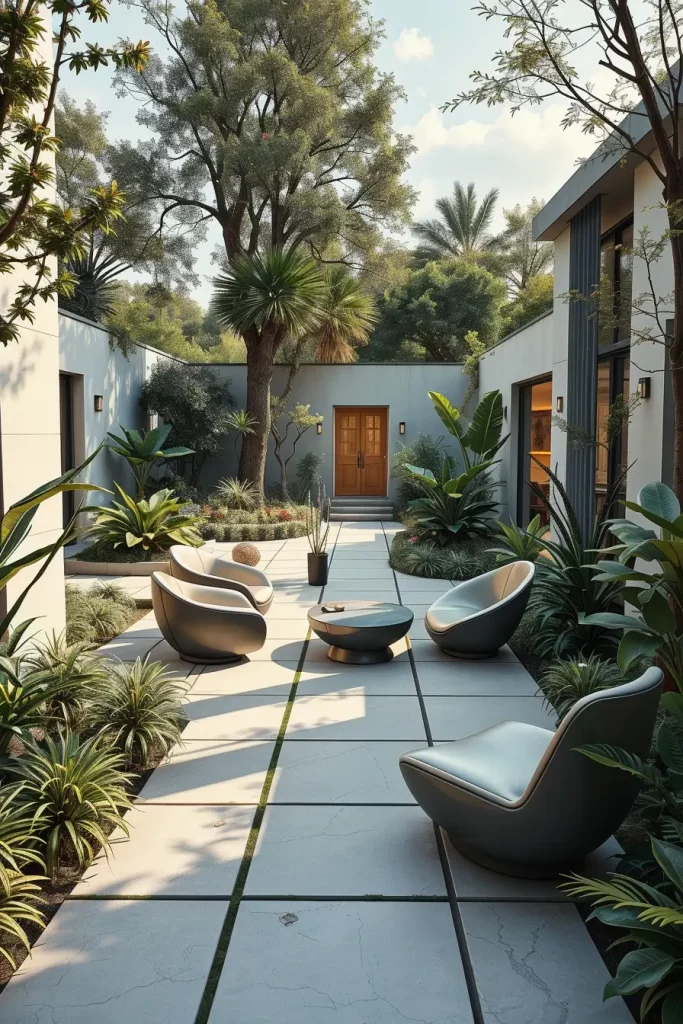
In terms of design elements, I rely on geometric paving patterns, floating platforms, integrated LED lines, and low-profile furniture with sculpted forms. Materials like polished concrete, composite decking, and metal accents work well together, reinforcing a high-tech yet livable atmosphere. Each item earns its place by contributing to clarity, comfort, and long-term durability.
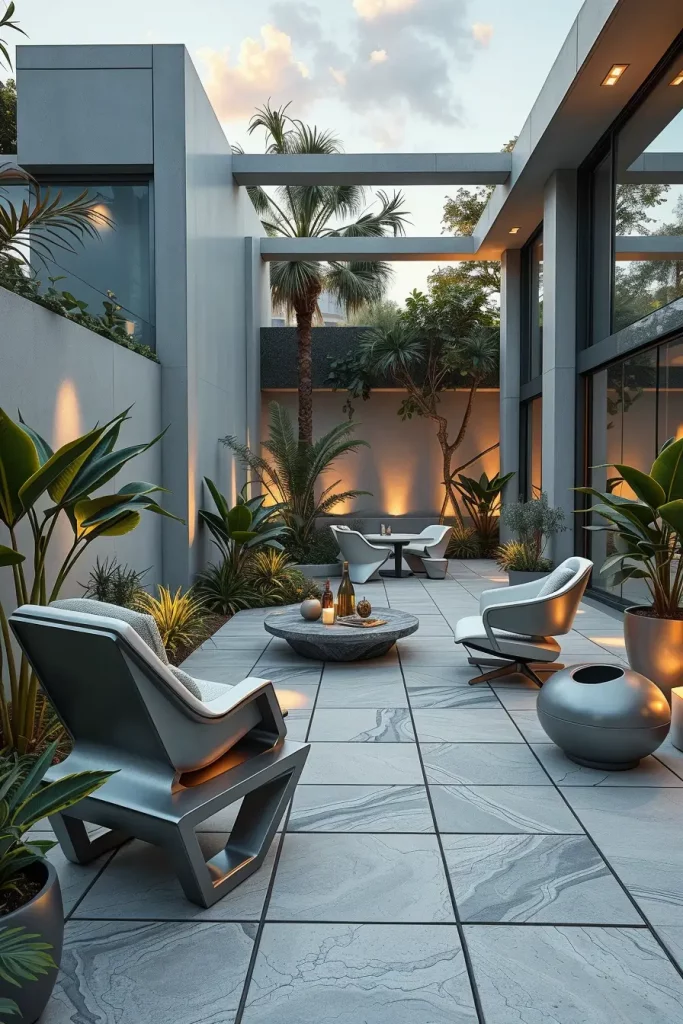
From my professional perspective, this direction aligns with insights shared by landscape designers featured in Dezeen, who often emphasize geometry as a tool for future-focused outdoor spaces. I have seen how clients respond positively to gardens that feel innovative without being cold, especially when geometry is balanced with greenery.
To complete this concept, I would add smart shading systems or automated features that respond to weather and time of day. These additions enhance functionality while reinforcing the modern and futuristic identity of the garden.
Unique Garden Layouts That Break Traditional Design Rules
In 2026, unique garden layouts challenge long-standing conventions. I approach these designs by questioning symmetry, straight paths, and predictable zones. Instead, I create gardens that unfold organically, encouraging exploration and movement through unexpected transitions and layered spaces.
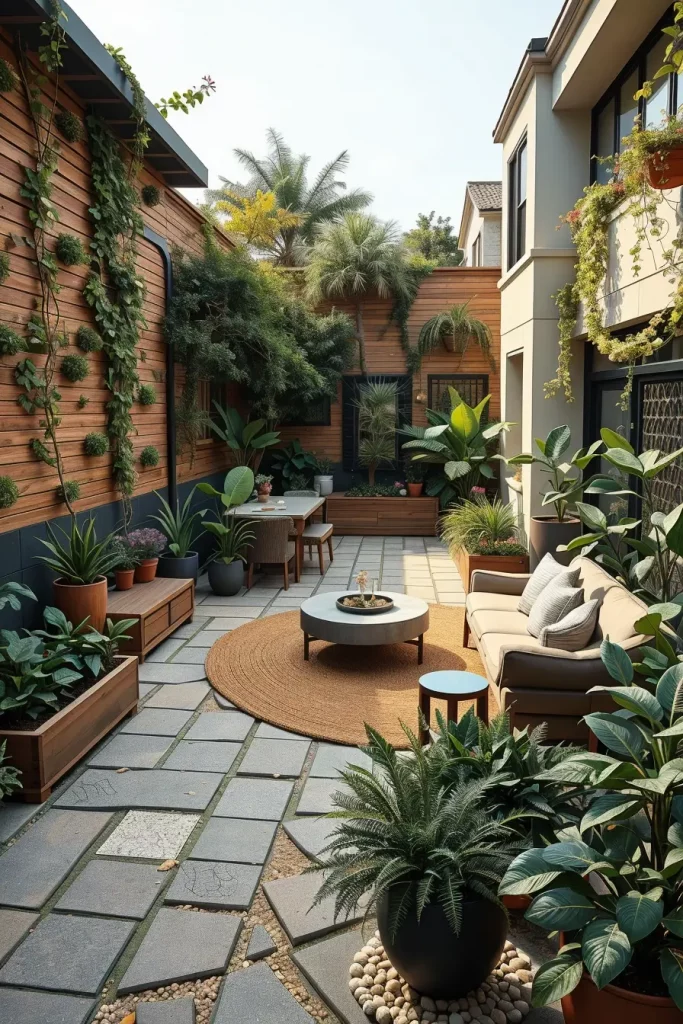
Furniture placement in these gardens is deliberately unconventional. I might position seating at angles, use curved benches, or place dining areas away from the house to create destination points. Mixed-height planters, irregular pathways, and varied surface textures help define zones without rigid boundaries.
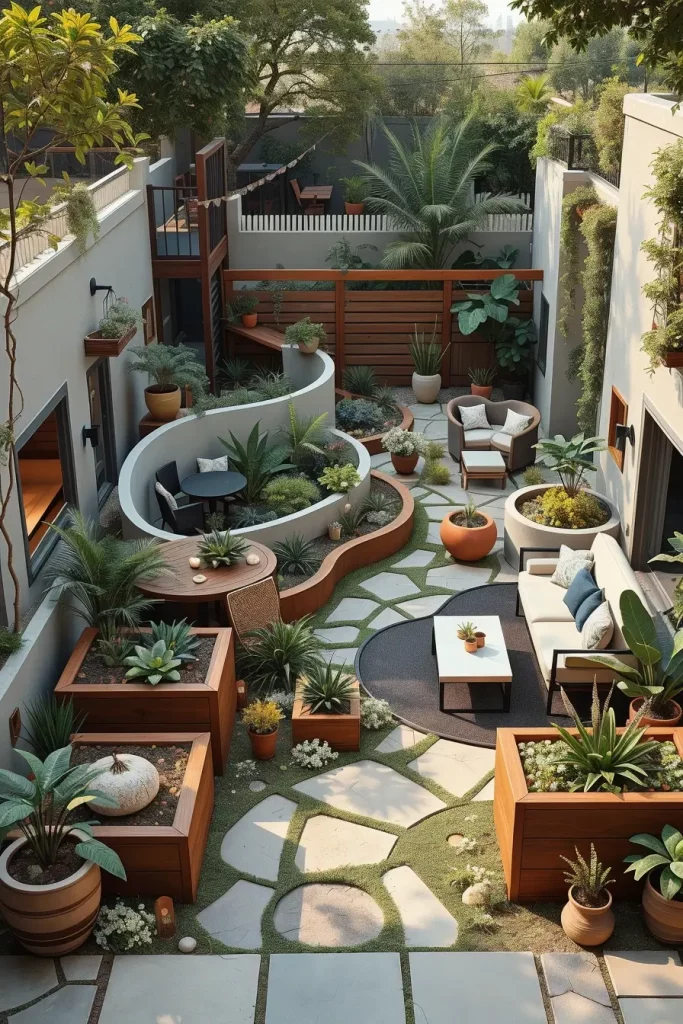
Based on my experience, breaking rules works best when supported by a clear concept. Designers highlighted in Garden Design Magazine often note that unconventional layouts succeed when they still respect scale and flow. I always ensure that even the most unusual layouts remain comfortable and intuitive to use.
What I would add here is a clear visual anchor, such as a standout tree or custom structure. This element helps ground the design and prevents the space from feeling chaotic while preserving its creative spirit.
Stylish Garden Inspiration Ideas Using Layered Greenery
Stylish garden inspiration ideas for 2026 increasingly rely on layered greenery to create depth and richness. I design these gardens with a strong sense of vertical and horizontal balance, using plants to frame views, soften architecture, and guide movement throughout the space.
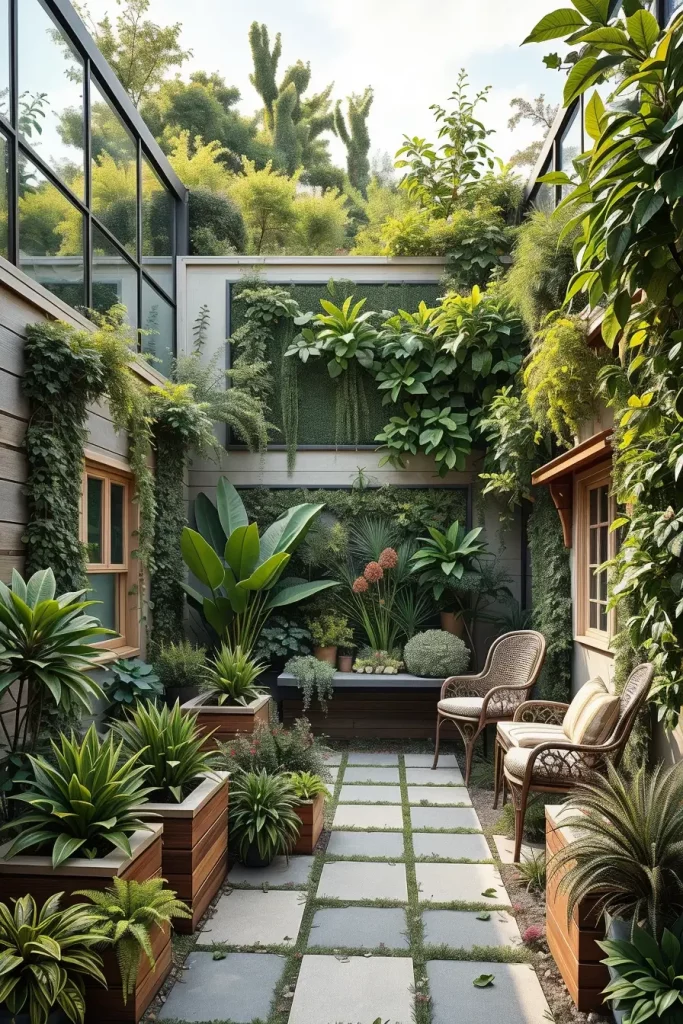
I carefully combine ground covers, mid-height shrubs, and taller trees to achieve a natural rhythm. Raised planters, green walls, and trellises allow greenery to interact with furniture and architectural elements. Seating areas feel more intimate when surrounded by layered planting, enhancing both comfort and privacy.
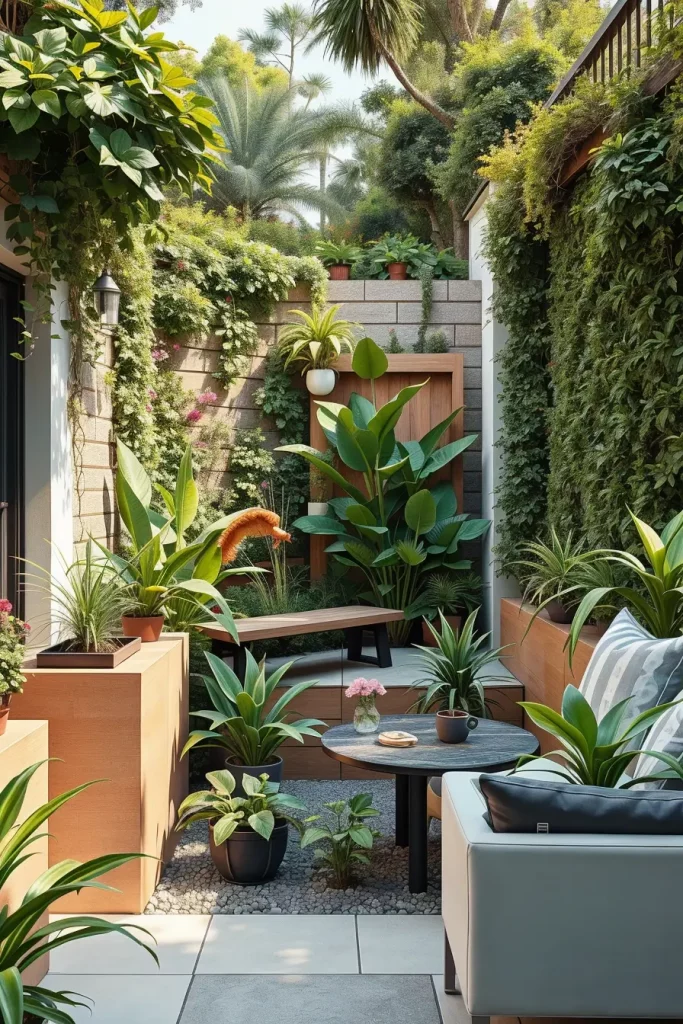
In my professional opinion, this approach reflects advice from Better Homes and Gardens, which often emphasizes layering as a way to make outdoor spaces feel complete. I have seen how thoughtful planting transforms even simple layouts into visually engaging gardens.
To elevate this concept further, I would introduce seasonal planting strategies. This ensures the garden remains dynamic throughout the year while maintaining its stylish and cohesive appearance.
Sculptural Elements As A Focal Point In Garden Design
Sculptural elements play a defining role in designer gardens for 2026. I use these features to establish strong focal points that give the garden identity and narrative. A well-placed sculpture or architectural feature can transform the entire perception of an outdoor space.
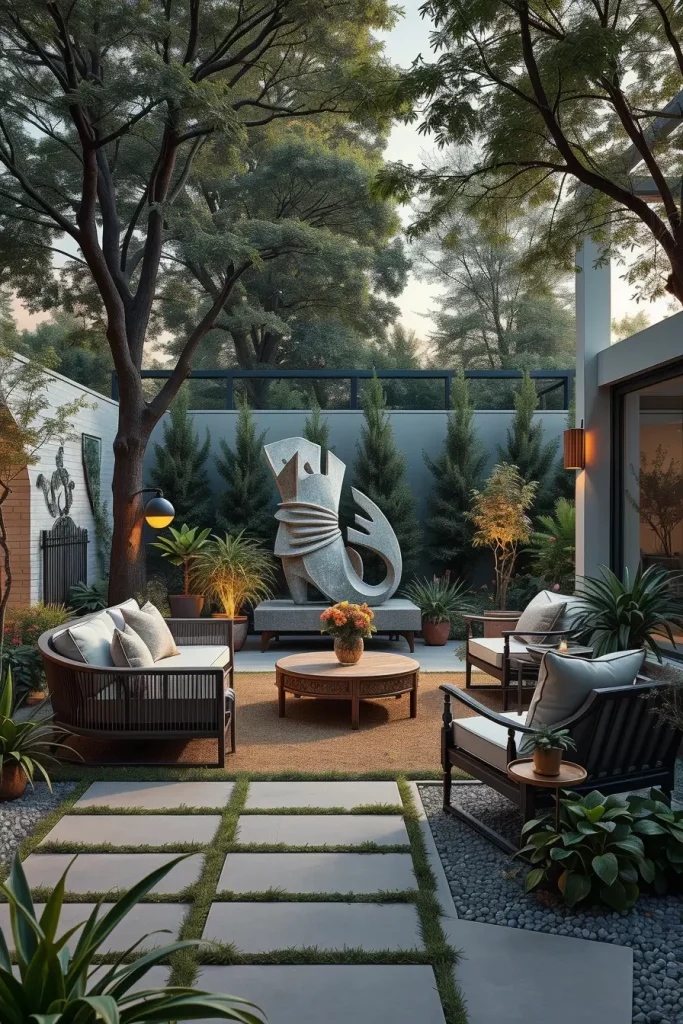
These elements might include stone sculptures, metal installations, artistic water features, or custom-built fire pits. I position them where they naturally draw the eye, often aligning them with sightlines from the house or main seating areas. Supporting furniture and planting are kept more restrained to allow the sculptural piece to stand out.
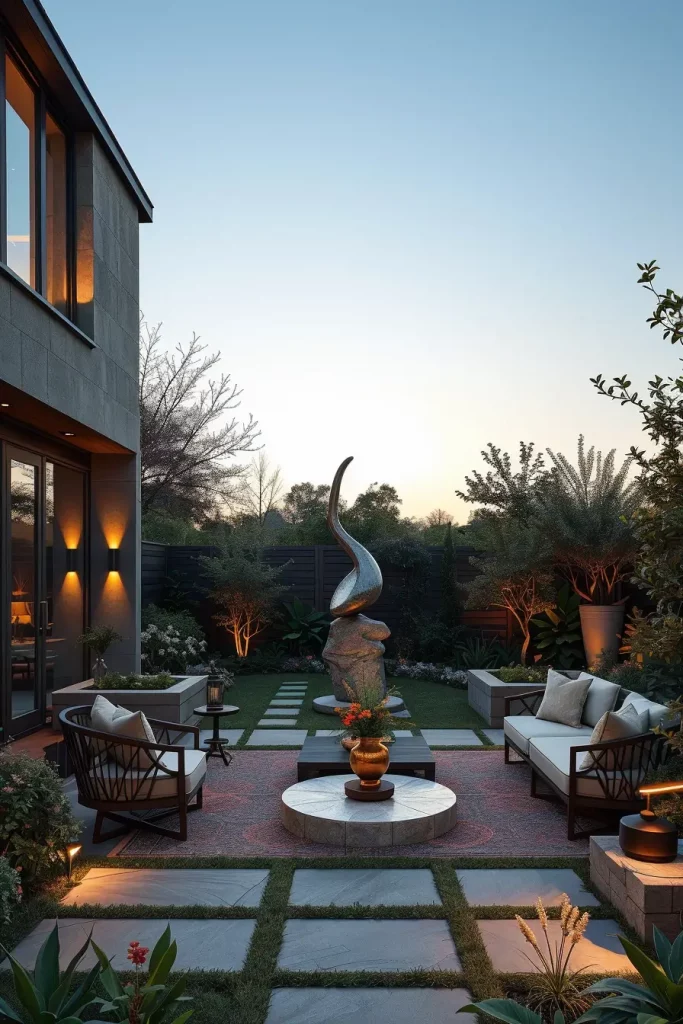
From my experience, publications like Architectural Digest often highlight the importance of focal points in outdoor design. I have found that gardens with a clear centerpiece feel more intentional and memorable, especially when the sculpture reflects the overall design language.
What I would add to this section is intentional lighting for the sculptural element. Proper illumination ensures it remains impactful after dark, extending the garden’s visual appeal into the evening hours.
Contemporary Garden Inspiration Ideas With Natural Materials
In contemporary garden inspiration ideas for 2026, natural materials are used in refined and deliberate ways. I design these gardens to feel grounded and authentic, combining modern layouts with textures that connect the space to its environment.
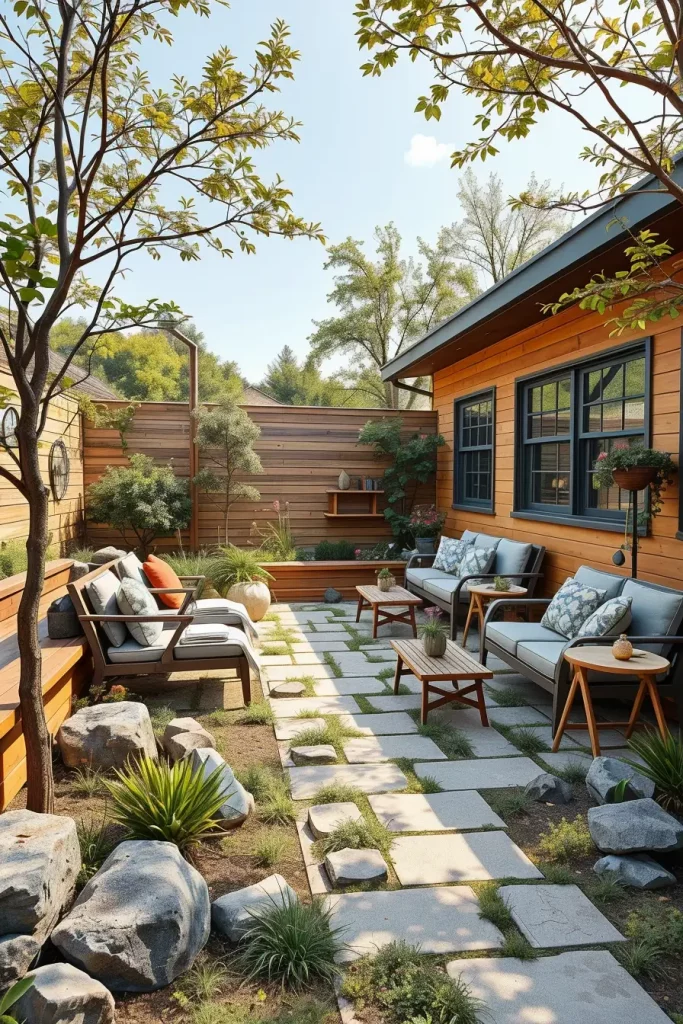
Key materials include natural stone, wood, and textured concrete, paired with contemporary outdoor furniture that emphasizes clean forms. Wooden decks, stone pathways, and tactile surfaces create warmth while maintaining a polished appearance. Each material is selected for durability as well as visual harmony.
Personally, I value how this approach reflects guidance from designers featured in Dwell, who often advocate for honest materials used thoughtfully. In my projects, gardens designed this way feel timeless and adaptable, appealing to a wide range of lifestyles.
To complete this concept, I would add subtle contrasts, such as metal accents or minimalist lighting fixtures. These elements enhance the modern feel without overpowering the natural material palette.
Modern Outdoor Gardens Designed As Living Art Installations
I see modern outdoor gardens in 2026 increasingly designed as immersive art installations rather than traditional planted spaces. These gardens focus on strong composition, sculptural balance, and intentional visual storytelling. I approach this concept as a fusion of landscape architecture and contemporary art, where every zone feels curated and purposeful while still remaining usable for daily outdoor living.
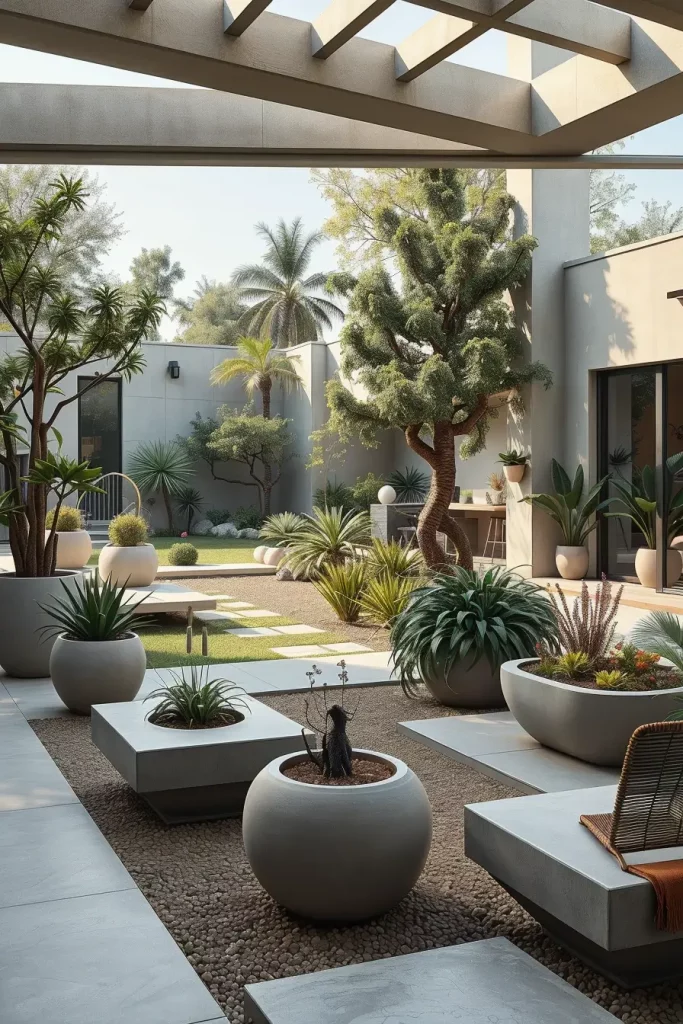
In these gardens, I prioritize statement sculptures, custom-built seating platforms, architectural planters, and minimalist outdoor furniture with gallery-like spacing. Materials such as concrete, corten steel, stone, and smooth timber are selected not only for durability but for their visual weight and texture. Each piece has room to breathe, allowing the entire garden to feel like an open-air exhibition rather than a crowded yard.
From my experience, designers featured in Architectural Digest and Dezeen emphasize restraint when creating art-driven outdoor spaces. I agree with this approach, as the power of these gardens lies in intentional simplicity. I always advise clients to invest in one or two impactful focal elements rather than filling the space with unnecessary decor.
What I would still add to this type of garden is subtle sensory engagement, such as low-profile sound elements or discreet fragrance plantings. These additions enhance the artistic atmosphere without distracting from the visual clarity of the design.
Unusual Garden Inspiration Ideas With Unexpected Forms
Unusual garden inspiration ideas in 2026 move away from predictable layouts and embrace unexpected shapes and flowing geometry. I often design these gardens with curved pathways, asymmetrical lawns, and organically shaped zones that challenge the rigid lines of traditional outdoor planning. This approach creates a sense of discovery and movement throughout the space.
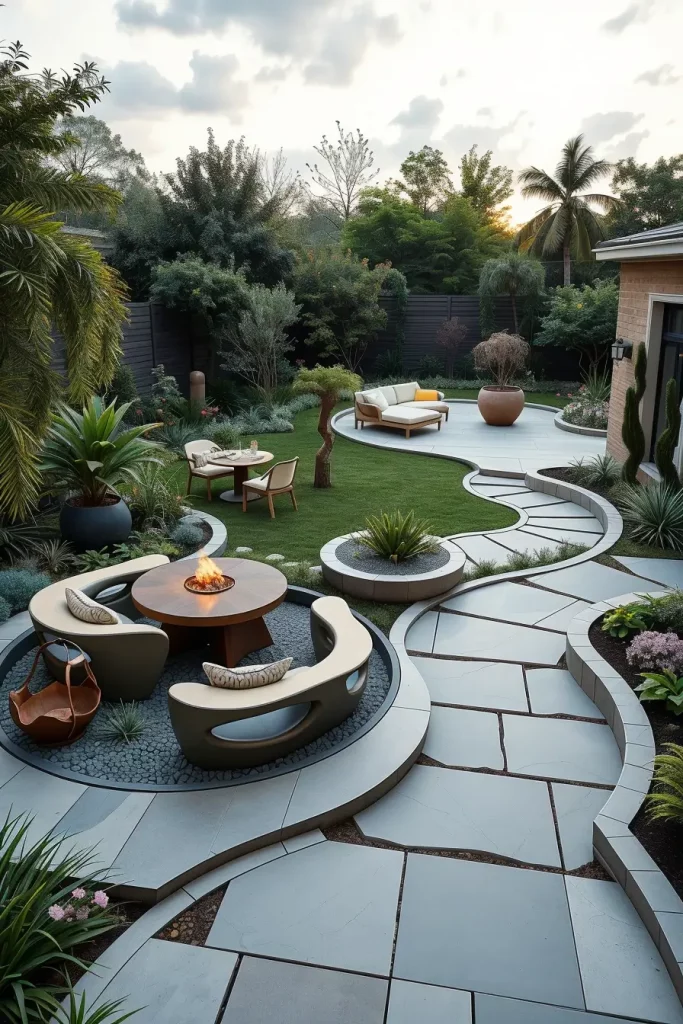
In practice, I include curved benches, irregular stone paving, rounded fire pits, and custom furniture with sculptural silhouettes. Planting beds follow freeform outlines, while trees and shrubs are positioned to enhance visual rhythm rather than symmetry. These elements work together to create a garden that feels dynamic and expressive.
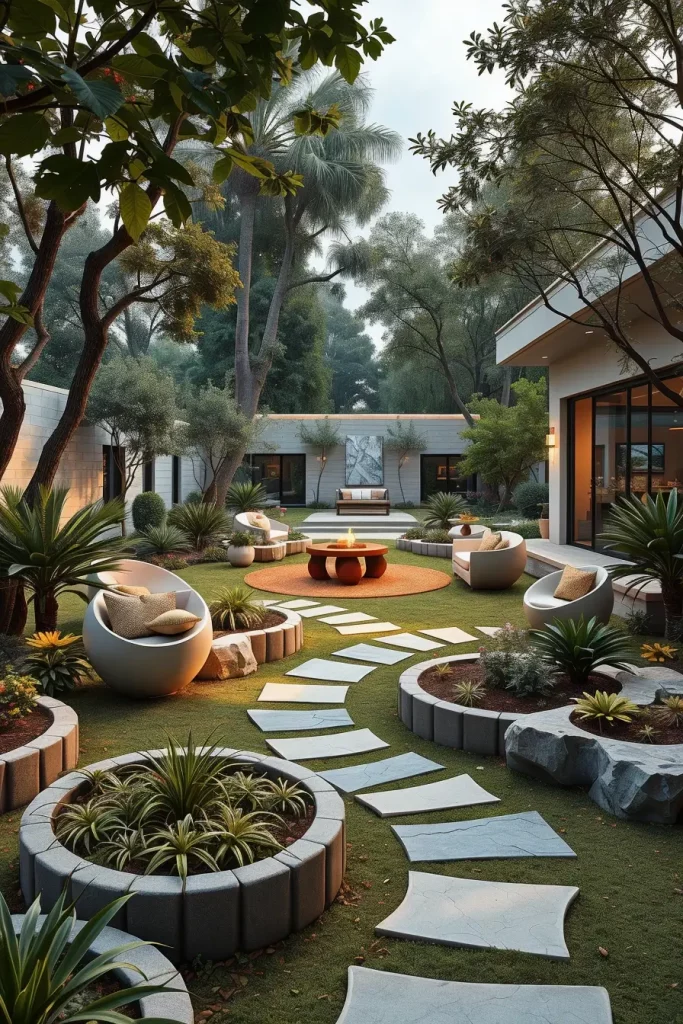
From a professional standpoint, landscape designers at firms like Studio McGee and Oehme van Sweden often highlight the emotional impact of organic forms. I’ve seen firsthand how these layouts make outdoor spaces feel more relaxed, inviting, and visually memorable, especially in residential gardens.
To strengthen this concept further, I recommend adding lighting that follows the same organic logic. Soft ground lights tracing curves or integrated LED lines along pathways help reinforce the unusual forms after sunset.
Creative Garden Zoning For Multi-Functional Outdoor Living
Creative garden zoning is one of the most practical garden inspiration ideas for 2026, especially as outdoor spaces are expected to serve multiple purposes. I design gardens as a sequence of clearly defined zones that support dining, relaxation, social gatherings, and quiet retreat without visual clutter.
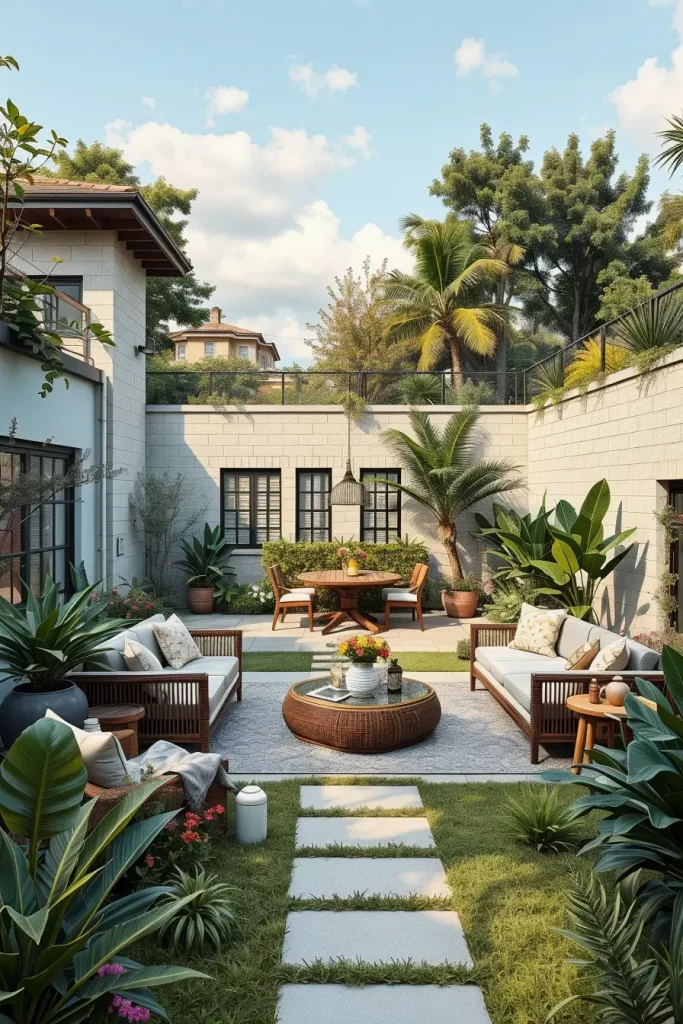
Each zone is anchored by specific furniture and design features. Outdoor dining areas include solid tables and weather-resistant chairs, lounge zones feature modular sofas and low tables, while quiet corners may include daybeds or reading chairs. Changes in flooring, elevation, or planting density help visually separate each function while maintaining a cohesive overall design.
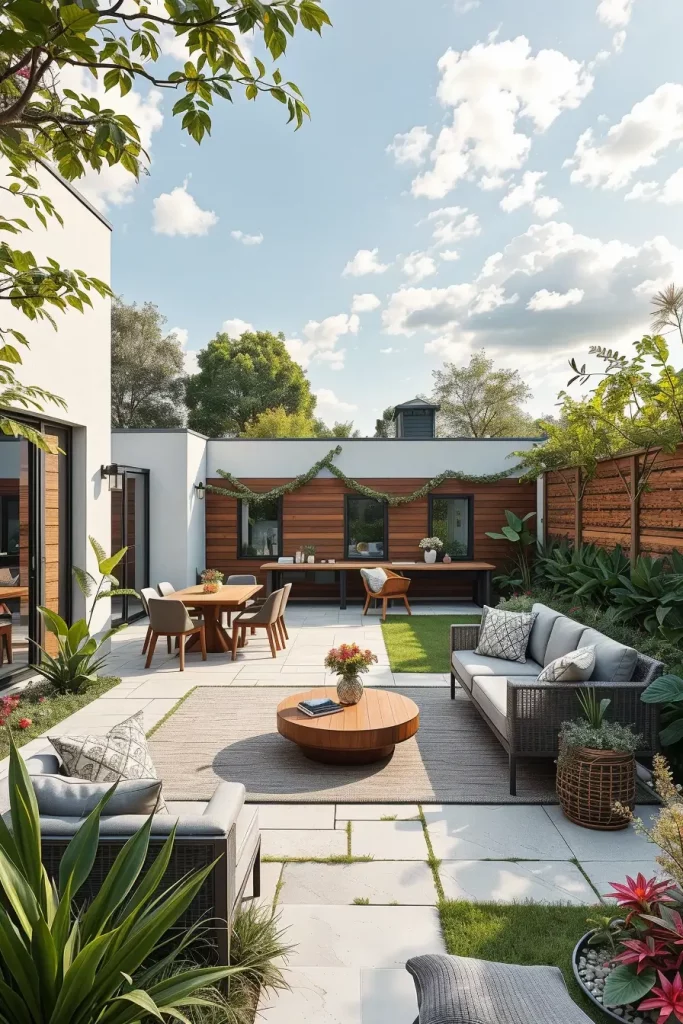
In my professional experience, experts from Better Homes and Gardens consistently emphasize that zoning increases both comfort and usability. I’ve found that when each area has a clear purpose, homeowners use their gardens more frequently and more intuitively throughout the day.
If anything is missing from many zoned gardens, it is flexible transition spaces. I recommend adding open buffer areas with movable furniture so the layout can adapt easily for events or seasonal changes.
Designer Lighting Concepts For Gardens In 2026
Designer lighting concepts are central to modern garden inspiration ideas for 2026, transforming outdoor spaces after dark into fully functional extensions of the home. I approach lighting as an architectural element rather than a decorative afterthought, ensuring it enhances structure, depth, and safety.
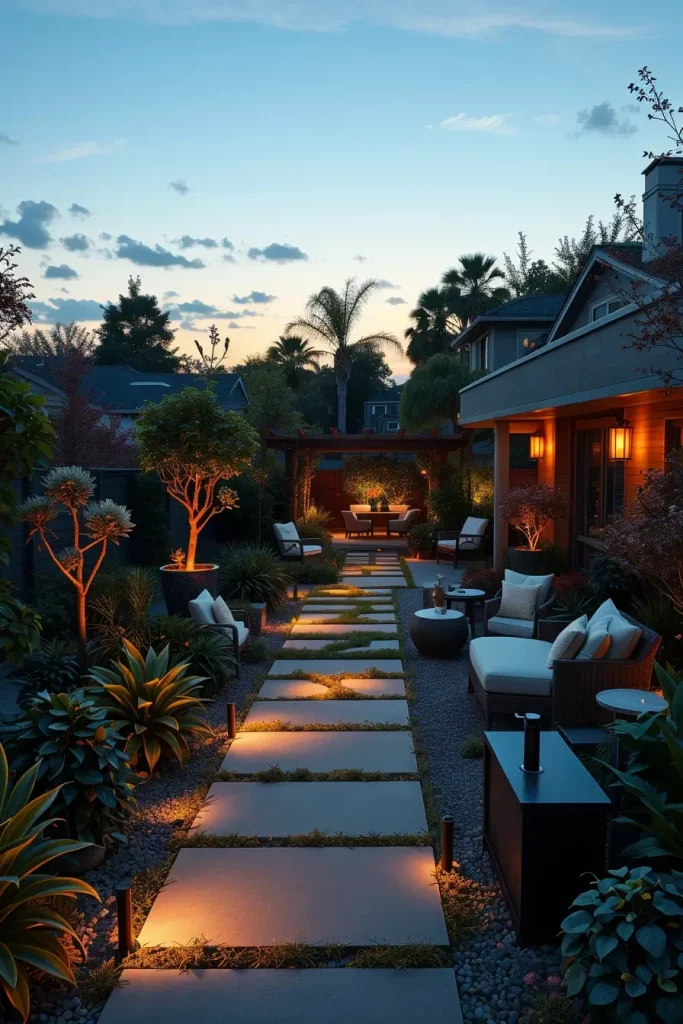
I incorporate layered lighting strategies, including pathway lights, integrated step lighting, accent lights for plants and sculptures, and ambient lighting within seating areas. Fixtures are sleek and minimal, often recessed or concealed, allowing light itself to become the focus rather than the hardware.
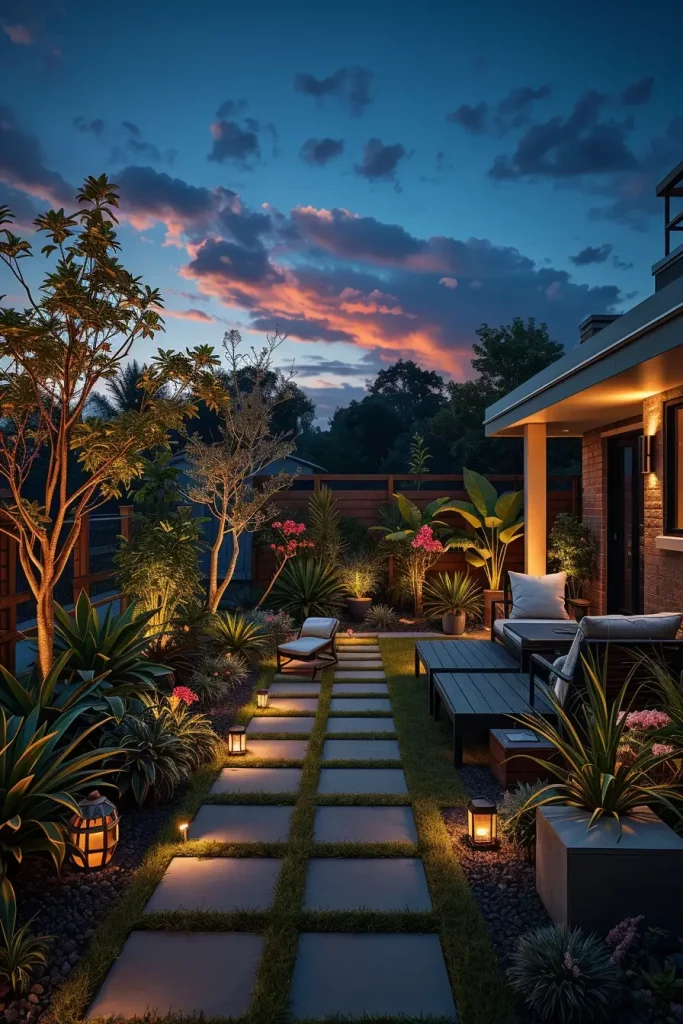
Based on guidance from lighting designers featured in Dwell and Lighting Magazine, I prioritize warm, adjustable lighting to maintain a natural nighttime atmosphere. In my own projects, this approach consistently improves both comfort and visual appeal without overwhelming the space.
To complete these lighting concepts, I recommend smart control systems. Automated scenes and dimming options allow the garden to shift effortlessly from daytime relaxation to evening entertainment.
Modern Garden Inspiration Ideas With Water Features
Water features remain a defining element of modern garden inspiration ideas in 2026, but their design has become far more refined and architectural. I favor clean-lined reflecting pools, narrow rills, and minimalist fountains that integrate seamlessly into the overall landscape rather than dominating it.
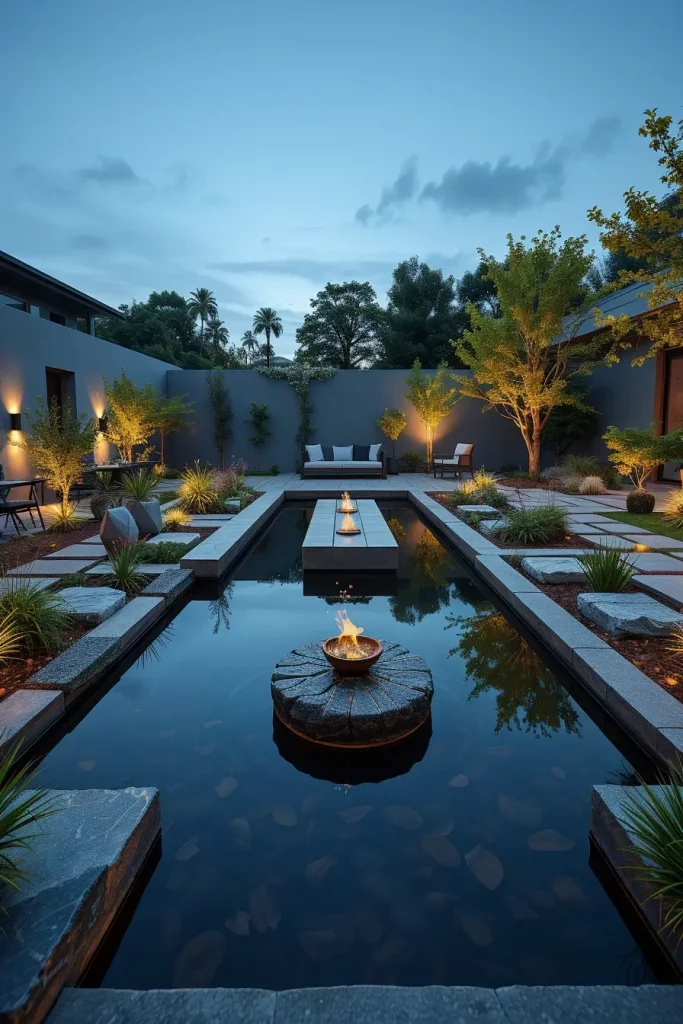
In these designs, water features are paired with stone edges, concrete platforms, or timber decks to maintain a cohesive material palette. Subtle water movement adds visual interest and calming sound, while integrated seating nearby encourages relaxation and contemplation.
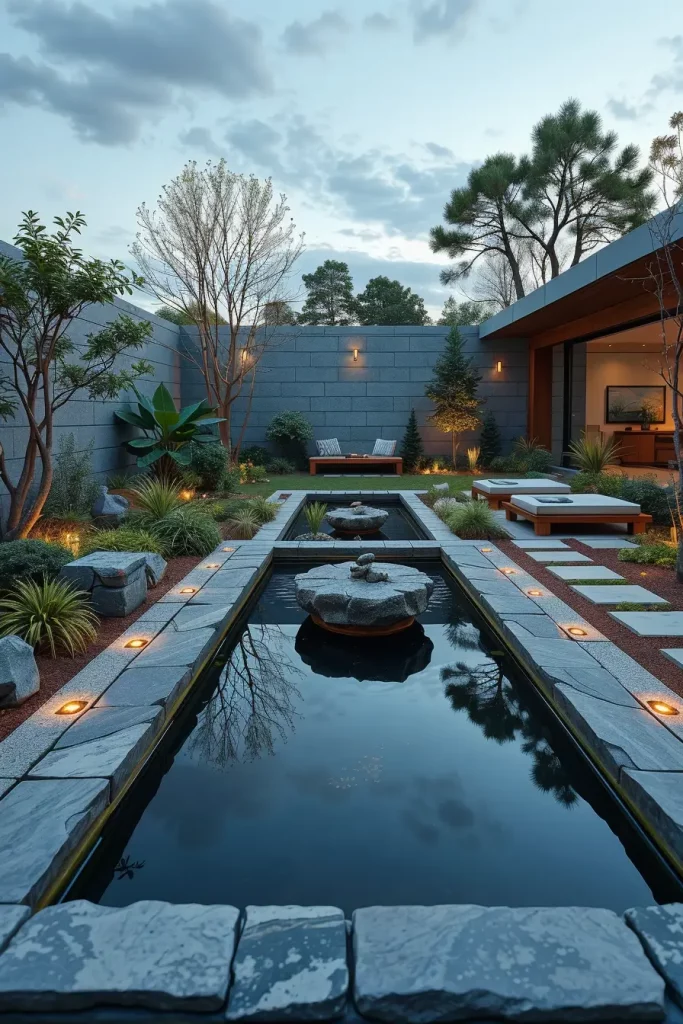
From my professional experience, landscape architects cited in Landscape Architecture Magazine stress the importance of scale and proportion when introducing water. I completely agree, as oversized features can overwhelm a garden, while thoughtfully sized elements elevate the entire space.
To enhance these water-focused gardens further, I suggest adding underwater lighting or subtle edge illumination. This detail extends the impact of the water feature into the evening and reinforces the modern aesthetic.
Elevated Garden Designs Using Vertical And Tiered Spaces
When I design elevated gardens for 2026, I focus on using vertical and tiered spaces to create depth, privacy, and architectural interest. This approach is especially effective for uneven landscapes or compact plots where horizontal expansion is limited. By building upward, I can transform a simple outdoor area into a layered, visually engaging environment that feels intentional and modern.
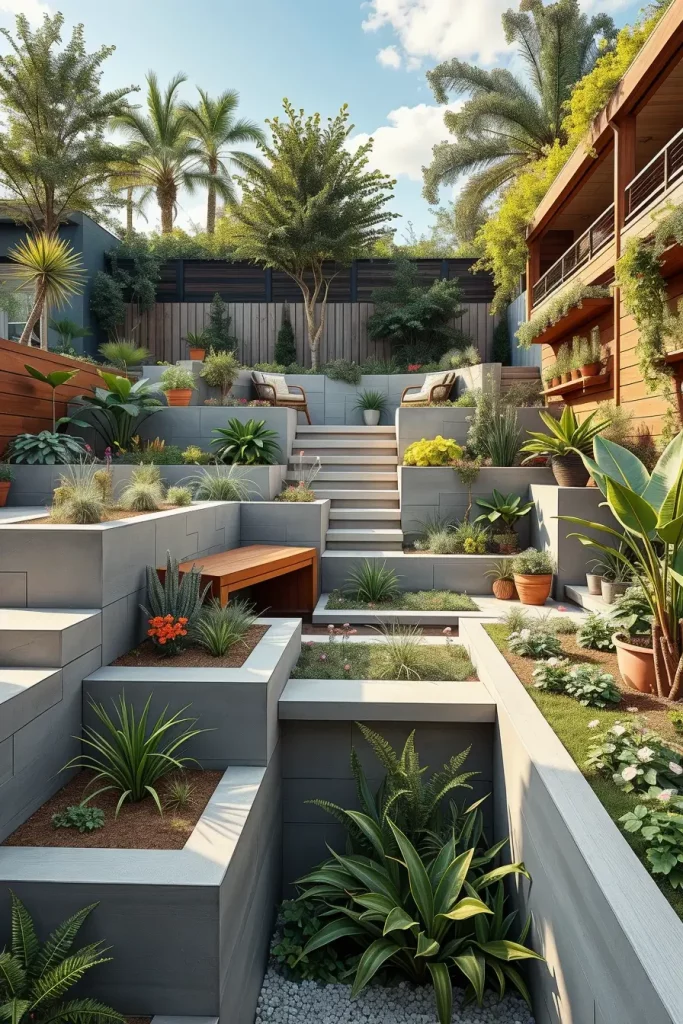
In these gardens, I integrate tiered planters, raised platforms, retaining walls with integrated seating, and vertical green walls. Materials such as concrete, wood, and metal help define each level, while plants are selected based on height, texture, and growth habit. I carefully balance greenery with structure so the garden feels dynamic but not overcrowded.
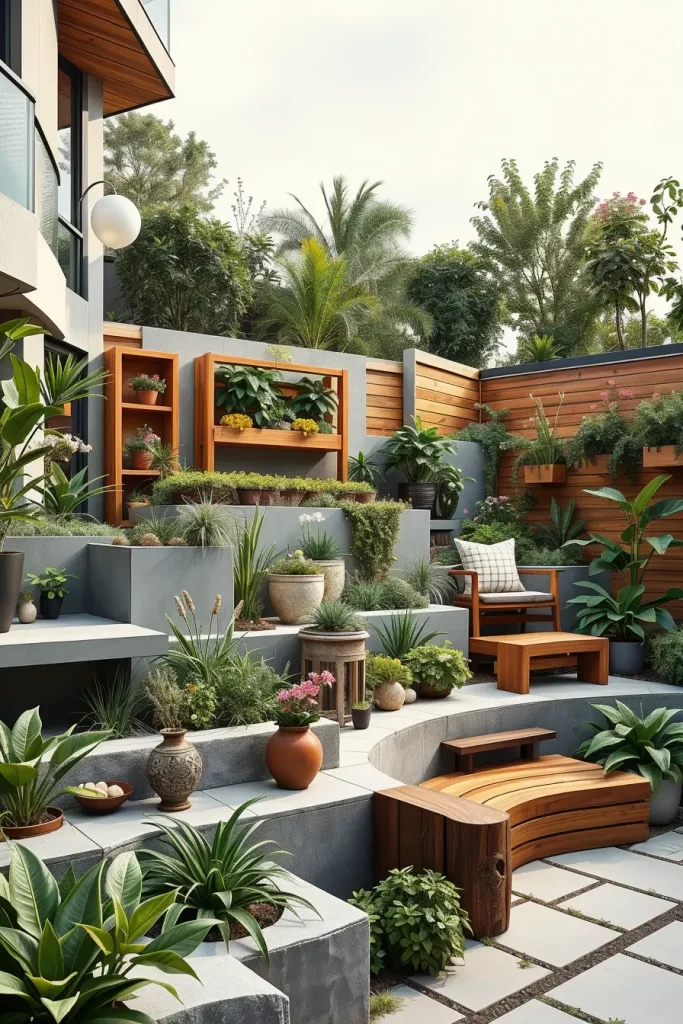
From my professional experience, landscape designers featured in Landscape Architecture Magazine often highlight verticality as a key strategy for modern outdoor spaces. I’ve applied this principle repeatedly and found that tiered designs not only enhance aesthetics but also improve drainage, accessibility, and overall usability.
What I would add to many vertical gardens is stronger visual continuity between levels. I recommend repeating materials or plant species across tiers to unify the composition and prevent the design from feeling fragmented.
Stylish Garden Inspiration Ideas For Small And Compact Yards
Stylish garden inspiration ideas for small and compact yards in 2026 focus on precision, restraint, and smart spatial planning. I approach these gardens with the mindset that every square meter must serve a purpose while still contributing to a cohesive visual identity. The goal is to make the space feel larger, calmer, and more refined.
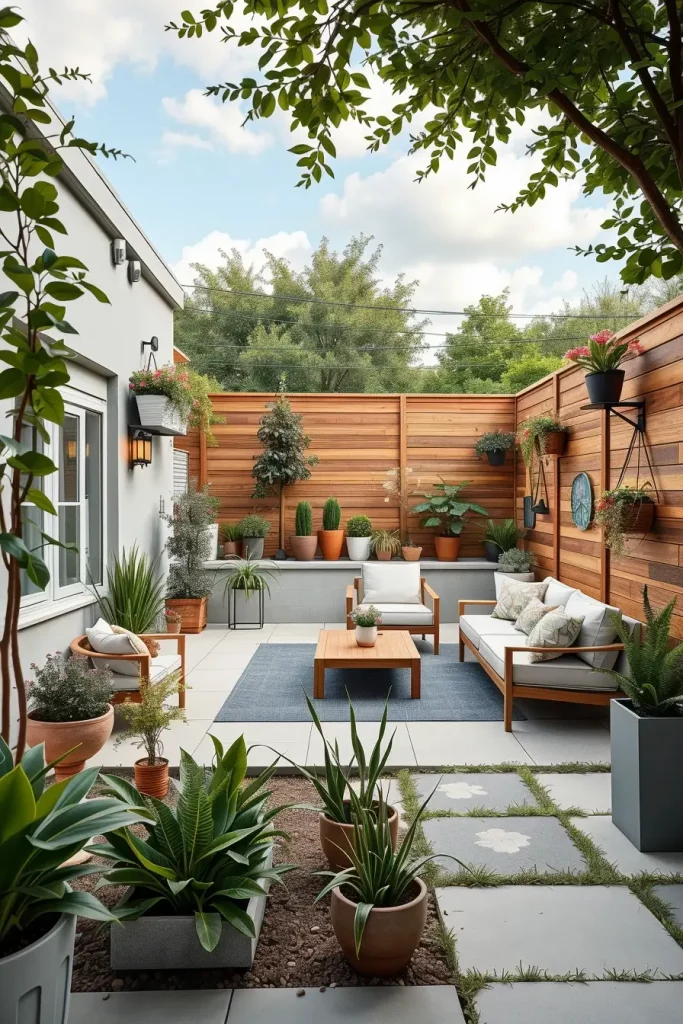
I rely on slim-profile furniture, built-in benches, wall-mounted planters, and multifunctional elements such as seating with hidden storage. Light-colored surfaces, reflective materials, and consistent flooring help visually expand the space. Plant selections are deliberate, favoring vertical growth and clean silhouettes over dense planting.
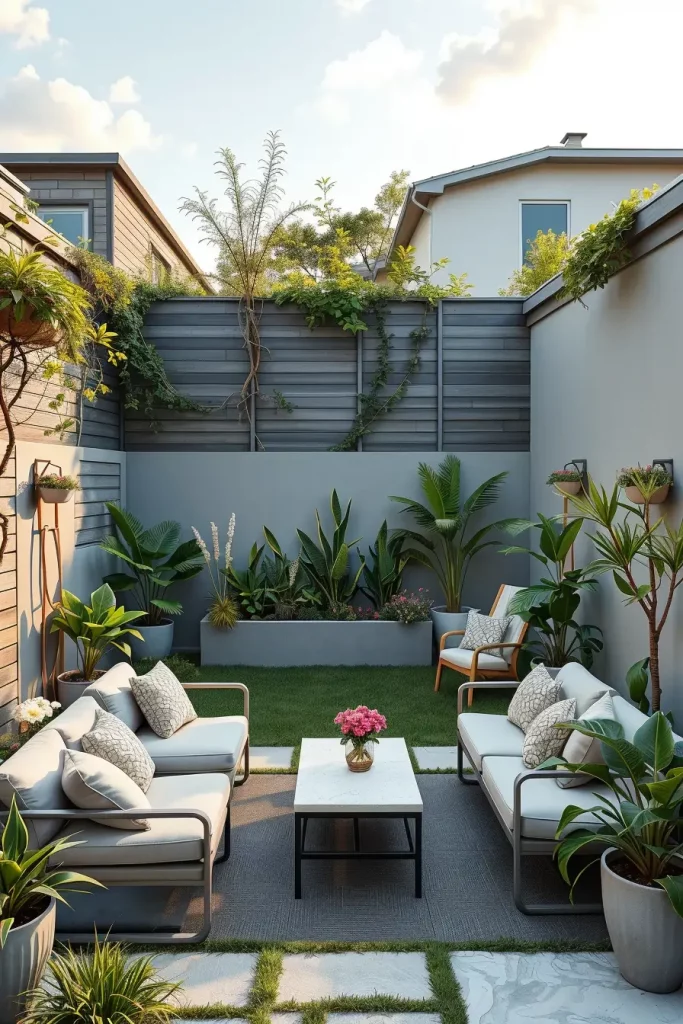
In my experience, designers from publications like Apartment Therapy consistently emphasize editing as the key to small-space success. I fully agree, as removing unnecessary elements often has a greater impact than adding more decor.
To elevate compact gardens further, I recommend incorporating a single focal feature, such as a sculptural planter or compact water element, to anchor the design without overwhelming it.
Unique Pathway And Walkway Designs For Modern Gardens
Unique pathway and walkway designs play a crucial role in defining modern gardens in 2026. I treat paths not merely as functional connectors but as design features that guide movement and shape the overall experience of the garden. Thoughtful pathways encourage exploration while reinforcing the garden’s visual language.
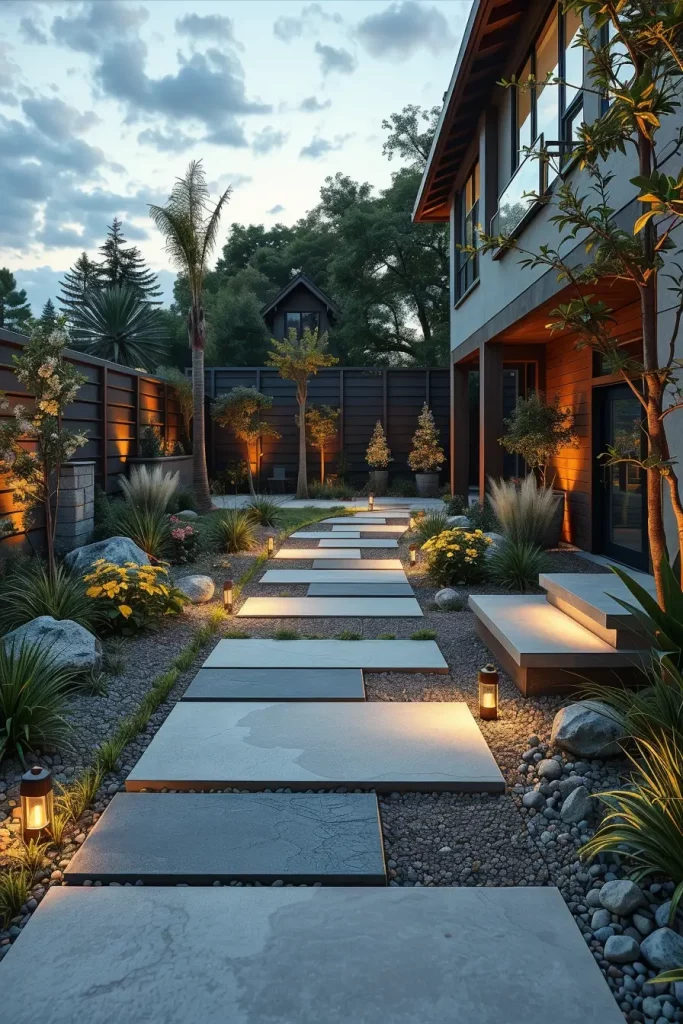
I often use oversized stepping stones, floating concrete slabs, or mixed-material walkways combining stone, gravel, and wood. Spacing, alignment, and texture are carefully considered to ensure both comfort and visual rhythm. Integrated lighting and subtle elevation changes add further interest and practicality.
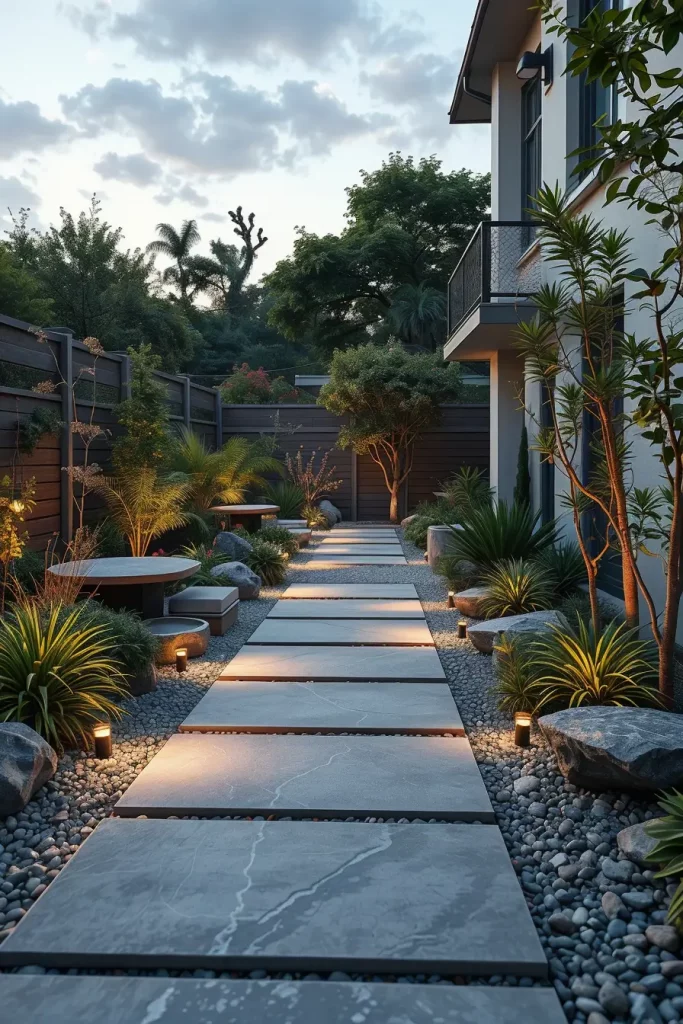
From a professional standpoint, garden designers highlighted in Dezeen frequently stress that circulation shapes perception. I’ve found that a well-designed path can make even a simple garden feel intentional and immersive.
If anything is missing from many modern walkways, it’s sensory variation. I suggest incorporating tactile surfaces or planting that subtly brushes the path to enhance the walking experience without compromising cleanliness.
Creative Garden Inspiration Ideas With Textural Contrast
Creative garden inspiration ideas in 2026 increasingly rely on textural contrast to add depth and sophistication. I use texture as a design tool to create visual interest even in minimalist layouts, ensuring the garden feels layered and engaging without excessive decoration.
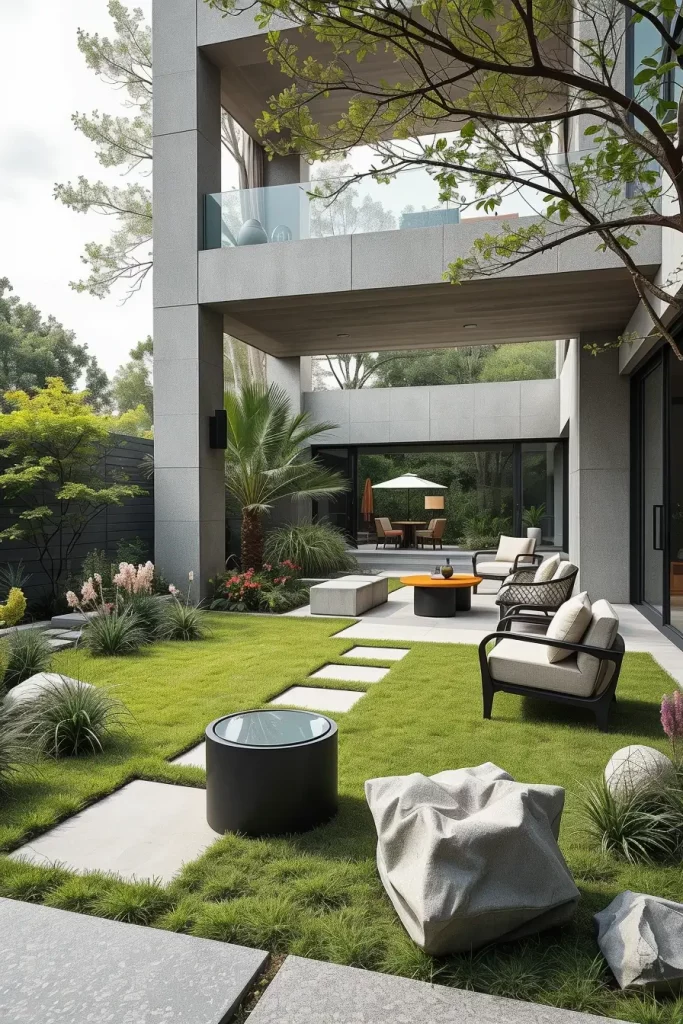
In practice, I combine smooth concrete with rough stone, soft grasses with structured shrubs, and matte finishes with subtle reflective surfaces. Furniture upholstery, planters, and ground materials are selected to contrast yet complement each other, creating a balanced composition.
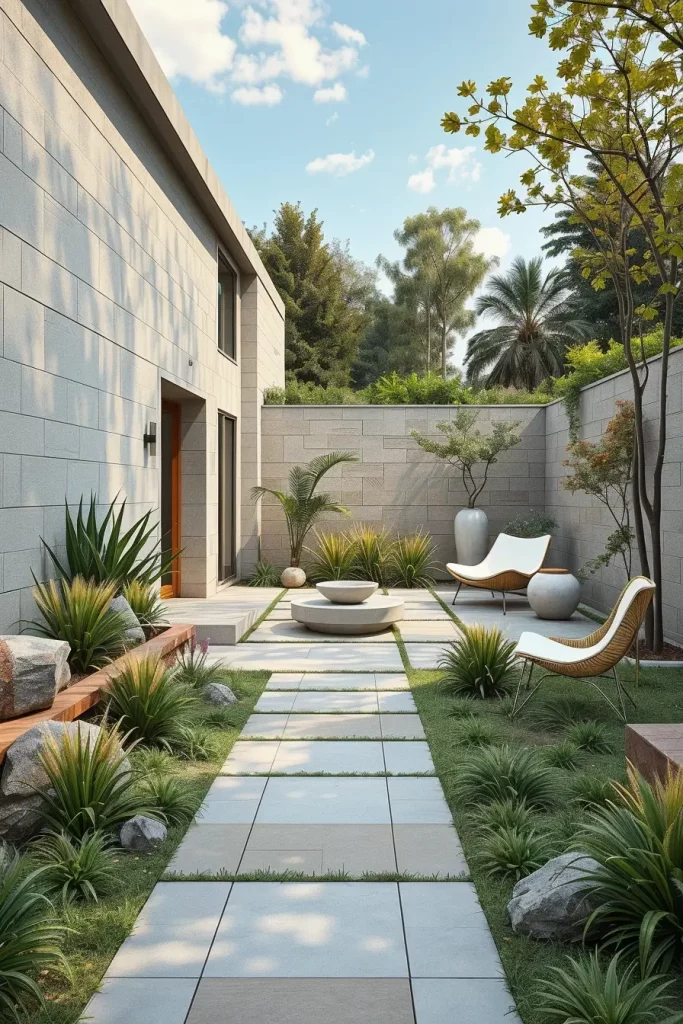
Based on my experience and insights from Garden Design Magazine, texture is often what separates a good garden from a memorable one. I’ve seen how thoughtful contrasts can elevate even neutral color palettes into something dynamic and expressive.
To strengthen textural designs further, I recommend seasonal adjustments. Swapping cushions, adding temporary rugs, or introducing seasonal plants can refresh the tactile experience throughout the year.
Statement Plant Choices For Designer Gardens In 2026
Statement plant choices are central to designer gardens in 2026, where plants are treated as architectural elements rather than background filler. I focus on selecting species with strong form, distinctive foliage, or sculptural growth patterns that define the character of the space.
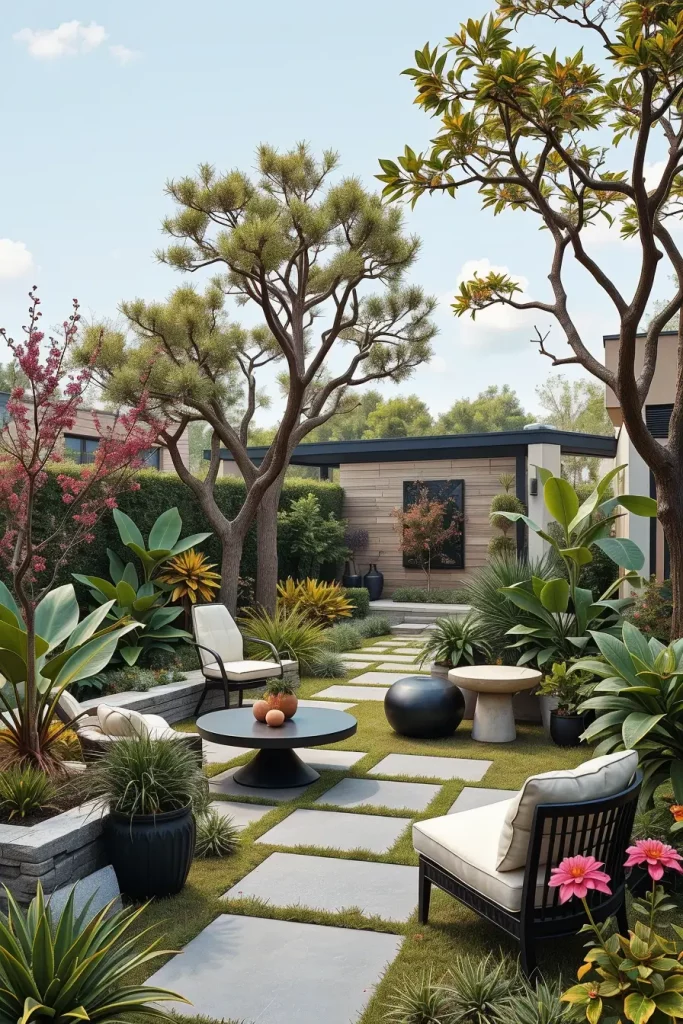
I often include large ornamental grasses, sculptural trees, bold-leaf plants, and carefully pruned shrubs. These are positioned deliberately to frame views, anchor zones, or act as living focal points. Containers and planting beds are designed to highlight each plant’s structure rather than conceal it.
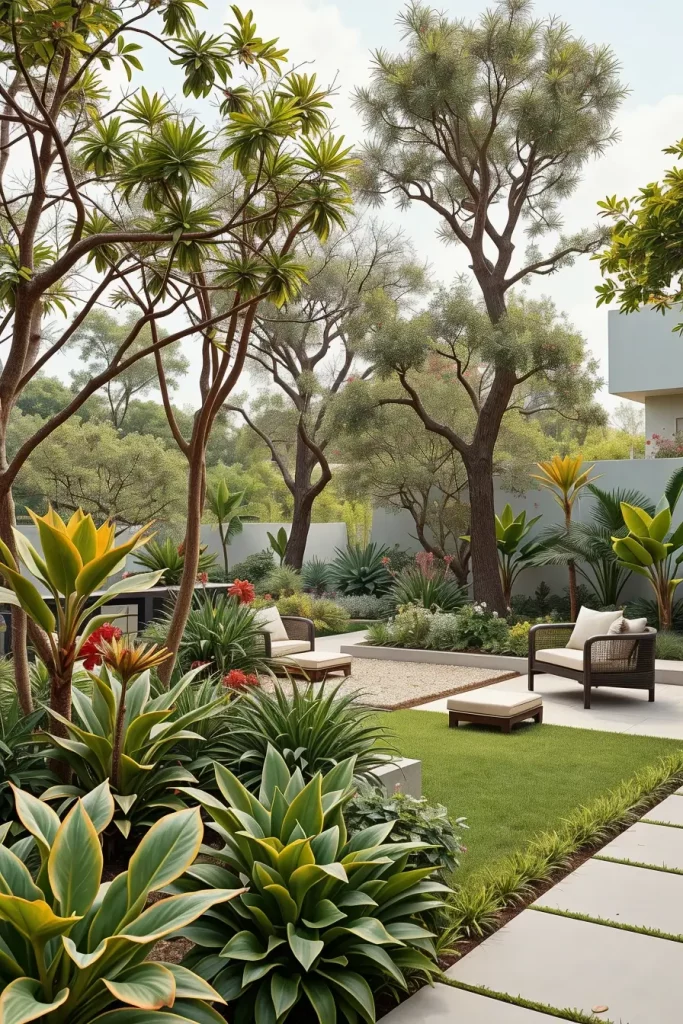
From my professional experience, experts featured in The New York Times Home and Garden section emphasize choosing fewer plants with greater impact. I’ve applied this philosophy consistently and found it results in cleaner, more confident garden designs.
To complete these plant-focused gardens, I recommend investing in proper spacing and long-term maintenance planning. This ensures that statement plants retain their intended form and impact as the garden matures.
Modern Garden Inspiration Ideas With Outdoor Furniture Design
I see modern garden inspiration ideas in 2026 strongly centered around outdoor furniture that feels as intentional and refined as indoor design. These spaces are planned as full living zones rather than decorative add-ons, with layouts that support relaxation, dining, and social interaction. I focus on clean spatial organization, ergonomic planning, and weather-resistant materials that maintain a polished appearance throughout the seasons.
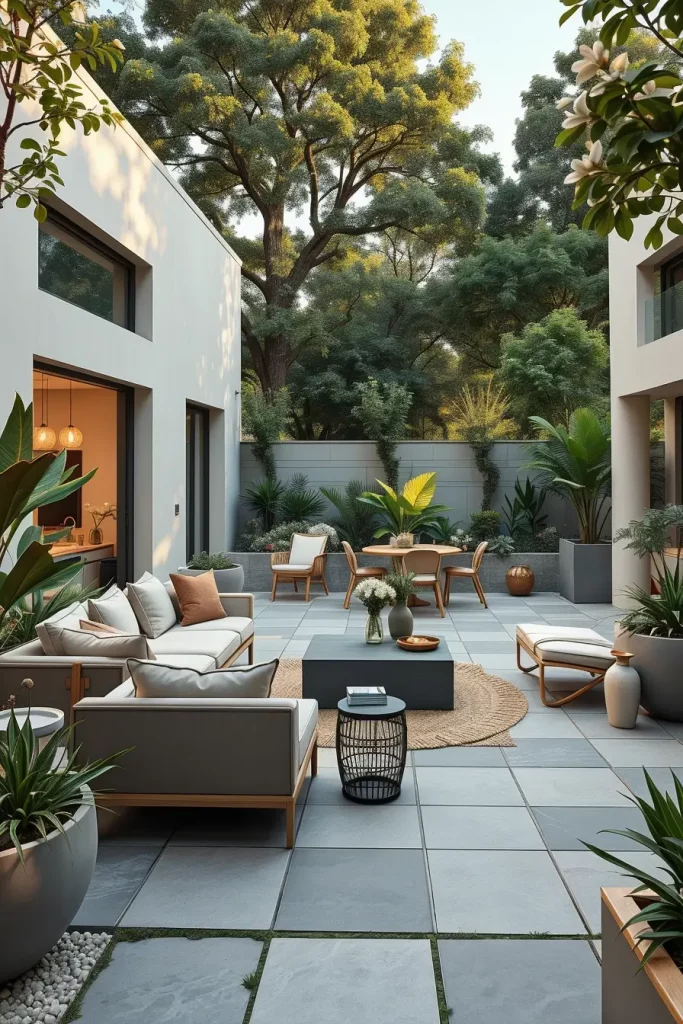
When selecting furniture, I prioritize modular sofas, sculptural lounge chairs, integrated storage benches, and minimalist dining sets made from aluminum, teak, or composite materials. Each piece serves a functional role while contributing to a cohesive visual language. Low-profile silhouettes and neutral tones allow the surrounding greenery to remain the focal point while still reinforcing a modern and designer aesthetic.
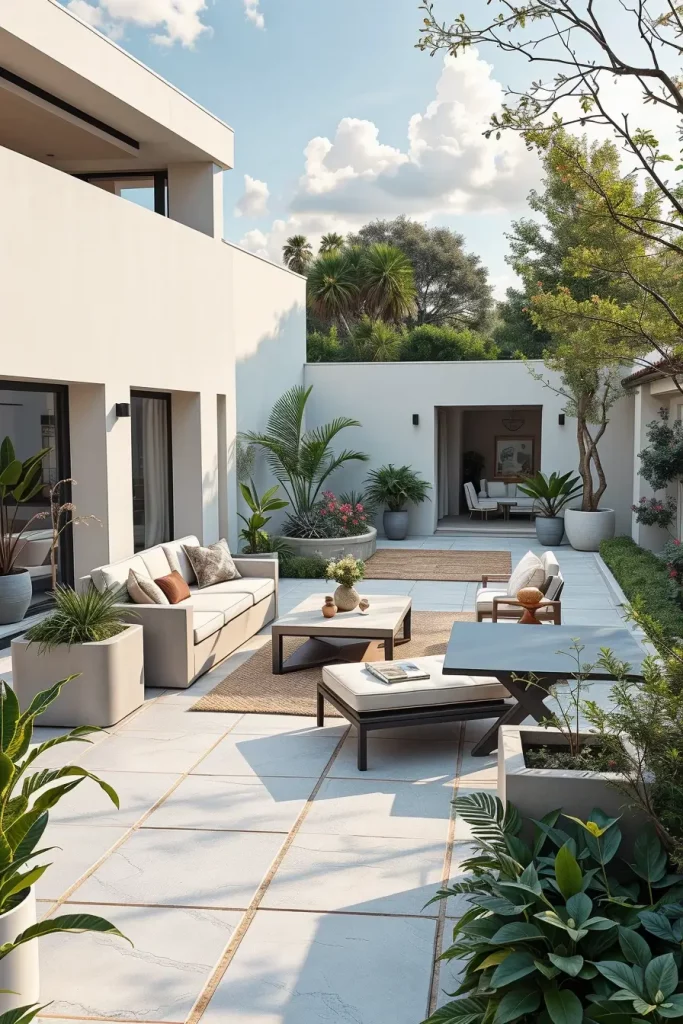
From my experience, leading outdoor design publications such as Architectural Digest emphasize treating outdoor furniture as long-term architectural elements rather than seasonal decor. I fully agree with this approach because it results in gardens that feel complete, intentional, and comfortable year-round.
What I would still add to this type of garden is integrated outdoor lighting within furniture structures, such as LED-lit benches or side tables, to extend usability into the evening without cluttering the space.
Artistic Garden Walls And Privacy Screens With Style
In 2026, I view garden walls and privacy screens as creative design opportunities rather than purely functional barriers. These elements help define zones, control views, and introduce architectural rhythm while enhancing privacy in an elegant way. I approach them as vertical design features that bring structure and visual depth to outdoor environments.
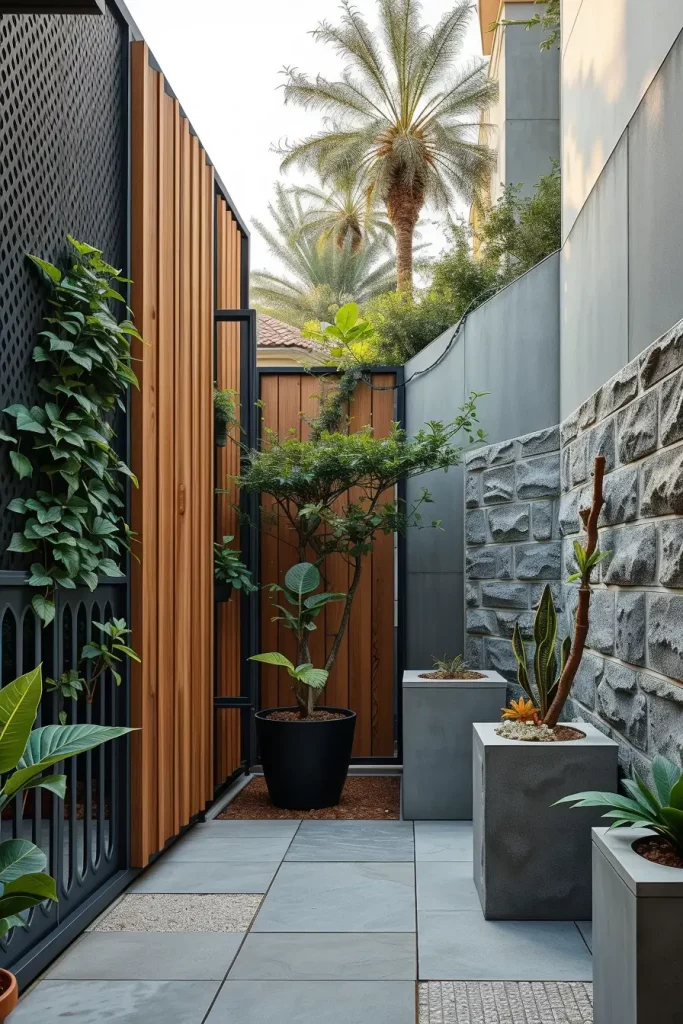
Materials such as perforated metal panels, textured concrete, slatted wood, and composite screens allow for light filtration while maintaining enclosure. I often recommend combining these surfaces with climbing plants or integrated planters to soften the look and blend built elements with nature. This balance creates a stylish and unusual garden character.
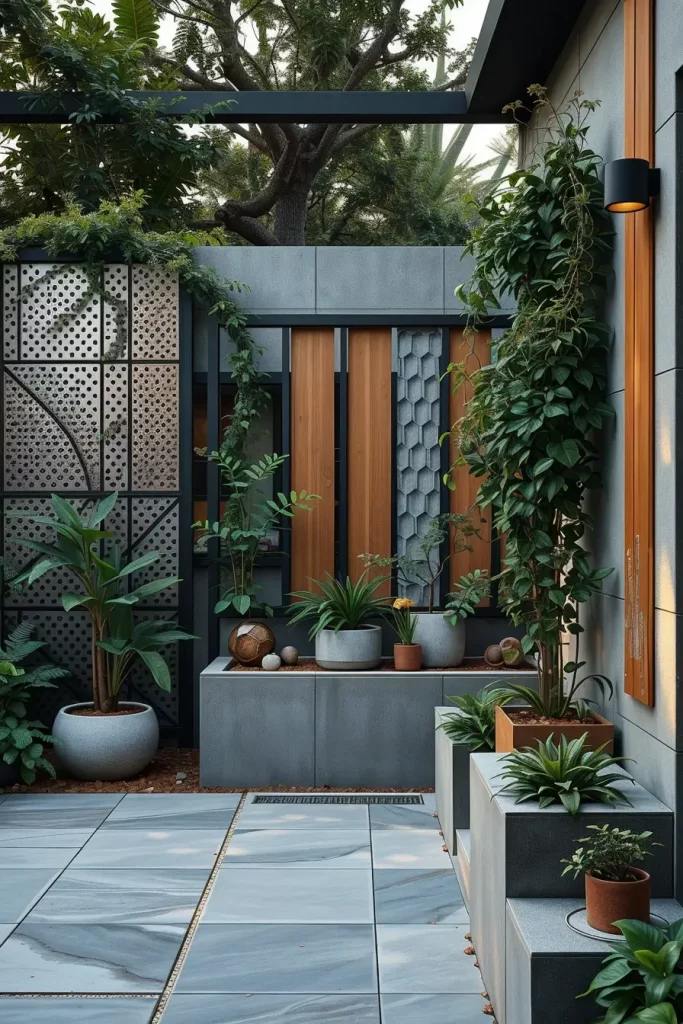
Personally, I find inspiration in projects featured by Dezeen, where designers use sculptural walls to turn privacy into a statement feature. These examples reinforce my belief that garden boundaries should contribute to the overall narrative of the space rather than disappear into the background.
To enhance this concept further, I would add subtle backlighting or shadow-casting light fixtures that highlight textures and patterns on the walls after sunset.
Unconventional Garden Shapes That Redefine Outdoor Design
I believe one of the most exciting garden inspiration ideas 2026 brings is the move away from rigid, symmetrical layouts. Organic paths, asymmetrical planting beds, and curved patios introduce movement and a sense of exploration. These unconventional shapes help gardens feel more dynamic and visually engaging.
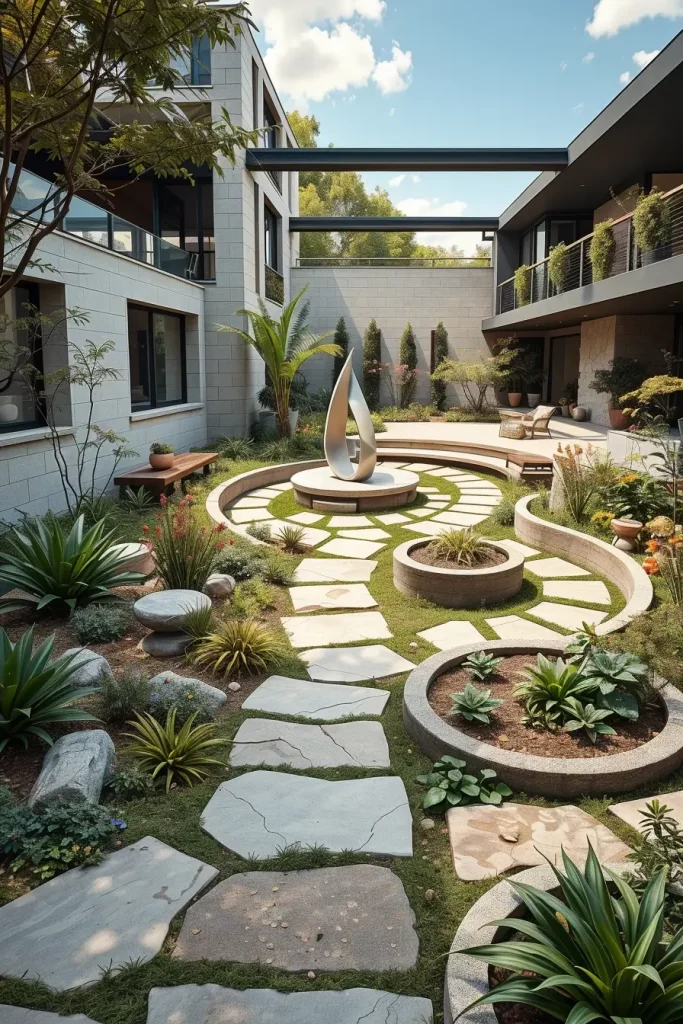
In practice, I incorporate rounded seating areas, winding stone walkways, and freeform water features that guide the eye naturally through the space. Custom-built planters and curved retaining walls reinforce this design language while allowing flexibility in plant selection and zoning.
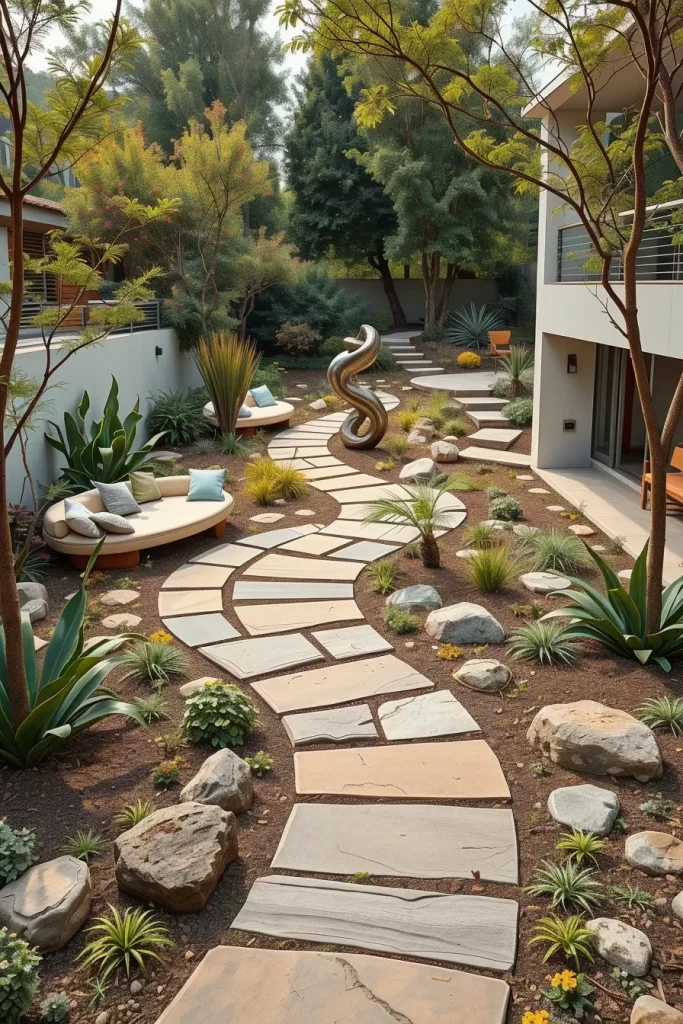
From my professional perspective, landscape architects featured in Garden Design Magazine consistently highlight how curved forms improve flow and usability. I have applied this principle in my own projects and seen how it encourages people to interact more intuitively with the garden.
What I would still add here is a clear focal point, such as a sculptural tree or fire feature, to anchor the organic layout and prevent the space from feeling visually scattered.
Sustainable Yet Stylish Garden Inspiration Ideas For 2026
Sustainability is no longer optional in modern garden planning, and I see 2026 as a year where eco-conscious choices seamlessly blend with high-end design. I focus on gardens that reduce water usage, support biodiversity, and rely on durable, low-impact materials without sacrificing style.
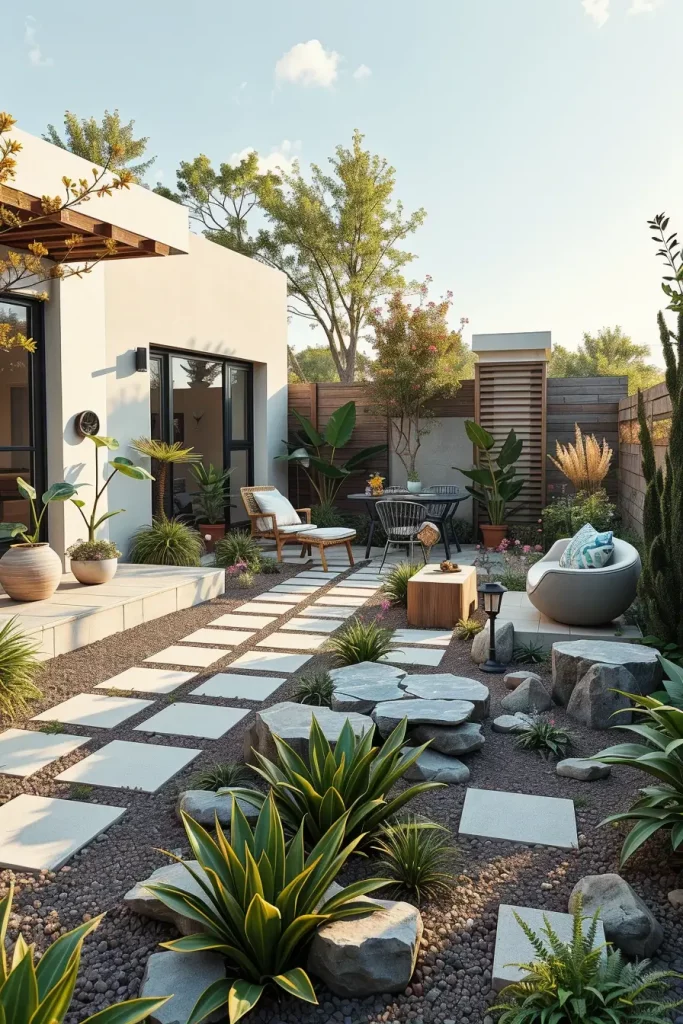
Elements such as permeable paving, recycled stone, solar-powered lighting, and drought-tolerant planting schemes are central to this approach. I carefully select materials that age gracefully and require minimal maintenance while still contributing to a designer and unique visual identity.
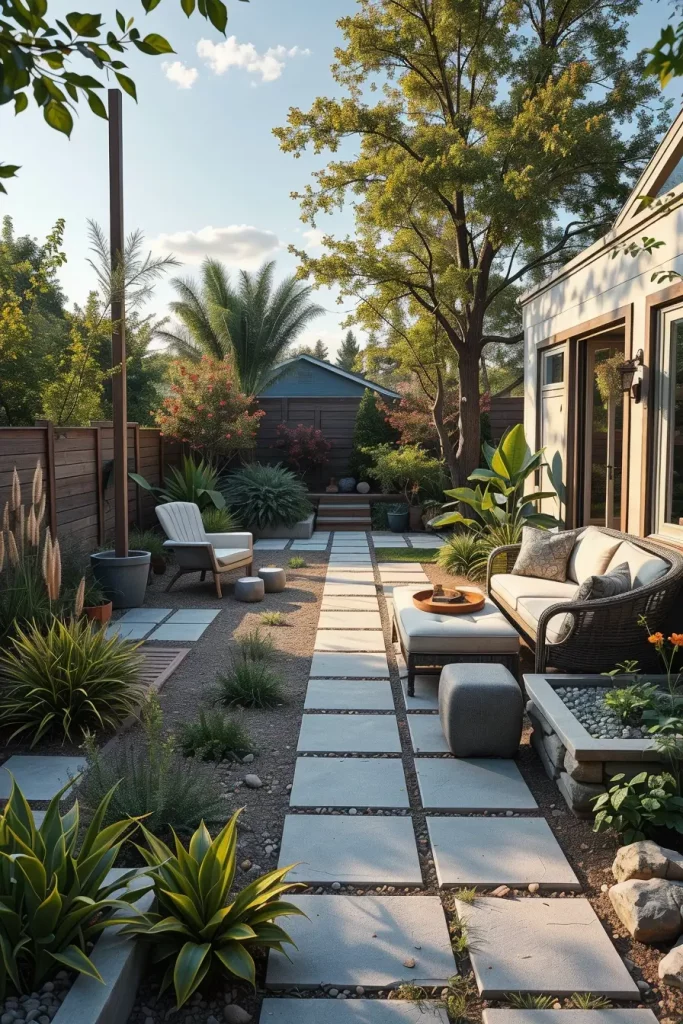
I align with guidance from organizations like the American Society of Landscape Architects, which consistently advocate for sustainable practices that also enhance aesthetic value. In my experience, these choices result in gardens that feel both responsible and refined.
To strengthen sustainability even further, I would include rainwater harvesting systems discreetly integrated into the garden structure.
Creative Color Palettes For Modern Garden Spaces
Color plays a strategic role in shaping mood and perception in garden design, and in 2026 I see palettes becoming more intentional and curated. I work with layered tones rather than bright contrasts, allowing materials, foliage, and furniture to interact harmoniously.
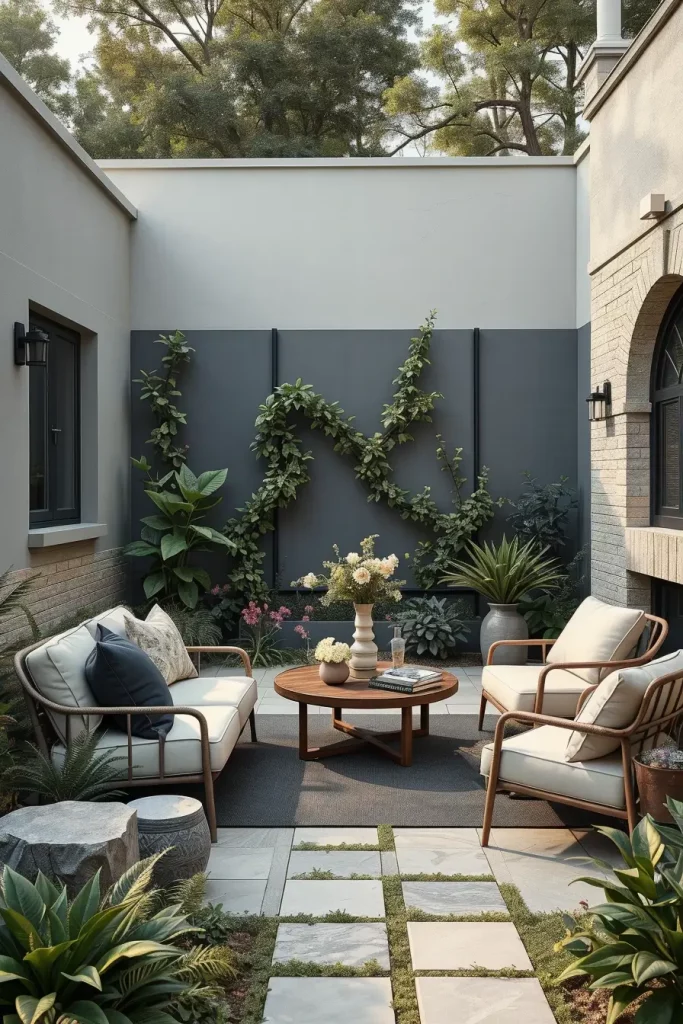
I often combine muted greens, warm stone hues, charcoal accents, and soft metallic finishes across furniture, planters, and hardscaping. These choices help maintain a modern and stylish appearance while ensuring visual longevity across seasons.
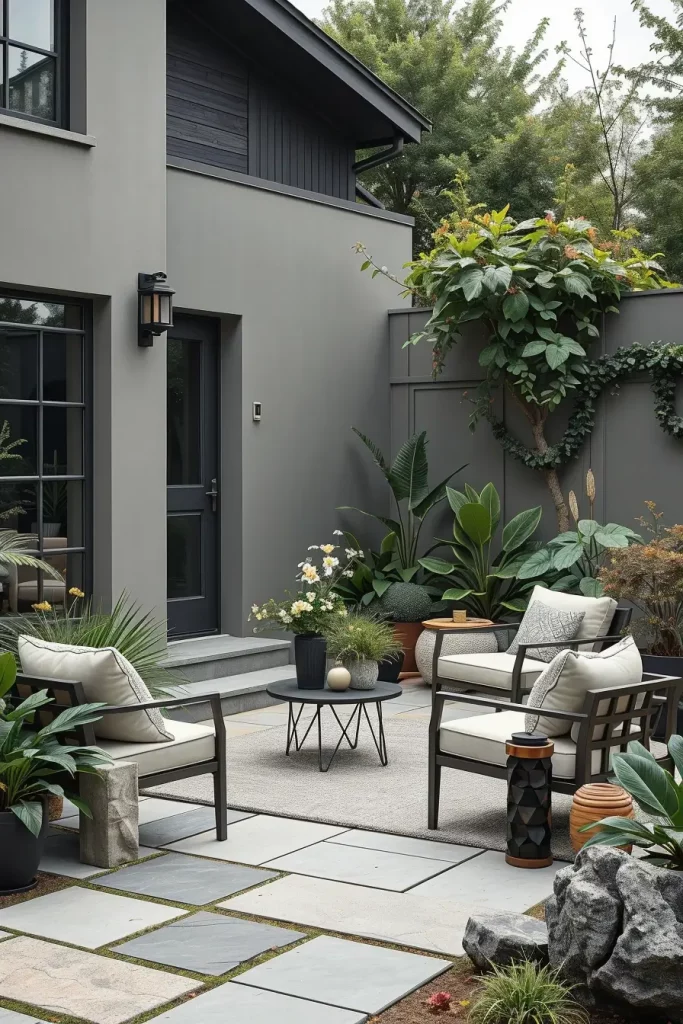
From my perspective, designers featured in House Beautiful frequently note that restrained color palettes age better and feel more luxurious over time. I’ve found this to be true in real-world applications, especially in urban gardens.
What I would still add is seasonal flexibility, such as interchangeable cushions or planters, to subtly refresh the color scheme without redesigning the entire space.
Designer Garden Inspiration Ideas For Evening Atmospheres
I consider evening atmosphere one of the most important aspects of modern garden inspiration ideas for 2026. After sunset, a well-designed garden should transform into a calm, inviting environment rather than disappearing into darkness. I focus on layered lighting concepts that enhance depth, guide movement, and create a sense of intimacy without overwhelming the space.
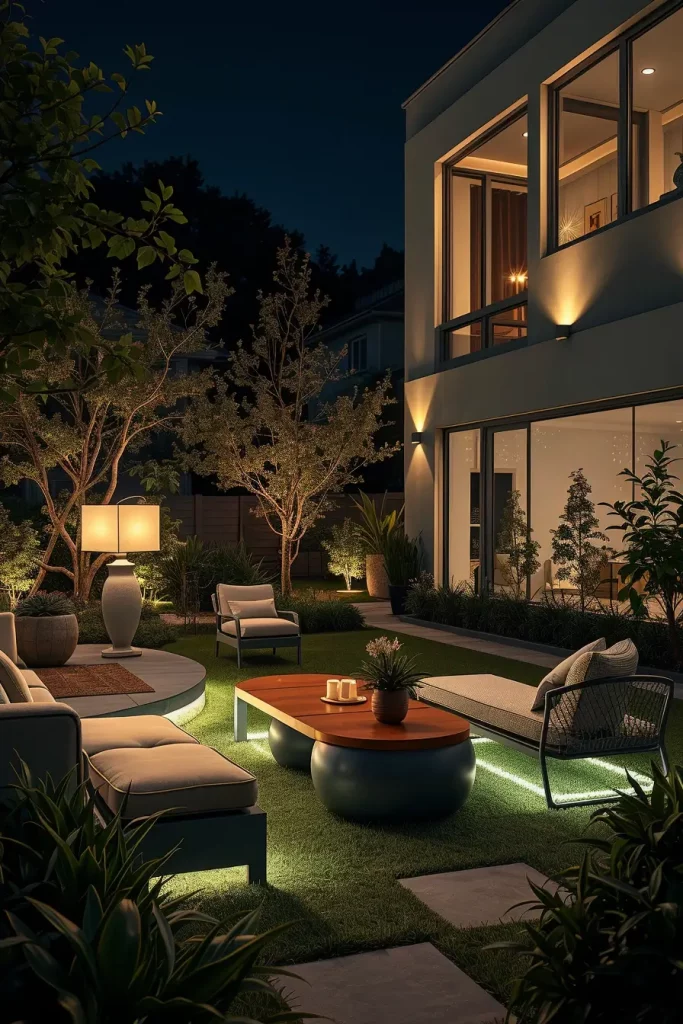
In practice, I rely on recessed pathway lights, indirect LED strips under seating, sculptural floor lamps, and subtle uplighting for trees or architectural features. These elements work together to define zones while maintaining visual harmony. Furniture with soft silhouettes and textured surfaces reflects light gently, reinforcing a designer and stylish nighttime aesthetic.
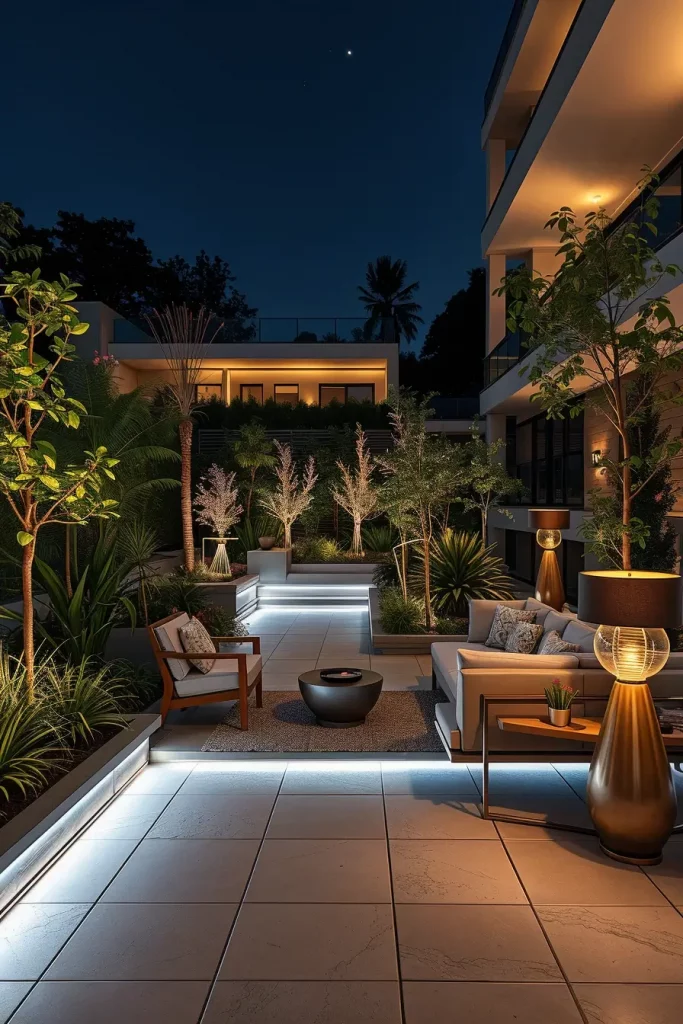
From my experience, lighting designers frequently featured in Lighting Magazine emphasize that outdoor lighting should reveal form, not dominate it. I apply this principle consistently because it results in gardens that feel refined, functional, and emotionally engaging in the evening hours.
What I would still add to this concept is smart lighting control, allowing homeowners to adjust brightness and mood depending on the occasion or season.
Modern Courtyard Gardens With A High-End Look
Courtyard gardens are becoming increasingly popular in 2026, especially in urban environments where space is limited. I approach these gardens as enclosed outdoor rooms, where every design choice must serve both aesthetic and practical purposes. Clean lines, vertical layering, and controlled sightlines are essential to achieving a high-end appearance.
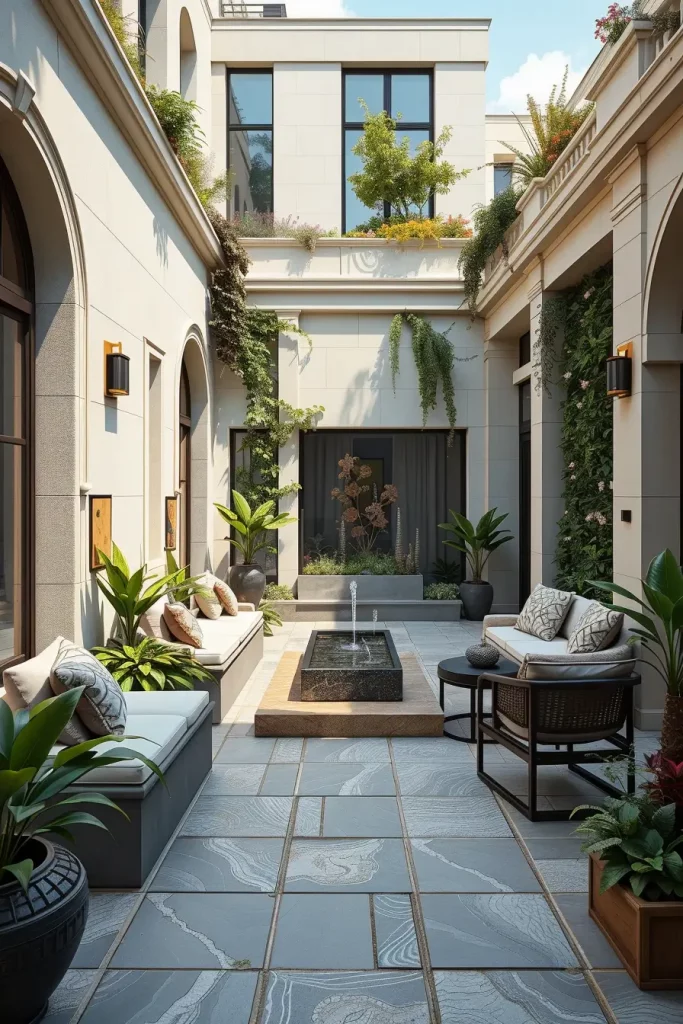
I often include built-in seating, stone or porcelain tile flooring, water features with minimal sound, and carefully selected plants that thrive in partial shade. Furniture is typically compact yet elegant, with slim frames and durable finishes that complement the architectural surroundings.
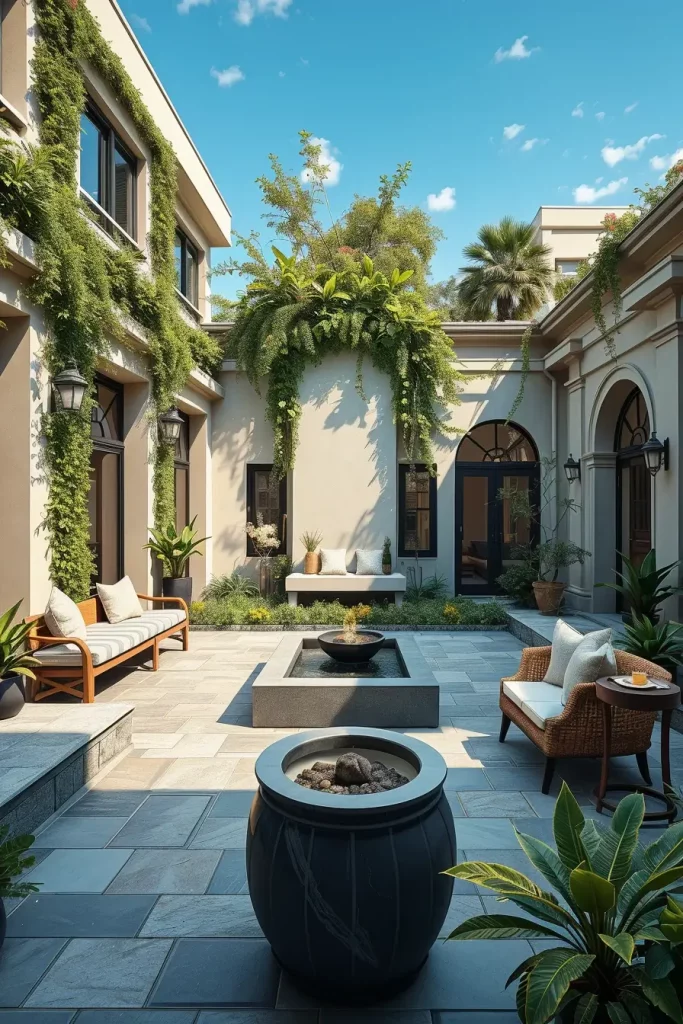
Personally, I draw inspiration from contemporary courtyard projects featured in Elle Decor, where designers treat courtyards as extensions of interior living spaces. I find this approach particularly effective because it creates continuity and elevates even small gardens into unique and luxurious retreats.
To complete this type of space, I would add a focal vertical element such as a sculptural tree or textured wall panel to draw the eye upward and enhance spatial perception.
Experimental Garden Designs Inspired By Urban Landscapes
Urban influence plays a major role in creative garden inspiration ideas for 2026. I see gardens increasingly reflecting city aesthetics through structured layouts, industrial-inspired materials, and bold architectural statements. These designs feel confident, contemporary, and intentionally unconventional.
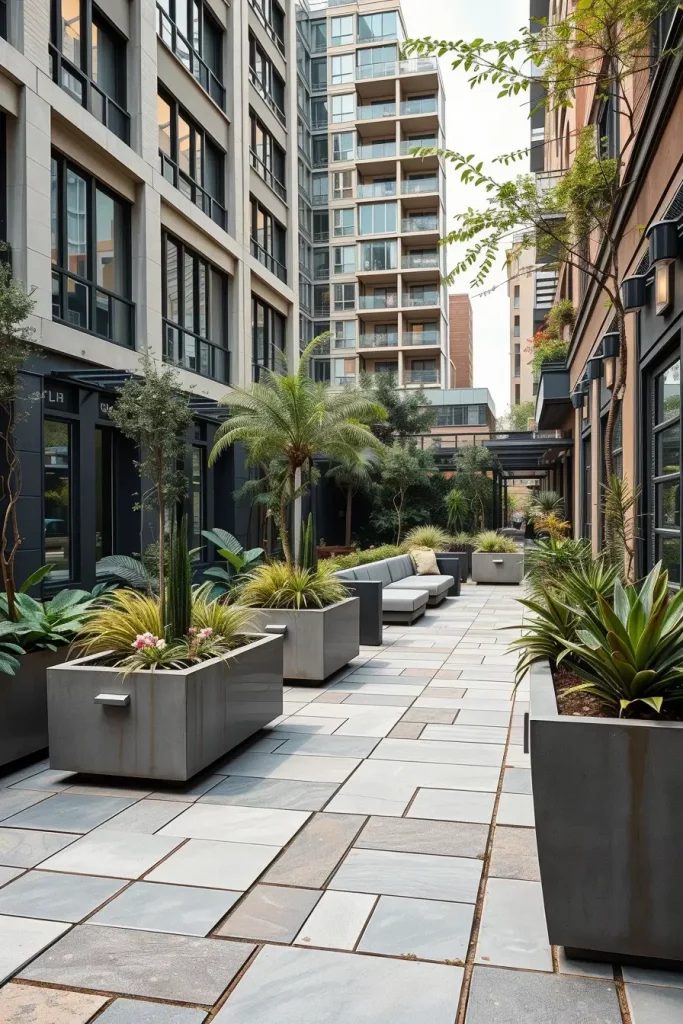
In these gardens, I integrate concrete planters, steel accents, geometric paving, and modular seating systems that echo urban plazas. Greenery is used strategically to soften hard surfaces while maintaining a strong visual identity. The contrast between nature and structure defines the character of these spaces.
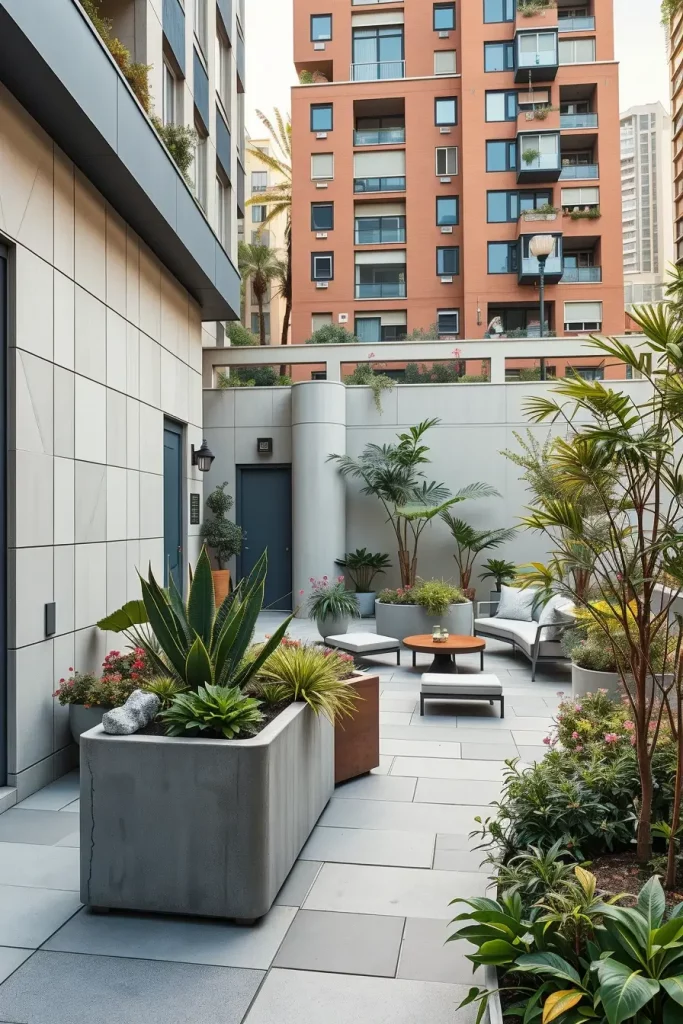
From my professional standpoint, urban landscape designers often highlighted in The New York Times design section stress the importance of balance between softness and structure. I fully support this view, as it prevents experimental gardens from feeling cold or overly rigid.
What I would still add here is sound design, such as subtle water features or ambient speakers, to enhance the immersive urban-inspired atmosphere.
Unique Garden Inspiration Ideas Focused On Mood And Emotion
In 2026, I see a growing emphasis on gardens designed to evoke specific emotions rather than simply display visual beauty. Mood-driven garden design focuses on how a space makes people feel, whether calm, energized, or contemplative. I approach these gardens with intention and psychological awareness.
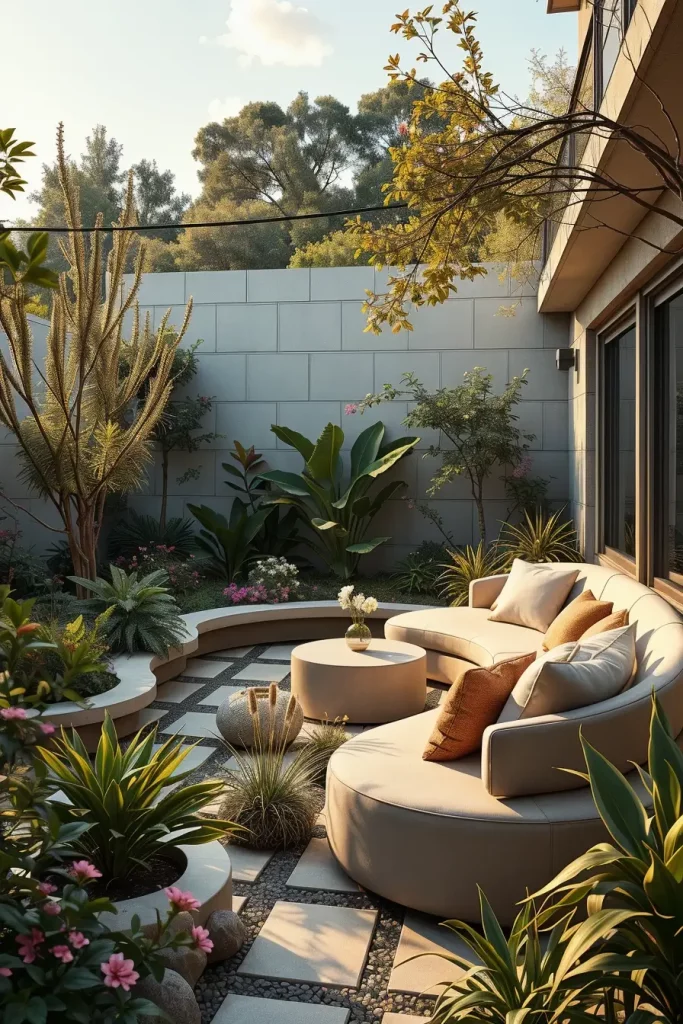
Elements such as curved seating, tactile materials, calming color palettes, and layered planting help shape emotional responses. I also pay close attention to scale and enclosure, ensuring that the garden feels safe, welcoming, and personal rather than overwhelming.
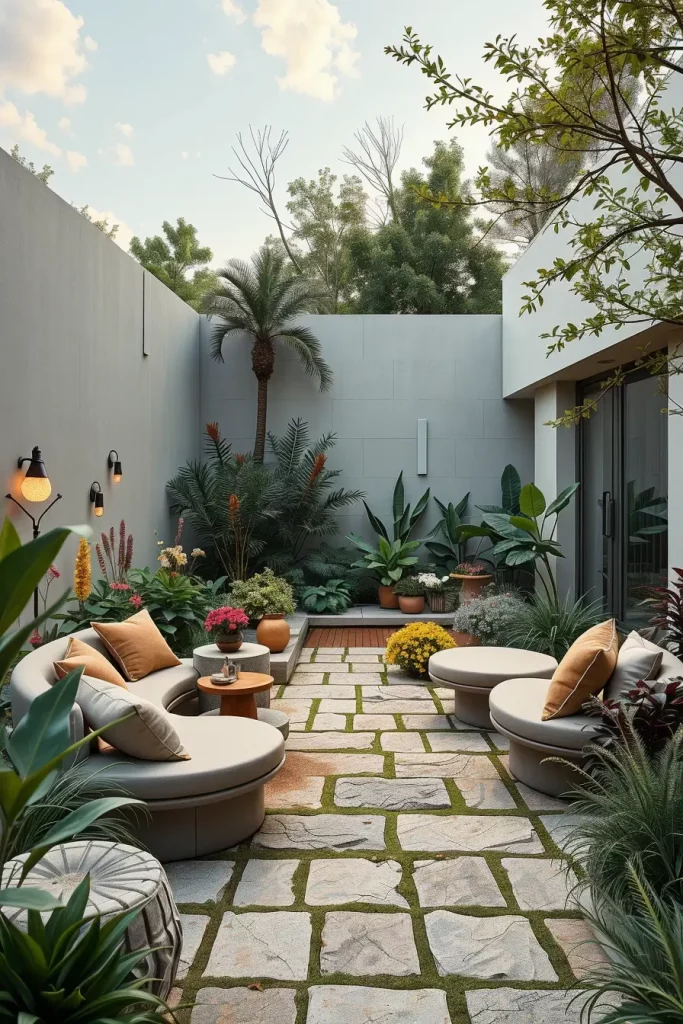
In my experience, wellness-focused design principles discussed in publications like Architectural Digest reinforce the idea that outdoor spaces can significantly impact mental well-being. I incorporate these insights to create gardens that offer emotional value alongside visual appeal.
To strengthen this concept, I would include scent-focused planting or sensory pathways that engage multiple senses and deepen the emotional experience.
The Future Of Garden Inspiration Ideas Beyond 2026
Looking beyond 2026, I believe garden design will continue evolving toward adaptability, personalization, and technological integration. Gardens will no longer be static spaces but dynamic environments that respond to changing lifestyles and environmental conditions. I see flexibility as the defining feature of future outdoor design.
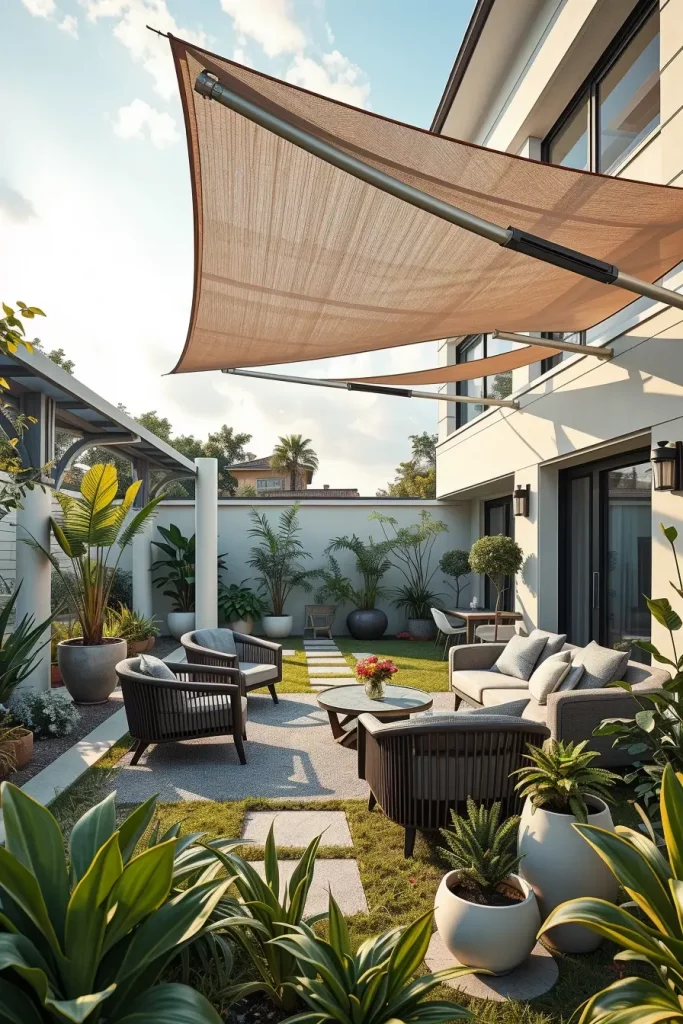
Key elements include adaptable furniture systems, movable planters, climate-responsive shading, and smart irrigation technologies. These components allow gardens to evolve over time without requiring complete redesigns, making them both practical and future-ready.
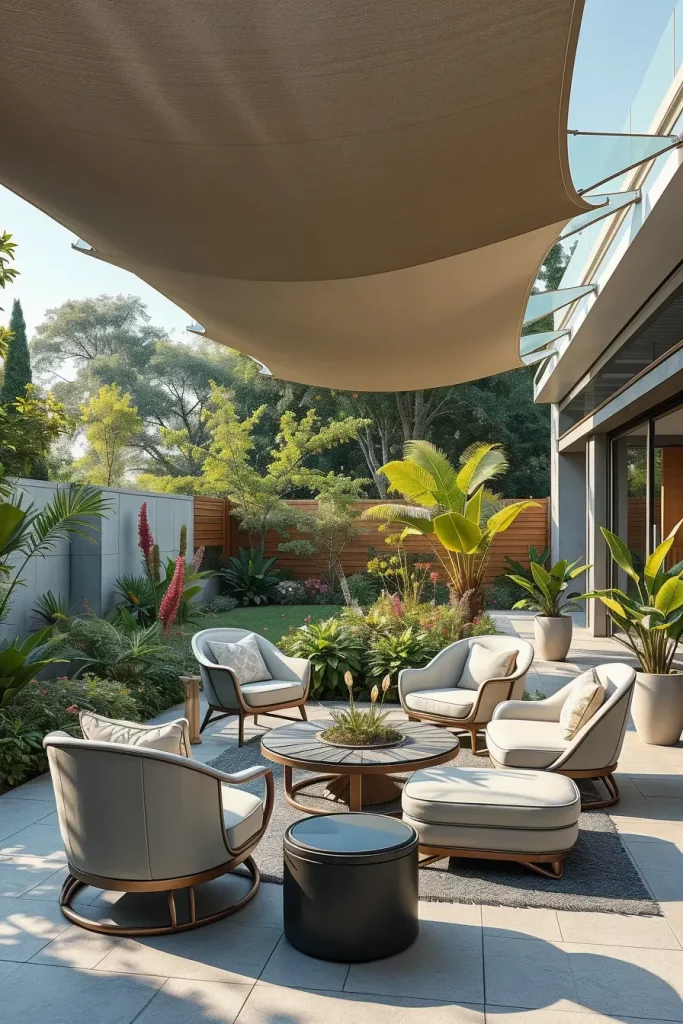
From my perspective, forward-thinking designers frequently cited in design forecasts emphasize resilience and adaptability as essential qualities. I share this vision because it ensures gardens remain relevant, functional, and modern for years to come.
What I would still add is greater integration of digital planning tools, enabling homeowners to visualize and modify garden layouts before making physical changes.
Garden inspiration ideas for 2026 highlight a future where outdoor spaces are designed with intention, creativity, and individuality. Modern gardens are no longer defined by trends alone but by thoughtful design choices that balance style, function, and artistic expression. By embracing innovative layouts, unique materials, and bold visual ideas, it becomes possible to create a garden that feels timeless yet forward-thinking. As garden design continues to evolve, 2026 encourages homeowners and designers alike to view the garden as a true extension of personal style and modern living.