
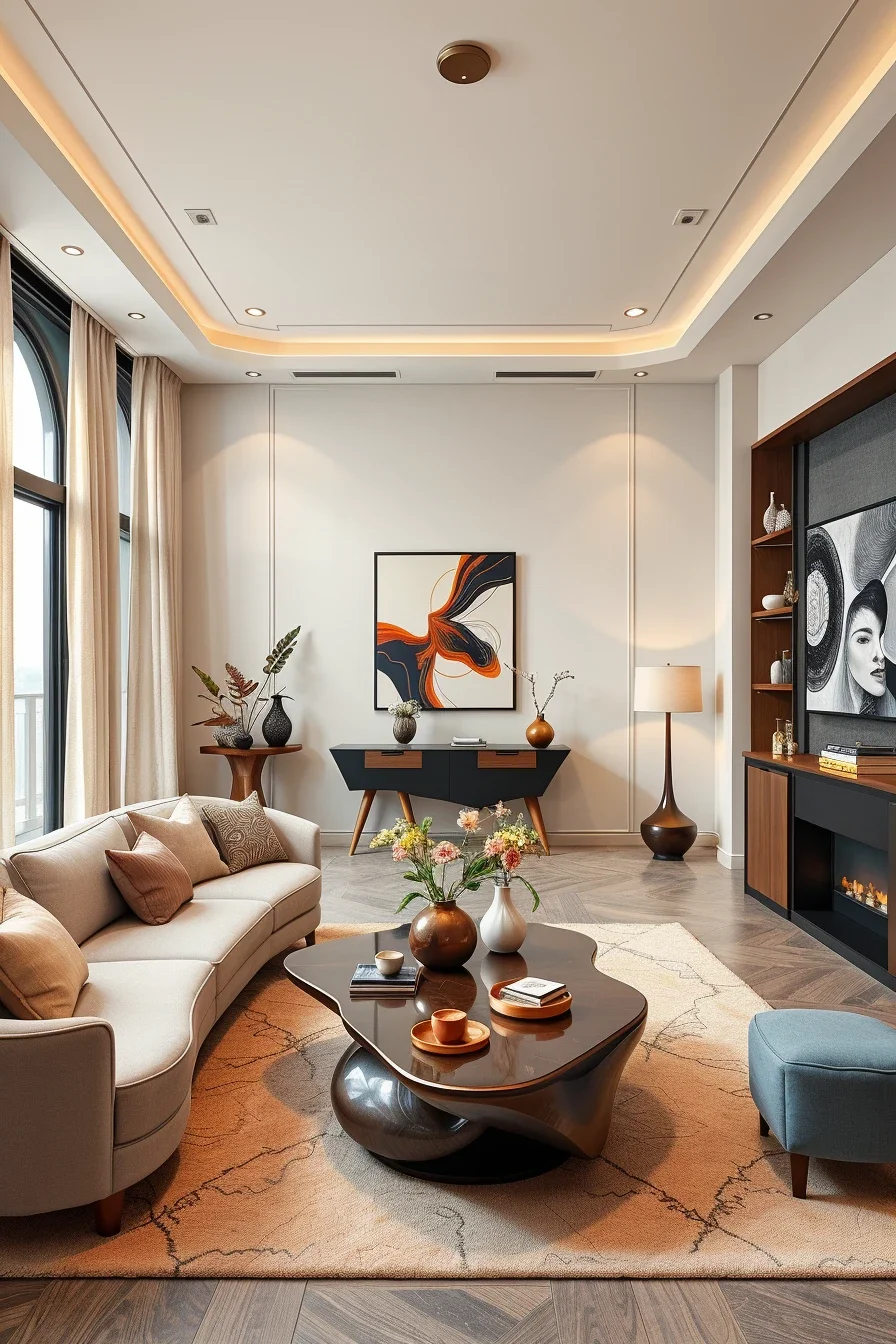
A well-planned small living room furniture layout can make even the most compact space feel stylish, functional, and inviting. The right arrangement not only improves traffic flow but also creates a sense of openness and comfort. Modern design trends are embracing creative layouts that feature curved sofas, sculptural furniture, and artistic focal points to maximize visual impact. By carefully selecting and positioning furniture, homeowners can transform limited square footage into a beautiful and practical living area. Unique shapes, multifunctional pieces, and thoughtful spacing help create a balanced environment that feels both spacious and cozy. In this article, you’ll discover inspiring small living room furniture layout ideas that combine creativity, style, and smart space planning.
Creative Curved Sofas For A More Fluid Small Living Room Layout
When I design a small living room, I often use curved sofas to soften the rigid lines that can make compact spaces feel restrictive. A curved silhouette encourages movement throughout the room and naturally improves circulation. This approach creates a more welcoming atmosphere while helping the room feel larger than its actual dimensions. In many cases, a thoughtfully placed curved sofa becomes the foundation of an effective small living room furniture layout.
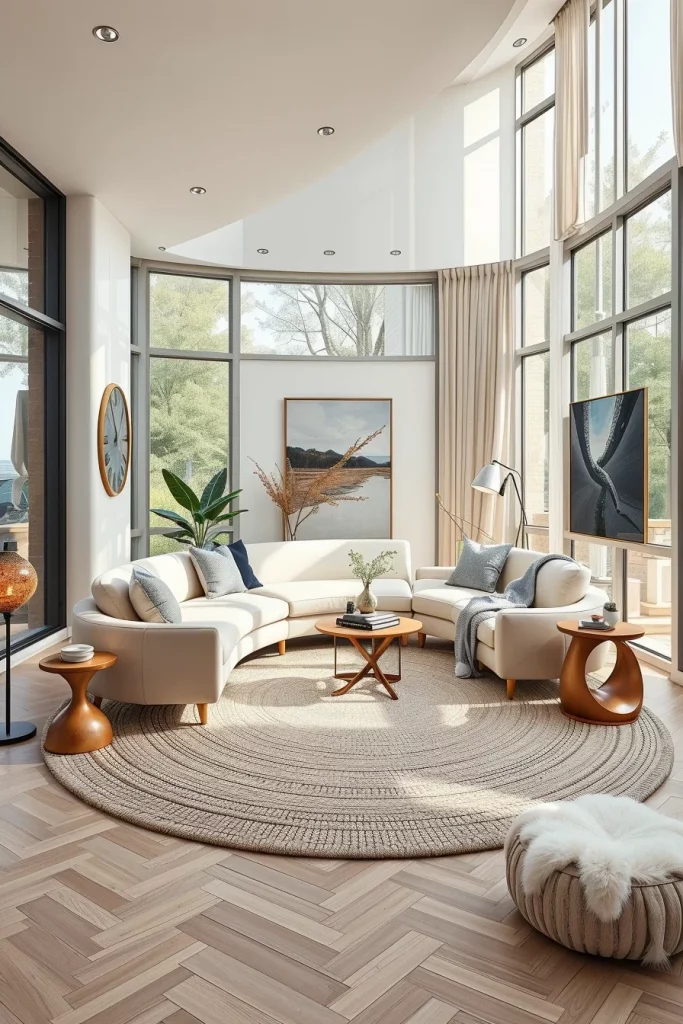
I typically pair a curved sofa with a round rug and soft accent lighting to reinforce the flowing geometry. Compact side tables with rounded edges help maintain visual continuity while reducing sharp corners that interrupt movement. I also find that armless or low-profile curved sofas work particularly well because they preserve sightlines and prevent the room from feeling crowded.
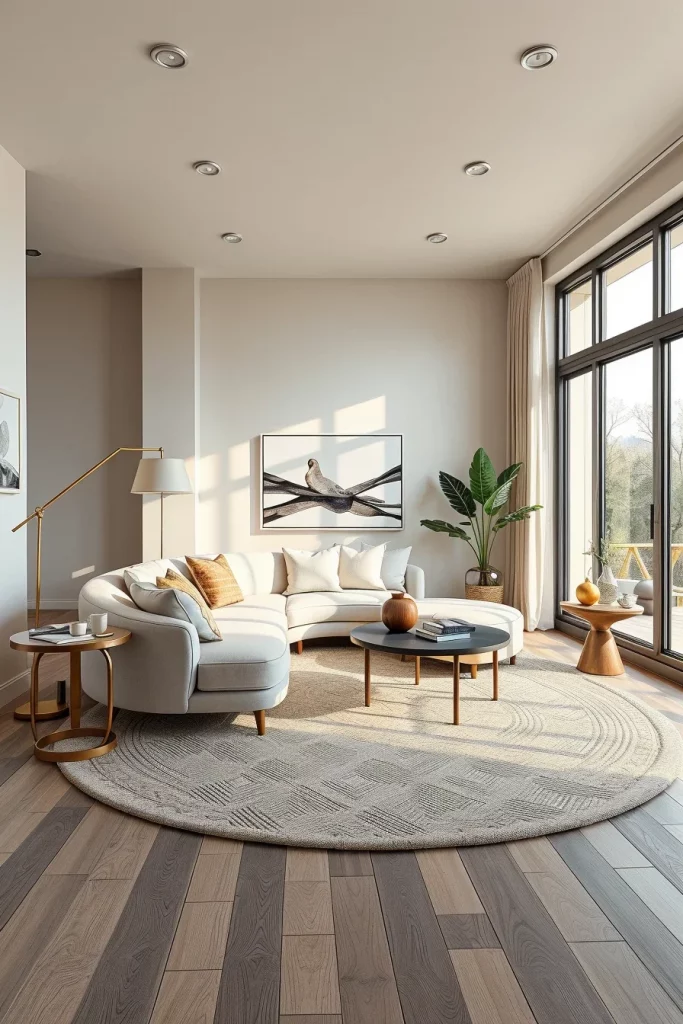
In my experience, many interior designers recommend introducing curves into small spaces because they visually break up boxy architecture. Publications such as Architectural Digest frequently highlight curved furniture as a way to create warmth and movement in contemporary interiors. I have found that even a single curved seating piece can dramatically improve the overall balance of a compact room.
To complete this layout, I would add a sculptural floor lamp and textured accent pillows. These details reinforce the organic aesthetic while introducing layers of visual interest that make the room feel professionally designed.
Sculptural Furniture Pieces That Transform Compact Living Spaces
I often use sculptural furniture when I want a small living room to feel distinctive without overcrowding it. Carefully selected statement pieces function as both furniture and art, allowing fewer objects to create a stronger visual impact. This strategy is especially effective in compact interiors where every item must contribute both beauty and practicality.
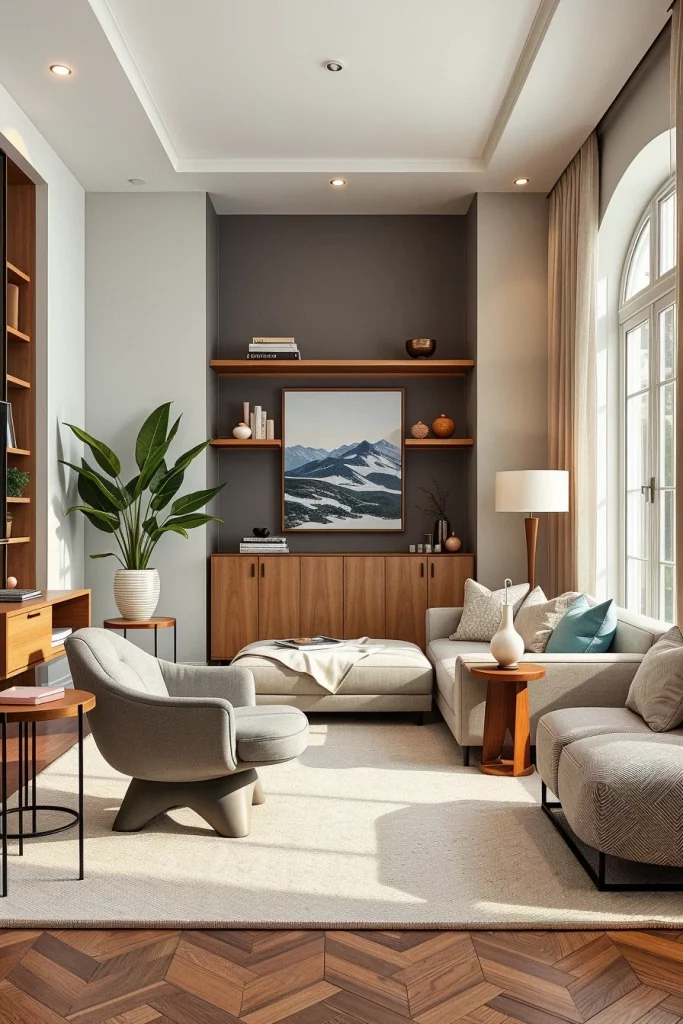
My preferred sculptural pieces include curved accent chairs, organically shaped side tables, and artistic shelving units. These elements introduce character without relying on excessive decoration. A sculptural chair positioned near a window can create a focal point while providing additional seating. Similarly, an asymmetrical coffee table can become an artistic centerpiece that enhances the room’s overall composition.
I have noticed that modern gallery-inspired interiors often rely on sculptural forms to create visual depth. Rather than filling every corner, I focus on selecting one or two meaningful pieces that command attention. This approach helps maintain a clean environment while giving the room a curated appearance.
If I were refining this design further, I would introduce subtle architectural lighting that highlights the contours of the furniture. Proper illumination allows the shapes and craftsmanship of each piece to become part of the room’s visual experience.
How To Arrange Seating In A Small Living Room Without Feeling Crowded
One of the most common challenges I encounter is fitting enough seating into a small living room while preserving openness. The key is creating conversation zones without blocking pathways. I always begin by identifying the room’s natural traffic flow before deciding where seating should be placed.
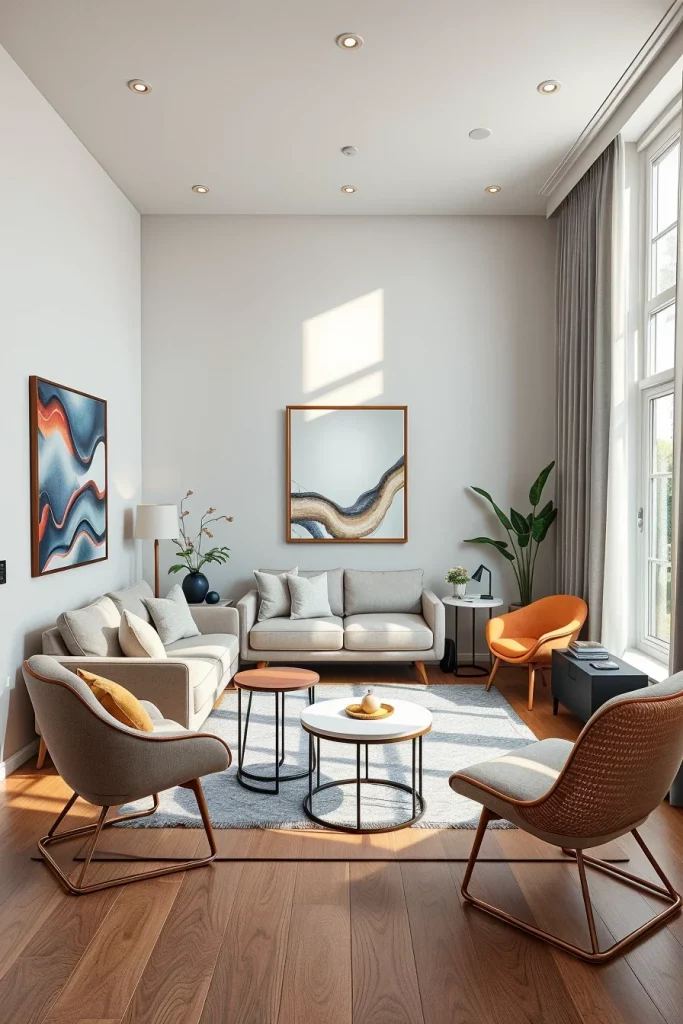
I often position a compact sofa against the longest wall and supplement it with lightweight accent chairs. Instead of placing furniture directly against every wall, I sometimes float key pieces slightly inward to create a more intentional arrangement. Nesting tables, slim-profile chairs, and multifunctional ottomans provide flexibility while minimizing visual clutter.
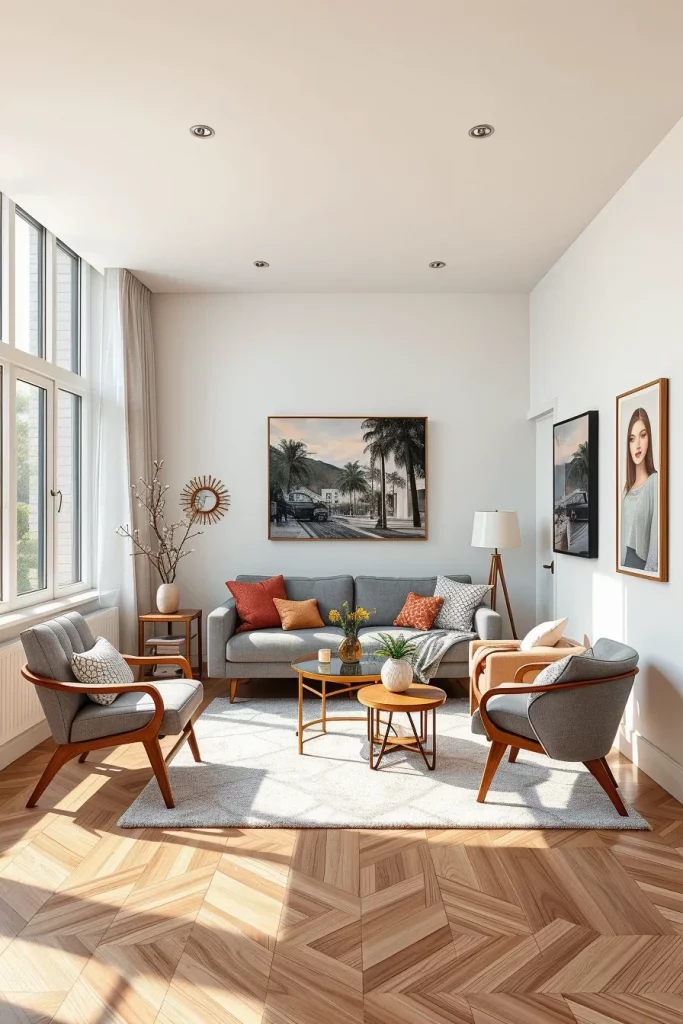
From my experience, spacing between furniture pieces is just as important as the furniture itself. Designers frequently emphasize the importance of maintaining comfortable circulation paths. I have found that leaving strategic gaps between seating elements helps a room feel breathable and organized, even when square footage is limited.
To further improve this arrangement, I would add a large mirror opposite a natural light source. This simple addition enhances brightness and creates the illusion of a more expansive room.
Artistic Furniture Layouts Inspired By Modern Gallery Interiors
When I want a small living room to feel sophisticated, I often draw inspiration from contemporary art galleries. These interiors demonstrate how carefully edited furniture arrangements can create powerful visual experiences without relying on excessive furnishings. The result is a highly artistic environment that feels intentional and refined.
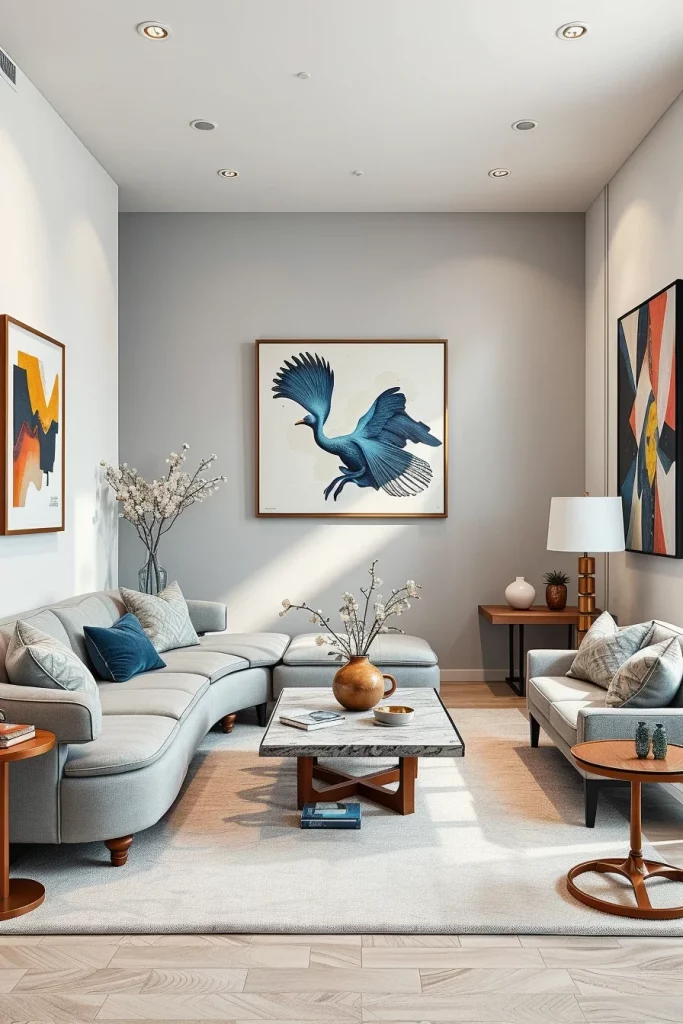
I usually select a limited palette of furniture pieces with strong forms and clean lines. A curved sofa, an abstract coffee table, and a minimalist media console may be all that is needed. Negative space becomes a design element in itself, allowing each object to stand out. This approach creates a sense of luxury that is particularly effective in smaller homes.
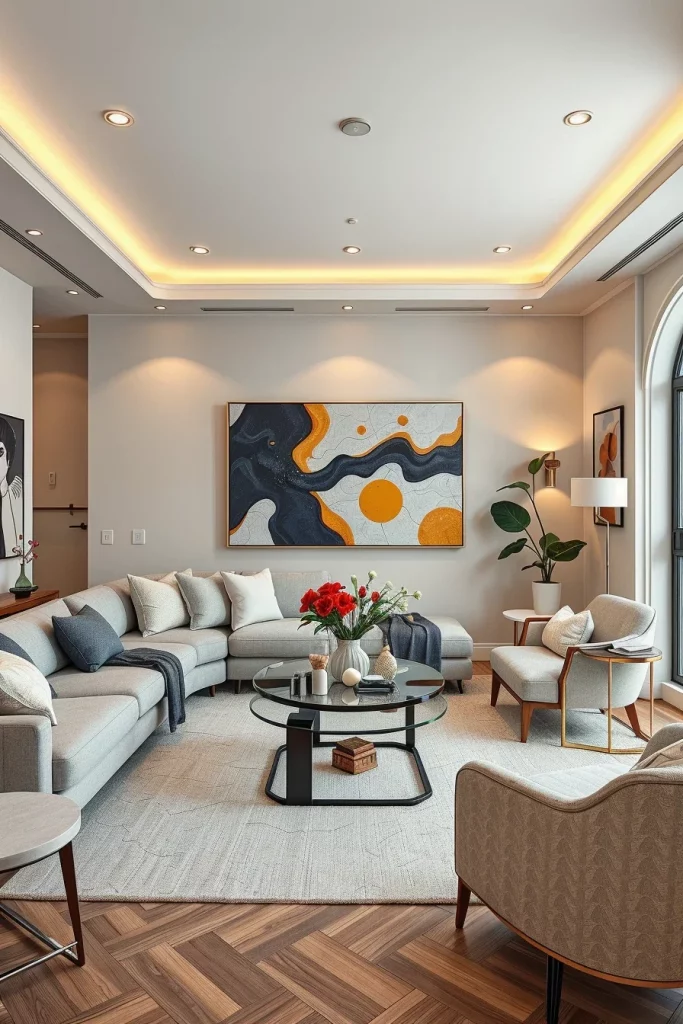
I appreciate how gallery-inspired layouts encourage thoughtful placement rather than quantity. Design publications frequently note that restraint often creates a stronger visual impact than abundance. By focusing on quality and composition, I can achieve a room that feels both elegant and highly functional.
To elevate this concept further, I would incorporate oversized artwork and directional lighting. These additions strengthen the gallery aesthetic while emphasizing the architectural qualities of the room.
Space-Saving Furniture Arrangements For Narrow Small Living Rooms
Narrow living rooms require particularly careful planning. When working with elongated spaces, I focus on creating clear circulation paths while maximizing usable seating. The goal is to make the room feel balanced rather than emphasizing its limited width.
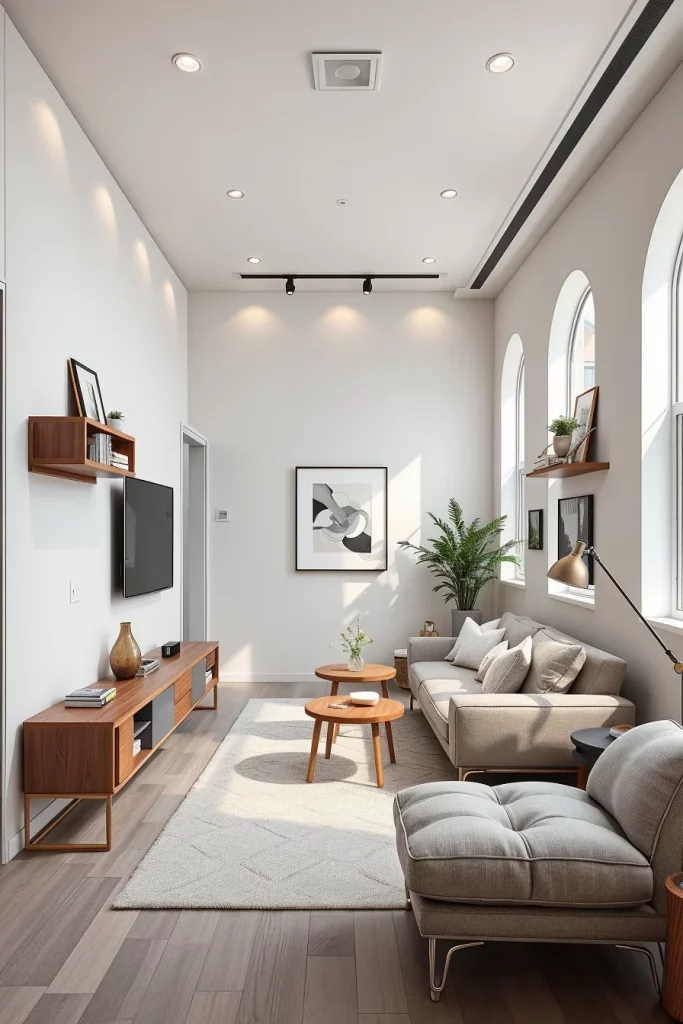
I typically choose slim-profile sofas, wall-mounted storage, and compact nesting tables. Furniture is arranged parallel to the longest walls to preserve openness and improve movement. In some projects, I use curved furniture strategically to soften the tunnel-like effect that narrow rooms can sometimes create.
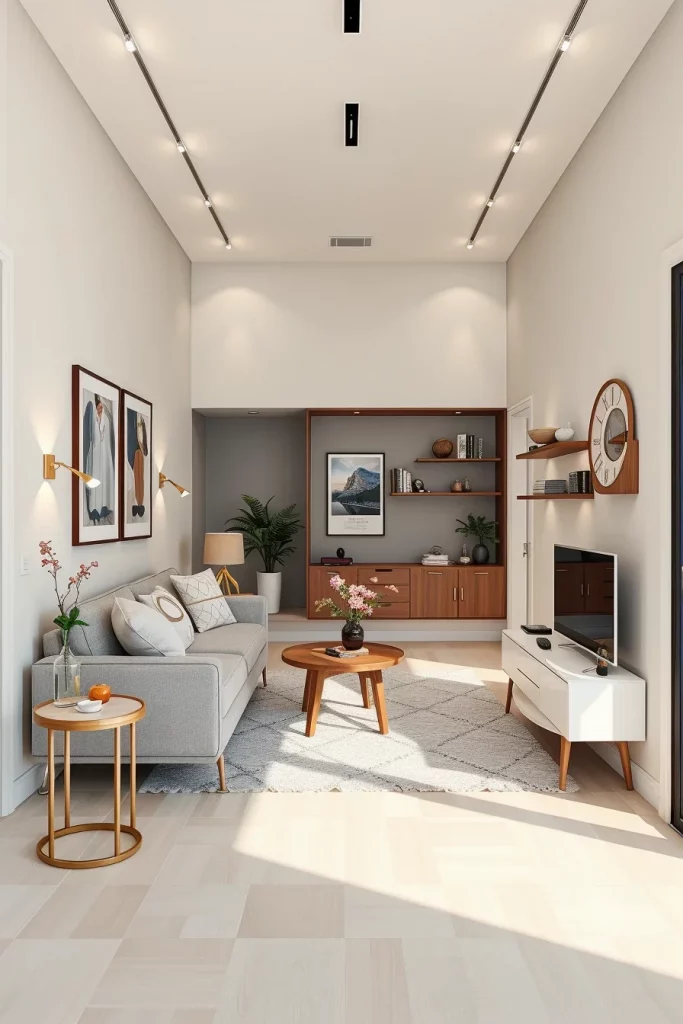
Over the years, I have found that vertical storage solutions play an important role in narrow living rooms. Floating shelves and tall cabinetry draw the eye upward, making ceilings appear higher and the room feel more spacious. This technique allows valuable floor space to remain open and uncluttered.
If additional functionality is needed, I would incorporate a storage ottoman or a compact bench with concealed compartments. These pieces provide practical storage while supporting the overall layout strategy.
Statement Curved Sectionals As The Centerpiece Of A Small Living Room
I often recommend a statement curved sectional when I want to establish a strong focal point in a small living room. Unlike traditional sectional sofas with sharp angles, curved designs create a softer visual flow that makes compact rooms feel more welcoming. A well-positioned sectional can define the living area without requiring multiple seating pieces, which helps preserve valuable floor space. This makes it an excellent choice for homeowners seeking a stylish and highly functional small living room furniture layout.
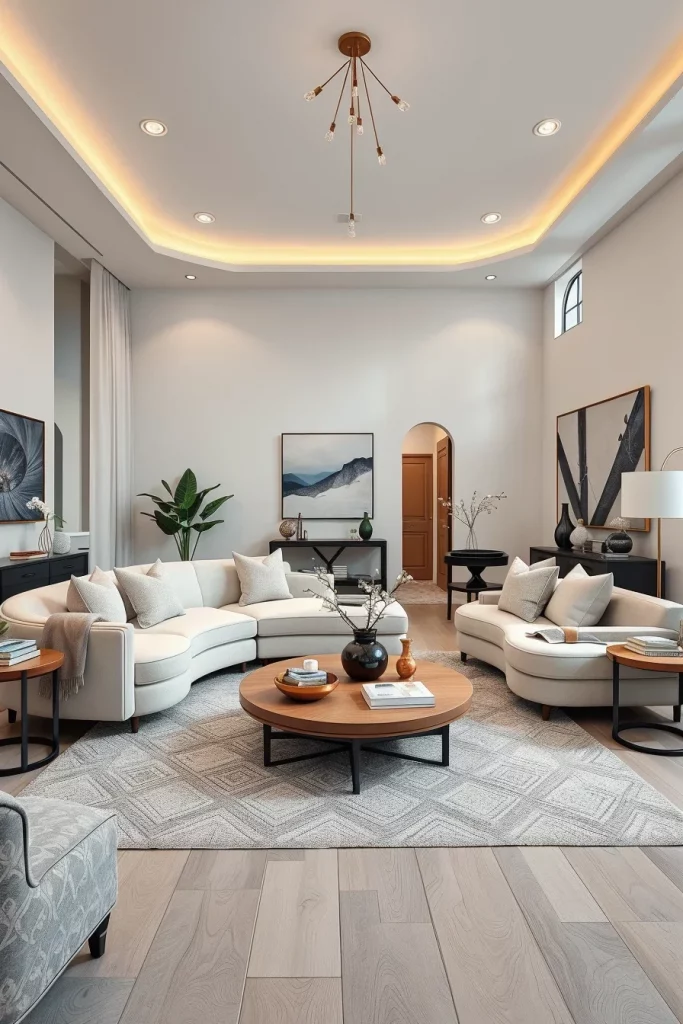
When selecting a curved sectional, I pay close attention to scale and proportions. A low-profile design with clean upholstery works particularly well in smaller interiors. I often pair it with a round coffee table, a textured area rug, and a few carefully chosen accent pieces. These elements complement the sectional’s shape and create a cohesive environment that feels intentional rather than crowded.
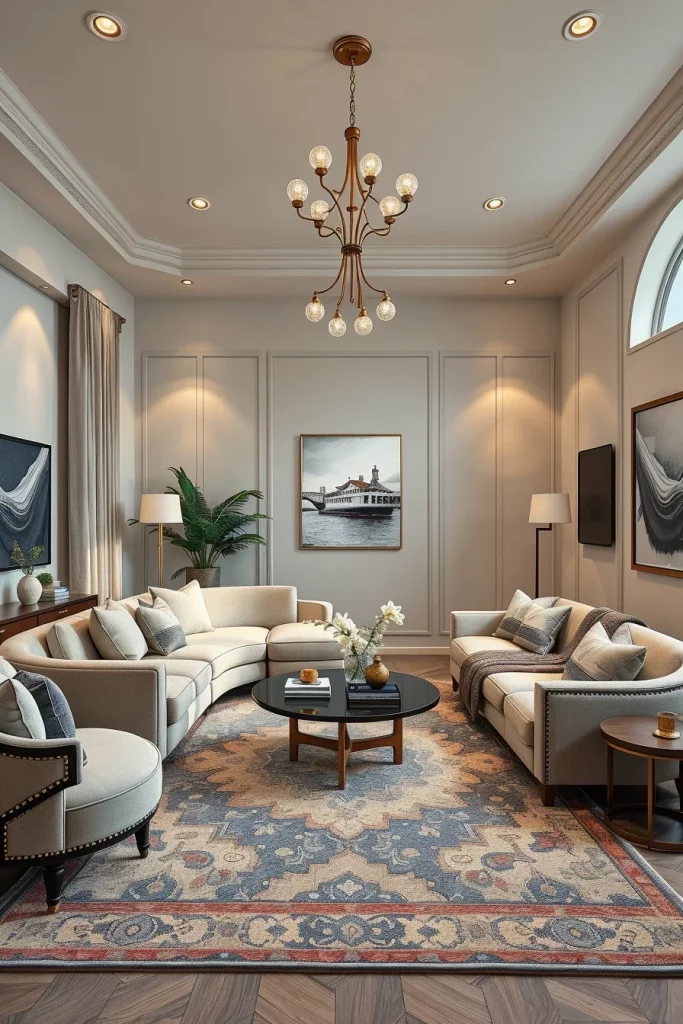
From my experience, curved sectionals naturally encourage conversation because they bring seating positions closer together. Many contemporary interior designers favor these pieces for their ability to combine comfort, elegance, and practicality. I find that they also introduce a subtle sense of luxury that elevates the overall atmosphere of the room.
To complete this arrangement, I would add layered lighting through floor lamps and wall sconces. These lighting sources help define the seating zone while emphasizing the graceful curves of the furniture.
Unique Coffee Table Placement Ideas For Better Room Flow
Coffee table placement can dramatically influence how a small living room functions. Rather than automatically centering a table between seating pieces, I evaluate how people move through the room and adjust the layout accordingly. This often results in a more comfortable and efficient arrangement that improves both accessibility and visual balance.
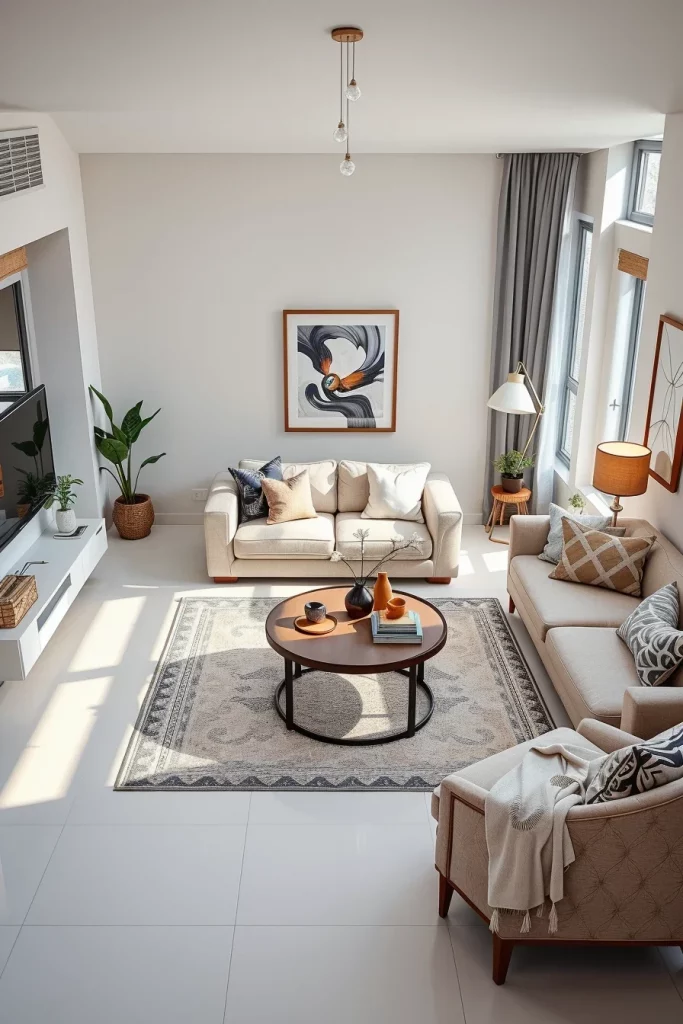
I frequently use round or organically shaped coffee tables because they support smoother circulation. In some layouts, I position the table slightly off-center to create wider pathways. Nesting tables are another favorite solution because they can be expanded when needed and tucked away when extra space is required. These flexible options work particularly well in unique and creative living room designs.
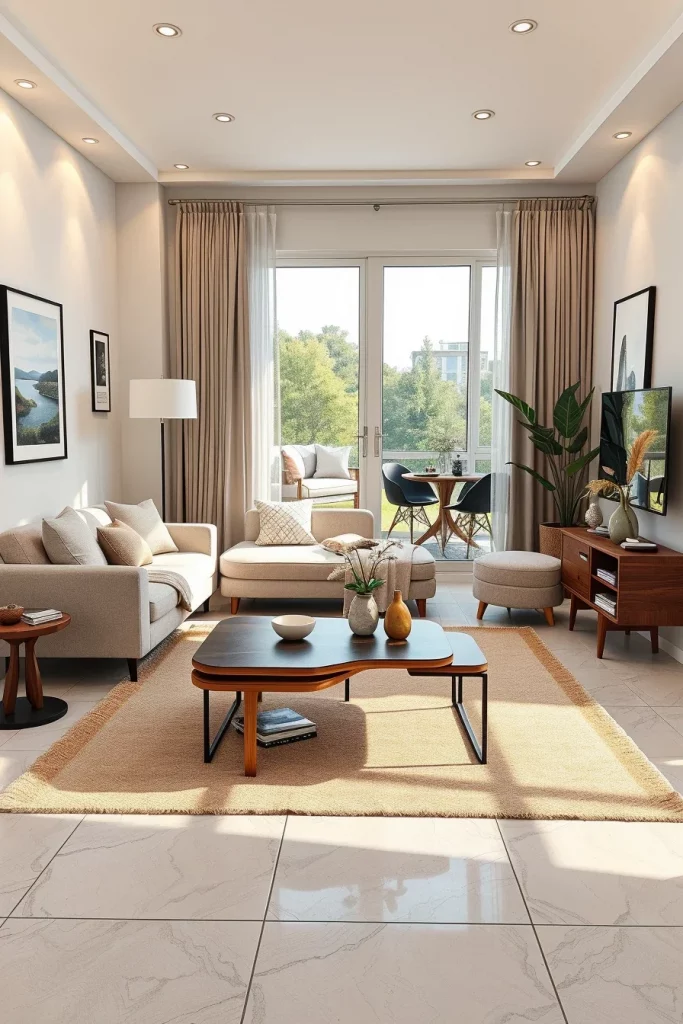
I have found that unconventional placement often produces better results than following standard furniture arrangements. Many modern interiors emphasize adaptability, allowing furniture to respond to everyday living rather than forcing residents to adapt to the furniture. This perspective has helped me create more practical layouts for smaller homes.
If additional functionality is needed, I would incorporate a coffee table with concealed storage. This simple feature helps maintain a clean appearance while reducing clutter throughout the room.
Layering Shapes And Curves To Create A Dynamic Furniture Layout
One of my favorite design strategies involves combining different geometric forms to create depth and visual movement. In small living rooms, layering curves with circular, oval, and softly rounded furniture pieces prevents the space from feeling static. This technique contributes to a more dynamic, artistic, and visually engaging interior.
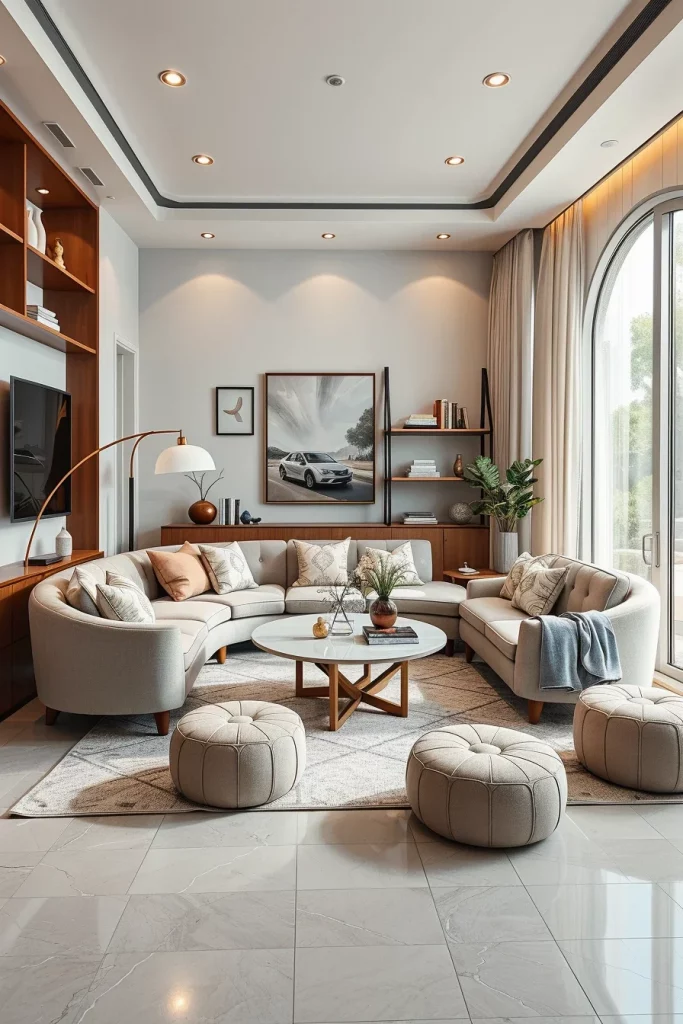
I often begin with a curved sofa and then introduce complementary elements such as an oval coffee table, rounded ottomans, and arched floor lamps. To balance these softer forms, I may include a rectangular media console or geometric shelving unit. The contrast between shapes creates visual tension that keeps the room interesting without overwhelming it.
In my projects, this approach consistently makes compact rooms feel more thoughtfully designed. Design experts frequently emphasize the importance of mixing forms to create balance and rhythm. I have seen how carefully layered shapes can transform an ordinary room into a memorable space with a strong design identity.
To enhance this concept further, I would add textured materials such as boucle upholstery, natural wood finishes, and stone surfaces. These materials provide additional layers that enrich the overall composition.
Stylish Small Living Room Furniture Layouts With Organic Forms
Organic forms are becoming increasingly popular in contemporary interiors, particularly in small living rooms where softness and comfort are priorities. I often use furniture with flowing silhouettes because these pieces create a relaxed atmosphere while maintaining a sophisticated appearance. Organic shapes help reduce the visual rigidity that can make compact spaces feel confined.
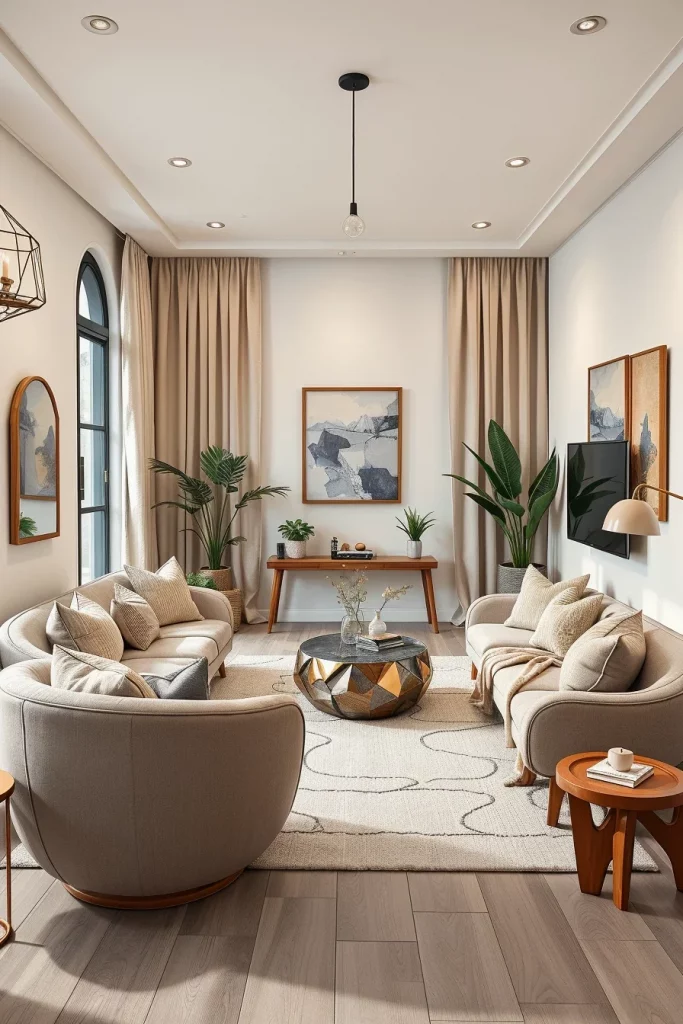
My preferred furnishings include curved sofas, pebble-shaped coffee tables, rounded accent chairs, and softly contoured storage units. These elements work together to create a harmonious environment that feels effortless and inviting. I also like incorporating natural materials such as wood, linen, and stone to reinforce the organic aesthetic.
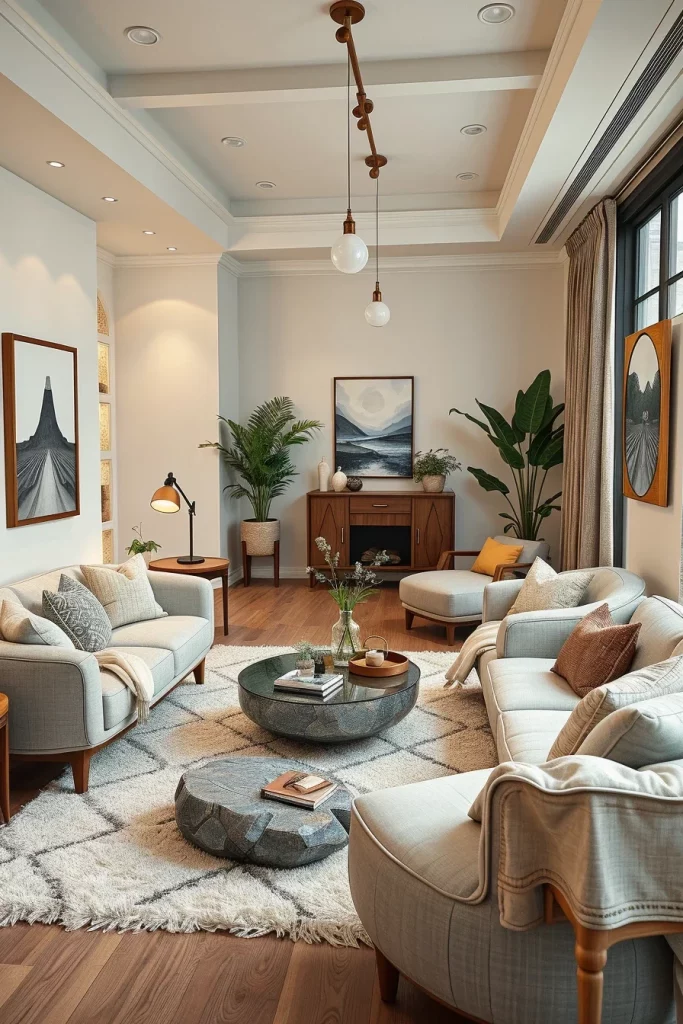
I believe that organic furniture layouts represent a long-lasting design direction rather than a temporary trend. Many respected interior publications continue to showcase interiors that prioritize comfort, fluidity, and human-centered design. In my experience, these qualities make a small living room feel more welcoming and adaptable to everyday life.
To strengthen this layout, I would add indoor plants and layered textiles. These finishing touches enhance the connection between the interior and natural forms while adding warmth and personality.
Floating Furniture Arrangements That Open Up Compact Spaces
When I design a small living room, I often avoid pushing every piece of furniture against the walls. A floating furniture arrangement can make a room feel larger because it creates visual breathing space around the perimeter. This approach works especially well in stylish and creative interiors where circulation and openness are priorities. By allowing furniture to occupy the center of the room, I can establish clear zones without making the space feel crowded.
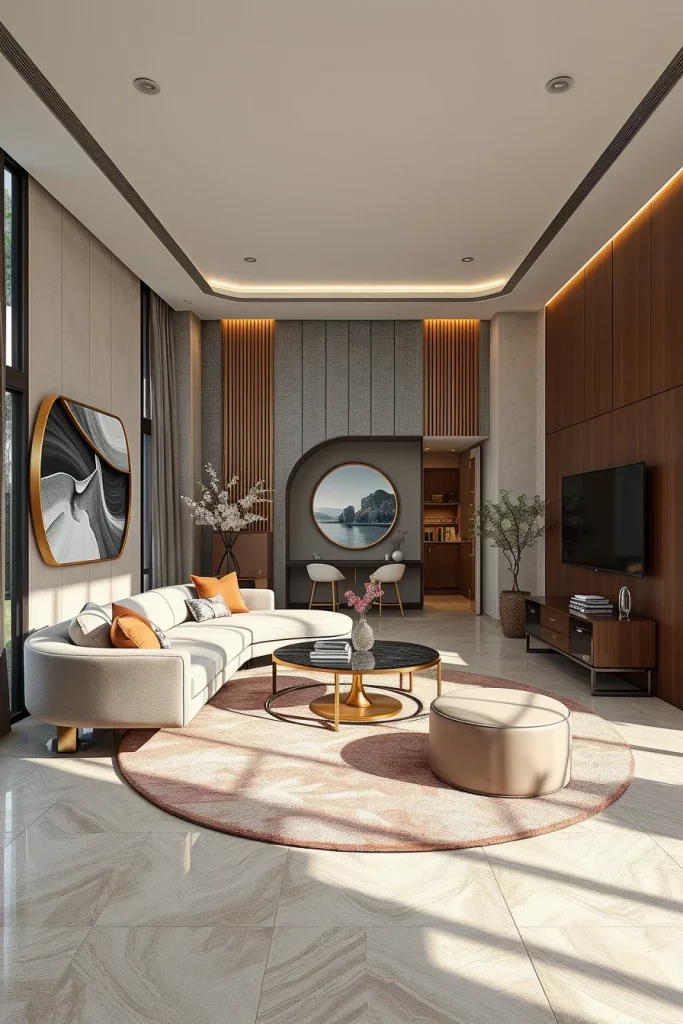
I usually start with a compact curved sofa positioned slightly away from the wall and anchor it with a round area rug. A sculptural coffee table becomes the centerpiece, while lightweight accent chairs help maintain flexibility. I often add a slim console behind the sofa to provide storage without introducing visual heaviness. Each piece contributes to a balanced layout that feels intentional and welcoming.
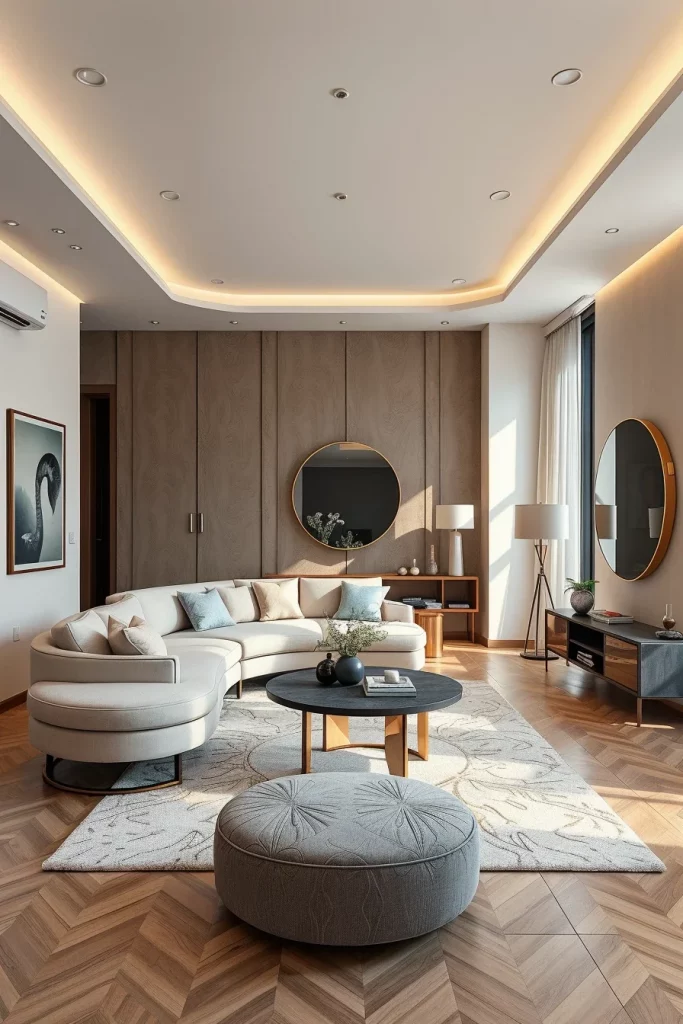
In my experience, many professional designers emphasize the importance of negative space in small interiors. Publications such as Architectural Digest frequently showcase rooms where floating furniture arrangements improve both function and aesthetics. I find that even a few inches between the furniture and walls can dramatically improve the perception of space.
To complete this design, I would add layered lighting and a large mirror opposite a window. These elements reflect light throughout the room and reinforce the sense of openness created by the floating layout.
Creative Corner Furniture Solutions For Small Living Rooms
Corners are often underutilized, but I see them as valuable opportunities in a compact living room. By transforming a corner into a functional design feature, I can increase seating capacity and improve room flow. This strategy works particularly well in unique and unusual interiors where every square foot matters.
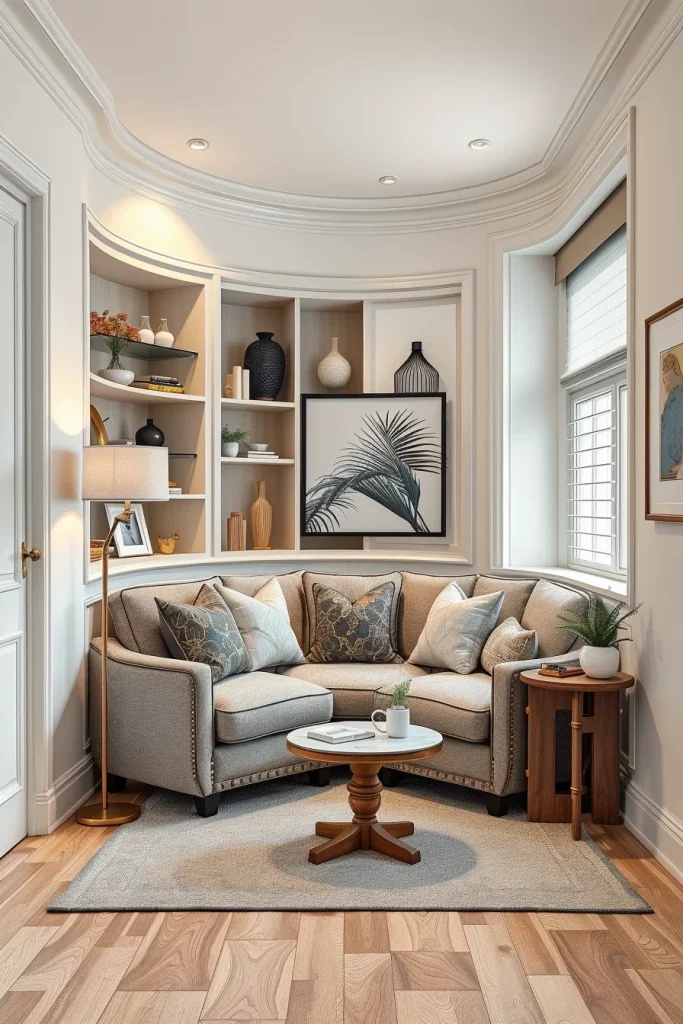
I often incorporate a curved loveseat or a custom corner banquette that fits naturally into the space. A small pedestal side table, built-in shelving, and a floor lamp can transform the corner into a comfortable conversation area. I prefer furniture with rounded edges because it softens the room and allows movement without visual interruptions.
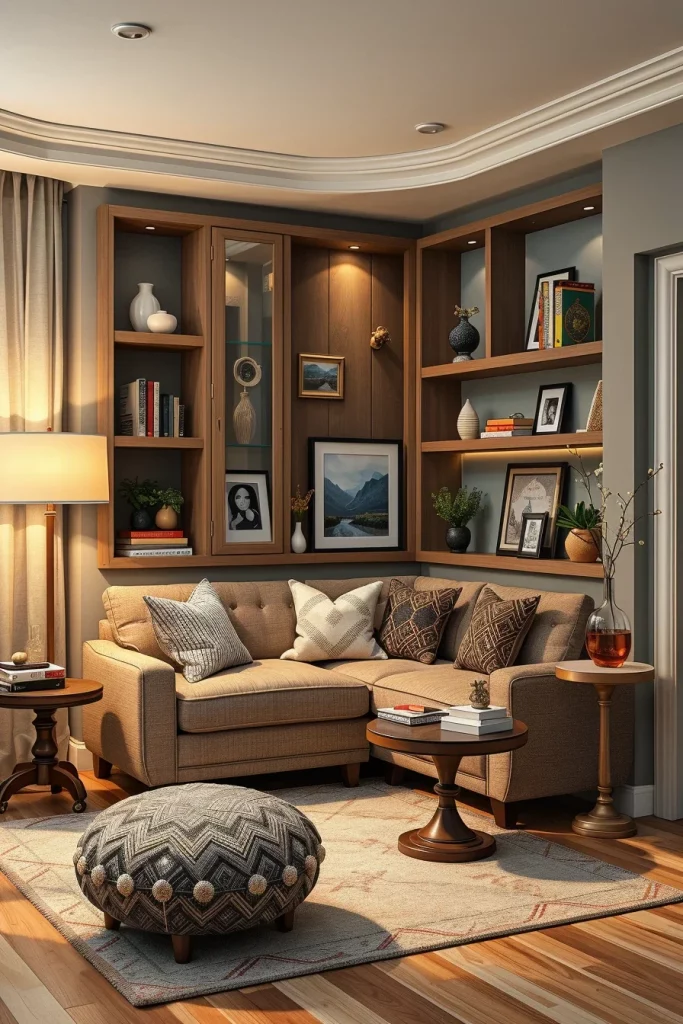
From my perspective, corner-focused layouts are among the most practical solutions for homeowners with limited square footage. Designers featured in House Beautiful frequently recommend custom storage and seating combinations that maximize functionality while maintaining a polished appearance. I have found these recommendations highly effective in real-world projects.
To further enhance the corner, I would introduce artwork, textured cushions, and a sculptural plant stand. These additions create depth and help the corner feel like an intentional part of the overall design rather than an afterthought.
Designing A Small Living Room Around A Sculptural Accent Chair
A single statement chair can become the foundation of an entire living room layout. When I work with compact spaces, I often choose a sculptural accent chair as the focal point because it introduces personality without overwhelming the room. This approach allows me to create an artistic atmosphere while maintaining practical functionality.
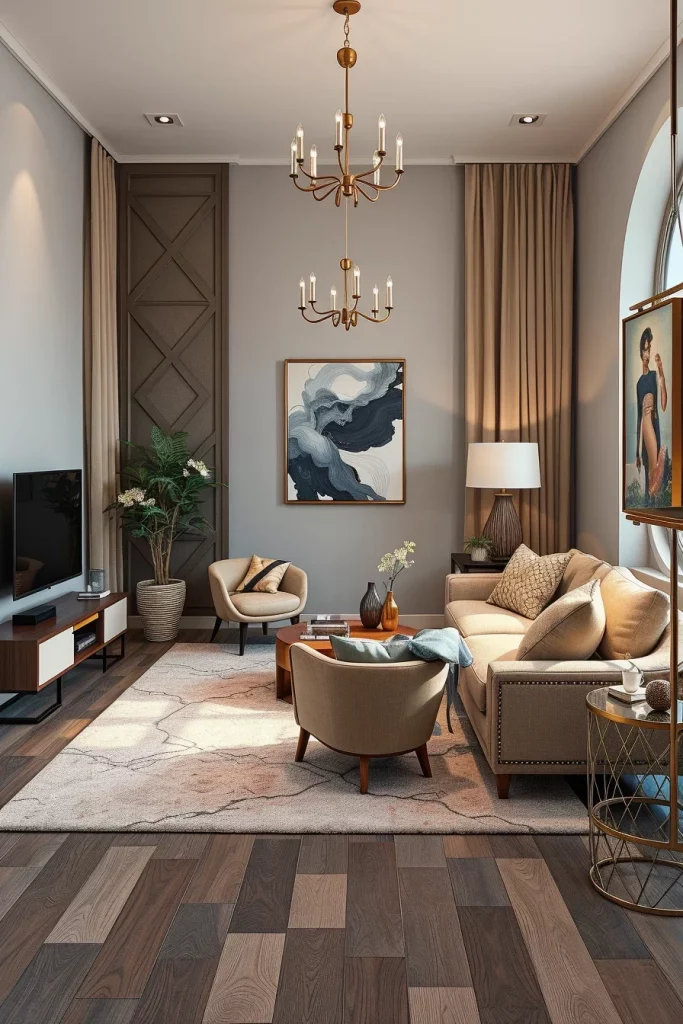
I typically select a chair with curved lines, interesting proportions, or distinctive upholstery. The chair is paired with a compact sofa, a minimalist coffee table, and a textured rug that grounds the arrangement. I keep surrounding furniture simple so the sculptural piece remains the visual centerpiece. Strategic lighting helps highlight the chair’s shape and craftsmanship.
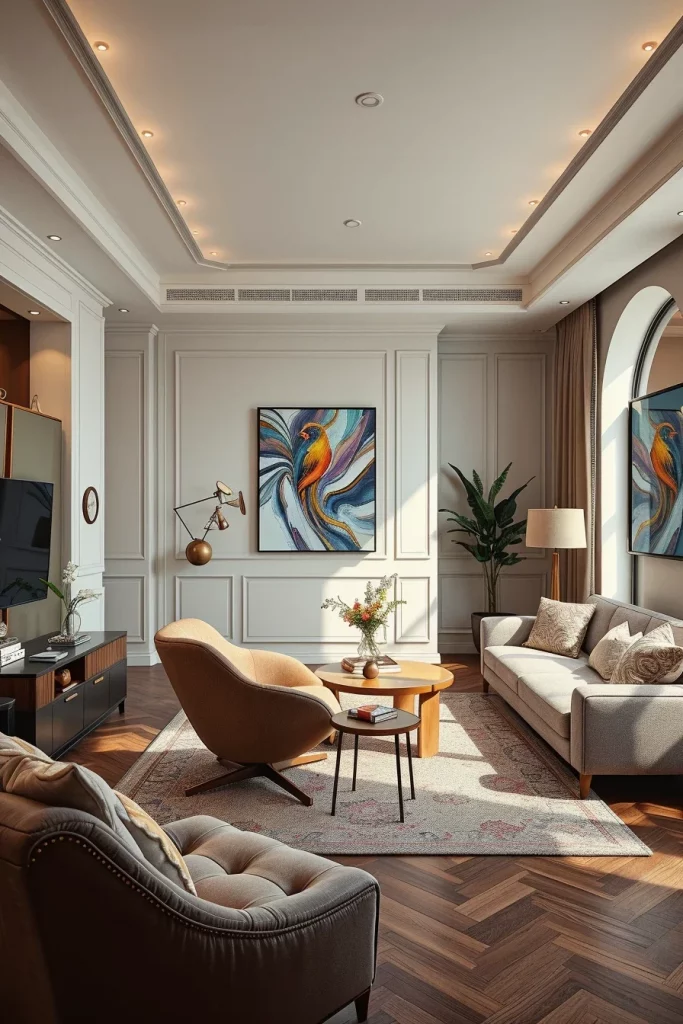
Personally, I appreciate how a statement chair can elevate an otherwise simple room. Many contemporary interior designers recommend investing in one exceptional piece rather than filling a small space with numerous decorative objects. I have consistently seen this approach create more memorable and refined interiors.
What I would add to this layout is a carefully chosen side table and a floor lamp positioned nearby. Together, these elements create a functional reading nook while emphasizing the artistic qualities of the accent chair.
Asymmetrical Furniture Layouts For A Contemporary Look
Perfect symmetry is not always the best solution for a small living room. I often prefer asymmetrical arrangements because they introduce movement and visual interest. In a contemporary and creative interior, asymmetry can make the room feel more dynamic and less predictable.
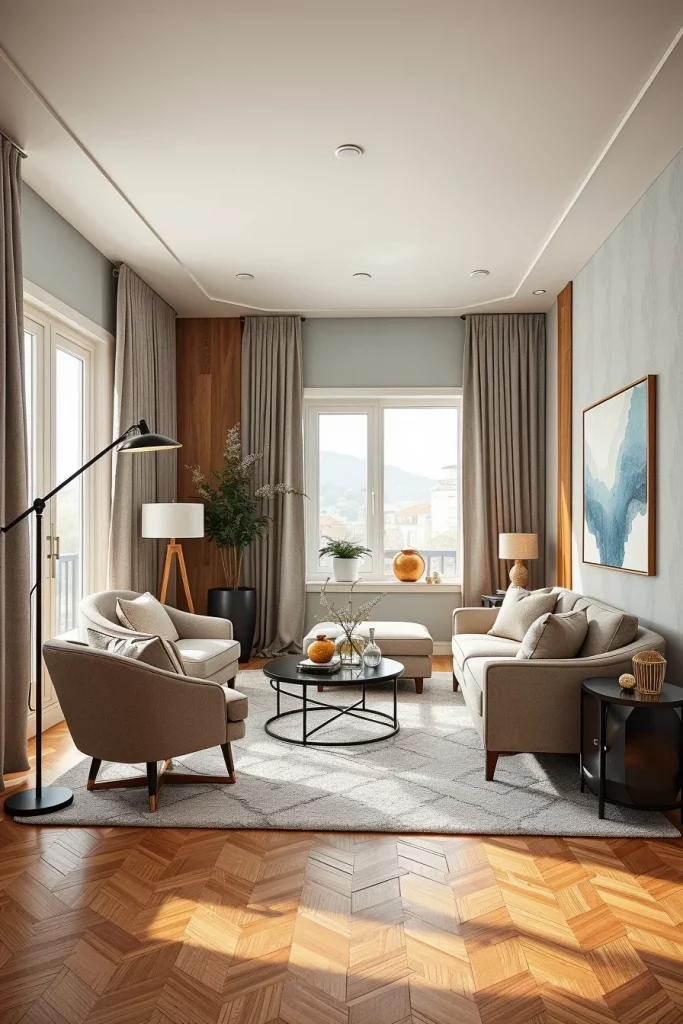
I usually position a sofa slightly off-center and balance it with an accent chair, side table, or sculptural floor lamp. A curved coffee table and layered accessories help connect the various elements. This arrangement encourages natural movement throughout the room while avoiding a rigid appearance.
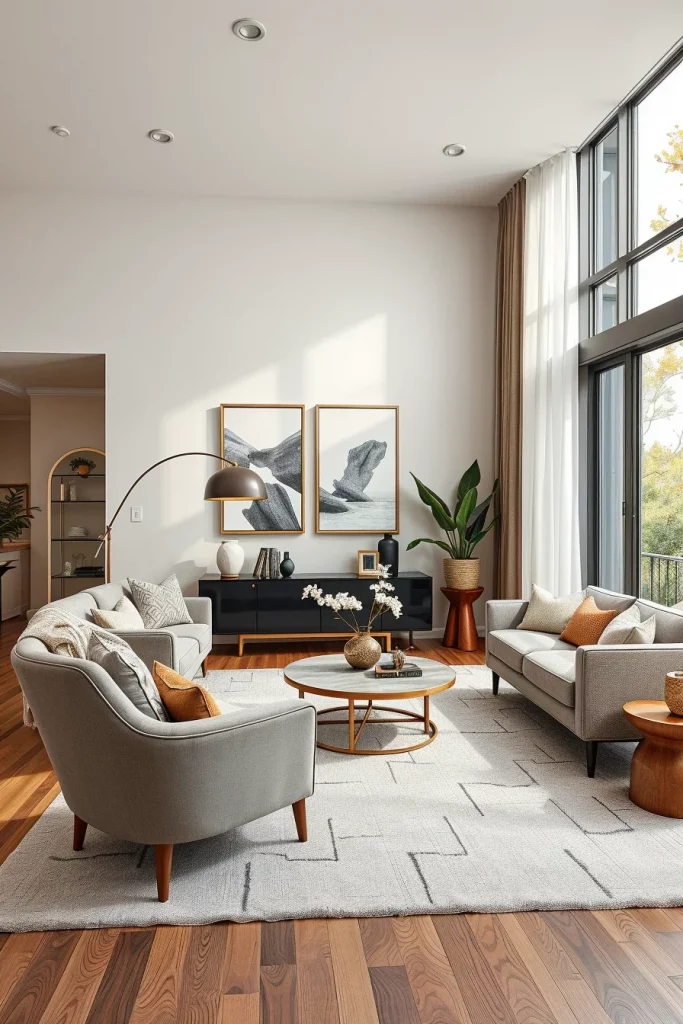
From my experience, asymmetrical layouts feel more relaxed and adaptable to modern lifestyles. Interior designers frequently use this strategy in compact apartments because it creates flexibility and allows focal points to emerge organically. I find that asymmetry often makes small spaces appear larger than they actually are.
To strengthen the design, I would add varied textures such as boucle upholstery, natural wood, and matte metal finishes. These materials reinforce the contemporary character of the room while maintaining visual harmony.
Curved Furniture Combinations That Soften Small Living Room Designs
Curved furniture is one of my favorite tools for enhancing a small living room. Soft lines naturally guide the eye through the space and reduce the visual rigidity often associated with compact layouts. This makes curved furniture ideal for stylish, unique, and artistic interiors.
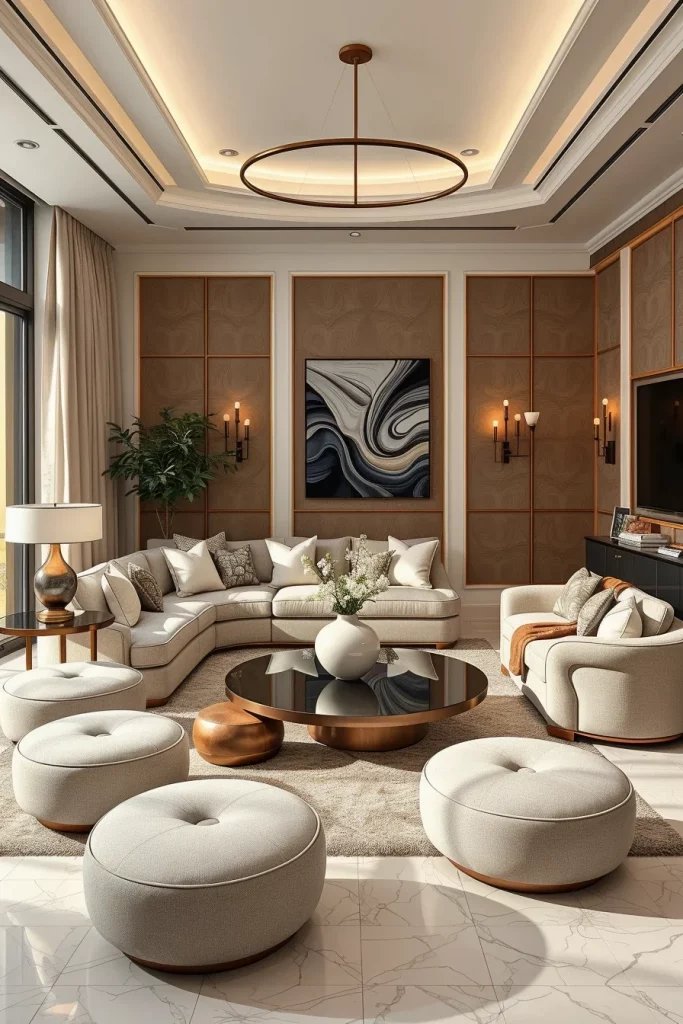
I often combine a curved sofa with rounded ottomans, circular side tables, and an organically shaped coffee table. These pieces create a cohesive composition that feels welcoming and sophisticated. Because curved furniture lacks sharp corners, it also improves circulation and makes the room feel less confined.
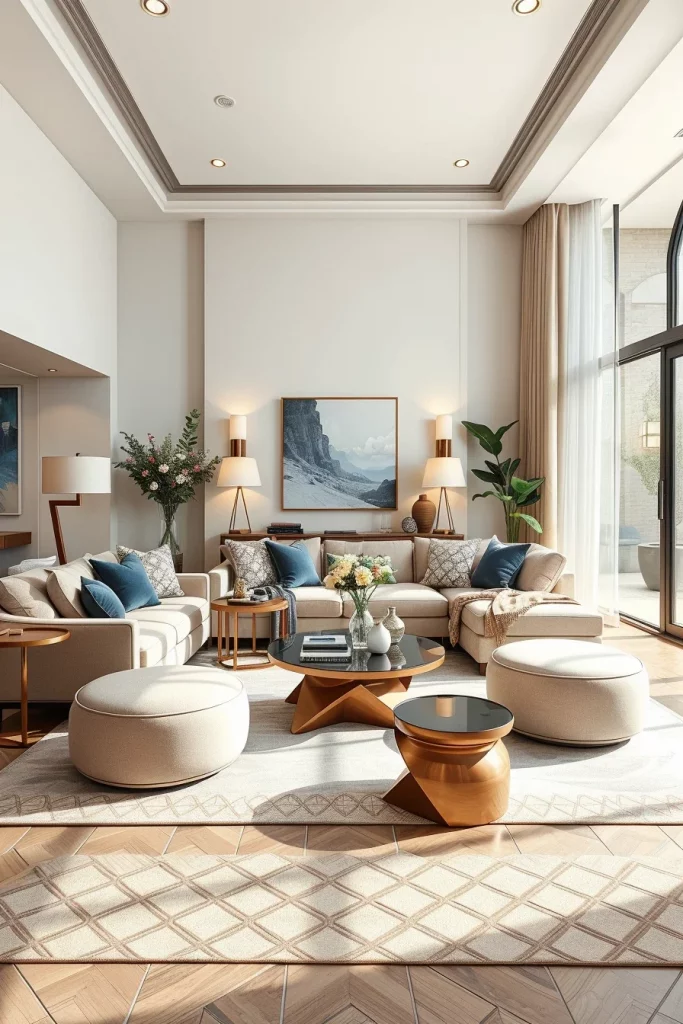
I have noticed that many leading designers are embracing organic forms as part of a broader movement toward more comfortable and human-centered interiors. The use of curved furniture can instantly make a small room feel more luxurious while preserving functionality. In my projects, clients often respond positively to the softer and more inviting atmosphere.
To complete this design, I would incorporate layered textiles, sculptural lighting, and subtle architectural details. Together, these features enhance the fluidity of the layout and create a cohesive visual experience.
Unusual Layout Ideas That Break Traditional Furniture Rules
When I want a small living room to feel memorable, I often move away from conventional furniture placement. Traditional layouts usually center everything around a television or place furniture directly against walls. Instead, I prefer unusual arrangements that prioritize conversation, visual interest, and flexibility. These layouts help compact rooms feel more personal and encourage people to interact with the space in new ways.
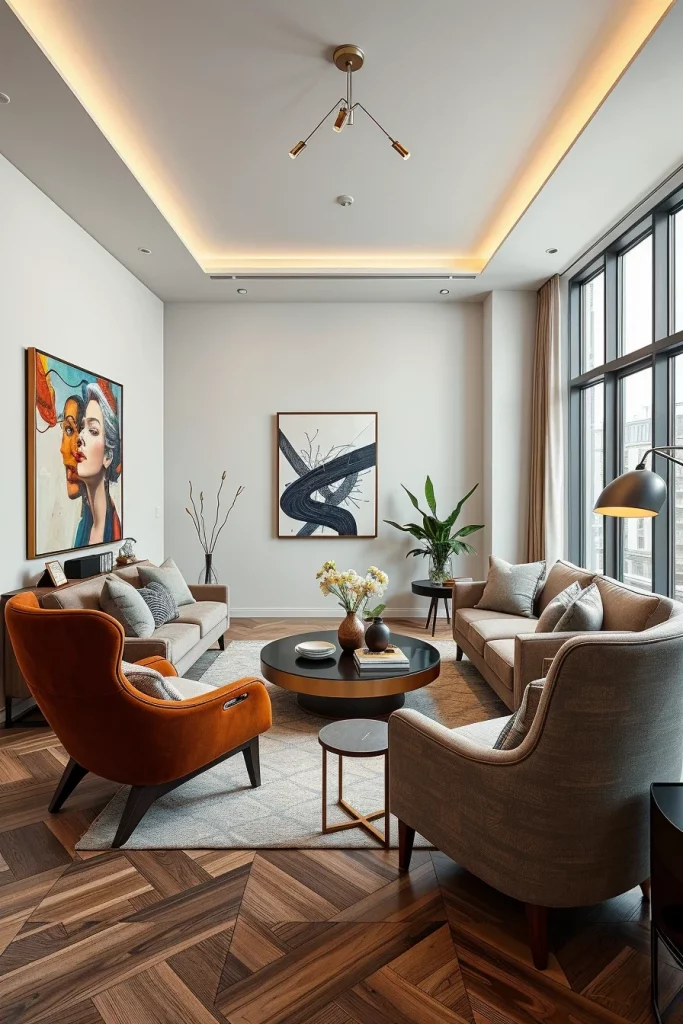
I often position seating diagonally across the room or create a circular arrangement using a curved sofa and sculptural chairs. A uniquely shaped coffee table can serve as the focal point, while open shelving or artistic screens subtly divide areas without blocking light. These design choices create a sense of discovery and make the room appear more thoughtfully curated.
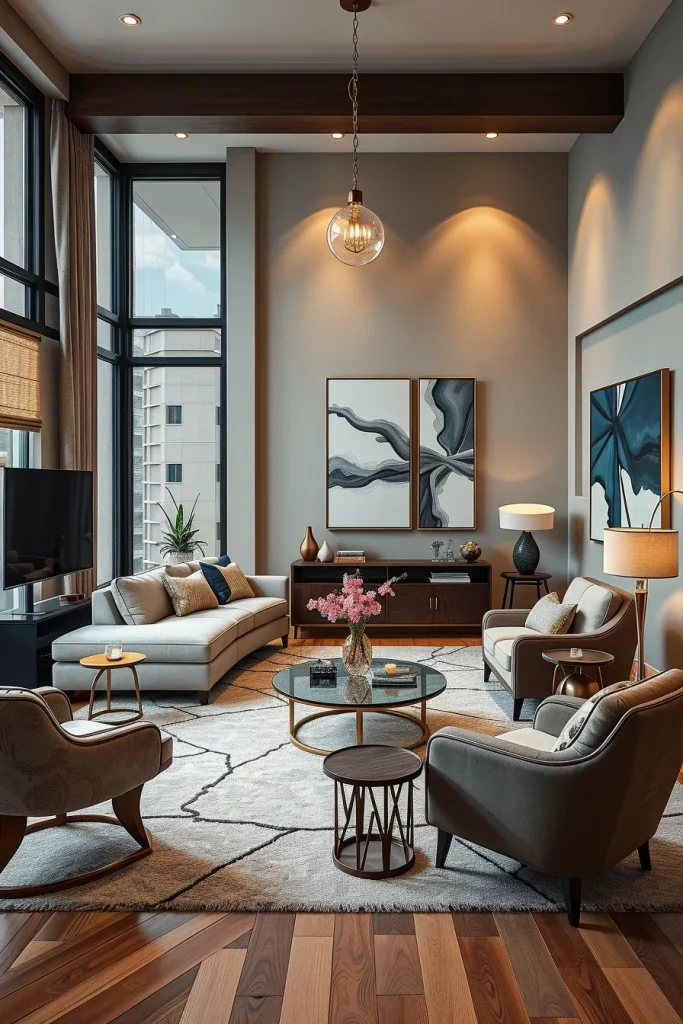
In my experience, breaking traditional design rules often leads to the most successful interiors. Many contemporary designers encourage homeowners to experiment with layouts before committing to a final arrangement. I have found that unexpected furniture placement frequently improves both functionality and visual balance in small spaces.
To enhance this concept further, I would incorporate oversized artwork, distinctive textures, and a mix of materials such as stone, wood, and metal. These additions reinforce the individuality of the design and create a truly creative living room.
Artistic Living Room Arrangements Featuring Statement Lighting
Lighting can completely transform the atmosphere of a small living room. I often use statement lighting as the central design element and arrange furniture around it. This approach creates an artistic focal point while helping the room feel cohesive and visually engaging. A dramatic light fixture can draw attention upward and make the ceiling appear higher.
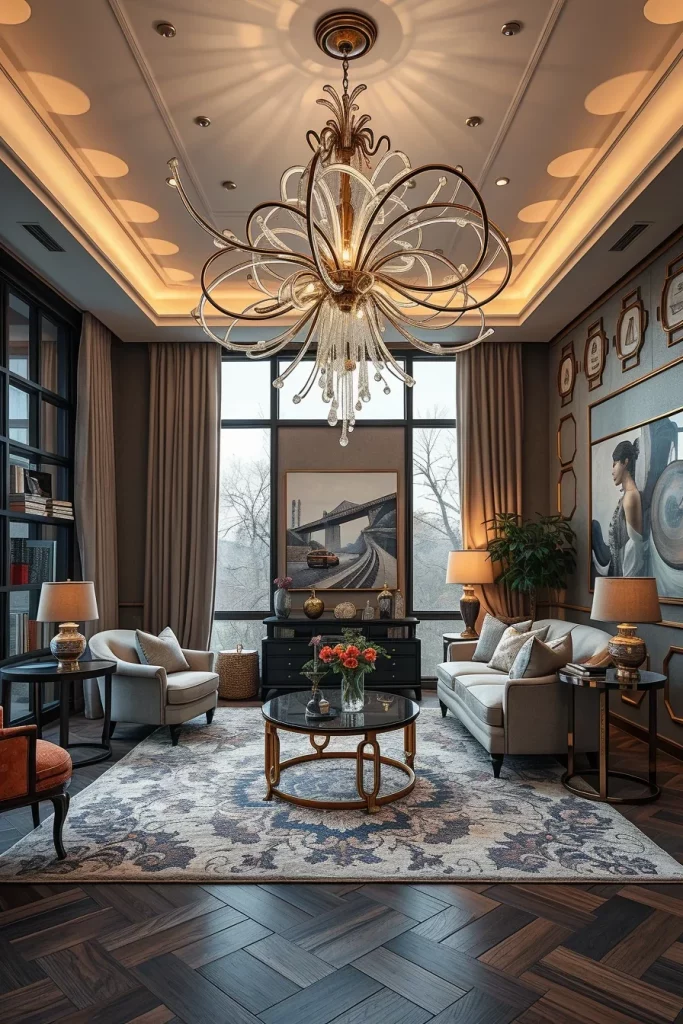
I typically select a sculptural chandelier, oversized pendant, or contemporary floor lamp with distinctive shapes. Furniture is arranged to complement rather than compete with the lighting feature. A curved sofa, elegant side tables, and a textured area rug help anchor the space while maintaining visual harmony. Layered lighting sources provide flexibility throughout the day.
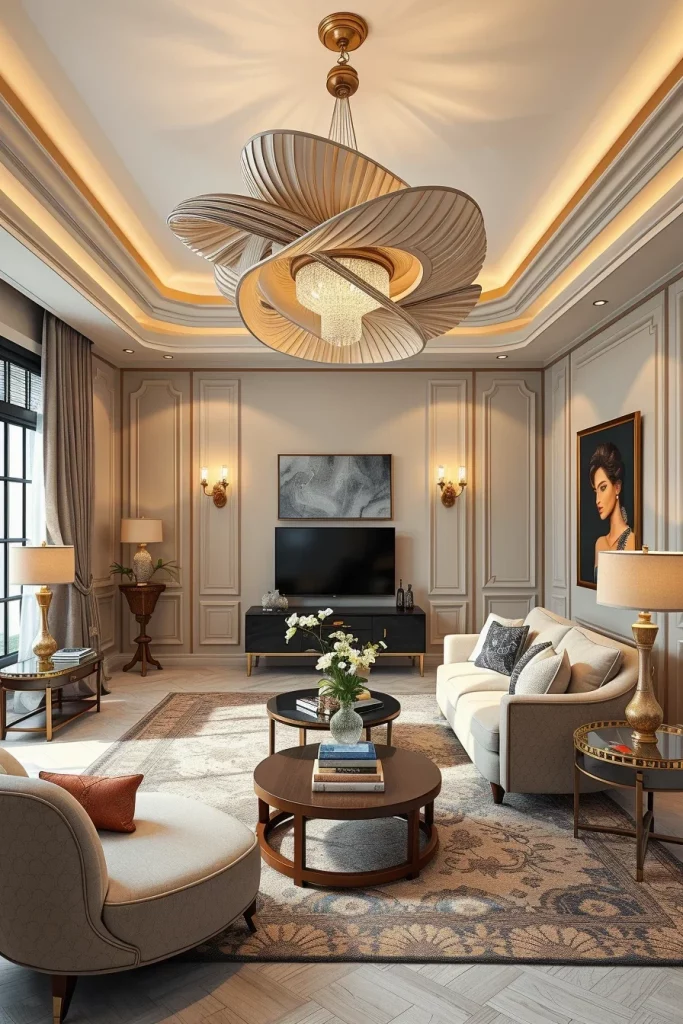
Personally, I believe statement lighting is one of the most effective ways to elevate a small room. Design publications frequently highlight lighting as a critical element that should receive as much attention as furniture selection. In my projects, a striking light fixture often becomes the feature clients remember most.
What I would add to this design is reflective surfaces such as mirrors, glass tables, or metallic accents. These elements amplify the light and create additional depth throughout the room.
Small Living Room Furniture Layouts With Multi-Functional Pieces
In a compact living room, every piece of furniture should work hard. I often design layouts around multi-functional furnishings because they maximize usability without sacrificing style. This approach is ideal for homeowners who want a stylish space that remains practical for everyday life.
I frequently include storage ottomans, nesting tables, convertible sofas, and compact media units with hidden compartments. These furnishings reduce clutter while maintaining a clean and organized appearance. I also favor curved furniture with built-in storage whenever possible because it combines functionality with a softer visual profile.
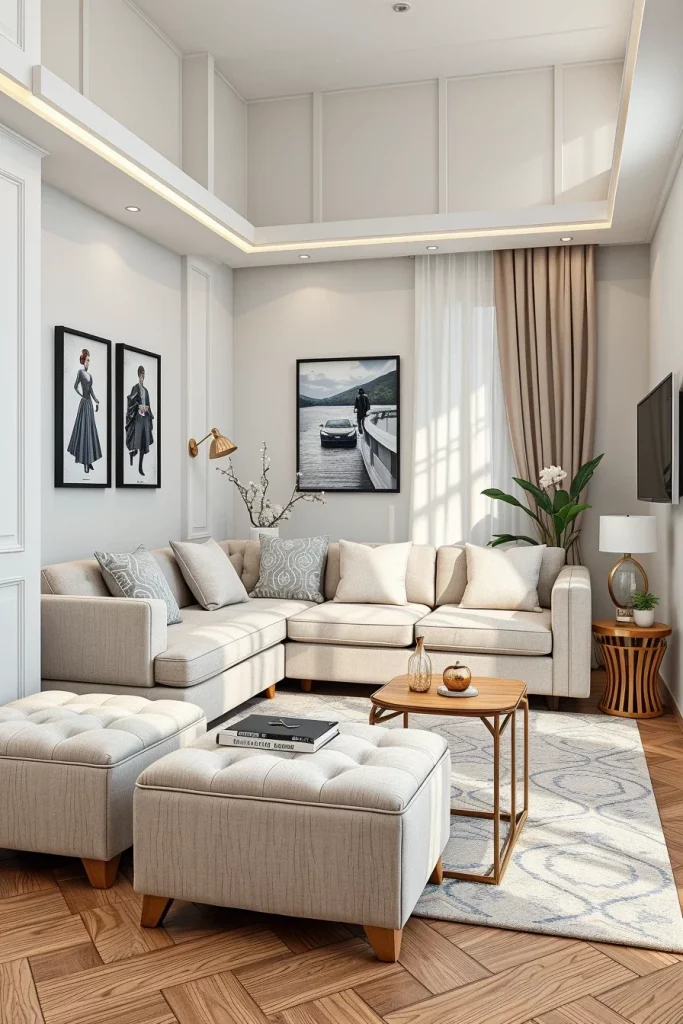
From my perspective, investing in versatile furniture is one of the smartest decisions for small-space living. Many professional designers emphasize quality over quantity, recommending fewer but more functional pieces. I have consistently seen this strategy create rooms that feel larger and more comfortable.
To complete the layout, I would add wall-mounted shelving and multifunctional lighting solutions. These elements increase storage and usability while preserving valuable floor space.
Creating Visual Movement With Rounded Furniture Designs
Rounded furniture can introduce a sense of motion and flow that makes a small living room feel more dynamic. I often use curved forms to guide the eye naturally through the space and create a more inviting environment. This strategy works particularly well in sculptural and unique interiors where form is as important as function.
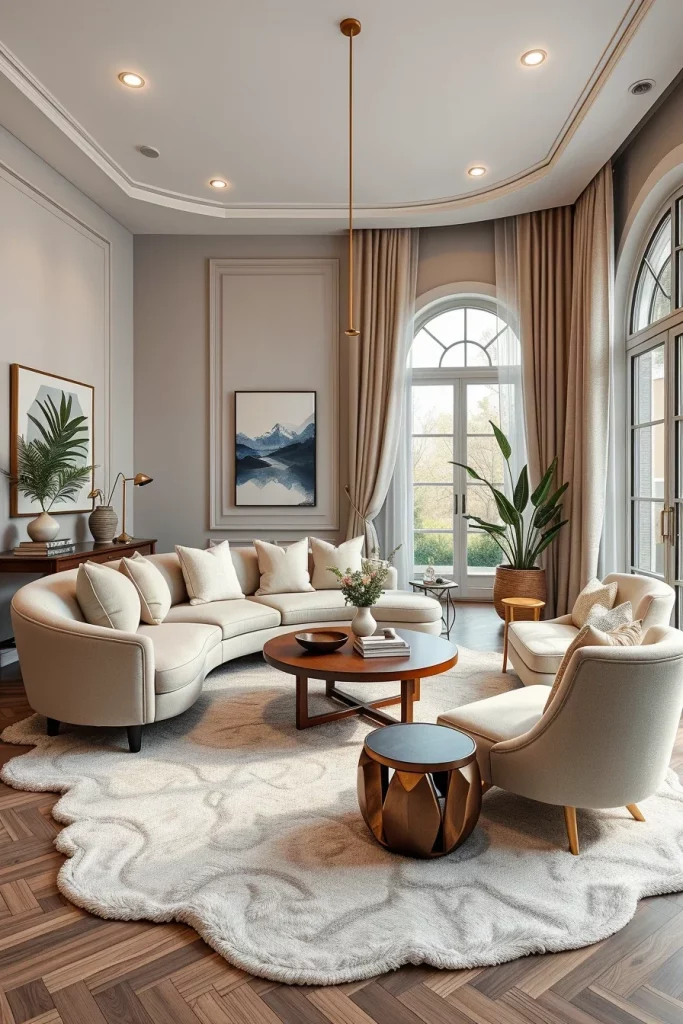
I usually combine rounded sofas, circular coffee tables, curved accent chairs, and organic-shaped rugs. Together, these pieces create a layered composition that feels fluid rather than static. The absence of sharp angles contributes to a softer atmosphere while improving circulation throughout the room.
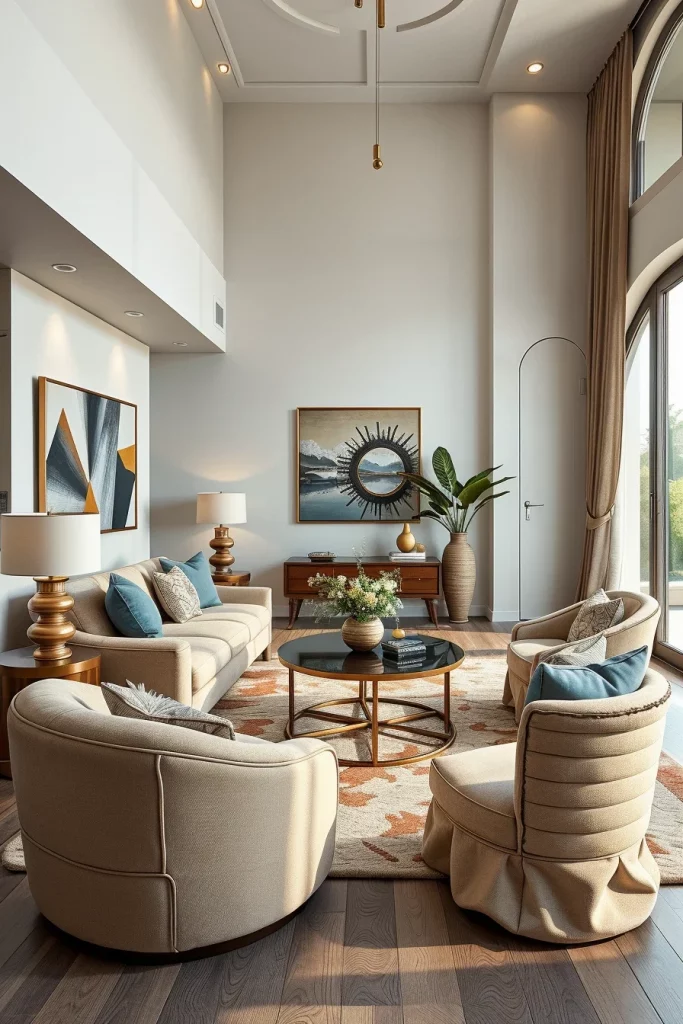
In my experience, rounded furniture encourages a more relaxed and welcoming environment. Many contemporary designers are embracing organic forms because they create emotional warmth and visual comfort. I have found that clients often perceive rooms with curved furniture as more luxurious and sophisticated.
To strengthen the design, I would introduce subtle patterns, textured fabrics, and sculptural accessories. These details enhance the sense of movement while maintaining a cohesive overall aesthetic.
Stylish Furniture Placement For Open-Concept Small Living Rooms
Open-concept spaces present unique challenges, especially when square footage is limited. I focus on furniture placement that clearly defines the living area without disrupting the openness of the overall floor plan. A thoughtful layout helps maintain functionality while creating a distinctly stylish and organized environment.
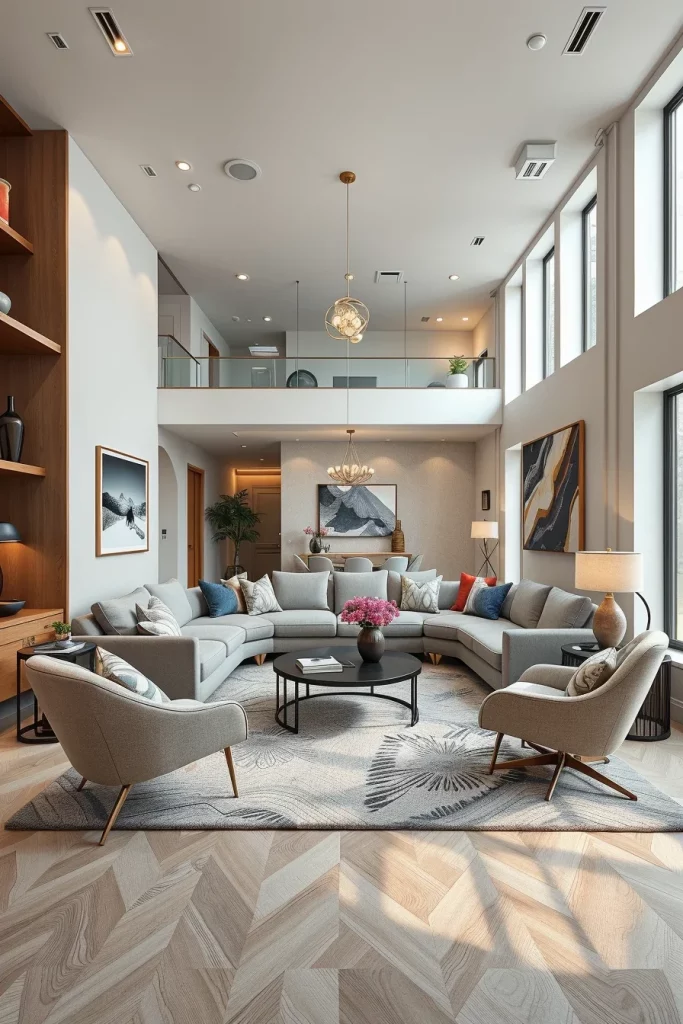
I often use a curved sofa to establish the living zone and position it to subtly separate the seating area from adjacent dining or kitchen spaces. Area rugs help define boundaries, while lightweight accent chairs maintain flexibility. Sculptural furniture and carefully selected decor contribute character without making the room feel overcrowded.
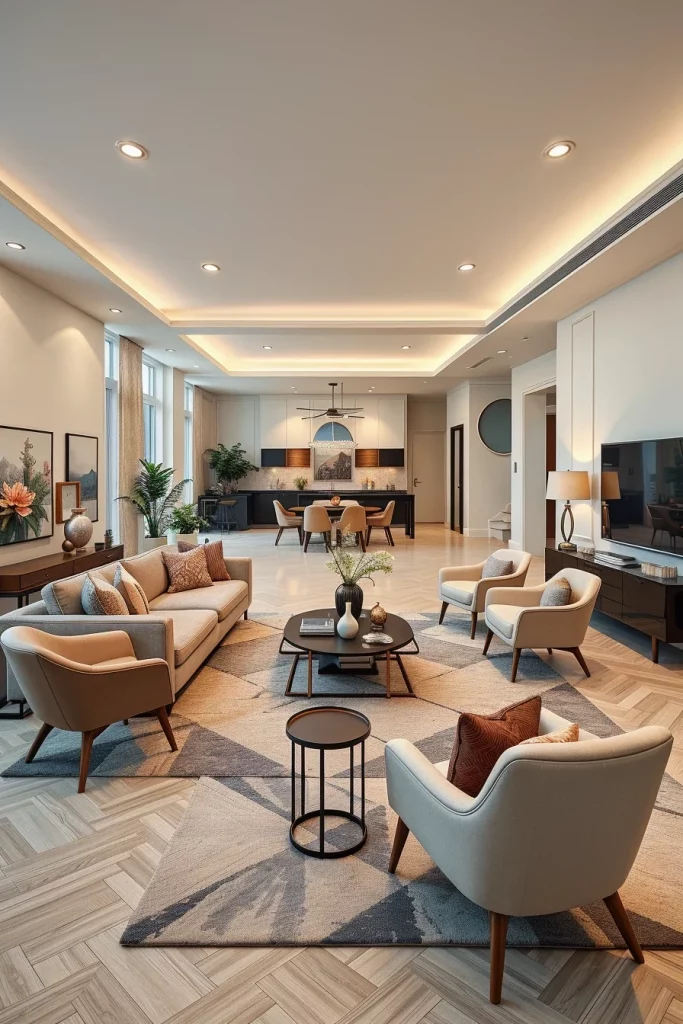
Personally, I find that open-concept layouts benefit from restraint. Rather than filling the space with numerous furnishings, I prioritize a few carefully chosen pieces that offer both beauty and practicality. This approach aligns with recommendations from leading interior designers who emphasize clarity and purpose in compact homes.
To finish the design, I would add coordinated lighting, decorative accents, and greenery that visually connect the various zones. These elements help the entire space feel cohesive while preserving the openness that makes open-concept living so appealing.
Bold Sculptural Tables That Enhance Compact Living Areas
When I design a small living room furniture layout, I often start with a sculptural coffee table because it can immediately establish the room’s personality. In compact spaces, every piece should contribute both function and visual interest. A bold table with flowing curves or an artistic silhouette can become a focal point without requiring additional decorative clutter. This approach helps create a clean yet expressive interior that feels larger and more intentional.
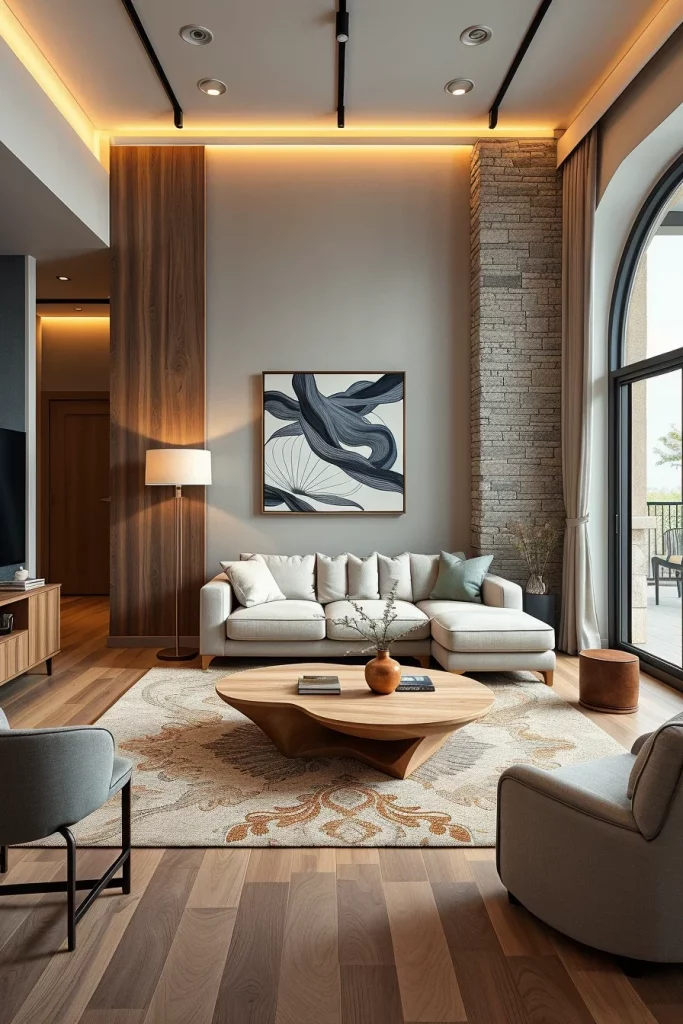
I like to pair sculptural tables with a compact curved sofa, a textured area rug, and streamlined storage pieces. The table acts as a centerpiece while maintaining circulation around the room. Materials such as stone, wood, resin, or polished plaster work particularly well because they add depth and sophistication. I also recommend selecting a table with rounded edges to improve movement throughout a smaller living area.
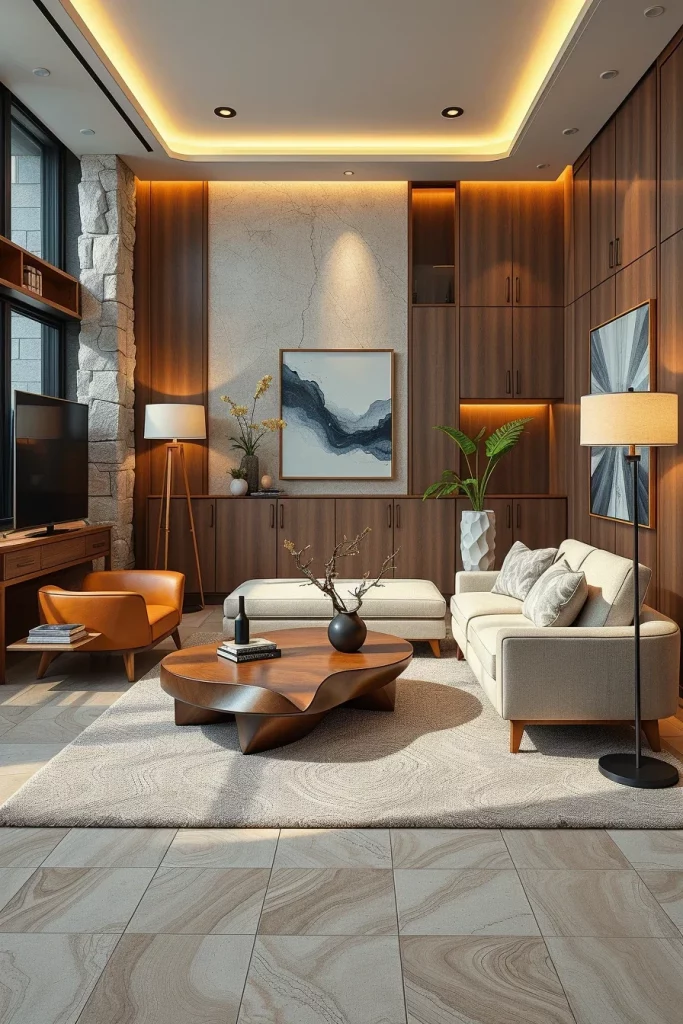
From my experience, many professional designers emphasize the importance of statement furniture in small rooms. Rather than filling a space with multiple decorative objects, I find that investing in one strong sculptural element creates a more refined and cohesive design. This strategy allows the room to feel curated rather than overcrowded.
To complete this type of layout, I would add layered lighting, including a sculptural floor lamp and subtle wall sconces. These elements enhance the table’s visual presence while making the room feel warm and inviting.
Unique Small Living Room Layouts Inspired By Luxury Interiors
Luxury-inspired interiors often provide excellent solutions for a small living room furniture layout because they prioritize efficiency and elegance. I frequently draw inspiration from boutique hotels and high-end apartments where every piece of furniture serves a clear purpose. The result is a room that feels sophisticated despite limited square footage.
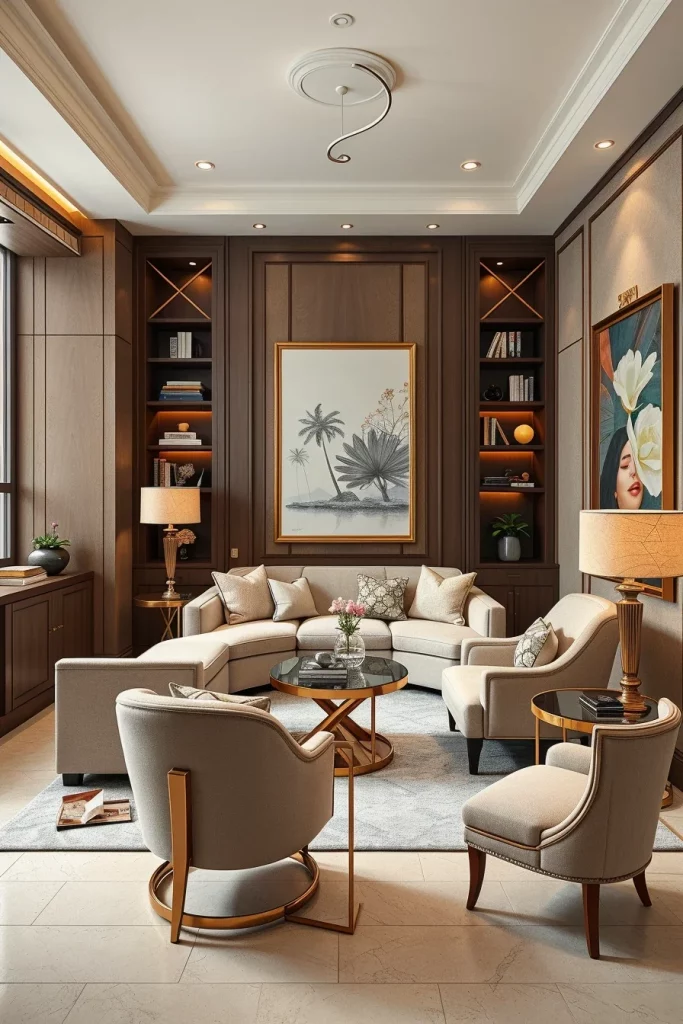
In these layouts, I typically use a curved loveseat, a pair of artistic accent chairs, and a sculptural side table. Mirrors, integrated shelving, and carefully selected artwork help create visual depth. Furniture is arranged to encourage natural movement while preserving open sightlines across the room.
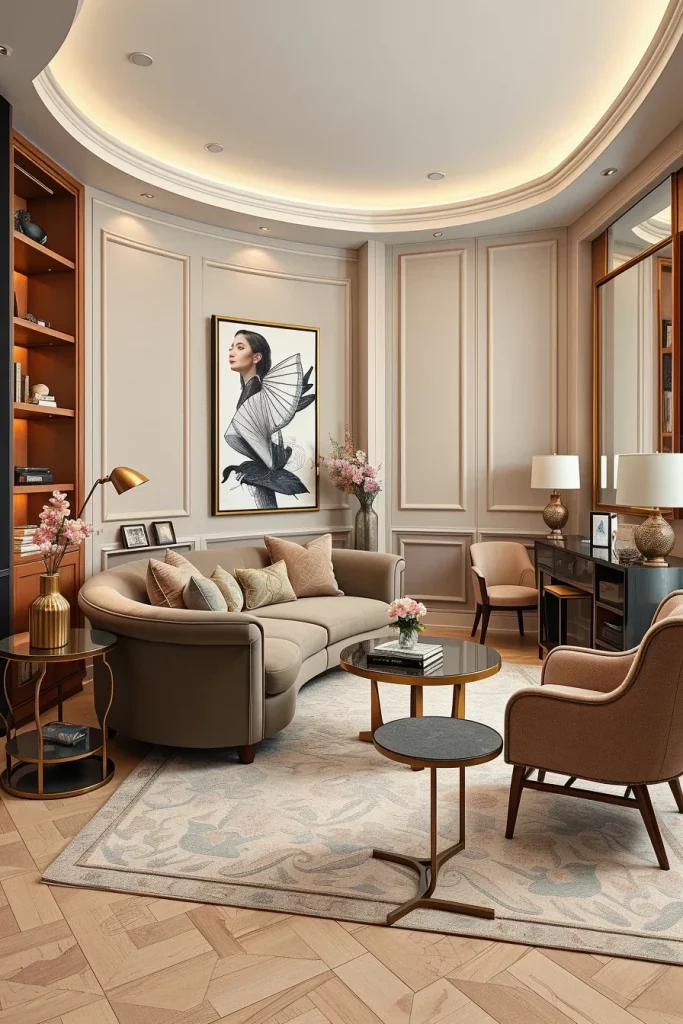
I have noticed that many luxury interiors rely on balance rather than excess. Instead of filling every corner, I prefer leaving some negative space around key furniture pieces. This allows unusual shapes and premium materials to stand out. Publications focused on interior design frequently highlight the value of restraint, and I agree that simplicity often makes a small room appear more luxurious.
A feature that is sometimes missing from these layouts is layered texture. I recommend adding velvet cushions, boucle upholstery, and natural stone accents to introduce warmth and dimension without increasing visual clutter.
Arranging Creative Furniture Around Architectural Features
Architectural features such as fireplaces, large windows, built-in shelving, or exposed beams should guide the furniture arrangement rather than compete with it. When planning a small living room furniture layout, I always identify the room’s strongest architectural element and build the design around it. This creates a natural focal point and improves the overall flow of the space.
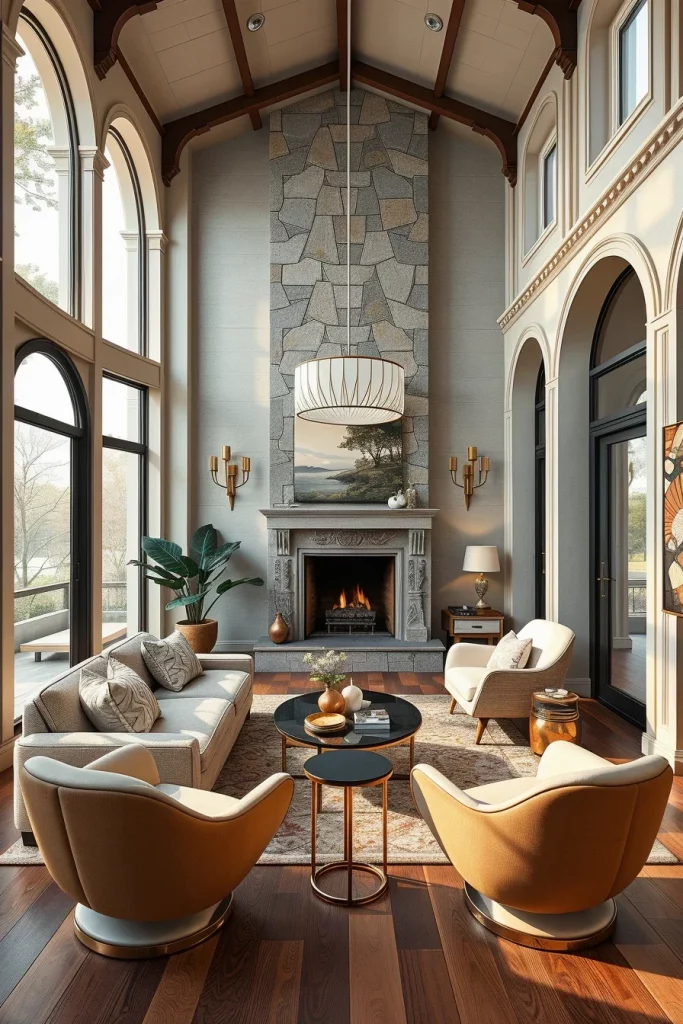
I often position a curved sofa facing a fireplace or place sculptural chairs near large windows to maximize natural light. Low-profile tables and compact storage units help preserve views and maintain openness. Every furniture piece should support the architecture while remaining functional for daily use.
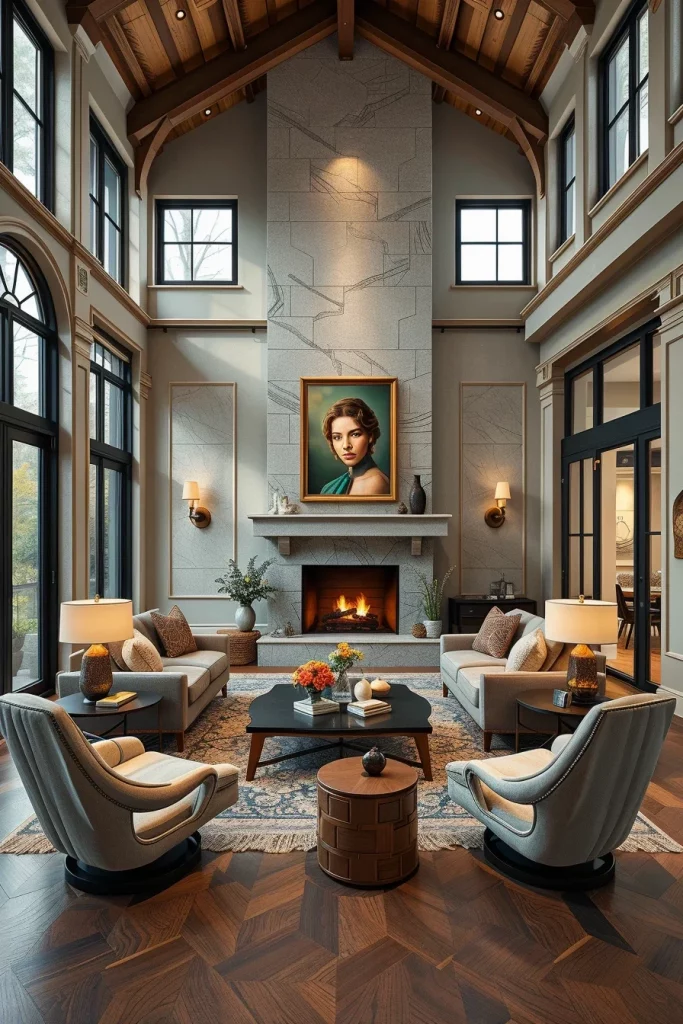
In my projects, I have found that rooms feel more harmonious when furniture echoes existing architectural shapes. For example, curved seating works beautifully beneath arched windows, while geometric furniture complements modern linear architecture. This relationship between furniture and structure creates a highly cohesive interior.
To further enhance the layout, I would incorporate accent lighting that highlights architectural details during the evening. This simple addition can dramatically improve the room’s atmosphere.
Mixing Curved And Geometric Furniture In Small Spaces
One of my favorite ways to create a creative and artistic living room is by combining curved and geometric furniture forms. This contrast introduces visual energy while maintaining balance. In a small room, the combination prevents the design from feeling predictable or monotonous.
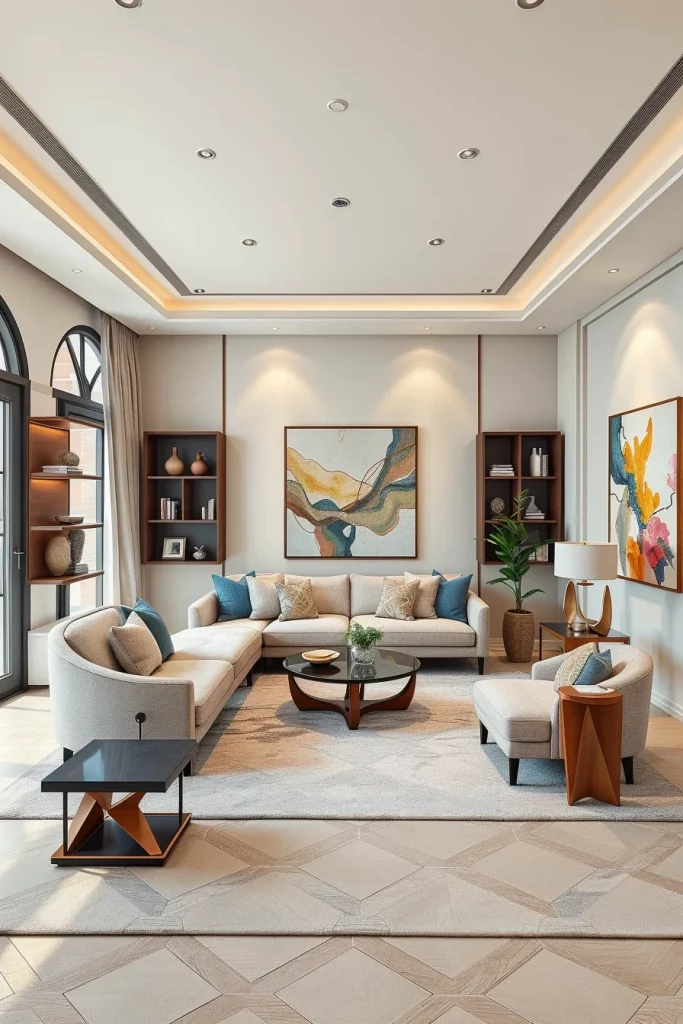
I usually begin with a curved sofa as the primary seating element. Then I introduce geometric side tables, angular shelving, and rectangular rugs to create structure. The contrast between soft and sharp forms generates a dynamic composition that feels both modern and comfortable. Materials such as wood, metal, glass, and textured fabrics help reinforce this balance.
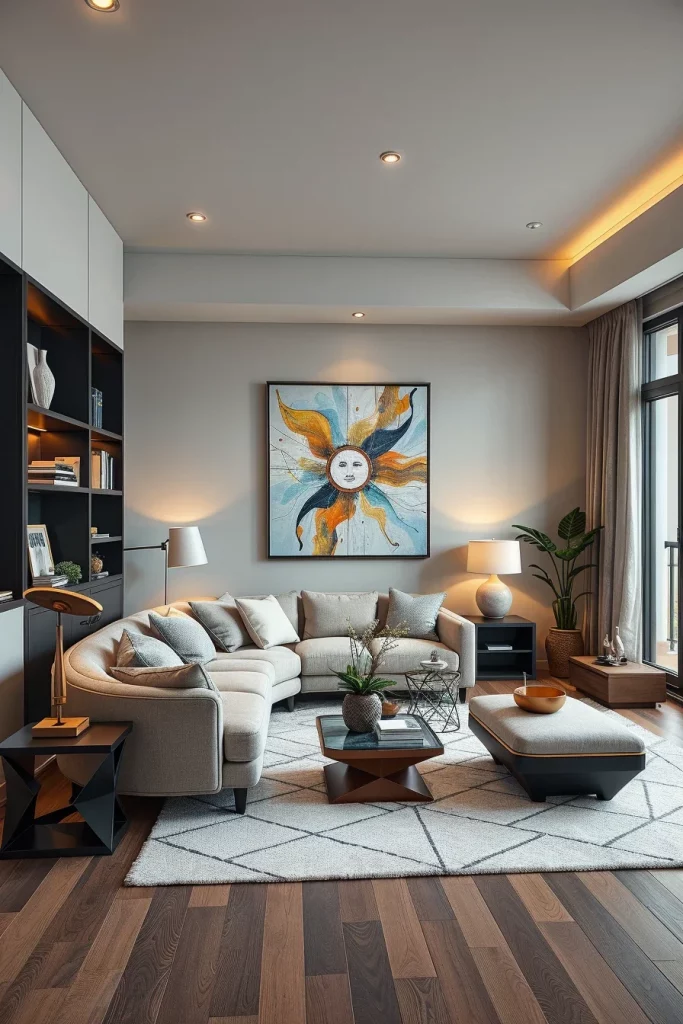
From my experience, successful interiors rarely rely on a single shape throughout the room. By mixing forms thoughtfully, I can create a layout that feels layered and sophisticated. Many contemporary designers use this technique to make compact rooms appear more customized and visually engaging.
To strengthen the design further, I would add sculptural lighting fixtures and abstract artwork that reflect both curved and geometric influences. These details help unify the overall aesthetic.
Artistic Color And Furniture Pairings For Compact Living Rooms
Color plays a major role in shaping a stylish and unique small living room. I often use furniture as part of the color strategy rather than treating it as a separate element. This approach allows the room to feel cohesive while highlighting artistic design features.
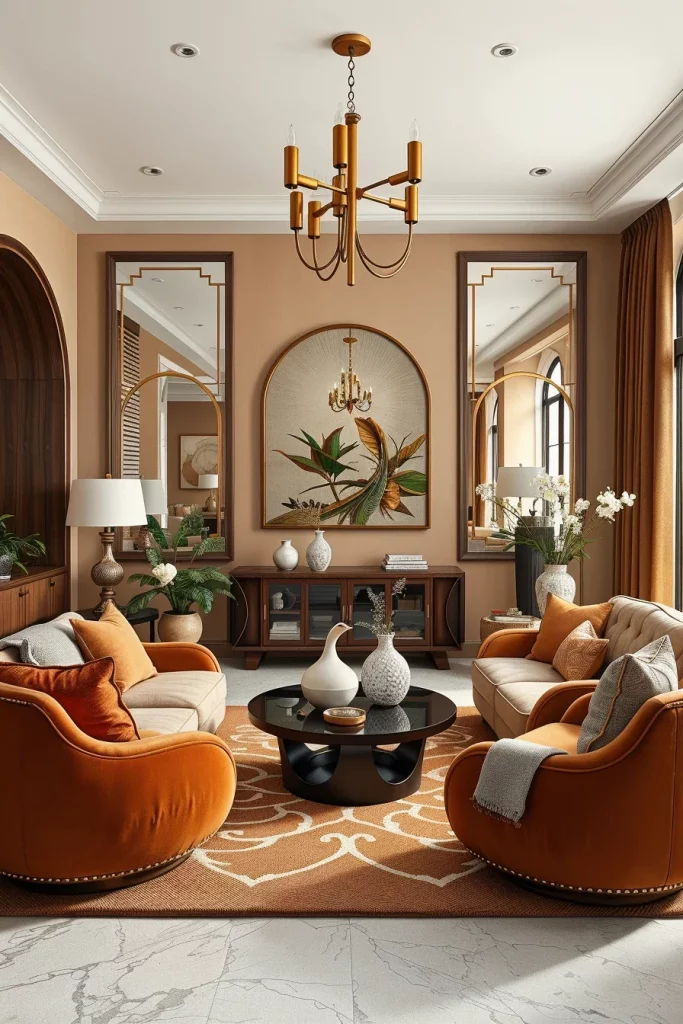
I like pairing soft neutral walls with sculptural furniture in muted earth tones, rich greens, warm terracotta shades, or deep charcoal hues. Curved sofas, artistic coffee tables, and statement chairs can become visual anchors within the space. Accessories such as textured pillows, ceramics, and layered textiles help reinforce the palette without overwhelming the room.
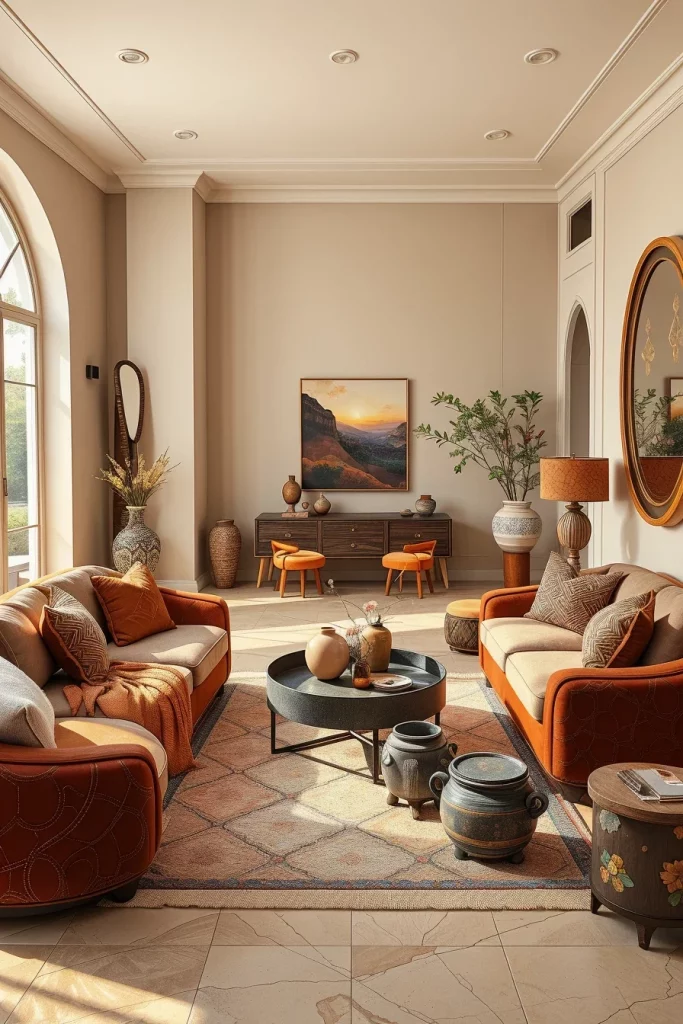
In my opinion, compact living rooms benefit from controlled color schemes. Rather than introducing many competing colors, I focus on a few complementary tones that enhance the furniture’s sculptural qualities. This creates a calm environment while preserving visual interest.
I would also include strategically placed mirrors and reflective surfaces to amplify natural light and make the room feel more spacious. These additions support both functionality and aesthetics in smaller interiors.
Designing Cozy Conversation Areas With Curved Seating
When I want a small living room to feel welcoming and functional, I often focus on creating a dedicated conversation area. Curved seating naturally encourages interaction because it softens the layout and brings people closer together. In a small living room furniture layout, this approach helps maximize seating capacity while maintaining a comfortable flow throughout the room. The result is a space that feels intimate, elegant, and highly practical.
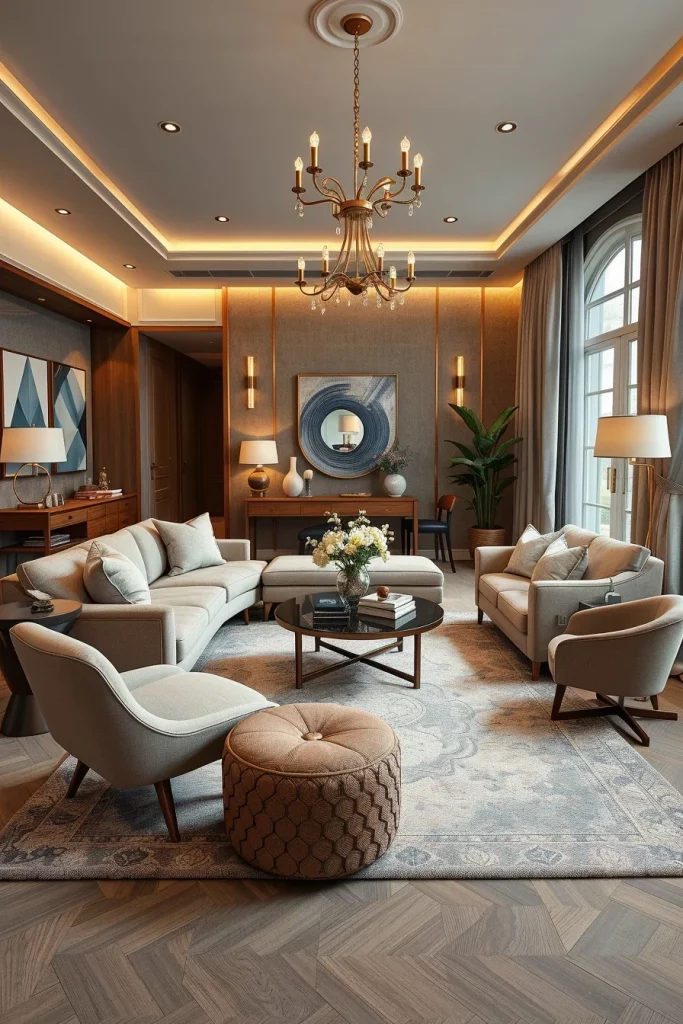
I typically use a curved sofa as the anchor piece and complement it with one or two sculptural accent chairs. A rounded coffee table reinforces the soft geometry while preserving easy circulation. I also include layered lighting, textured rugs, and compact side tables to make the area feel complete without overcrowding the room. Every element serves both an aesthetic and functional purpose.
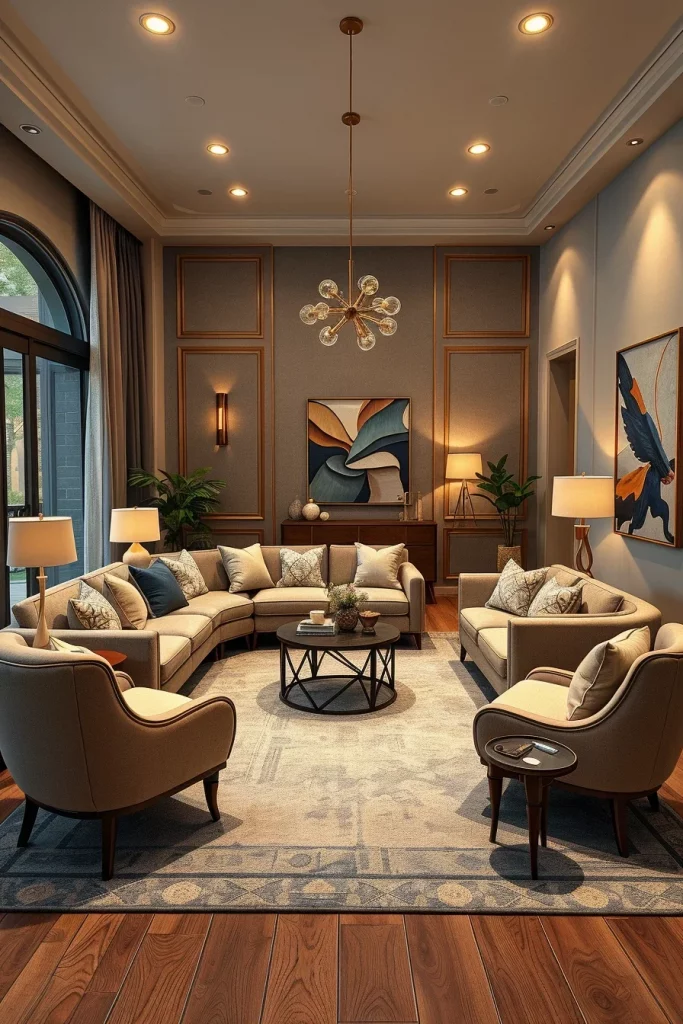
From my experience, curved seating creates a more relaxed atmosphere than traditional linear arrangements. Many designers favor this approach because it encourages natural conversation and makes compact spaces feel less rigid. I have found that homeowners often spend more time in rooms where furniture supports social interaction rather than simply facing a television.
To further improve the arrangement, I would add a small ottoman or movable stool that can provide extra seating when guests visit. This flexibility is especially valuable in smaller homes.
Unexpected Furniture Layout Ideas For Challenging Room Shapes
Not every living room is perfectly rectangular, and unusual room shapes often require more creative planning. When working with awkward corners, narrow dimensions, or asymmetrical layouts, I focus on identifying opportunities rather than limitations. A thoughtful small living room furniture layout can transform challenging architecture into a distinctive design feature.
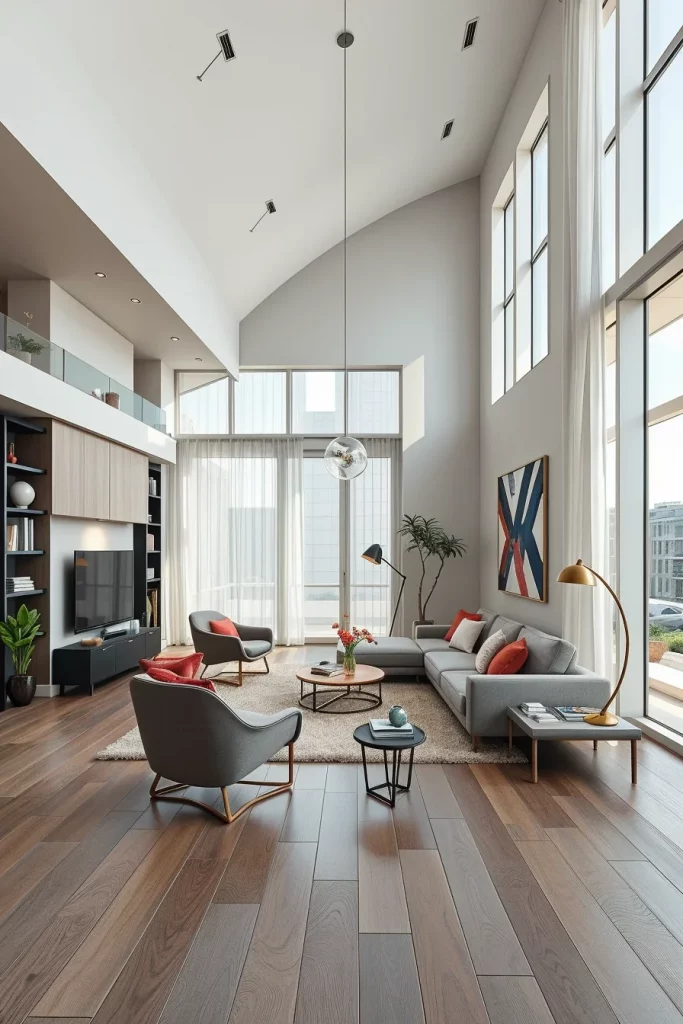
I often use curved furniture to soften difficult angles and improve movement through the room. Floating furniture away from walls can sometimes create better balance than pushing everything against the perimeter. Compact sectionals, sculptural chairs, and multi-functional tables help define zones without creating visual barriers. Strategic placement of rugs also helps organize the layout.
In my projects, I have learned that unconventional spaces often produce the most memorable interiors. Rather than forcing symmetry, I embrace the room’s unique characteristics and allow furniture to respond naturally to the architecture. This creates a more personalized and authentic environment.
One element that is frequently overlooked in challenging rooms is vertical storage. I recommend incorporating elegant shelving or wall-mounted cabinetry to maximize functionality while preserving valuable floor space.
Stylish Small Living Rooms Featuring Custom Sculptural Furniture
Custom furniture can elevate a stylish and unique living room by introducing pieces specifically designed for the available space. In compact interiors, custom solutions often provide a better fit than standard furniture, allowing every square foot to be used efficiently. The result is a room that feels tailored, artistic, and highly functional.
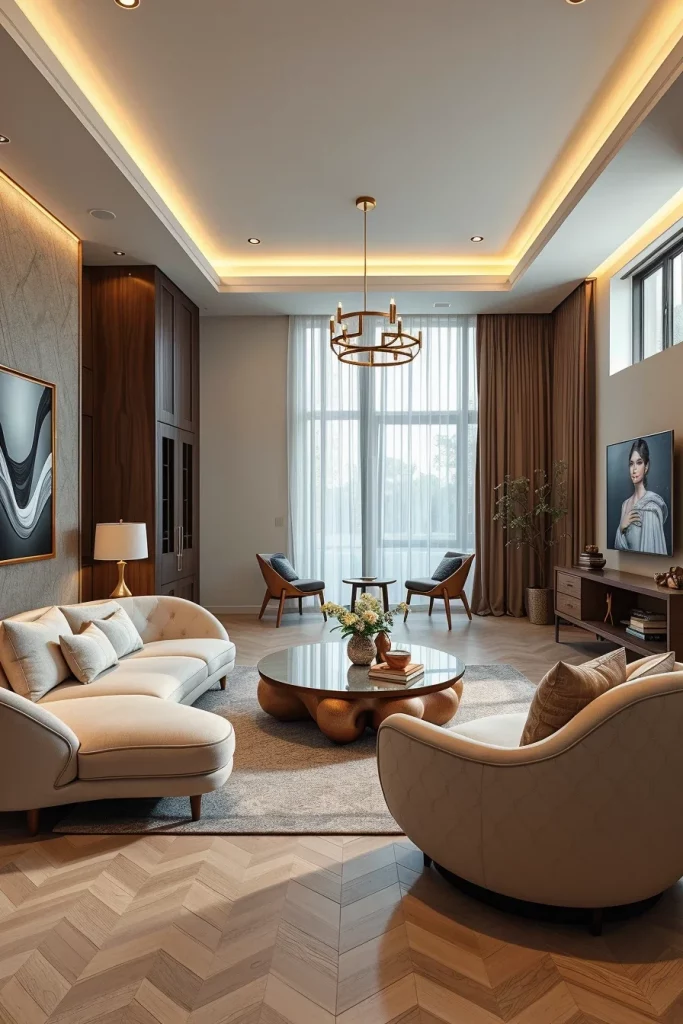
I frequently incorporate custom curved sofas, handcrafted coffee tables, and built-in storage systems. Sculptural furniture becomes both a practical necessity and a work of art. Materials such as natural wood, stone, plaster, and luxurious upholstery contribute texture and character while maintaining a cohesive design language.
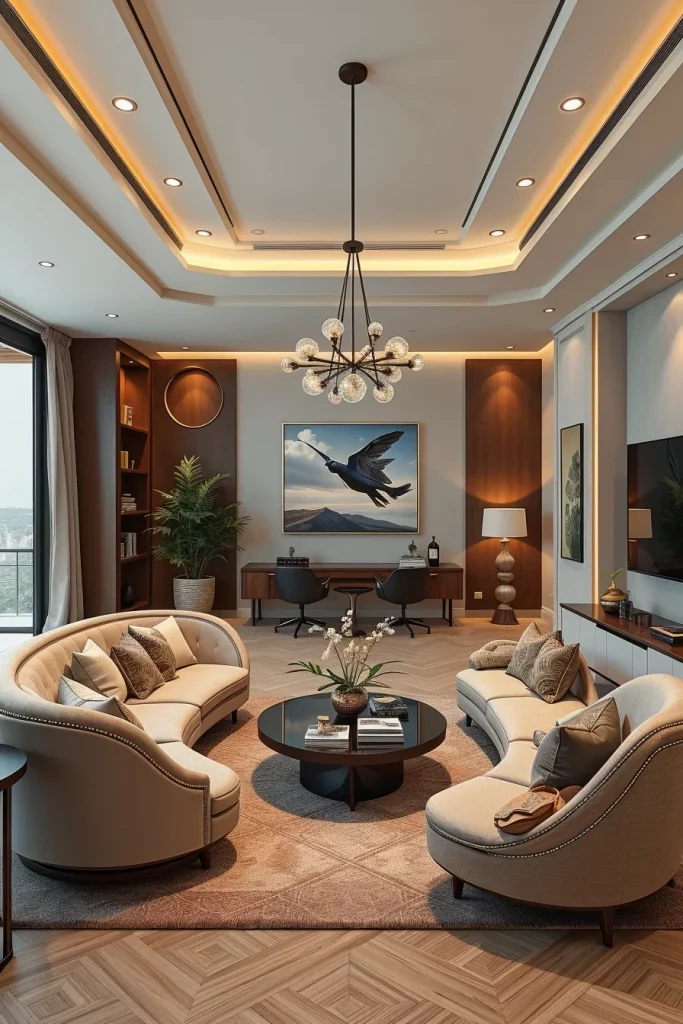
From my perspective, custom furniture offers an opportunity to create interiors that feel truly individual. Many luxury residences feature bespoke pieces because they enhance both functionality and aesthetics. I appreciate how these designs can solve spatial challenges while introducing a sense of exclusivity.
To complete this type of room, I would add carefully selected accessories that complement rather than compete with the sculptural furniture. This helps maintain visual balance and allows the craftsmanship of each piece to stand out.
Creating A Functional Yet Artistic Furniture Layout For Everyday Living
An artistic living room should still support everyday activities. When designing a small living room furniture layout, I focus on balancing creativity with practicality. The goal is to create a space that looks inspiring while remaining comfortable for daily use, entertaining, reading, and relaxing.
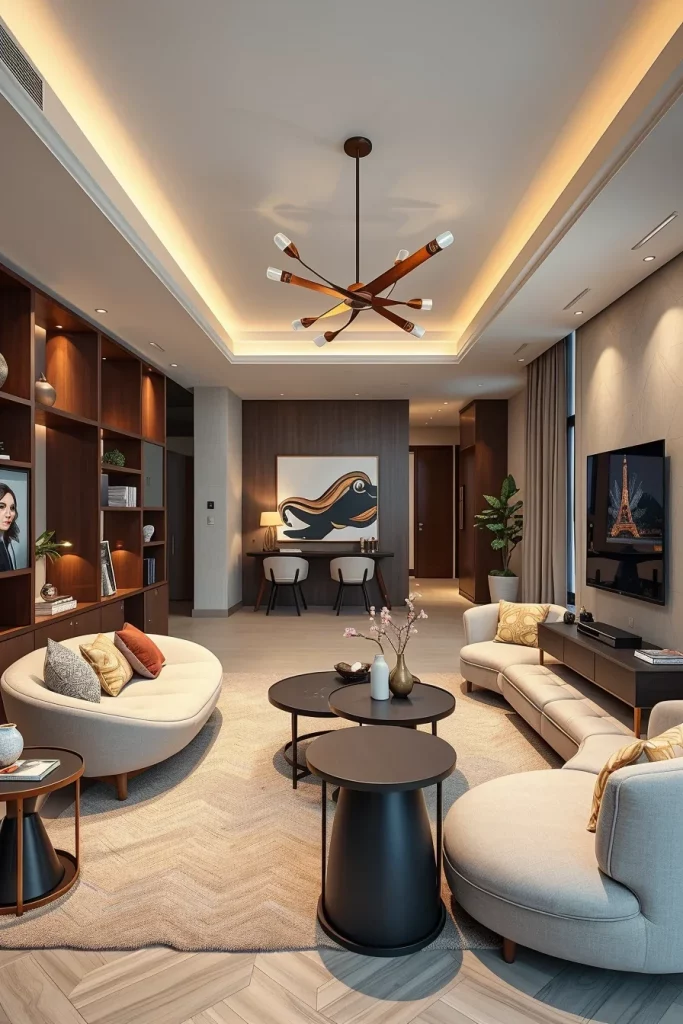
I often combine sculptural seating with practical storage solutions, nesting tables, and flexible furniture pieces. Curved sofas, artistic chairs, and distinctive lighting create visual interest, while concealed storage helps maintain order. Durable materials and easy-to-clean fabrics ensure that the room remains functional over time.
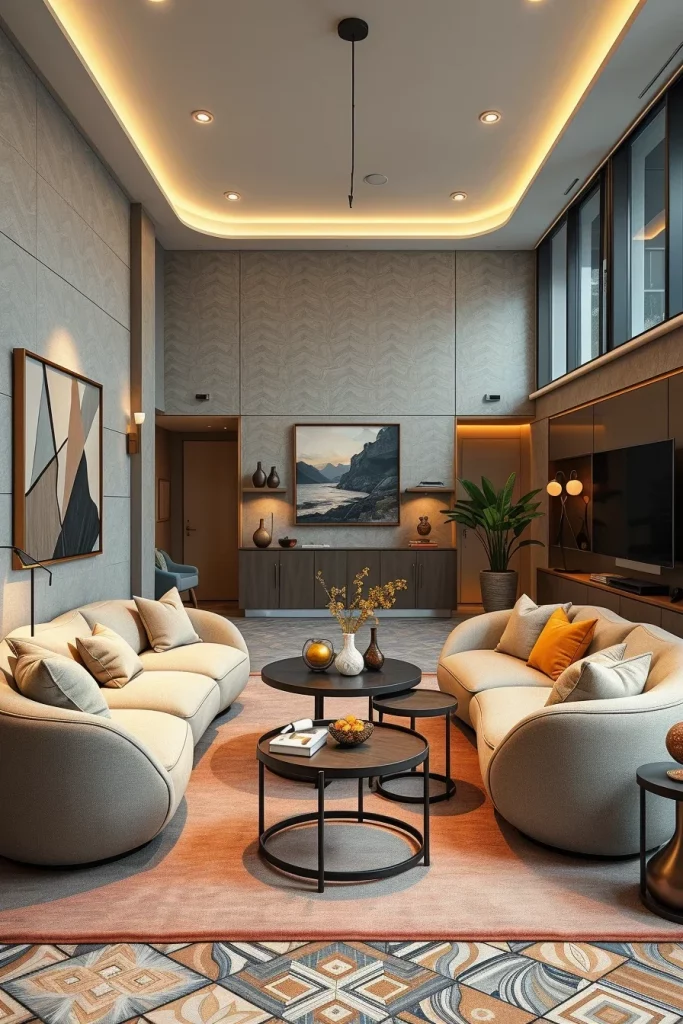
In my experience, the most successful interiors are those that blend beauty and usability. A room filled exclusively with statement pieces may look impressive, but it can become difficult to live in. I prefer designs where every object contributes both aesthetic value and practical performance.
To strengthen the layout further, I would incorporate adaptable furniture that can serve multiple purposes. This strategy increases flexibility without compromising the artistic vision of the room.
The Most Inspiring Small Living Room Furniture Layout Trends For Modern Homes
Current trends in small living room furniture layout design reflect a growing appreciation for creative, sculptural, and unusual furniture forms. Homeowners are increasingly seeking interiors that feel personal and expressive rather than strictly functional. This shift has led to innovative layouts that prioritize both comfort and artistic impact.
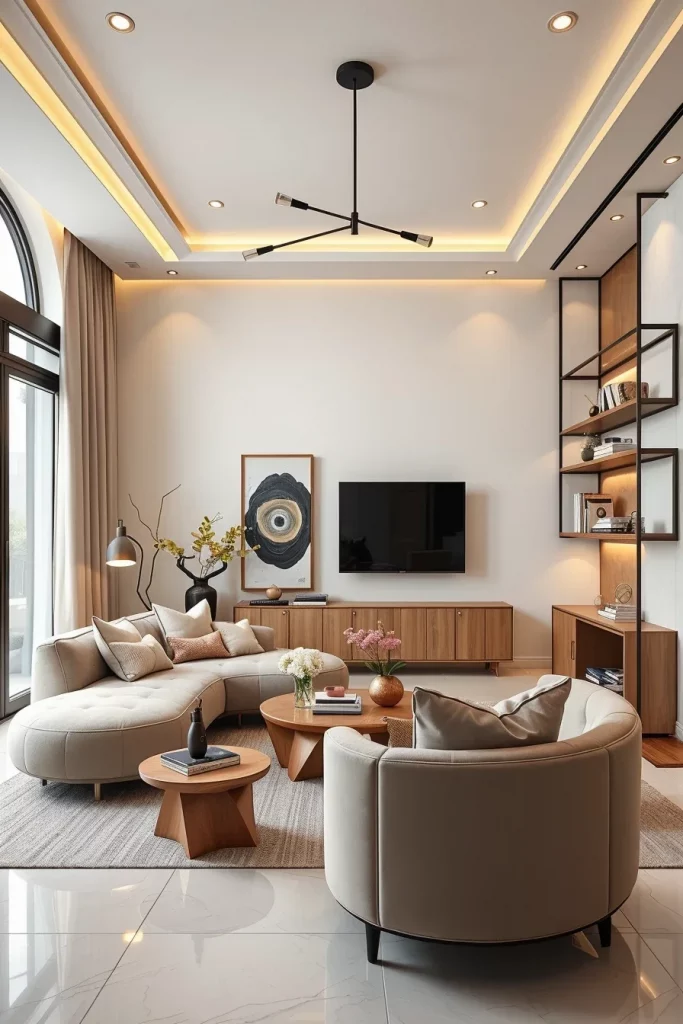
I frequently see curved sofas, organic coffee tables, asymmetrical shelving, and statement lighting used together to create visually dynamic interiors. Natural materials remain highly popular, while warm neutral palettes help highlight sculptural furniture. Multifunctional pieces continue to play an important role in maximizing efficiency within compact spaces.
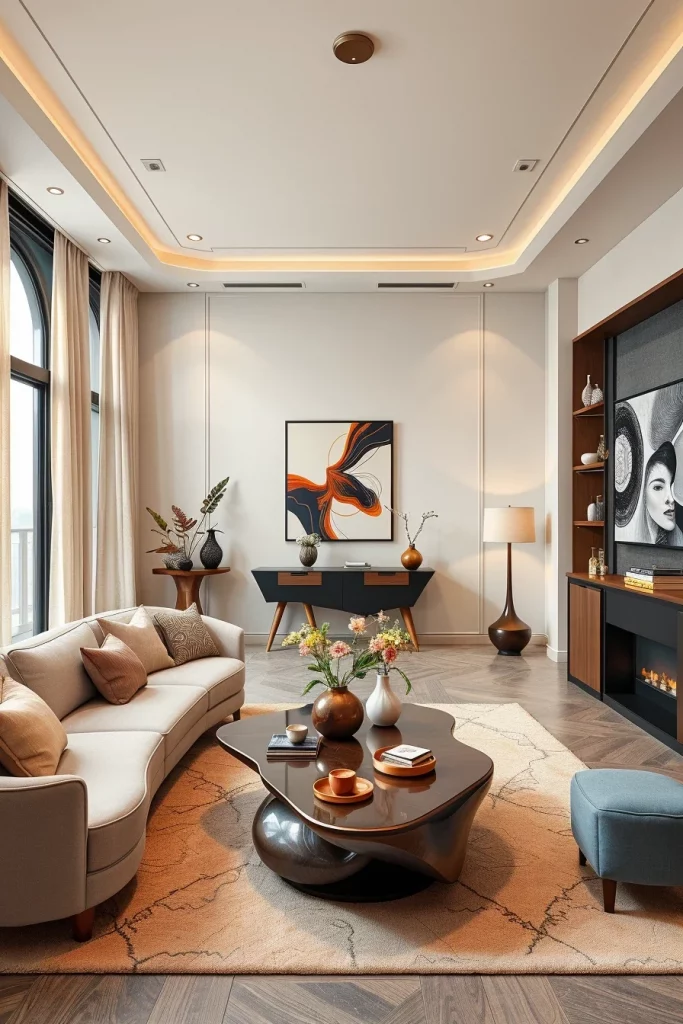
From my observations, the most enduring trends are those that combine timeless design principles with contemporary creativity. Rather than following short-lived fashions, I recommend focusing on quality materials, thoughtful layouts, and furniture that reflects individual taste. These elements ensure that a room remains appealing for years.
I would also encourage incorporating personal artwork, meaningful decorative objects, and custom details. These additions transform a well-designed room into a truly memorable living environment.
A thoughtful small living room furniture layout can completely transform the way a space looks and functions. Whether you prefer curved seating, sculptural statement pieces, or clever space-saving arrangements, the right design choices can make a compact room feel larger and more inviting. By balancing style, comfort, and functionality, you can create a living room that reflects your personality while maximizing every square foot. Use these ideas as inspiration to design a small living room that feels both beautiful and effortlessly practical.