
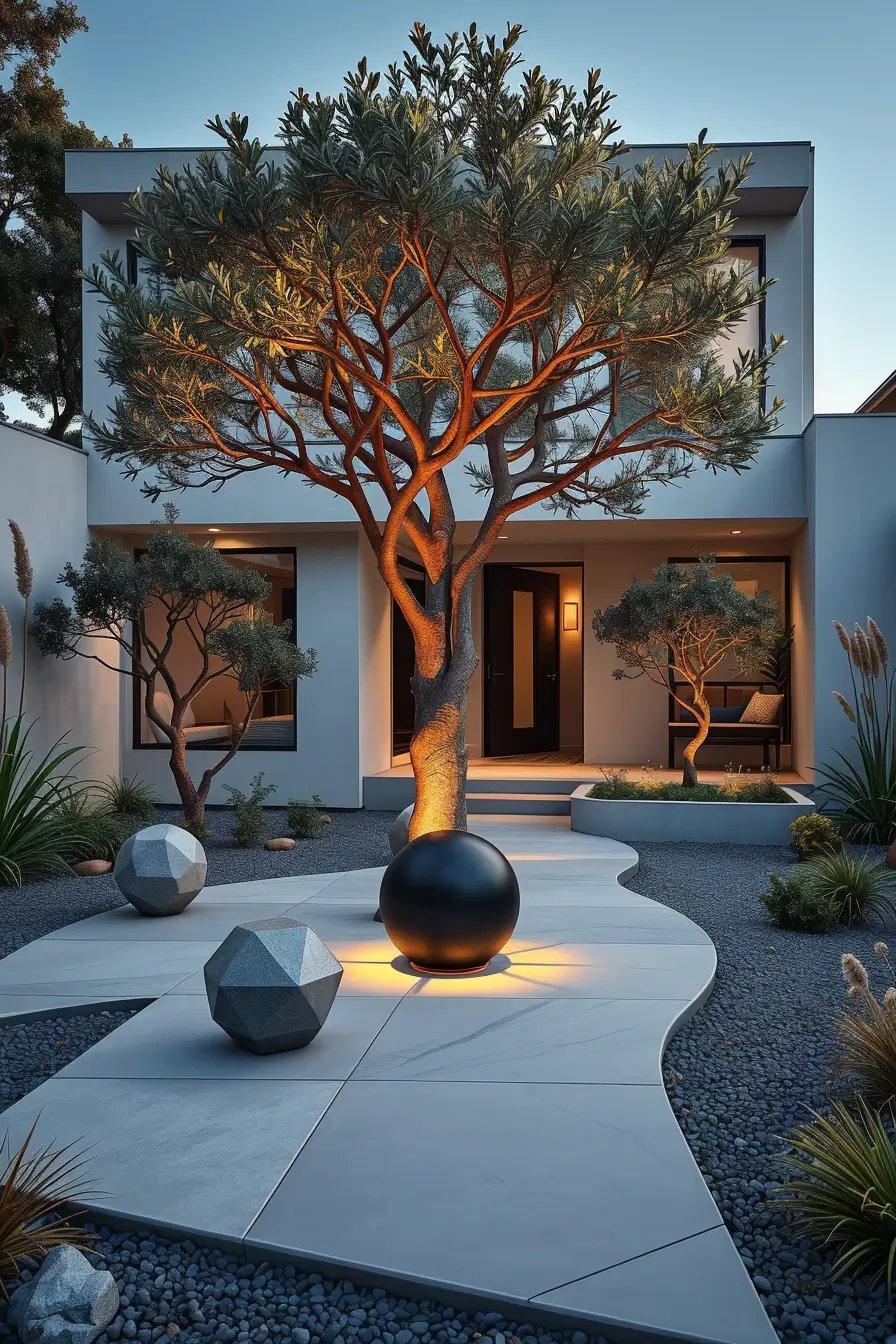
The modern front yard 2026 is no longer just a patch of lawn with a pathway to the door — it has become a bold design statement, a reflection of personality, and an artistic extension of the home’s architecture. In 2026, front yards are evolving into curated outdoor galleries where sculptural plants, geometric hardscaping, designer lighting, and unexpected materials come together to create unforgettable curb appeal.
Homeowners are moving beyond traditional landscaping and embracing creative, stylish, and unusual concepts that blur the line between art and functionality. Clean architectural lines, minimalist layouts, mixed textures, and statement features such as water installations or modern fire elements define the new aesthetic. Sustainability and smart technology also play a major role, with eco-friendly materials, drought-tolerant plants, and integrated lighting systems shaping the future of exterior design.
Whether you prefer a dramatic, avant-garde composition or a refined minimalist look, the modern front yard 2026 is about intention, balance, and individuality. It’s not simply about decorating an outdoor space — it’s about designing a welcoming experience that begins the moment someone sees your home.
Artistic Minimalism In Modern Front Yard 2026 Design
In 2026, I see artistic minimalism shaping the identity of the modern front yard 2026. Clean lines, open negative space, and carefully curated greenery replace cluttered flower beds and decorative excess. I focus on balancing hardscape and softscape so the yard feels calm but intentional. The practicality lies in low maintenance: fewer plant varieties, drought tolerant species, and structured layouts that are easy to maintain while looking refined year round.
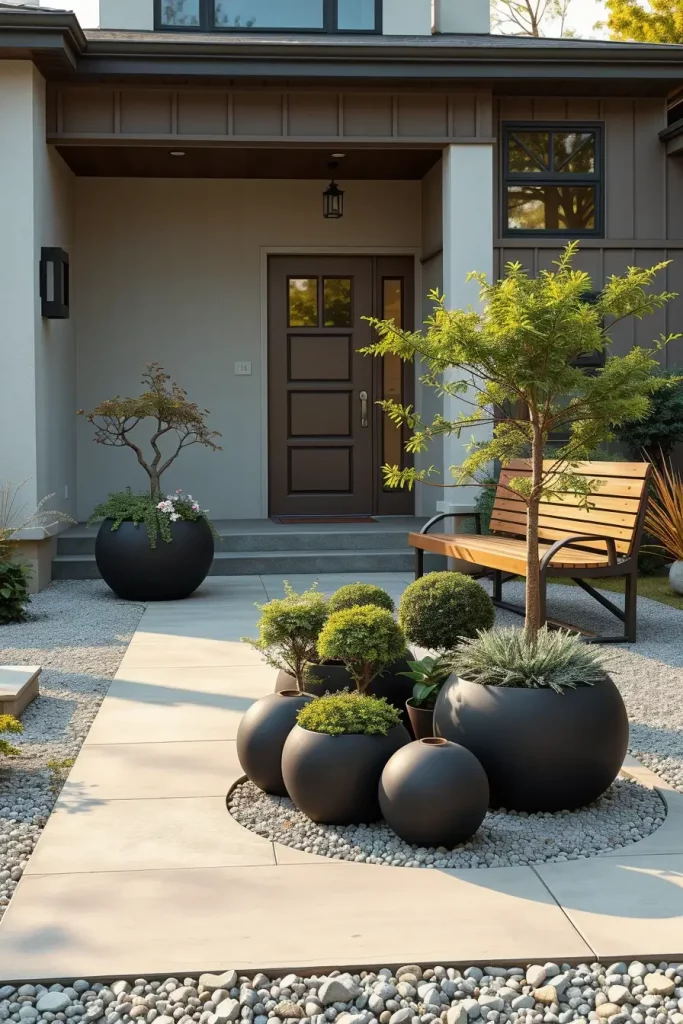
When designing such a yard, I include large format concrete or porcelain slabs, a neutral gravel base, and one or two sculptural planters in matte finishes. I prefer architectural grasses, boxwood spheres, or small Japanese maples to create vertical interest. A floating bench in natural wood or powder coated steel adds subtle functionality without disrupting the minimalist aesthetic. Each element must justify its presence, contributing either structure, comfort, or contrast.
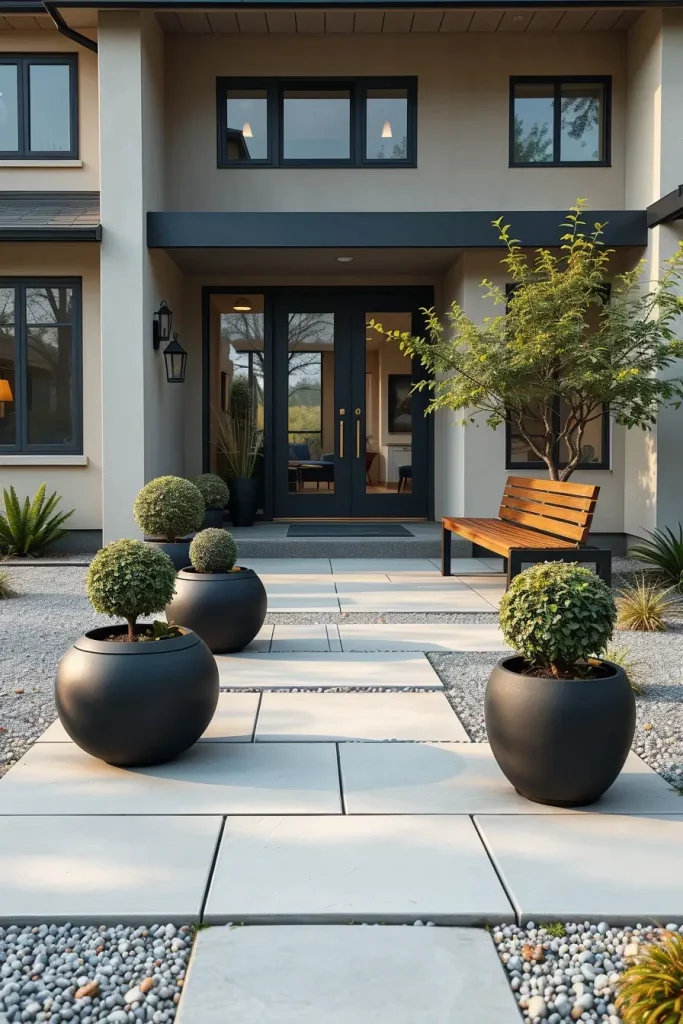
Personally, I believe minimalism works best when it feels warm rather than sterile. Architectural Digest often highlights how layering textures such as smooth concrete with raw stone or soft ornamental grasses prevents a space from feeling flat. I follow this principle carefully. Even in minimal compositions, texture becomes the emotional component that makes the entrance inviting rather than cold.
To strengthen this section further, I would add integrated storage solutions for gardening tools and concealed irrigation systems. These technical details ensure that the minimalist vision remains uncluttered and truly functional in everyday life.
Sculptural Hardscaping Ideas For A Statement Entrance
Sculptural hardscaping defines many sculptural modern front yards 2026. Instead of flat driveways and standard steps, I design layered platforms, cantilevered stairs, and geometric retaining walls that guide the eye toward the front door. These architectural gestures create a sense of arrival and elevate even simple homes. Beyond aesthetics, structured hardscaping also improves drainage and defines circulation zones clearly.
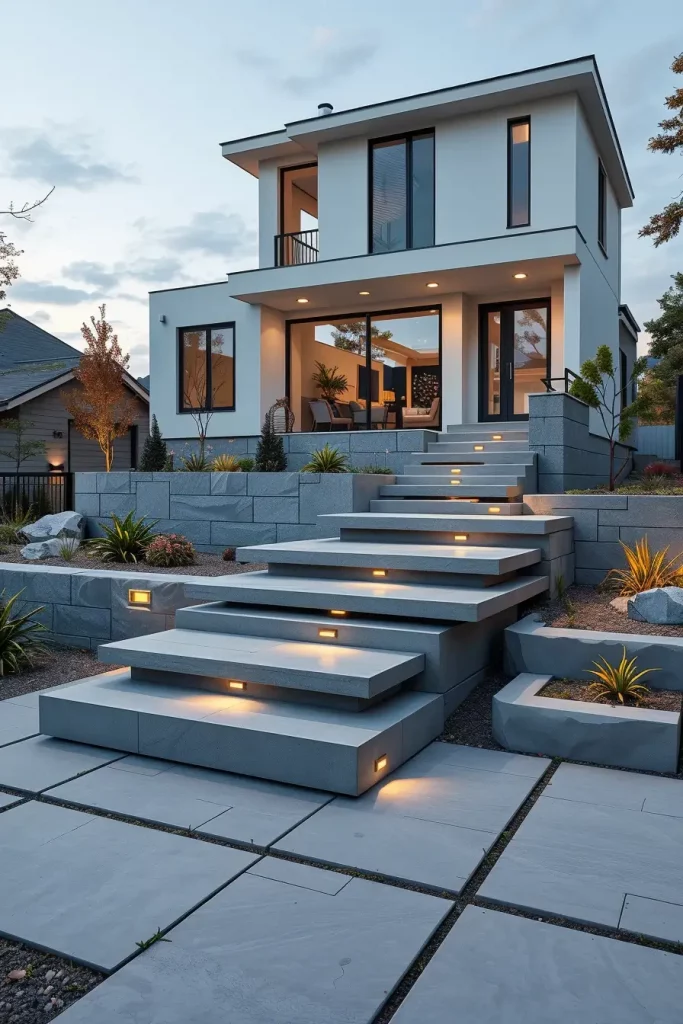
I typically incorporate poured concrete walls with sharp edges, natural stone blocks arranged asymmetrically, or metal edging that frames planting beds precisely. Floating concrete steps with recessed lighting provide both safety and drama. I sometimes include a raised planter integrated directly into the retaining wall, merging greenery with architecture. Each material is selected for durability, weather resistance, and visual weight.
From my experience, sculptural elements should feel proportional to the house. Designers frequently emphasize scale as a key principle, and I completely agree. Oversized walls in a small yard overwhelm the space, while subtle layering can completely transform it. I always test proportions visually before finalizing the concept.
What I would further refine in this section is the inclusion of sustainable materials such as permeable pavers or recycled concrete. These additions ensure the statement entrance remains environmentally responsible as well as visually striking.
Unique Concrete And Geometric Pathway Concepts
Pathways in a unique modern front yard 2026 are no longer just functional connectors. I design them as graphic compositions that introduce rhythm and direction. Geometric patterns, offset slabs, and grass joints create a dynamic walkway that draws attention while maintaining usability. Proper spacing ensures comfort and safety, especially during rainy seasons.
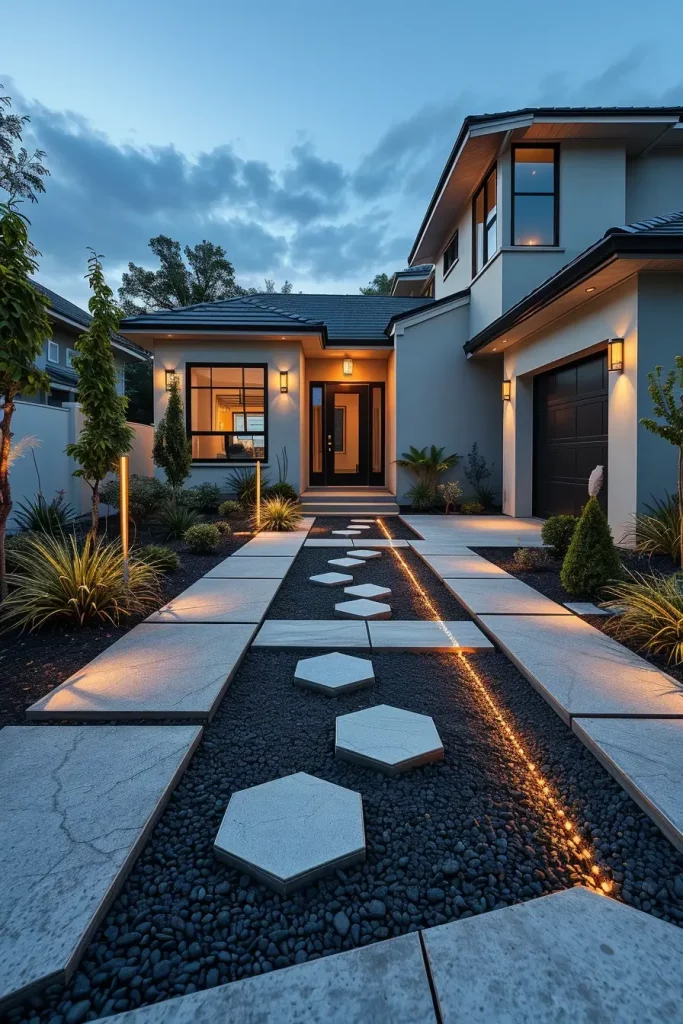
I often use oversized rectangular concrete slabs separated by black gravel or creeping thyme. Hexagonal pavers, linear stepping stones, or staggered grids create visual interest. Integrated LED strip lighting along the edges enhances visibility at night and reinforces the geometry. Each element must support durability and slip resistance, especially in climates with seasonal changes.
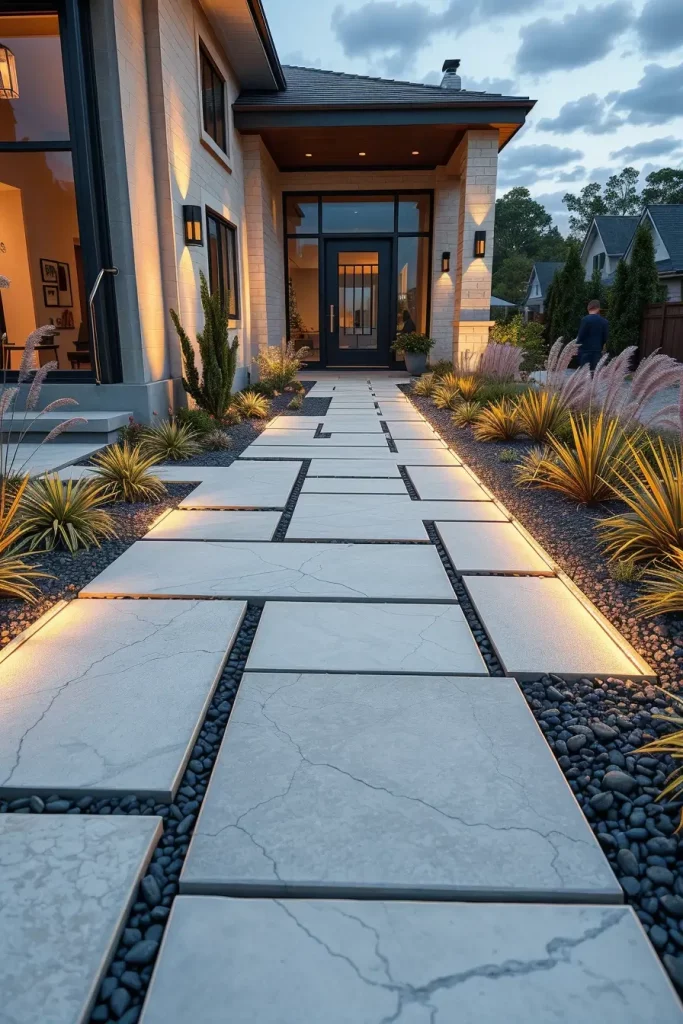
In my projects, I have found that subtle contrast works better than excessive ornamentation. Publications like Dwell frequently showcase restrained yet bold pathway solutions, and I have seen how effective this approach can be. A well designed geometric path becomes an artistic line leading guests directly to the entrance.
To improve this concept further, I recommend adding a hidden drainage system beneath the pathway and ensuring accessibility compliance with smooth transitions and adequate width.
Designer Lighting Trends Transforming Front Yards In 2026
Lighting is one of the most powerful tools in shaping a designer modern front yard 2026. I approach it as both functional infrastructure and artistic installation. Layered lighting enhances safety while emphasizing textures and architectural details after sunset. The right lighting scheme completely transforms the mood of the exterior space.
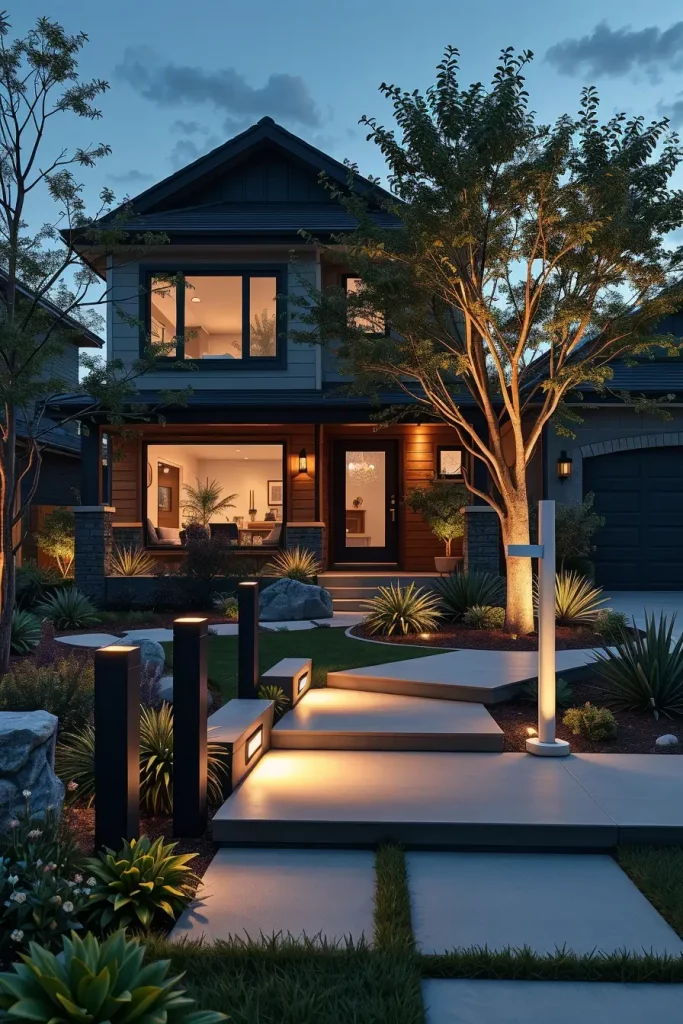
I integrate recessed step lights, uplights for trees, and linear LED strips along pathways. Sculptural bollard lights in matte black or brushed metal create rhythm along the driveway. Smart lighting systems allow homeowners to adjust brightness and color temperature. Warm white tones typically feel more welcoming, while cooler tones highlight contemporary materials like concrete and steel.
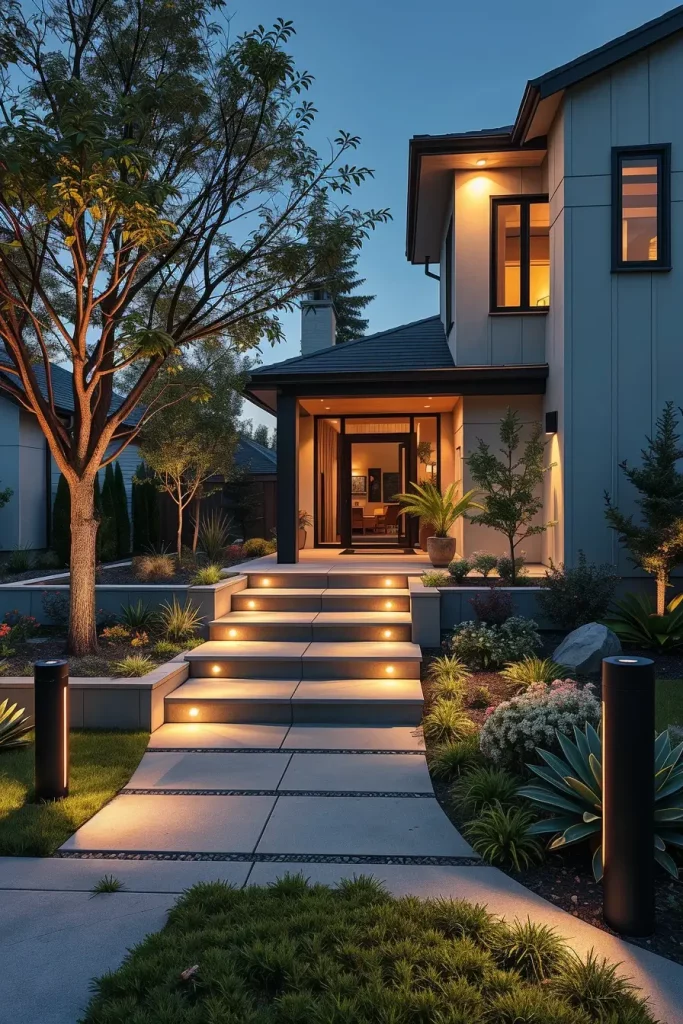
From my perspective, lighting should never overpower the architecture. I follow the guidance often shared by American lighting designers who recommend focusing on focal points instead of flooding the entire yard with brightness. Strategic illumination creates drama and preserves energy efficiency.
To make this section even stronger, I would add solar powered fixtures and automated timers. These solutions enhance sustainability and reduce long term maintenance costs.
Living Art: Architectural Plants As Focal Points
In artistic modern front yards 2026, plants function as living sculptures. Instead of traditional flower beds, I design compositions with strong forms and defined silhouettes. Carefully selected species create structure, seasonal variation, and ecological balance. This approach allows the landscape to evolve without losing its architectural clarity.
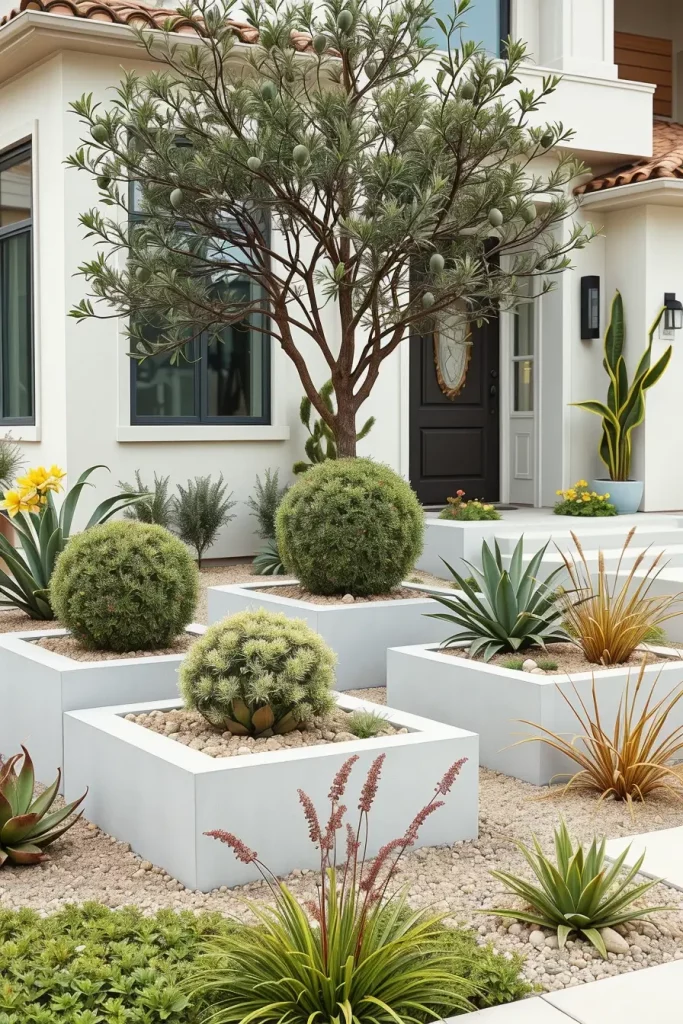
I frequently include sculpted boxwood spheres, olive trees, agave, or ornamental grasses placed in raised concrete planters. Vertical greenery such as tall cypress or columnar trees frames the entrance. Decorative gravel or dark mulch highlights the plant forms. Drip irrigation systems ensure consistent growth while conserving water.
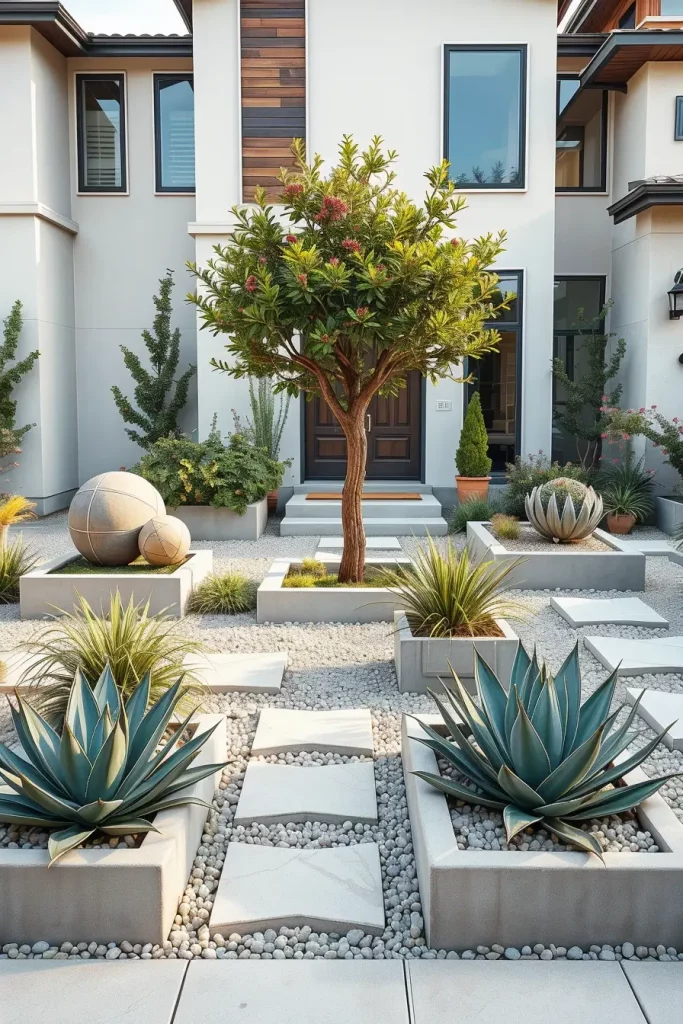
I personally appreciate how architectural plants soften strong hardscaping lines. According to many landscape professionals featured in leading US design publications, combining rigid geometry with organic forms creates visual harmony. I have seen how a single well placed tree can redefine an entire entrance.
What I would add here is a maintenance calendar tailored to plant species and climate zone. Clear guidance ensures the living art remains vibrant and aligned with the overall design concept.
Creative Gravel And Stone Compositions For Texture
In a creative modern front yard 2026, gravel and stone are no longer background materials. I use them as primary design tools to introduce texture, contrast, and subtle color variation. Layered stone compositions help define zones without the need for heavy borders or excessive planting. From a practical standpoint, gravel improves drainage, reduces maintenance, and works exceptionally well in drought conscious landscapes.
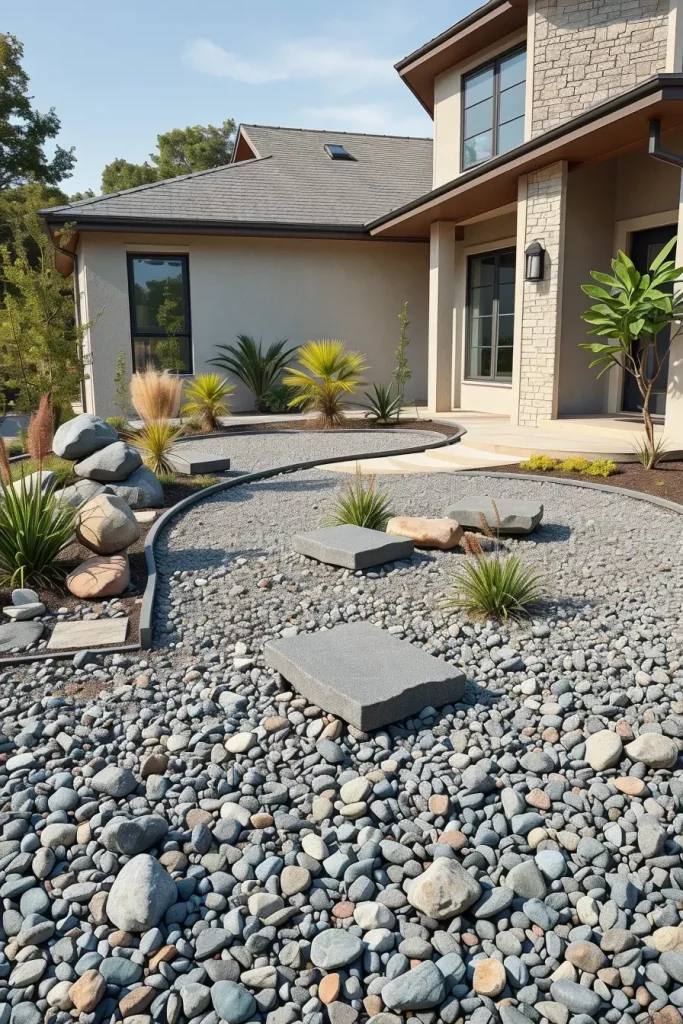
I typically combine fine gray gravel with larger river stones or crushed basalt to create visual rhythm. Steel or aluminum edging keeps the lines sharp and prevents migration into planting beds. Flat stepping stones embedded in gravel allow comfortable movement while maintaining a relaxed, contemporary aesthetic. I also like to integrate stone islands around sculptural plants to highlight their forms and create micro focal points within the yard.
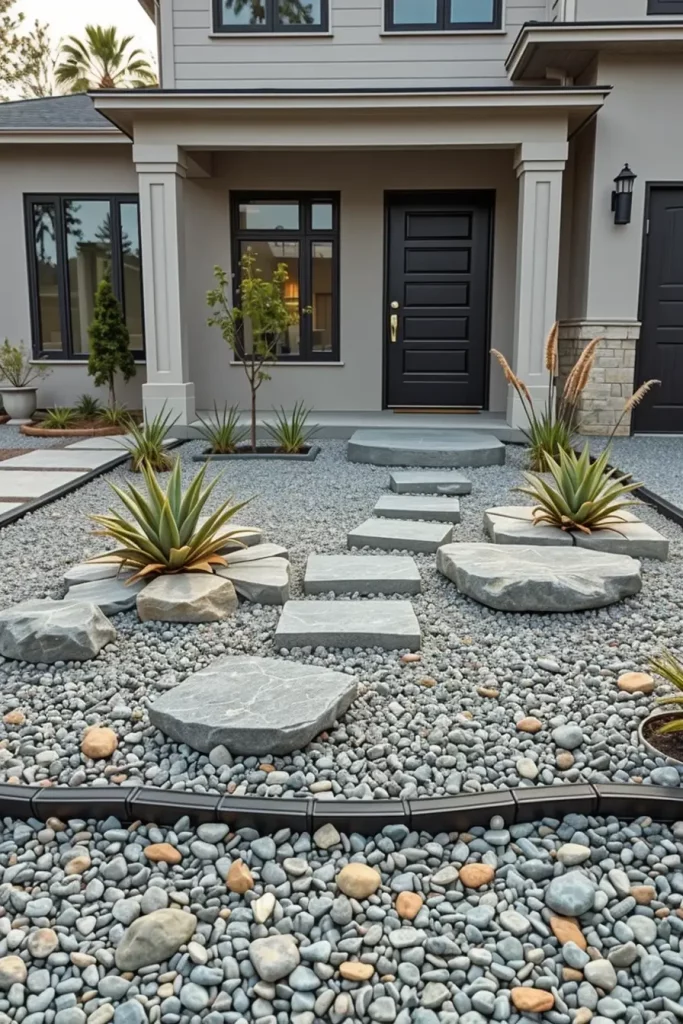
In my experience, texture is what makes a minimal yard feel complete. Designers often emphasize layering materials to avoid monotony, and I apply this principle carefully. Even subtle variations in stone size or tone can dramatically shift the perception of depth and sophistication in the entrance area.
To enhance this section further, I would add information about weed barrier systems and proper base preparation. These technical elements are essential for longevity and ensure the composition remains crisp and low maintenance over time.
Modern Front Yard 2026 With Bold Color Accents
While many modern front yard 2026 concepts lean toward neutral palettes, bold color accents are becoming increasingly popular in 2026. I see homeowners embracing unique and artistic statements through vibrant doors, painted planters, or statement sculptures. When used strategically, color energizes the composition without overwhelming it.
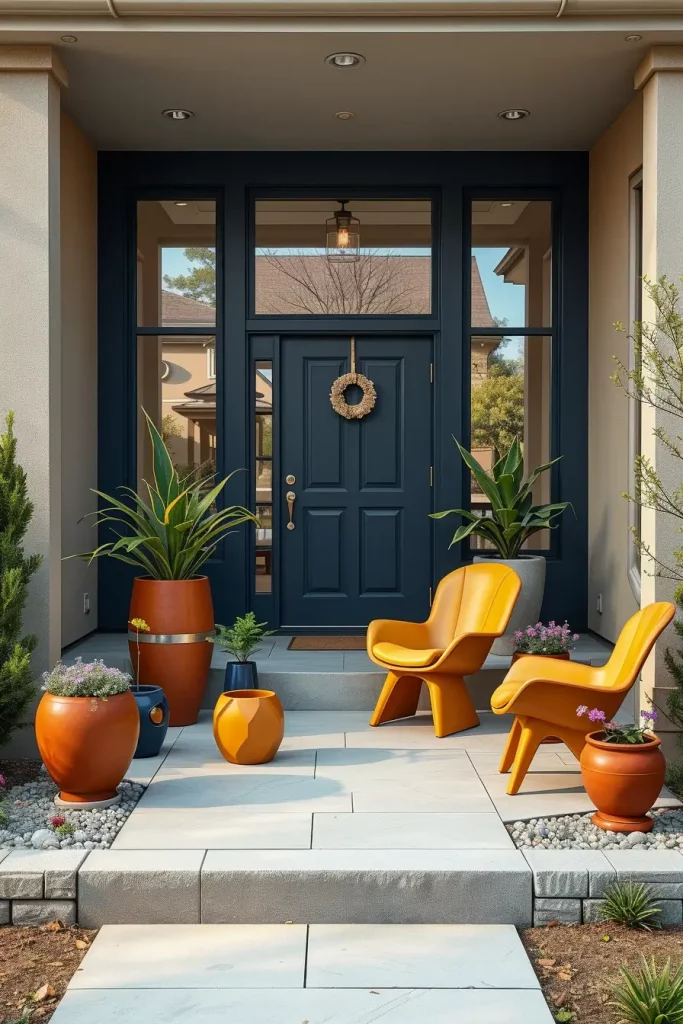
I often introduce color through a deep navy or terracotta front door, sculptural outdoor chairs in muted mustard, or cobalt ceramic planters. Seasonal flowering plants can provide controlled bursts of color within structured beds. The key is balance. I ensure that bold elements are supported by neutral hardscaping such as concrete, stone, or gravel to maintain a cohesive and designer appearance.
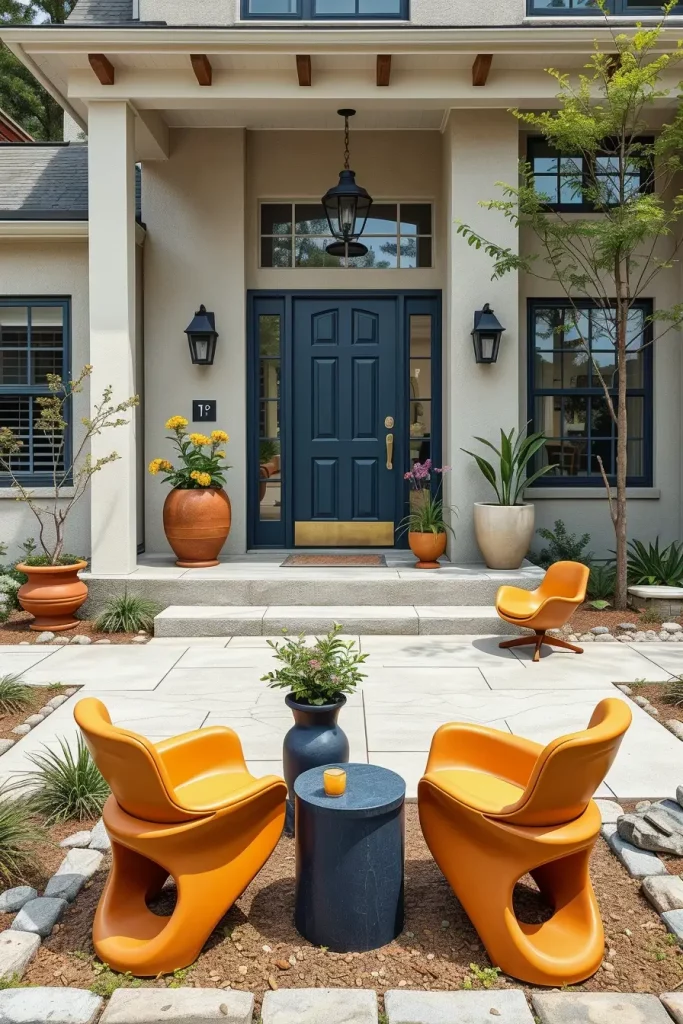
Personally, I believe color should enhance architectural features rather than compete with them. Many contemporary design publications recommend using one dominant accent color repeated subtly throughout the exterior. I follow this guidance to maintain harmony while still delivering a memorable visual impact.
What could strengthen this concept is a lighting strategy that highlights the chosen color accents at night. Focused spotlights or wall washers can amplify the effect without altering the daytime aesthetic.
Water Features As Sculptural Centerpieces
Water features in sculptural modern front yards 2026 function as both sensory and visual focal points. I design them as clean, geometric installations rather than traditional fountains. The sound of flowing water softens urban noise, while reflective surfaces enhance the perception of space.
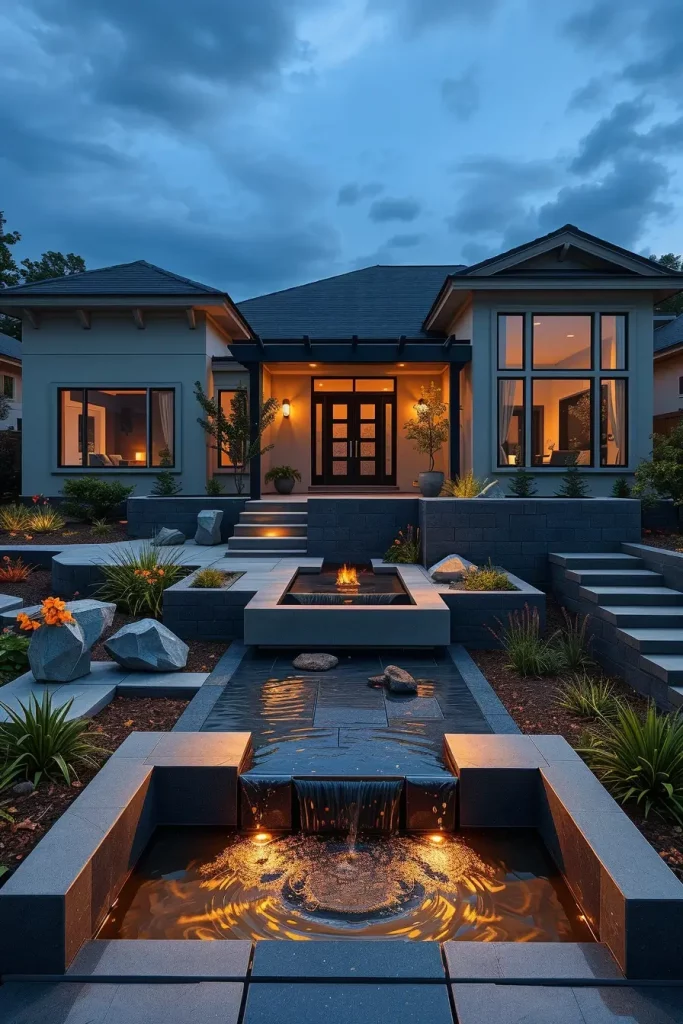
I prefer rectangular reflecting pools, vertical water walls in dark stone, or minimalist concrete basins with subtle overflow edges. Integrated LED lighting can illuminate the water at night, creating a serene atmosphere. I always ensure proper filtration and circulation systems to maintain clarity and prevent maintenance issues.
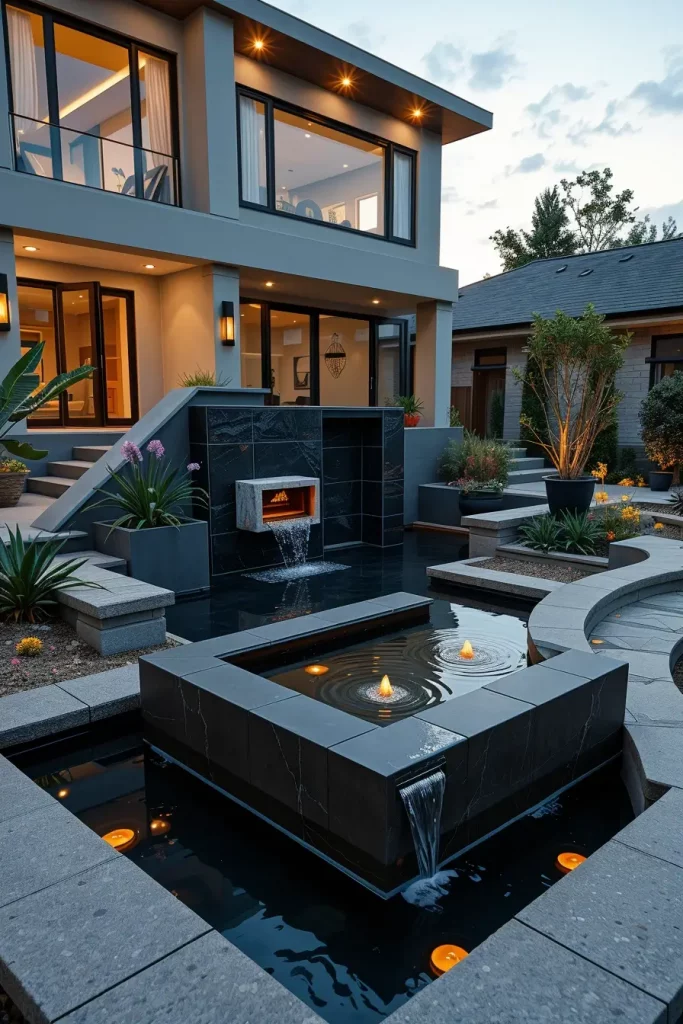
In my professional opinion, water elements must feel proportionate and purposeful. Landscape architects frequently advise positioning them where they can be appreciated from both the street and interior windows. I have found this dual perspective enhances their value and justifies the investment.
To complete this section, I would add recommendations for climate appropriate designs, especially in colder regions where winterization systems are necessary.
Unusual Mailbox Designs As Functional Art
An unusual modern front yard 2026 often reveals its personality through small details, and the mailbox is one of them. Instead of a standard box on a post, I design mailboxes as integrated architectural elements. They contribute to the overall composition and reinforce the contemporary aesthetic.
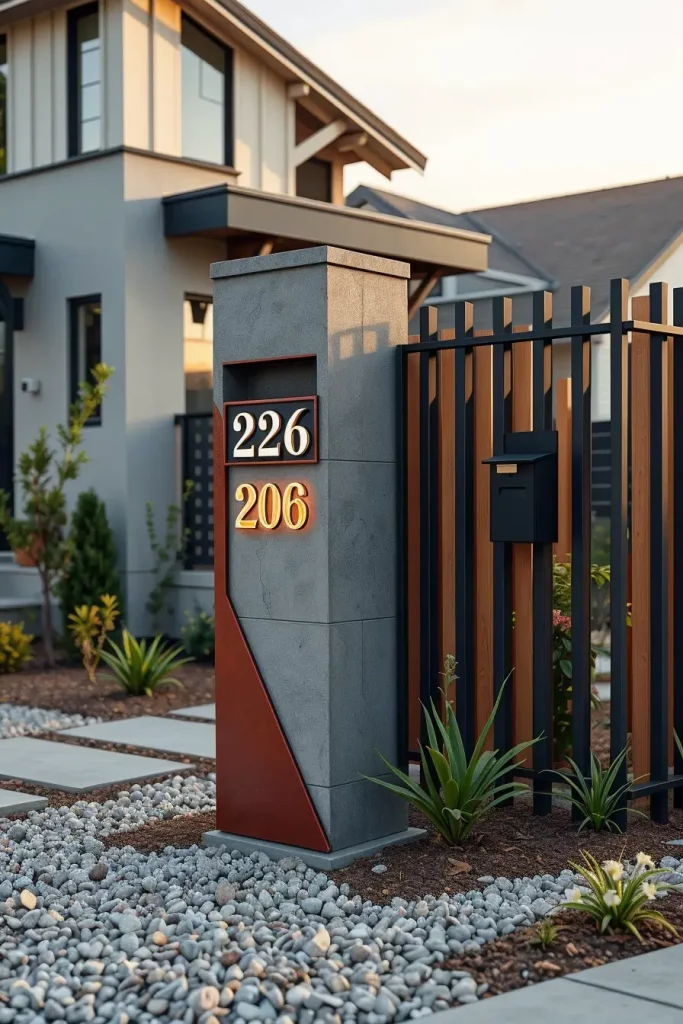
I use corten steel columns with built in mail slots, minimalist concrete pillars, or wall mounted black metal boxes seamlessly integrated into fencing. Some designs incorporate house numbers cut from metal or backlit for visibility. These solutions provide durability while adding a creative and stylish accent to the entrance.
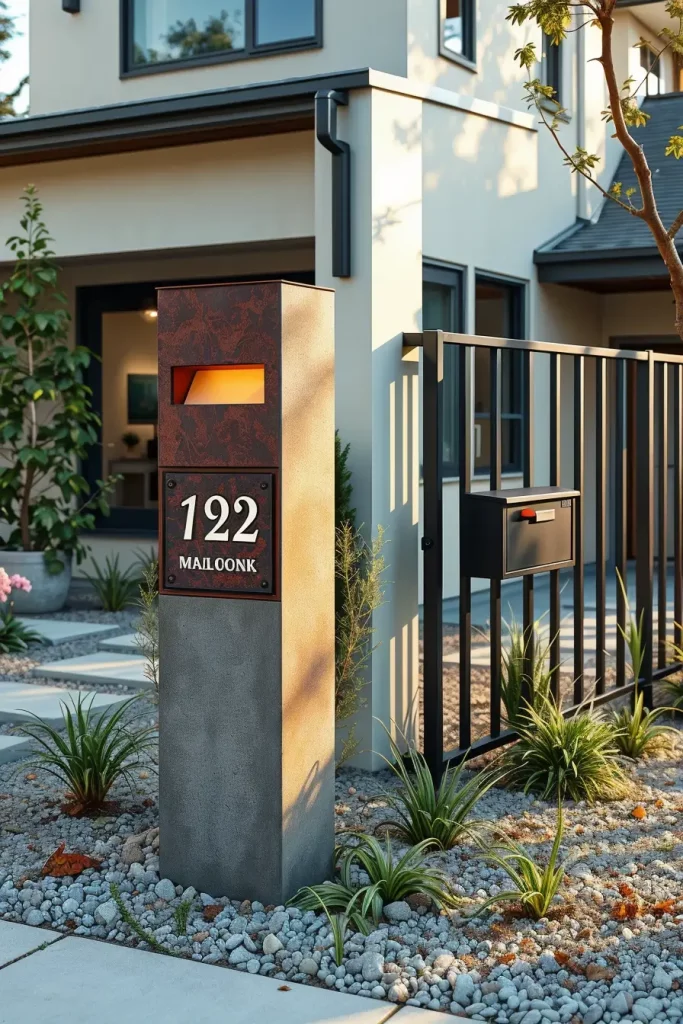
From my perspective, functionality should never be sacrificed for design. The mailbox must remain weather resistant, secure, and compliant with local regulations. I always verify dimensions and placement requirements before finalizing the design.
What I would include additionally is parcel locker integration. With online shopping increasing, larger secure compartments have become a practical necessity in many modern homes.
Stylish Front Yard Fencing With Contemporary Character
Fencing in a designer modern front yard 2026 defines boundaries without isolating the home. I approach fencing as a continuation of the architectural language. Clean horizontal lines, mixed materials, and subtle transparency allow privacy while maintaining openness.
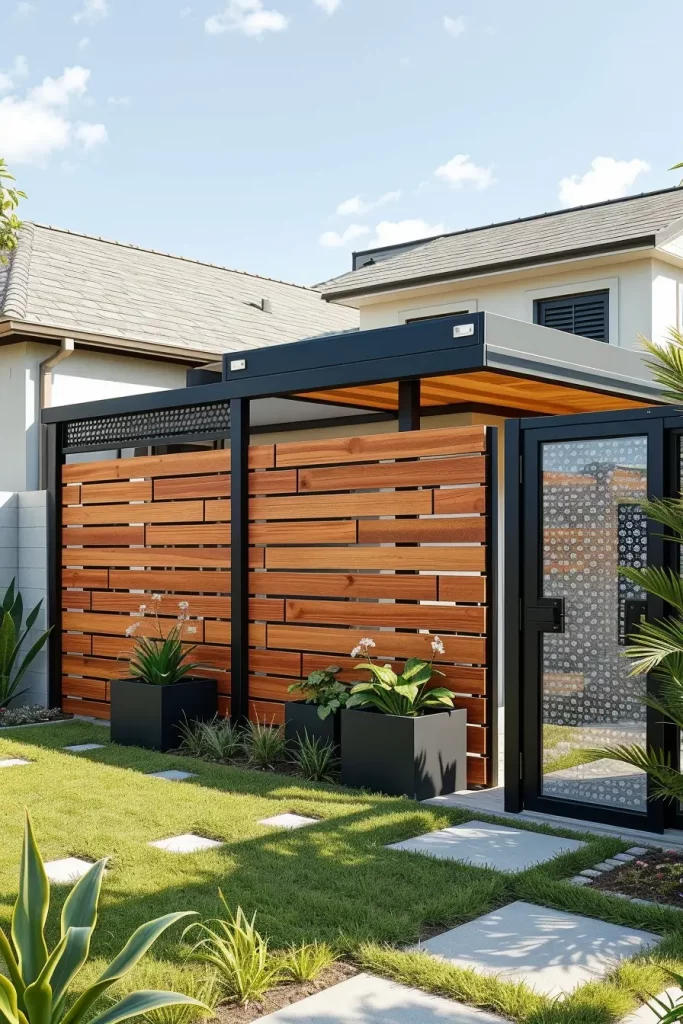
I often select horizontal wooden slats combined with matte black steel frames, perforated metal panels, or frosted glass inserts. Integrated planters along the fence base soften the structure and connect it with the landscaping. Sliding gates with concealed hardware maintain a streamlined look and improve functionality.
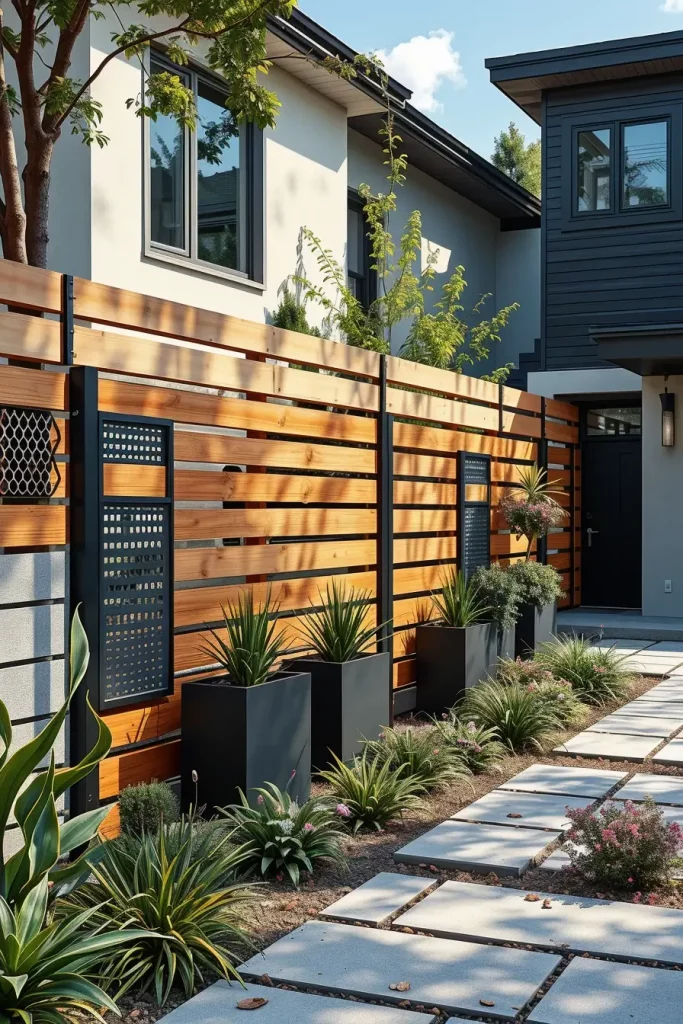
In my experience, the best fences balance security and aesthetics. Design experts frequently stress the importance of aligning fence materials with the home’s facade. I always ensure that tones and textures complement the exterior finishes for a cohesive and unique result.
To elevate this section further, I would recommend incorporating smart access systems and discreet lighting along the fence line. These additions enhance safety and align with the technological direction of modern front yard 2026 concepts.
Layered Landscaping For Depth And Dimension
When I design a layered landscape for a modern front yard 2026, I focus on creating visual depth that makes the property feel larger and more dynamic. Instead of flat lawns and linear planting, I arrange greenery in structured tiers: low groundcovers near the walkway, medium ornamental grasses and shrubs behind them, and taller trees or architectural plants in the background. This layered approach adds dimension and helps guide the eye naturally from the sidewalk to the entrance, making the space feel thoughtfully curated rather than accidental.
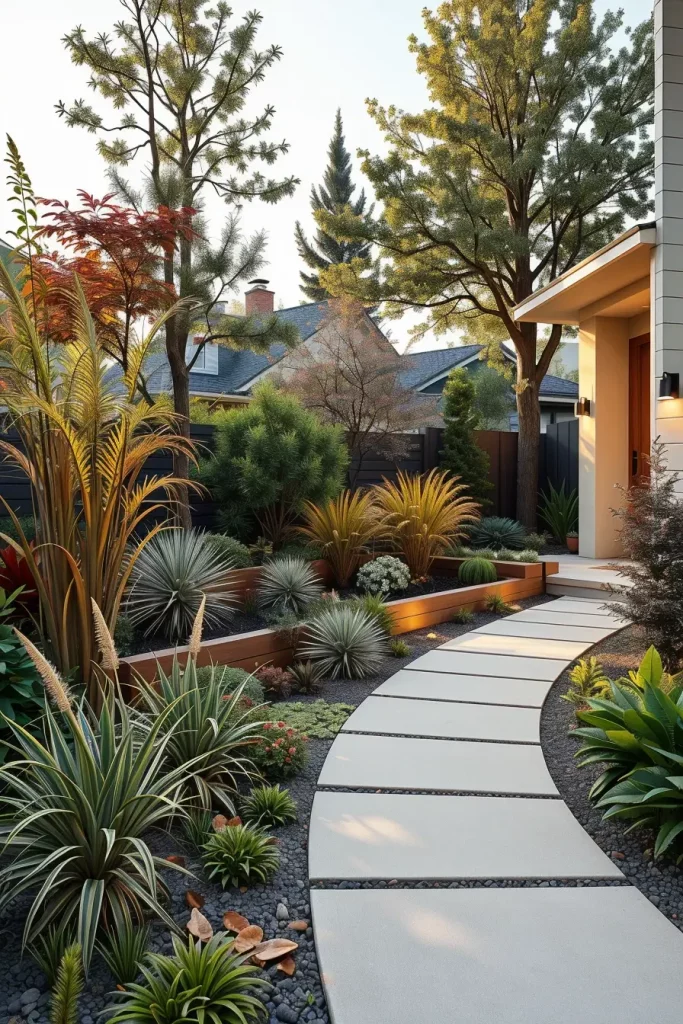
I carefully select each plant for both aesthetic and practical reasons. Groundcovers such as creeping thyme or low sedum reduce maintenance and prevent soil erosion. Mid-level shrubs like boxwood spheres or hydrangeas provide structure and rhythm. Taller elements such as Japanese maple or multi-stem olive trees act as focal points. I often integrate subtle landscape lighting between layers to emphasize depth at night and improve safety along the pathway.
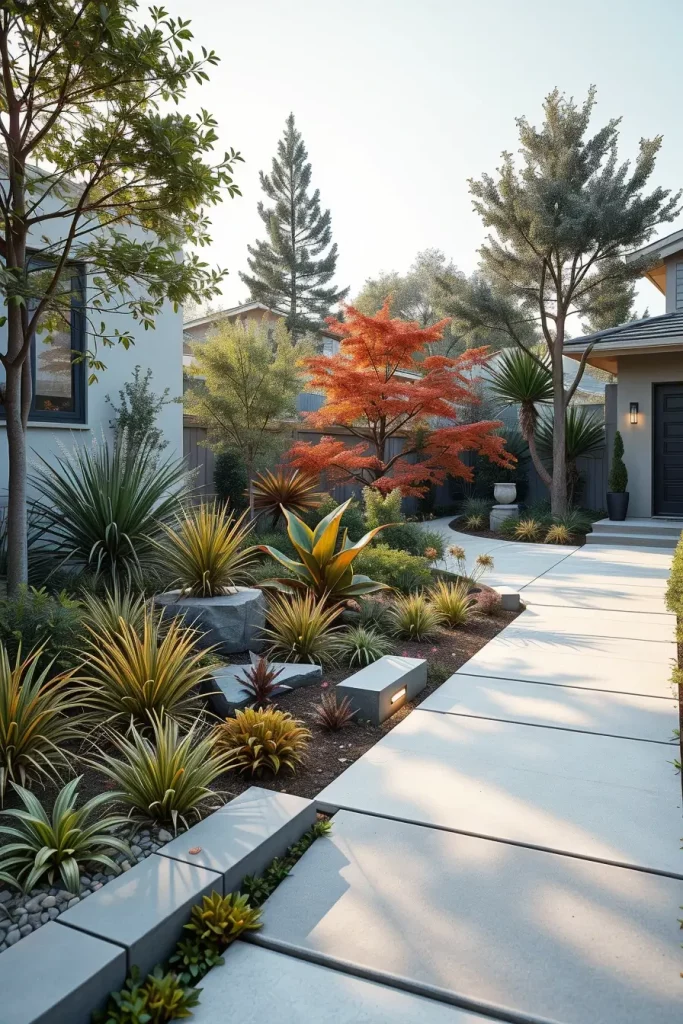
In my experience, layered landscaping not only enhances visual appeal but also improves microclimate control around the home. According to landscaping trends highlighted by Better Homes and Gardens, strategic plant layering can help reduce heat reflection from hard surfaces. I personally recommend balancing evergreen and seasonal plants to maintain year-round structure without overwhelming maintenance.
To strengthen this section, I would also add irrigation planning and soil preparation details. Proper drainage, drip irrigation systems, and mulching are essential to ensure that layered landscaping remains healthy and sustainable over time.
Artistic Driveway Designs With Modern Patterns
In a modern front yard 2026, the driveway is no longer just a functional strip of concrete. I treat it as an artistic canvas that enhances the architectural identity of the home. Clean geometric lines, asymmetrical paver layouts, and contrasting materials create a bold first impression. By introducing pattern and texture, the driveway becomes part of the overall composition rather than a separate utilitarian element.
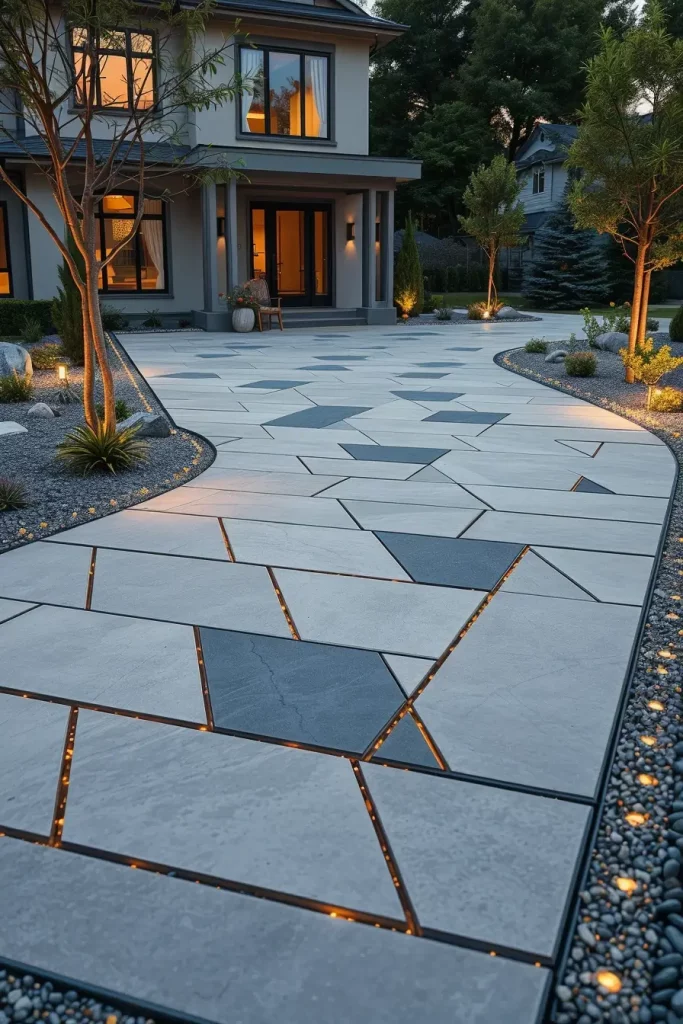
I often use large-format concrete pavers combined with gravel joints to create a floating effect. Permeable pavers are especially valuable because they improve drainage and reduce runoff. Linear LED strips embedded along the driveway edges enhance safety while emphasizing the modern aesthetic. I prefer neutral palettes such as charcoal, light gray, and warm sand tones, which complement contemporary facades without overpowering them.
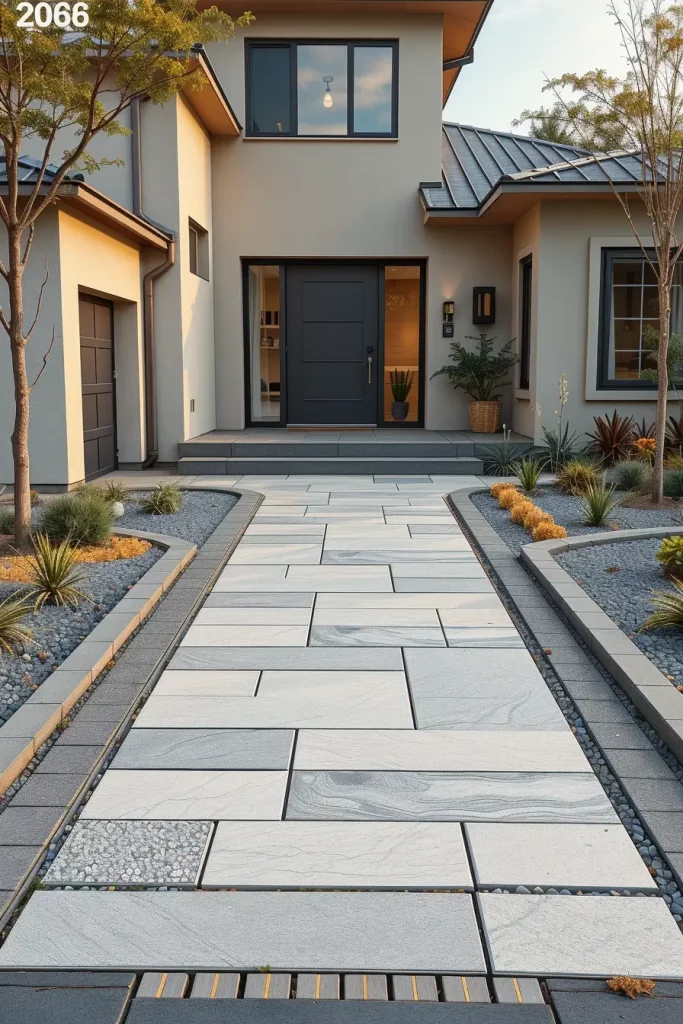
From my professional perspective, artistic driveway designs add long-term property value. Architectural Digest frequently emphasizes the importance of cohesive exterior design, and I fully agree. When the driveway echoes the lines of the house and landscaping, the entire front yard feels intentional and refined.
To complete this concept, I would also recommend incorporating subtle greenery along driveway edges. Low ornamental grasses or minimalist planter strips soften the hardscape and prevent the design from feeling too rigid.
Statement Front Doors And Entry Frames
The entry is the emotional center of any modern front yard 2026. I see it as an opportunity to introduce a bold yet refined focal point. A statement front door framed by sculptural elements creates a welcoming atmosphere while reinforcing architectural character. Whether through oversized pivot doors or minimalist steel-framed glass panels, the entrance sets the tone for the entire exterior.
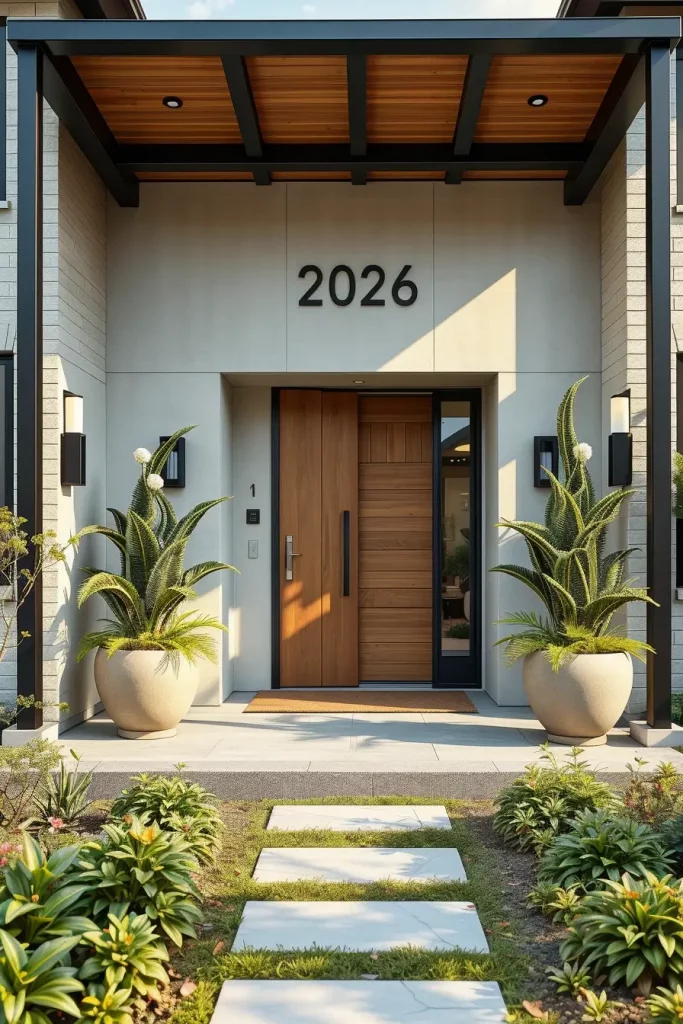
I typically select high-quality materials such as natural wood with vertical grain, matte black steel, or brushed bronze accents. Oversized house numbers, integrated lighting sconces, and minimalist canopy structures enhance the entrance without clutter. A pair of symmetrical designer planters flanking the doorway provides balance and softness while maintaining a contemporary aesthetic.
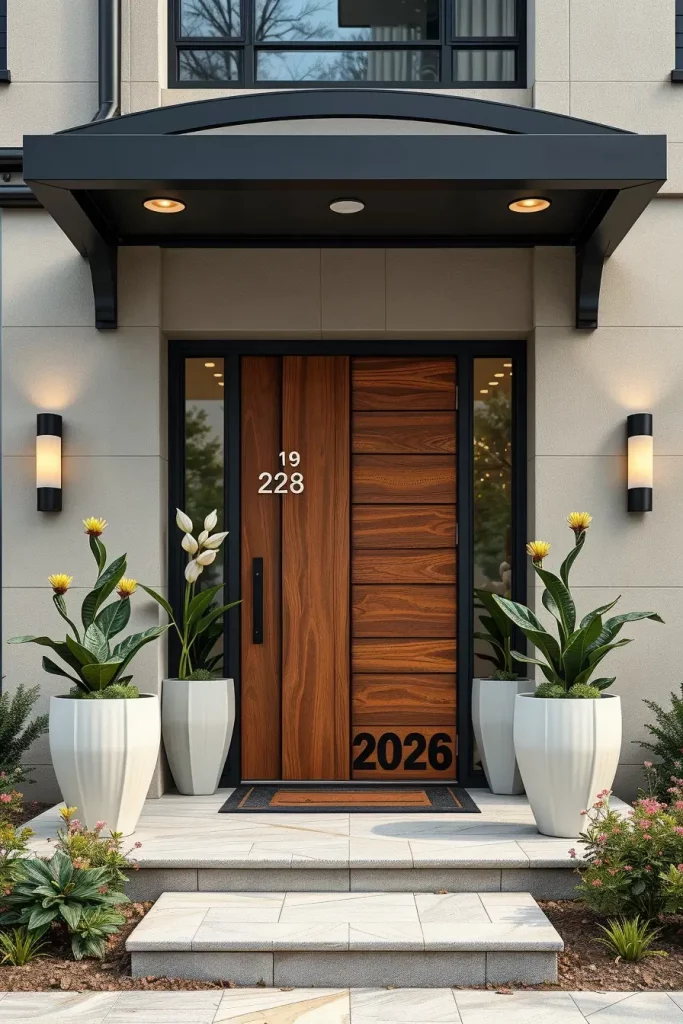
Personally, I believe the front door should feel intentional and personal. Designers often highlight the power of color in entry design. A deep forest green, muted terracotta, or classic matte black can transform a neutral facade into something distinctive. I recommend selecting finishes that harmonize with the landscape layers for visual continuity.
What could be added here is weather protection and practical detailing. I would ensure proper overhang coverage, durable finishes resistant to UV exposure, and smart lock integration to combine beauty with security.
Sustainable And Eco-Friendly Modern Front Yard 2026 Solutions
Sustainability is no longer optional in a modern front yard 2026. I approach eco-friendly design by reducing water consumption, selecting native plants, and minimizing unnecessary hardscaping. A drought-tolerant landscape can look just as lush and artistic as a traditional lawn while significantly lowering maintenance costs.
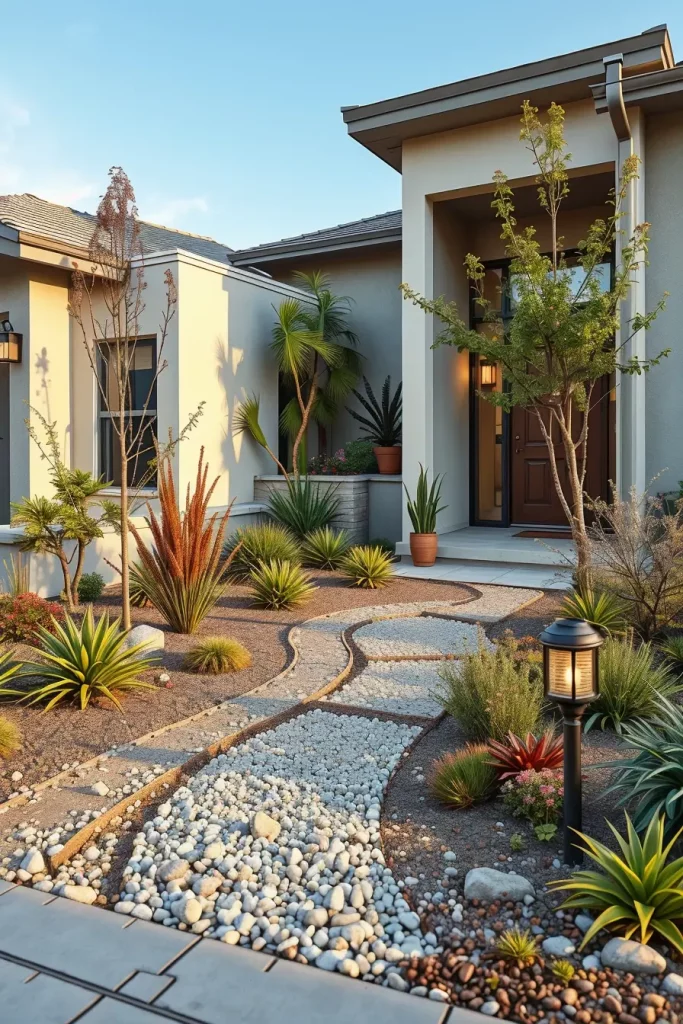
I often replace large turf areas with ornamental grasses, gravel gardens, and permeable surfaces. Native shrubs support local pollinators and require less irrigation. Rain gardens positioned near downspouts help manage stormwater naturally. Solar-powered pathway lights reduce electricity use and eliminate complex wiring systems.
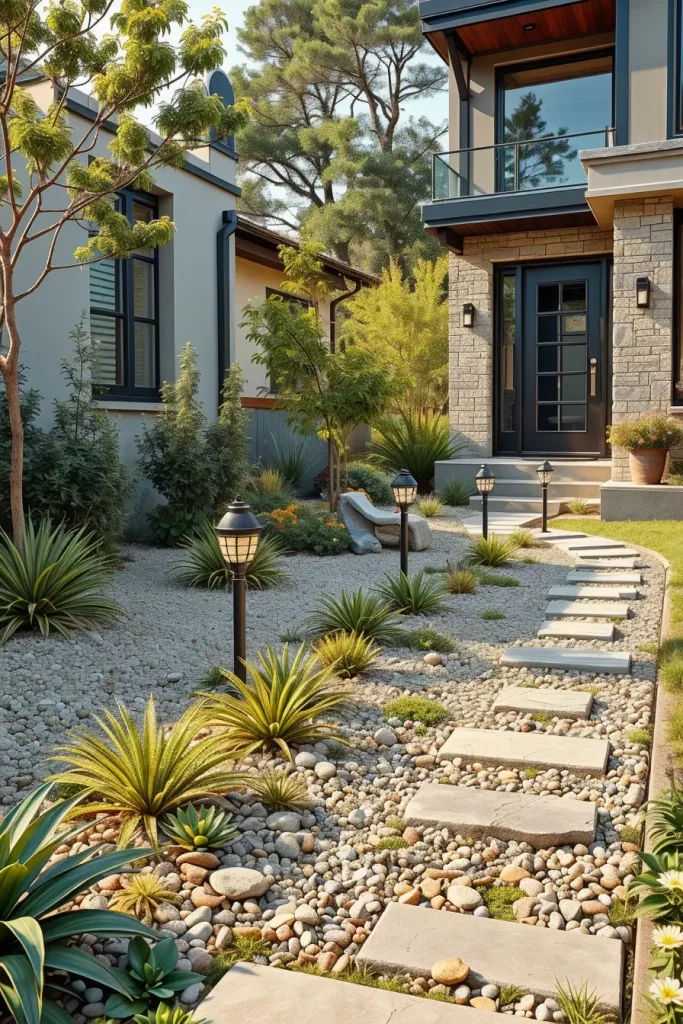
In my professional opinion, sustainable design increases long-term resilience. Many US-based landscape architects emphasize climate-responsive planting strategies, and I strongly support this approach. When we design responsibly, we create a yard that remains beautiful despite seasonal challenges.
To enhance this section further, I would include composting zones or concealed rainwater harvesting systems. These additions strengthen both ecological responsibility and long-term practicality.
Smart Technology Integration In Front Yard Design
Technology is redefining how we experience a modern front yard 2026. I integrate smart systems to enhance comfort, security, and efficiency without disrupting the minimalist aesthetic. Discreetly installed smart lighting, automated irrigation, and security cameras allow homeowners to control their outdoor environment seamlessly.
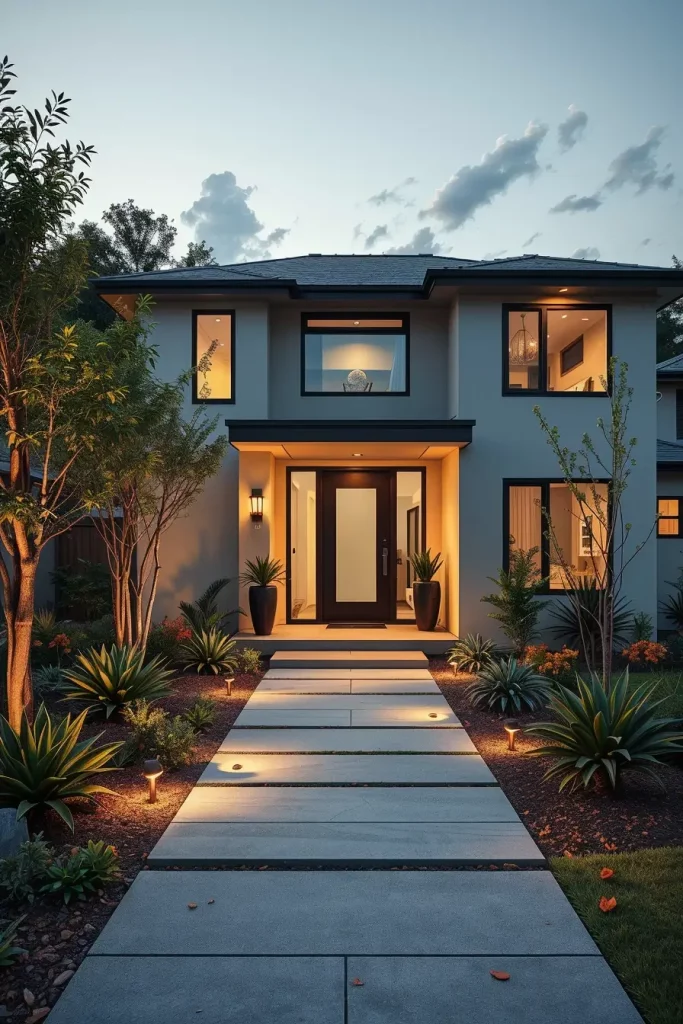
Motion-sensor pathway lights increase safety while conserving energy. Smart irrigation systems adjust watering schedules based on weather forecasts. Video doorbells and integrated gate systems improve security while maintaining a clean visual design. I always ensure that wiring and devices are subtly concealed within architectural or landscape elements.
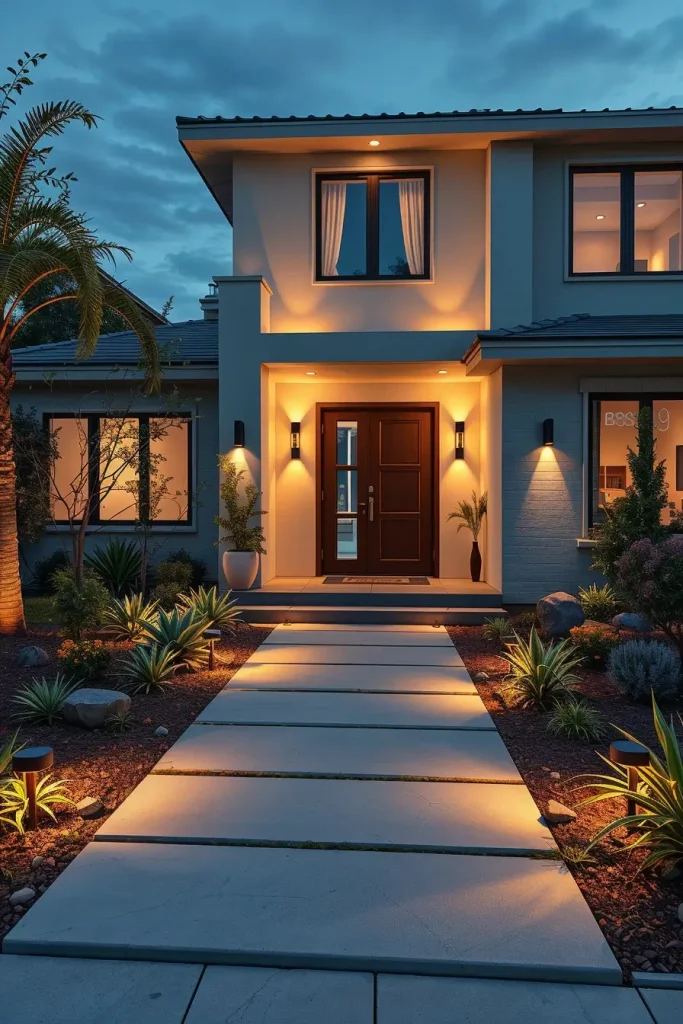
From my experience, smart integration should feel invisible. The goal is to enhance functionality while preserving the artistic and sculptural quality of the space. When technology supports design rather than dominating it, the result feels both innovative and refined.
What could further strengthen this concept is integrating outdoor speakers or climate sensors that monitor soil moisture and temperature. These additions create a fully responsive and intelligent front yard environment.
Creative Outdoor Seating Zones In The Front Yard
When I design creative outdoor seating zones in a modern front yard 2026, I focus on balancing openness with privacy. A front yard seating area should feel welcoming but not exposed. I typically position the seating slightly to the side of the main pathway, framed by layered landscaping or low architectural screens. This creates a semi-private retreat that still maintains a strong connection to the street and overall facade composition.
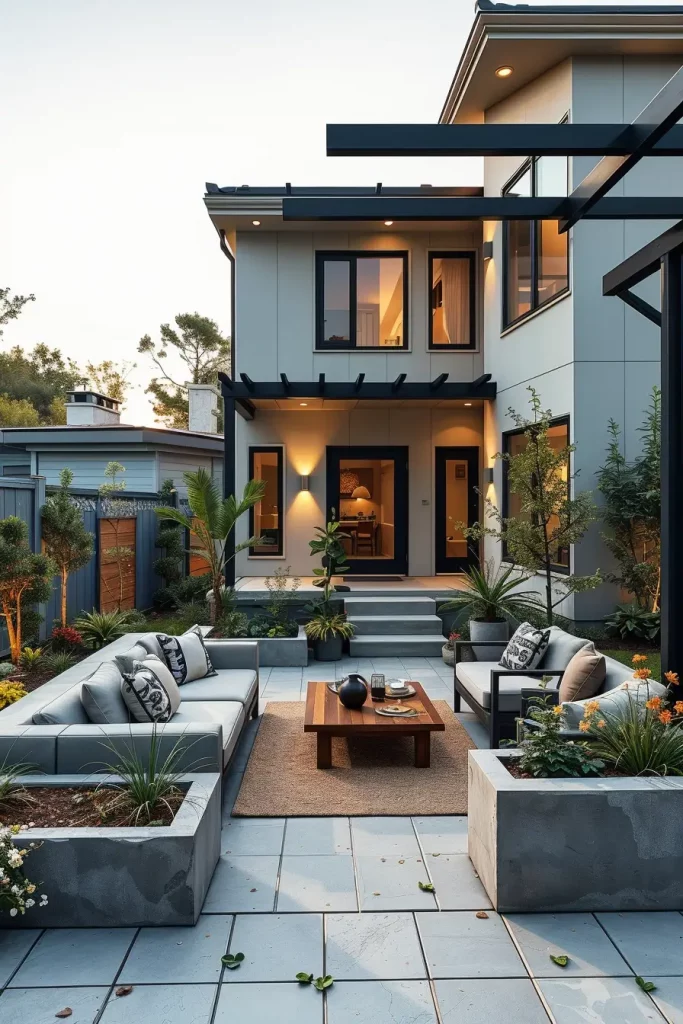
I select furniture that is durable yet sculptural. Low-profile modular sofas in weather-resistant fabric, minimalist concrete or teak coffee tables, and built-in bench seating integrated into raised planters work exceptionally well. Outdoor rugs made from recycled materials help define the zone, while slim-profile pergolas or metal frames provide partial shade without visually overwhelming the yard. Accent lighting integrated into planters enhances ambiance during the evening hours.
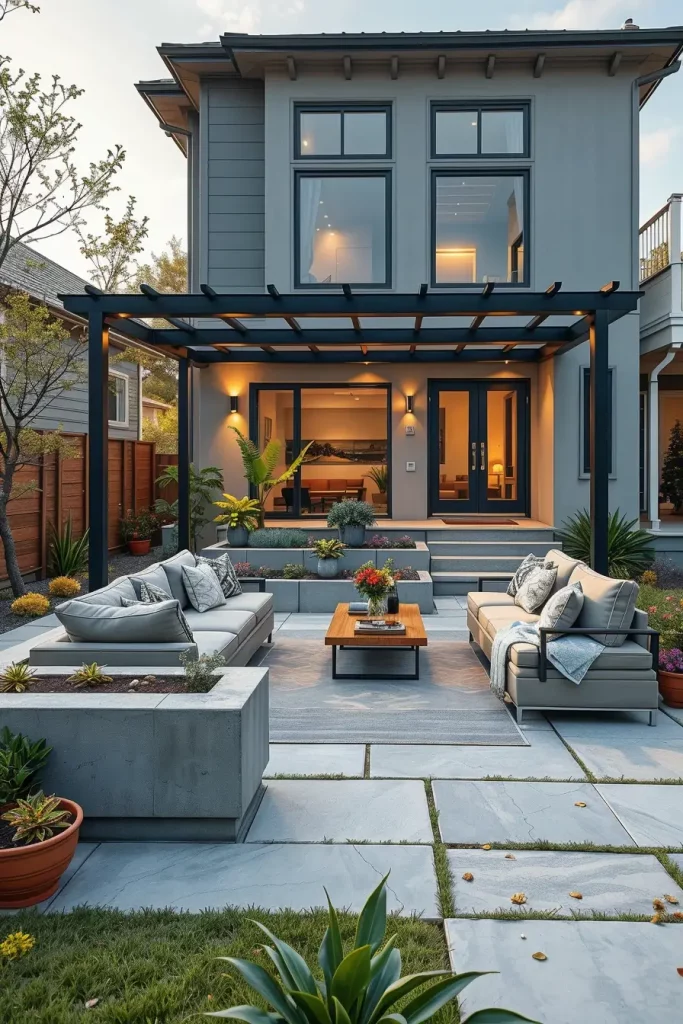
From my experience, front yard seating encourages social interaction and makes the home feel more approachable. Many contemporary landscape designers highlight the growing trend of transforming front yards into social spaces rather than purely decorative areas. I agree with this approach, as it maximizes usable square footage and strengthens neighborhood connection.
To improve this section further, I would add details about wind protection and acoustic comfort. Subtle glass panels, hedges, or decorative slatted screens can reduce street noise while preserving the modern aesthetic.
Sculptural Trees And Topiary As Natural Installations
In a sculptural modern front yard 2026, trees are not just plants but living art pieces. I often treat them as vertical installations that anchor the entire composition. Carefully selected species with distinctive silhouettes create a bold architectural presence and enhance the artistic character of the space.
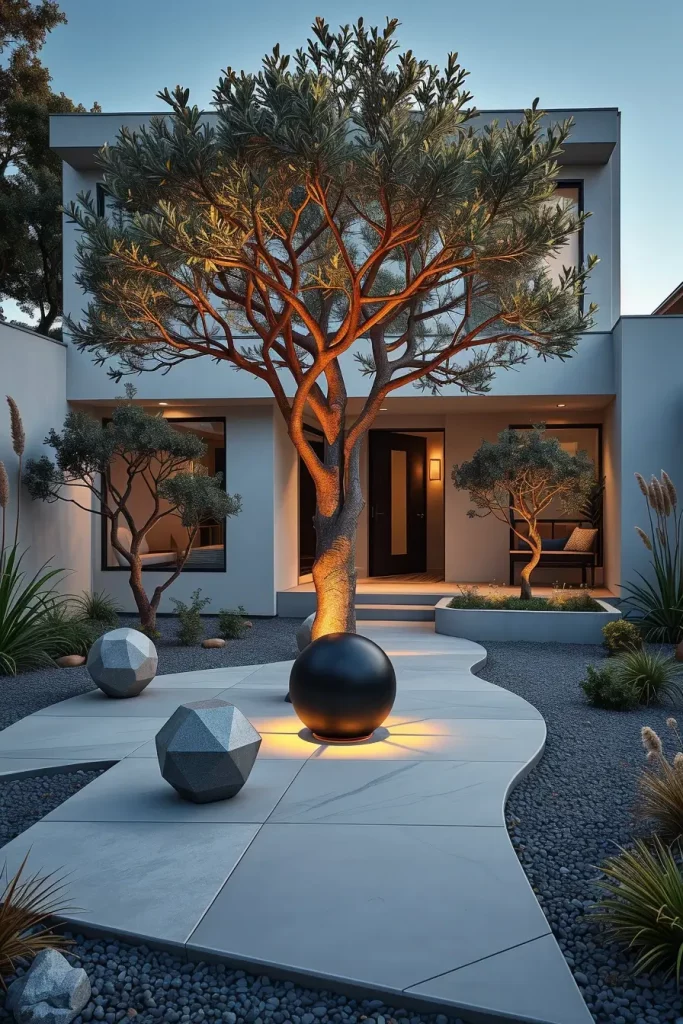
I frequently use multi-trunk trees such as birch or olive for organic sculptural form, or precisely trimmed topiary spheres and cones for a more geometric look. Positioning is essential. A single sculptural tree placed off-center near the entry path can create dramatic visual impact. Uplighting installed at the base emphasizes texture and branching structure during the evening.
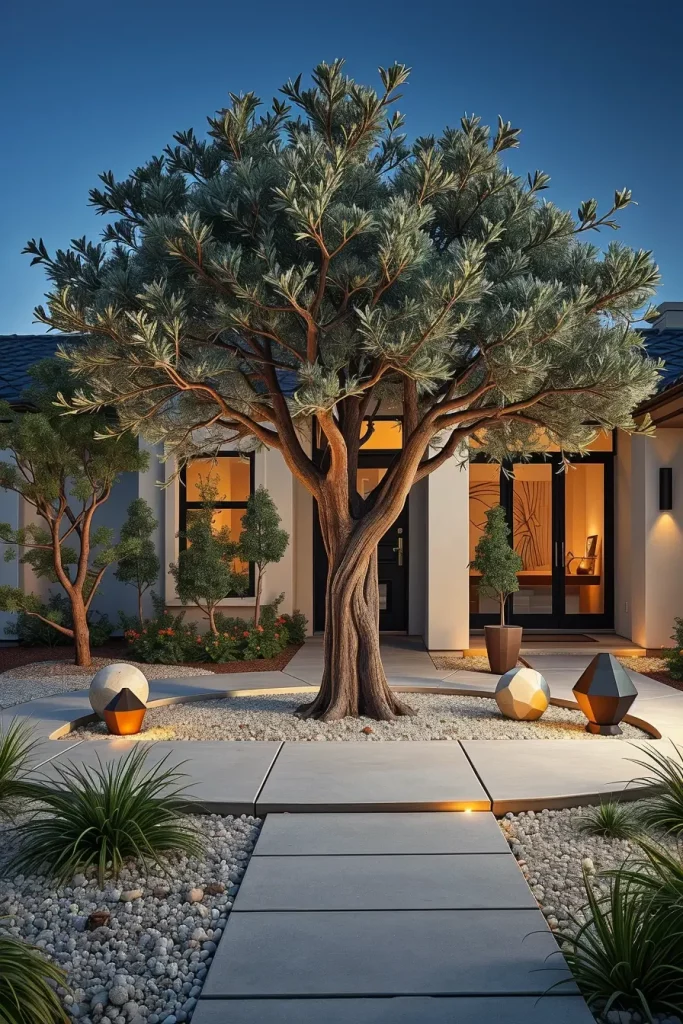
Personally, I find that sculptural greenery adds authenticity that manufactured decor cannot replicate. It brings movement, seasonal change, and natural beauty into a structured design. Landscape architects often emphasize the power of a single strong focal point, and in many cases, a well-chosen tree fulfills this role perfectly.
What could enhance this design is long-term maintenance planning. I would ensure professional pruning schedules and soil aeration strategies to maintain the intended sculptural form over time.
Modern Front Yard 2026 With Mixed Materials And Textures
A truly designer and unique modern front yard 2026 thrives on contrast. I combine smooth concrete, warm wood, textured stone, metal accents, and soft greenery to create depth and tactile richness. The interplay of materials ensures the yard feels dynamic rather than flat or predictable.
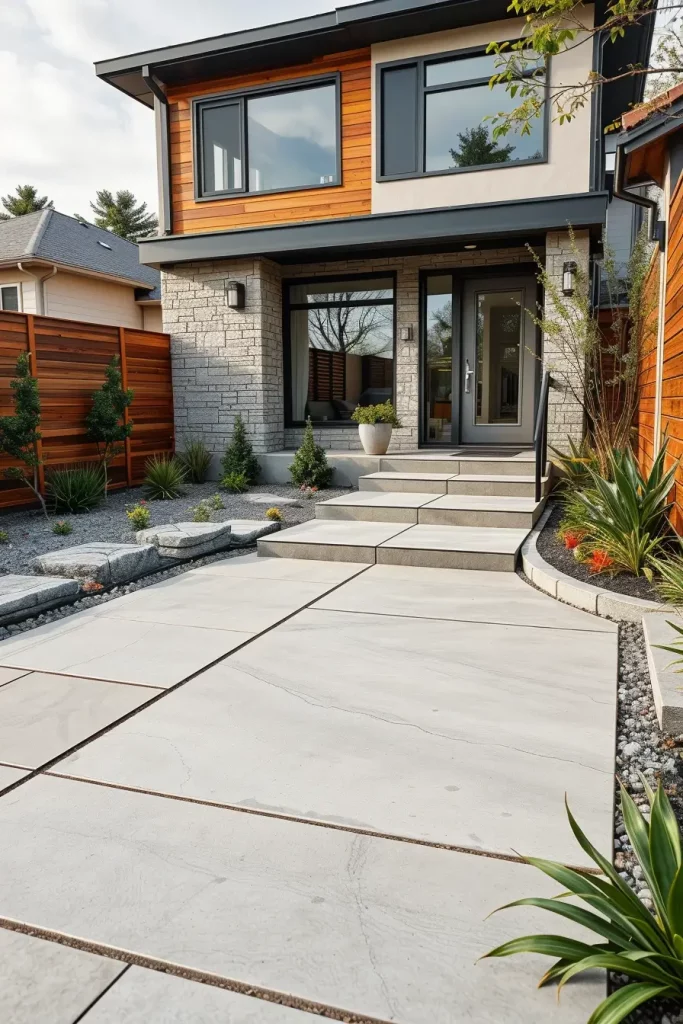
For pathways, I often mix poured concrete slabs with gravel joints. Retaining walls in natural stone contrast beautifully with sleek steel edging. Wooden slat fences soften harder materials while maintaining privacy. Decorative corten steel panels introduce a warm industrial note, and matte finishes prevent glare while preserving a refined appearance.
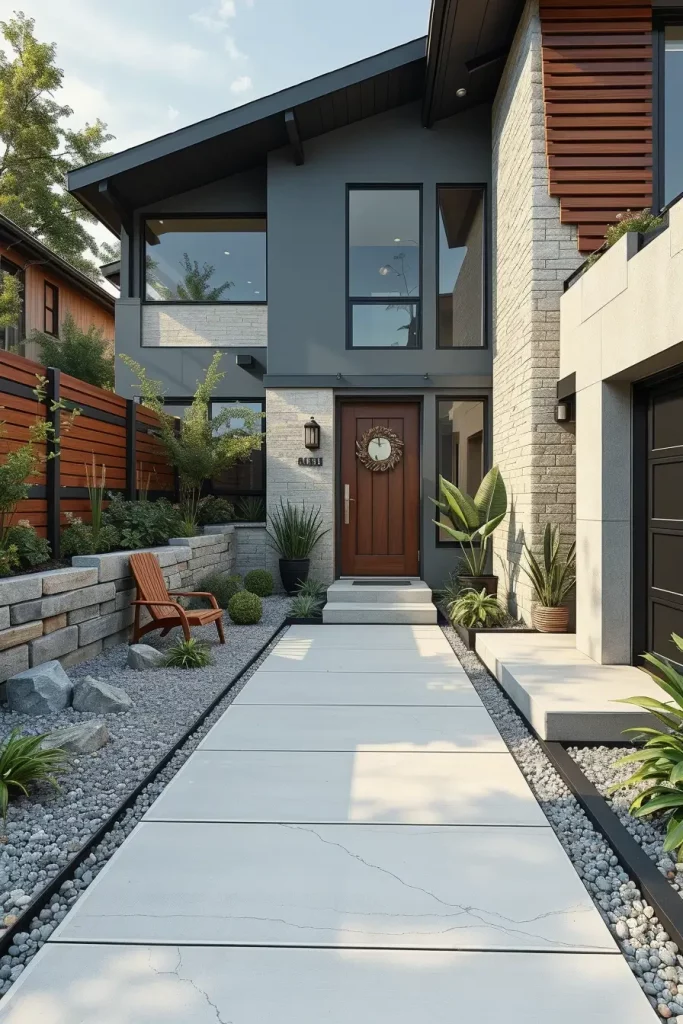
In my professional view, material harmony is essential. The key is limiting the palette to three or four core materials to avoid visual chaos. Design publications frequently emphasize restraint in contemporary exteriors, and I consistently apply that principle in my projects.
To strengthen this section, I would incorporate details about weather resistance and regional climate adaptation. Selecting frost-resistant stone or UV-stable finishes ensures the design remains beautiful for years.
Vertical Gardens And Green Walls For Compact Spaces
For compact properties, vertical gardens are one of the most creative and stylish solutions in a modern front yard 2026. When horizontal space is limited, I use vertical surfaces to introduce greenery without sacrificing functionality. Green walls add softness to minimalist facades and transform plain boundaries into living installations.
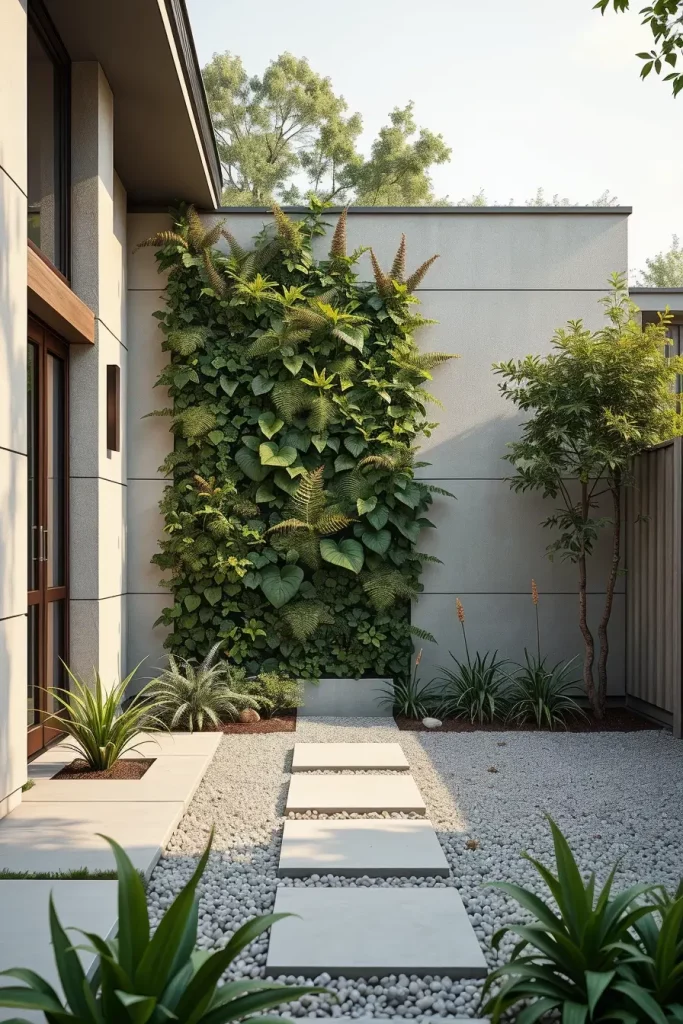
I typically install modular green wall systems with integrated irrigation to ensure consistent plant health. Hardy plants such as ferns, ivy, ornamental grasses, and seasonal flowering varieties create texture and color variation. I position vertical gardens near entry points or along fences to maximize visual impact. Complementary lighting highlights the layered foliage at night.
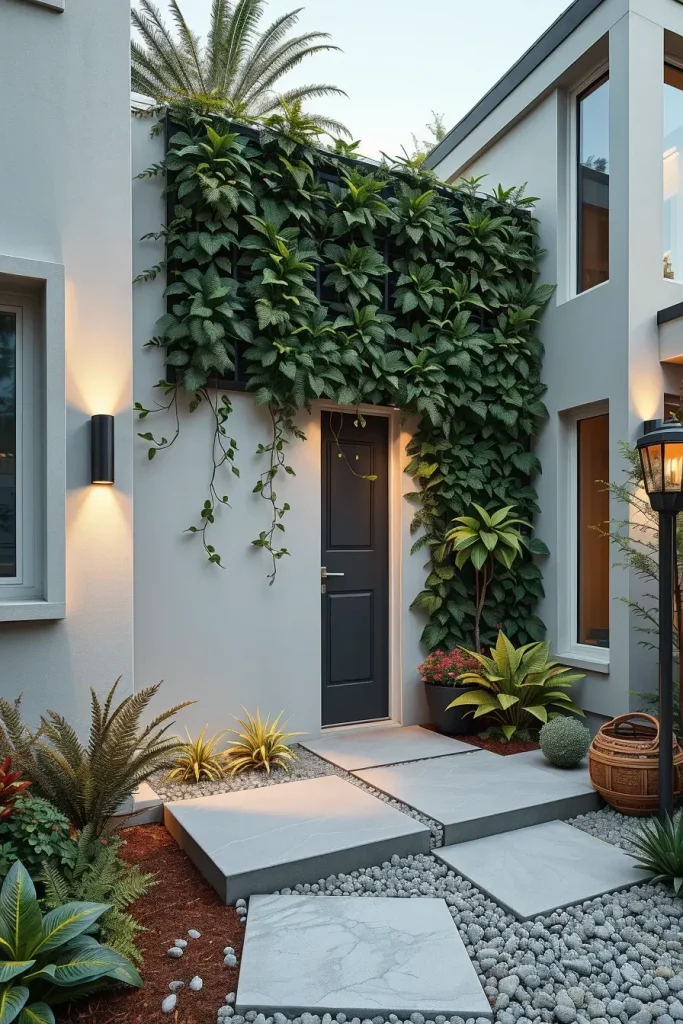
From my experience, vertical greenery significantly improves curb appeal in urban environments. It adds insulation benefits and reduces heat reflection from exterior walls. Many sustainable design experts recommend green walls as a climate-responsive strategy, and I fully support this approach when properly maintained.
To make this concept even stronger, I would include maintenance access planning. Proper drainage, irrigation monitoring, and easy plant replacement systems are crucial for long-term success.
Designer Planters And Artistic Container Arrangements
In a creative, artistic, and unusual modern front yard 2026, planters become sculptural decor elements rather than simple plant holders. I use oversized geometric containers, asymmetrical groupings, and contrasting materials to create a gallery-like outdoor composition.
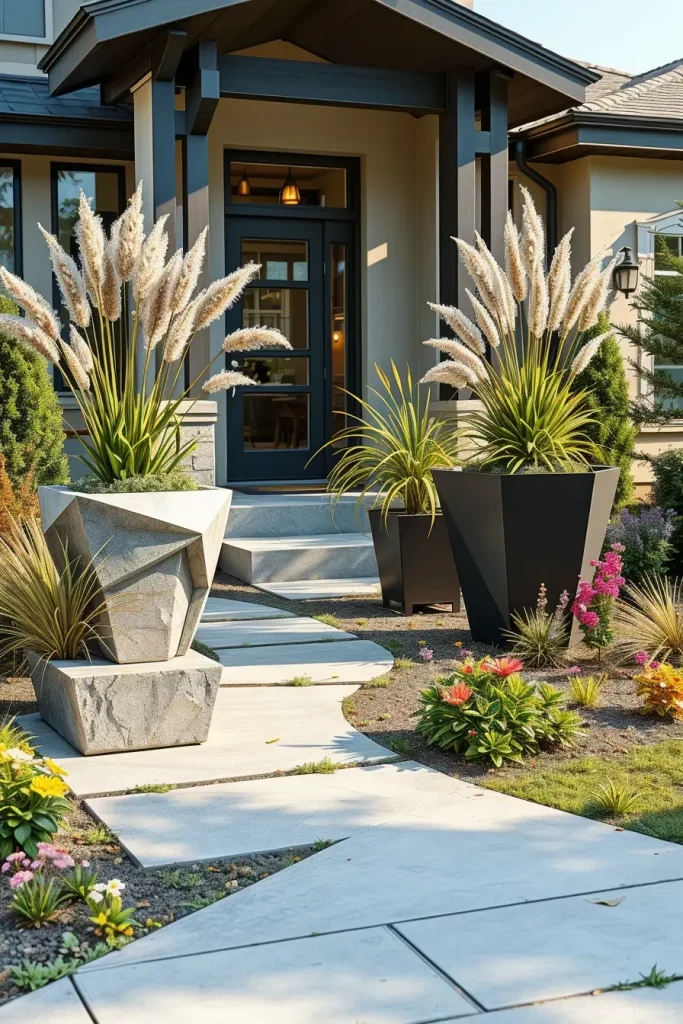
I prefer fiberstone, matte ceramic, or corten steel planters for durability and contemporary appeal. Arranging them at varying heights creates rhythm and visual layering. Inside, I combine ornamental grasses, compact shrubs, and seasonal blooms to maintain interest throughout the year. Placement near entryways or along driveways enhances symmetry and cohesion.
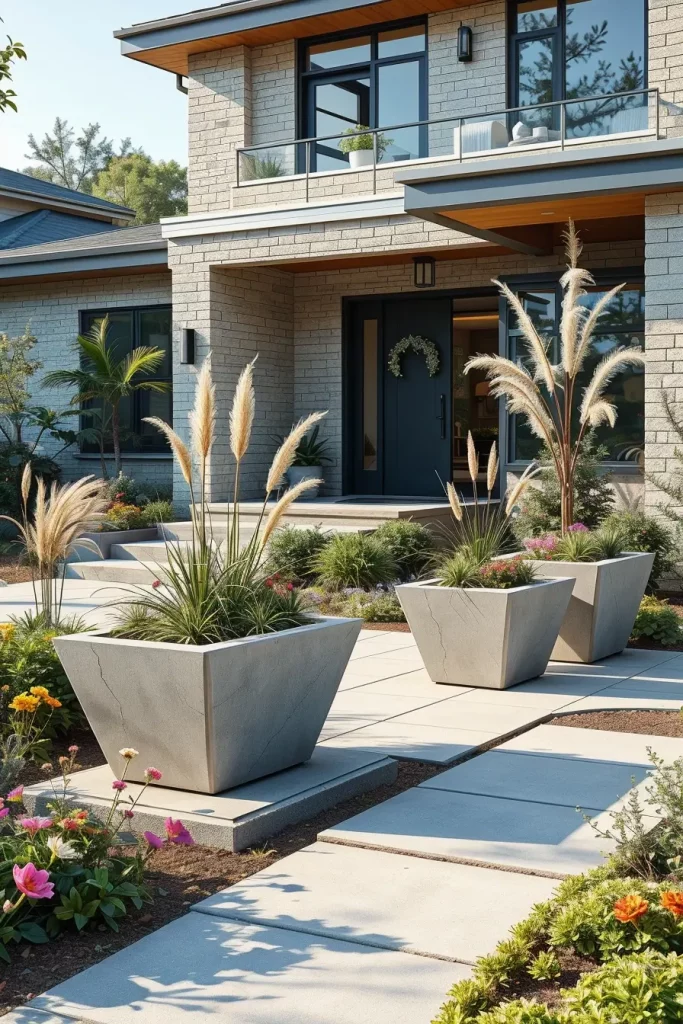
Personally, I believe that well-curated container arrangements provide flexibility. They allow homeowners to update seasonal color schemes without redesigning the entire yard. Designers often note that containers are one of the easiest ways to refresh exterior spaces, and I consistently recommend them to clients seeking adaptable solutions.
To enhance this section further, I would incorporate drainage systems and frost protection strategies. Elevated bases and proper liners help extend planter lifespan and protect surfaces beneath them.
Fire Features Adding Drama And Warmth
In my projects, I increasingly integrate fire elements into the modern front yard 2026 concept to create a focal point that feels both welcoming and architectural. A linear gas fire bowl or a sculptural concrete fire table placed near the entry walkway adds instant depth and movement. I carefully position fire features so they enhance circulation paths rather than obstruct them, ensuring that beauty and practicality coexist. Proper ventilation, safe distances from planting beds, and durable paving materials are essential for long-term performance.
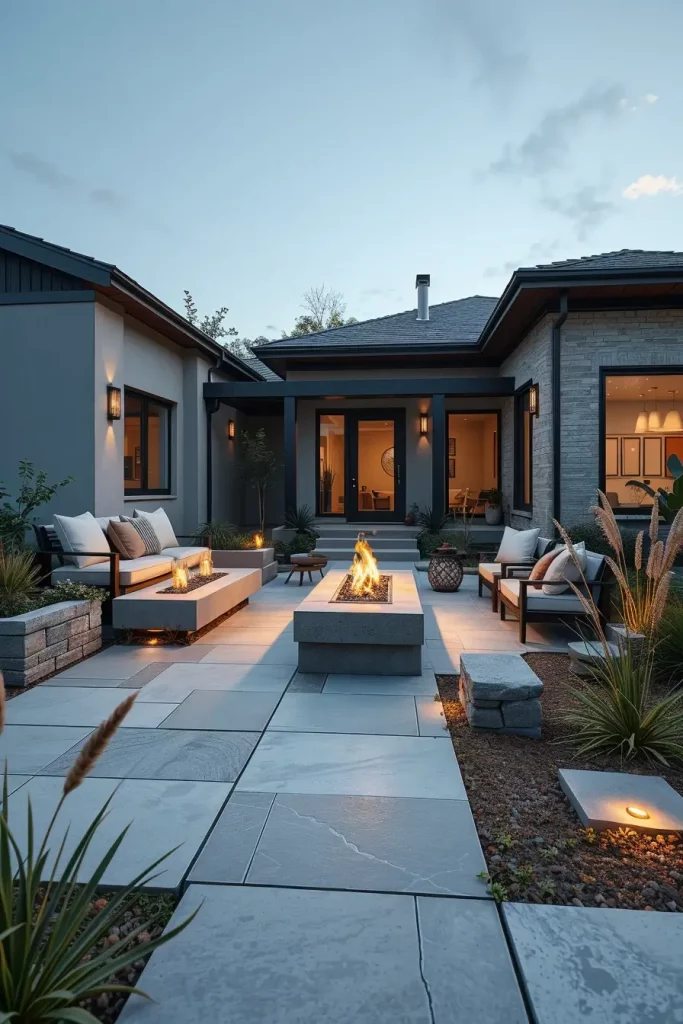
I usually select materials that echo the house facade: poured concrete, corten steel, matte black metal, or natural stone. Built-in seating walls around a fire feature can double as informal gathering zones. I recommend low-profile benches with weather-resistant cushions in neutral tones to maintain a minimalist look. Integrated storage for propane tanks or concealed gas lines keeps the space visually clean and consistent with a designer aesthetic.
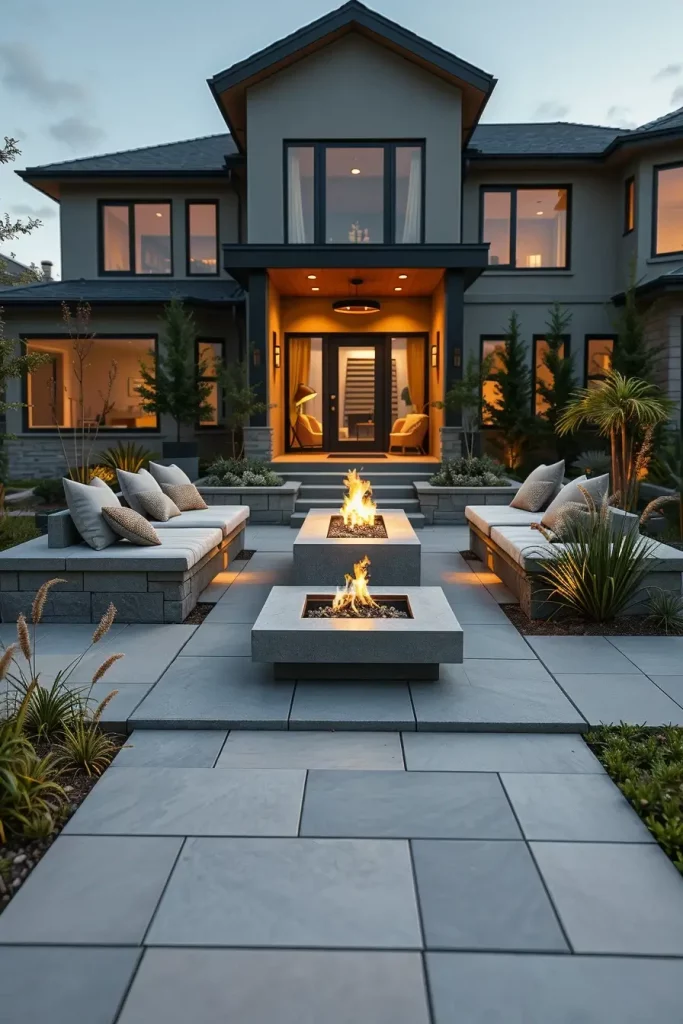
From my experience, fire instantly elevates the emotional value of a front yard. According to design insights often highlighted by Architectural Digest, outdoor fire elements create intimacy and extend seasonal usability. I agree completely: a well-placed flame makes the front yard feel intentional rather than decorative. I also recommend adding subtle landscape lighting around the fire feature to amplify the sculptural effect at night.
What should be added here is a wind assessment and heat-reflective surface planning. I always analyze prevailing wind direction and select heat-resistant stone or porcelain pavers to prevent discoloration and ensure safety.
Unique Front Yard Art Installations And Sculptures
A truly artistic and sculptural front yard begins with a statement piece. In 2026, I see homeowners embracing bold metal sculptures, abstract stone forms, and even custom-designed installations that reflect personal taste. These pieces work best when treated as anchors within a balanced landscape composition. I position them strategically so they are visible from the street yet integrated into planting layers.
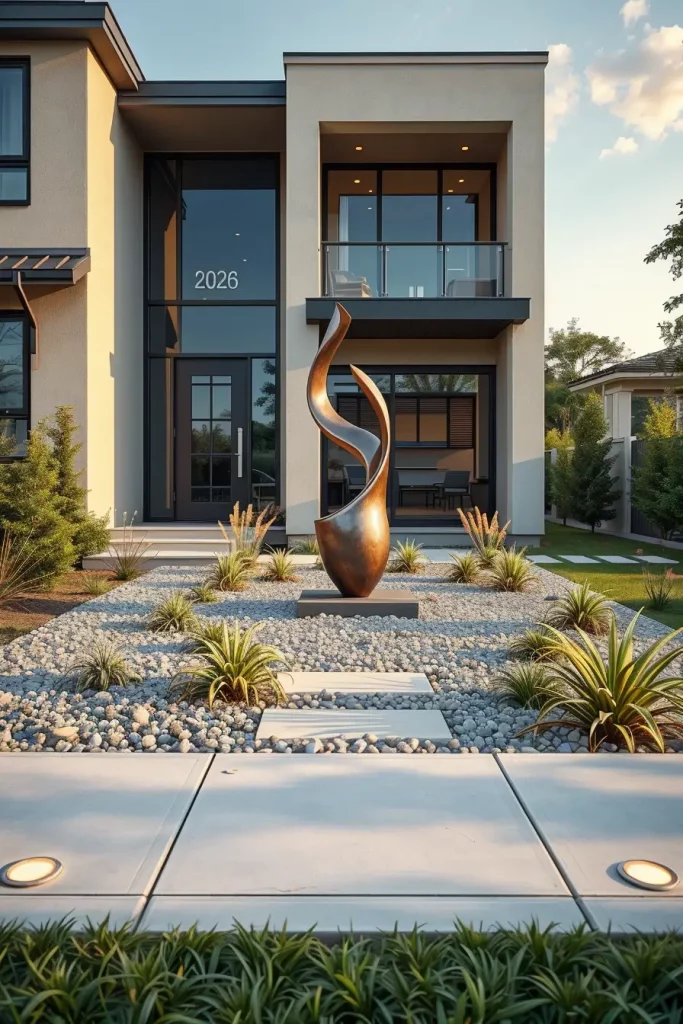
When selecting sculptures, I consider scale, material, and maintenance. Powder-coated steel, bronze, or sealed stone withstand outdoor conditions beautifully. Surrounding the artwork with gravel beds, ornamental grasses, or low ground covers helps highlight the form without overwhelming it. I often incorporate a subtle spotlight to emphasize texture and shadows after sunset.
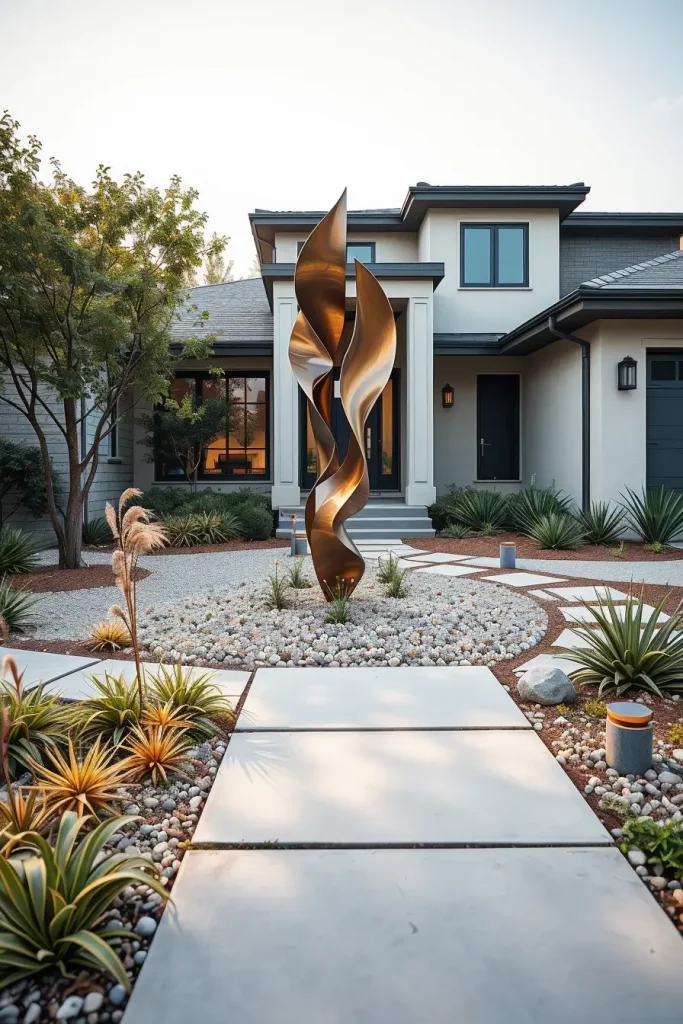
Personally, I believe that adding art transforms a yard from ordinary to unique and designer. Elle Decor frequently emphasizes the importance of personalization in outdoor spaces, and I have found that curated art pieces immediately distinguish one property from another. Even a minimalist yard can become expressive with the right focal sculpture.
What may be missing in many art-focused designs is seating or pause points. I like to integrate a discreet bench nearby, allowing visitors to appreciate the installation intentionally rather than pass by it quickly.
Luxury Minimalist Lawns And Grass Alternatives
The era of high-maintenance lawns is fading. In the modern front yard 2026, I prioritize low-water, sustainable surfaces that look refined and contemporary. Artificial turf of premium quality, drought-tolerant ground covers, decomposed granite, or geometric paver grids with gravel infill are practical alternatives. These solutions reduce irrigation needs while maintaining a polished appearance.
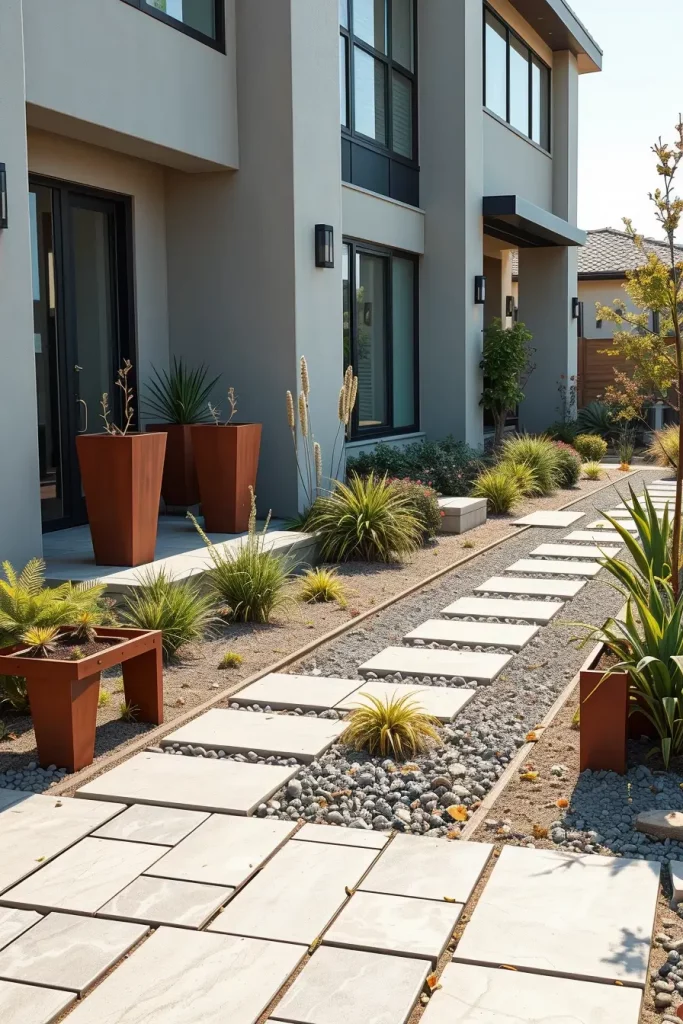
I carefully combine textures to avoid monotony. For example, large-format concrete slabs separated by green creeping thyme create a balanced rhythm. Raised planter boxes in powder-coated aluminum or corten steel introduce vertical interest. I also recommend drip irrigation systems hidden beneath mulch layers to preserve plant health efficiently.
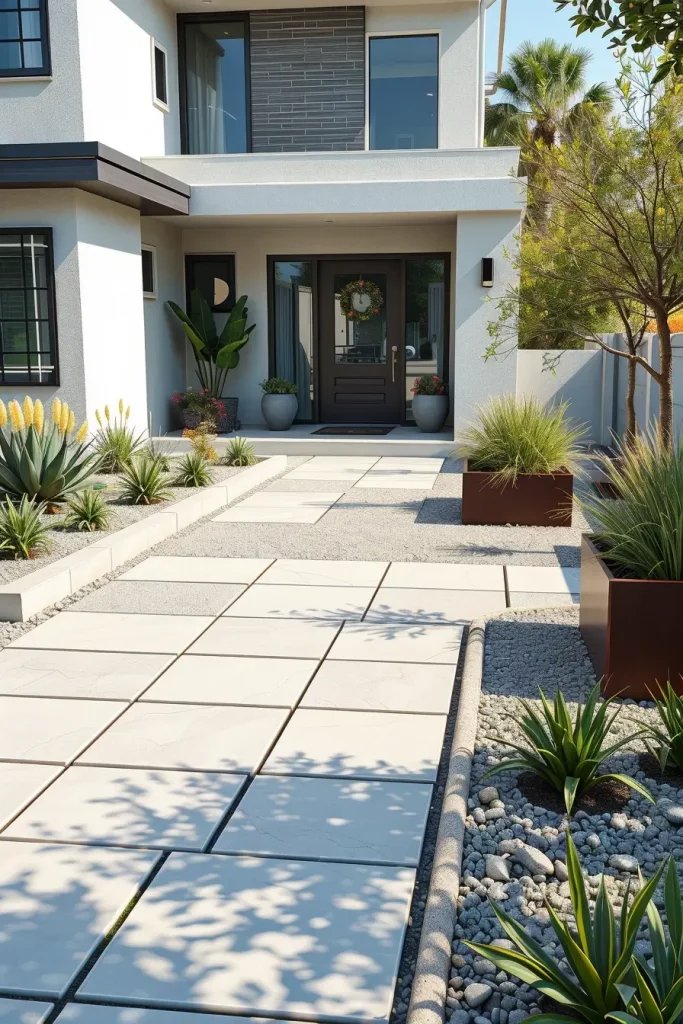
From a professional perspective, I strongly support this shift toward sustainability. Better Homes and Gardens often highlights eco-conscious landscaping as a long-term investment, and I agree. Clients appreciate reduced maintenance costs and environmental impact. Personally, I find that minimalist lawns allow architectural elements to shine.
What should be added here is soil preparation and drainage planning. Without proper grading and base layers, even the most luxurious surface can fail prematurely. I always ensure that the foundation beneath grass alternatives is engineered correctly.
Creative Lighting Layers For Nighttime Curb Appeal
Lighting is where a stylish and creative front yard truly comes alive. I design layered lighting systems that combine pathway lights, wall washers, uplights for trees, and subtle step illumination. The goal is to create dimension rather than uniform brightness. I focus on highlighting textures, vertical elements, and architectural lines.
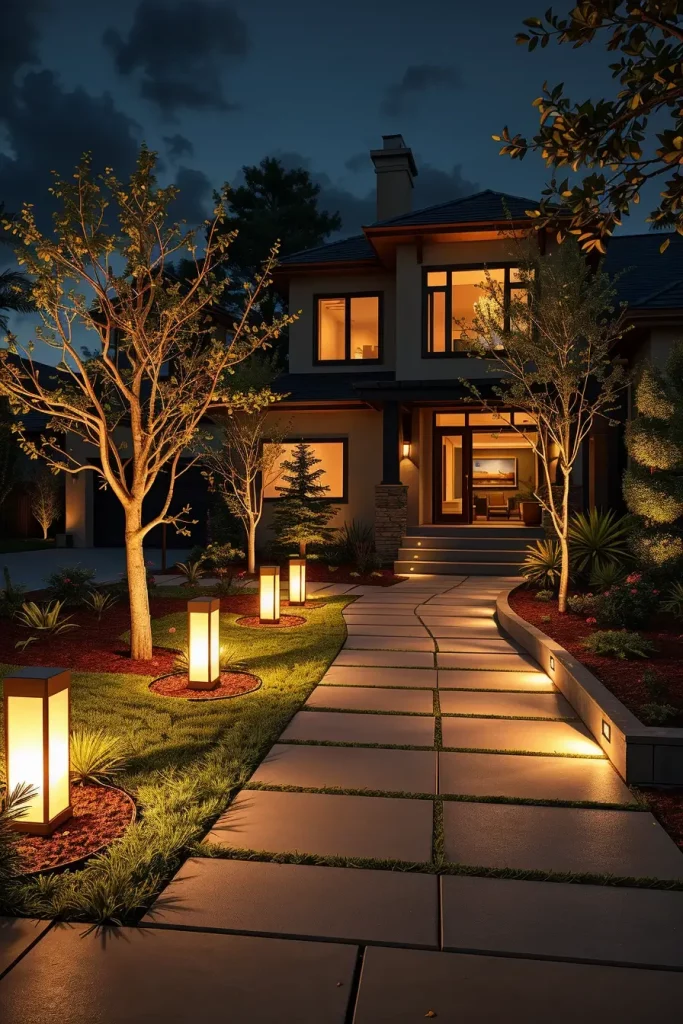
Each lighting element has a purpose. Low bollard lights define walkways safely. Recessed LED strips under steps or benches add a contemporary glow. Uplights positioned at the base of sculptural trees create dramatic silhouettes. Smart lighting systems allow homeowners to adjust brightness and color temperature depending on mood or season.
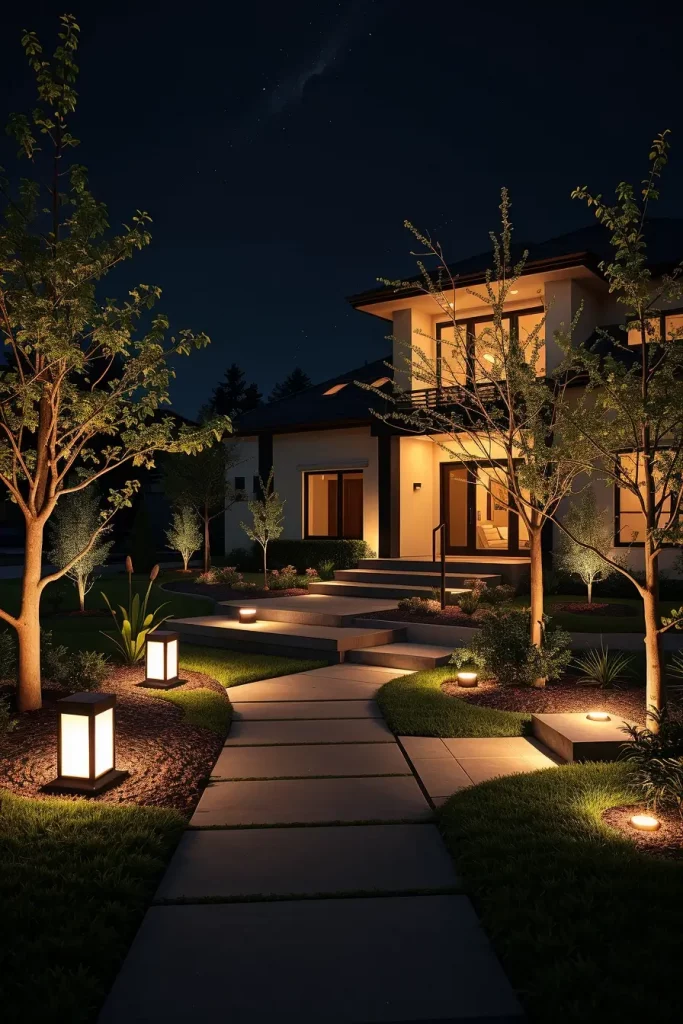
In my opinion, lighting is often underestimated. Architectural Digest regularly notes that exterior lighting can increase perceived property value, and I have seen this firsthand. A well-lit yard feels secure, luxurious, and thoughtfully curated. I always recommend warm white tones for a welcoming atmosphere.
What I would add to this section is automation integration. Timers, motion sensors, and app-controlled systems enhance convenience and energy efficiency while maintaining a seamless look.
Modern Front Yard 2026 For Small Houses And Townhomes
Limited space does not mean limited creativity. For small houses and townhomes, I design vertically oriented layouts that maximize every square meter. Narrow planting strips, wall-mounted planters, and sleek built-in benches create functionality without clutter. Clean lines and restrained color palettes are essential in compact spaces.
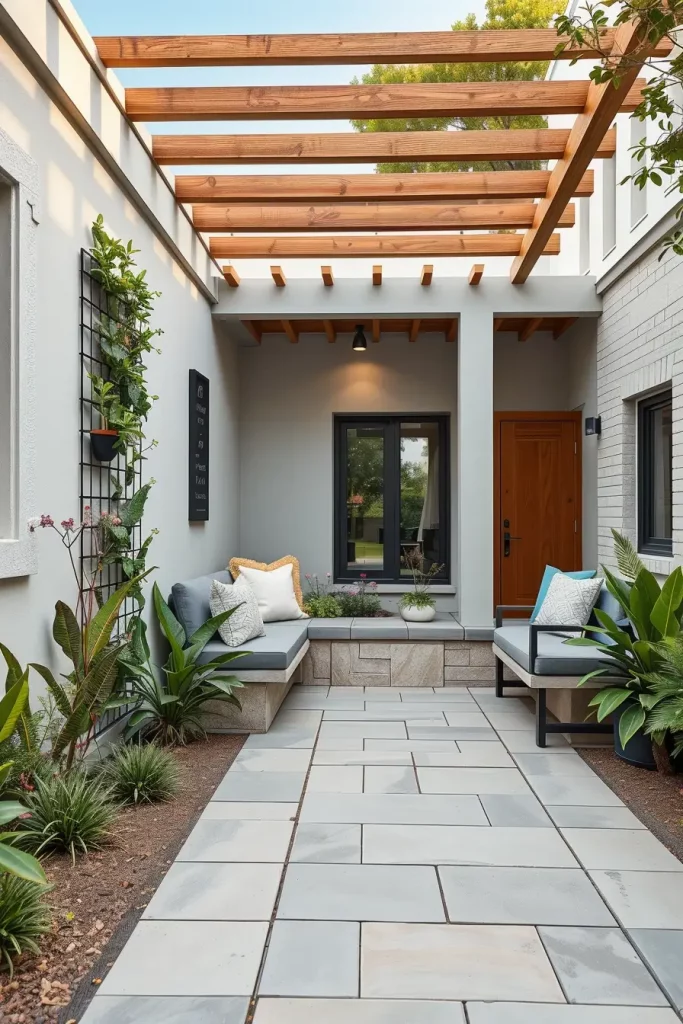
I often incorporate slim pergolas, vertical gardens, or tall ornamental grasses to create privacy without blocking light. Integrated mailboxes, concealed storage for packages, and compact seating zones ensure that the yard remains practical. Large-format pavers visually expand the area by reducing grout lines and visual fragmentation.
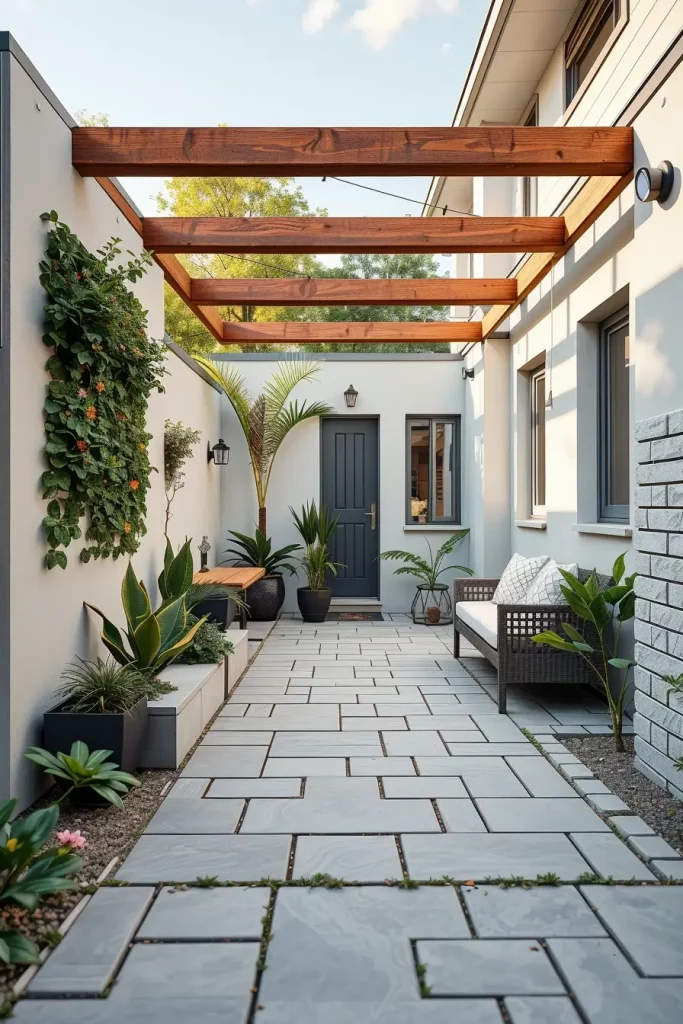
In my professional practice, I have found that small front yards benefit most from intentional design. When each element has a purpose, the space feels larger and more cohesive. A modern front yard 2026 approach in compact settings should emphasize clarity, proportion, and thoughtful layering.
What should be added here is a careful study of sightlines from both inside the house and the street. I always evaluate how the yard is perceived from windows and entry points to create harmony between interior and exterior.
Bold Symmetry Versus Asymmetrical Artistic Layouts
In the modern front yard 2026, layout composition plays a decisive role in shaping perception. I often begin by deciding whether the property calls for strong symmetry or a more artistic, asymmetrical arrangement. Symmetrical layouts work beautifully with contemporary facades that emphasize balance, clean lines, and centered entrances. In contrast, asymmetrical compositions introduce movement and individuality, especially for homes with dynamic architectural forms. In both cases, I focus on proportion, rhythm, and spatial clarity to ensure the design feels intentional rather than accidental.
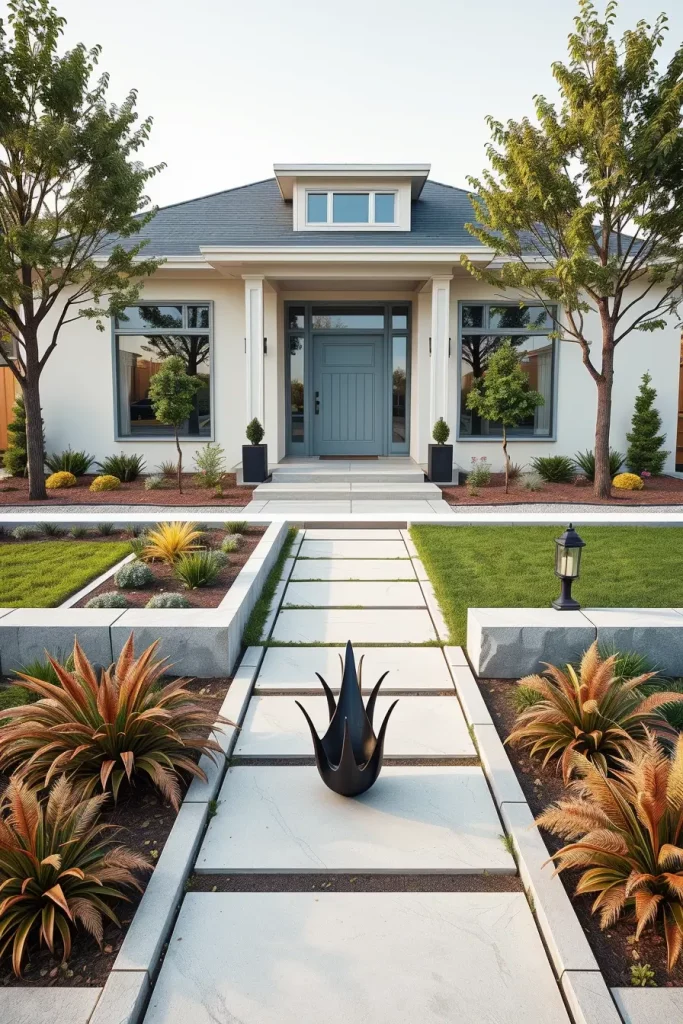
When I design symmetrical front yards, I use mirrored planting beds, paired trees, identical light fixtures, and evenly spaced pavers to reinforce order. For asymmetrical layouts, I rely on layered plant heights, offset pathways, sculptural focal points, and varied textures to create visual interest. Materials such as smooth concrete, dark metal edging, and natural stone help unify the space regardless of the layout style. I always pay attention to how pathways guide movement toward the entrance.
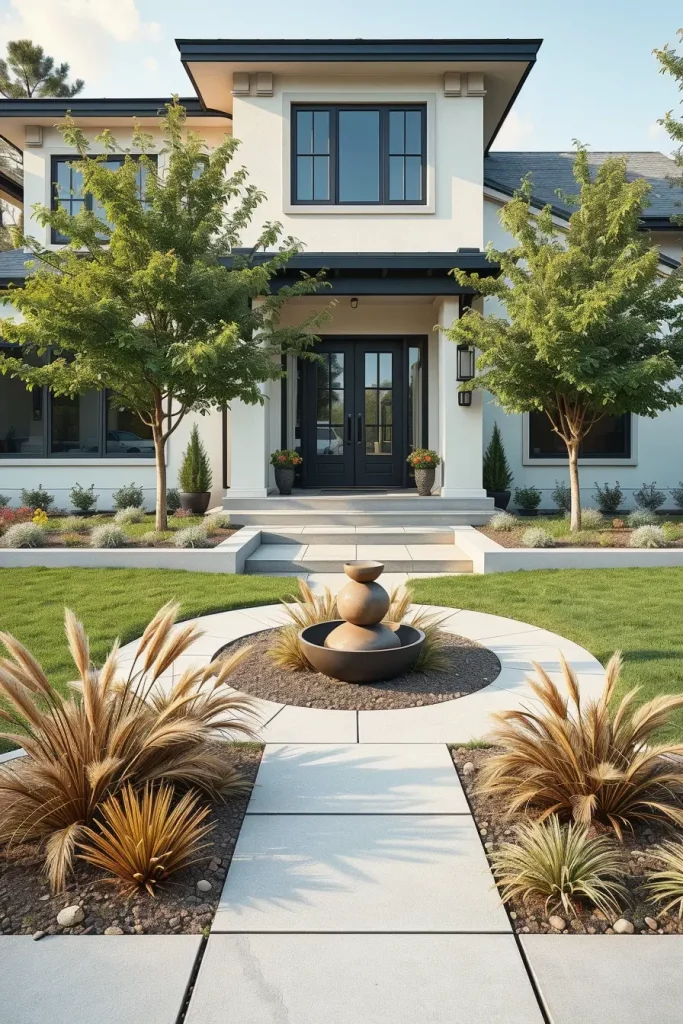
Personally, I appreciate the flexibility of asymmetry, especially when aiming for a creative and unique front yard. However, symmetry often communicates timeless elegance and structure. As frequently noted in landscape features by Architectural Digest, balance does not always mean mirroring; it can also be achieved through visual weight. I apply this principle carefully to avoid overwhelming the space.
What should be added here is a detailed site analysis before selecting a layout approach. I always evaluate the home’s facade lines, window placement, and driveway orientation to determine which composition will feel most natural and cohesive.
Seasonal Styling Ideas For A Dynamic Front Yard
A front yard should not feel static throughout the year. In 2026, I see more homeowners treating their front landscape as a living canvas that evolves with the seasons. In the modern front yard 2026, I incorporate plant selections, decorative elements, and lighting adjustments that respond to seasonal changes without requiring a full redesign. This approach keeps the exterior feeling fresh and engaging.
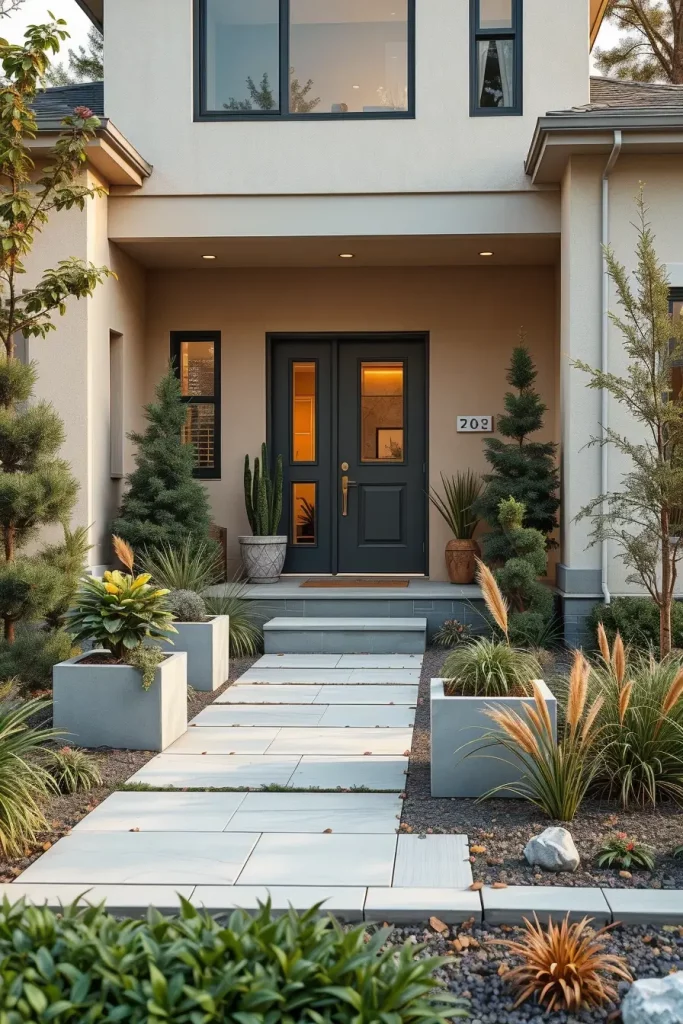
I rely on layered planting schemes with evergreen structure as the foundation, complemented by seasonal flowering plants or ornamental grasses. Interchangeable planters near the entrance allow for subtle decorative updates. In autumn, I may introduce sculptural pumpkins and warm-toned foliage; in spring, structured floral arrangements in minimalist containers. Outdoor textiles, such as weather-resistant cushions, can also shift in tone to reflect the season while maintaining a cohesive palette.
From my experience, seasonal updates maintain emotional connection to the home. Better Homes and Gardens often emphasizes adaptable landscaping for year-round appeal, and I agree with this strategy. A stylish and designer front yard does not need dramatic changes; small curated updates can significantly enhance visual interest.
What I would add here is a maintenance calendar. Planning pruning cycles, seasonal fertilization, and lighting adjustments in advance ensures that the yard remains polished throughout the year.
Integrating Architecture And Landscape Into One Composition
One of the most important directions for the modern front yard 2026 is the seamless integration between architecture and landscape. I approach the front yard as an extension of the house rather than a separate decorative zone. The materials, colors, and geometric lines of the facade guide my landscaping decisions. When done correctly, the yard and house feel like one cohesive, designer composition.
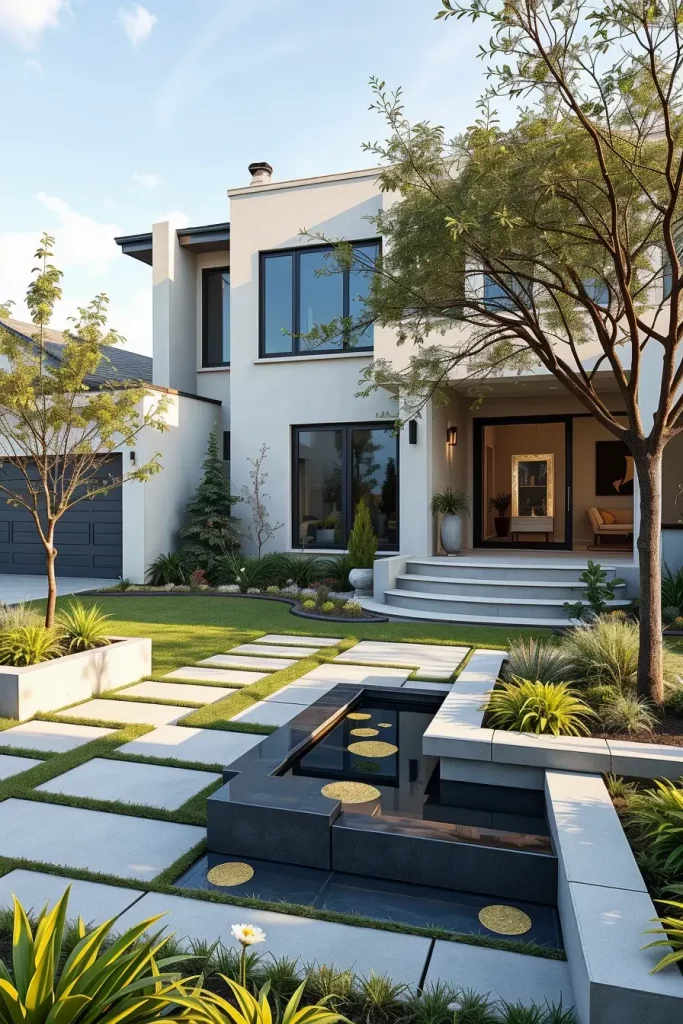
I often echo facade materials in hardscaping elements such as retaining walls, planters, and pathways. For example, if the home features vertical wood slats, I may incorporate similar textures in fencing or privacy screens. If the architecture is defined by horizontal lines, I reinforce them through layered planting beds and elongated paver layouts. Glass railings, minimalist metal details, and subtle water features can further unify the exterior environment.
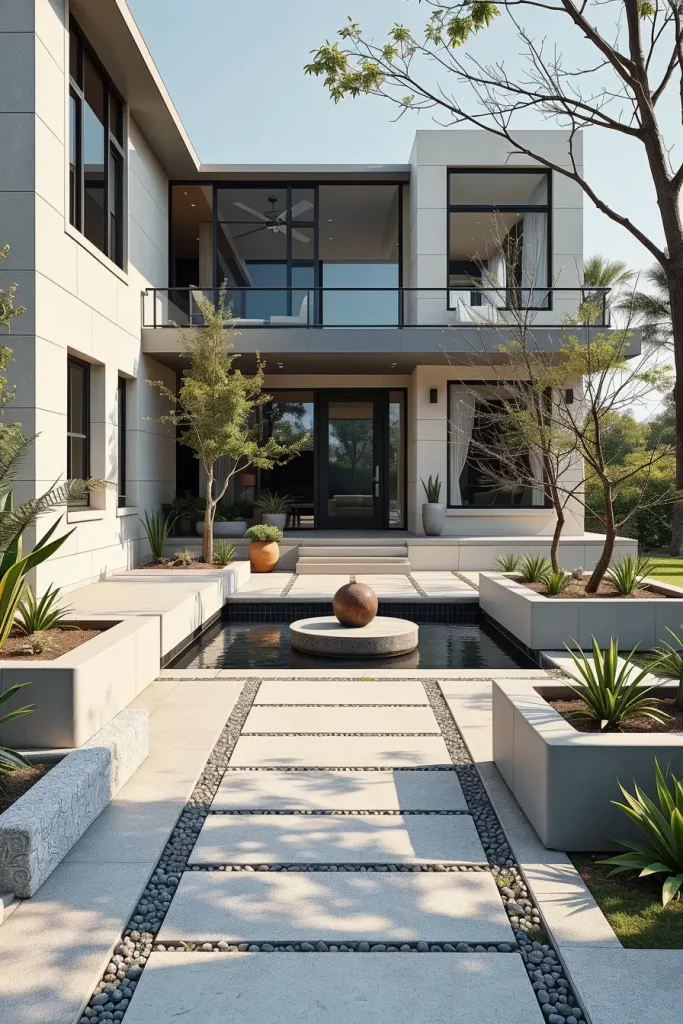
In my professional view, this integration is what distinguishes an ordinary yard from a truly unique and sculptural one. Elle Decor frequently discusses the importance of continuity between indoor and outdoor spaces, and I have seen how this principle elevates overall property value. I always encourage clients to view their front yard as part of a holistic design story.
What should be added here is coordination with architects or builders early in the planning phase. When landscape and architecture are designed simultaneously, the result is significantly more refined.
Budget-Friendly Ways To Achieve A Designer Front Yard Look
Creating a creative and stylish front yard does not necessarily require a large investment. In the modern front yard 2026, I often prioritize strategic upgrades that offer maximum visual impact. Clean edges, fresh gravel, updated lighting, and a well-defined entry pathway can dramatically transform curb appeal without major construction.
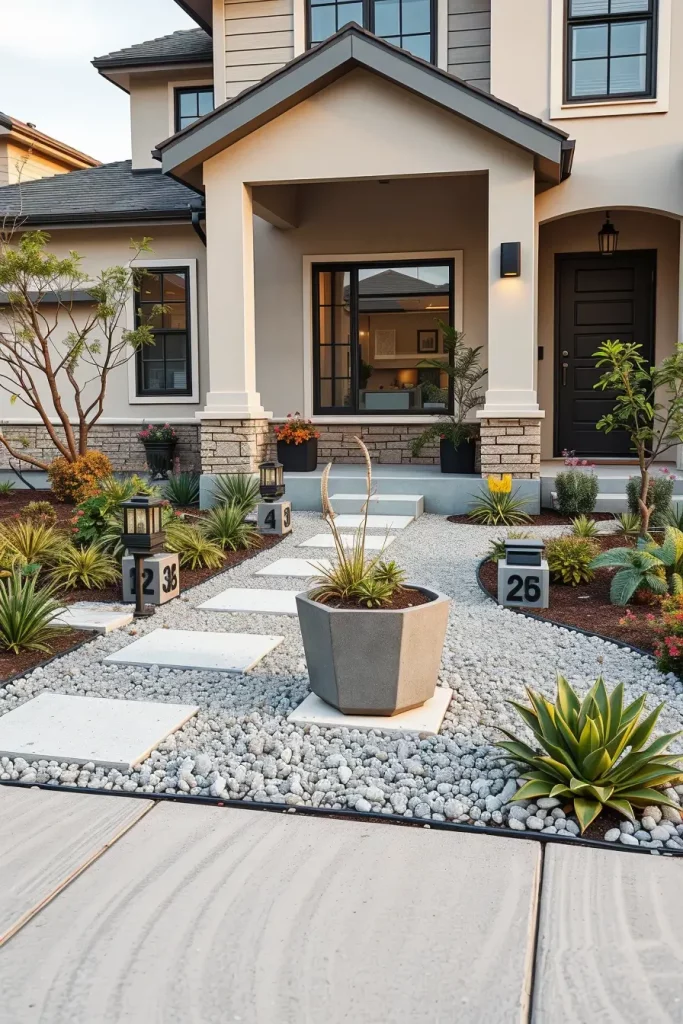
I recommend focusing on one strong focal element, such as a sculptural planter or a modern house number installation. Repainting fences in matte black or deep charcoal instantly modernizes the look. Replacing outdated fixtures with contemporary LED lighting enhances sophistication. Even reorganizing existing plants into clearer geometric arrangements can elevate the space.
From my experience, thoughtful editing is more important than expensive additions. Architectural Digest frequently highlights minimalism as a cost-effective luxury strategy, and I agree wholeheartedly. A designer aesthetic often comes from restraint, proportion, and consistency rather than excessive decor.
What I would add to this section is a phased planning strategy. I always suggest dividing improvements into stages so homeowners can gradually build toward a cohesive result without financial strain.
The Future Of Modern Front Yard 2026: Where Art Meets Function
Looking ahead, the modern front yard 2026 is evolving into a multifunctional outdoor space that merges practicality with bold expression. I see increasing demand for smart irrigation systems, sustainable materials, and integrated technology, all while maintaining a highly artistic and unusual identity. The front yard is no longer just a visual introduction; it is an experience.
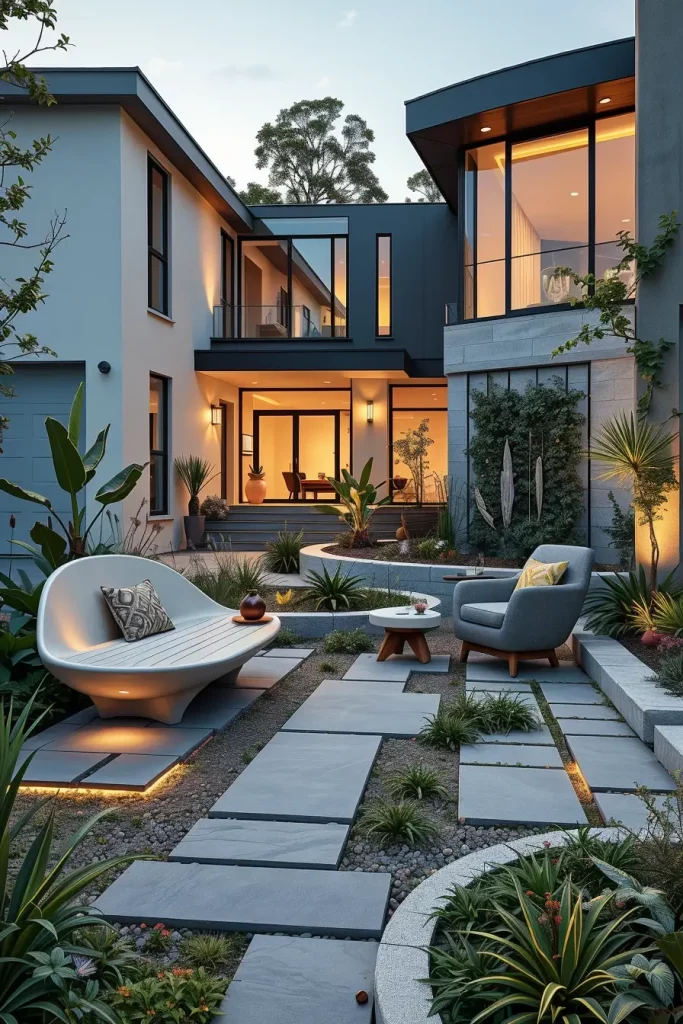
I integrate smart lighting, automated watering systems, and eco-friendly materials such as permeable pavers and recycled composites. Sculptural benches double as storage, and minimalist water features provide both ambiance and cooling effects. Green walls and native plantings support biodiversity while preserving modern aesthetics.
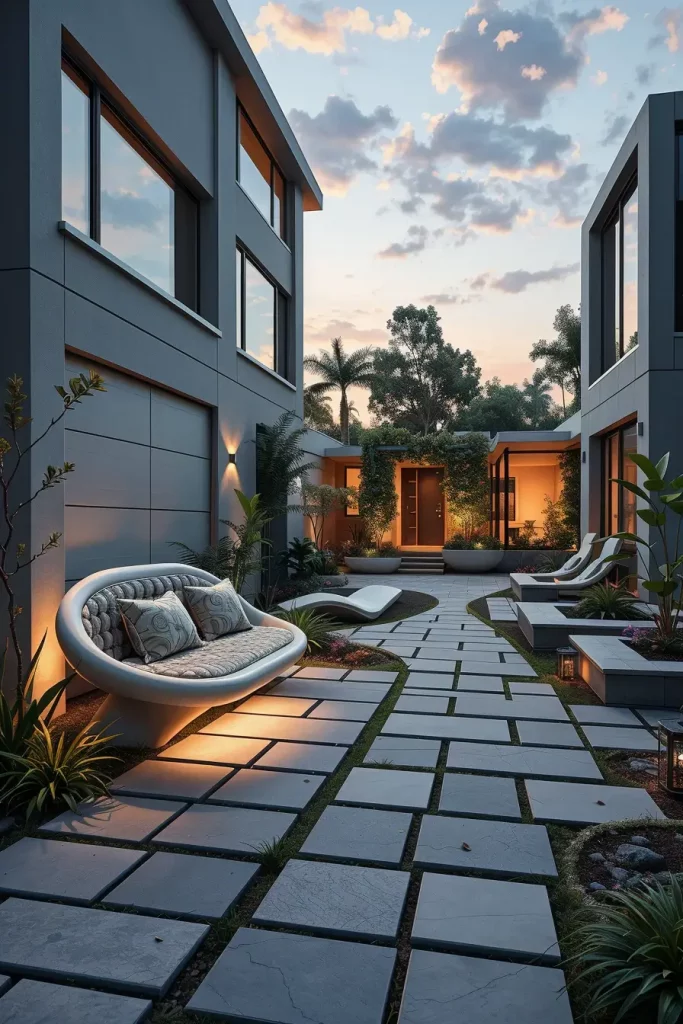
In my opinion, the future belongs to landscapes that are both beautiful and responsible. As emphasized in numerous design publications, sustainability and innovation are central to contemporary exterior design. I believe the most successful front yards will balance emotional impact with environmental awareness.
What should be added here is ongoing evaluation. Technology and materials evolve quickly, so I recommend reviewing systems and plant health annually to keep the yard current and efficient.
The modern front yard 2026 proves that exterior design is no longer secondary — it is a powerful form of self-expression and architectural storytelling. By combining sculptural elements, creative landscaping, innovative materials, and smart sustainable solutions, today’s front yards become dynamic spaces that elevate curb appeal and enhance everyday living.
Whether bold and artistic or clean and minimalist, a thoughtfully designed modern front yard transforms the first impression of your home into something unforgettable. In 2026, the future of outdoor design is clear: creativity, functionality, and individuality come together to turn ordinary entrances into inspiring works of art.